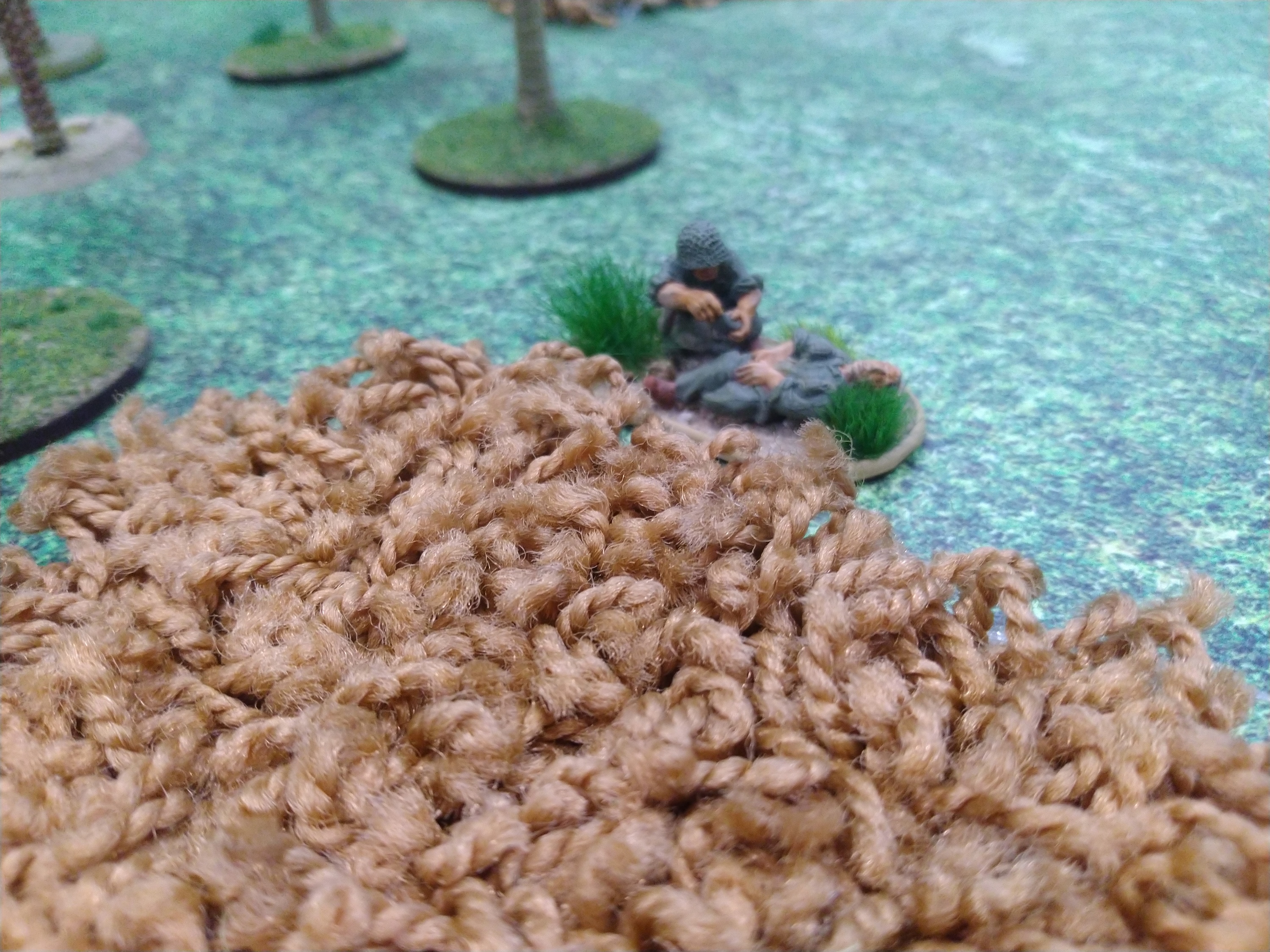
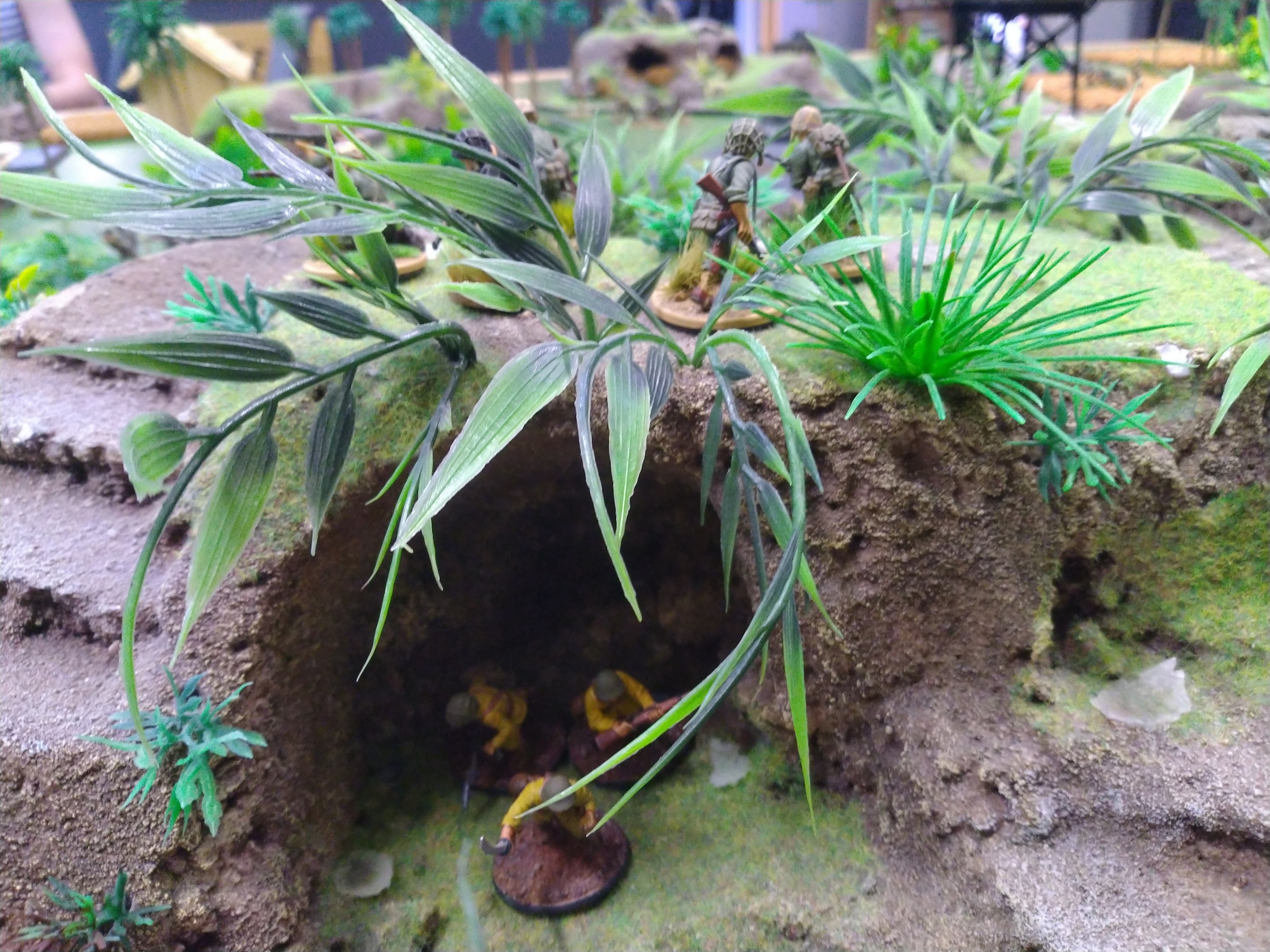
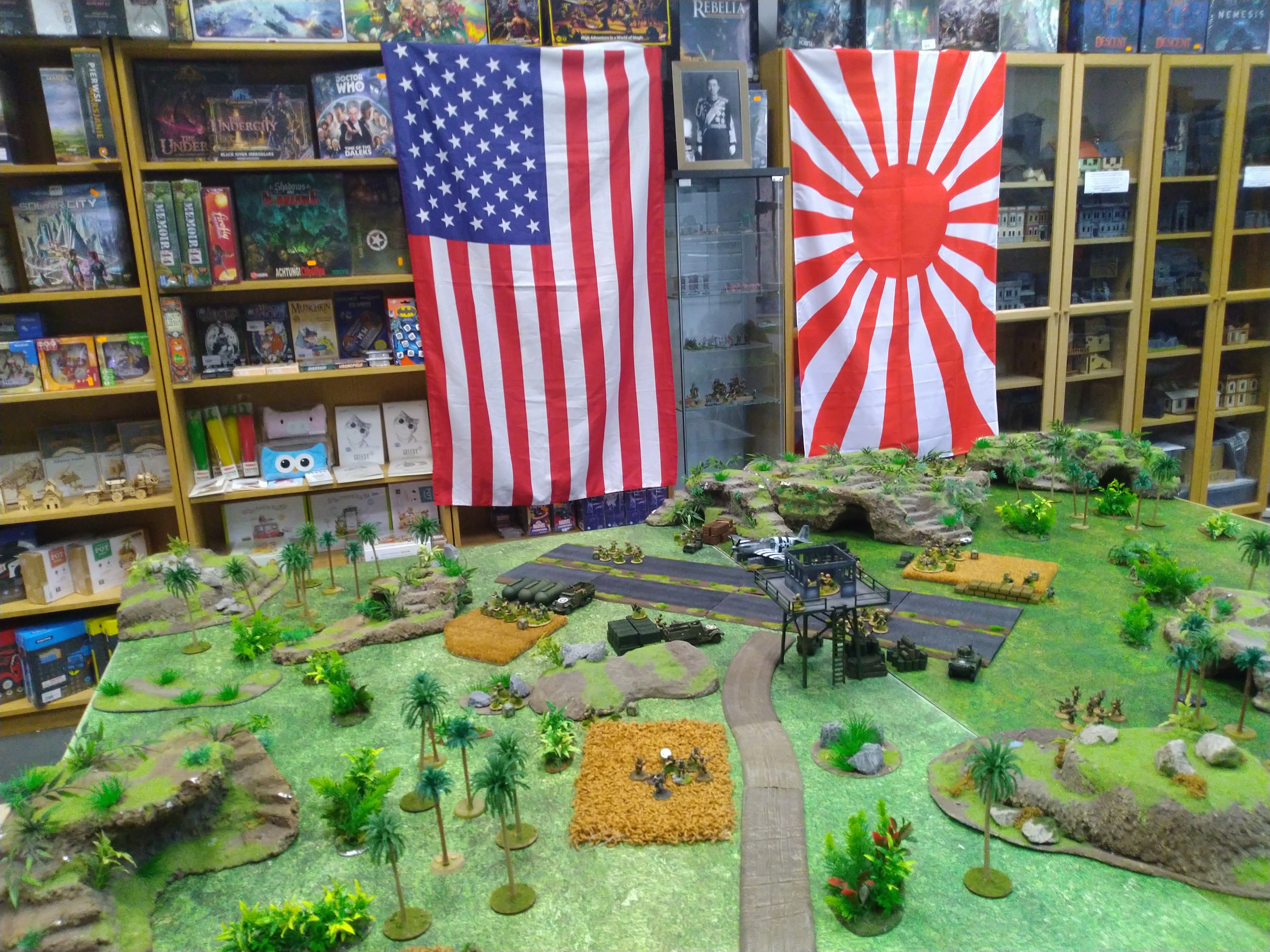
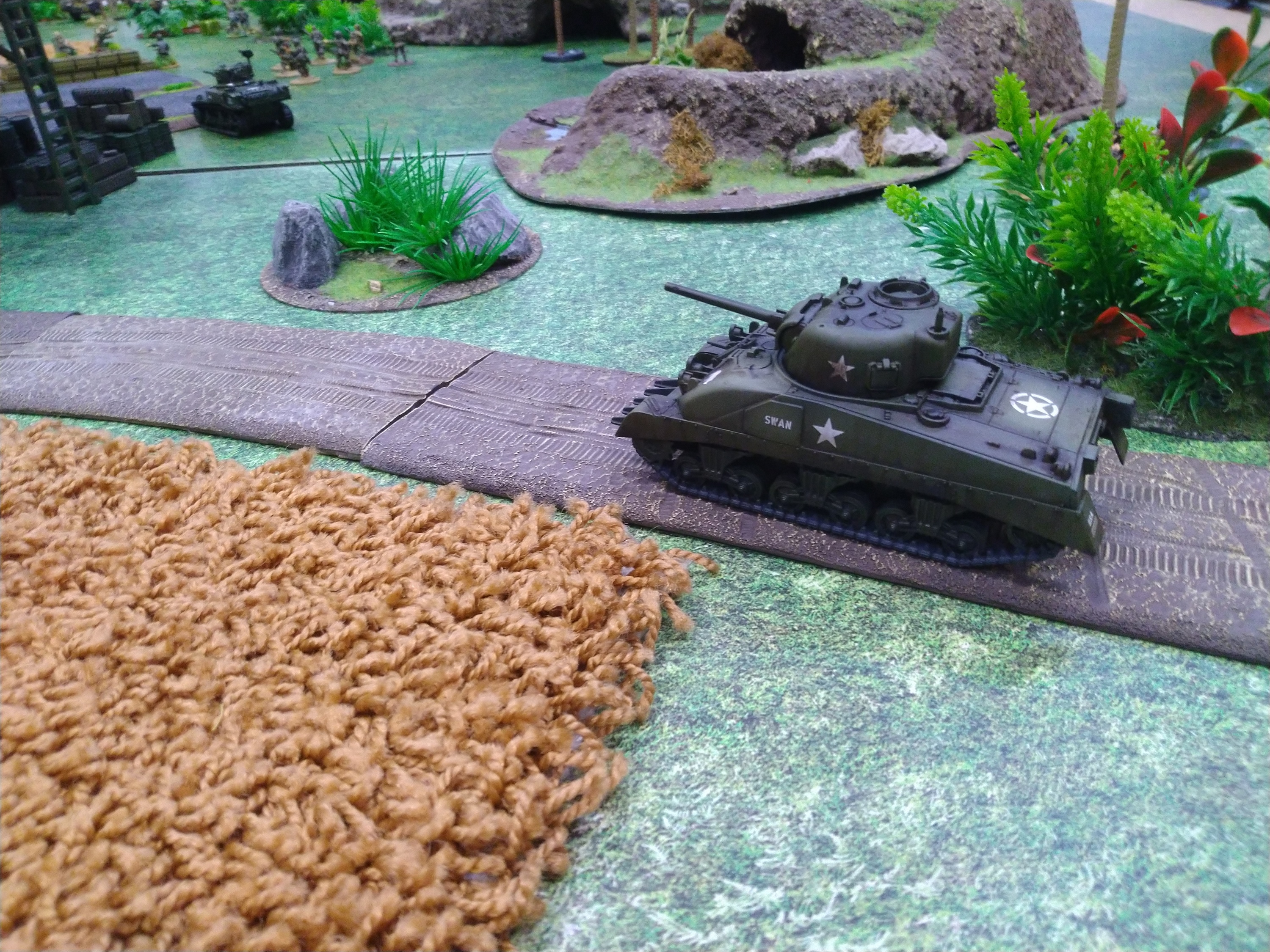
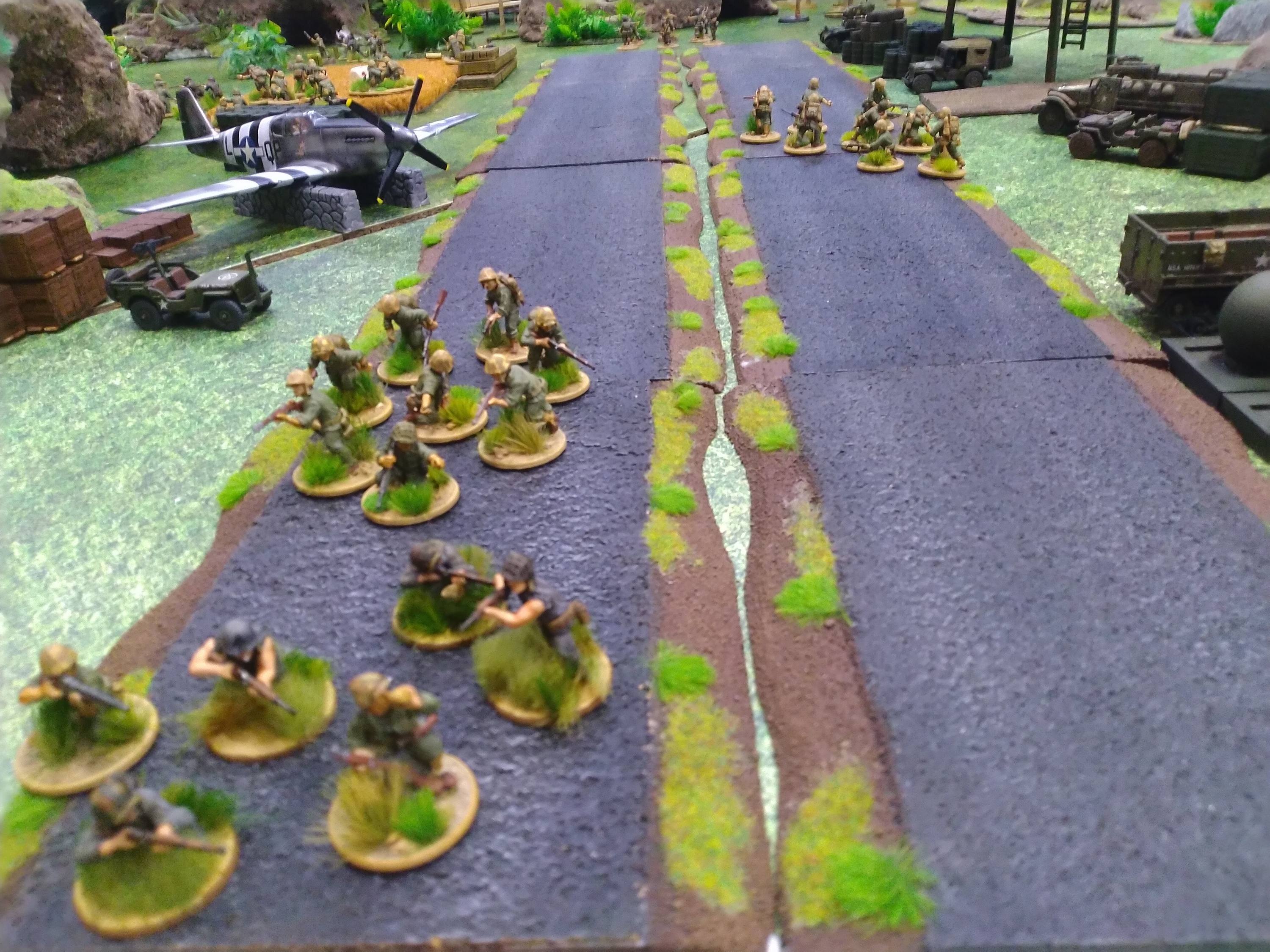
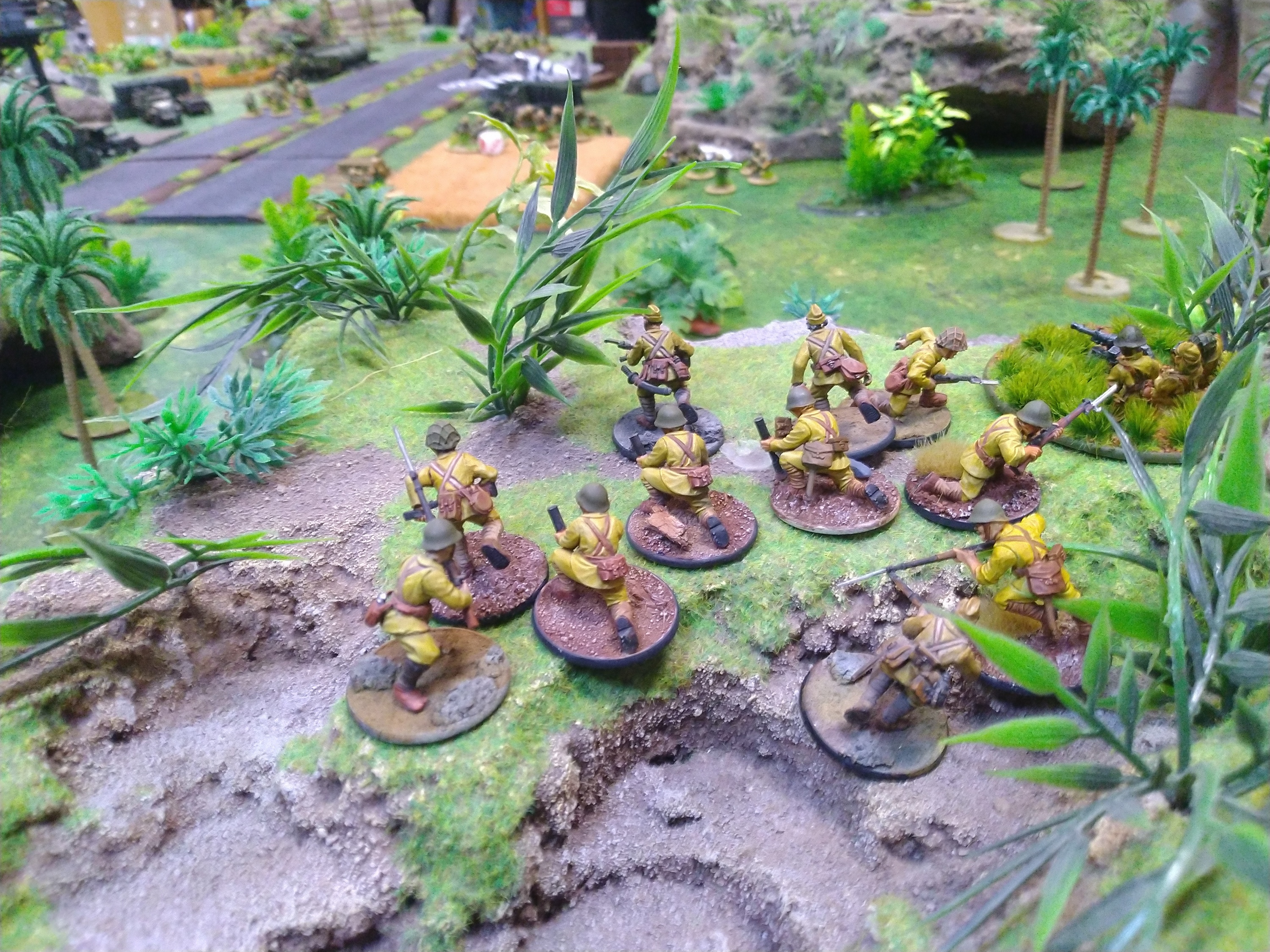
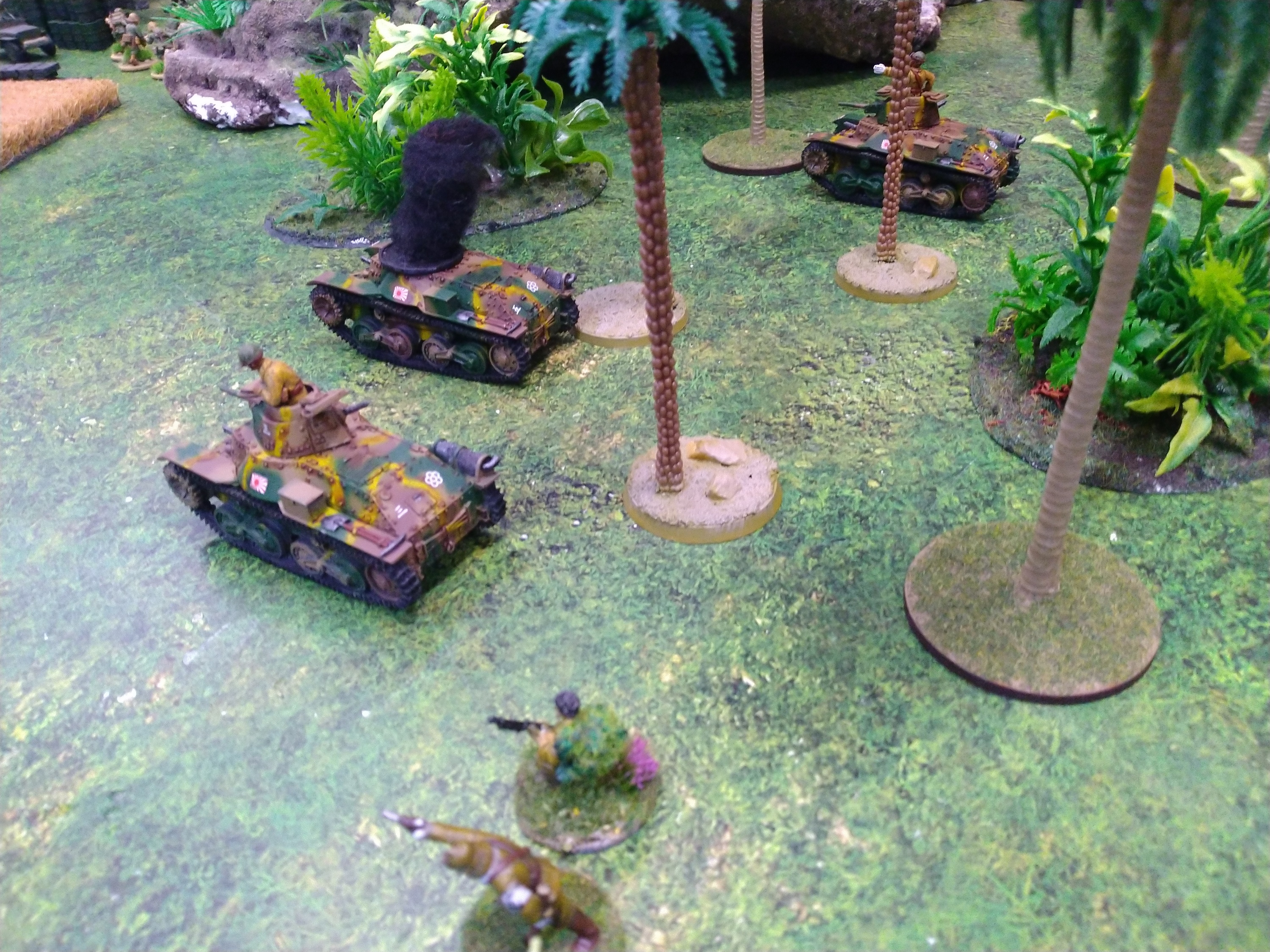
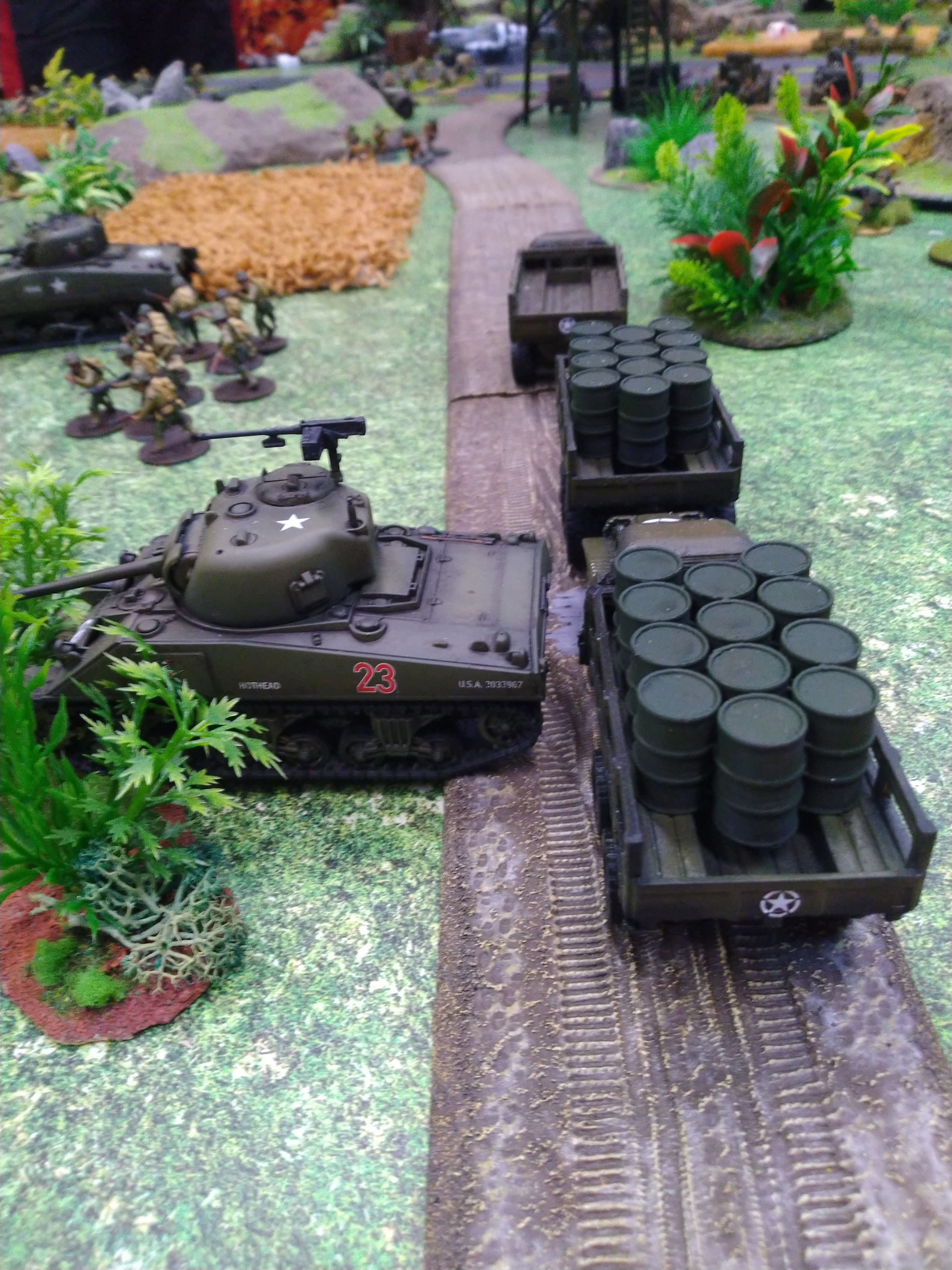
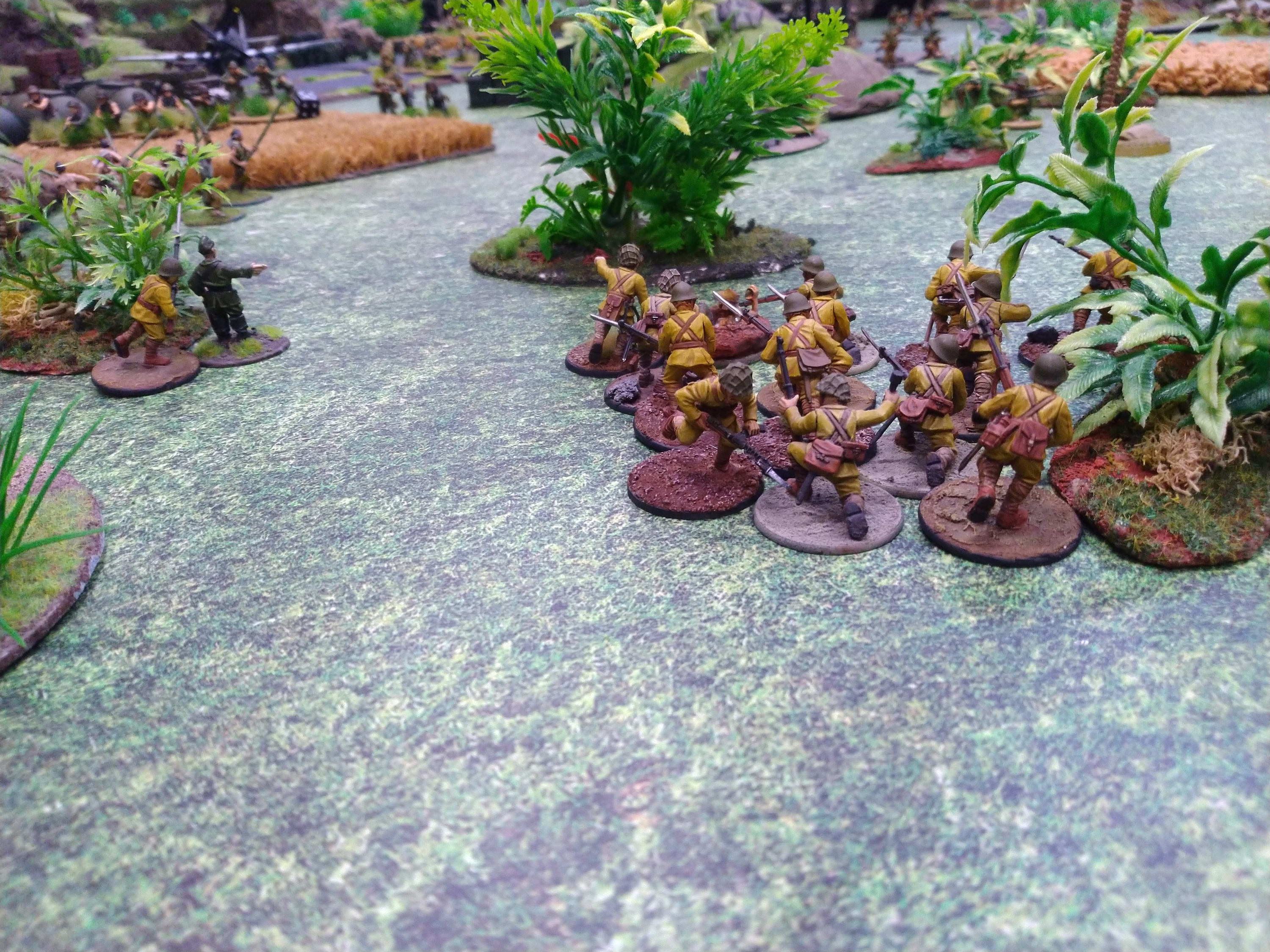
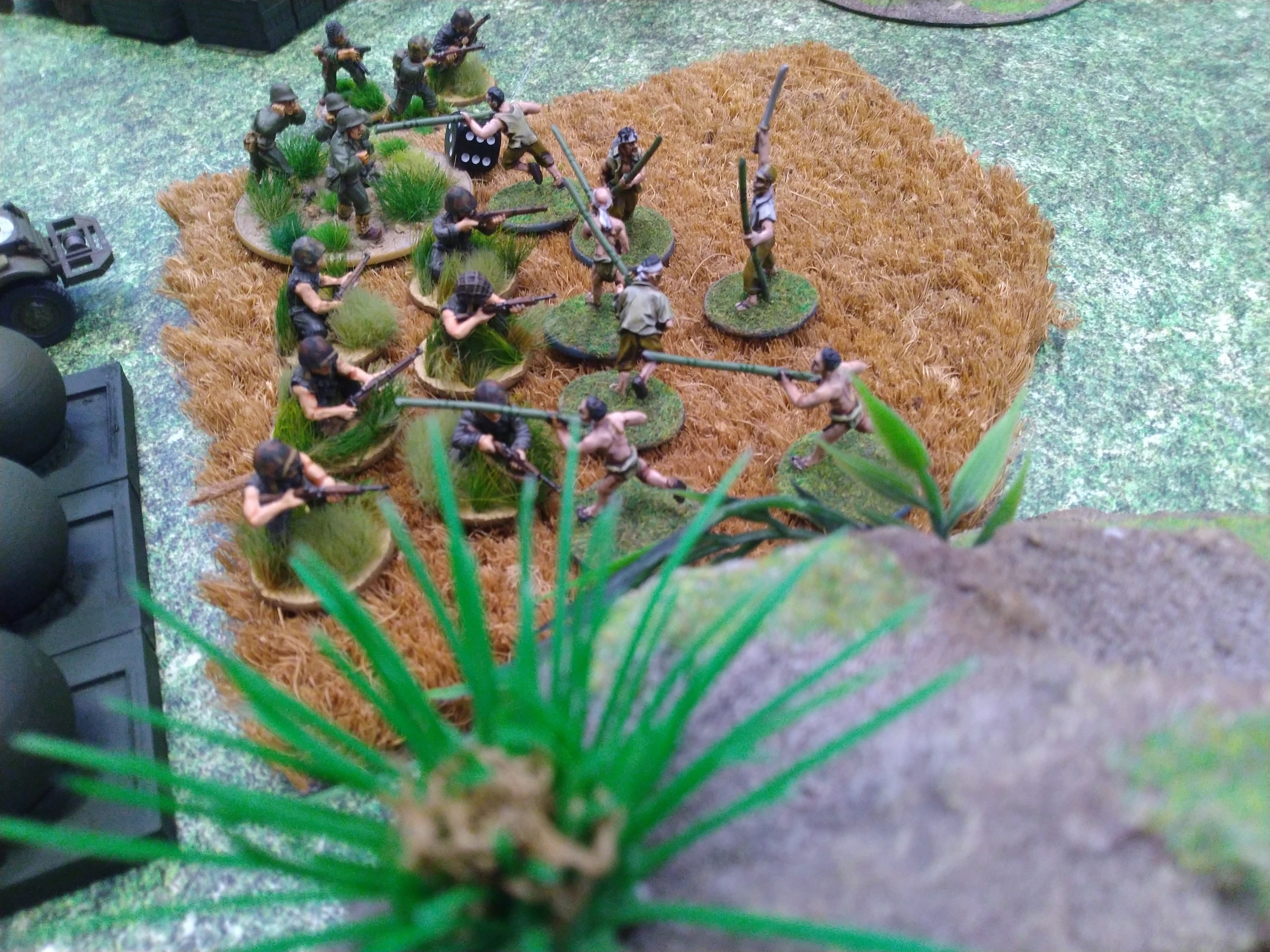
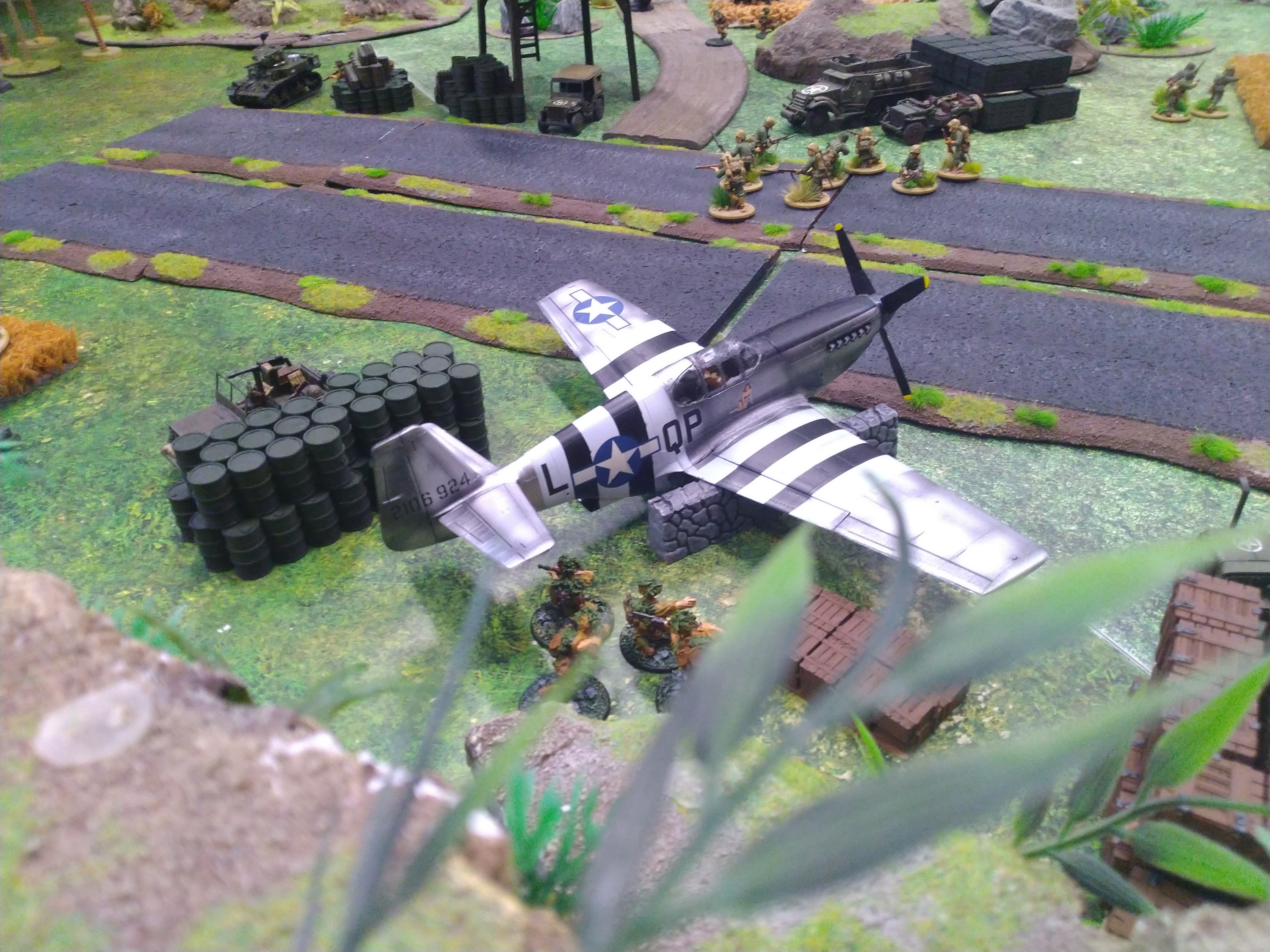
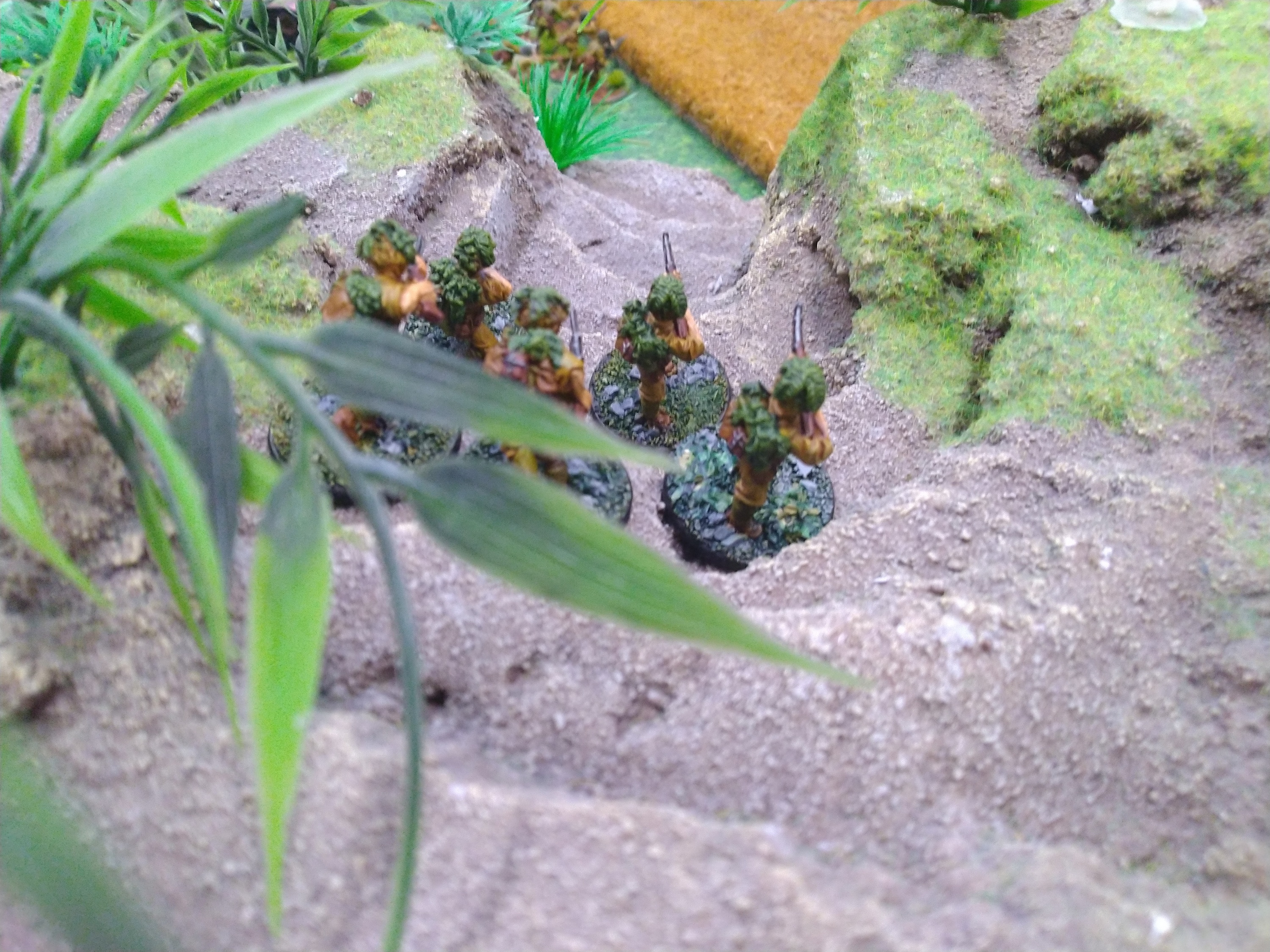
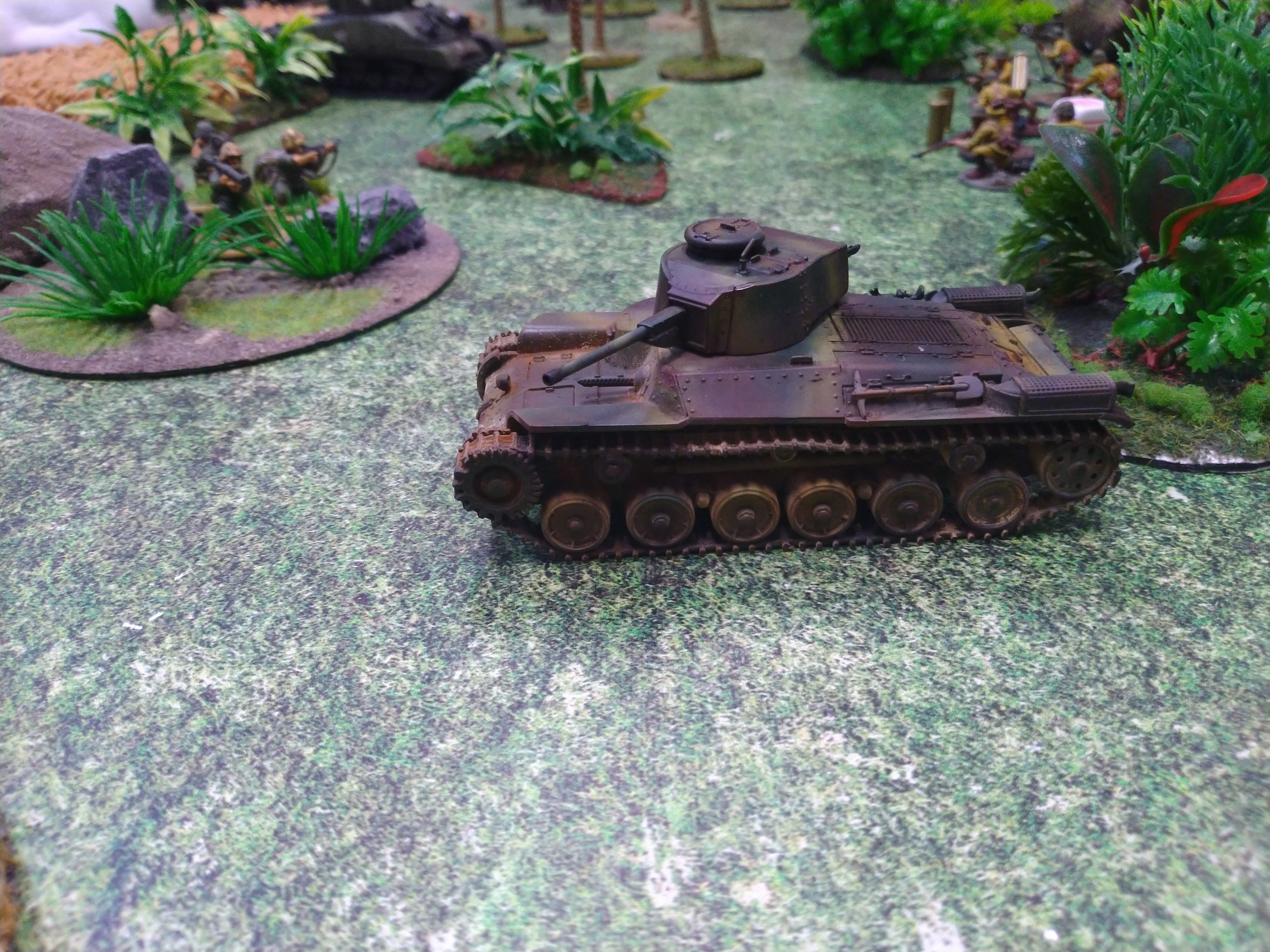
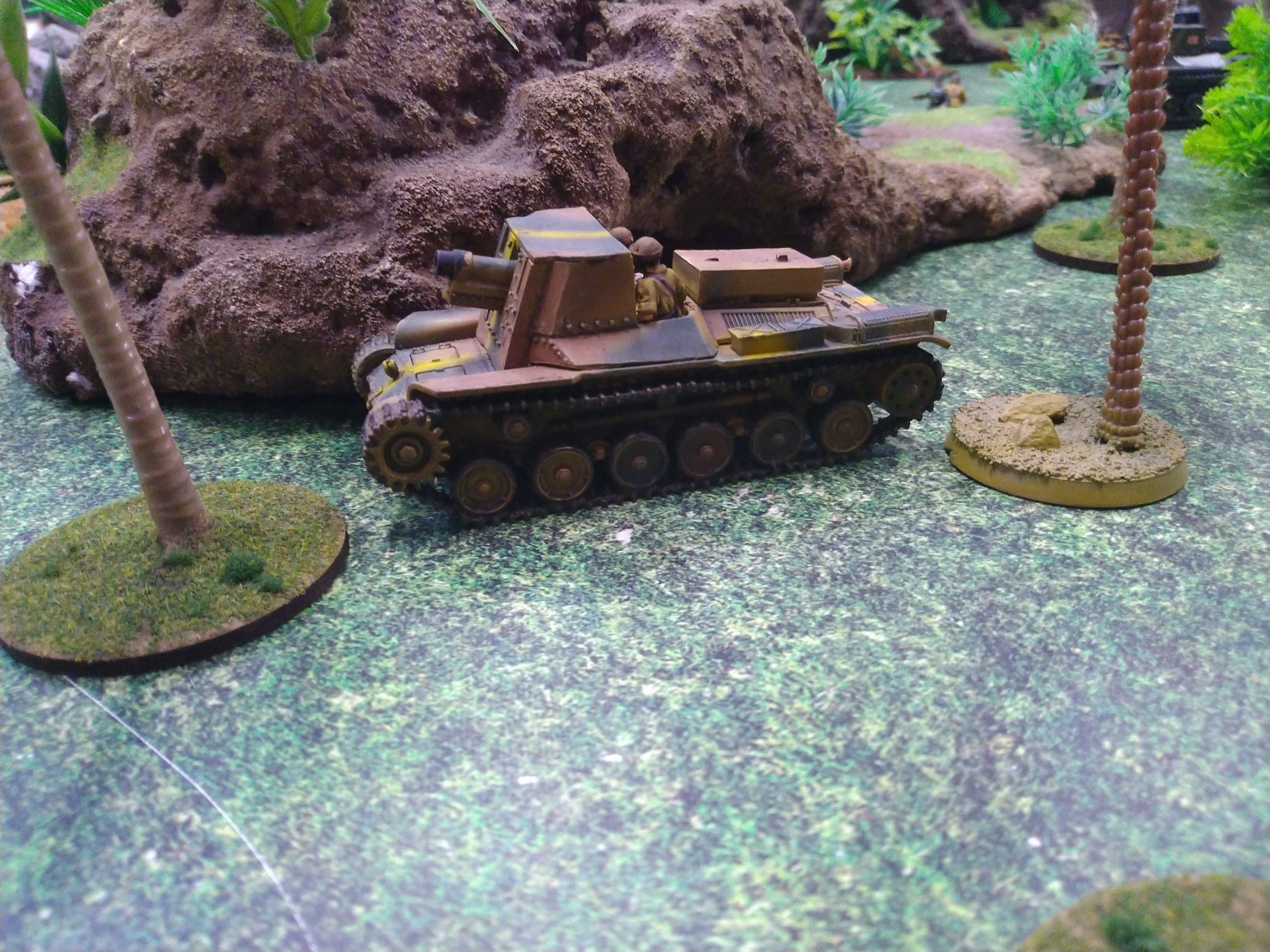
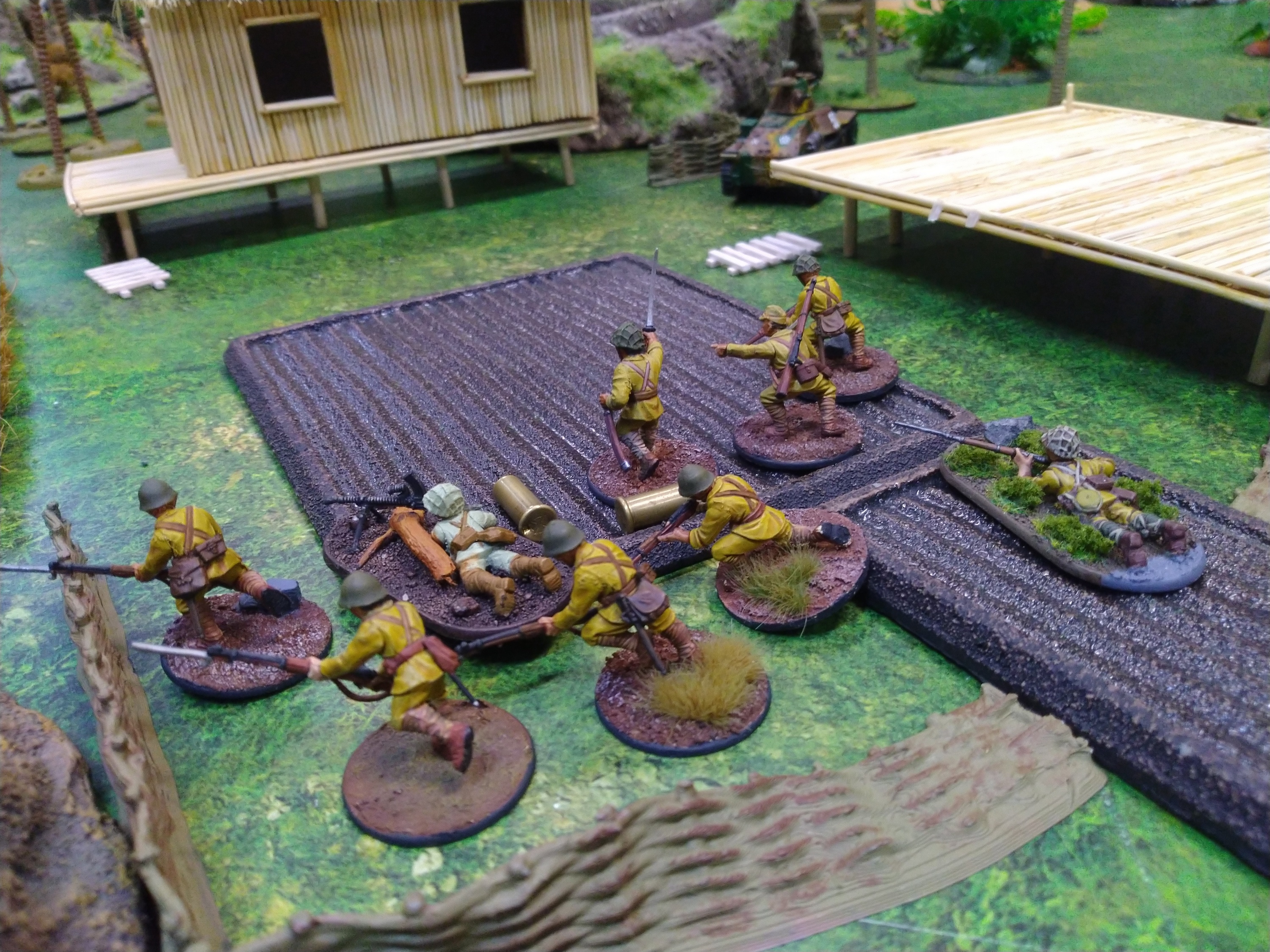
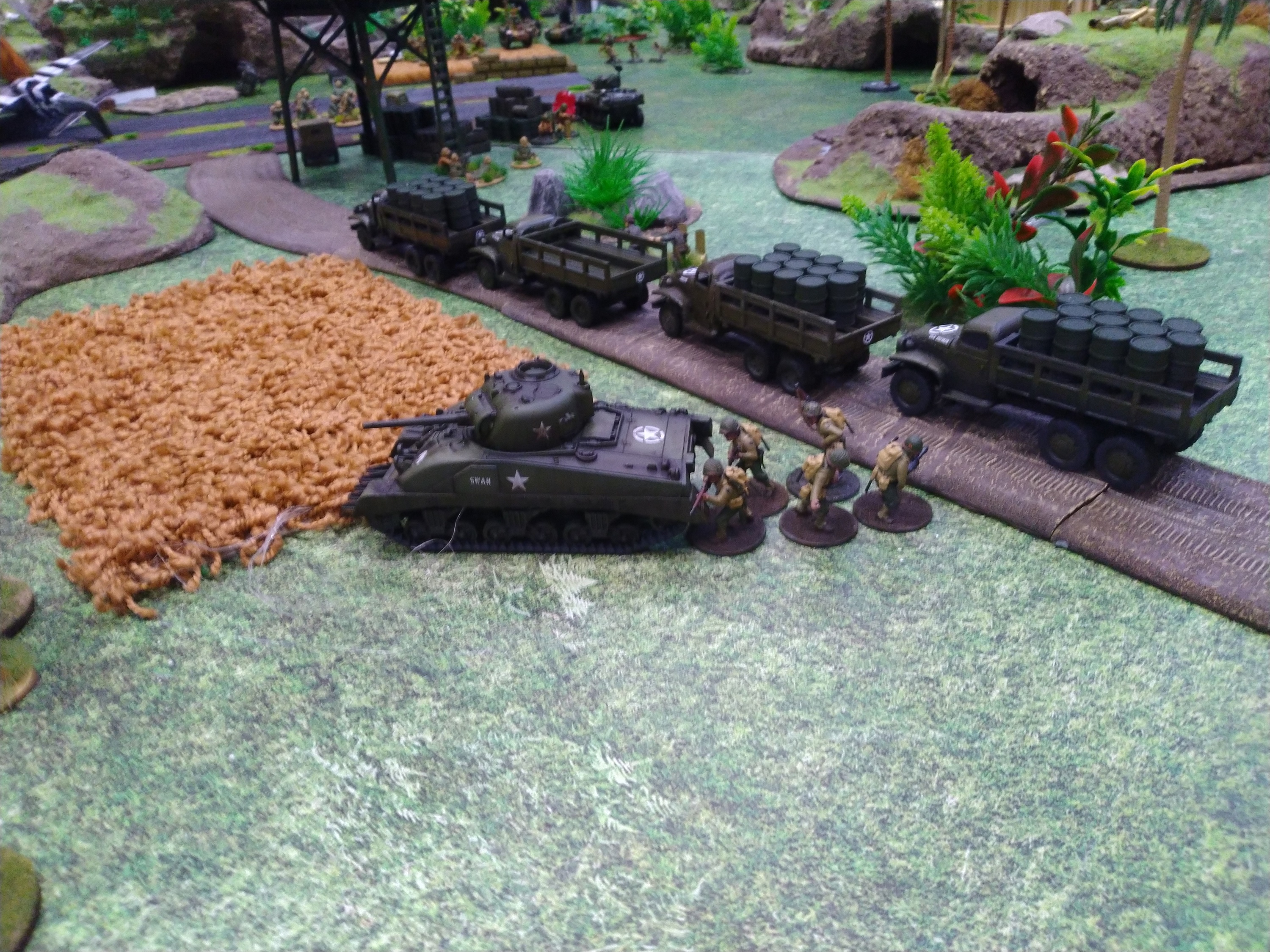
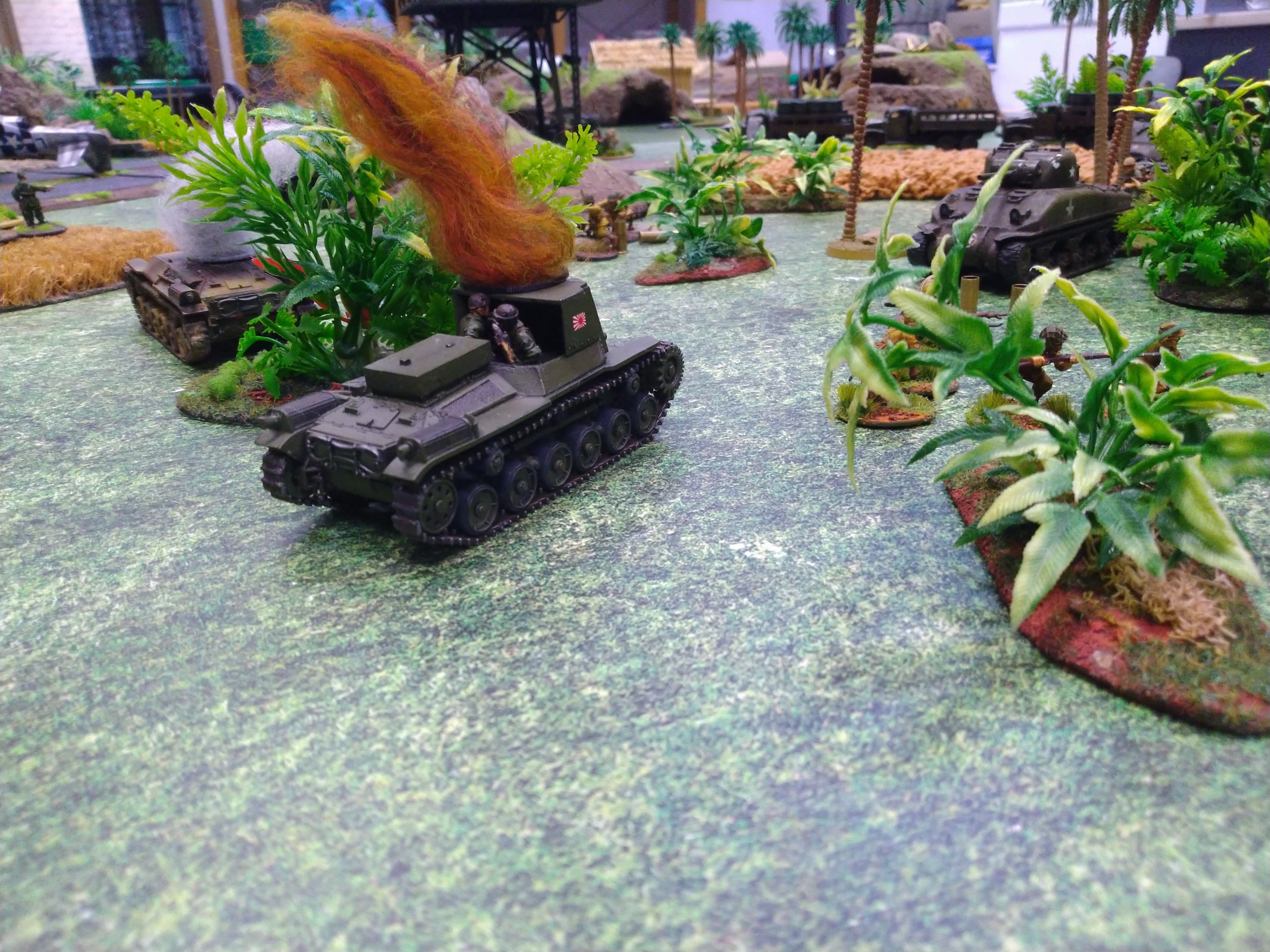
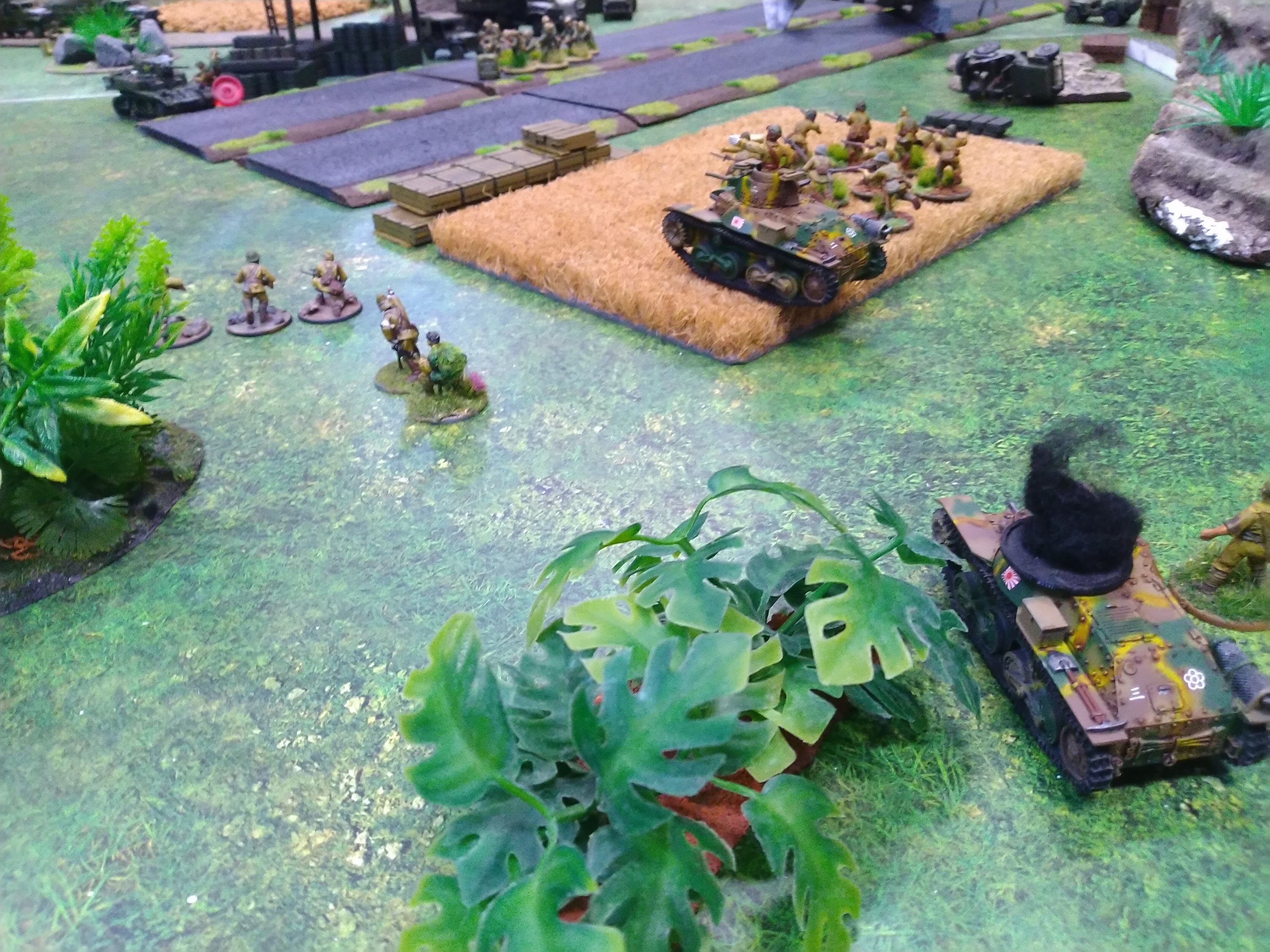
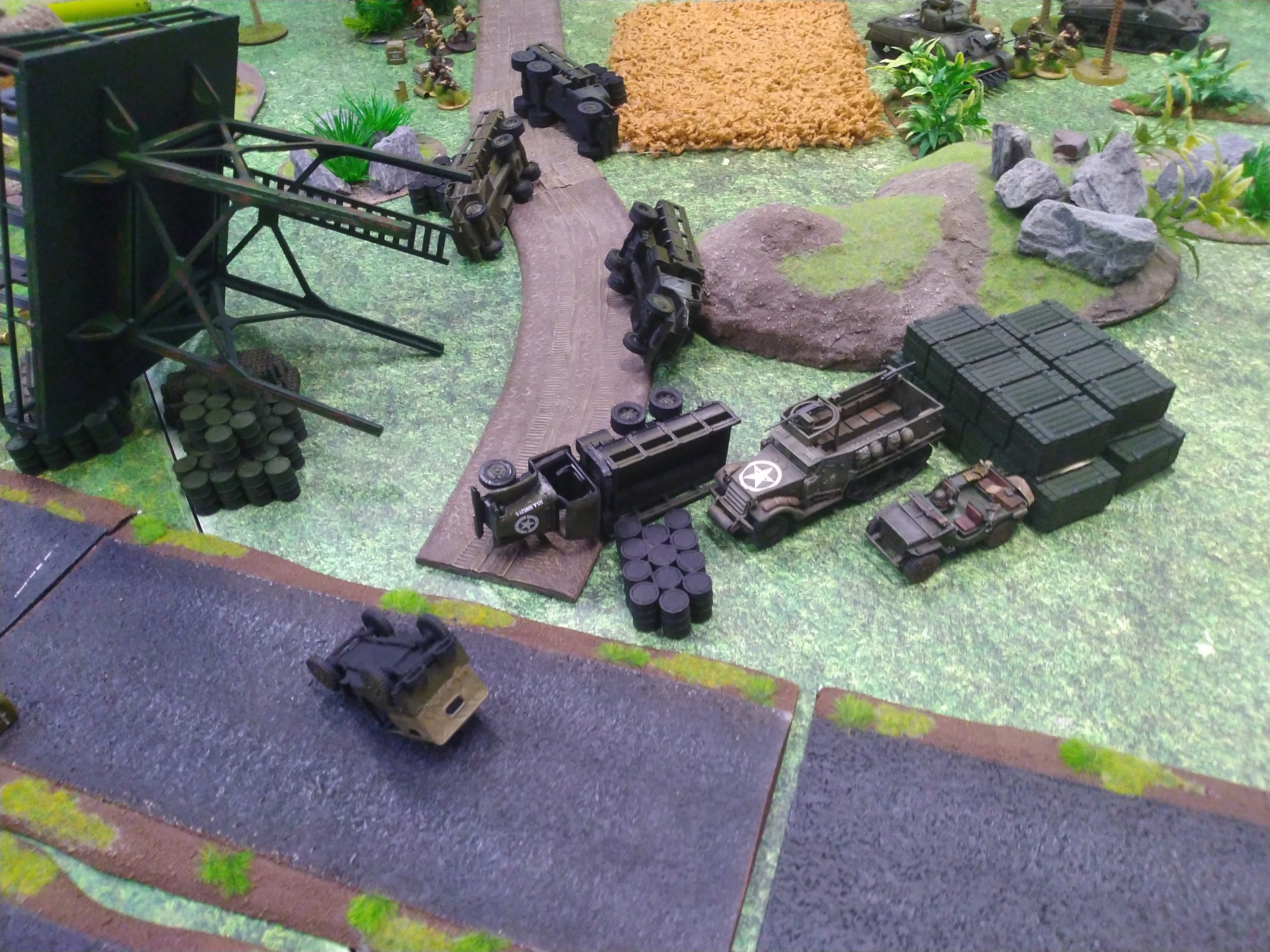
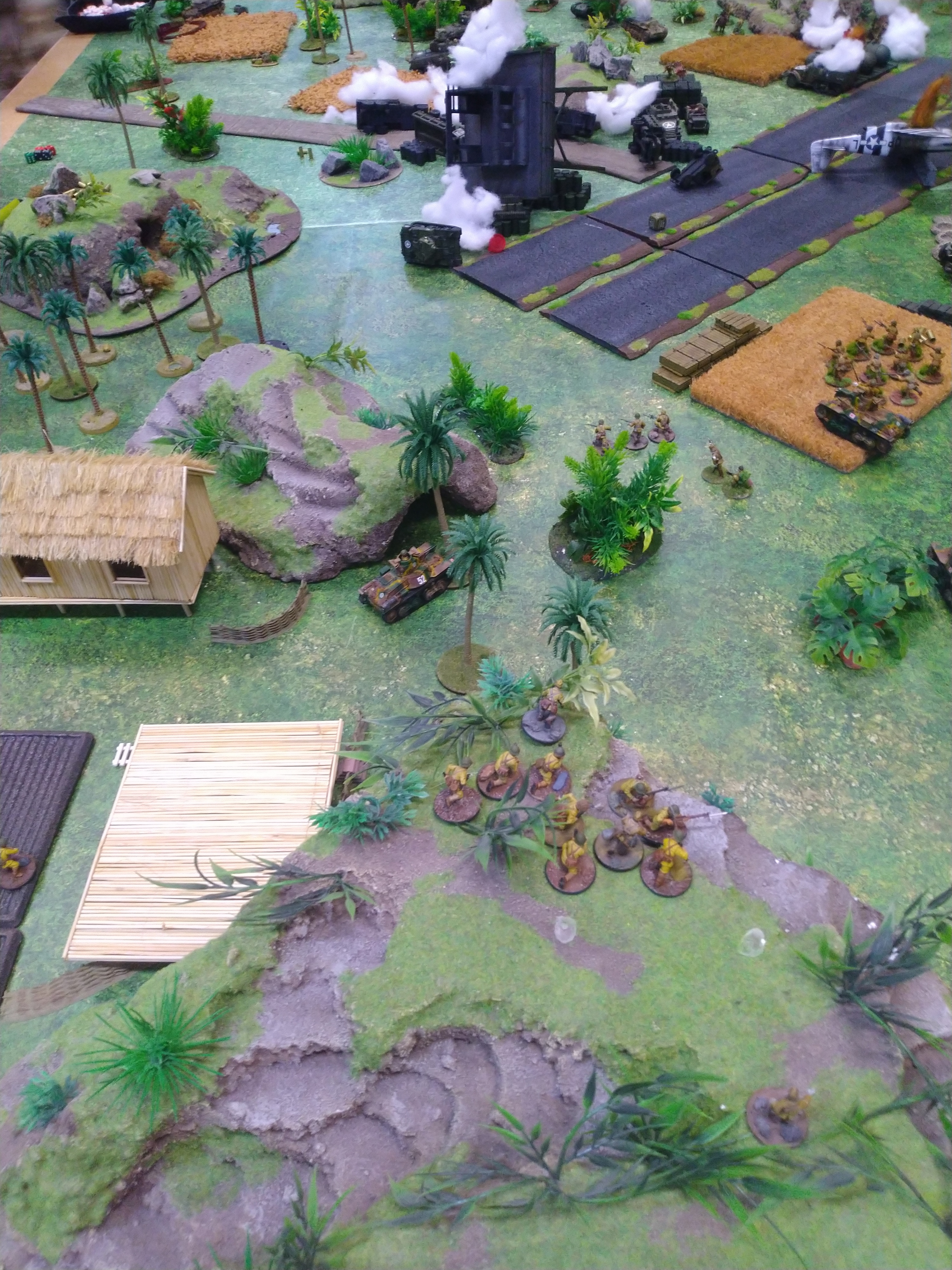
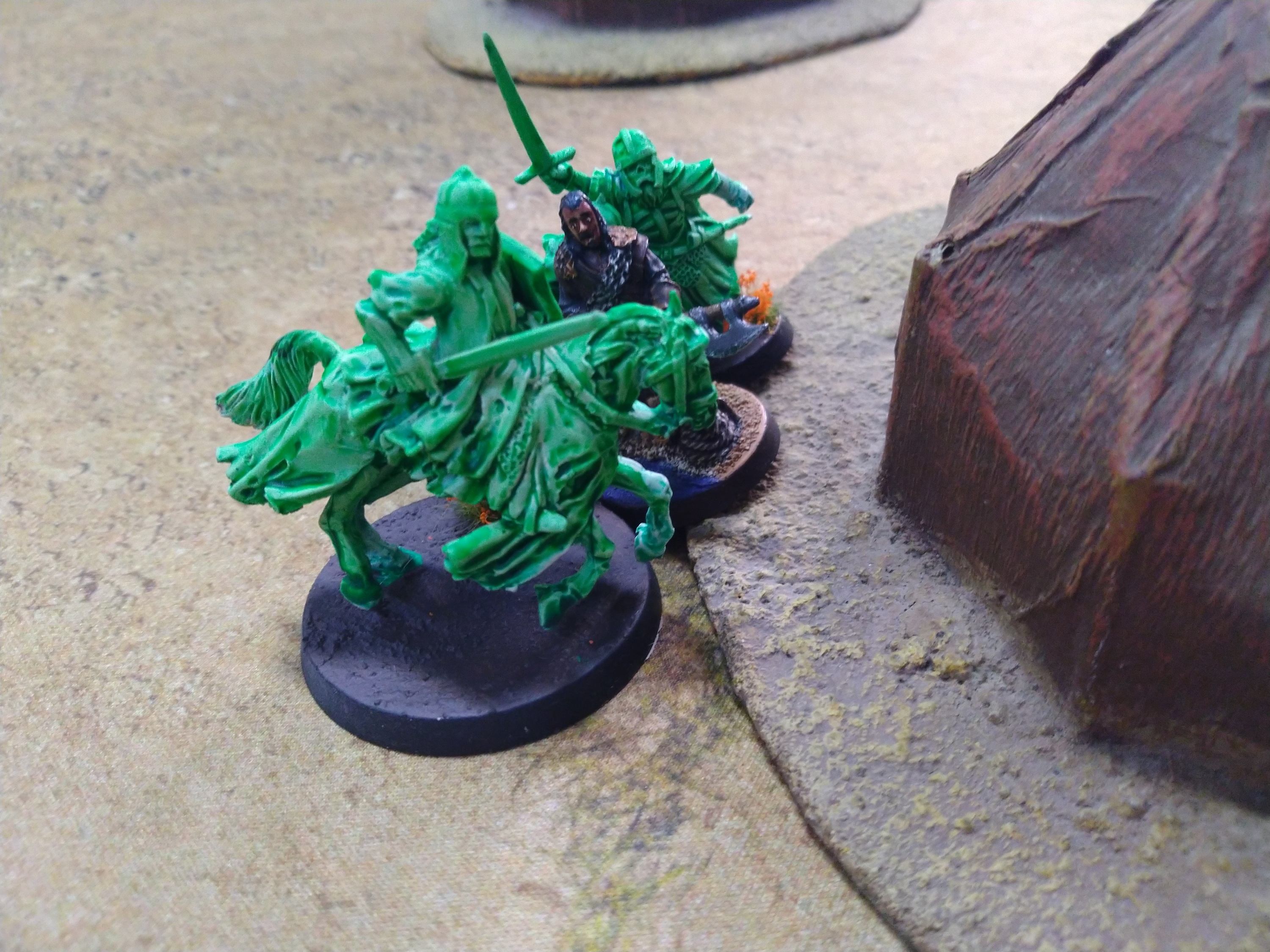
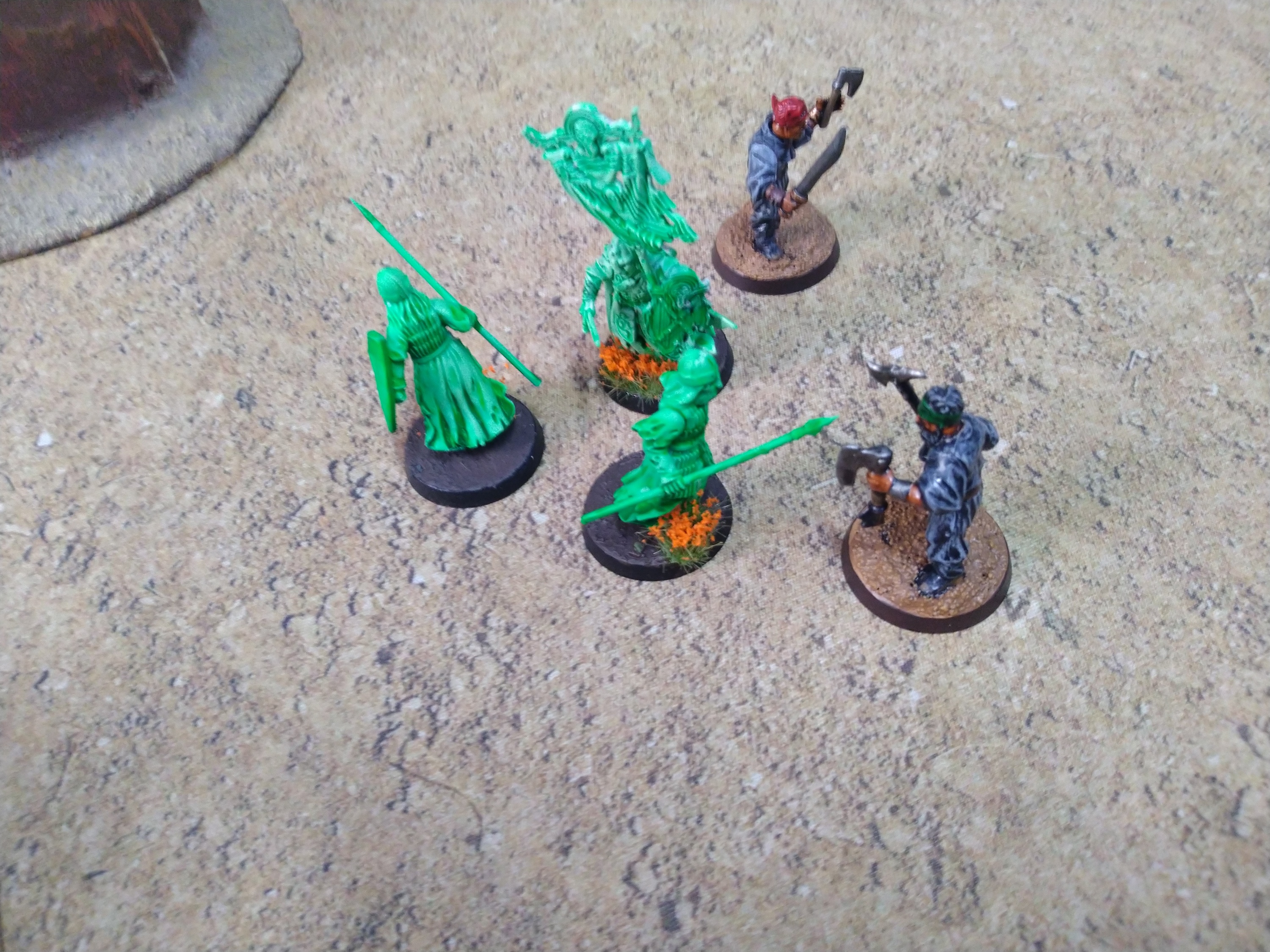
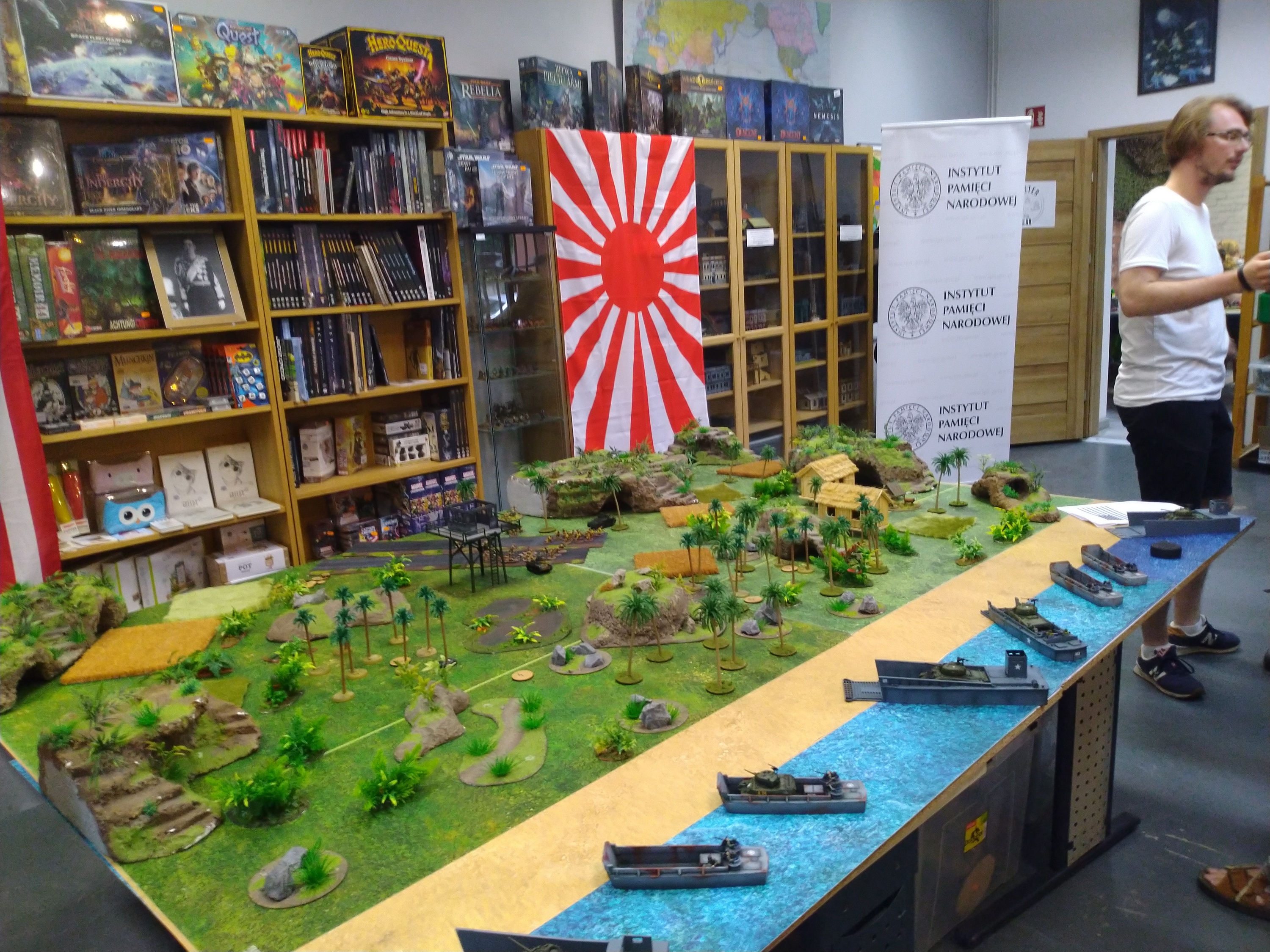
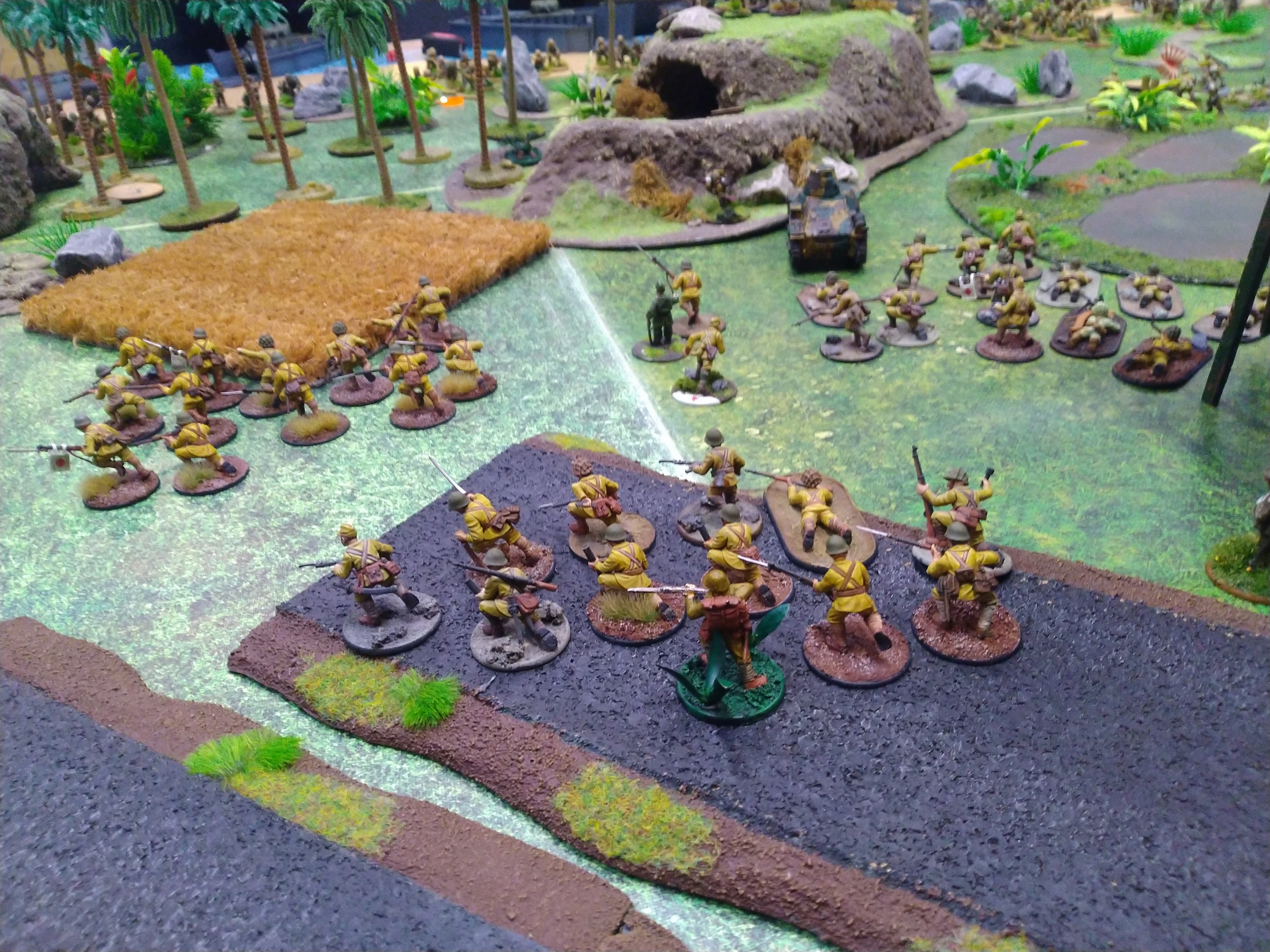
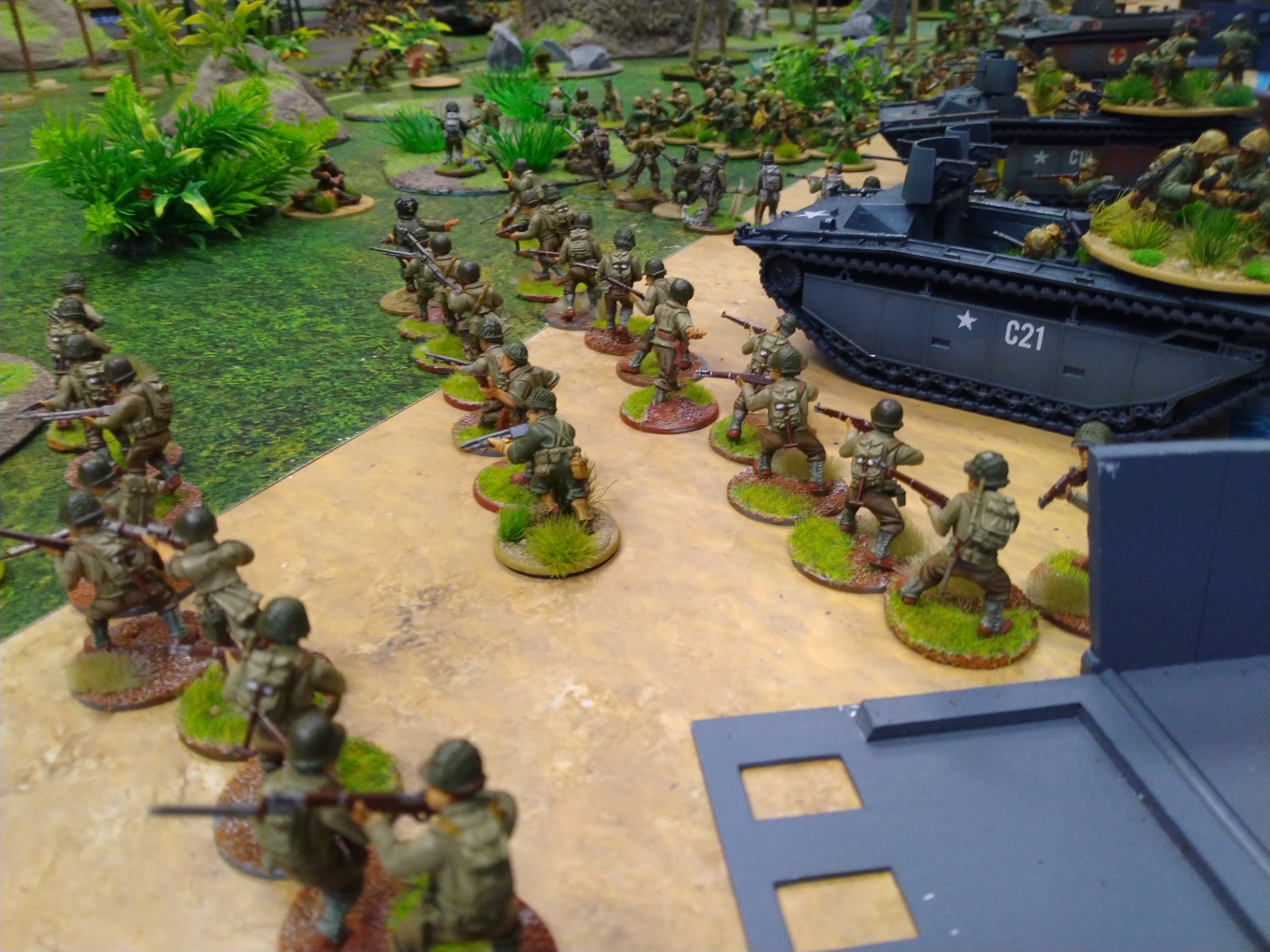
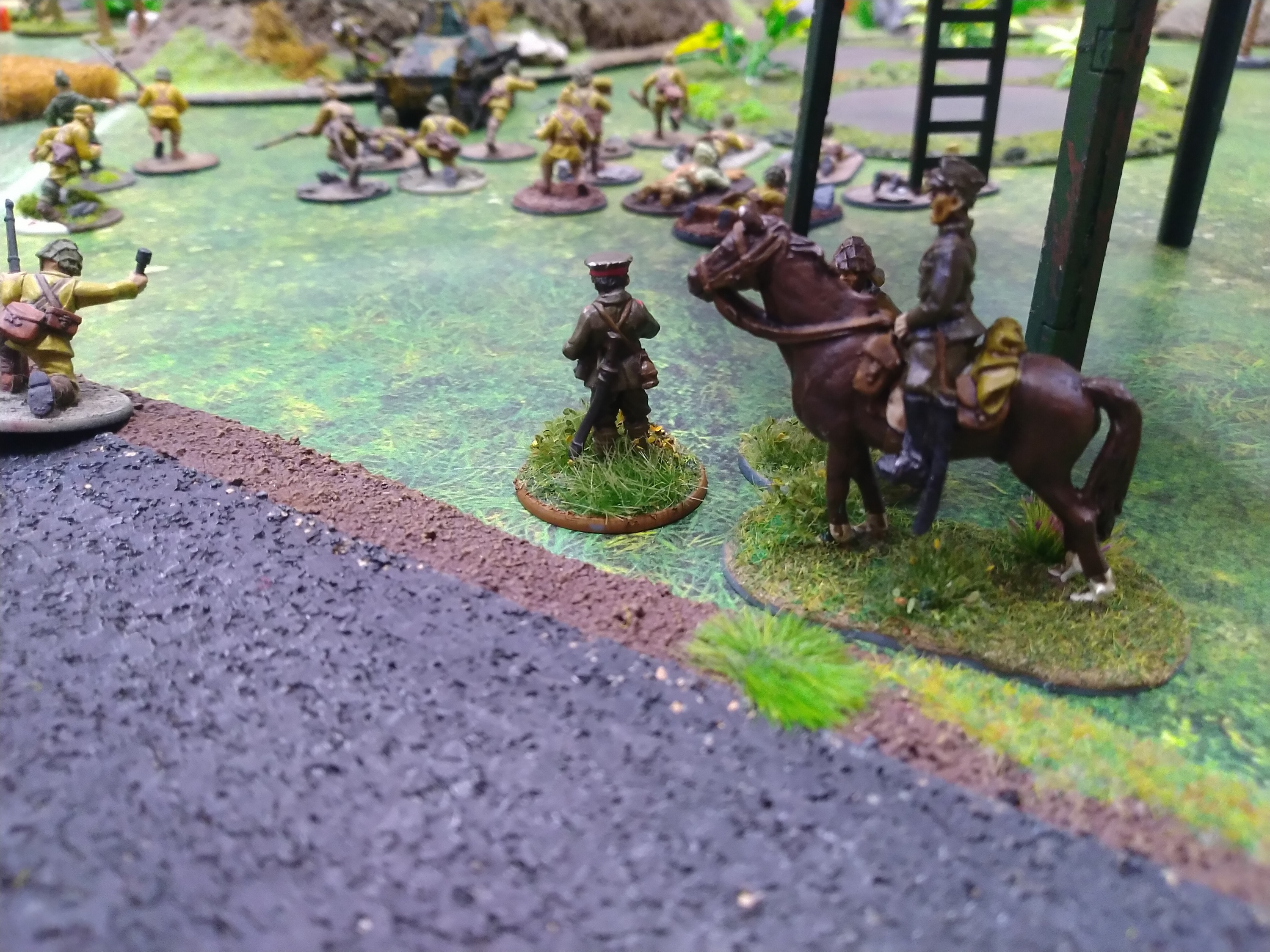
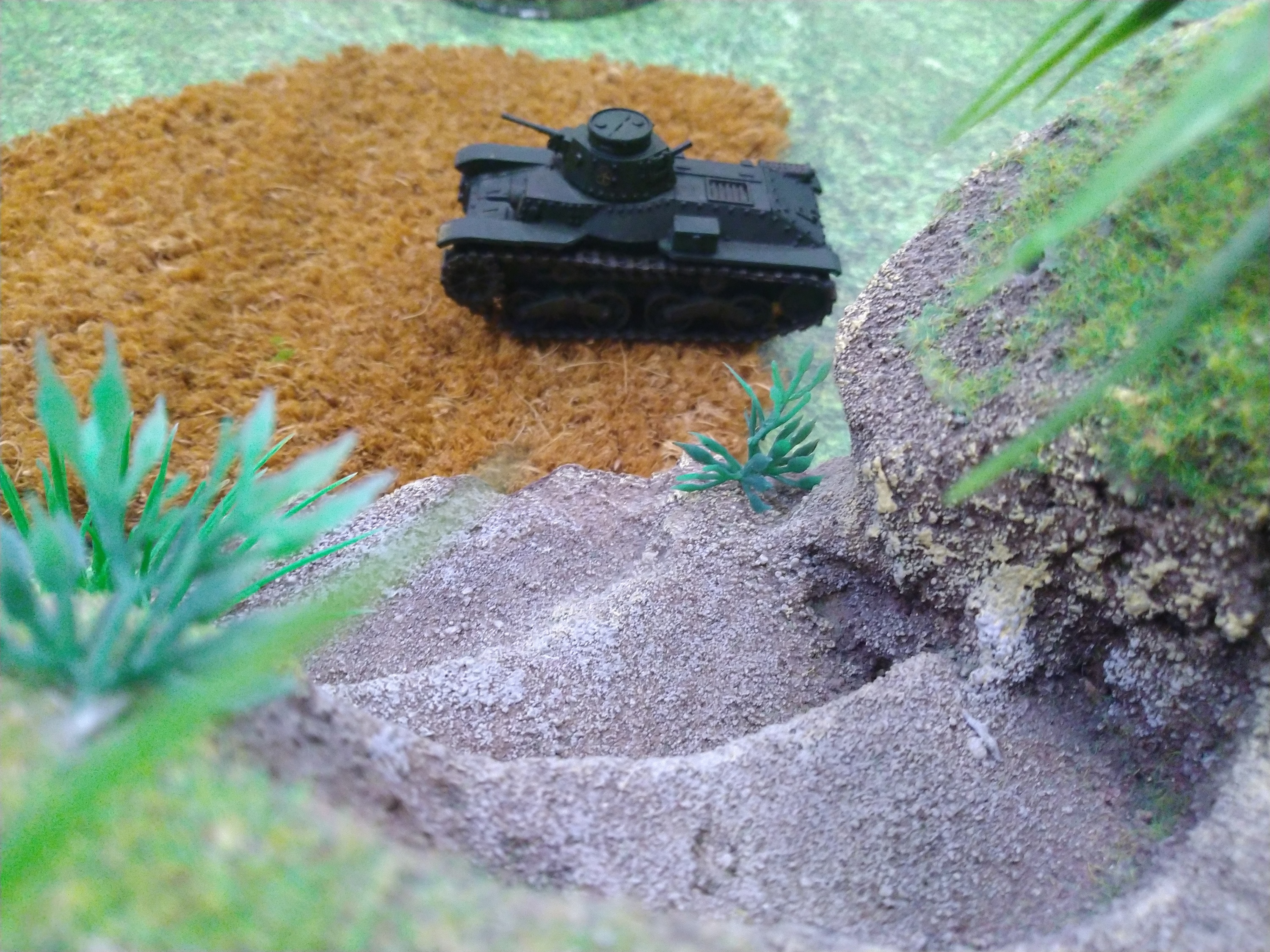
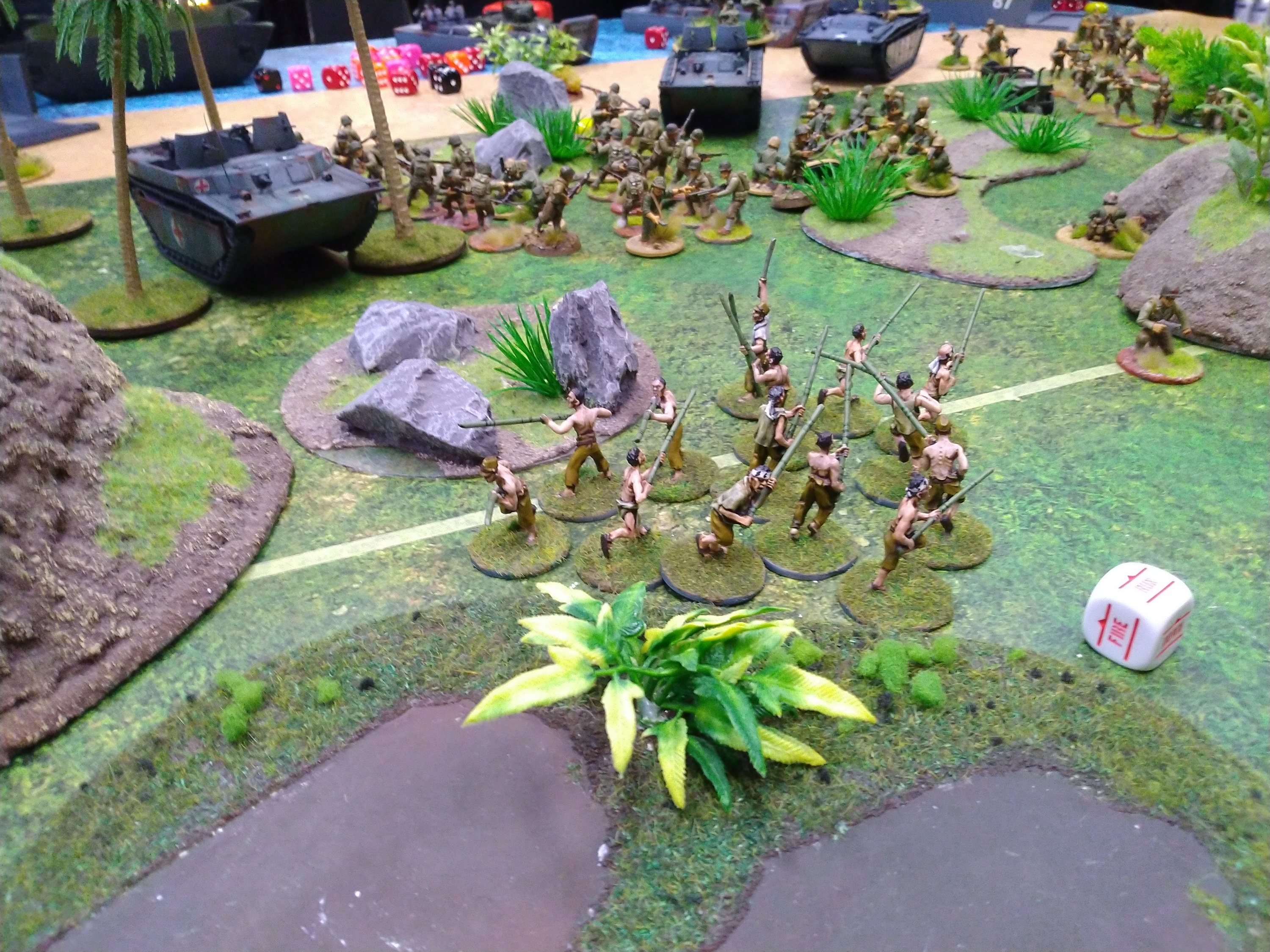
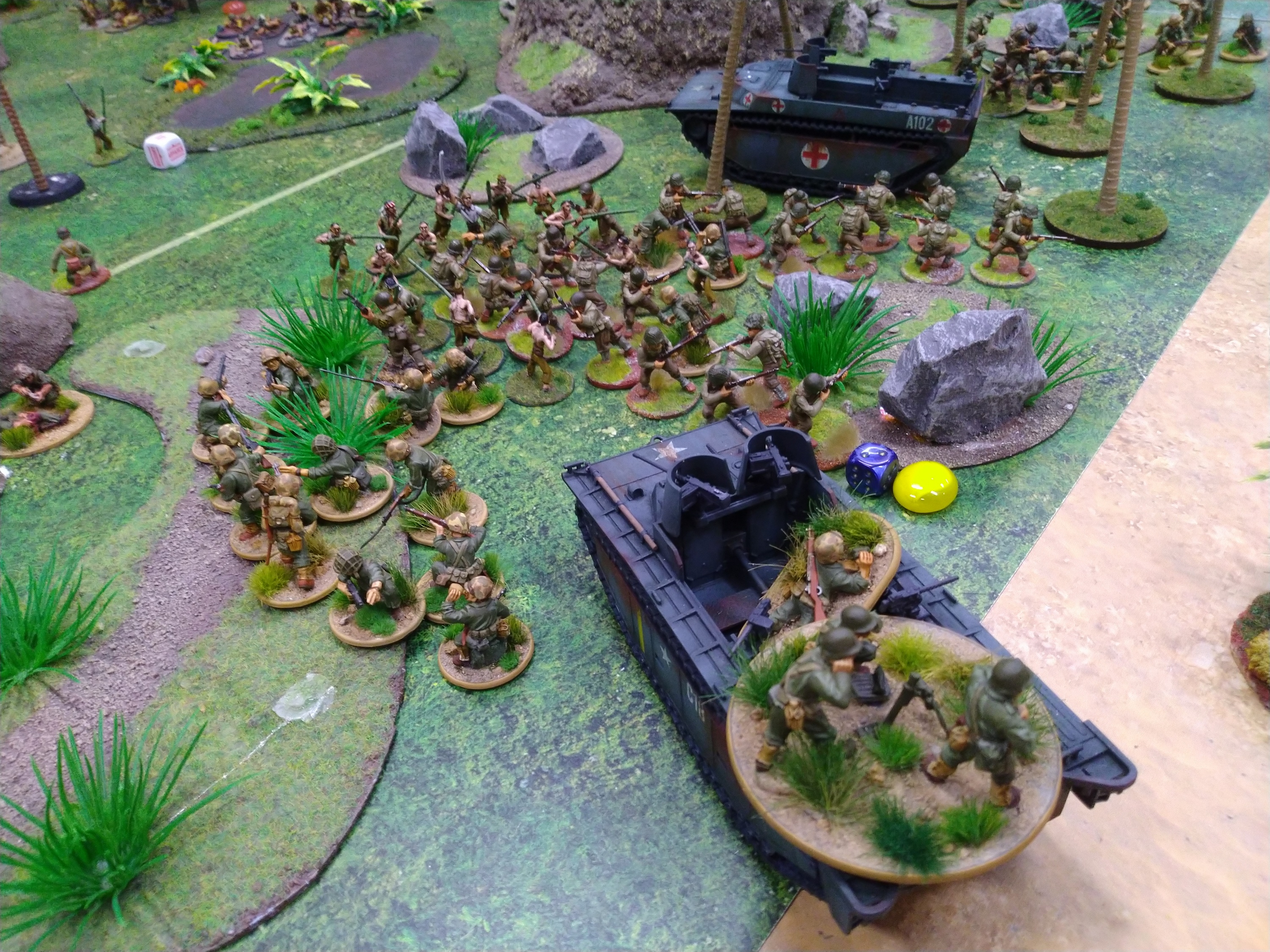
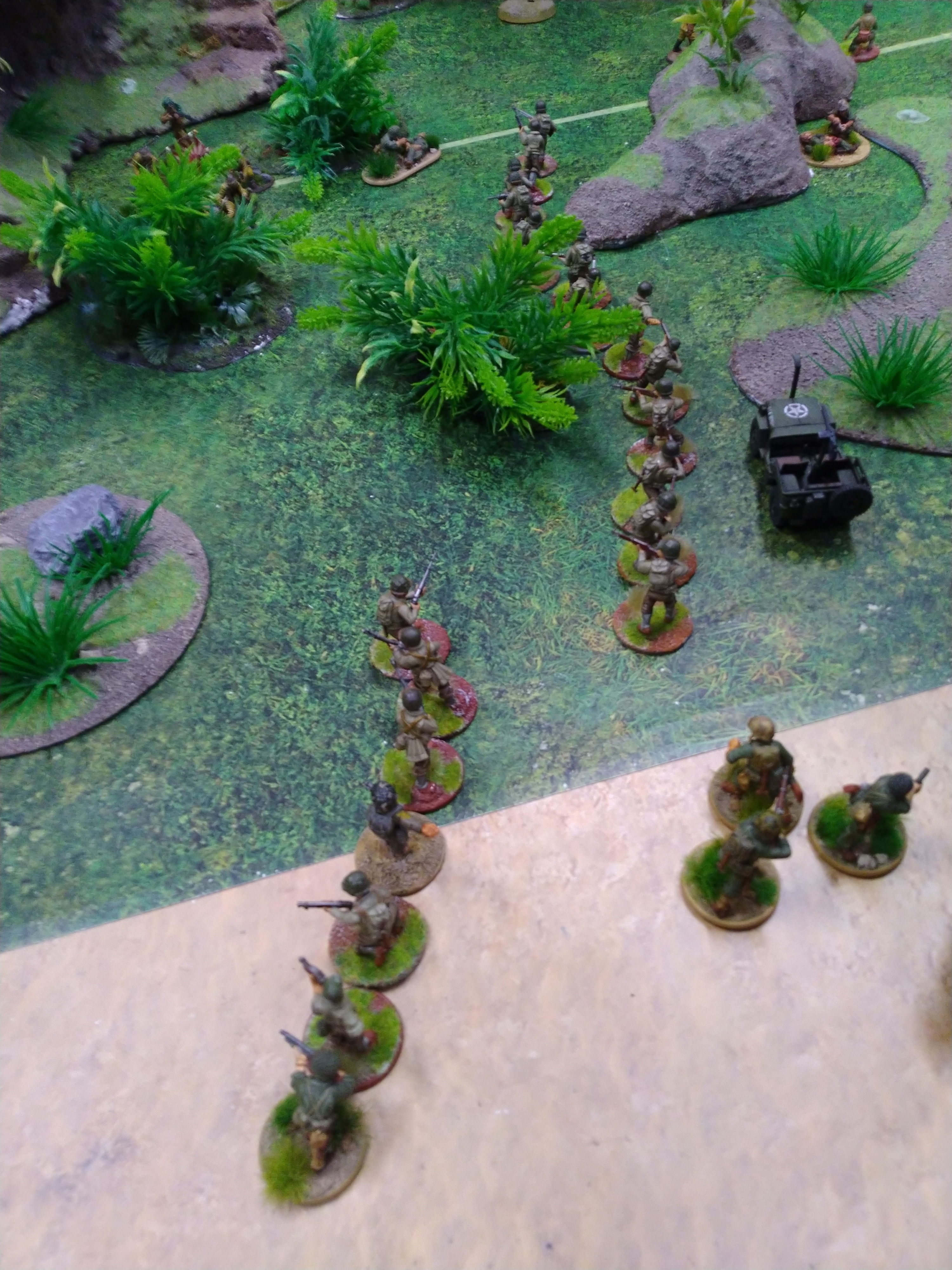
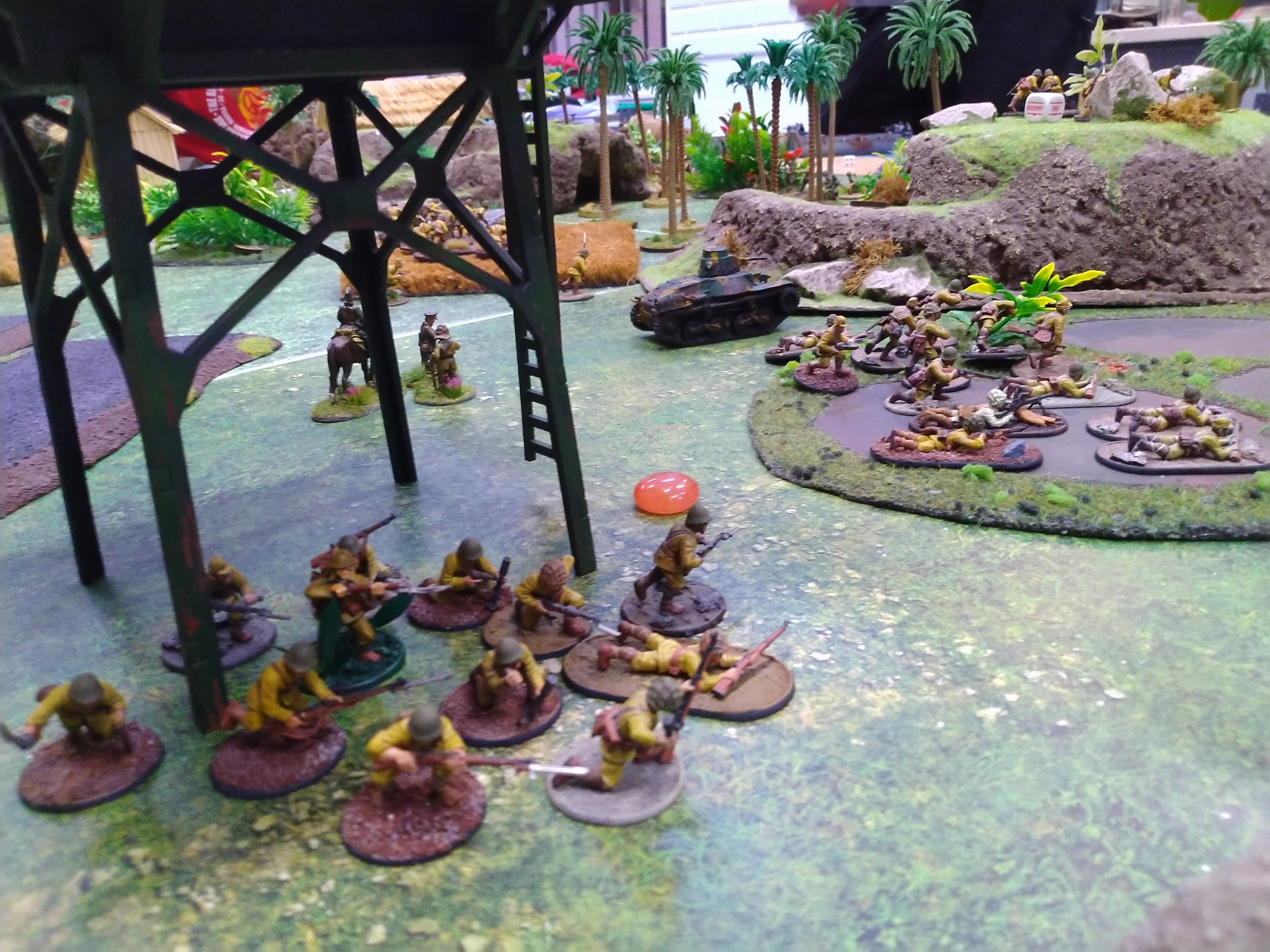
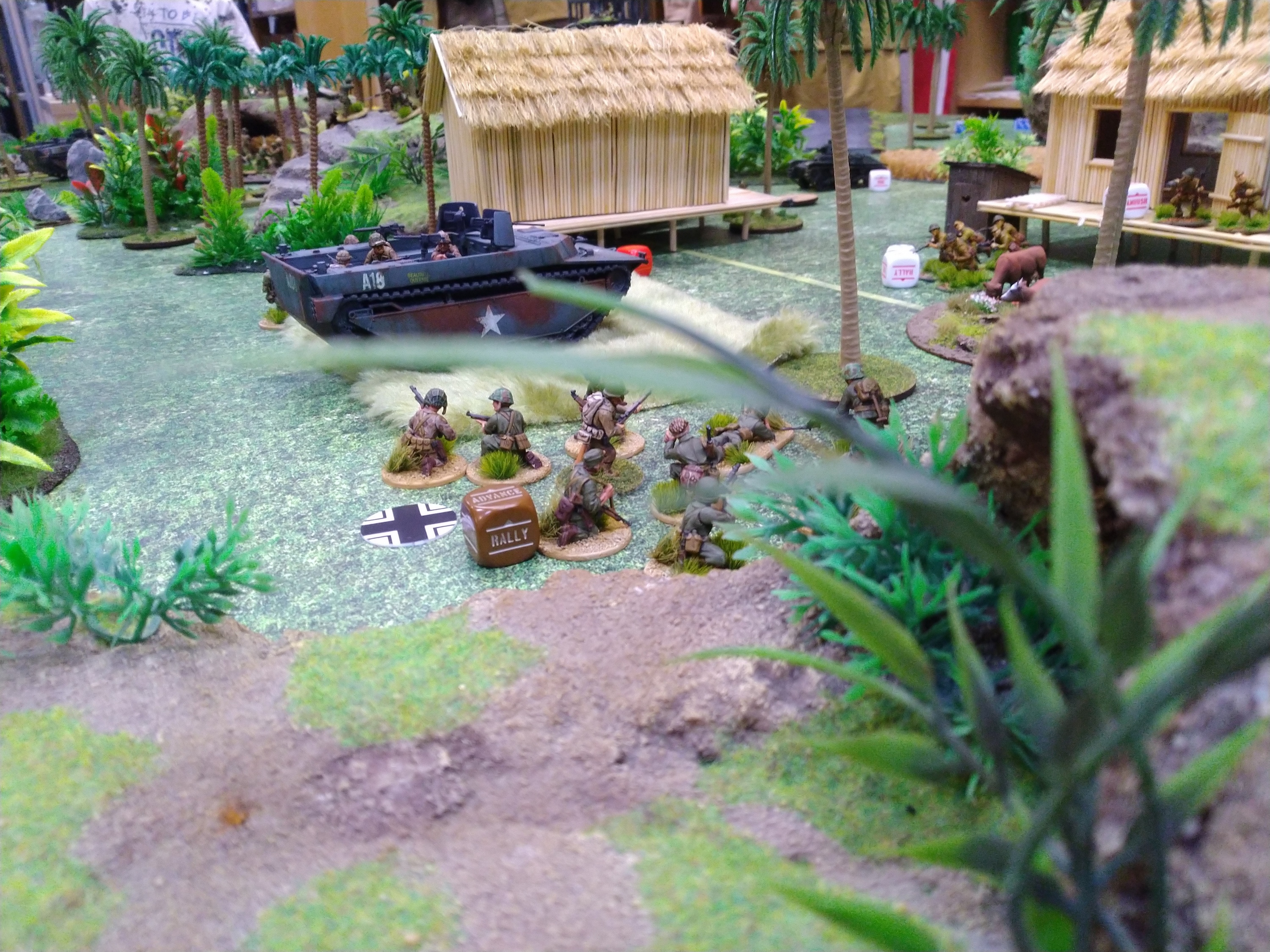
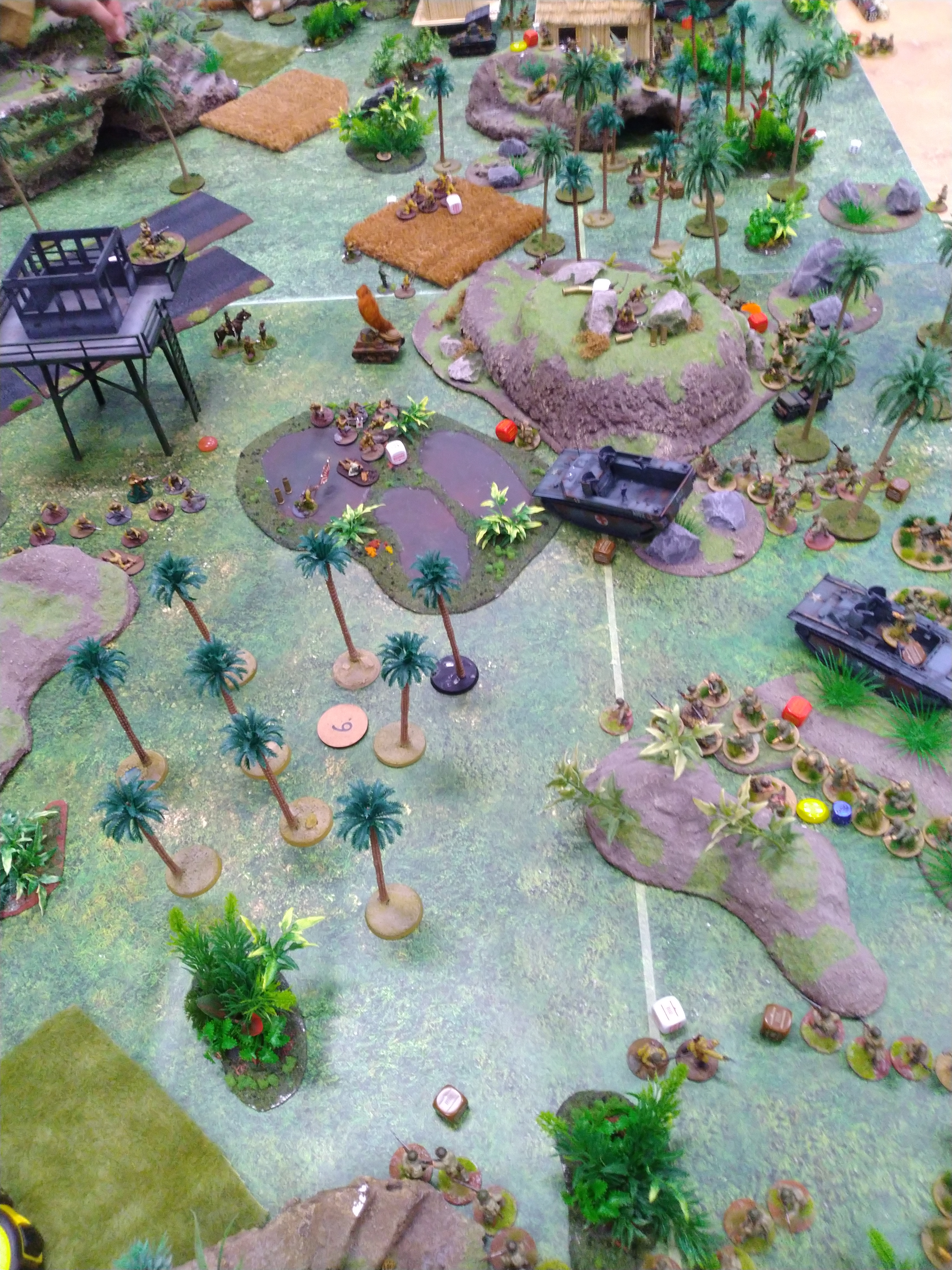
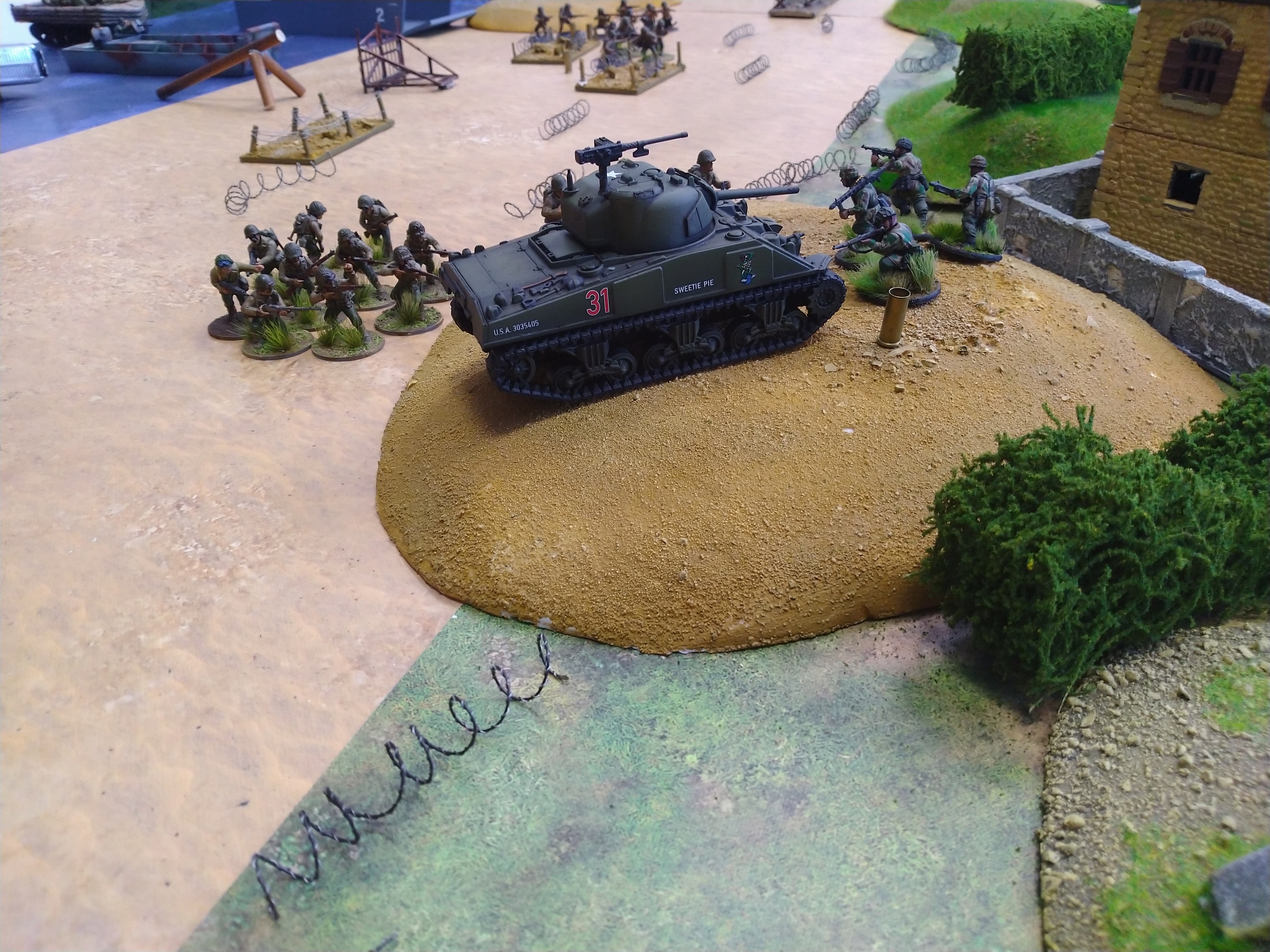
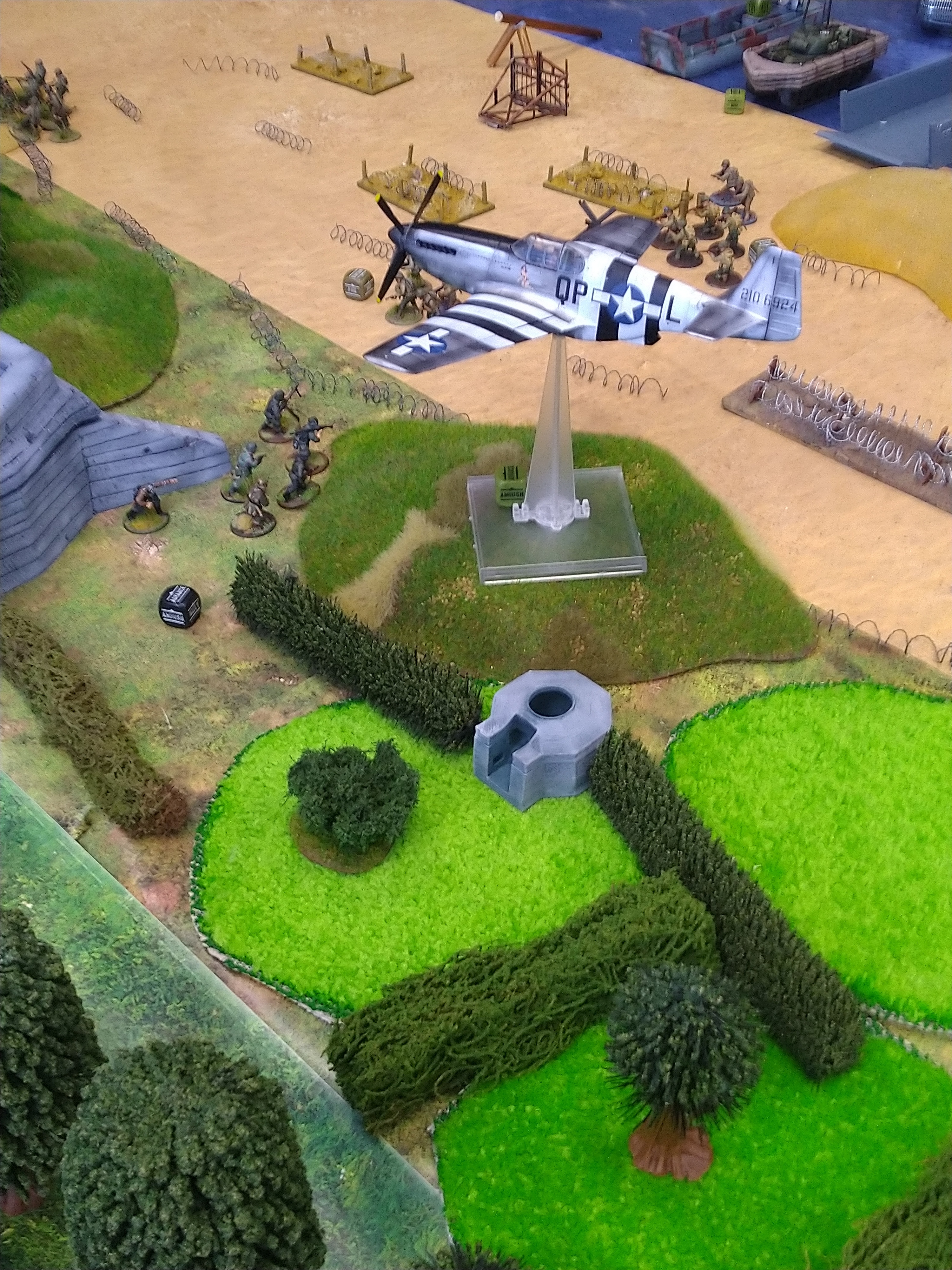
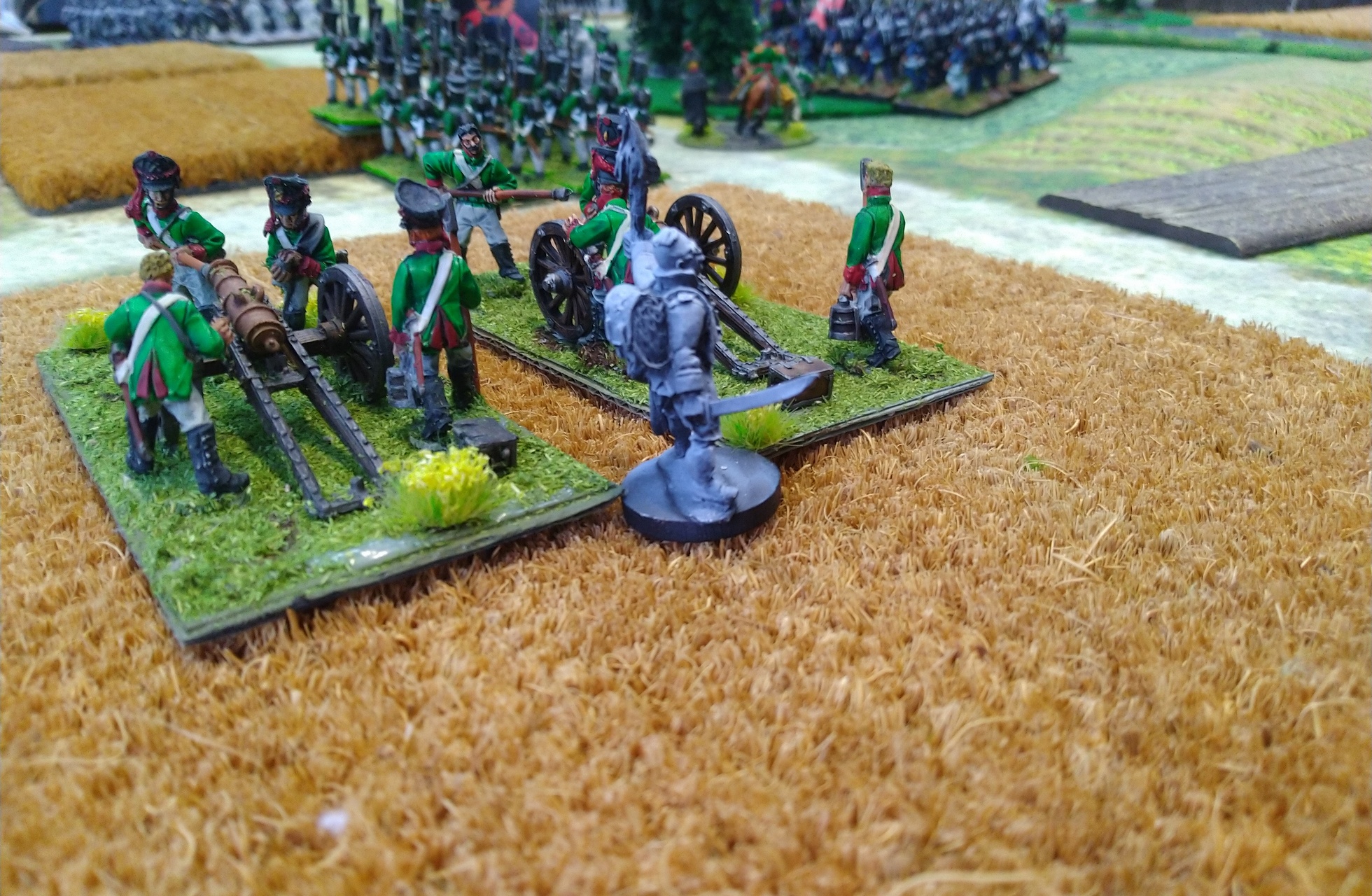
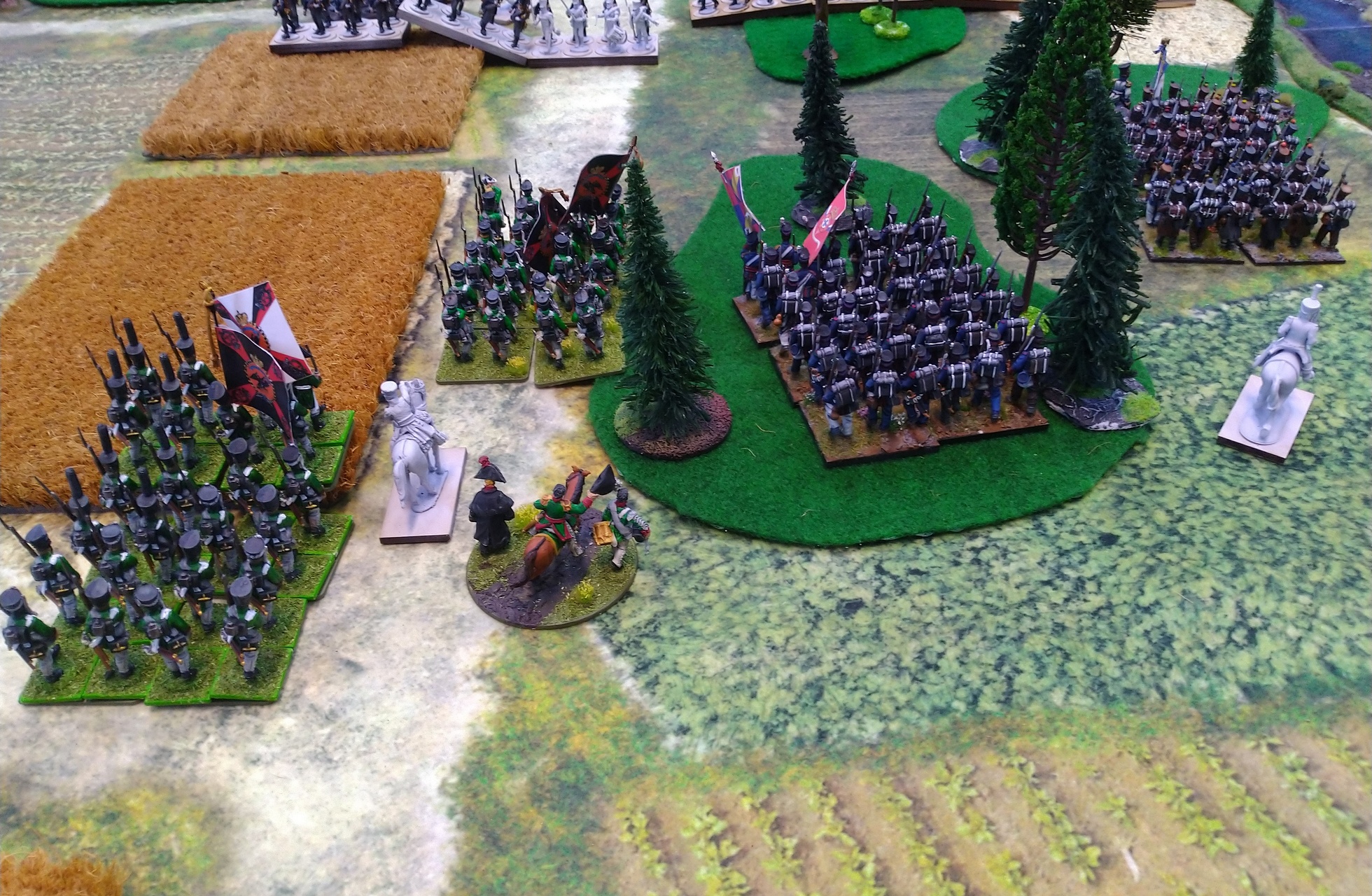
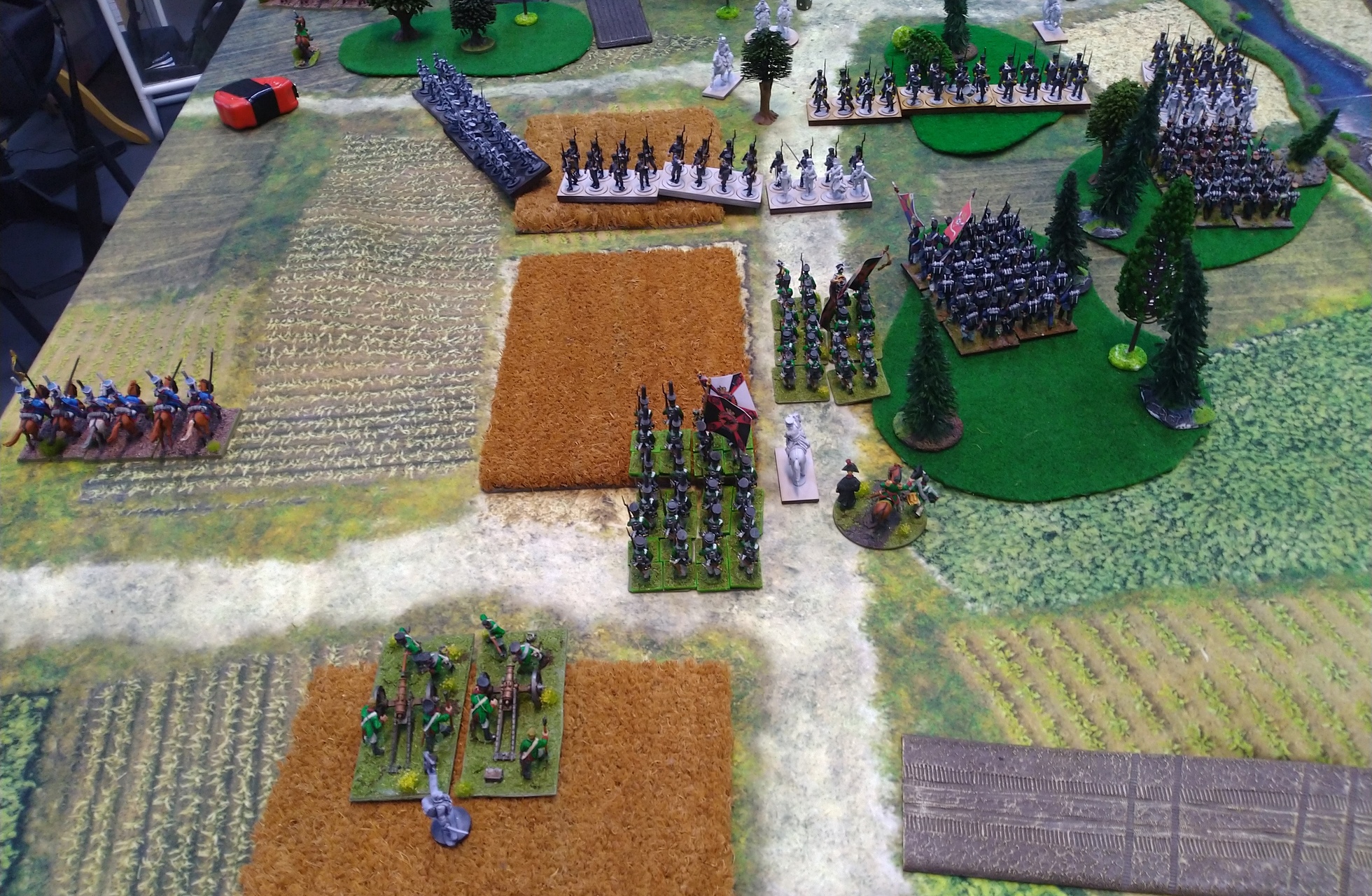
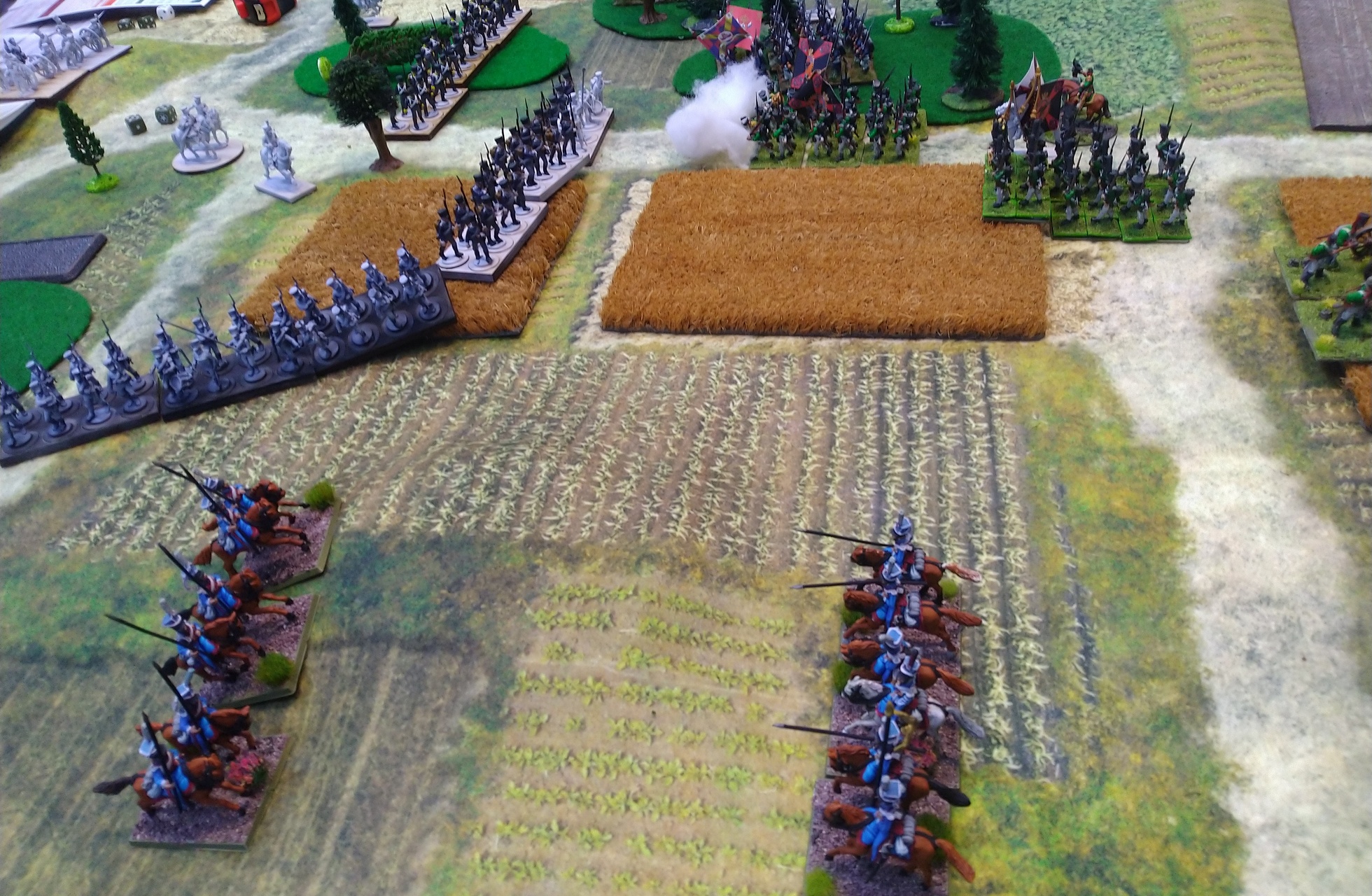
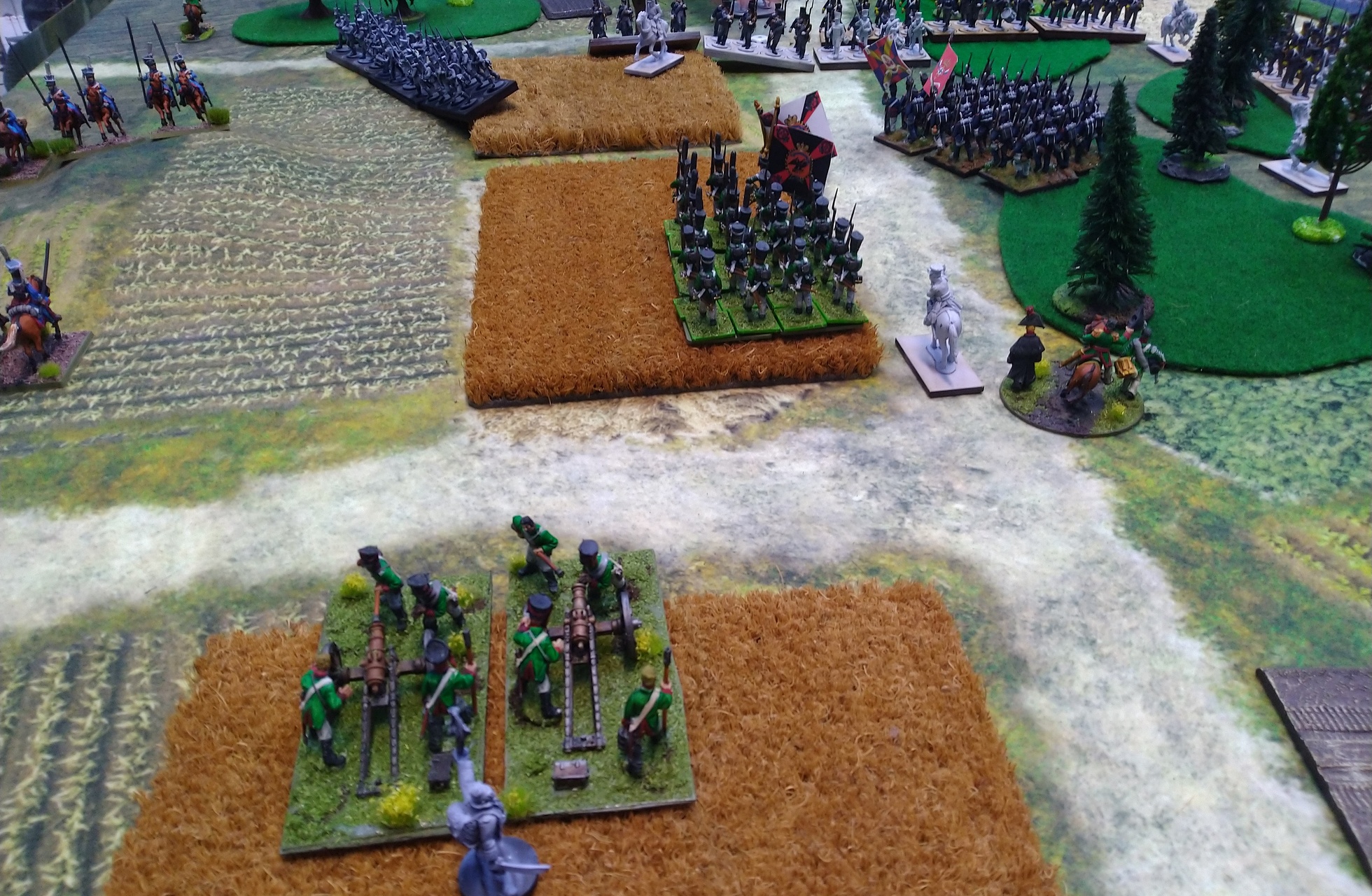
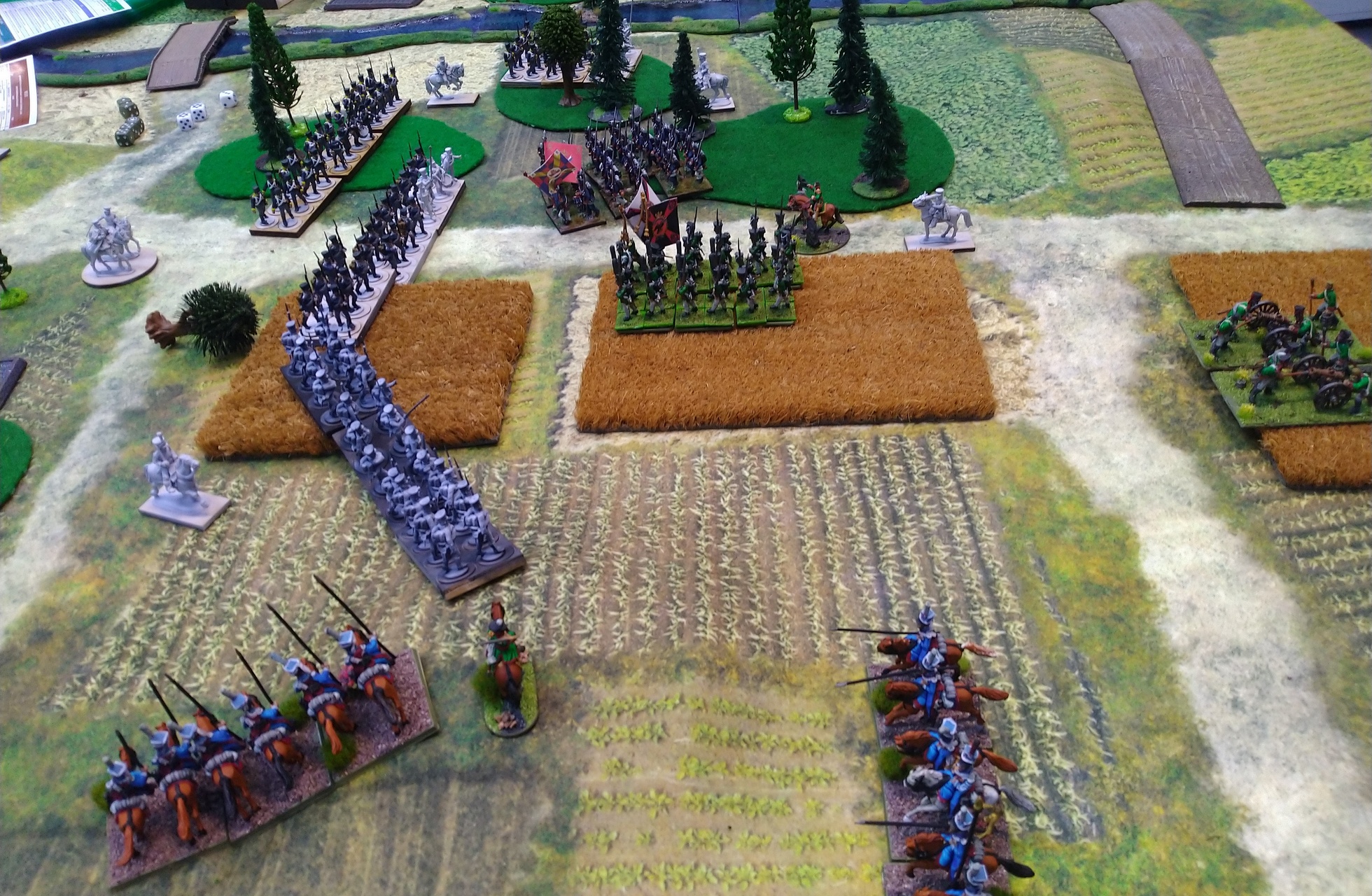
Today we played in Bolter first scenario related to war on Pacific – battle of Okinawa. The battle started on 1.04.1945 and lasts up to 22.06.1945. USA had to control different points and airfield tower and Japanese had to prevent it. Most of Japanese units started as markers – they numbers and what they are were hidden to enemy.
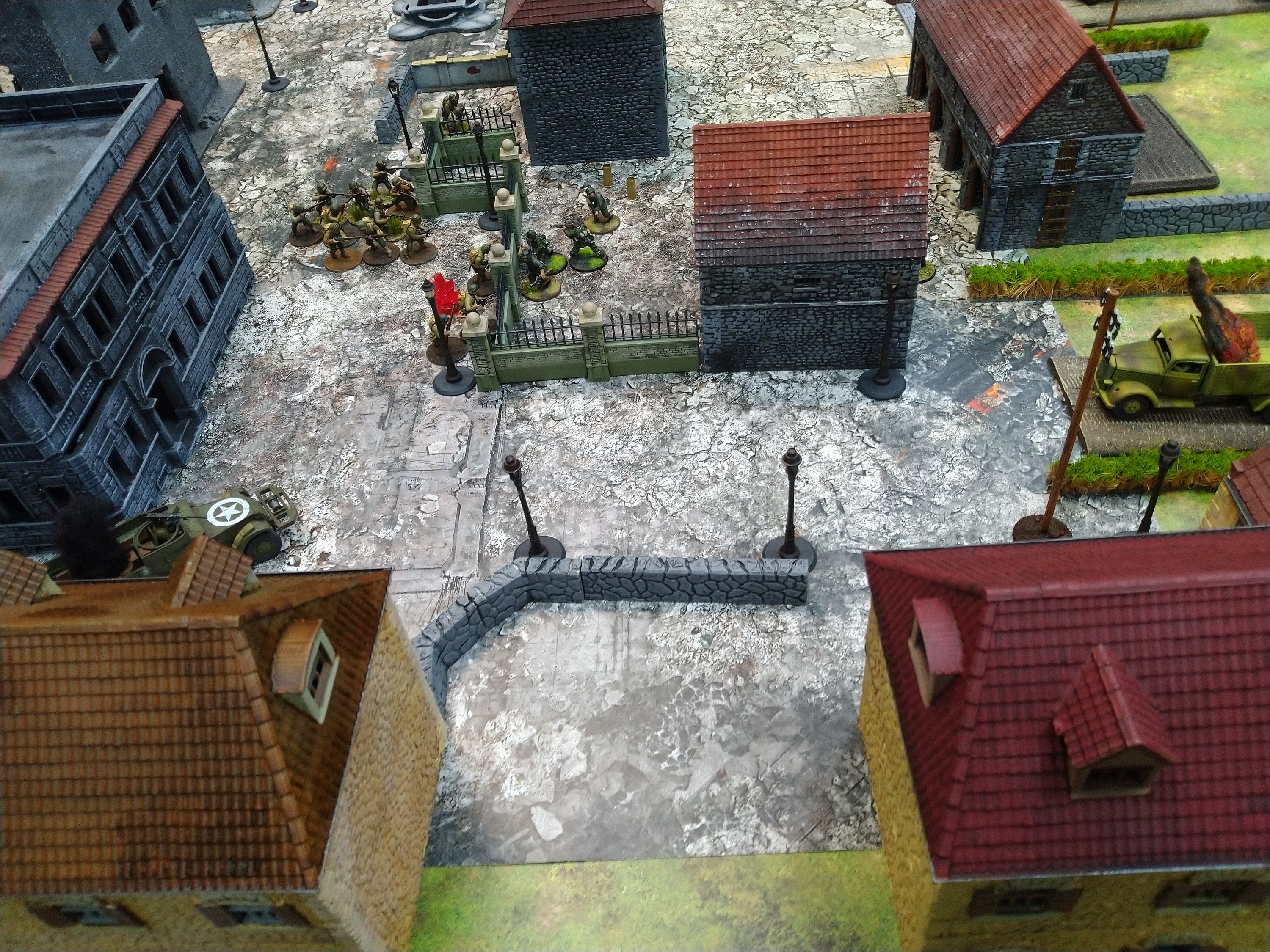
Dzisiaj w Bolterze zagraliśmy pierwszy scenariusz związany z wojną na Pacyfiku – bitwę o Okinawę. Bitwa rozpoczęła się 1.04.1945 i trwała do 22.06.1945. Wojska USA miały przejąć różne punkty oporu i wieżę lotniska, a Japończycy musieli ich przed tym powstrzymać. Większość Japońskich oddziałów zaczęła jako znaczniki – ich liczebność oraz formacja była ukryta w ten sposób przed przeciwnikiem.
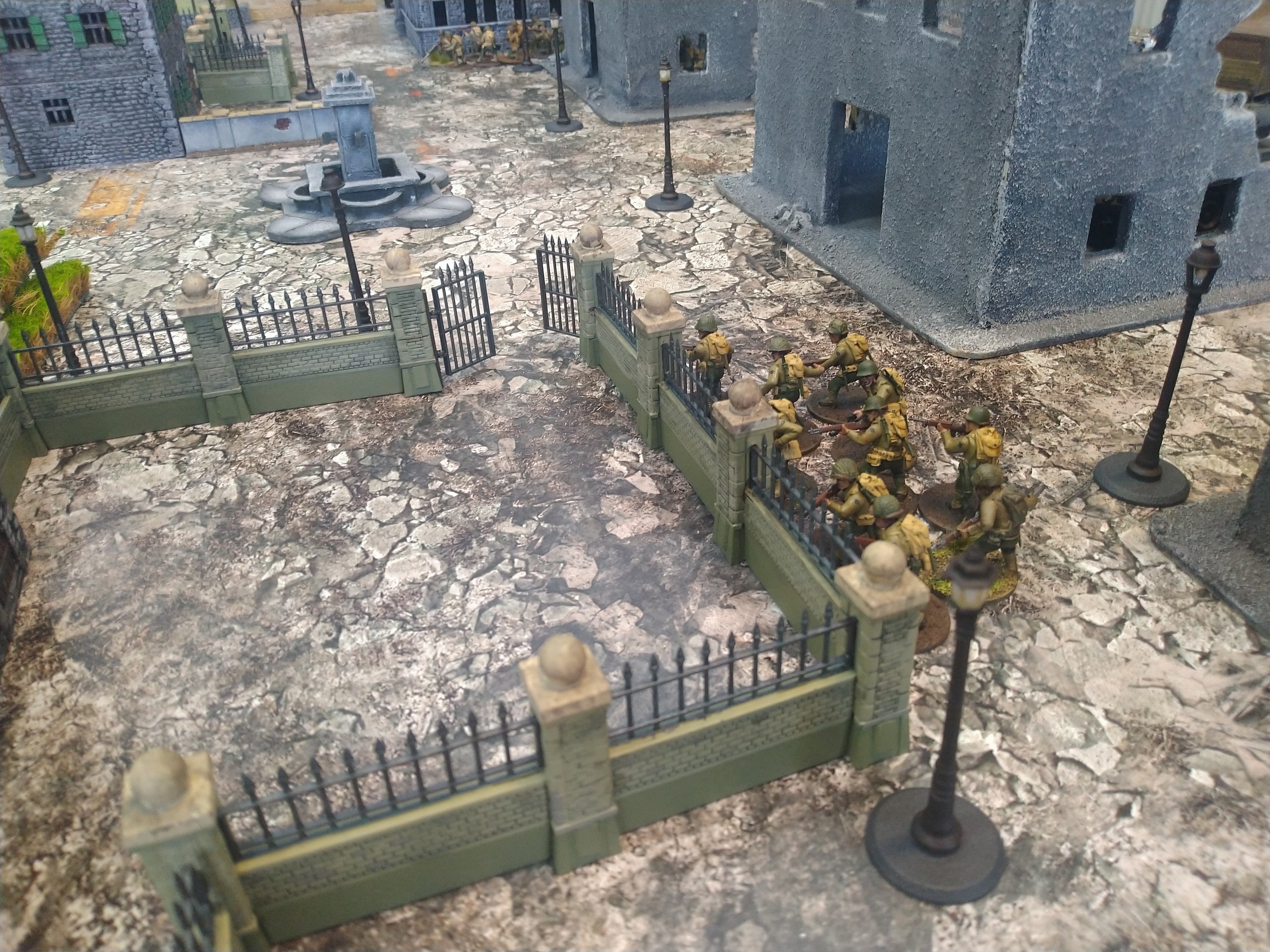
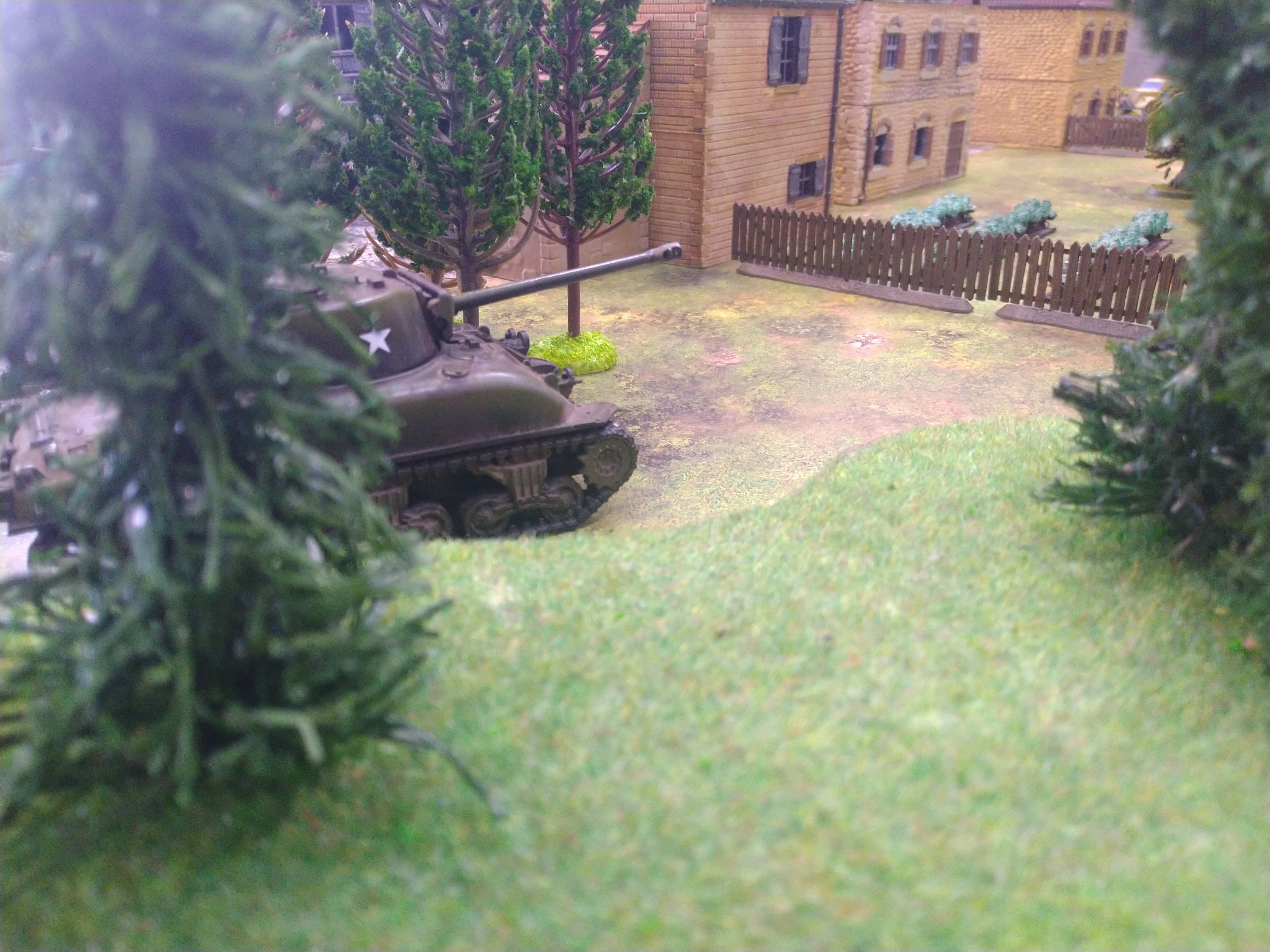
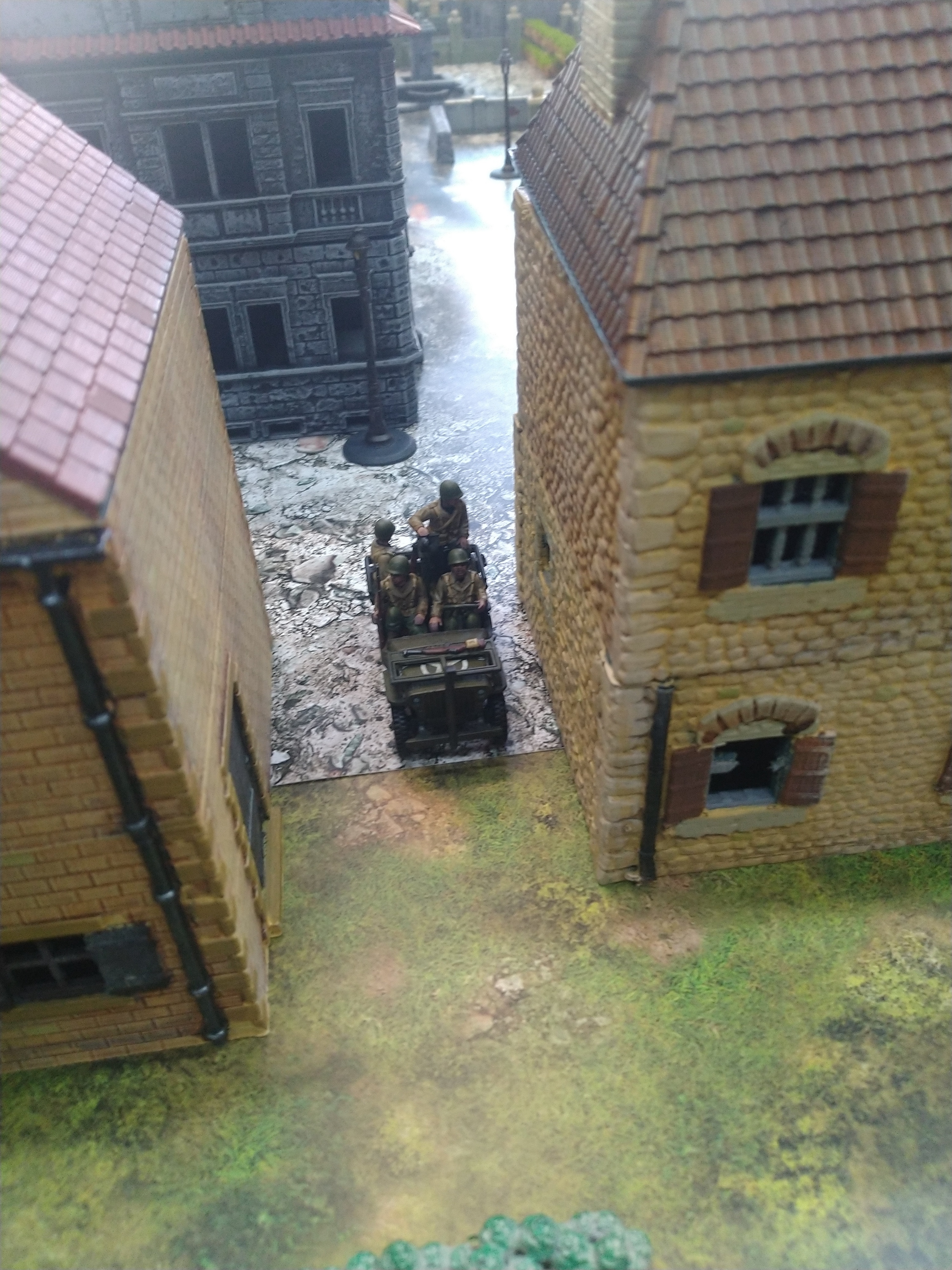
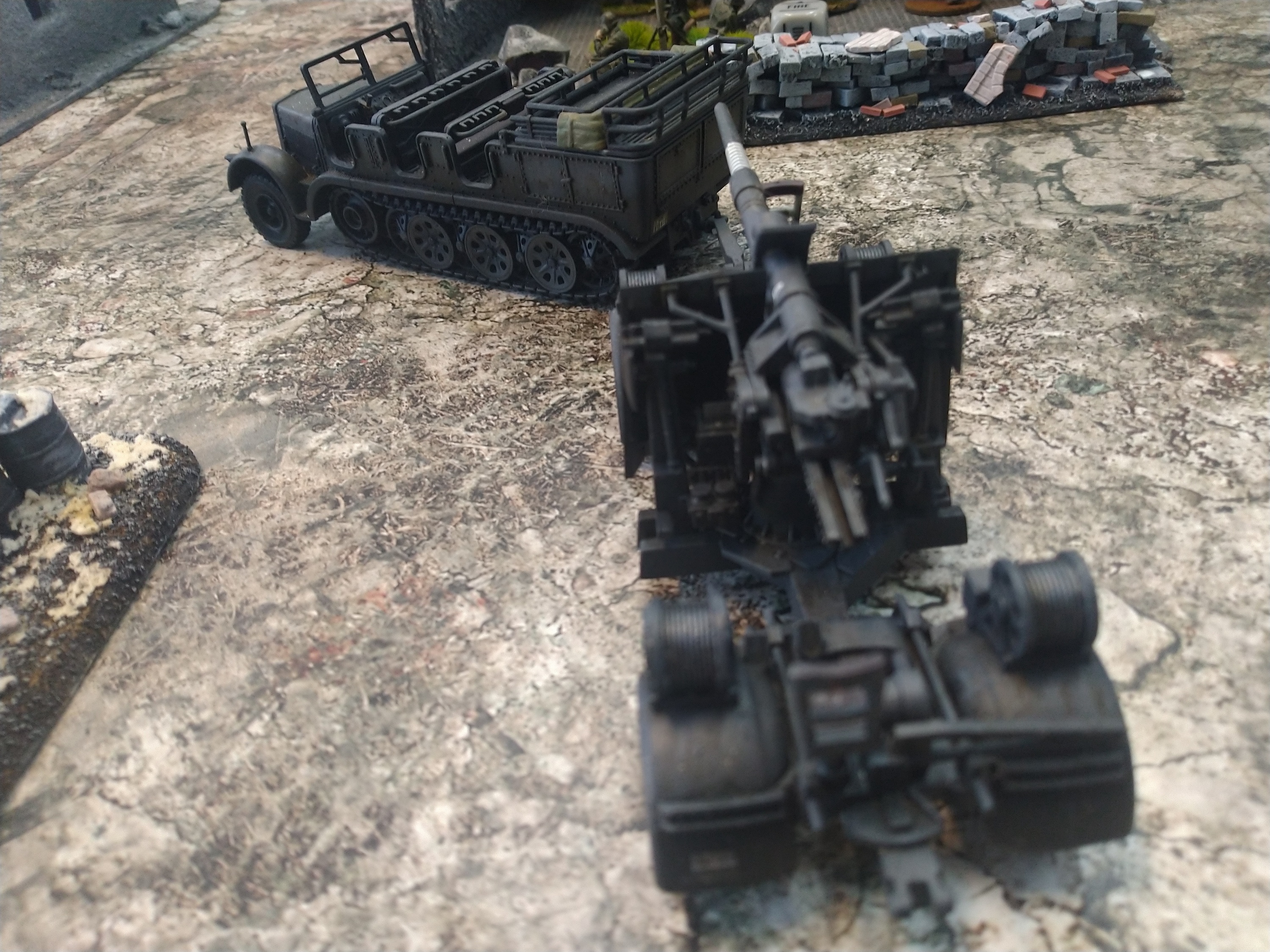
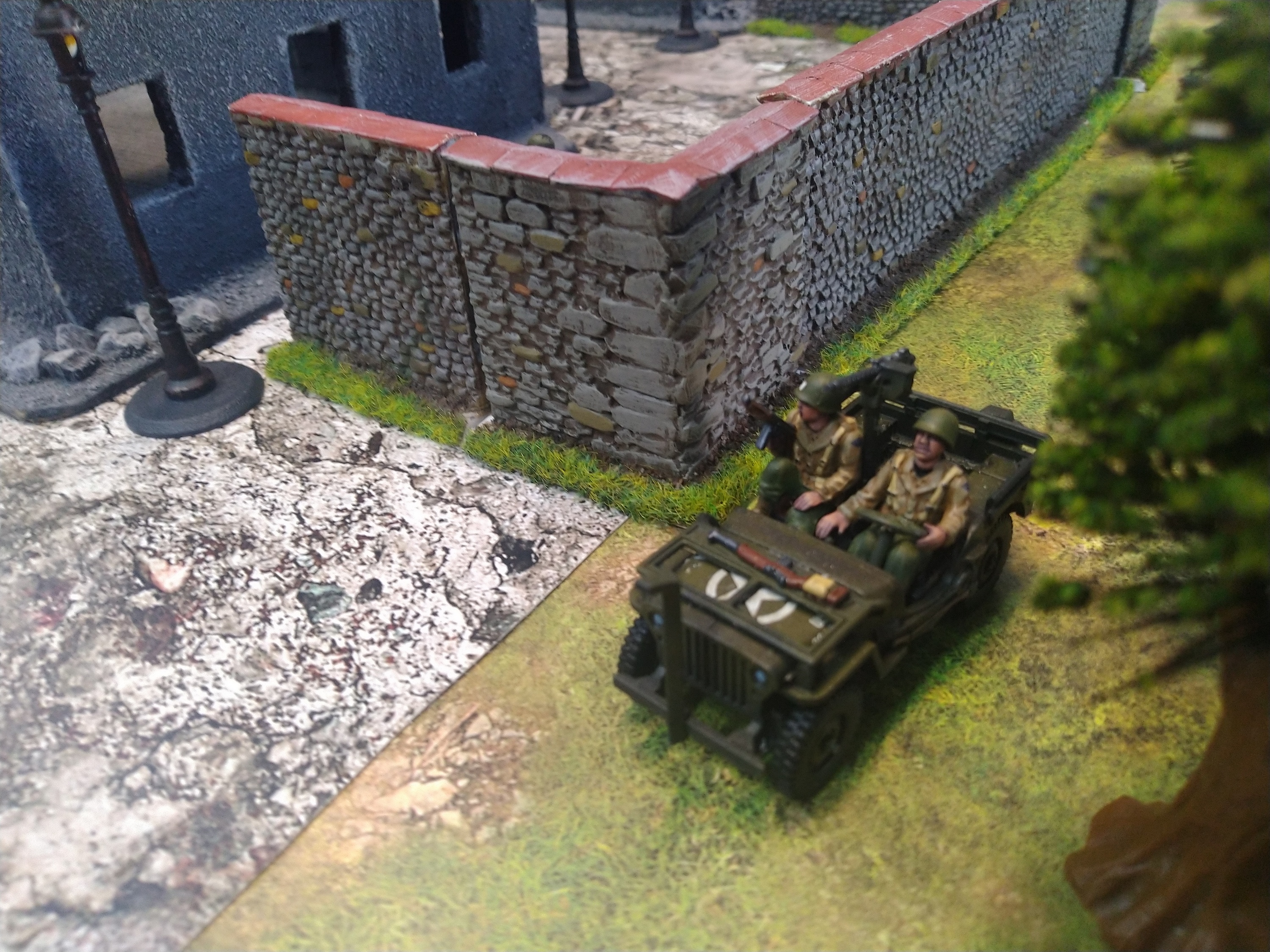
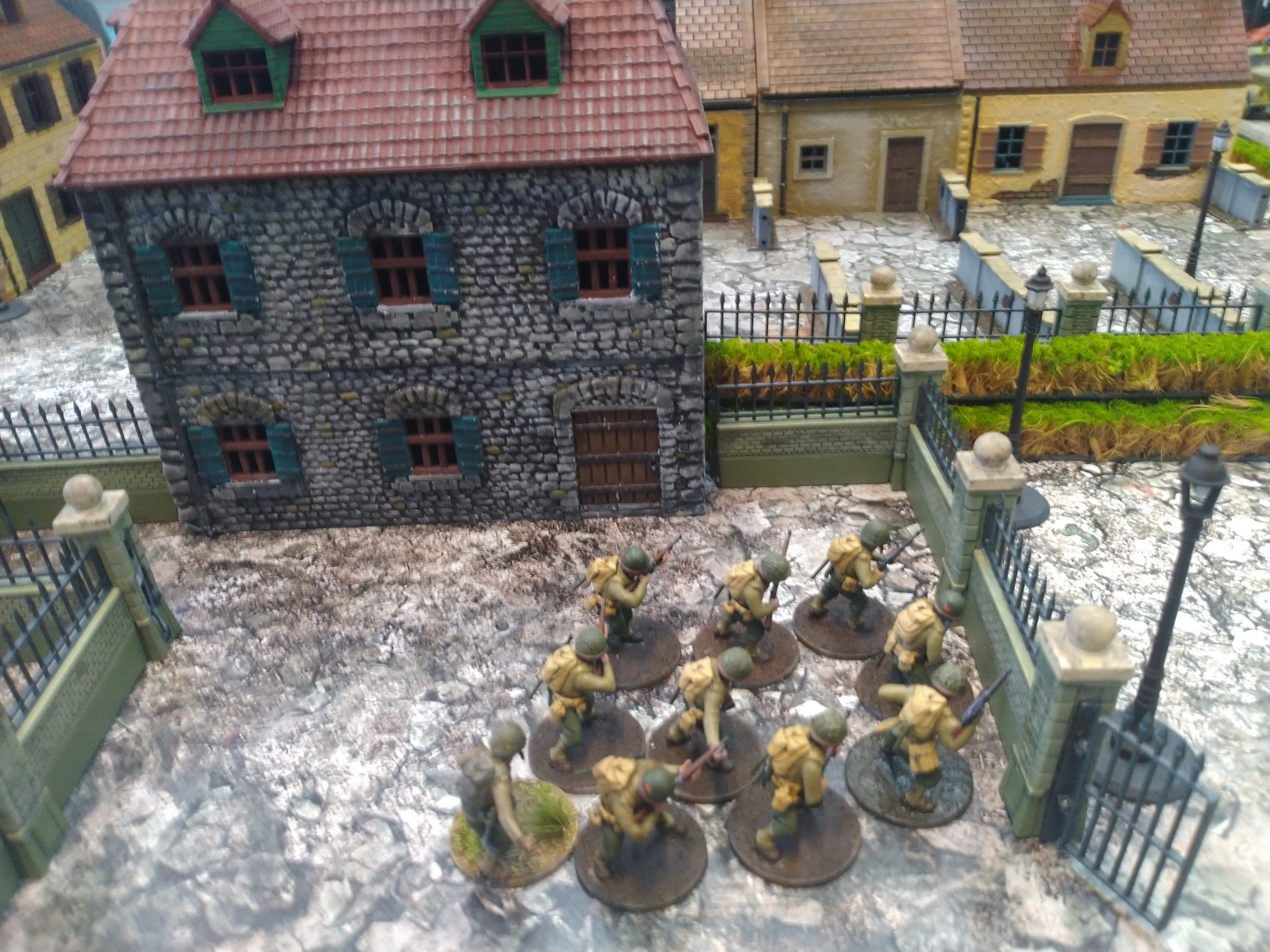
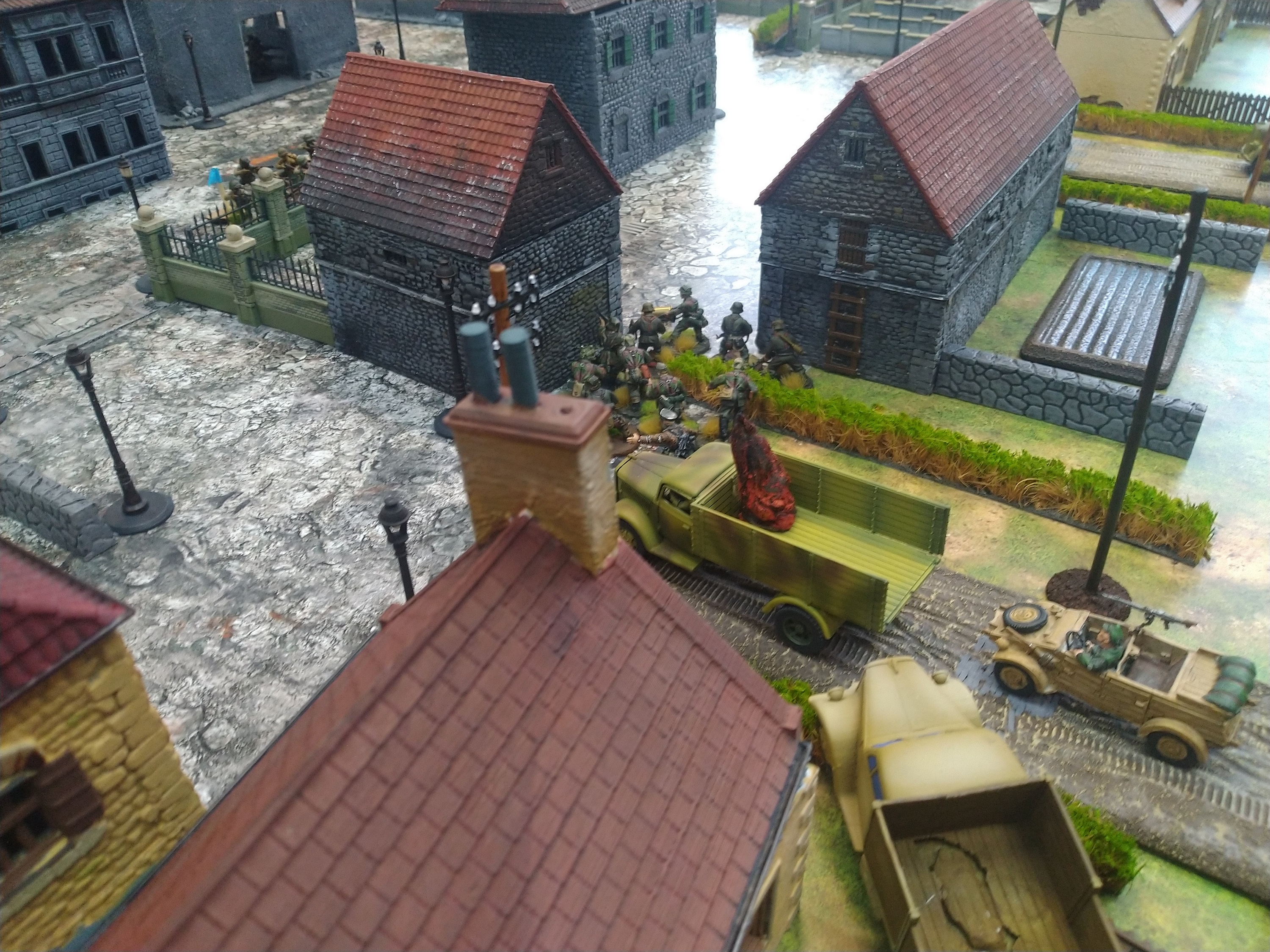
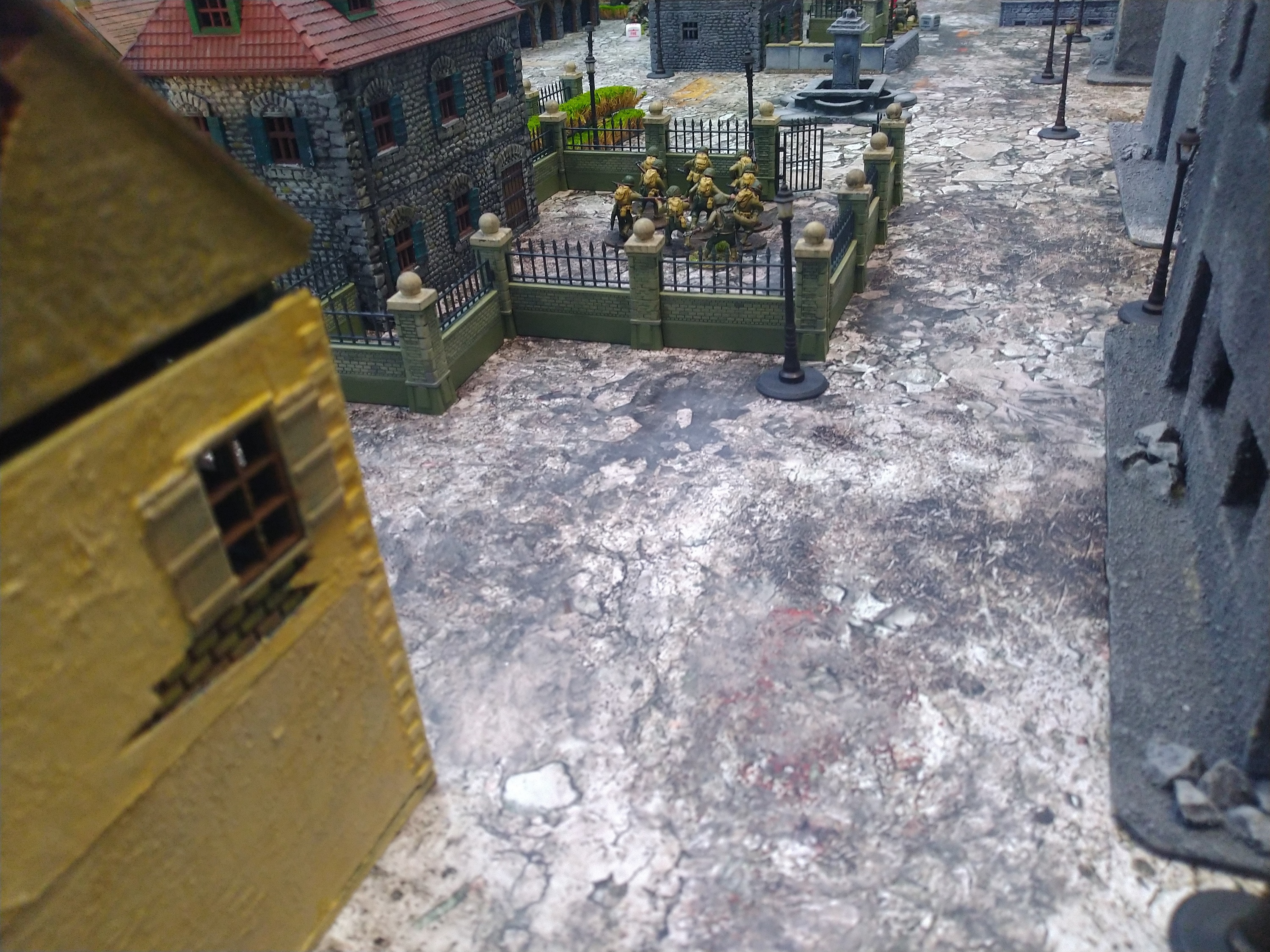
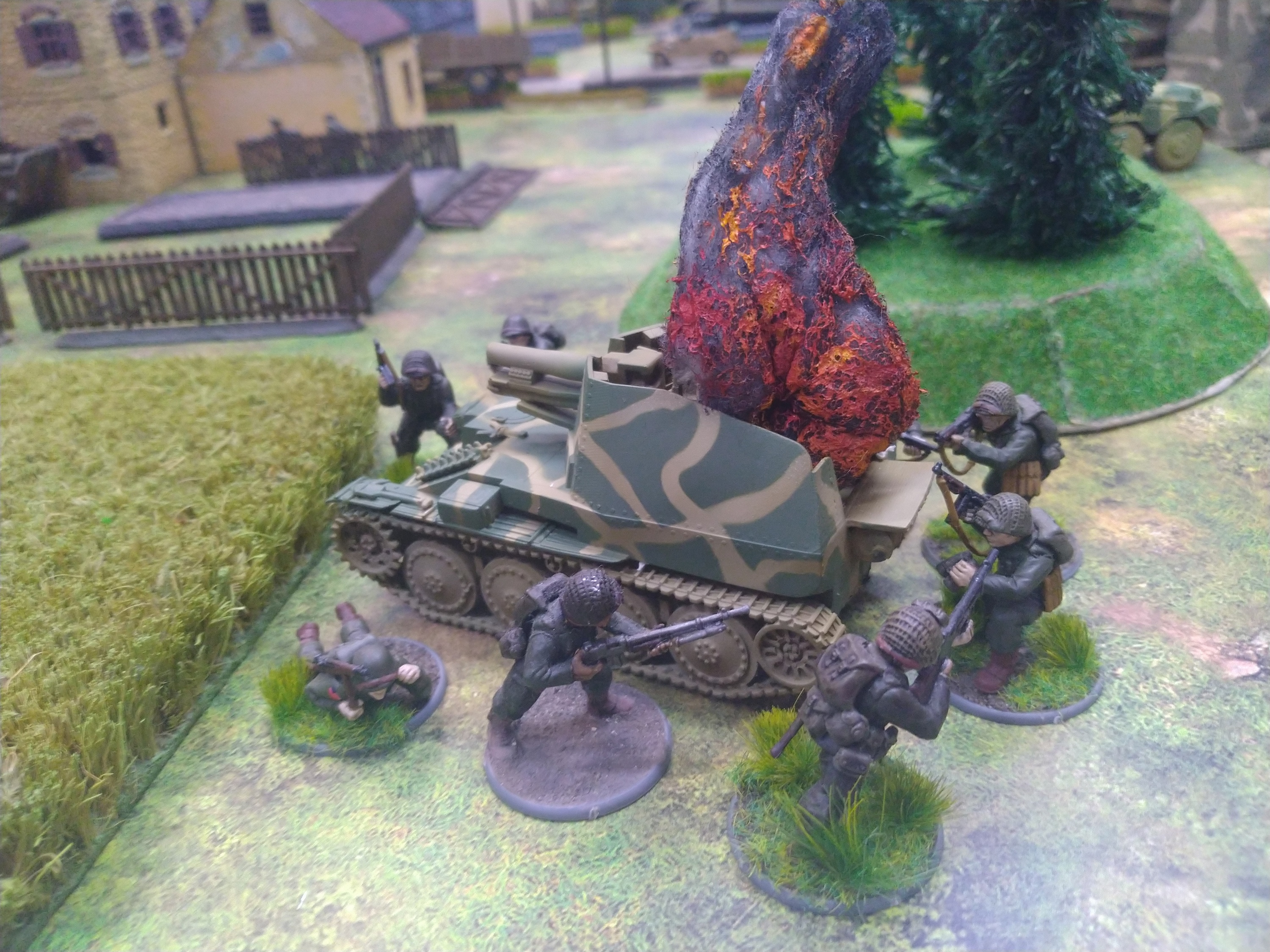
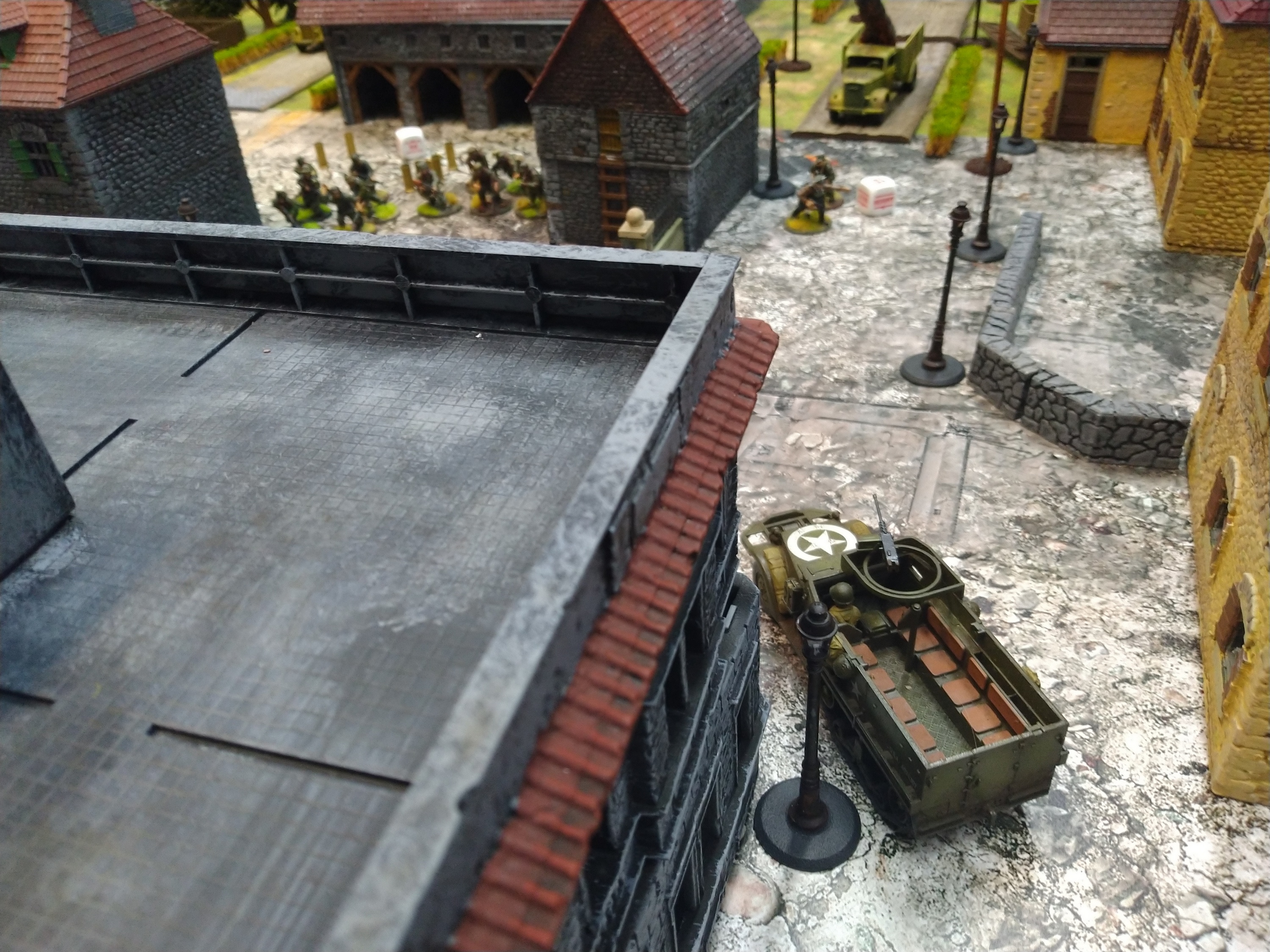
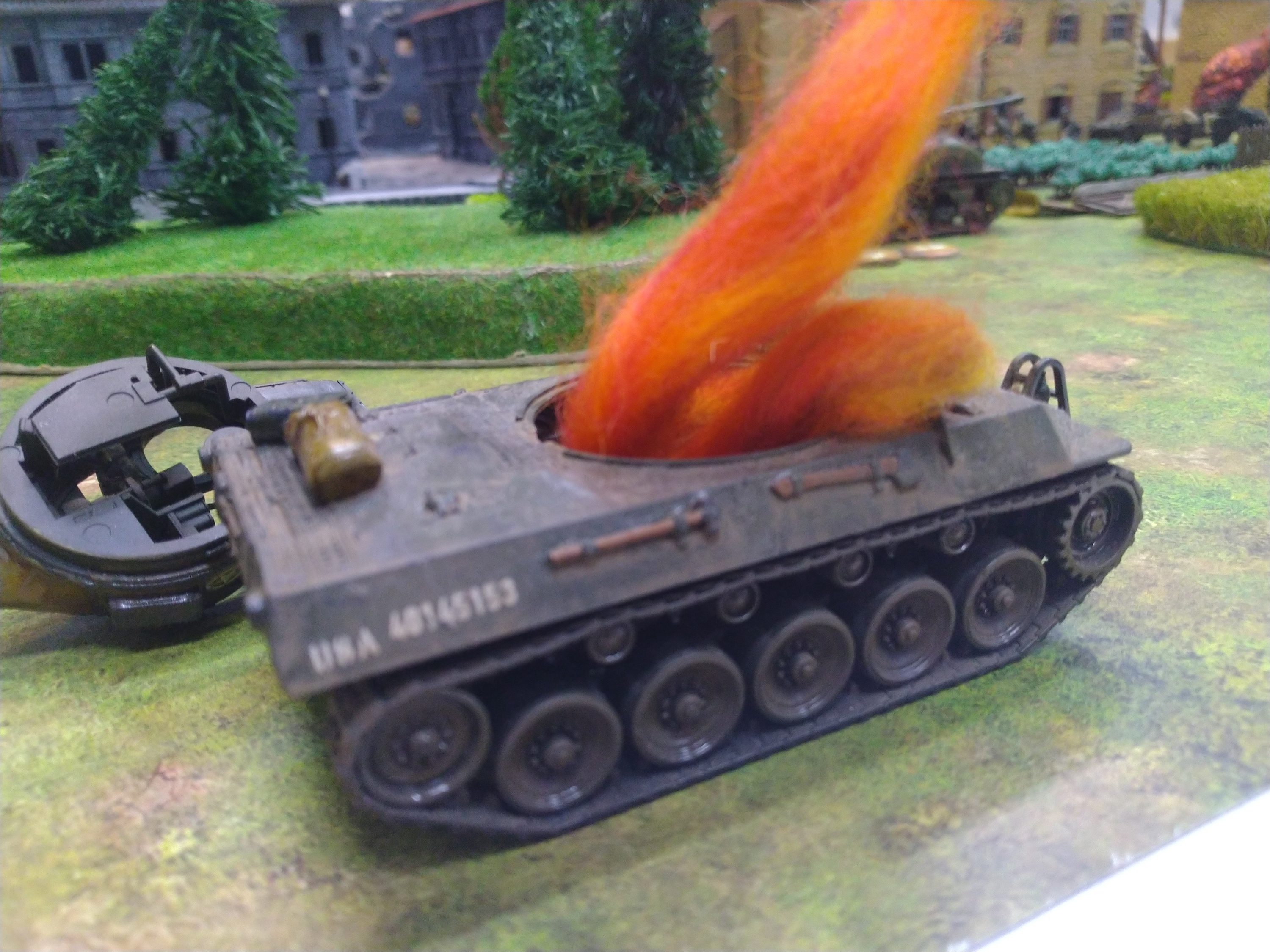
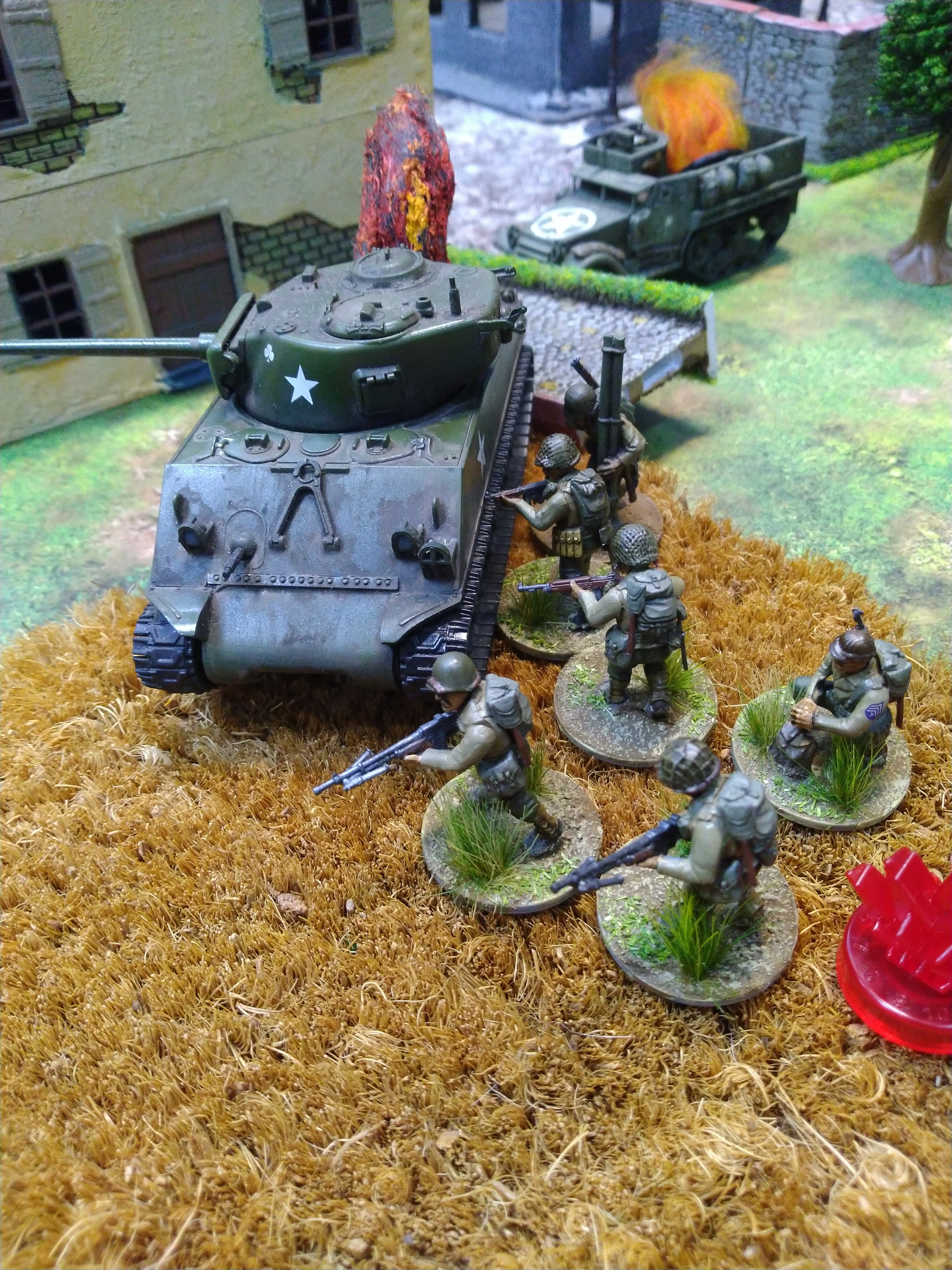
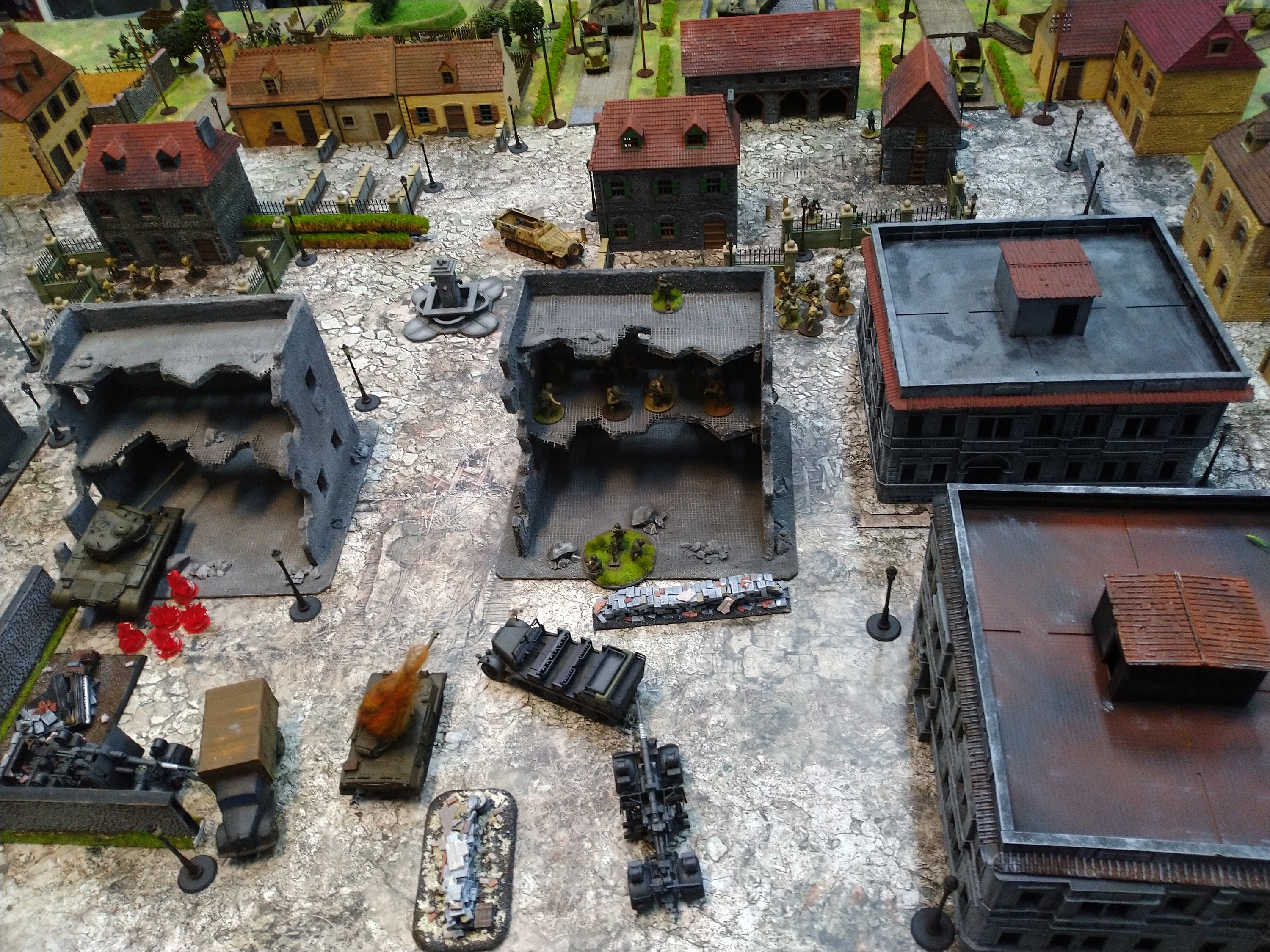
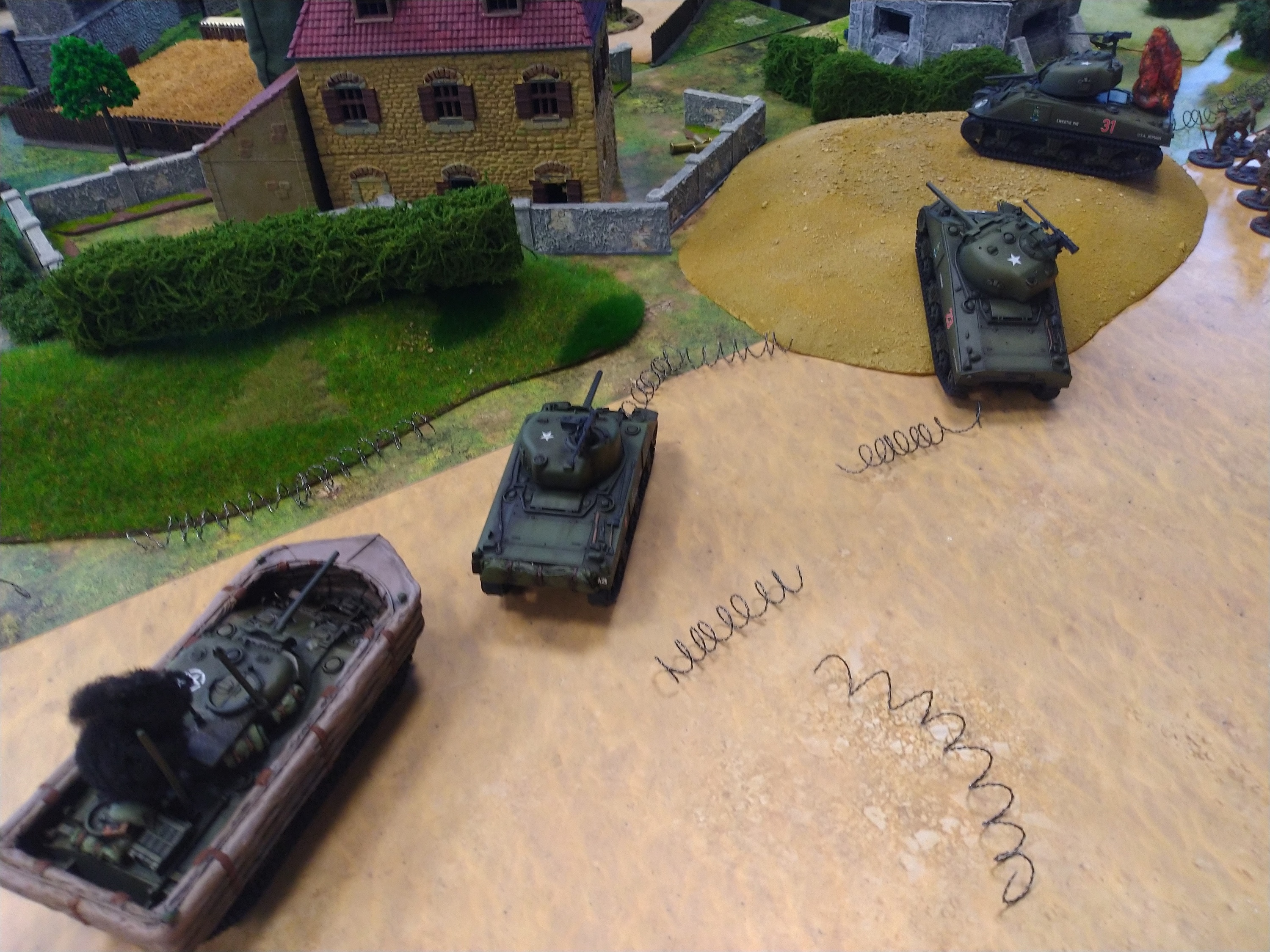
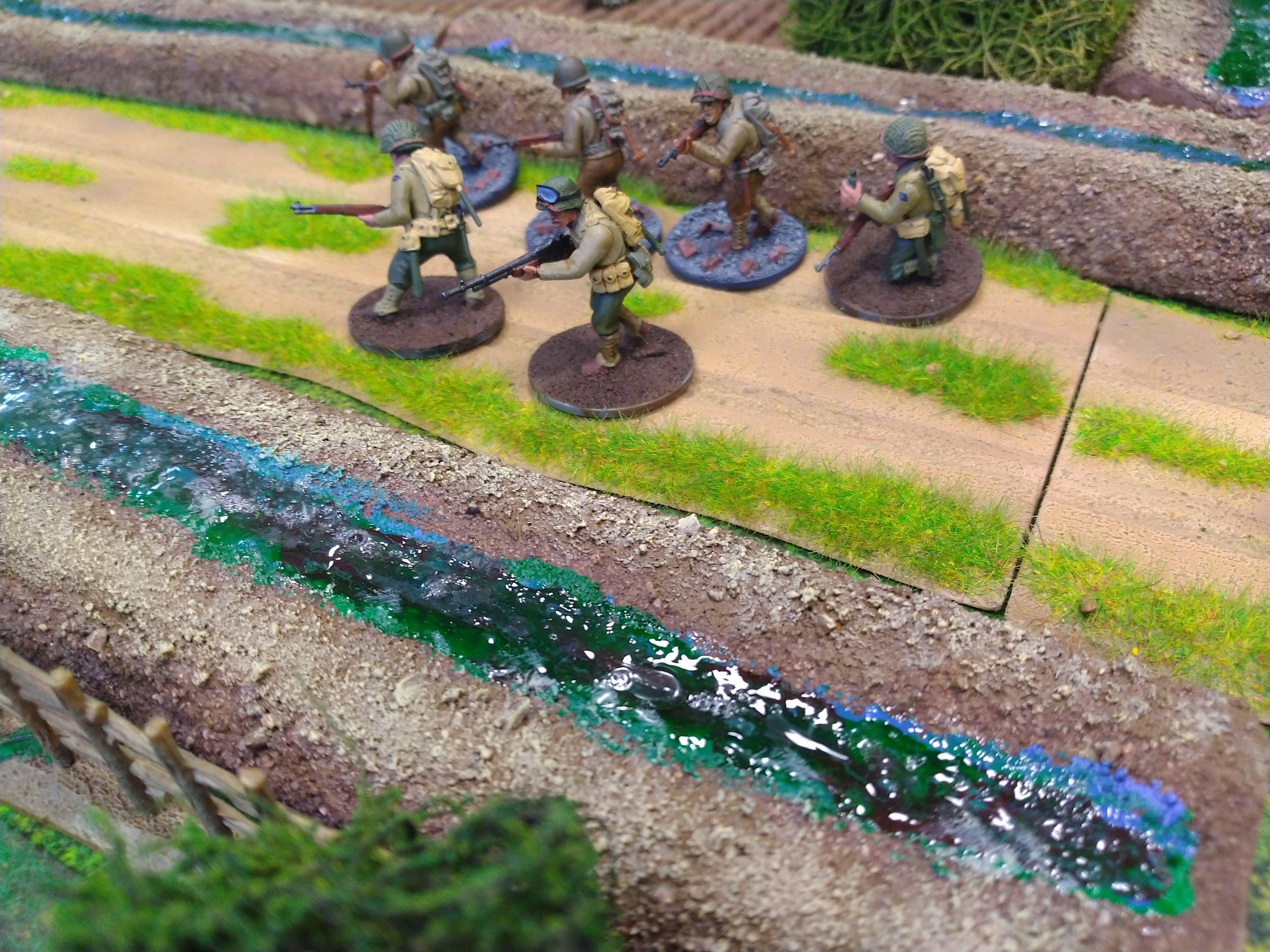
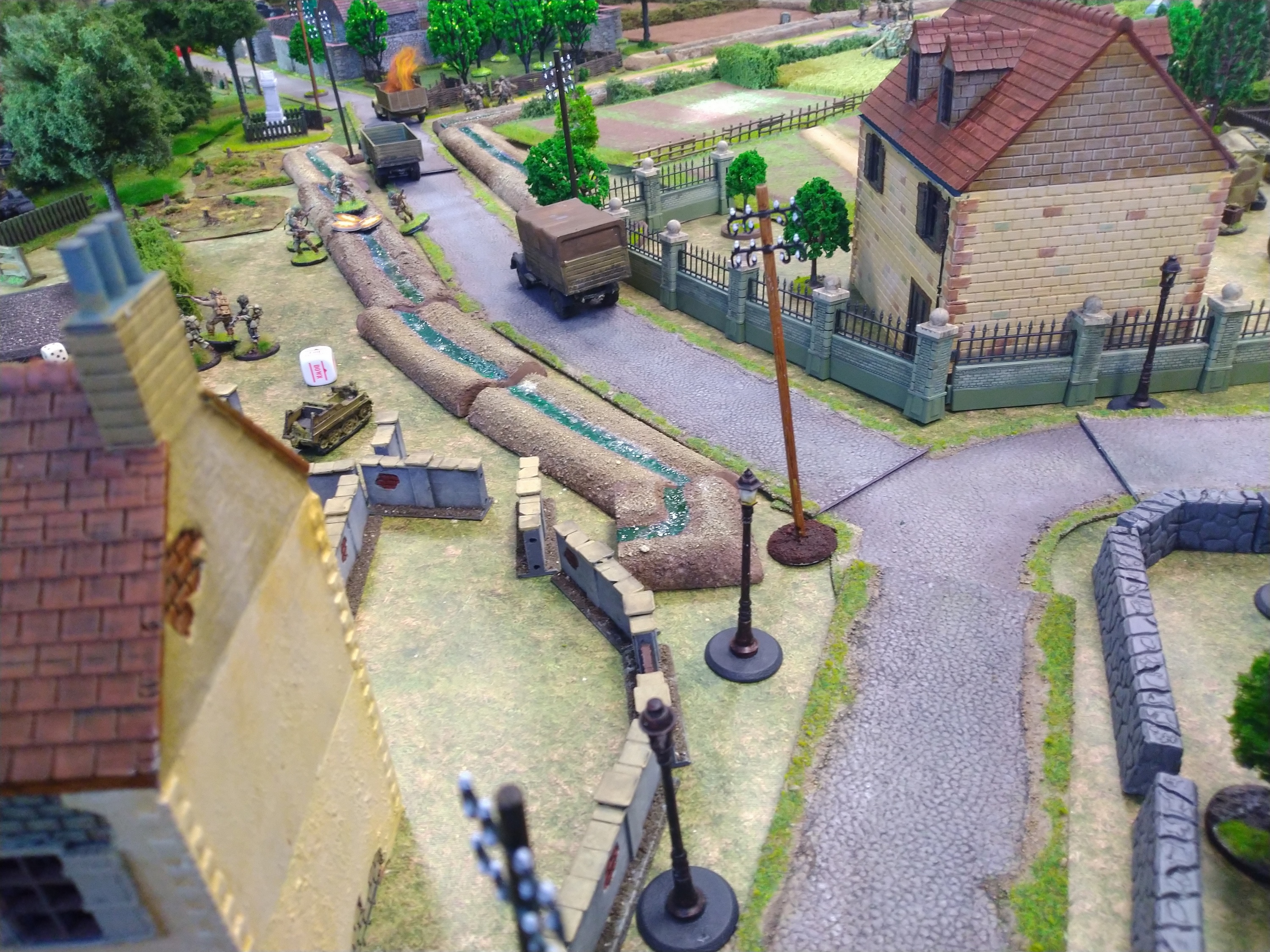
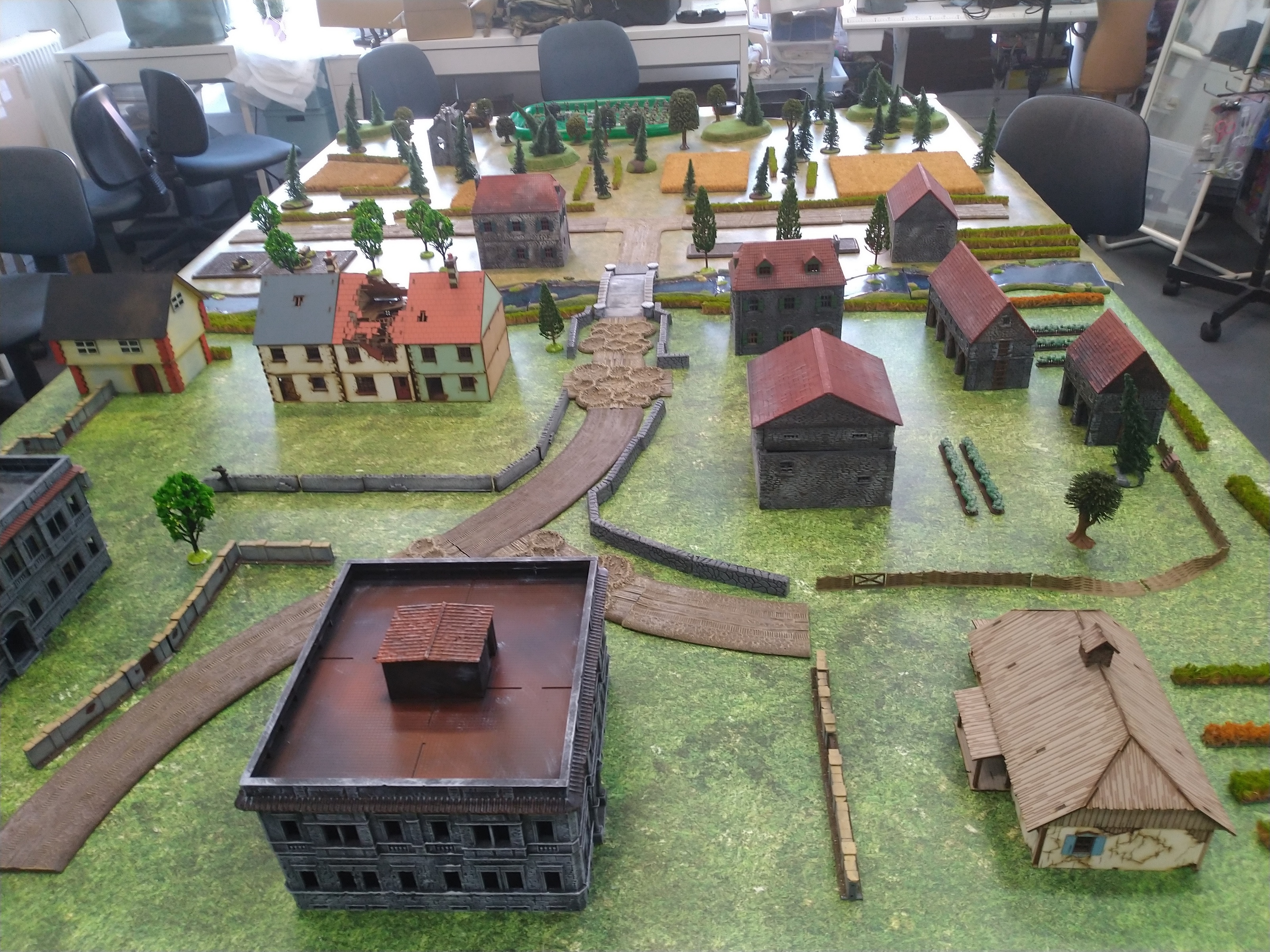
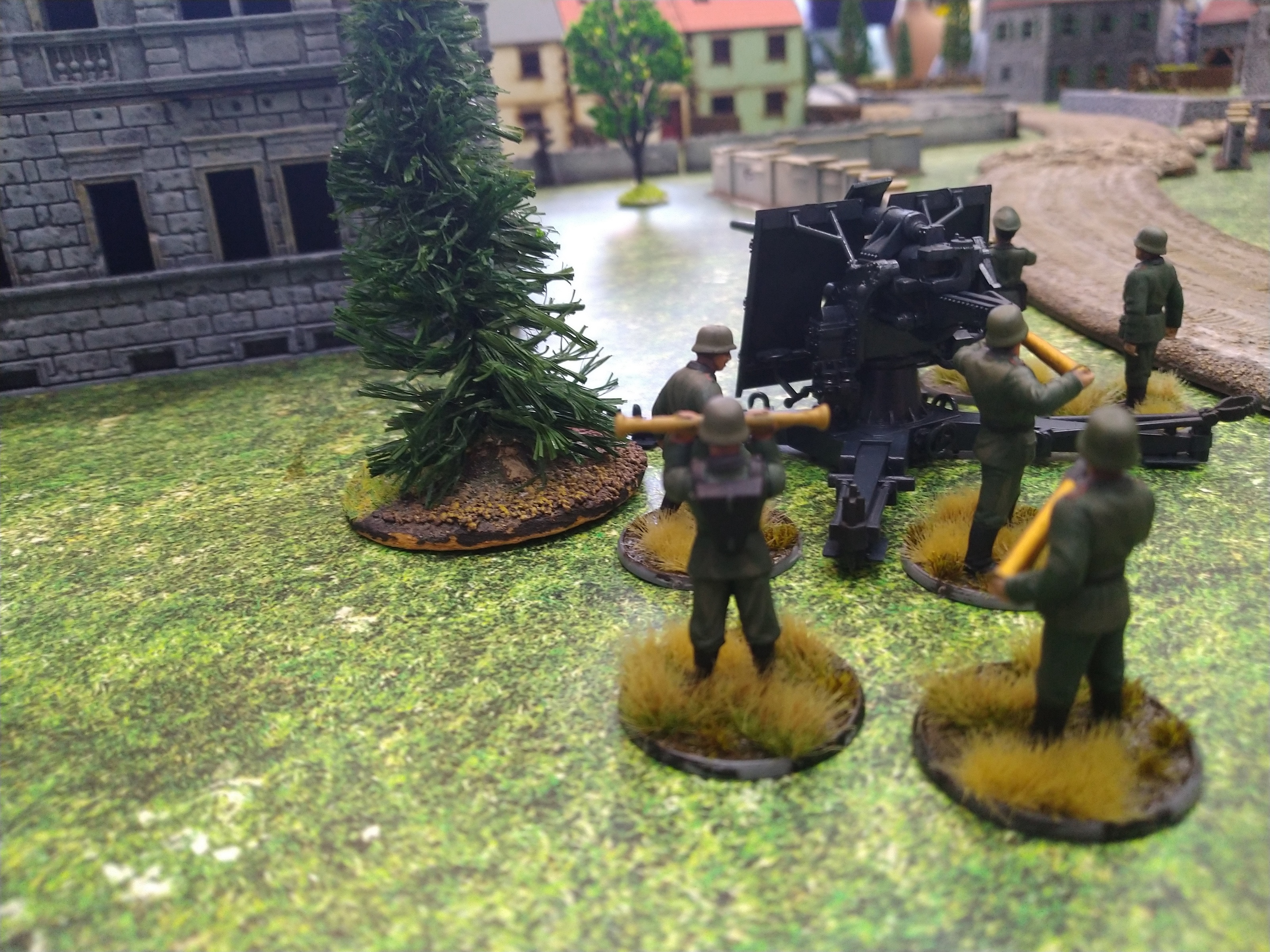
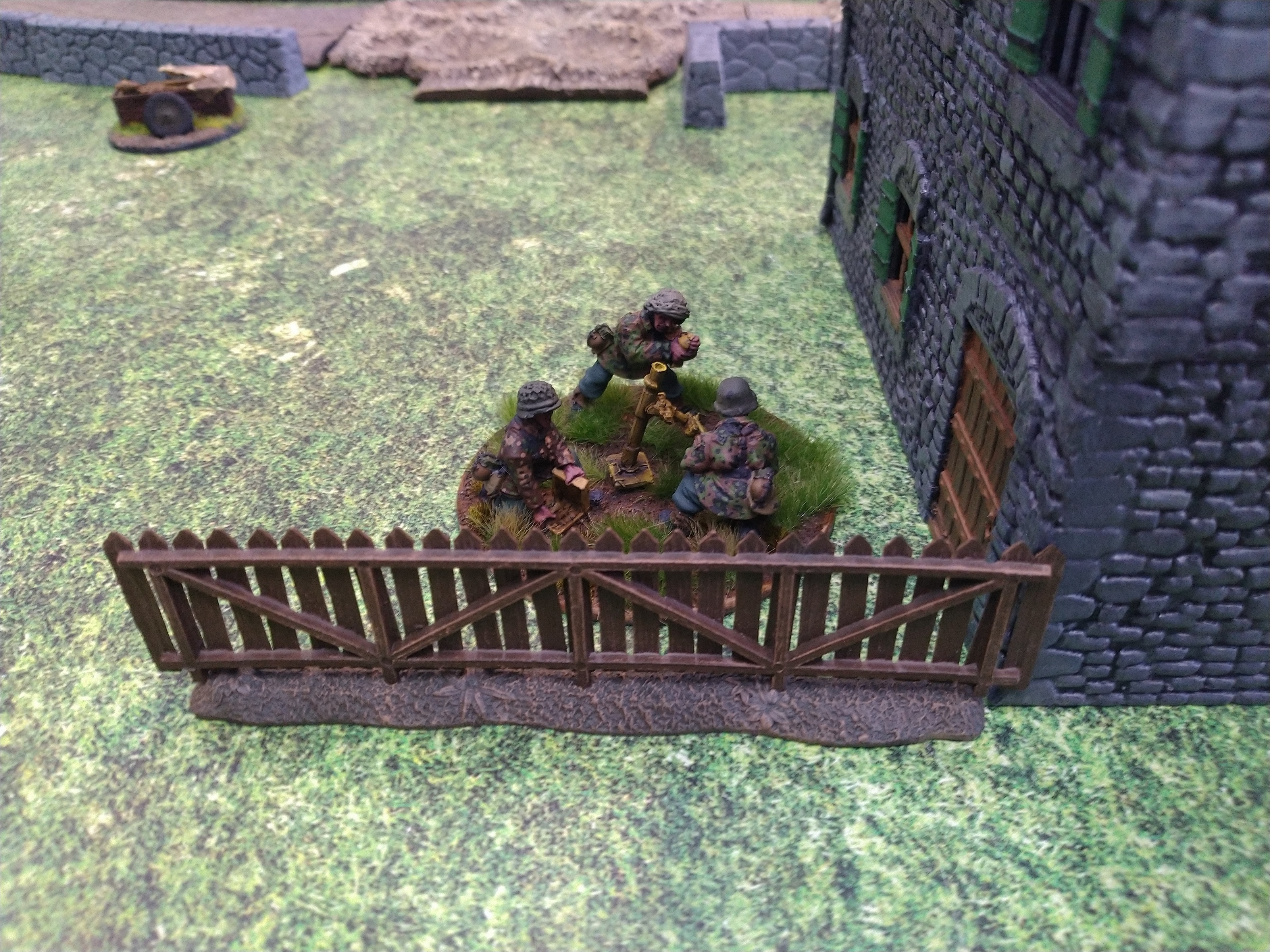
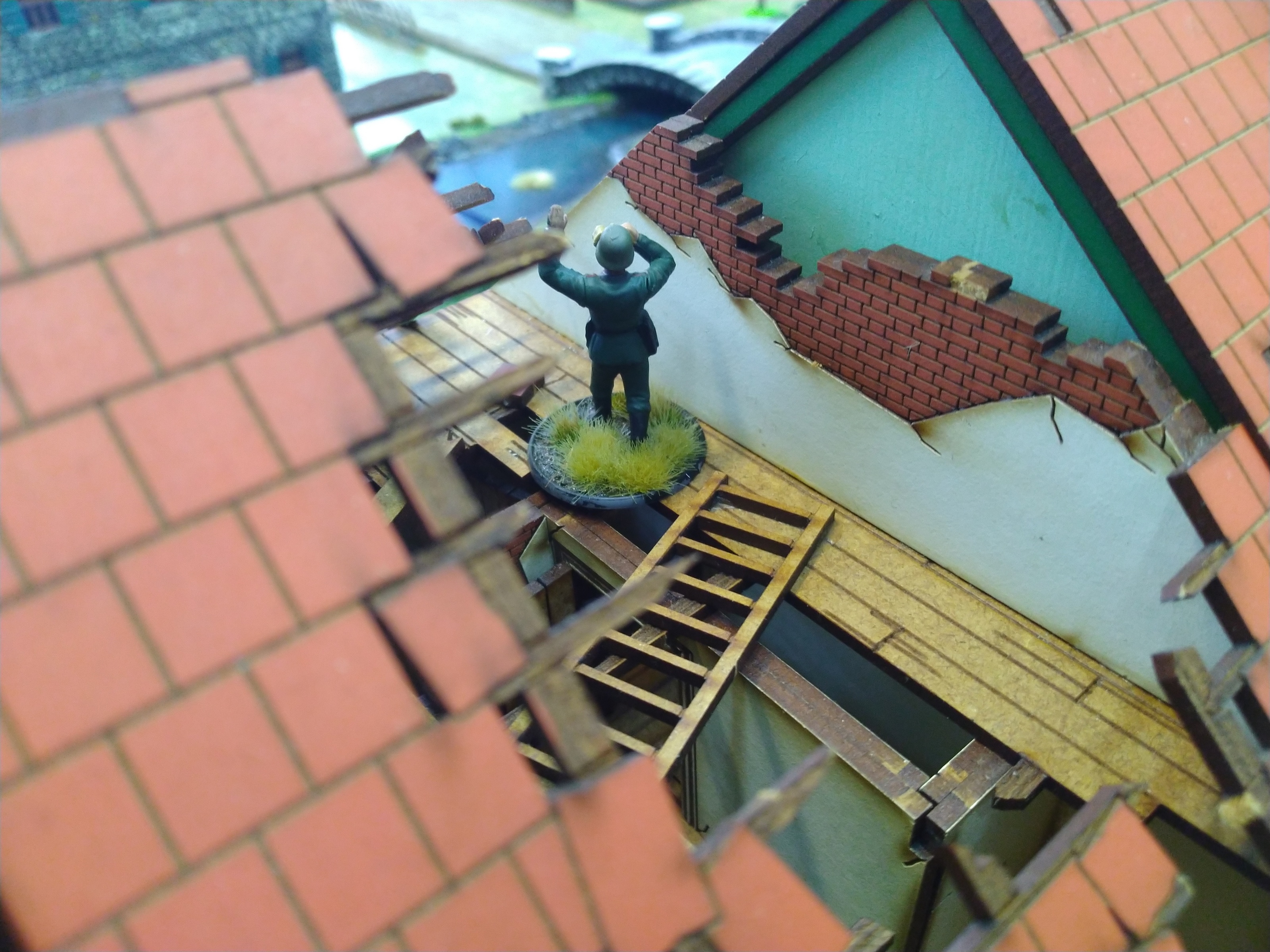
Shermans and landing crafts were almost scenery as no Japanese force get to a beach. Shermany i barki desantowe były tutaj scenerią, ponieważ żaden Japończyk nie zbliżył się do plaży.Our game board. Nasz stół do gry.HQ and two tanks on the airfield. Sztab oraz dwa czołgi na lotnisku.US Marines advances. Piechota morska w natarciu.LVT moving forward. LVT jadący naprzód.Japanese hidding near village. Japończycy kryjący się przy wiosce.Defenders of the airlfield try to take better defensive positions. Obrońcy lotniska próbują zająć lepsze pozycje obronne.So many USA soldiers. Tak wielu żołnierzy USA.There were several tokens hidding something for one side and offering something for other side. Było kilka specjalnych tokenów kryjących coś dla jednej strony i zarazem oferujacych dla dla drugiej strony.Japanese attemps to hold ground around tower. Japończycy próbują utrzymać teren wokół wieży.Last Japan tanks in area of airfield. Ostatnie japońskie czołgi w pobliżu lotniska.
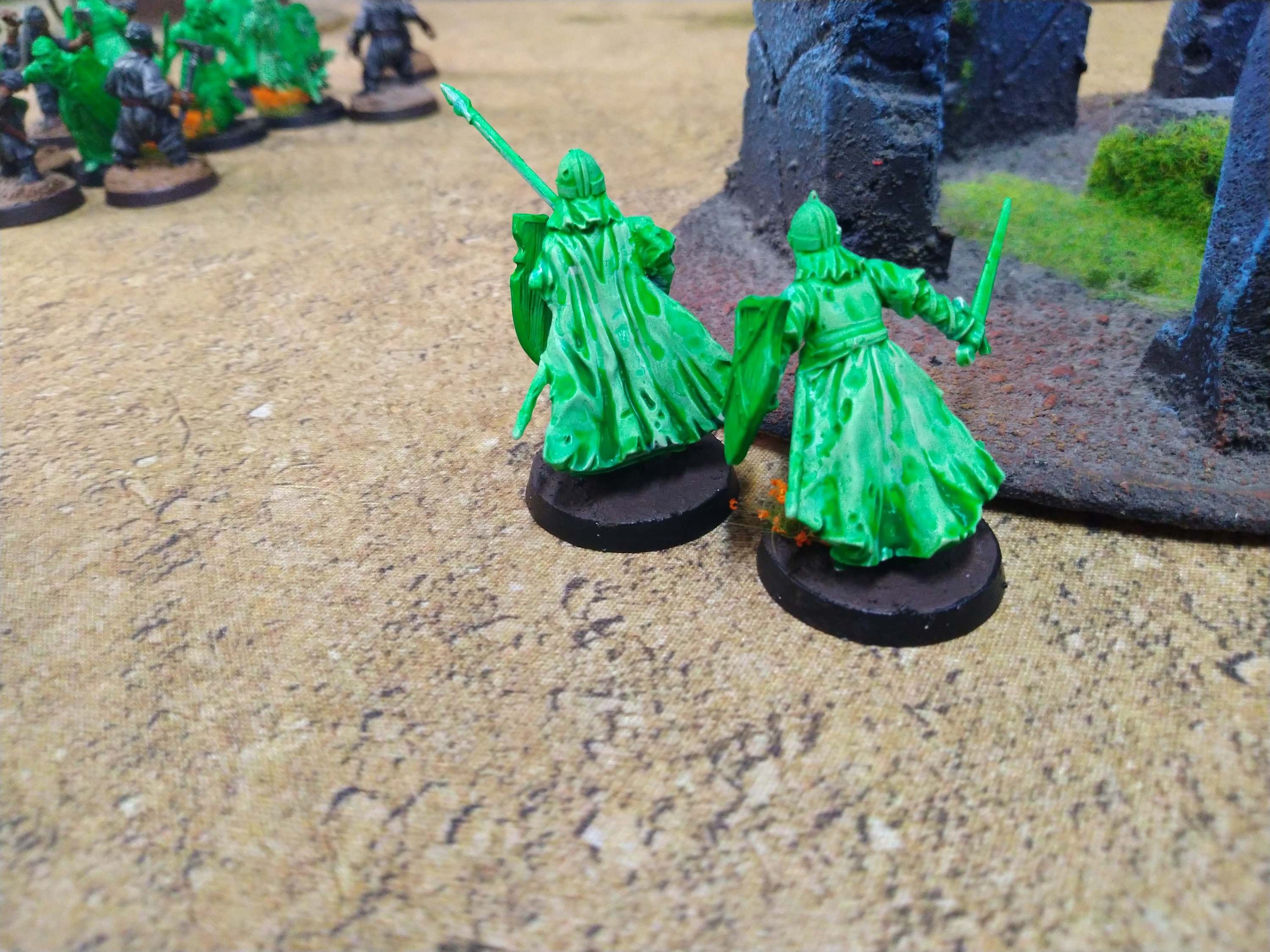
Summary: – USA leaders were winners! – good game with something new. – some observation about what we can change in the future for larger battles. – thank you all for game!
Podsumowanie: – wygrali dowódcy USA! – dobra gra z czymś nowym. – kilka obserwacji o tym co możemy zmienić w przyszłości w większych bitwach. – dzięki wszystkim za grę!
In case of several Japanese charges it’s best lyric about this last stand. W przypadku kilku japońskich szarży jest to najlepszy utwór mówiący o tej obronie do końca.
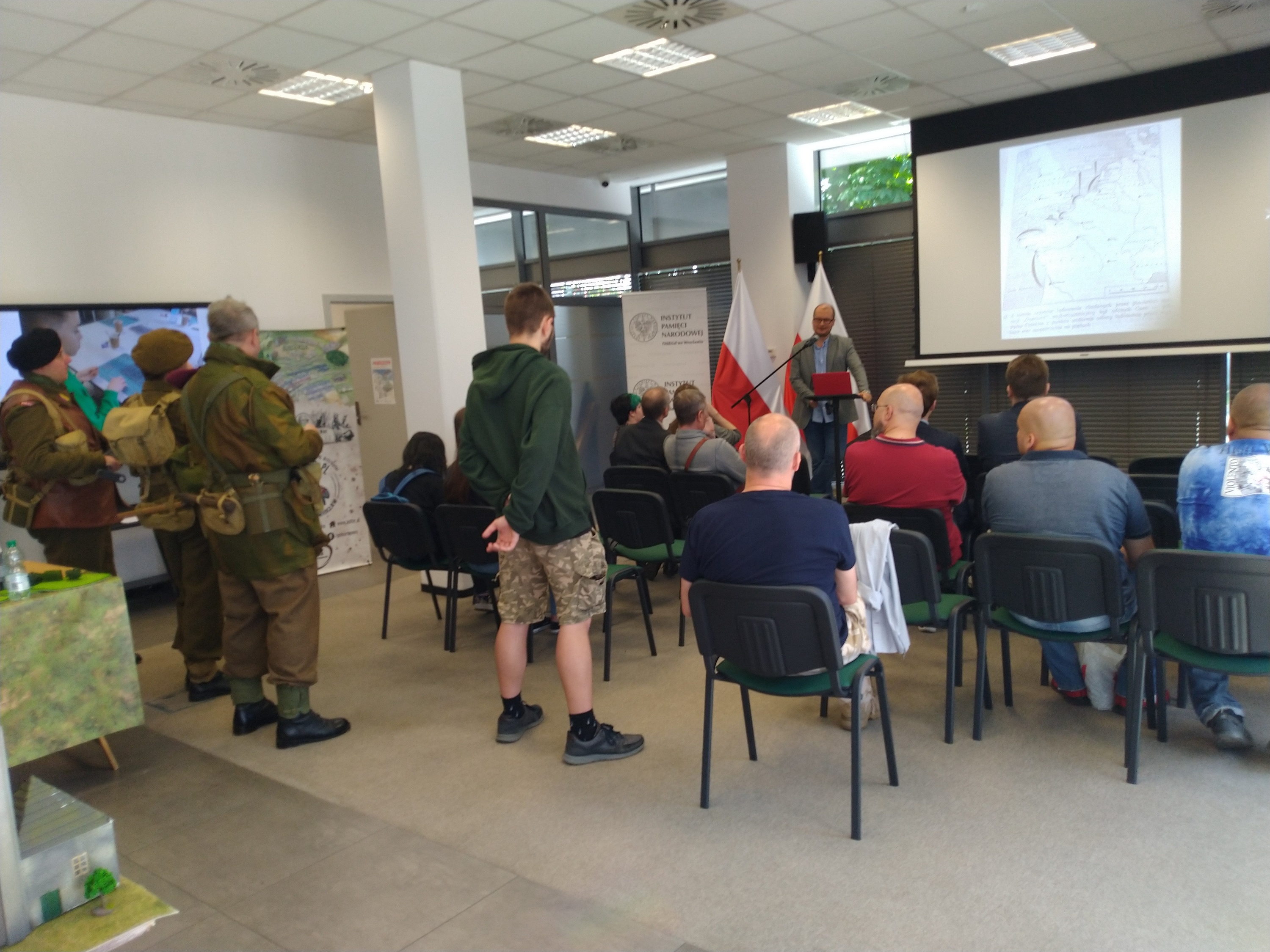
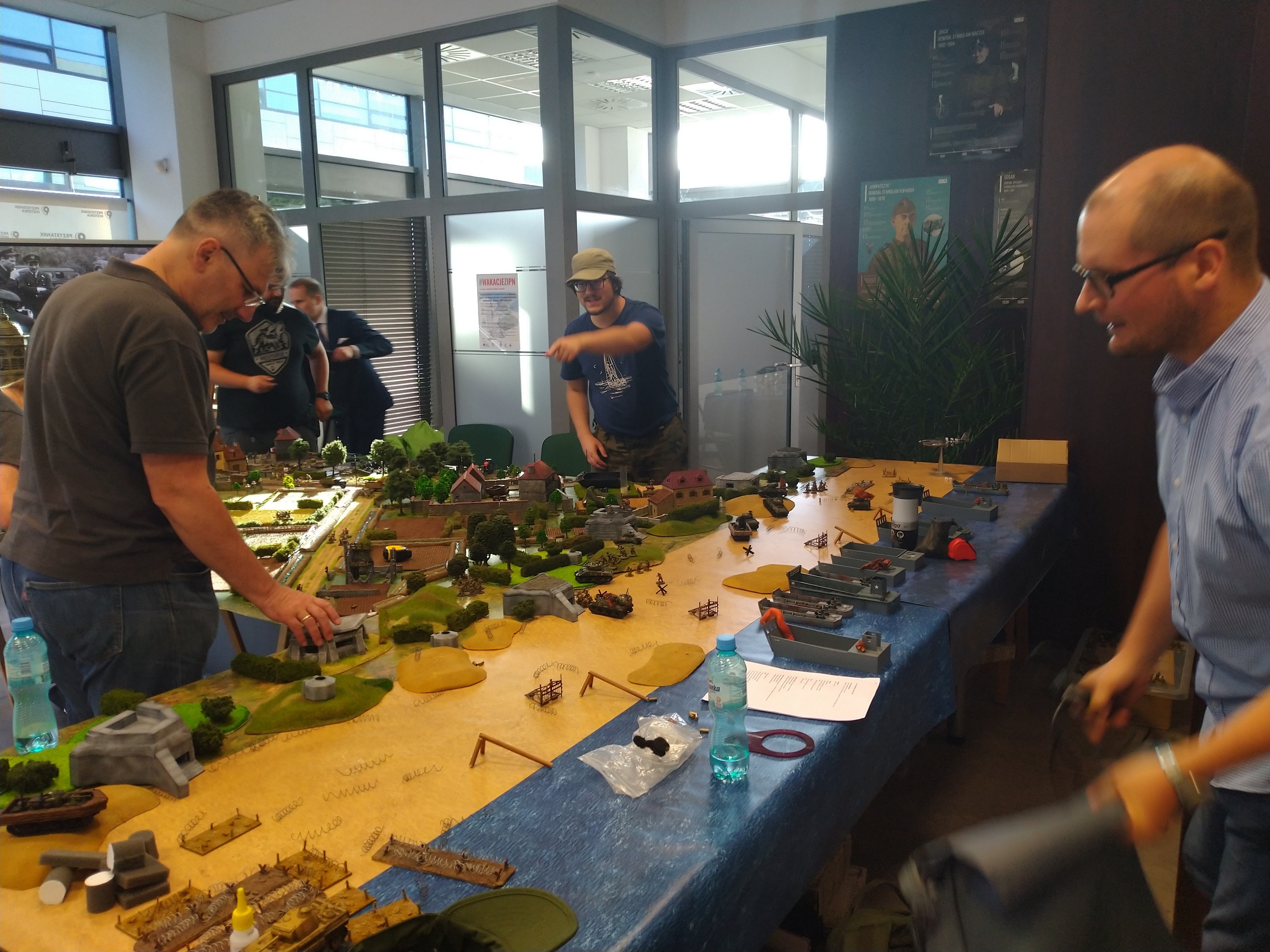
On last Friday I participated in „Przystanek Historia” (History: Point) opened by president of Institute of National Remembrance (IPN) dr Karol Nawrocki with words: This story stop can be place on map of Wrocław, in which we will talk about past and future. I’m convinced,that in this place there will be no shortage of reflections about the Second World War and what happened after 1945.
We know that this great Allied operation could not have taken place without the contribution of the Polish airmen, Polish sailors, General Maczek, who fought at Falaise, and those who marched from different directions, retaining hope for a free and independent Poland, said the IPN President Karol Nawrocki during the event.
It’s great that on this oppening was president of IPN – so „Przystanek Historia” started cycle of events called „Wakacje z IPN” (Holidays with IPN). To be sure it’s a lot of different workshops for young people as well as for adults, speeches and also Bolt Action in high callibre details. More about it is avaible on Institute of National Remembrance page. I can recommend for everyone to read it here: IPN History Point in Wrocław. Event was created by Bolter for IPN.
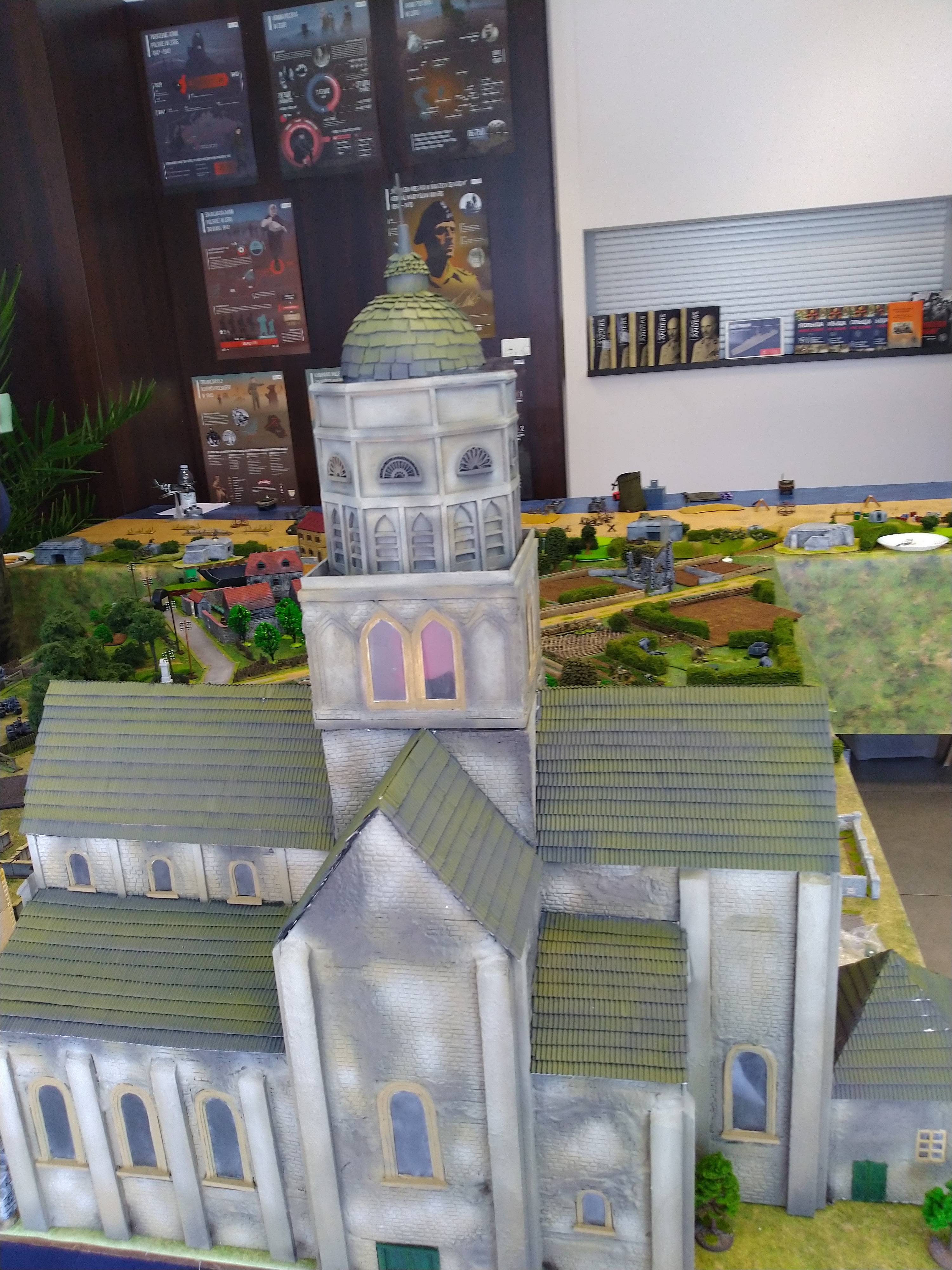
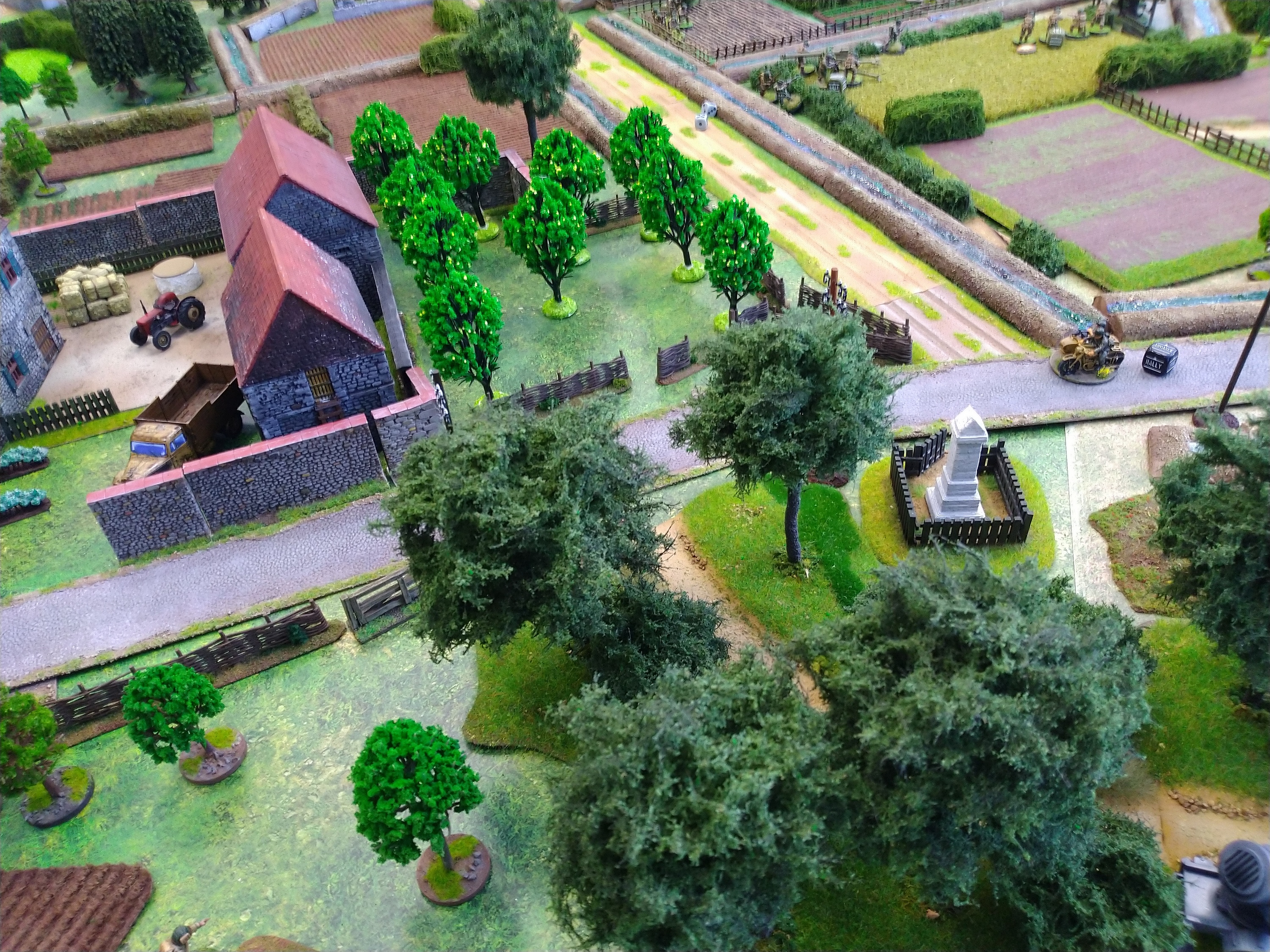
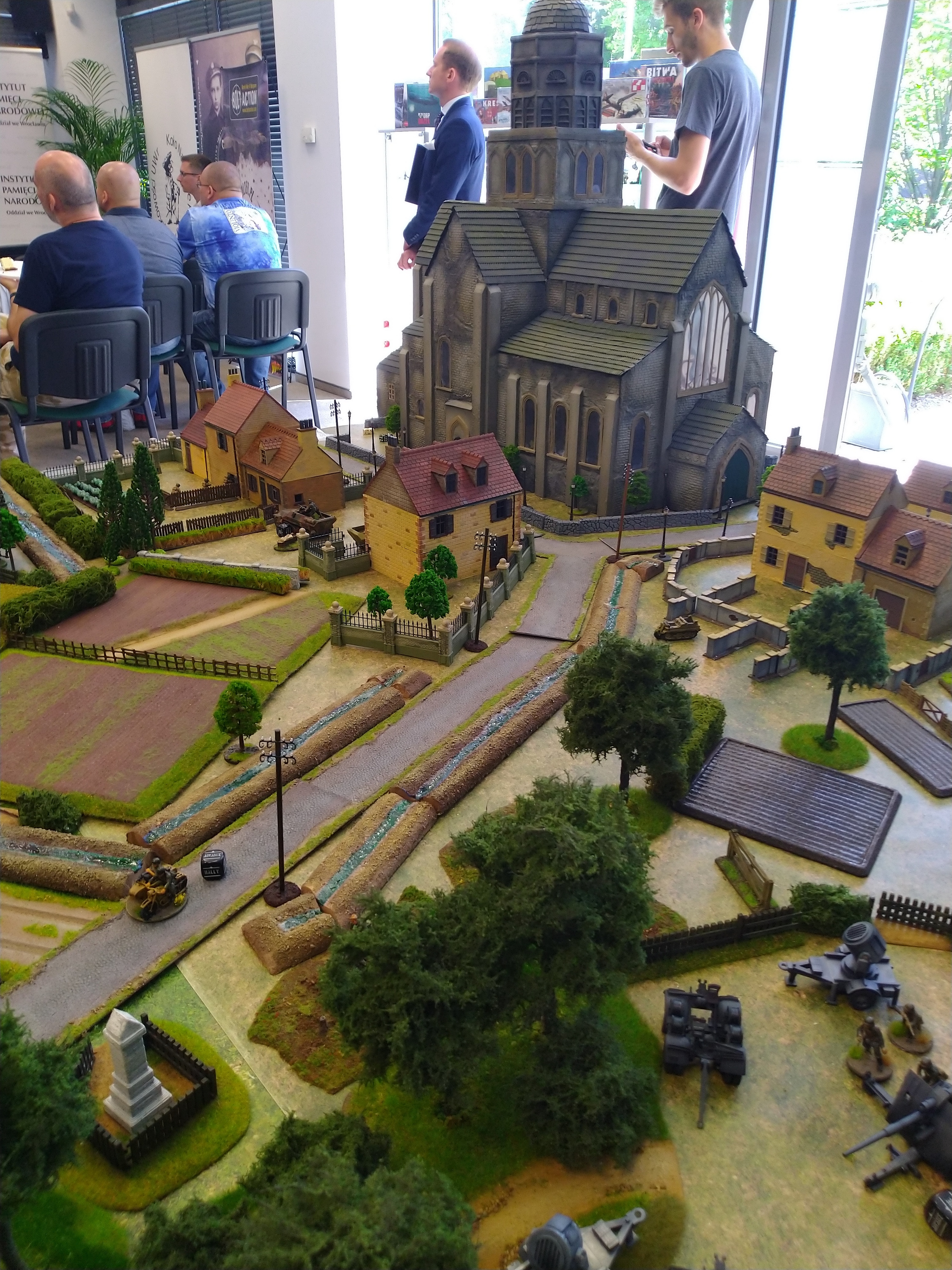
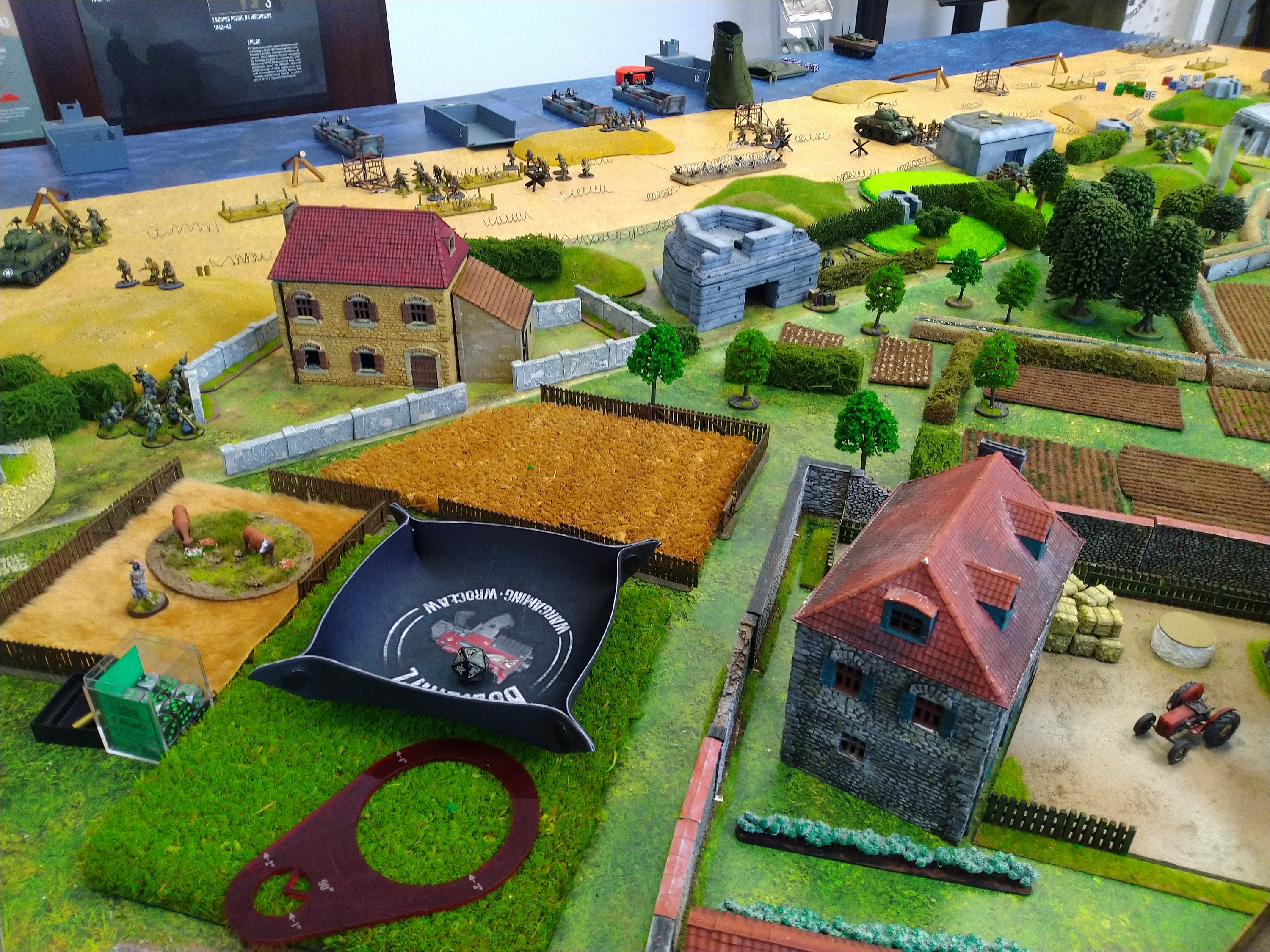
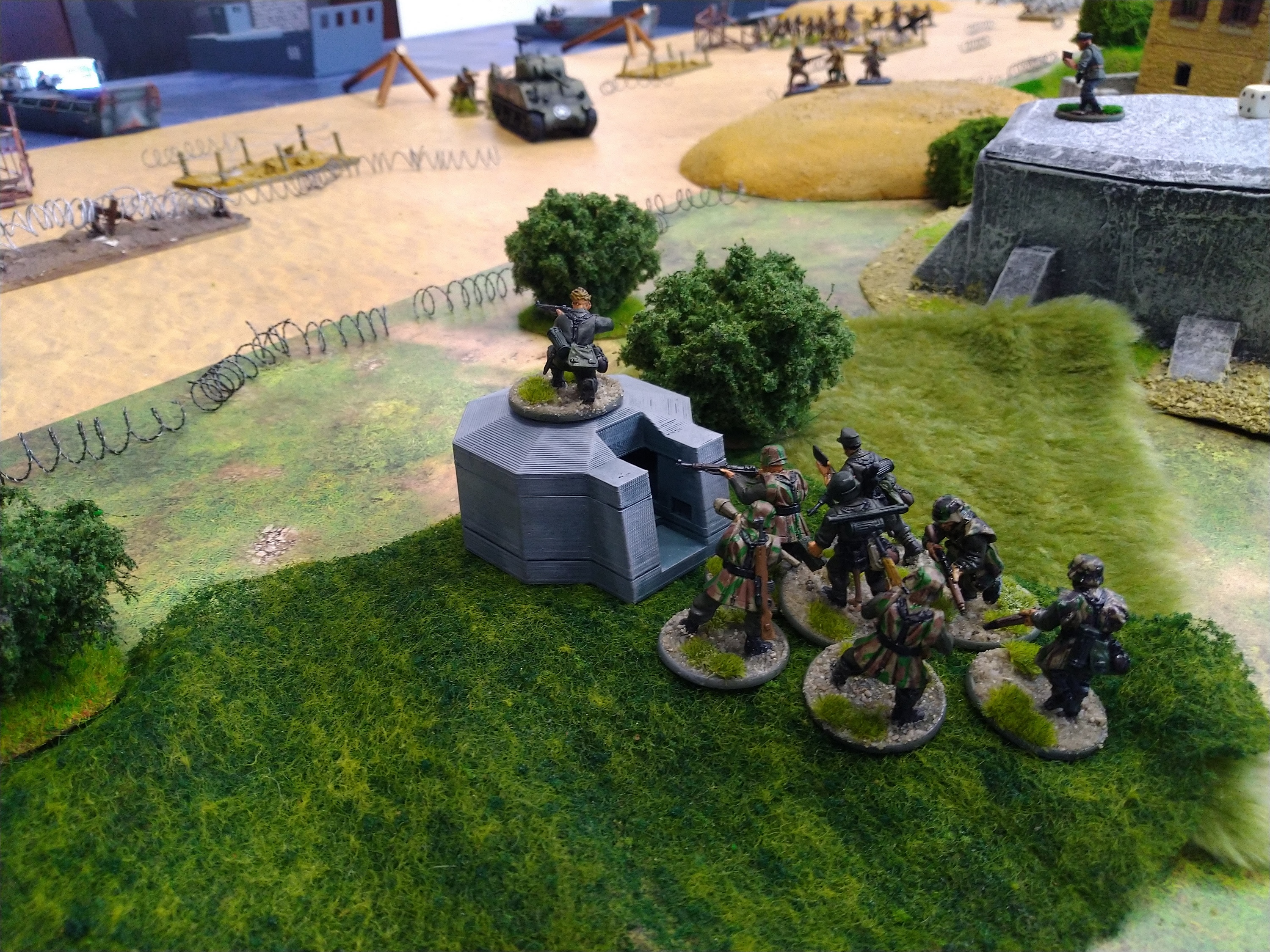
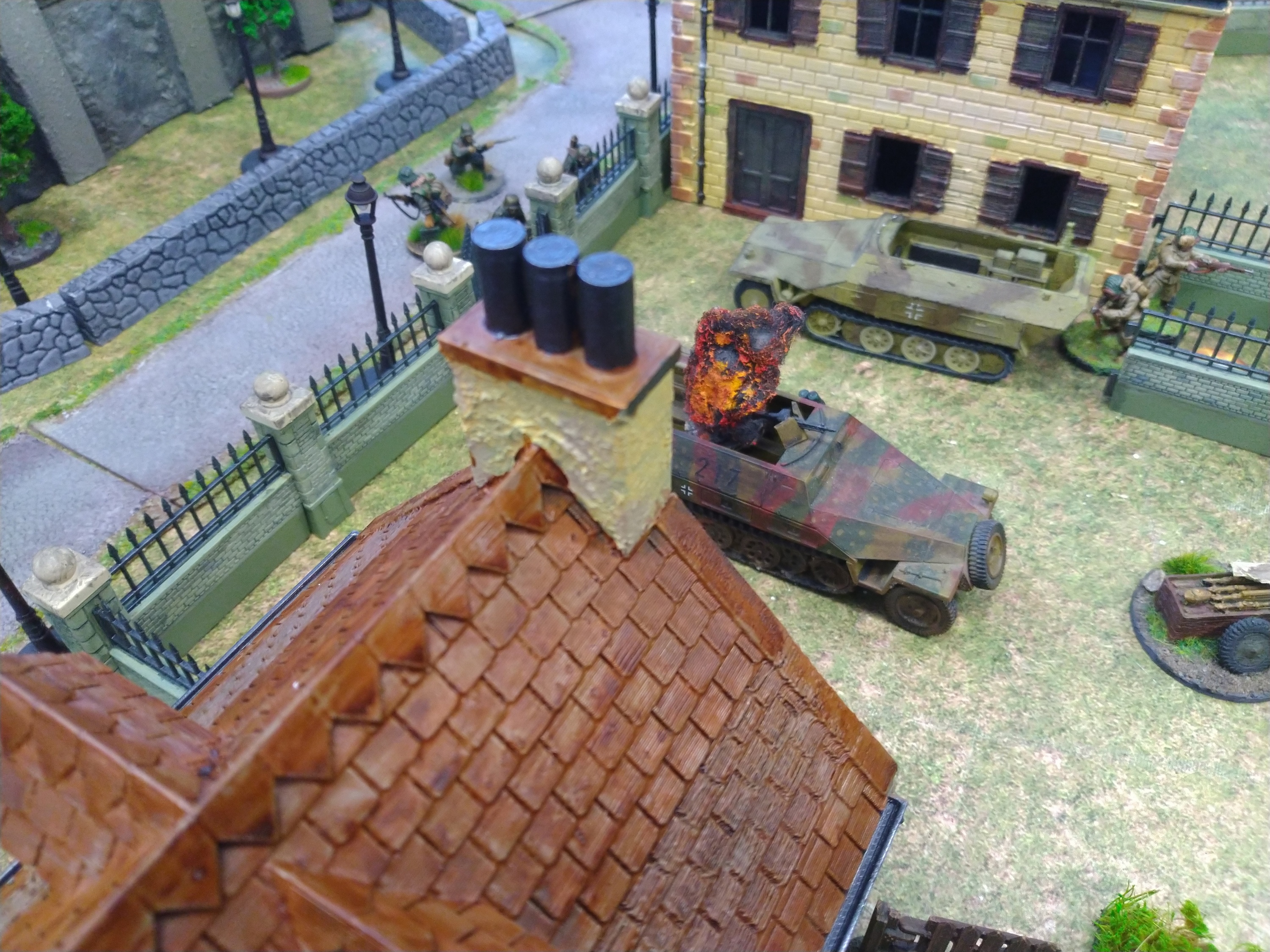
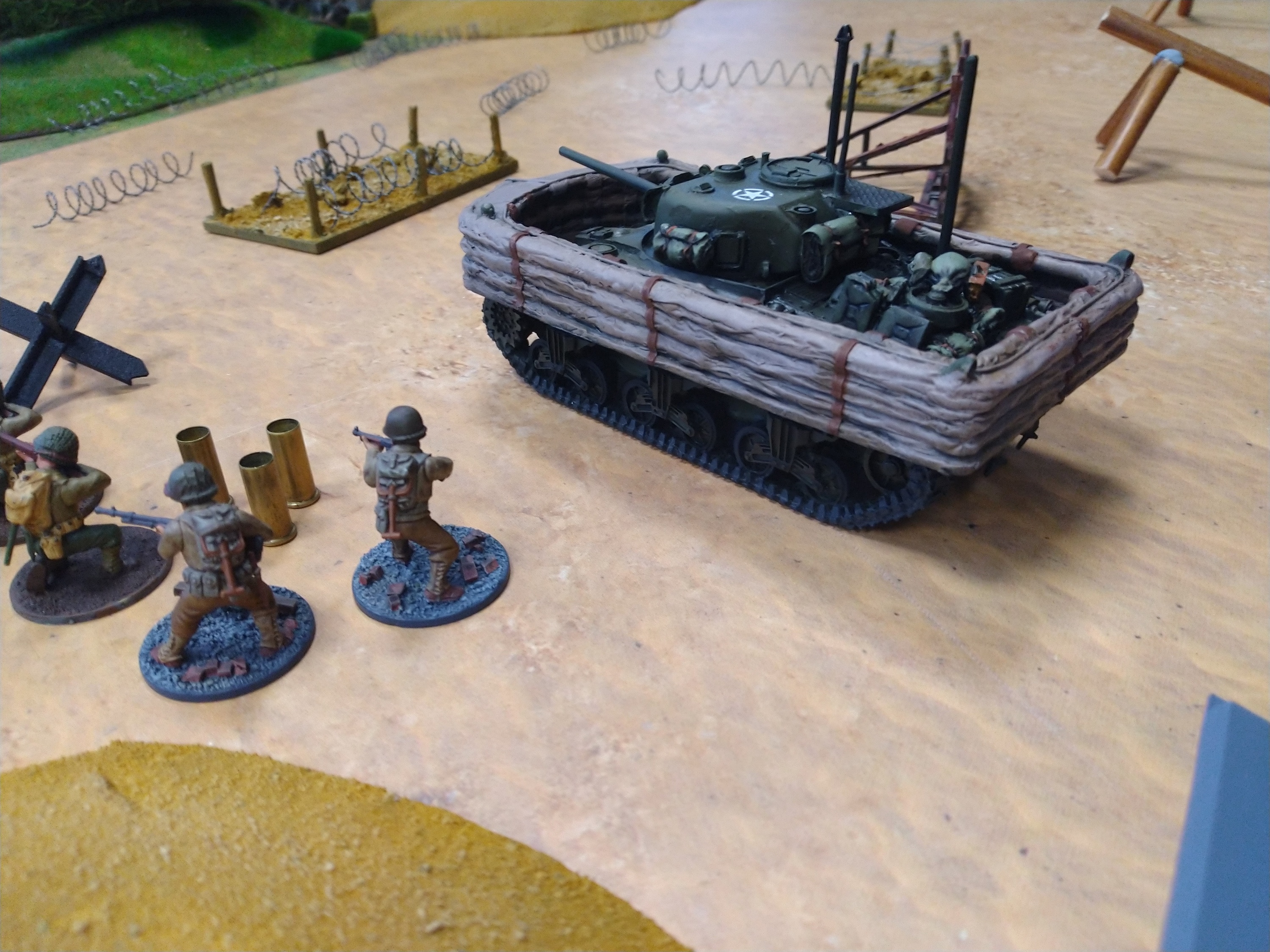
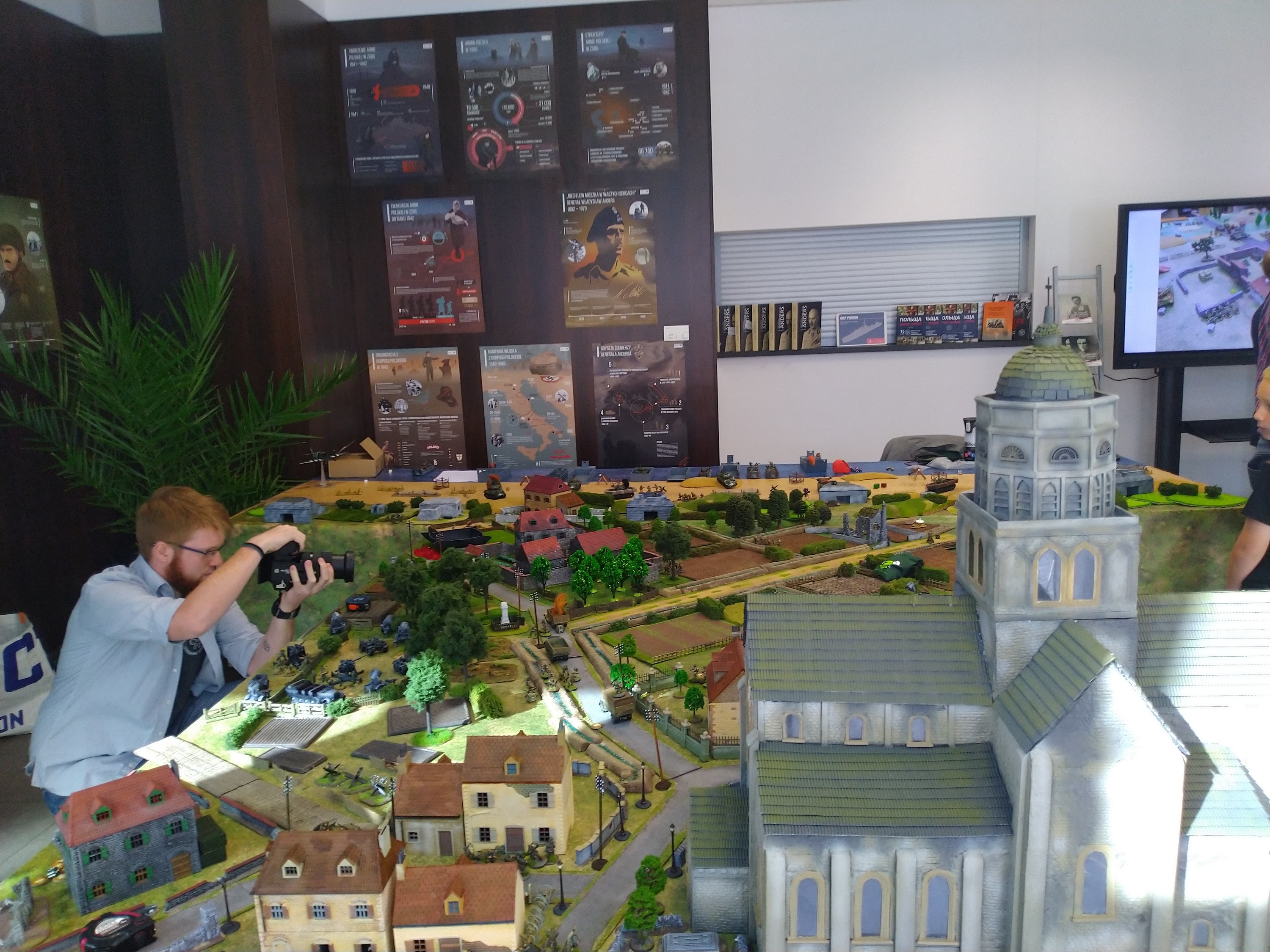
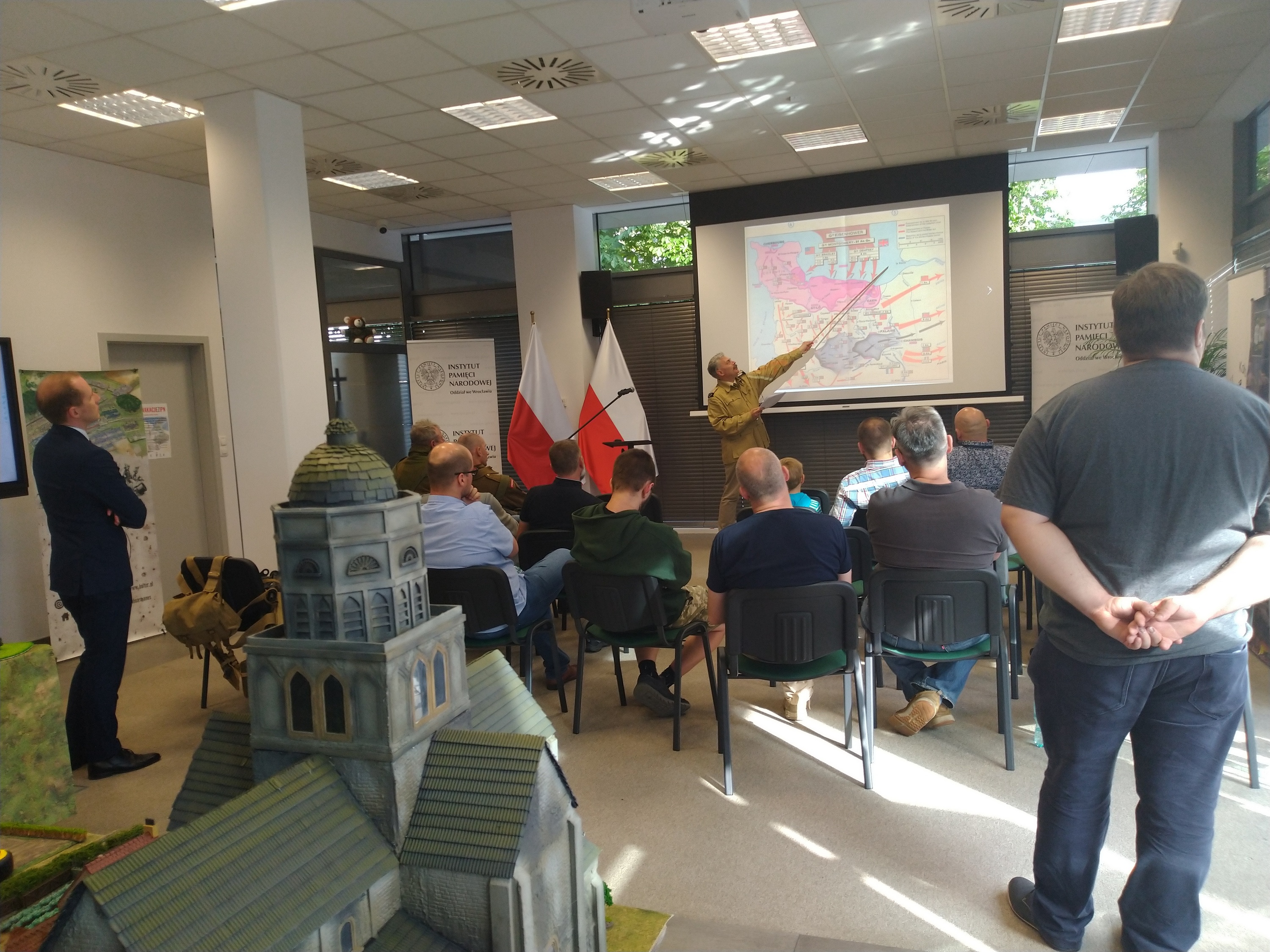
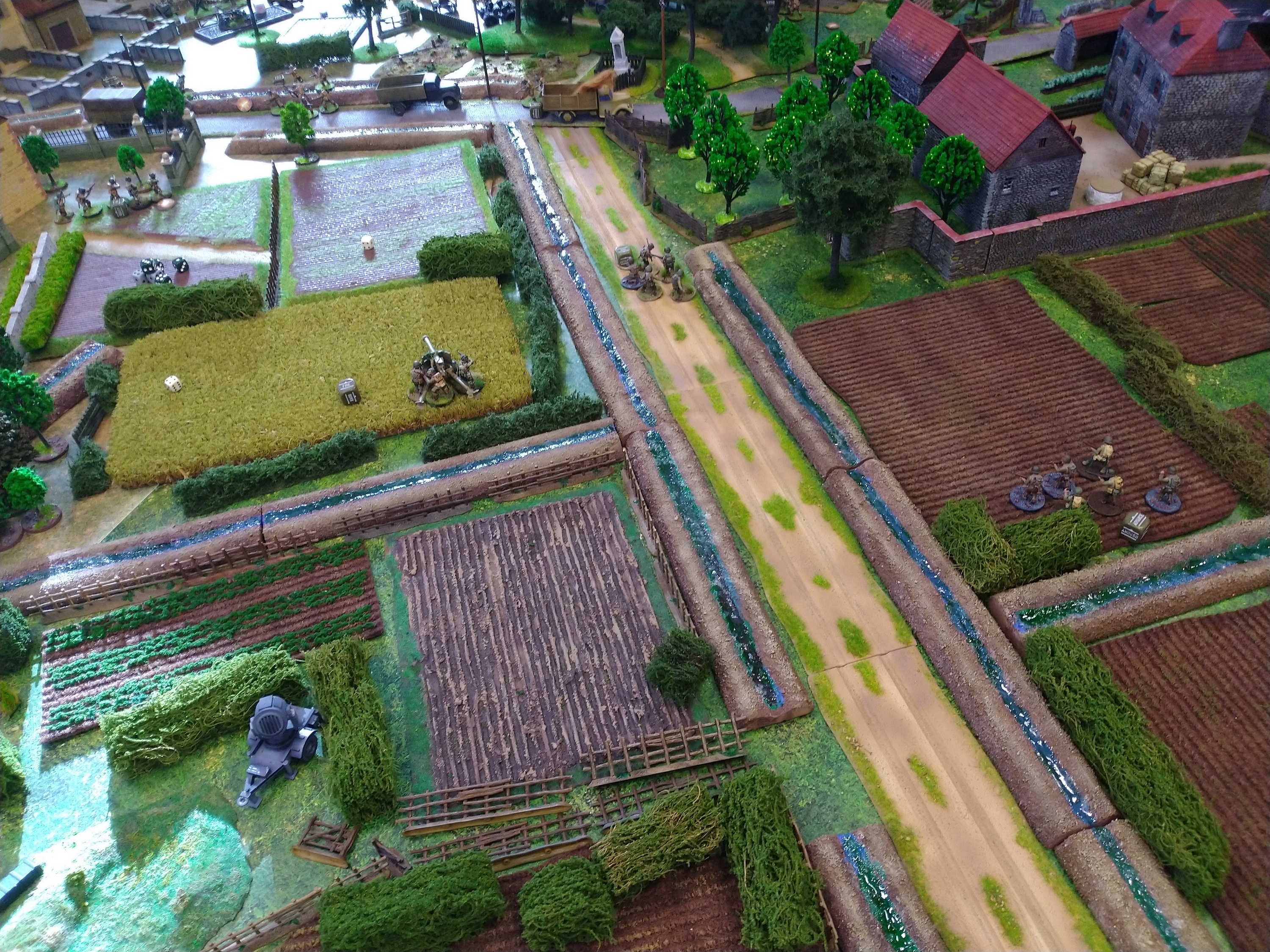
So it begun at night of 5/6 June 1944, 6928 American paratroopers of famous 101st paratrooper division jumped down to occupied France to secure roads to beaches and make as much chaos to occupying German forces as they can – it was Operation Albany. Then invasion on beaches started in the morning of 6th June were Allies forces started sea landing on beaches Utah, Omaha, Gold, Juno, Sword – Operation Overlord started. Our forces on Friday recreated landing on Utah beach and brave fight of paratroopers for Sainte-Marie-du-Mont with it great church towering over town.
W ostatni piątek brałem wziąłem udział w „Przystanku Historia” inaugurowanym przemową prezesa Instytutu Pamięci Narodowej (IPN) dr Karola Nawrockiego słowami: Ten Przystanek może być na mapie Wrocławia miejscem, w którym będziemy mówić o przeszłości i dla przyszłości. Jestem przekonany, że w tym miejscu nie zabraknie refleksji i o II wojnie światowej i o tym co wydarzyło się po roku 1945.
Wiemy, że wielka operacja aliantów nie mogłaby się odbyć bez wkładu Polaków, bez pięknej odysei wolności polskich lotników, polskich marynarzy, gen. Maczka, który bił się pod Falaise, ale także tych, którzy szli z różnych stron, nie porzucając w 1939 roku nadziei na wolną i niepodległą RP – mówił prezes IPN dr Karol Nawrocki podczas otwarcia placówki.
Świetnie, że na tym otwarciu był prezes IPN – tak więc „Przystanek Historia” rozpoczął cykl spotkać zwanych „Wakacje z IPN”. Dla pewności – mają to być liczne, różnorodne warsztaty, konferencje tak dla młodych jak dla dorosłych wliczając w to także Bolt Action w wysokiego kalibru detalach. Więcej o tym możecie przeczytać na stronie Instytutu Pamięci Narodowej. Mogę każdemu polecić przeczytanie o tym w tym miejscu: Otwarcie Przystanku Historia. Wydarzenie powstało we współpracy Boltera z IPN.
Tak więc zaczęło się wszystko w nocy z 5 na 6 czerwca 1944, 6928 spadochroniarzy z słynnej 101 amerykańskiej dywizji powietrzno-desantowej skoczyło z samolotów do okupowanej Francji by zabezpieczyć drogi do plaż oraz zasiać tyle zamętu ile się da wobec okupujących kraj Niemców – było to w ramach Operacji Albany. Następnie nad ranem 6 czerwca nastąpił desant morski sił alianckich na plaże Utah, Omaha, Gold, Juno, Sword – Operacja Overlord się rozpoczęła. Nasz siły w piątek odegrały lądowanie na plaży Utah i bohaterskie walki spadochroniarzy o miasteczko Sainte-Marie-du-Mont z swoim wielkim kościołem górującym nad dachami okolicznych domów.
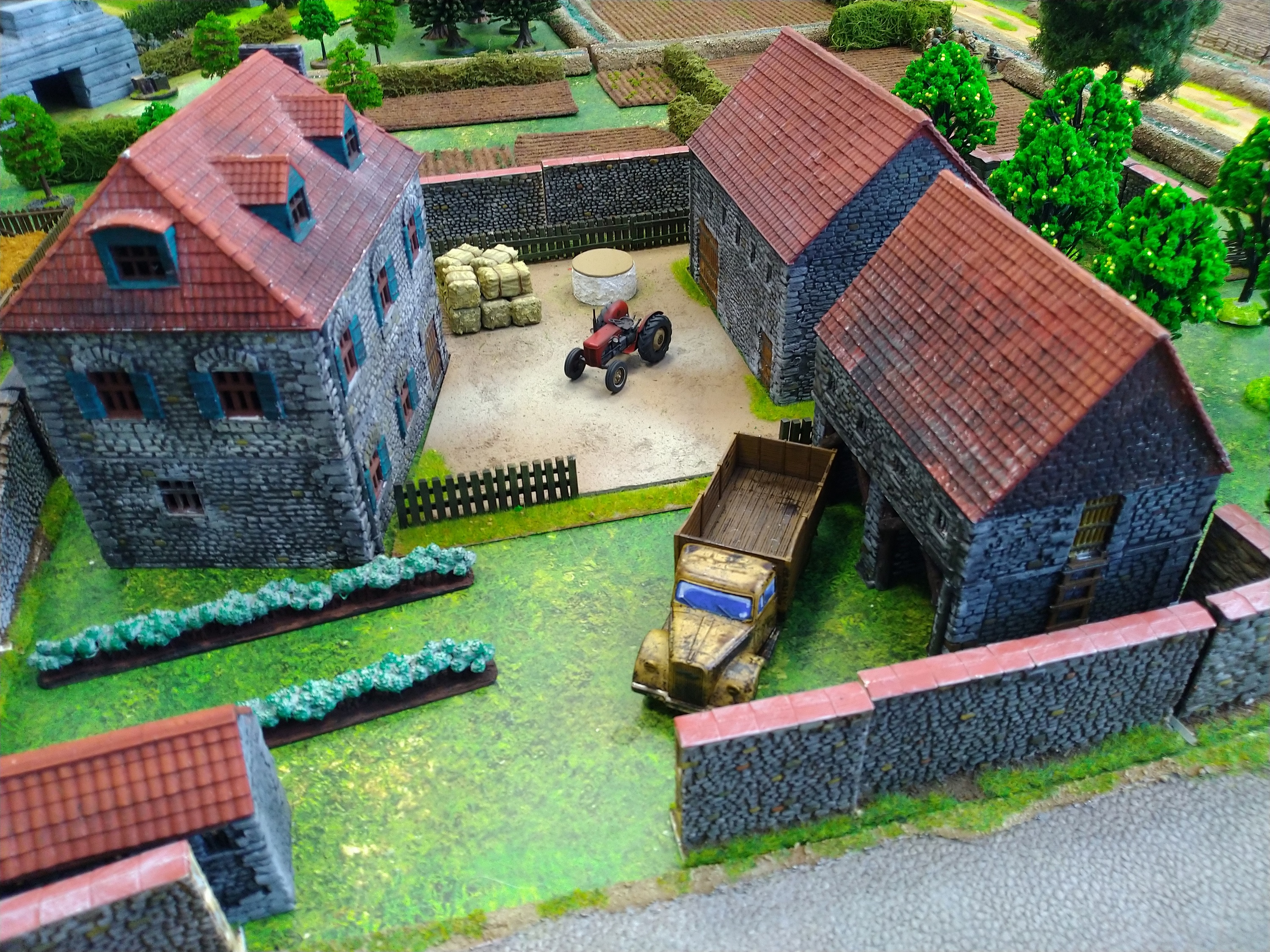
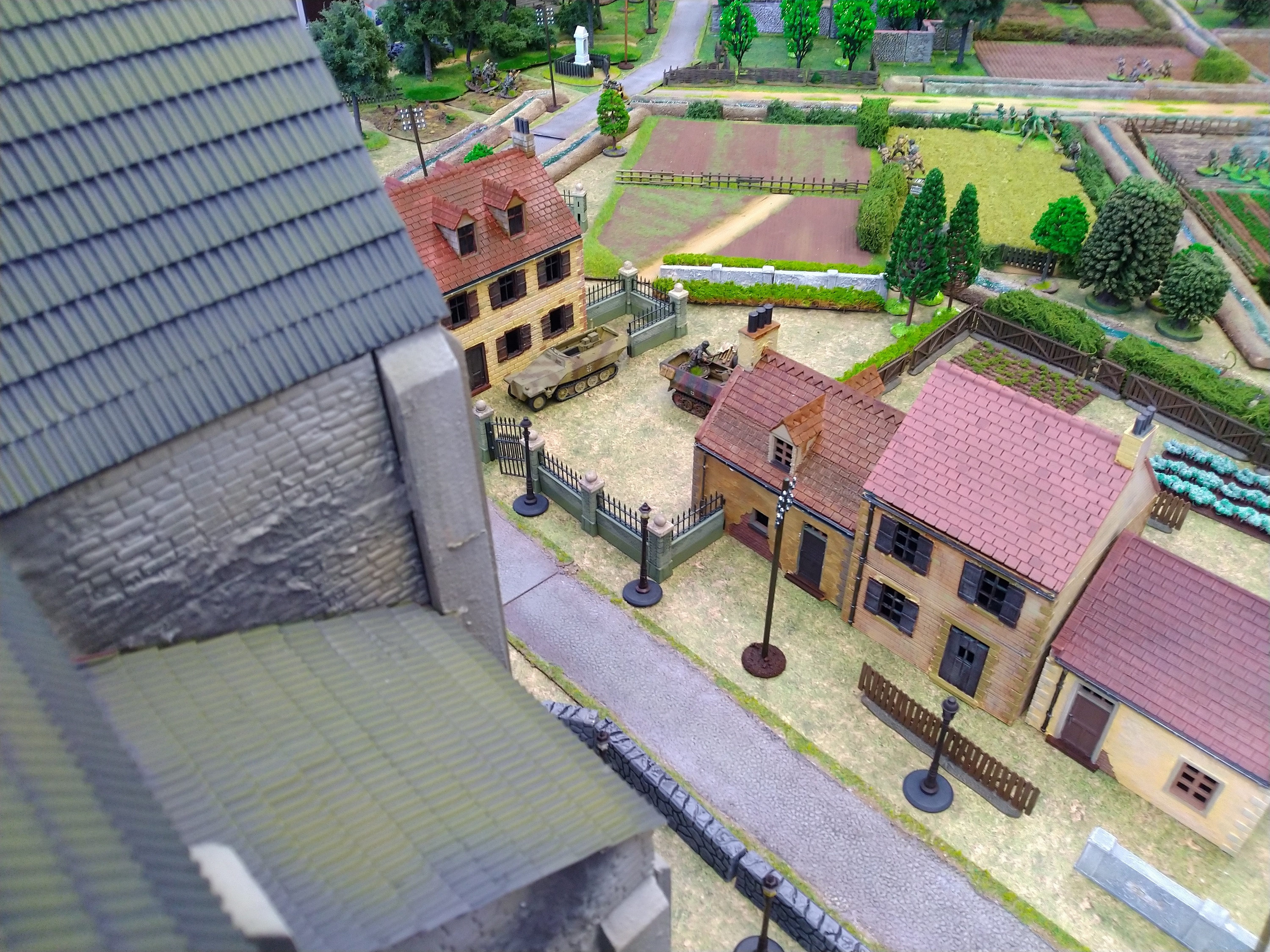
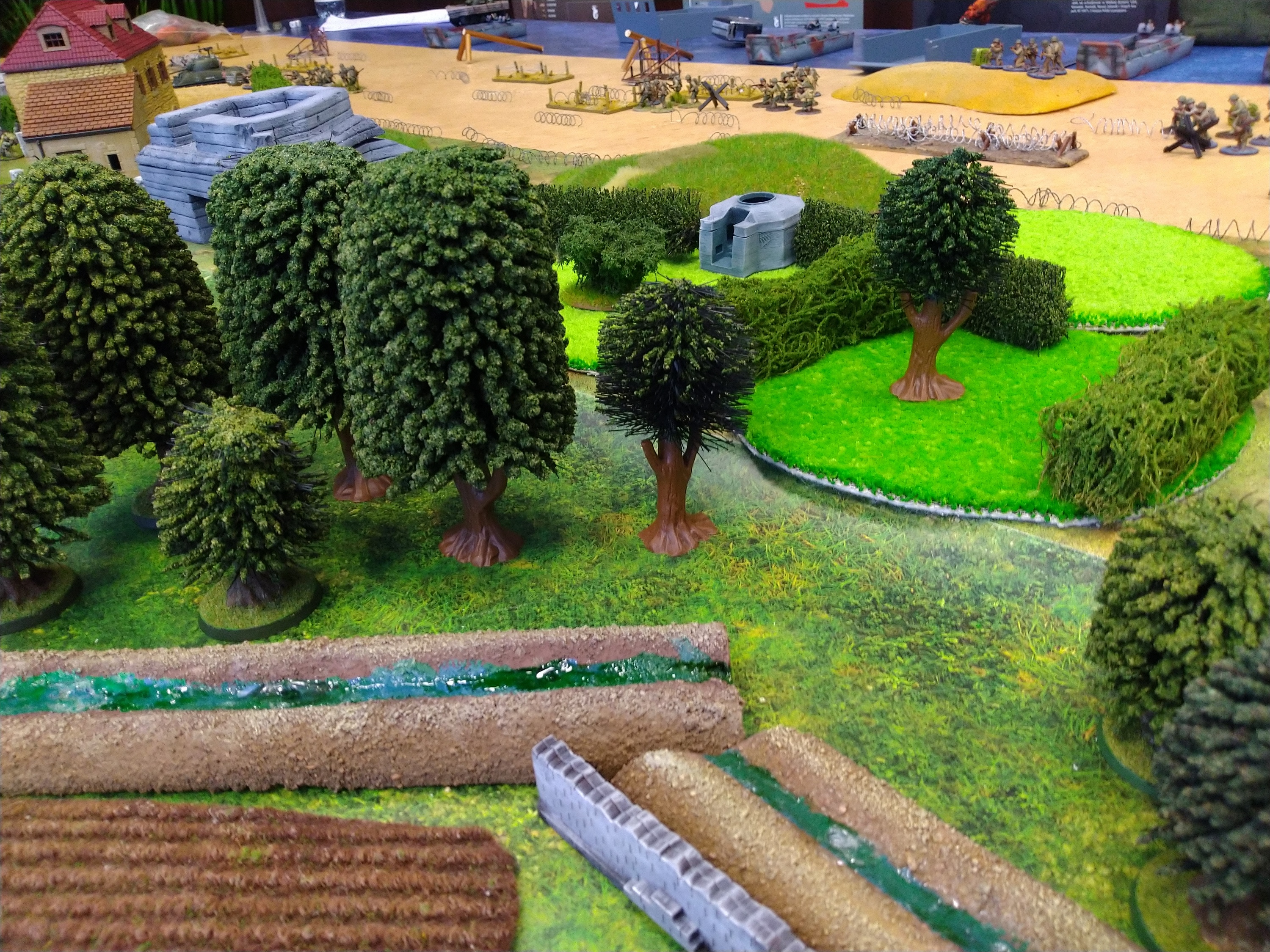
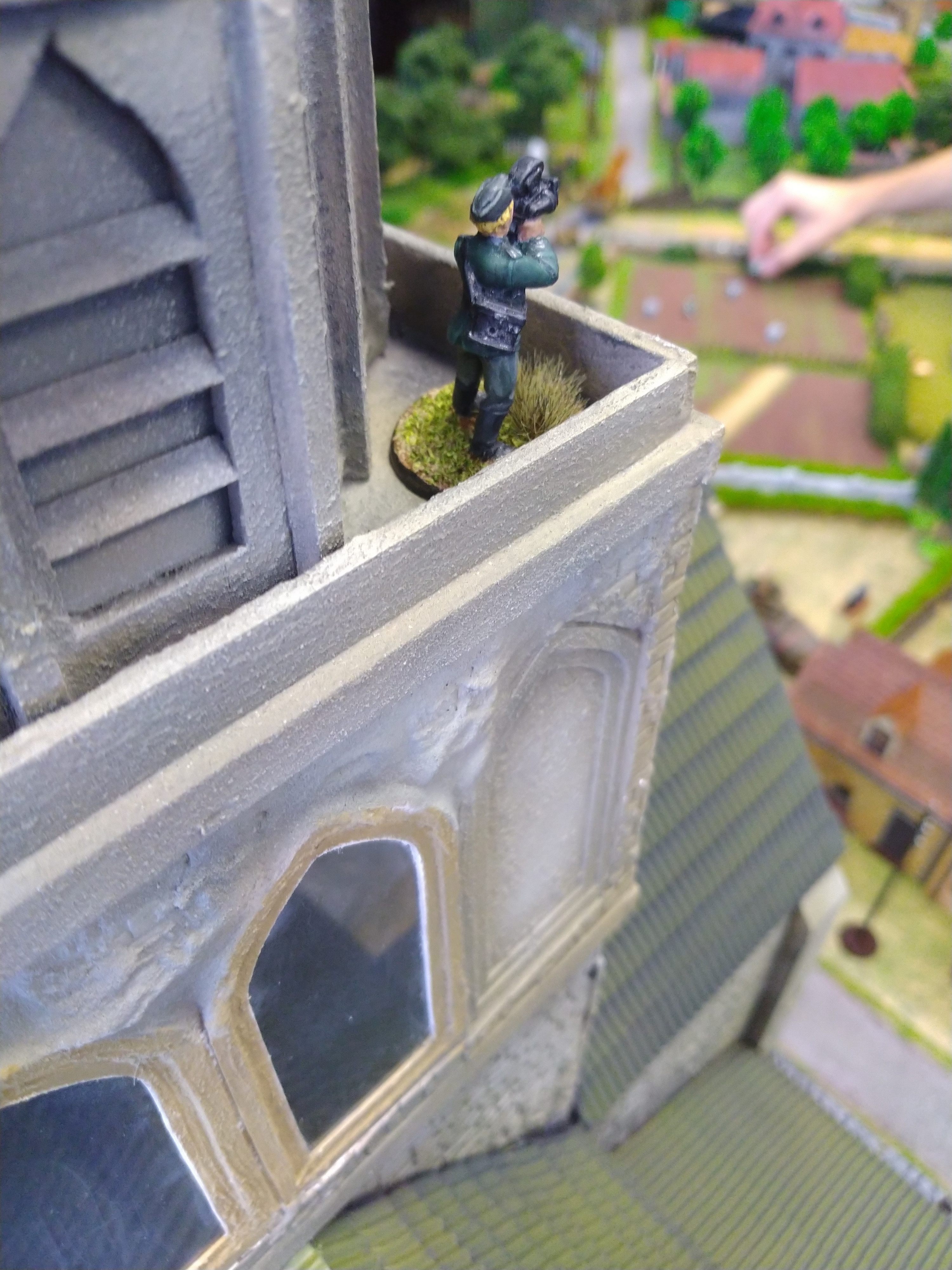
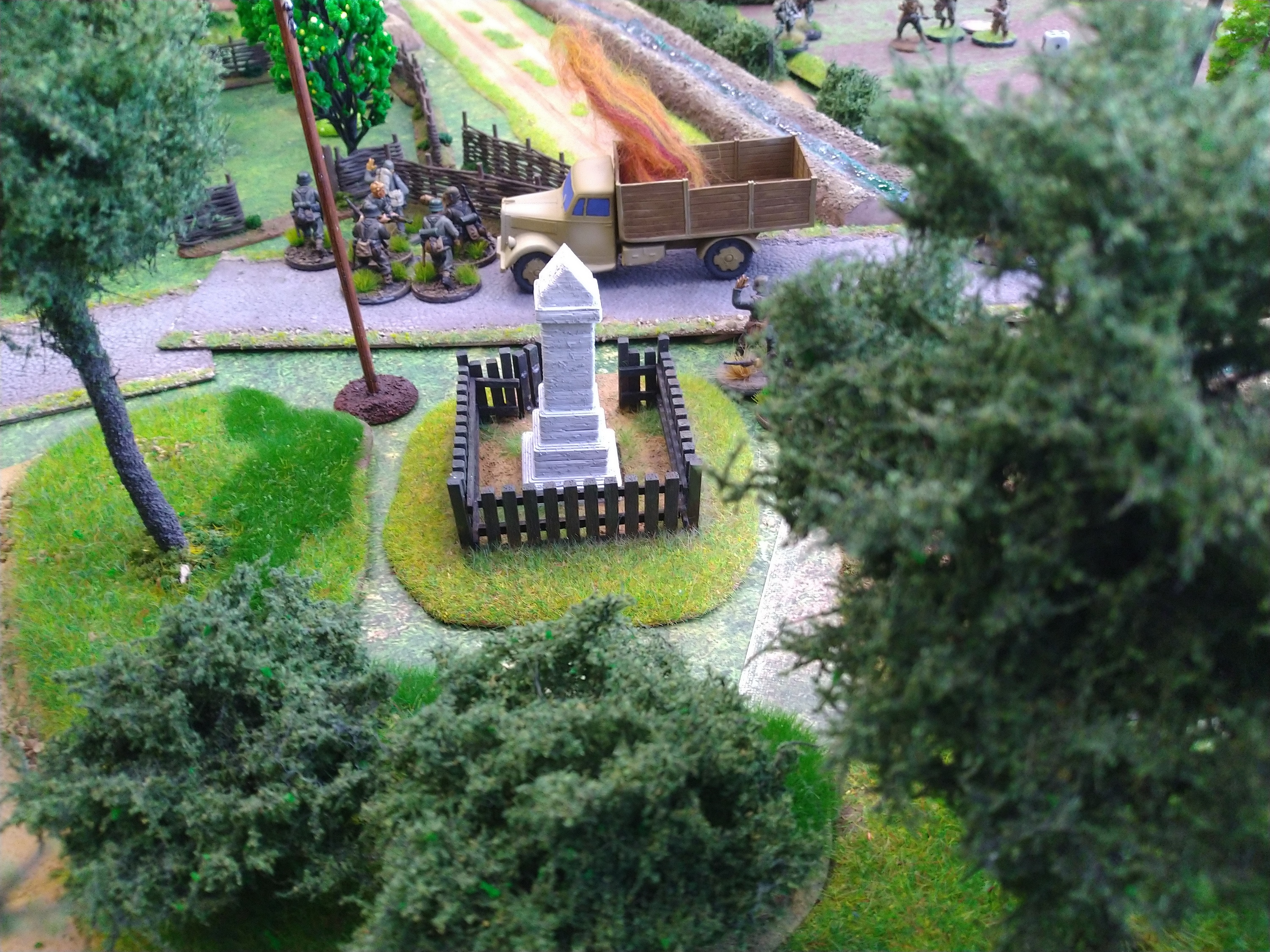
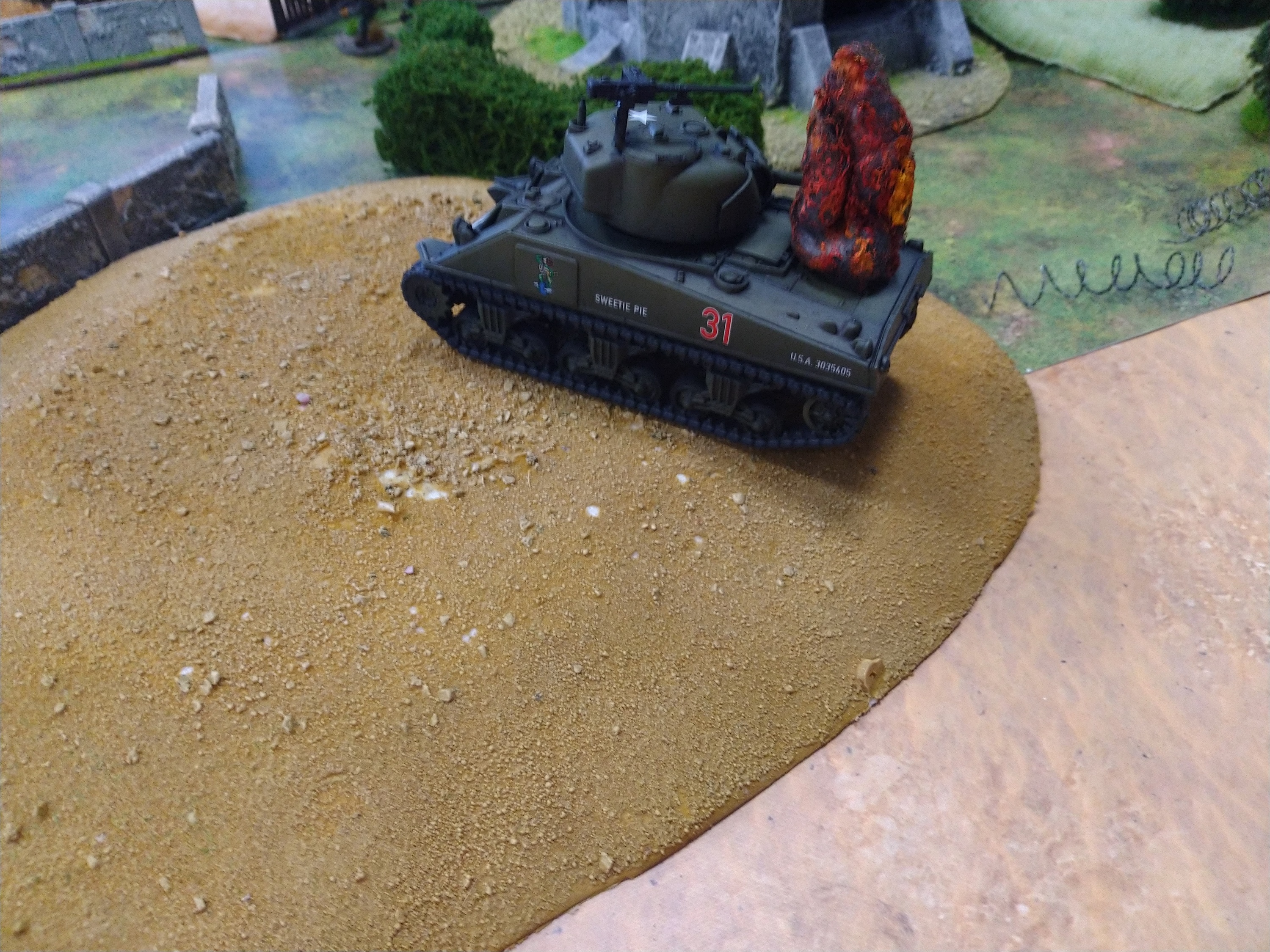
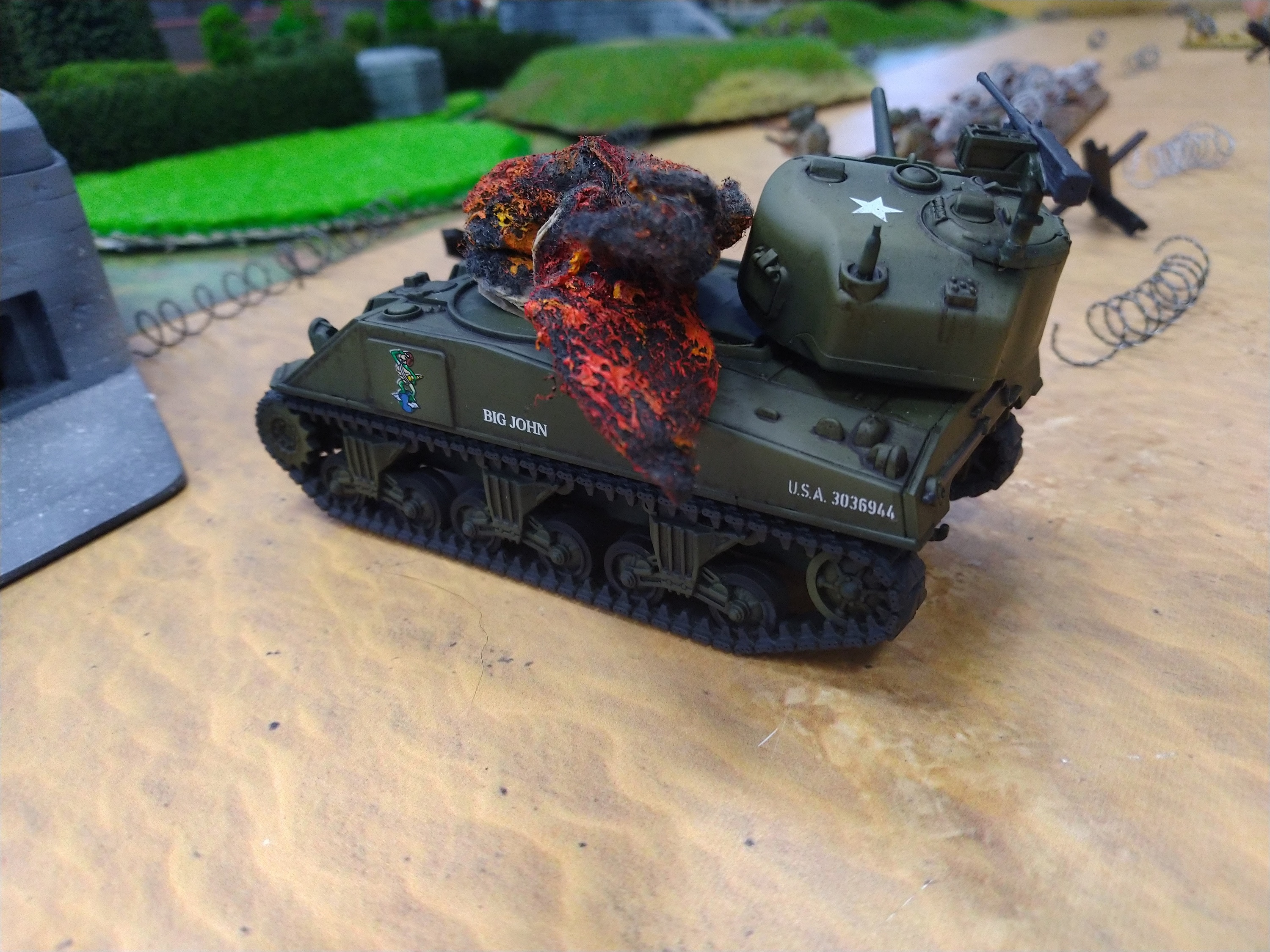
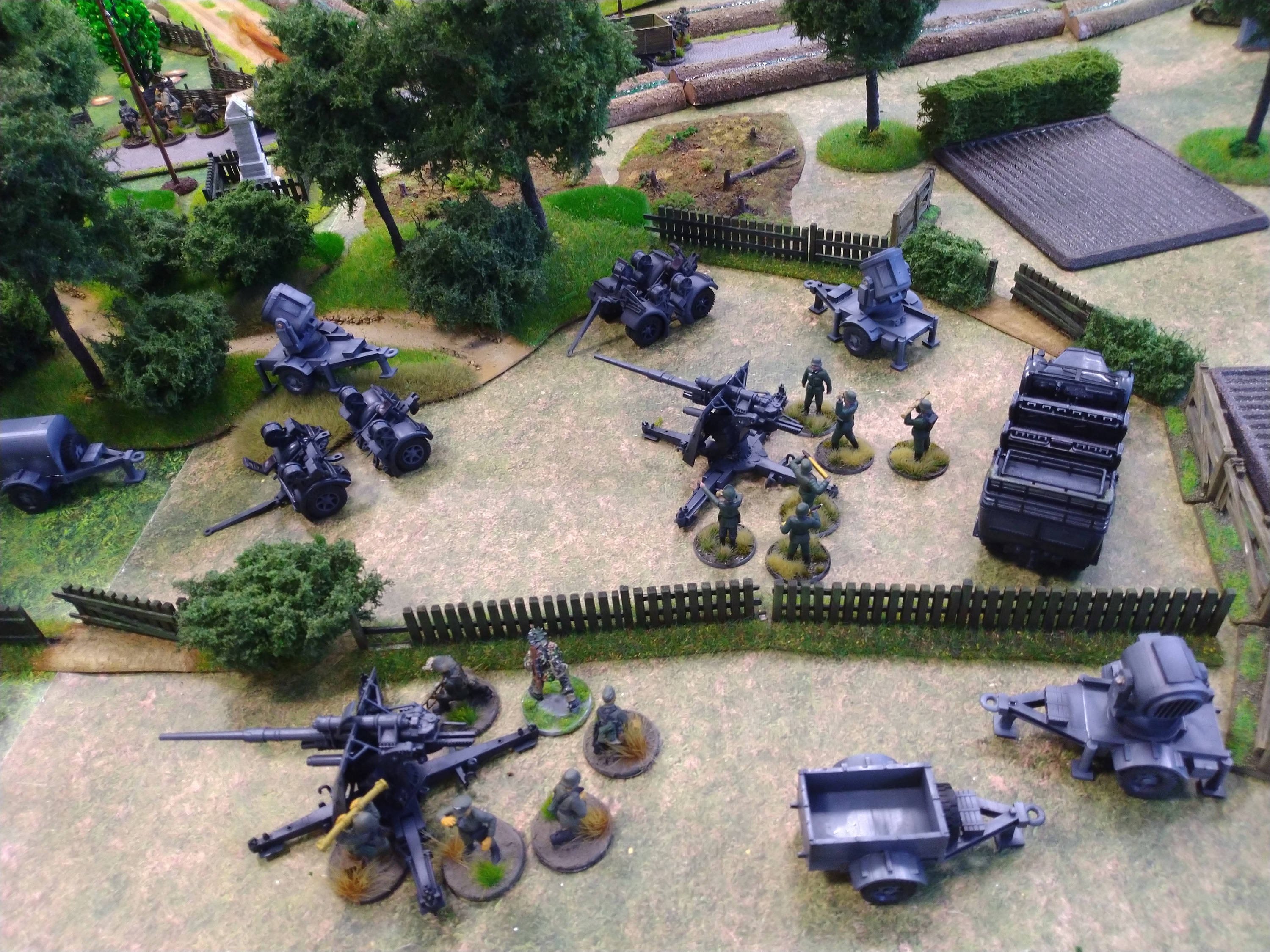
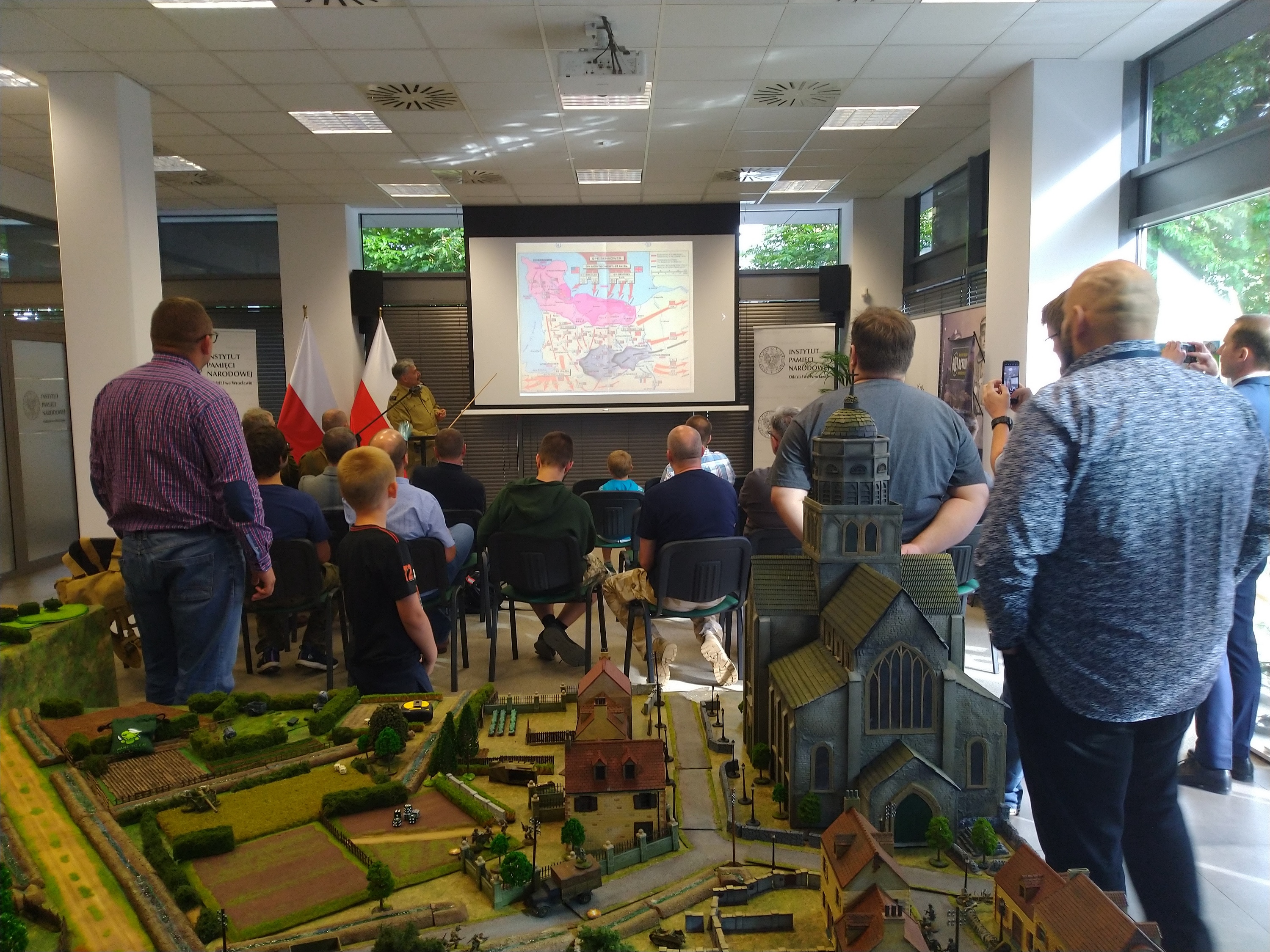
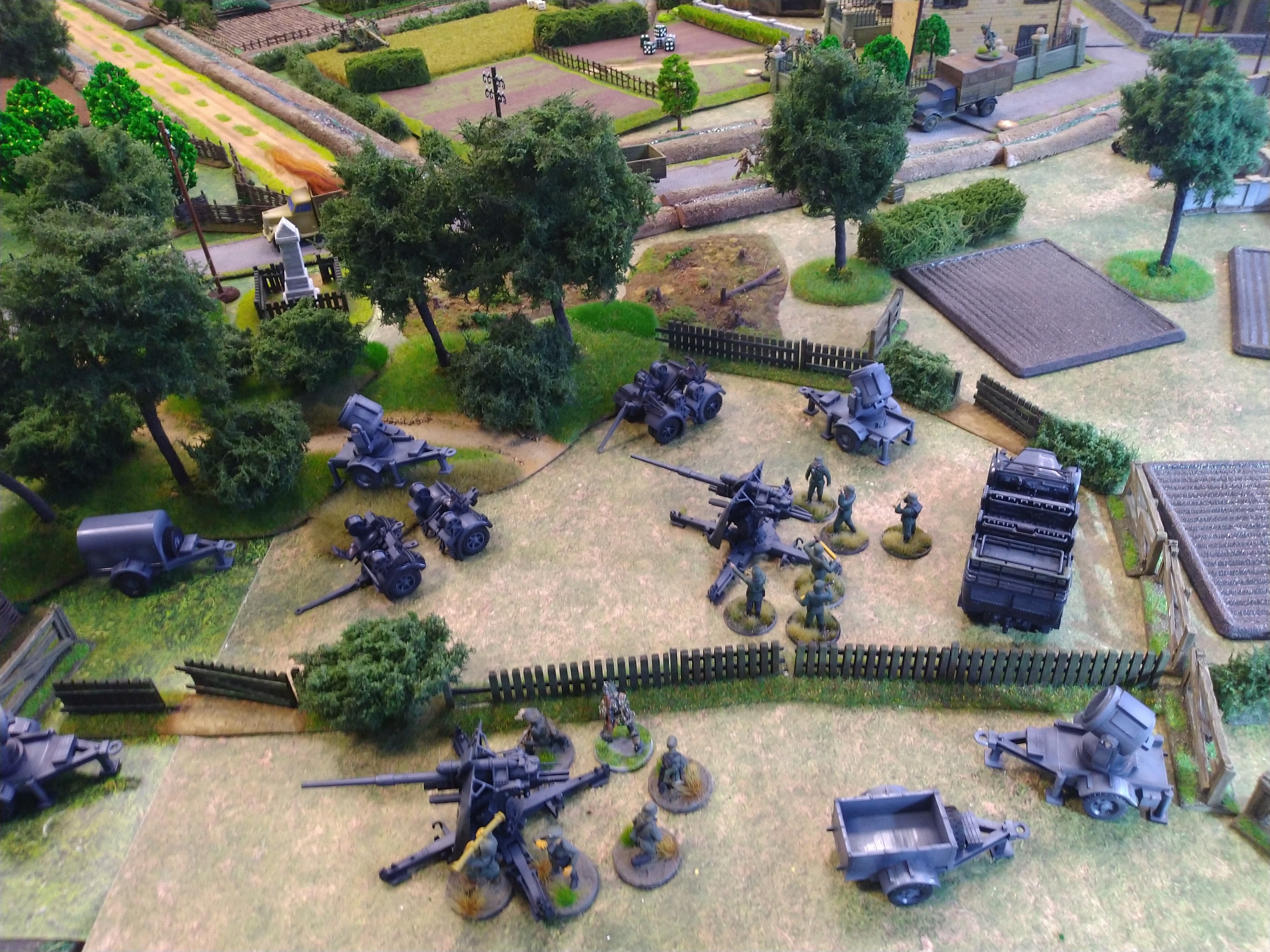
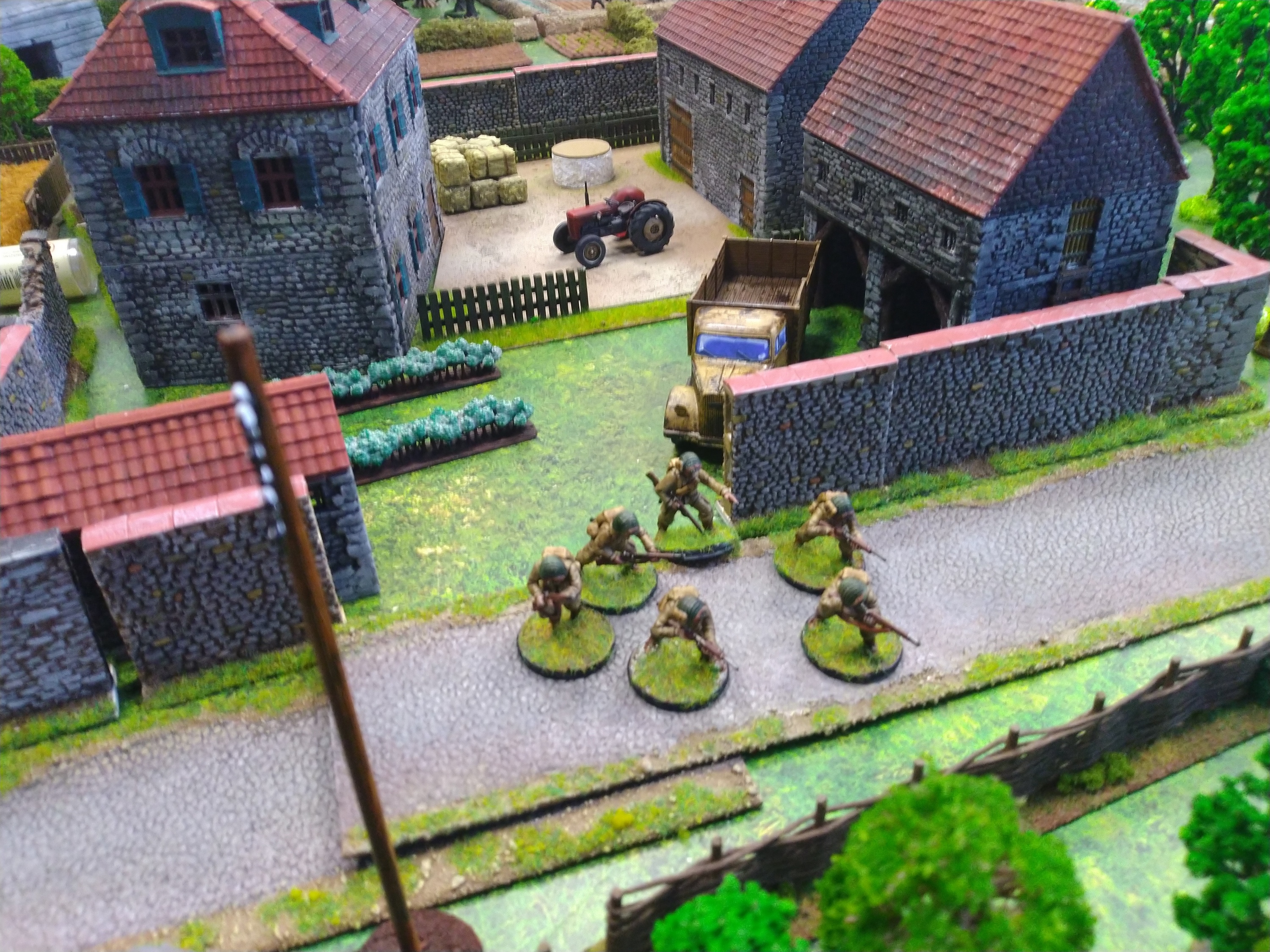
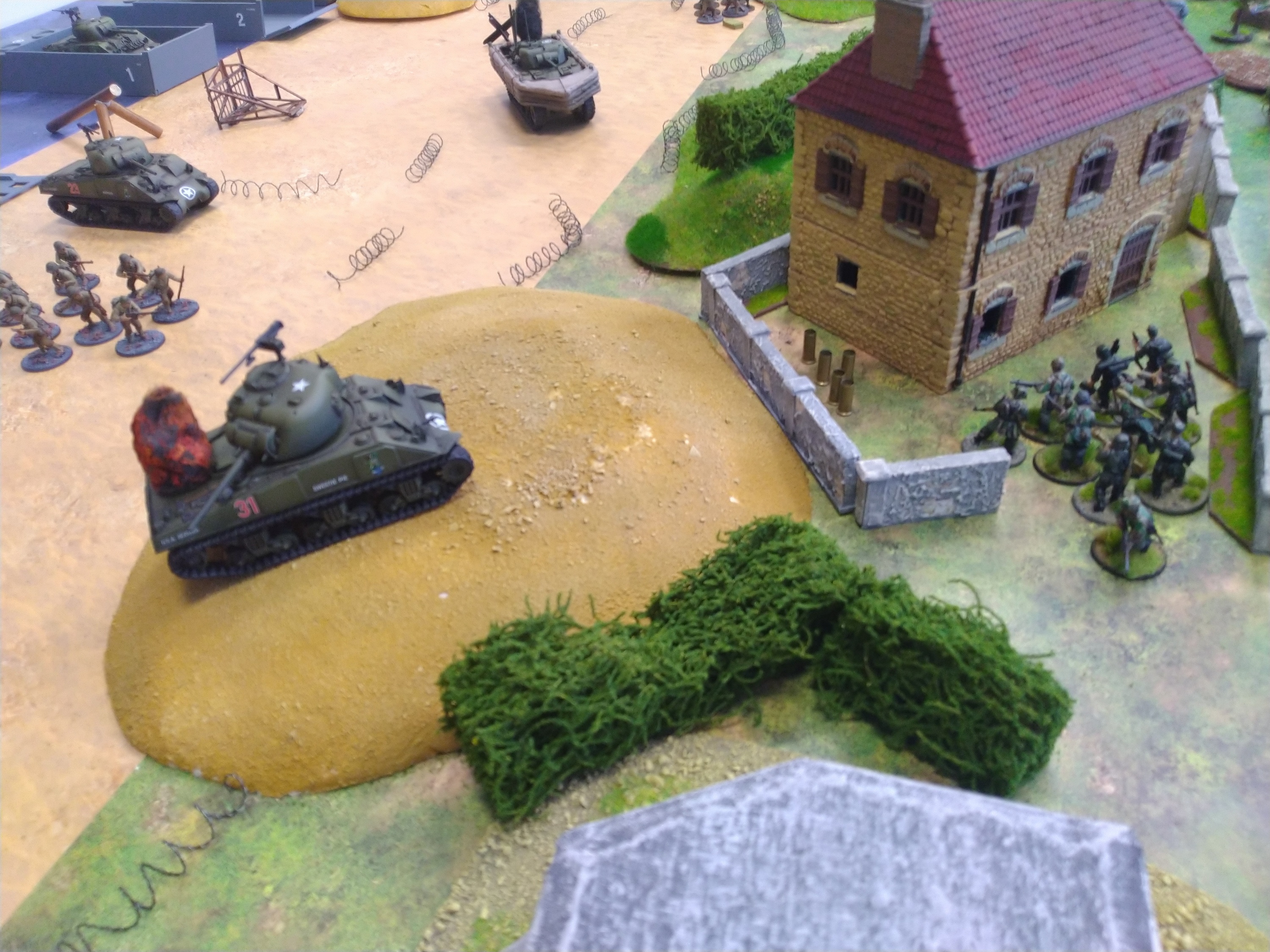
Prelection of one of my friends Maciej Molczyk. Prelekcja jednego z moich kumpli Maćka Molczyka.Church of Notre Dame. Great job from Rafał’s girlfriend. Kościół Notre Dame. Świetna robota od dziewczyny Rafała.Allies go forward from the landing crafts. Alianci idą naprzód z barek desantowych. German acht coma acht battery took many tanks. Niemiecka bateria acht coma acht zniszyła wiele czołgów.Germans realized what is going on. Niemcy zorientowali się w czym jest sprawa.Paratroopers took German pak gun and turned it to cover road. Spadochroniarze zajęli niemieckiego paka i obrócili by osłaniać drogę.Countryside. Prowincja.First victim, German Opel Blitz. Pierwsza ofiara, niemiecki Opel Blitz.Germans try to hold on. Niemcy próbują utrzymać pozycję.Each Sherman has historical markings. Każdy Sherman miał historyczne oznaczenia.Baby Chthulu bag used for mixing order dices. Małe Chthulu do losowania kości rozkazu.Mustang.More and more paratroopers find they way to the town. Więcej i więcej spadochroniarzy odnalazło drogę do miasteczka.DD (Duplex Drive) Sherman.More and more Americans. Więcej i więcej Amerykanów.Thank you guys, it was great to be there with this team. Dzięki drużyno, było świetnie być tam z wami.Prelection of Mr Piotr Galik. Prelekcja Pana Piotra Galika.Amercans broke from beaches and assaulted on German battery. Amerykanie przebili się z plaż i uderzyli na niemiecką baterię.Victory belonged to USA. Zwycięstwo amerykańskiej strony.
Summary: – it was great event, with workshops, great Bolt Action table, prelections. – great job to people from Bolter and for people supporting preparations. – great job to IPN and it employees.
Podsumowanie: – było to świetne wydarzenie, z warsztatami, wielkim stołem do Bolt Action, prelekcjami. – świetna robota ekipo Boltera oraz dla osób wspierających. – świetna robota IPN i dla jego pracowników.
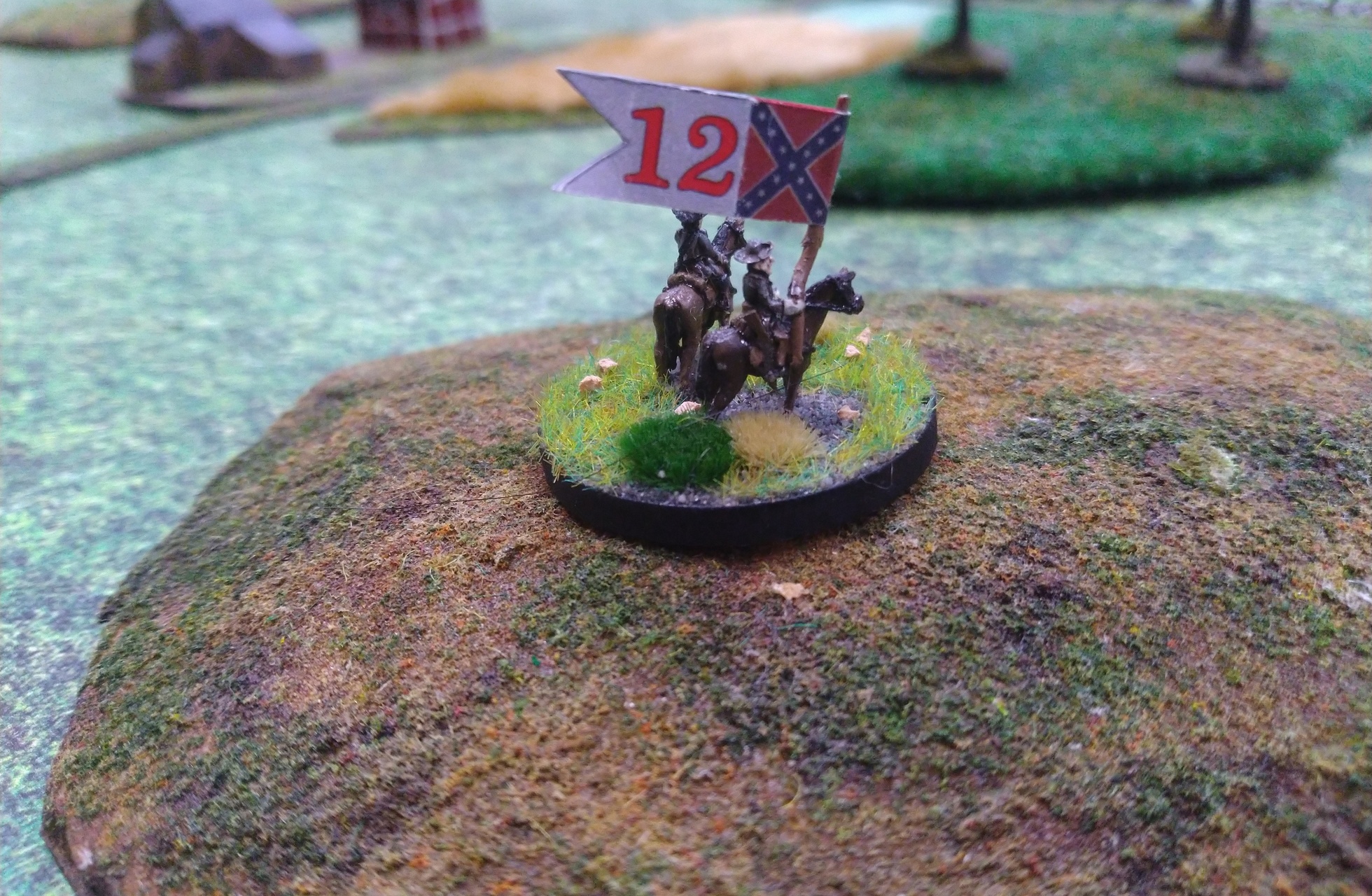
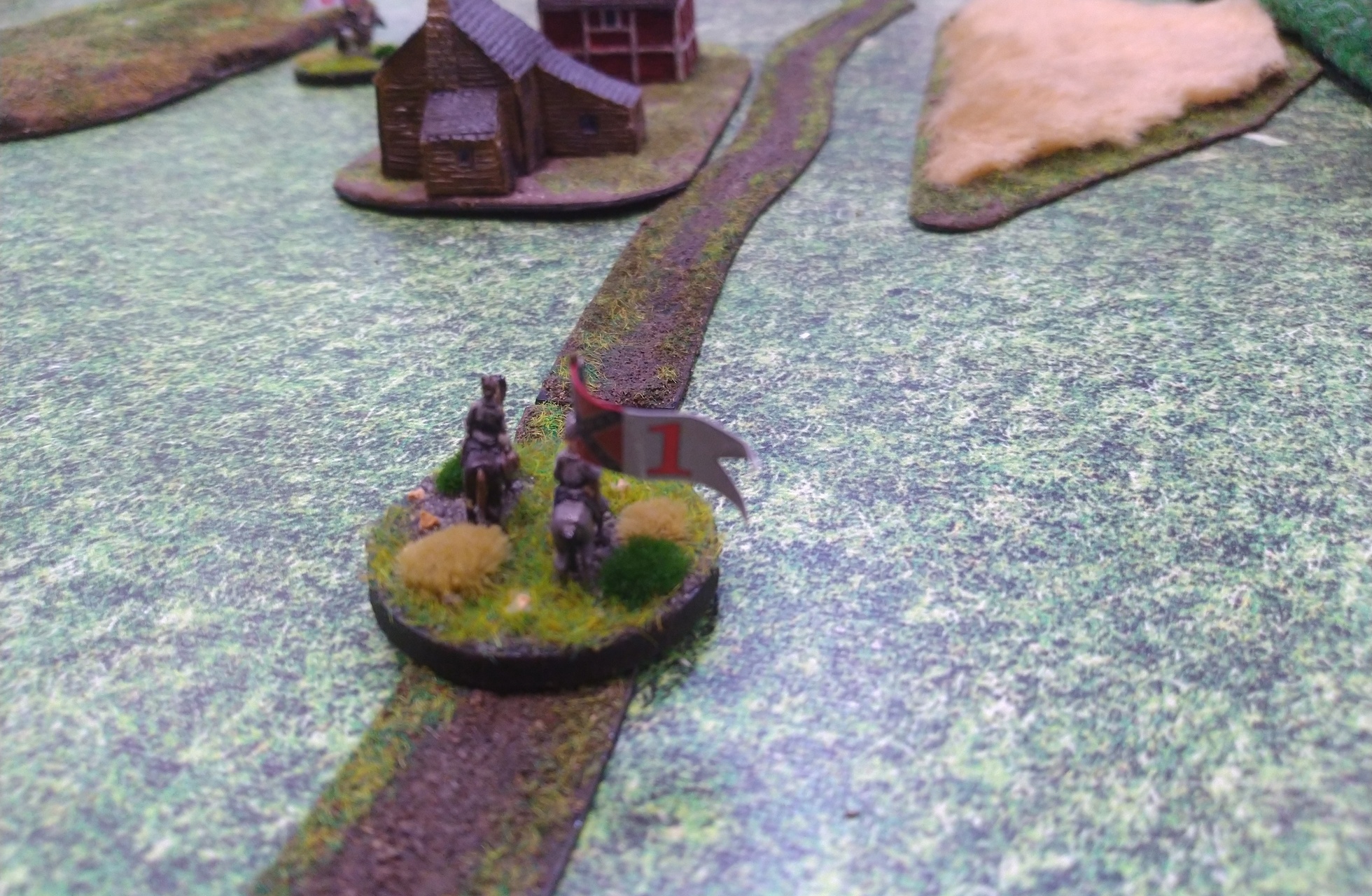
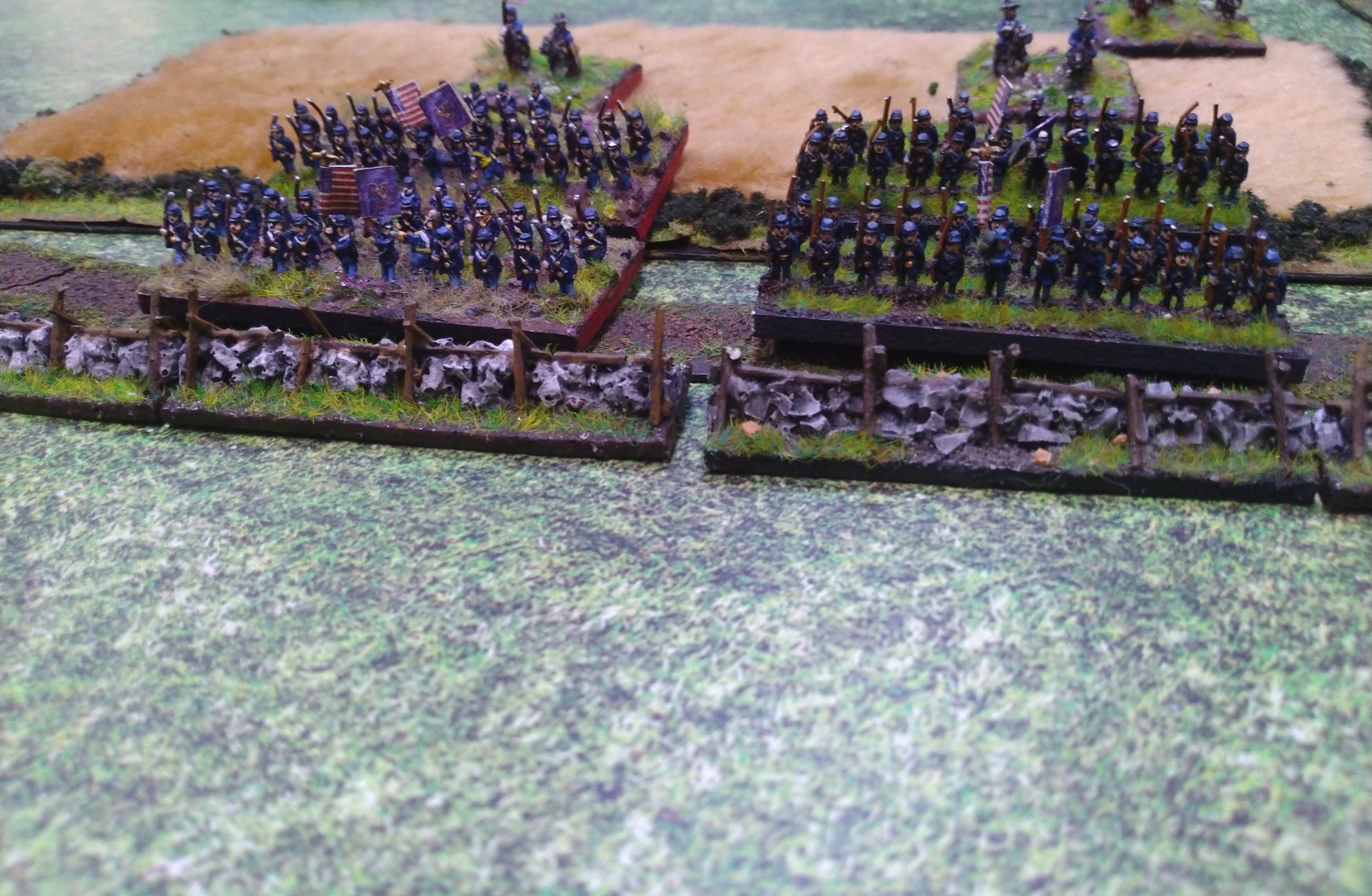
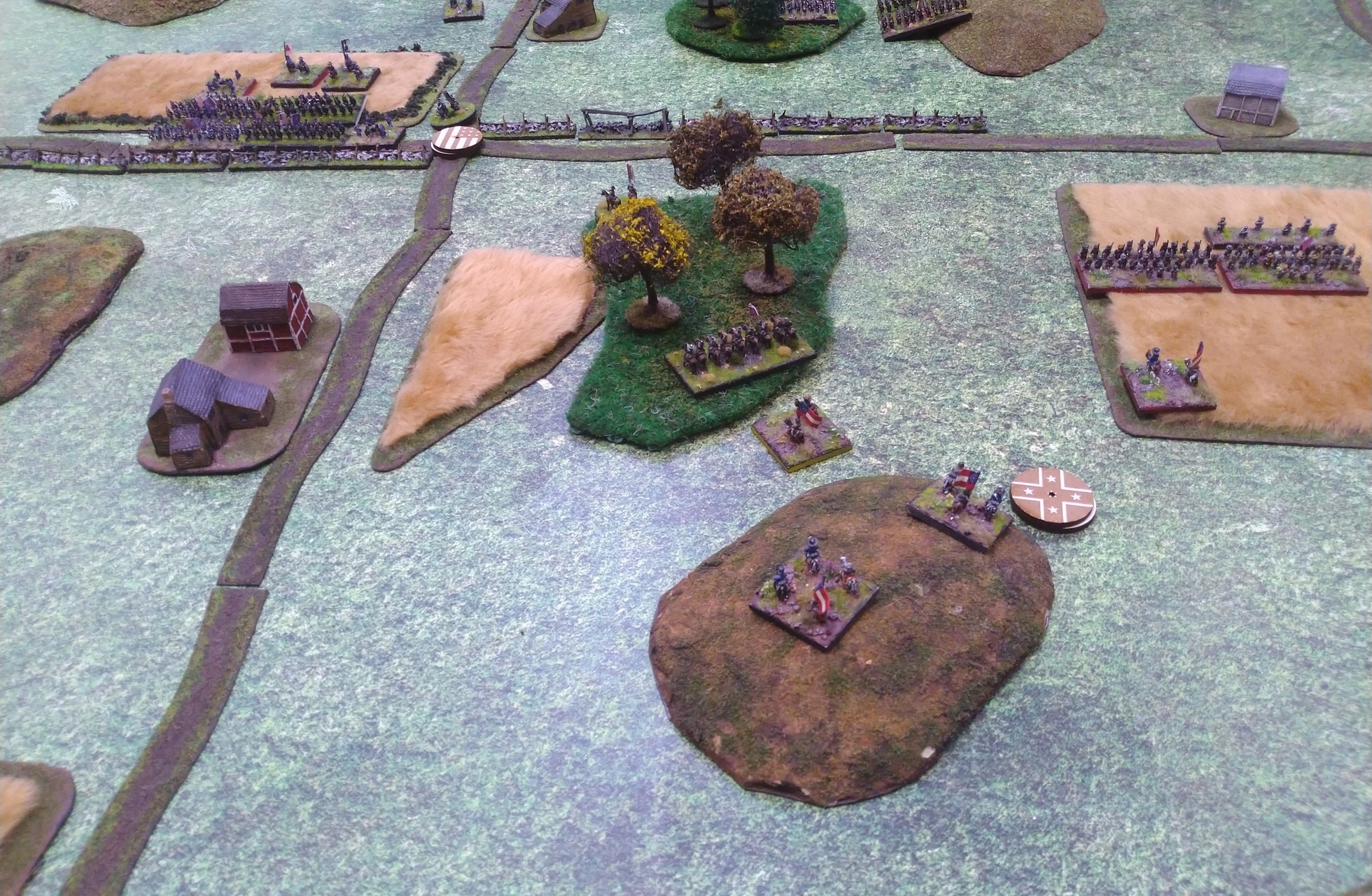
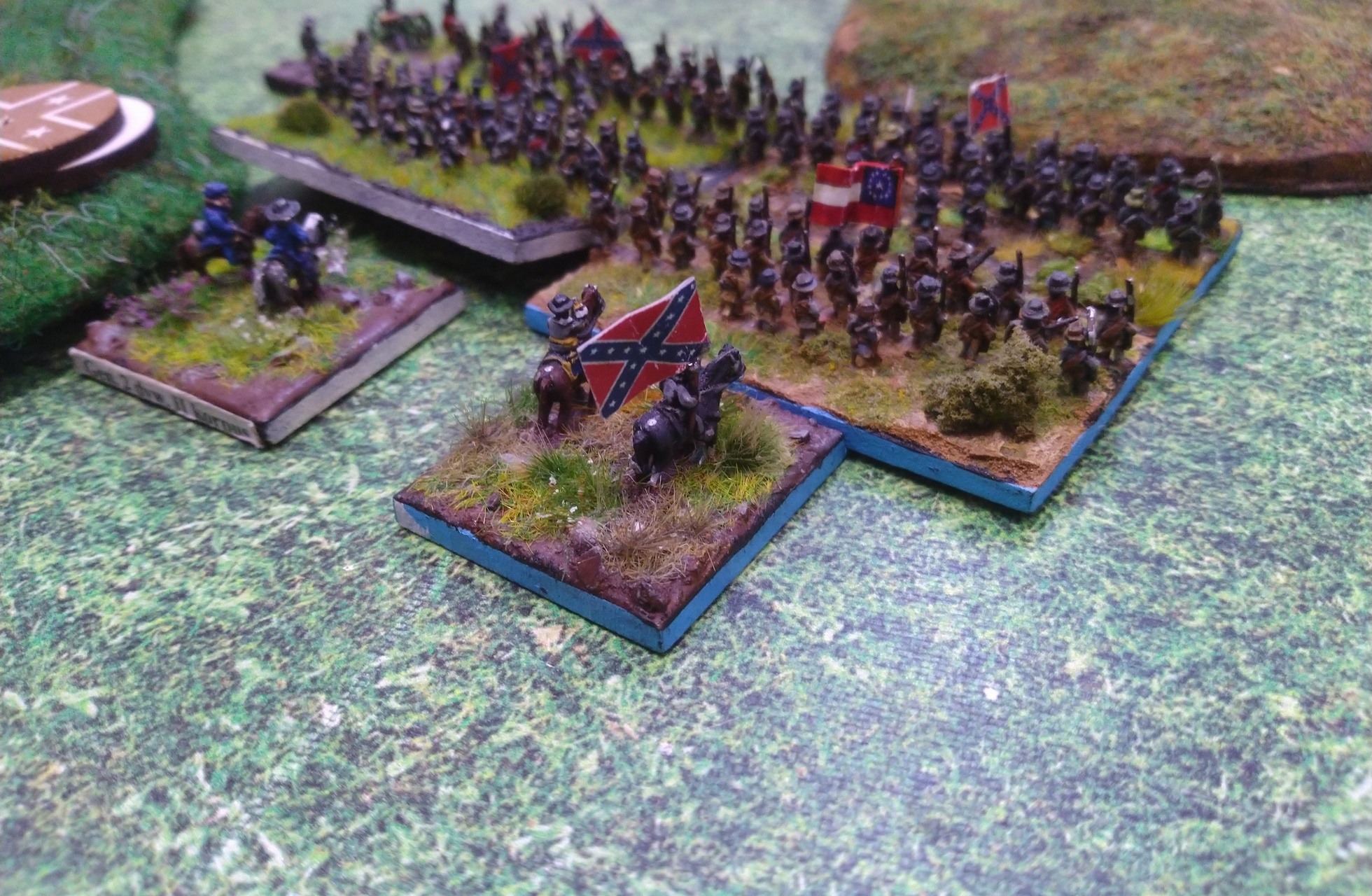
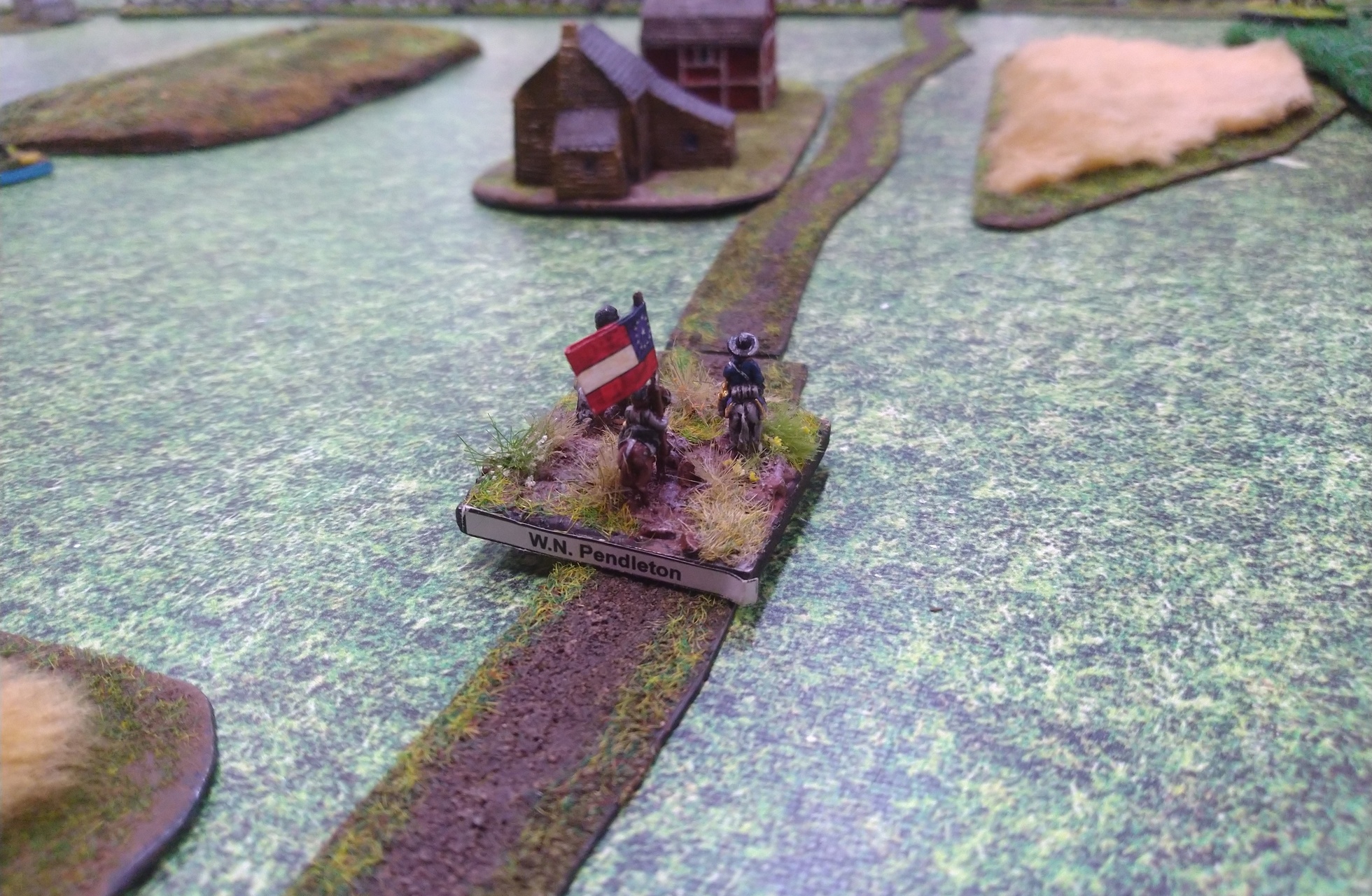
🇵🇱 Wczoraj miałem przyjemność zagrać swoją pierwszą grę w Gods of War: Robert E. Lee, grę wydawnictwa GM Boardgames. Firma została założona przez dwóch braci, Grzegorza (Gregory) i Macieja (Matthiasa) — więcej o nich możecie przeczytać tutaj. Zagrałem grę demonstracyjną z jednym z nich, Maciejem, a moim przeciwnikiem był mój kolega Marcin. Była to gra wprowadzająca, podczas której Maciej uczył nas zasad. Wszystkie figurki na stole należały do Matthiasa.
Przyjrzyjmy się bliżej samej grze. Wykorzystuje ona figurki w skali 6 mm i pozwala odtwarzać duże bitwy z okresu wojny secesyjnej (12 kwietnia 1861 – 13 maja 1865), kiedy armie Północy (Unia) ścierały się z armiami Południa (Konfederacja). Gracz wciela się w rolę generała armii, dowodzącego całą siłą złożoną z kilku dywizji, często także z bateriami artylerii. Dowódca armii nadzoruje generałów korpusów, którzy z kolei dowodzą dywizjami prowadzonymi przez generałów dywizji. Generałowie mają różne cechy — niektórzy są wybitnymi dowódcami, inni mogą zachowywać się mniej przewidywalnie na polu bitwy.
Generałowie mają także cechy charakteru, które wpływają na trudność wydawania rozkazów. Każda ze stron ma inne warunki zwycięstwa – odzwierciedlające przewagę uprzemysłowionej Północy oraz mniej licznego, rolniczego Południa.
Tak wyglądała gra z mojej perspektywy:
1. Bitwy toczone są pomiędzy armiami złożonymi z korpusów, dowodzonych przez generałów takich jak Robert E. Lee. Dowódcy armii mają różne umiejętności, a niektórzy łatwiej przejmują inicjatywę. 2. Generałowie korpusów i dywizji mają różne poziomy i umiejętności. Lepsi dowódcy łatwiej wydają rozkazy i zbierają oddziały. Dowódca armii może ich wspierać, wysyłając adiutantów, reprezentowanych przez dodatkowe kości. 3. W grze występują karty bitewne – każdy dowódca armii zaczyna z trzema kartami i dobiera jedną w każdej turze. 4. Występuje mechanika „mgły wojny”: obie strony rozpoczynają z jednostkami patrolowymi (znacznikami), które rozpoznają pozycje wroga. Znaczniki mogą ukrywać pod sobą oddziały. Gdy zwiadowcy się wykryją i pod znacznikami znajdują się jednostki, brygady są wystawiane w pobliżu zwiadu, ale nie bezpośrednio przed nim. 5. Rozkazy są przydzielane w tajemnicy, dostępne są trzy ich typy: Assault – pozwala jednostce wejść w strefę kontroli przeciwnika i strzelać oraz/lub szarżować. Defence – poprawia zdolności obronne jednostki. March – daje dodatkowe 3 cale ruchu. 6. Generałowie aktywują swoje korpusy naprzemiennie – najpierw gracz z inicjatywą, potem jego przeciwnik i tak dalej. 7. Jakość jednostek jest zróżnicowana – od milicji stanowej po elitarną piechotę i kawalerię – system wydaje się dobrze oddawać historyczne formacje. 8. Każda ze stron ma inne warunki zwycięstwa – odzwierciedlające przewagę uprzemysłowionej Północy oraz mniej licznego, rolniczego Południa.
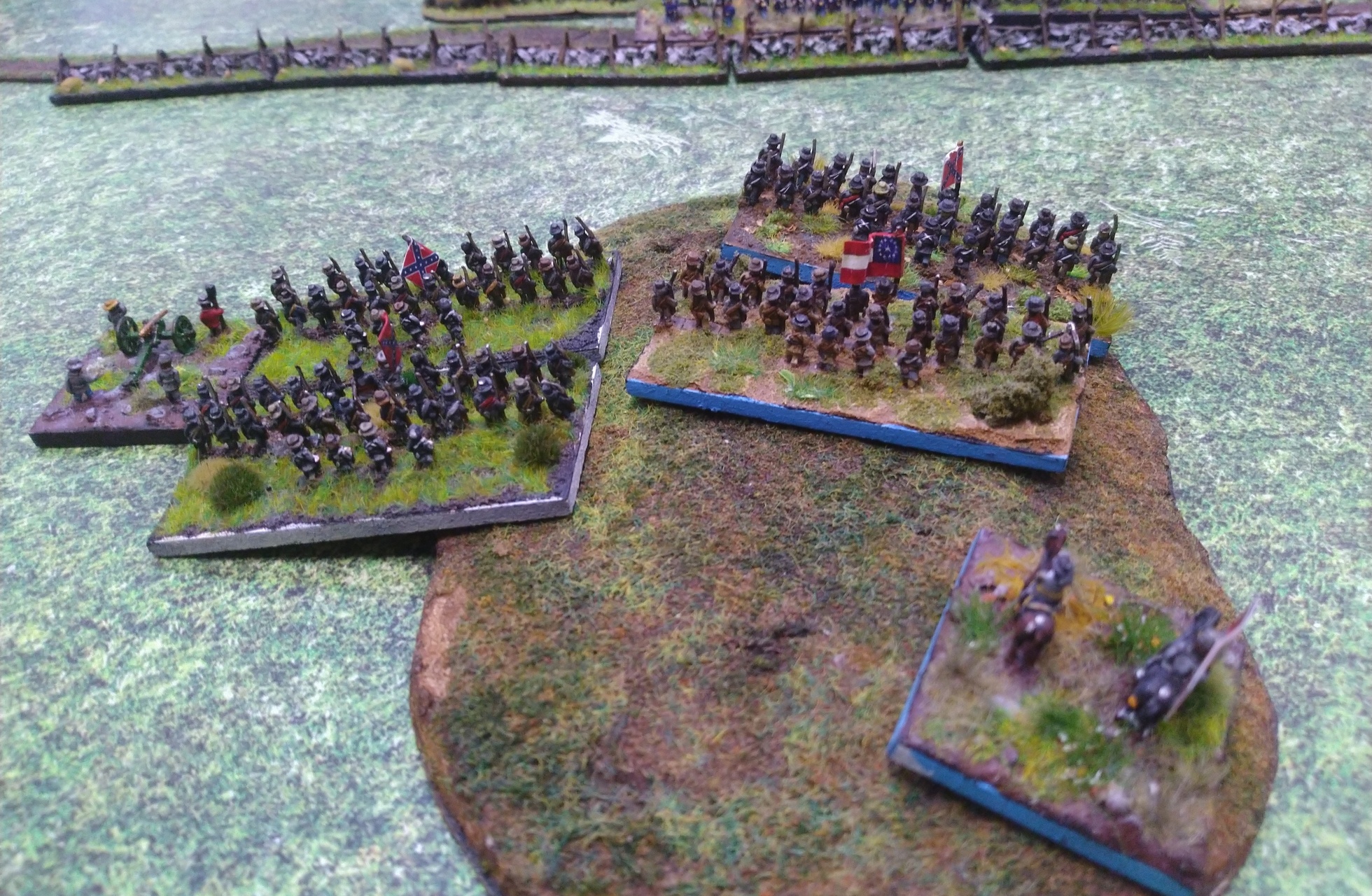
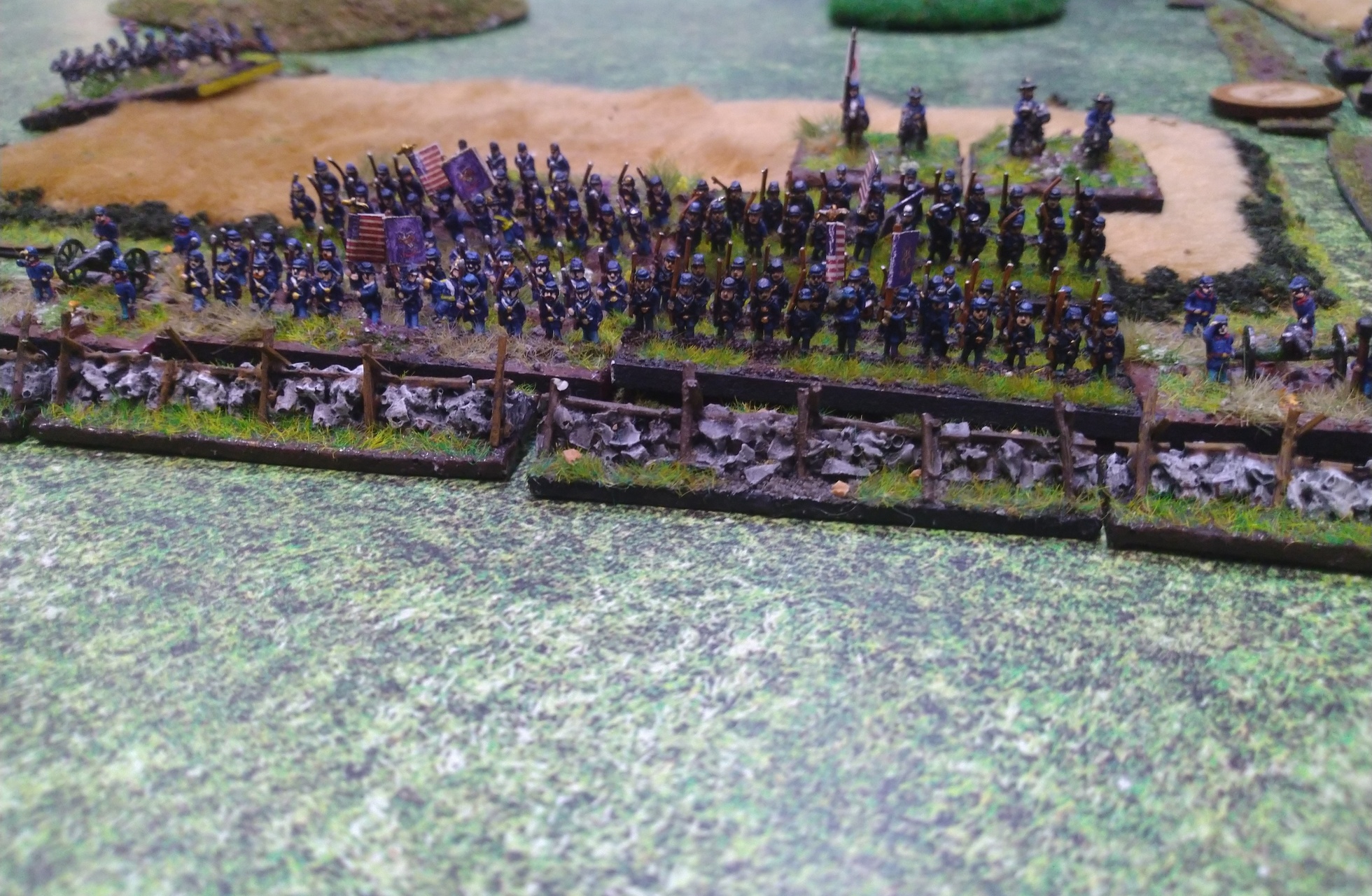
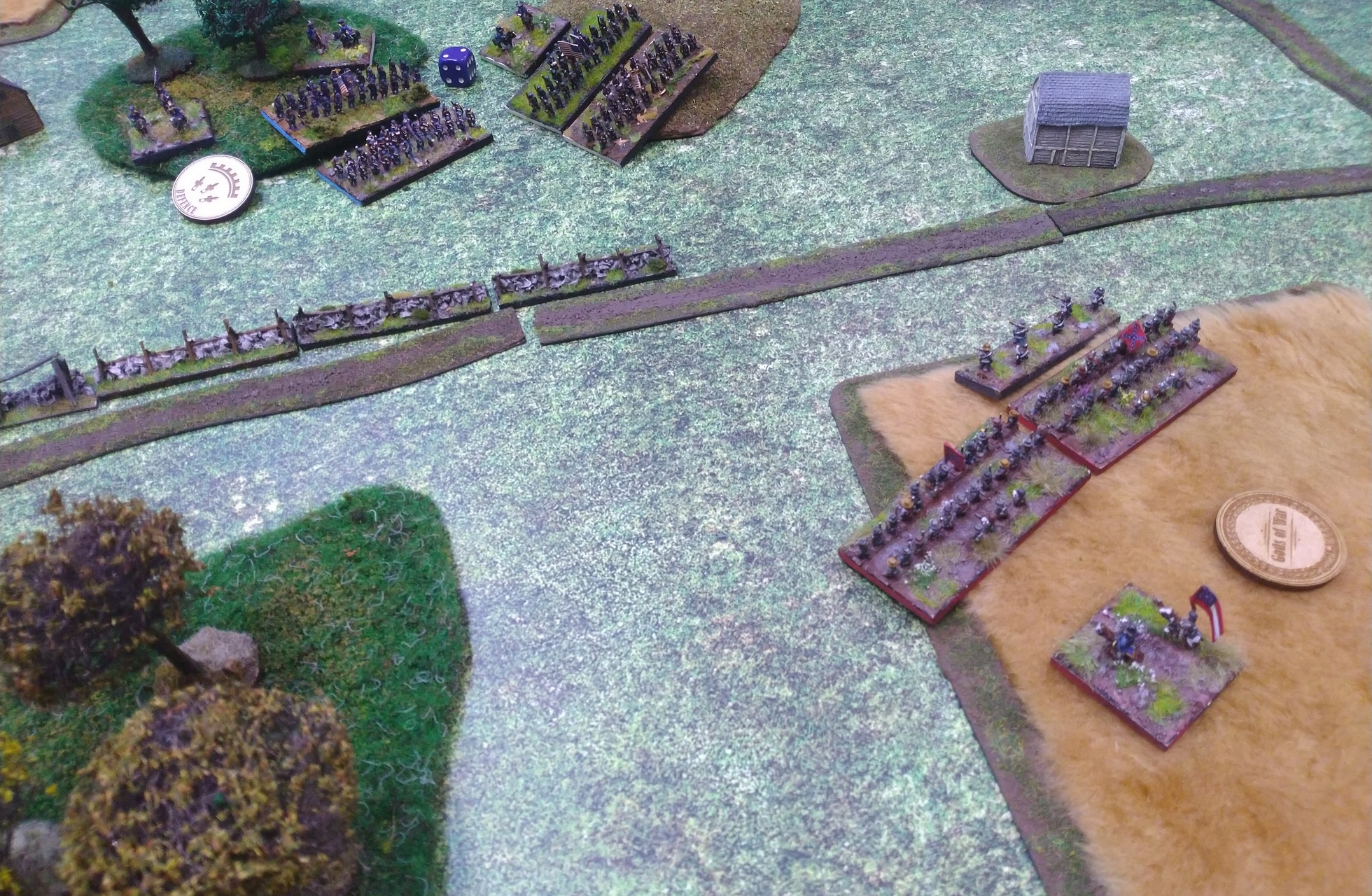
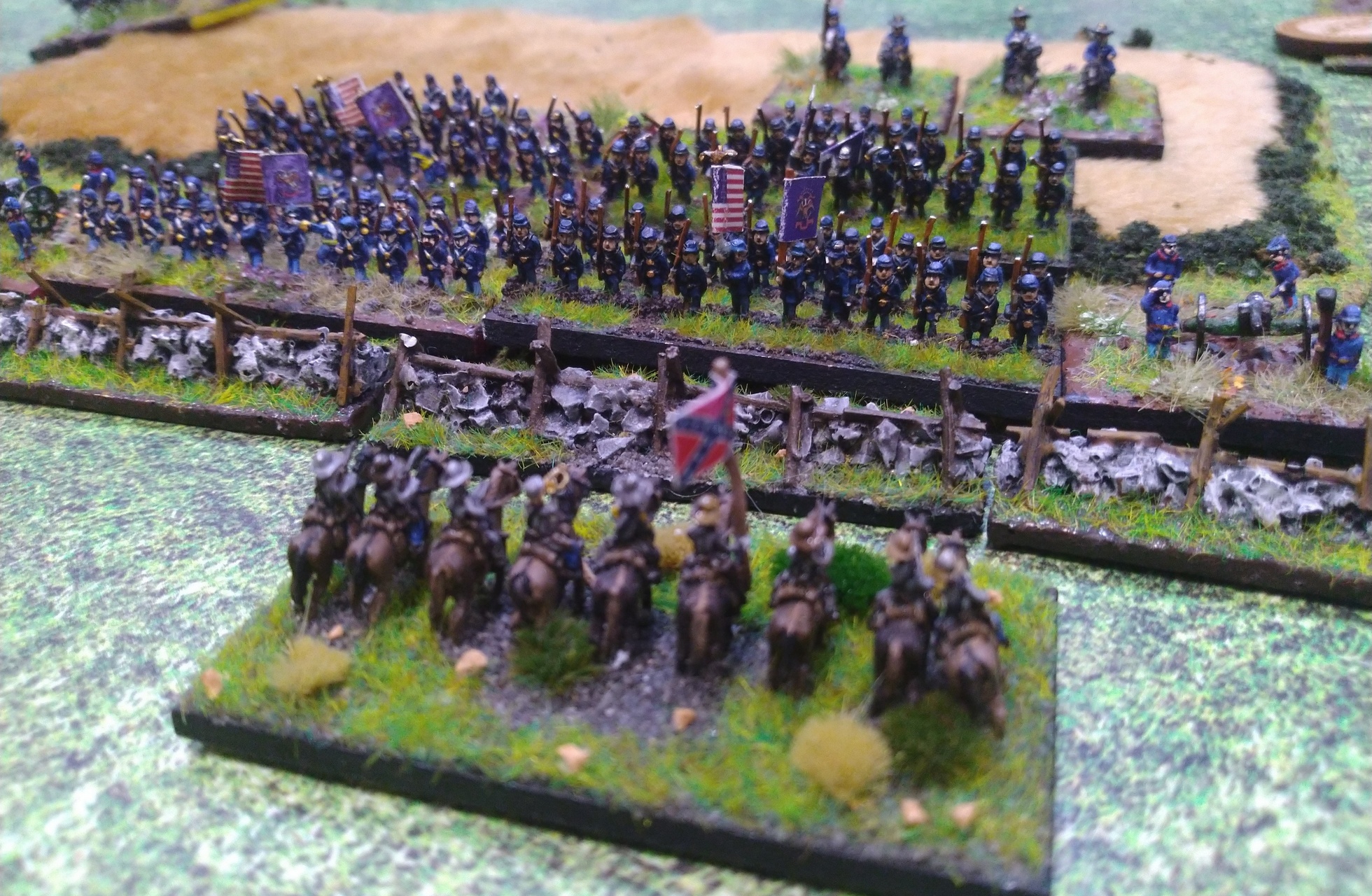
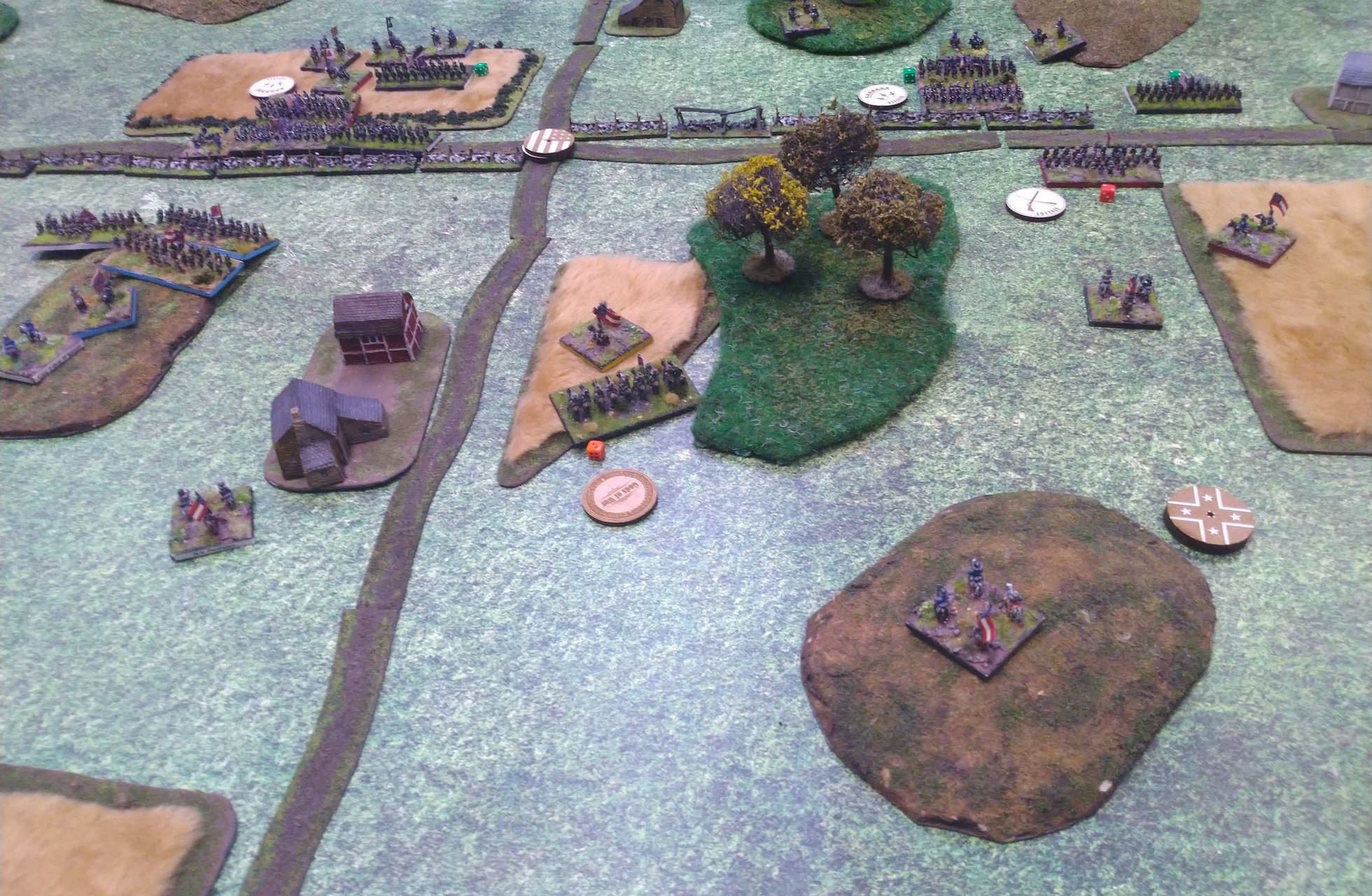
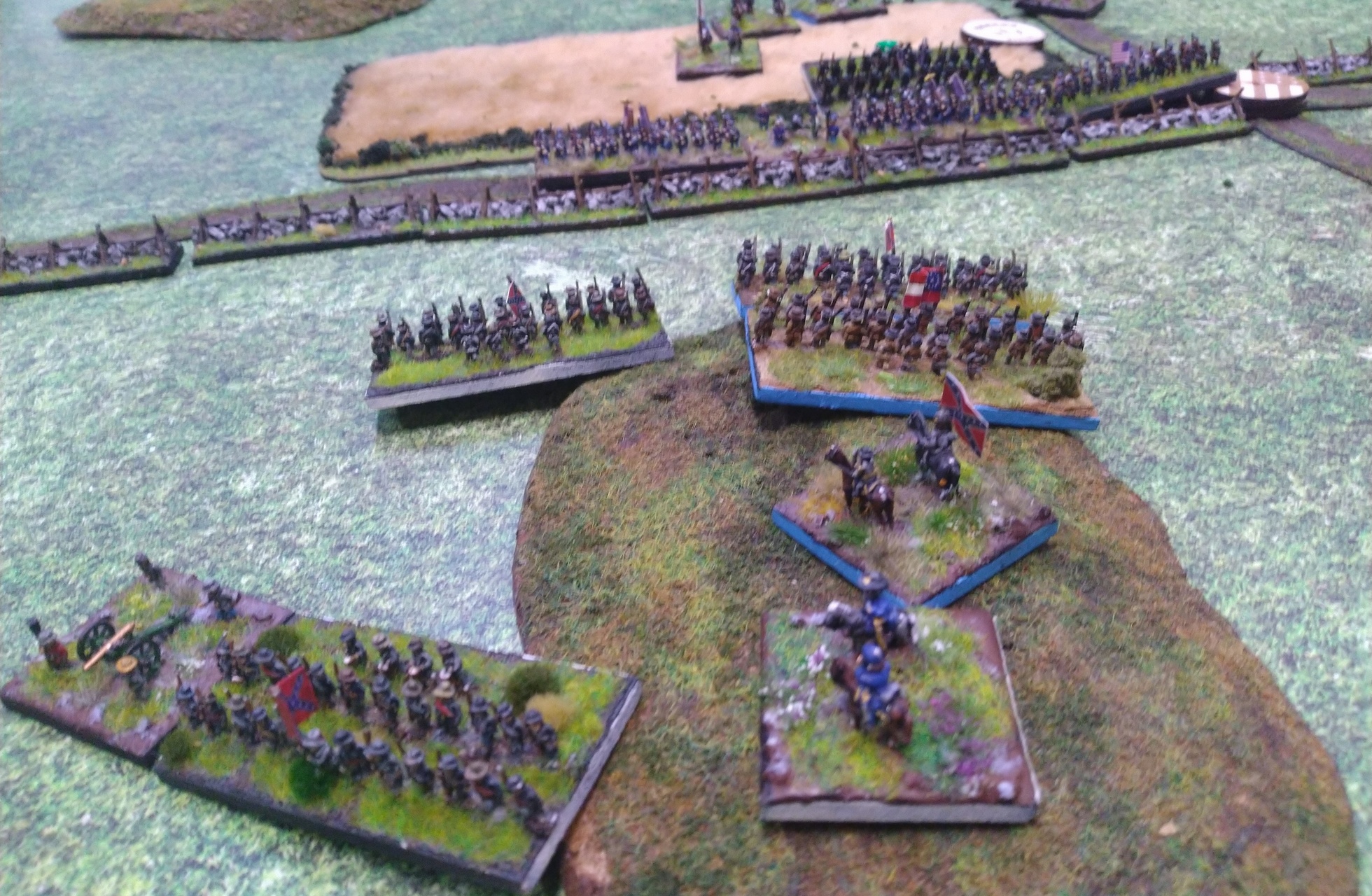
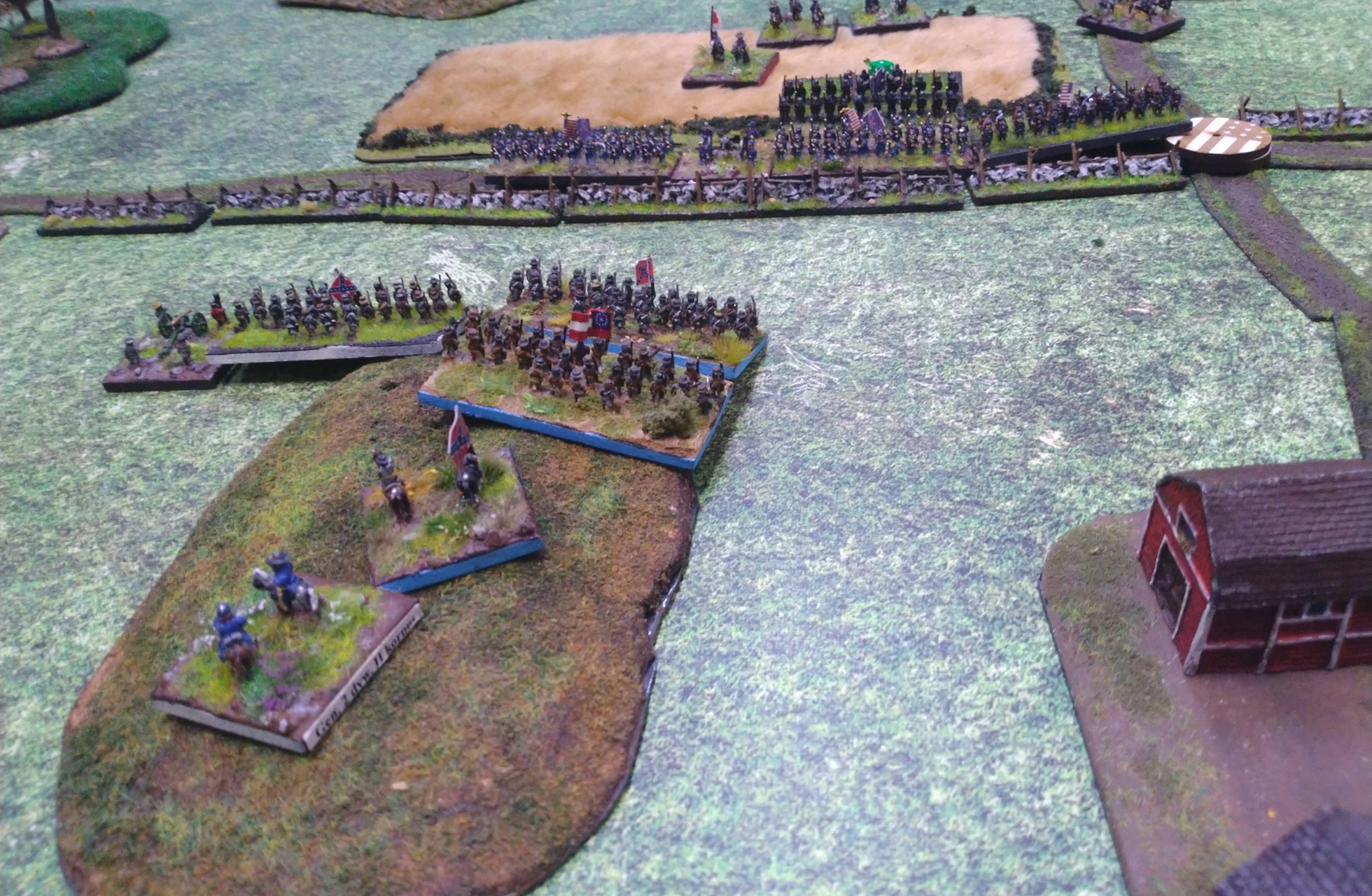
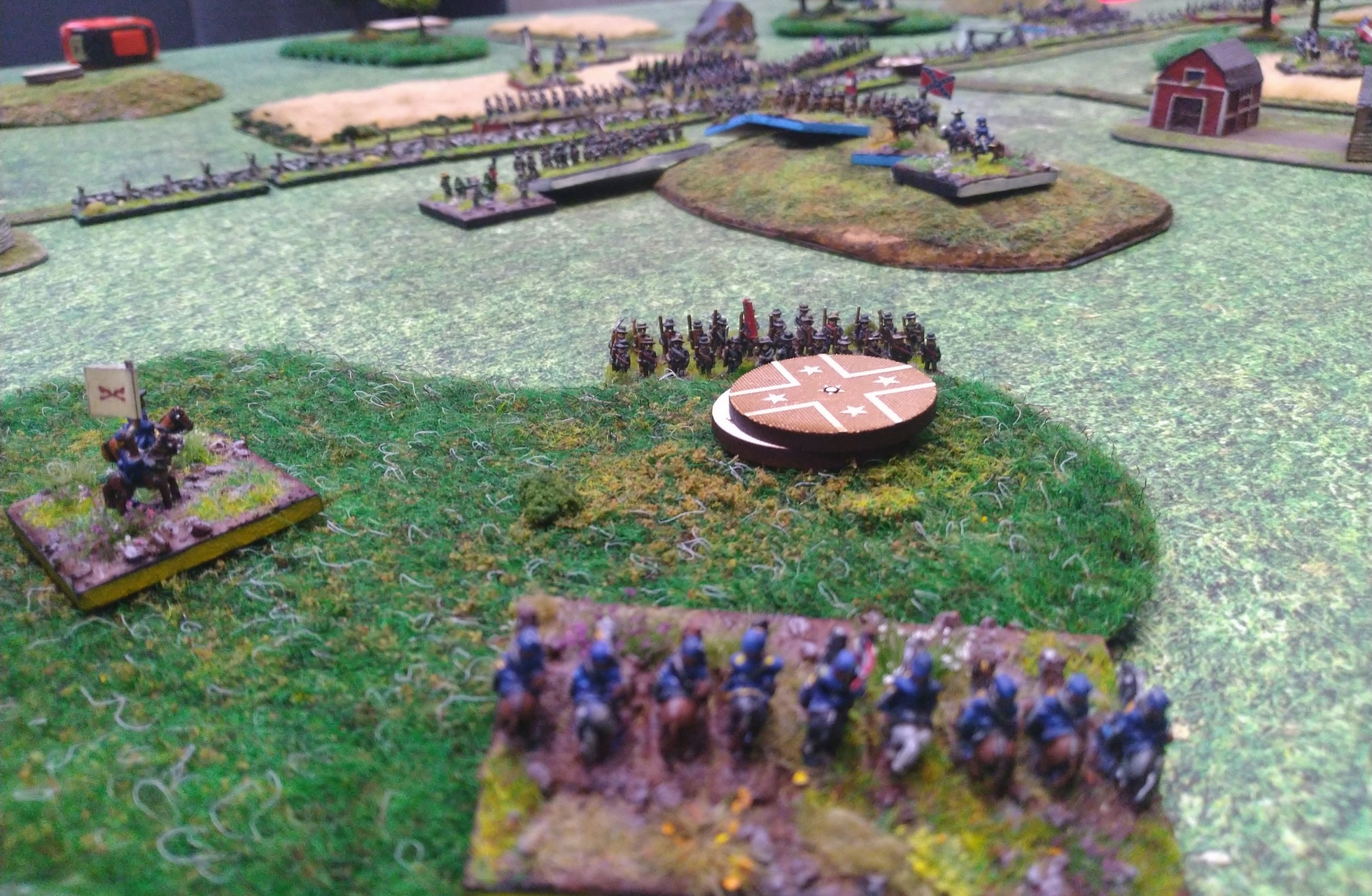
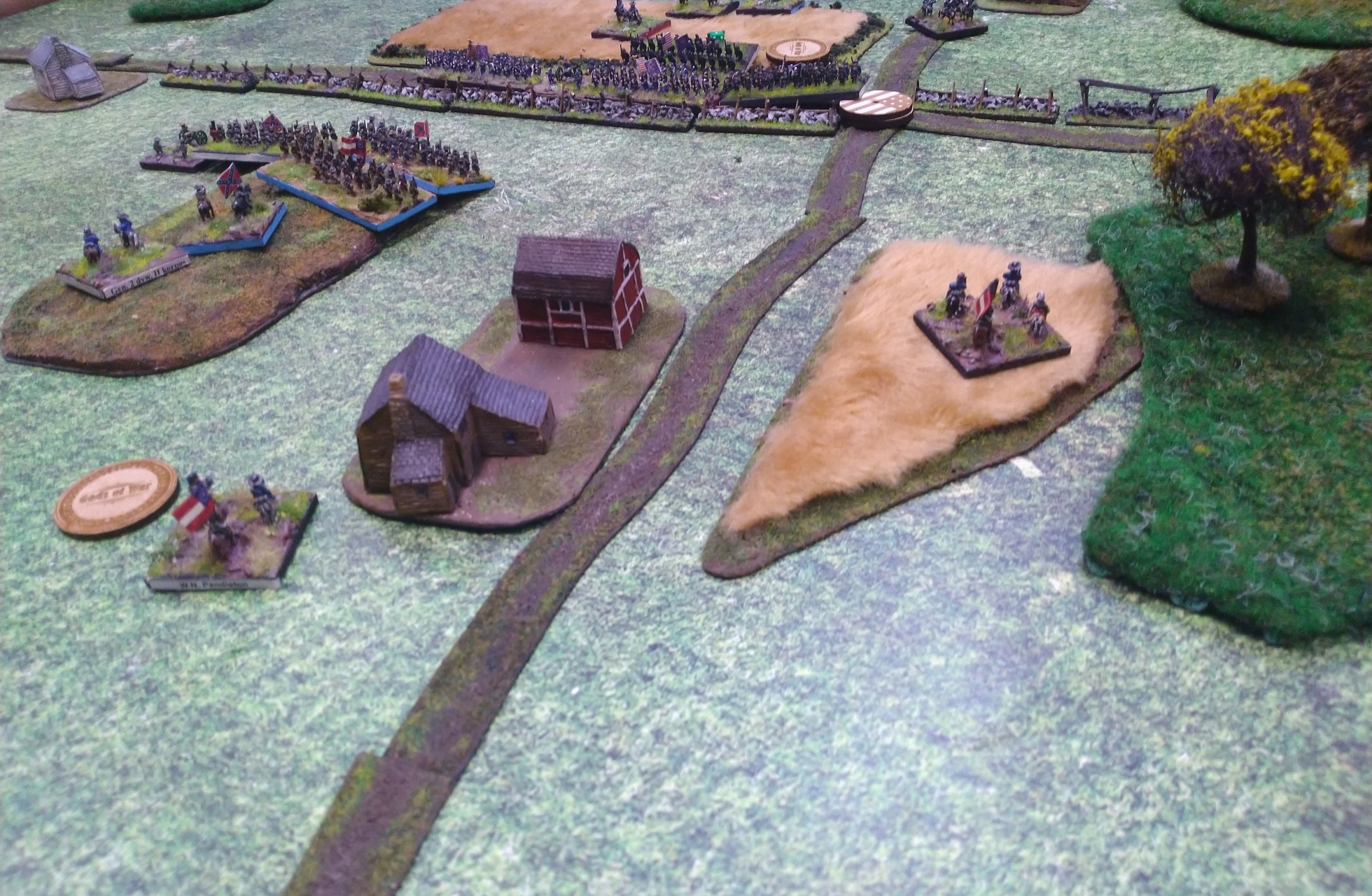
🇬🇧 Yesterday, I had the pleasure of playing my first game of Gods of War: Robert E. Lee, a game by GM Boardgames. The company was founded by two brothers, Grzegorz (Gregory) and Maciej (Matthias) – you can read more about them here. I played a demo game with one of them, Maciej, and my opponent was my friend Marcin. It was an introductory game, with Maciej teaching both of us the rules. All the miniatures on the table belonged to Matthias.
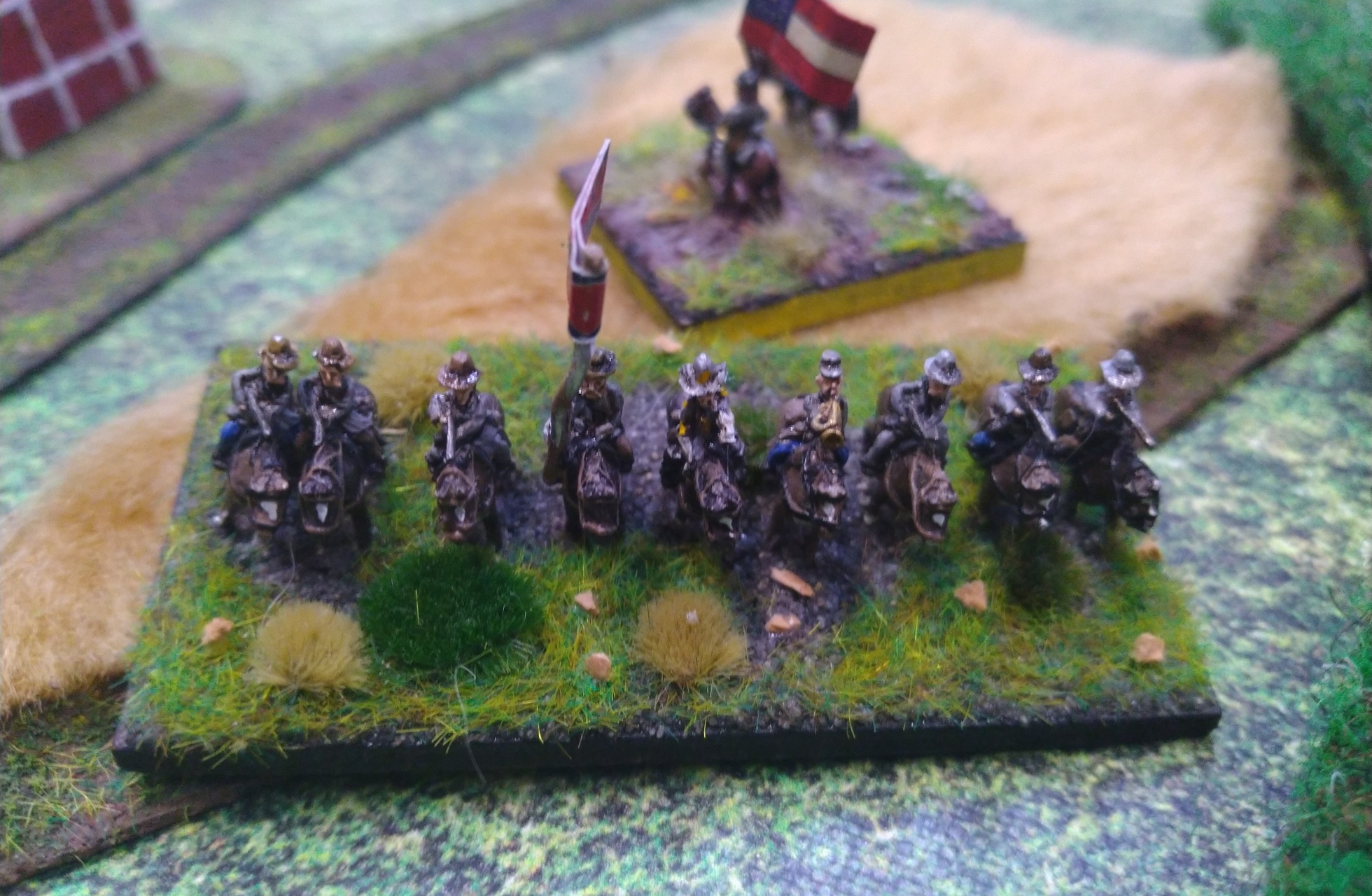
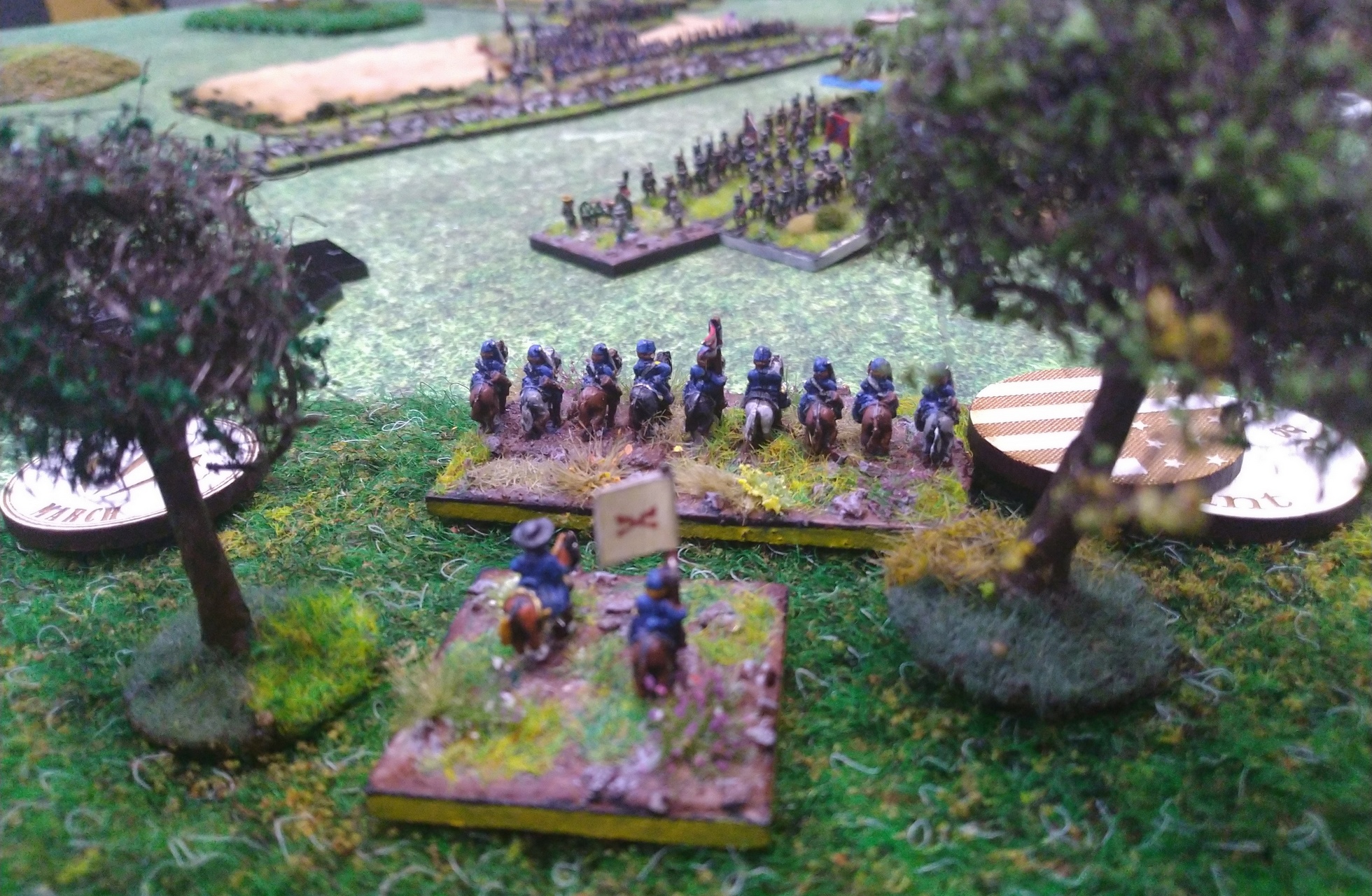
Let’s take a closer look at the game. It uses 6mm miniatures and allows players to recreate large battles from the American Civil War (April 12, 1861 – May 13, 1865), when the armies of the North (Union) clashed with those of the South (Confederacy). The player takes on the role of an army general, commanding an entire force composed of several divisions, often including artillery batteries. The army commander oversees corps commanders, who in turn command divisions led by divisional generals. These generals have different traits — some are outstanding leaders, while others may behave unpredictably on the battlefield.
Generals also have personalities that affect how difficult it is for them to issue orders.
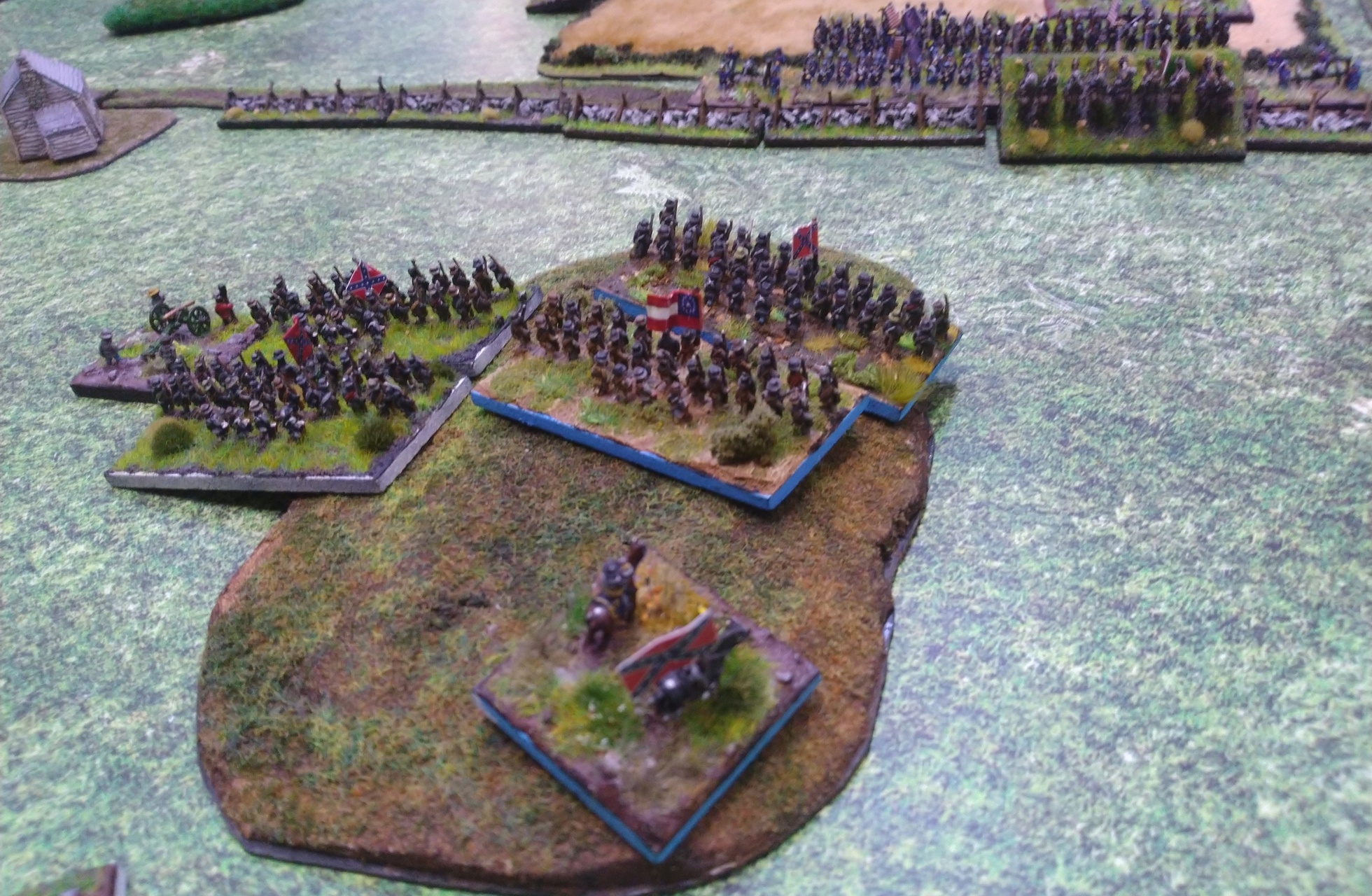
So, here’s how the game looked from my perspective:Each side has different victory conditions – reflecting the strengths of the industrialized North and the smaller, more agrarian South.
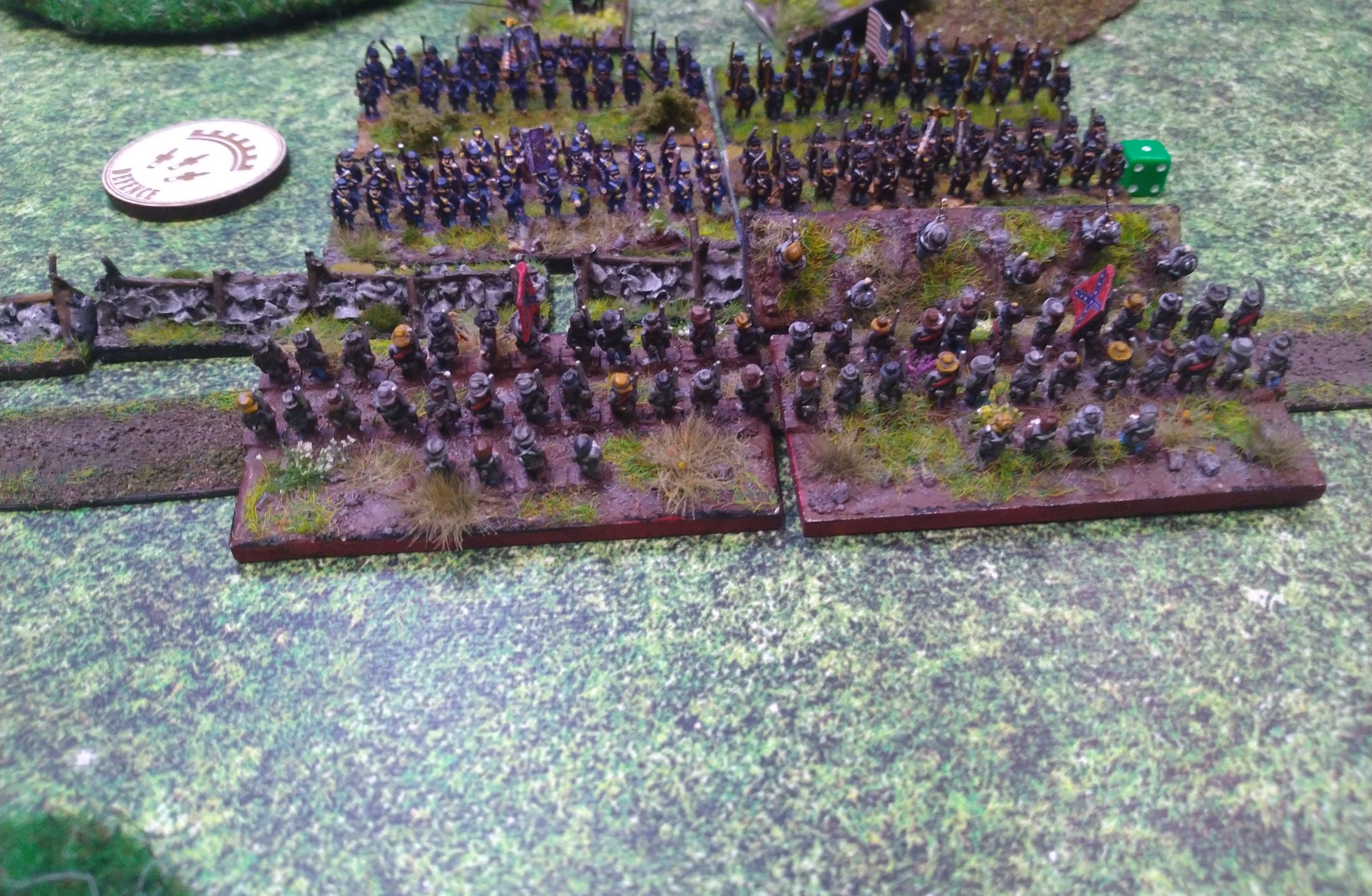
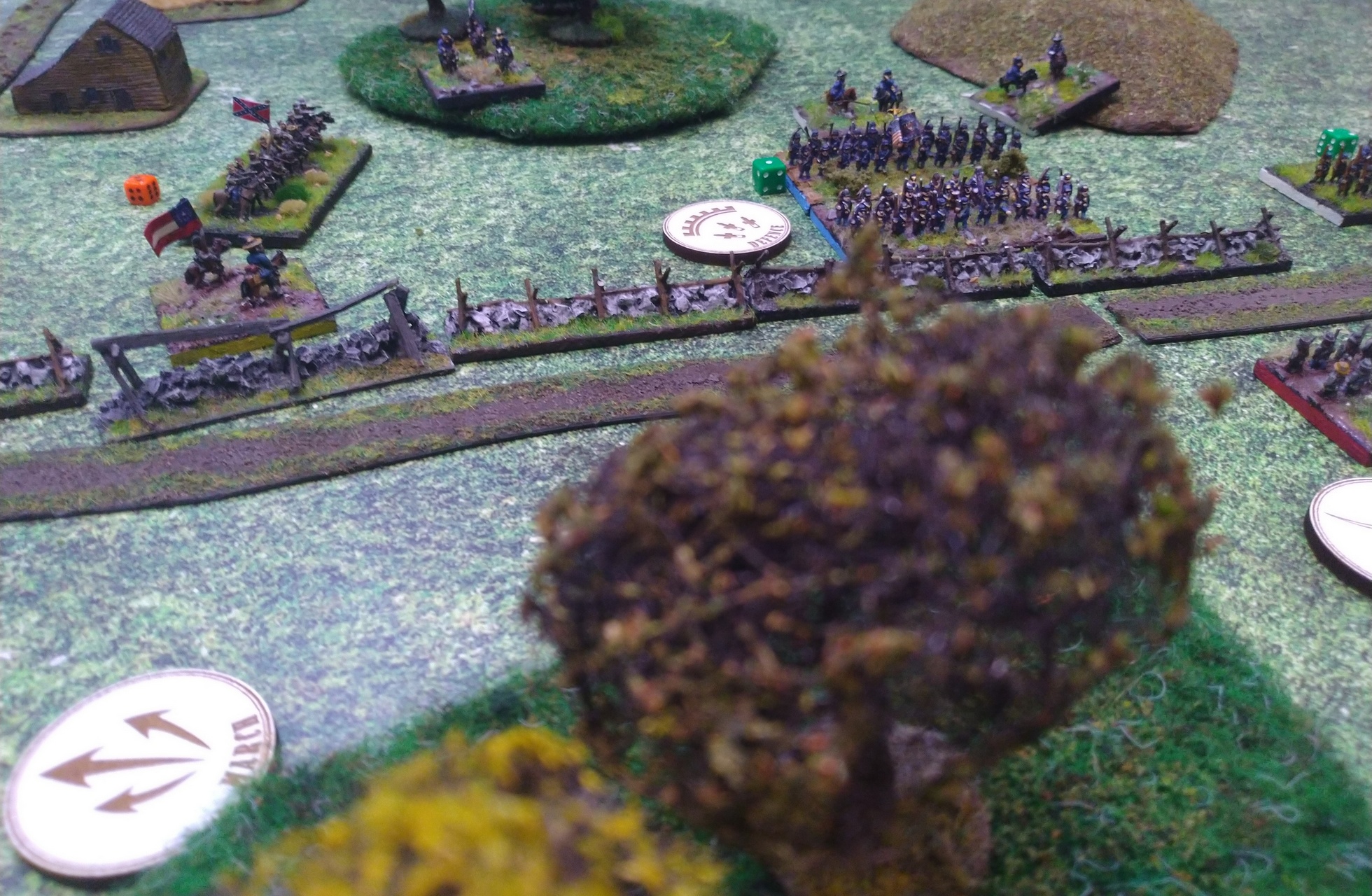
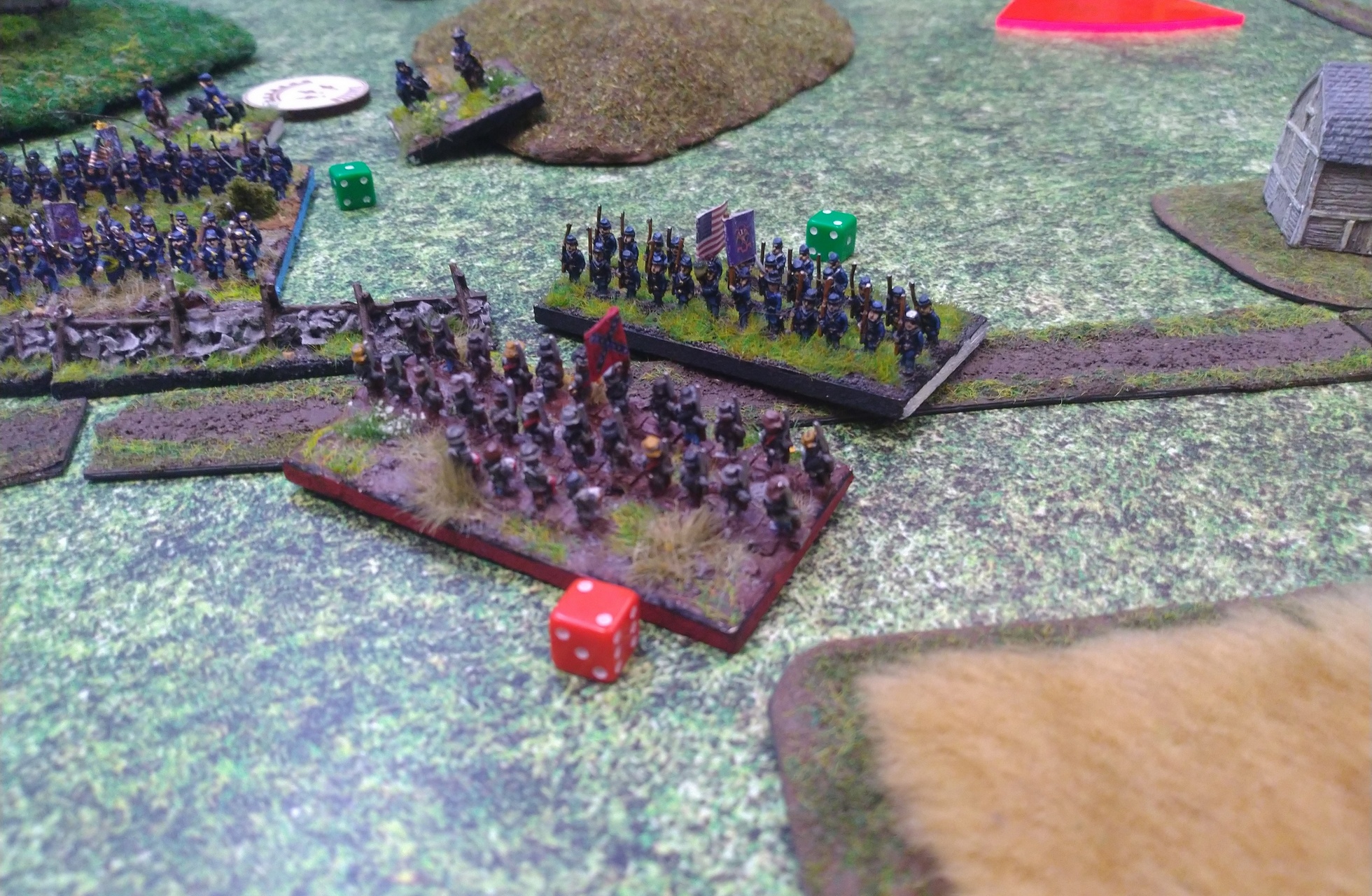
1. Battles are fought between armies composed of corps, led by generals such as Robert E. Lee. Army commanders have different abilities, and some can seize the initiative more easily. 2. Corps and divisional generals have varying levels and skills. Better generals can issue orders and rally troops more effectively. The army commander can support them by sending aides-de-camp, represented by additional dice. 3. There are battle cards — each army commander starts with a hand of three and draws one more each turn. 4. There is a fog of war mechanic: both sides begin with patrol units (markers) scouting for enemy corps. These markers can conceal forces beneath them. When opposing scouts spot each other and hidden units are present, brigades are deployed near the scouts, but not directly in front of them. 5. Orders are assigned secretly, with three types available: Assault – allows a unit to enter the enemy’s zone of control and fire and/or charge. Defence – improves the unit’s defensive capabilities. March – grants an additional 3″ of movement. 6. Generals activate their corps alternately – first the player with the initiative, then their opponent, and so on. 7. Unit quality varies, from state militia to elite infantry and cavalry – the system seems well-suited to recreating historical formations. 8. Each side has different victory conditions – reflecting the strengths of the industrialized North and the smaller, more agrarian South.
Summary: – The Confederates defeated the Union 11:5. – It was an interesting experience, so I’d like to start building my own Confederate army.
Podsumowanie: – Było to interesujące doświadczenie, dlatego planuję rozpocząć budowę własnej armii Konfederacji. – Konfederacja wygrała z Unią 11:5.
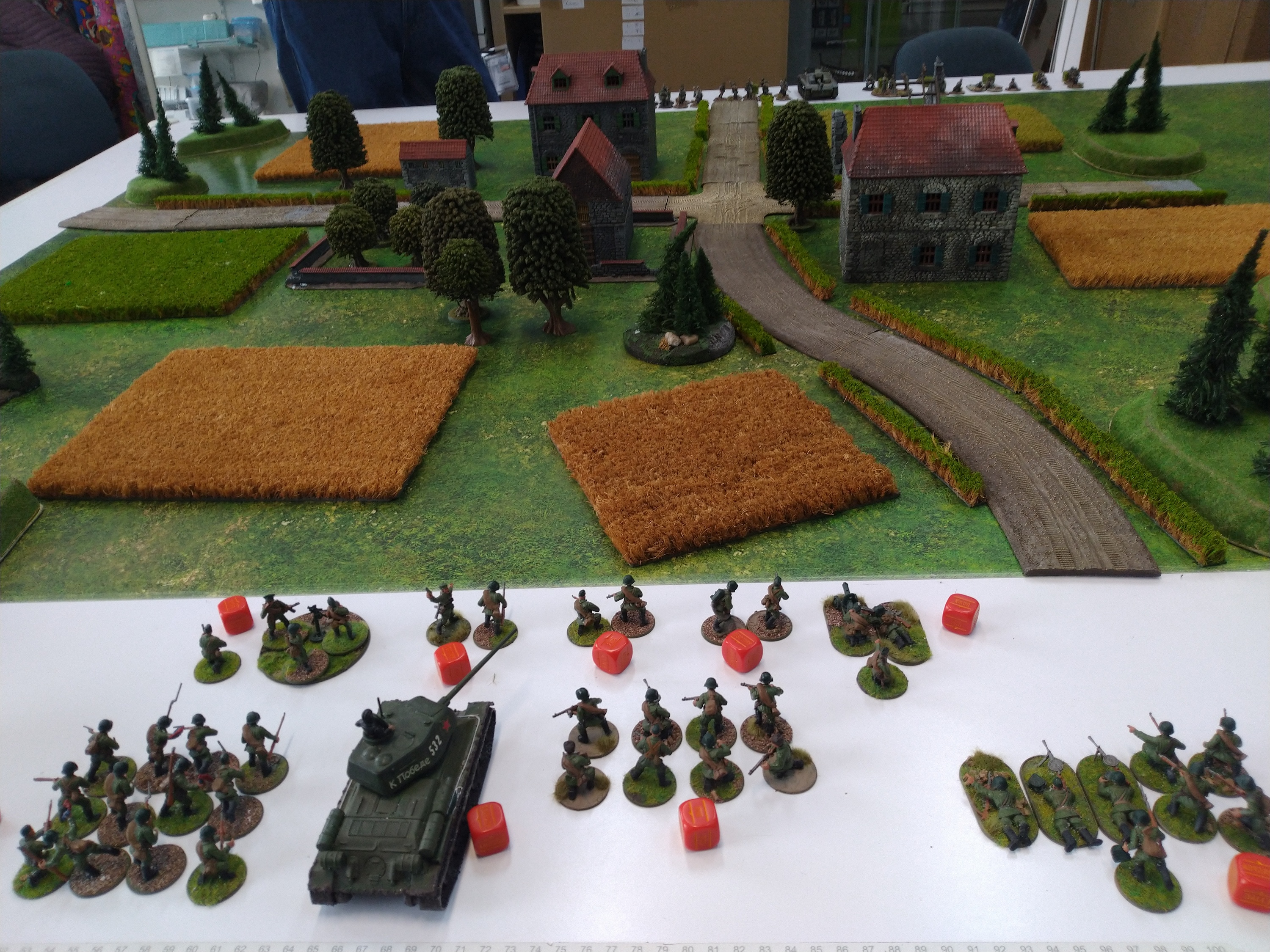
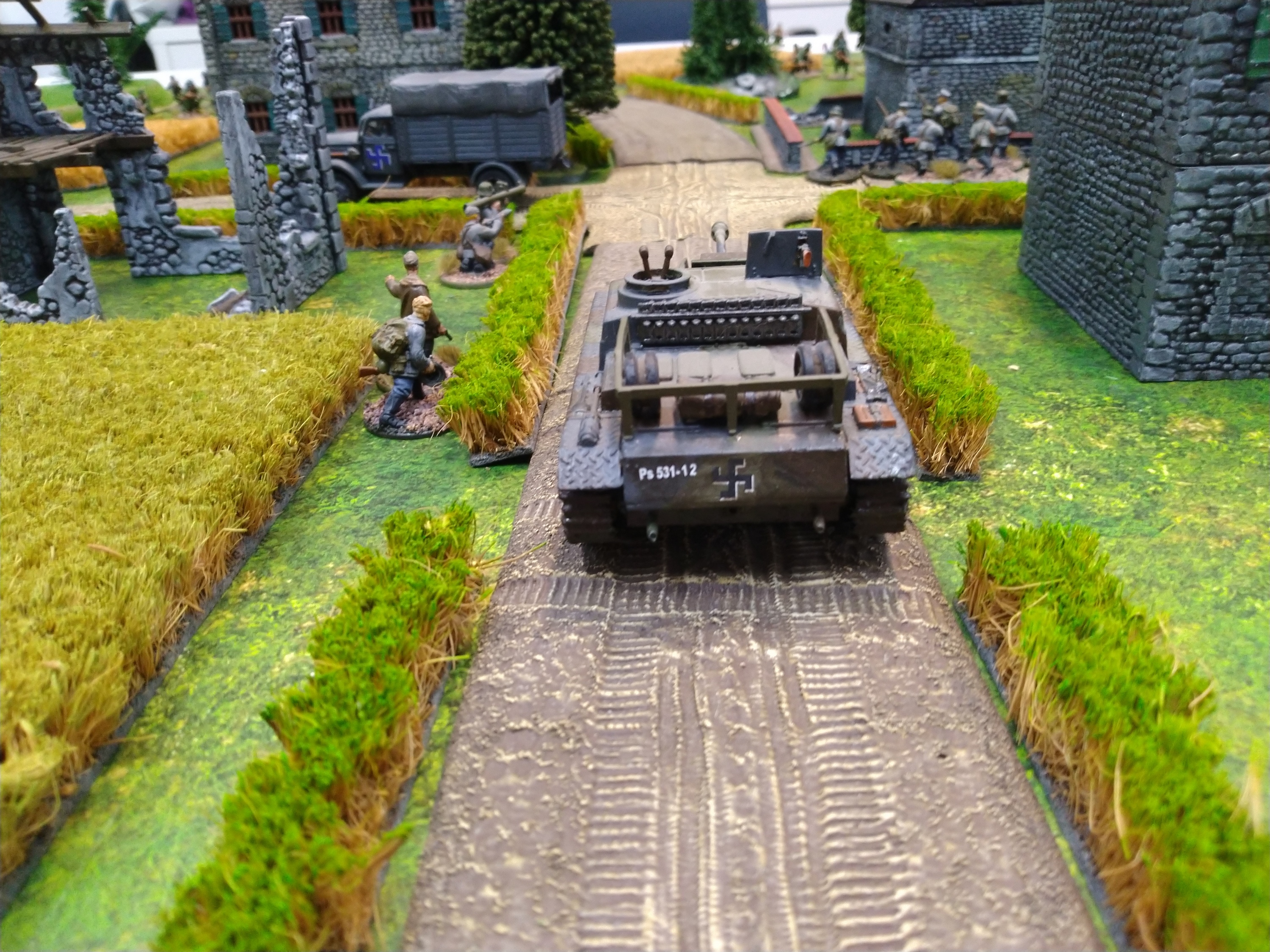
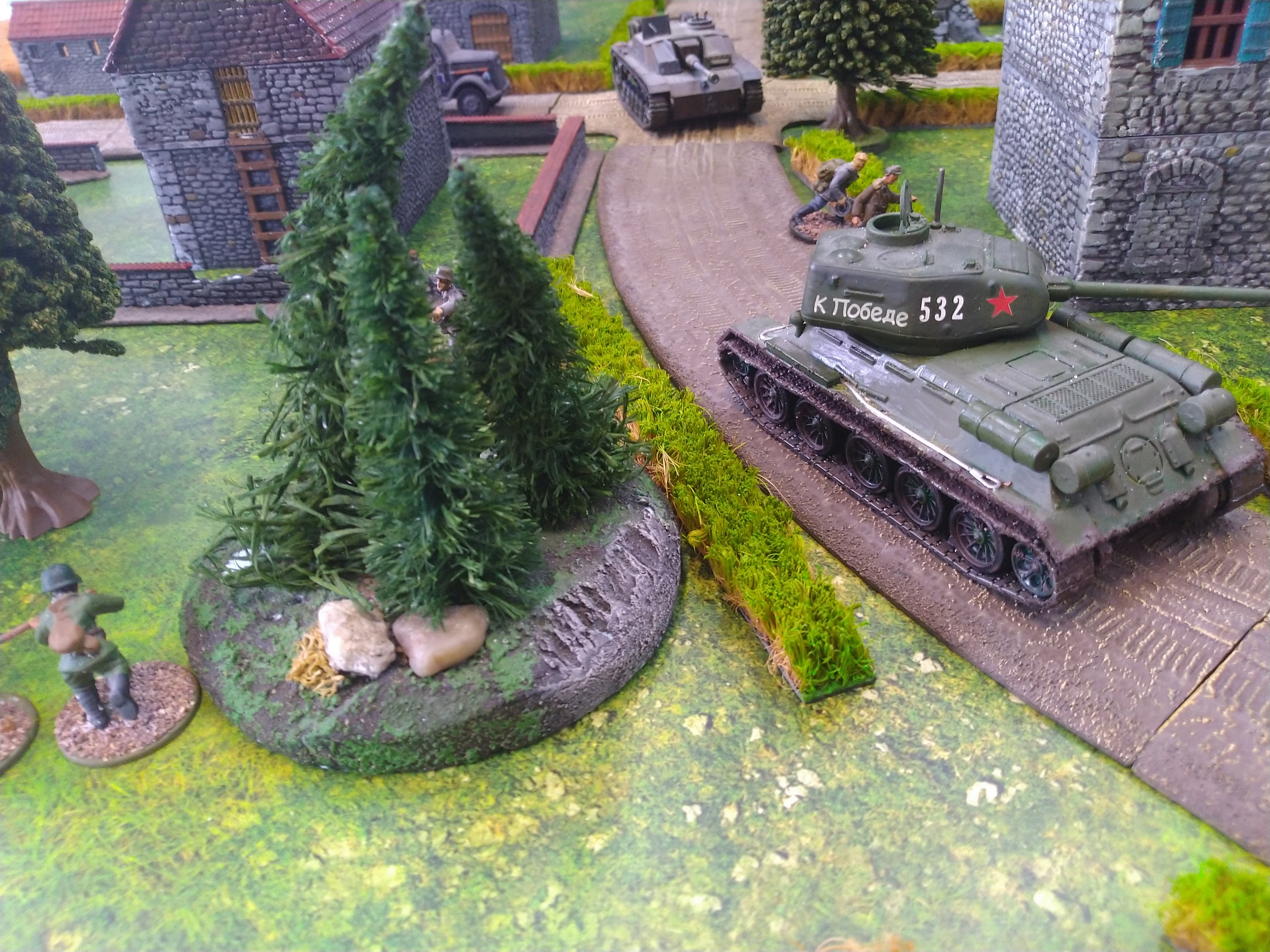
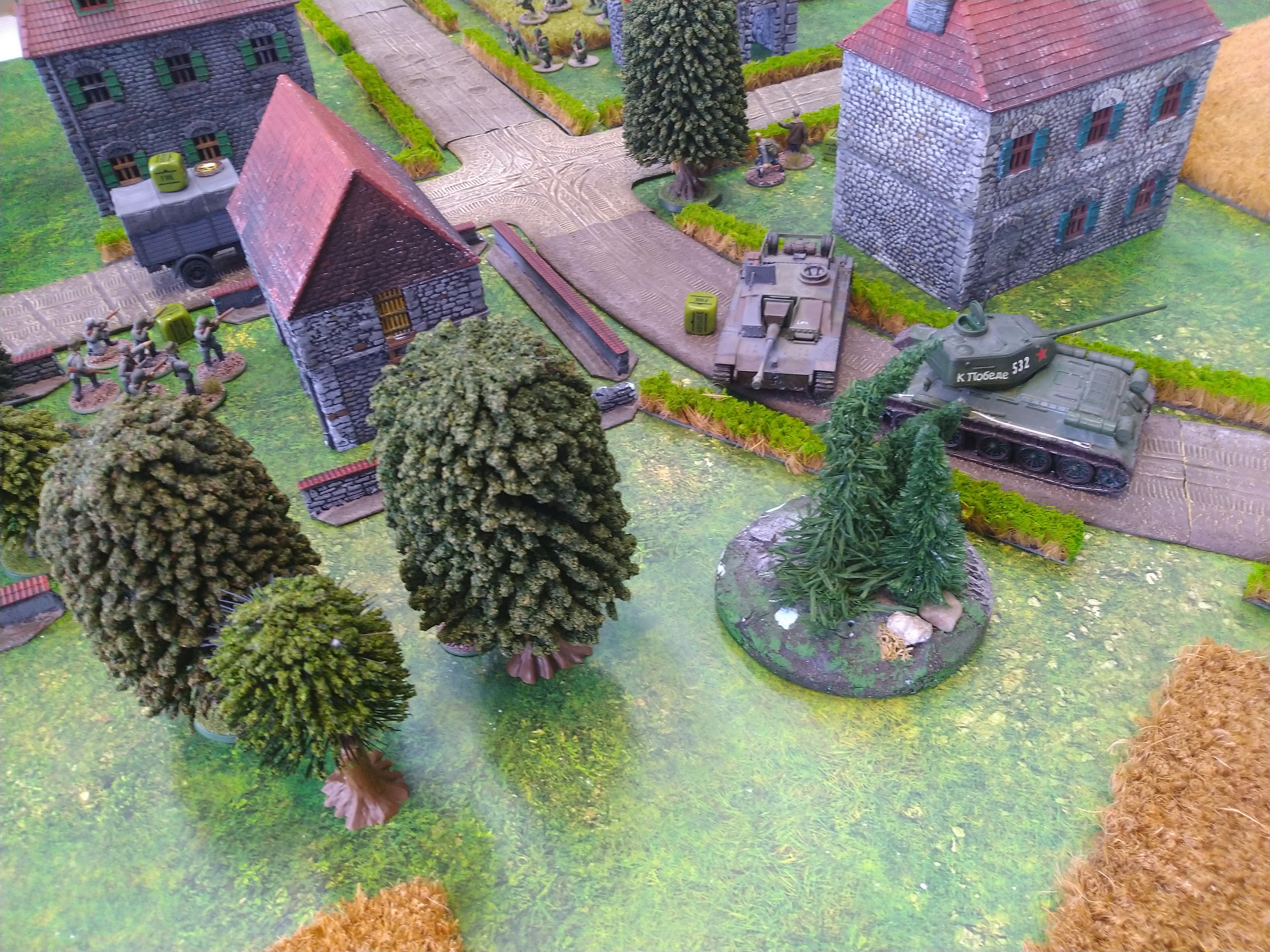
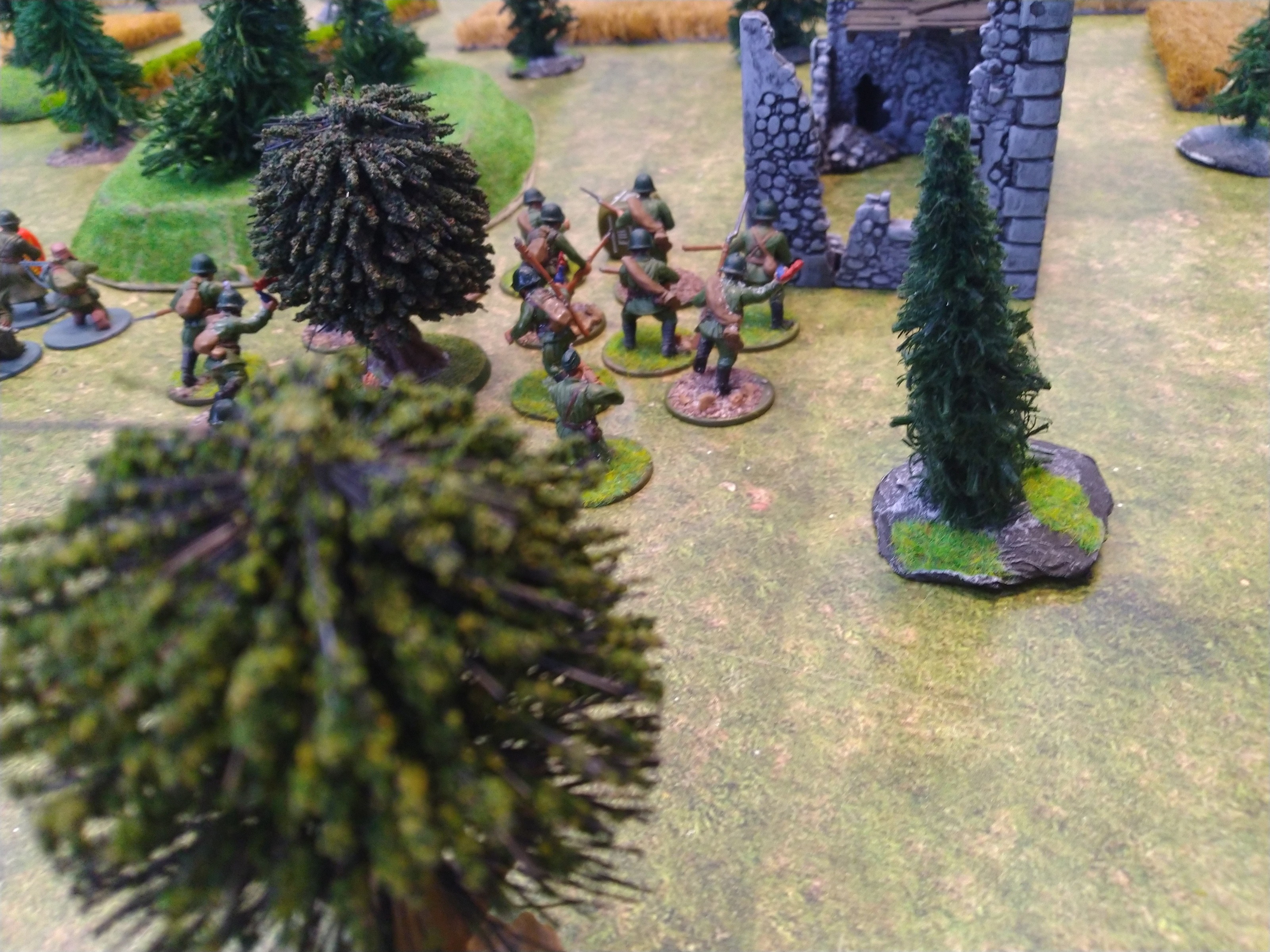
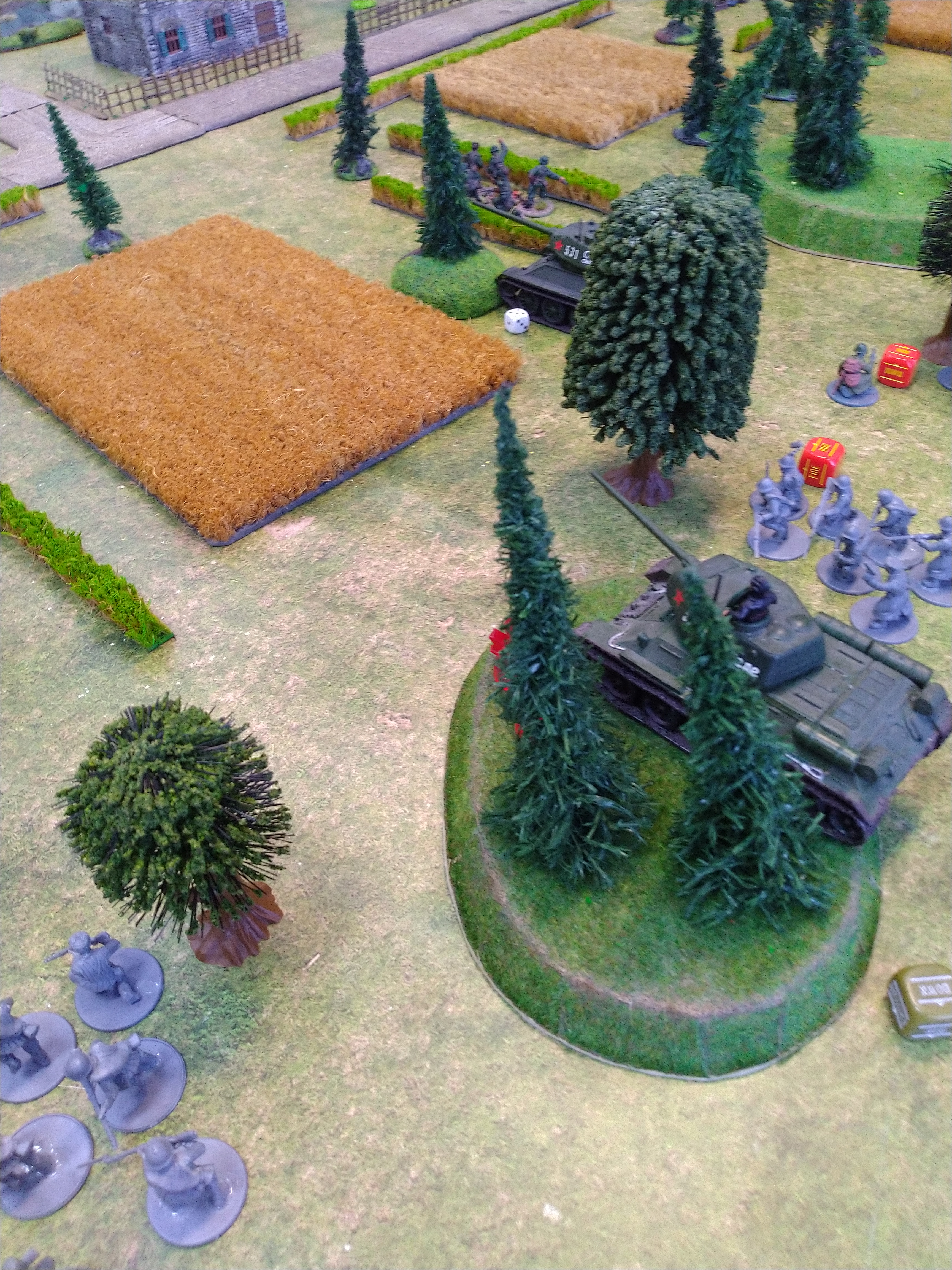
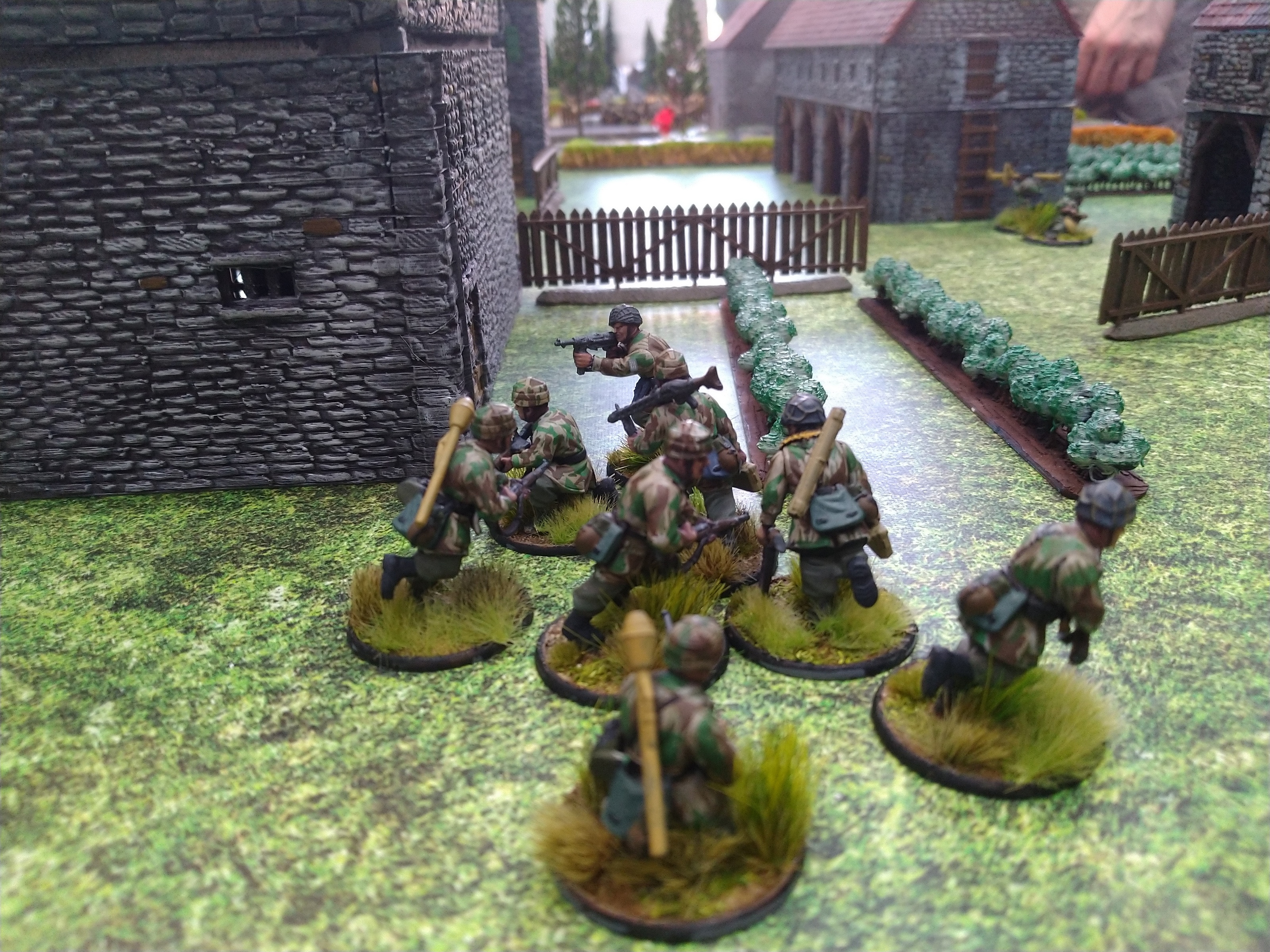
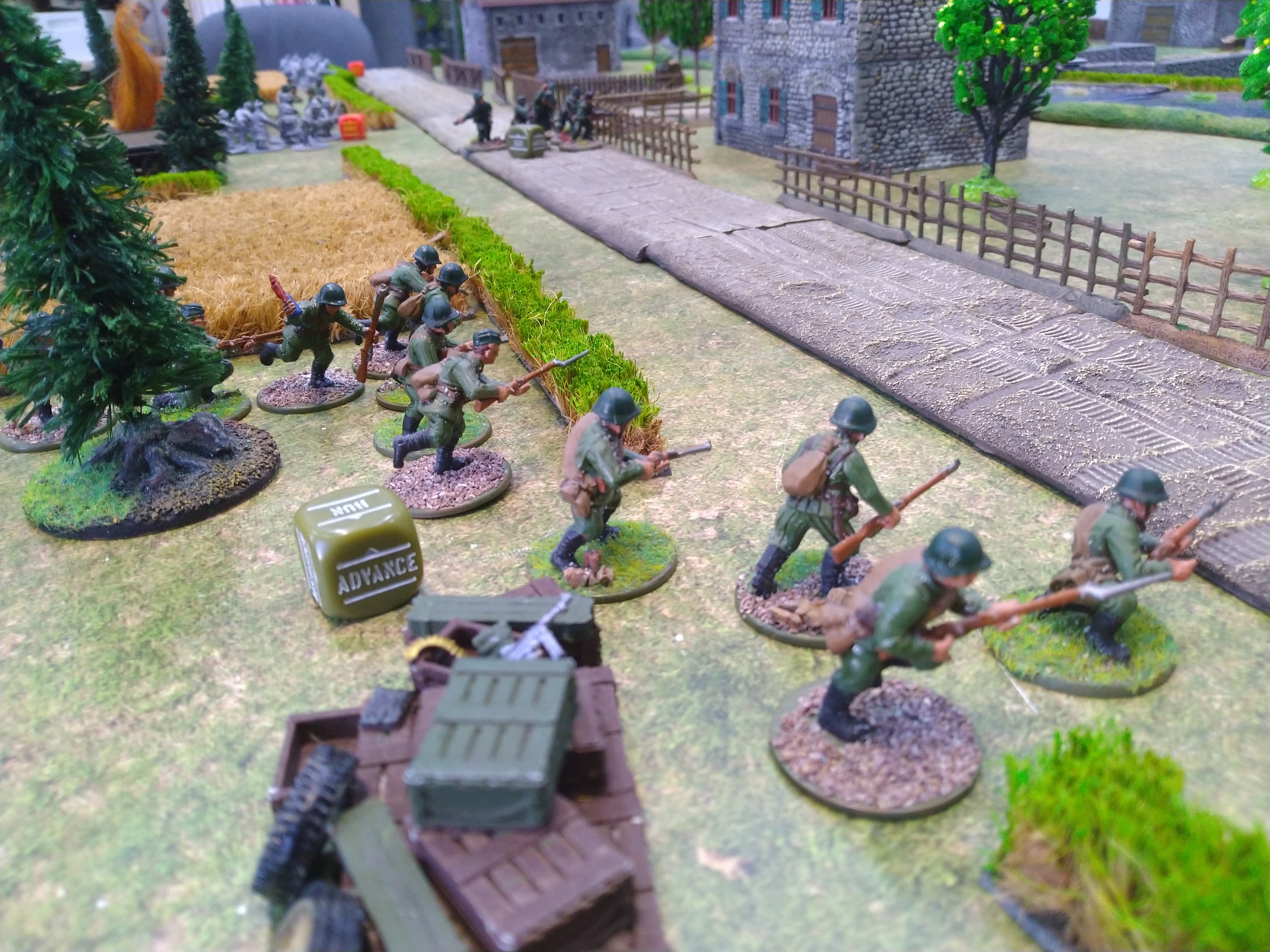
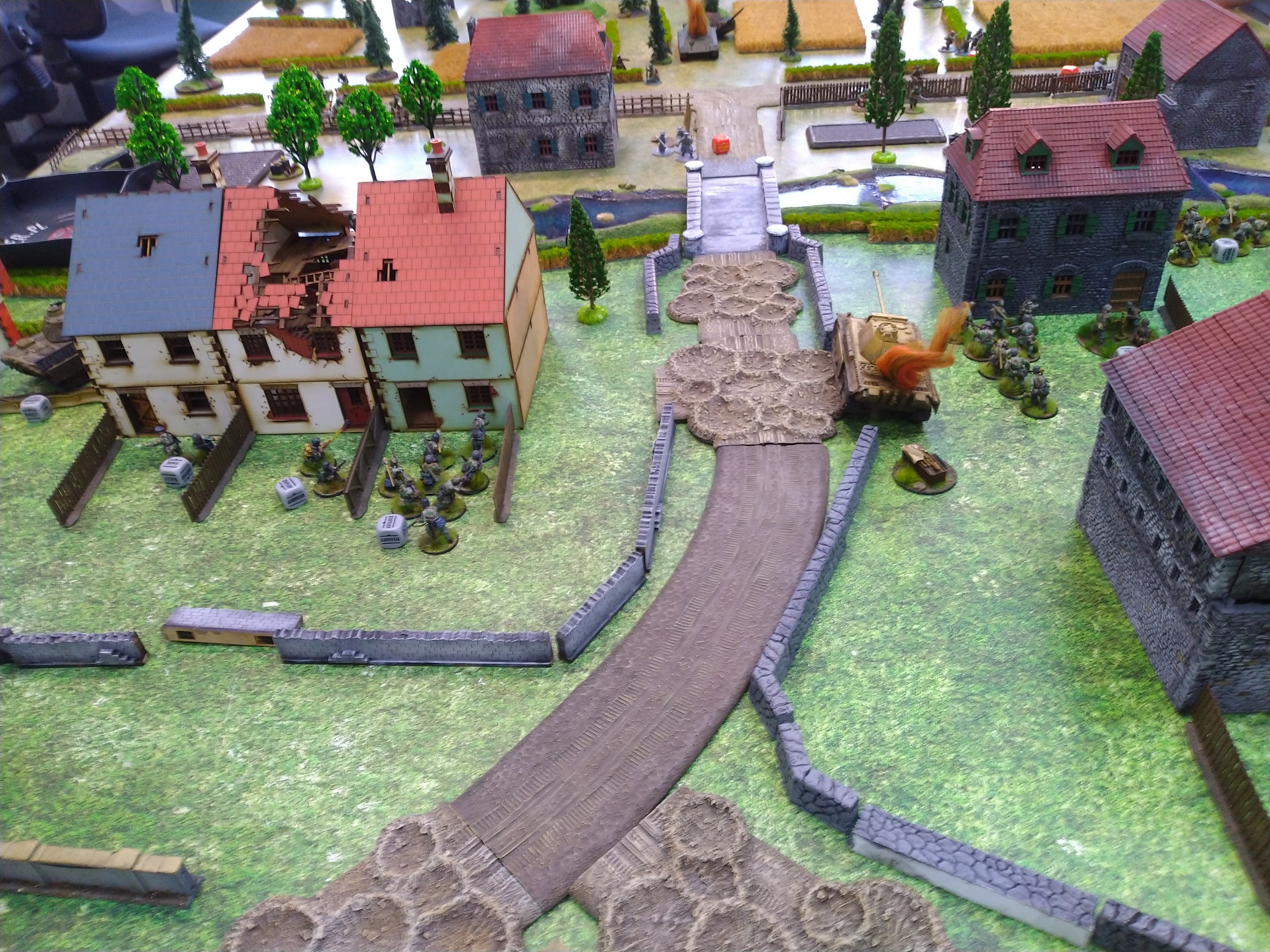
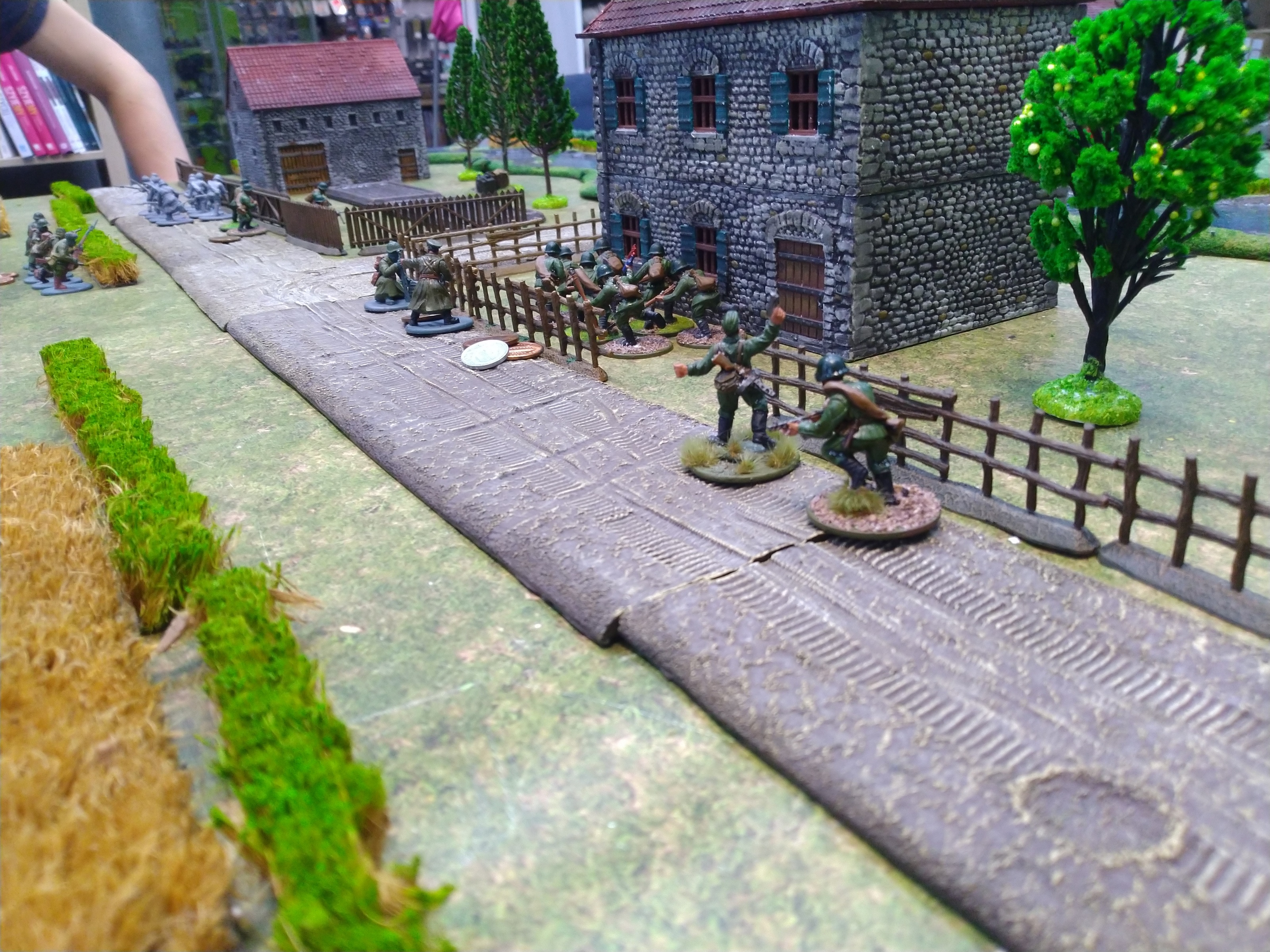
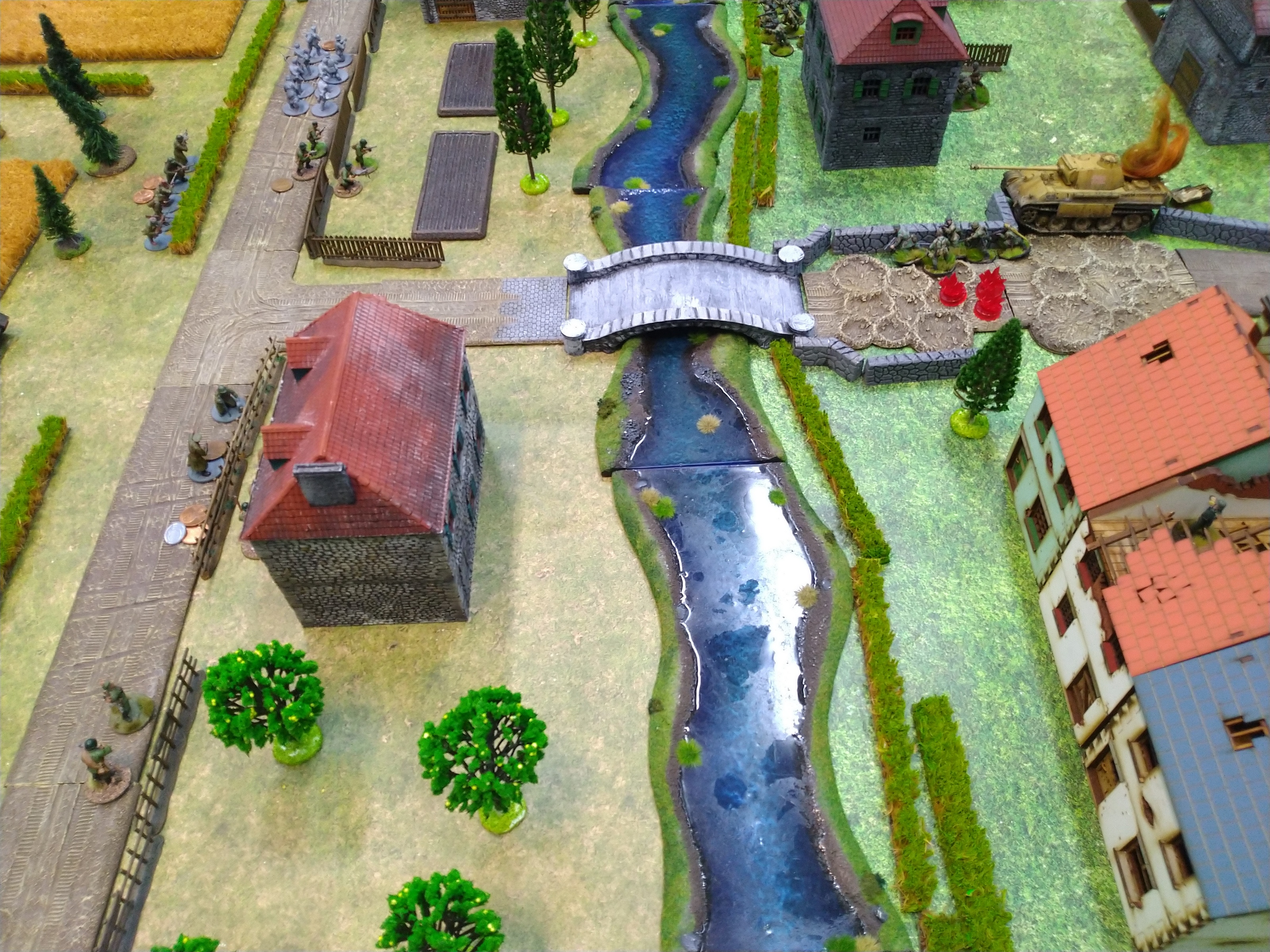
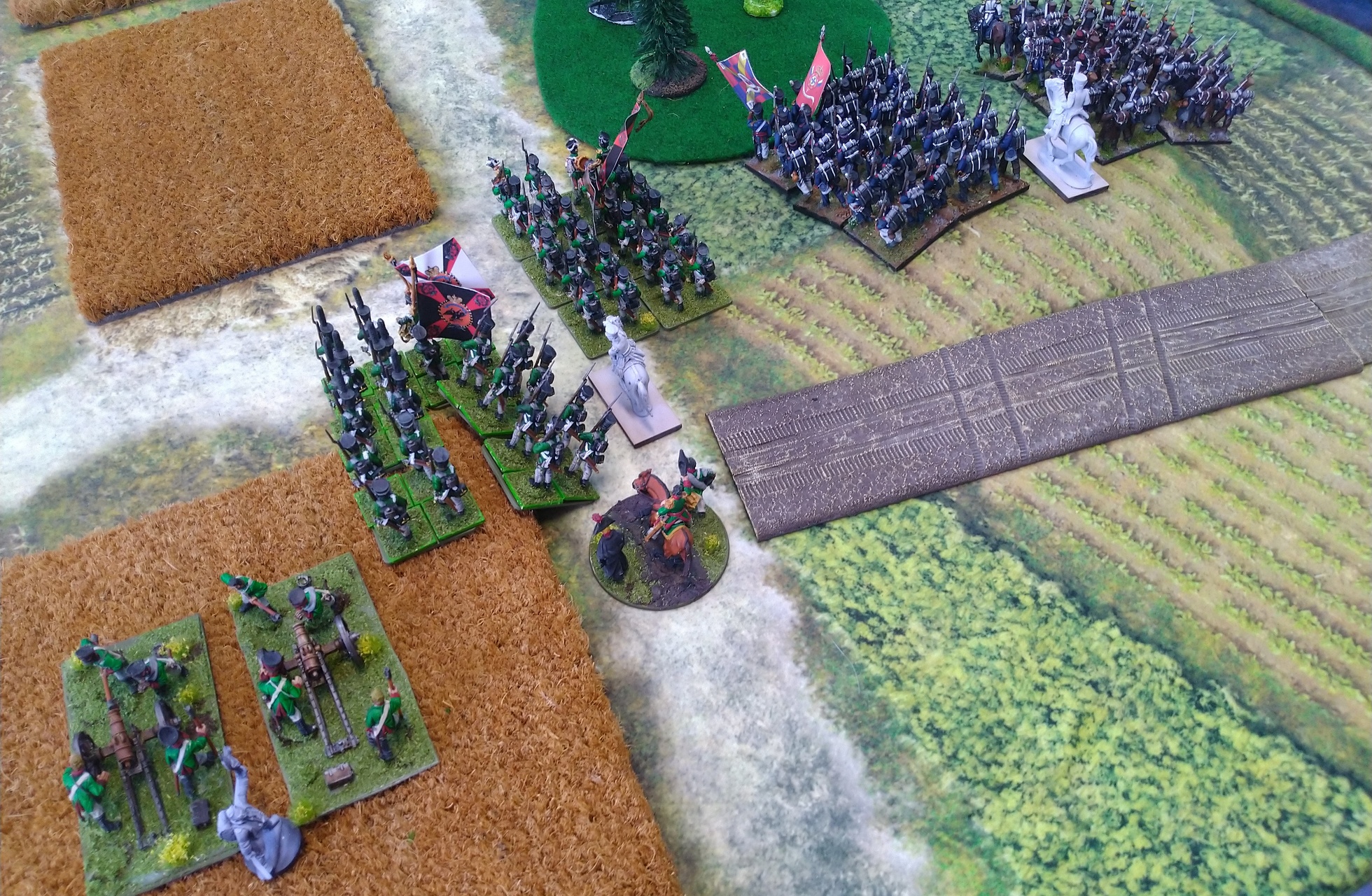
Last Wendesday we played in Bolter.pl with Karol (Germany) and Franek (Soviet Union) scenario where Red Army should take a bridge, to stop German trucks going out. Red Army was advancing from the forest, Germans were deployed in the town and also on Soviet side of deployment as rear guard. We played for around 2,000 points per side. Red Army main task was to control area of bridge on 4 turn, German side had to prevent from it.
W ostatnią środę zagraliśmy w Bolterze z Karolem (Niemcy) i Frankiem (Związek Radziecki) scenariusz, w którym oddziały Armii Czerwonej powinny zająć ważny most, by zatrzymać konwój niemieckich ciężarówek próbujących się ewakuować. Armia Czerwona nacierała przez tereny leśne. Niemcy byli wystawieni w mieście oraz po radzieckiej stronie wystawienia, jako tylna straż. Graliśmy na około 2,000 punktów na stronę. Głównym zadanie dla Armii Czerwonej było kontrolowanie mostu do czwartej tury, Niemcy mieli za zadanie niedopuścić do tego.
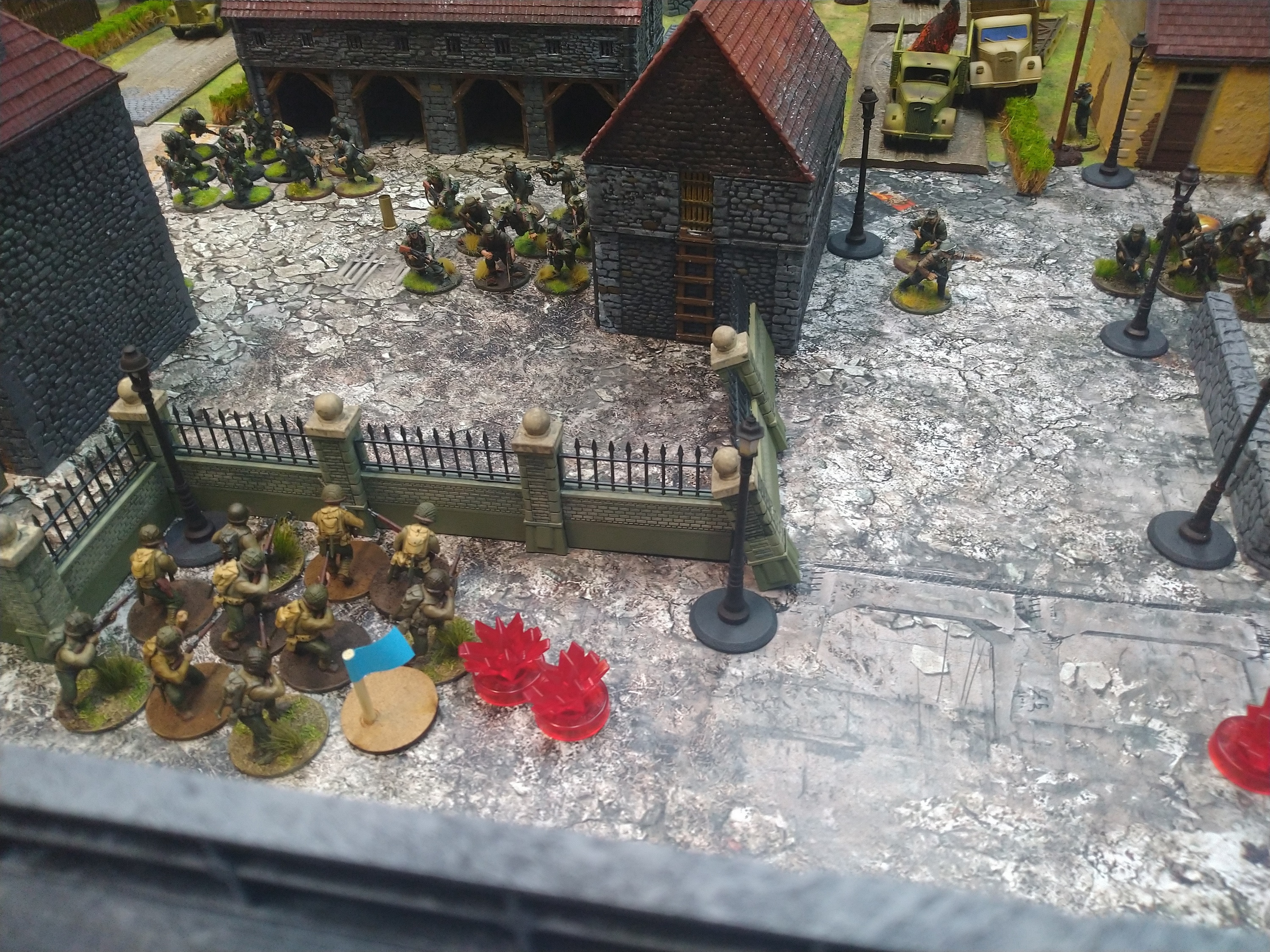
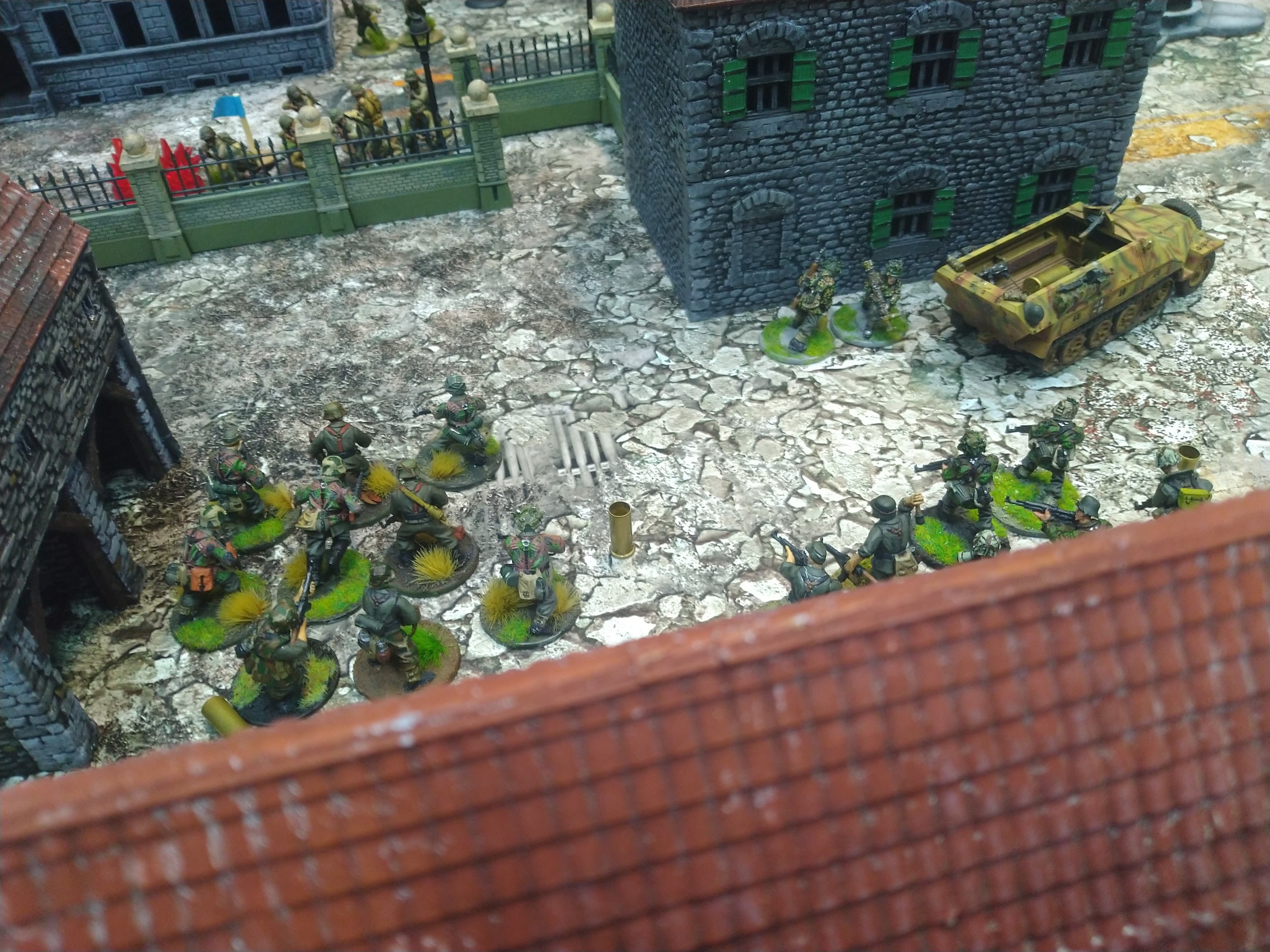
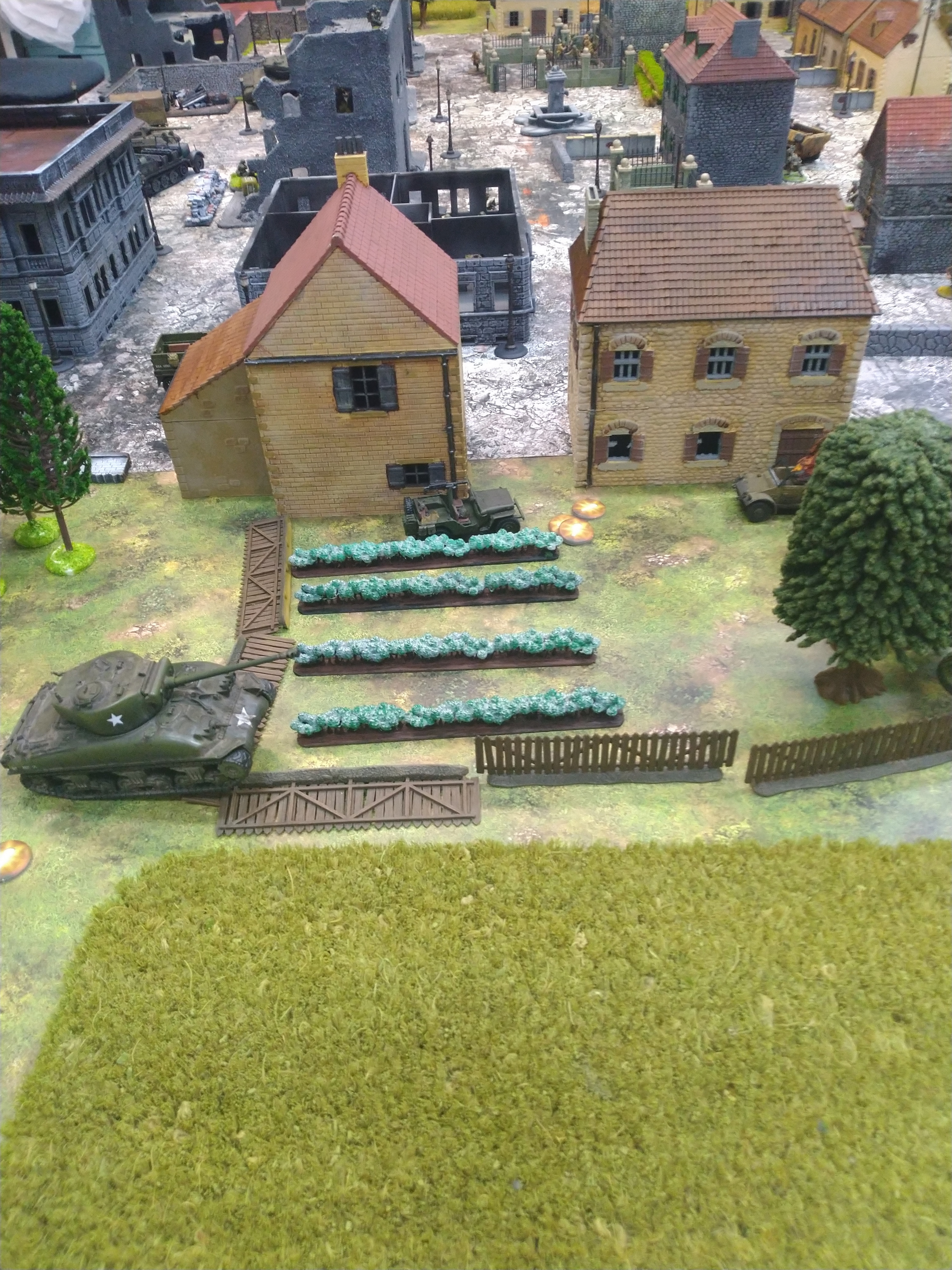
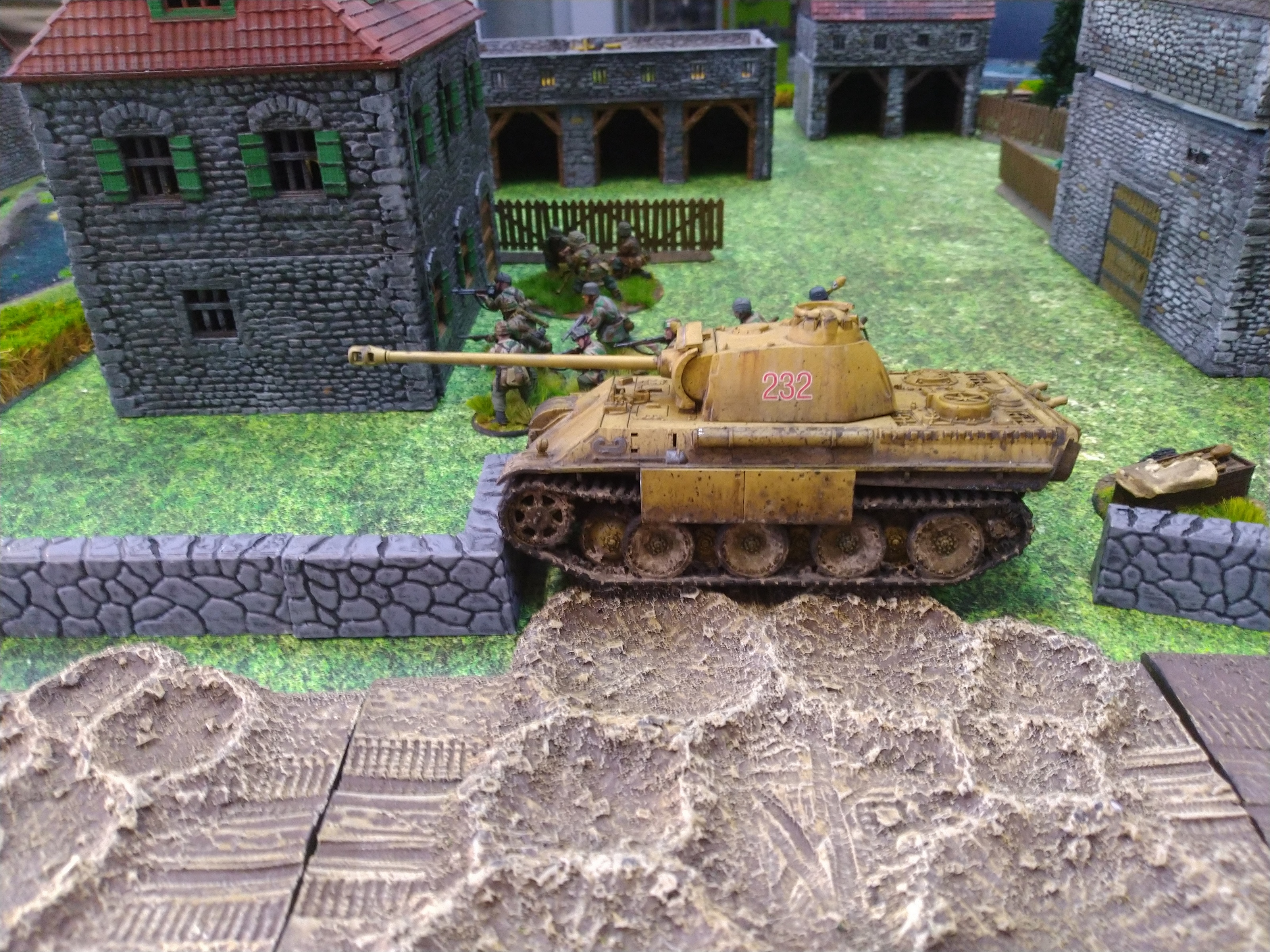
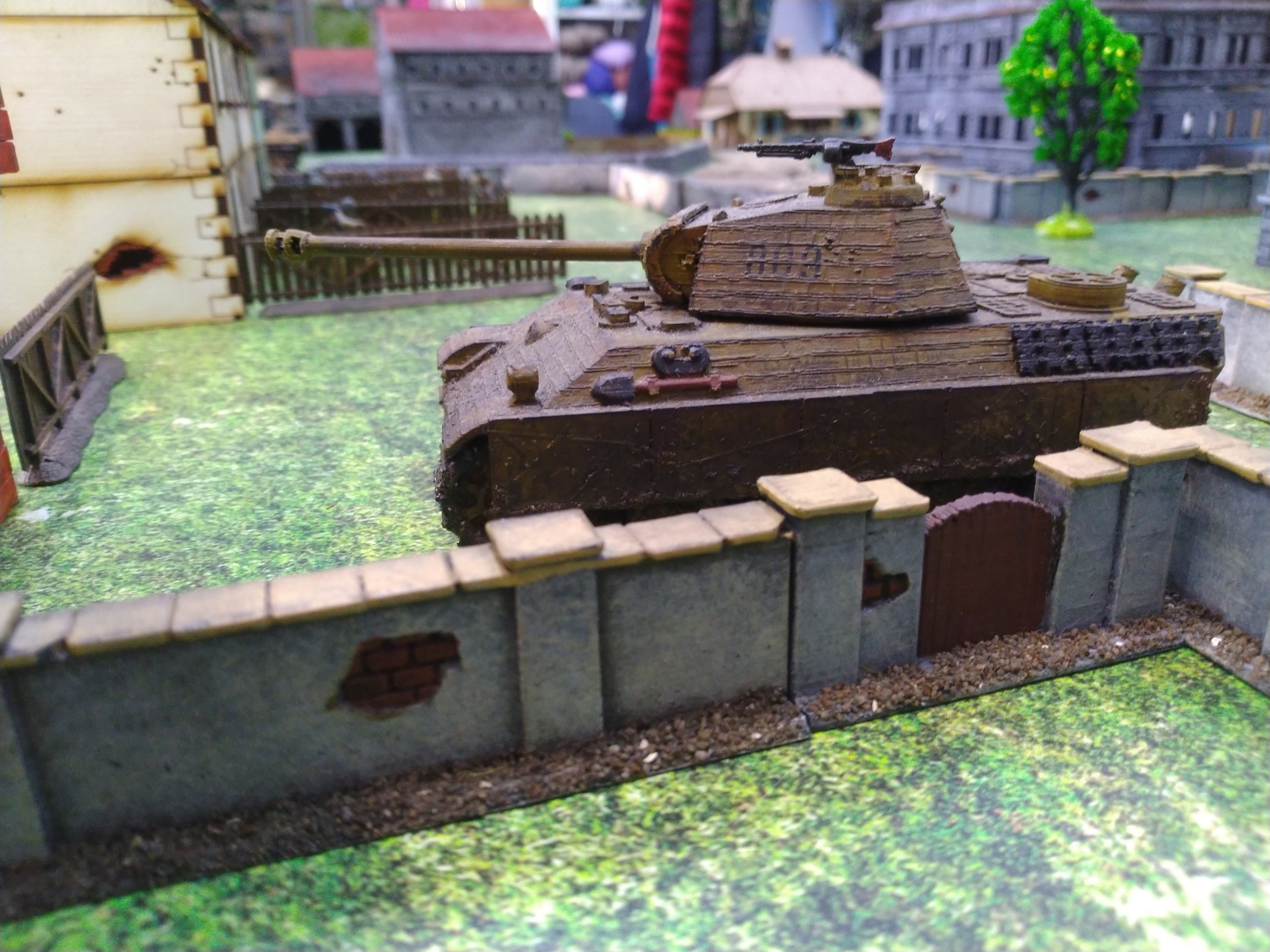
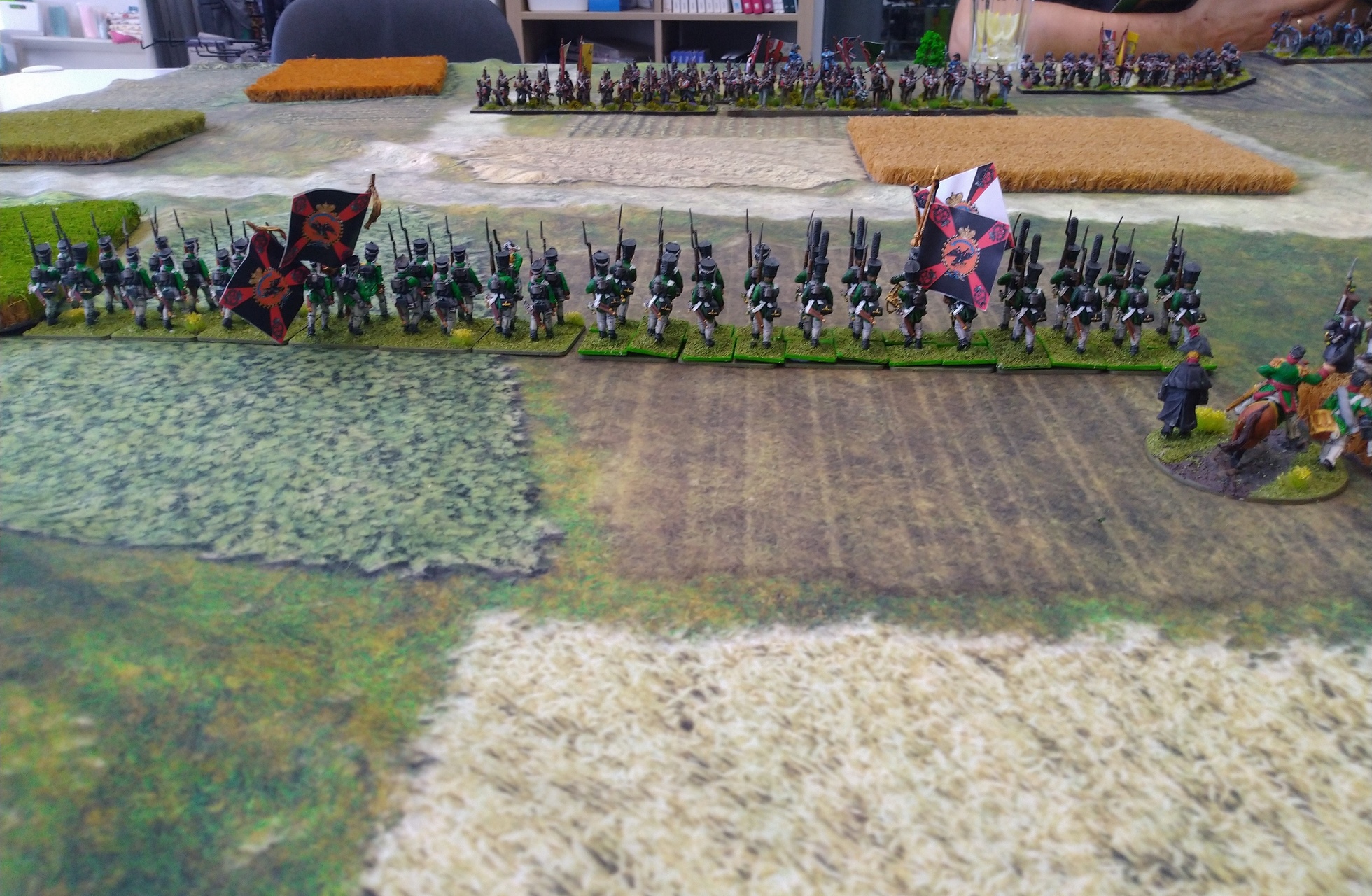
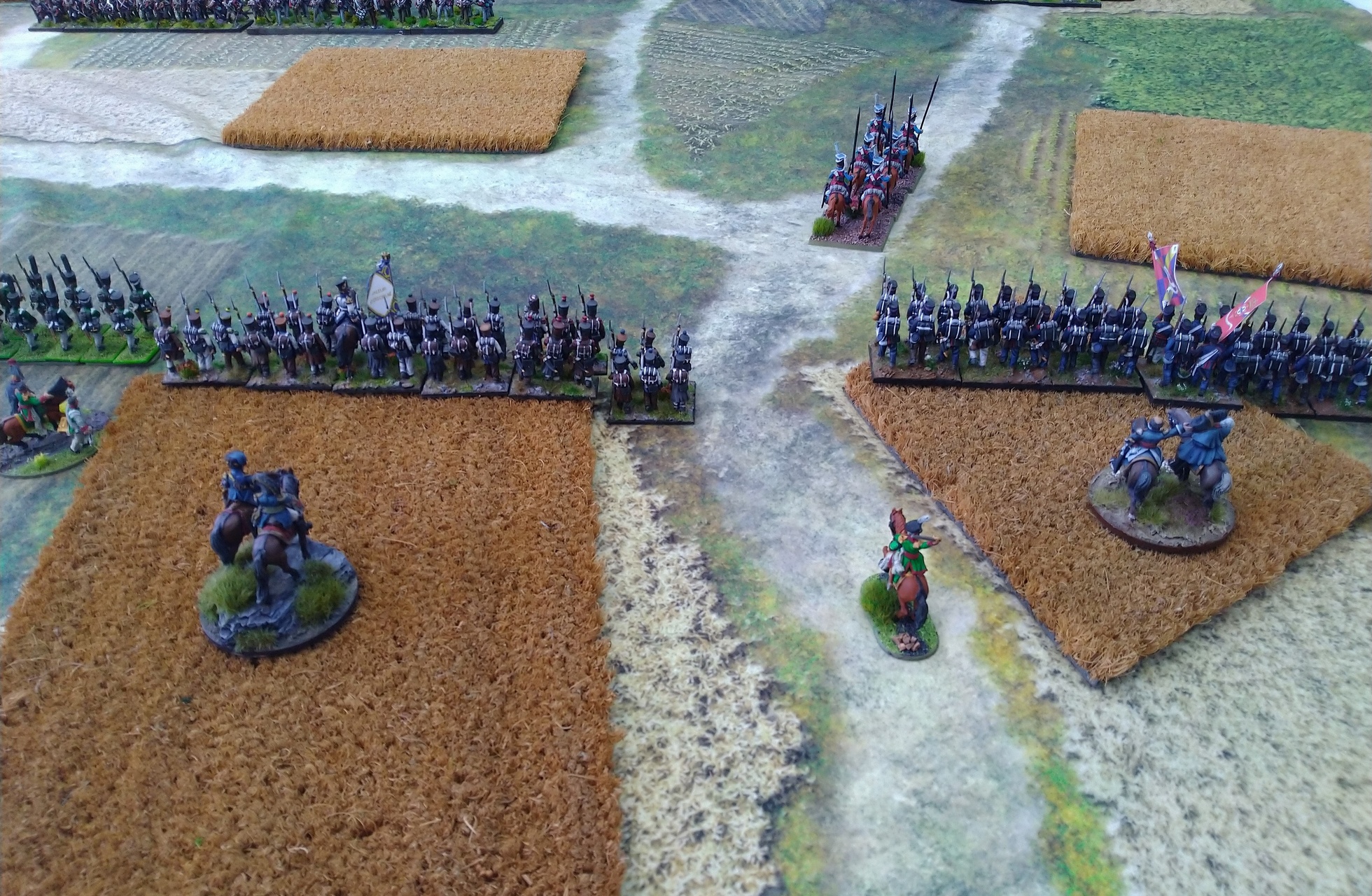
1945′ somewhere in Germany. 1945′ gdzieś w Niemczech.Famous acht’acht. Słynna ósemka ósemka.German rear guard. Niemiecka straż tylna.German artillery observer for 8.8. Niemiecki obserwator artyleryjski dla 8.8.Red Army advances. Armia Czerwona naciera.Panther. Pantera.Of course Franek will paint those grey shades of grey. Oczywiście Franek pomaluje te szare cienie szarości.Tankodesantiki jumped from tank, after someone targeted it. Desant pancerny zeskoczył z czołgu wtedy, kiedy zauważył, że ktoś do niego celuje.For Mother Russia, hooraaaa! Za Matkę Rosję, uraaaa!Germans took defensive positions. Niemcy zajęli pozycje obronne.German infantry advances in cover of Panzerkampfwagen V – called Panther. Niemiecka piechota naciera pod osłoną Panzerkamfwagen V – zwaną potocznie Panterą.Hidden and dangerous. Ukryta i niebezpieczna.Boom, IS-2 destroyed Panther, before that one of T-34-85 tanks was destroyed. Bum, IS-2 znisczył Panterę, przed tym jeden z T-34-85 został zniszczony.My favourite tank losed track at start, then losed another one and crew evacuated. Mój ulubiony czołg, stracił gąsienicę na początku, następnie stracił kolejną i załoga opuściła wóz.Bridge was hands of Red Army at the end. Most pozostał pod kontrolą Armii Czerwonej.IPN workshops in Bolter. Warsztaty IPN w Bolterze.
Podsumowanie: – dzięki Franku i Karolu za grę! – następnym razem postaram się opisać nieco zasady tej miłej i przyjemnej gry bitewnej, a w dodatku taniej na wejście. – brzydzę się szarością, ale jest to najłatwiejsze, by nimi zacząć, tak więc o ile sam nigdy nie gram niepomalowanymi, akceptuję je u moich kolegów. – jesteśmy w stanie zrobić gry pokazowe dla osób zainteresowanych, a moi koledzy bez wątpienia pomogą w dobraniu farb i nauce malowania, ja maluję ale znam po prostu lepszych ode siebie. – jeśli ktoś myśli, że gry bitewne, RPG czy karcianki są tylko dla chłopców, to grubo się myli. Usłyszałem to kiedyś, kiedy zaproponowałem parze przyjaciół mojej dawnej sympatii i w sumie moich zagranie w Warhammera: Inwazję – usłyszałem od faceta – to nie takie babskie… zatkało mnie. Czyli co, płeć piękna nie może? Też byłem na tym kierunku co on, ale uważam, że naprawdę fajnie, jak dziewczyny grają z nami facetami.
Summary: – thank you Franek and Karol for a game! – next time I will try to write down review of rules of this nice game, in addition it’s cheap to be collected. – I hate grey plastic of all shadows of grey, Franek knows it. – we are able to do demo games for ppl who are interested, my friends can help with paints and teaching painting, I’m painting, but I know better than me. – if someone thinks that tabletop games, RPG or card games are only for boys, it’s a big mistake. I heard it once, when I proposed a couple of friends of my ex sympathy that we can play Warhammer: Invasion and I heard from guy that it’s not for ladies… I didn’t know what to say to him. So that more beautiful gender shound’t play? I was on the same studies and I know, that’s it’s really nice when girls play with us.
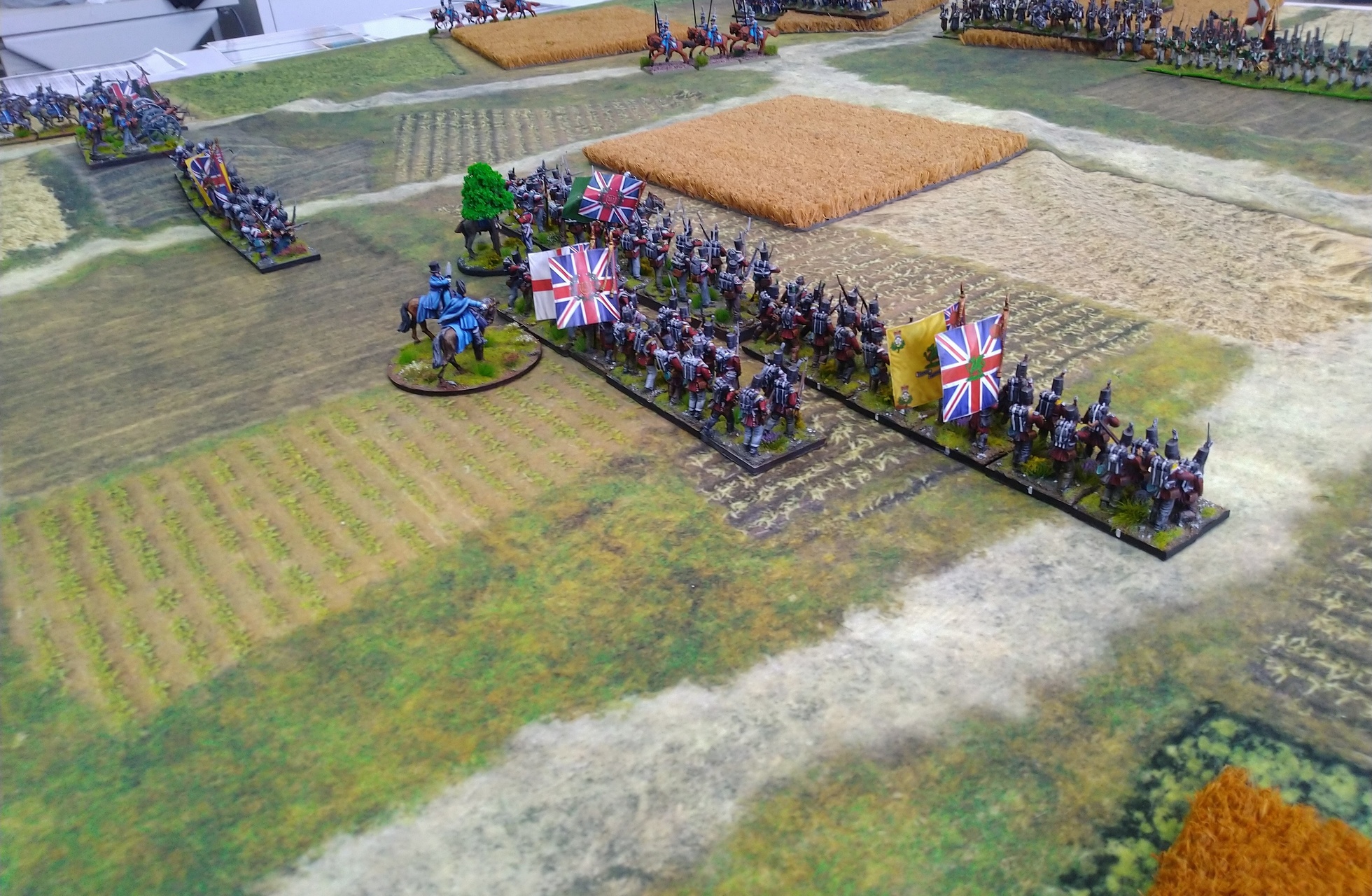
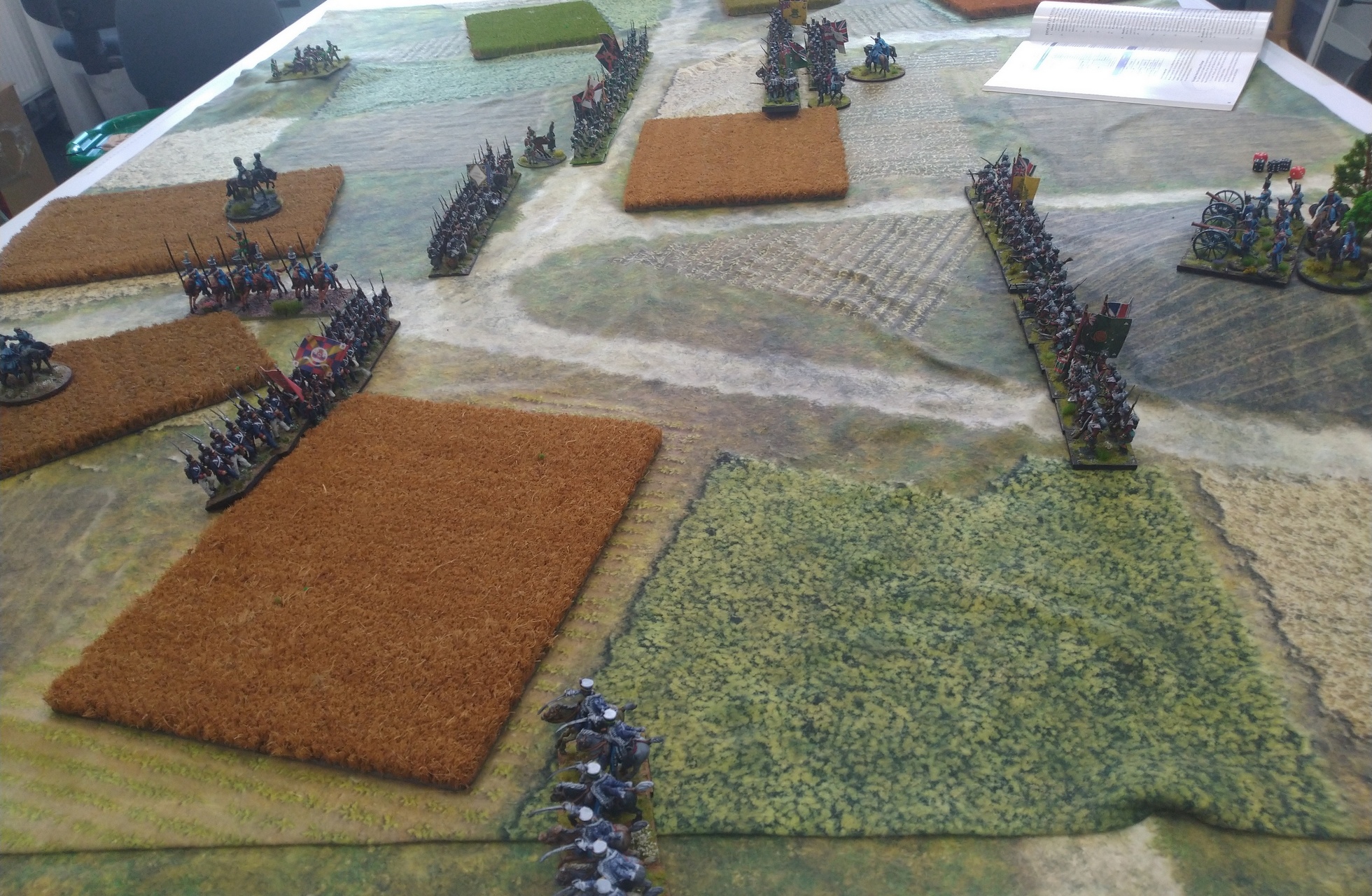
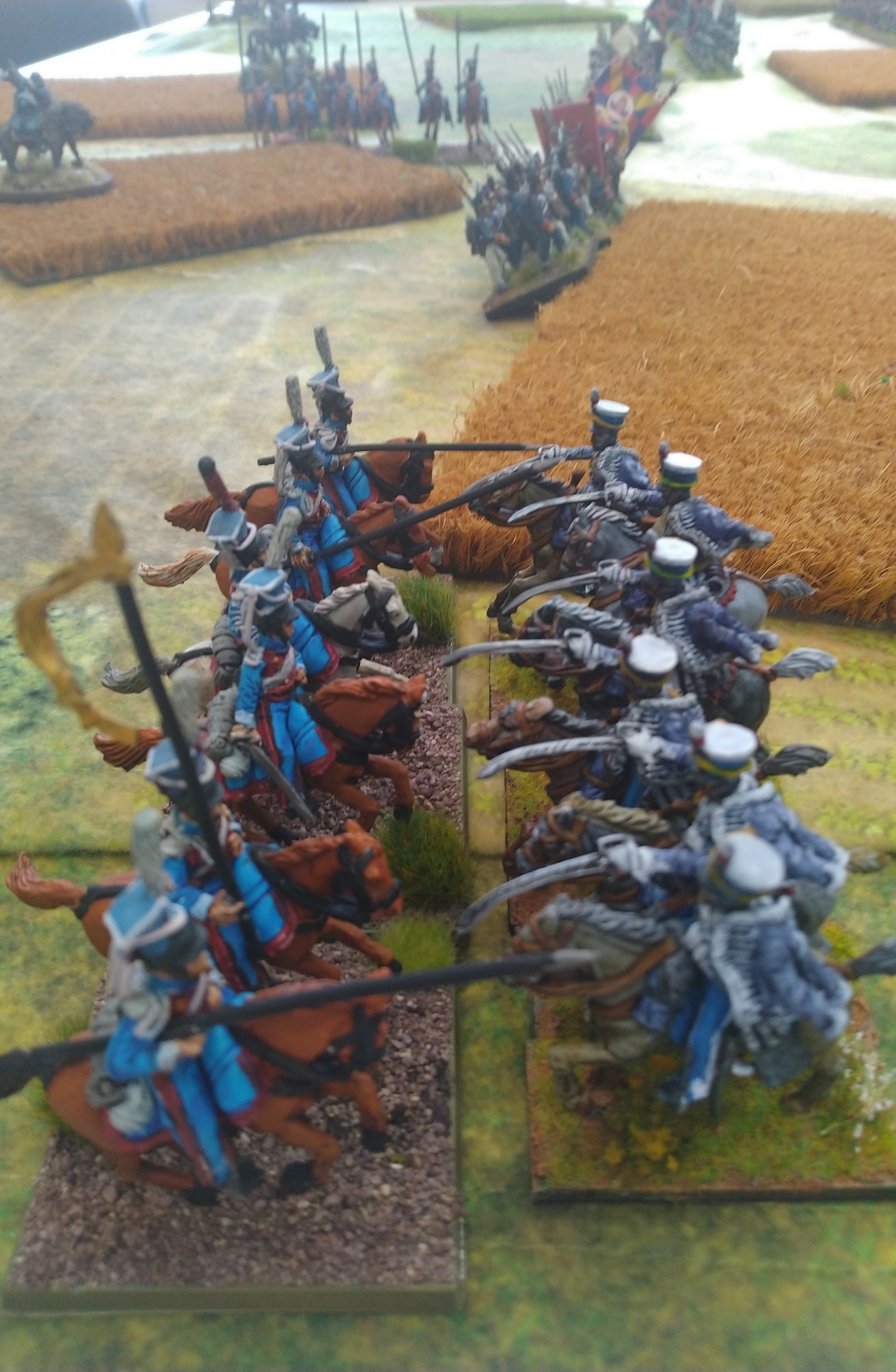
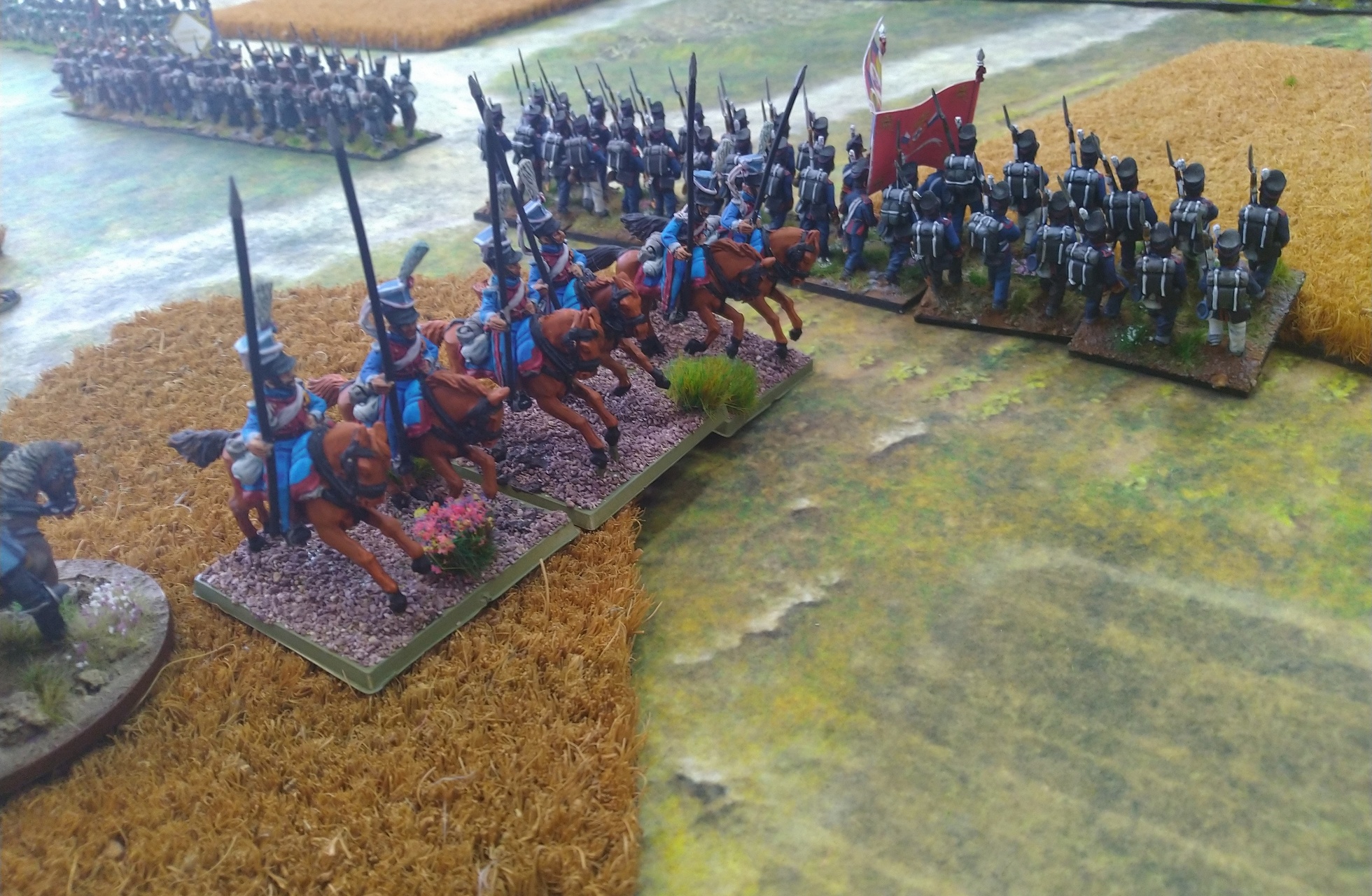
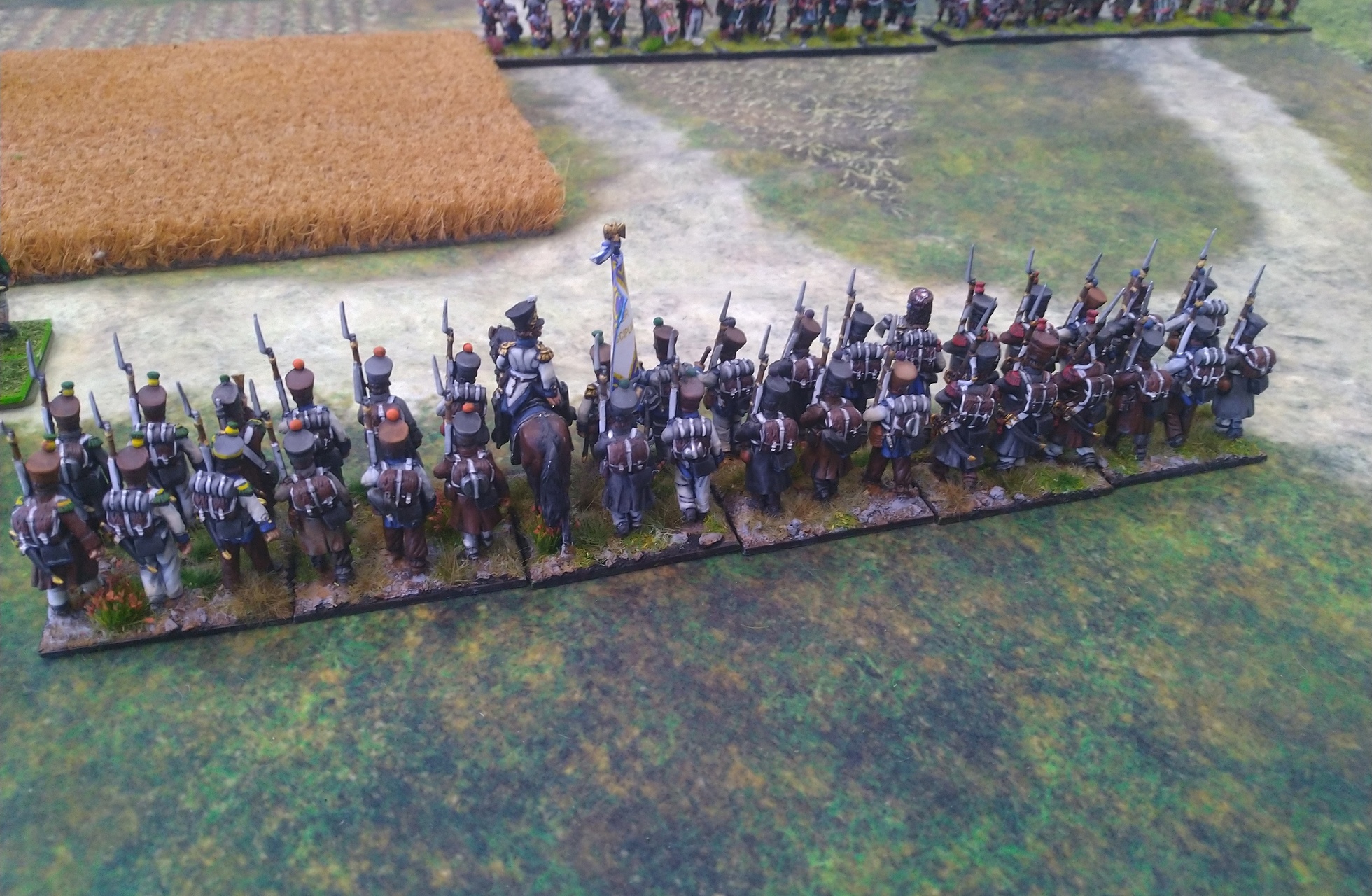
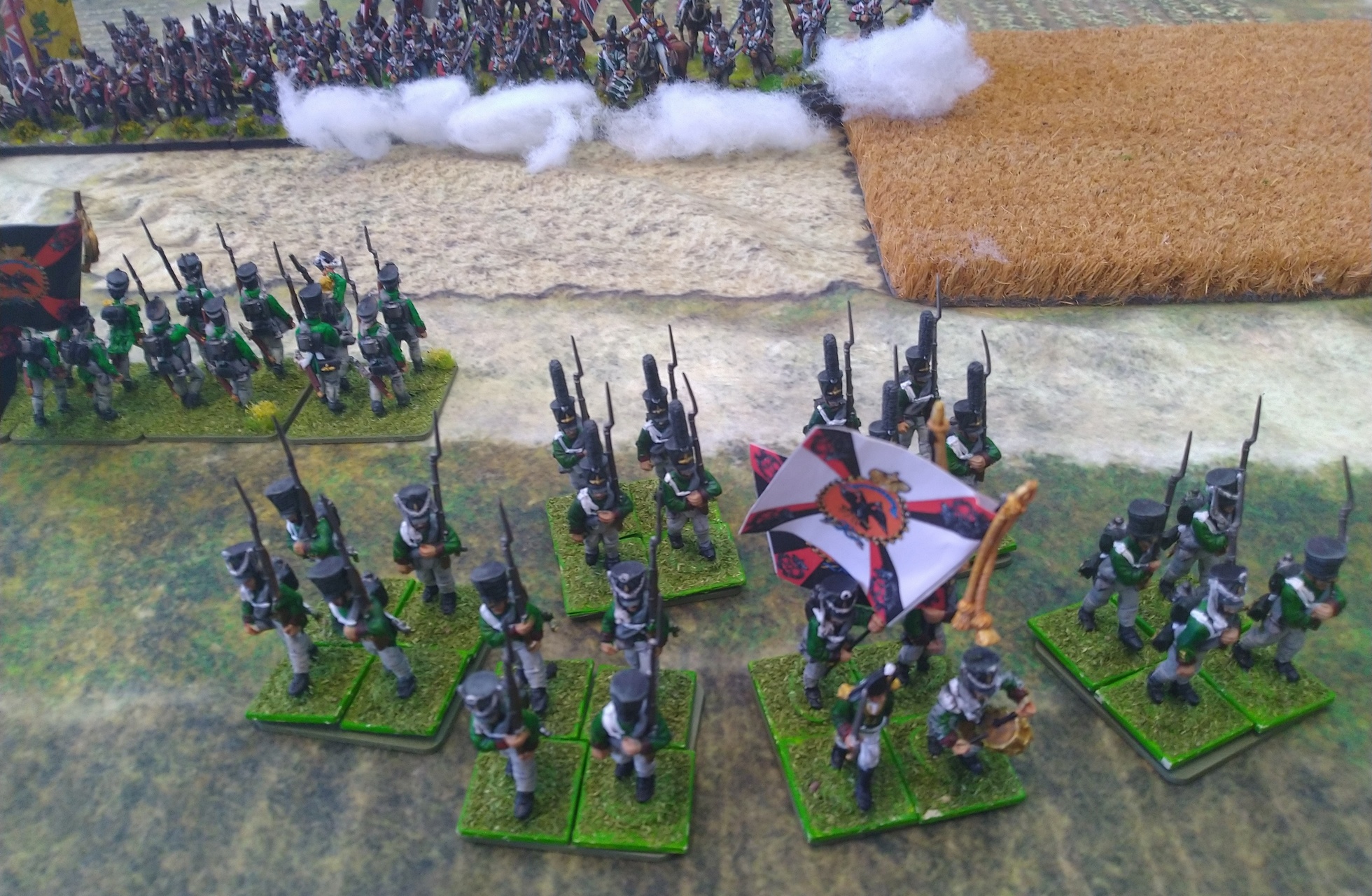
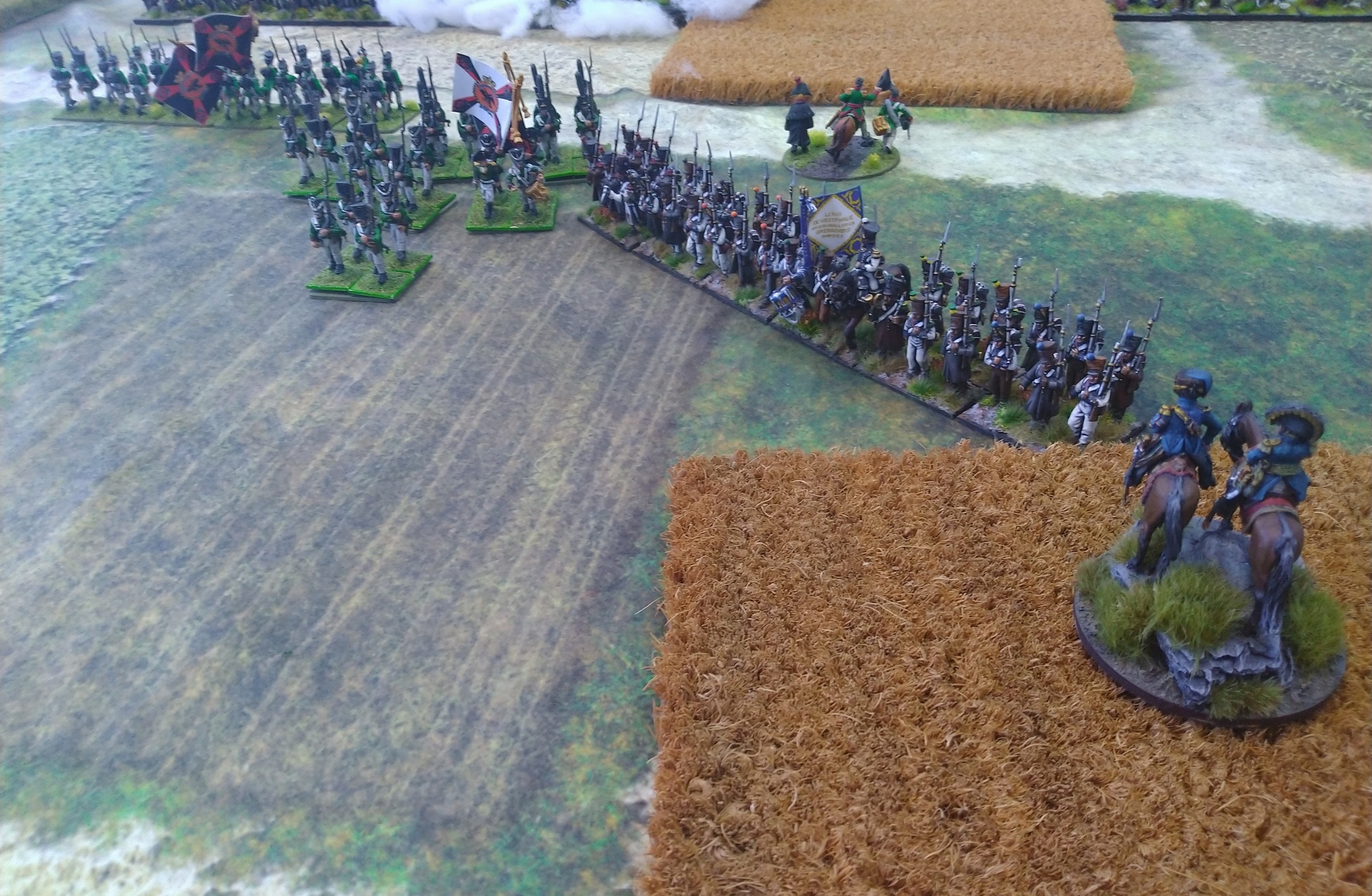
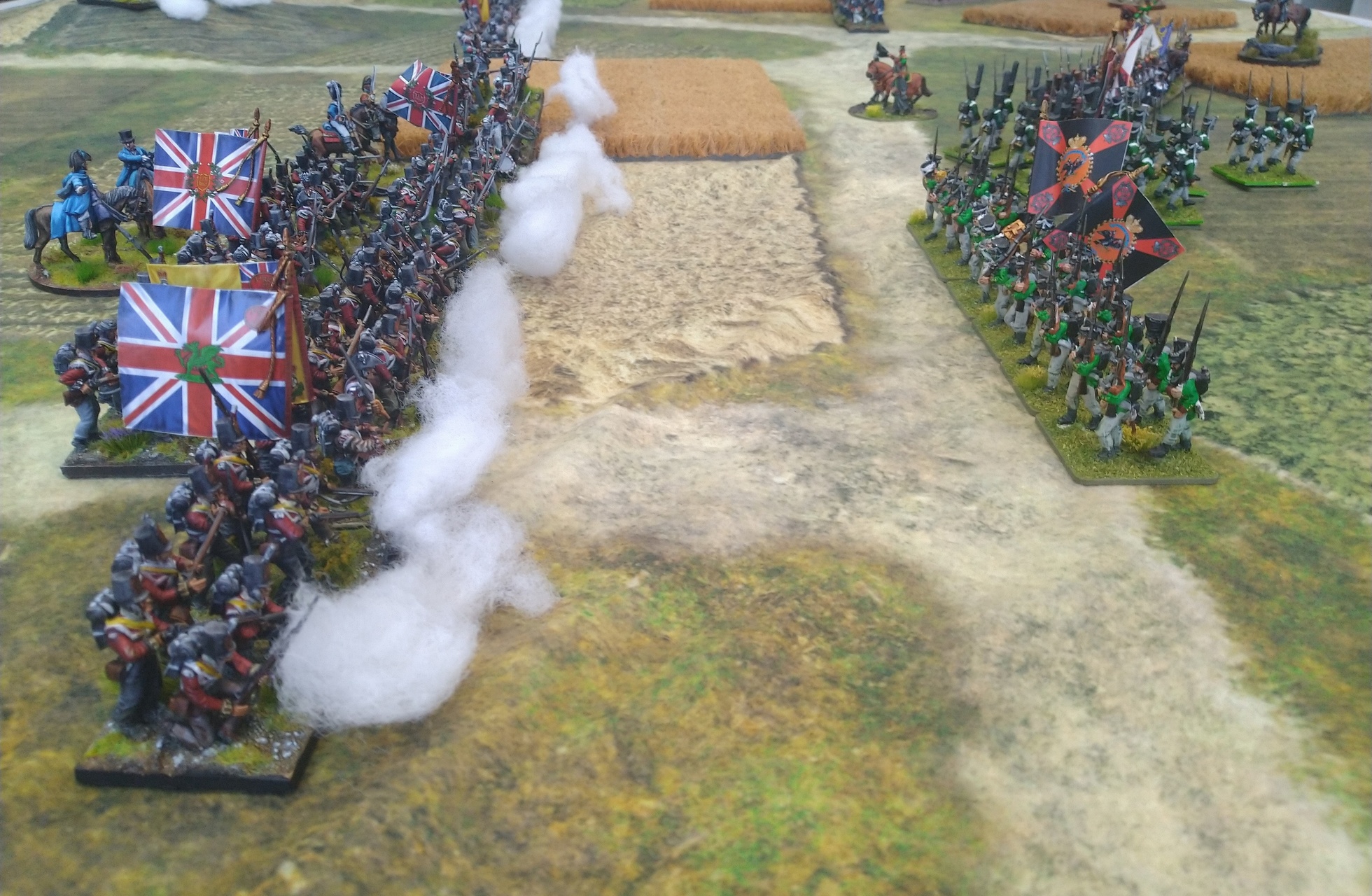
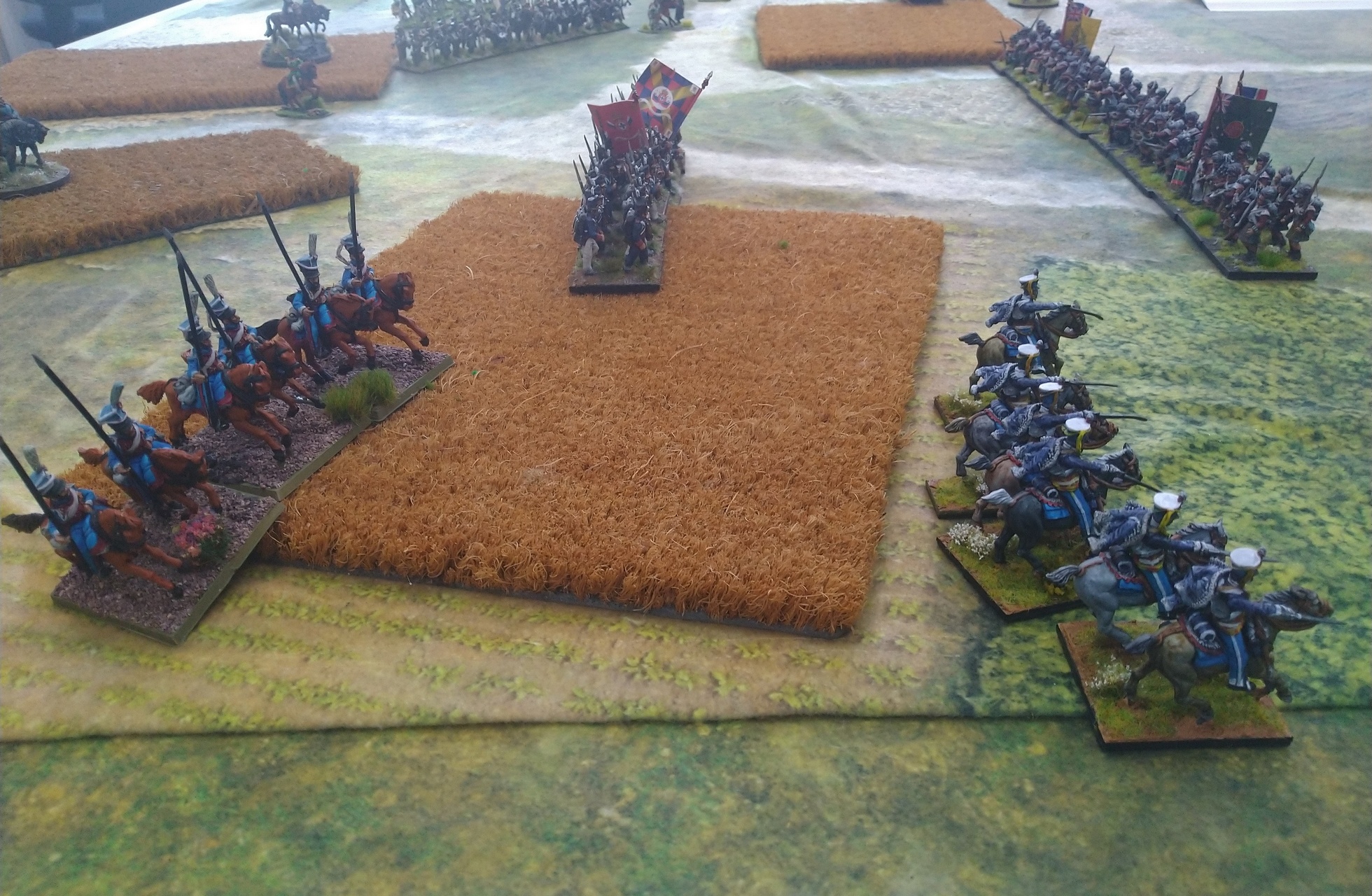
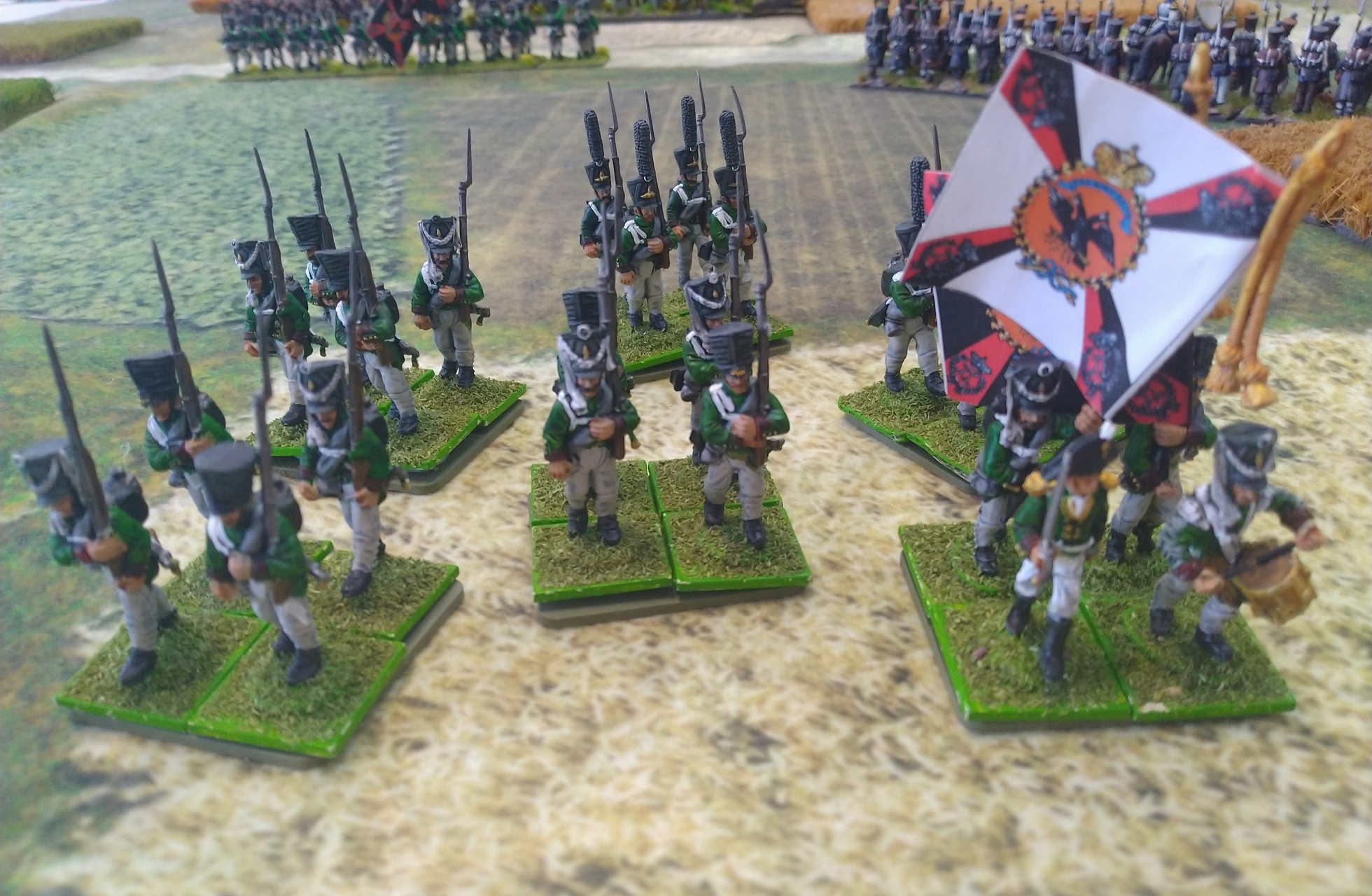
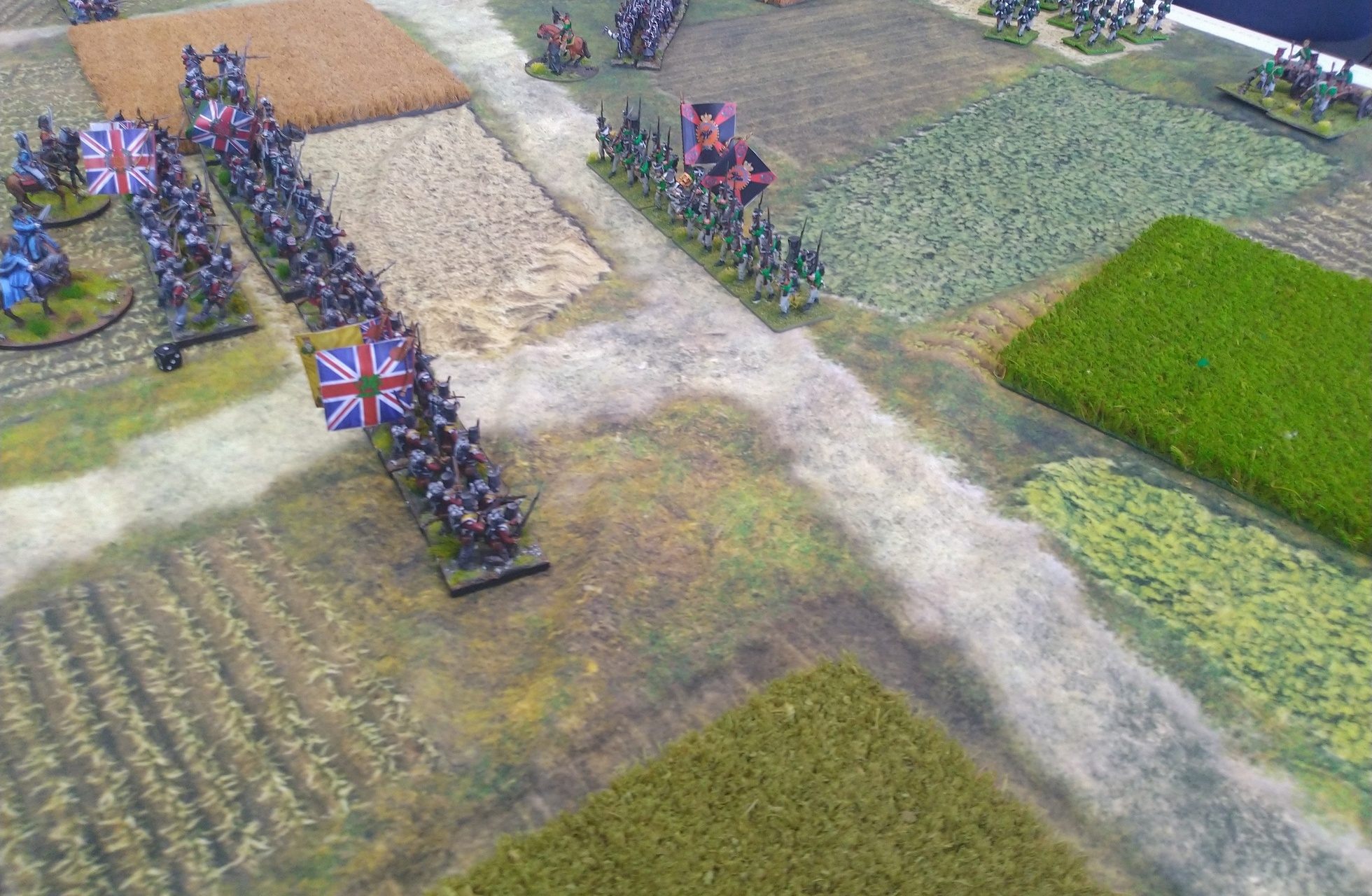
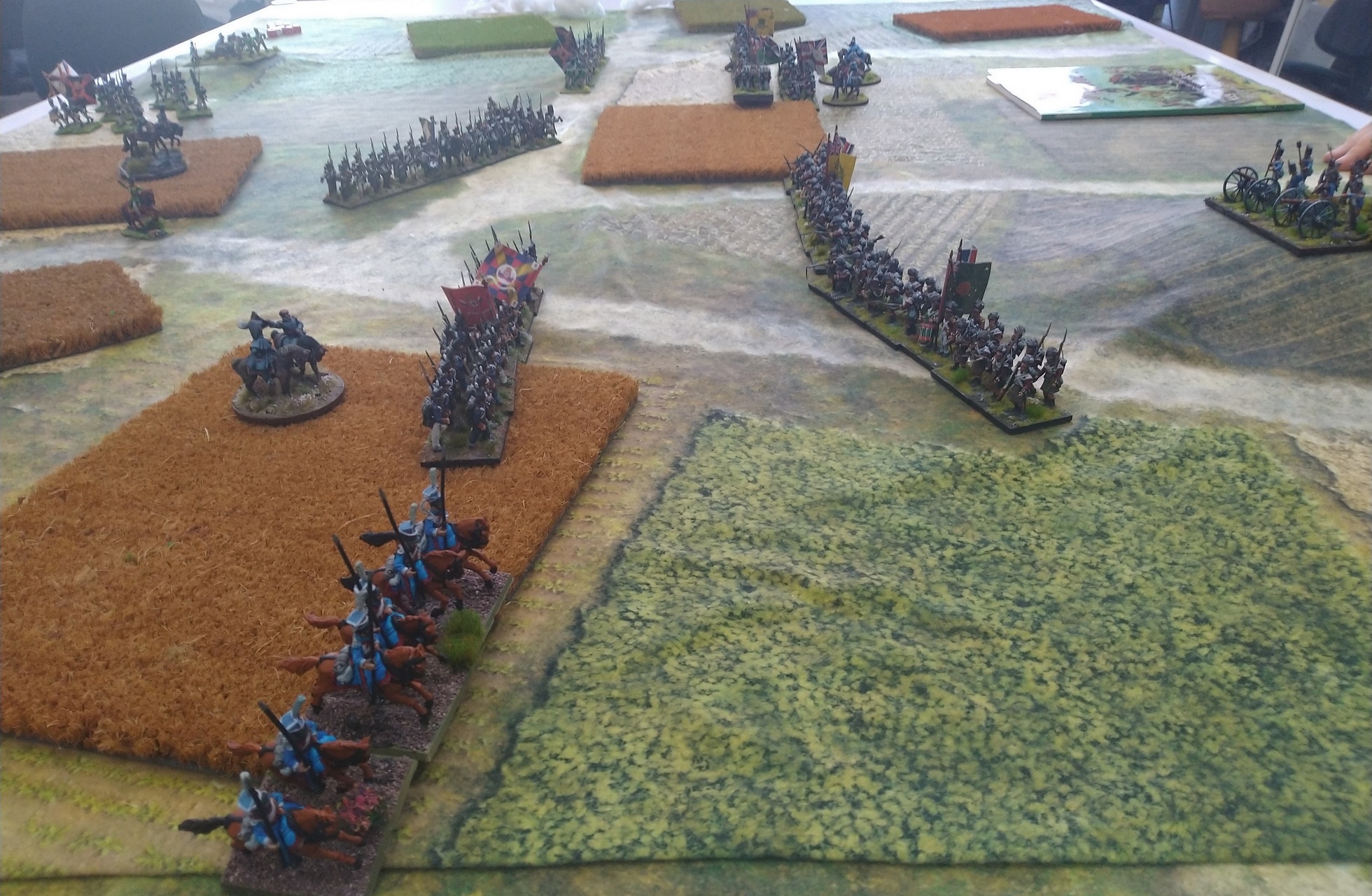
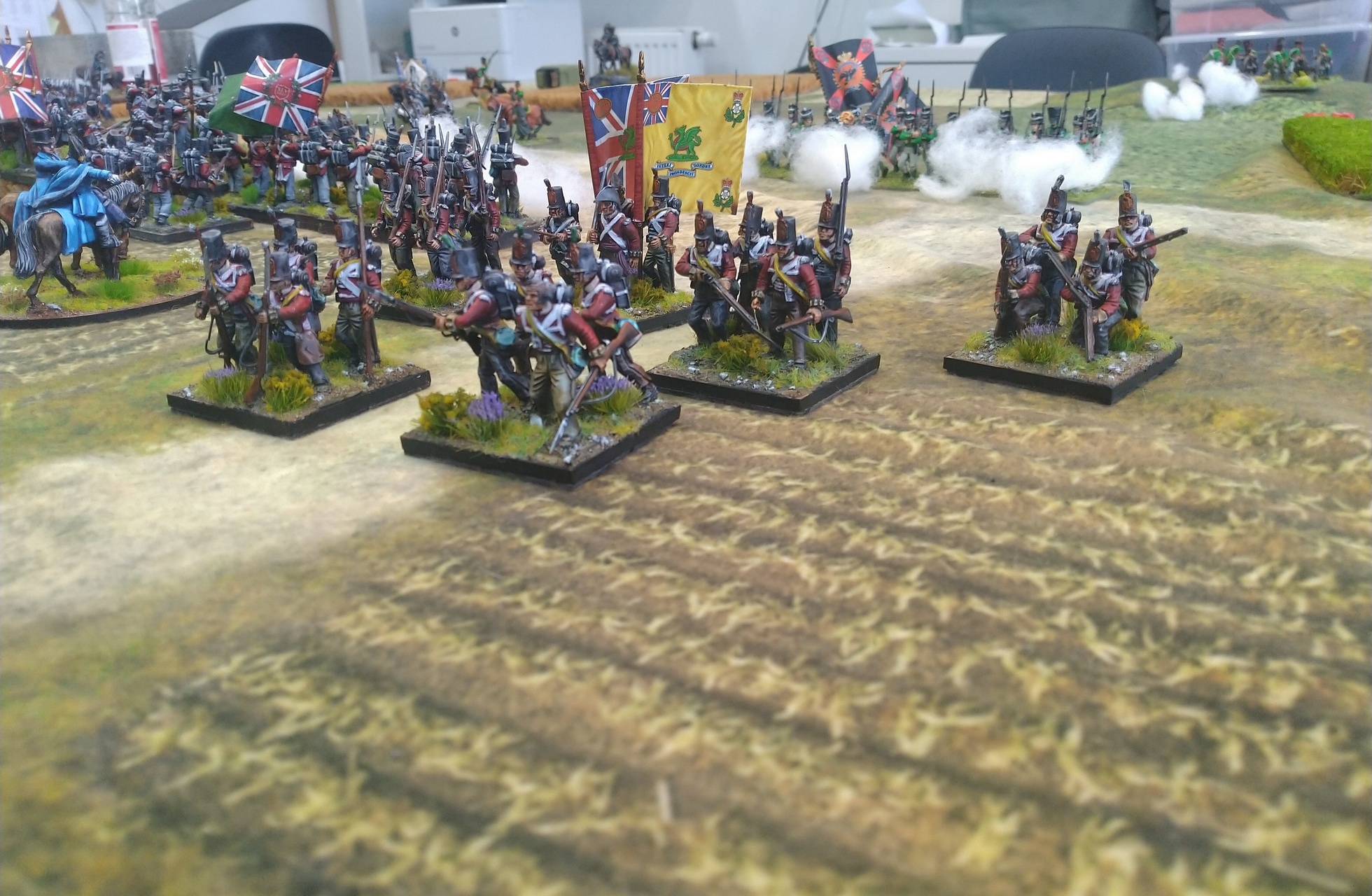
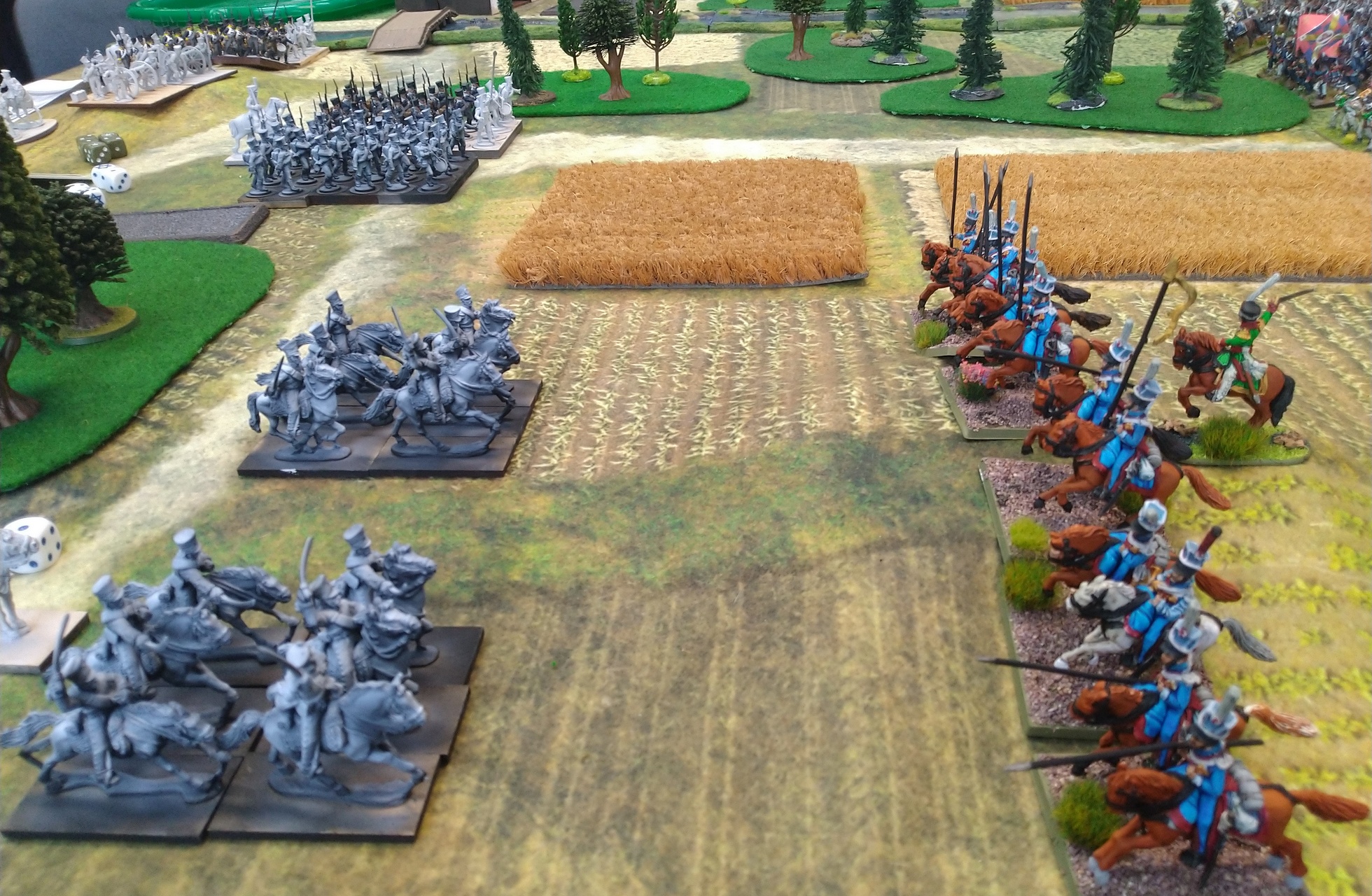
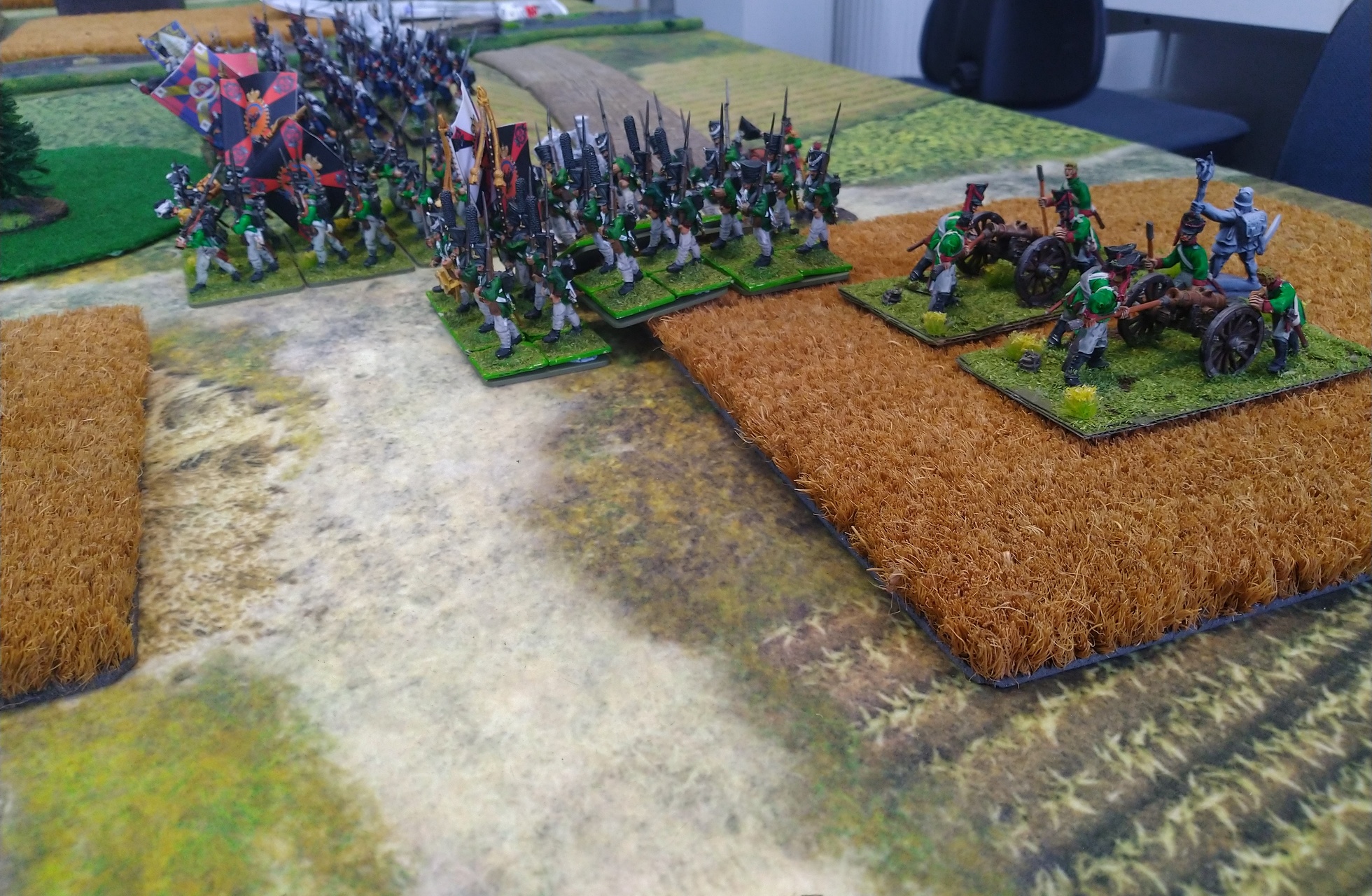
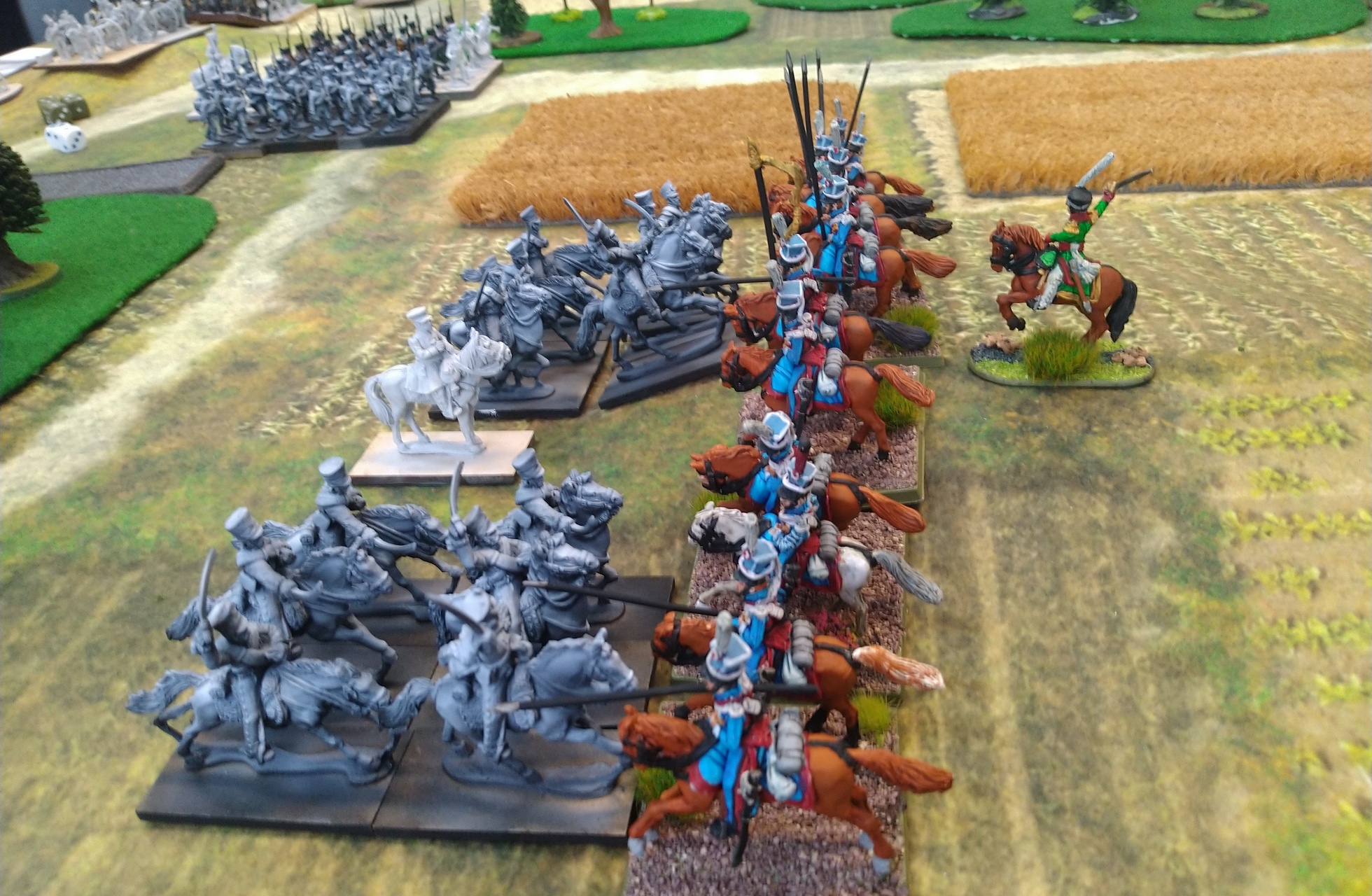
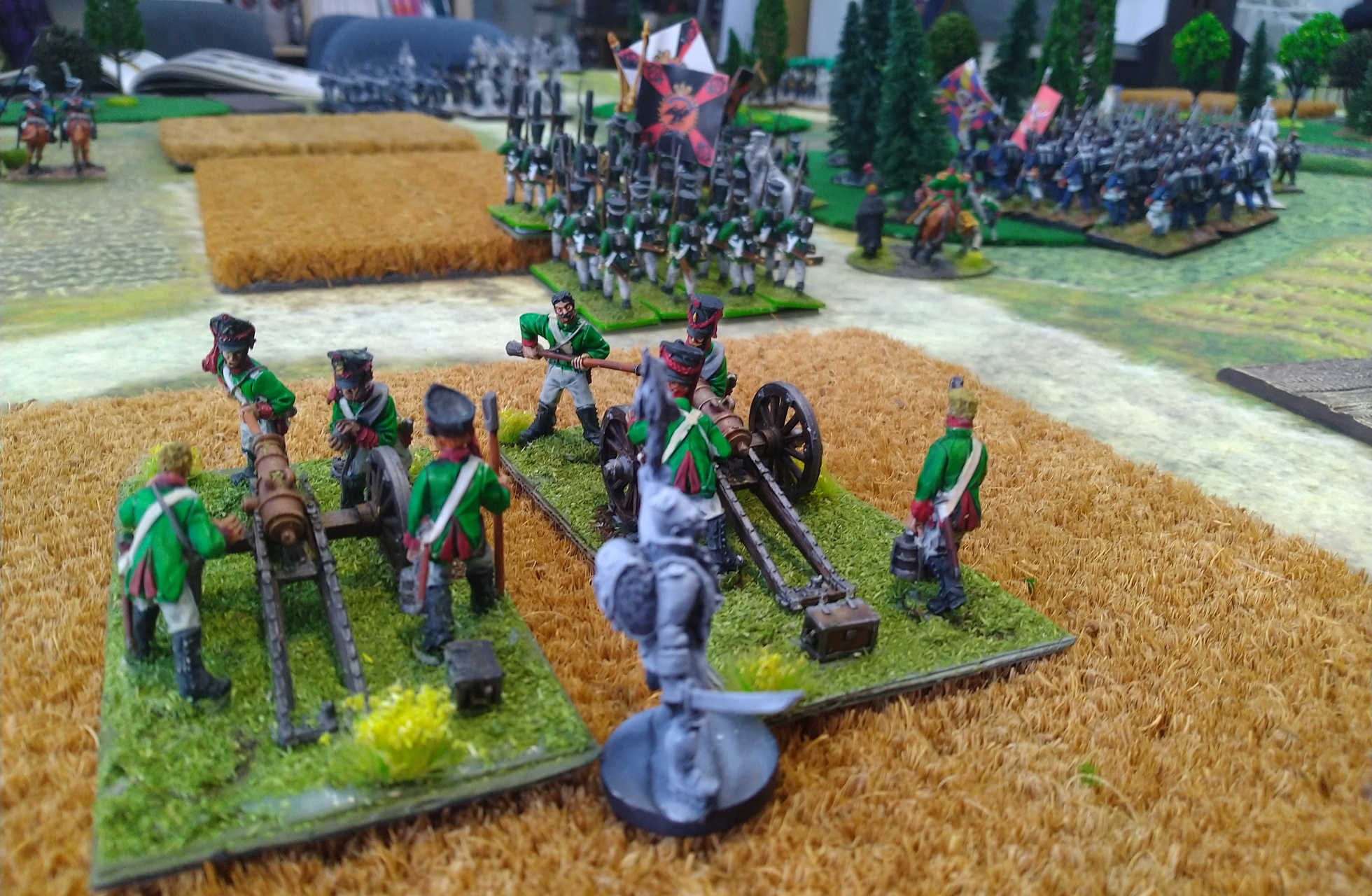
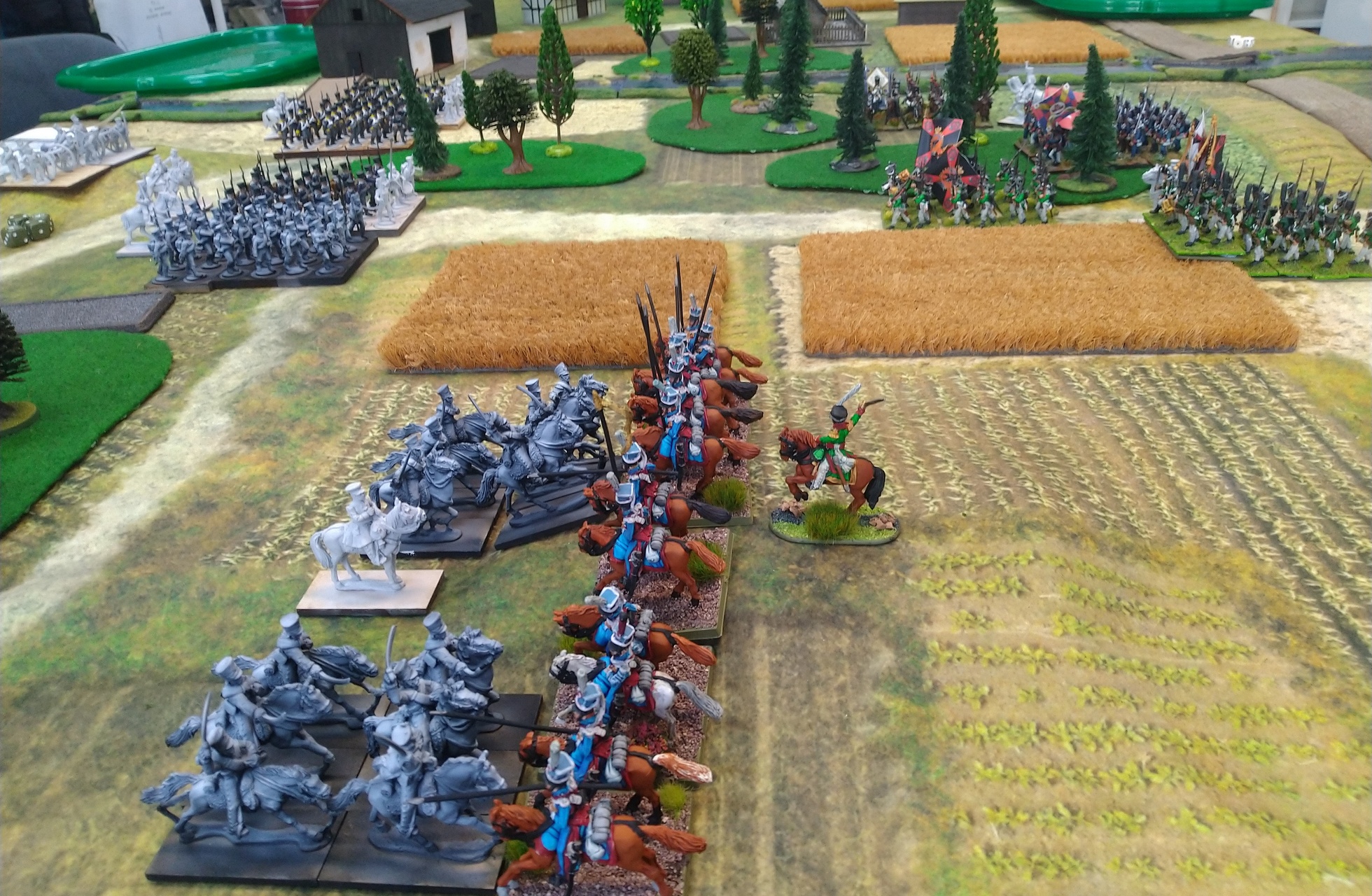
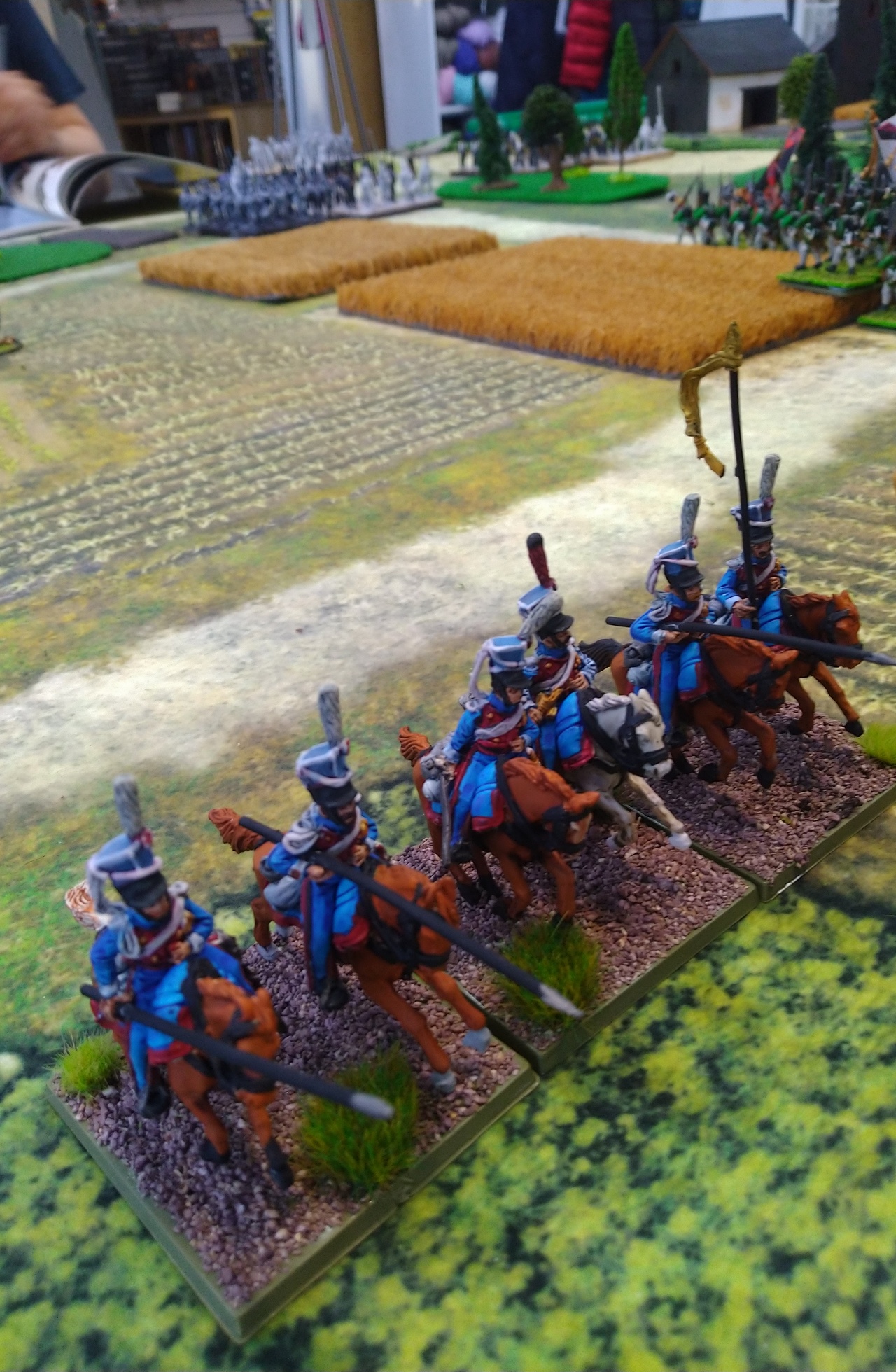
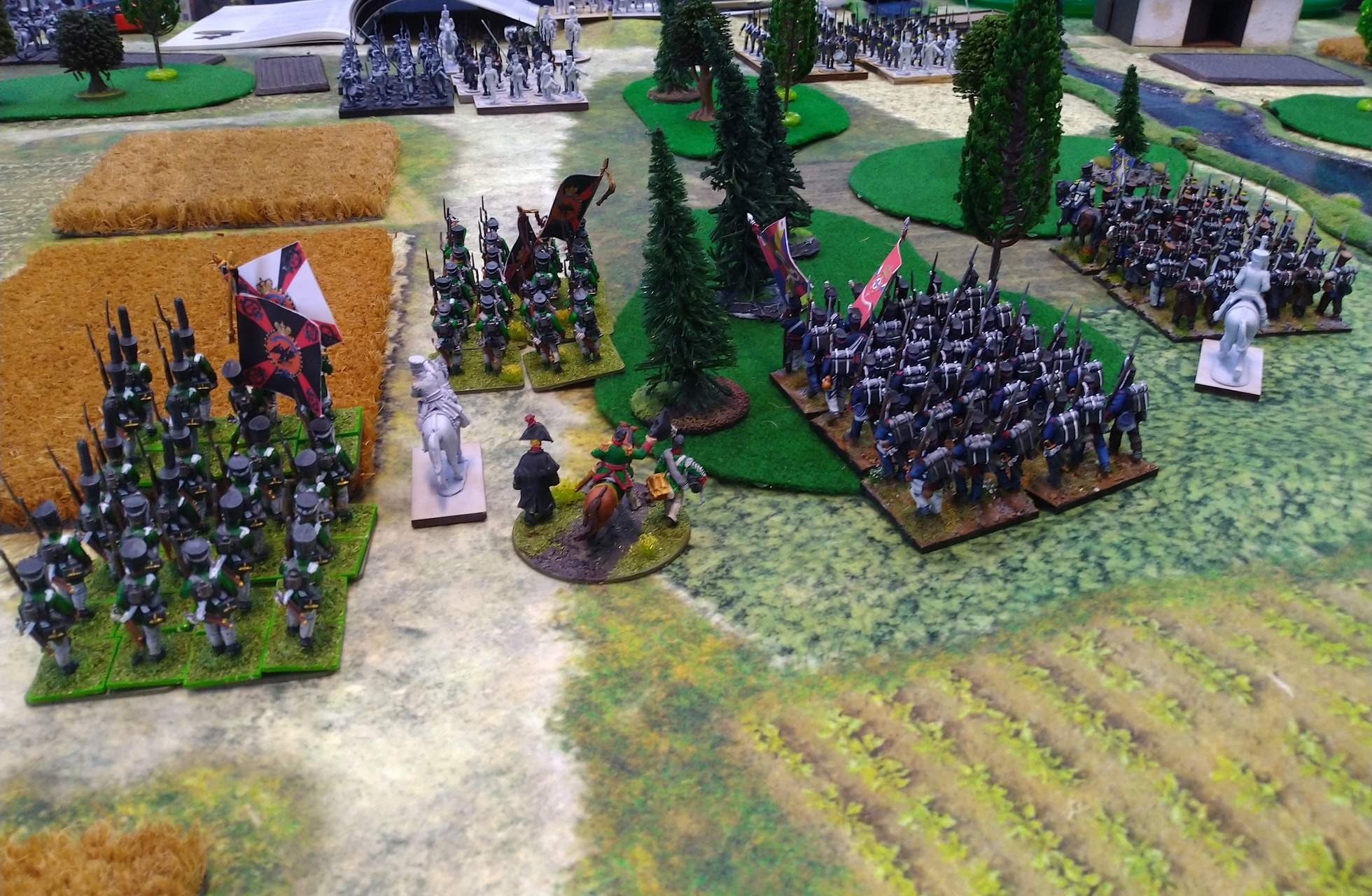
🇵🇱 Wczoraj Tomek i ja rozegraliśmy kolejną treningową partię w General d’Armee. Wciąż korzystamy z mniejszych armii niż te sugerowane w podręczniku i pomijamy część zasad, ponieważ uwzględnienie wszystkiego na tym etapie znacznie utrudniłoby naukę systemu. Planujemy jednak wrócić do tych zasad w niedalekiej przyszłości.
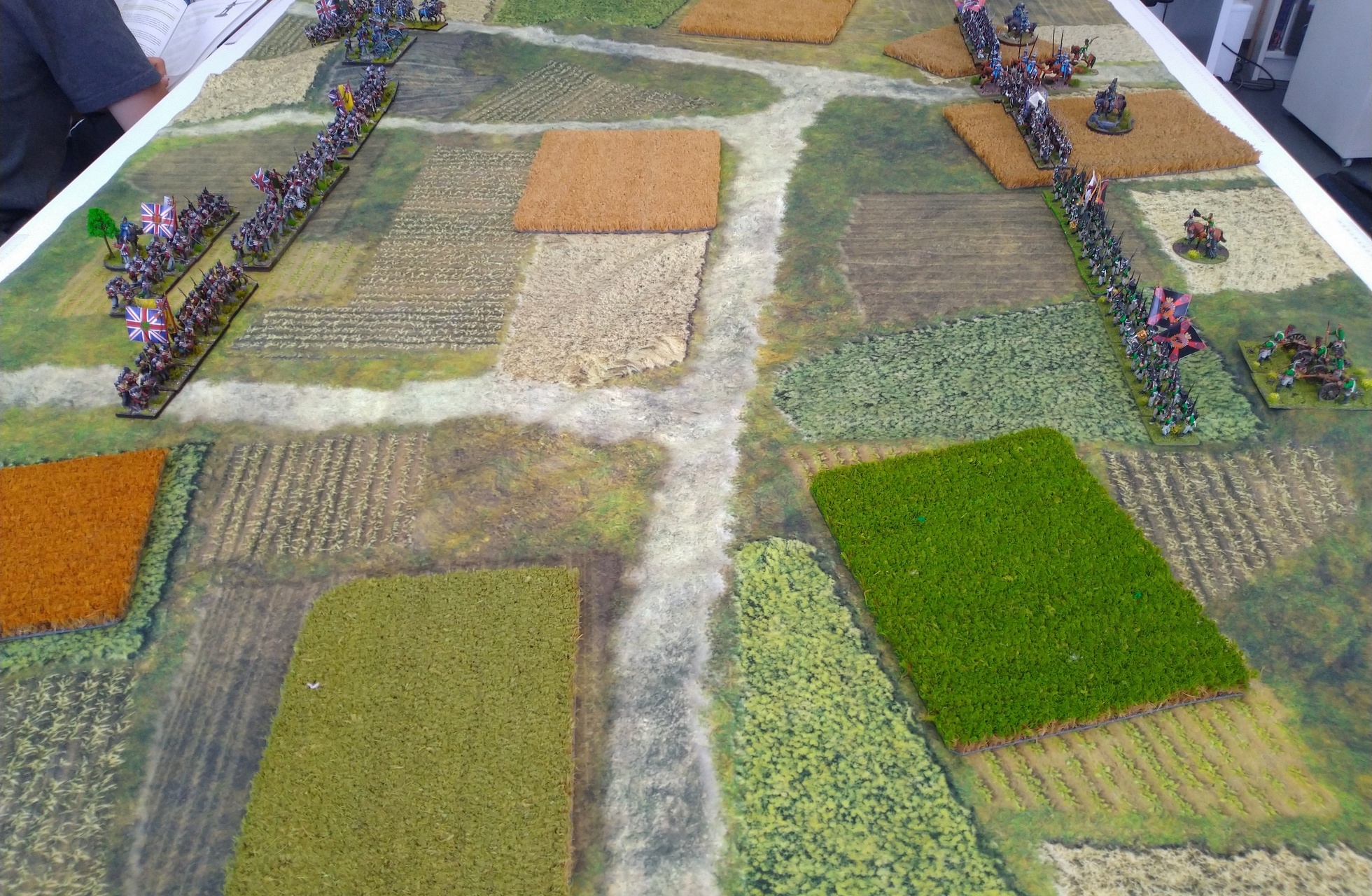
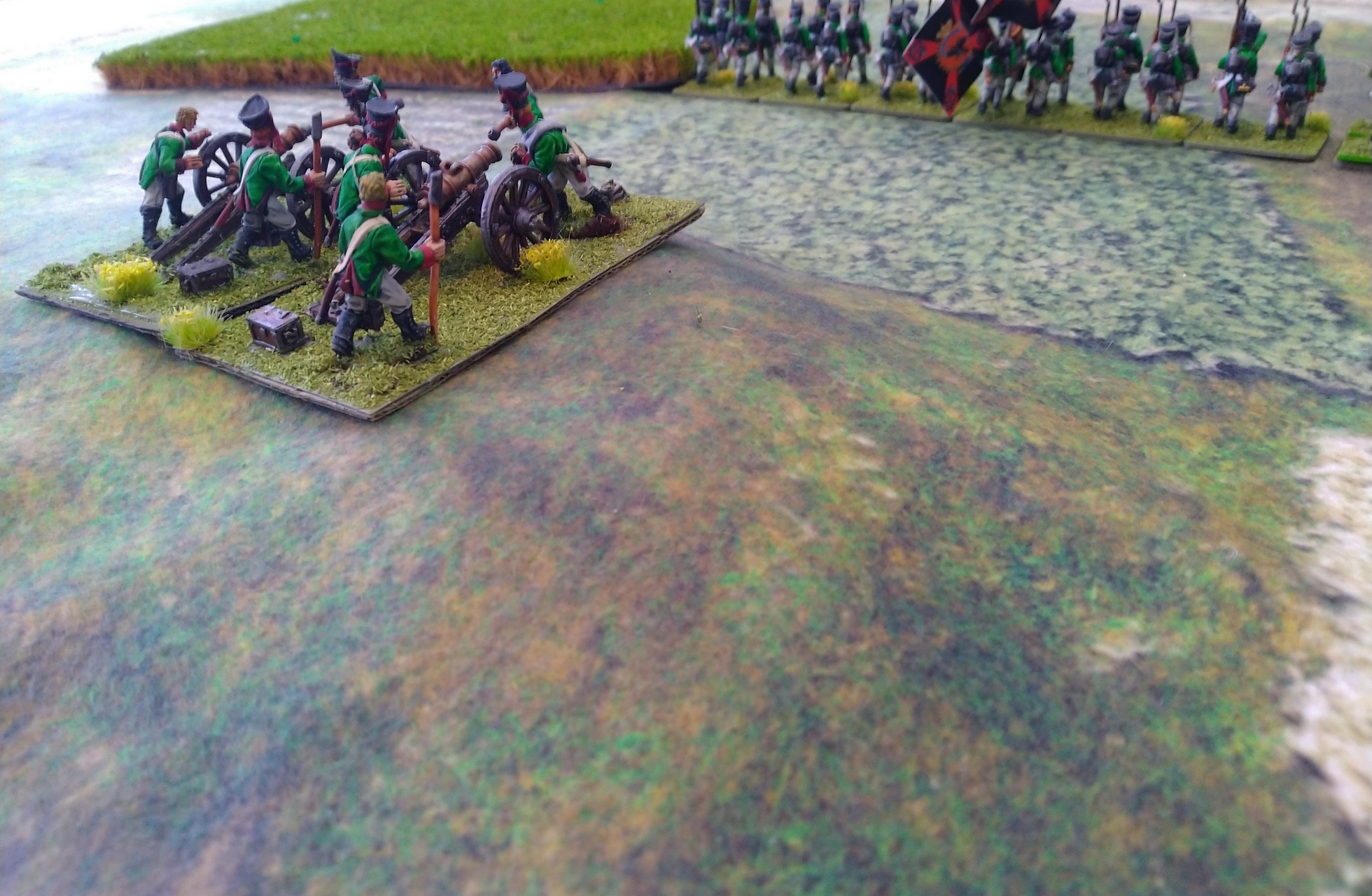
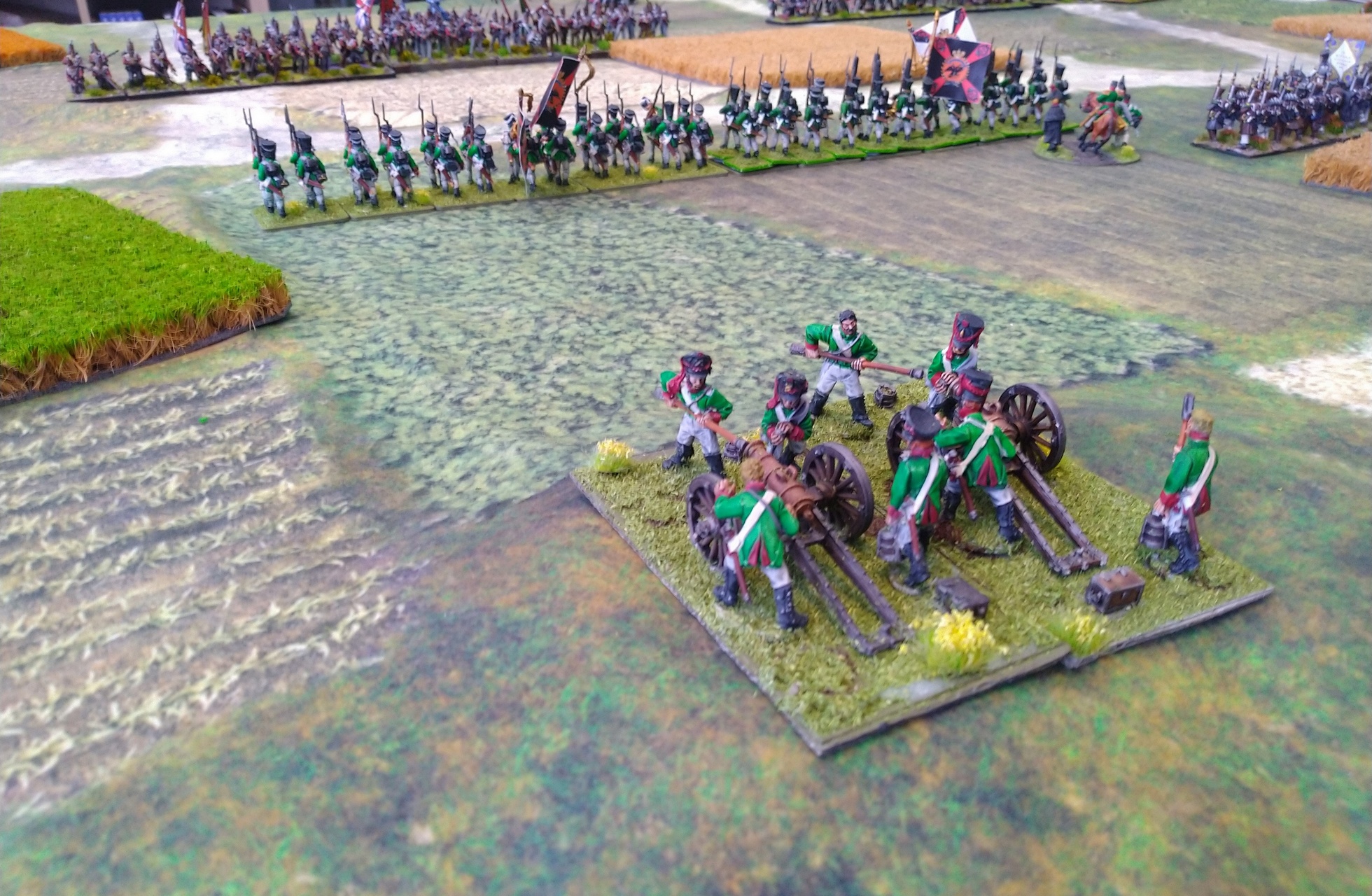
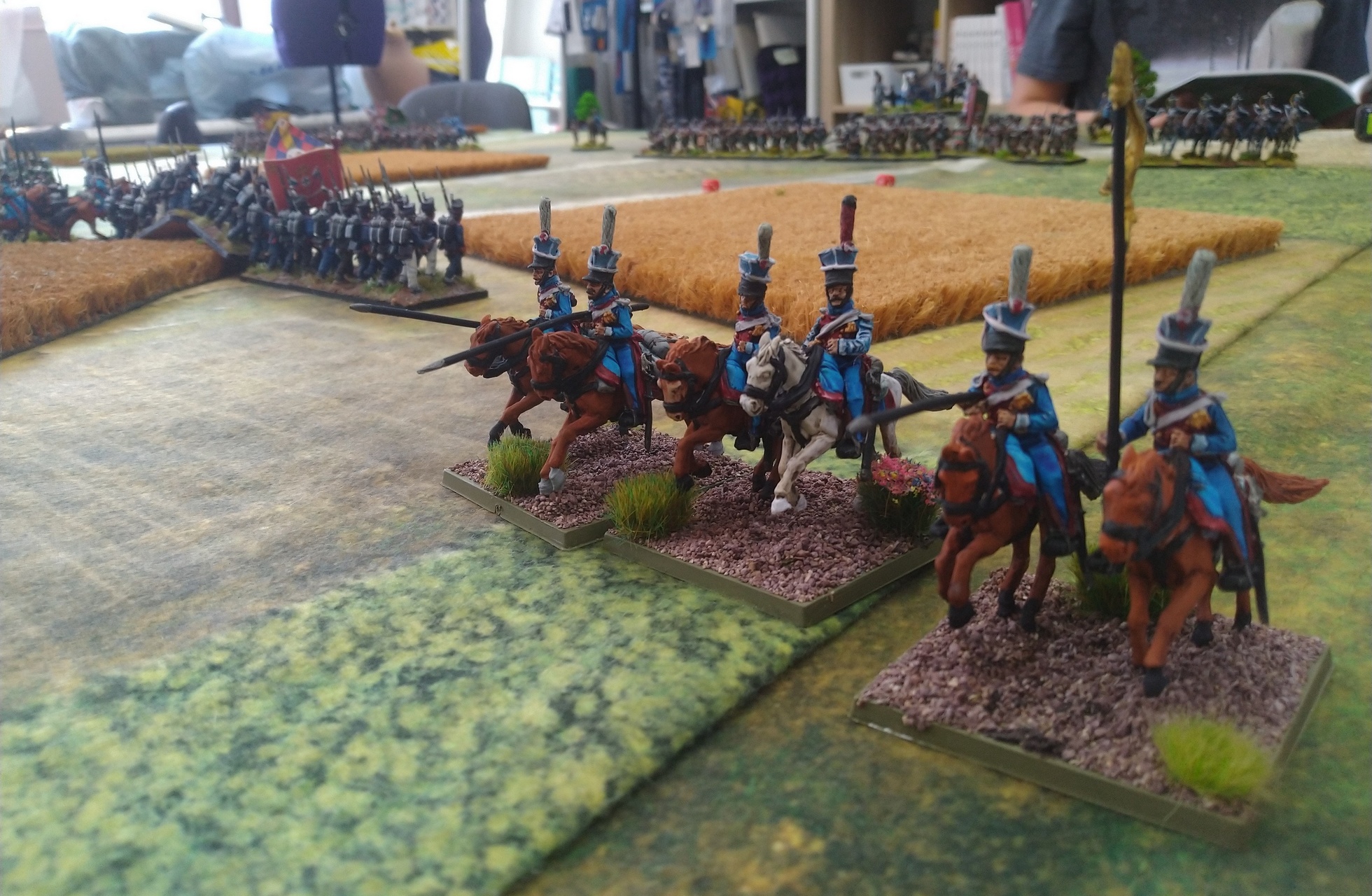
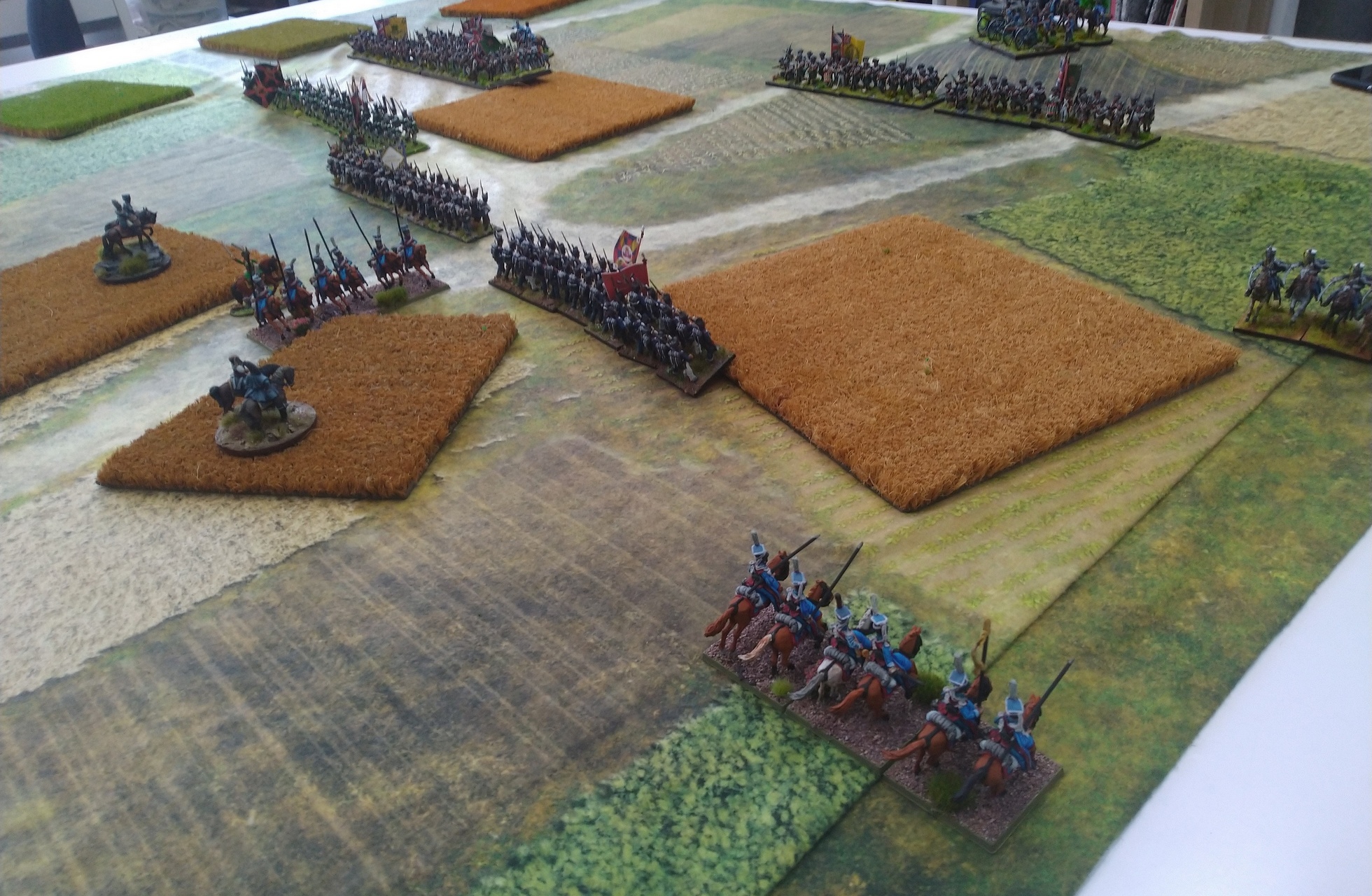
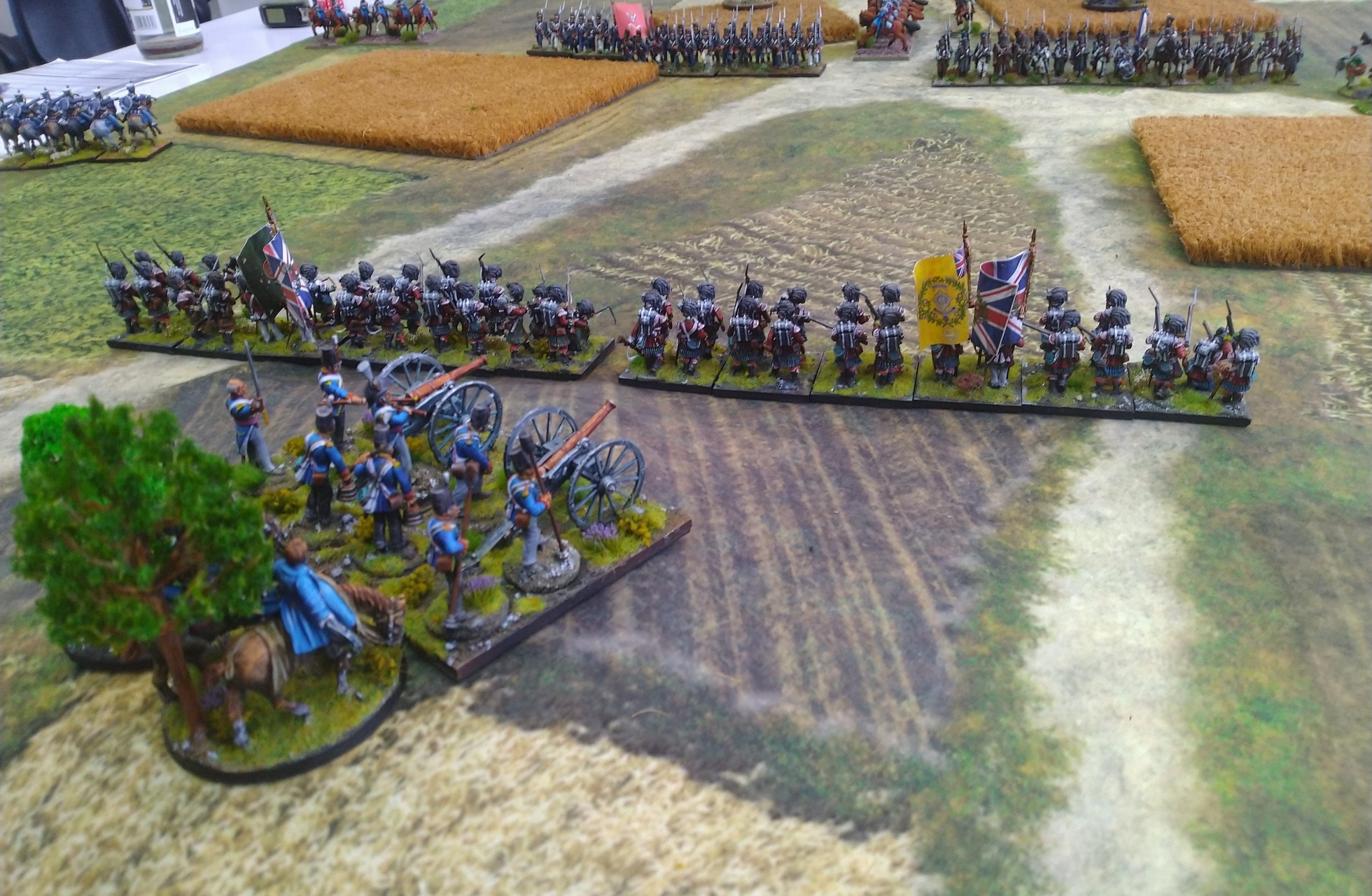
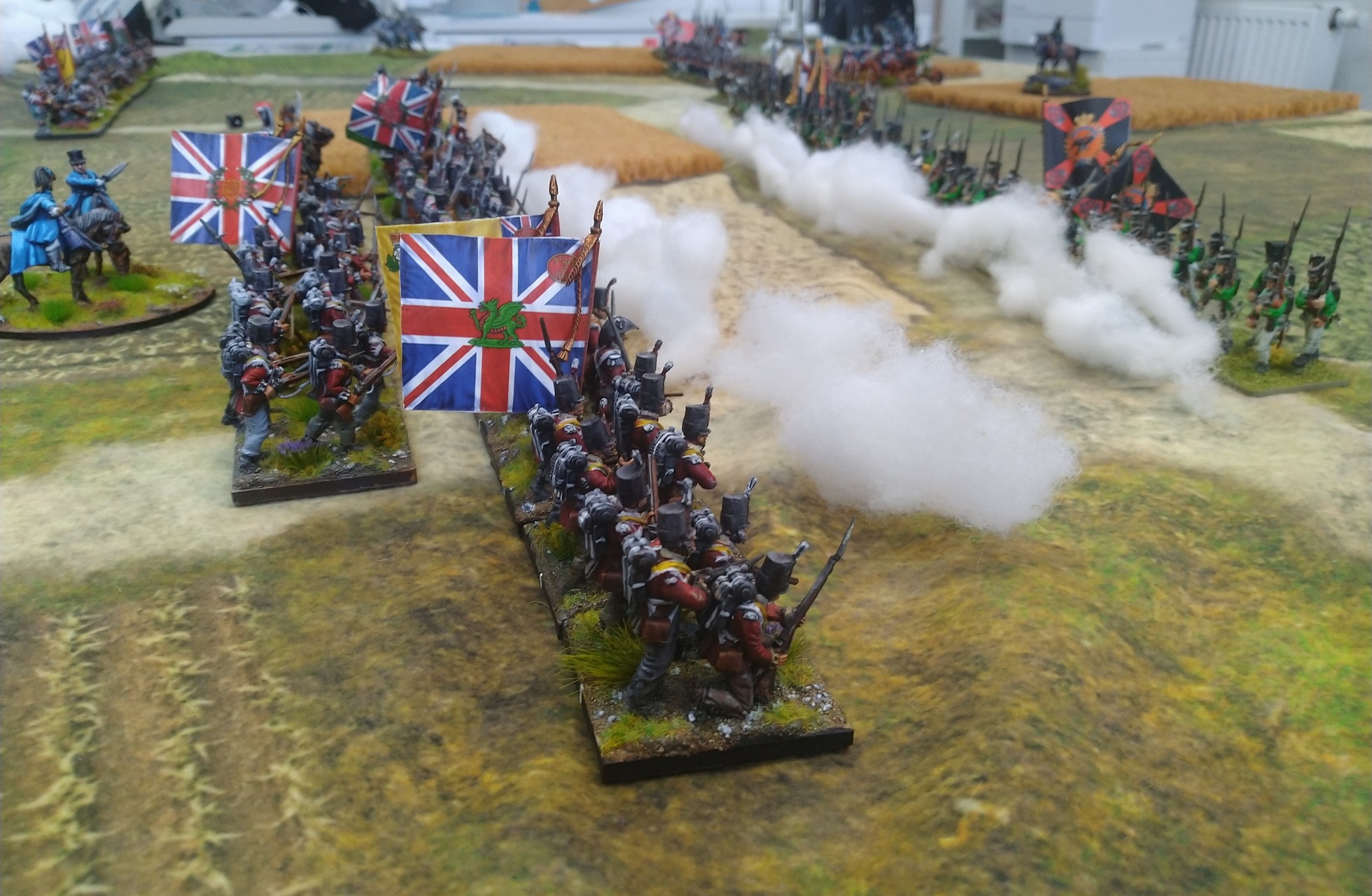
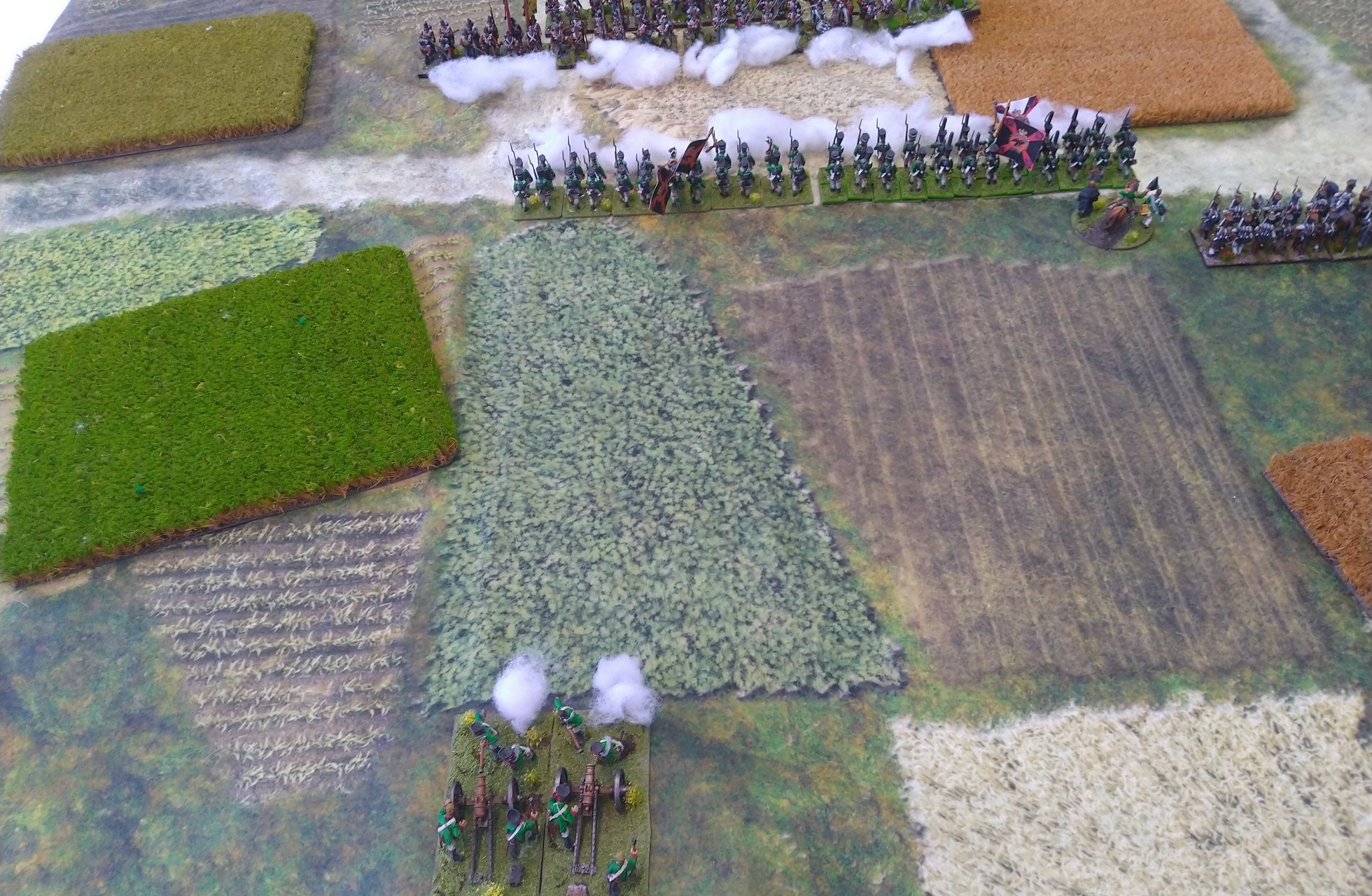
W sobotę ponownie zagraliśmy stosunkowo niewielkimi siłami rozstawionymi na stole – bez Fog of War, bez odwodów i z wszystkimi jednostkami widocznymi od samego początku – po prostu w najprostszy możliwy sposób, aby nauczyć się systemu. Tomek dowodził Brytyjczykami, a ja prowadziłem siły złożone z Rosjan i innych europejskich kontyngentów, ponieważ chcieliśmy użyć wyłącznie pomalowanych figurek.
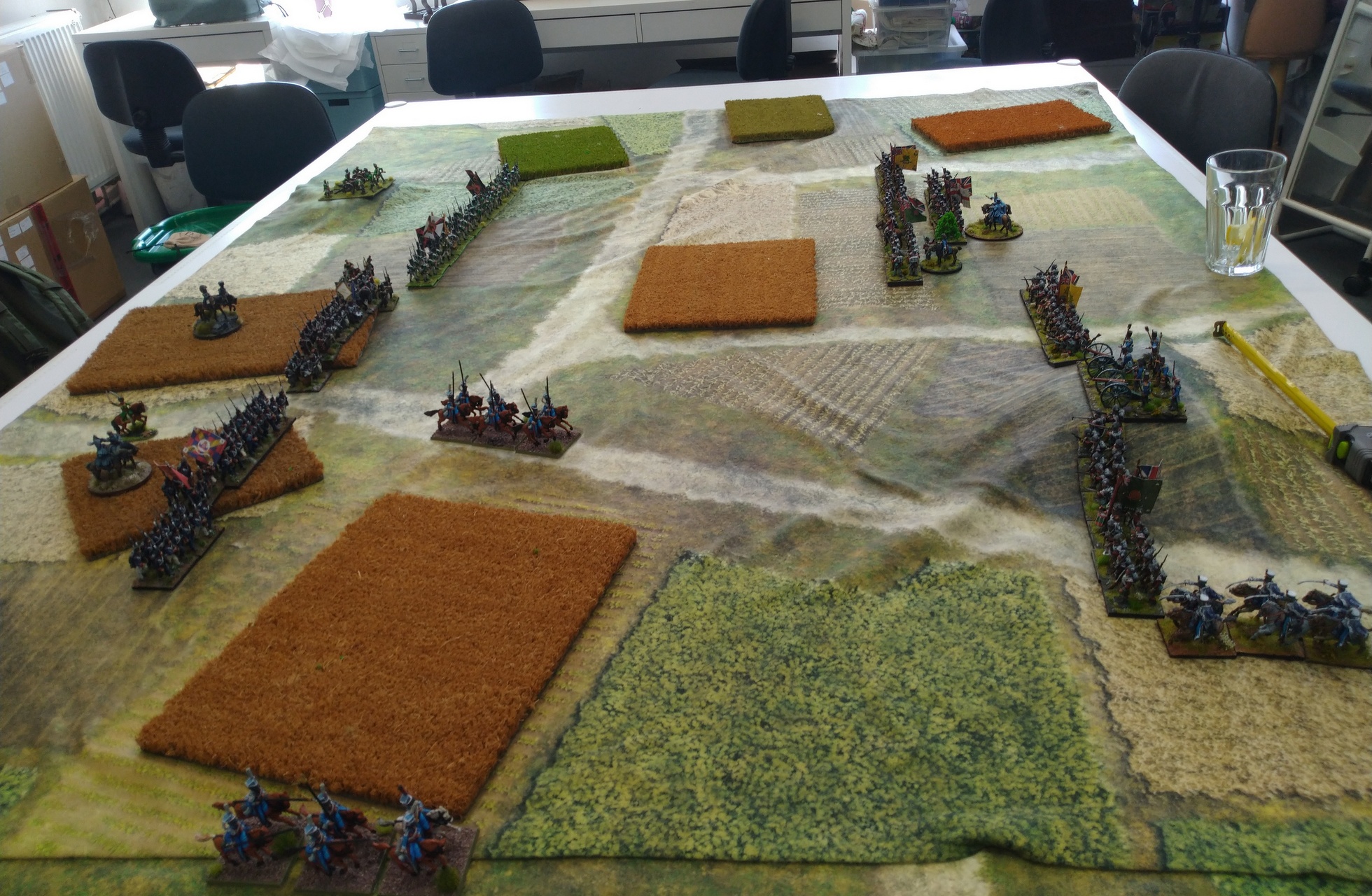
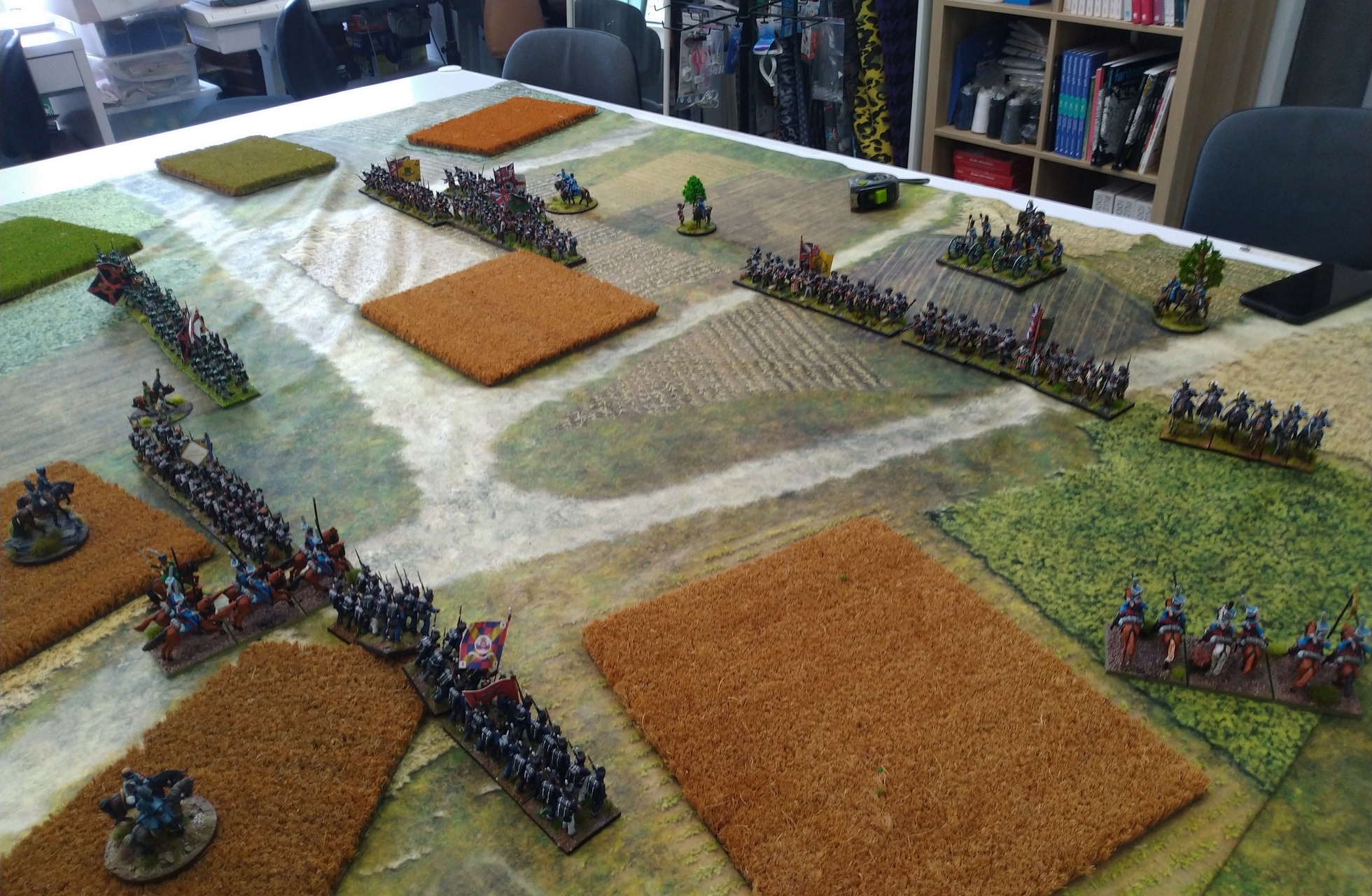
Graliśmy na standardowym stole o wymiarach 48″ x 72″, przedstawiającym skrzyżowanie dróg oraz kilka różnych typów terenu, z których część była terenem trudnym i ograniczała ruch o połowę. Wszystkie jednostki w obu armiach miały status Regular, z wyjątkiem brytyjskiej piechoty, natomiast baterie artylerii miały status Elite. Każda ze stron wystawiła po cztery regimenty i dysponowała maksymalnie czterema kośćmi ADC.
🇬🇧 Yesterday, Tomek and I played another training game of General d’Armee. We are still using smaller armies than those suggested in the rulebook and leaving out some of the rules, as including everything at this stage would make learning the game much more difficult. We do plan to return to those rules in the near future.
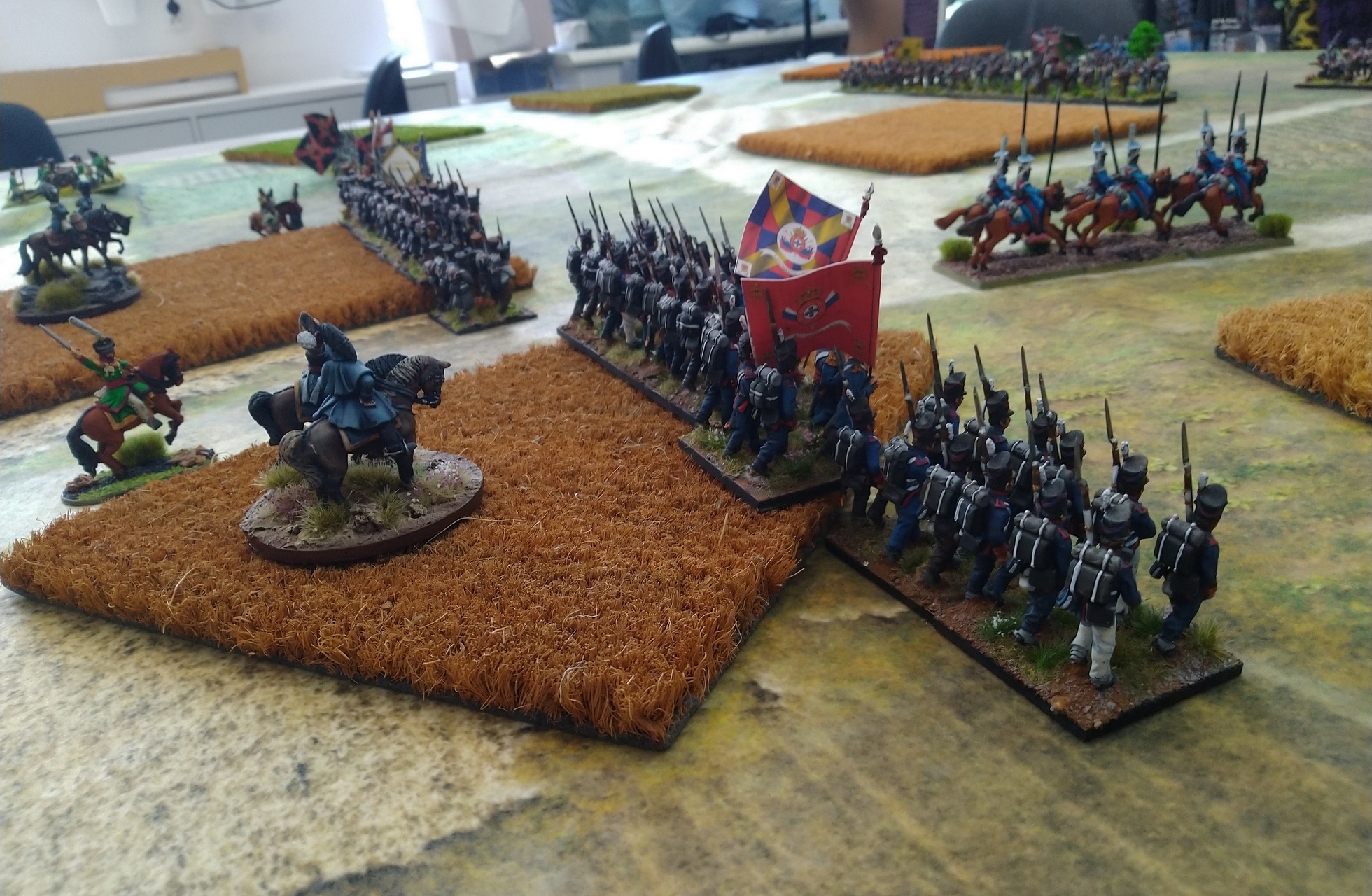
On Saturday, we once again played with relatively small forces deployed on the table – no Fog of War, no reserves, and all units visible from the start – simply the easiest way for us to learn the system. Tomek commanded the British, while I led a force made up of Russians and other European contingents, as we wanted to use only painted miniatures.
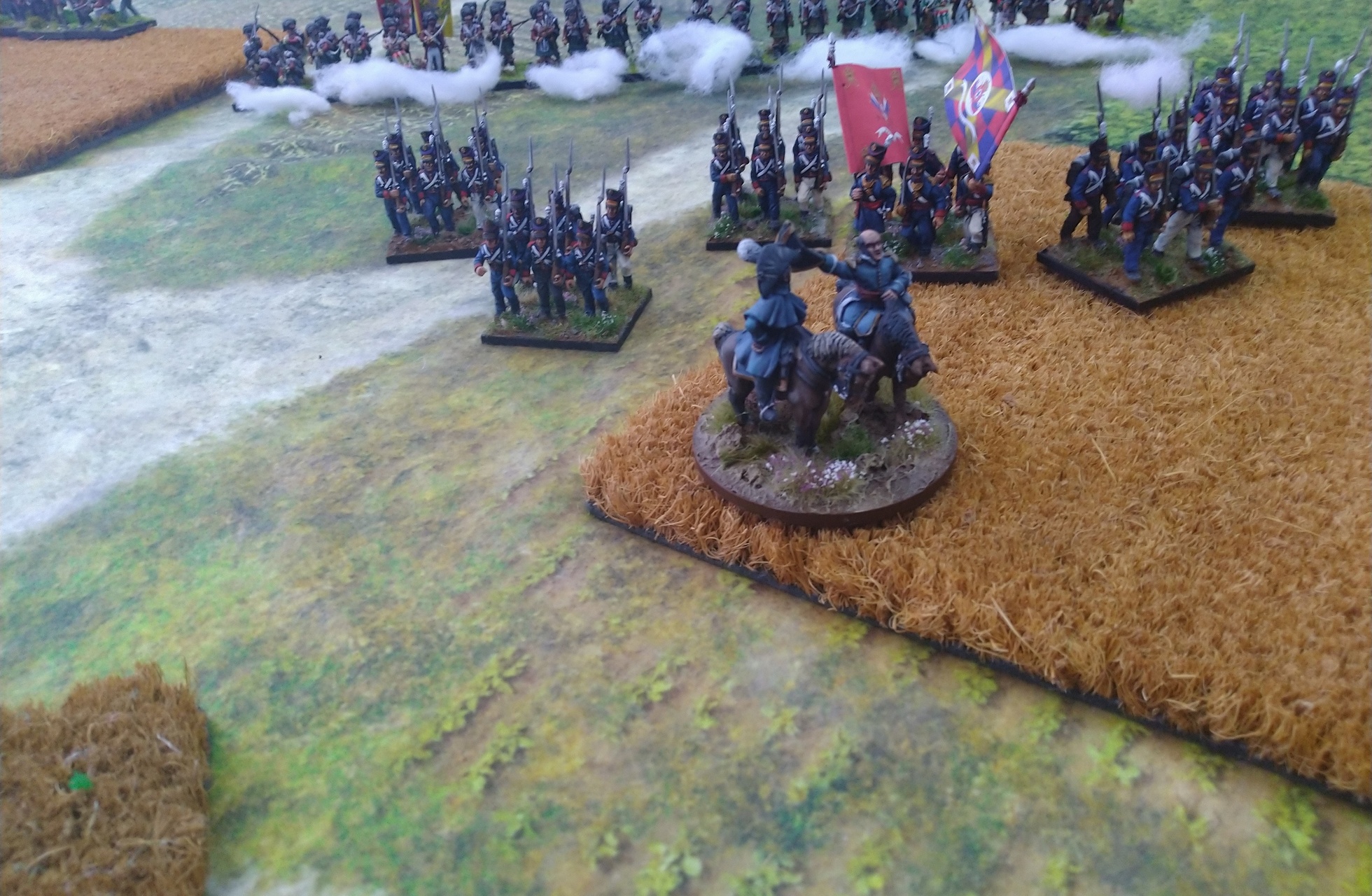
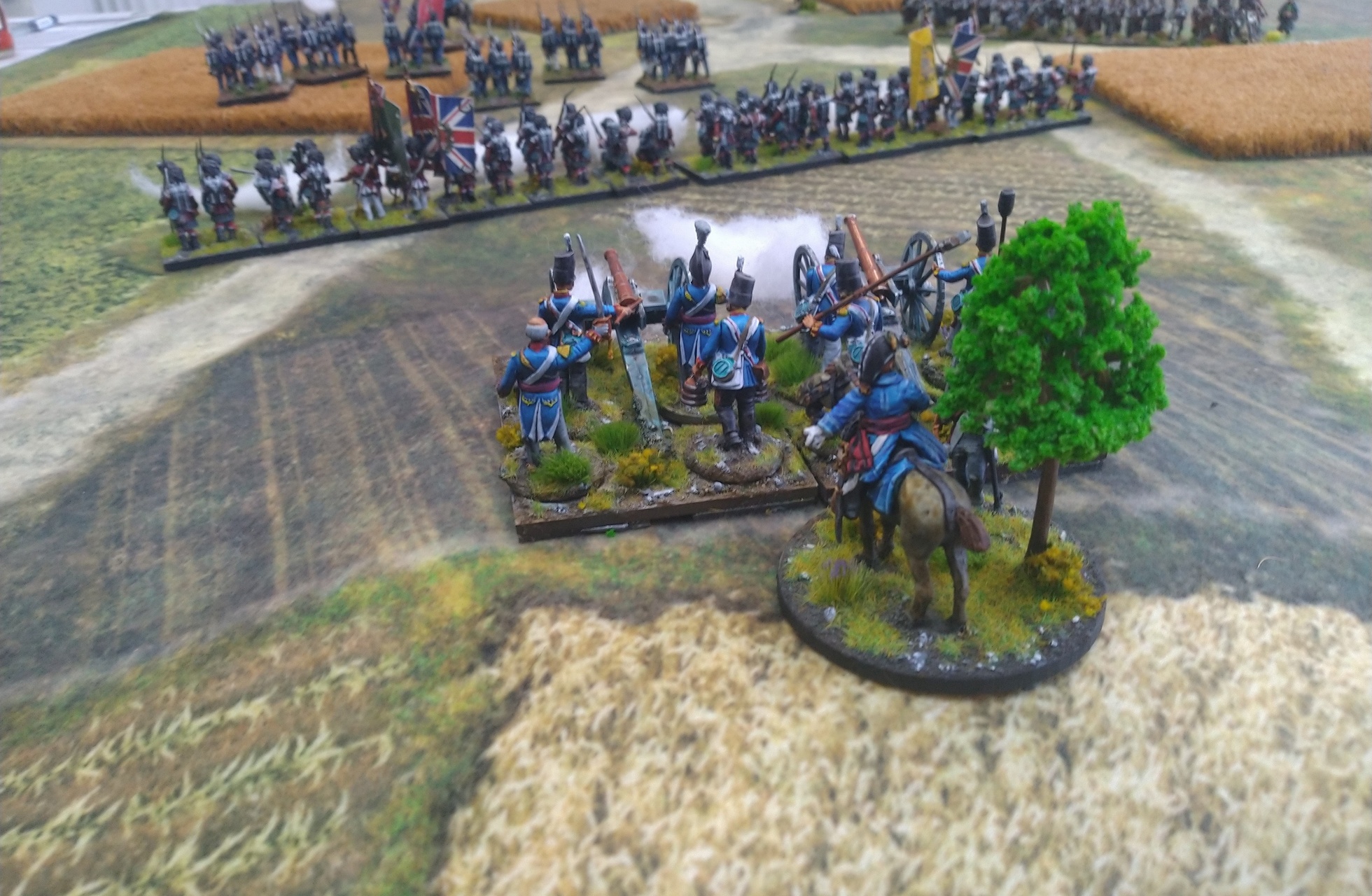
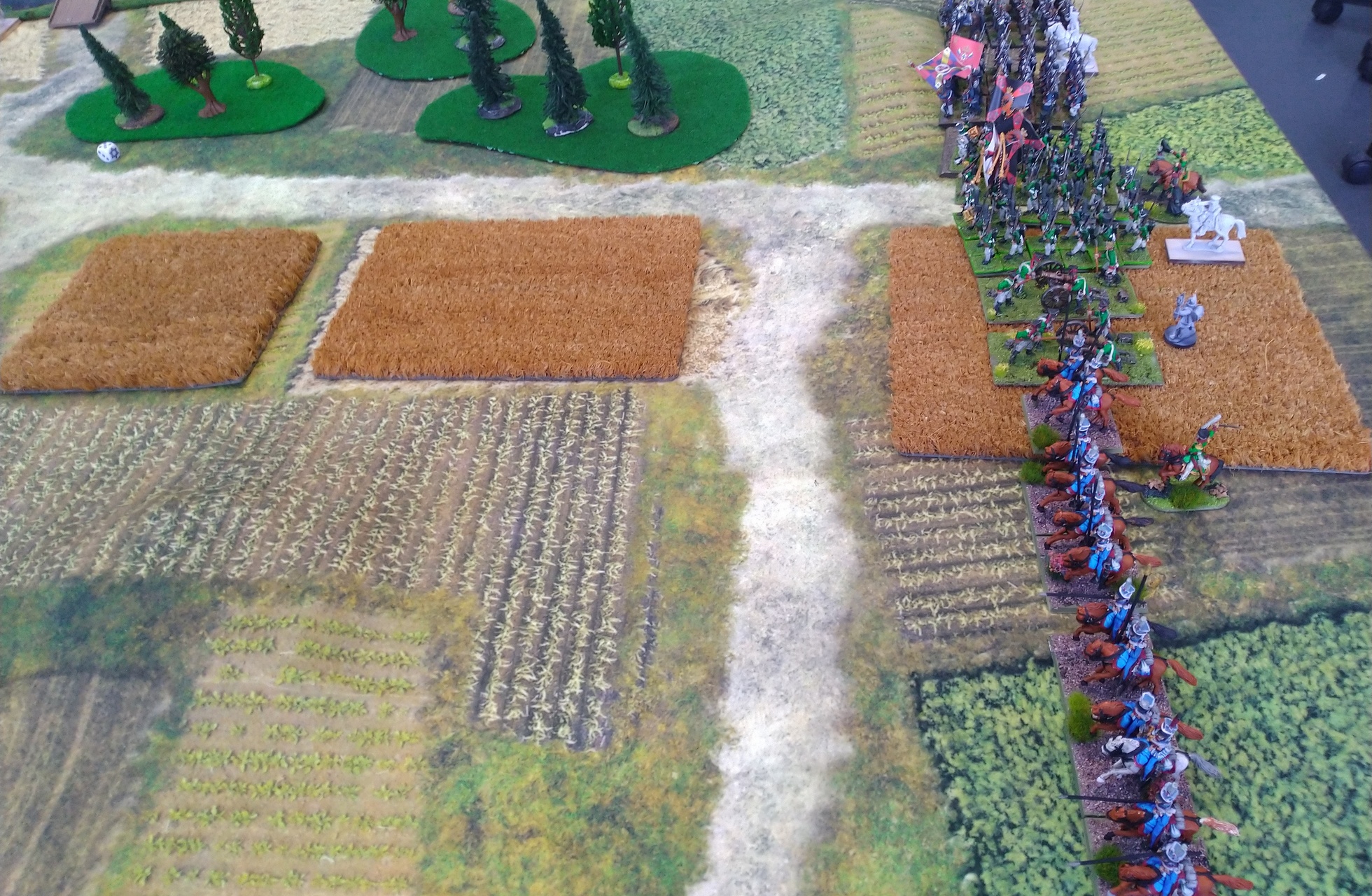
We played on a standard 48″ x 72″ table representing a crossroads and several different types of terrain, some of which counted as difficult ground and reduced movement by half. All units in both armies were Regular, with the exception of the British infantry, while the artillery batteries were rated as Elite. Each side fielded four regiments and had up to four ADC dice available.
🇵🇱 Podsumowanie: – Na tym etapie widzę już, że są pewne ważniejsze zasady, które powinniśmy zacząć wykorzystywać w naszych grach. Na razie jednak skupiamy się na podstawowych mechanikach, ponieważ chcemy dobrze je opanować. – Planujemy wprowadzić więcej zasad następnym razem. W systemie dostępnych jest kilka różnych typów żołnierzy, dlatego moim zdaniem armie do standardowych, towarzyskich rozgrywek powinny być budowane przy użyciu systemu punktowego. Nieregularni Kozacy czy świeżo zwerbowani żołnierze zachowują się zupełnie inaczej niż jednostki Regular, Veteran czy Elite. – Podręcznik określa również, które formacje mogą być uznawane za elitarne – słynne jednostki, takie jak Gwardia, 95. Regiment i tym podobne. To temat, który będzie wymagał dalszego zgłębienia w przyszłości, ponieważ trzon większości armii stanowiły jednostki regularne albo rekruci, zaledwie z kilkoma wyjątkami. Jednostki mogą się także różnić wielkością — dzielą się na małe, standardowe i duże. – Rozstawiamy je w bardzo podobny sposób jak w Black Powder. Zasięgi i ruch są jednak krótsze niż w Black Powder. Muszkiety mają zasięg ognia wynoszący 9″, podczas gdy karabiny są znacznie skuteczniejsze, co daje kolejny dobry powód, by korzystać z jednostek tyralierskich, takich jak Jegrzy. Sam muszę w końcu pomalować oddział takiej piechoty. Jednostki poruszają się też mniej niż w Black Powder, co uważam za plus — w końcu nasze stoły nie są z gumy 🙂 – Odkryłem kilka przydatnych rzeczy na tych blogach:Sir Able Brush oraz Chasseur à Cheval — znajduje się tam użyteczny kreator armii, naprawdę świetna robota. Na drugim blogu znalazłem również zestaw zasad o nazwie 321 – Fast Play Napoleonic Rules. – Na moim blogu pojawi się jeszcze więcej o General d’Armee — potrzebuję tylko czasu, tak samo jak ludzie, z którymi gram.
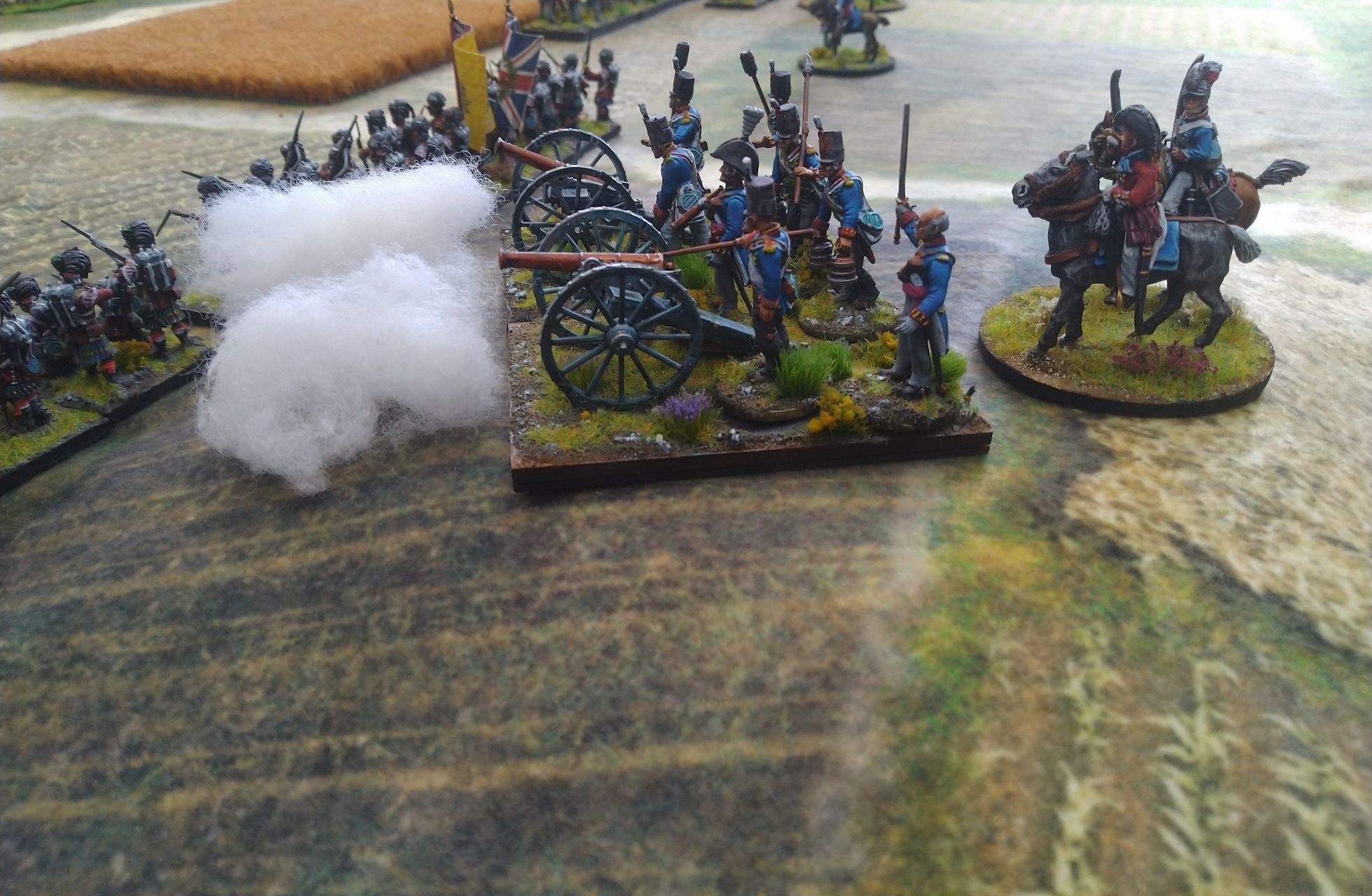
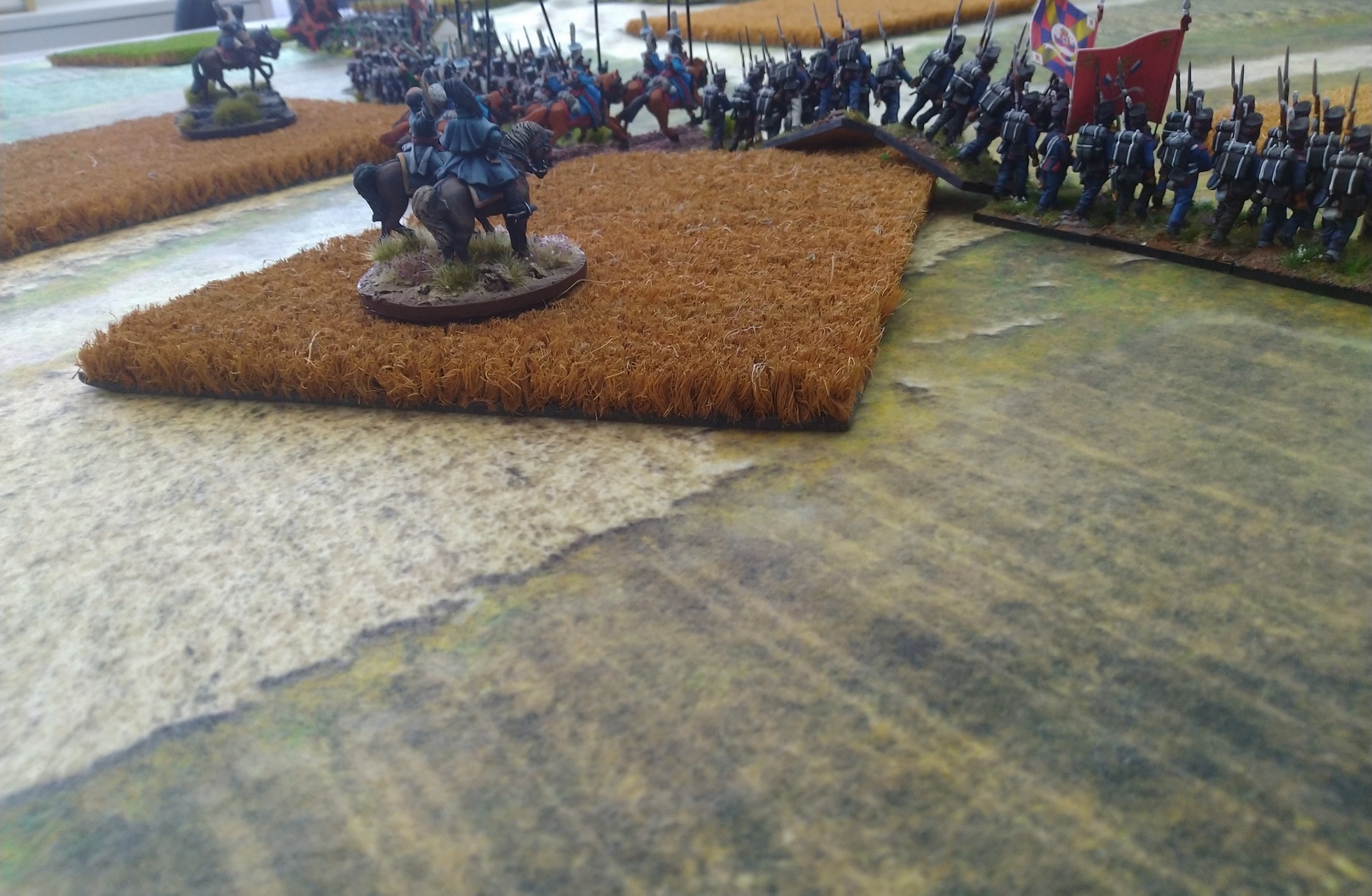
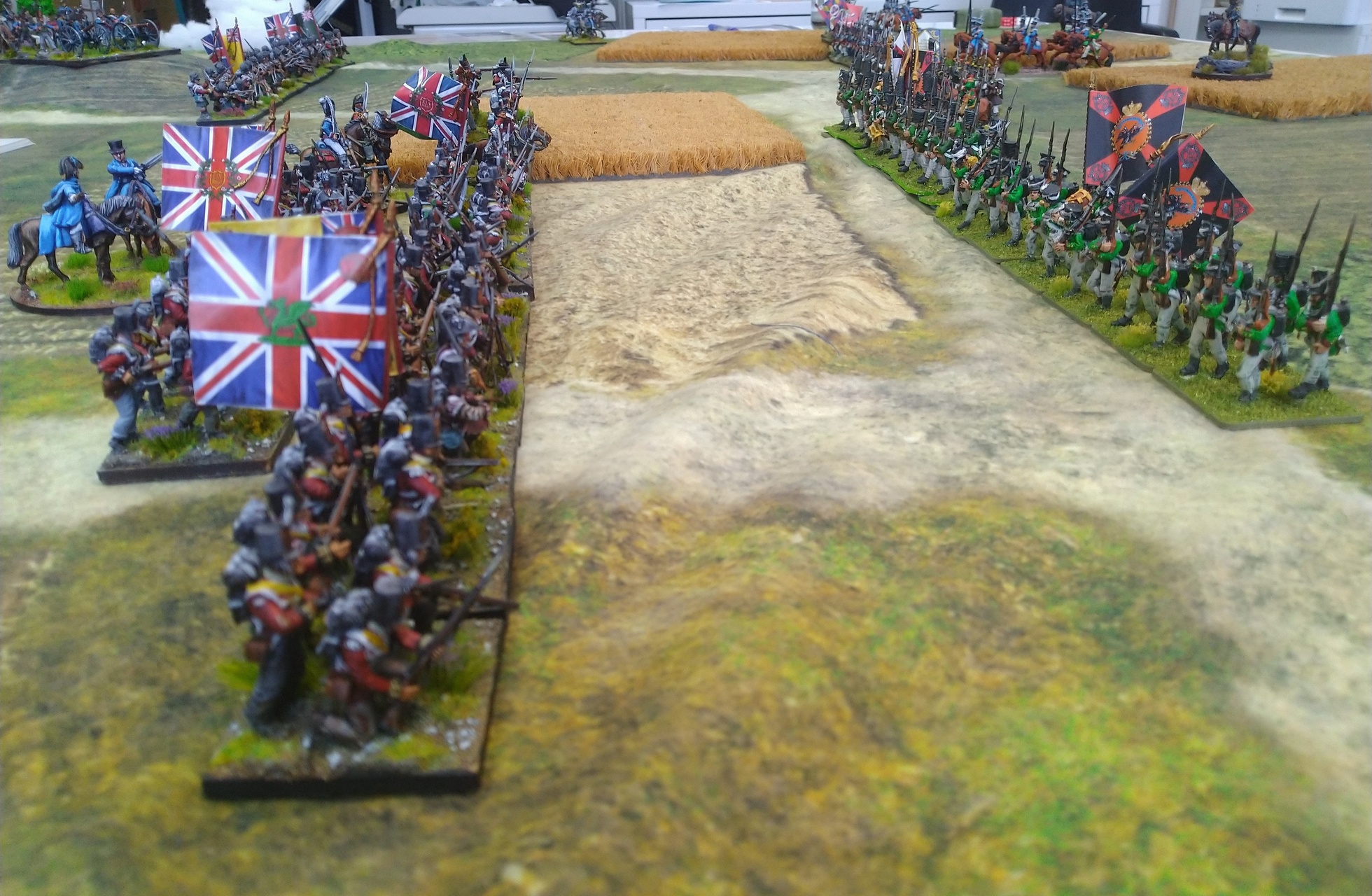
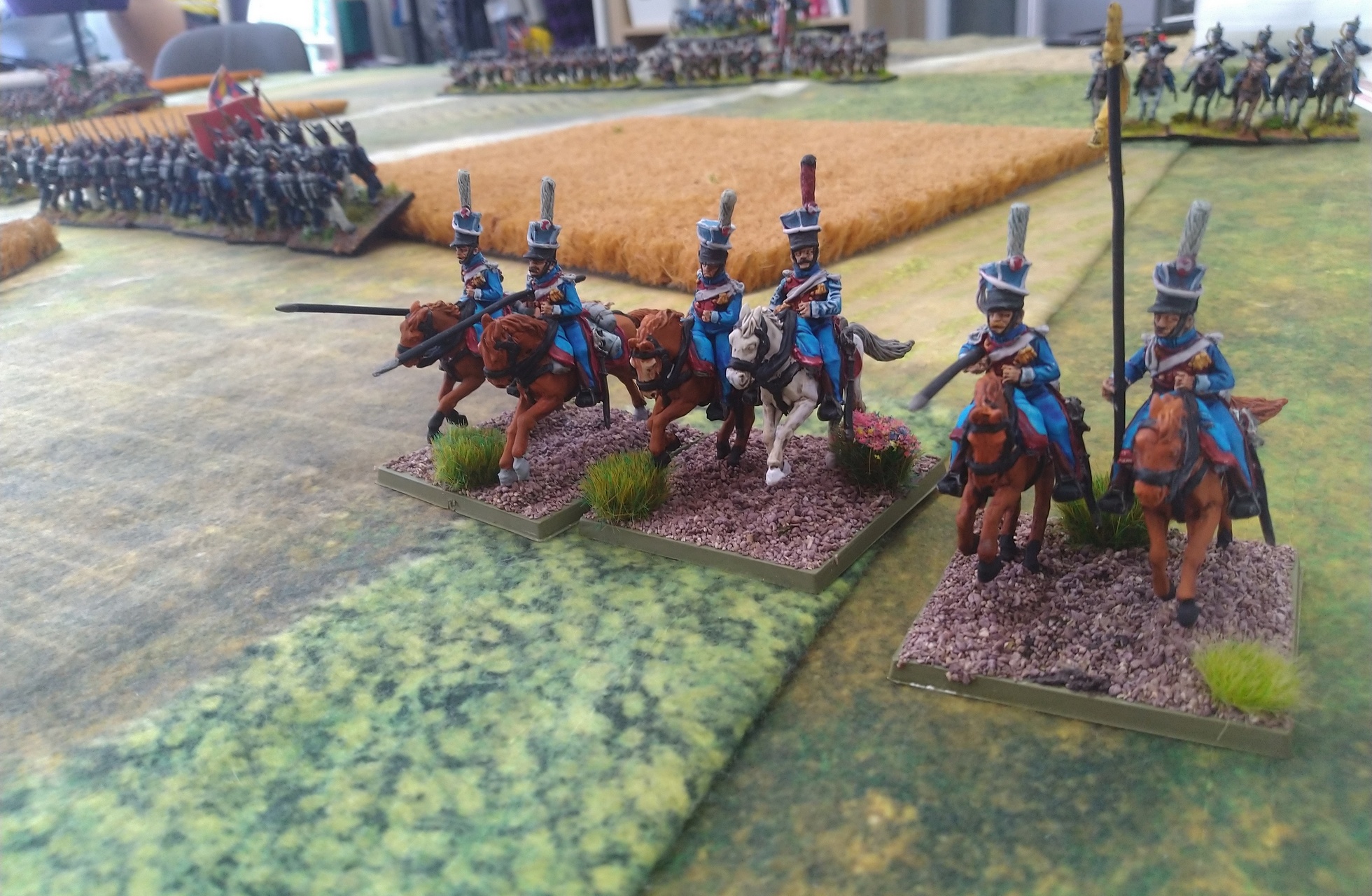
🇬🇧 Summary: – At this stage, I can already see that there are some more important rules we need to start using in our games. For now, however, we are focusing on the core mechanics, as we want to learn them properly. – We plan to introduce more rules next time.There are several different types of soldiers available in the system, so in my opinion armies for standard pick-up games should be built using the points system. Irregular Cossacks or freshly recruited troops behave very differently from Regulars, Veterans, or Elite units. – The rulebook also specifies which formations can be considered Elite -famous units such as the Guards, the 95th Regiment, and so on. This is something that will require more investigation in the future, as the bulk of most armies consisted of Regulars or recruits, with only a few exceptions.Units can also vary in size, being classed as small, standard, or large. – We deploy them in much the same way as we do in Black Powder.Ranges and movement are shorter than in Black Powder. Muskets have a firing range of 9″, while rifles are much more effective, which gives another good reason to use skirmishing units such as Jägers. I really need to paint a unit of that infantry myself. Units also move less than in Black Powder, which I see as a plus – after all, our tables are not made of rubber 🙂 – I discovered some useful things on this blog: Sir Able Brush and on this blog Chasseur Acheval – there is useful army creator – really nice work. On second blog I found some ruleset called 321 – Fast Play Napoleonic Rules. – there will be more about General d’Armee on my blog, just need time – me and people I play.
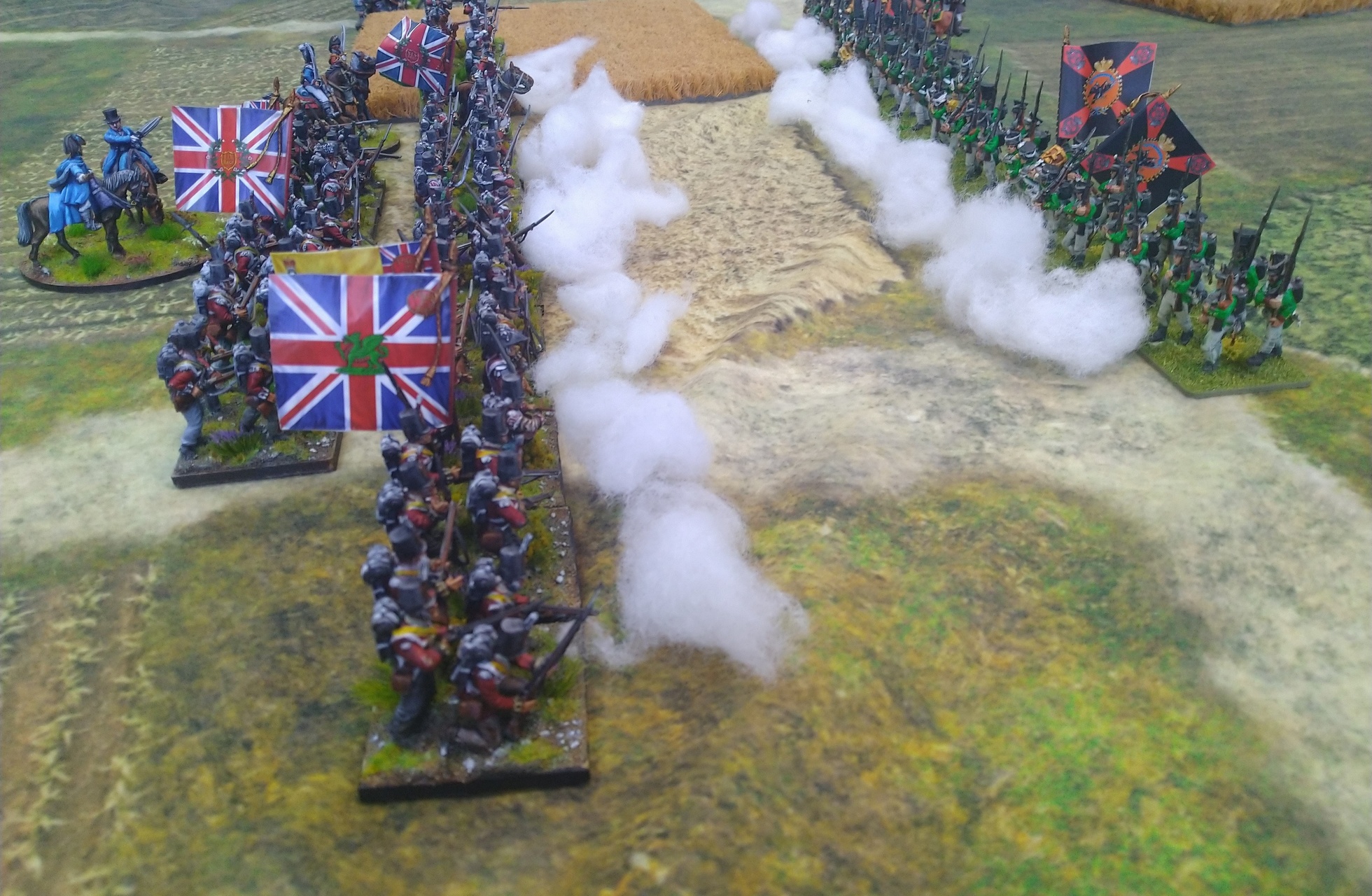
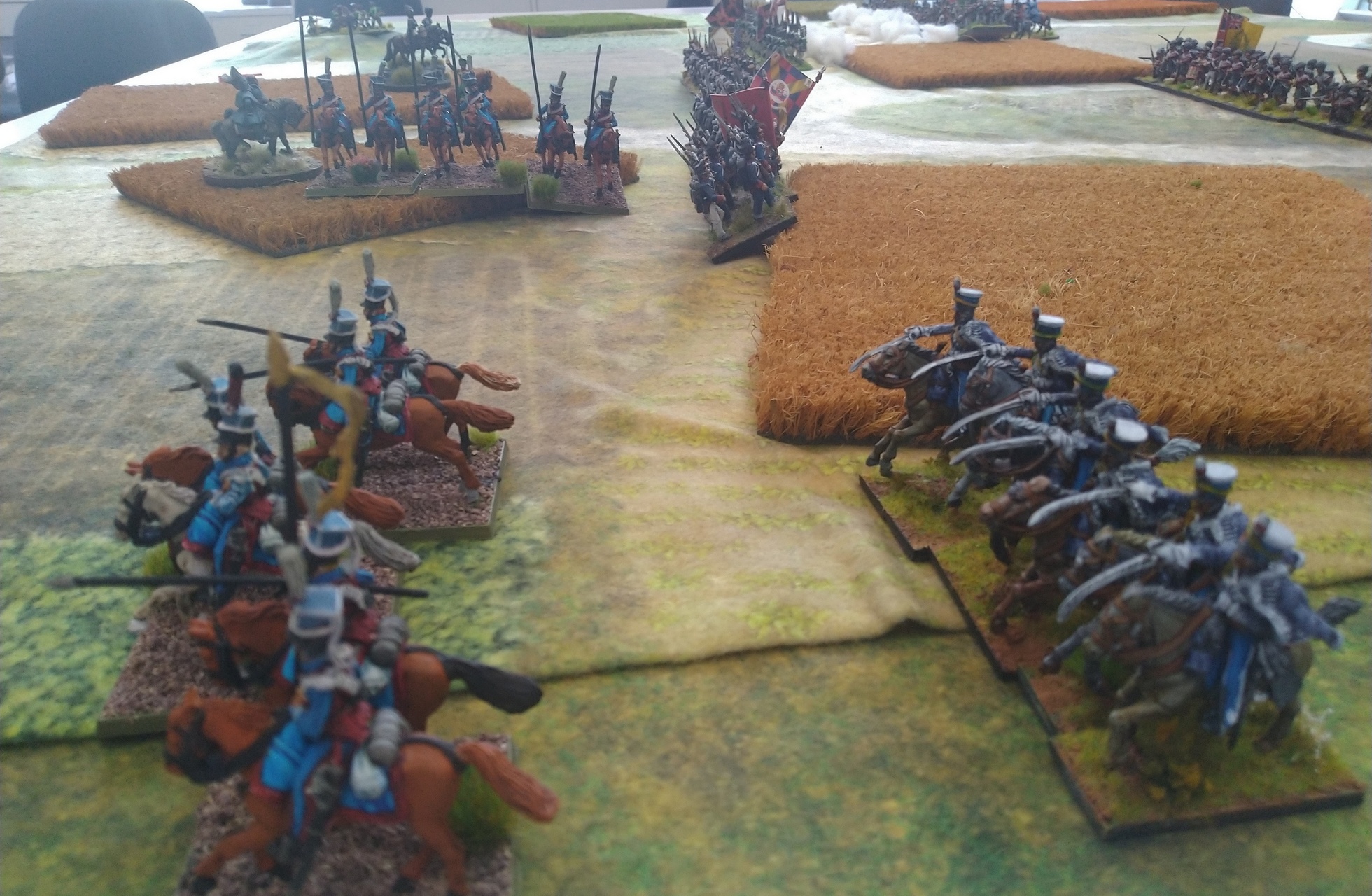
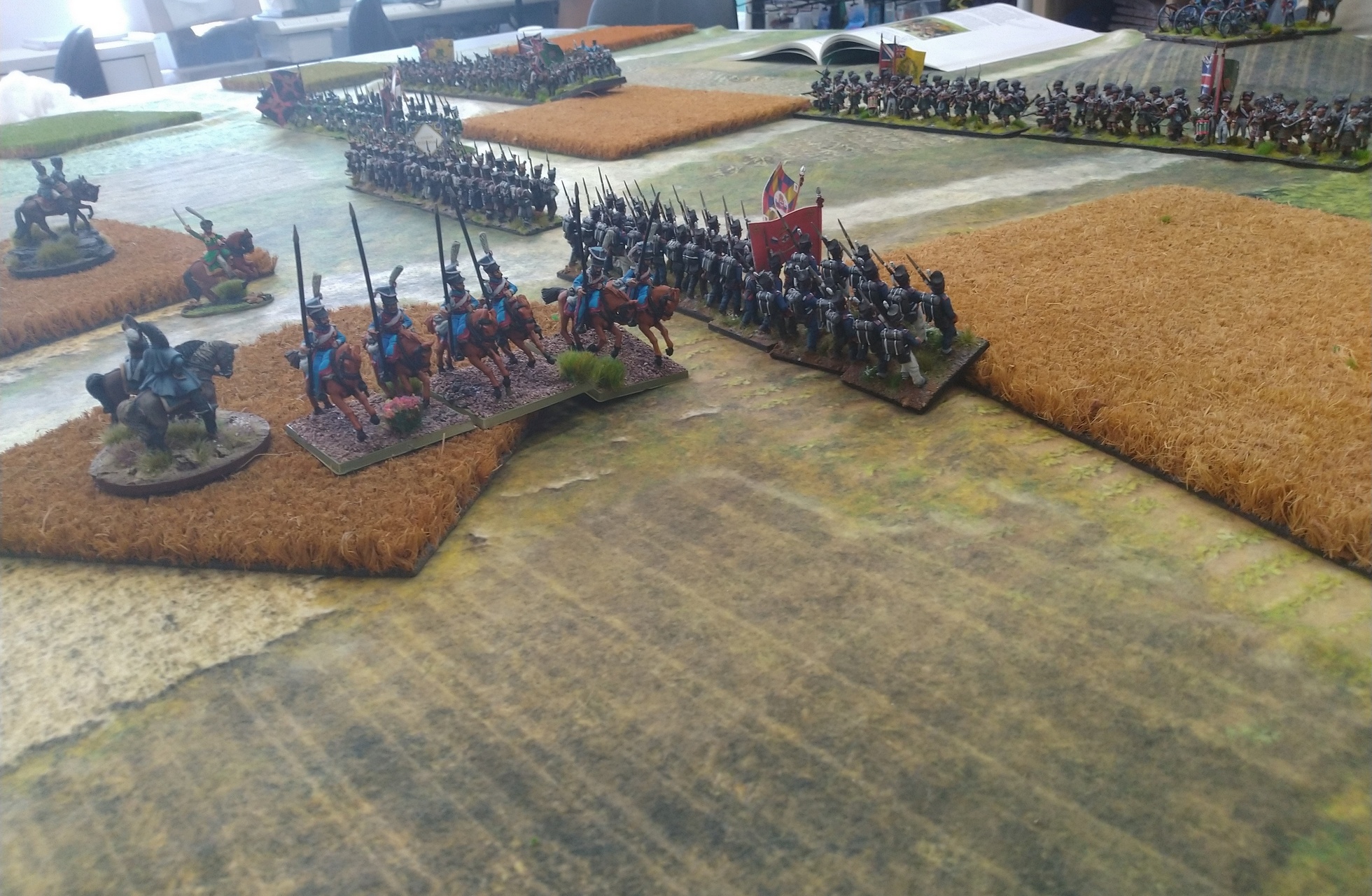
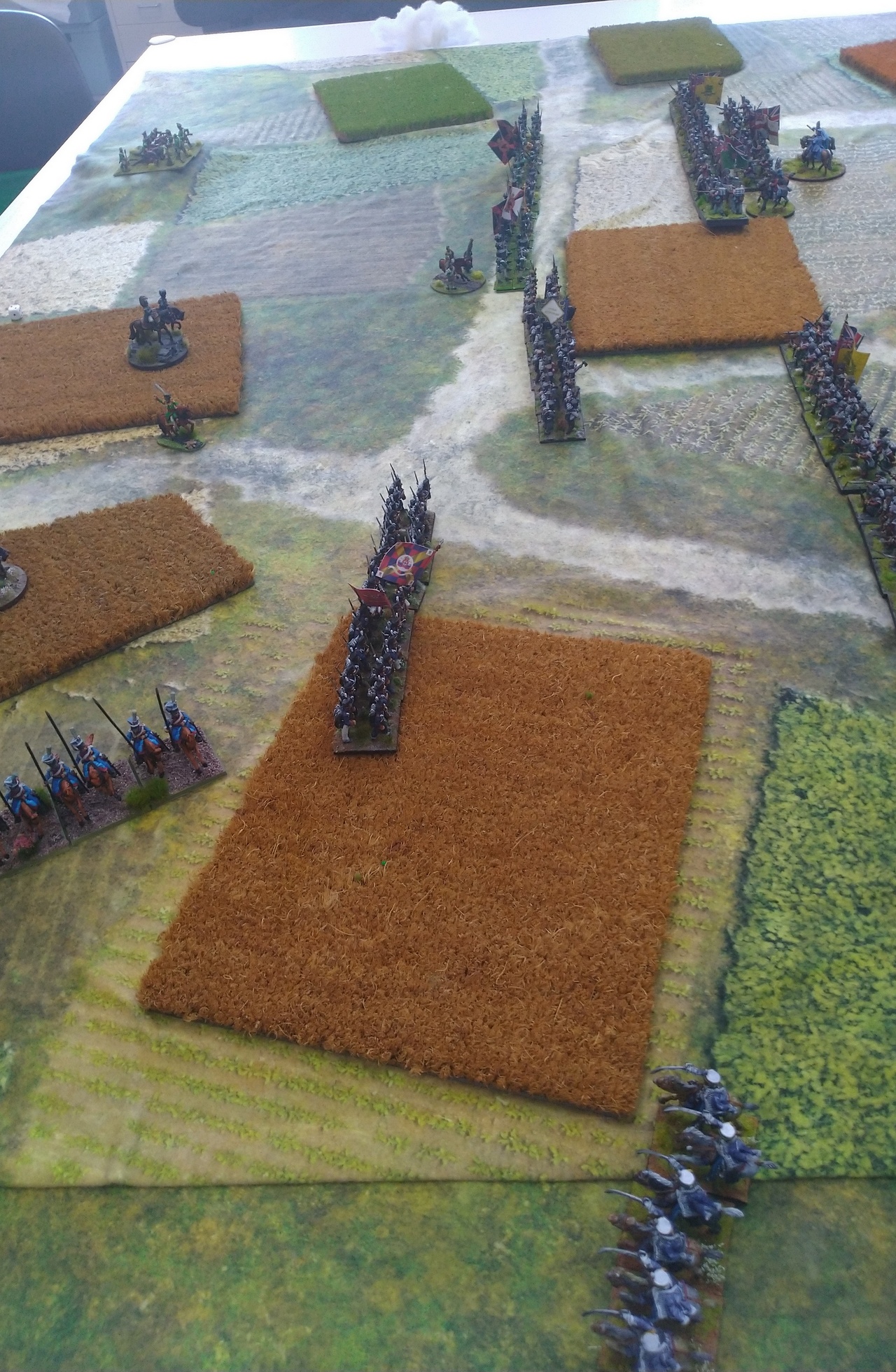
🇵🇱 W zeszły piątek Kuba „Karaś” i ja w końcu rozegraliśmy naszą pierwszą partię w General d’Armee. Była to okazja, by spróbować czegoś nowego, ponieważ był to nasz pierwszy kontakt z tym systemem. Postanowiliśmy pominąć część zasad specjalnych, takich jak Fog of War, które wydają się bardzo ciekawym dodatkiem, gdy lepiej poznamy podstawowe mechaniki gry. Na początku wszystkie te tabele wyglądały dość onieśmielająco, ale gdy tylko zaczęliśmy grać, wszystko stało się dużo bardziej przejrzyste.
🇬🇧 Last Friday, Kuba “Karaś” and I finally played our first game of General d’Armee. It was a chance to try something new, as this was our first time with the system. We decided to skip some of the special rules, such as Fog of War, which looks like a very interesting addition once we become more familiar with the core mechanics. At first, all those tables seemed quite intimidating, but once we got started, everything became much clearer.
🇵🇱 Podsumowanie: – Dzięki Kuba za grę – wygląda na to, że jeszcze w przyszłości zagramy w ten system. To była nasza pierwsza partia, więc staram się zebrać wszystkie spostrzeżenia, które pojawiły się podczas rozgrywki w General d’Armee. – Zagraliśmy sześć tur, więc jak na piątkowy wieczór była to naprawdę dobra partia – zaczęliśmy około 19:00, a skończyliśmy chwilę przed 22:00. – Dzięki Rafałowi za zaproponowanie podręcznika do General d’Armee, po naszych rozmowach o tym, jak można urozmaicić granie w realiach napoleońskich. Nadal lubię Black Powder od Warlord Games, ale zdecydowanie powinniśmy też pograć w system od studia TooFatLardies. – Powstanie jeszcze jeden tekst, gdy zbiorę myśli – w piątek 17.06 zagrałem pierwszą partię, a w sobotę 18.06 kolejną, tym razem z Tomkiem.
🇬🇧 Summary: – thank you Kuba for a game, it’s seems that we will play in it in the future. It was our first game, so I try to think all things I saw during our game play in General d’Armee. – we played six turns, so it was good game on Friday evening, we started around 19 and finished a little before 22:00. – thank you Rafał for proposing rulebook for General d’Armee, after some talk how to improve playing in Napoleonic times. I still like Black Powder from Warlord Games, but we should also play system from TooFatLardies studio. – there will be one more article when I gather my thoughts – as on Friday (17.06) I played first game and on Saturday (18.06) I played another game with Tomek.
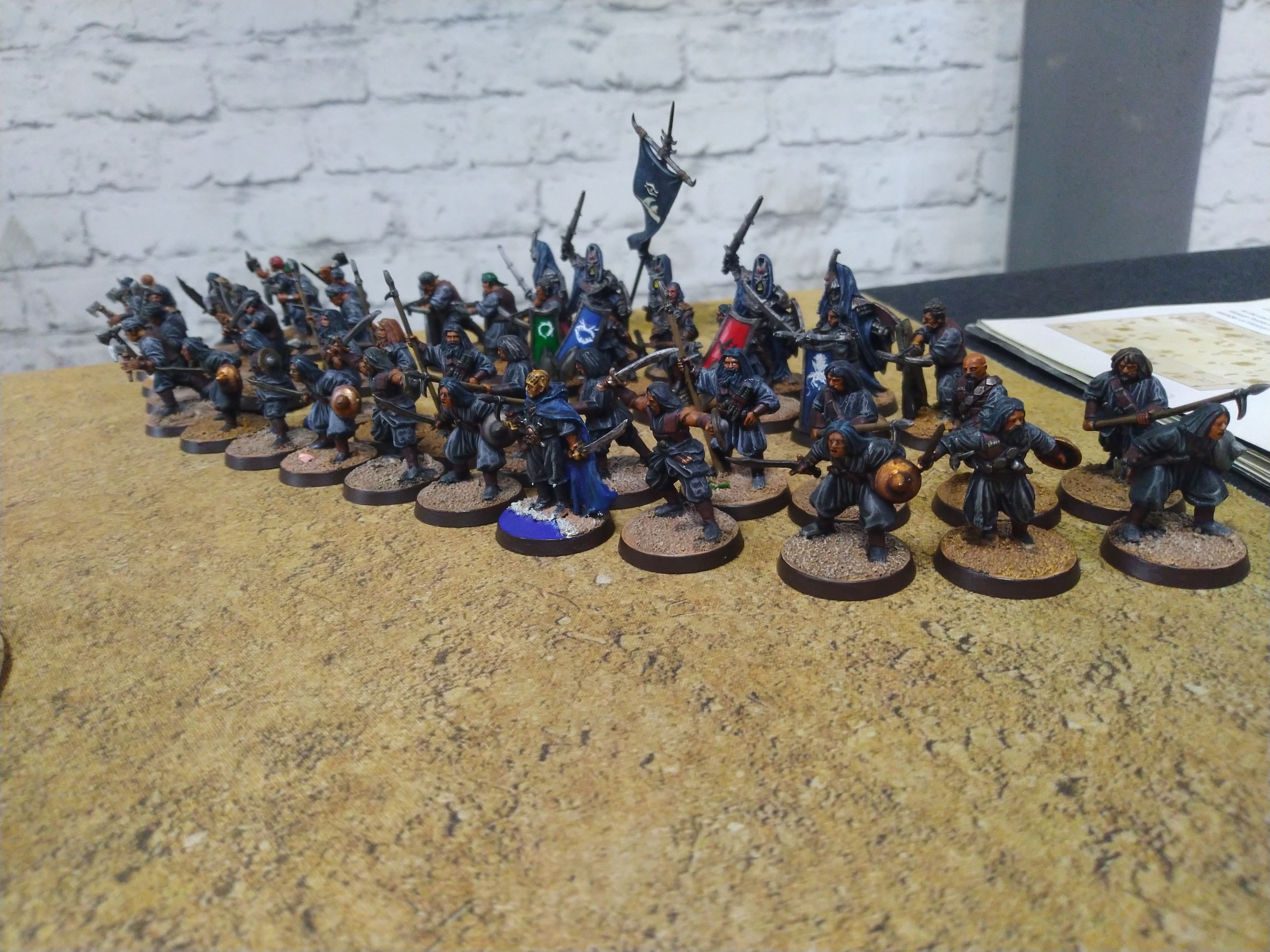
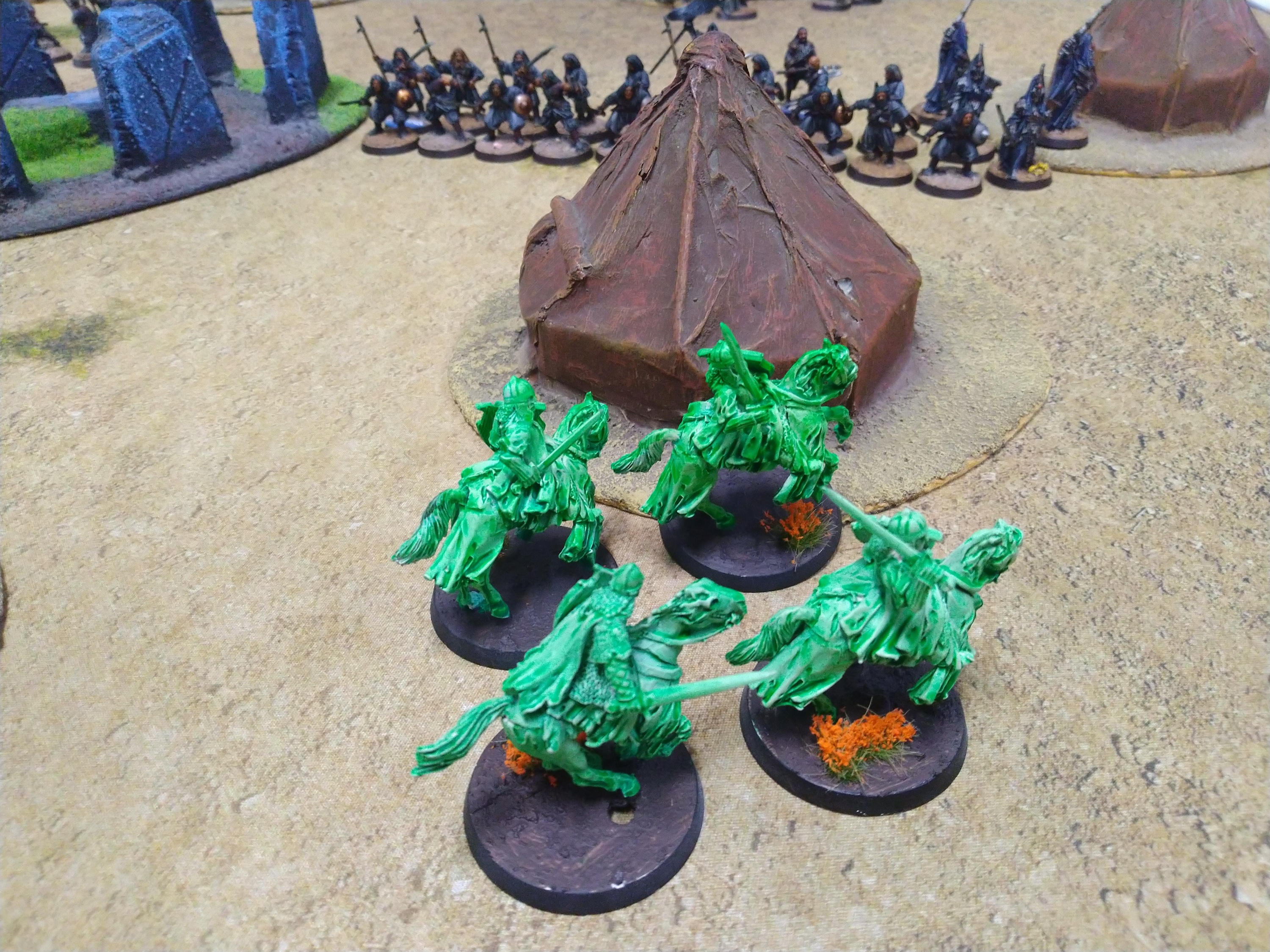
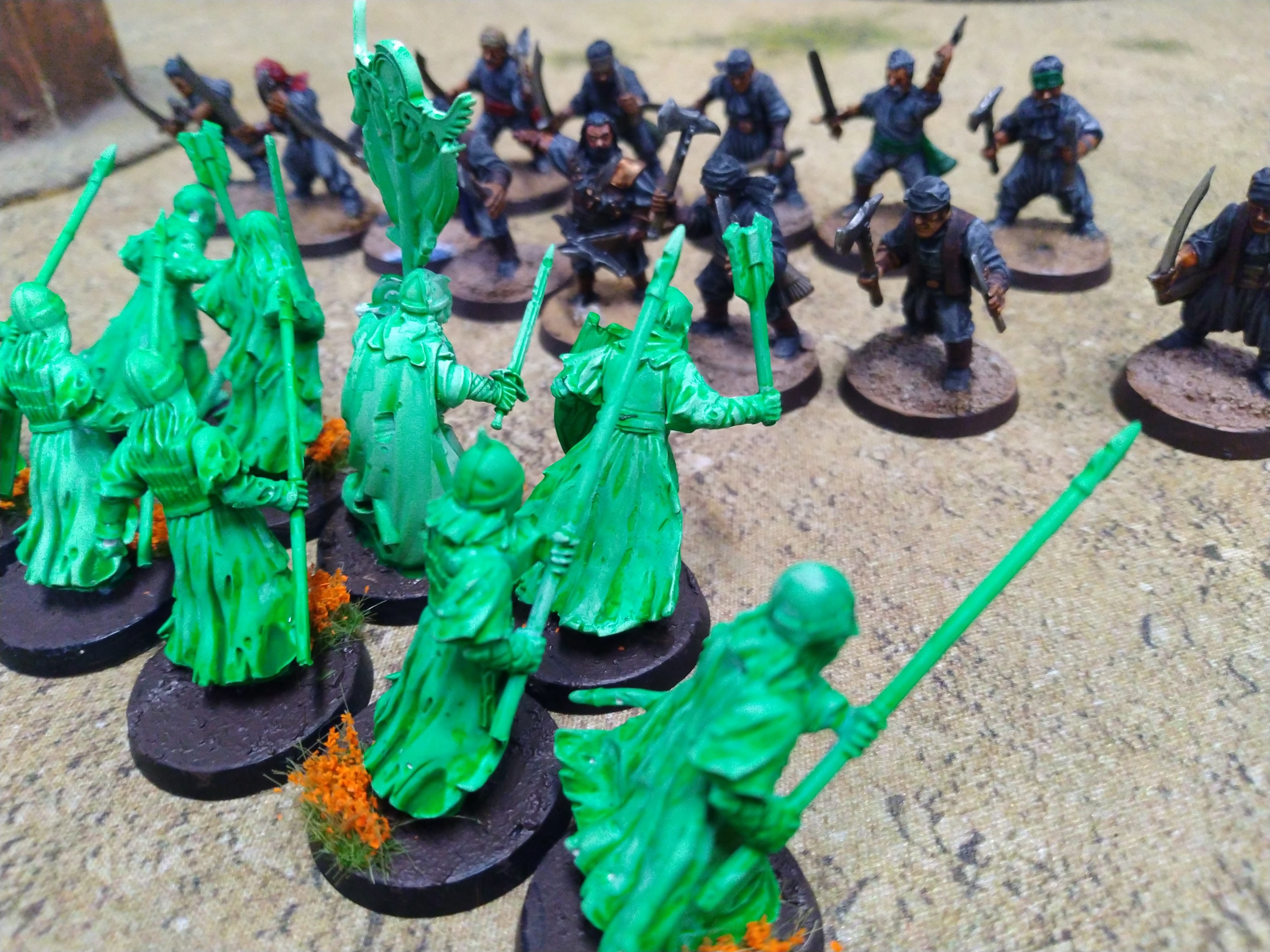
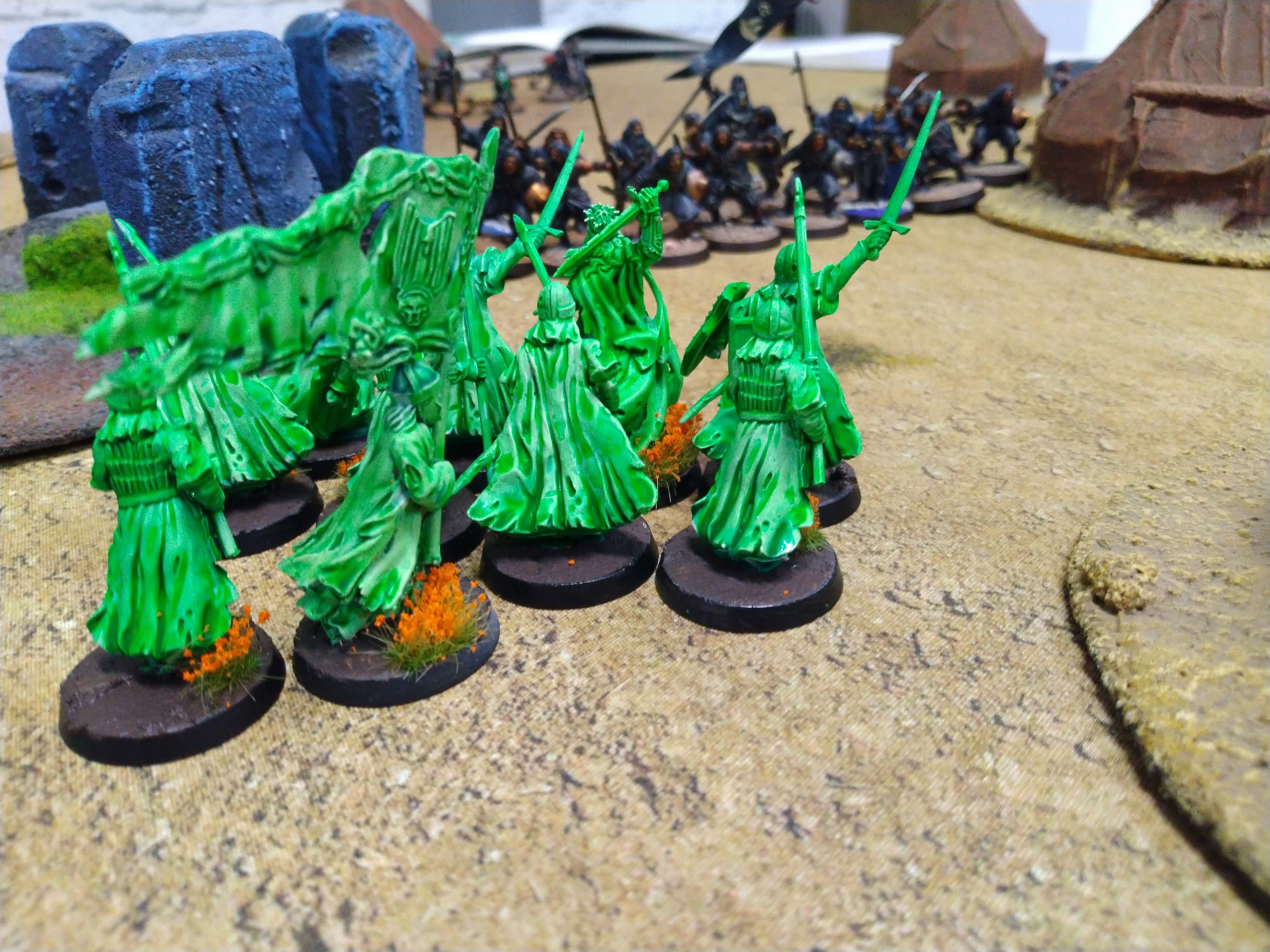
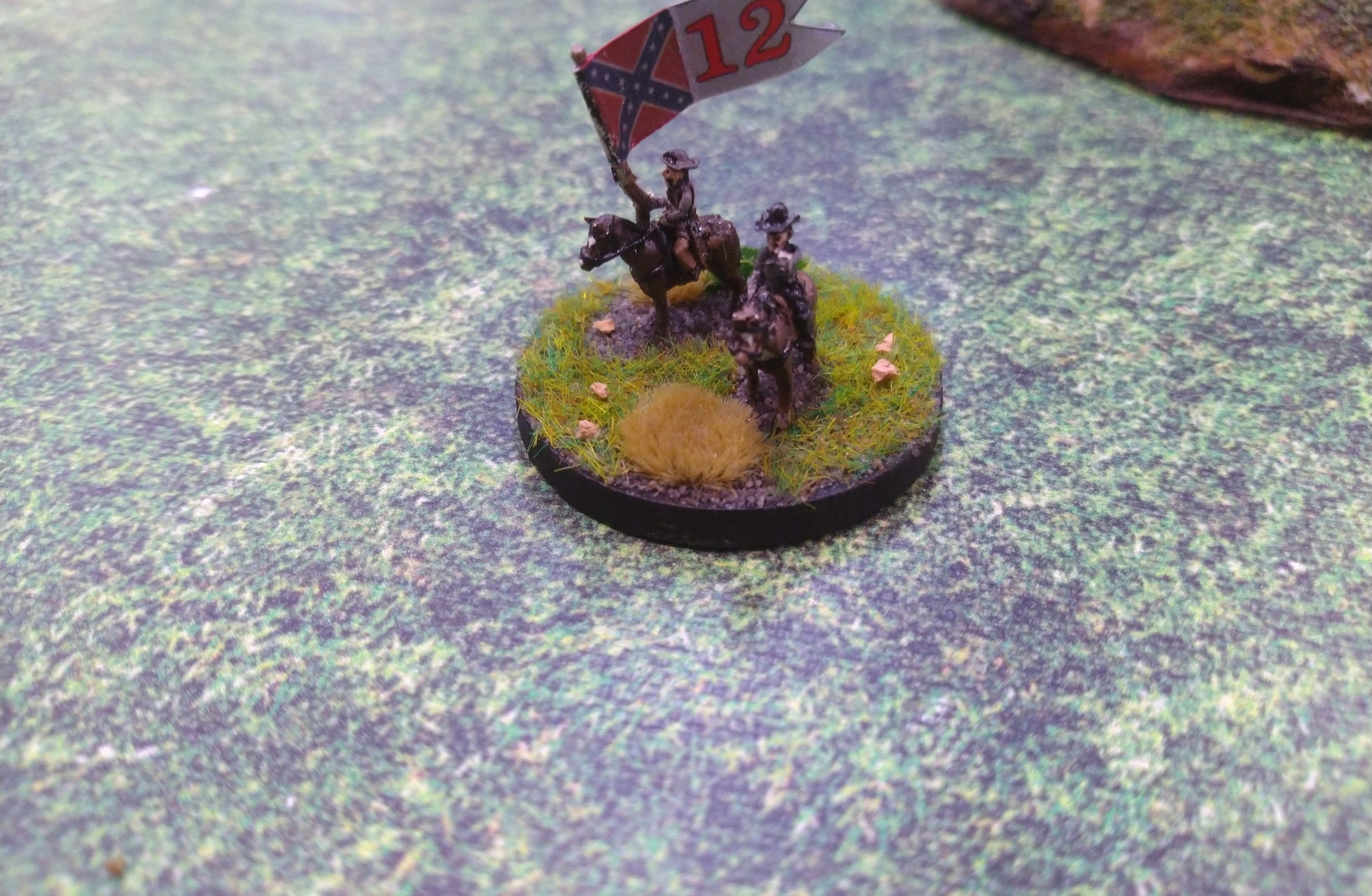
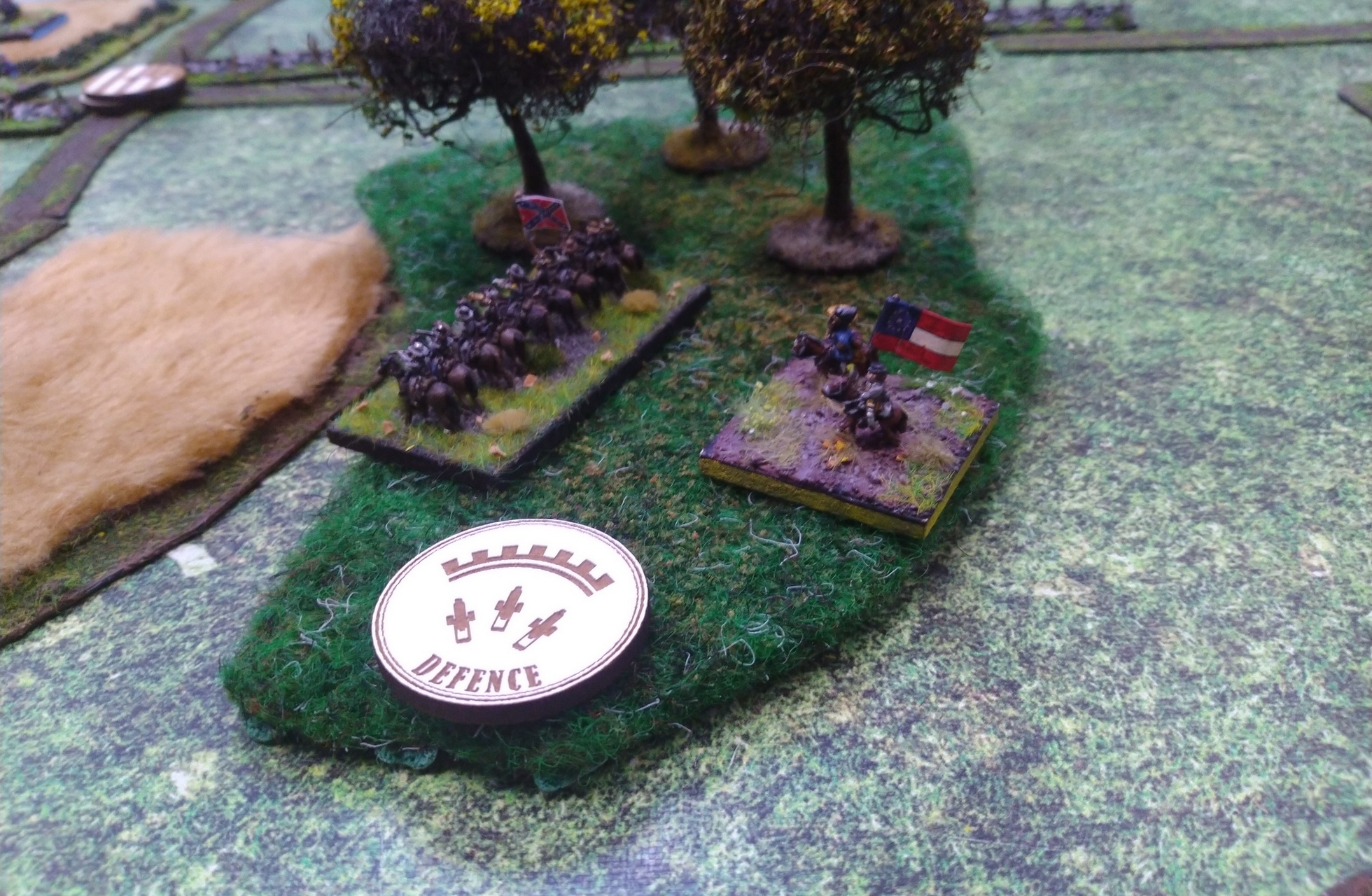
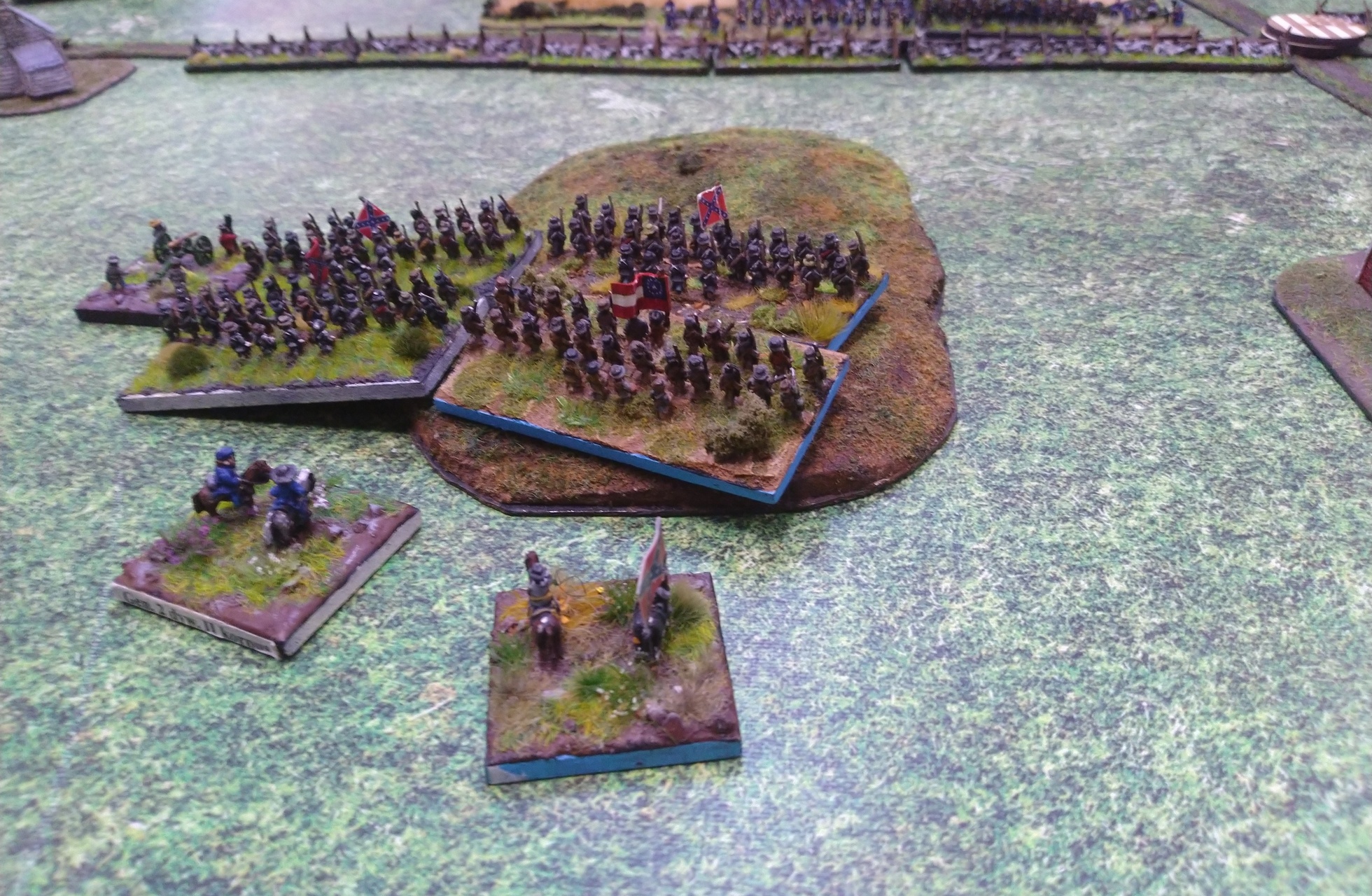
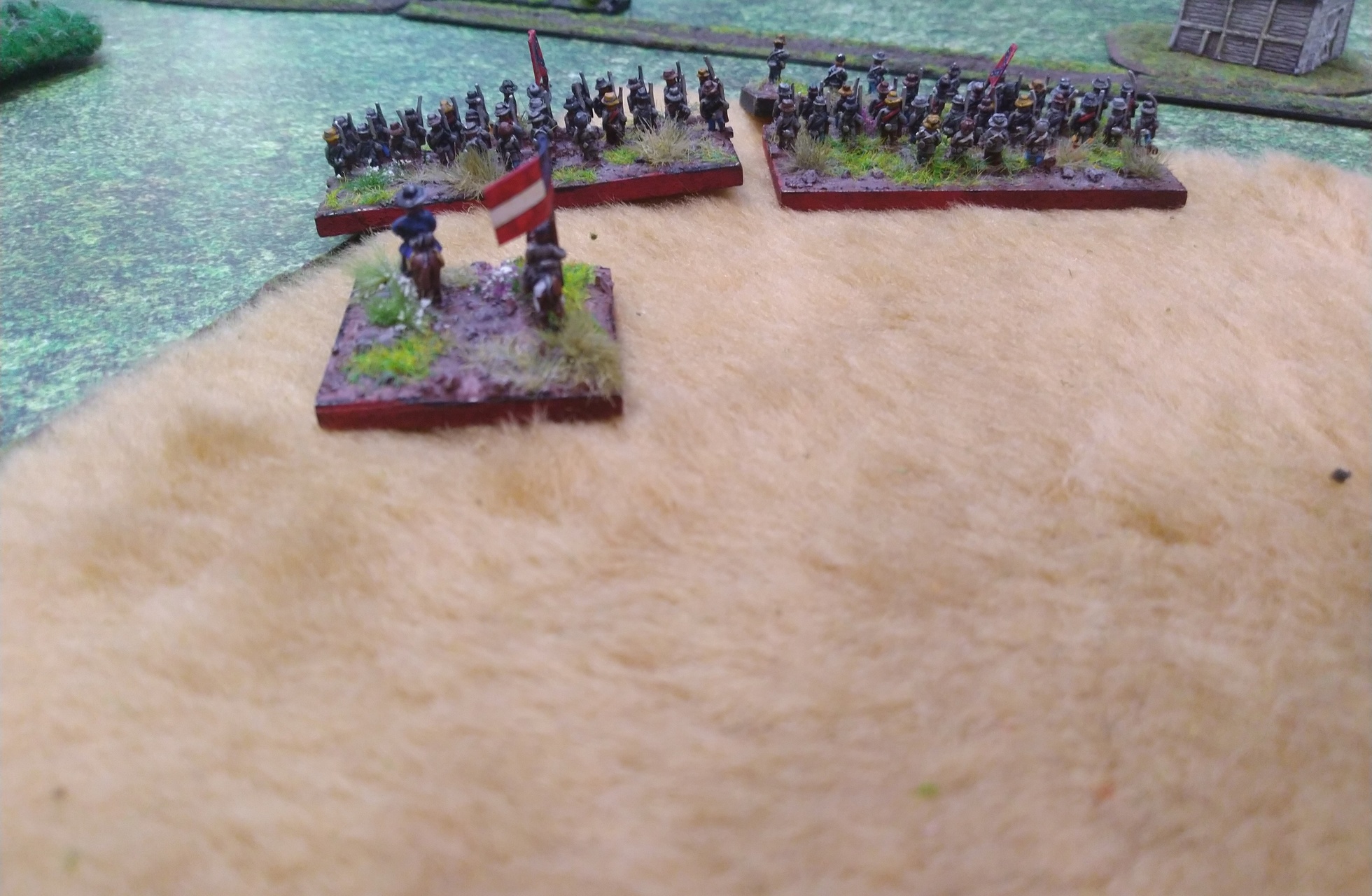
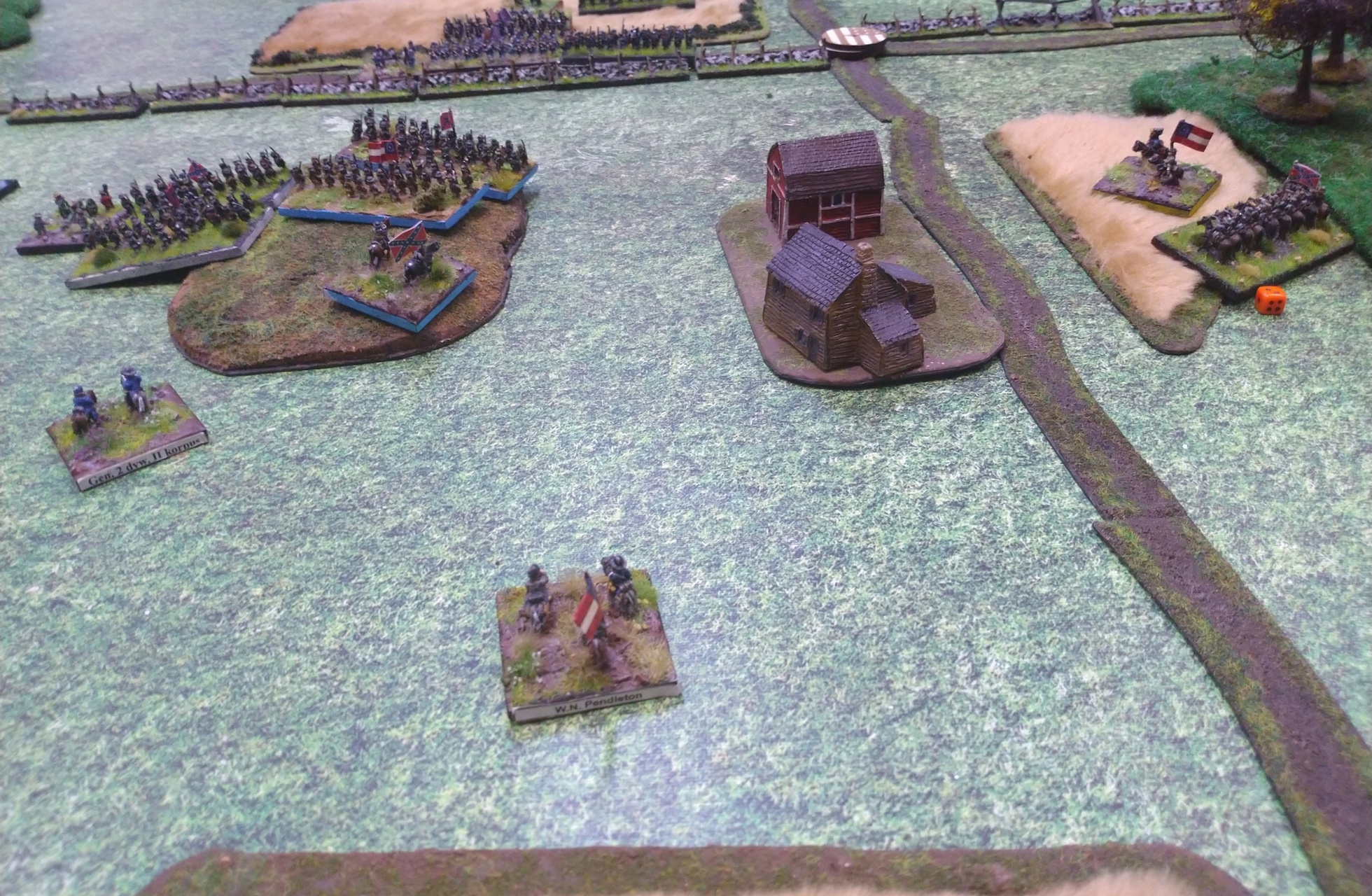
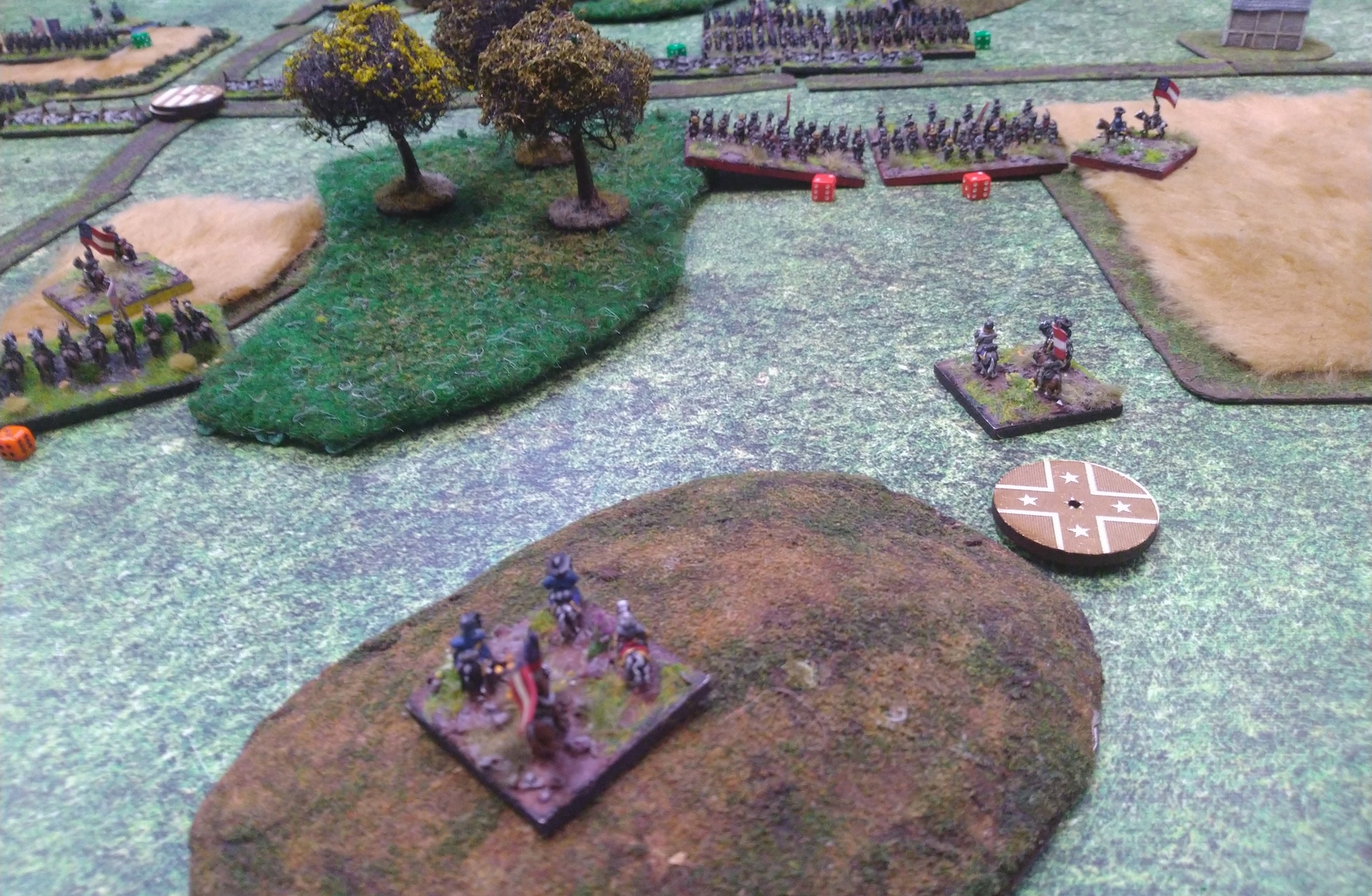
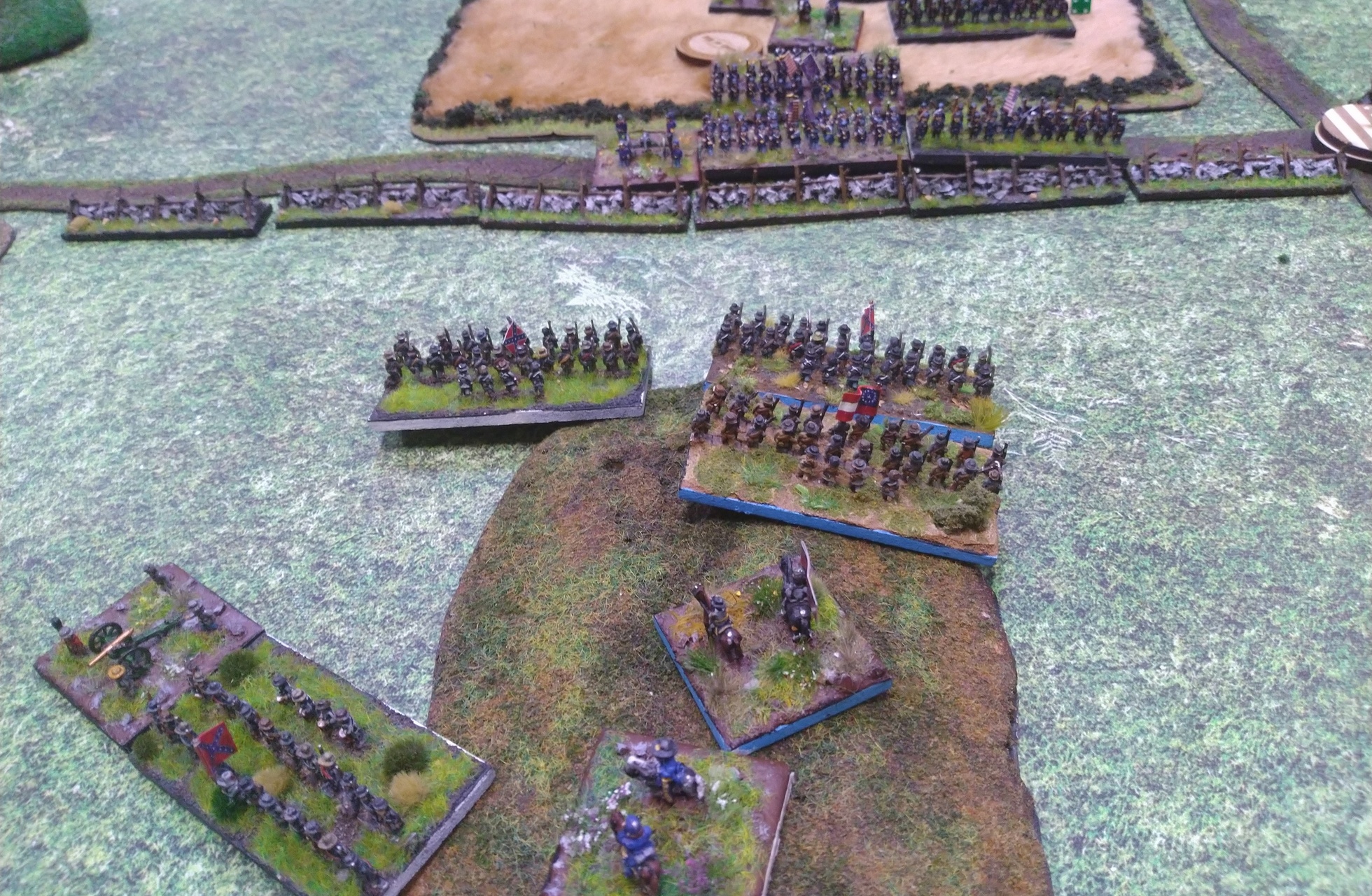
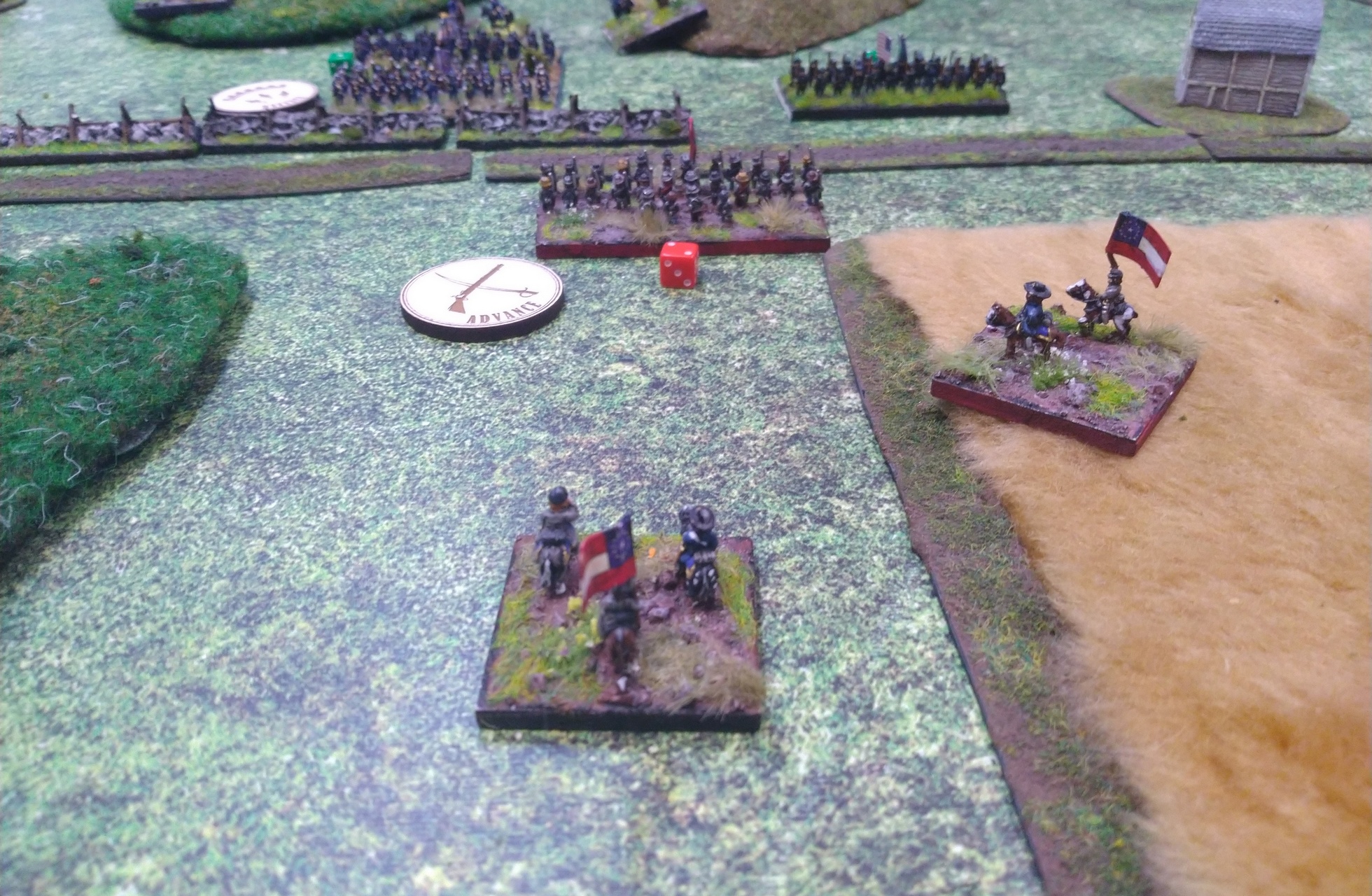
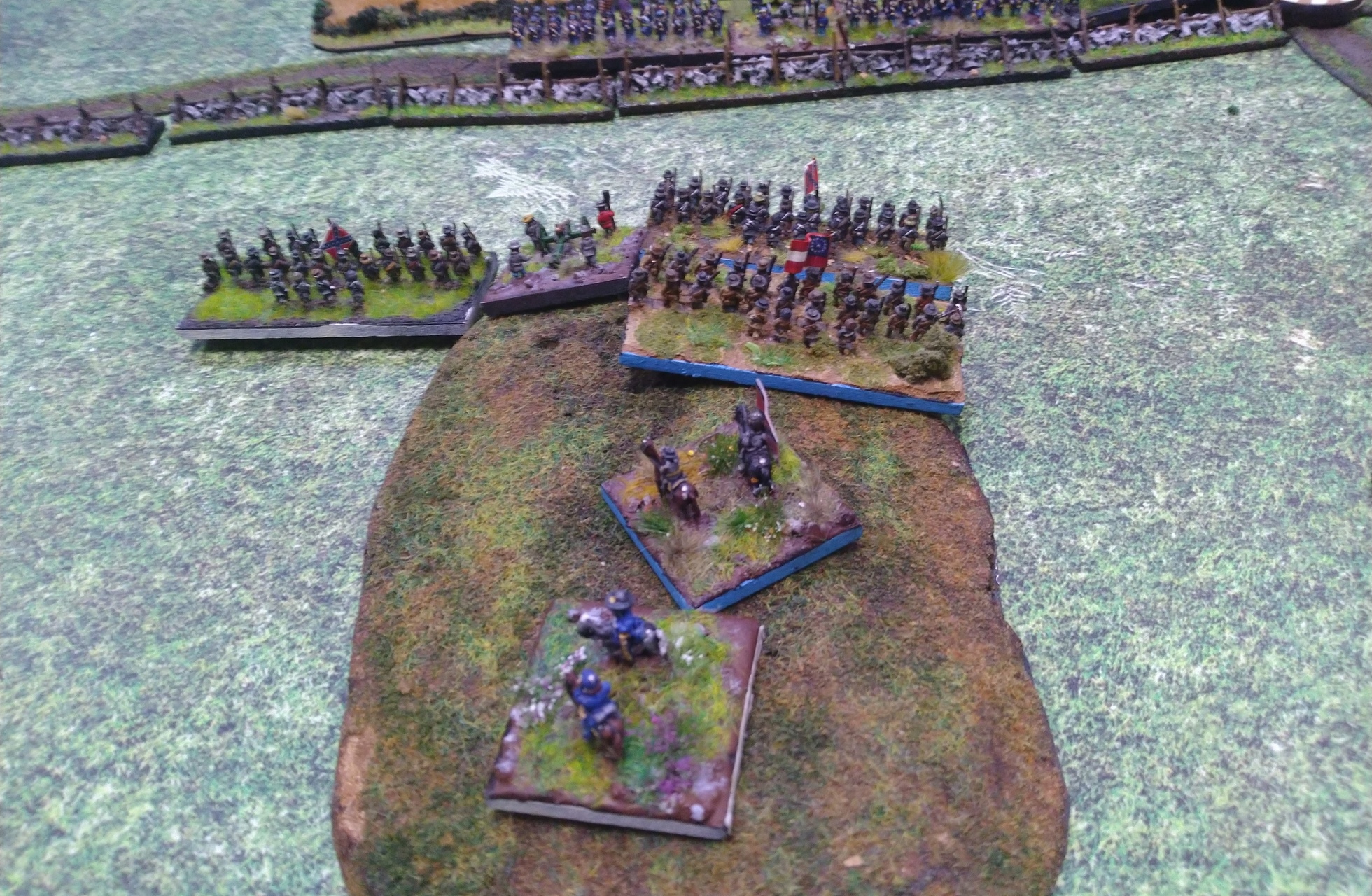
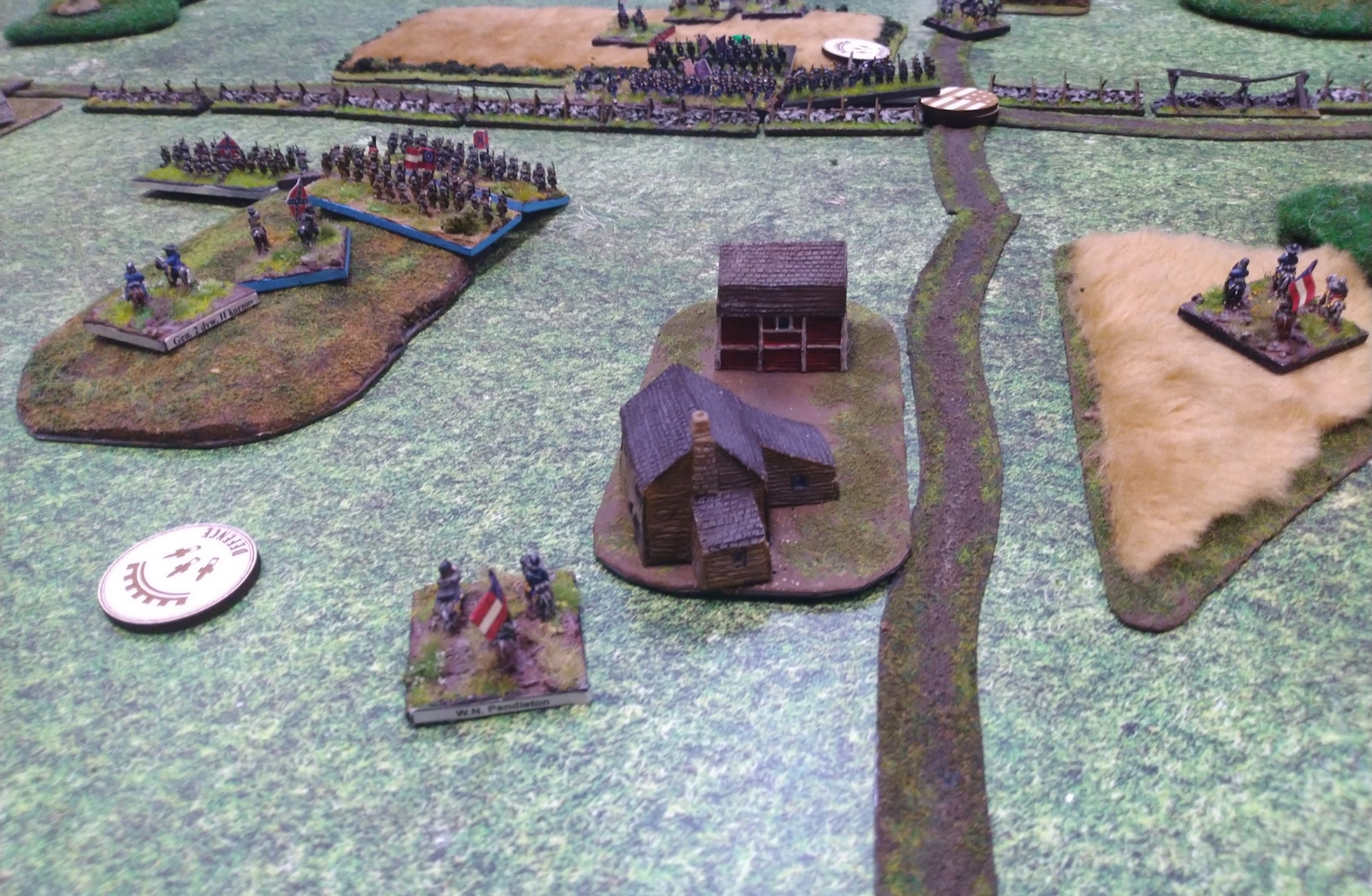
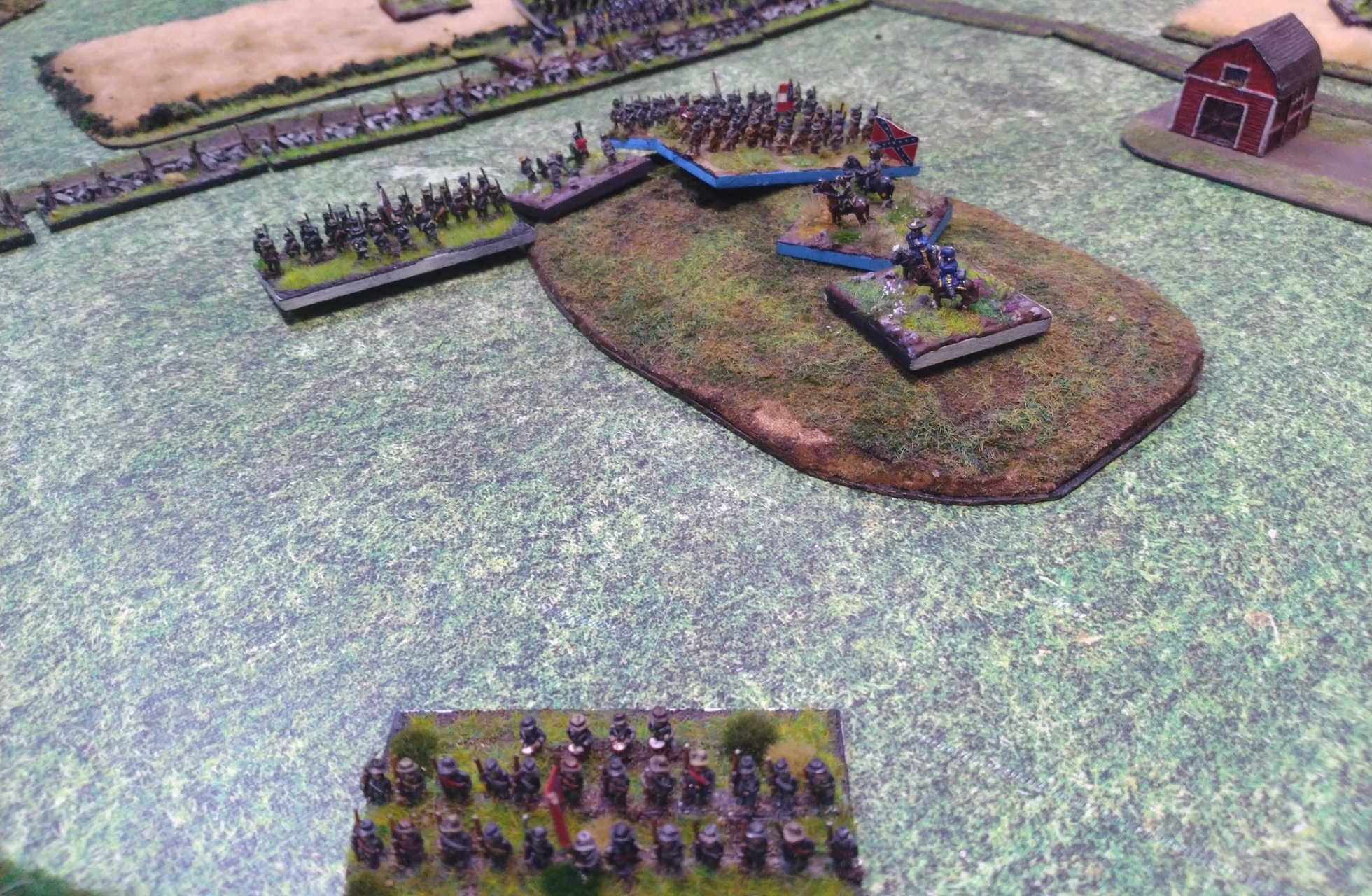
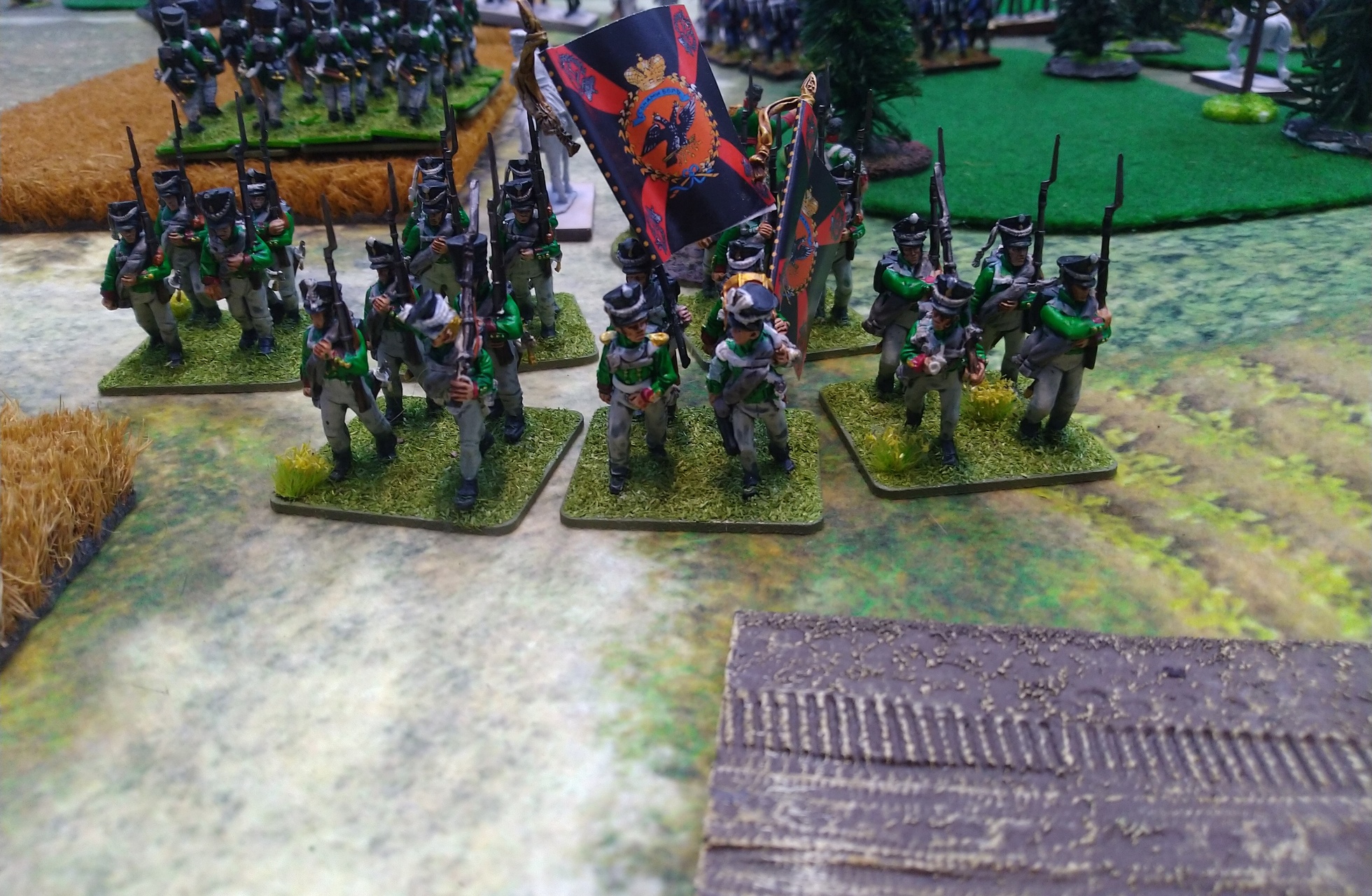
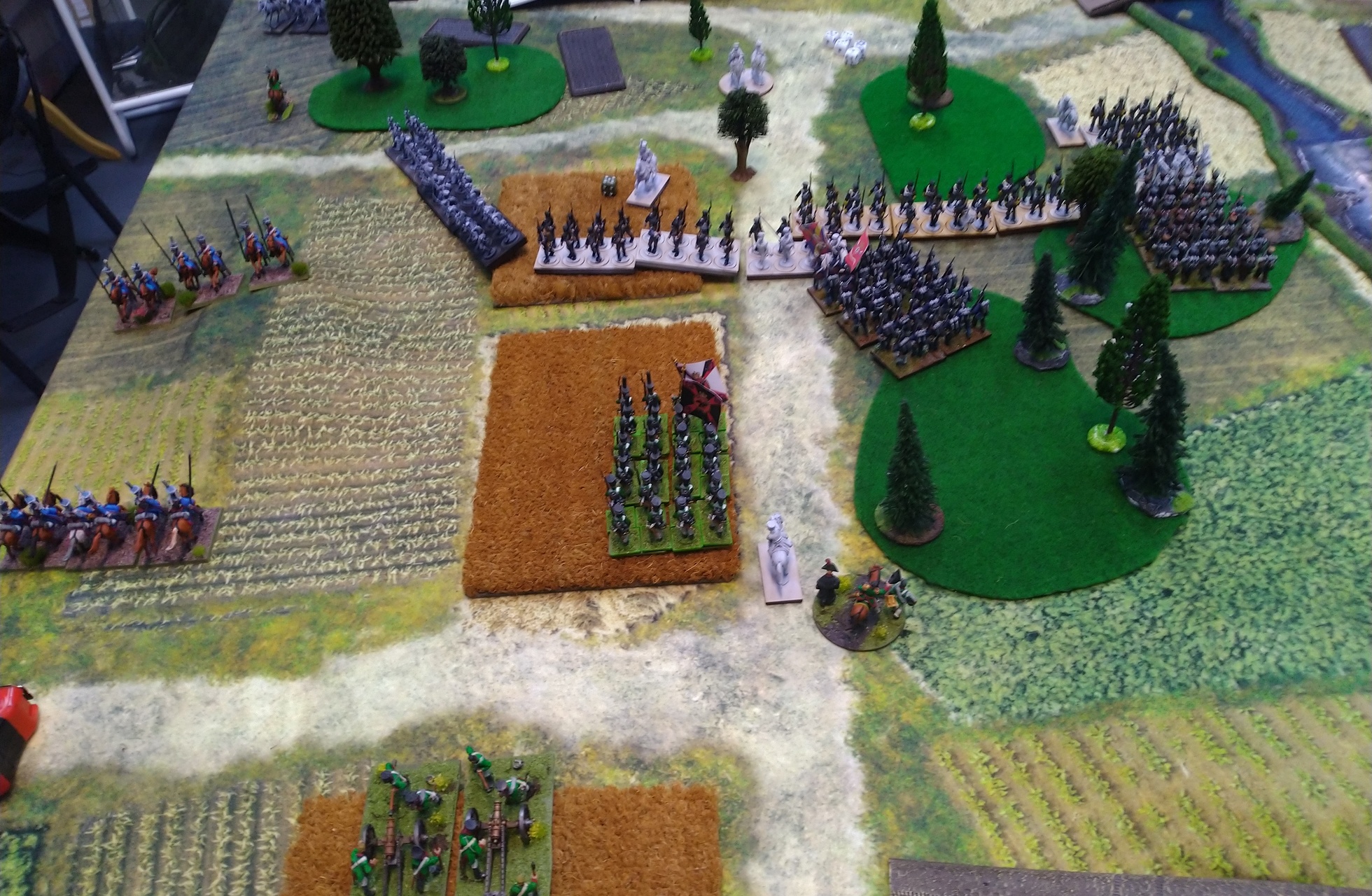
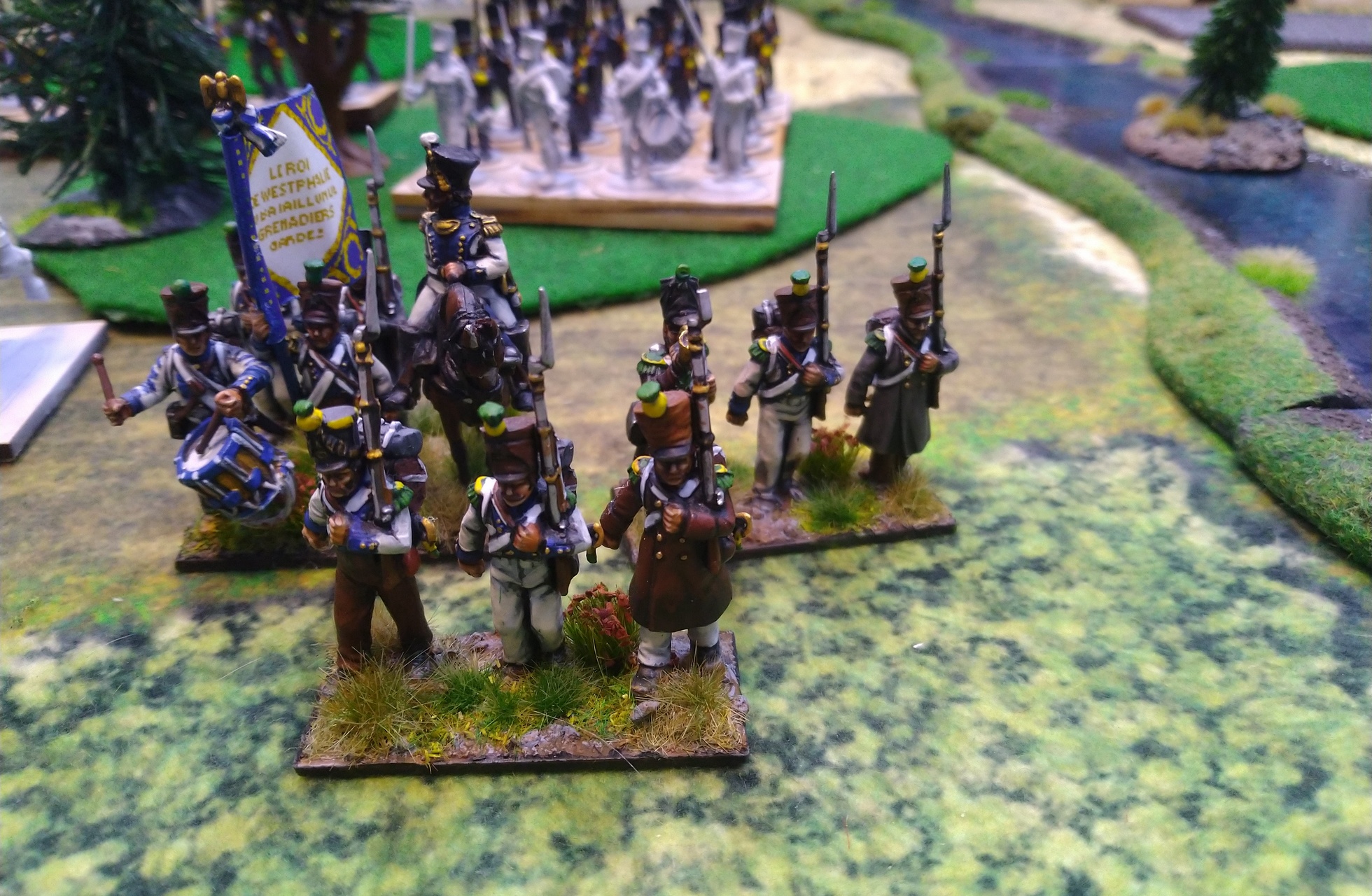
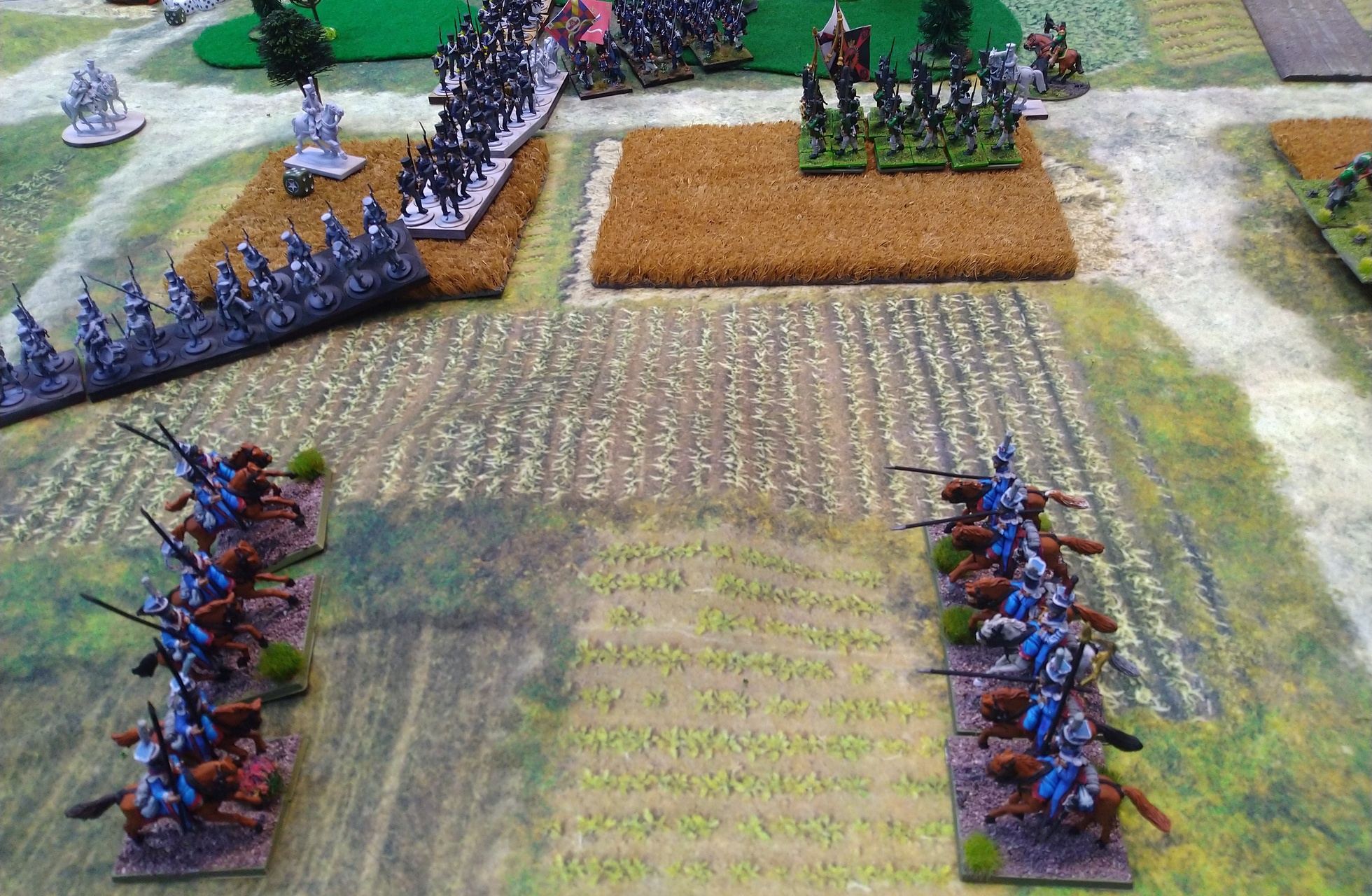
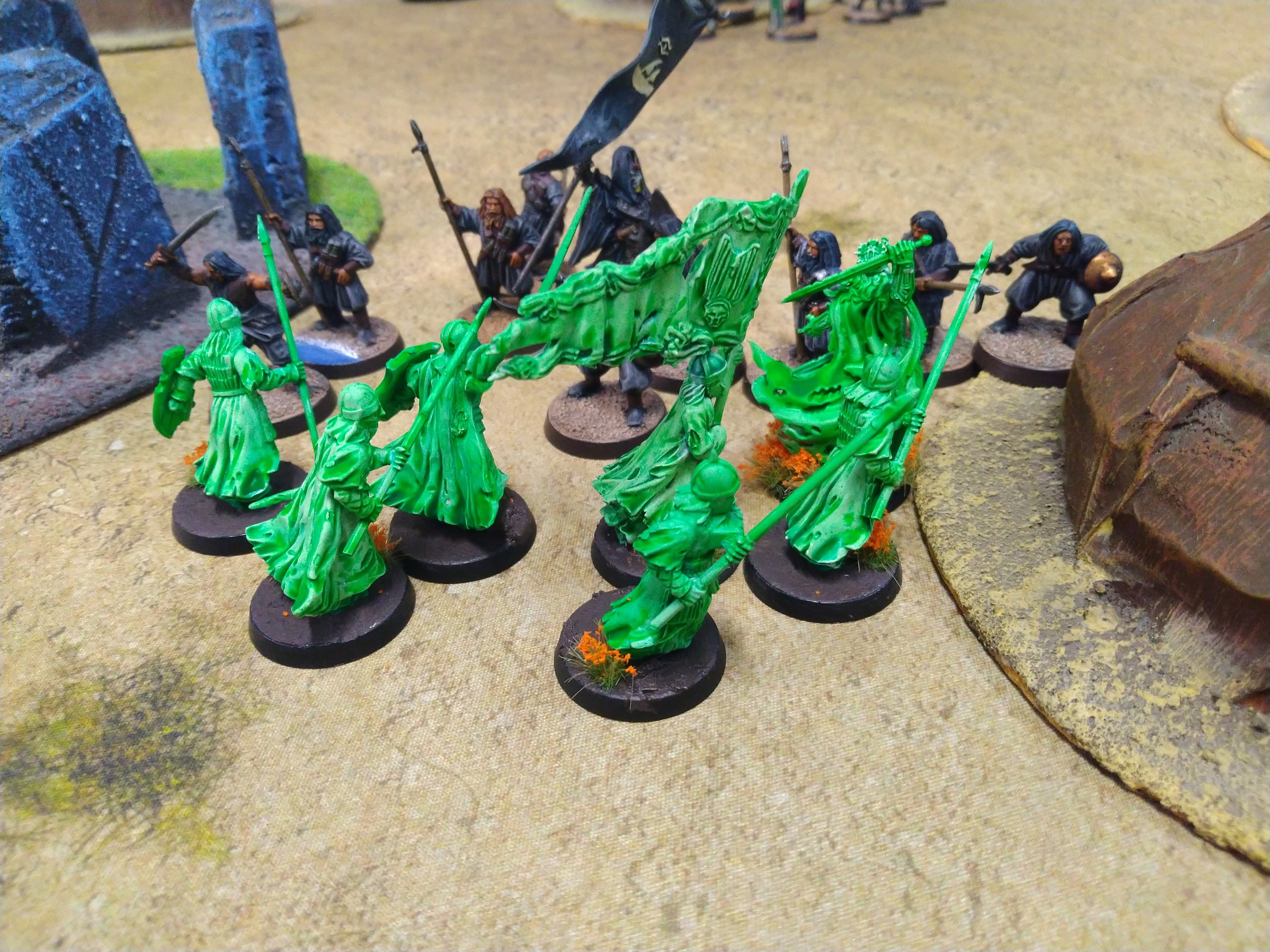
Yesterday we played with Łukasz small game on 500 points per side – we played scenario, where six tokens are placed on the table – one of them is relic. Relic can be found after model get in contact with it and 6 is rolled – then all other tokens are removed from the table.
I found it behind those stones on left.Most important battle, I thought I would be smashed to a dust.Final countdown.
Summary: – it was great game, I won it 11:1 but I was more lucky than usual during our games with Łukasz. Had to paint some Gondor, for some variety of troops.
Today morning I manged to finish base for my newly painted officer – so now my Polish Uhlans will be deployed as separate brigade, never again to be field with infantry and artillery. Now officer is waiting for his second brigade of Don Cossacs.
Today I played on one side with Łukasz playing Soviets, on the other side were Sławek with Germans. With Łukasz our platoons had 2,000 of points and Sławek as defender had 1,500 points – it was test, as usually in reality attackers overhelmed defenders with numbers. The main objectives was to have control over bridge and/or two fords – both fords in points were equal to bridge. In addition Germans could blow up bridge, but no one would earn points for it.
As Soviet military intelligence reported area was full of retreating Germans unit, so assault started in the morning without artillery barrage.
Red Army advances. On the top Łukasz force, on button my platoon.Germans on forward positions covering in the forests.German Panzer IV – one of the best tanks of IInd world war.Soviet sniper (original one is spending time at Marians place).Red Army advances.One of our T-34-85 tanks losed track and started burning. It crew well fought with fire, but after all Fubar was achieved.Everyone advance, Red Banner above them!Panzer IV firing at T-34-85.Soviet tankodesantniki advanced, German mmg fled in advance.Moment later Germans tried to retake position in hand to hand combat. Red Army cleared house from enemy sniper.Advancing toward bridge.Clearing area of bridge. Scouts appeard in turn five.After losing second track T-34-85 crew left they tank.Brave German defenders runned out from trees and throw some grenades into M3 White Scout Car.
Summary: – thank you Łukasz and Sławek for great game. Thanks to Bolter.pl for terrains and table to play. – I’m pretty sure that assaulting troops should have more points than defenders. – it looks like German victory as there were more German troops in area of bridge and fords.
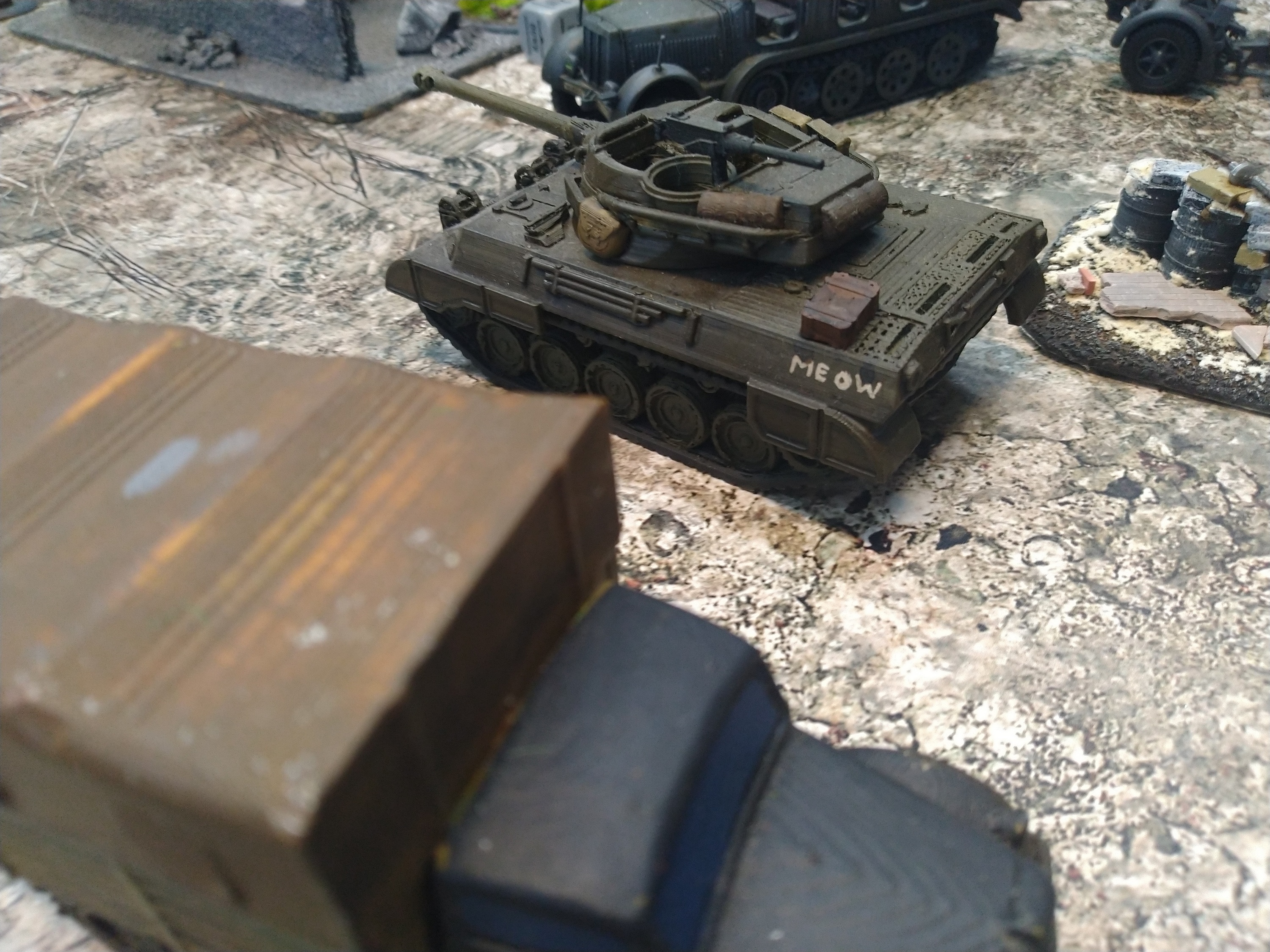
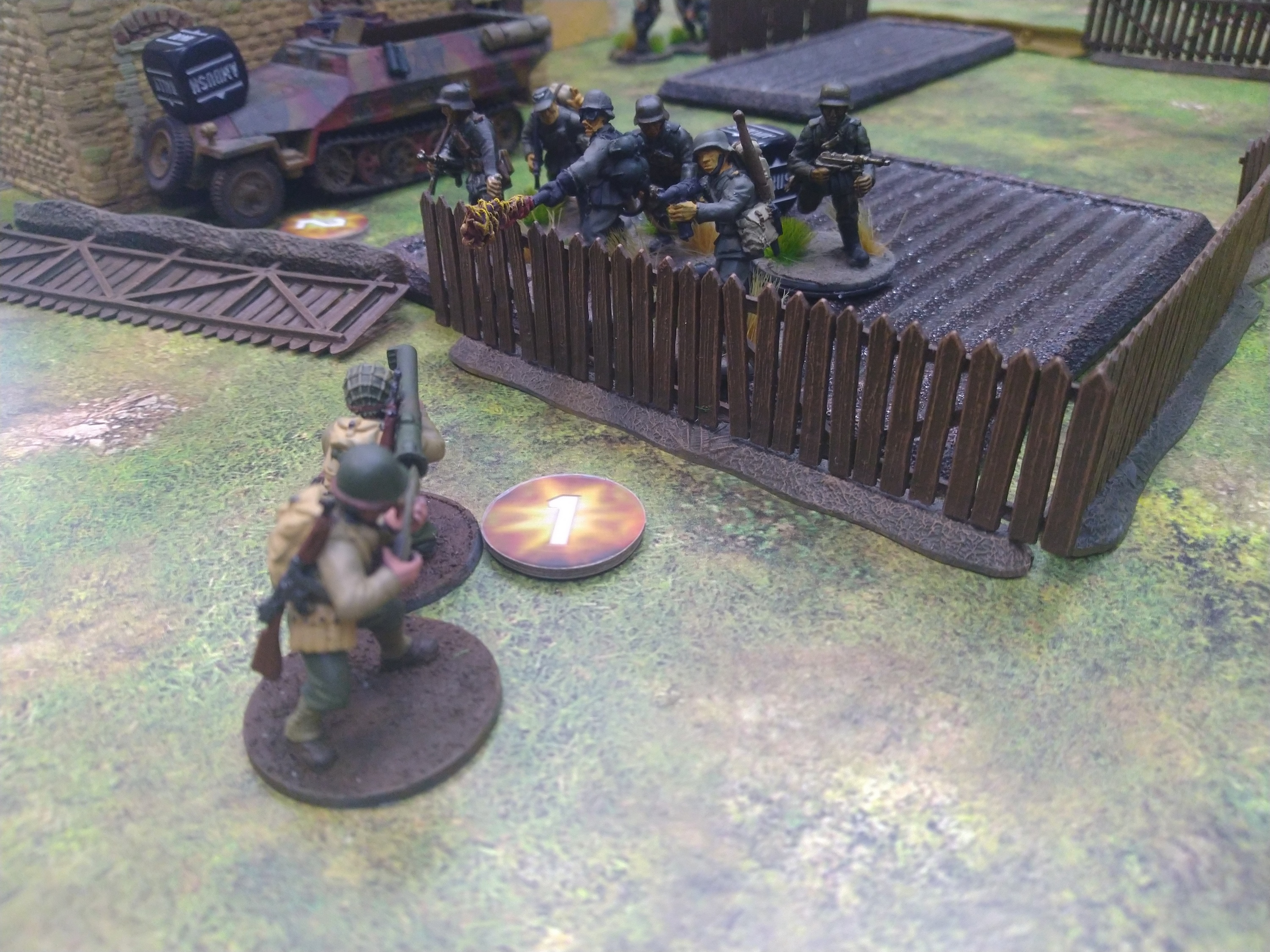
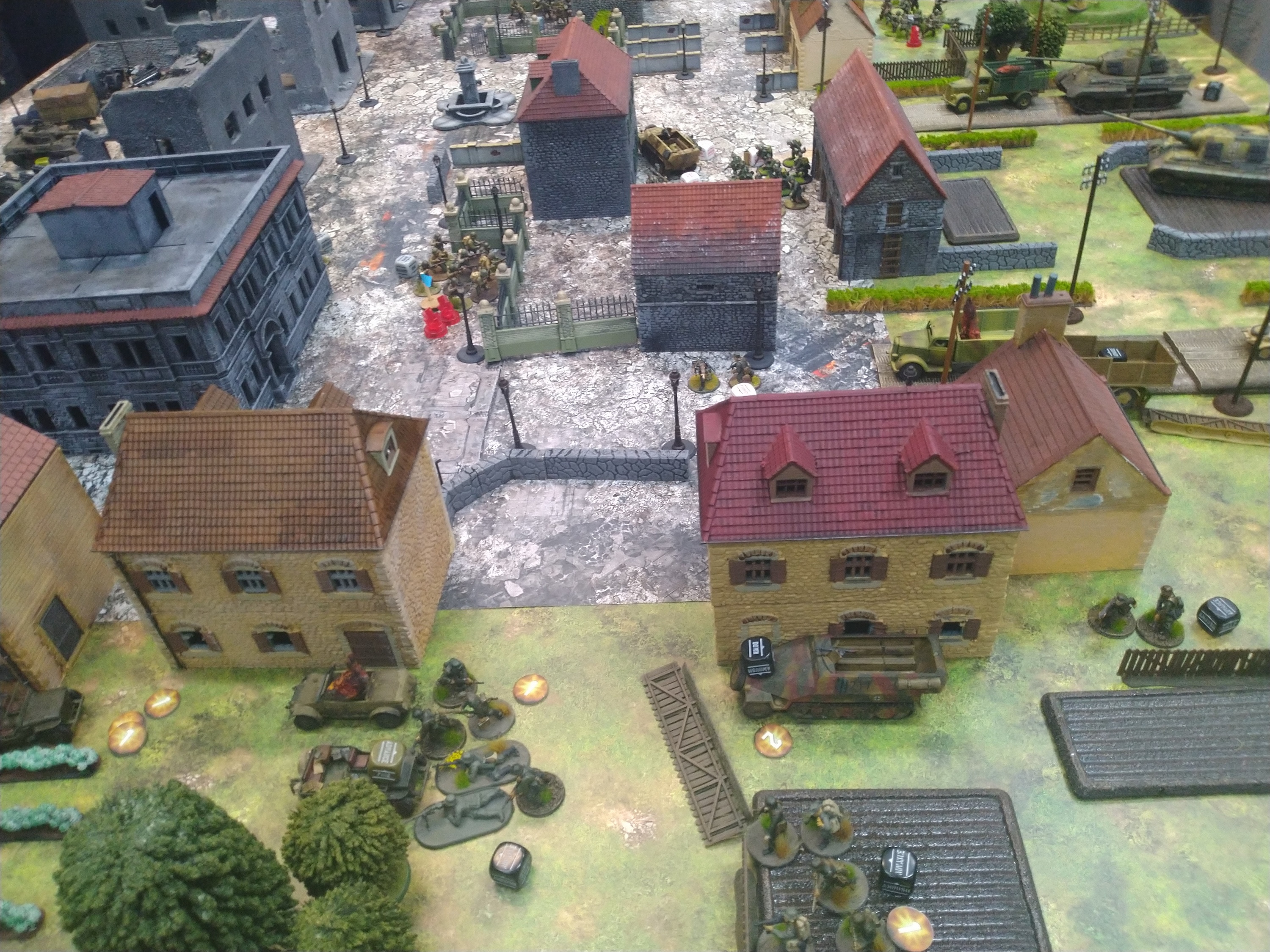
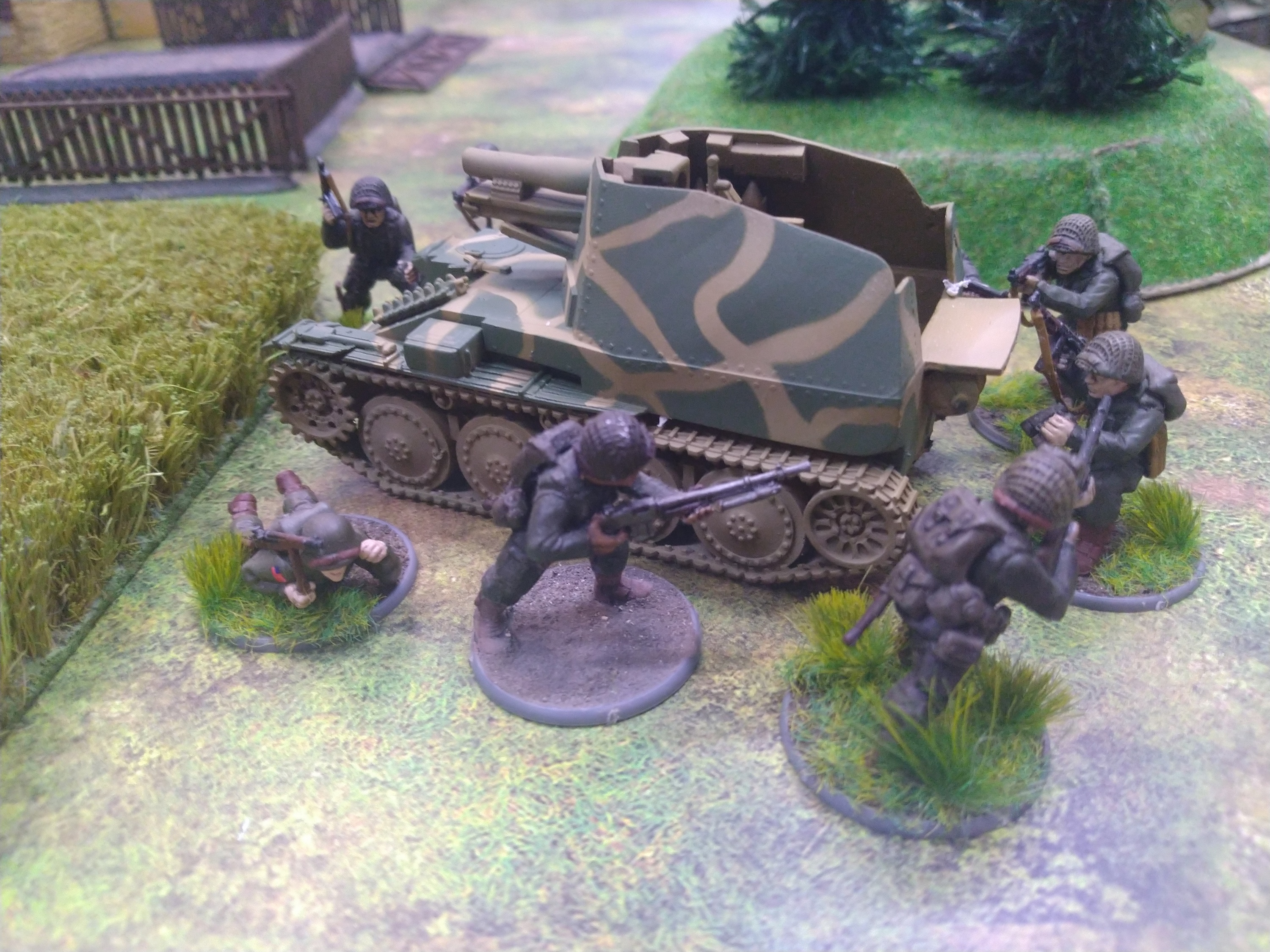
Today (06.06.2022) we played 3rd game of Italian campaign – battle of Termoli – town which has port and road to the north and south Italy. It’s part of games played in Bolter and supported by Polish Institute of Remembrance (called shortly IPN – Instutut Pamięci Narodowej).
Thank you Michał for representing IPN and IPN for support..Thank you for prelection Mr Piotr.Uboat blown up in secret raid of British commandos done on Monday.Left flank covered by British troops.American infantry advance to take control over harbour.Germans have the same plans related to harbour.Right German flank.M10 heading toward railway.Sniper took position.Americans advance into the harbour facilities.Germans try to prevent them.More M10 arrived on the battlefield.British reserves arrived.Panther covering road to the town.Duel beetwen M10 and German tanks of different types.Commandos emerges from they hidenout.Sniper switched position.Panzer from the church.British commandos arrived in poontons.Ubboat started going down.
Summary: – spliting table for several zone areas for Order Dices was great idea, we played six turns. – thank you all for game and for borrowing models for me. – thank you for interesting prelection before game started!
About Audie Murphy – the most decorated American soldier. He took part in Italian campaign.