Middle Earth: SBG – Interview with Kronos_Miniatures (🇬🇧EN/🇵🇱PL) Piątek, Maj 29 2026 

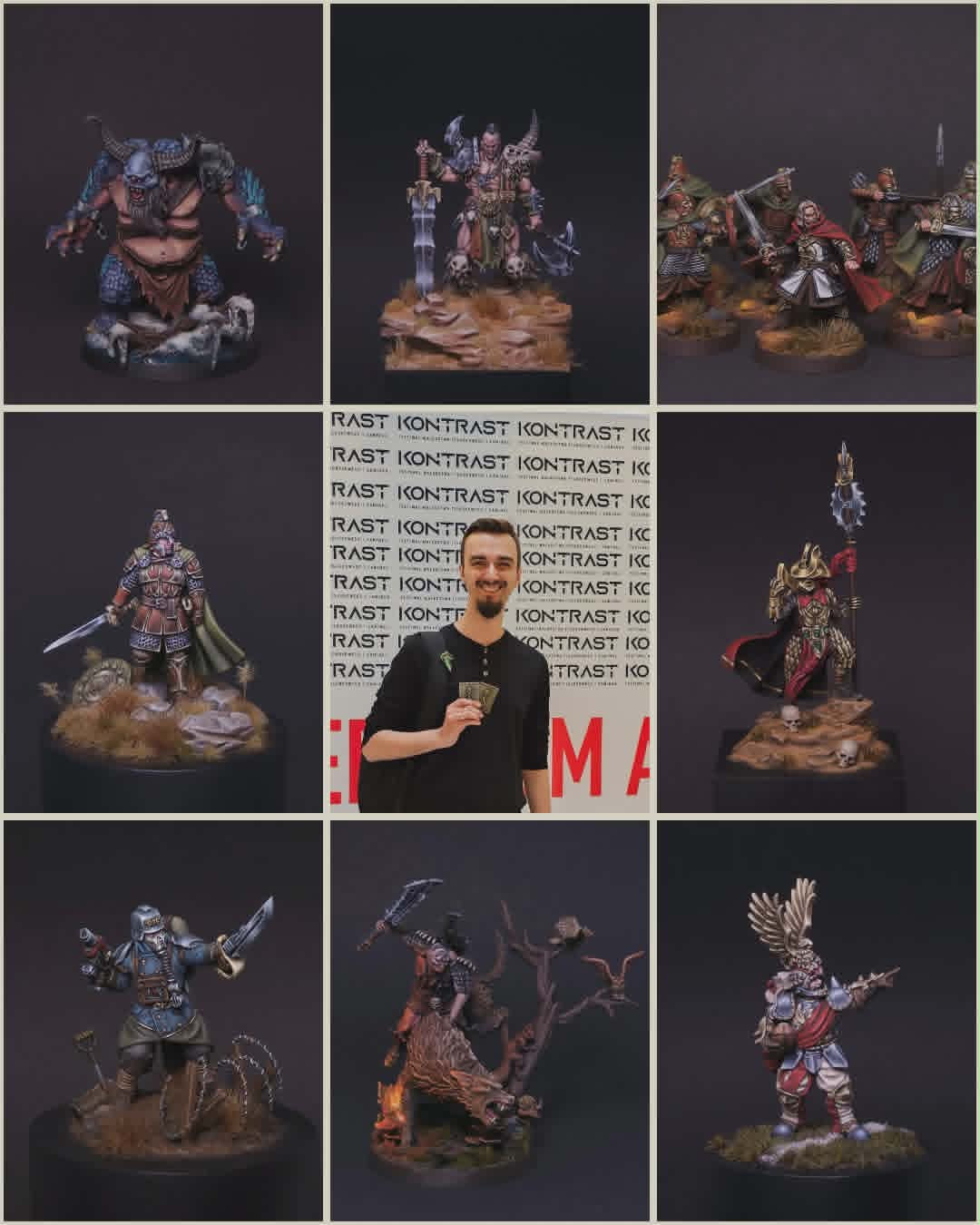
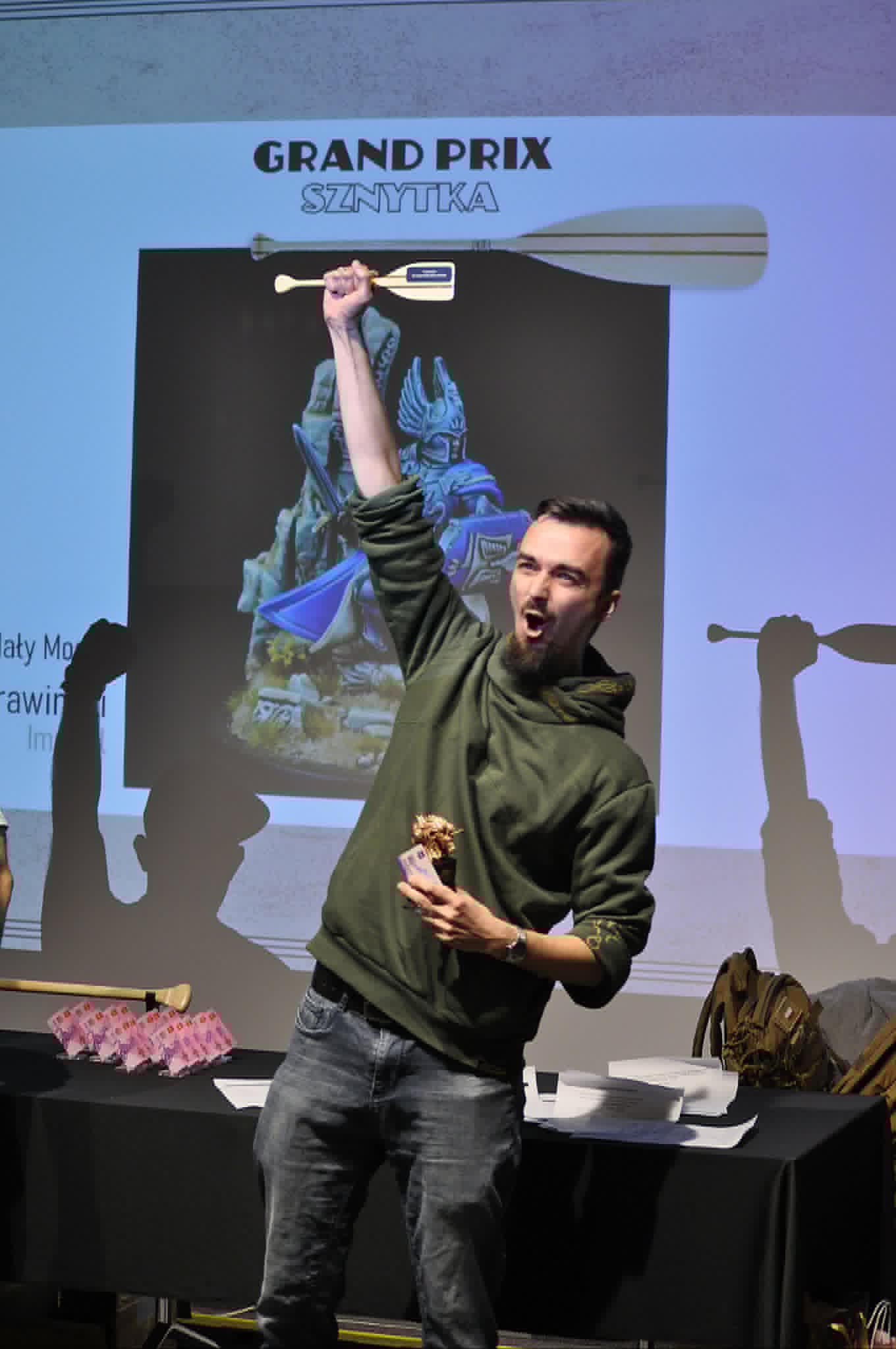
🇵🇱 Za uprzejmością Jakuba „Kronosa” Morawińskiego – członka GBW, utalentowanego malarza, który w tym roku ruszył ze swoimi pracami na podbój konkursów malarskich.

1. Jak i kiedy zaczęła się Twoja przygoda z Middle-earth: SBG i co najbardziej Cię przyciągnęło do tego systemu?

Przygoda zaczęła się podobnie jak dużej części z nas, mianowicie od gazetek wydawanych w okolicy 2004 roku. Uniwersum Tolkiena działało mocno na młody umysł, a okres wokół premier filmów był wtedy mocno hypowany czy w postaci kart w chipsach choćby, więc nietrudno było trafić też na figurki.

2. Co przyszło u Ciebie najpierw – granie czy malowanie figurek? A może obie rzeczy naraz?

Pierwsze było malowanie – od dziecka mnie do tego ciągnęło choć z mizernym efektem, niemniej jednak to był mój pierwszy kontakt z modelami, pierwsze farby akrylowe itd. Granie przyszło kilka lat później, ale zawsze szło w parze z malowaniem.

3. Która armia w Middle-earth: SBG jest Twoją ulubioną i dlaczego właśnie ona?

Od początków mojej przygody z ME mam jakąś niezrozumiałą sympatię do Isengardu jest to o tyle śmieszne, że ostatnio nią grałem chyba z 10 lat temu jak nie dawniej. Wynika ona prawdopodobnie z filmów i sekwencji polowania Lurtza na Drużynę oraz oblężenia Helmowego Jaru, które to sceny są jednymi z moich ulubionych. Aktualnie natomiast zarówno wizualnie jak i gameplayem najbardziej pasują mi Defendersi Helmowego Jaru i Harad.

4. Czy przy wyborze armii bardziej kierujesz się jej siłą na stole, wyglądem modeli czy klimatem świata Tolkiena?

To nie jest zero-jedynkowa kwestia bo zależy czy gram w duecie/drużynie czy solo natomiast prawdą jest, że o wiele przyjemniej gra mi się modelami, które podobają mi się wizualnie.

5. Który model albo bohater sprawił Ci najwięcej radości podczas malowania?

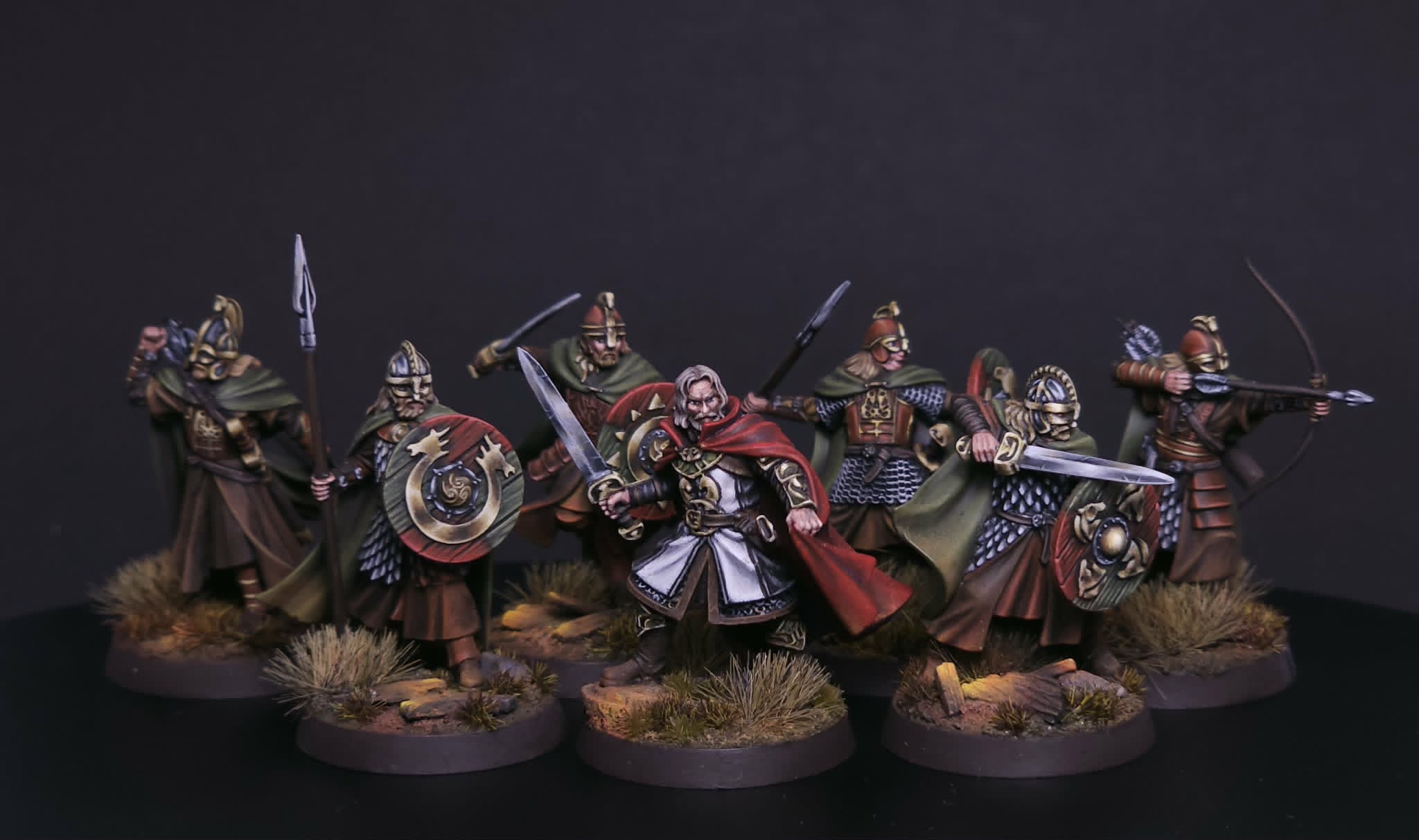
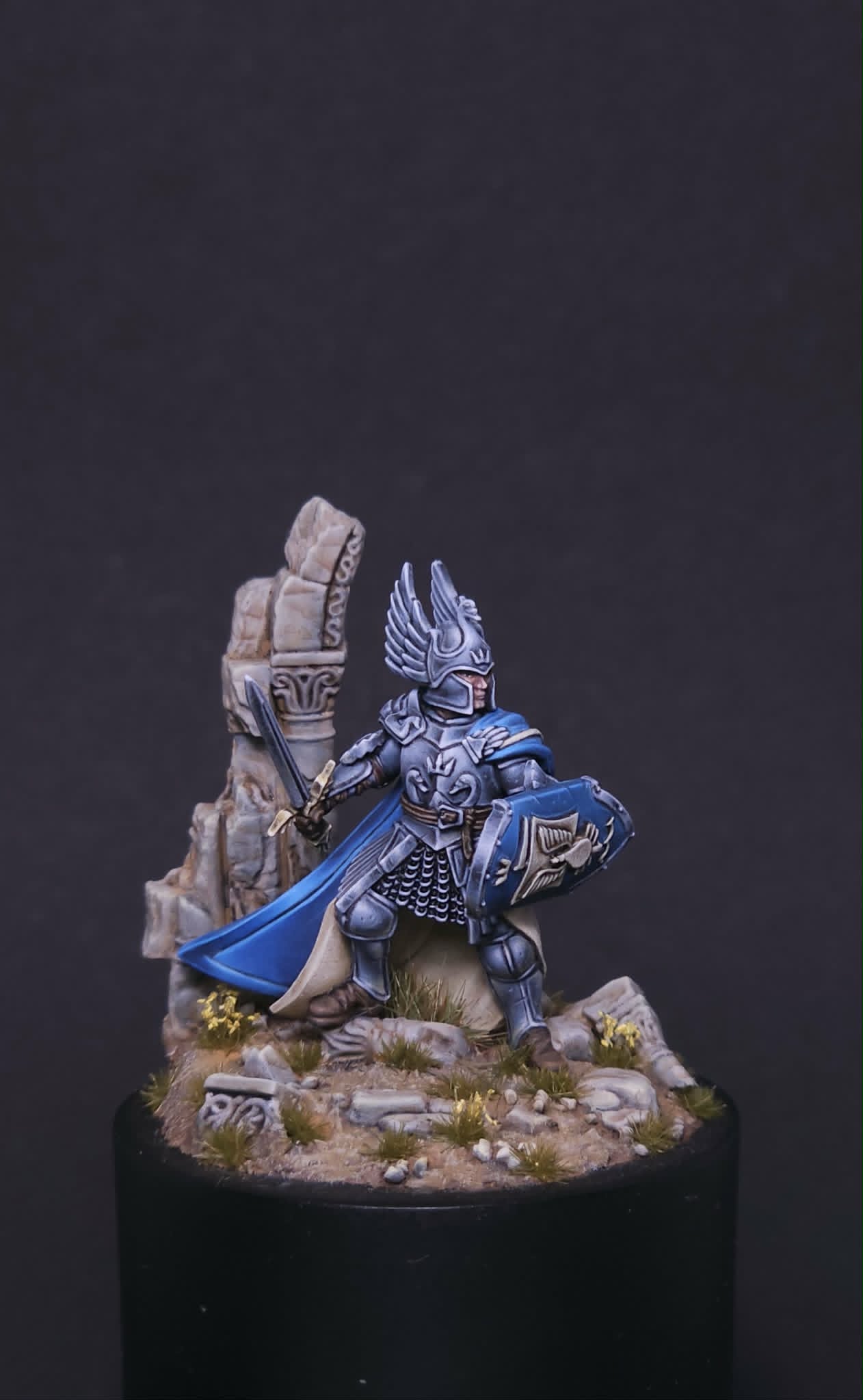
Tyle ich było a Ty każesz mi wybrać jeden? 😀 Generalnie bardzo lubię malować bohaterów Rohanu, zwłaszcza nowe rzeźby. Bardzo wpisują się w mój styl malarski i czuję ich klimat, więc postawiłbym na plastikowego Theodena czy też nowego Haletha z WofR. Jest też coś nad czym właśnie pracuje z LotRa ale nie chcę jeszcze odkrywać kart – poczekajmy do Kontrastu 😛 Bardzo dużo funu miałem też malując Imrahila.

6. Czy masz swój ulubiony styl malowania figurek do Middle-earth: SBG – bardziej filmowy, książkowy, realistyczny czy może własny?

Mam swój comfort-zone, który aktualnie łamię malując modele Warhammera 40k, natomiast jeśli chodzi stricte o LotRa to lubię malować w sposób dość stonowany ale kontrolowany. Powiedziałbym, że to taki low-fantasy. Co do schematów/kolorystyk i innych to nie ograniczam się do lore-accurate tak jak przy malowaniu armii Lenników ale też doceniam filmowe klimaty Rohanu czy elfów. W malowaniu konkursowym z kolei często inspiruję się ekranizacjami lub concept-artami popularnymi w kulturze masowej.

7. Jak wygląda u Ciebie proces pracy nad armią: najpierw rozpiska, potem malowanie, czy odwrotnie?

Niezależnie czy to armia czy model displayowy zawsze lubię mieć plan zanim zacznę realizację. Jeśli to armia to są to konkretnie dobrane modele, odpowiednio złożona z nich rozpiska, jasny plan na ich malowanie i dopiero jak faza pracy „w głowie” jest zamknięta, przechodzę do konkretów. Tak samo z modelami displayowymi – tu nacisk na fazę wstępną kładę jeszcze większy, dziesiątki concept-artów, wizualizacji, szkiców dobranych schematów kolorystycznych – słowem, mój telefon pęka już w szwach od materiałów ze zrealizowanych i przyszłym projektów.

8. Czy masz model albo oddział, z którego jesteś najbardziej dumny? Czy mogę prosić o ich zdjęcia?

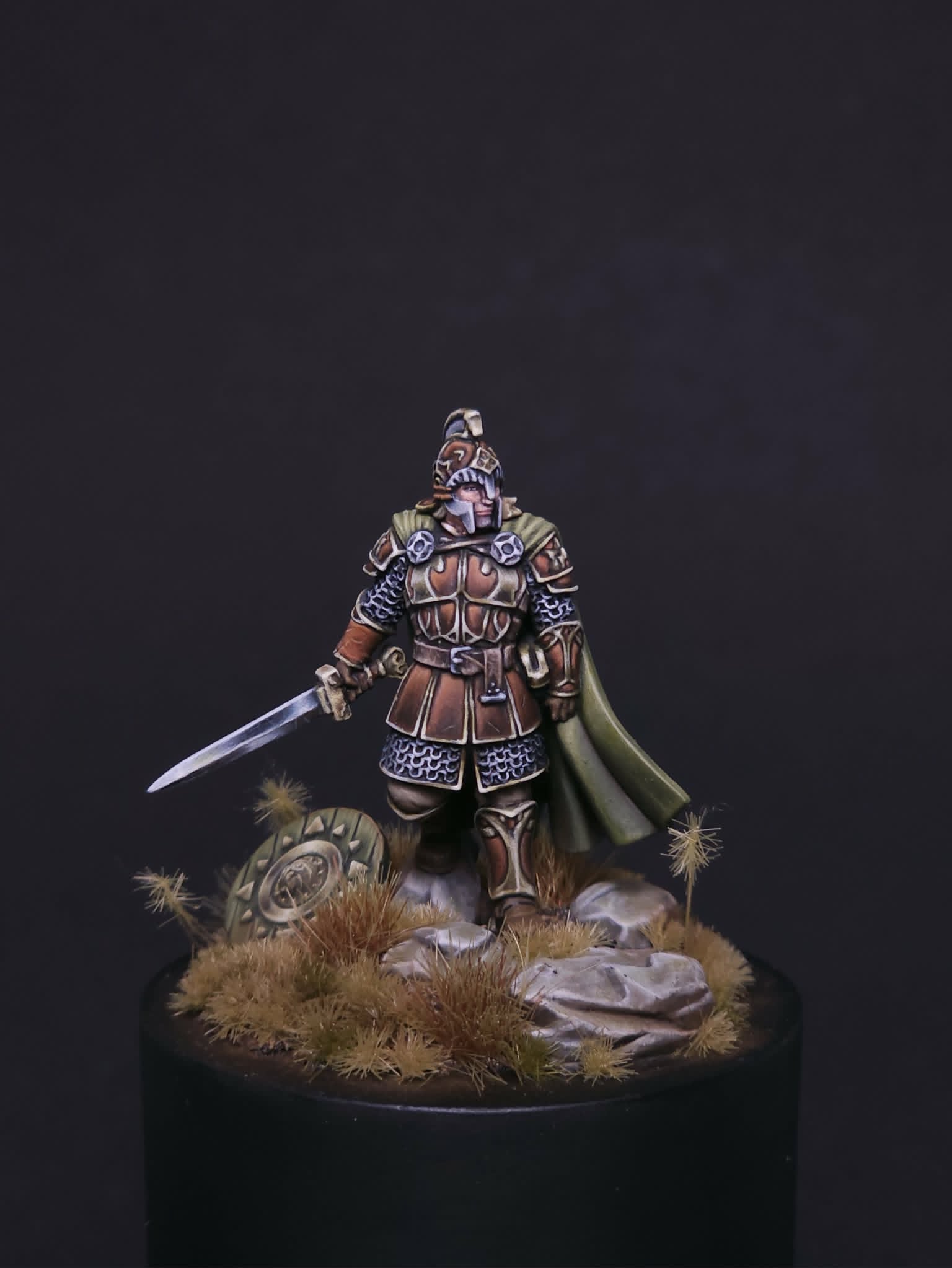
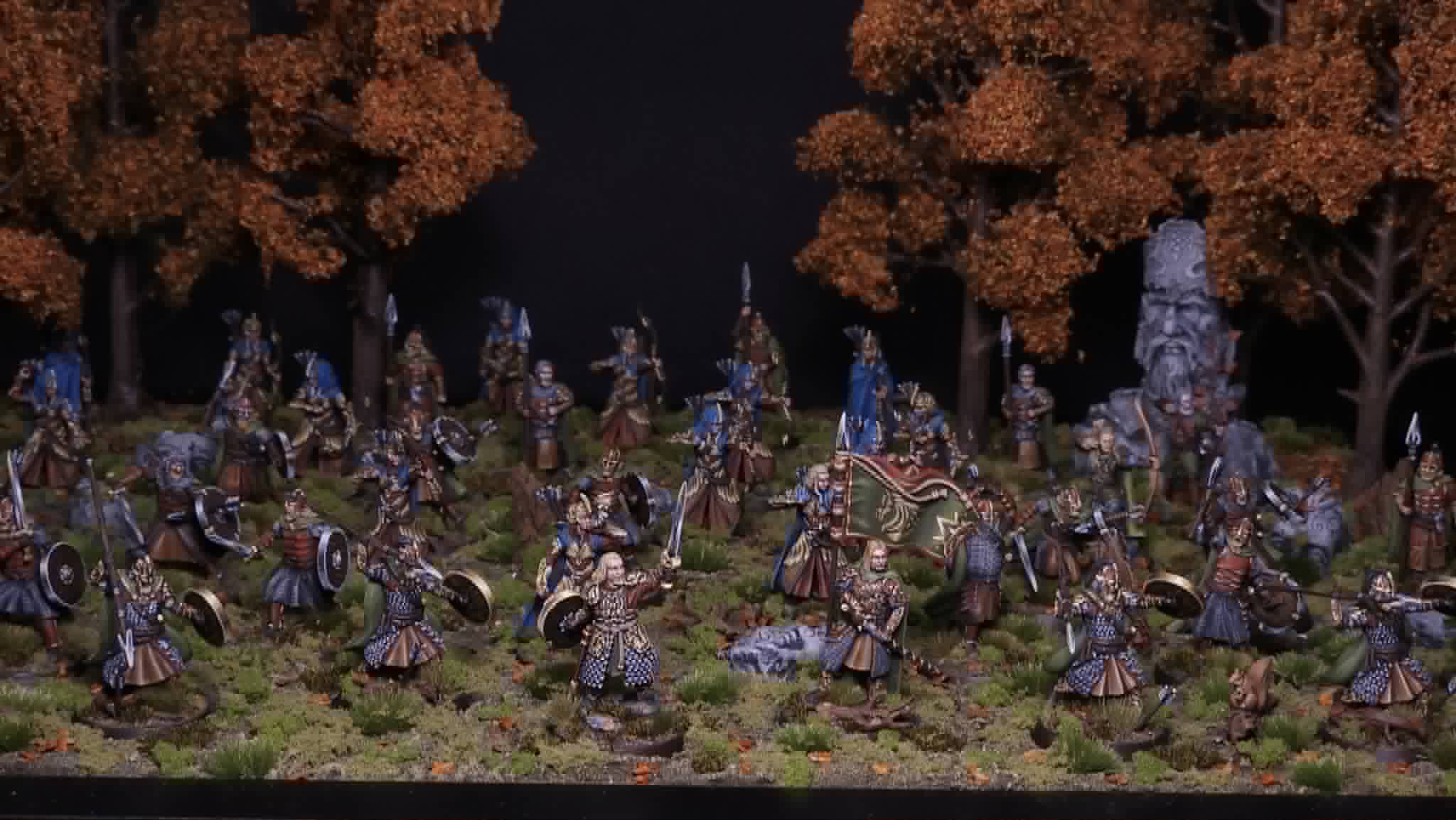
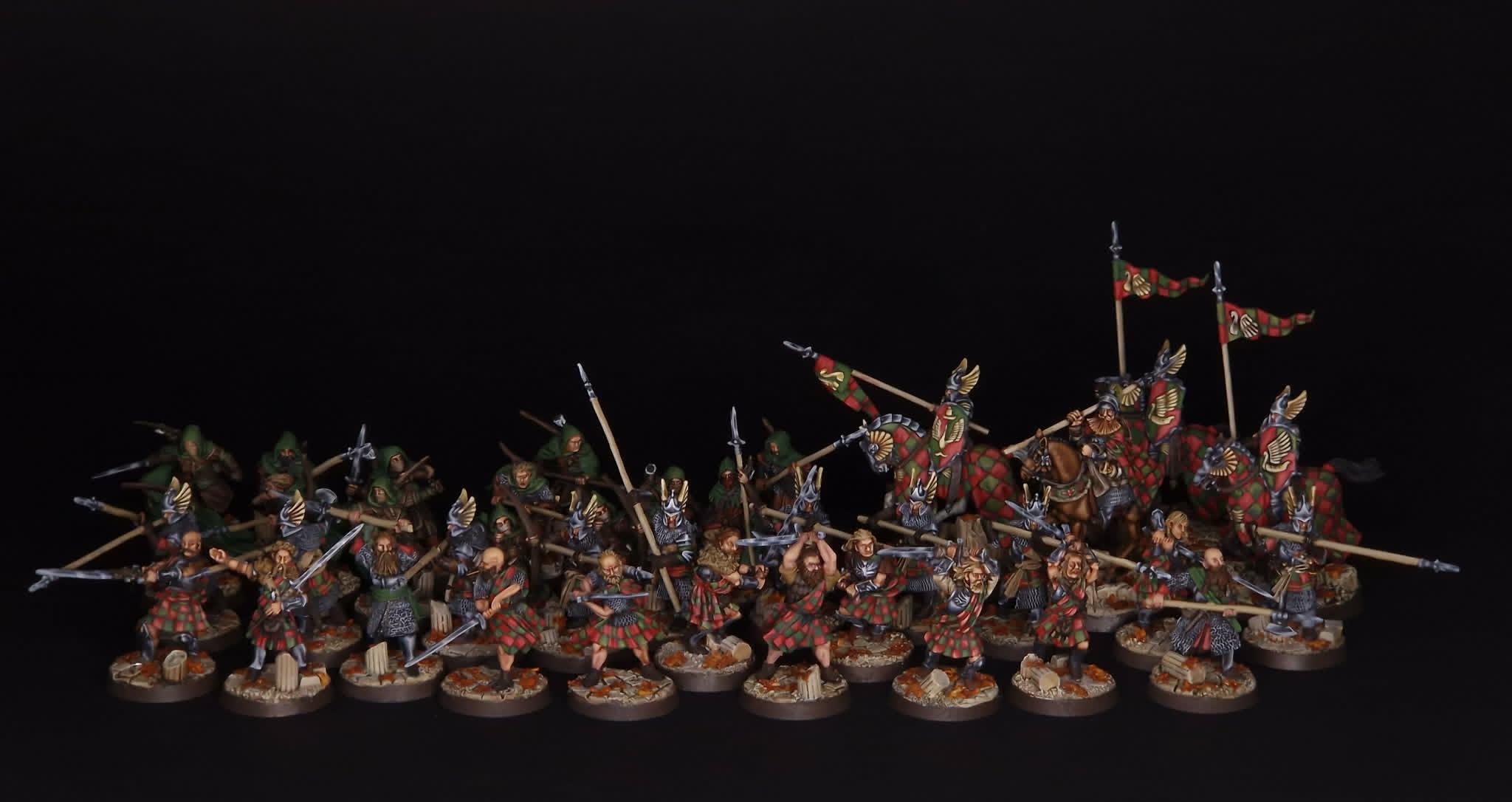
Z wielu prac jestem bardzo zadowolony i we wszystkich widzę też braki, które można by wyciągnąć, ale to niekończąca się historia. Jestem bardzo zadowolony np. ze swojej armii „kratkowanych” Lenników, Galadhrimów czy Rohanu. Nad wszystkimi spędziłem setki godzin i obecnie czuje, że bym tego nie powtórzył, z uwagi na obecny cel jaki obrałem w malowaniu. Z modeli, muszę przyznać, że najbardziej jestem zadowolony z Imrahila. Uważam tą pracę za definicję mojego stylu malowania i wyciągnięcia większości wniosków z dotychczasowej drogi malarskiej (Całkiem możliwe, że niedługo jego miejsce zajmie coś nowego :P).

9. Która armia była dla Ciebie najtrudniejsza do pomalowania i z jakiego powodu?

Jeśli chodzi o armię, to najtrudniejsze chyba były wspomniane wcześniej lenna, masa kratkowanych szat + NMMy na 40+ modelach to było wyzwanie. Była to też w sumie chyba pierwsza armia na której stosowałem non-metalic. Ahh no i zdecydowanie najtrudniejsza dla mnie okazała się armia Easterlingów, którą założyłem sobie do pomalowania też w NMM), która po cesarzu i kilku modelach przerosła mnie czasowo i od dłuższego czasu czeka i czeka… i się raczej prędko nie doczeka.

10. Jakie znaczenie ma dla Ciebie pełne pomalowanie armii przed wystawieniem jej na stół?

Szczerze mówiąc – kluczowe. Jestem wyczulony na punkcie estetyki modeli, bardzo rzadko gram modelami niepomalowanymi a tak jak już wspominałem – o wiele więcej przyjemności przynosi mi granie ładnie pomalowaną armią (i najlepiej na przeciwnika z równie ładną). Jestem wyznawcą, że hobbystyka jest integralną częścią tej gry.

11. Co sprawia Ci większą satysfakcję: osiągnięcia w konkursie malarskim czy zwycięstwo na turnieju w Middle-earth: SBG?

Z całą pewnością do pierwsze. Zwłaszcza jeśli mówimy tu stricte o konkursach malarstwa figurkowego, zdobycie medalu za pracę nad którą spędziłem 100+ godzin to niesamowita satysfakcja i zwieńczenie masy pracy.

12. Jaką jedną radę dałbyś osobie, która dopiero zaczyna swoją przygodę z malowaniem i graniem w Middle-earth: SBG?

Do zaczynających grać – grajcie tym co najbardziej podoba Wam się klimatem/wizualnie, nie zwracajcie uwagi na metę! A co do malowania, wymaga ono mnóstwa cierpliwosci, więc jeśli chcecie efektów, nie spieszcie się i nic na siłę.
Z pozdrowieniami,
Kronos i Tancred

P.S. Prace Kronosa możecie podziwiać na jego Instagramie: https://www.instagram.com/kronos_miniatures/

🇬🇧 Courtesy of Jakub „Kronos” Morawiński – a member of GBW and a talented painter, who this year has begun taking his work to painting competitions.

1. How and when did your adventure with Middle-earth: SBG begin, and what attracted you most to the system?

My adventure began much like it did for many of us – with the magazines that were being published around 2004. Tolkien’s universe had a strong effect on a young mind, and the period around the film premieres was hugely hyped at the time, whether through things like collectible cards in crisps or otherwise, so it was not hard to come across the miniatures as well.

2. What came first for you – playing or painting miniatures? Or perhaps both at the same time?

Painting came first – I had been drawn to it since childhood, even if the results were rather modest. Still, that was my first contact with miniatures, my first acrylic paints, and so on. Playing came a few years later, but it always went hand in hand with painting.

3. Which army in Middle-earth: SBG is your favourite, and why that one?

Since the very beginning of my journey with Middle-earth, I have had some inexplicable fondness for Isengard. It is funny, because I think the last time I actually played it was about ten years ago, if not longer. That fondness probably comes from the films – especially the sequence of Lurtz hunting the Fellowship and the siege of Helm’s Deep, which remain some of my favourite scenes. At the moment, however, both visually and in terms of gameplay, I am most drawn to the Defenders of Helm’s Deep and Harad.

4. When choosing an army, do you care more about its strength on the table, the look of the models, or the atmosphere of Tolkien’s world?

It is not really a black-and-white matter, because it depends on whether I am playing in a pair/team or solo. But it is true that I enjoy playing much more with models that I like visually.

5. Which model or hero has given you the most joy while painting?

There have been so many, and you want me to choose just one? 😀
In general, I really enjoy painting Rohan heroes, especially the newer sculpts. They fit my painting style very well and I really feel their atmosphere, so I would probably choose the plastic Théoden or the new Haleth from War of the Ring. There is also something from The Lord of the Rings that I am working on right now, but I do not want to reveal my cards just yet – let us wait until Kontrast 😛 I also had a great deal of fun painting Imrahil.

6. Do you have a favourite style of painting miniatures for Middle-earth: SBG -more film-like, book-inspired, realistic, or perhaps your own?

I have my own comfort zone, which I am currently breaking out of by painting Warhammer 40,000 models. But when it comes strictly to The Lord of the Rings, I like to paint in a fairly subdued yet controlled way. I would say it is a kind of low fantasy style. As for schemes, colour choices, and so on, I do not limit myself to being strictly lore-accurate, as I did when painting my Fiefdoms army, but at the same time I also appreciate the cinematic feel of Rohan or the Elves. In competition painting, on the other hand, I often take inspiration from film adaptations or concept art popular in mainstream culture.

7. What does your process of working on an army look like: army list first and then painting, or the other way round?

Whether it is an army or a display model, I always like to have a plan before I start. If it is an army, that means specifically chosen models, a properly built list using them, a clear painting plan, and only once the “mental work” phase is complete do I move on to the practical side. It is the same with display models – only there I place even more emphasis on the preparation stage: dozens of concept artworks, visual references, sketches, selected colour schemes. In short, my phone is already bursting at the seams with materials from finished and future projects.

8. Do you have a model or unit you are most proud of? Could I ask for photos of them?

There are many works I am very happy with, and in all of them I can also see flaws that could be improved – but that is an endless story. I am very pleased, for example, with my army of chequered Fiefdoms, my Galadhrim, and my Rohan force. I spent hundreds of hours on all of them, and at the moment I feel I would not be able to repeat that, given the direction I have now chosen in painting. As for individual models, I have to admit that I am proudest of Imrahil. I consider that piece the definition of my painting style and the result of drawing most of the lessons from my journey as a painter so far. (It is entirely possible that something new will soon take his place :P)

9. Which army was the hardest for you to paint, and why?

If we are talking about an army, then probably the hardest were the Fiefdoms I mentioned earlier. A mass of chequered robes plus NMM on more than 40 models was quite a challenge. It was also, I think, the first army where I used non-metallic metal throughout. And yes, the hardest of all for me turned out to be the Easterlings army, which I also decided to paint in NMM. After painting the Emperor and a few more models, it simply became too time-consuming for me, and it has been waiting ever since… and it probably will not be finished any time soon.

10. How important is it to you to have a fully painted army before putting it on the table?

Honestly – it is crucial. I am very sensitive when it comes to the appearance of models. I play with unpainted miniatures very rarely, and as I mentioned before, I get far more enjoyment from playing with a nicely painted army – ideally against an equally well-painted one. I believe that the hobby side is an integral part of this game.

11. What gives you greater satisfaction: success in a painting competition or victory in a Middle-earth: SBG tournament?

Definitely the former. Especially if we are talking strictly about miniature painting competitions – winning a medal for a piece I spent 100+ hours on is an incredible feeling and the culmination of a huge amount of work.

12. What one piece of advice would you give to someone who is just starting their adventure with painting and playing Middle-earth: SBG?

For those who are starting to play – play what appeals to you most in terms of atmosphere and visuals; do not pay attention to the meta. And as for painting, it requires a lot of patience, so if you want results, do not rush and do not force anything.

Best regards,
Kronos and Tancred

P.S. Kronos works are avaible on his Instagram: https://www.instagram.com/kronos_miniatures/


Interview with Jędrzej from Team Poland, winners of WTC in Bolt Action 2026 (🇬🇧EN/🇵🇱PL) Wtorek, Maj 26 2026 

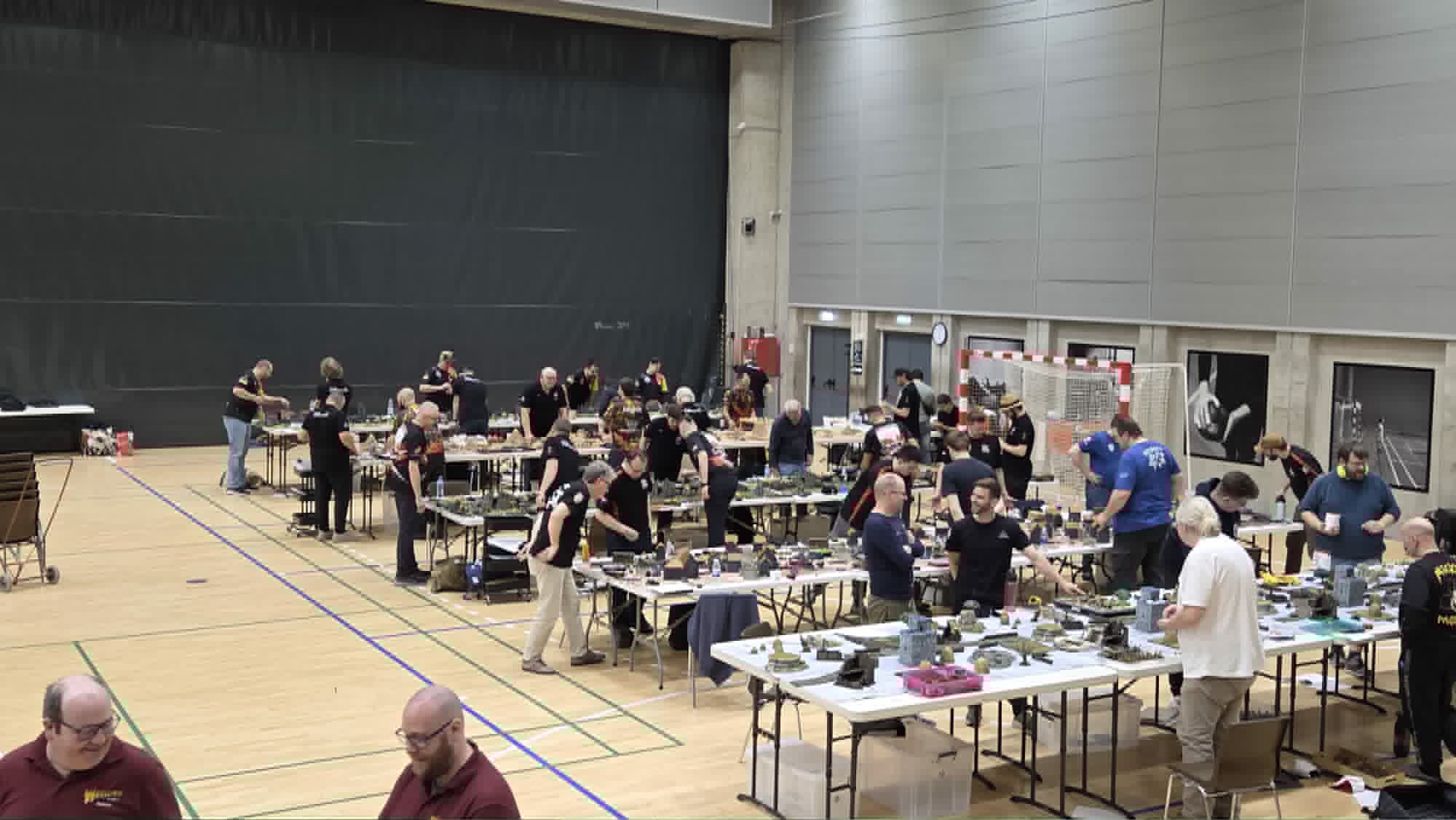
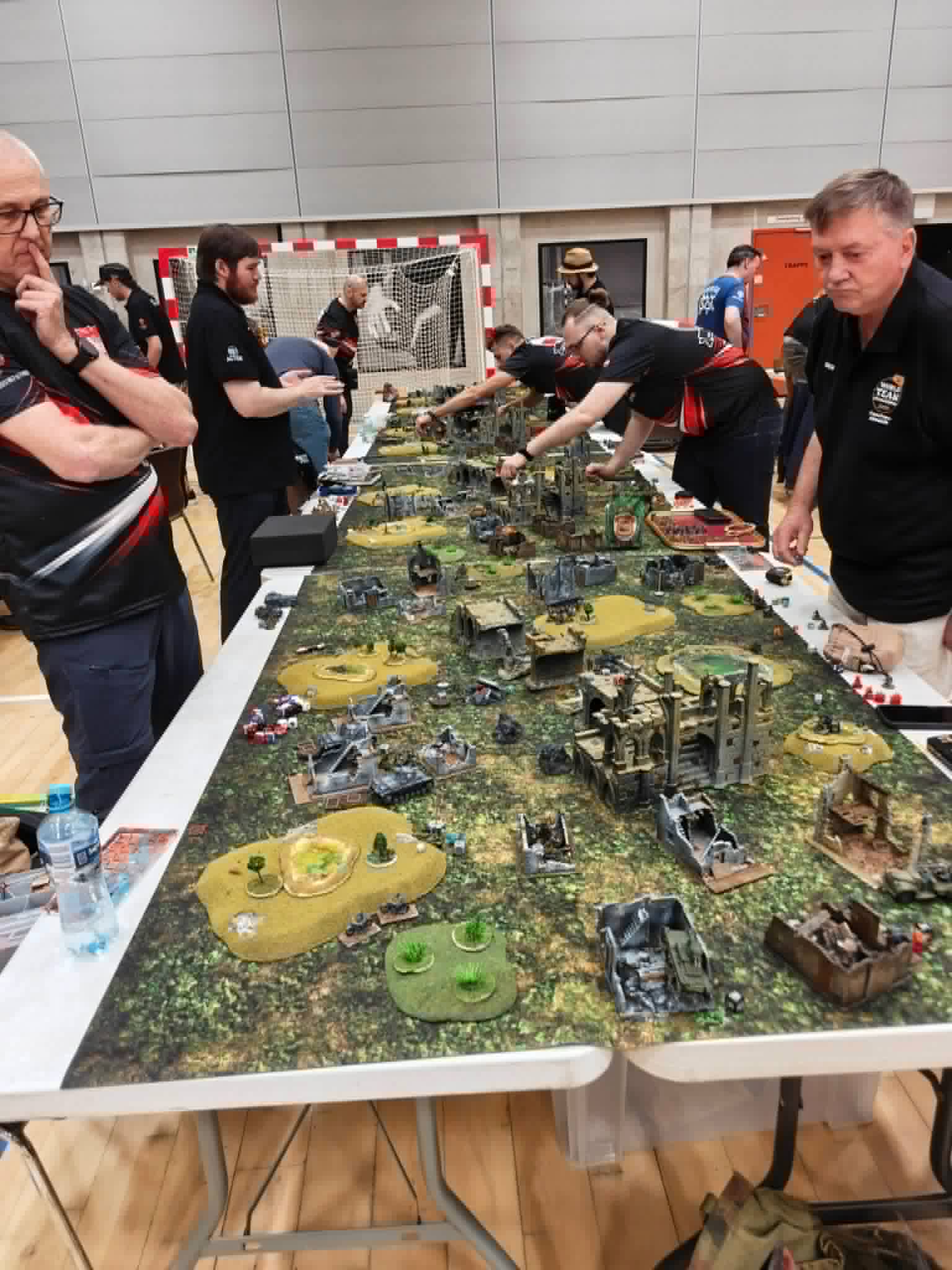
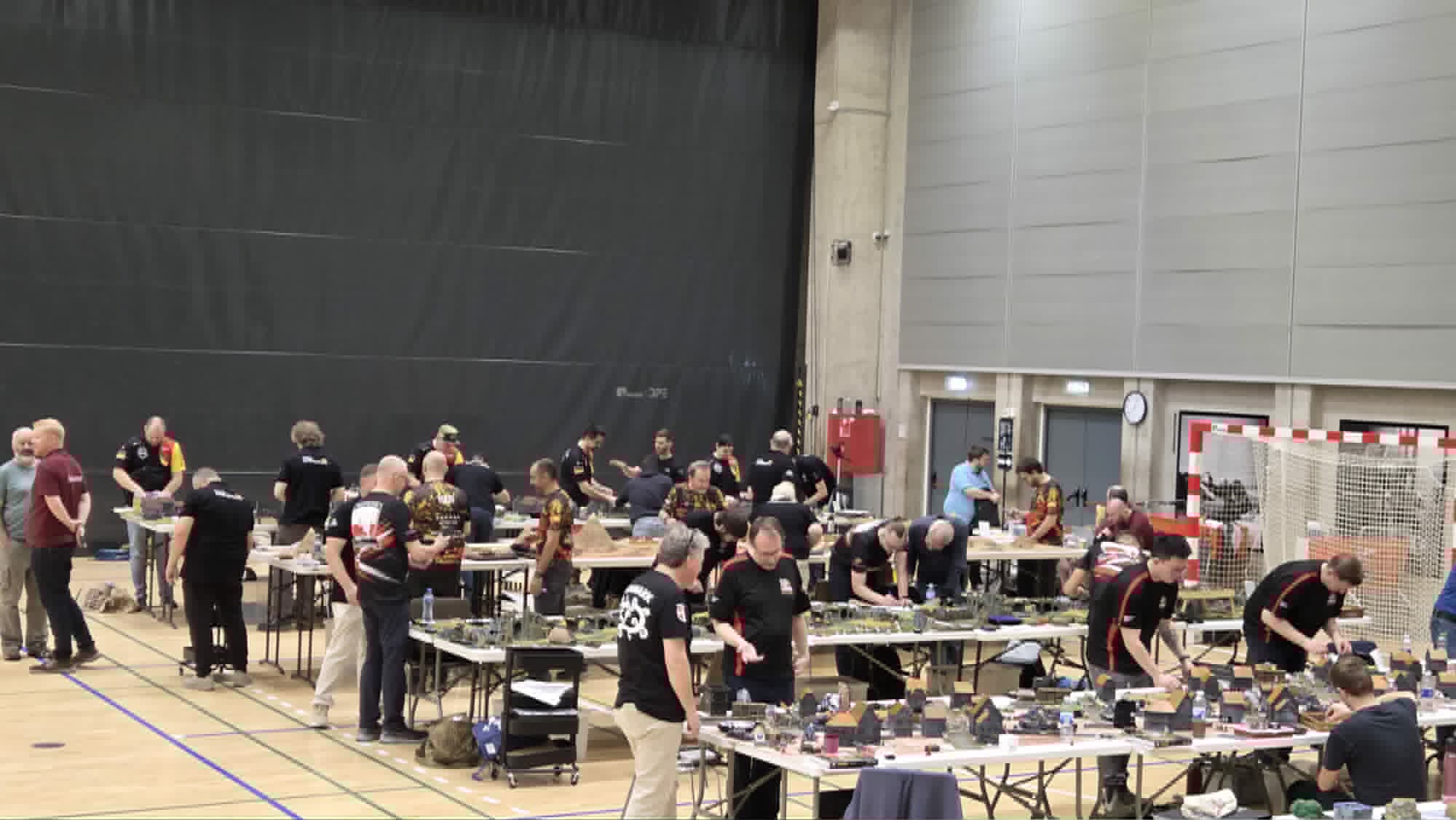
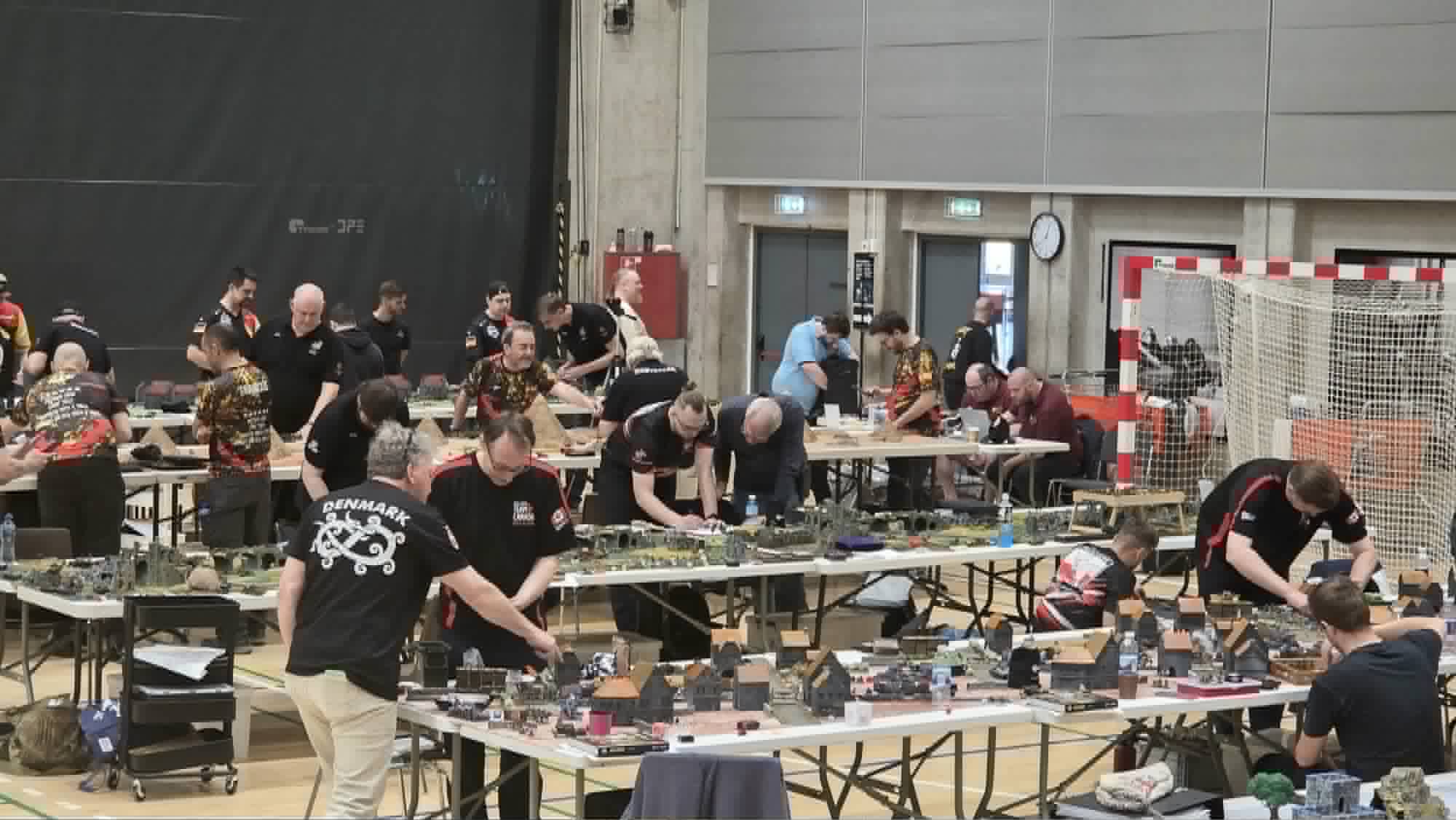
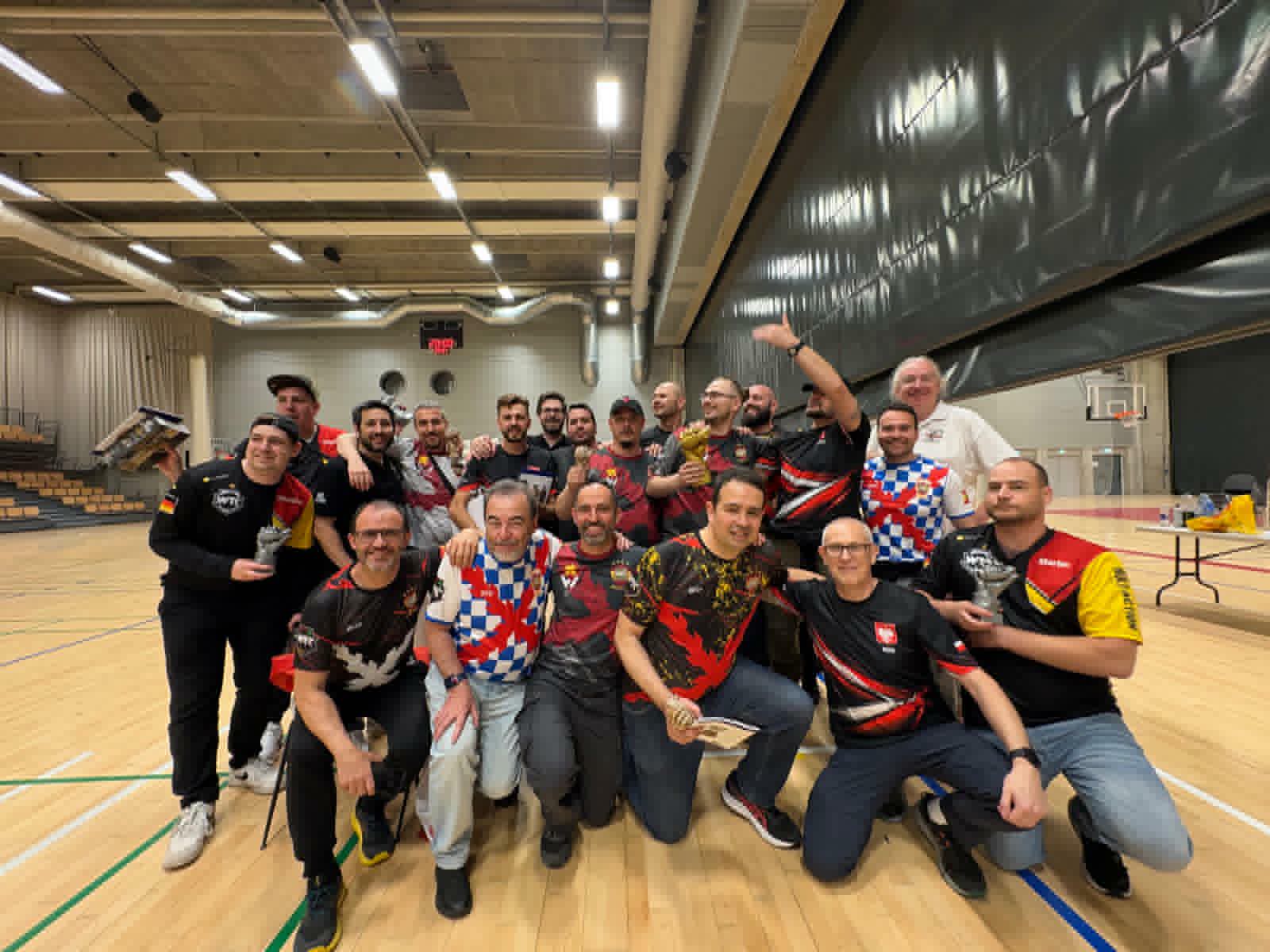
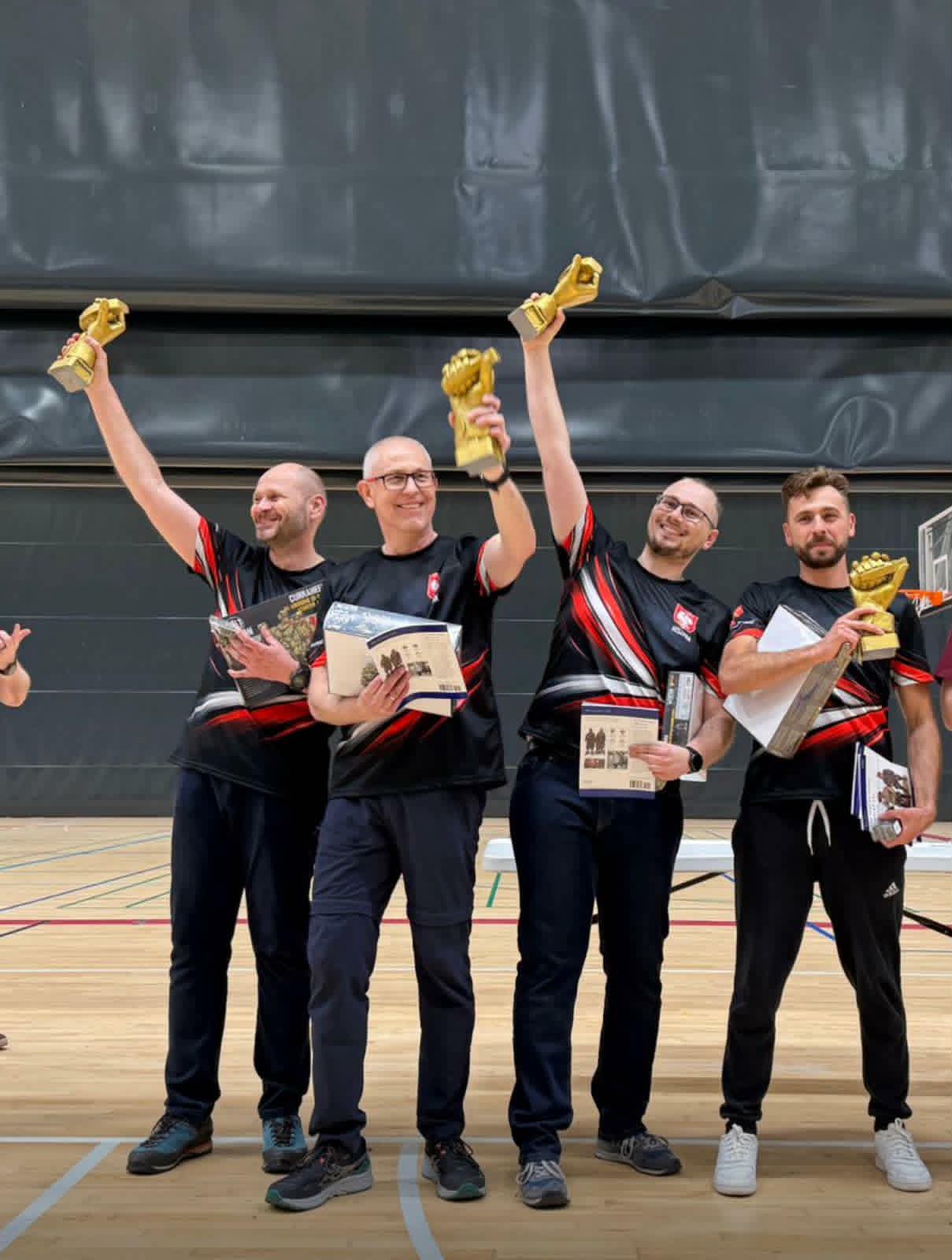
🇵🇱 Przed Wami wywiad z Jędrzejem Paluszyńskim, jednym z członków zwycięskiej, polskiej drużyny w międzynarodowych, Drużynowych Mistrzostwach Świata w Bolt Action, które odbyły się w dniach 9-10 maja w Kopenhadze. O wynikach czy rozpiskach możecie przeczytać TUTAJ. Tymczasem przejdźmy do Jędrzeja, który znalazł dla mnie parę chwil i udzielił tego zacnego wywiadu.

1. Przed Wami Mistrzowie Świata w drużynowych Mistrzostwach w Bolt Action 2026. Drużyna w skład której wchodził Jędrzej Paluszyński, Marek Zieliński oraz – no właśnie?

– W skład naszej drużyny wchodzili: Marek Zieliński, Krzysztof Zieliński, Michał Brzeźnicki i ja.

2. Jakie to uczucie zostać drużynowymi mistrzami świata w Bolt Action?


– Na pewno przyjemne. Oczywiście Bolt, to przede wszystkim hobby i należy pamiętać, że nie ma powodu do puszenia się i zadzierania nosa. Sukces jaki udało nam się odnieść motywuje do tego, aby jeszcze lepiej przygotować się do turnieju WTC w przyszłym roku.

3. Która runda była dla Was najtrudniejsza?

Najtrudniejsze dla nas były rundy z Australią 1 i Niemcami. Niemcy we wszystkich dotychczasowych edycjach WTC byli w topie, a w ubiegłym roku zdobyli mistrzostwa. Australijczycy w zeszłym roku zadebiutowali na WTC i zaskoczyli wszystkich bardzo dobrą grą. W tym roku byli równie dobrze przygotowani. Oba te teamy to bardzo dobrzy gracze, świetnie skomponowane rozpiski.

4. W którym momencie uwierzyliście, że możecie wygrać cały turniej?

– Myślę, że dopiero przed ostatnią grą. Wcześniej skupialiśmy się na bieżącej turze. Przed parowaniem do ostatniej tury zorientowaliśmy się, że do wygrania turnieju wystarczy nam drużynowy remis. Z tego względu zagraliśmy Duńczykami bardzo zachowawczo. No i udało się.

5. Co było kluczem do zwycięstwa: rozpiski, parowania czy ogranie?

– Wszystkie te elementy miały duże znaczenie, choć kluczowe według mnie było parowanie, i tu należy podkreślić zasługi naszego kapitana, którym był Krzysztof.

6. Czy coś w mecie turnieju Was zaskoczyło? Jaki mecz był punktem zwrotnym mistrzostw?

– Raczej nie było wielkich zaskoczeń. Jak zwykle rozpiski były bardzo zróżnicowane – były i takie, które opierały się na piechocie, inne na artylerii, czy pojazdach opancerzonych Może jedynie dość spora liczba używanych hgm, których u nas raczej niewiele widuje się na stołach. Dla mnie osobiście największym zaskoczeniem była rozpiski armii holenderskiej, która okazała się bardzo mocno (choć muszę przyznać, że grający nią Australijczyk to naprawdę twardy przeciwnik). Nie dostrzegam jakiegoś punktu zwrotnego. Po wygraniu pierwszej rundy stale utrzymywaliśmy się w górnej części stawki.

7. Która drużyna zrobiła na Was największe wrażenie?

– Chyba jednak Niemcy. Jak zwykle bardzo dobrze przygotowani. Ich rozpiski są bardzo przemyślane i skomponowane pod wymogi grania zespołowego.

8. Jak wyglądała współpraca i podział ról w Waszym zespole?

– Współpraca układała się wzorowo. Przed turniejem postaraliśmy się przejrzeć rozpiski innych drużyn, wychwycić największe zagrożenia dla naszych rozpisek i zaplanować parowanie, które by te zagrożenia minimalizowały.

9. Jaka była najważniejsza decyzja podjęta w trakcie turnieju?

– Nie widzę jakiejś jednej genialnej i przełomowej decyzji. Cały turniej wymagał pełnej koncentracji nad każdą gra i każdą pojedynczą decyzją w grze.

10. Jaką jedną radę dalibyście drużynom, które chcą kiedyś wygrać ten tytuł?

– Grajcie. Grajcie tak, żeby ta gra sprawiała Wam frajdę. Pamiętajcie, że to nie walka o życie, tylko hobby. Że bez względu na to czy wygracie, przegracie, czy zremisujecie jutro tez wstanie słońce i będzie nowy dzień. Że udział w międzynarodowym turnieju to okazja, że spotkać i poznać ludzi z innych krajów. Pogadać z nimi o wspólnych pasjach, ale także o życiu.

11.
Co ten sukces znaczy dla Was osobiście? I na koniec – jak będziecie świętować?

-Świętować, to już świętowaliśmy – wieczór po zakończonym WTC. Potem był czas na wspólne zwiedzanie Kopehagii (polecam, bardzo ładne miasto), a potem trzeba było wracać do domu i pracy. Co ten sukces znaczy dla nas? To na pewno nagroda za wysiłek włożony w przygotowanie do turnieju i zachęta to dalszego rozwijania tego hobby.

12. A teraz najcięższe pytanie, czy Bolt Action to gra turniejowa i dlaczego tak?

Bolt Action to gra jak każda inna. Super nadaje się do rozgrywania klimatycznych bitew, których scenariusz oparty jest o historyczne wydarzenia z okresu II Wojny Światowej. Nic nie stoi jednak na przeszkodzie aby grać w nią na turniejach. Jak już wcześniej mówiłem takie imprezy to świetne okazje do poznania innych graczy.


🇬🇧 Before you is an interview with Jędrzej Paluszyński, one of the members of the victorious Polish team at the international Team World Championships in Bolt Action, held on 9–10 May in Copenhagen. You can read about the results and army lists HERE. In the meantime, let us turn to Jędrzej, who found a few moments for me and kindly agreed to give this fine interview.

1. Before you stand the World Champions of the 2026 Team World Championships in Bolt Action. The team included Jędrzej Paluszyński, Marek Zieliński, and — well, who exactly?

– Our team consisted of Marek Zieliński, Krzysztof Zieliński, Michał Brzeźnicki, and me.

2. What does it feel like to become team world champions in Bolt Action?

– Definitely pleasant. Of course, Bolt is first and foremost a hobby, and it is important to remember that there is no reason to get puffed up and arrogant. The success we managed to achieve motivates us to prepare even better for the WTC tournament next year.

3. Which round was the toughest for you?

– The hardest rounds for us were against Australia 1 and Germany. Germany has been at the top in every WTC edition so far, and last year they won the championship. The Australians made their WTC debut last year and surprised everyone with how well they played. This year they were just as well prepared. Both of those teams are made up of very strong players with excellently designed lists.

4. At what moment did you believe that you could win the whole tournament?

– I think only before the last game. Earlier, we were focused on the current round. Before the pairings for the last round, we realised that a team draw would be enough for us to win the tournament. Because of that, we played very cautiously against the Danes. And it worked.

5. What was the key to victory: army lists, pairings, or experience?

– All of these elements mattered a lot, although in my opinion the key factor was the pairings, and here the заслуги of our captain, Krzysztof, should be emphasised.

6. Did anything about the tournament meta surprise you? Which match was the turning point of the championship?

– There were no major surprises, really. As usual, the lists were very diverse — some were infantry-based, others focused on artillery or armoured vehicles. Perhaps the only thing that stood out was the fairly large number of HMGs being used, which we do not really see that often on our tables. Personally, the biggest surprise for me was the Dutch army list, which turned out to be very strong (although I have to admit that the Australian player using it was a really tough opponent). I do not see any single turning point. After winning the first round, we stayed near the top of the standings the whole time.

7. Which team impressed you the most?

– Probably Germany. As usual, they were extremely well prepared. Their lists are very carefully thought out and designed specifically for team play.

8. What did the cooperation and division of roles look like within your team?

– The cooperation worked perfectly. Before the tournament, we tried to go through the lists of the other teams, identify the biggest threats to our own lists, and plan pairings that would minimise those threats.

9. What was the most important decision made during the tournament?

– I do not see any one brilliant or breakthrough decision. The whole tournament required full concentration on every single game and every single decision made during it.

10. What one piece of advice would you give to teams who want to win this title one day?

Play. Play in a way that makes the game enjoyable for you. Remember that this is not a fight for your life, just a hobby. No matter whether you win, lose, or draw, the sun will still rise tomorrow and it will be a new day. Taking part in an international tournament is an opportunity to meet and get to know people from other countries. To talk with them about shared passions, but also about life.

11. What does this success mean to you personally? And finally – how are you going to celebrate?

– We have already celebrated – on the evening after the WTC ended. After that, there was time for some sightseeing in Copenhagen (I recommend it, it is a very beautiful city), and then it was time to go back home and back to work. What does this success mean to us? It is certainly a reward for the effort put into preparing for the tournament, and an encouragement to keep developing this hobby further.

12. And now the hardest question – is Bolt Action a tournament game, and why?

Bolt Action is a game like any other. It is great for playing atmospheric battles based on historical events from the Second World War. But there is nothing stopping people from playing it in tournaments as well. As I said before, such events are a great opportunity to meet other players.

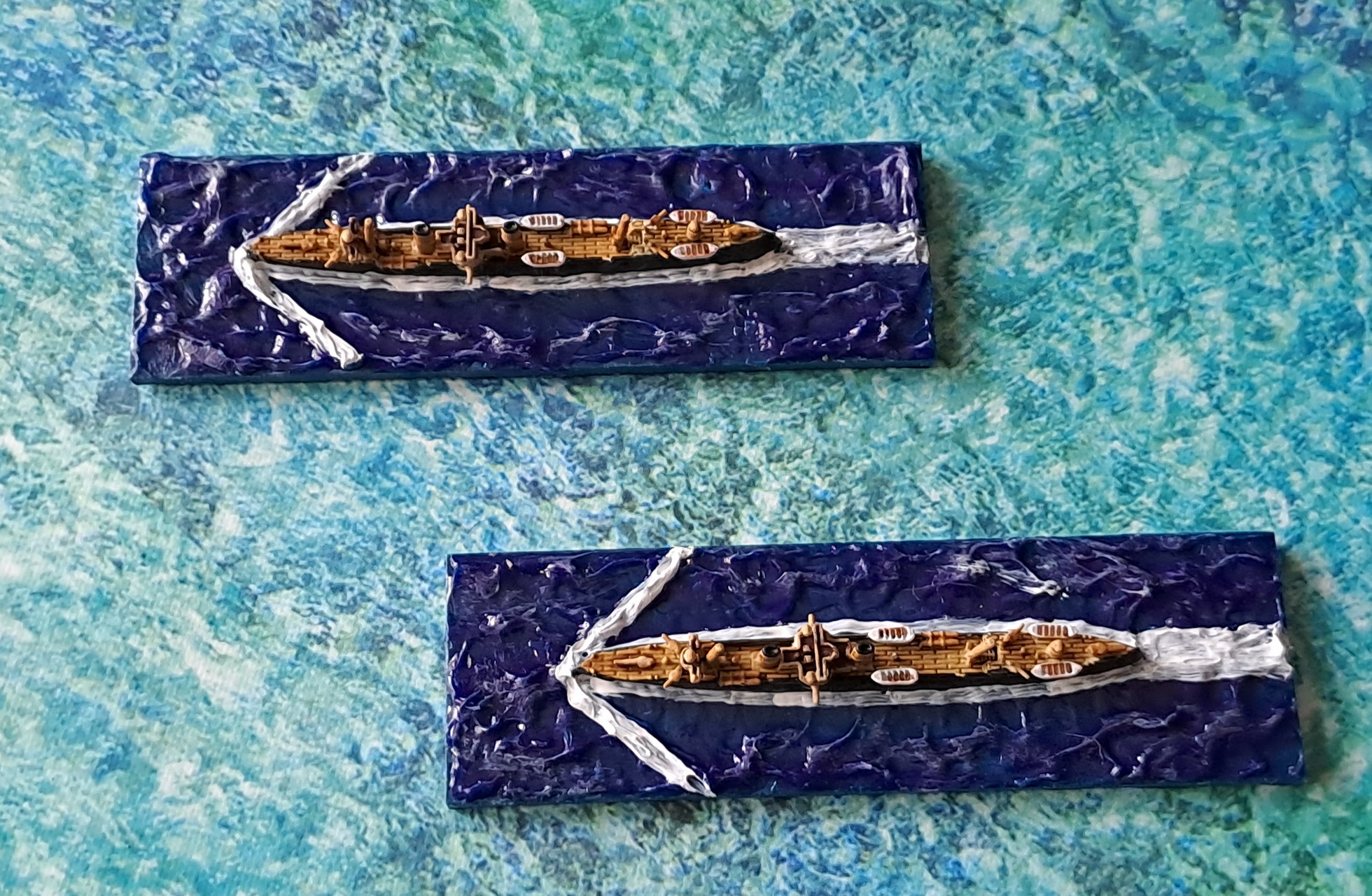
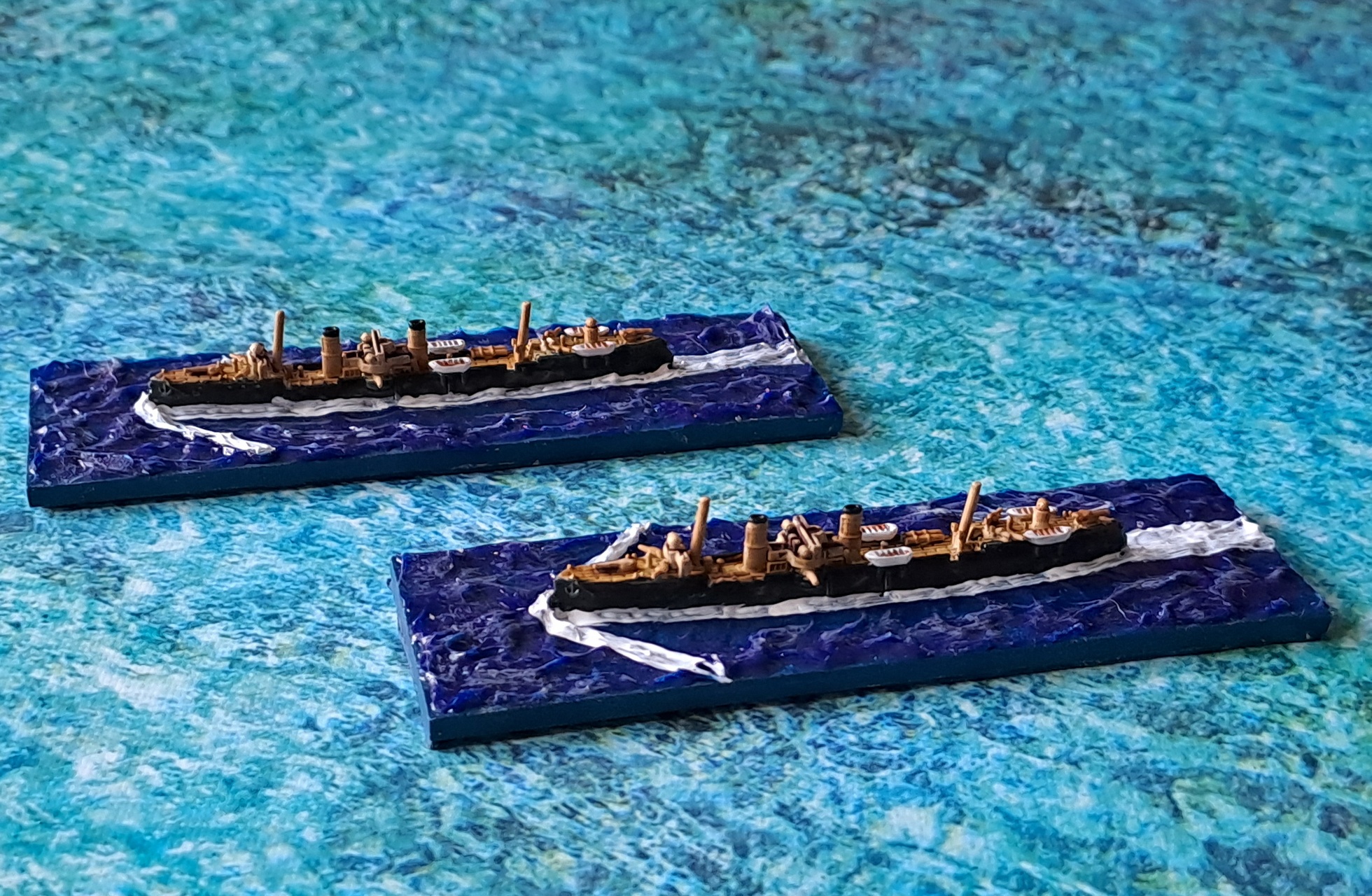
Gods of War: Togo – S90/G135 torpedo boat 🇩🇪 (🇬🇧EN/🇵🇱PL) Poniedziałek, Mar 16 2026 

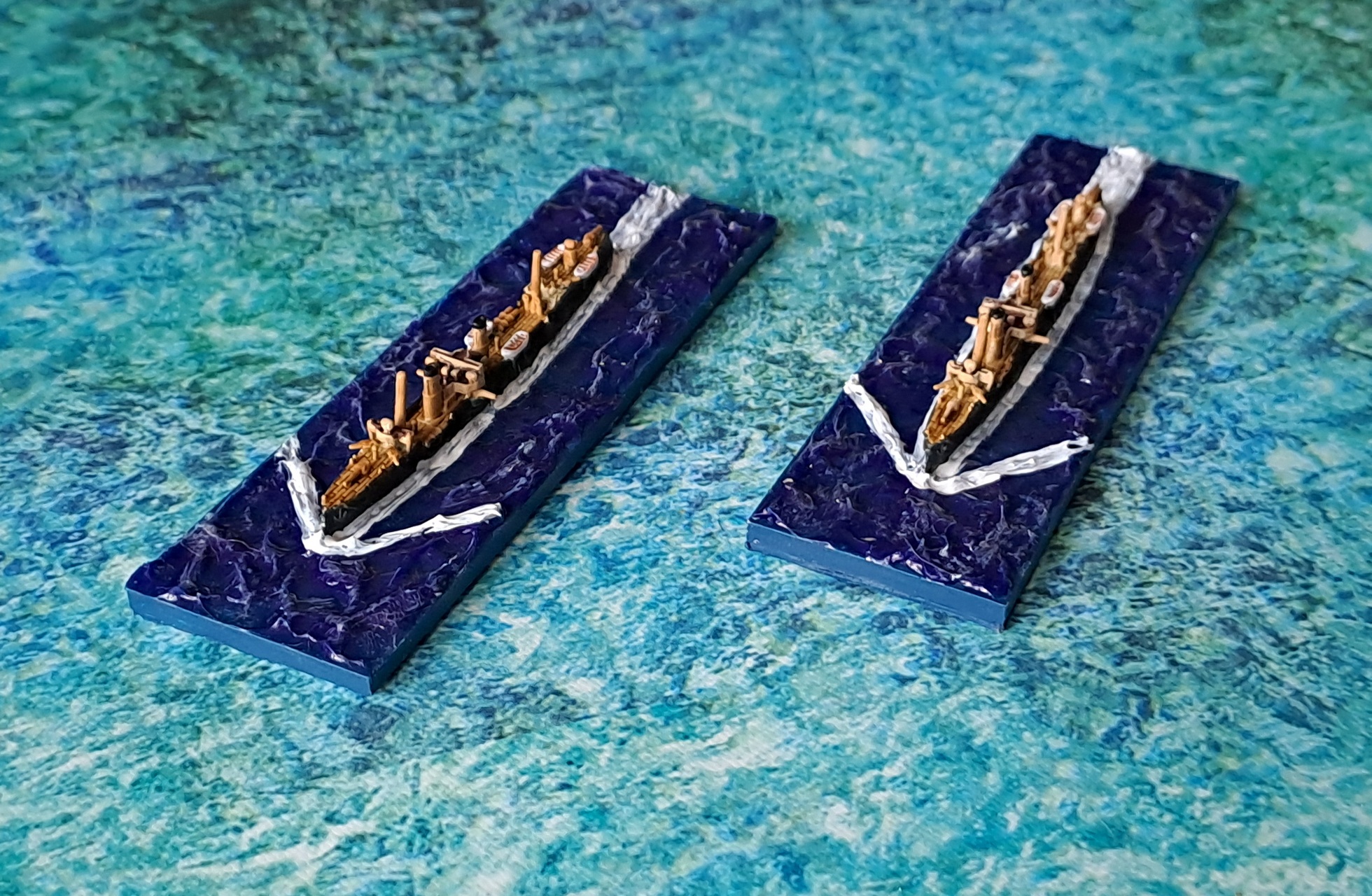
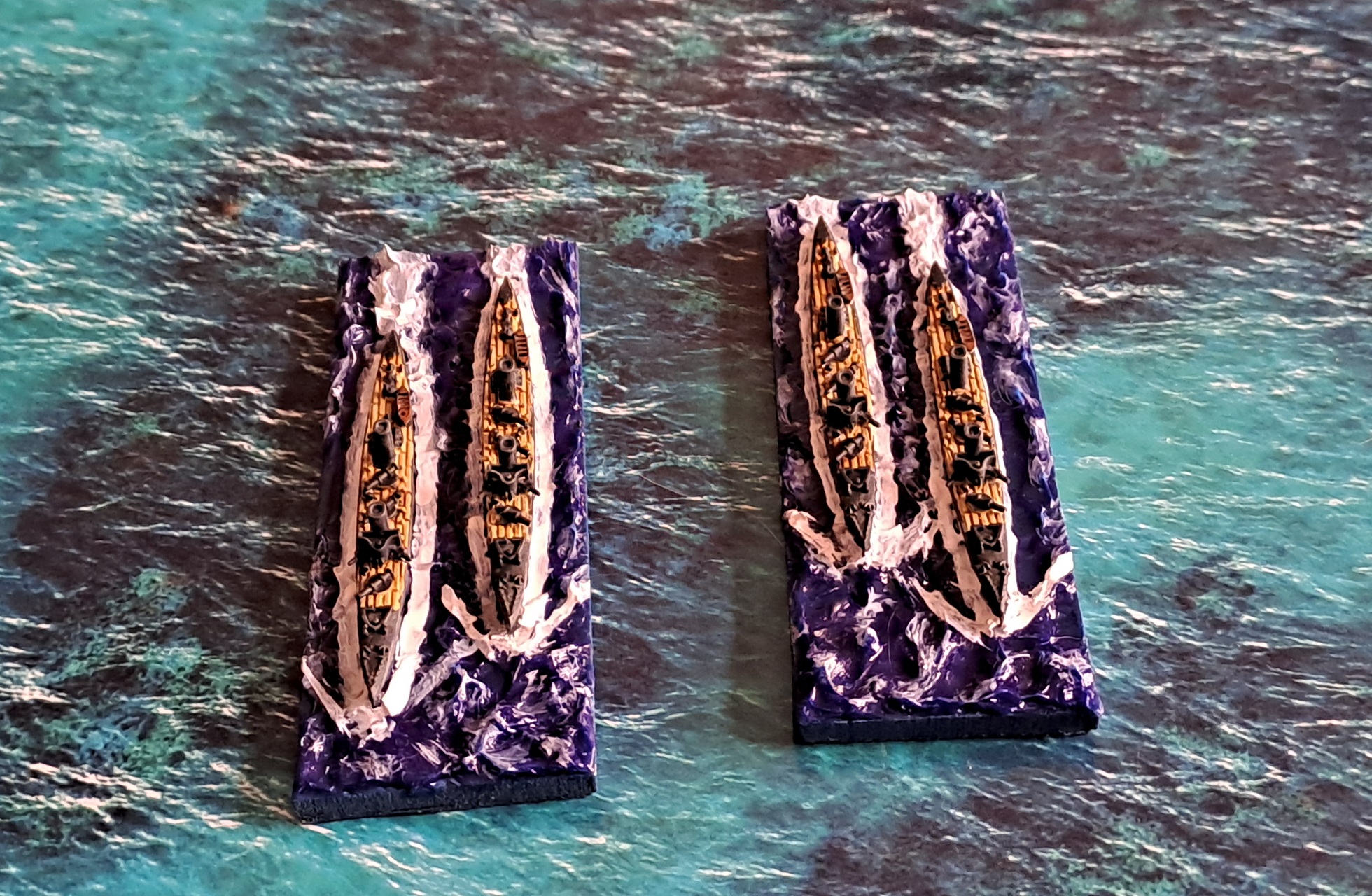
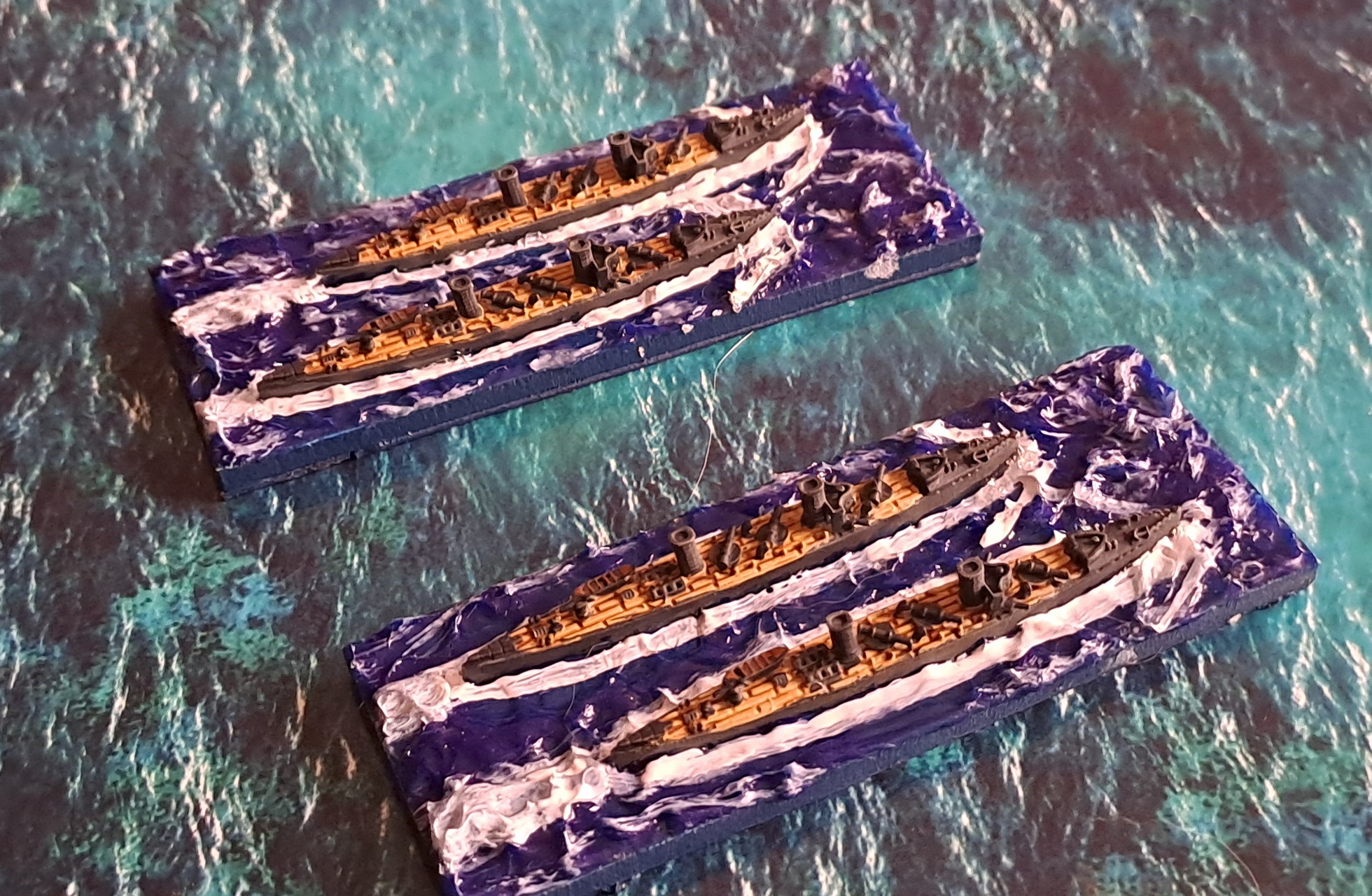
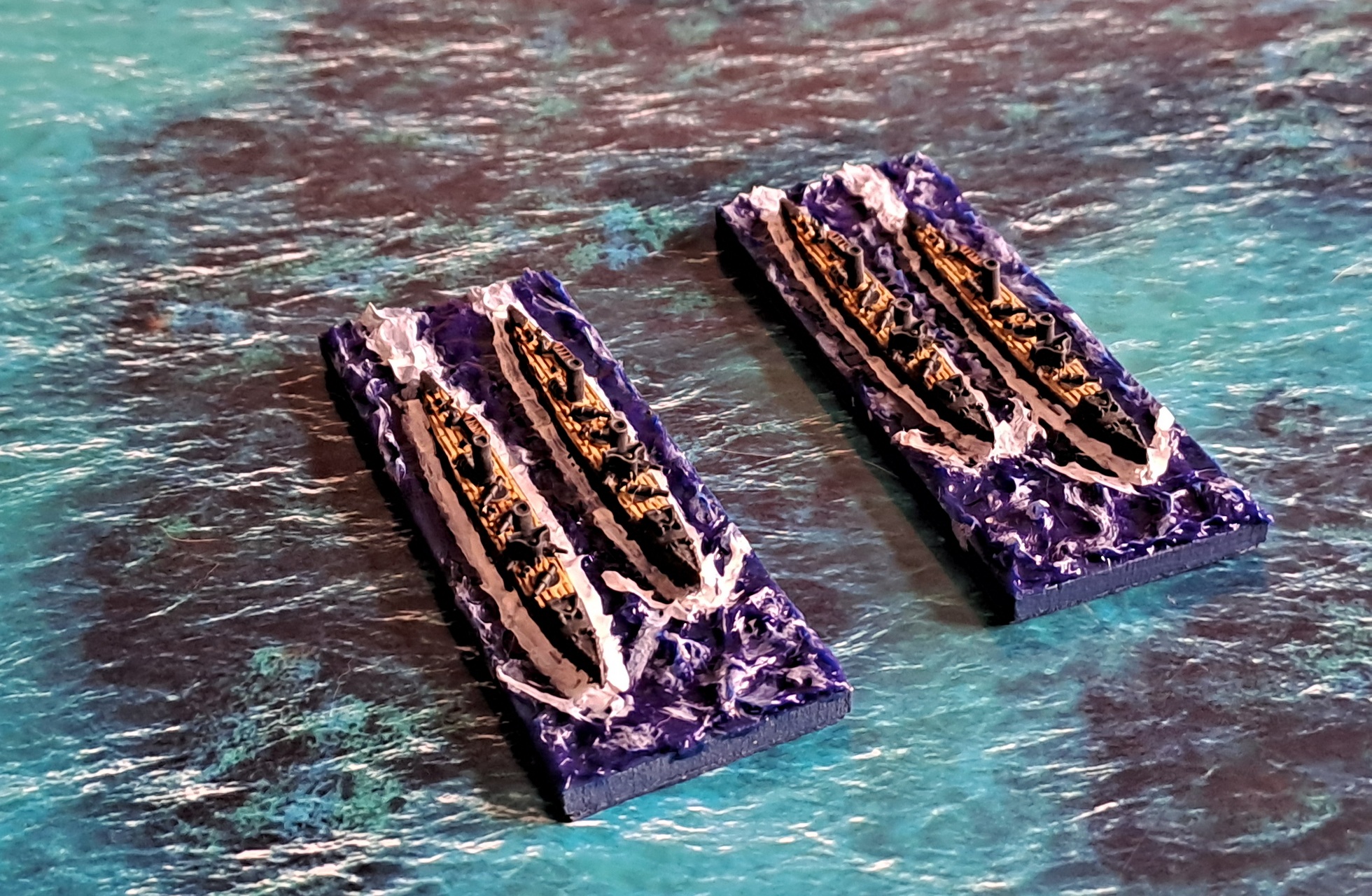
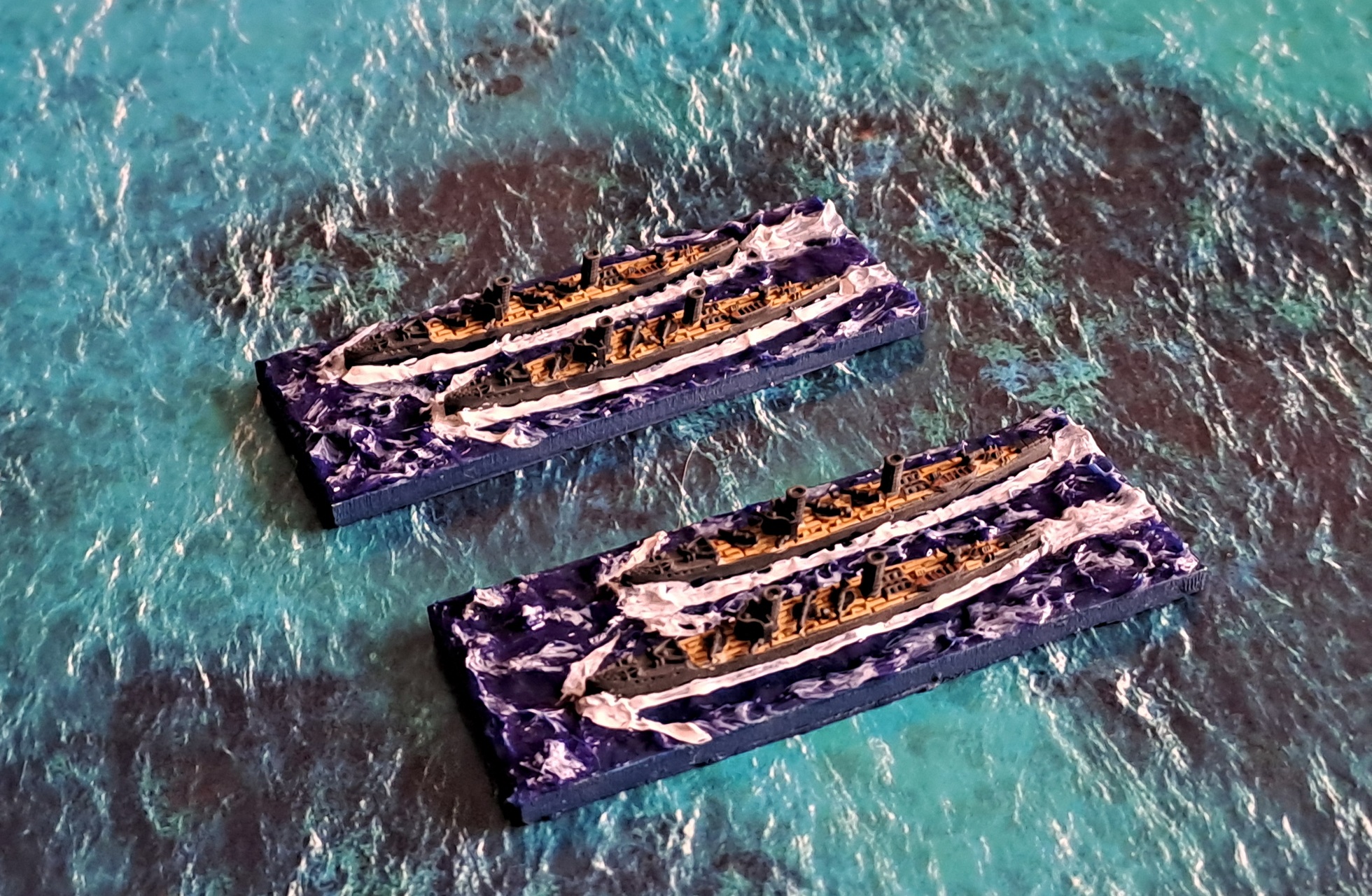
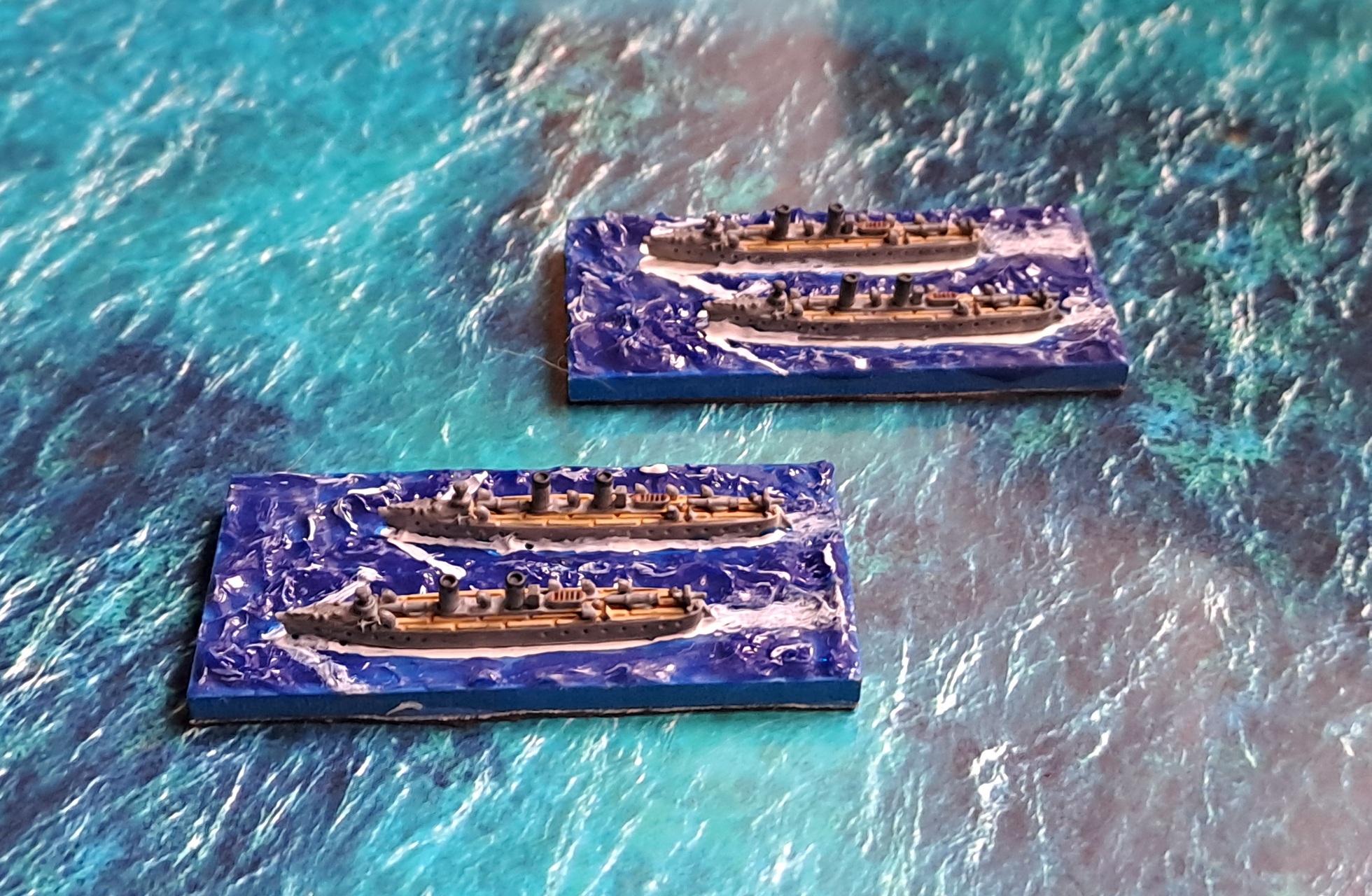
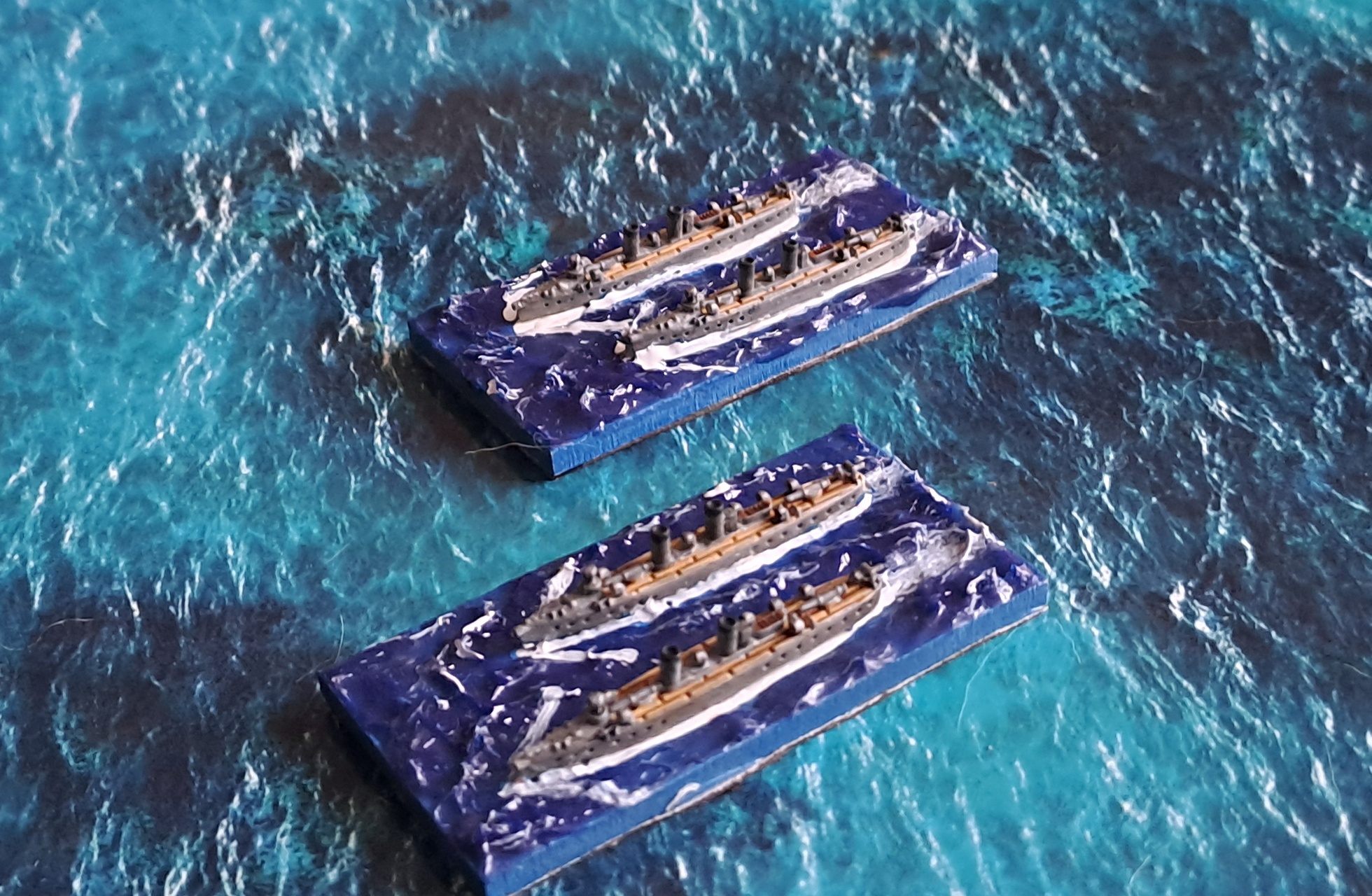
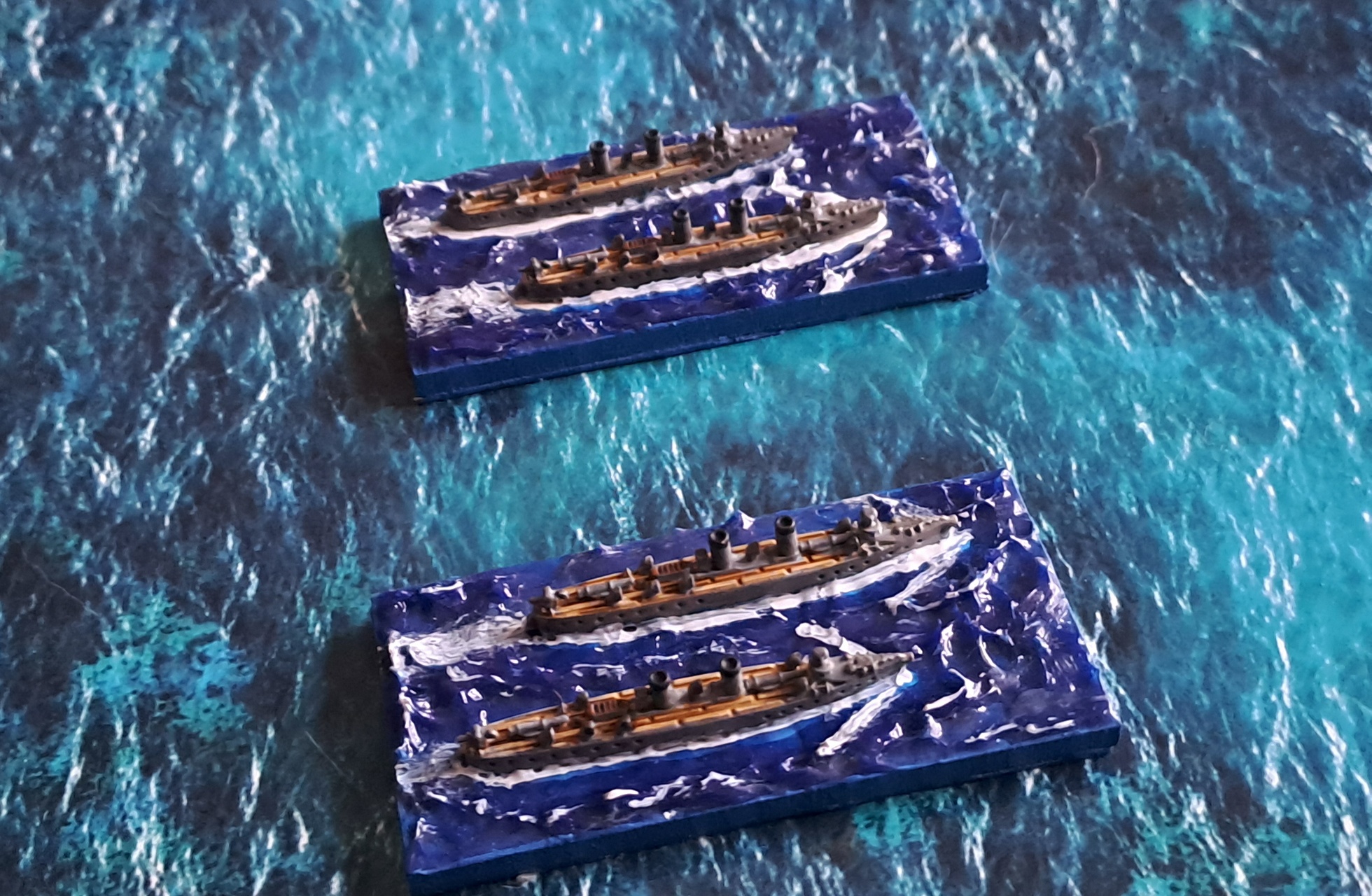
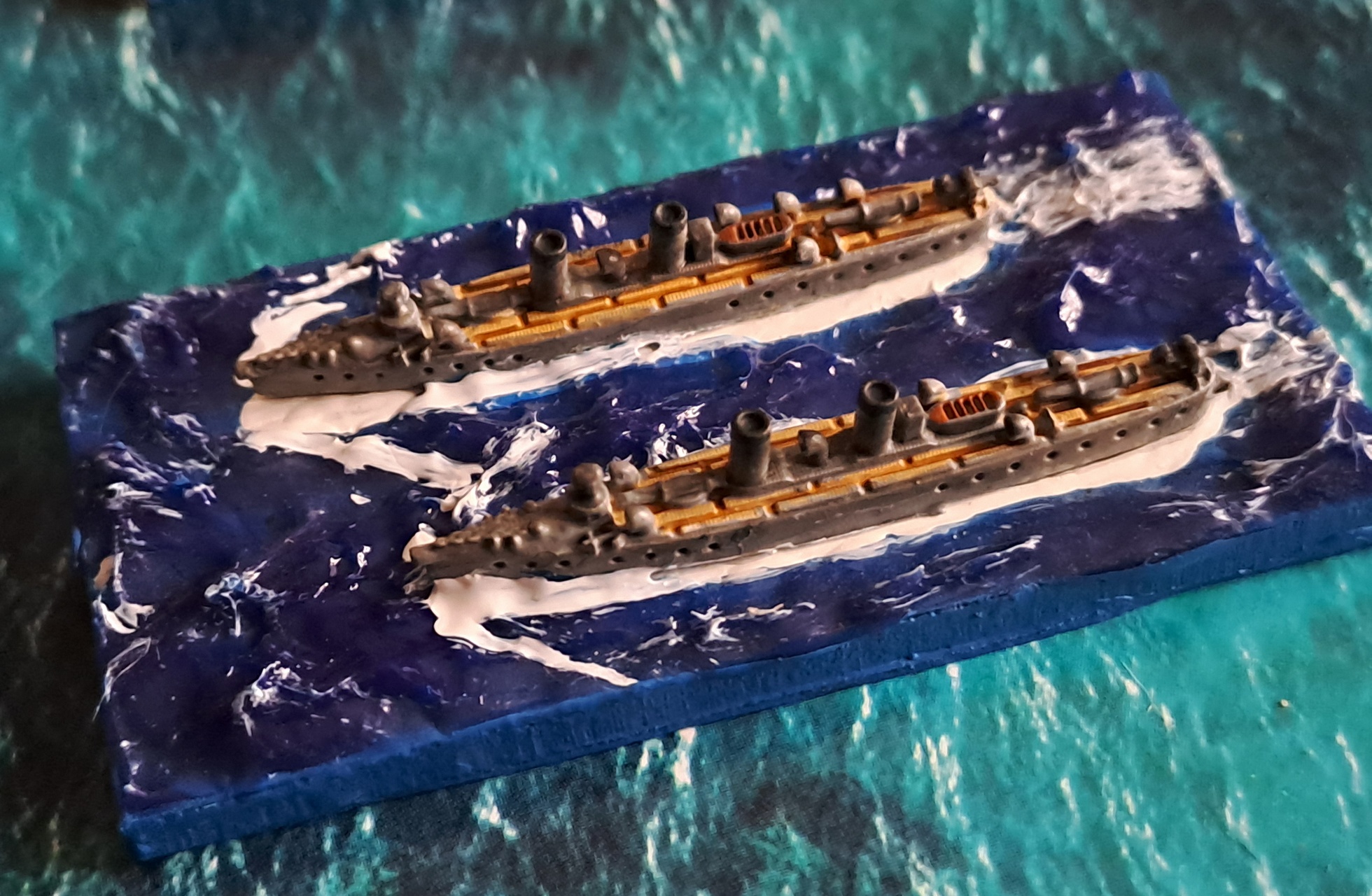
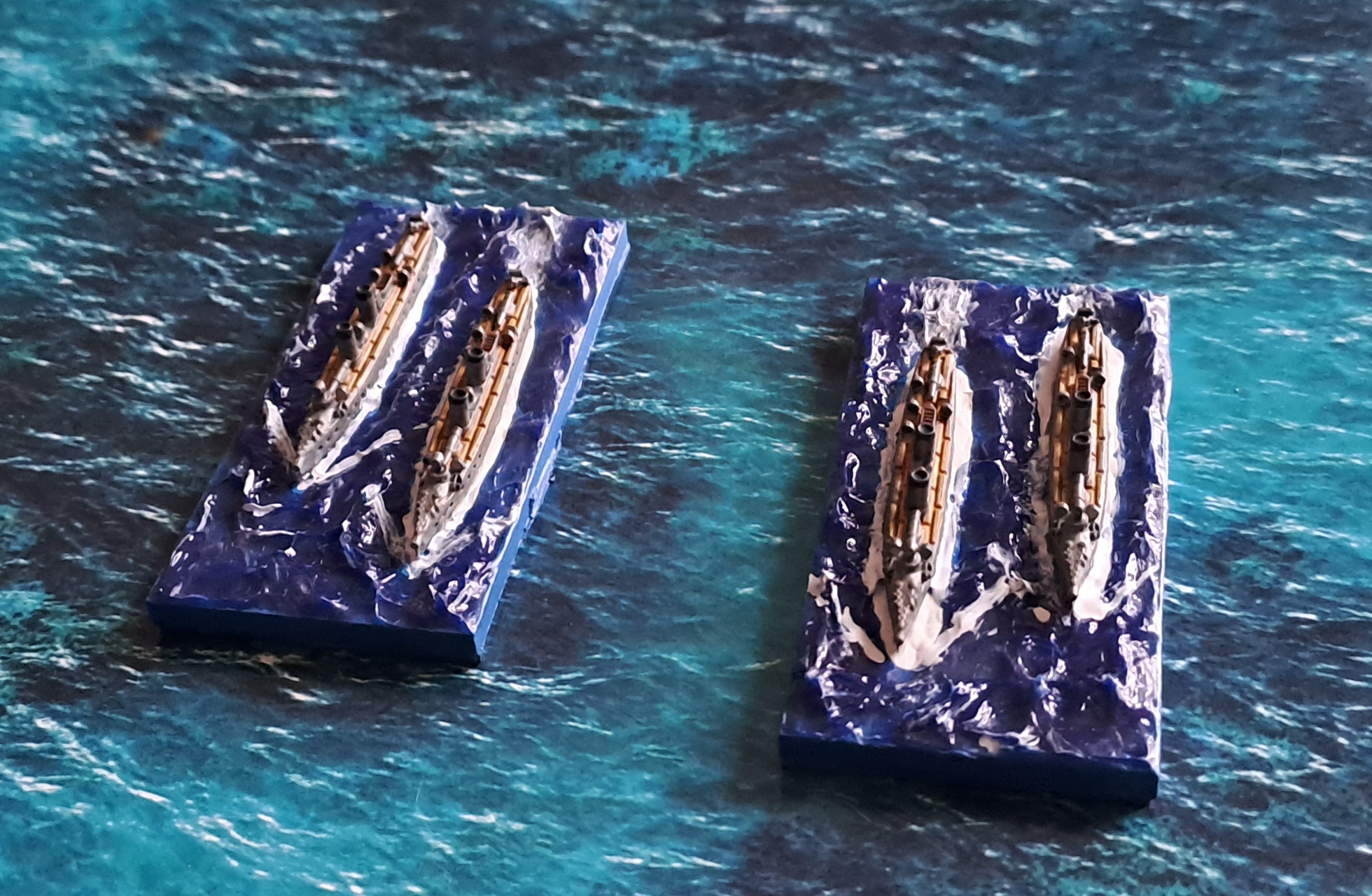
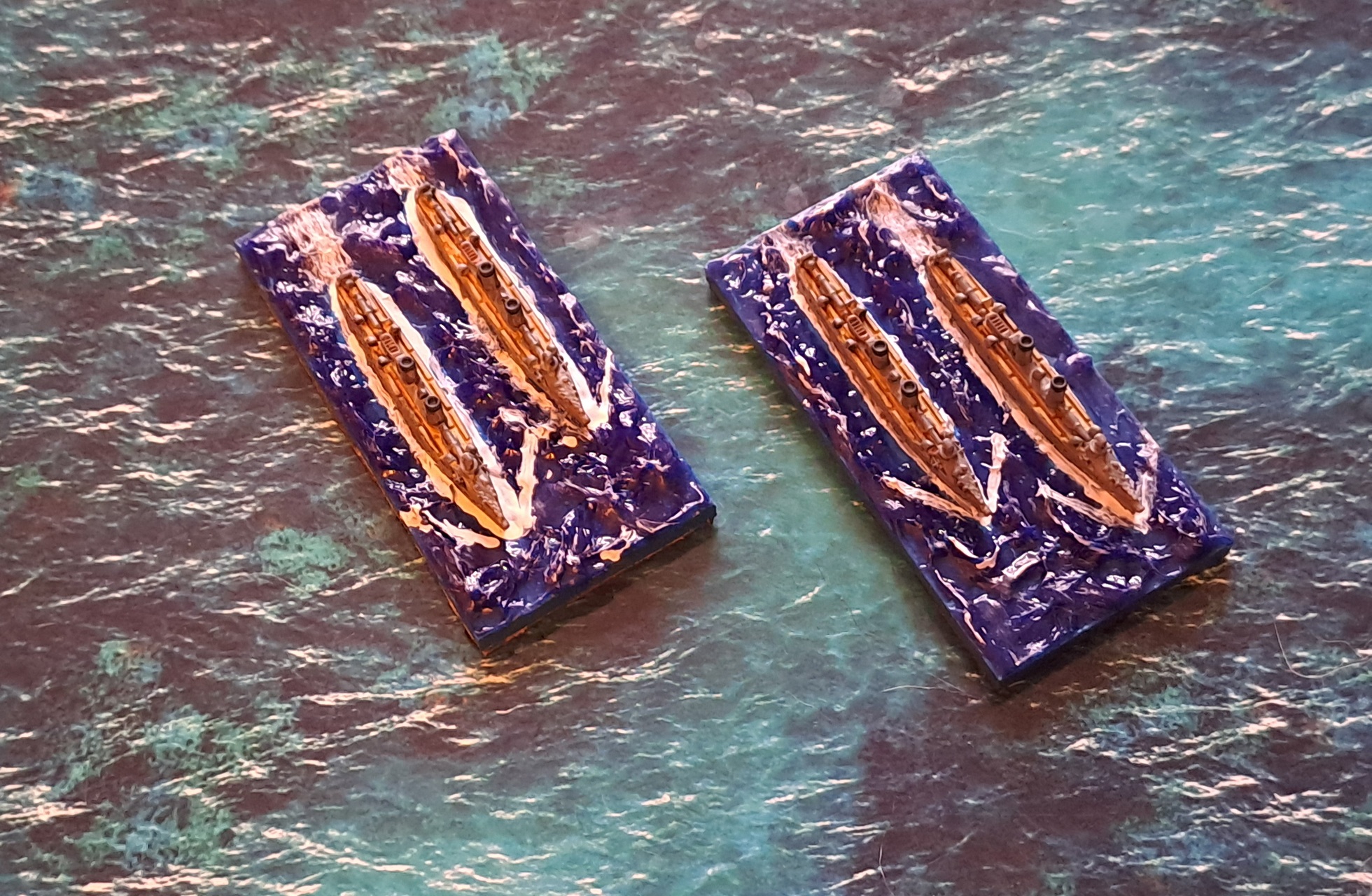
🇬🇧 Today I managed to finish S90/G135 torpedo boat division – for the Kaiserliche Marine, the fleet of the German Empire at the turn of the 19th and 20th centuries. So I’m ready to fight Cornholio and his Marine Nationale. ⚓

Although the Germans classified them as torpedo boats, the S90 class ships, displacing around 400 tons, were more akin to contemporary destroyers than torpedo boats. Their design and development were closely tied to one of the primary tactical doctrines of the German Imperial Navy. Due to the Royal Navy’s superiority in the number of battleships and cruisers, the Germans planned their fast torpedo vessels to work closely with the main fleet forces and, at the opportune moment, launch a torpedo attack on enemy battleships or other large vessels. Therefore, their primary role was not reconnaissance or engaging other torpedo boats, but executing torpedo attacks against larger ships during battle. The S90 class was designed with this philosophy in mind. Their artillery armament was relatively weak (for ships of their size), but they were equipped with very powerful torpedo armament.

These ships were mainly built by the Schichau shipyard in Elbląg (36 vessels) and Germaniawerft in Kiel (12 vessels). They were designated with the letters of the shipyards where they were built (S or G). As the shipyards constructed additional ships, they introduced numerous changes, including variations in the size of the ships themselves. For example, the G135 series had slightly stronger artillery armament.

The first ship of this class, S90, participated in the defence of Tsingtao in 1914, where it sank the Japanese cruiser Takachiho with its torpedoes.

* – description of the S90/G135 by GMBoardgames.

🇵🇱 Dziś udało mi się ukończyć dywizjon torpedowców S90/G135 do Kaiserliche Marine – floty Cesarstwa Niemieckiego z przełomu XIX i XX wieku. Teraz jestem gotów by z Cornholio rozegrać starcie z jego Marine Nationale. ⚓

Choć Niemcy klasyfikowali je jako torpedowce, to wypierające około 400 ton, okręty typu S90, były odpowiednikami ówczesnych niszczycieli, niż torpedowców. Ich powstanie i kształt wiąże się z jednym z głównych założeń taktycznych niemieckiej Cesarskiej Marynarki Wojennej. Z uwagi na przewagę Royal Navy w liczbie pancerników, czy krążowników, Niemcy – aby wyrównać szanse – zakładali, iż ich szybkiej jednostki torpedowe będą blisko współpracować z głównymi siłami floty i w odpowiednim momencie wykonają atak na pancerniki, czy inne większe jednostki przeciwnika. Ich głównym zadaniem nie było zatem wykonywanie zwiadu, walka z innymi torpedowcami, lecz atak torpedowy przeciwko dużym jednostkom w trakcie bitwy. S90 zostały zatem zaprojektowane zgodnie z tą właśnie filozofią. Ich uzbrojenie artyleryjskie było relatywnie słabe (jak na jednostki tej wielkości), za to posiadały bardzo silne uzbrojenie torpedowe – ich główną broń.

Okręty tego typu zbudowała głównie stocznia Schichau w Elblągu (36 jednostek) oraz Germaniawerft w Kilonii (12 jednostek). Oznaczono je literami stoczni, w których zostały zbudowane (S lub G). Stocznie te w trakcie budowy kolejnych okrętów, wprowadzały do nich liczne zmiany, w tym w rozmiarach samych jednostek. Np. seria G135 miała nieco silniejsze uzbrojenie artyleryjskie.

Pierwsza z jednostek tego typu – S90 w 1914 roku wzięła udział w obronie Tsingtao, w trakcie której za pomocą swoich torped zatopiła japoński krążownik Takachiho. 

* – opis S90/G135 wg GMBoardgames.

🇬🇧 Summary:
– Another set of torpedo boats which, despite their small size, require quite a bit of attention if you want to paint them neatly. They are enjoyable models to paint, full of the fine details that GM Boardgames has already accustomed us to.
– The box includes two cards – one for S90 and one for G135. They differ primarily in their light artillery armament: G135 is equipped with more powerful guns and has a higher speed. Both half-flotillas, however, have access to six powerful D4 torpedoes, which, when they hit, can seriously damage many a ship – and thoroughly ruin its commander’s mood.
– As befits fourth-class torpedo boats, they are highly manoeuvrable and present a small target, which is one of their major strengths. Their weakness, however, is their shallow draft, which may prove problematic in poor weather conditions.
– The base cost is 140 points for the S90 and 145 for the G135 – not a bad price at all for ships equipped with the best torpedoes in the game.
– The full Gods of War assortment is available at: https://bolter.pl/en_US/index.


🇵🇱 Podsumowanie:
Kolejne torpedowce, które – wbrew swoim niewielkim rozmiarom – wymagają sporo uwagi, jeśli chcemy pomalować je schludnie. To okręty przyjemne w malowaniu, pełne licznych detali, do jakich GM Boardgames zdążyło nas już przyzwyczaić.
W pudełku znajdują się dwie karty – odpowiednio dla S90 oraz G135. Różnią się one przede wszystkim uzbrojeniem artylerii lekkiej: G135 dysponuje mocniejszymi działami i rozwija większą prędkość. Oba półdywizjony mają jednak do dyspozycji sześć potężnych torped D4, które po trafieniu potrafią solidnie uszkodzić niejeden okręt – i skutecznie popsuć humor jego dowódcy.
– Jak na torpedowce czwartej klasy przystało, cechują się wysoką manewrowością i są małym celem, co stanowi ich dużą zaletę. Ich wadą jest natomiast niskie zanurzenie, które może okazać się problematyczne przy złych warunkach pogodowych.
– Koszt bazowy wynosi 140 punktów za S90 i 145 za G135 – nie jest to zła cena za okręty z najlepszymi w grze torpedami.
– Cały asortyment do Bogowie Wojny: Togo jest dostępny tutaj: https://bolter.pl/pl/c/BOGOWIE-WOJNY-TOGO/1787.

Gods of War: Togo – 39-Go 🇯🇵 (🇬🇧EN/🇵🇱PL) Piątek, Mar 13 2026 

🇬🇧 Yesterday I managed to finish 39-Go, another torpedo boats for the Imperial Japanese Navy of Cornholio.

Following the victory in the First Sino-Japanese War (1894-1895), Japan received substantial war reparations, enabling an intensive fleet expansion program. As part of this initiative, the augmentation of torpedo boats, including smaller second-class ones, designed for operations near Japanese shores, was initiated. The construction of the 39-go torpedo boat series began in 1899 at the British Yarrow shipyard, adhering to Japanese specifications.

All vessels of this type participated in the Russo-Japanese War of 1904-1905, achieving modest success.
The 39-go torpedo boat will be an intriguing alternative for players commanding the Japanese navy. Slower and less heavily armed than Japanese destroyers or later torpedo boats, they will, however, be competitively priced, making them a viable choice for players looking to have multiple vessels in their fleet.


* – description of the 39-Go by GMBoardgames.

🇵🇱 Wczoraj udało mi się skończyć 39-Go, kolejny okręt do cesarskiej floty Japonii Cornholio.

Po zwycięstwie w pierwszej wojnie chińsko-japońskiej (1894-1895) Japonia otrzymała znaczne reparacje wojenne, co umożliwiło intensywny program rozbudowy floty. W ramach tej inicjatywy rozpoczęto zwiększenie liczby kutrów torpedowych, w tym mniejszych, drugiej klasy, przeznaczonych do operacji w pobliżu japońskich wybrzeży. Budowa serii kutrów torpedowych 39-go rozpoczęła się w 1899 roku w brytyjskiej stoczni Yarrow, zgodnie z japońskimi specyfikacjami.

Wszystkie jednostki tego typu brały udział w wojnie rosyjsko-japońskiej w latach 1904-1905, osiągając umiarkowane sukcesy. Torpedowiec typu 39-go będzie interesującą alternatywą dla graczy dowodzących japońską marynarką. Wolniejszy i słabiej uzbrojony niż japońskie niszczyciele lub późniejsze torpedowce, jednak będzie konkurencyjnie wyceniony, co czyni go atrakcyjnym wyborem dla graczy, którzy chcą mieć w swojej flocie wiele jednostek.

* – opis 39-Go wg GMBoardgames.

🇬🇧 Summary:
– Small ships that are quite enjoyable to paint.
– Their greatest strength is their six D2 torpedoes. Although their light artillery plays only a symbolic role, these vessels make up for it with good speed and high manoeuvrability, typical of this class. Their weaker points, on the other hand, are their light armour and fragile hull. An additional drawback, as with most ships of this type, is their shallow draft, which can become a real issue in poor weather conditions.
– The base cost is 100 points.
– The full Gods of War assortment is available at: https://bolter.pl/en_US/index.


🇵🇱 Podsumowanie:
Niewielkie, a przy tym całkiem przyjemne w malowaniu okręty.
– Ich największym atutem jest sześć torped D2. Choć artyleria lekka odgrywa tu jedynie symboliczna rolę, jednostki nadrabiają to dobrą prędkością oraz wysoką manewrowością, typową dla tej klasy. Ich słabszą stroną są natomiast lekki pancerz i kruchy kadłub. Dodatkowym utrudnieniem, podobnie jak w przypadku większości tego typu jednostek, jest niskie zanurzenie, które może dać się we znaki przy gorszych warunkach pogodowych.
– Koszt bazowy wynosi: 100 punktów.
– Cały asortyment do Bogowie Wojny: Togo jest dostępny tutaj: https://bolter.pl/pl/c/BOGOWIE-WOJNY-TOGO/1787.

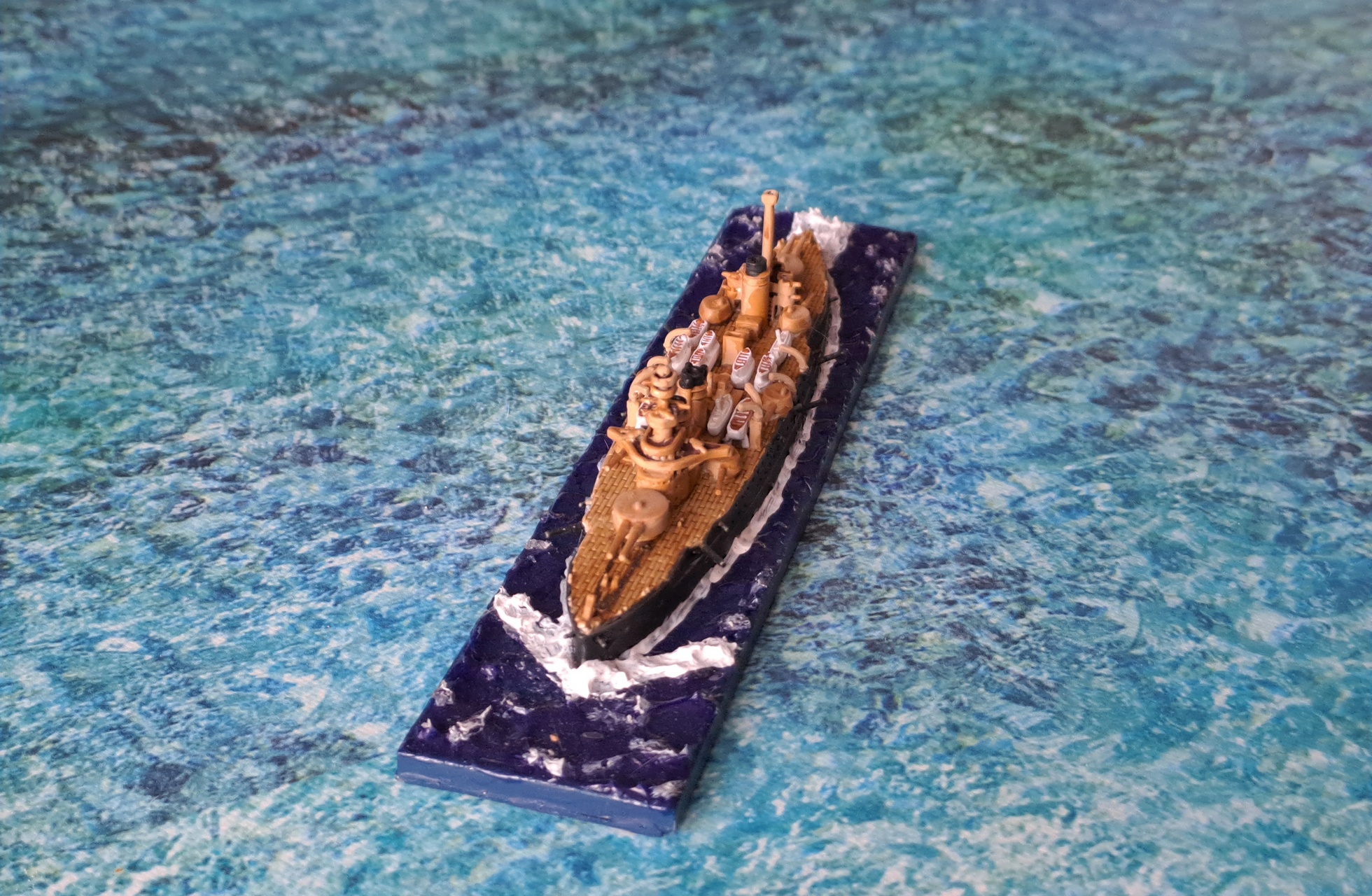
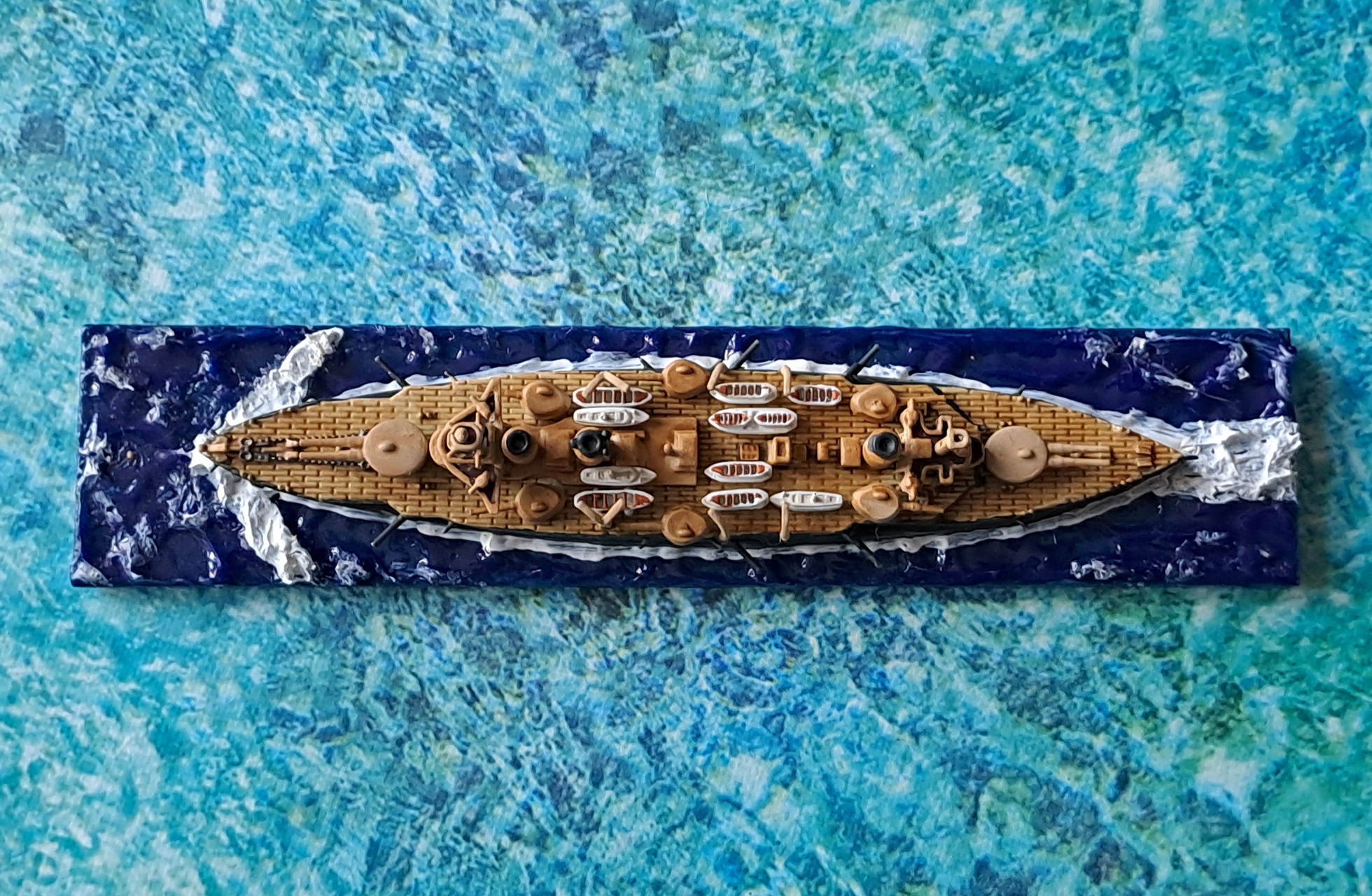
Gods of War: Togo – Roon 🇩🇪 (🇬🇧EN/🇵🇱PL) Poniedziałek, Mar 9 2026 

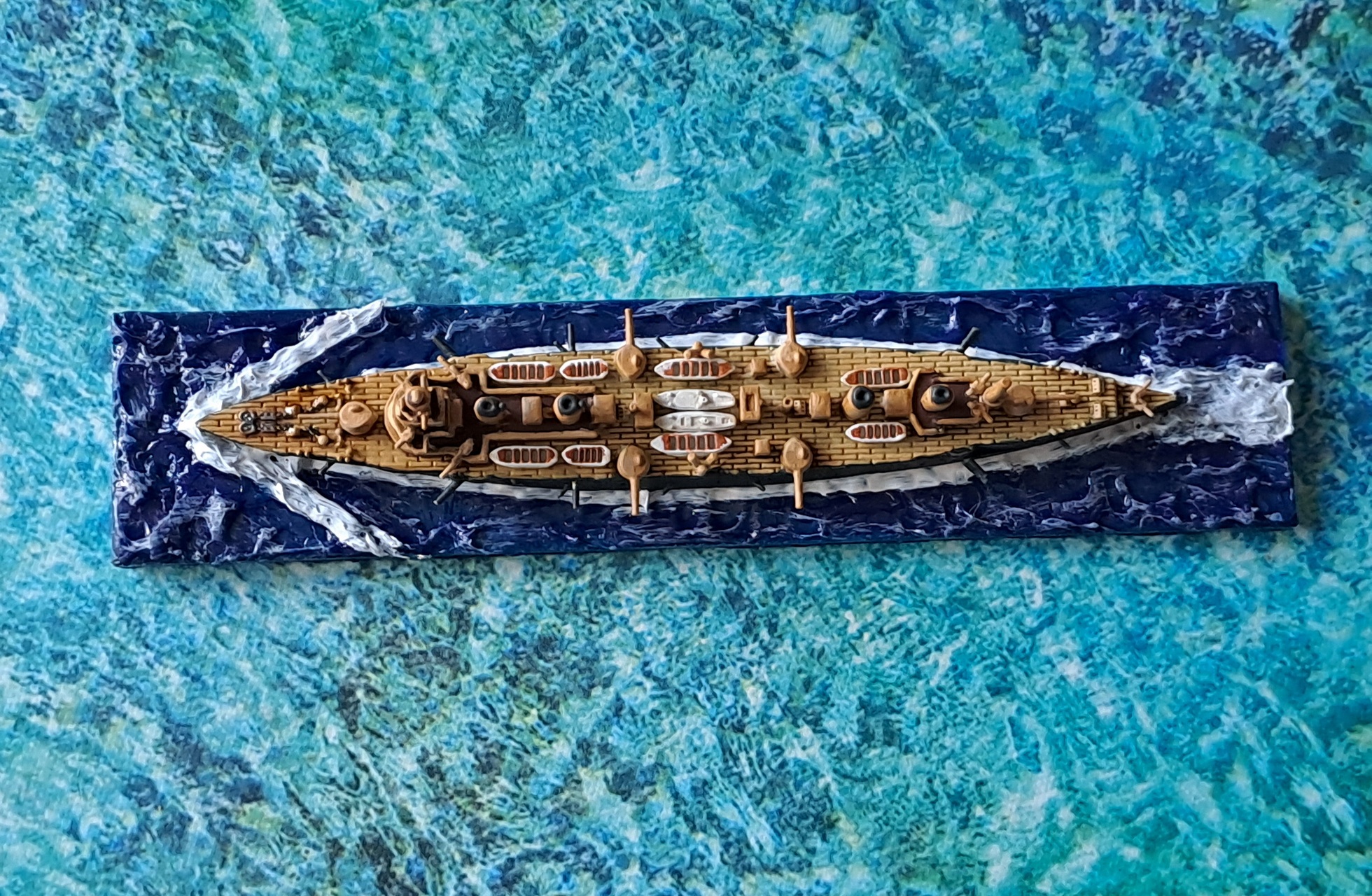
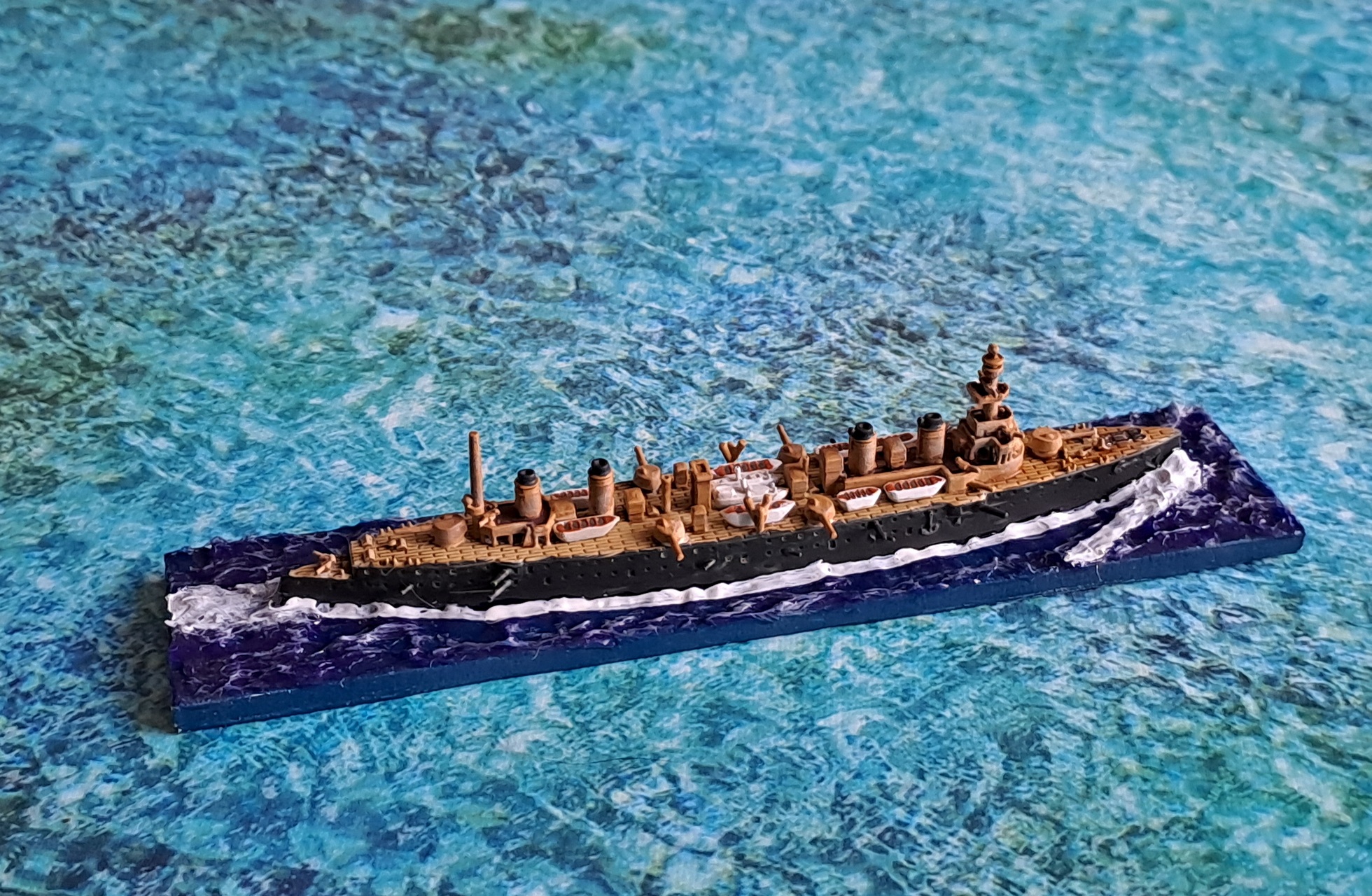
🇬🇧 Today I managed to finish Roon – another armored cruiser for the Kaiserliche Marine, the fleet of the German Empire at the turn of the 19th and 20th centuries.

To complete the squadron and play the first game, I still need to finish the S90/G135 torpedo boat division and I’ll be able to play a battle with Cornholio against his Marine Nationale. ⚓

The Roon-class armoured cruisers were based on the preceding Prinz Adalbert class, though they incorporated certain improvements. However, not all of these enhancements were successful; for instance, the ships failed to achieve their initially projected speed, casting doubt on their effectiveness as the fleet’s fast wing.

These cruisers were intended not to attack enemy shipping but to operate alongside the main fleet, similar to the Japanese “L” tactic. Unfortunately, the Roon-class ships were too lightly armoured and too slow for this role. Despite these less-than-ideal characteristics, they could still be effectively employed in other capacities, particularly in destroying enemy protected cruisers and smaller vessels, for which their armament and armour would be more than adequate.

* – description of the Roon by GMBoardgames.

🇵🇱 Dziś udało mi się ukończyć Roona – kolejny krążownik pancerny do Kaiserliche Marine – floty Cesarstwa Niemieckiego z przełomu XIX i XX wieku.

Do ukończenia eskadry i pierwszej gry pozostał jeszcze dywizjon torpedowców S90/G135 i będę mógł z Cornholio rozegrać starcie z jego Marine Nationale. ⚓

Krążowniki pancerne typu Roon były oparte na poprzedzającym je typie Prinz Adalbert, aczkolwiek zastosowano na nich pewne udoskonalenia. Nie wszystkie skończyły się sukcesem, gdyż jednostki np. nie osiągnęły zakładanej wcześniej prędkości, przez co ich służba jako szybkiego skrzydła floty stała pod znakiem zapytania. Ich przeznaczeniem miało być bowiem nie uderzanie w nieprzyjacielską żeglugę, ale właśnie współpraca z flotą główną, podobnie jak to czynili np. Japończycy (słynna taktyka “L”).

Niestety do tej roli jednostki typu Roon były zbyt słabo opancerzone i zbyt wolne do swojej roli. Mimo tych nienajlepszych charakterystyk mogą być jednak z powodzeniem wykorzystane do wielu innych ról, przede wszystkim niszczenia krążowników pancernopokładowych i jeszcze mniejszych jednostek przeciwnika, do czego ich uzbrojenie i opancerzenie będzie w zupełności wystarczające.

* – opis Roona wg GMBoardgames.

🇬🇧 Summary:
– Just like the previously painted SMS Fürst Bismarck, this ship was very enjoyable to paint, and the boats did not pose any major difficulties during assembly.
– Two ships of this type were launched, so Roon, unlike the aforementioned SMS Fürst Bismarck, appears in more than a single unit.
– The ship is equipped with numerous medium-caliber guns with above-average range and good penetration. It is also armed with a considerable amount of light artillery, which is typical for German ships. Additionally, it carries four D4 torpedoes, and a successful hit from them can quickly cool many ambitions.
– The armor is quite good for cruisers present in the game-much better than that of Russian cruisers, although weaker than Japanese second-class cruisers. The ship is also equipped with a ram.
Base cost: 385 points.
– The full Gods of War assortment is available at: https://bolter.pl/en_US/index.


🇵🇱 Podsumowanie:
– Podobnie jak poprzednio pomalowany SMS Fürst Bismarck okręt malowało się przyjemnie, łodzie nie sprawiły większych trudności w montażu.
– Zwodowano dwie takie jednostki, tak więc Roon w przeciwieństwie do wymienionego powyżej SMS Fürst Bismarck występuje w więcej niż jednej sztuce.
– Okręt posiada liczną średnią artylerię posiadającą ponad przeciętny zasięg i dobrą siłę przebicia, dodatkowym uzbrojeniem jest liczna jak na okręty niemieckie artyleria lekka. Dodatkowym uzbrojeniem są cztery torpedy D4 których trafienie może skutecznie ochłodzić nie jedną ambicję.
– Pancerz jak na krążowniki występujące w grze jest całkiem dobry, o wiele lepszy od pancerza krążowników rosyjskich, za to gorszy od krążowników japońskich drugiej klasy. Dodatkowo okręt posiada taran.
Koszt bazowy wynosi: 385.
– Cały asortyment do Bogowie Wojny: Togo jest dostępny tutaj: https://bolter.pl/pl/c/BOGOWIE-WOJNY-TOGO/1787.

Gods of War: Togo – SMS Fürst Bismarck 🇩🇪 (🇬🇧EN/🇵🇱PL) Czwartek, Lu 19 2026 

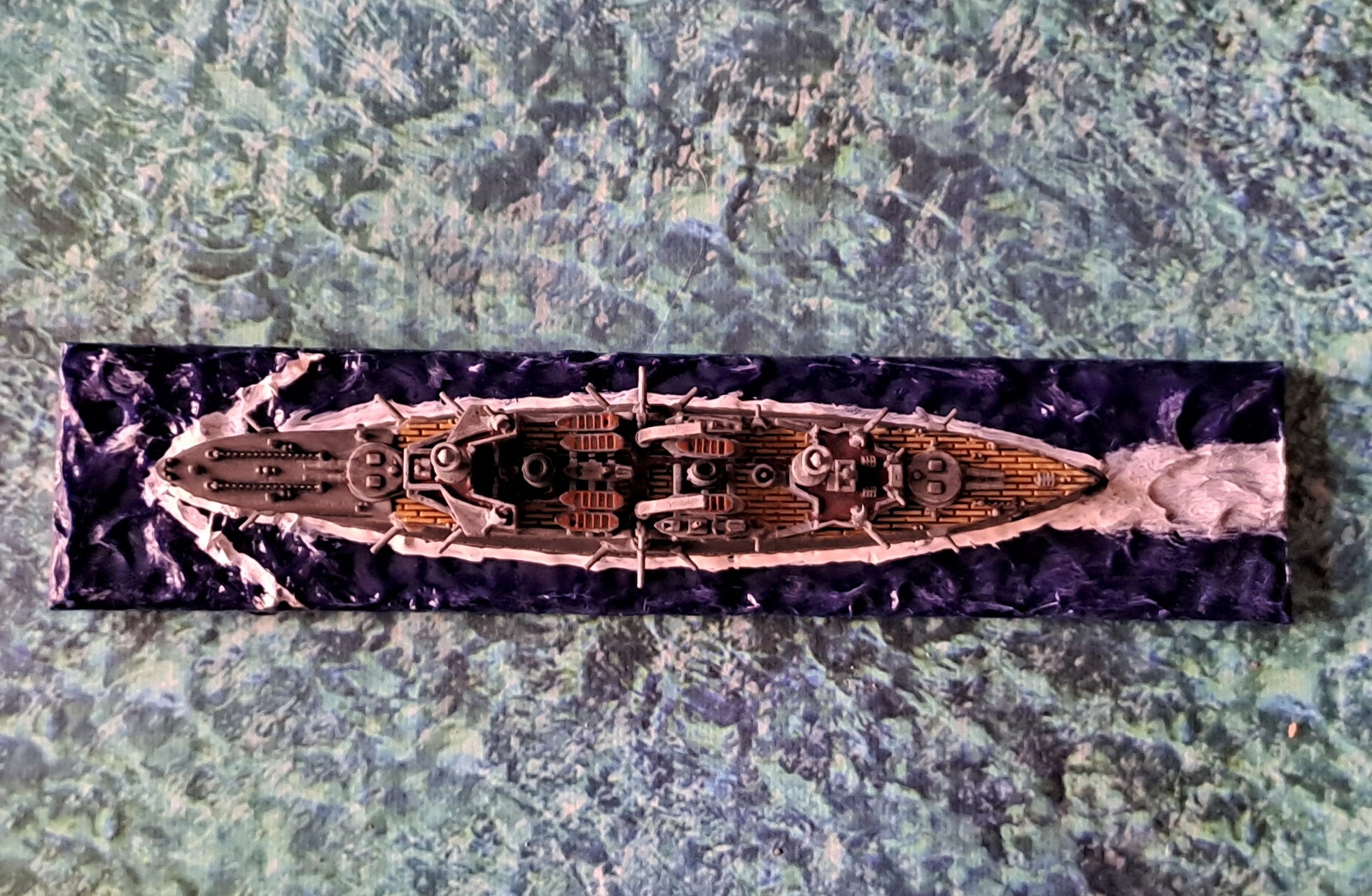
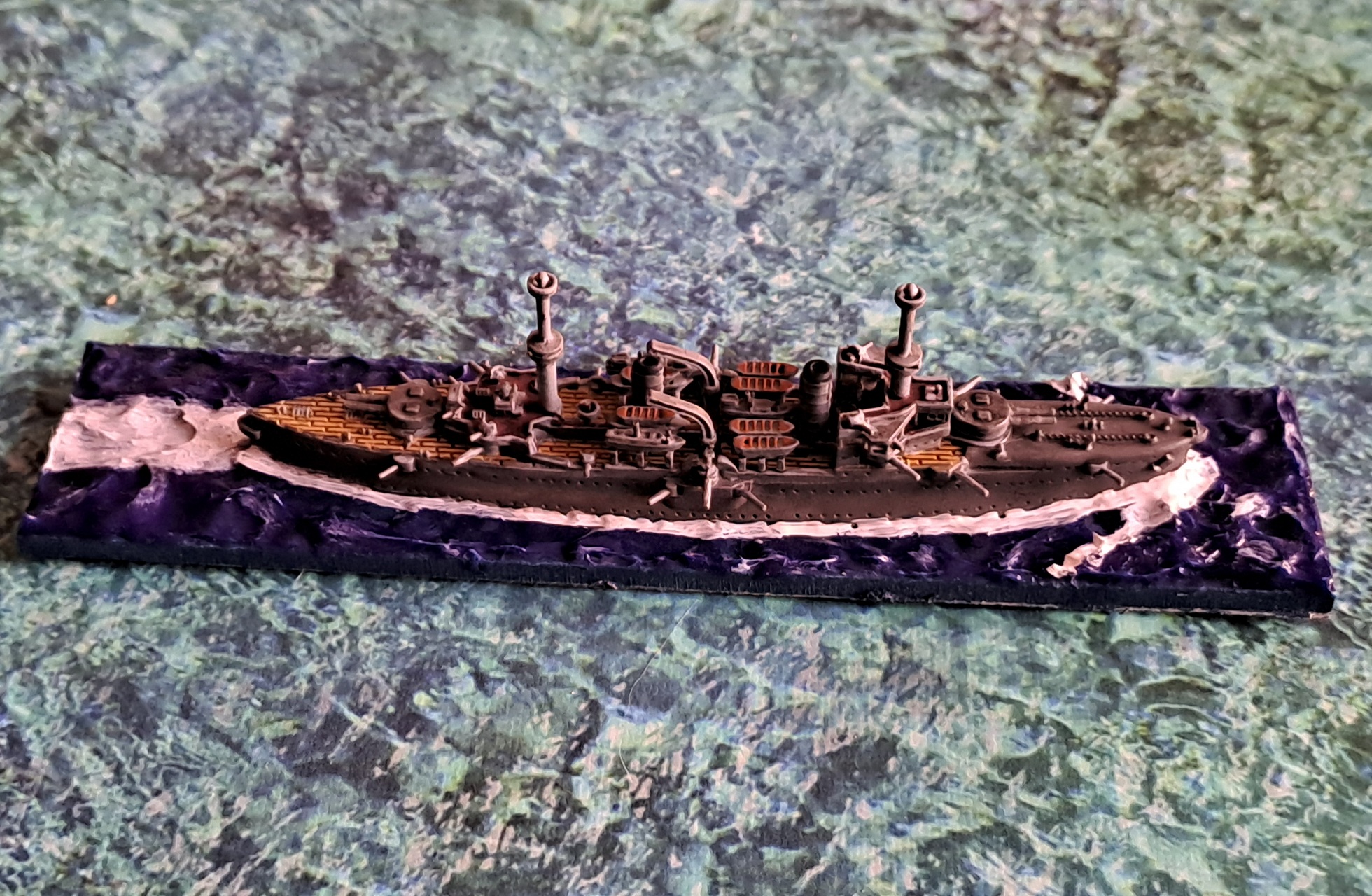
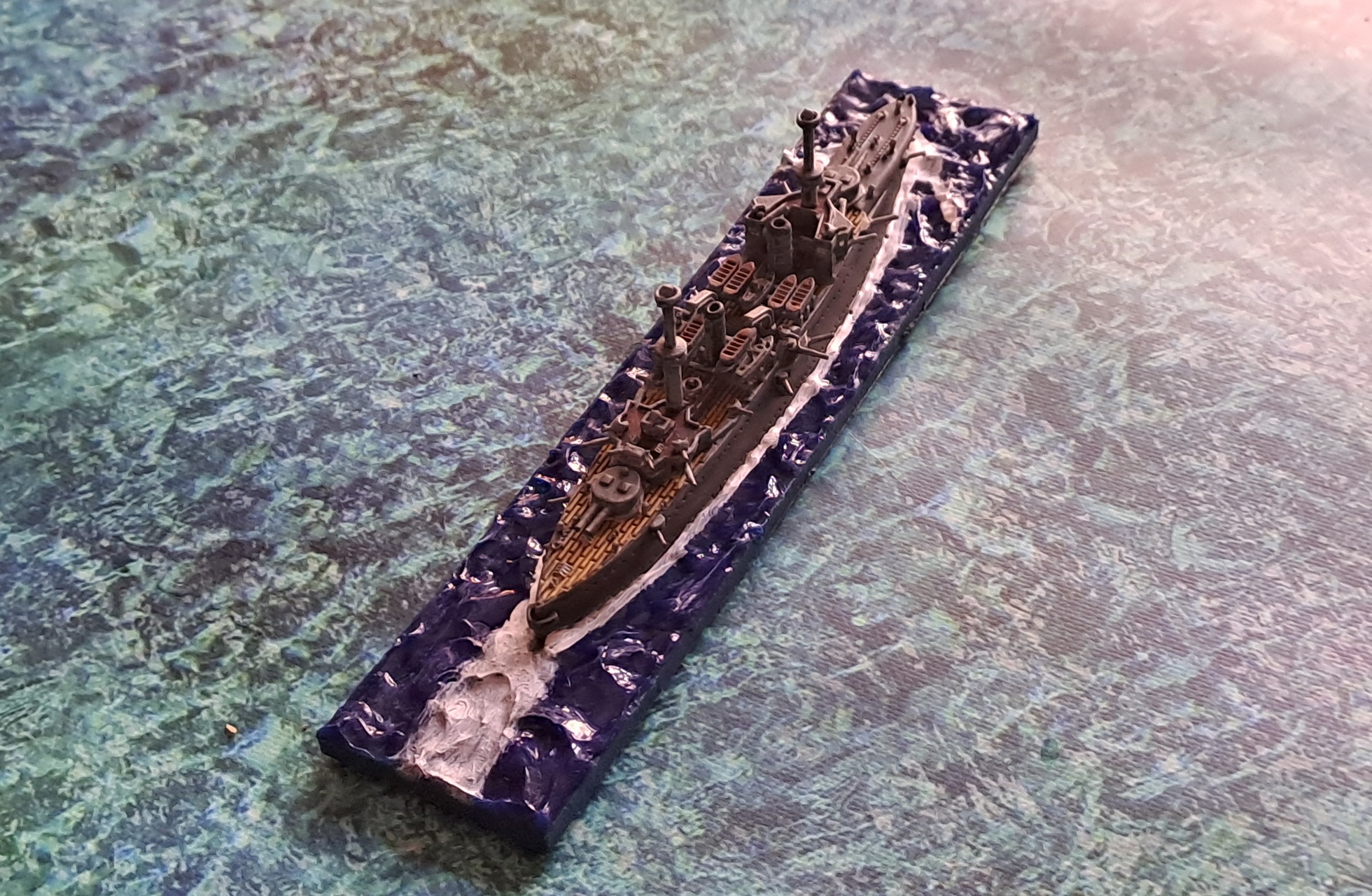
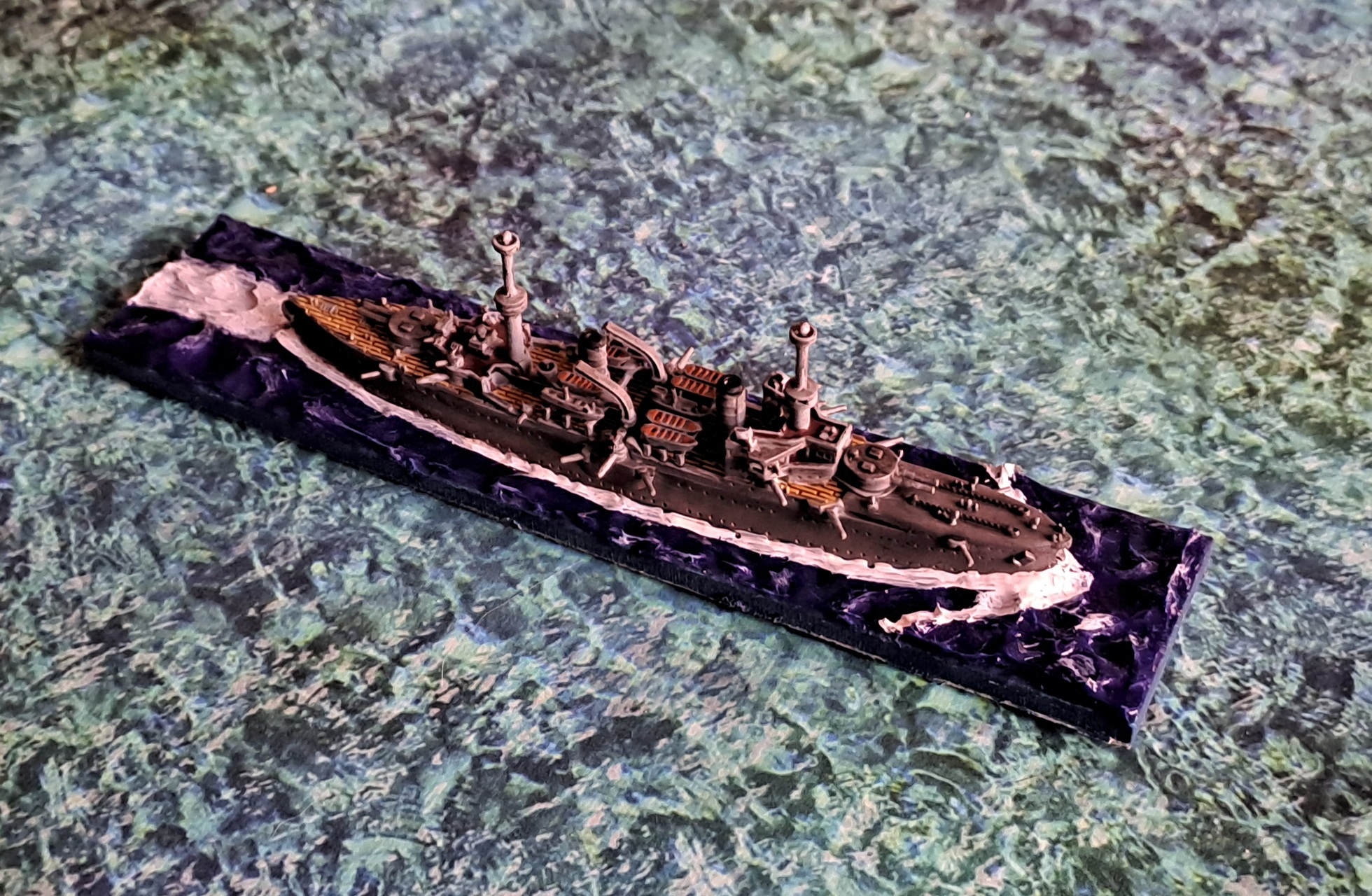
🇬🇧 Today I managed to finish SMS Fürst Bismarck — an armored cruiser for the Kaiserliche Marine, the fleet of the German Empire at the turn of the 19th and 20th centuries.

To complete the squadron and play the first game, I still need to finish the S90/G135 torpedo boat division and Roon. ⚓

SMS Fürst Bismarck was commissioned on 1 April 1900, on the birthday of Chancellor Otto von Bismarck, one of the architects of German unification “by blood and iron”. Interestingly, Bismarck was quite offended when the German Navy decommissioned the old corvette bearing his name. However, he was appeased when he was assured that the next great warship of the Kaiserliche Marine would be named after him. Unfortunately, the Iron Chancellor passed away before Fürst Bismarck was launched.

She was the first German armoured cruiser, an evolution of the Victoria Louise class. Many of the design features used in her construction were later adopted for subsequent German armoured cruisers.

The ship displaced nearly 10,700 tons, with engines capable of reaching almost 19 knots. Her primary armament included four 24 cm guns (in two turrets), twelve 15 cm guns, ten 8.8 cm guns, additionally machine guns and six torpedo tubes.

She had very thick armour, but her belt armour covered a relatively small area, a design approach that was beginning to be abandoned in favour of broader protection, based on lessons from the 1898 Spanish-American War and the 1894-1895 First Sino-Japanese War.

SMS Fürst Bismarck spent much of her career in the Far East, taking part in the suppression of the Boxer Rebellion. Before the First World War, she was converted into a training ship. By then, she was too outdated to have any real combat value and was ultimately disarmed, never taking part in the Great War.

She had a beautiful silhouette, with a distinctive tumblehome hull, and was well-armed for her time, although her relatively low speed was a drawback. Nevertheless, she will prove to be a valuable asset for any admirals commanding the Kaiserliche Marine.

* – description of the SMS Fürst Bismarck by GMBoardgames.

🇵🇱 Dziś udało mi się ukończyć SMS Fürst Bismarck – krążownik pancerny do Kaiserliche Marine — floty Cesarstwa Niemieckiego z przełomu XIX i XX wieku.

Do ukończenia eskadry i pierwszej gry pozostał jeszcze dywizjon torpedowców S90/G135 oraz Roon. ⚓

Krążownik pancerny SMS Fürst Bismarck został wcielony do służby 1 kwietnia 1900 roku, w rocznicę urodzin kanclerza Otto von Bismarcka, jednego z autorów zjednoczenia Niemiec („krwią i żelazem”). Co ciekawe Bismarck obraził się bardzo, kiedy niemiecka marynarka wycofała ze służby starą korwetę, która nosiła jego imię, ale dał się udobruchać, gdy przekonano go, że kolejny, wielki okręt Kaiserliche Marine będzie nosił jego nazwisko. Jednakże żelazny kanclerz zmarł zanim SMS Fürst Bismarck został zwodowany.

Okręt ten był pierwszym, niemieckim krążownikiem pancernym, rozwinięciem typu Victoria Louise. Wiele wykorzystanych w trakcie jego budowy rozwiązań było później powielanych w trakcie budowy kolejnych, niemieckich krążowników pancernych.

Wypierał prawie 10700 ton, a jego maszyny mogły go rozpędzić prawie do prędkości 19 węzłów. Główne uzbrojenie stanowiły cztery armaty kalibru 24 cm (w dwóch wieżach), dwanaście armat kalibru 15 cm i 10 armat kalibru 8.8 cm oraz dodatkowo karabiny maszynowe i sześć wyrzutni torped.

Okręt miał bardzo gruby pancerz, ale pas pancerny pokrywał dosyć małą powierzchnię, co było rozwiązaniem od czego zaczęto odchodzić w konstrukcji okrętów (np. bazując na doświadczeniach wojny 1898 roku, czy wcześniejszej japońsko – chińskiej).

SMS Fürst Bismarck spędził dużą część swojej służby na Dalekim Wschodzie, biorąc m.in. w tłumieniu powstania bokserów. Przed pierwszą wojną światową został przekształcony w okręt szkoleniowy. Zbyt przestarzały, aby mieć realną wartość bojową, został ostatecznie rozbrojony i nie wziął udział w wielkiej wojnie.

Okręt ten miał piękną sylwetkę, z charakterystycznym zawałem burtowym, a jak na swoją epokę był bardzo dobrze uzbrojony, choć jego słabszą stroną była stosunkowo mała prędkość. Będzie on jednak bardzo przydatnym okrętem dla wszystkich admirałów, dowodzących Kaiserliche Marine.

* – opis SMS Fürst Bismarck wg GMBoardgames.

🇬🇧 Summary:
– The ship was very enjoyable to paint; the cutters, lifeboats, and cranes proved especially straightforward to assemble.
– A unique unit within its class, meaning only one such vessel can be fielded in the game.
– A defining feature of the SMS Fürst Bismarck is its four heavy guns with solid penetration and range. These are complemented by a standard cruiser layout of medium-caliber artillery – six guns per side. The light artillery is also typical for its class (although ships like Rossija or Gromoboy can surpass it in this regard). Another standout feature of Bismarck is its six torpedoes – and the best kind at that, rated D4.
– Its armor and displacement are quite respectable for a cruiser in the game; additionally, the ship is equipped with a ram.
– The base cost is 460 points – a fair price for a vessel with solid heavy artillery and fairly strong armor. Since I’ve recently been playing mostly cruisers, it will undoubtedly always find a place in my German squadron.
– All Gods of War asortiment is avaible on: https://bolter.pl/en_US/index.


🇵🇱 Podsumowanie:
– Okręt bardzo przyjemny w malowaniu; kutry, szalupy oraz żurawie okazały się wyjątkowo przystępne w montażu.
– Jednostka unikatowa w swojej klasie, dlatego w grze można wystawić tylko jeden taki okręt.
– Cechą charakterystyczną SMS Fürst Bismarck są aż cztery ciężkie działa o dobrej sile przebicia i zasięgu. Uzupełnia je standardowa dla wielu krążowników liczba dział średniego kalibru – po sześć na każdą burtę. Lekka artyleria również utrzymana jest na typowym poziomie dla tej klasy (choć np. Rossija czy Gromoboj potrafią ją przewyższyć). Kolejną rzeczą która wyróżnia Bismarcka, to sześć torped – i to tych najlepszych, czyli D4.
– Pancerz i wyporność są całkiem solidne jak na krążownik występujący w grze; dodatkowo okręt posiada taran.
– Koszt bazowy wynosi 460 punktów – uczciwa cena za okręt posiadający porządną, ciężką artylerię i dość dobry pancerz. Ponieważ ostatnio gram głównie na krążownikach, bez wątpienia zawsze znajdzie miejsce w mojej niemieckiej eskadrze.
– Cały asortyment do Bogów Wojny: Togo jest dostępny tutaj: https://bolter.pl/pl_PL/index.

Gods of War: Togo – Gazelle / Nymphe 🇩🇪 (🇬🇧EN/🇵🇱PL) Wtorek, Sty 20 2026 

🇬🇧 Today I managed to finish light cruiser for the Kaiserliche Marine — the Imperial German Navy of the late 19th and early 20th centuries. Basically, it’s up to the player whether it will be Gazelle or Nymphe, as the set includes cards for both units. ⚓

The Gazelle-class cruisers hold a legendary status in the Imperial German Navy, becoming the prototype for many similar ships in the fleet. When Germany began building its new fleet of cruisers in the 1880s, there was considerable debate over the types of ships that would be needed. Large ships like the Bussard and later the Victoria Louise were developed, but they were relatively slow. The fleet urgently required smaller, faster vessels to serve as scouts, supporting battleships. However, Admiral Tirpitz also wanted these new ships to retain the capability for raiding operations, which meant they needed long-range capabilities. At the same time, the costs of individual ships and their tonnage were severely limited.

As a result, the first ship in the series, Gazelle, could reach around 20 knots, which was not fast enough, given that even German battleships at the time could nearly match this speed. Additionally, the ship’s relatively weak armament was a major compromise, a result of the many trade-offs required during its design. Subsequent ships of this type had their speed increased to around 22 knots, which was considered sufficient for the intended tasks, though their armament was not strengthened.

The Gazelle and her sister ships became the blueprint for many subsequent German cruiser series, which generally followed a similar armament pattern.

* – description of the Gazelle/Nymphe by GMBoardgames.

🇵🇱 Dziś udało mi się ukończyć mój lekki krążownik do Kaiserliche Marine — floty Cesarstwa Niemieckiego z przełomu XIX i XX wieku. Zasadniczo od użytkownika zależy czy będzie to Gazela czy Nimfa, ponieważ w zestawie są karty do obu jednostek. ⚓

Krążowniki typu Gazelle stały się w pewnym sensie legendą niemieckiej, Cesarskiej Marynarki Wojennej, stając się w tej flocie protoplastą wielu typów podobnych jednostek. Kiedy Niemcy w latach 80-tych rozpoczęły tworzenie nowej floty krążowników, dochodziło do licznych dyskusji, jakie okręty będa im potrzebne. Powstawały m.in. duże okręty, jak Bussard, czy później Victoria Louise, które jednak były stosunkowo wolne. Flota potrzebowała pilnie oprócz tych sporych jednostek, także mniejszych okrętów – szybkich, które mogłyby pełnić rolę zwiadowców floty, działając na korzyść pancerników. Jednocześnie jednak adm. Tirpitz chciał, aby nowe okręty zachowały możliwość działań rajderskich, co oznaczało zachowanie dużego zasięgu pływania, jednocześnie koszty pojedynczego okrętu, a co za tym idzie jego tonaż, były bardzo ograniczone. W konsekwencji pierwszy okręt serii – Gazelle, mógł rozwinąć do 20 węzłów – co nie było wystarczające, gdy nawet sami Niemcy wprowadzali do służby pancerniki, które mogły poruszać się z prędkością zaledwie węzeł mniejszą. Dodatkowo jednostki te posiadały relatywnie słabe uzbrojenie, które było największym kosztem licznych kompromisów, jakie należało zawrzeć w trakcie powstawania tego okrętu. Kolejne jednostki tego typu miały prędkość zwiększoną do koło 22 węzłów, co uznano już za wystarczającą wartość dla planowanych zadań. Nie wzmocniono natomiast uzbrojenia.

Gazelle i kolejne jednostki z tego typu stały się protoplastą wielu kolejnych serii niemieckich krążowników, które generalnie powielały podobny schemat uzbrojenia.

* – opis Gazeli/Nimfy wg GMBoardgames.

🇬🇧 Summary:
– The ship is very enjoyable to paint and comes with additional elements, such as lifeboats, which add a lot of character.
– Due to having two cards, both ships have similar profiles: a substantial amount of light and medium artillery, one torpedo on each broadside, and a ram. They differ in details, however — Gazelle has a bow-mounted torpedo that Nymphe lacks, while Nymphe makes up for it with higher speed.


🇵🇱 Podsumowanie:
– Okręt jest bardzo przyjemny w malowaniu i oferuje dodatkowe elementy, takie jak szalupy ratunkowe, które dodają mu charakteru.
– Ze względu na posiadanie dwóch kart oba okręty mają zbliżone parametry: liczną artylerię lekką i średnią, po jednej torpedzie na każdej burcie oraz taran. Różnią się jednak detalami — Gazela posiada torpedę dziobową, której Nimfa nie ma, natomiast Nimfa nadrabia to wyższą prędkością.


Podsumowanie/Summary of 2025 (🇬🇧EN/🇵🇱PL) Środa, Gru 31 2025 

🇵🇱 Przyszedł czas na podsumowanie odchodzącego roku 2025 — roku szczególnego w moim życiu osobistym. Restrukturyzacja w firmie, w której bardzo dobrze się czułem, dotknęła również mnie. Po kilku miesiącach poszukiwania nowego zajęcia zacząłem zdawać sobie sprawę, że być może nadszedł moment, by spróbować czegoś zupełnie innego niż dotychczasowa praca testera. Nowy rok to dobry moment, by pomyśleć o zmianach.

Niestety, był to także rok pożegnań. Po ponad 12 latach przyszło mi rozstać się z ukochanym kocurkiem Bono, którego miałem od kocięcia. Do dziś zdarza mi się szukać go wzrokiem w mieszkaniu — w koszykach, na krzesłach, w miejscach, które tak lubił. To bez wątpienia jedna z najtrudniejszych rzeczy, jakie wydarzyły się w tym roku.

Na szczęście turniejowo i hobby rok 2025 był znacznie jaśniejszy. Brałem udział w organizacji naszego wrocławskiego mastera w Middle Earth SBG, znanego wcześniej jako Indywidualne Mistrzostwa Wszechświata, biorę również udział w organizacji już Indywidualnych Mistrzostw Wrocławia: Khazad Wrocław 2026. Do tego doszły świetne turnieje w Bielsku-Białej oraz Bydgoszczy, a na liście miast, które chciałbym odwiedzić, wciąż pozostają Katowice, Kielce, Kraków, Lublin i Warszawa. Nie zabrakło również licznych turniejów lokalnych w których brałem udział.

Udało się także — wspólnie z Cornholio — zapoczątkować granie w książkowo-filmowe scenariusze ze świata Władcy Pierścieni, co przyciągnęło wiele nowych, świetnych osób, zarówno z Gdzie Był Wrocław, jak i spoza naszej grupy. Zdarzało mi się również prowadzić nauki gry i zachęcać do dalszego grania — z czego jestem bardzo dumny. Od nowego roku opuszczam rolę nauczyciela, zostawiając to Cornholio i Frankowi, którzy robią to zdecydowanie lepiej ode mnie, a ja skupię się jeszcze bardziej na prowadzeniu profilu Gdzie Był Wrocław.

W Śródziemiu wciąż prowadzę do boju Gondor — w postaci Garnizonu Ithilien oraz Reklamacji Osgiliath, z krótkimi przerwami na Powrót Króla i błędnym nakręcaniem się na U szczytu murów na ostatnie drużynowe Mistrzostwa Polski – po pogawędkach z Walusiem zacząłem wierzyć w te centralne trafienia trebuszem. Mordor nadal czeka na swoją kolej — pomysłów nie brakuje, choć chęci chwilowo tak.

Drugim systemem, w który intensywnie grałem, był Bogowie Wojny: Togo — gra moich przyjaciół z GM Boardgames. Udało się zagrać kilka turniejów, w tym bardzo przyjemne wydarzenie w Głogowie oraz Mistrzostwa Polski we Wrocławiu, rozegrane w historycznym miejscu przy ulicy Biskupa Nankiera. Były też liczne gry narracyjne, w tym starcia z Marsjanami w rejonie Kronsztadu czy na Kanale Francuskim.

Cieszy mnie fakt, że twórcy systemu słuchają głosu graczy, a zmiany są wprowadzane w oparciu o realne doświadczenia z rozgrywek. Nieprzerwanie gram Rossiyskiy Imperatorskiy Flot, która w tym roku rozrosła się m.in. o portret cara Mikołaja II oraz świetną Eskadrę Władywostocką — Gromobój, Rossija i Ruryk. Do ulubieńców wciąż należą Cesarewicz, Koriejc, Nowik i Wariag. Rok zdecydowanie należał do Floty Pacyfiku, choć Flota Bałtycka wzbogaciła się o Oslabię.

Na Mistrzostwach Polski zaskoczyłem nie tylko innych, ale i samego siebie — po trzech świetnych grach pierwszego dnia byłem na 10. miejscu w turnieju liczącym 40 graczy. Drugi dzień przyniósł spadek w klasyfikacji, ale mimo to były to świetne, zapadające w pamięć starcia. Przy okazji zacząłem kompletować Kaiserliche Marine, by mieć flotę zdolną stanąć naprzeciw Marine Nationale Cornholio. Wiele gier z Bogowie Wojny: Togo, ale też z innych systemów wrzucam na profil Tancred’s Tabletop Tales na Facebooku – TUTAJ.

Trzecim systemem, do którego wróciłem, był Bolt Action. Trzecia edycja początkowo mnie nie przekonała, więc zrobiłem sobie kilkumiesięczną przerwę. Wszystko zmieniły wyjazdy do Poznania i tamtejsza fantastyczna ekipa. Dzięki nim — oraz drużynie Fubar Team, którą kiedyś założyliśmy dla zabawy z Cornholio — wróciłem do gry. Drużyna się rozrosła, doczekała się własnego profilu na Facebooku i regularnie jeździ na turnieje.

W planach mamy m.in. bitwę o Budapeszt, powrót do Finlandii, obronę Moskwy oraz — obowiązkowo — D-Day w czerwcu. Turniejowo w tym roku królowała Finlandia, a poza turniejami najczęściej na stołach gościła Armia Czerwona.

Nie zabrakło też innych systemów: Oak & Iron, Sharp Practice, powrotu do Team Yankee, kilku bardzo przyjemnych gier w Ogniem i Mieczem oraz w miarę regularnie granych Blood Red Skies. Każdy z tych systemów dołożył swoją cegiełkę do bardzo intensywnego hobby-roku.

Udało się również odwiedzić Pragę — zobaczyć miejsca, których wcześniej nie znałem, zajrzeć do krypty w której ostatni dech przed niemieckim okupantem dali czescy żołnierze ruchu oporu i odkryć zupełnie nowe oblicze miasta. A wszystko to dzięki mojej przewodniczce – dziękuję! Tym razem obyło się bez Warhammera Fantasy Battle — po raz pierwszy od lat — ale wszystko wskazuje na to, że to tylko chwilowa przerwa.

Na koniec tego przydługiego wpisu chciałbym życzyć wszystkim:

🎆 Szczęśliwego Nowego Roku 2026!
Niech będzie lepszy od poprzedniego — a na pewno nie gorszy. Dużo zdrowia, sukcesów w życiu prywatnym i zawodowym, czasu na hobby, pozytywnej energii i mnóstwa świetnych gier — lokalnych, międzymiastowych i międzynarodowych.

Z serdecznymi pozdrowieniami i życzeniem pokoju,
Mirek

🇬🇧 The time has come to reflect on the departing year 2025 — a year that was particularly significant in my personal life. A restructuring at a company where I felt very comfortable affected me as well. After several months of searching for new employment, I began to realize that perhaps the moment had come to try something completely different from my previous work as a tester. A new year is a good time to think about change.

Unfortunately, it was also a year of farewells. After more than 12 years, I had to say goodbye to my beloved tomcat Bono, whom I had had since he was a kitten. Even now, I sometimes catch myself looking for him around the apartment — in baskets, on chairs, in the places he loved most. Without a doubt, this was one of the hardest things that happened this year.

Thankfully, in terms of tournaments and hobby life, 2025 was much brighter. I took part in organizing our Wrocław master tournament in Middle-earth SBG, previously known as the Individual Championships of the Universe, and I am also involved in organizing the upcoming Individual Wrocław Championships: Khazad Wrocław 2026. On top of that, there were fantastic tournaments in Bielsko-Biała and Bydgoszcz, and the list of cities I’d still like to visit includes Katowice, Kielce, Kraków, Lublin, and Warsaw. There was also no shortage of local tournaments in which I participated.

Together with Cornholio, we also managed to kick off games based on book-and-film scenarios from the world of The Lord of the Rings, which attracted many new and fantastic people — both from Gdzie Był Wrocław and from outside our group. I also had the opportunity to teach the game and encourage others to keep playing — something I’m very proud of. From the new year onward, I’m stepping away from the role of teacher, leaving it to Cornholio and Frank, who do it far better than I do, while I’ll focus even more on running the profile of Gdzie Był Wrocław.

In Middle-earth, I continue to lead Gondor into battle — in the form of the Ithilien Garrison and the Reclamation of Osgiliath, with short breaks for Return of the King and getting carried away by At the Top of the Walls ahead of the last Polish Team Championships — after chatting with Waluś, I actually started believing in those central trebuchet hits.. Mordor is still waiting its turn — ideas are plentiful, even if motivation is temporarily lacking.

The second system I played intensively was Bogowie Wojny: Togo, a game created by my friends from GM Boardgames. I managed to take part in several tournaments, including a very enjoyable event in Głogów and the Polish Championships in Wrocław, held at the historic venue on Bishop Nankier Street. There were also numerous narrative games, including clashes with Martians near Kronstadt and in the English Channel.

I’m glad that the system’s creators listen to player feedback and introduce changes based on real gameplay experience. I continue to play the Rossiyskiy Imperatorskiy Flot, which expanded this year to include, among other things, a portrait of Tsar Nicholas II and the excellent Vladivostok Squadron — Gromoboi, Rossiya, and Rurik. My long-time favorites remain Cesarevich, Koreyets, Novik, and Varyag. This year clearly belonged to the Pacific Fleet, although the Baltic Fleet was reinforced with Oslyabya.

At the Polish Championships, I surprised not only others but myself as well — after three great games on the first day, I was sitting in 10th place in a 40-player tournament. The second day brought a drop in the rankings, but the games were still fantastic and memorable. Along the way, I also started collecting the Kaiserliche Marine so I’d have a fleet capable of facing Cornholio’s Marine Nationale. I post many games from Bogowie Wojny: Togo, as well as from other systems, on the Tancred’s Tabletop Tales Facebook profile — HERE.

The third system I returned to was Bolt Action. The third edition didn’t win me over at first, so I took a few months’ break. Everything changed after trips to Poznań and meeting the fantastic local community there. Thanks to them — and to the Fubar Team, which Cornholio and I originally founded just for fun — I returned to the game. The team has grown, gained its own Facebook profile, and regularly travels to tournaments.

Our plans include, among other things, the Battle of Budapest, a return to Finland, the defense of Moscow, and — obligatorily — D-Day in June. Tournament-wise, Finland dominated this year, while outside tournaments the Red Army was the most frequent presence on the tables.

There was also no shortage of other systems: Oak & Iron, Sharp Practice, a return to Team Yankee, several very enjoyable games of Ogniem i Mieczem, and fairly regular sessions of Blood Red Skies. Each of these systems contributed its own brick to a very intense hobby year.

I also managed to visit Prague — to see places I hadn’t known before, visit the crypt where Czech resistance fighters drew their last breath fighting the German occupier, and discover a completely new side of the city. All of this thanks to my guide — thank you! This time there was no Warhammer Fantasy Battle — for the first time in years — but everything suggests it’s only a temporary break.

To conclude this rather long post, I’d like to wish everyone:

🎆 A Happy New Year 2026!
May it be better than the previous one — and certainly no worse. Wishing you good health, success in your personal and professional lives, time for your hobbies, positive energy, and plenty of great games — local, intercity, and international.

With warm regards and wishes of peace,
Mirek

Gods of War: Togo – Mistral 🇫🇷 (🇬🇧EN/🇵🇱PL) Wtorek, List 25 2025 

🇬🇧 In recent days, I managed to complete the Mistral-class torpedo boat squadron. ⚓
With their launch, the French squadron is now fully ready to embark on its first battle. 🇫🇷🌊

Of course, this is just the beginning — it will definitely be reinforced with additional units in the future.

The Mistral-class consisted of six French torpedo boats, all launched in 1901 and built at the Normand, Graville, and Loire shipyards. Based on the earlier Cyclone design, these vessels were the first French torpedo boats to feature proper splinter armour. A 25 mm thick nickel-steel armoured box protected their engine rooms, while a 9 mm deck offered additional protection. The added armour increased their displacement by 18 tons, slightly reducing speed (to 26 kts).

Mistral-class torpedo boats measured 47 metres in length with a beam of 5.15 metres and a draught of 1.6 metres. They displaced 113 tons standard, with a crew of 30.

Their armament included two 15-inch torpedo tubes and two 47 mm QF guns, making them capable of both offensive torpedo strikes and self-defence against smaller vessels. All six vessels served actively during World War I, performing coastal patrols, escort duties, and fast attack missions. They were decommissioned and broken up between 1924 and 1928.

* – description of the Mistral class by GMBoardgames.

🇵🇱 W ostatnich dniach udało mi się ukończyć dywizjon torpedowców klasy Mistral. ⚓
Z ich wodowaniem francuska eskadra jest już w pełni gotowa, by ruszyć do swojego pierwszego boju. 🇫🇷🌊

Oczywiście to dopiero początek — w przyszłości na pewno zostanie wzmocniona kolejnymi jednostkami.

Typ Mistral obejmował sześć francuskich torpedowców, wszystkie zwodowane w 1901 roku w stoczniach Normand, Graville i Loire. Oparte na wcześniejszym typie Cyclone, były pierwszymi francuskimi torpedowcami wyposażonymi w prawdziwy pancerz przeciwodłamkowy. Niklowo-stalowe pudło pancerne o grubości 25 mm chroniło siłownię, a dodatkowa pokładówka 9 mm wzmacniała ochronę. Dodanie pancerza zwiększyło wyporność o 18 ton i nieco obniżyło prędkość (do 26 węzłów).

Torpedowce typu Mistral miały długość 47 metrów, szerokość 5,15 metra i zanurzenie 1,6 metra. Wyporność standardowa wynosiła 113 ton, a załoga liczyła 30 ludzi. Uzbrojenie obejmowało dwie wyrzutnie torped kal. 15 cali oraz dwa działa szybkostrzelne kal. 47 mm.

Wszystkie sześć jednostek aktywnie służyło podczas I wojny światowej, wykonując zadania patrolowe, eskortowe i ataki torpedowe. Zostały wycofane i złomowane w latach 1924–1928.

* – opis Mistrali wg GMBoardgames.

🇬🇧 Summary:
– Small ships with a lot of details.

🇵🇱 Podsumowanie:
– Małe okręty z całkiem sporą ilością detali.

Gods of War: Togo – D’Entrecasteaux 🇫🇷 (🇬🇧EN/🇵🇱PL) Wtorek, List 25 2025 

🇬🇧 In recent days, I managed to complete the D’Entrecasteaux cruiser. ⚓ The French squadron as a whole is getting closer to completion and setting out to the open sea. 🇫🇷🌊

In the mid-1890s two concepts of fleet development clashed within the French Navy. One – more traditional – supported the construction of small reconnaissance cruisers and large armoured cruisers. The other – associated with the Jeune École (Young School) – called for the creation of large, fast, armoured protected cruisers intended to serve as raiders or flotilla leaders in the colonies. The construction of D’Entrecasteaux was the result of the temporary dominance of the latter concept.

The ship was built by the Société Nouvelle des Forges et Chantiers de la Méditerranée and entered service in 1899 (five years after being launched). Her displacement was nearly 8,000 tons and her maximum speed was about 19 knots.

Her armament consisted of two 240 mm guns (no other French cruiser of that era carried such large guns), twelve 138 mm guns, twelve 47 mm guns, six 37 mm guns, and four torpedo tubes.

After entering service, she became the flagship of the French fleet stationed in Indochina. She took part in the suppression of the Boxer Rebellion and later served during the First World War. After the war, in 1927, she was sold to Poland, where she was first renamed the training hulk ORP Król Władysław IV, and later ORP Bałtyk. She remains the largest ship in the history of the Polish Navy.

* – description of the D’Entrecasteaux by GMBoardgames.

🇵🇱 W ostatnich dniach udało mi się ukończyć krążownik D’Entrecasteaux. ⚓ Eskadra francuska jako całość jest coraz bliższa ukończenia i wyruszenie na pełne morze. 🇫🇷🌊

W połowie lat 90. XIX wieku we francuskiej marynarce ścierały się dwie koncepcje rozwoju floty. Jedna – bardziej tradycyjna – opowiadała się za budową małych krążowników rozpoznawczych i dużych krążowników pancernych. Druga – związana ze szkołą „Jeune École” (Młoda Szkoła) – postulowała tworzenie dużych, szybkich, opancerzonych krążowników pancernopokładowych, które miały służyć jako rajdery bądź liderzy flotylli w koloniach. Budowa D’Entrecasteaux była wynikiem tymczasowej przewagi tej drugiej koncepcji.

Okręt zbudowała stocznia Société Nouvelle des Forges et Chantiers de la Méditerranée. Wszedł do służby w 1899 roku (pięć lat po wodowaniu). Jego wyporność wynosiła niemal 8000 ton, a prędkość maksymalna około 19 węzłów.
Uzbrojenie składało się z dwóch dział kal. 240 mm (żaden inny francuski krążownik tej epoki nie miał tak dużych dział), 12 dział 138 mm, 12 dział 47 mm, 6 dział 37 mm oraz czterech wyrzutni torped.

Po wejściu do służby stał się okrętem flagowym francuskiej floty stacjonującej w Indochinach. Wziął udział w tłumieniu powstania bokserów, a następnie służył w czasie I wojny światowej. Po wojnie, w 1927 roku, został sprzedany Polsce, gdzie najpierw przemianowano go na hulk szkolny ORP „Król Władysław IV”, a później na ORP „Bałtyk”. Pozostaje największym okrętem w historii polskiej marynarki wojennej.

* – opis D’Entrecasteaux wg GMBoardgames.

🇬🇧 Summary:
Just like the other French ships, the model is very enjoyable to paint.
However, it requires great caution when working with the lifeboat mounts — unfortunately, I wasn’t able to avoid damaging them.
A cruiser equipped with heavy artillery is something I can only envy as a commander of the Rossiyskiy Imperatorskiy Flot. On top of that, it has a standard amount of medium artillery. Without a doubt, it will be a reliable part of the French squadrons.

🇵🇱 Podsumowanie:
Tak jak pozostałe francuskie okręty, model jest bardzo przyjemny w malowaniu
Wymaga jednak dużej ostrożności przy pracy z mocowaniami szalup — niestety mnie nie udało się uniknąć ich uszkodzenia.
Krążownik wyposażony w ciężką artylerię to coś, czego jako dowódca Rossiyskiy Imperatorskiy Flot mogę tylko zazdrościć. Do tego posiada standardową ilość artylerii średniej. Bez wątpienia będzie pewnym elementem francuskich eskadr.

Następna strona »