Middle Earth: SBG – Interview with Kronos_Miniatures (🇬🇧EN/🇵🇱PL) Piątek, Maj 29 2026 

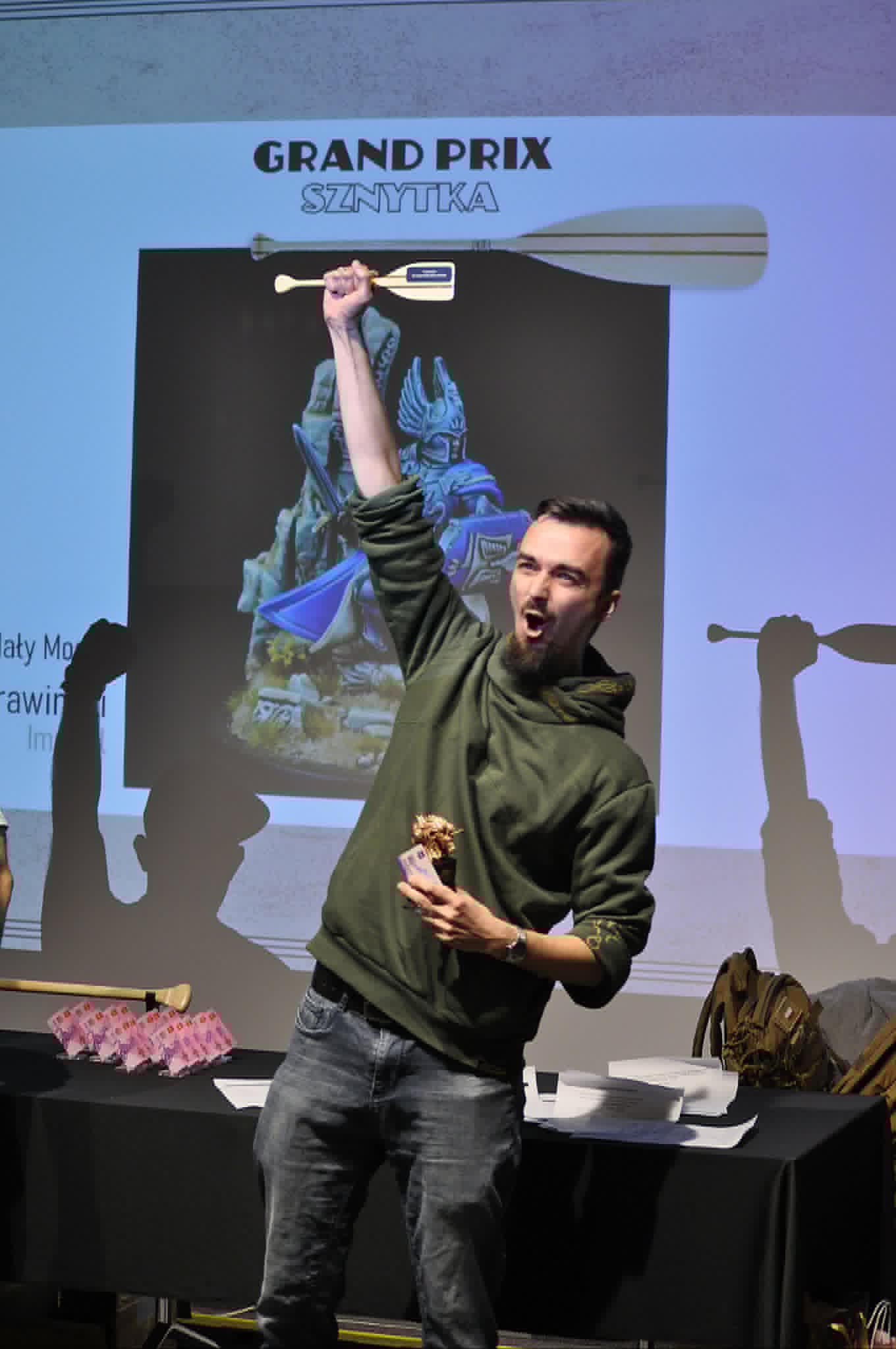
🇵🇱 Za uprzejmością Jakuba „Kronosa” Morawińskiego – członka GBW, utalentowanego malarza, który w tym roku ruszył ze swoimi pracami na podbój konkursów malarskich.

1. Jak i kiedy zaczęła się Twoja przygoda z Middle-earth: SBG i co najbardziej Cię przyciągnęło do tego systemu?

Przygoda zaczęła się podobnie jak dużej części z nas, mianowicie od gazetek wydawanych w okolicy 2004 roku. Uniwersum Tolkiena działało mocno na młody umysł, a okres wokół premier filmów był wtedy mocno hypowany czy w postaci kart w chipsach choćby, więc nietrudno było trafić też na figurki.

2. Co przyszło u Ciebie najpierw – granie czy malowanie figurek? A może obie rzeczy naraz?

Pierwsze było malowanie – od dziecka mnie do tego ciągnęło choć z mizernym efektem, niemniej jednak to był mój pierwszy kontakt z modelami, pierwsze farby akrylowe itd. Granie przyszło kilka lat później, ale zawsze szło w parze z malowaniem.

3. Która armia w Middle-earth: SBG jest Twoją ulubioną i dlaczego właśnie ona?

Od początków mojej przygody z ME mam jakąś niezrozumiałą sympatię do Isengardu jest to o tyle śmieszne, że ostatnio nią grałem chyba z 10 lat temu jak nie dawniej. Wynika ona prawdopodobnie z filmów i sekwencji polowania Lurtza na Drużynę oraz oblężenia Helmowego Jaru, które to sceny są jednymi z moich ulubionych. Aktualnie natomiast zarówno wizualnie jak i gameplayem najbardziej pasują mi Defendersi Helmowego Jaru i Harad.

4. Czy przy wyborze armii bardziej kierujesz się jej siłą na stole, wyglądem modeli czy klimatem świata Tolkiena?

To nie jest zero-jedynkowa kwestia bo zależy czy gram w duecie/drużynie czy solo natomiast prawdą jest, że o wiele przyjemniej gra mi się modelami, które podobają mi się wizualnie.

5. Który model albo bohater sprawił Ci najwięcej radości podczas malowania?

Tyle ich było a Ty każesz mi wybrać jeden? 😀 Generalnie bardzo lubię malować bohaterów Rohanu, zwłaszcza nowe rzeźby. Bardzo wpisują się w mój styl malarski i czuję ich klimat, więc postawiłbym na plastikowego Theodena czy też nowego Haletha z WofR. Jest też coś nad czym właśnie pracuje z LotRa ale nie chcę jeszcze odkrywać kart – poczekajmy do Kontrastu 😛 Bardzo dużo funu miałem też malując Imrahila.

6. Czy masz swój ulubiony styl malowania figurek do Middle-earth: SBG – bardziej filmowy, książkowy, realistyczny czy może własny?

Mam swój comfort-zone, który aktualnie łamię malując modele Warhammera 40k, natomiast jeśli chodzi stricte o LotRa to lubię malować w sposób dość stonowany ale kontrolowany. Powiedziałbym, że to taki low-fantasy. Co do schematów/kolorystyk i innych to nie ograniczam się do lore-accurate tak jak przy malowaniu armii Lenników ale też doceniam filmowe klimaty Rohanu czy elfów. W malowaniu konkursowym z kolei często inspiruję się ekranizacjami lub concept-artami popularnymi w kulturze masowej.

7. Jak wygląda u Ciebie proces pracy nad armią: najpierw rozpiska, potem malowanie, czy odwrotnie?

Niezależnie czy to armia czy model displayowy zawsze lubię mieć plan zanim zacznę realizację. Jeśli to armia to są to konkretnie dobrane modele, odpowiednio złożona z nich rozpiska, jasny plan na ich malowanie i dopiero jak faza pracy „w głowie” jest zamknięta, przechodzę do konkretów. Tak samo z modelami displayowymi – tu nacisk na fazę wstępną kładę jeszcze większy, dziesiątki concept-artów, wizualizacji, szkiców dobranych schematów kolorystycznych – słowem, mój telefon pęka już w szwach od materiałów ze zrealizowanych i przyszłym projektów.

8. Czy masz model albo oddział, z którego jesteś najbardziej dumny? Czy mogę prosić o ich zdjęcia?

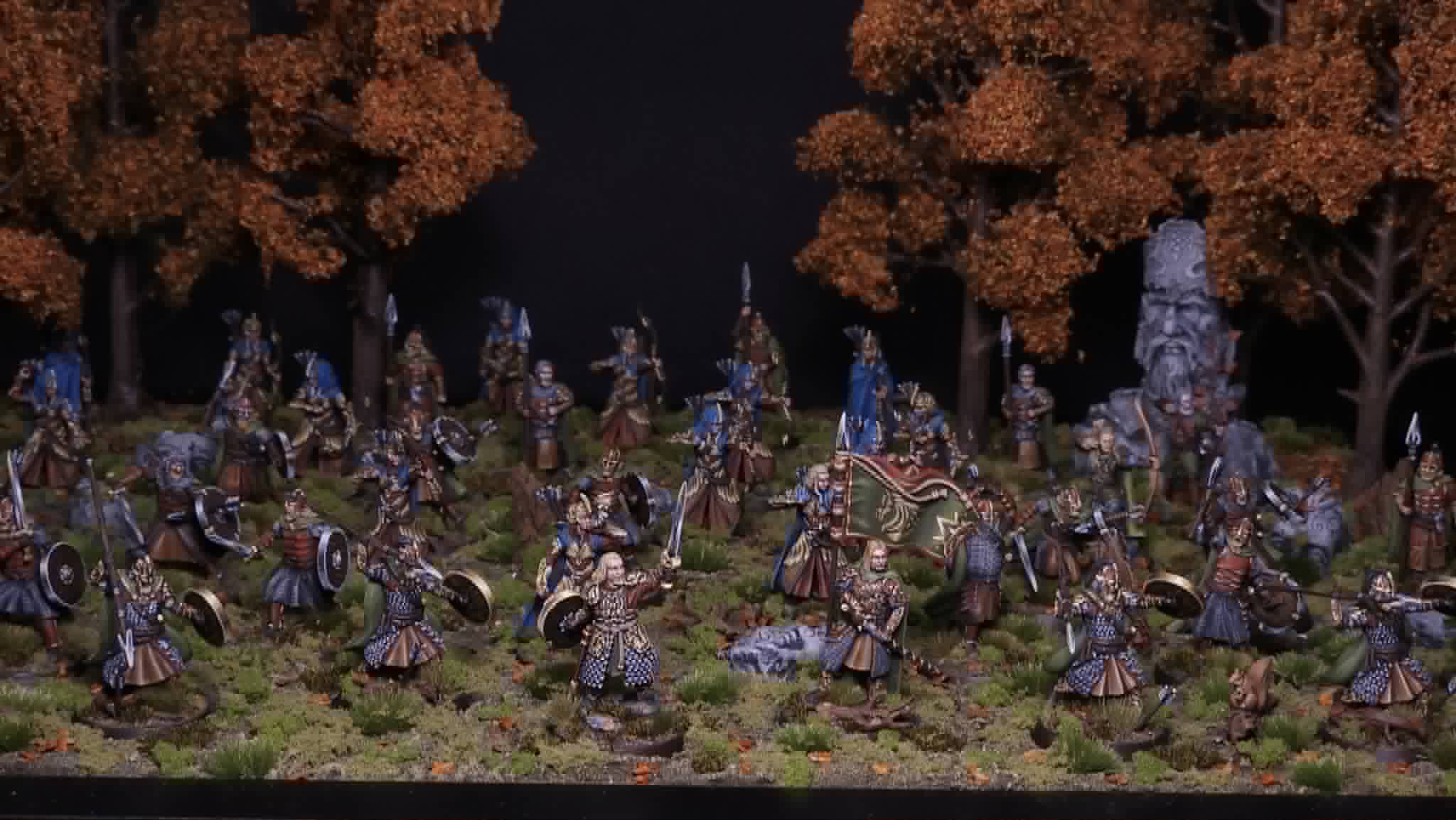
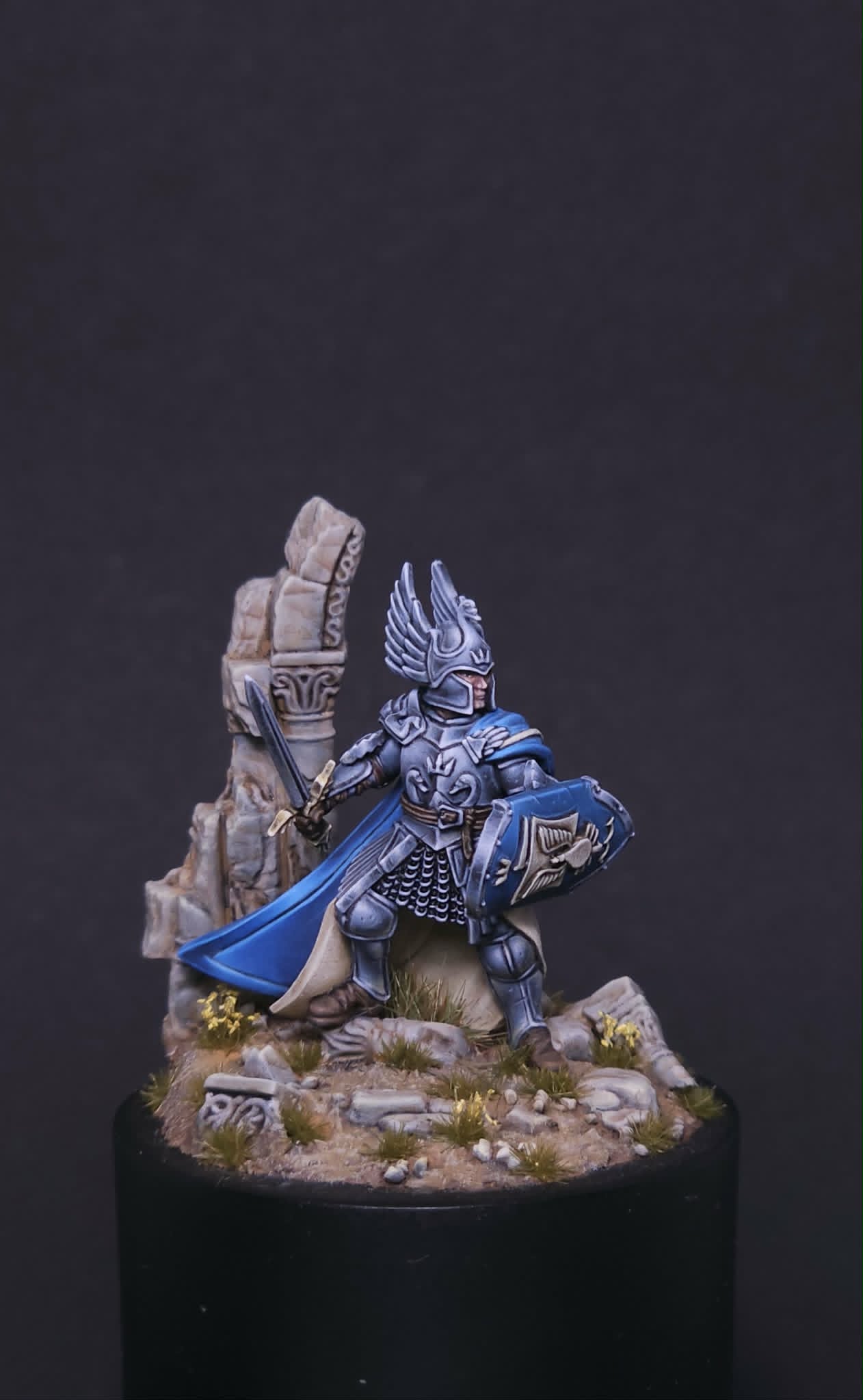
Z wielu prac jestem bardzo zadowolony i we wszystkich widzę też braki, które można by wyciągnąć, ale to niekończąca się historia. Jestem bardzo zadowolony np. ze swojej armii „kratkowanych” Lenników, Galadhrimów czy Rohanu. Nad wszystkimi spędziłem setki godzin i obecnie czuje, że bym tego nie powtórzył, z uwagi na obecny cel jaki obrałem w malowaniu. Z modeli, muszę przyznać, że najbardziej jestem zadowolony z Imrahila. Uważam tą pracę za definicję mojego stylu malowania i wyciągnięcia większości wniosków z dotychczasowej drogi malarskiej (Całkiem możliwe, że niedługo jego miejsce zajmie coś nowego :P).

9. Która armia była dla Ciebie najtrudniejsza do pomalowania i z jakiego powodu?

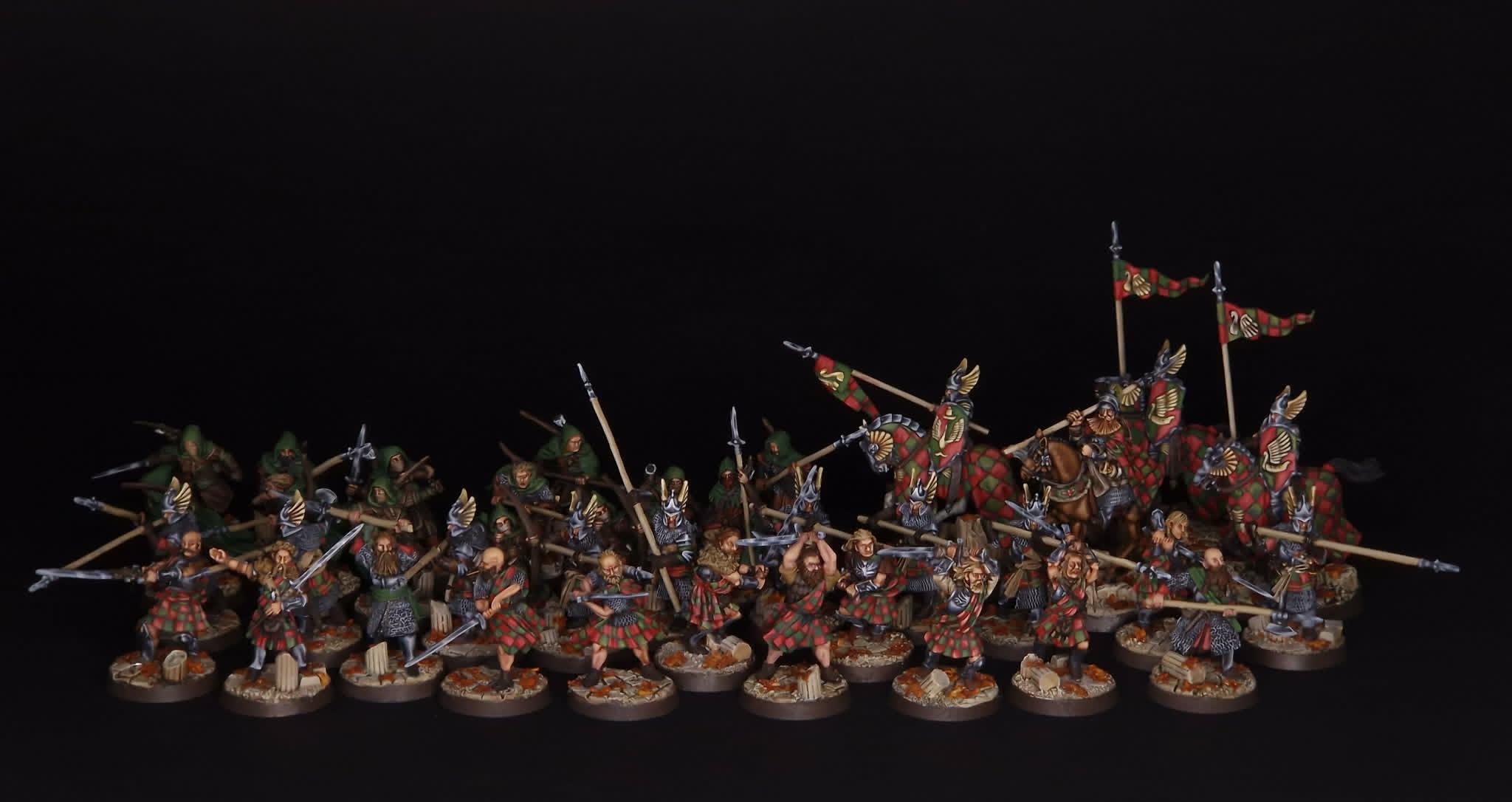
Jeśli chodzi o armię, to najtrudniejsze chyba były wspomniane wcześniej lenna, masa kratkowanych szat + NMMy na 40+ modelach to było wyzwanie. Była to też w sumie chyba pierwsza armia na której stosowałem non-metalic. Ahh no i zdecydowanie najtrudniejsza dla mnie okazała się armia Easterlingów, którą założyłem sobie do pomalowania też w NMM), która po cesarzu i kilku modelach przerosła mnie czasowo i od dłuższego czasu czeka i czeka… i się raczej prędko nie doczeka.

10. Jakie znaczenie ma dla Ciebie pełne pomalowanie armii przed wystawieniem jej na stół?

Szczerze mówiąc – kluczowe. Jestem wyczulony na punkcie estetyki modeli, bardzo rzadko gram modelami niepomalowanymi a tak jak już wspominałem – o wiele więcej przyjemności przynosi mi granie ładnie pomalowaną armią (i najlepiej na przeciwnika z równie ładną). Jestem wyznawcą, że hobbystyka jest integralną częścią tej gry.

11. Co sprawia Ci większą satysfakcję: osiągnięcia w konkursie malarskim czy zwycięstwo na turnieju w Middle-earth: SBG?

Z całą pewnością do pierwsze. Zwłaszcza jeśli mówimy tu stricte o konkursach malarstwa figurkowego, zdobycie medalu za pracę nad którą spędziłem 100+ godzin to niesamowita satysfakcja i zwieńczenie masy pracy.

12. Jaką jedną radę dałbyś osobie, która dopiero zaczyna swoją przygodę z malowaniem i graniem w Middle-earth: SBG?

Do zaczynających grać – grajcie tym co najbardziej podoba Wam się klimatem/wizualnie, nie zwracajcie uwagi na metę! A co do malowania, wymaga ono mnóstwa cierpliwosci, więc jeśli chcecie efektów, nie spieszcie się i nic na siłę.

Z pozdrowieniami,
Kronos i Tancred

P.S. Prace Kronosa możecie podziwiać na jego Instagramie: https://www.instagram.com/kronos_miniatures/
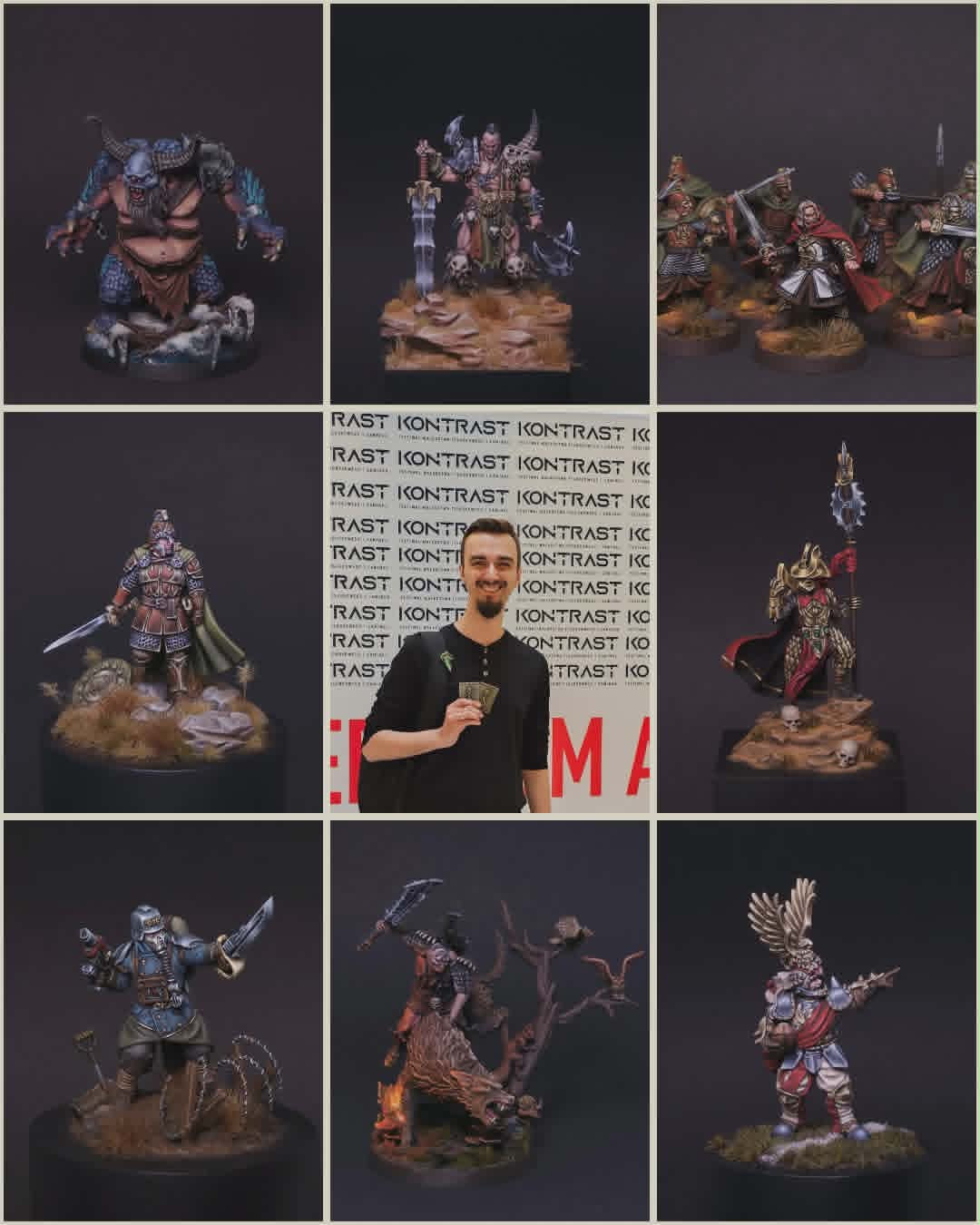
🇬🇧 Courtesy of Jakub „Kronos” Morawiński – a member of GBW and a talented painter, who this year has begun taking his work to painting competitions.

1. How and when did your adventure with Middle-earth: SBG begin, and what attracted you most to the system?

My adventure began much like it did for many of us – with the magazines that were being published around 2004. Tolkien’s universe had a strong effect on a young mind, and the period around the film premieres was hugely hyped at the time, whether through things like collectible cards in crisps or otherwise, so it was not hard to come across the miniatures as well.

2. What came first for you – playing or painting miniatures? Or perhaps both at the same time?

Painting came first – I had been drawn to it since childhood, even if the results were rather modest. Still, that was my first contact with miniatures, my first acrylic paints, and so on. Playing came a few years later, but it always went hand in hand with painting.

3. Which army in Middle-earth: SBG is your favourite, and why that one?

Since the very beginning of my journey with Middle-earth, I have had some inexplicable fondness for Isengard. It is funny, because I think the last time I actually played it was about ten years ago, if not longer. That fondness probably comes from the films – especially the sequence of Lurtz hunting the Fellowship and the siege of Helm’s Deep, which remain some of my favourite scenes. At the moment, however, both visually and in terms of gameplay, I am most drawn to the Defenders of Helm’s Deep and Harad.

4. When choosing an army, do you care more about its strength on the table, the look of the models, or the atmosphere of Tolkien’s world?

It is not really a black-and-white matter, because it depends on whether I am playing in a pair/team or solo. But it is true that I enjoy playing much more with models that I like visually.

5. Which model or hero has given you the most joy while painting?

There have been so many, and you want me to choose just one? 😀
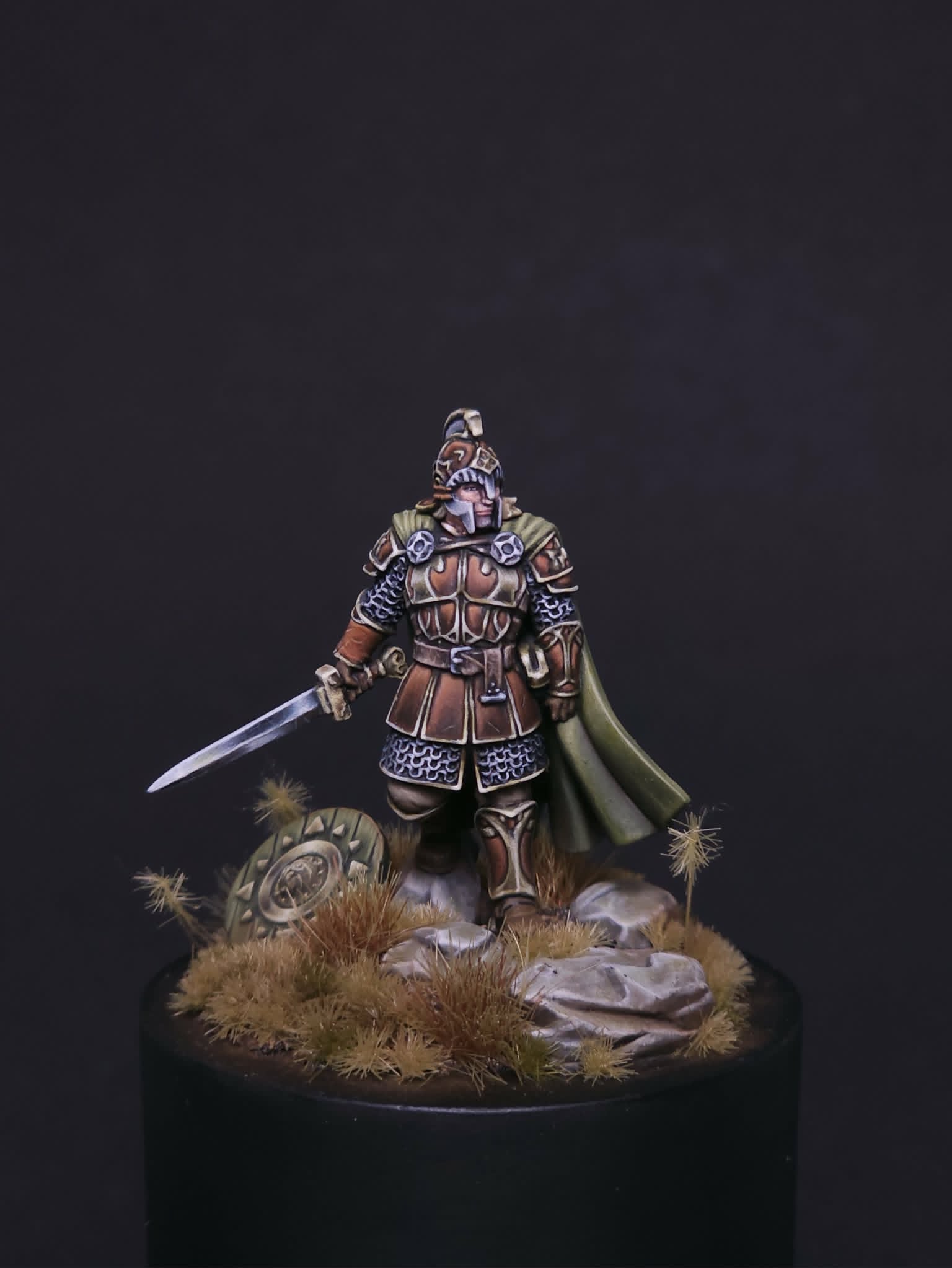
In general, I really enjoy painting Rohan heroes, especially the newer sculpts. They fit my painting style very well and I really feel their atmosphere, so I would probably choose the plastic Théoden or the new Haleth from War of the Ring. There is also something from The Lord of the Rings that I am working on right now, but I do not want to reveal my cards just yet – let us wait until Kontrast 😛 I also had a great deal of fun painting Imrahil.

6. Do you have a favourite style of painting miniatures for Middle-earth: SBG -more film-like, book-inspired, realistic, or perhaps your own?

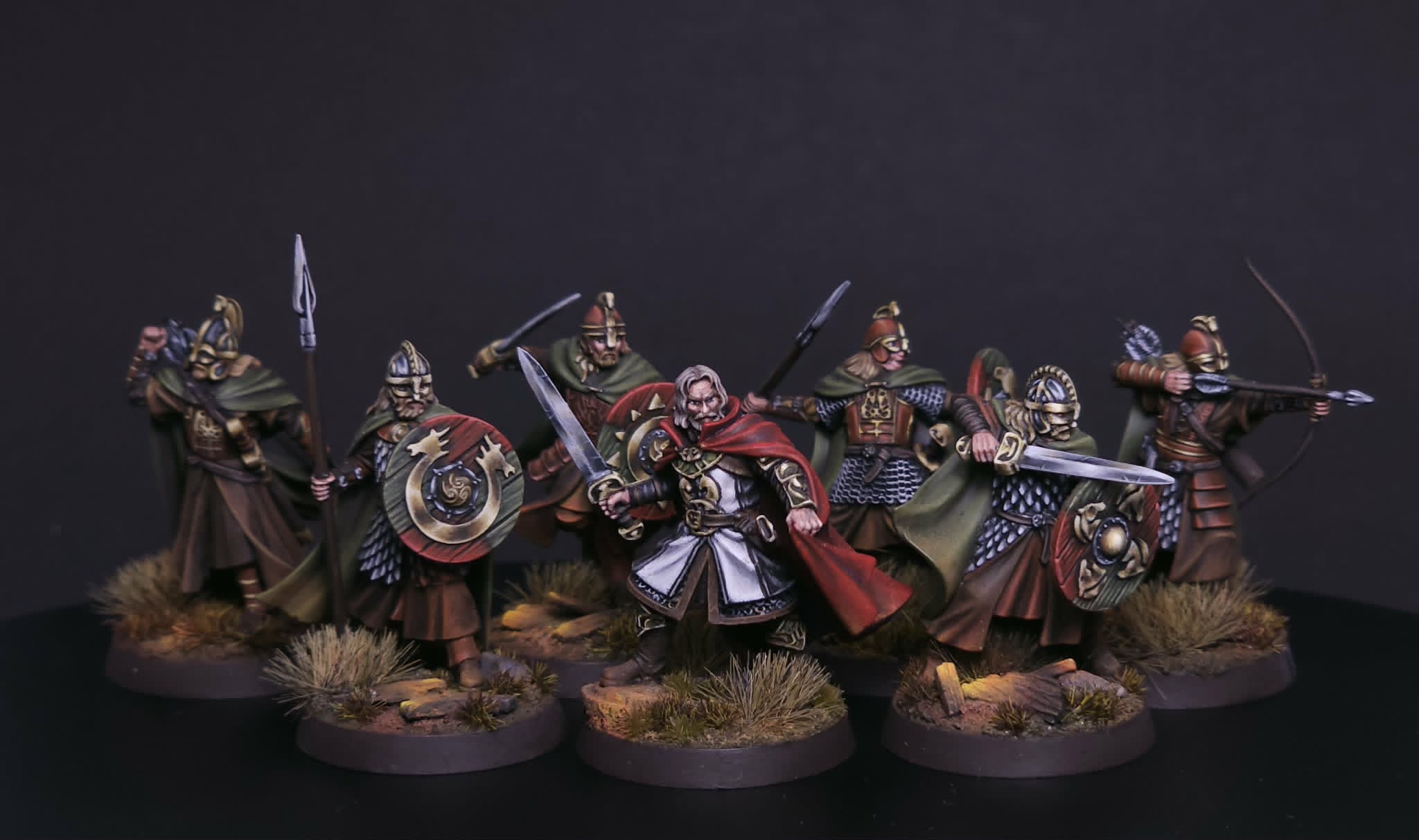
I have my own comfort zone, which I am currently breaking out of by painting Warhammer 40,000 models. But when it comes strictly to The Lord of the Rings, I like to paint in a fairly subdued yet controlled way. I would say it is a kind of low fantasy style. As for schemes, colour choices, and so on, I do not limit myself to being strictly lore-accurate, as I did when painting my Fiefdoms army, but at the same time I also appreciate the cinematic feel of Rohan or the Elves. In competition painting, on the other hand, I often take inspiration from film adaptations or concept art popular in mainstream culture.

7. What does your process of working on an army look like: army list first and then painting, or the other way round?

Whether it is an army or a display model, I always like to have a plan before I start. If it is an army, that means specifically chosen models, a properly built list using them, a clear painting plan, and only once the “mental work” phase is complete do I move on to the practical side. It is the same with display models – only there I place even more emphasis on the preparation stage: dozens of concept artworks, visual references, sketches, selected colour schemes. In short, my phone is already bursting at the seams with materials from finished and future projects.

8. Do you have a model or unit you are most proud of? Could I ask for photos of them?

There are many works I am very happy with, and in all of them I can also see flaws that could be improved – but that is an endless story. I am very pleased, for example, with my army of chequered Fiefdoms, my Galadhrim, and my Rohan force. I spent hundreds of hours on all of them, and at the moment I feel I would not be able to repeat that, given the direction I have now chosen in painting. As for individual models, I have to admit that I am proudest of Imrahil. I consider that piece the definition of my painting style and the result of drawing most of the lessons from my journey as a painter so far. (It is entirely possible that something new will soon take his place :P)

9. Which army was the hardest for you to paint, and why?

If we are talking about an army, then probably the hardest were the Fiefdoms I mentioned earlier. A mass of chequered robes plus NMM on more than 40 models was quite a challenge. It was also, I think, the first army where I used non-metallic metal throughout. And yes, the hardest of all for me turned out to be the Easterlings army, which I also decided to paint in NMM. After painting the Emperor and a few more models, it simply became too time-consuming for me, and it has been waiting ever since… and it probably will not be finished any time soon.

10. How important is it to you to have a fully painted army before putting it on the table?

Honestly – it is crucial. I am very sensitive when it comes to the appearance of models. I play with unpainted miniatures very rarely, and as I mentioned before, I get far more enjoyment from playing with a nicely painted army – ideally against an equally well-painted one. I believe that the hobby side is an integral part of this game.

11. What gives you greater satisfaction: success in a painting competition or victory in a Middle-earth: SBG tournament?

Definitely the former. Especially if we are talking strictly about miniature painting competitions – winning a medal for a piece I spent 100+ hours on is an incredible feeling and the culmination of a huge amount of work.

12. What one piece of advice would you give to someone who is just starting their adventure with painting and playing Middle-earth: SBG?

For those who are starting to play – play what appeals to you most in terms of atmosphere and visuals; do not pay attention to the meta. And as for painting, it requires a lot of patience, so if you want results, do not rush and do not force anything.

Best regards,
Kronos and Tancred

P.S. Kronos works are avaible on his Instagram: https://www.instagram.com/kronos_miniatures/

Interview with Jędrzej from Team Poland, winners of WTC in Bolt Action 2026 (🇬🇧EN/🇵🇱PL) Wtorek, Maj 26 2026 

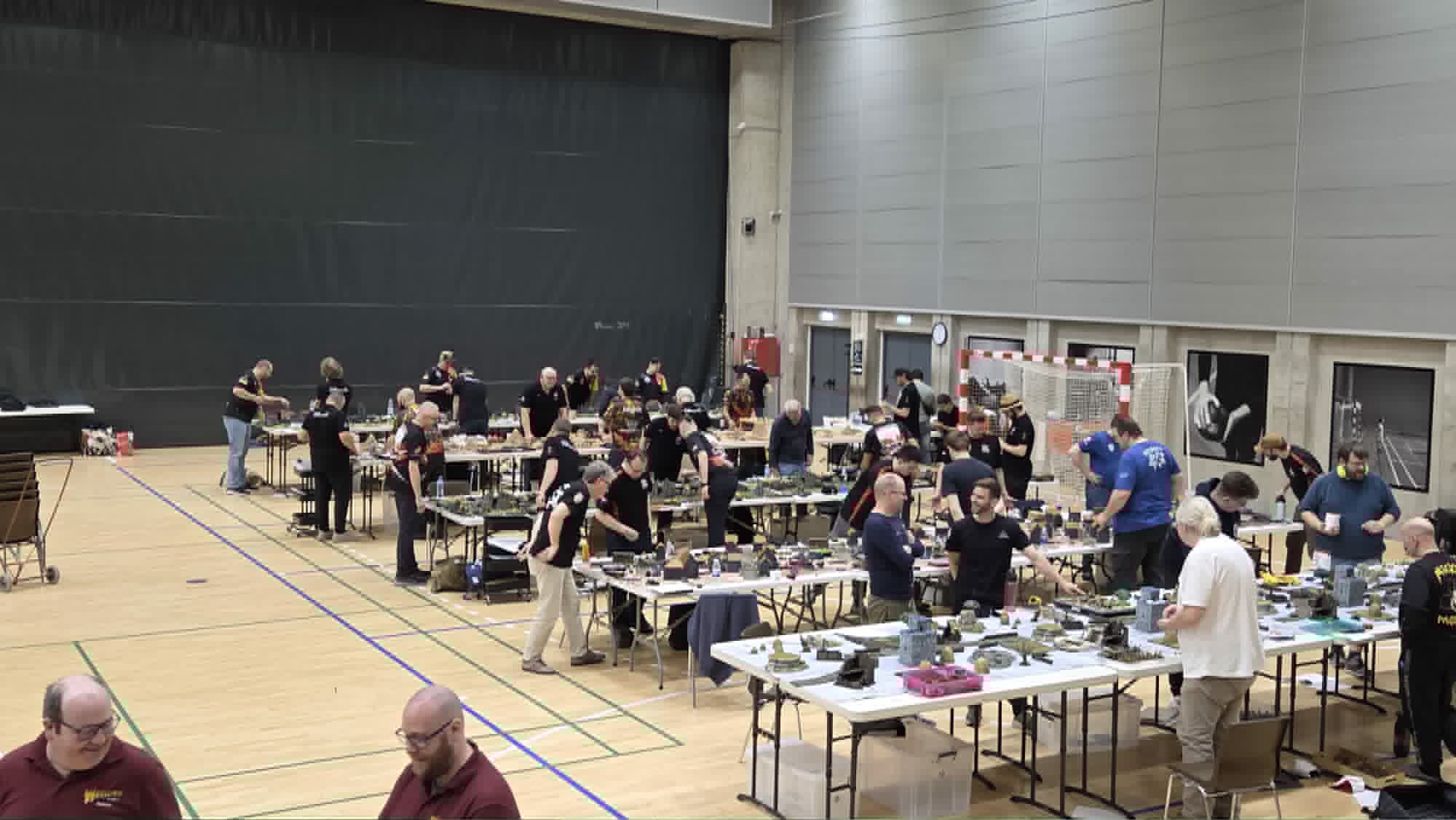
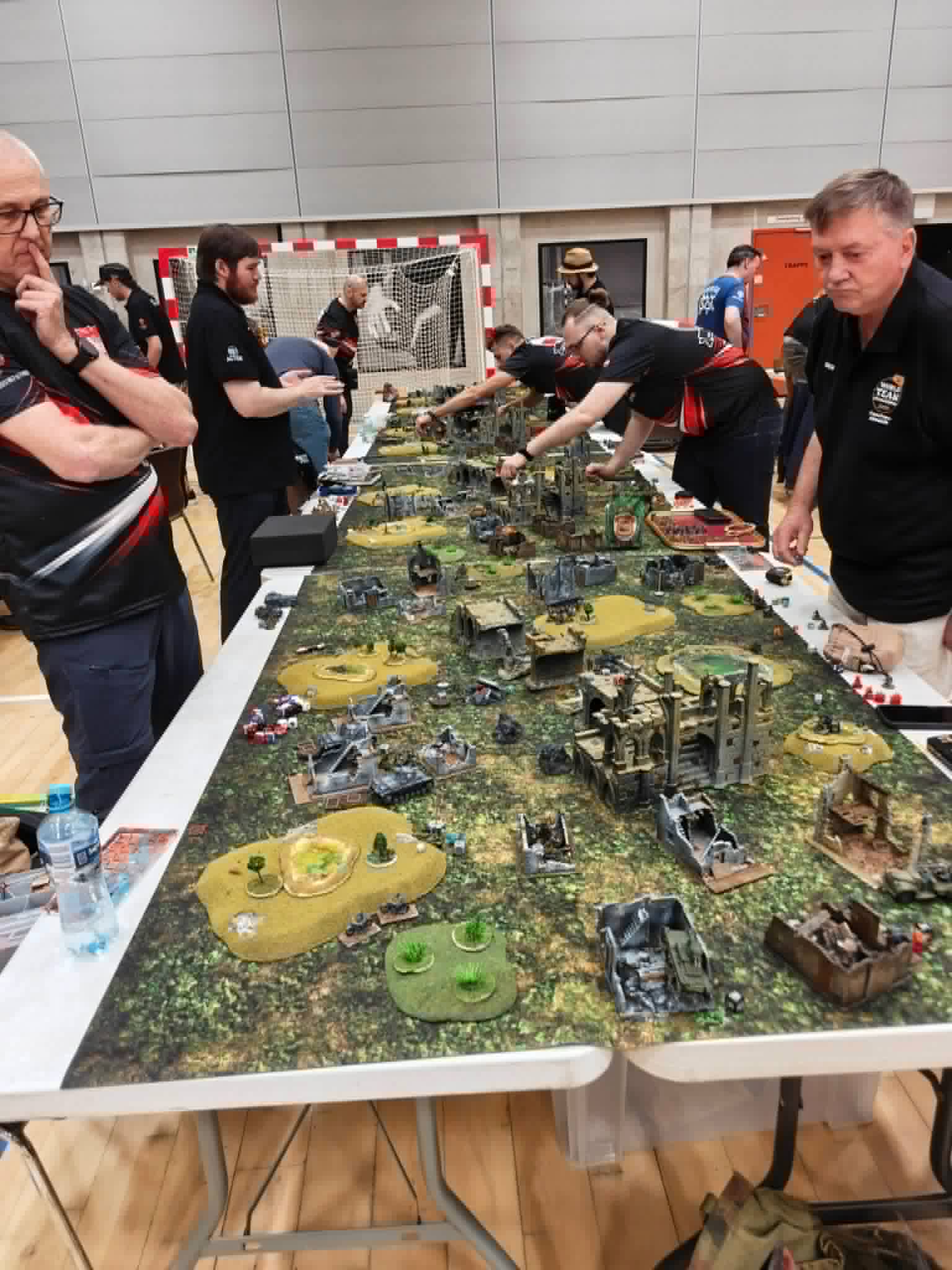
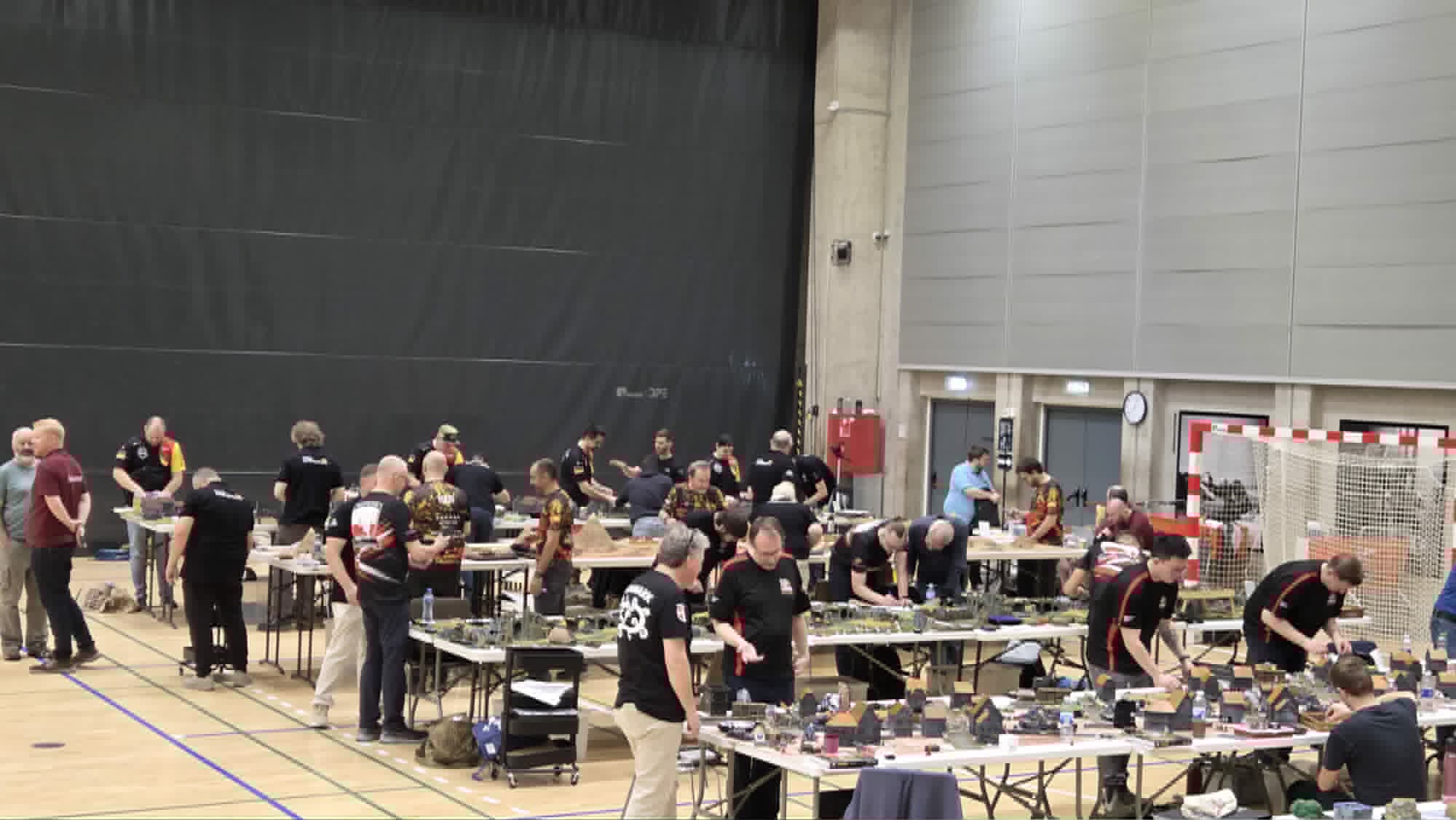
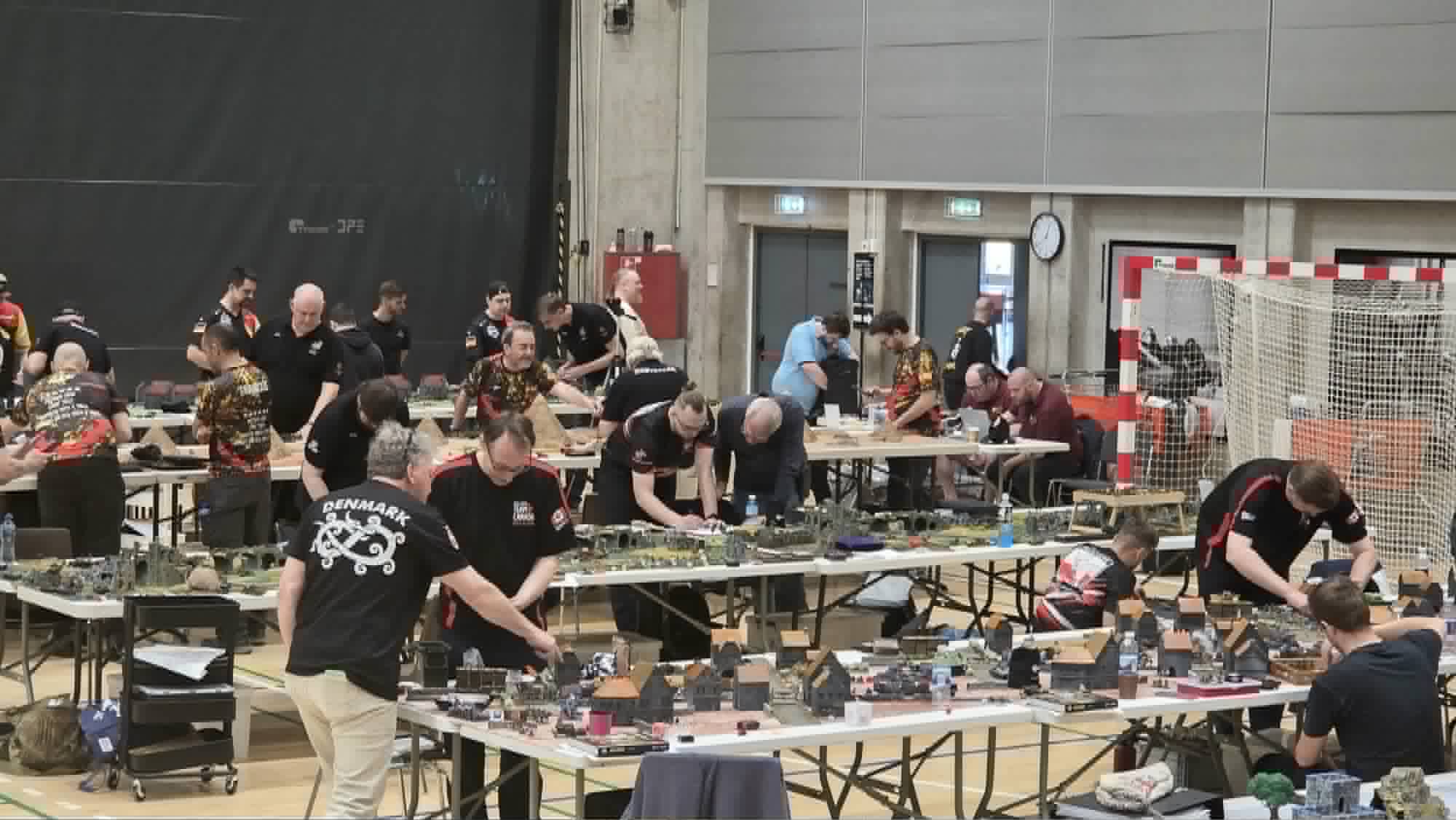
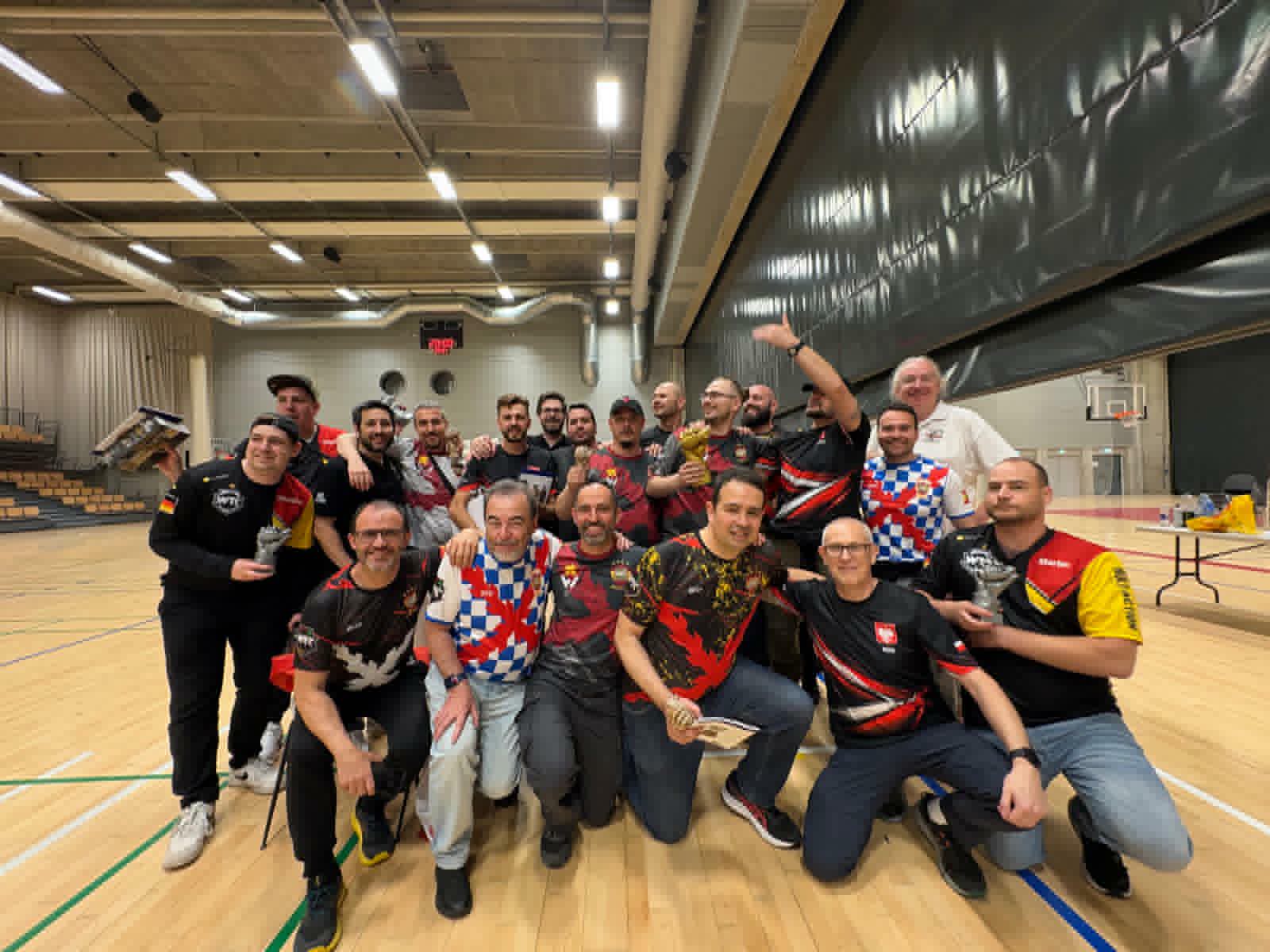
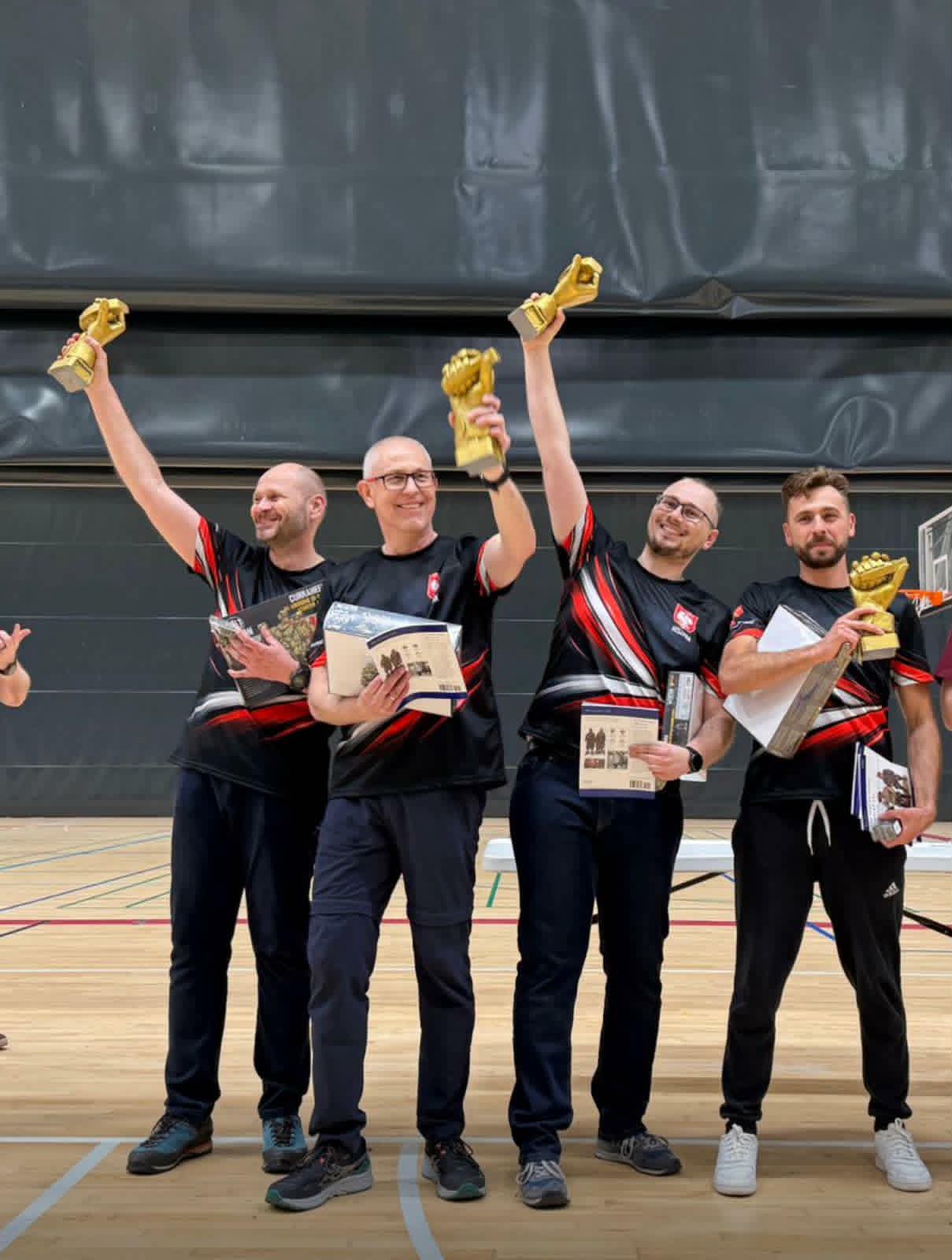
🇵🇱 Przed Wami wywiad z Jędrzejem Paluszyńskim, jednym z członków zwycięskiej, polskiej drużyny w międzynarodowych, Drużynowych Mistrzostwach Świata w Bolt Action, które odbyły się w dniach 9-10 maja w Kopenhadze. O wynikach czy rozpiskach możecie przeczytać TUTAJ. Tymczasem przejdźmy do Jędrzeja, który znalazł dla mnie parę chwil i udzielił tego zacnego wywiadu.

1. Przed Wami Mistrzowie Świata w drużynowych Mistrzostwach w Bolt Action 2026. Drużyna w skład której wchodził Jędrzej Paluszyński, Marek Zieliński oraz – no właśnie?

– W skład naszej drużyny wchodzili: Marek Zieliński, Krzysztof Zieliński, Michał Brzeźnicki i ja.

2. Jakie to uczucie zostać drużynowymi mistrzami świata w Bolt Action?


– Na pewno przyjemne. Oczywiście Bolt, to przede wszystkim hobby i należy pamiętać, że nie ma powodu do puszenia się i zadzierania nosa. Sukces jaki udało nam się odnieść motywuje do tego, aby jeszcze lepiej przygotować się do turnieju WTC w przyszłym roku.

3. Która runda była dla Was najtrudniejsza?

Najtrudniejsze dla nas były rundy z Australią 1 i Niemcami. Niemcy we wszystkich dotychczasowych edycjach WTC byli w topie, a w ubiegłym roku zdobyli mistrzostwa. Australijczycy w zeszłym roku zadebiutowali na WTC i zaskoczyli wszystkich bardzo dobrą grą. W tym roku byli równie dobrze przygotowani. Oba te teamy to bardzo dobrzy gracze, świetnie skomponowane rozpiski.

4. W którym momencie uwierzyliście, że możecie wygrać cały turniej?

– Myślę, że dopiero przed ostatnią grą. Wcześniej skupialiśmy się na bieżącej turze. Przed parowaniem do ostatniej tury zorientowaliśmy się, że do wygrania turnieju wystarczy nam drużynowy remis. Z tego względu zagraliśmy Duńczykami bardzo zachowawczo. No i udało się.

5. Co było kluczem do zwycięstwa: rozpiski, parowania czy ogranie?

– Wszystkie te elementy miały duże znaczenie, choć kluczowe według mnie było parowanie, i tu należy podkreślić zasługi naszego kapitana, którym był Krzysztof.

6. Czy coś w mecie turnieju Was zaskoczyło? Jaki mecz był punktem zwrotnym mistrzostw?

– Raczej nie było wielkich zaskoczeń. Jak zwykle rozpiski były bardzo zróżnicowane – były i takie, które opierały się na piechocie, inne na artylerii, czy pojazdach opancerzonych Może jedynie dość spora liczba używanych hgm, których u nas raczej niewiele widuje się na stołach. Dla mnie osobiście największym zaskoczeniem była rozpiski armii holenderskiej, która okazała się bardzo mocno (choć muszę przyznać, że grający nią Australijczyk to naprawdę twardy przeciwnik). Nie dostrzegam jakiegoś punktu zwrotnego. Po wygraniu pierwszej rundy stale utrzymywaliśmy się w górnej części stawki.

7. Która drużyna zrobiła na Was największe wrażenie?

– Chyba jednak Niemcy. Jak zwykle bardzo dobrze przygotowani. Ich rozpiski są bardzo przemyślane i skomponowane pod wymogi grania zespołowego.

8. Jak wyglądała współpraca i podział ról w Waszym zespole?

– Współpraca układała się wzorowo. Przed turniejem postaraliśmy się przejrzeć rozpiski innych drużyn, wychwycić największe zagrożenia dla naszych rozpisek i zaplanować parowanie, które by te zagrożenia minimalizowały.

9. Jaka była najważniejsza decyzja podjęta w trakcie turnieju?

– Nie widzę jakiejś jednej genialnej i przełomowej decyzji. Cały turniej wymagał pełnej koncentracji nad każdą gra i każdą pojedynczą decyzją w grze.

10. Jaką jedną radę dalibyście drużynom, które chcą kiedyś wygrać ten tytuł?

– Grajcie. Grajcie tak, żeby ta gra sprawiała Wam frajdę. Pamiętajcie, że to nie walka o życie, tylko hobby. Że bez względu na to czy wygracie, przegracie, czy zremisujecie jutro tez wstanie słońce i będzie nowy dzień. Że udział w międzynarodowym turnieju to okazja, że spotkać i poznać ludzi z innych krajów. Pogadać z nimi o wspólnych pasjach, ale także o życiu.

11.
Co ten sukces znaczy dla Was osobiście? I na koniec – jak będziecie świętować?

-Świętować, to już świętowaliśmy – wieczór po zakończonym WTC. Potem był czas na wspólne zwiedzanie Kopehagii (polecam, bardzo ładne miasto), a potem trzeba było wracać do domu i pracy. Co ten sukces znaczy dla nas? To na pewno nagroda za wysiłek włożony w przygotowanie do turnieju i zachęta to dalszego rozwijania tego hobby.

12. A teraz najcięższe pytanie, czy Bolt Action to gra turniejowa i dlaczego tak?

Bolt Action to gra jak każda inna. Super nadaje się do rozgrywania klimatycznych bitew, których scenariusz oparty jest o historyczne wydarzenia z okresu II Wojny Światowej. Nic nie stoi jednak na przeszkodzie aby grać w nią na turniejach. Jak już wcześniej mówiłem takie imprezy to świetne okazje do poznania innych graczy.


🇬🇧 Before you is an interview with Jędrzej Paluszyński, one of the members of the victorious Polish team at the international Team World Championships in Bolt Action, held on 9–10 May in Copenhagen. You can read about the results and army lists HERE. In the meantime, let us turn to Jędrzej, who found a few moments for me and kindly agreed to give this fine interview.

1. Before you stand the World Champions of the 2026 Team World Championships in Bolt Action. The team included Jędrzej Paluszyński, Marek Zieliński, and — well, who exactly?

– Our team consisted of Marek Zieliński, Krzysztof Zieliński, Michał Brzeźnicki, and me.

2. What does it feel like to become team world champions in Bolt Action?

– Definitely pleasant. Of course, Bolt is first and foremost a hobby, and it is important to remember that there is no reason to get puffed up and arrogant. The success we managed to achieve motivates us to prepare even better for the WTC tournament next year.

3. Which round was the toughest for you?

– The hardest rounds for us were against Australia 1 and Germany. Germany has been at the top in every WTC edition so far, and last year they won the championship. The Australians made their WTC debut last year and surprised everyone with how well they played. This year they were just as well prepared. Both of those teams are made up of very strong players with excellently designed lists.

4. At what moment did you believe that you could win the whole tournament?

– I think only before the last game. Earlier, we were focused on the current round. Before the pairings for the last round, we realised that a team draw would be enough for us to win the tournament. Because of that, we played very cautiously against the Danes. And it worked.

5. What was the key to victory: army lists, pairings, or experience?

– All of these elements mattered a lot, although in my opinion the key factor was the pairings, and here the заслуги of our captain, Krzysztof, should be emphasised.

6. Did anything about the tournament meta surprise you? Which match was the turning point of the championship?

– There were no major surprises, really. As usual, the lists were very diverse — some were infantry-based, others focused on artillery or armoured vehicles. Perhaps the only thing that stood out was the fairly large number of HMGs being used, which we do not really see that often on our tables. Personally, the biggest surprise for me was the Dutch army list, which turned out to be very strong (although I have to admit that the Australian player using it was a really tough opponent). I do not see any single turning point. After winning the first round, we stayed near the top of the standings the whole time.

7. Which team impressed you the most?

– Probably Germany. As usual, they were extremely well prepared. Their lists are very carefully thought out and designed specifically for team play.

8. What did the cooperation and division of roles look like within your team?

– The cooperation worked perfectly. Before the tournament, we tried to go through the lists of the other teams, identify the biggest threats to our own lists, and plan pairings that would minimise those threats.

9. What was the most important decision made during the tournament?

– I do not see any one brilliant or breakthrough decision. The whole tournament required full concentration on every single game and every single decision made during it.

10. What one piece of advice would you give to teams who want to win this title one day?

Play. Play in a way that makes the game enjoyable for you. Remember that this is not a fight for your life, just a hobby. No matter whether you win, lose, or draw, the sun will still rise tomorrow and it will be a new day. Taking part in an international tournament is an opportunity to meet and get to know people from other countries. To talk with them about shared passions, but also about life.

11. What does this success mean to you personally? And finally – how are you going to celebrate?

– We have already celebrated – on the evening after the WTC ended. After that, there was time for some sightseeing in Copenhagen (I recommend it, it is a very beautiful city), and then it was time to go back home and back to work. What does this success mean to us? It is certainly a reward for the effort put into preparing for the tournament, and an encouragement to keep developing this hobby further.

12. And now the hardest question – is Bolt Action a tournament game, and why?

Bolt Action is a game like any other. It is great for playing atmospheric battles based on historical events from the Second World War. But there is nothing stopping people from playing it in tournaments as well. As I said before, such events are a great opportunity to meet other players.

Middle-Earth: SBG – Start playing with GBW – Return of the King (🇬🇧/🇵🇱) Środa, Maj 13 2026 

🇬🇧/🇵🇱 Dear English speaking readers – English version is just below Polish. It was first published on 12.05.2026 on Gdzie był Wrocław profile – as person responsible for this profile I warlmy invite you in name of my group to observe this profile too

🇵🇱 Zacznij grać z GBW czyli armie dla początkujących – od czego zacząć?

Wybór pierwszej armii do Middle-earth Strategy Battle Game potrafi być trudny, szczególnie na początku przygody z systemem. Dlatego postanowiliśmy rozpocząć serię krótkich tekstów o armiach, z którymi łatwo wystartować, a przy okazji nie zrujnują one portfela już na samym wejściu.

W naszych zestawieniach bierzemy pod uwagę oryginalne modele Games Workshop, kupowane w sklepach. Oczywiście warto zaznaczyć, że na rynku dostępne są także różne zamienniki figurek – chociażby te oferowane przez Minifakturę – więc możliwości jest więcej. Wielu graczy regularnie odwiedza też Bazarek Middle-Earth SBG by szukać okazji na rynku wtórnym.

Na pierwszy ogień idzie armia, którą wielu graczy poleca początkującym. To jedna z tańszych opcji do kolekcjonowania, a przy tym bardzo klimatyczna. Mowa o armii Dobra, w której znajdziemy Aragorna, Gimliego i Legolasa, czyli słynnych Trzech Łowców, a także przeklętych przez Isildura ludzi z Gór Białych, którzy po śmierci stali się nieumarłymi wojownikami z Dunharrow.

Dlaczego warto?

To armia, która ma kilka naprawdę mocnych stron. Przede wszystkim zwykli wojownicy-duchy z Dunharrow są odporne i wzbudzają Grozę, co już samo w sobie potrafi zrobić różnicę na stole. Do tego armia jest bardzo szybka – podstawowa piechota porusza się aż 8 cali, co jest dużym atutem. No i oczywiście nie można zapominać o bohaterach – Aragorn, Legolas, Gimli i Król Umarłych to postacie, które potrafią zrobić swoje.

Co może przeszkadzać?

Nie jest to jednak armia bez wad. Największą z nich jest wysoki koszt punktowy szeregowych modeli – pojedynczy wojownik kosztuje tutaj od 14 do 16 punktów, więc liczebność armii szybko robi się ograniczona. Drugim minusem jest dość mały wybór jednostek, co może niektórym graczom przeszkadzać przy układaniu bardziej różnorodnych rozpisek.

A jak z malowaniem?

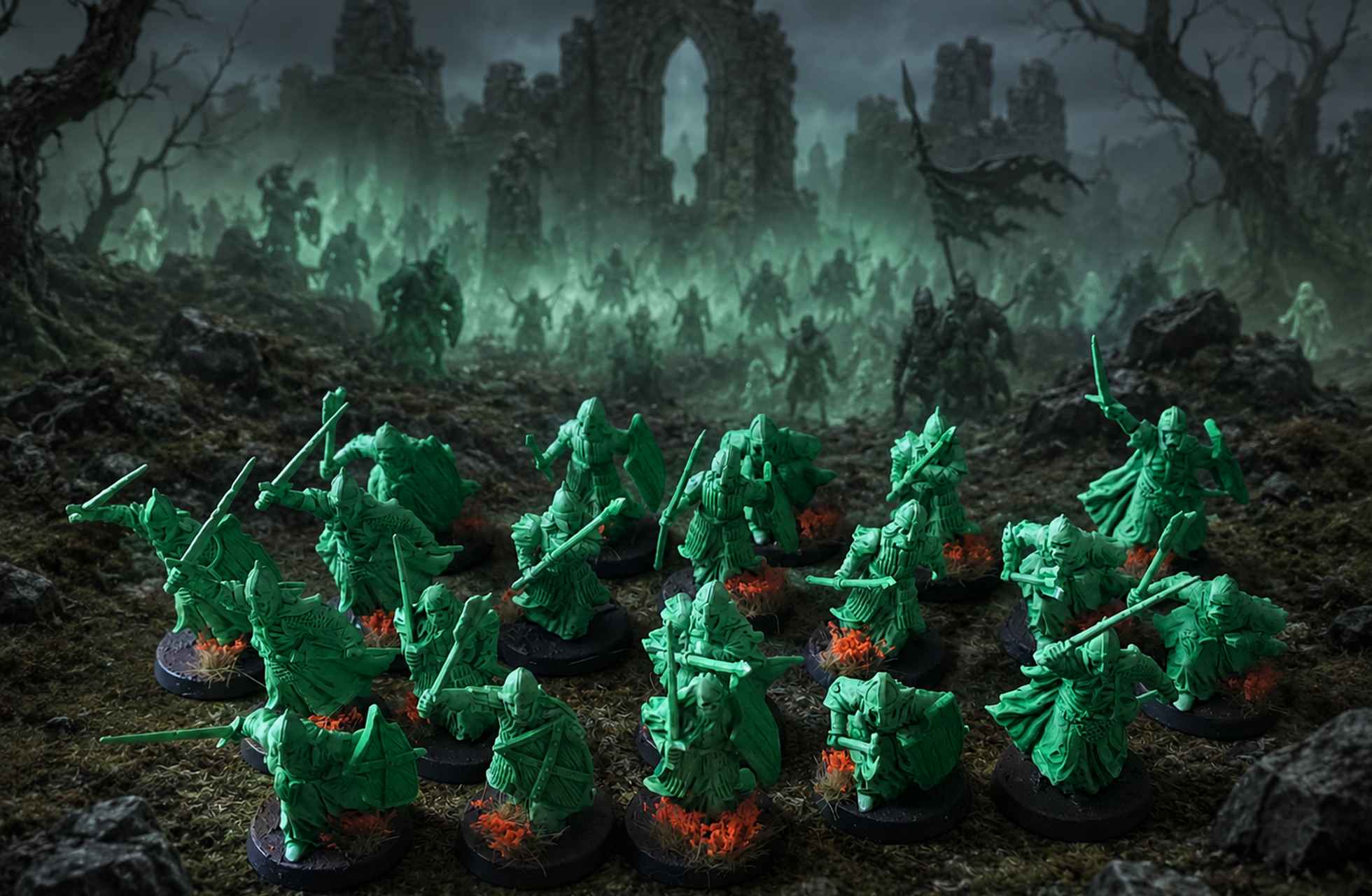
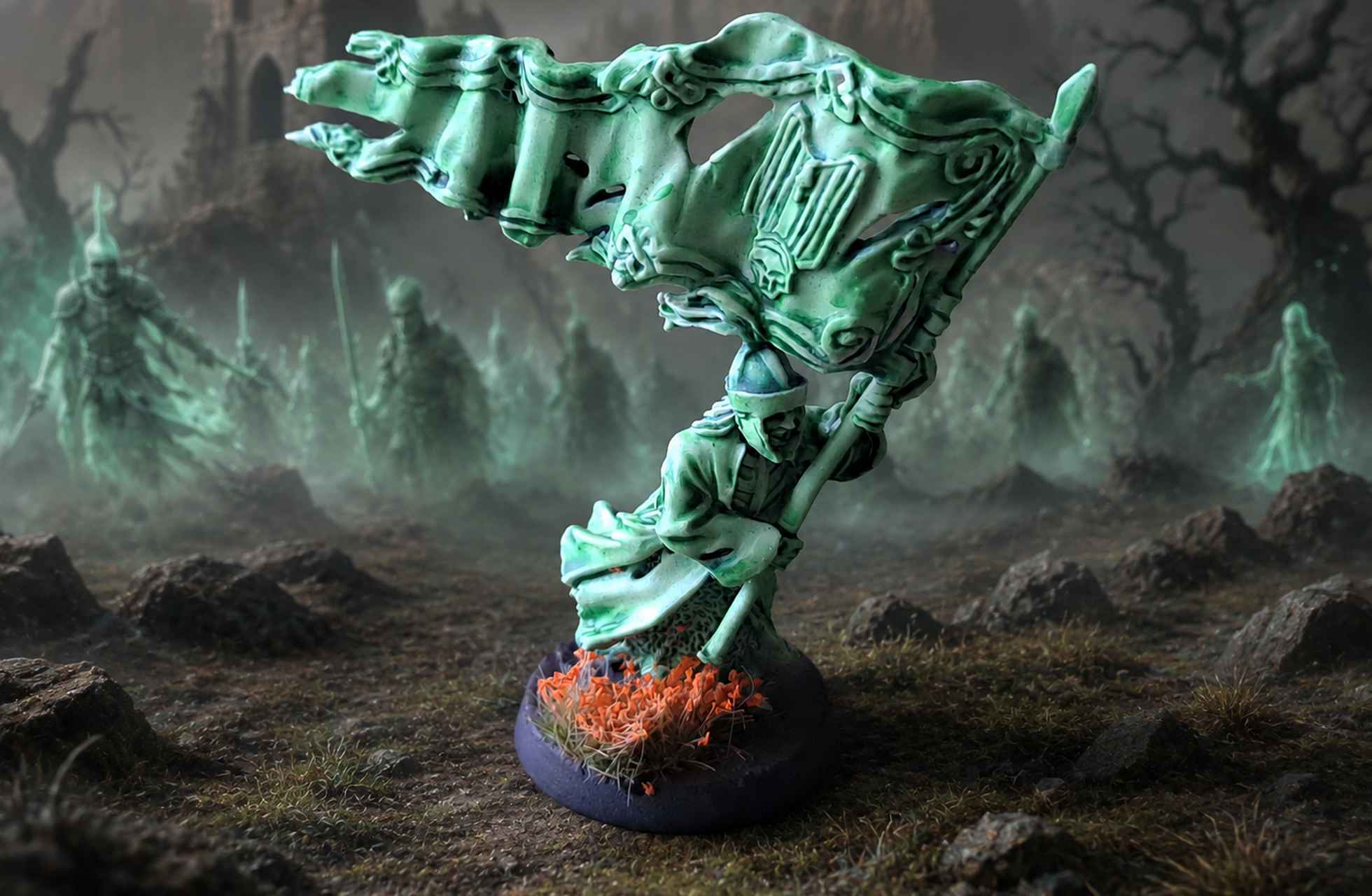
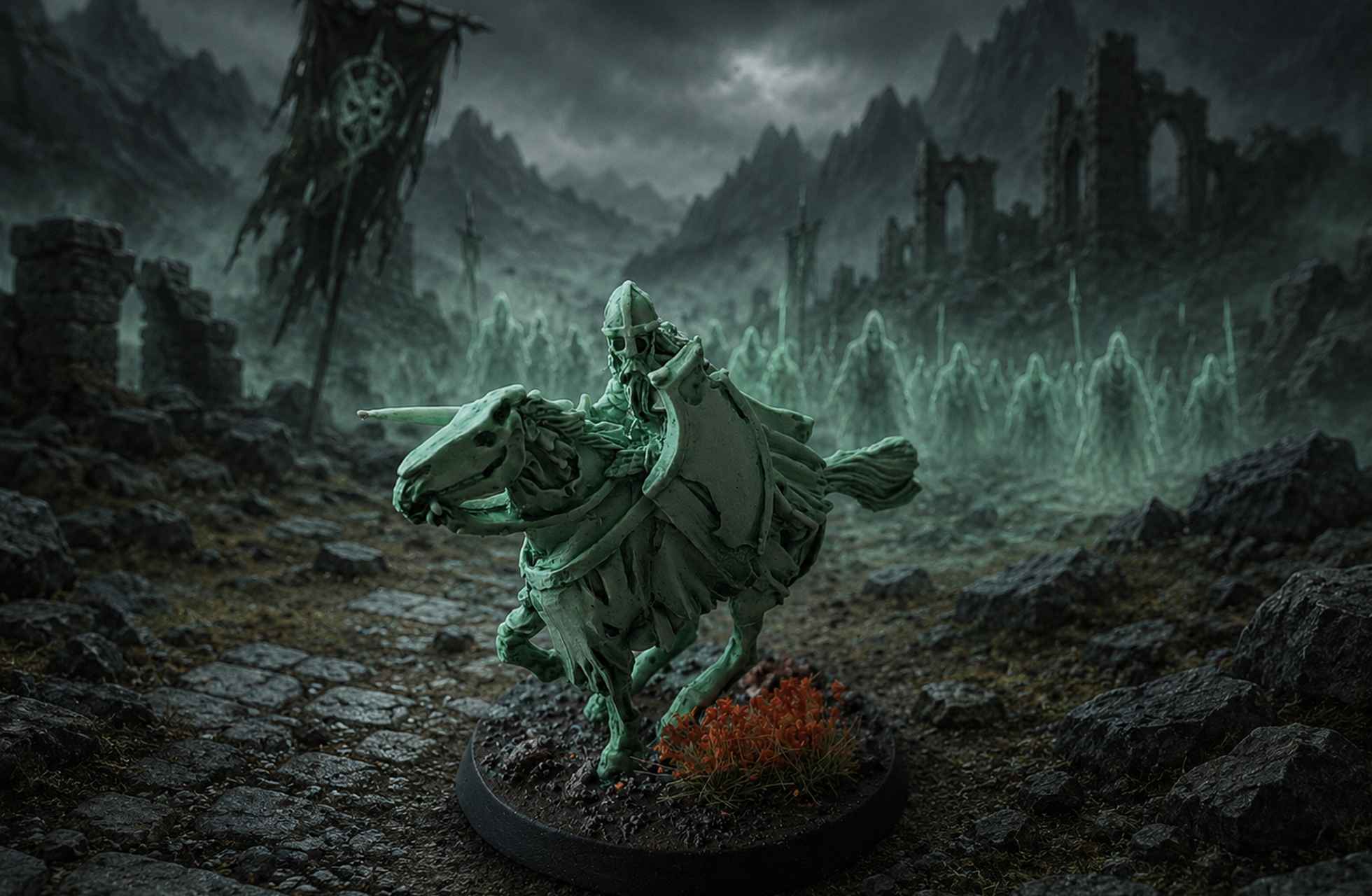
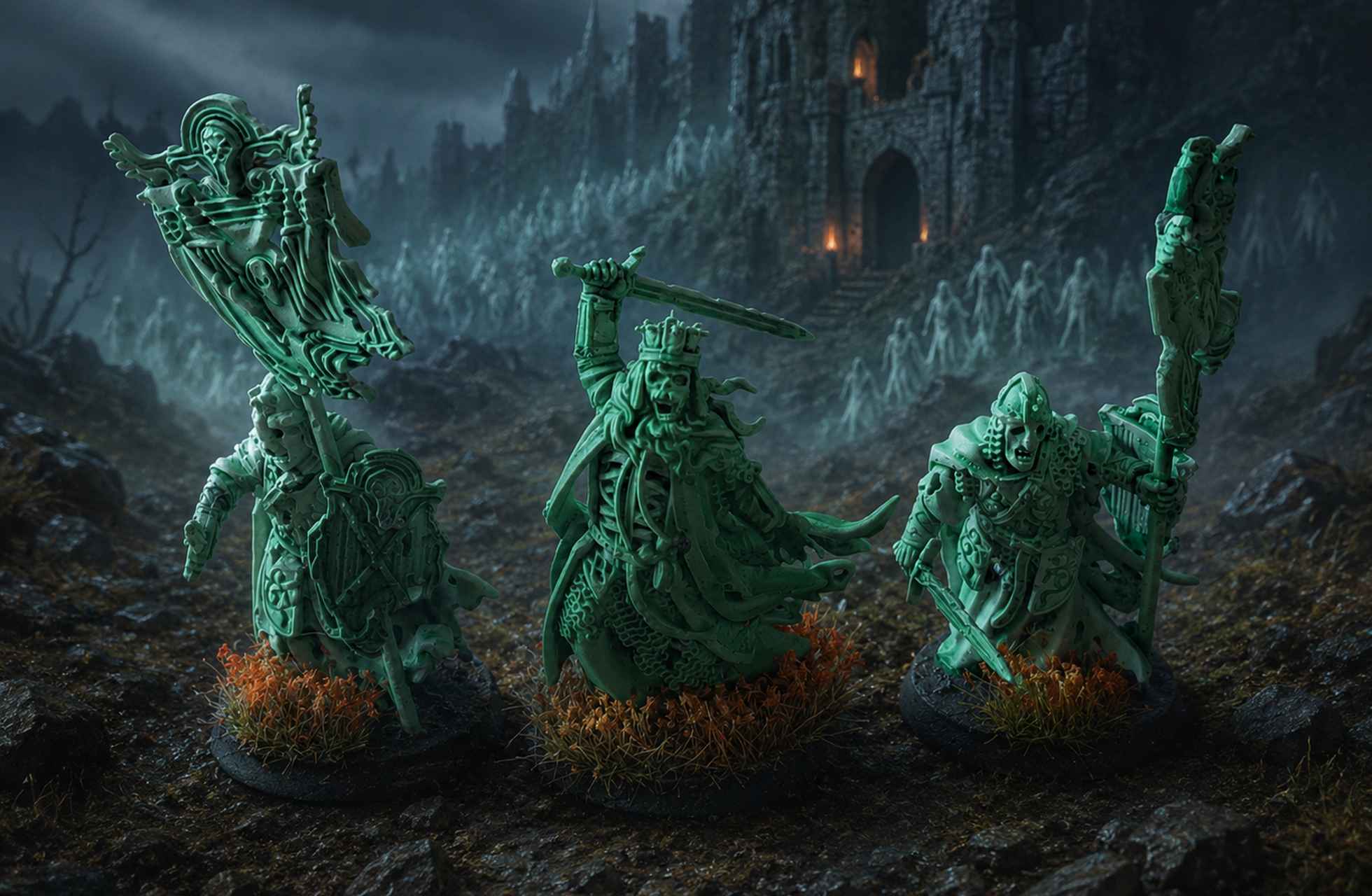
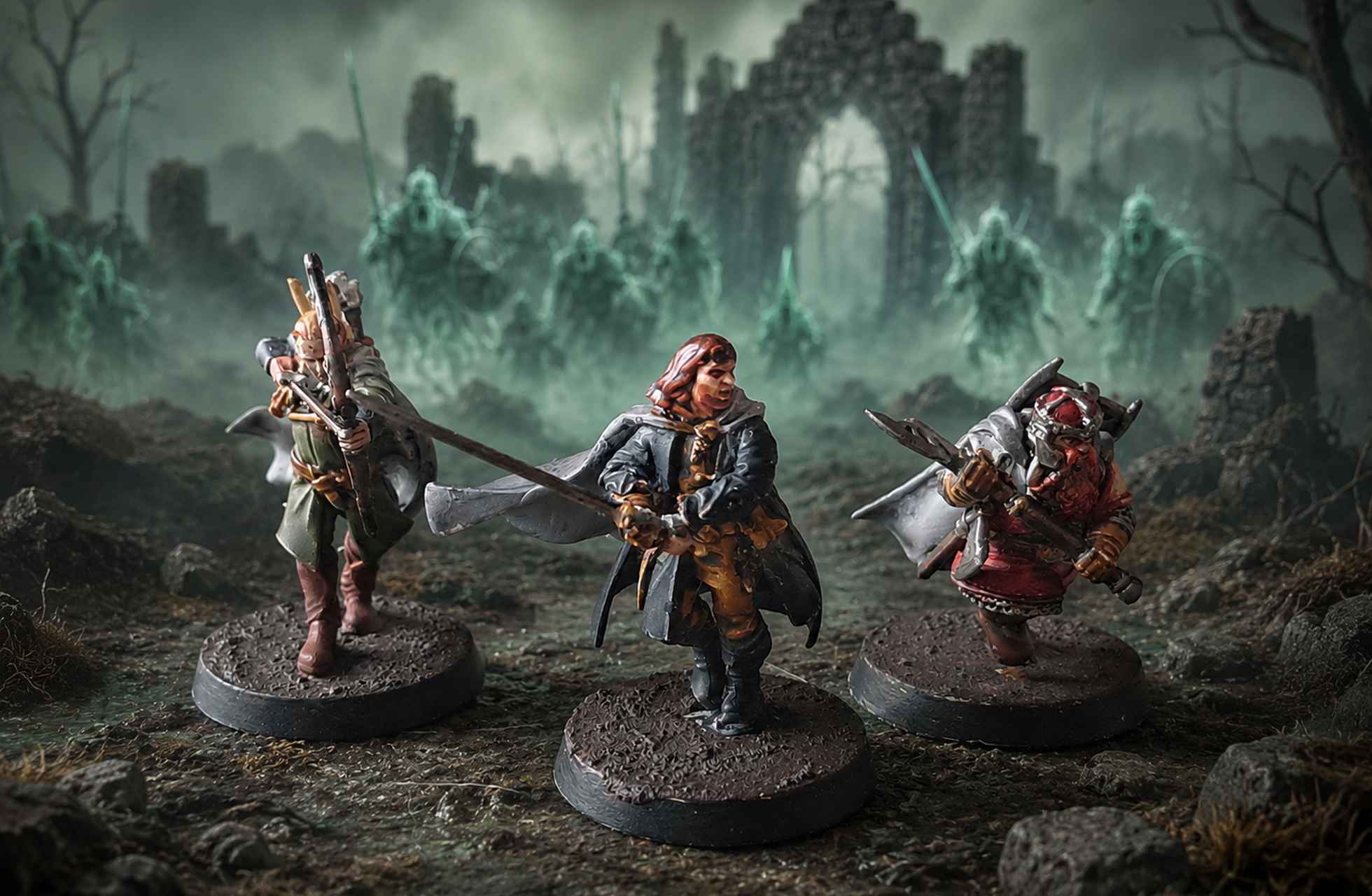
Tu robi się całkiem przyjemnie. Duchy – zarówno piechota, jak i jazda czy bohaterowie – są raczej proste w malowaniu, a dobrze dobrane farby kontrastowe potrafią dać naprawdę świetny efekt. Więcej pracy wymagają natomiast Trzej Łowcy, bo to już modele, przy których trzeba poświęcić więcej uwagi detalom.

Kto i co wchodzi w skład armii?

W tej armii znajdziemy bohaterów takich jak:
Aragorn – świetny wojownik, posiadający darmowy punkt Mocy co turę
Gimli – może jest szybki, na krótkich dystansach, ale w walce ciężki do zabicia
Legolas – najlepszu łucznik w Middle Earth SBG
Król Umarłych – jednym, celnym ciosem może położyć prawie każdego
Heroldowie – bohaterowie, którzy mogą wspierać wolą króla

A wśród wojowników:
Warriors of the Dead
Riders of the Dead

Modele Dunharrow pojawiają się w legionach:
Defenders of Pelennor – na 300 do 450 punktów z Królem Duchów i Heraldem, gdzie na te punkty wystawienie ich ma sens
Return of the King – na 500 punktów i więcej

Ile to kosztuje?

Jeśli chcemy wejść w tę armię na oryginalnych modelach GW, przykładowy start może wyglądać tak:
The Three Hunters – 160 PLN
King of the Dead and Heralds – 160 PLN
Warriors of the Dead – 175 PLN

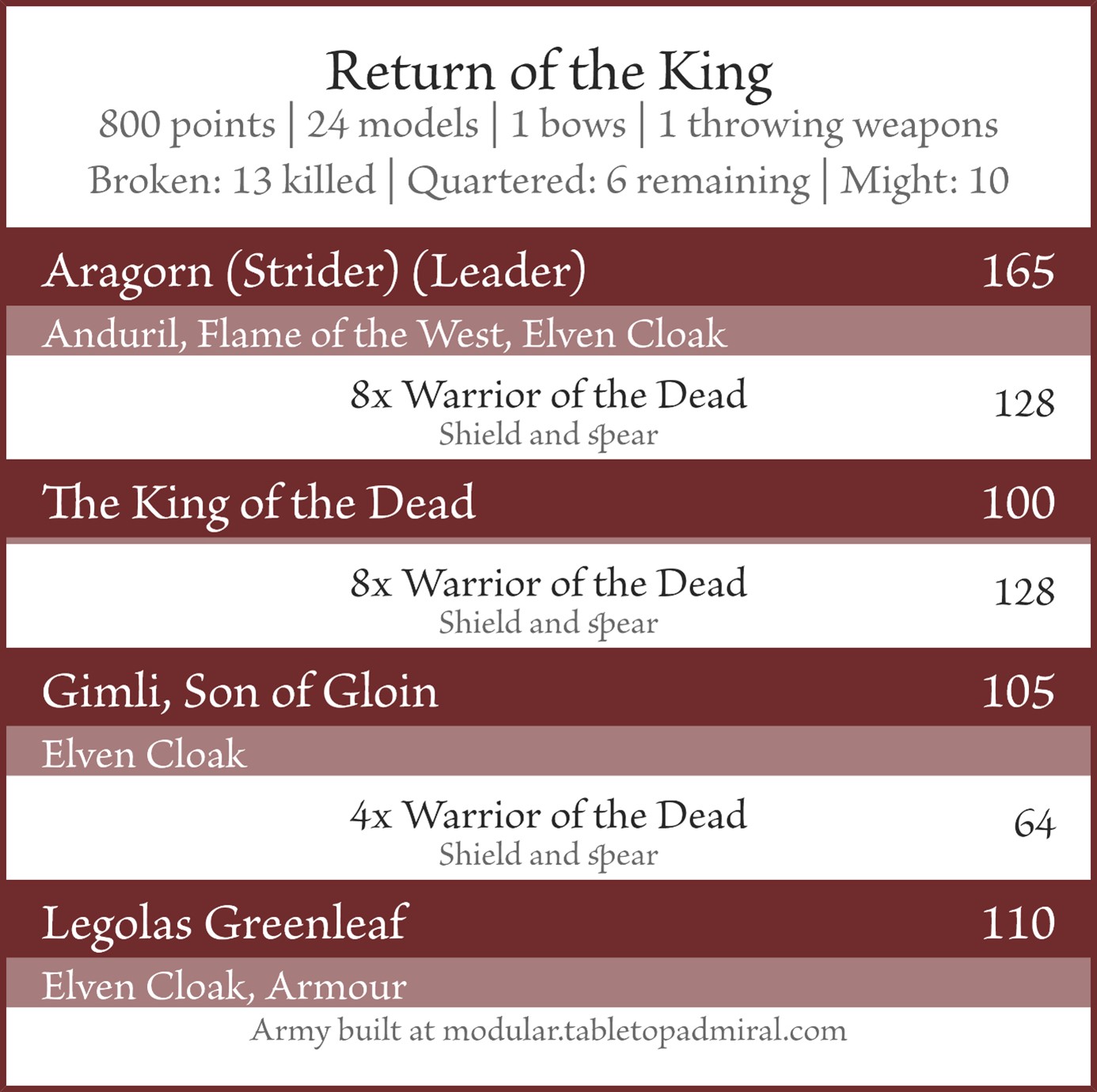
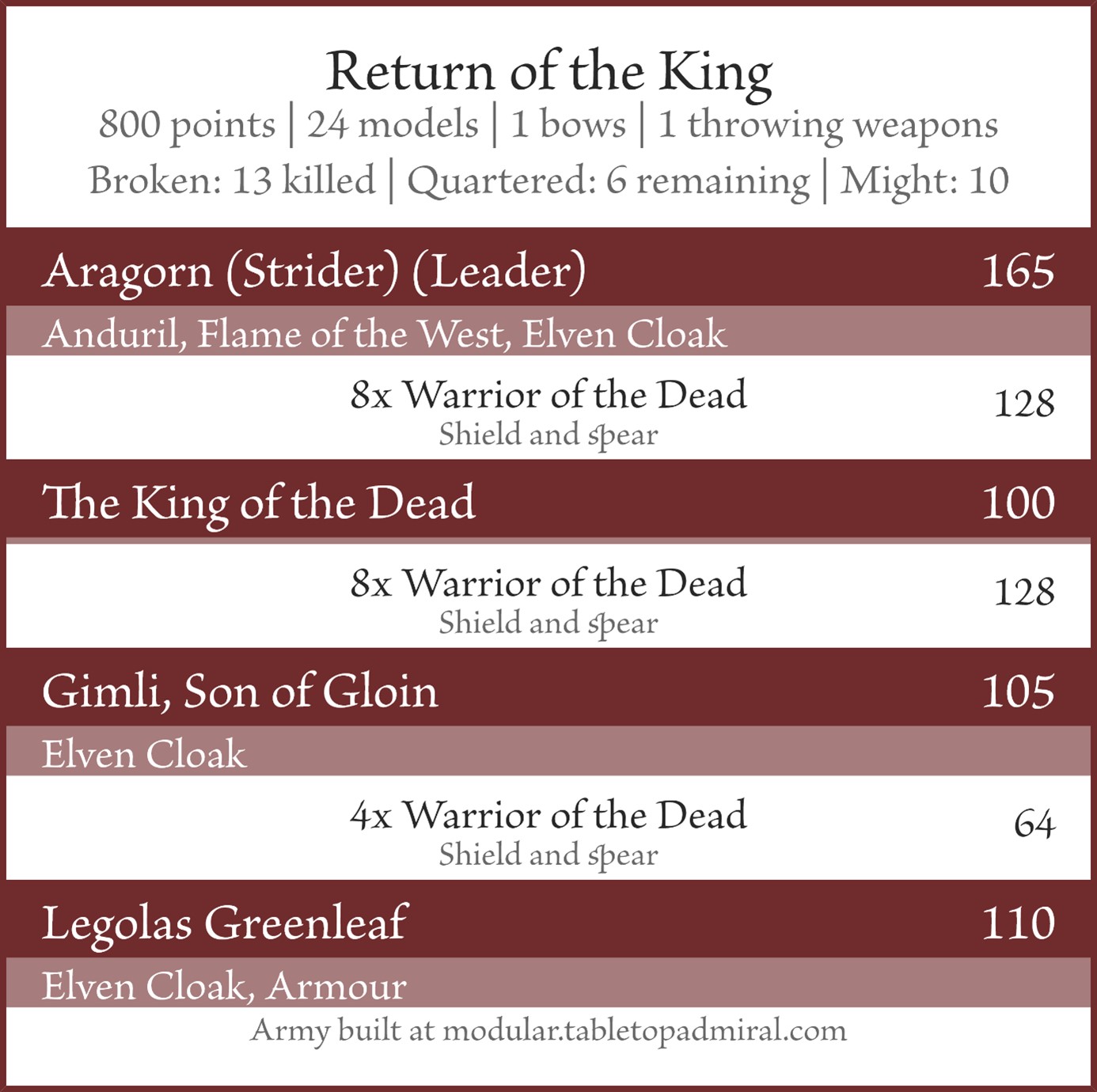
Taki zestaw pozwala złożyć armię na około 800 punktów, nawet bez Heroldów. W przykładowej rozpisce wszystkie duchy zostały wyposażone w tarcze i włócznie, choć trzeba pamiętać, że fizycznie tylko sześć modeli z pudełka ma włócznie – tu wszyscy zostali wyposażeni tak samo. To coś, co warto mieć z tyłu głowy przy kompletowaniu figurek. Oczywiście skonwertowanie części z nich na posiadających włócznie generalnie nie jest złym pomysłem 😉 .

Trzeba też uczciwie powiedzieć, że nie jest to armia bardzo liczna. W takiej konfiguracji wychodzi około 24 wojowników, a dla części graczy to po prostu za mało. Wiele osób woli mieć na stole więcej modeli, dlatego zamiast Gimliego decyduje się na kolejne duchy. I właśnie wtedy pojawia się potrzeba dokupienia następnego pudełka Warriors of the Dead.

Co dokupić później?

Jeśli armia przypadnie Wam do gustu, kolejne zakupy są dość oczywiste:
• jeszcze jedno pudełko Warriors of the Dead
• sztandar – 83 PLN
• opcjonalnie Rider of the Dead – 63 PLN

Podane ceny pochodzą ze strony wydawcy. W praktyce w polskich sklepach można znaleźć wspomniane miniaturki taniej, tylko trzeba poszukać. Należy jednak pamiętać, że nie wszystkie zestawy są stale dostępne i czasem trzeba poczekać.

Na przyszłość planujemy pokazać Wam także inne podejścia do budowania armii – zarówno bardziej elitarne, oparte na mniejszej liczbie mocniejszych modeli, jak i te bardziej liczne, stawiające na masę. Tak że to dopiero początek!

Oczywiście zachęcamy do zabawy w składanie rozpisek, osobiście polecam:
https://modular.tabletopadmiral.com/?gameUrl=https://nowforwrath.github.io/data2024.json

🇬🇧 Start playing with GBW so Armies for Beginners – Where to Start?

Choosing your first army for the Middle-earth Strategy Battle Game can be difficult, especially when you are just beginning your journey with the system. That is why we decided to start a series of short articles about armies that are easy to begin with and, at the same time, will not ruin your wallet right from the start.

In our overviews, we focus on original Games Workshop models bought from stores. Of course, it is worth noting that there are also various miniature alternatives available on the market – for example those offered by Minifaktura – so there are more options out there. Many players also regularly visit Bazarek Middle-Earth SBG to look for bargains on the second-hand market.

For our first entry, we are looking at an army that many players recommend to beginners. It is one of the cheaper options to collect, while also being very thematic. We are talking about a Good army featuring Aragorn, Gimli, and Legolas – the famous Three Hunters – as well as the men of the White Mountains, cursed by Isildur and, after death, turned into the undead warriors of Dunharrow.

Why is it worth considering?

This army has several really strong points. First of all, the basic ghost warriors from Dunharrow are resilient and cause Terror, which on its own can already make a big difference on the table. On top of that, the army is very fast – the basic infantry moves as much as 8 inches, which is a major advantage. And of course, one cannot forget about the heroes – Aragorn, Legolas, Gimli and The King of the Dead are all characters who can really pull their weight.

What might be a drawback?

It is not, however, an army without weaknesses. The biggest one is the high points cost of its rank-and-file models – a single warrior costs between 14 and 16 points, so army size quickly becomes limited. The second drawback is the fairly small selection of units, which may bother some players when trying to build more varied army lists.

And what about painting?

This is where things become quite pleasant. The ghosts – infantry, cavalry, and heroes alike – are generally quite simple to paint, and well-chosen Contrast paints can produce a really great effect. The Three Hunters, on the other hand, require more work, as they are models where you need to pay closer attention to the details.

Who and what is included in the army?

This army includes heroes such as:

Aragorn – an excellent warrior who gains a free point of Might each turn
Gimli – he may be fast only over short distances, but in combat he is very hard to kill
Legolas – the best archer in MESBG
The King of the Dead – with one well-placed strike, he can bring down almost anyone
Heralds – heroes who can support the King’s Will

And among its warriors:

Warriors of the Dead
Riders of the Dead

Dunharrow models appear in the following legions:

Defenders of Pelennor – at 300 to 450 points with the King of the Dead and a Herald, where fielding them at this points level actually makes sense
Return of the King – at 500 points and above

How much does it cost?

If you want to start this army using original GW models, an example starting point could look like this:

The Three Hunters – £28.50
King of the Dead and Heralds – £28.50
Warriors of the Dead – £32.50

Such a set allows you to build an army of around 800 points, even without the Heralds. In the example list, all the ghosts were given shields and spears, although it is worth remembering that physically only six models in the box actually have spears, here, everyone has been equipped in the same way. That is something worth keeping in mind when putting the force together. Of course, converting some of them so that they carry spears is generally not a bad idea 😉 .

It should also be said honestly that this is not a very numerous army. In this configuration, it comes out to around 24 warriors, and for some players that is simply too few. Many people prefer to have more models on the table, so instead of Gimli they choose to add more ghosts. And that is exactly when the need for another box of Warriors of the Dead appears.

What should you buy later?

If you end up liking the army, the next purchases are fairly obvious:

one more box of Warriors of the Dead
a banner – £15.00
optionally, a Rider of the Dead – £12.00

The prices listed above come from the publisher’s website. In practice, you can often find these miniatures cheaper in hobby stores at least in Poland – you just need to look around. It is worth remembering, however, that not all sets are always available, and sometimes you have to wait.

In the future, we also plan to show you other approaches to building armies – both more elite ones based on a smaller number of stronger models, and more numerous ones that rely on mass. So this is only the beginning!

Of course, we encourage you to have fun building army lists. Personally, I recommend:

https://modular.tabletopadmiral.com/?gameUrl=https://nowforwrath.github.io/data2024.json