🇵🇱 Przed Wami wywiad z Jędrzejem Paluszyńskim, jednym z członków zwycięskiej, polskiej drużyny w międzynarodowych, Drużynowych Mistrzostwach Świata w Bolt Action, które odbyły się w dniach 9-10 maja w Kopenhadze. O wynikach czy rozpiskach możecie przeczytać TUTAJ. Tymczasem przejdźmy do Jędrzeja, który znalazł dla mnie parę chwil i udzielił tego zacnego wywiadu.
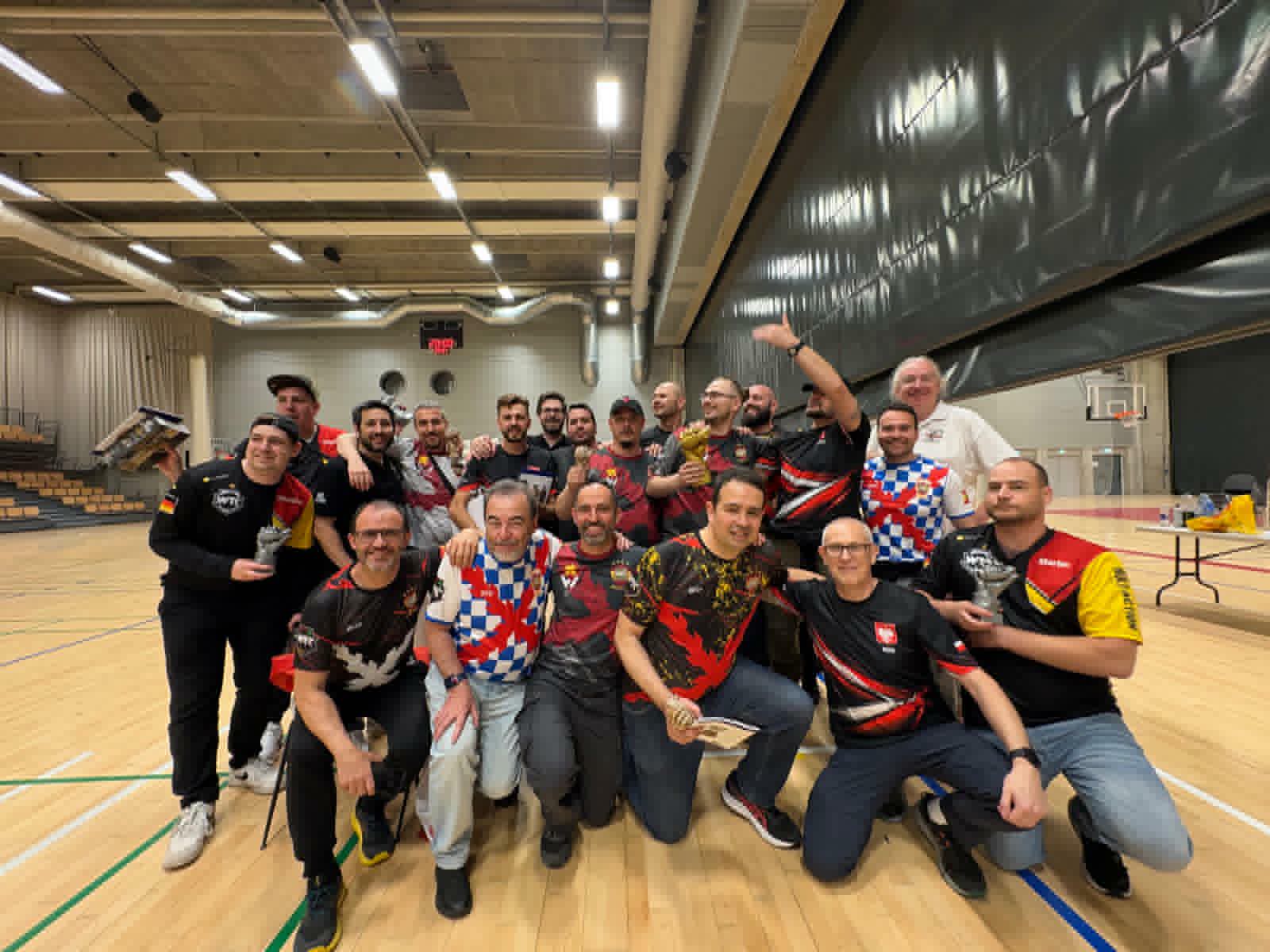
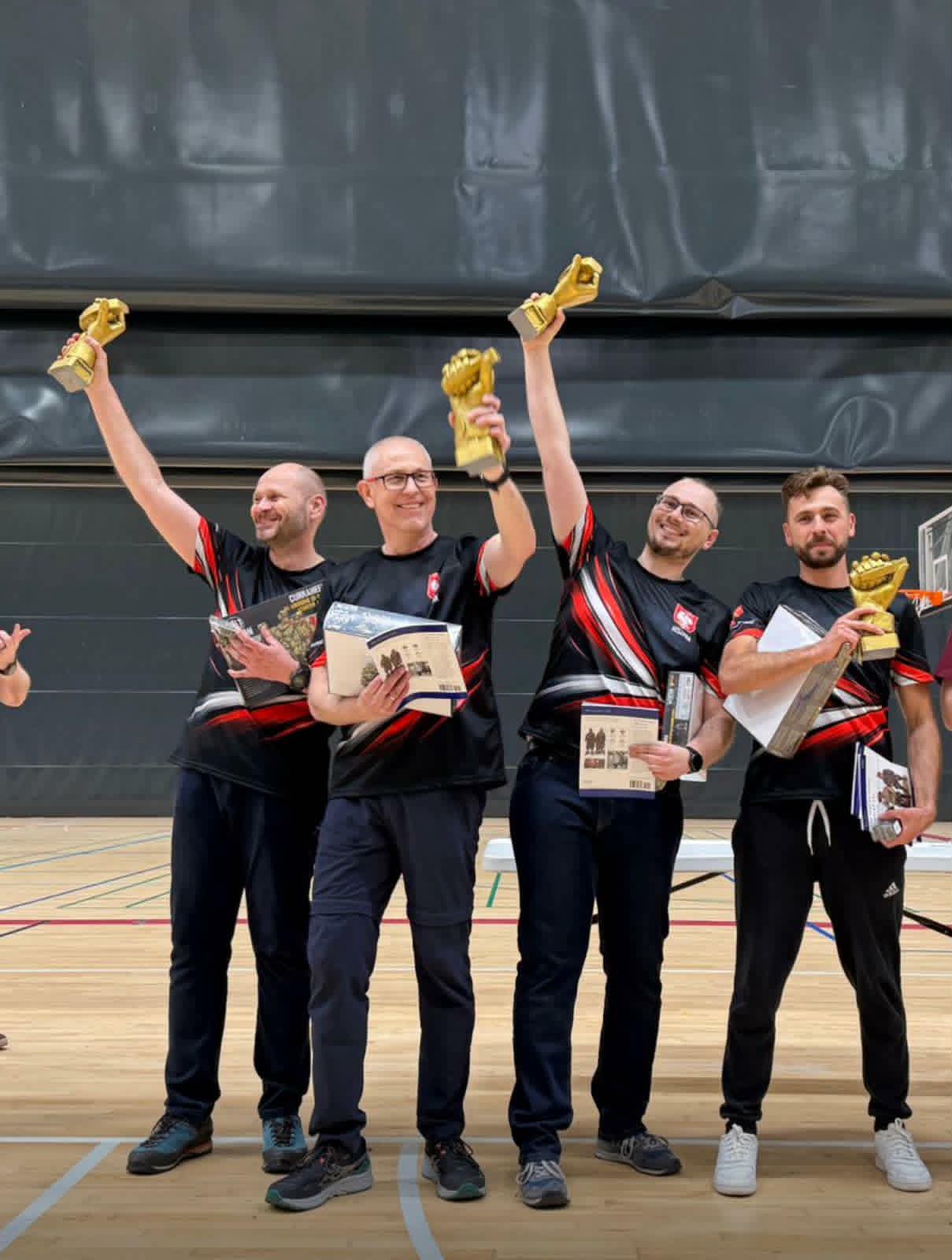
1. Przed Wami Mistrzowie Świata w drużynowych Mistrzostwach w Bolt Action 2026. Drużyna w skład której wchodził Jędrzej Paluszyński, Marek Zieliński oraz – no właśnie?
– W skład naszej drużyny wchodzili: Marek Zieliński, Krzysztof Zieliński, Michał Brzeźnicki i ja.
2. Jakie to uczucie zostać drużynowymi mistrzami świata w Bolt Action?
– Na pewno przyjemne. Oczywiście Bolt, to przede wszystkim hobby i należy pamiętać, że nie ma powodu do puszenia się i zadzierania nosa. Sukces jaki udało nam się odnieść motywuje do tego, aby jeszcze lepiej przygotować się do turnieju WTC w przyszłym roku.
3. Która runda była dla Was najtrudniejsza?
– Najtrudniejsze dla nas były rundy z Australią 1 i Niemcami. Niemcy we wszystkich dotychczasowych edycjach WTC byli w topie, a w ubiegłym roku zdobyli mistrzostwa. Australijczycy w zeszłym roku zadebiutowali na WTC i zaskoczyli wszystkich bardzo dobrą grą. W tym roku byli równie dobrze przygotowani. Oba te teamy to bardzo dobrzy gracze, świetnie skomponowane rozpiski.
4. W którym momencie uwierzyliście, że możecie wygrać cały turniej?
– Myślę, że dopiero przed ostatnią grą. Wcześniej skupialiśmy się na bieżącej turze. Przed parowaniem do ostatniej tury zorientowaliśmy się, że do wygrania turnieju wystarczy nam drużynowy remis. Z tego względu zagraliśmy Duńczykami bardzo zachowawczo. No i udało się.
5. Co było kluczem do zwycięstwa: rozpiski, parowania czy ogranie?
– Wszystkie te elementy miały duże znaczenie, choć kluczowe według mnie było parowanie, i tu należy podkreślić zasługi naszego kapitana, którym był Krzysztof.
6. Czy coś w mecie turnieju Was zaskoczyło? Jaki mecz był punktem zwrotnym mistrzostw?
– Raczej nie było wielkich zaskoczeń. Jak zwykle rozpiski były bardzo zróżnicowane – były i takie, które opierały się na piechocie, inne na artylerii, czy pojazdach opancerzonych Może jedynie dość spora liczba używanych hgm, których u nas raczej niewiele widuje się na stołach. Dla mnie osobiście największym zaskoczeniem była rozpiski armii holenderskiej, która okazała się bardzo mocno (choć muszę przyznać, że grający nią Australijczyk to naprawdę twardy przeciwnik). Nie dostrzegam jakiegoś punktu zwrotnego. Po wygraniu pierwszej rundy stale utrzymywaliśmy się w górnej części stawki.
7. Która drużyna zrobiła na Was największe wrażenie?
– Chyba jednak Niemcy. Jak zwykle bardzo dobrze przygotowani. Ich rozpiski są bardzo przemyślane i skomponowane pod wymogi grania zespołowego.
8. Jak wyglądała współpraca i podział ról w Waszym zespole?
– Współpraca układała się wzorowo. Przed turniejem postaraliśmy się przejrzeć rozpiski innych drużyn, wychwycić największe zagrożenia dla naszych rozpisek i zaplanować parowanie, które by te zagrożenia minimalizowały.
9. Jaka była najważniejsza decyzja podjęta w trakcie turnieju?
– Nie widzę jakiejś jednej genialnej i przełomowej decyzji. Cały turniej wymagał pełnej koncentracji nad każdą gra i każdą pojedynczą decyzją w grze.
10. Jaką jedną radę dalibyście drużynom, które chcą kiedyś wygrać ten tytuł?
– Grajcie. Grajcie tak, żeby ta gra sprawiała Wam frajdę. Pamiętajcie, że to nie walka o życie, tylko hobby. Że bez względu na to czy wygracie, przegracie, czy zremisujecie jutro tez wstanie słońce i będzie nowy dzień. Że udział w międzynarodowym turnieju to okazja, że spotkać i poznać ludzi z innych krajów. Pogadać z nimi o wspólnych pasjach, ale także o życiu.
11. Co ten sukces znaczy dla Was osobiście? I na koniec – jak będziecie świętować?
-Świętować, to już świętowaliśmy – wieczór po zakończonym WTC. Potem był czas na wspólne zwiedzanie Kopehagii (polecam, bardzo ładne miasto), a potem trzeba było wracać do domu i pracy. Co ten sukces znaczy dla nas? To na pewno nagroda za wysiłek włożony w przygotowanie do turnieju i zachęta to dalszego rozwijania tego hobby.
12. A teraz najcięższe pytanie, czy Bolt Action to gra turniejowa i dlaczego tak?
– Bolt Action to gra jak każda inna. Super nadaje się do rozgrywania klimatycznych bitew, których scenariusz oparty jest o historyczne wydarzenia z okresu II Wojny Światowej. Nic nie stoi jednak na przeszkodzie aby grać w nią na turniejach. Jak już wcześniej mówiłem takie imprezy to świetne okazje do poznania innych graczy.
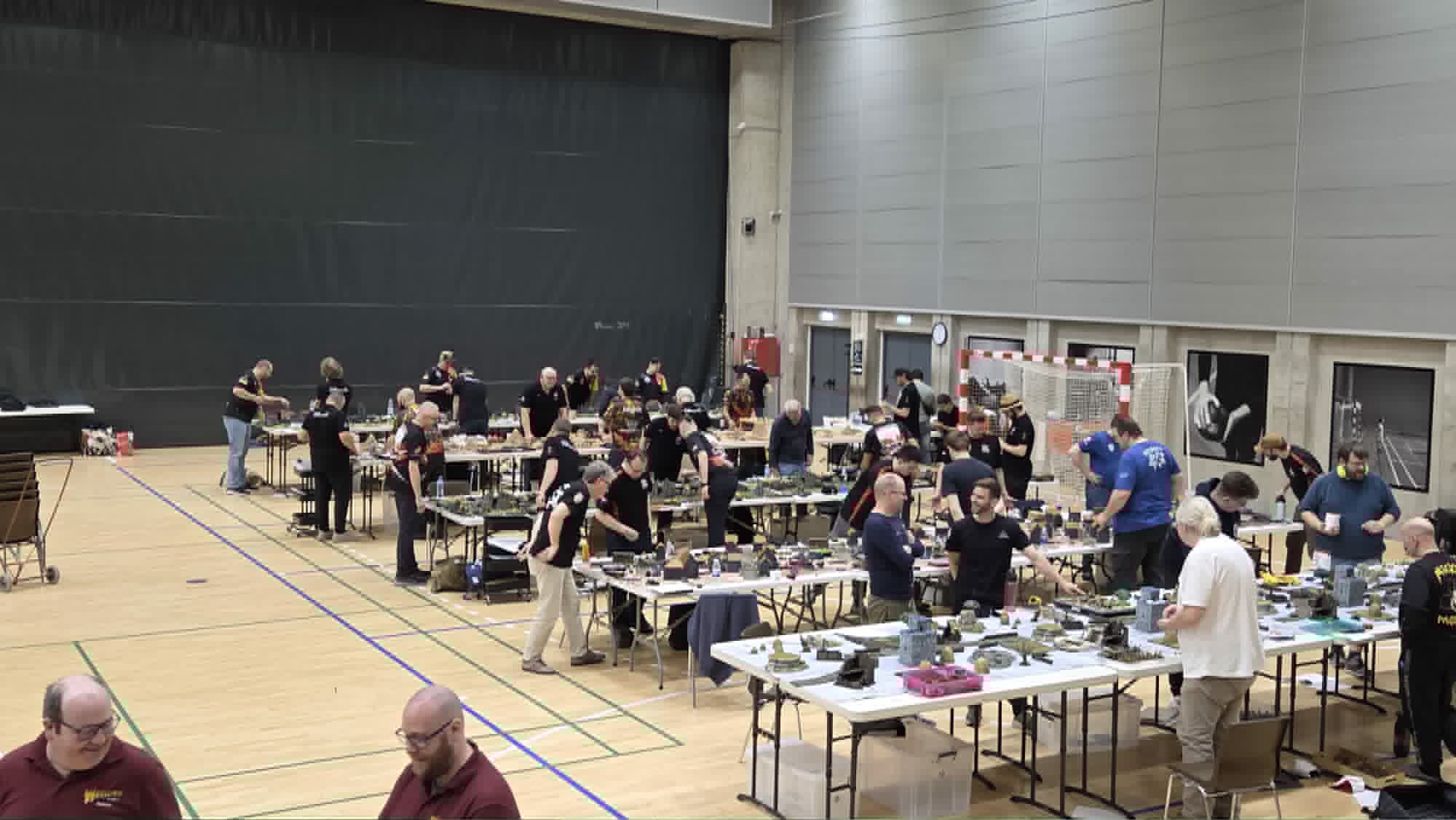
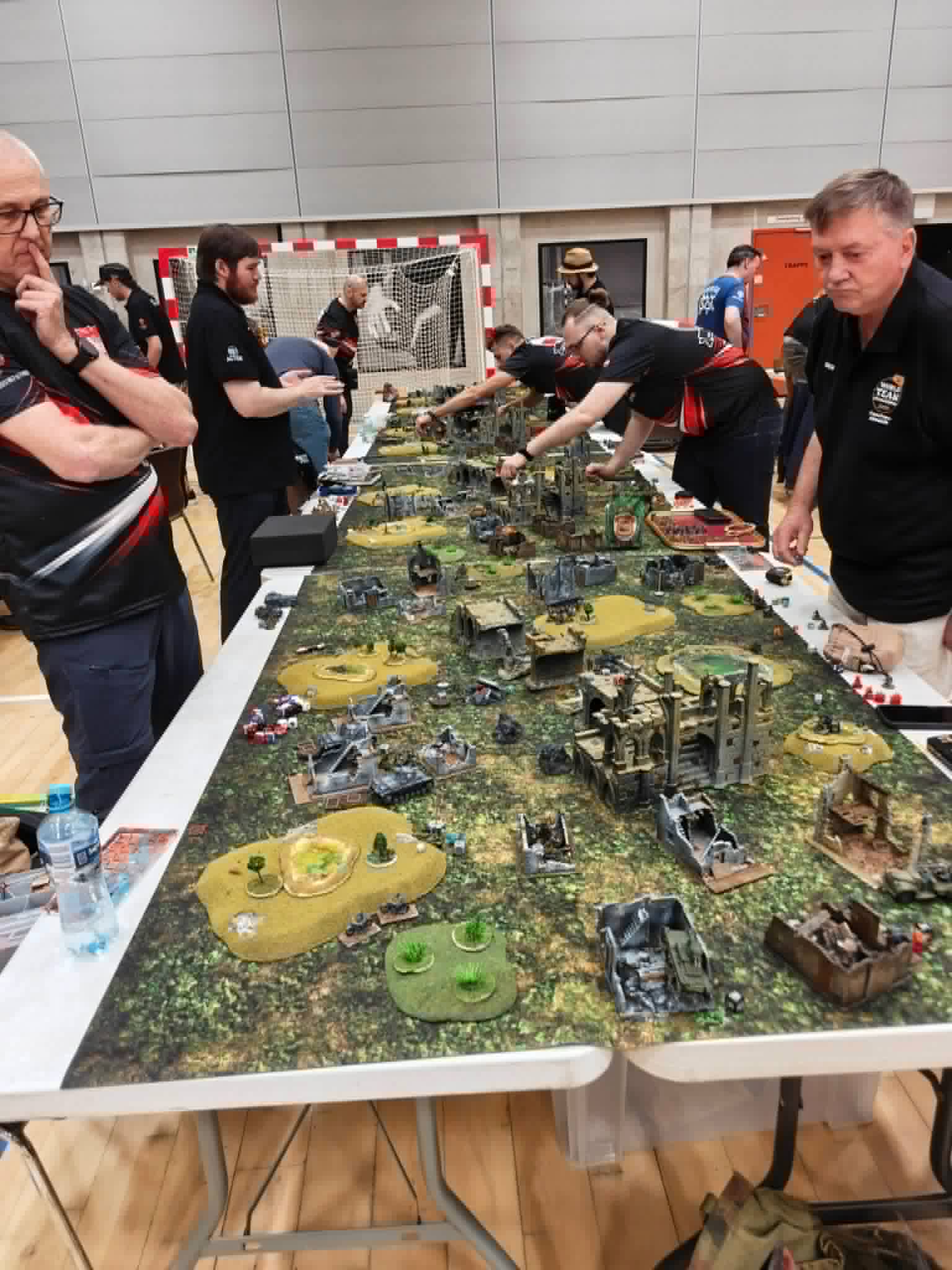
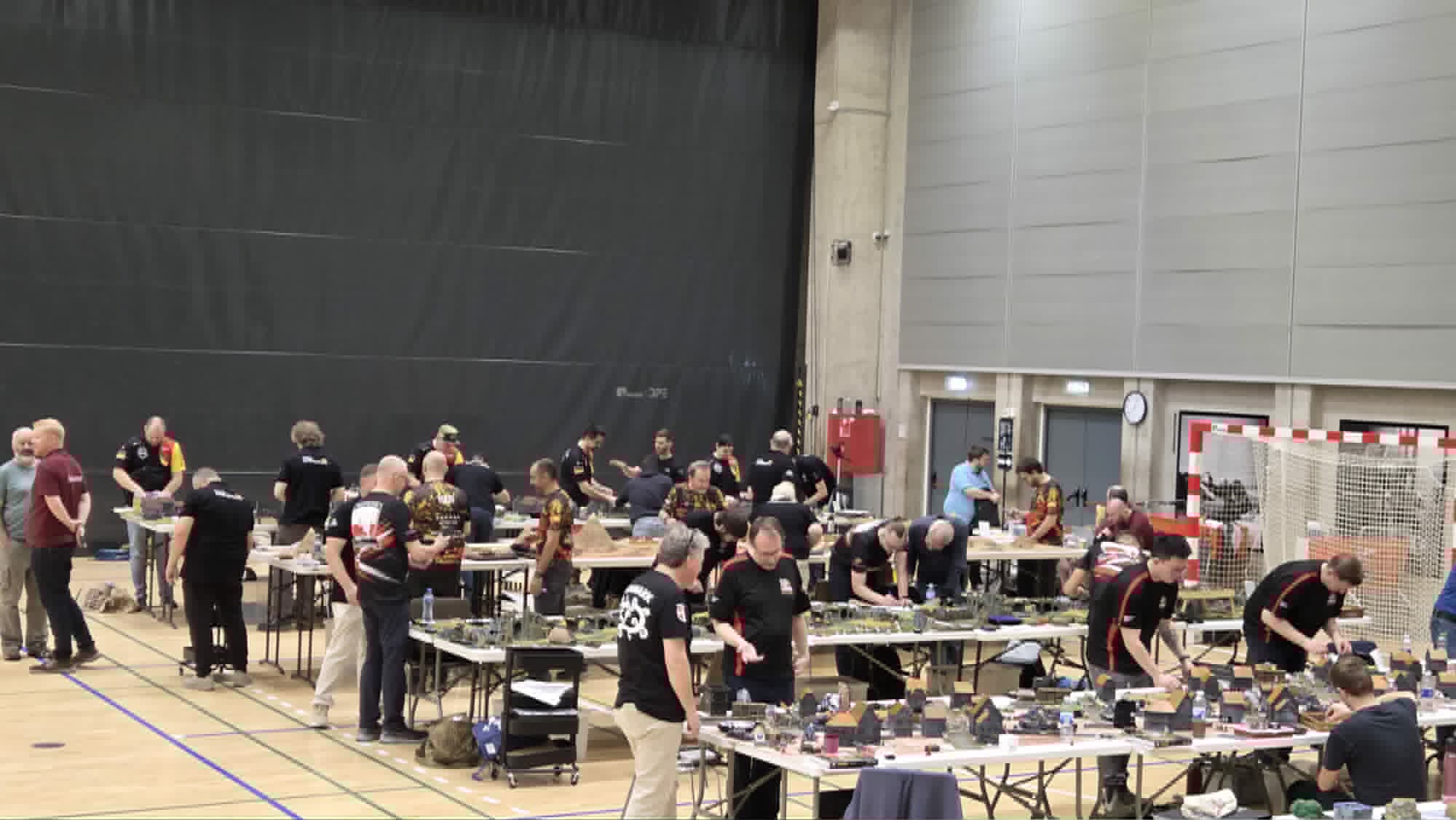
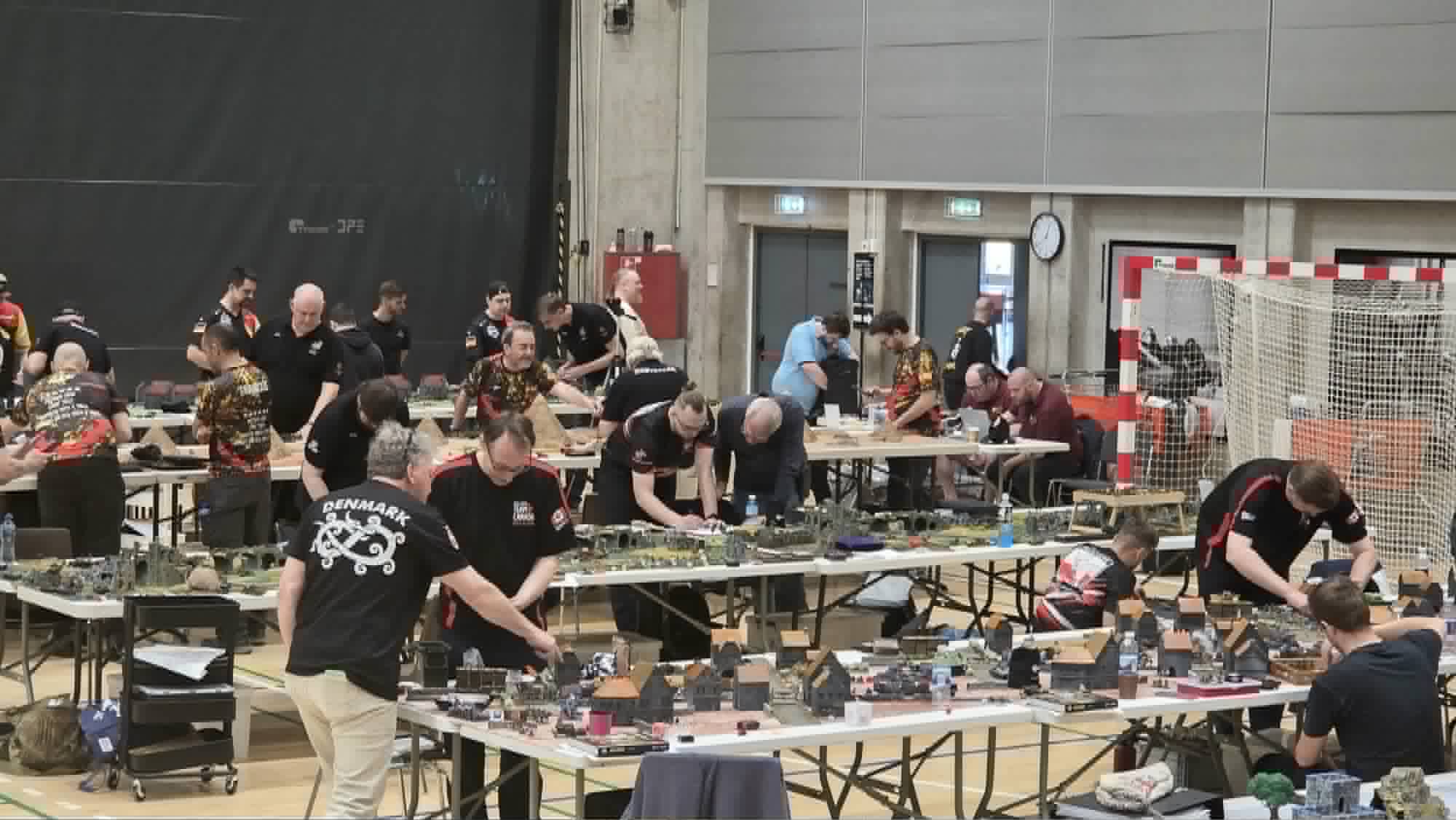
🇬🇧 Before you is an interview with Jędrzej Paluszyński, one of the members of the victorious Polish team at the international Team World Championships in Bolt Action, held on 9–10 May in Copenhagen. You can read about the results and army lists HERE. In the meantime, let us turn to Jędrzej, who found a few moments for me and kindly agreed to give this fine interview.
1. Before you stand the World Champions of the 2026 Team World Championships in Bolt Action. The team included Jędrzej Paluszyński, Marek Zieliński, and — well, who exactly?
– Our team consisted of Marek Zieliński, Krzysztof Zieliński, Michał Brzeźnicki, and me.
2. What does it feel like to become team world champions in Bolt Action?
– Definitely pleasant. Of course, Bolt is first and foremost a hobby, and it is important to remember that there is no reason to get puffed up and arrogant. The success we managed to achieve motivates us to prepare even better for the WTC tournament next year.
3. Which round was the toughest for you?
– The hardest rounds for us were against Australia 1 and Germany. Germany has been at the top in every WTC edition so far, and last year they won the championship. The Australians made their WTC debut last year and surprised everyone with how well they played. This year they were just as well prepared. Both of those teams are made up of very strong players with excellently designed lists.
4. At what moment did you believe that you could win the whole tournament?
– I think only before the last game. Earlier, we were focused on the current round. Before the pairings for the last round, we realised that a team draw would be enough for us to win the tournament. Because of that, we played very cautiously against the Danes. And it worked.
5. What was the key to victory: army lists, pairings, or experience?
– All of these elements mattered a lot, although in my opinion the key factor was the pairings, and here the заслуги of our captain, Krzysztof, should be emphasised.
6. Did anything about the tournament meta surprise you? Which match was the turning point of the championship?
– There were no major surprises, really. As usual, the lists were very diverse — some were infantry-based, others focused on artillery or armoured vehicles. Perhaps the only thing that stood out was the fairly large number of HMGs being used, which we do not really see that often on our tables. Personally, the biggest surprise for me was the Dutch army list, which turned out to be very strong (although I have to admit that the Australian player using it was a really tough opponent). I do not see any single turning point. After winning the first round, we stayed near the top of the standings the whole time.
7. Which team impressed you the most?
– Probably Germany. As usual, they were extremely well prepared. Their lists are very carefully thought out and designed specifically for team play.
8. What did the cooperation and division of roles look like within your team?
– The cooperation worked perfectly. Before the tournament, we tried to go through the lists of the other teams, identify the biggest threats to our own lists, and plan pairings that would minimise those threats.
9. What was the most important decision made during the tournament?
– I do not see any one brilliant or breakthrough decision. The whole tournament required full concentration on every single game and every single decision made during it.
10. What one piece of advice would you give to teams who want to win this title one day?
– Play. Play in a way that makes the game enjoyable for you. Remember that this is not a fight for your life, just a hobby. No matter whether you win, lose, or draw, the sun will still rise tomorrow and it will be a new day. Taking part in an international tournament is an opportunity to meet and get to know people from other countries. To talk with them about shared passions, but also about life.
11. What does this success mean to you personally? And finally – how are you going to celebrate?
– We have already celebrated – on the evening after the WTC ended. After that, there was time for some sightseeing in Copenhagen (I recommend it, it is a very beautiful city), and then it was time to go back home and back to work. What does this success mean to us? It is certainly a reward for the effort put into preparing for the tournament, and an encouragement to keep developing this hobby further.
12. And now the hardest question – is Bolt Action a tournament game, and why?
– Bolt Action is a game like any other. It is great for playing atmospheric battles based on historical events from the Second World War. But there is nothing stopping people from playing it in tournaments as well. As I said before, such events are a great opportunity to meet other players.
 tancreddebeauville
