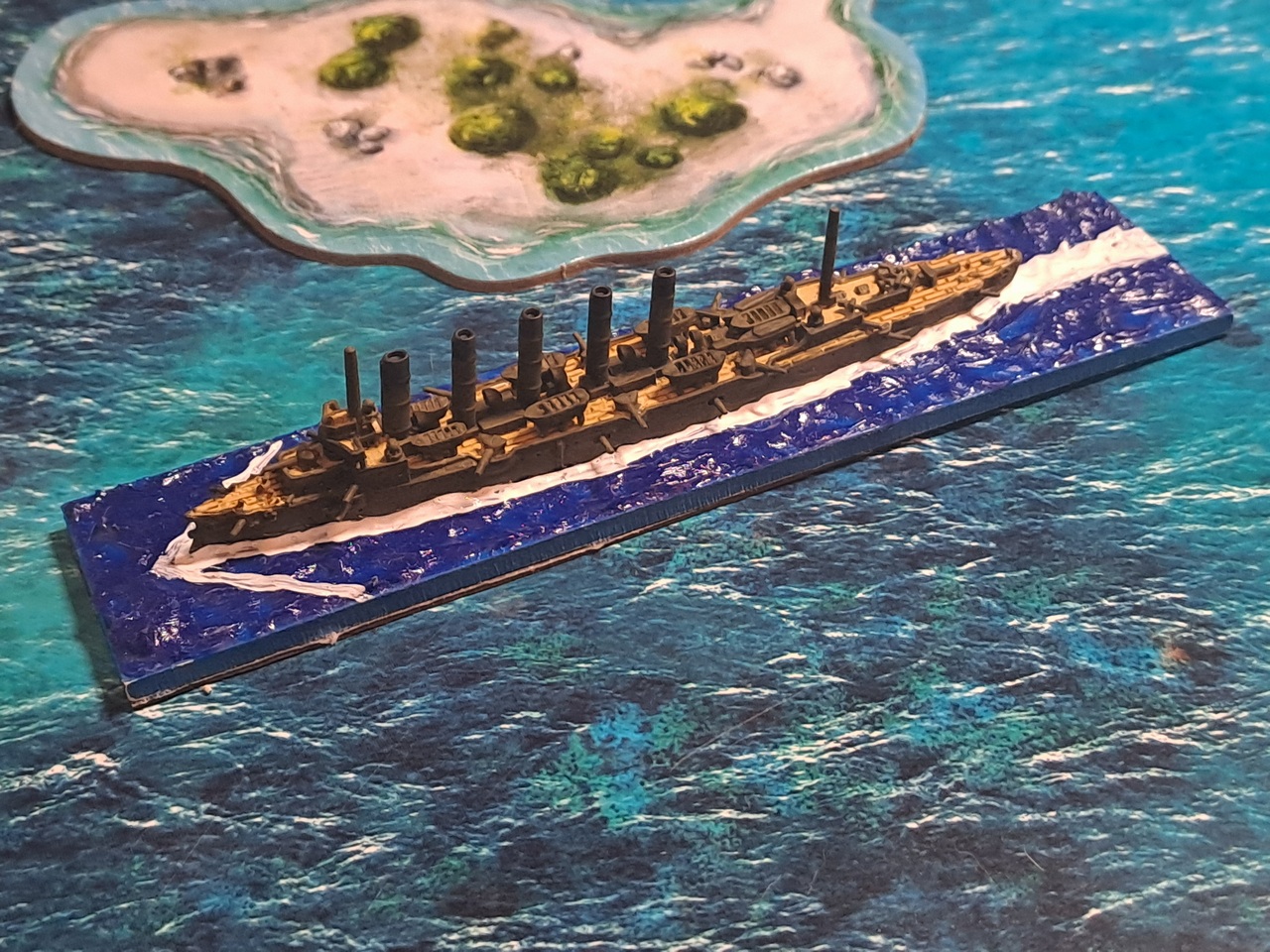
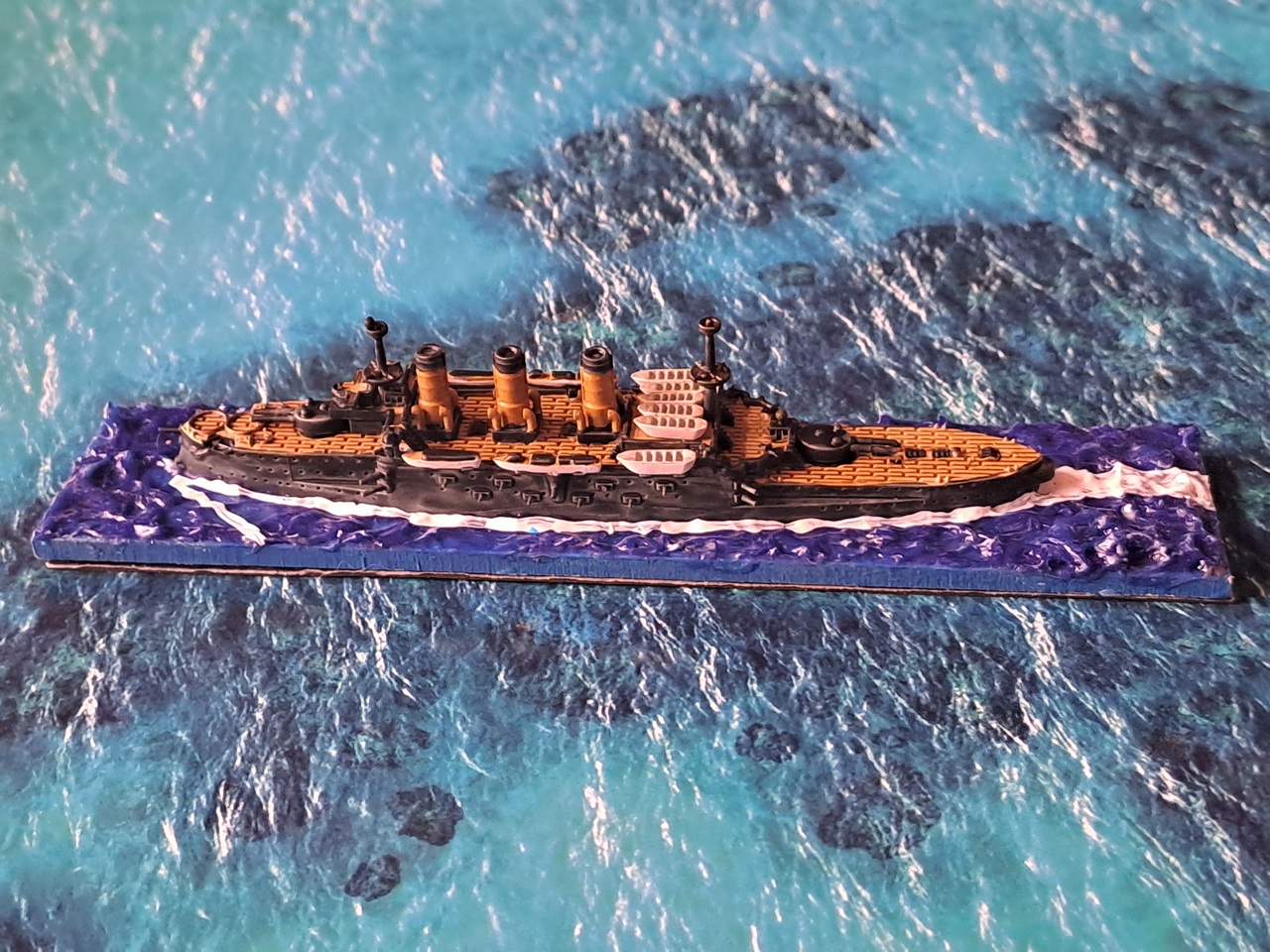
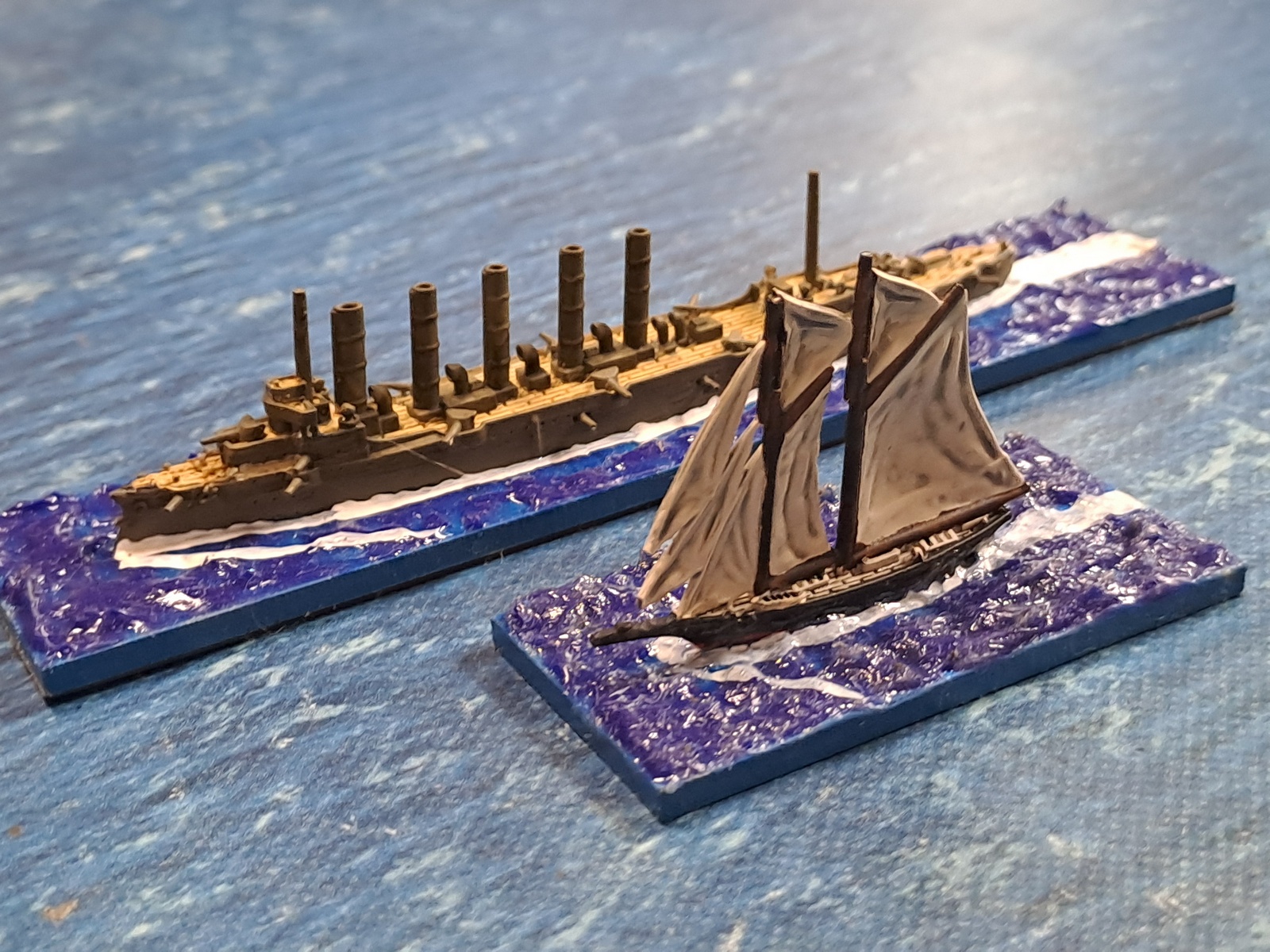
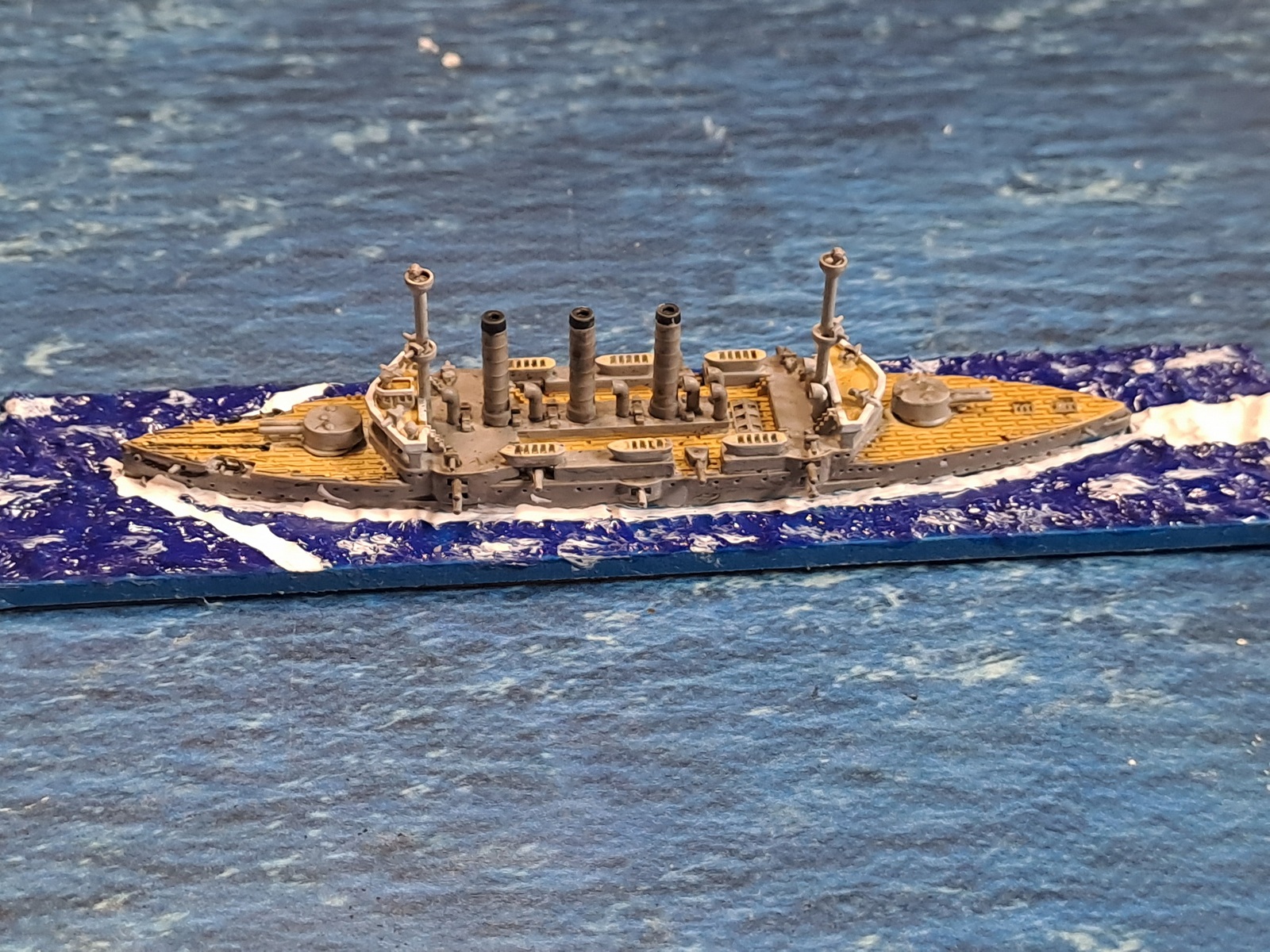
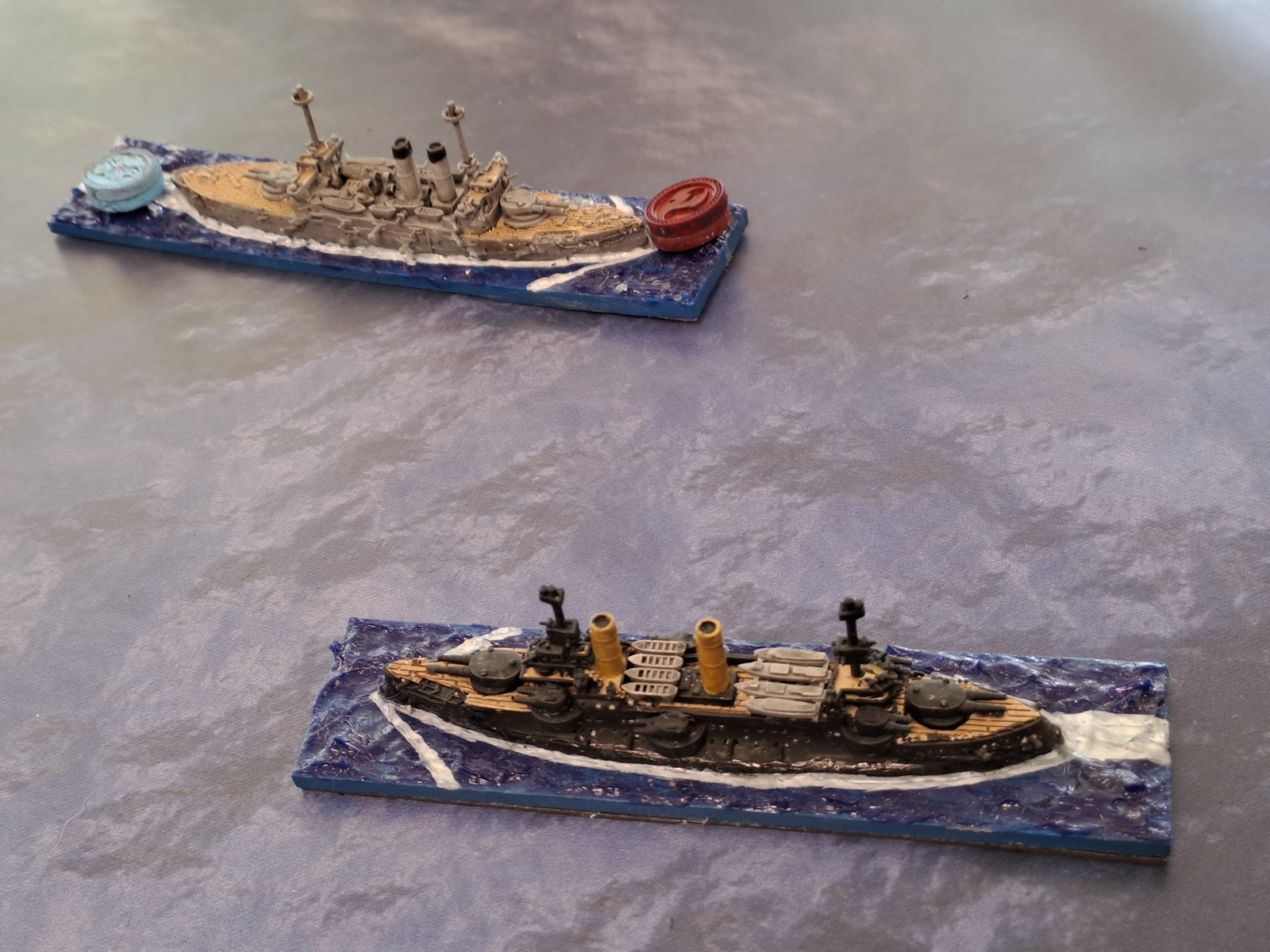
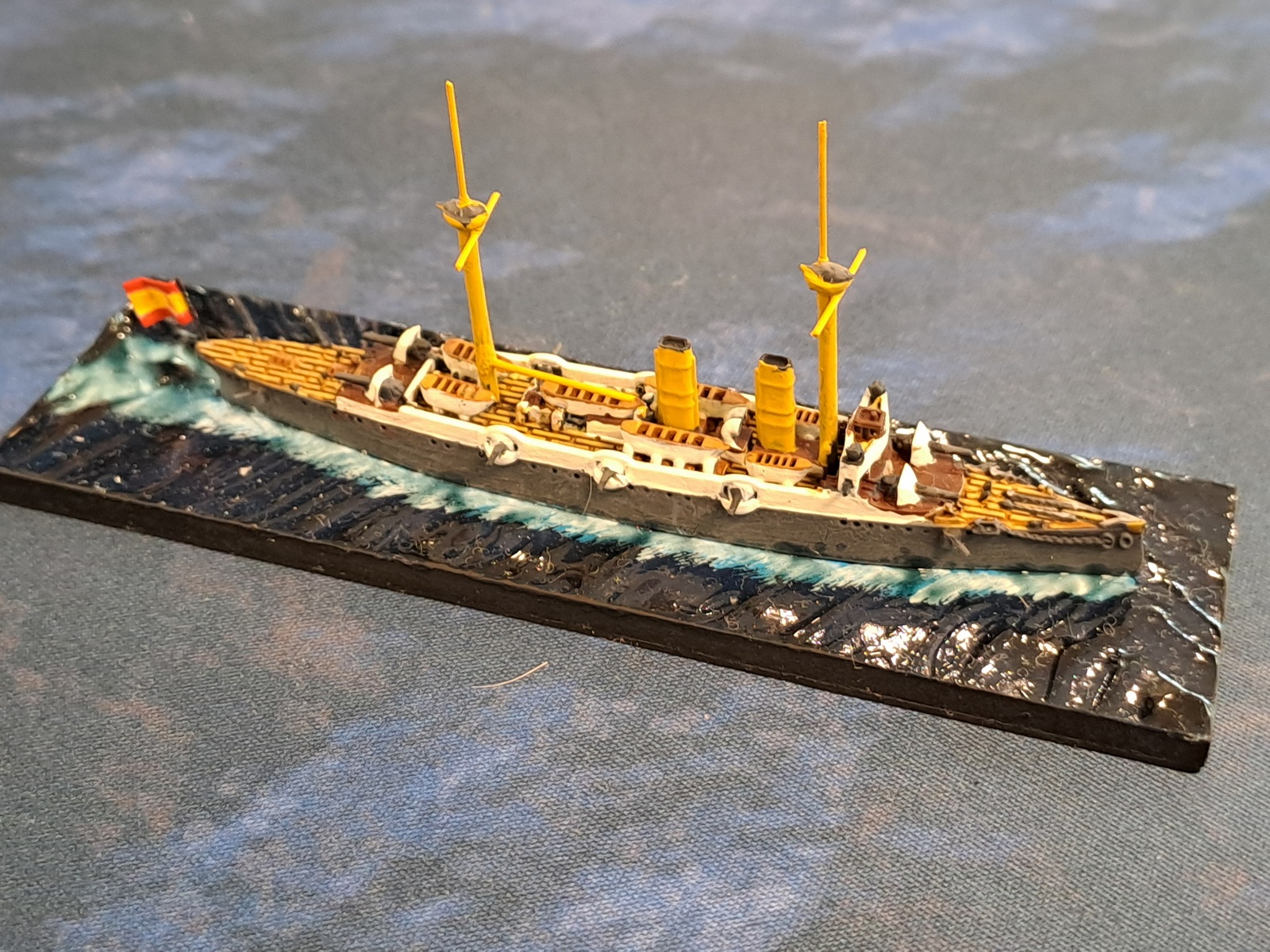
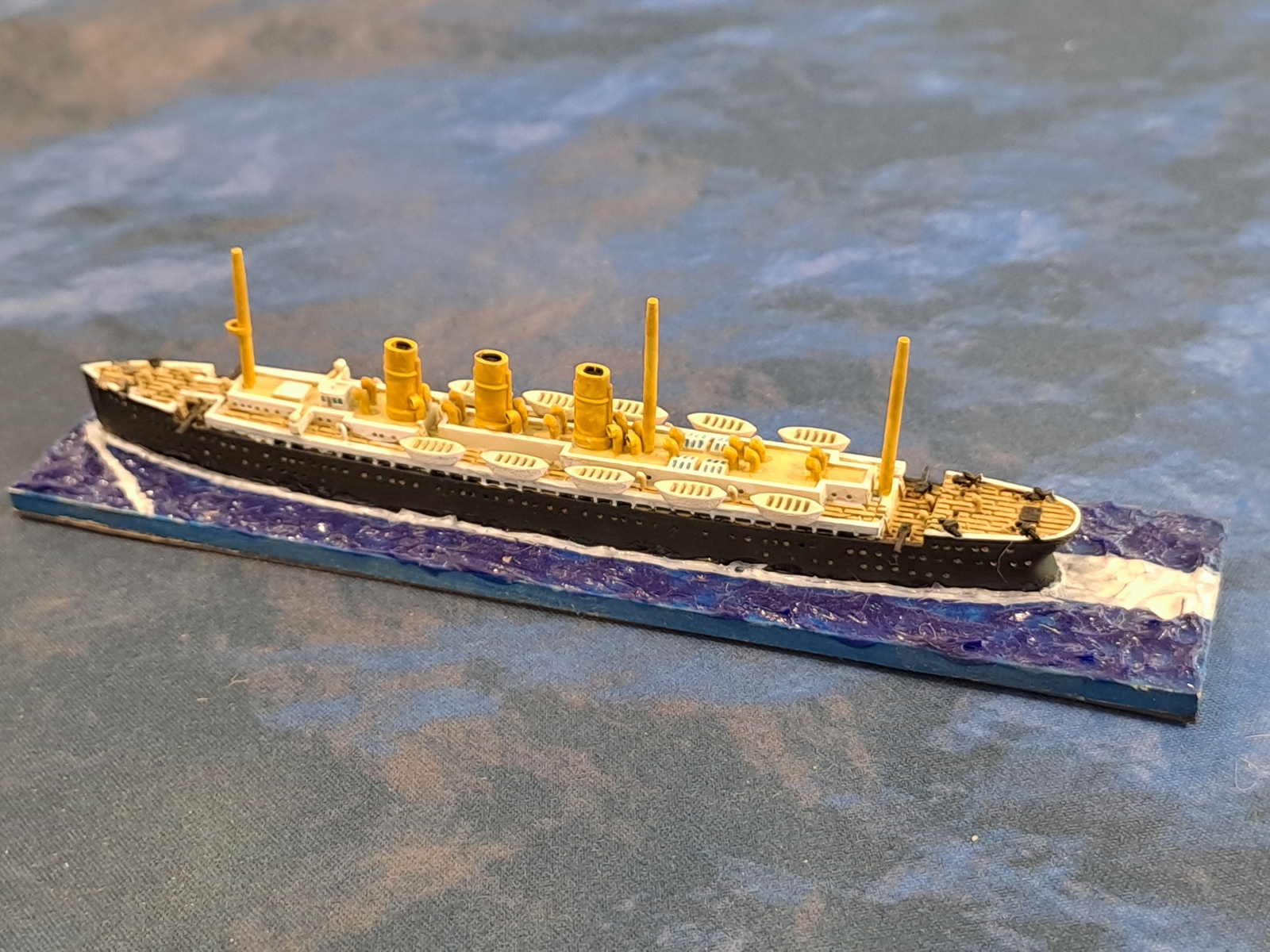
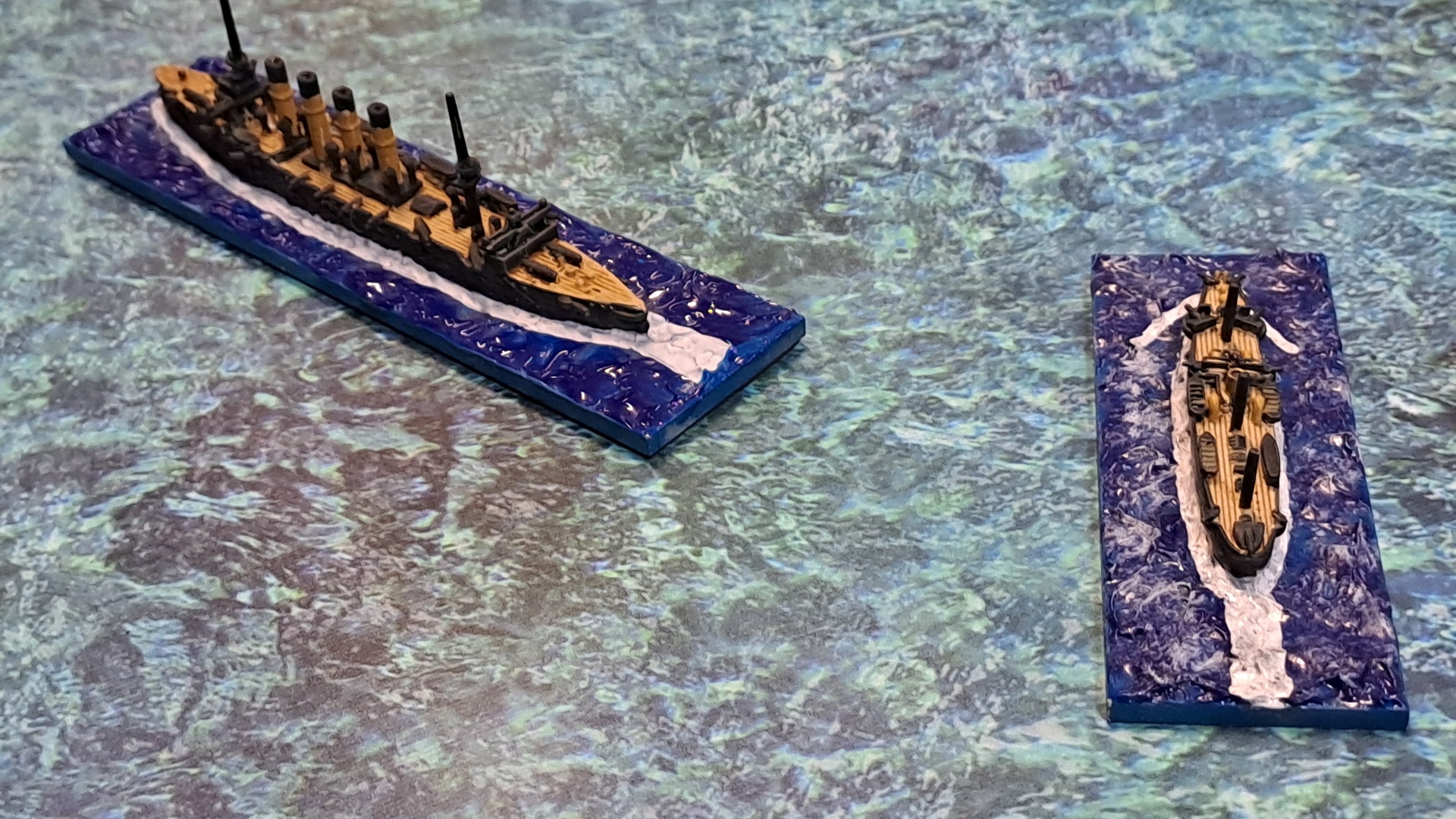
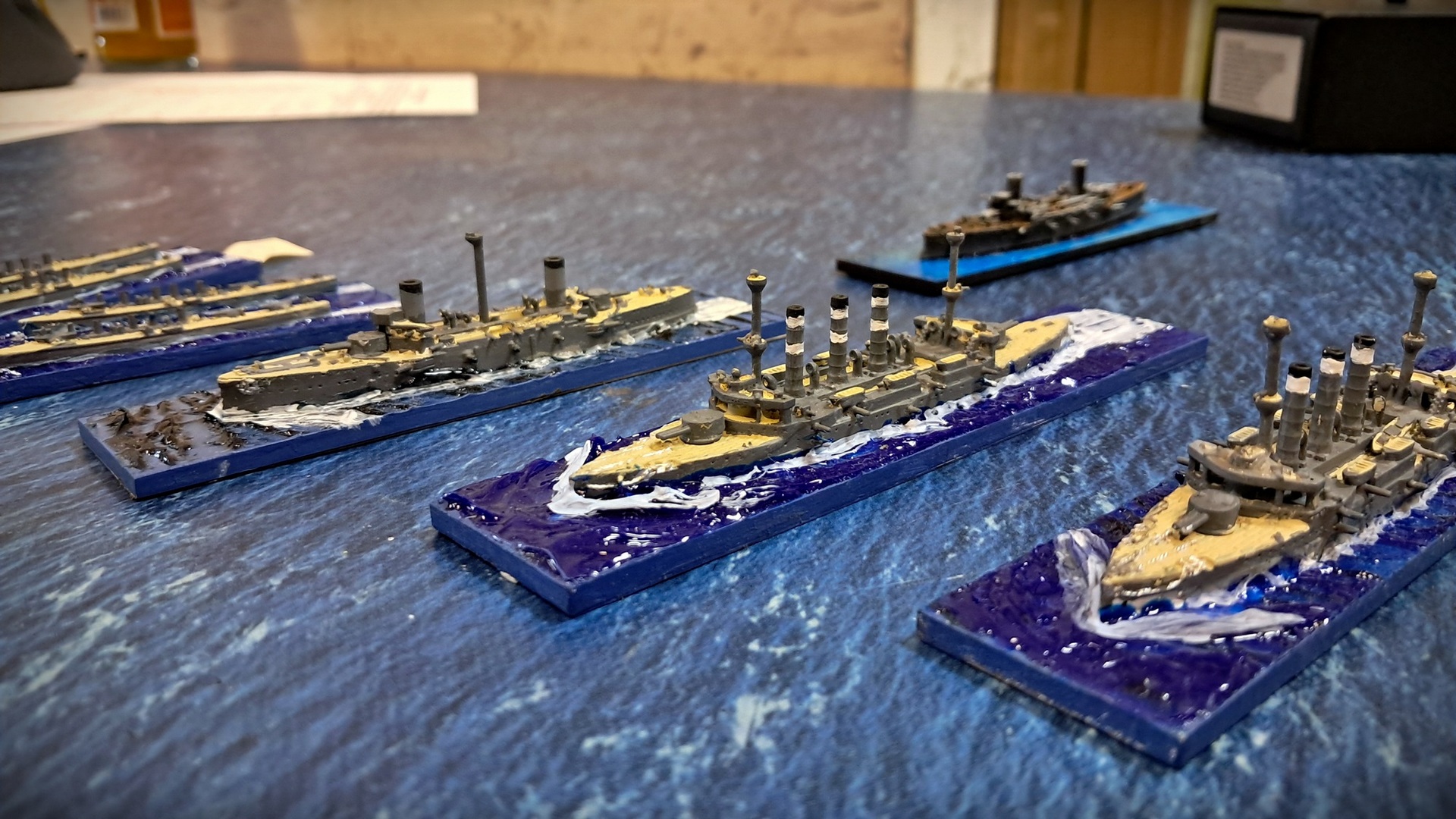
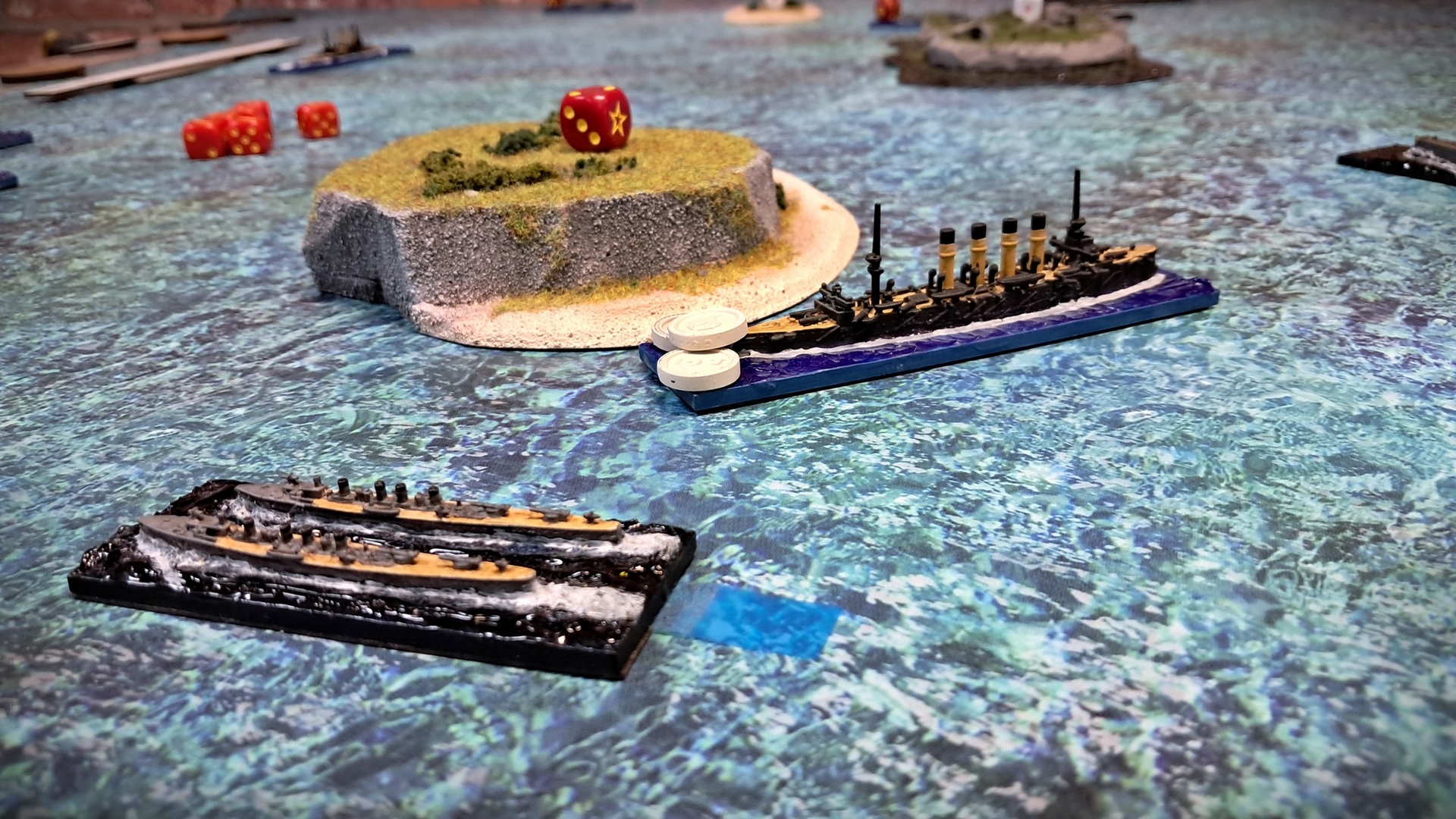
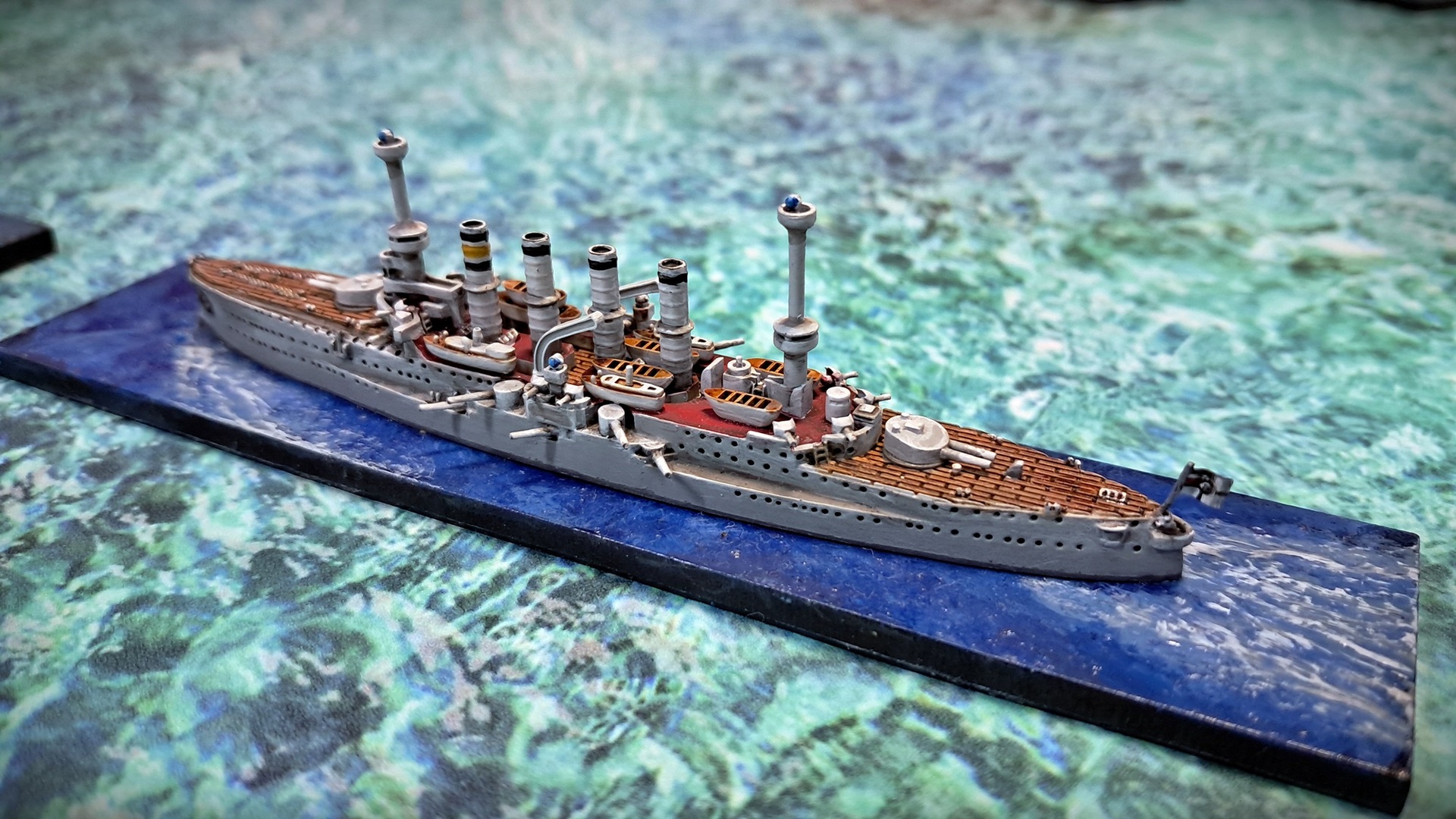
🇬🇧 Recently, I managed to finish the model of Askold painted in the scheme it wore in battle — that of the Port Arthur Squadron. It’s one of my favorite armored cruisers, alongside Varyag.
Askold was a protected cruiser built for the Imperial Russian Navy, named after the legendary Varangian ruler of Kiev. Her thin, narrow hull and maximum speed of 23.8 knots were considered impressive for the time. She had five thin funnels which gave her a unique silhouette for any vessel in the Imperial Russian Navy. From the start of the Russo-Japanese War of 1904-1905, Askold was one of the most active vessels in the Russian fleet.
The cruiser’s high speed, durability, and good (for protected cruisers) armour characteristics make it a very useful ship in the player’s fleet, excelling in encounters with other cruisers and smaller vessels. Additionally, its unique 5-funnel silhouette will give it an unmistakable appearance on the gaming table.
🇵🇱 W ostatnim czasie udało mi się skończyć model Askolda w malowaniu w jakim walczył – czyli eskadry Port Artur, jeden z moich ulubionych obok Variaga krążowników pancernopokładowych.
Askold był krążownikiem pancernopokładowym zbudowanym dla Marynarki Wojennej Imperium Rosyjskiego, nazwanym na cześć legendarnego Warega. Jego cienki, wąski kadłub i maksymalna prędkość wynosząca 23,8 węzłów były uważane za imponujące jak na tamte czasy. Miał pięć cienkich kominów, co nadawało mu unikalną sylwetkę wśród okrętów Marynarki Wojennej Imperium Rosyjskiego.
Od początku wojny rosyjsko-japońskiej w latach 1904-1905, Askold był jednym z najbardziej aktywnych okrętów w rosyjskiej flocie. Wysoka prędkość, trwałość i dobre (jak na krążowniki pancernopokładowe) właściwości opancerzenia sprawiają, że jest to bardzo użyteczny okręt w flocie gracza, doskonały w starciach z innymi krążownikami i mniejszymi jednostkami. Dodatkowo, jego unikalna sylwetka z pięcioma kominami nada mu niezapomniany wygląd na stole do gry.
🇬🇧 Summary: – It’s a very fast cruiser, perfect for scenarios involving breaking out or maneuvering — and, of course, an excellent ship for ramming other vessels. I usually field it alongside the slightly lighter-armored but equally swift Varyag. – more about Gods of War: Togo you can read HERE: https://www.gmboardgames.com/blog/bogowie-wojny-togo/. The game and everything related to it is available from the publisher, GM Boardgames that is, at the Bolter store: https://bolter.pl/en_US/index
🇵🇱 Podsumowanie: – jest to bardzo szybki krążownik, idealny na scenariusze z wypływaniem oraz a jakże świetny okręt do taranowania innych jednostek. Na ogół zawsze wystawiam go z nieco lżej opancerzonym i równie szybkim Variagiem. – więcej o Bogowie Wojny: Togo można przeczytać TUTAJ: https://www.gmboardgames.com/blog/bogowie-wojny-togo/ . Gra i wszystko z nią związane jest dostępna u wydawcy GM Boardgames czyli w sklepie Bolter: https://bolter.pl/pl/c/BOGOWIE-WOJNY-TOGO/1787
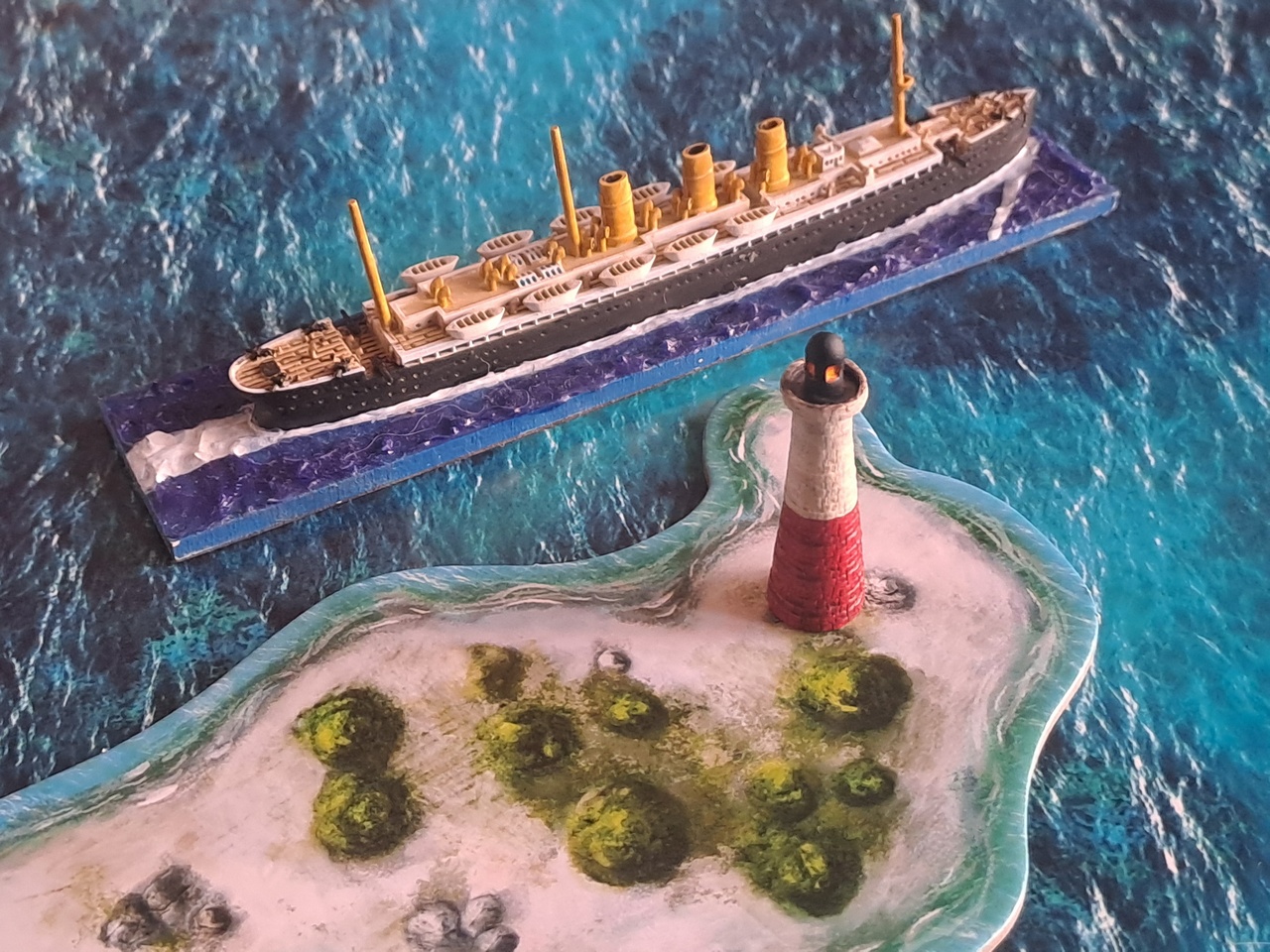
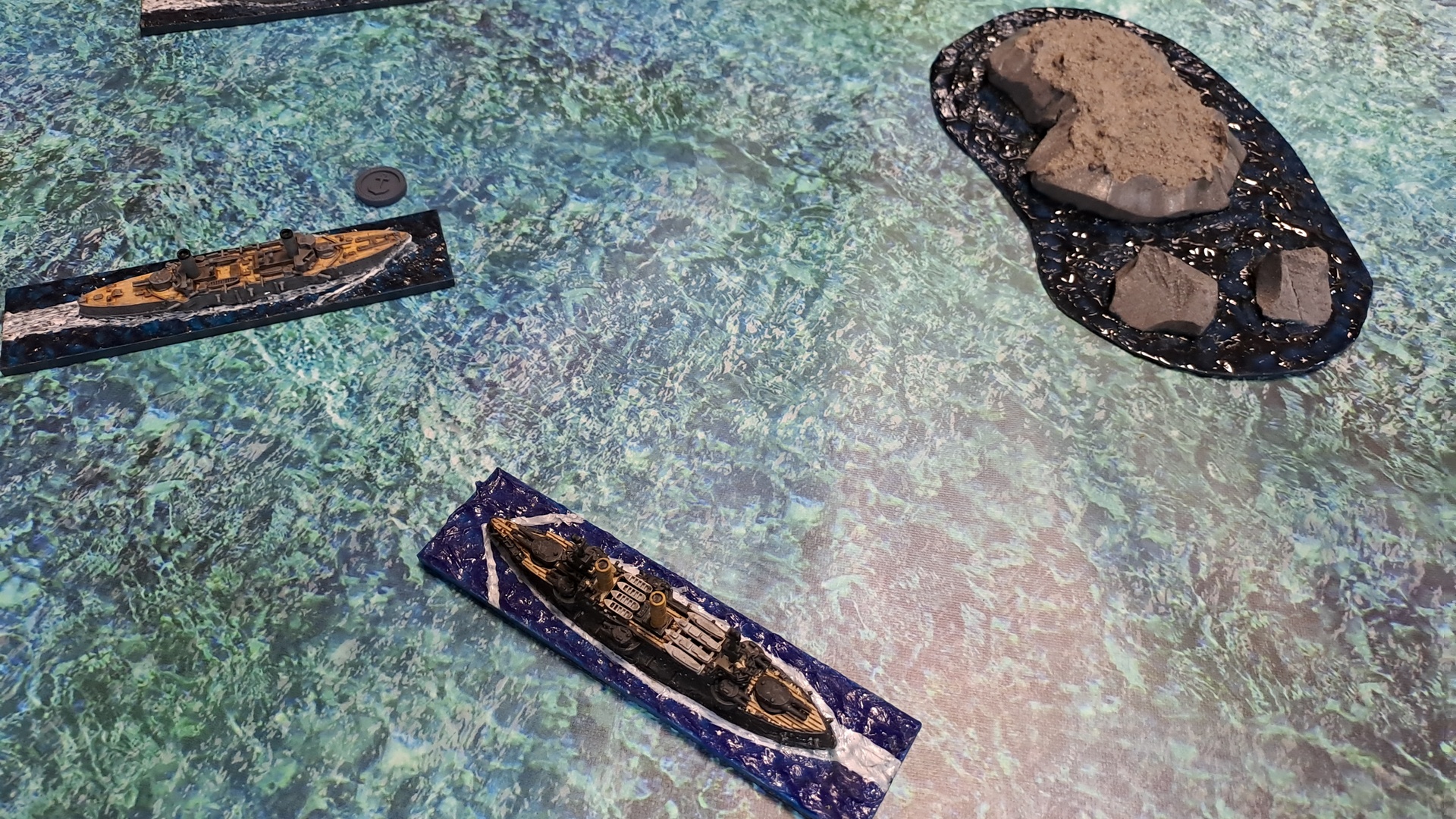
🇬🇧 In ancient times, when humans first began to sail the seas and navigation relied on the position of the stars and the skills of captains, bonfires were lit on the shore to aid sailors — serving as a signal that land was nearby. Centuries passed, and during antiquity — those earliest of times — the most famous lighthouse was built: the Lighthouse of Alexandria on the Island of Pharos. There was also the Colossus of Rhodes, which reportedly served a similar function, along with many other structures meant to inform sailors of the coastline’s presence.
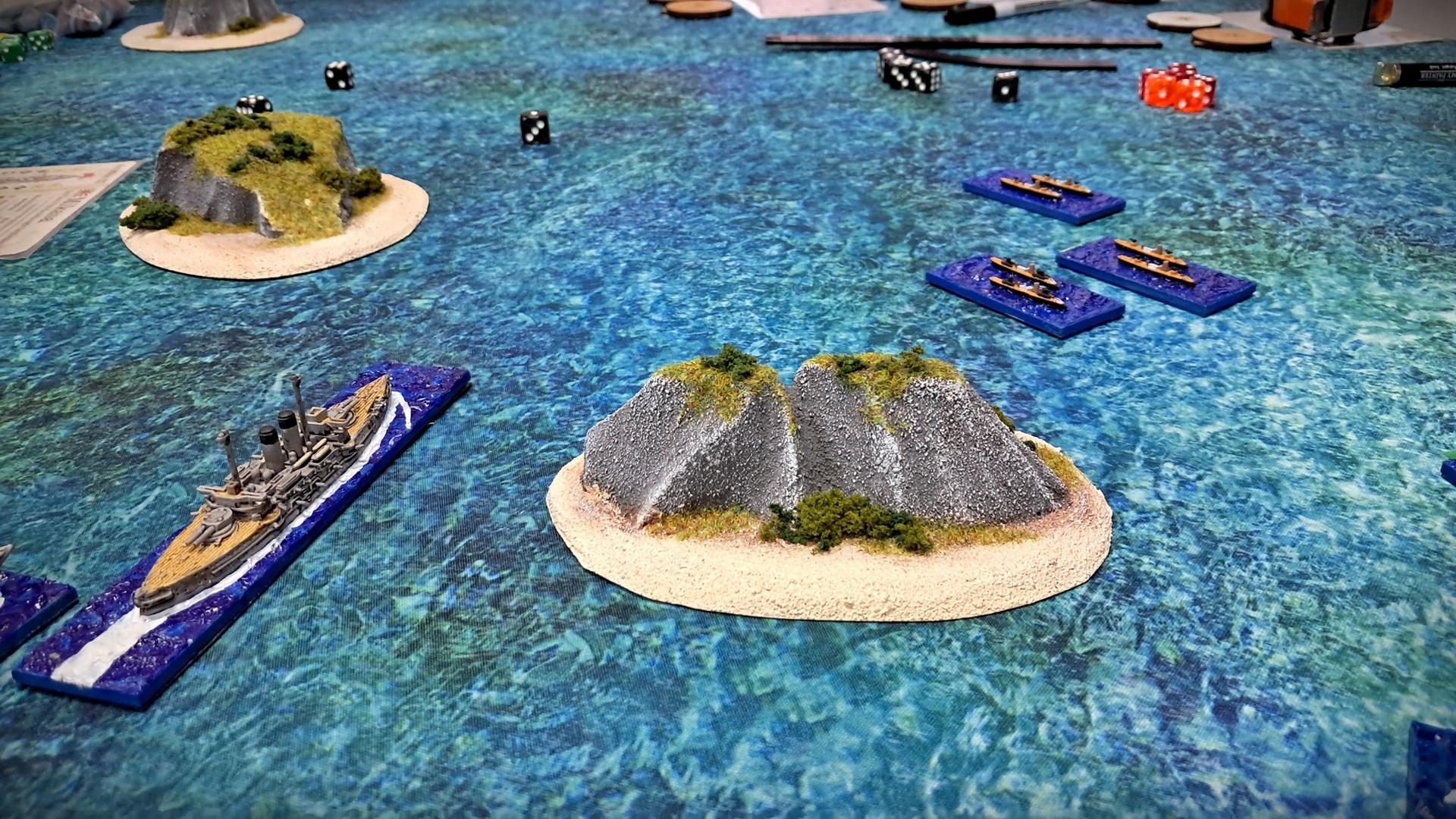
Over the following centuries, little changed — and in many ways, it still hasn’t. Lighthouses continue to exist, though in the age of satellite navigation their role is not as critical as it once was. However, in the historical game Bogowie Wojny: Togo, they still play an important role — helping ships avoid crashing into the shore.
From sources known to me, I know that the lighthouses will be released as part of a larger set, which will include, among other things, port elements. Unfortunately, I can’t reveal any further details on the matter.
* – translation to English done with help of ChatGPT.
🇵🇱 W najdawniejszych czasach, kiedy człowiek zaczął żeglować po morzach, a nawigacja opierała się na położeniu gwiazd i umiejętnościach kapitanów, by ułatwić żeglugę zaczęto stawiać na brzegu ogniska, mające na celu informować morskich podróżników o obecności wybrzeża. Wieku mijały, a mówimy najdawniejszych czyli antyku, w trakcie którego powstała najsłynniejsza latarnia Aleksandryjska na Wyspie Faros czy Kolos Rodyjski mający podobno zbliżone do latarni zastosowanie i zapewne wiele innych obiektów mających informować żeglarzy o obecności lądu. W kolejnych wiekach nic się nie zmieniało i nie zmienia, latarnie nadal istnieją, chociaż ich funkcje w dobie nawigacji satelitarnej nie są już tak istotne jak jeszcze do niedawna były. W historycznej grze Bogowie Wojny: Togo nadal pełnią ważną rolę – pozwalają okrętom czy statkom uniknąć zderzenia z lądem.
Ze znanych sobie źródeł wiem, że latarnie wyjdą jako część większego zestawu, zawierającego m.in. elementy portu. Niestety nic więcej w tej kwestii nie mogę dodać.
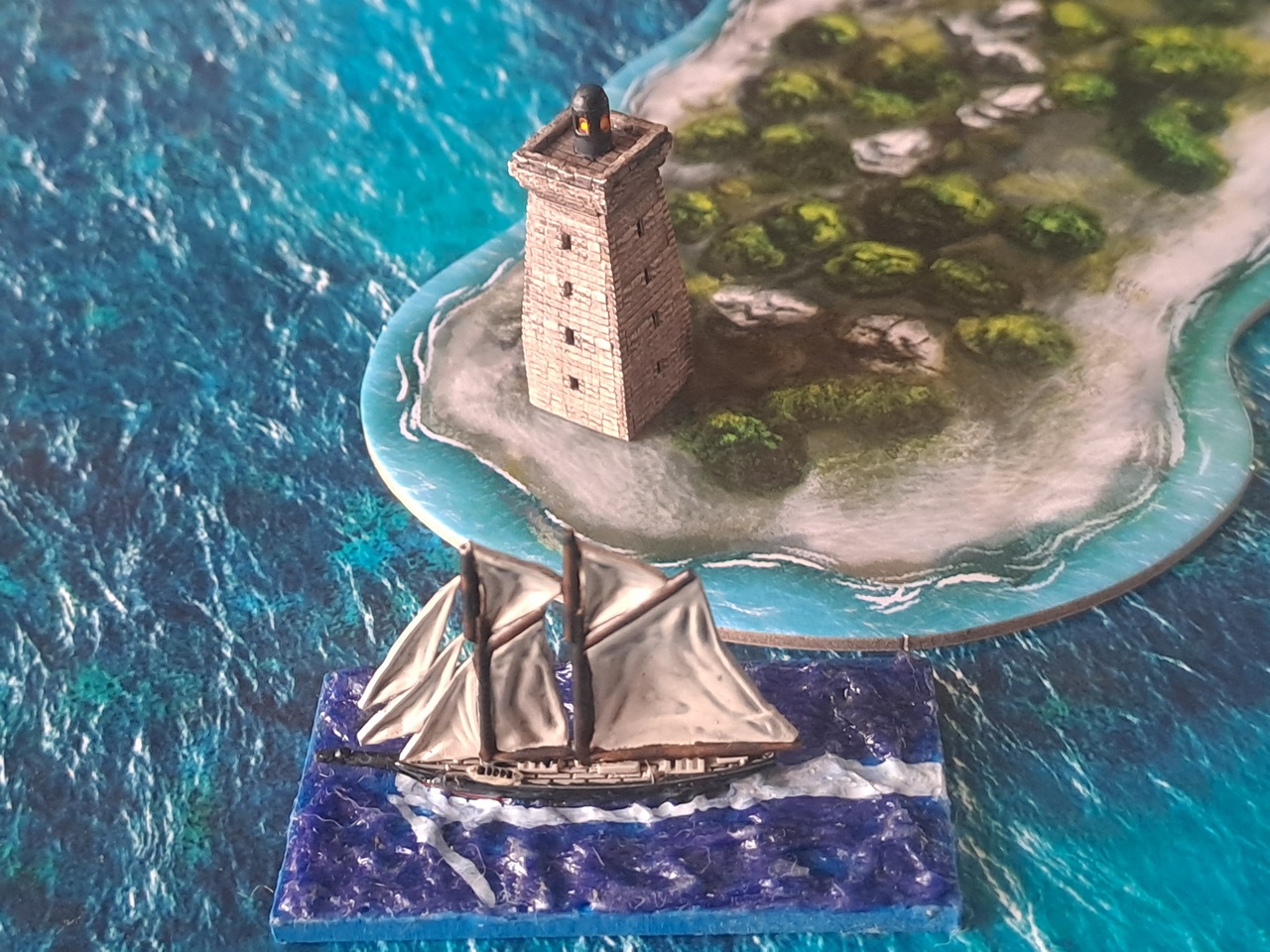
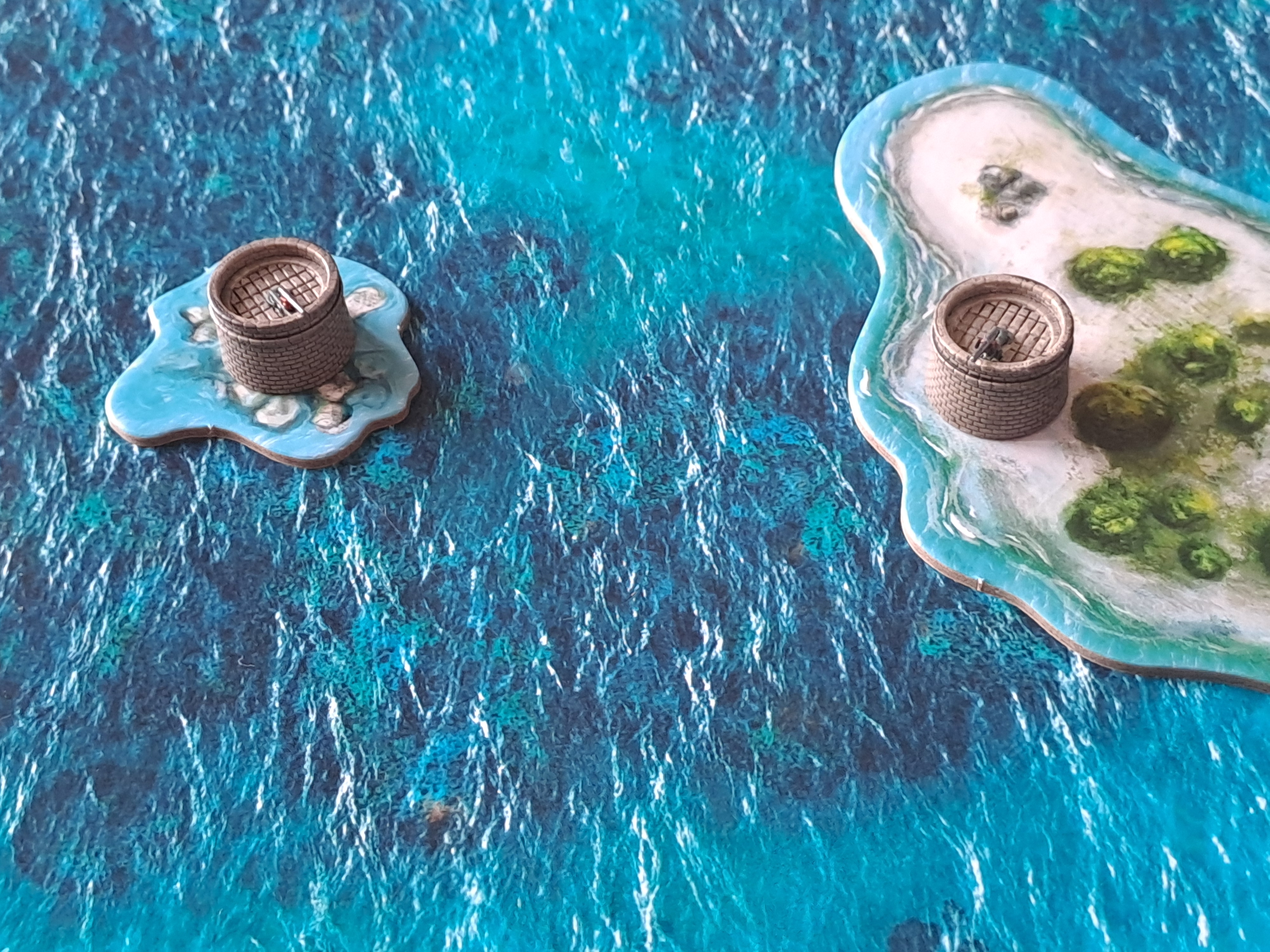
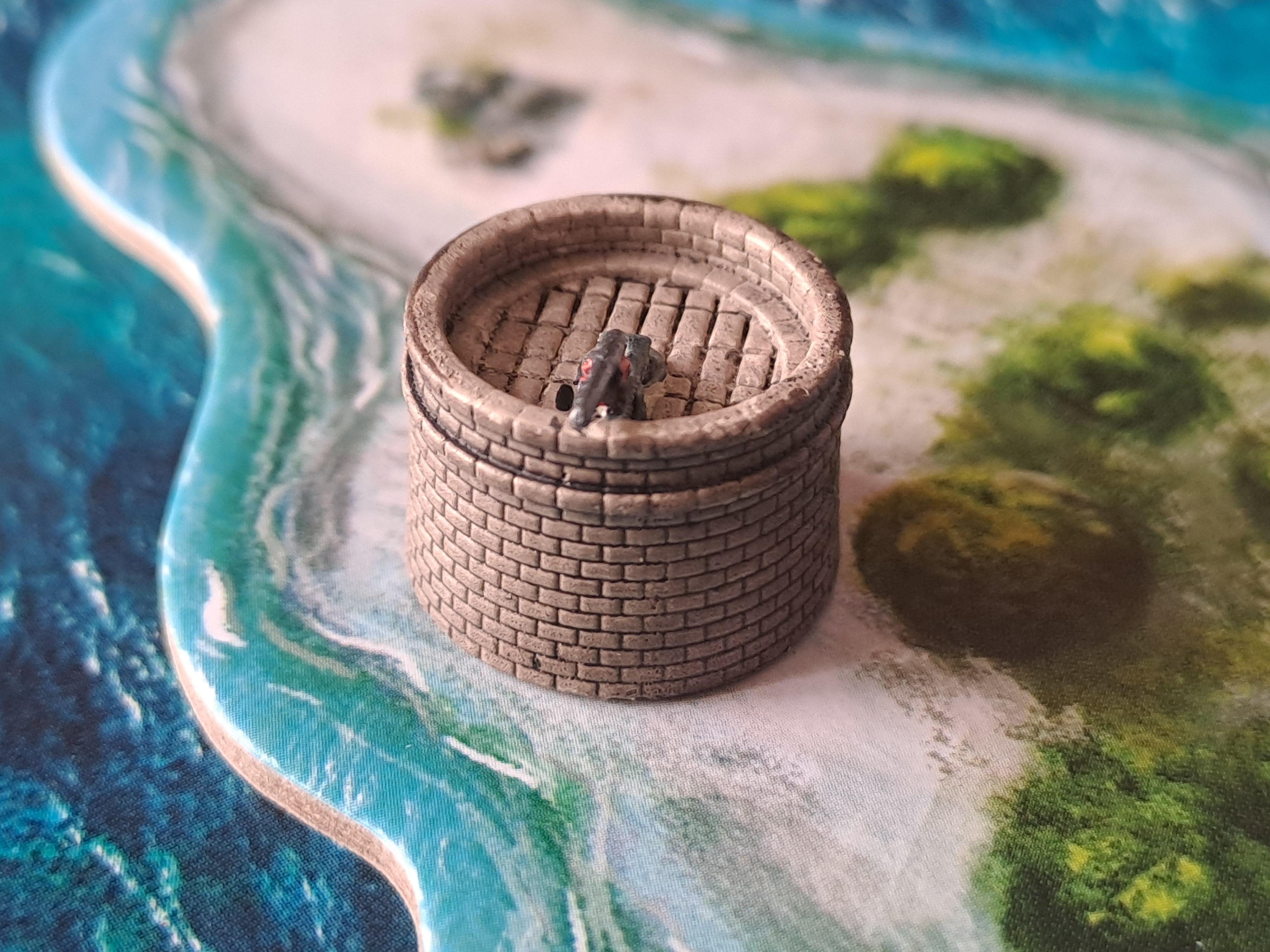
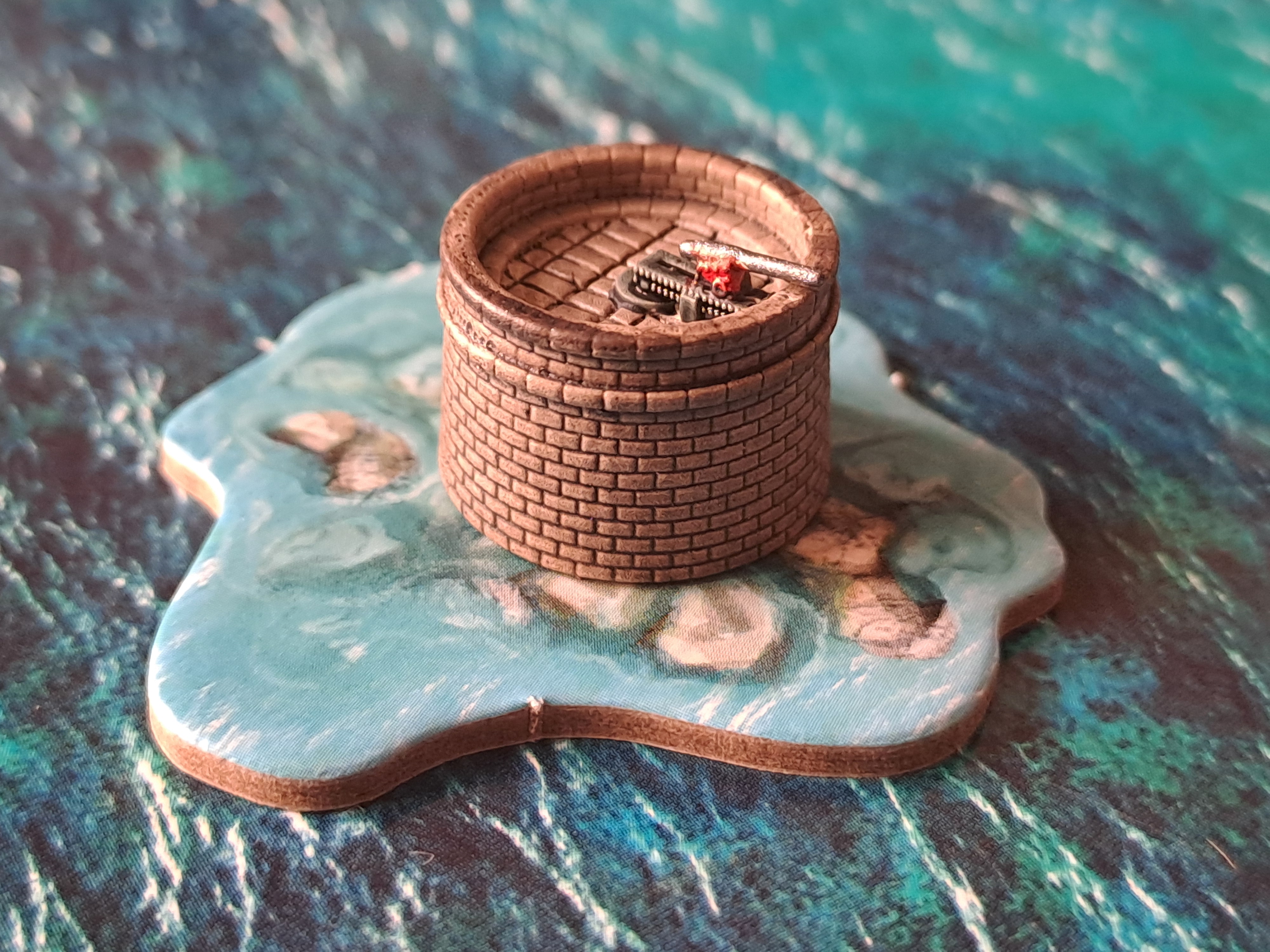
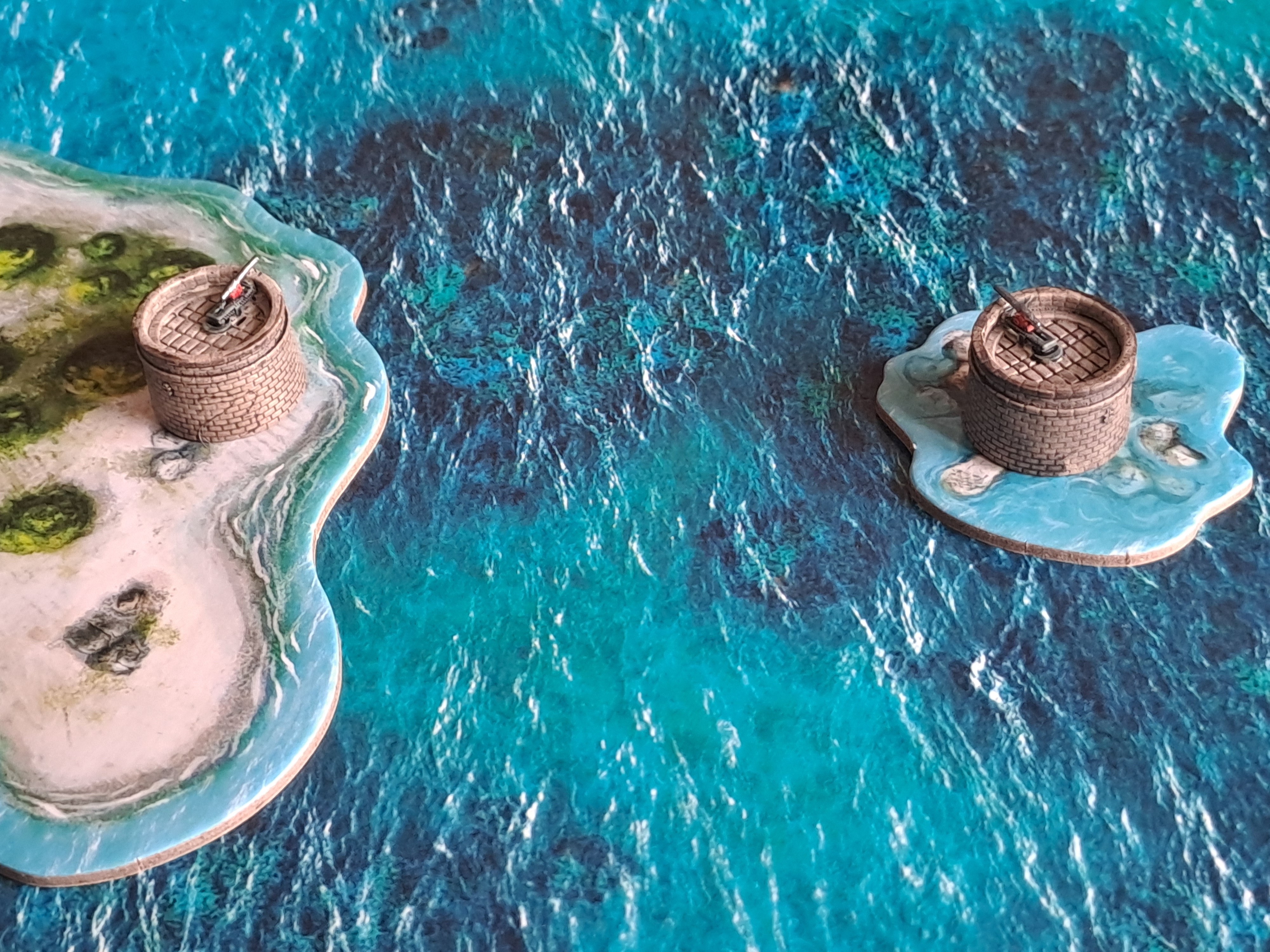
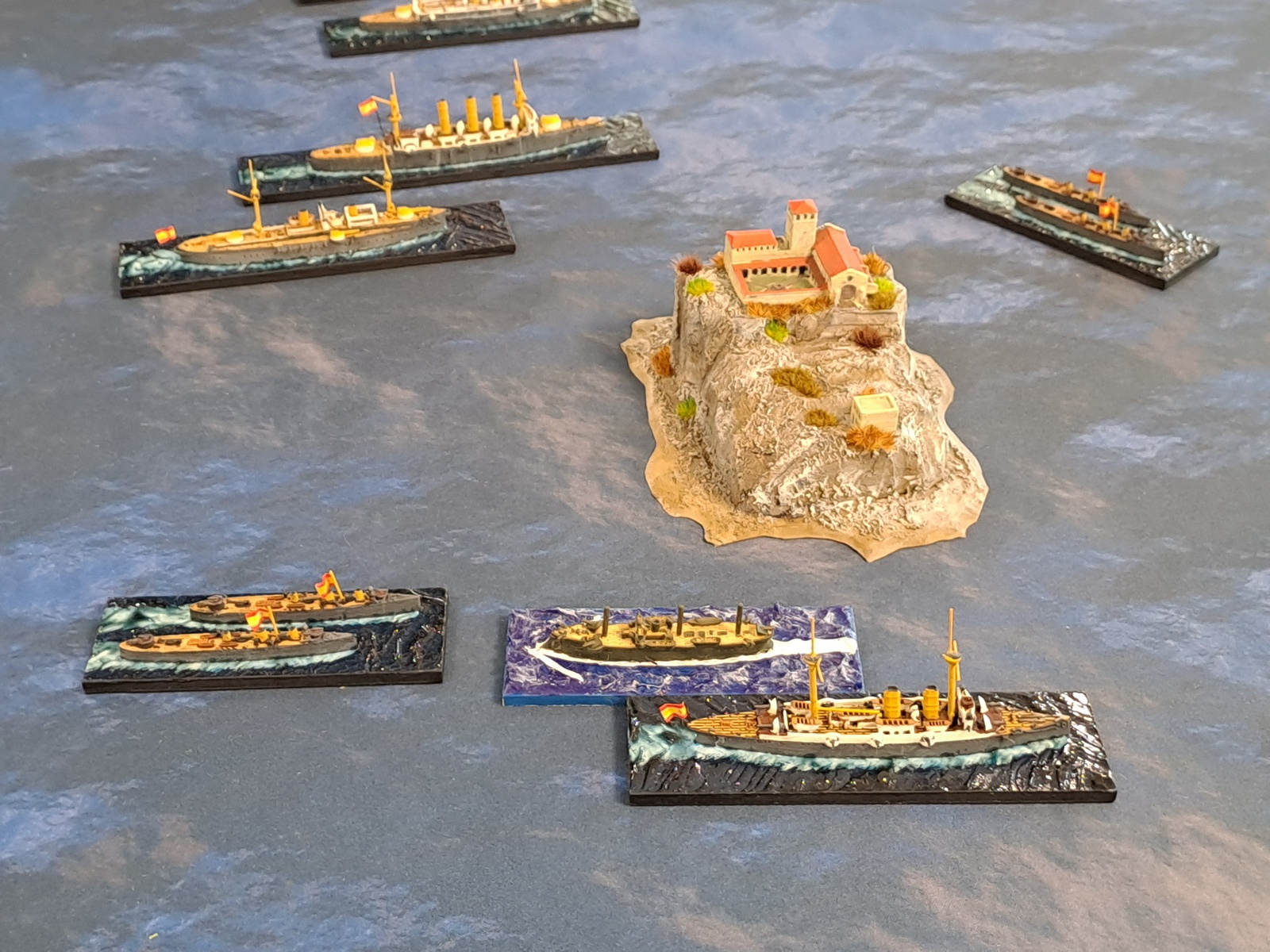
🇬🇧 In recent days, I painted two Martello towers, available to any fleet as part of coastal fortifications. These will soon appear in the Fleet Builder — but for now, they’ve been added to Bolter’s store offer as part of a pre-order set charmingly named Coastal Fortifications — available HERE. You can read more about Martello towers at this link on Wikipedia. They were built in various parts of the world, although most of them are located in the United Kingdom. However, individual towers were also constructed in far-off places like Japan, Mauritius, or Sri Lanka.
* – translation to English done with help of ChatGPT.
🇵🇱 W ostatnich dniach pomalowałem dwie wieże Martello, dostępne do każdej z flot jako element nadbrzeżnych fortyfikacji, które już niebawem pojawią się w Kreatorze Floty – a tymczasem pojawiły się w ofercie sklepu Bolter, jako część zestawu dostępnego w przedsprzedaży o wdzięcznej nazwie Coastal Fortifications – fortyfikacje wybrzeża dostępne TUTAJ. Więcej o wieżach Martello możesz przeczytać pod tym linkiem na Wikipedii – jest to opis po angielsku, jest zdecydowanie bogatszy od opis niż po polsku. Budowano je w różnych częściach świata, chociaż najwięcej z nich znajduje się w Wielkiej Brytanii, ale pojedyncze sztuki zbudowane także np. w odległej Japonii, na Mauritiusie czy na Sri Lance.
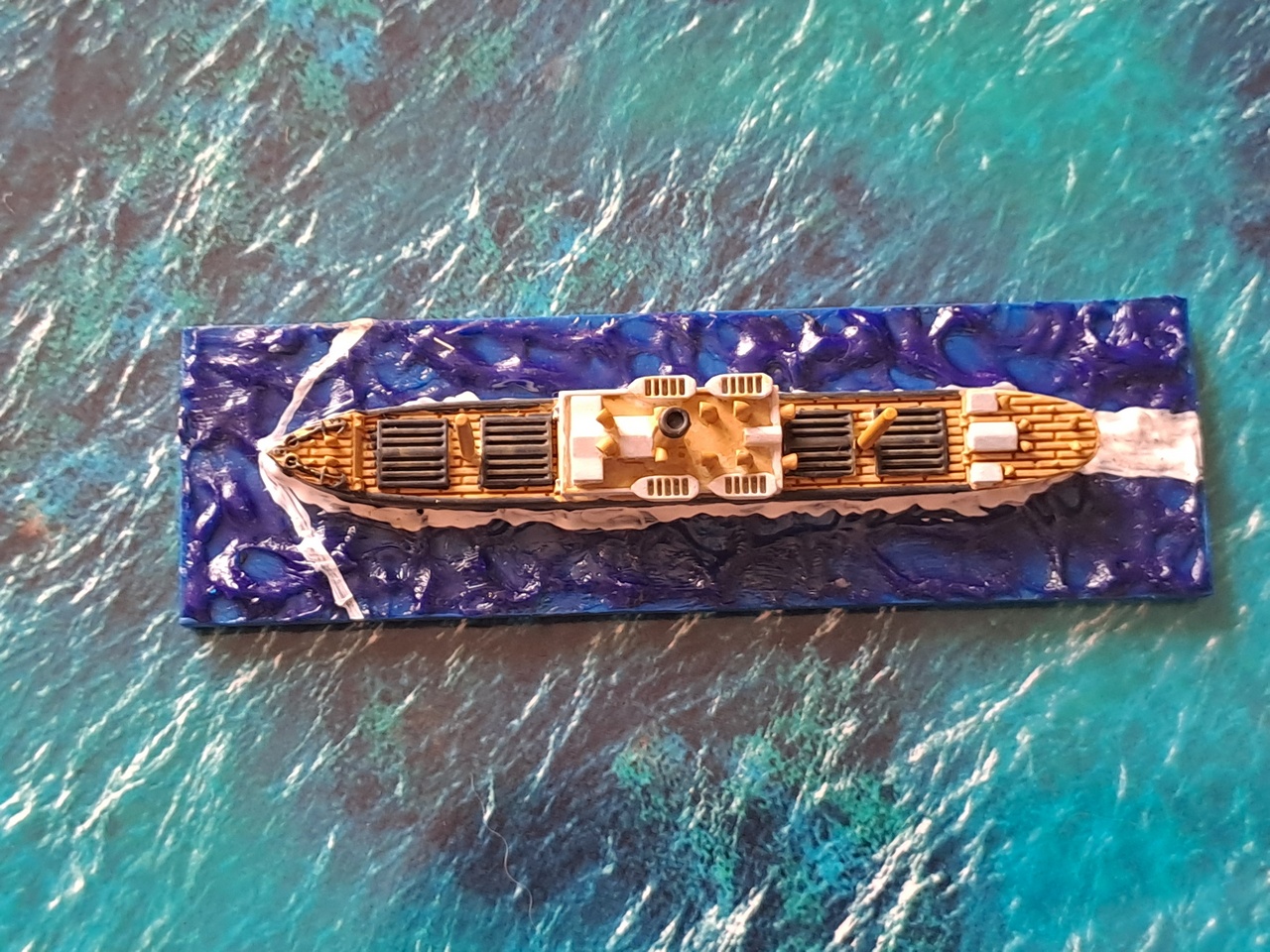
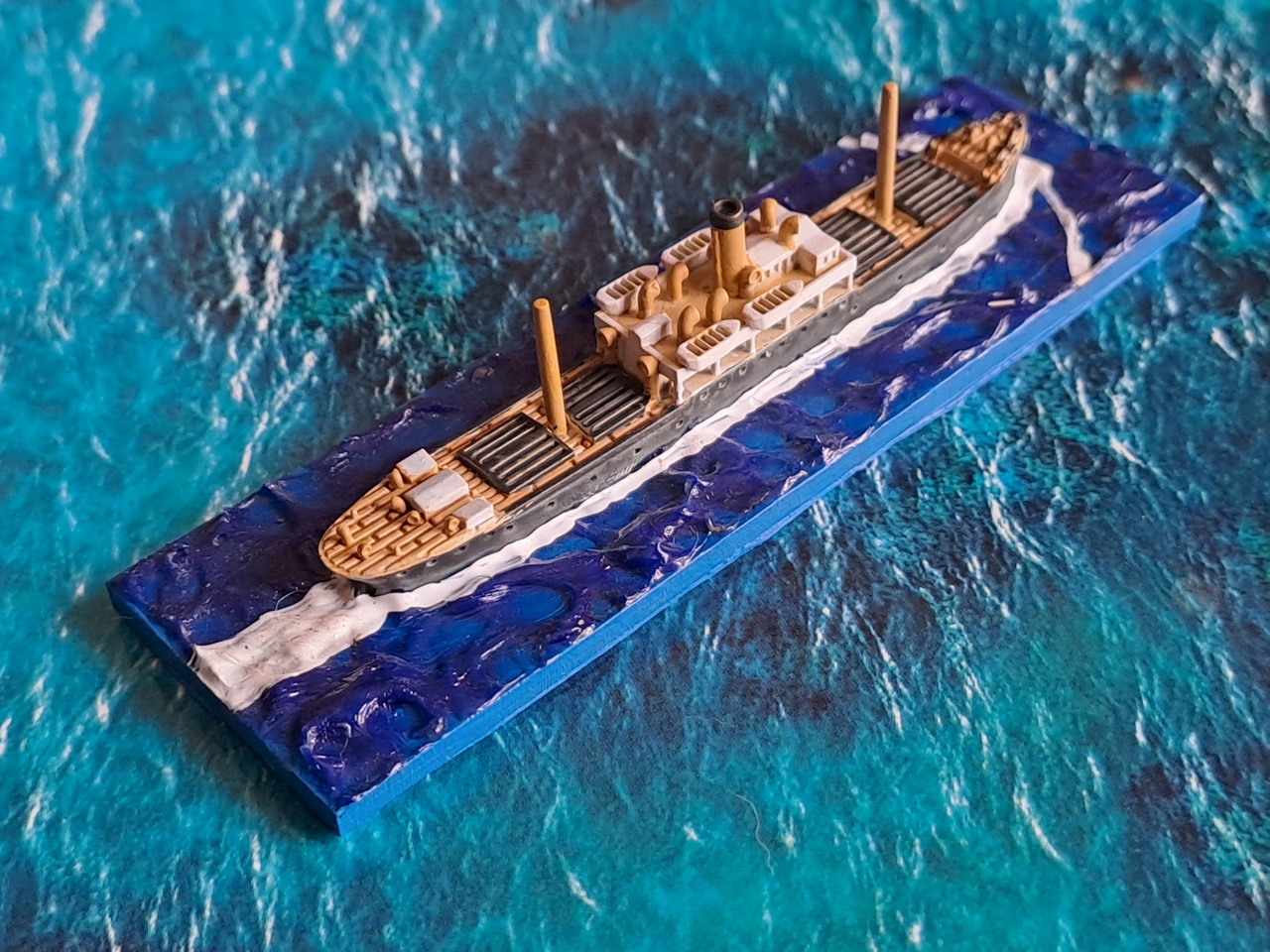
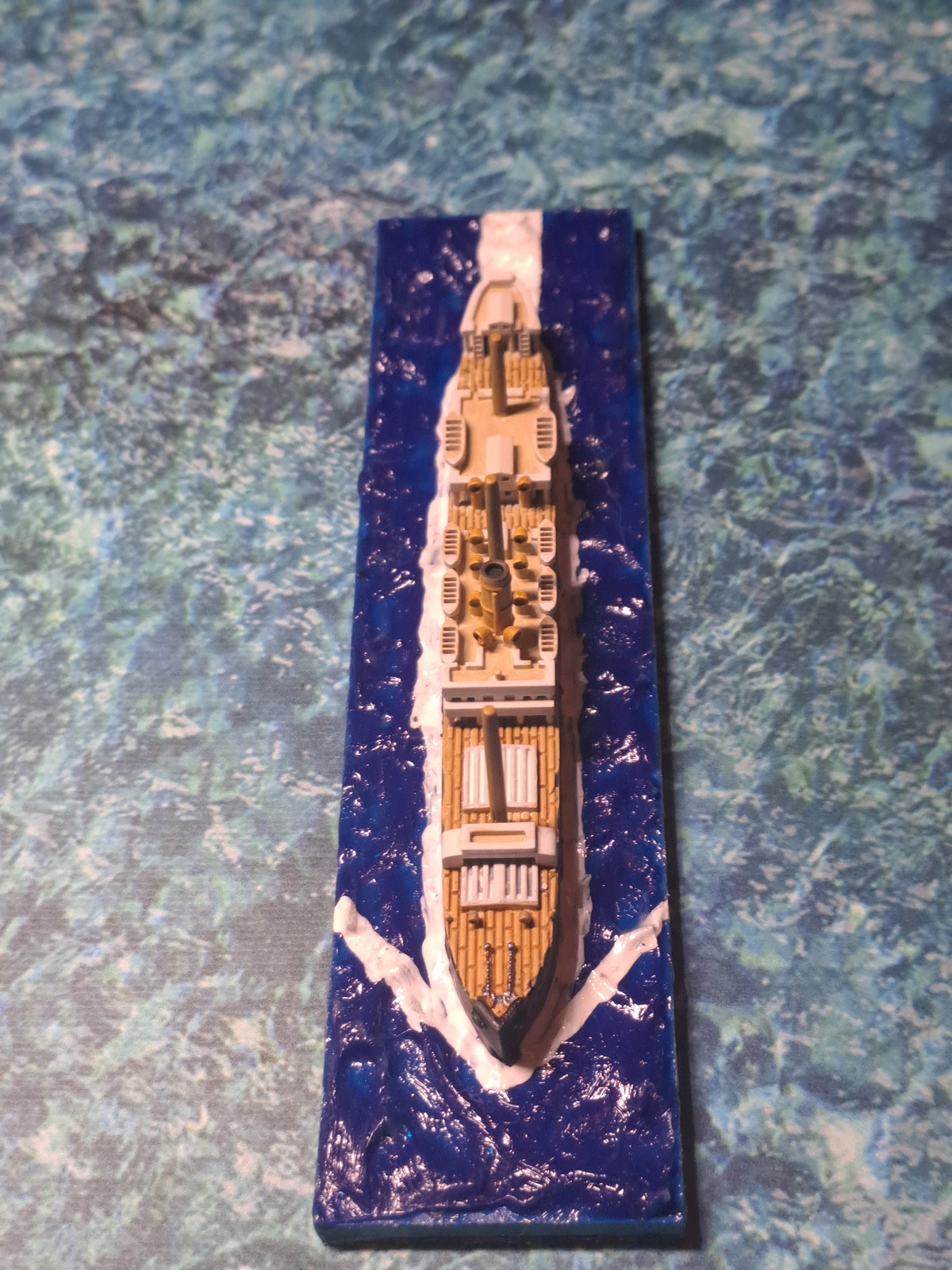
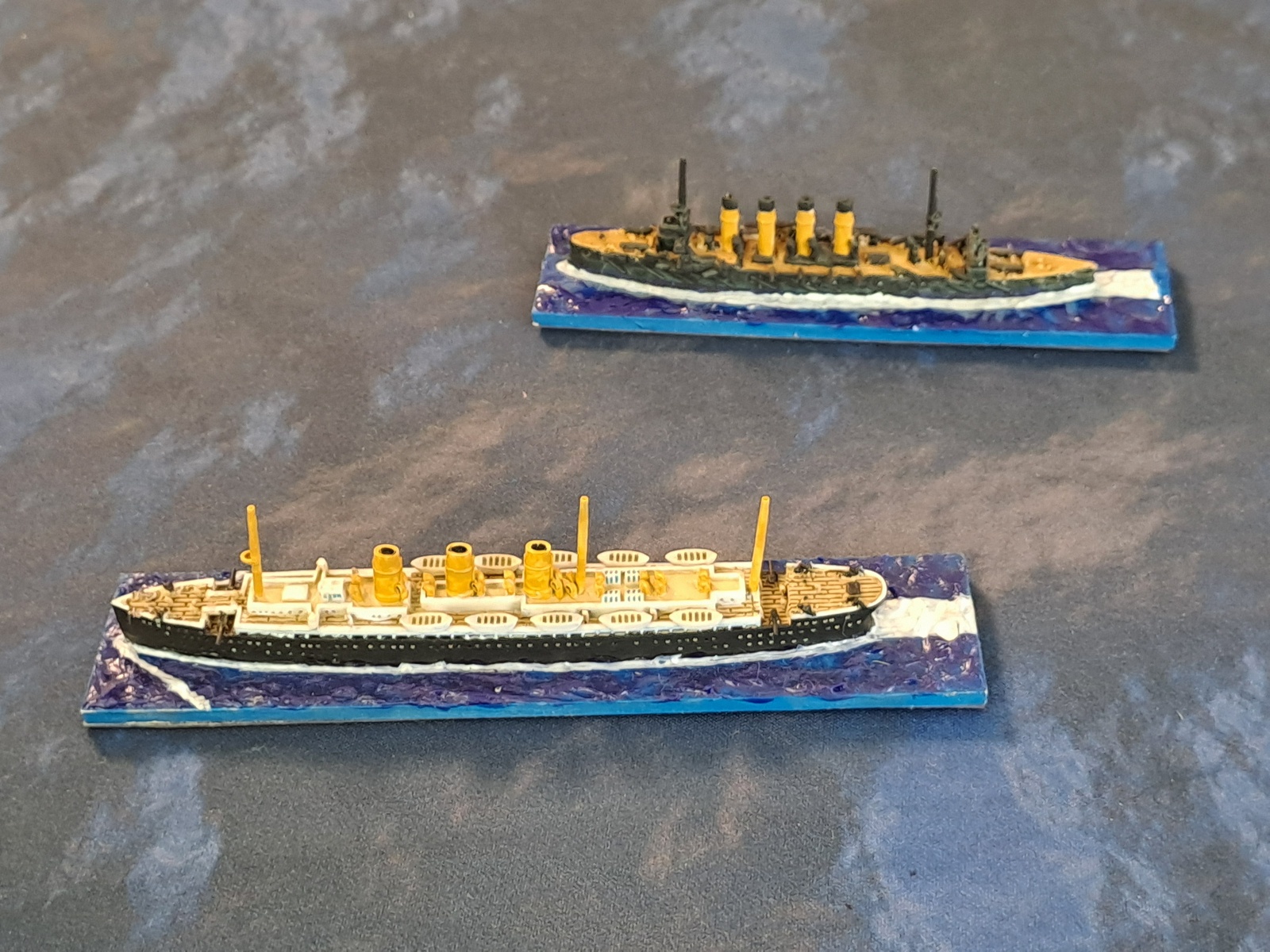
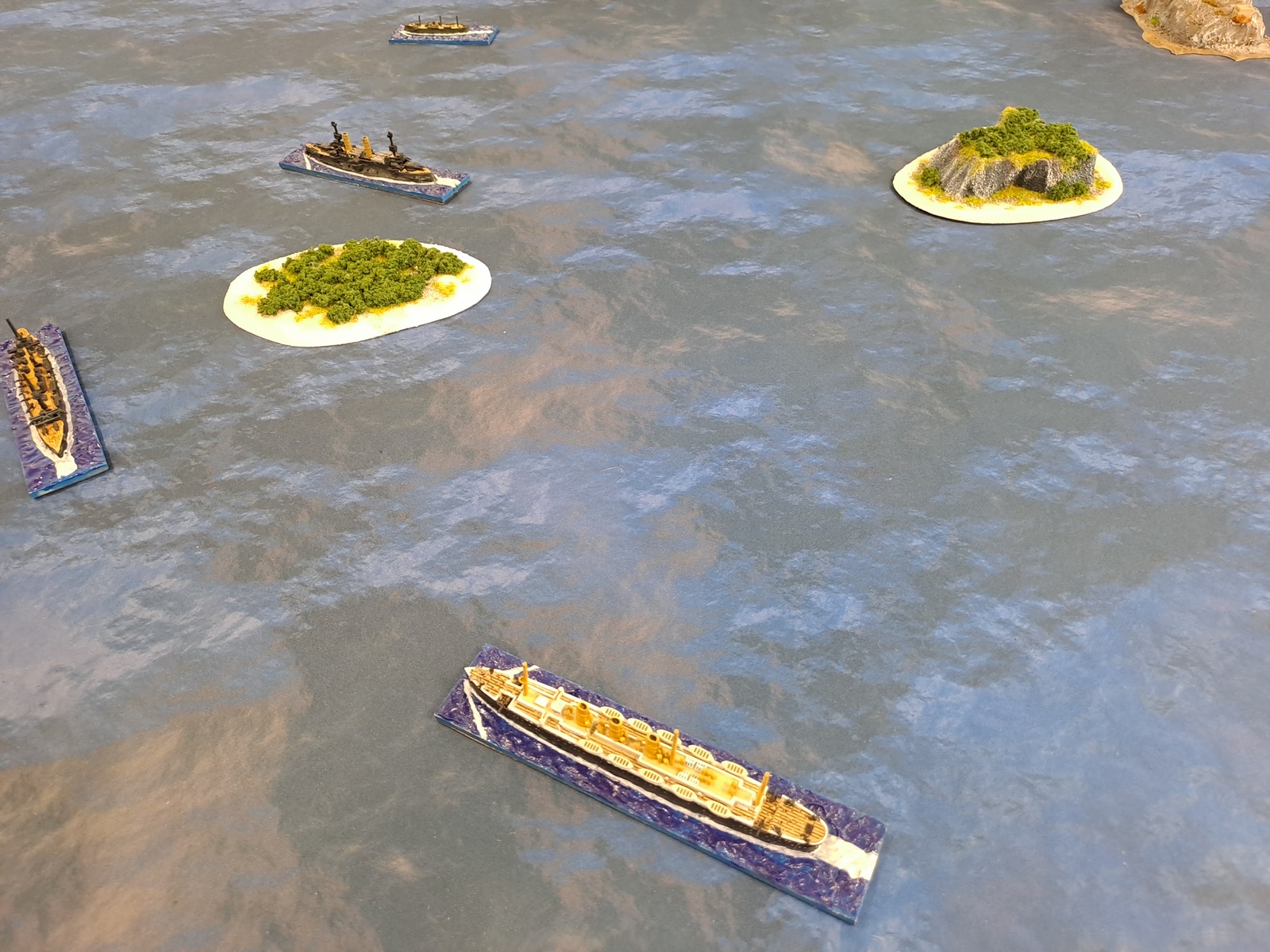
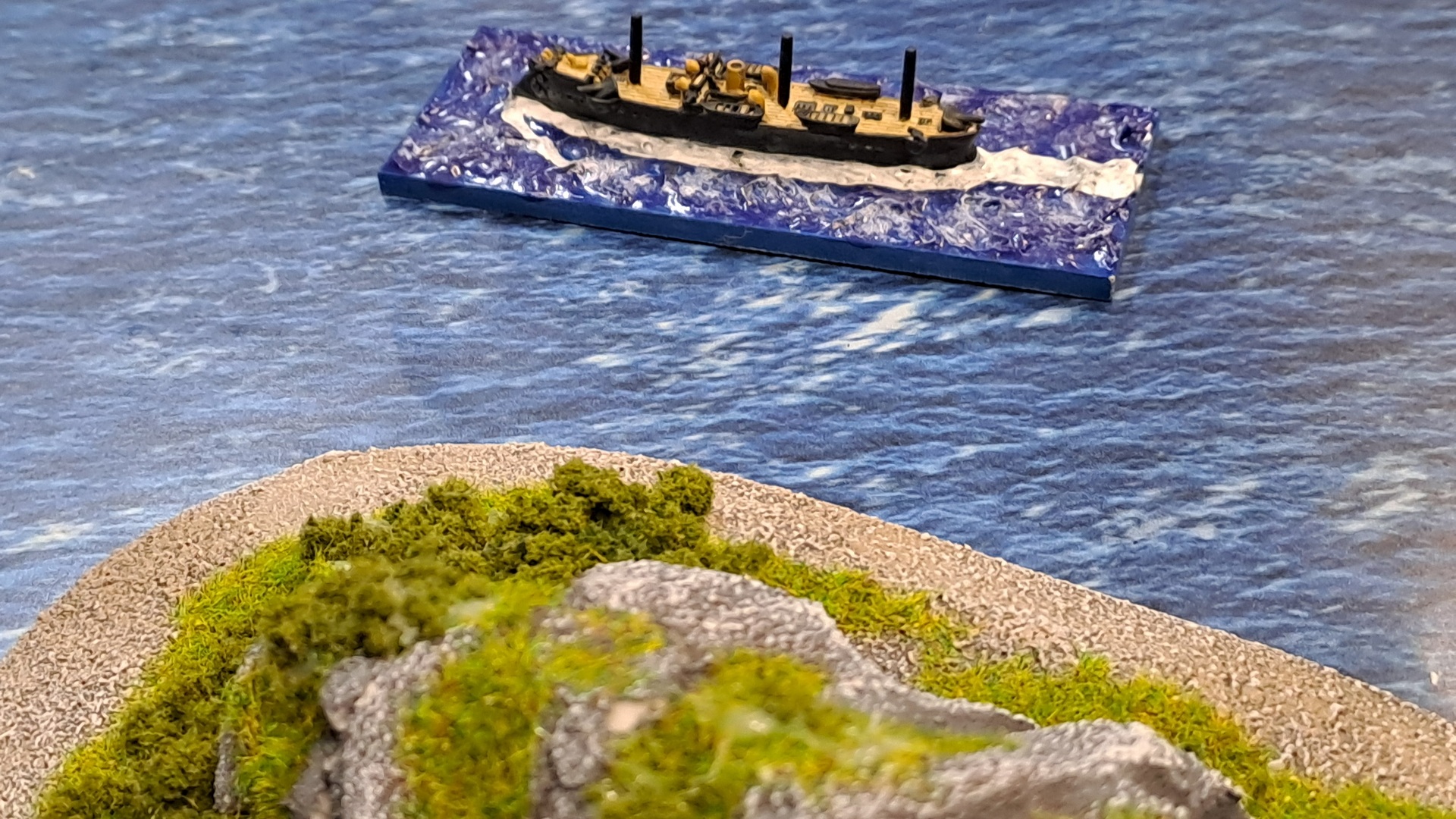
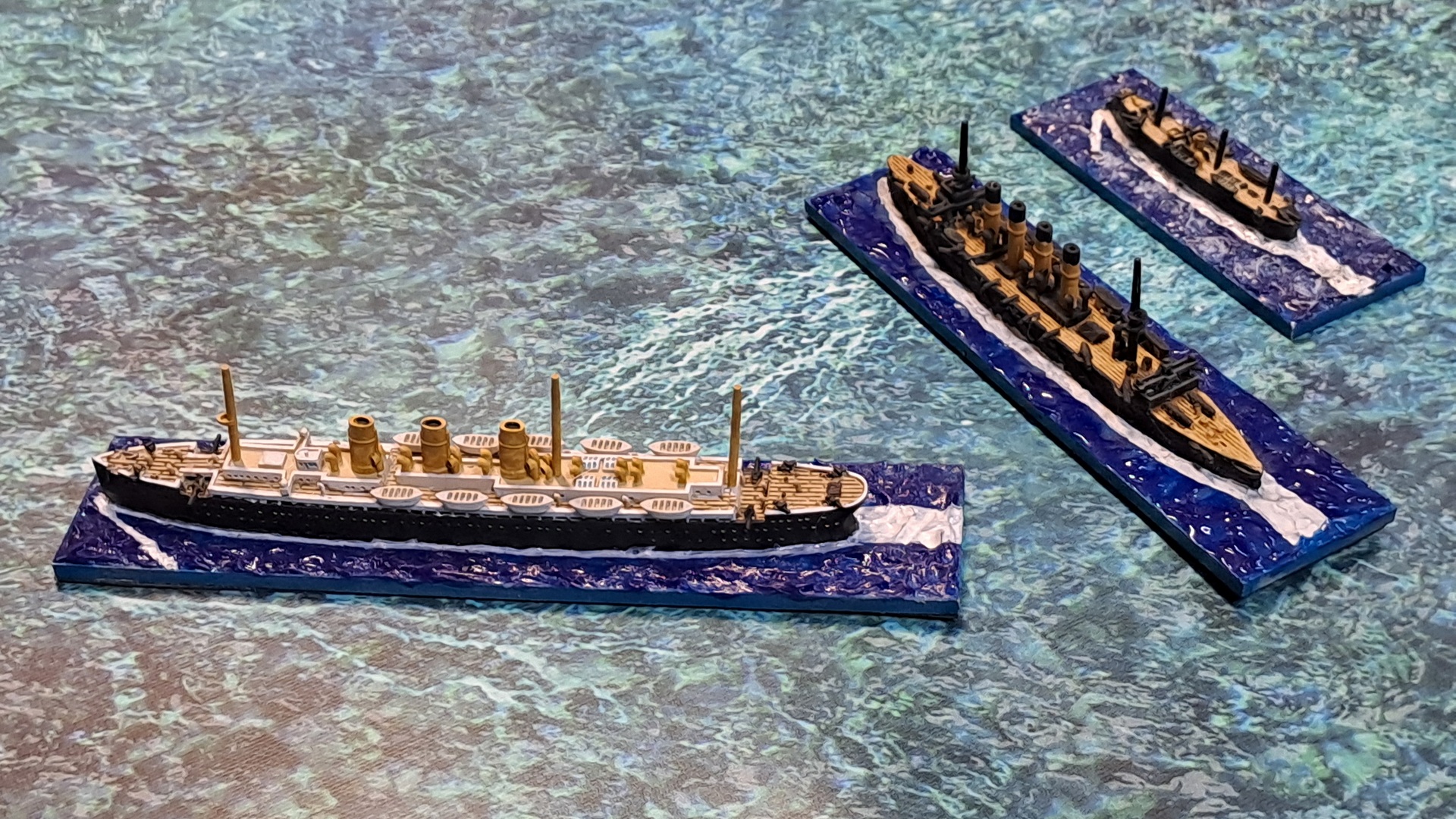
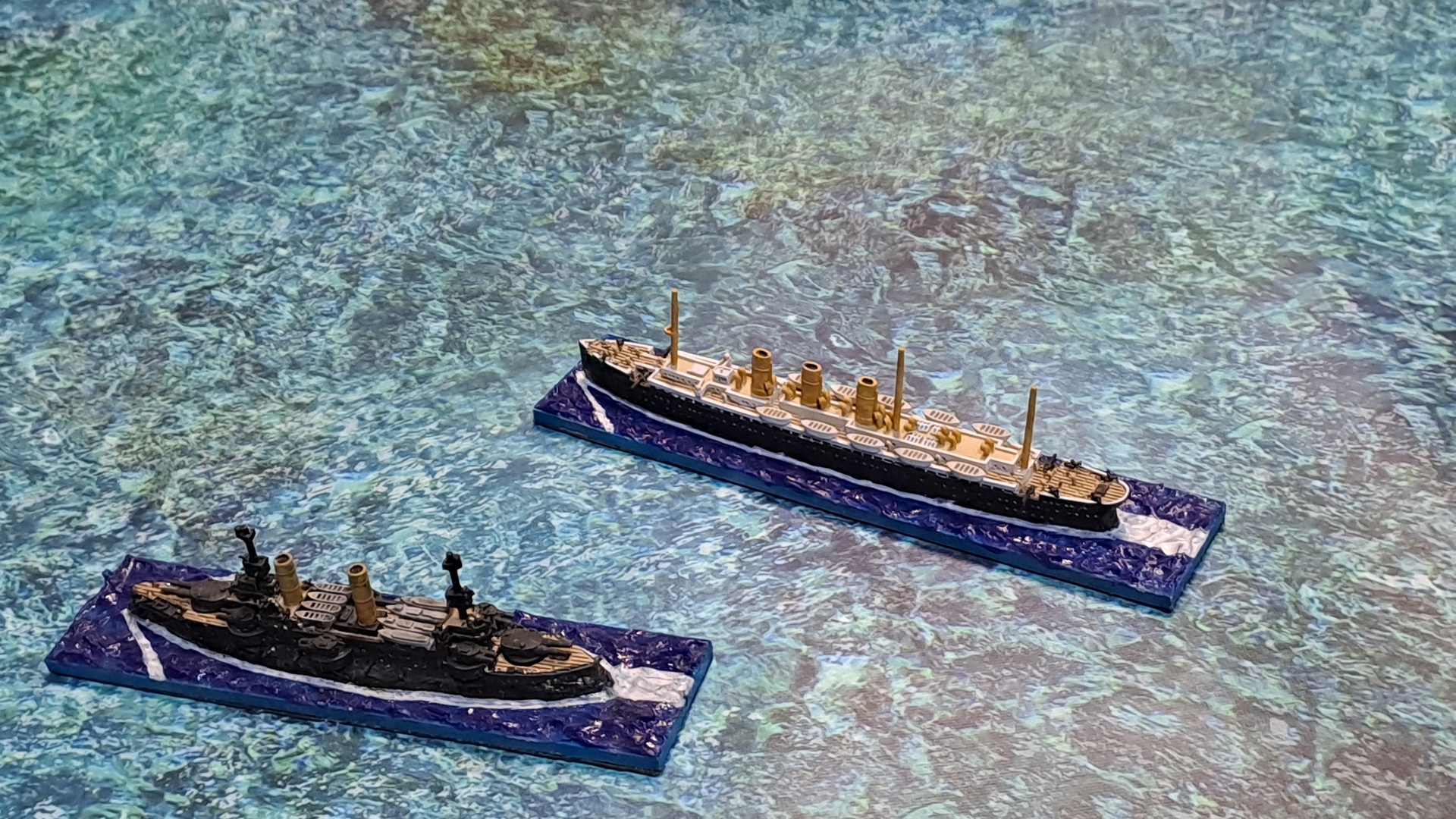
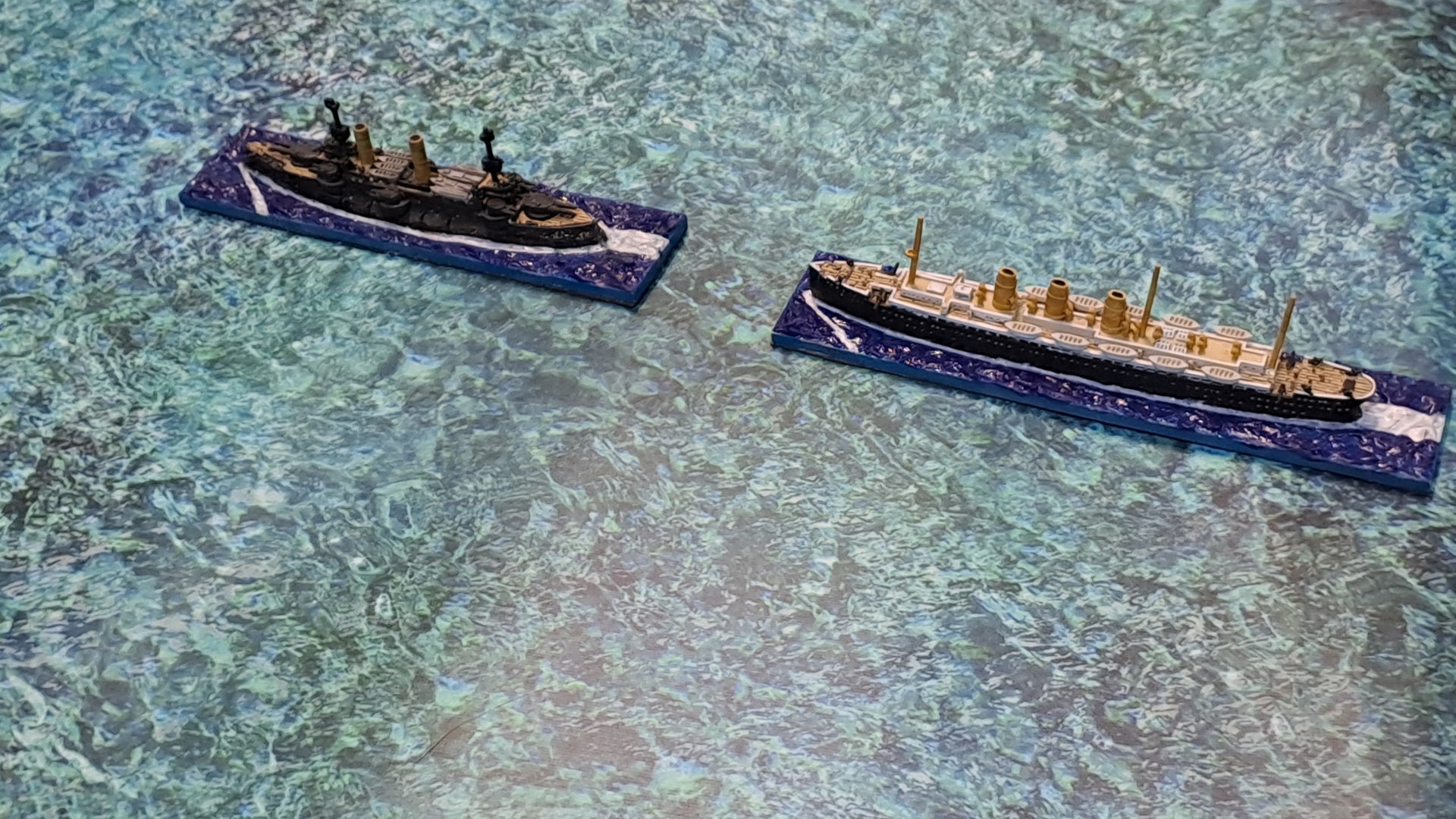
🇬🇧 On a hot July Saturday, I finally managed to finish the transport ship Clan Mackay for Bogowie Wojny: Togo.
„Clan MacKay was a cargo steamship that was built in 1894, had a fifty-year career under successive British, Australian, Chinese and Greek owners, was captured by Japan in the Second World War, and sunk by a United States Navy submarine in 1944.
She was built in England for the Clan Line as Clan Mackay.
The three sister ships were built as yard numbers 227, 228 and 229 and launched in 1894 as Clan Ross, Clan Campbell and Clan Mackay. Clan Mackay was the last of the three, being launched on 31 October 1894 and completed that December. They were the first Clan Line ships to be built with a straight stem instead of a clipper bow.
Clan Mackay’s registered length was 95.1 m, her tonnages were 2,600 GRT and 1,665 NRT. She was propelled by a single screw, powered by a three-cylinder triple-expansion engine, providing her with a speed of approximately 13 knots.
In September 1899 Clan Mackay was involved in a collision, as a consequence of which she was beached. She was repaired and returned to service.
The Clan MacKay was a fairly typical, small transport vessel of the late 19th and early 20th centuries. Its size and decent speed will make it a valuable addition to the fleet of any player. Its greatest value, however, lies in its incredible 50-year history, culminating in its service during ww2 as a Japanese “hell ship,” used to transport Allied PoWs.”
* – description of the Clan Mackay by GMBoardgames.
🇵🇱 W upalną lipcową sobotę udało mi się nareszcie skończyć statek transportowy – Clan Mackay do Bogów Wojny: Togo
„Clan MacKay był parowcem towarowym zbudowanym w 1894 roku, który miał pięćdziesięcioletnią karierę pod rządami kolejnych brytyjskich, australijskich, chińskich i greckich właścicieli, został zdobyty przez Japończyków podczas II wojny światowej i zatopiony przez amerykański okręt podwodny w 1944 roku.
Statek ten został zbudowany w Anglii dla Clan Line jako Clan Mackay. Trzy siostrzane statki zostały zbudowane jako numery stoczniowe 227, 228 i 229 i zwodowane w 1894 roku jako Clan Ross, Clan Campbell i Clan Mackay. Clan Mackay był ostatnim z trzech, został zwodowany 31 października 1894 roku i ukończony w grudniu tego samego roku. Były to pierwsze statki Clan Line zbudowane z prostą stewą dziobową zamiast dziobu kliprowego.
Zarejestrowana długość Clan Mackay wynosiła 95,1 m, tonaż wynosił 2 600 BRT. Był napędzany pojedynczą śrubą, zasilaną przez trzycylindrowy silnik potrójnego rozprężania, co zapewniało mu prędkość około 13 węzłów.
We wrześniu 1899 roku Clan Mackay brał udział w kolizji, w wyniku której osiadł na mieliźnie. Został naprawiony i powrócił do służby.
Clan MacKay był dość typowym, małym statkiem transportowym z końca XIX i początku XX wieku. Jego rozmiar i przyzwoita prędkość uczynią go cennym dodatkiem do floty każdego gracza. Jego największa wartość tkwi jednak w niesamowitej, 50-letniej historii, której kulminacją była służba podczas II wojny światowej jako japoński „statek piekielny”, wykorzystywany do transportu alianckich jeńców wojennych.”
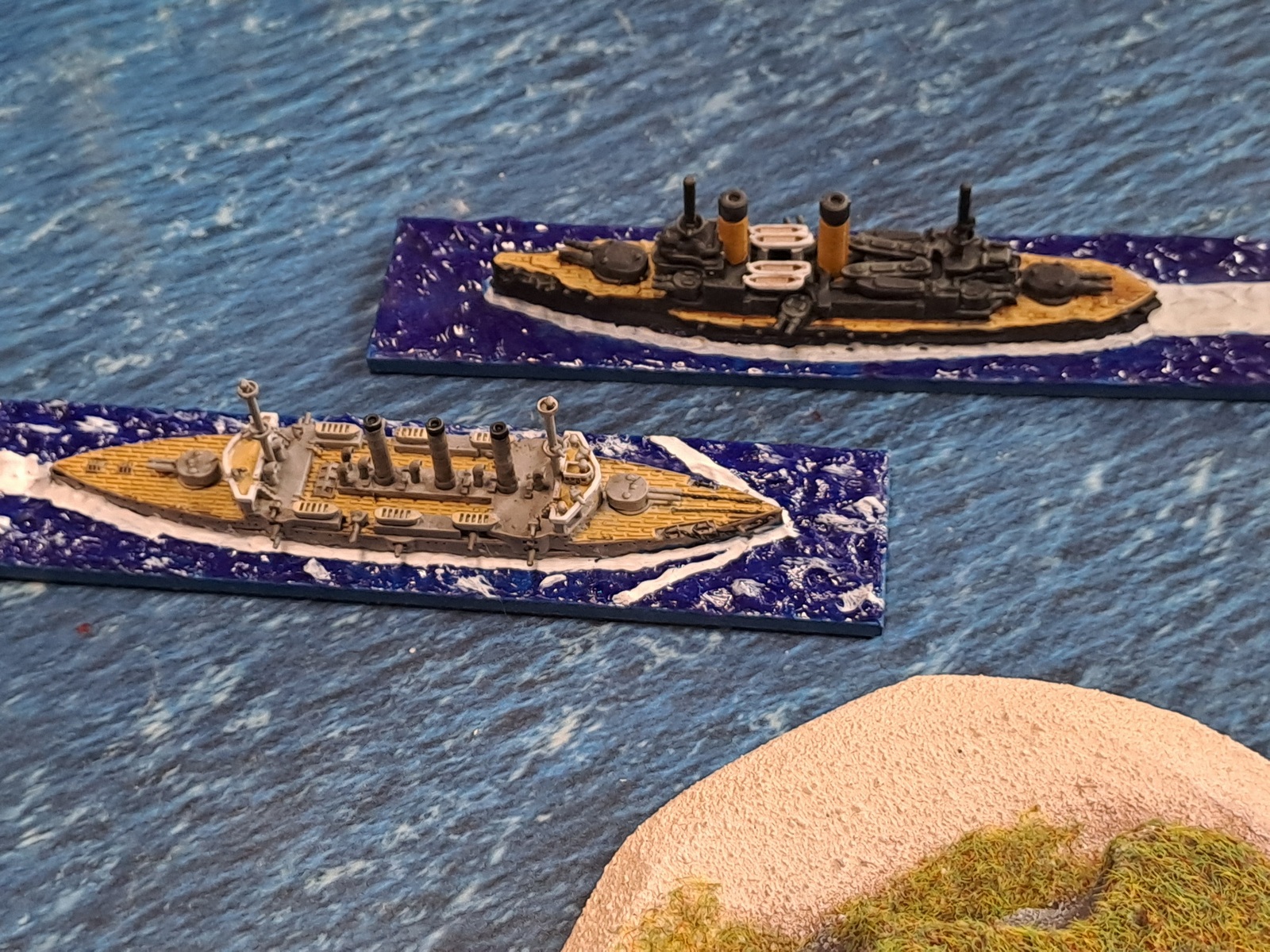
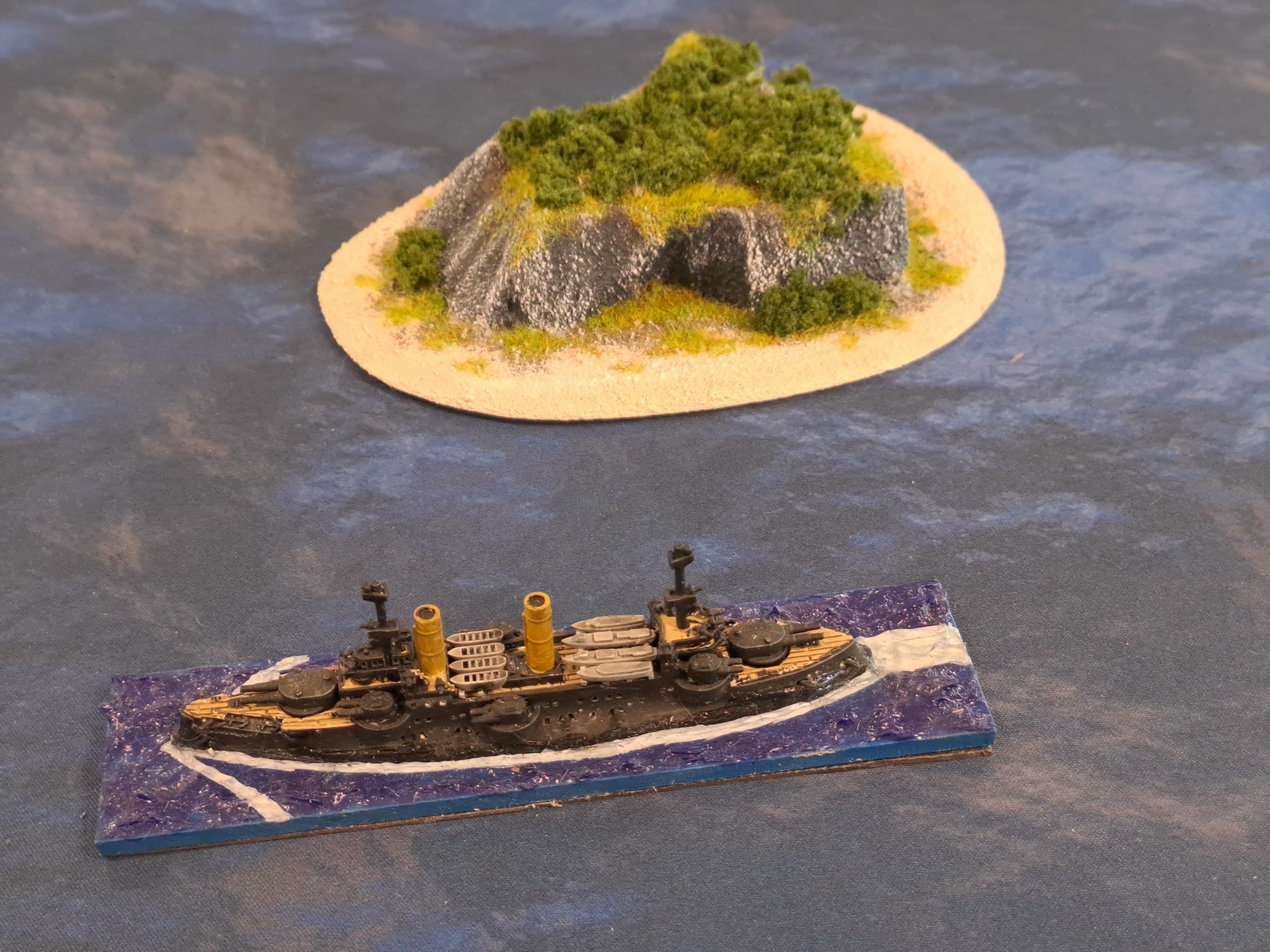
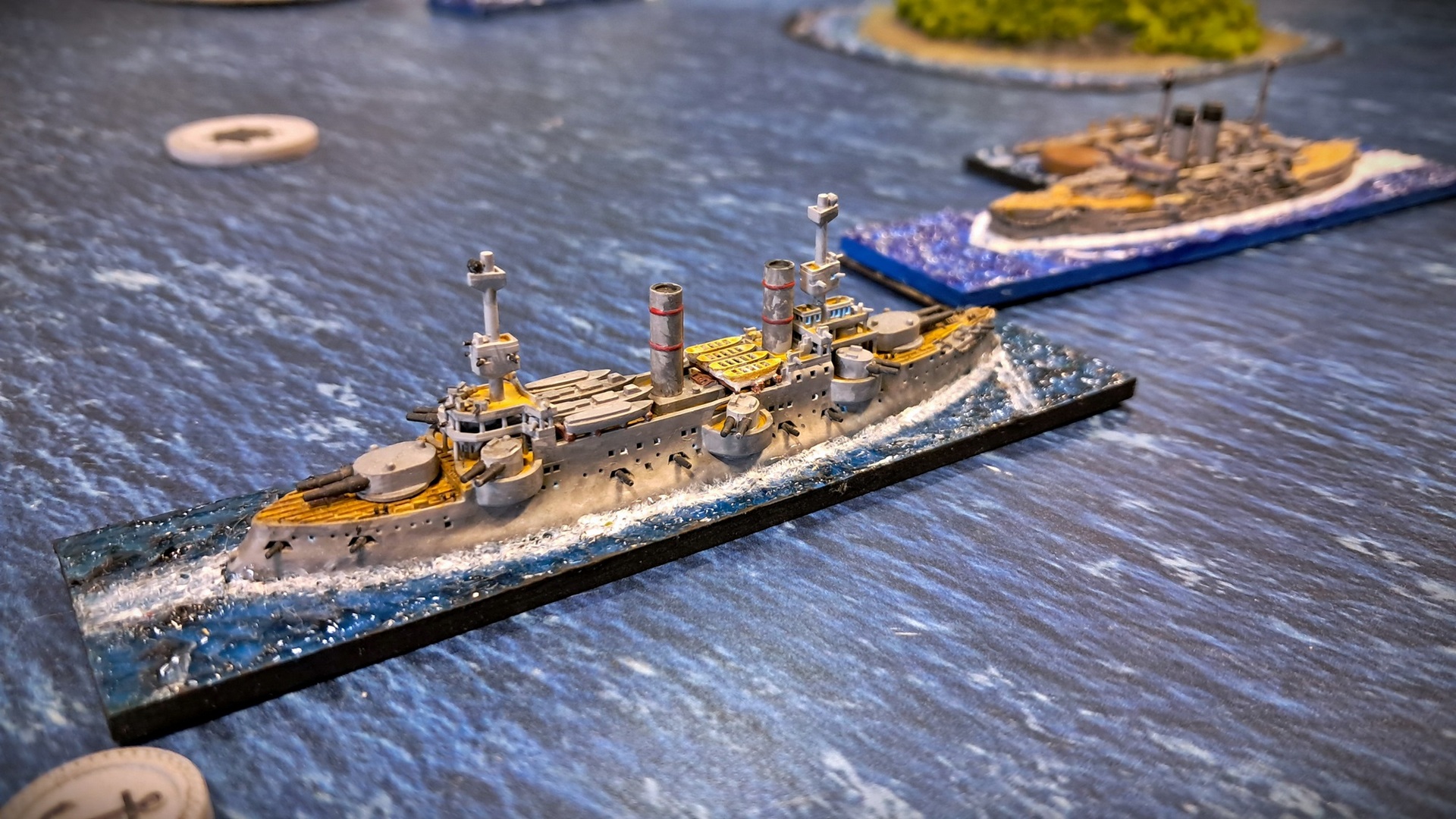
🇬🇧 Today I managed to complete another ship for my Rossijskij Imperatorskij Flot — the Persevet class battleship Oslabya. It’s one of the cheaper ships of its class, with the lower cost reflecting its lighter armor compared to other Russian vessels in this category.
„Peresvet was designed in the mid-1890s as a high-speed, long-range battleship that could support Russian armored cruisers in raiding operations. The long range was paid for with weaker armor than typical battleships of the era (except Pobeda, which had Krupp armor). This ship will therefore be a cheaper (in points) alternative to the Borodino class, due to the large number of cannons, which is a threat to both battleships and cruisers of the enemy. Their additional advantage is the ability to purchase the minelayer option!„
Two ships of this class (Peresvet and Pobeda) took part in the battles of Port Arthur and the Yellow Sea. The third (Oslabya) participated in the Battle of Tsushima. These ships are also very interesting from a painting perspective — you can paint them in the colors of the Port Arthur squadron or the Baltic Fleet.
* – description of the Peresvet-class by GMBoardgames.
🇵🇱 Dzisiaj udało mi się ukończyć kolejny okręt do mojej Rossijskij Imperatorskij Flot, a jest nim pancernik klasy Pierieswiet – „Oslabia„. Jeden z tańszych okrętów tej klasy, mniejsza cena związana jest z mniejszym pancerzem od innych rosyjskich okrętów tej kategorii.
„Pancerniki typu Pierieswiet zostały zaprojektowane w połowie lat 90-tych XIX wieku jako szybkie pancerniki, mający duży zasięg, mogące wspierać rosyjskie krążowniki pancerne w działaniach rajderskich. Daleki zasięg okupiony został słabszym opancerzeniem, niż na typowych pancernikach tej epoki, a także nieco słabszym uzbrojeniem (4 armaty kalibru 254 mm, plus artyleria średnia i lekka). W porównaniu do dwóch pozostałych okrętów, Pobieda była wyposażona w nowocześniejszy pancerz typu Kruppa.„
Dwa okręty tej klasy (Pierieswiet i Pobieda) uczestniczyły w bitwach pod Port Arthur i na Morzu Żółtym. Trzeci (Oslabia) wziął udział w bitwie pod Cuszimą. Okręty te są już bardzo ciekawe z malarskiego punktu widzenia – będzie można je pomalować na barwy eskadry z Port Arthur lub floty bałtyckiej.”
🇬🇧 Few days ago I managed to complete another ship — this time a unique one: the SS Warrimo. Unique because it was a prize given to every participant at the 2024 Polish Championships in Gods of War: Togo.
In its history, the ship managed to be in a place where one part of it was in January 1, 1900, while another part was still in December 31, 1899. You can read more about the history of SS WarrimoHERE.
* translation to English done with use of ChatGPT.
🇵🇱 Parę dni temu udało mi się ukończyć kolejny, tym razem unikatowy statek SS Warrimo. Unikatowy, bo był nagrodą dla każdego z uczestników na Mistrzostwach Polski 2024 w Bogowie Wojny: Togo.
W swej historii statkowi udało się znaleźć w miejscu, gdzie jego część była w dniu 1 stycznia 1900, a część w dniu 31 grudnia 1899 roku. O historii SS Warrimo można przeczytać TUTAJ.
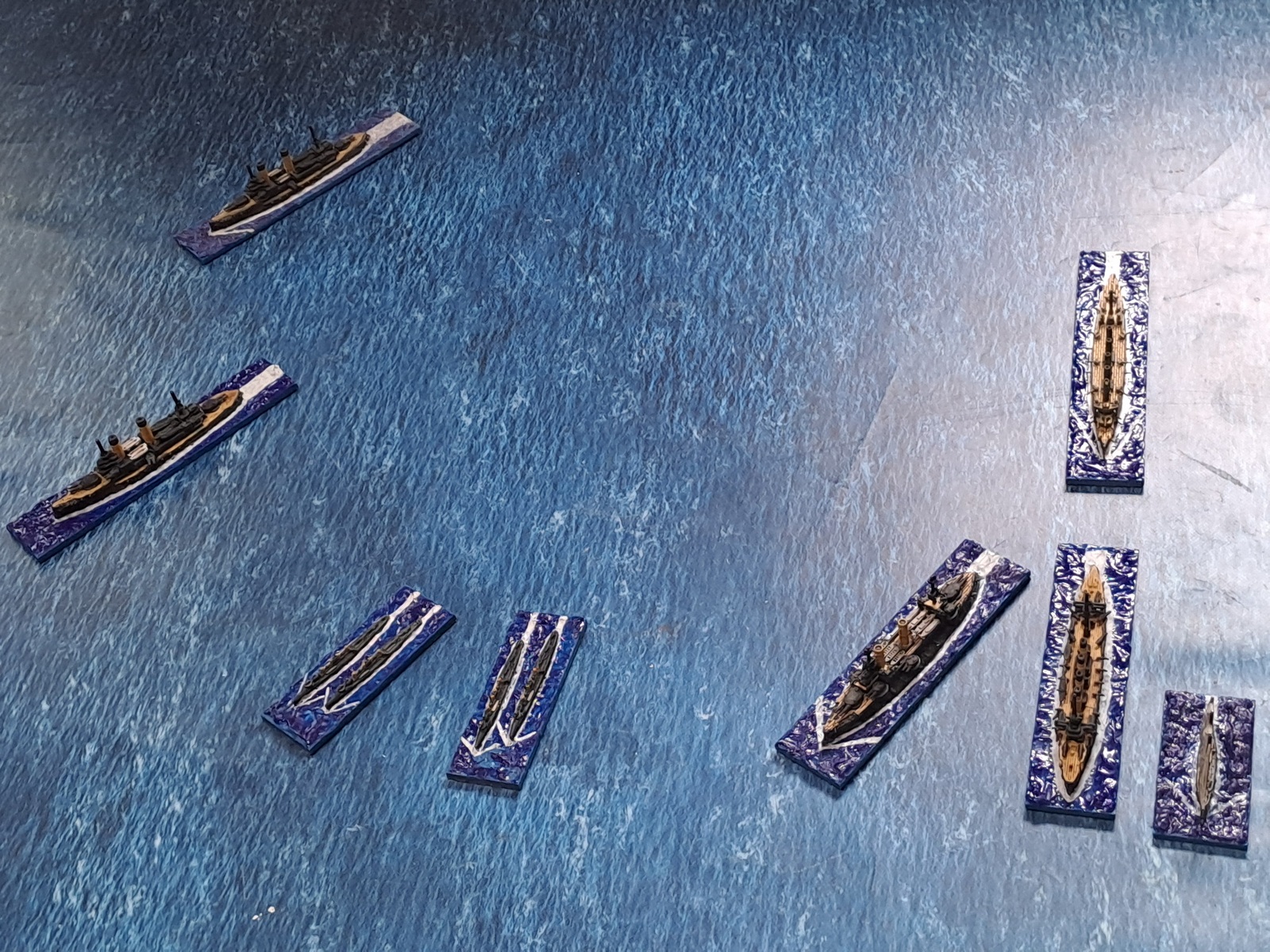
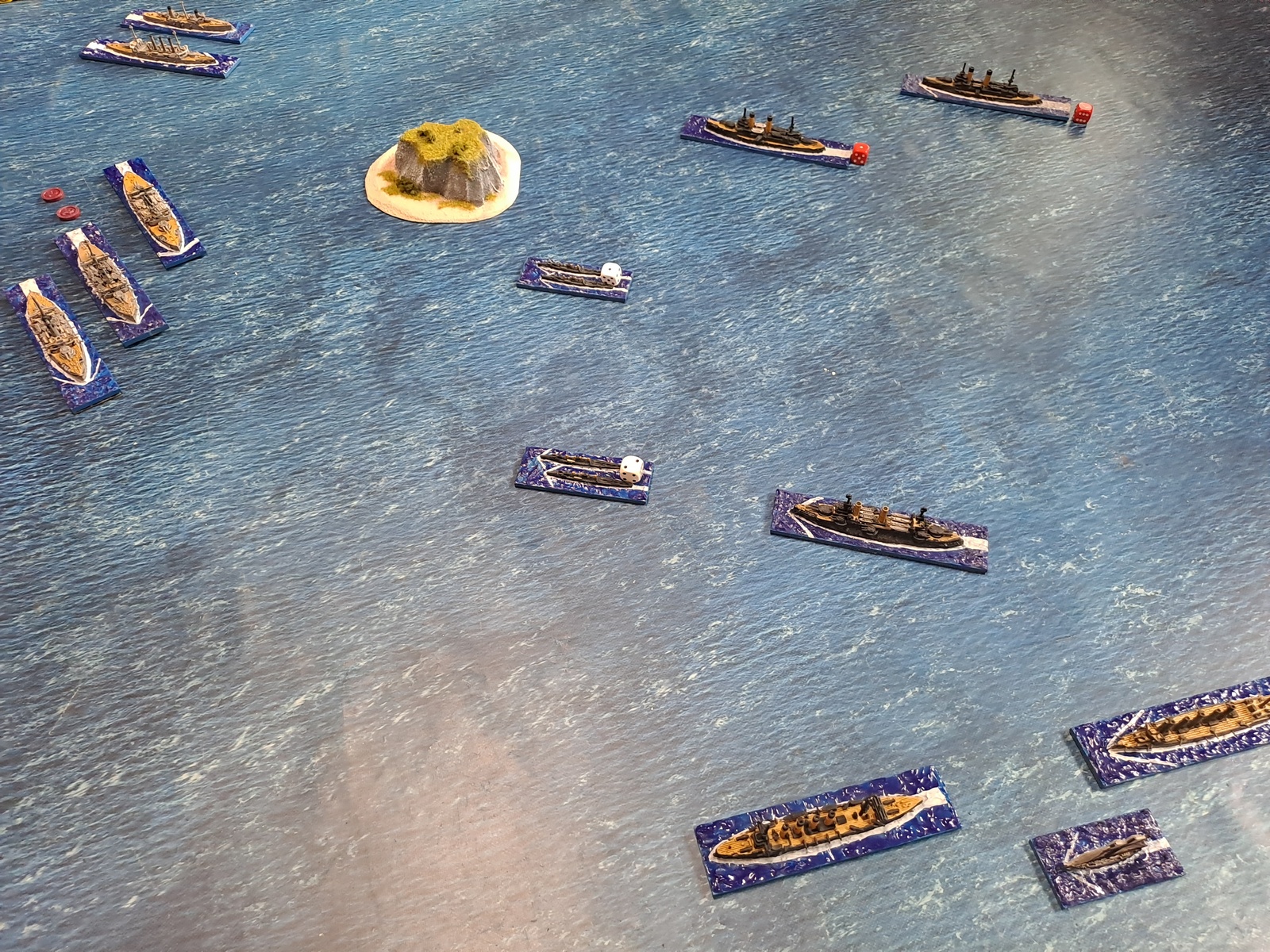
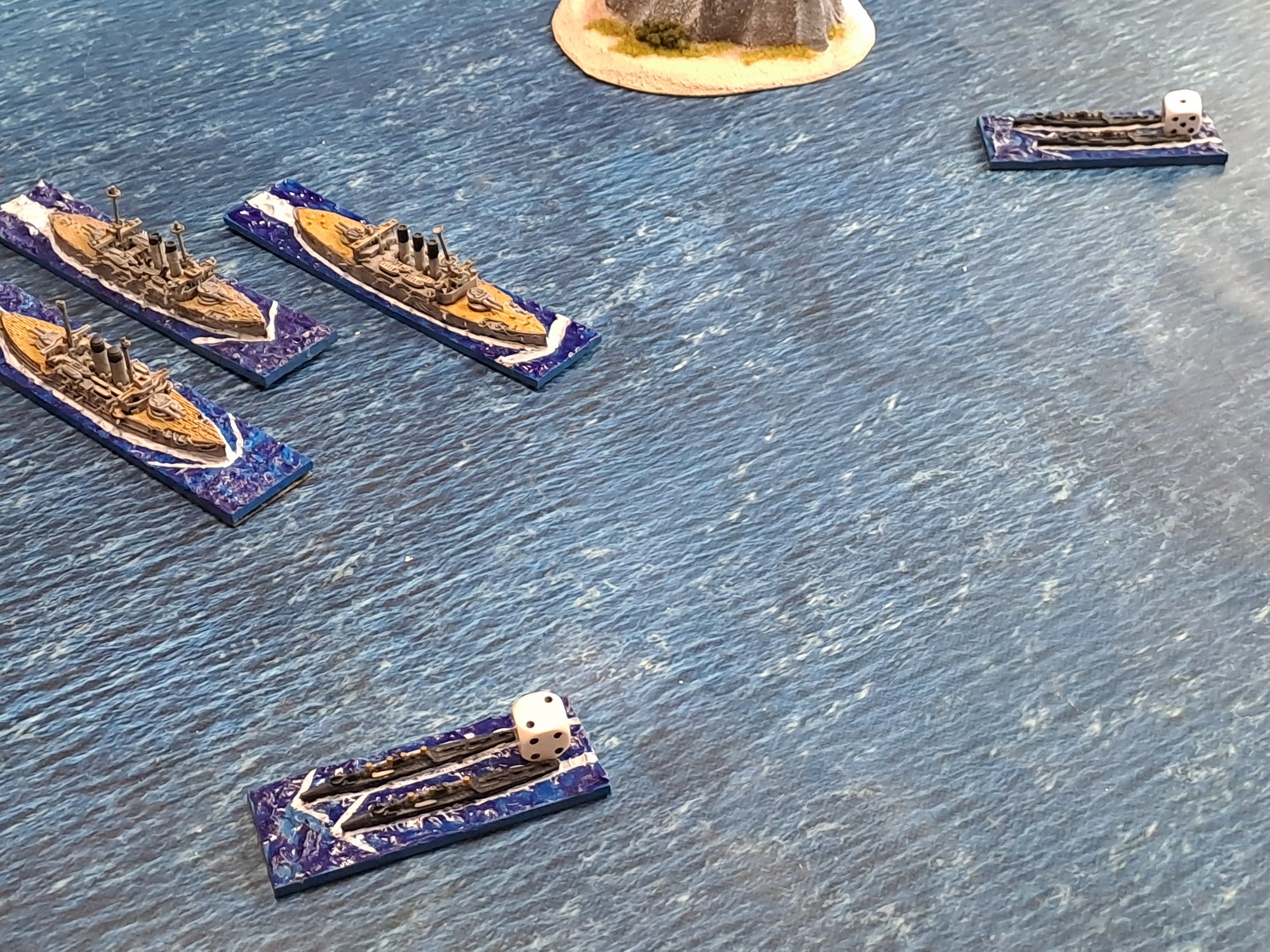
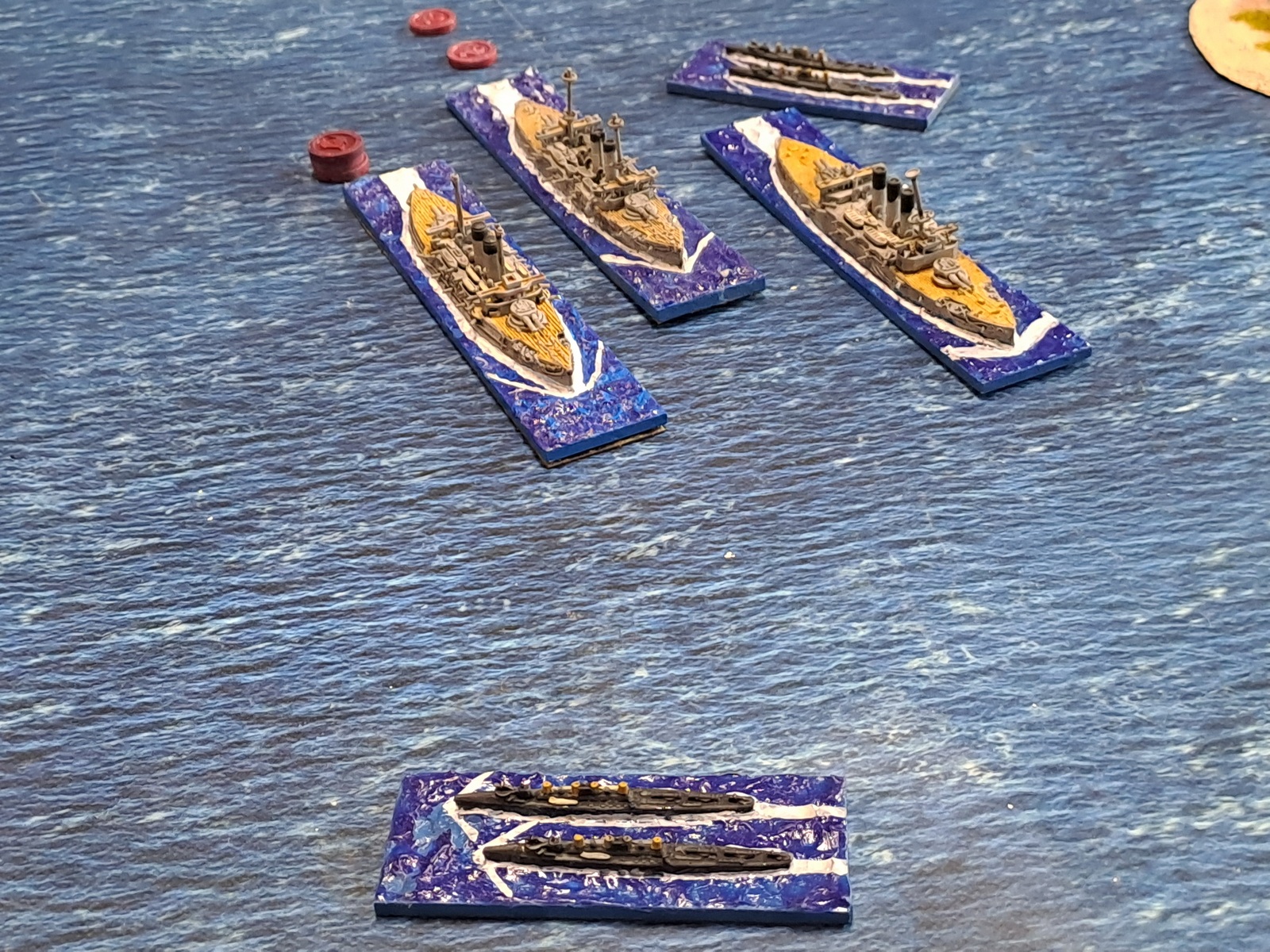
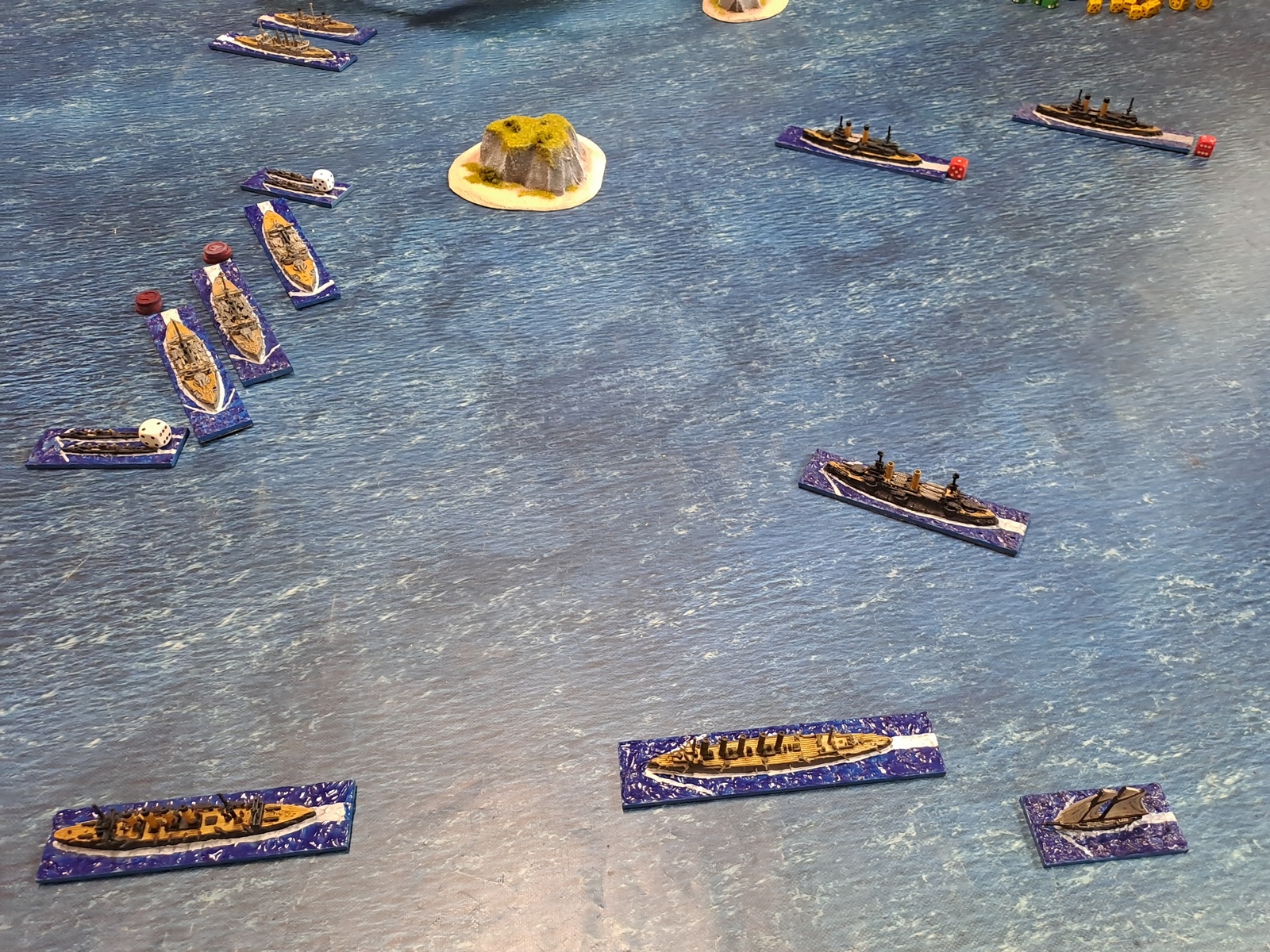
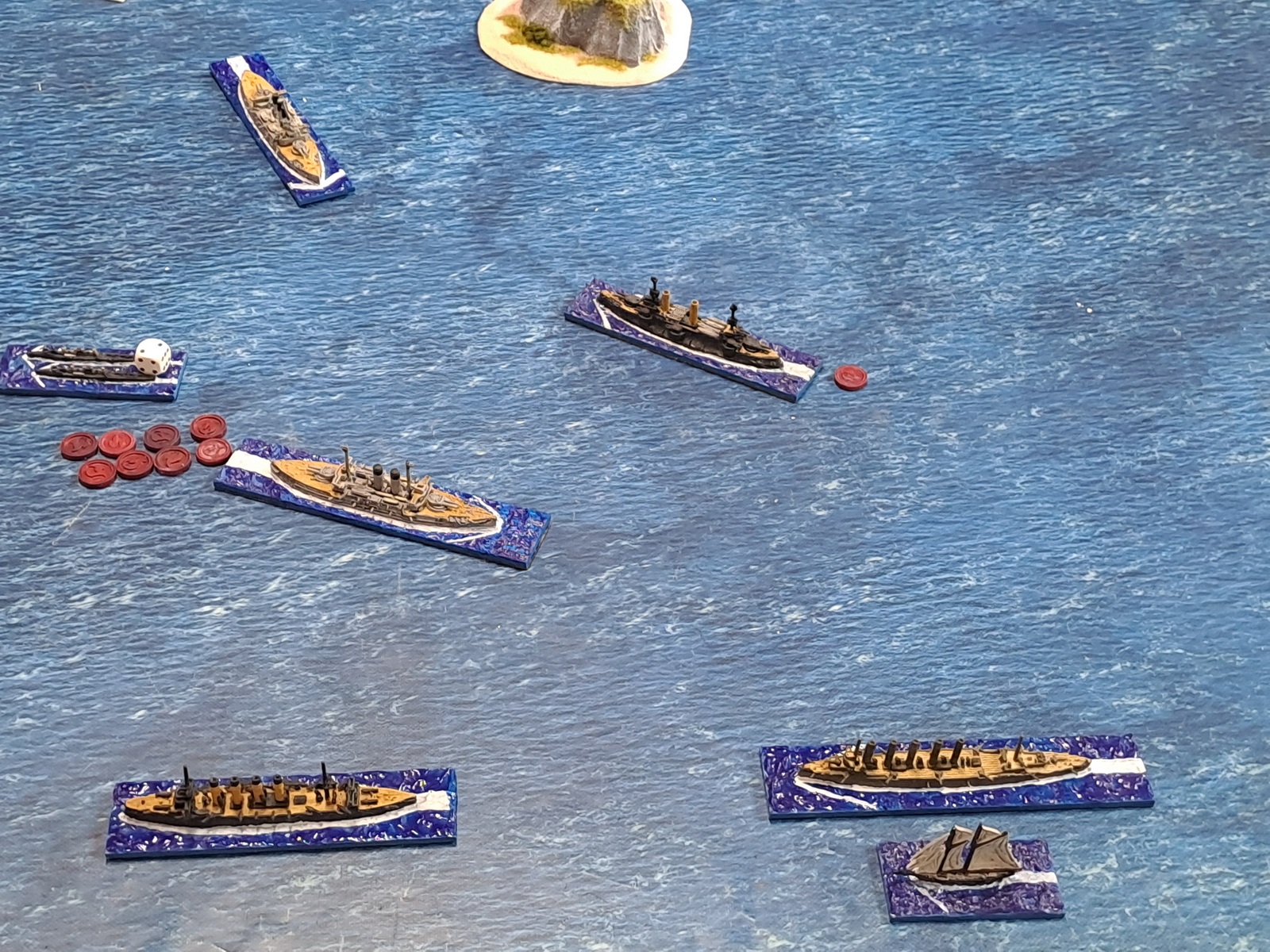
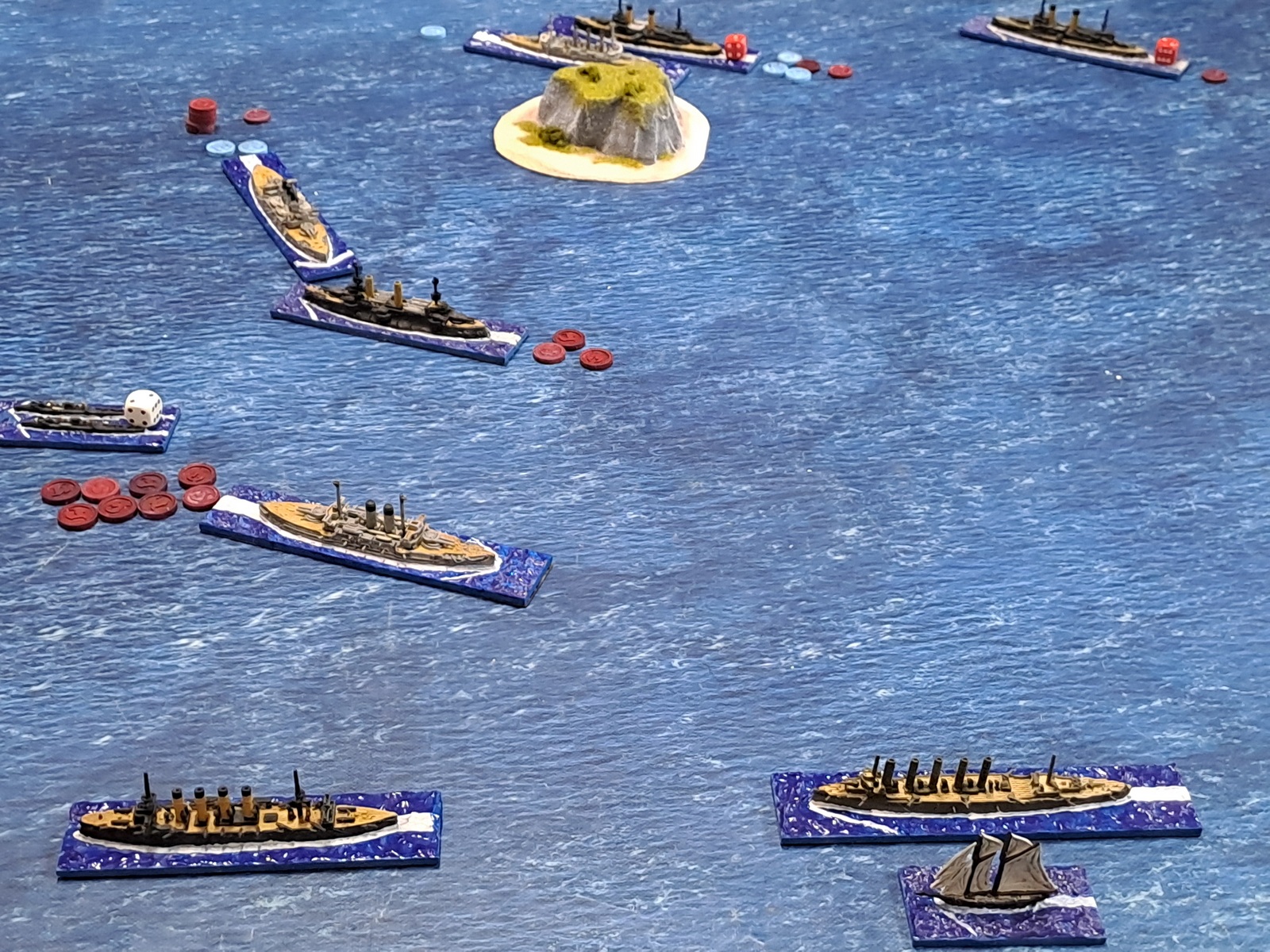
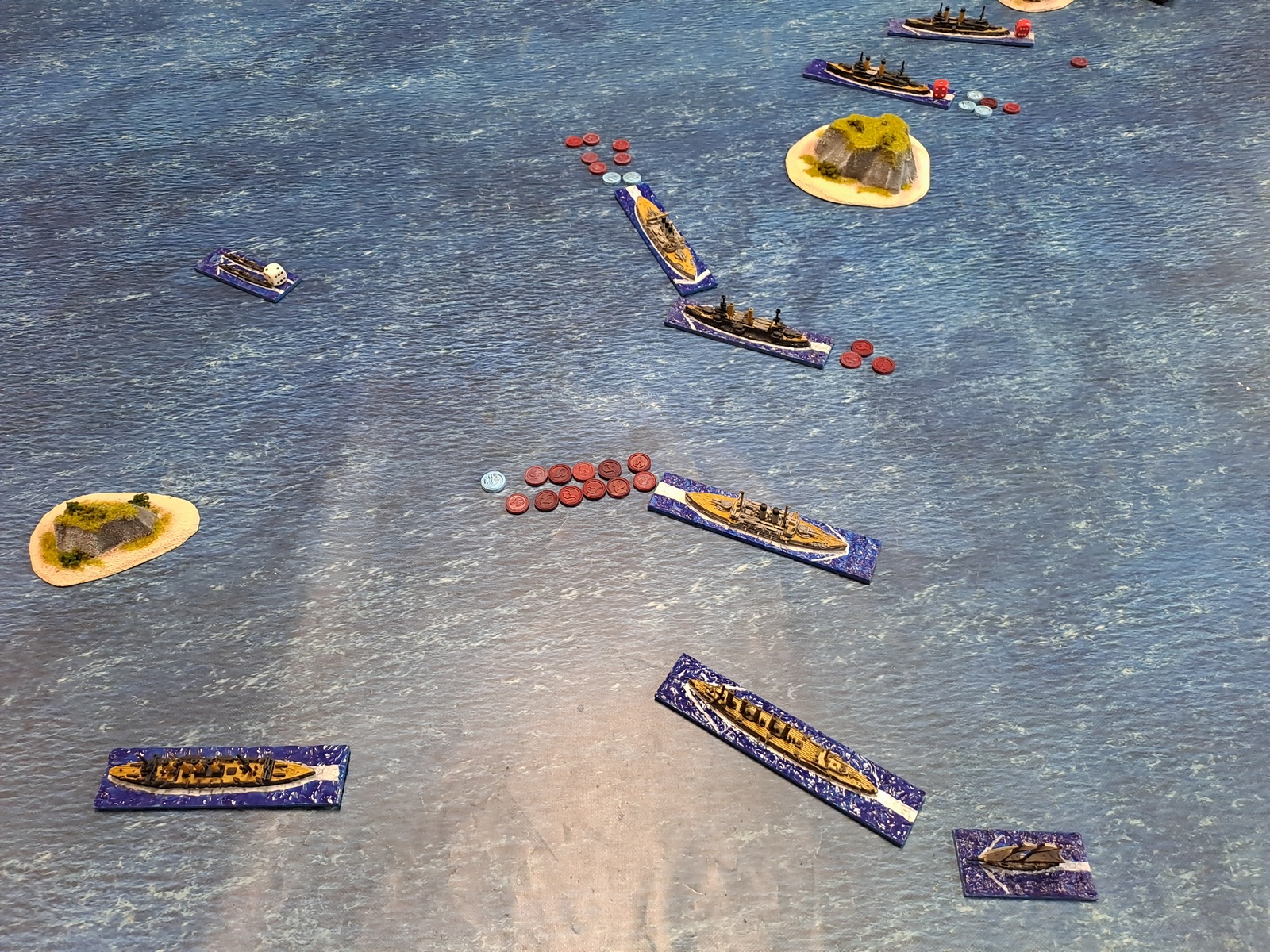
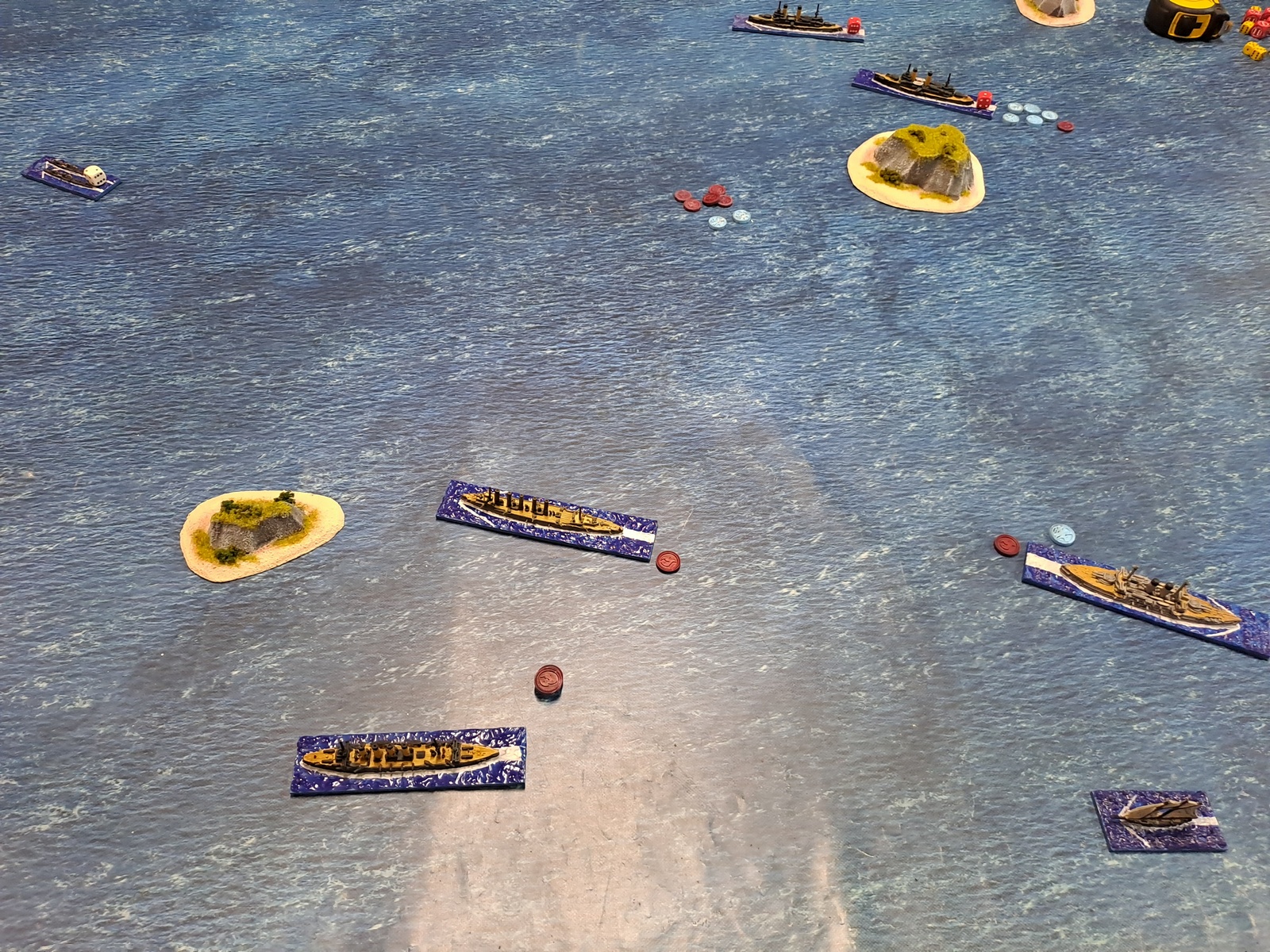
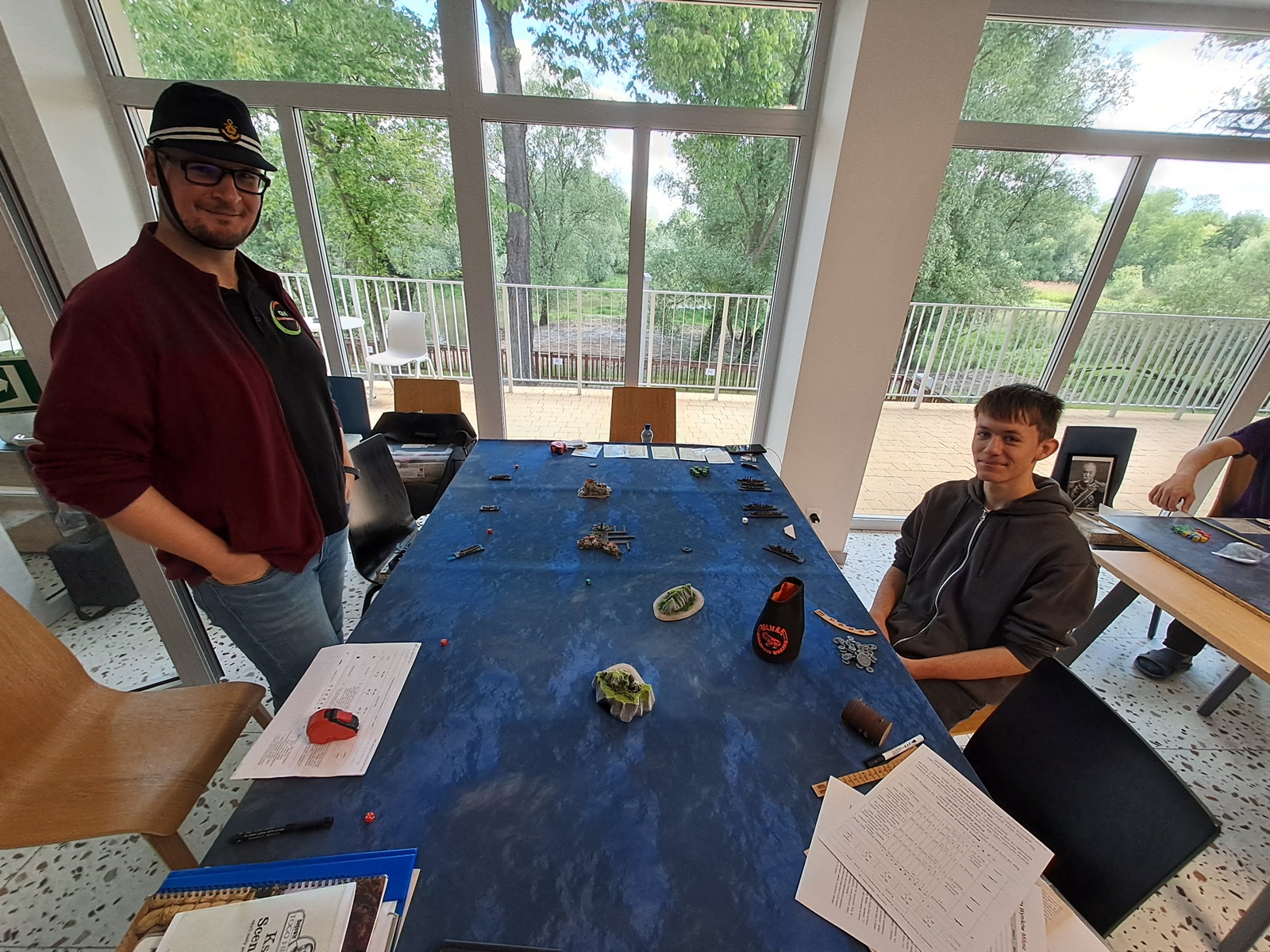
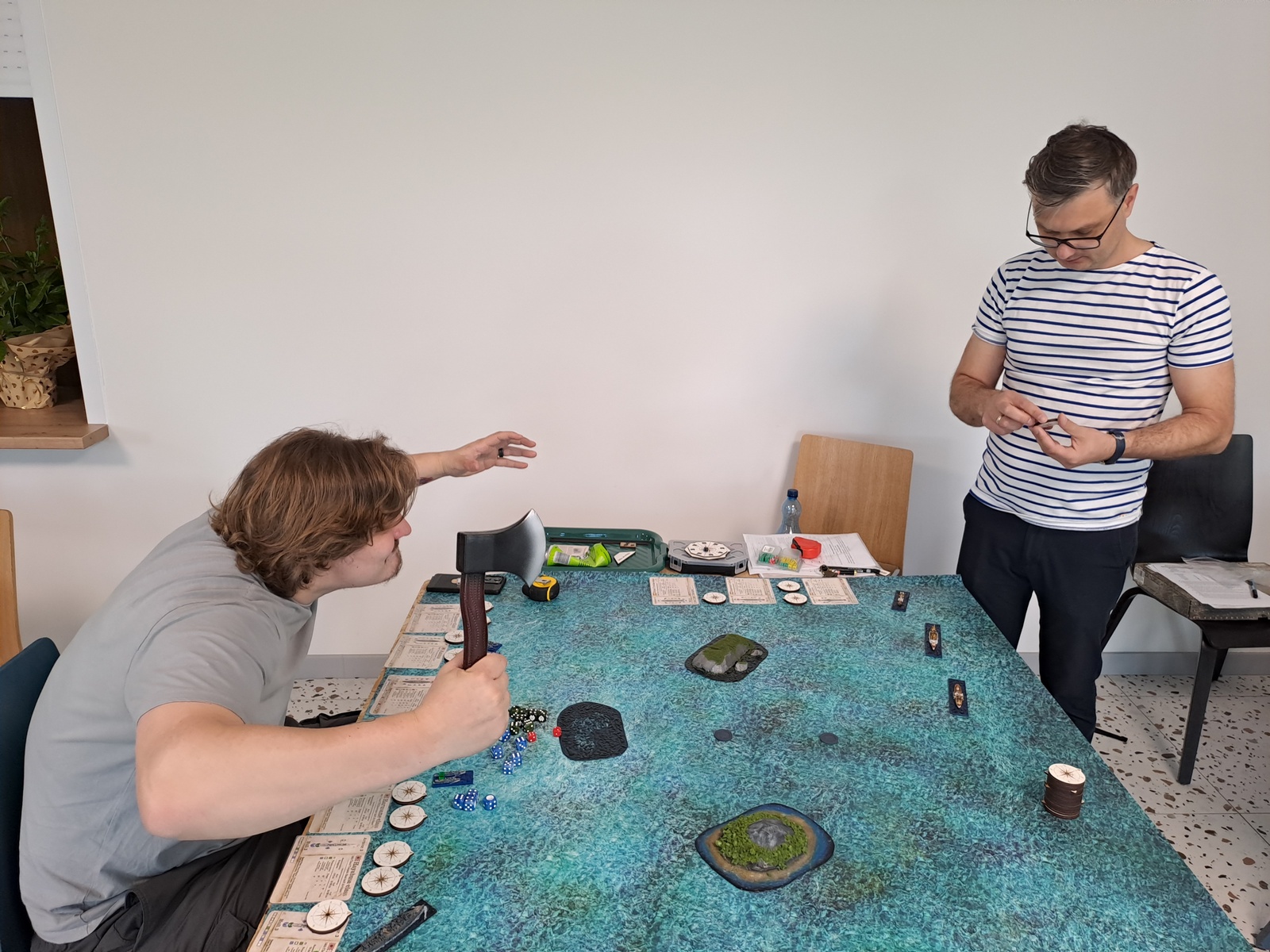
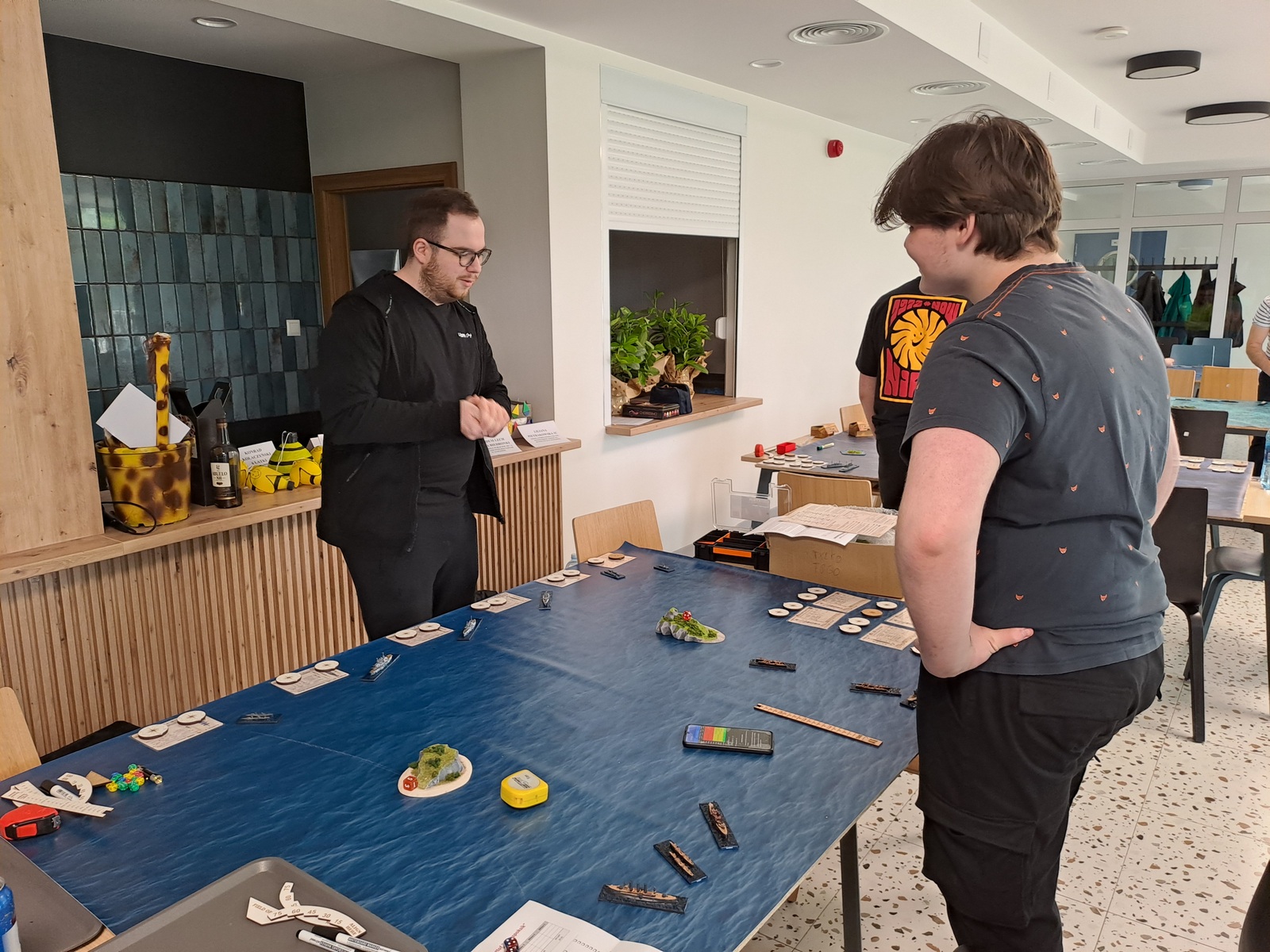
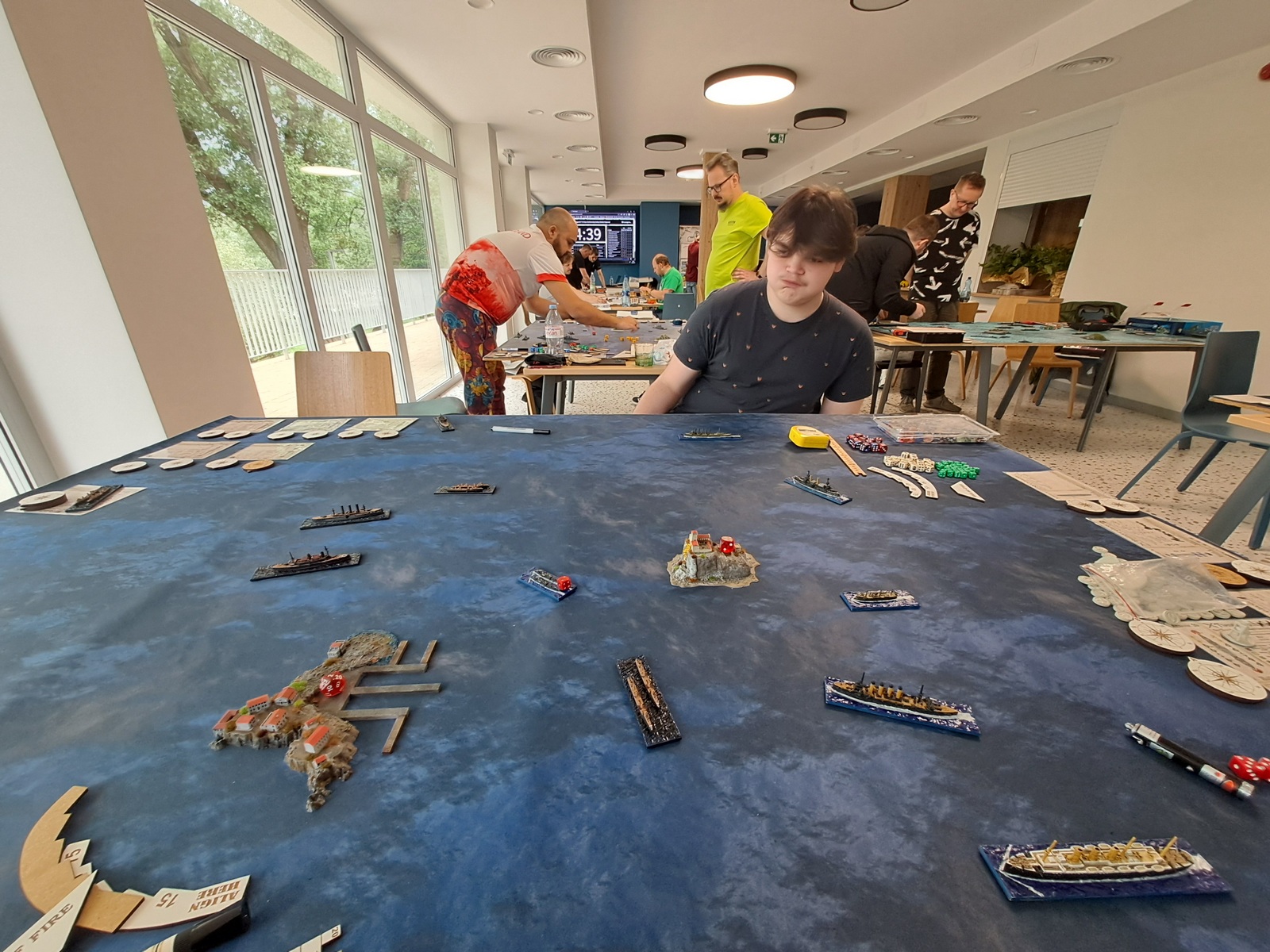
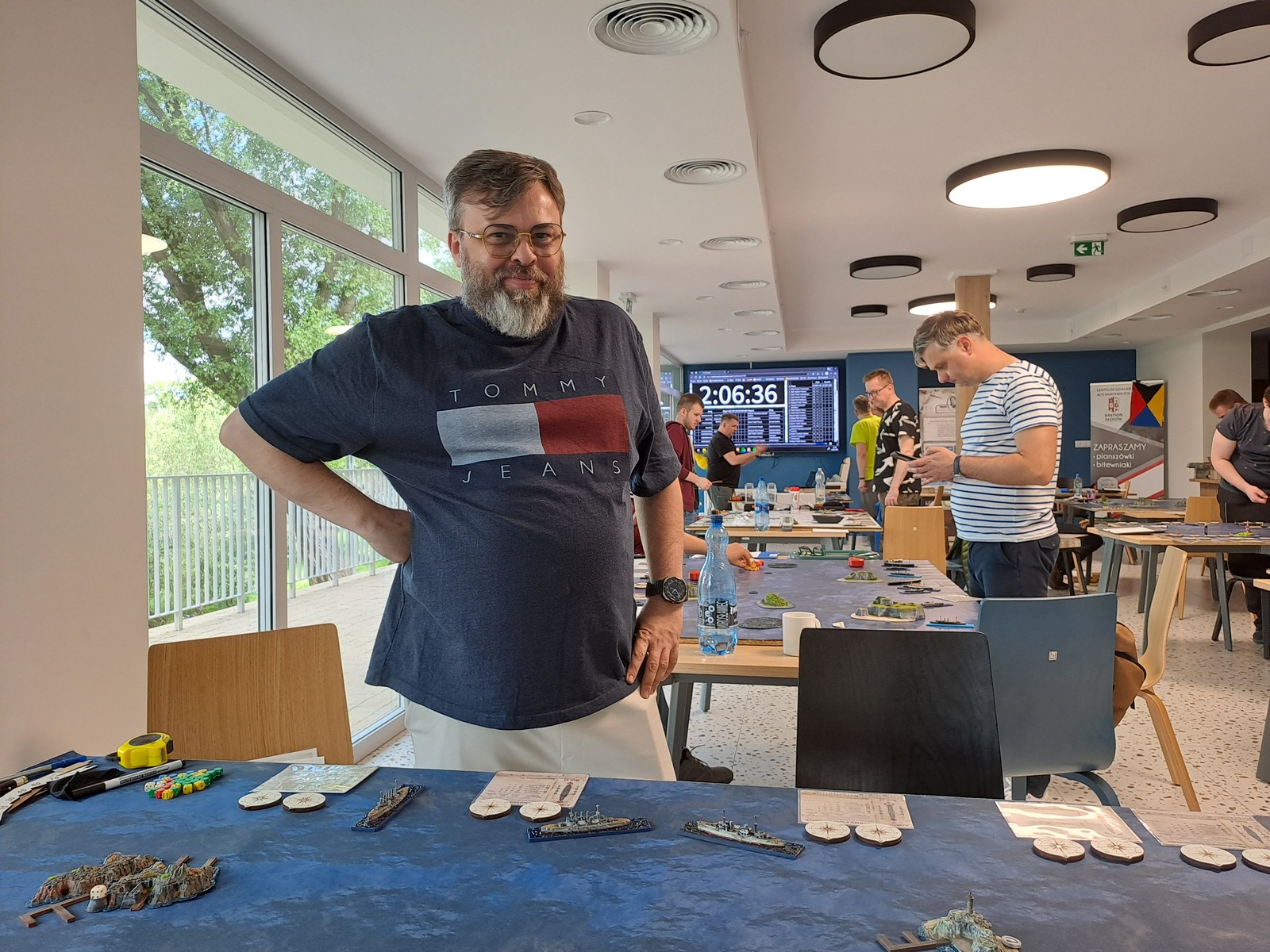
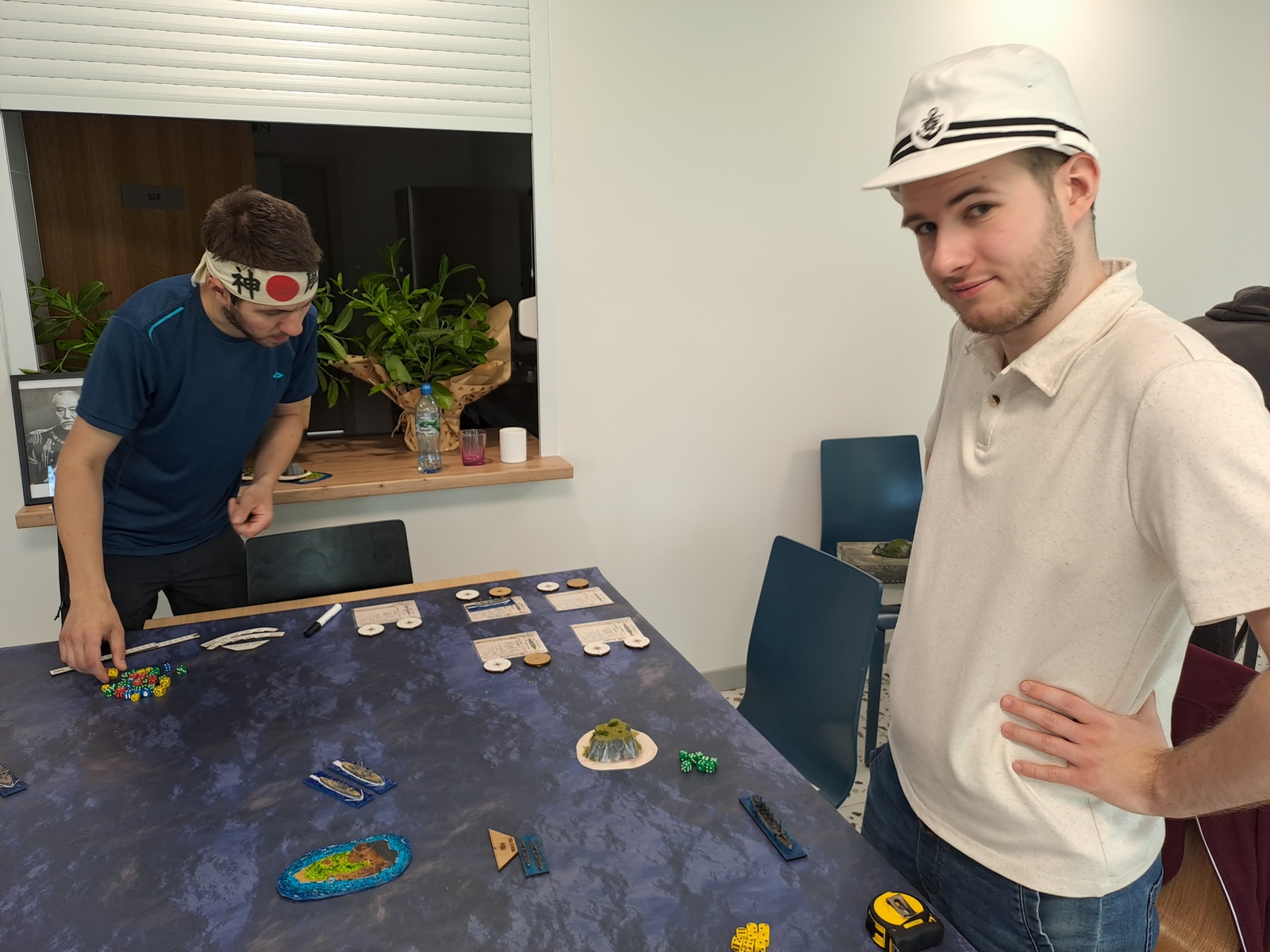
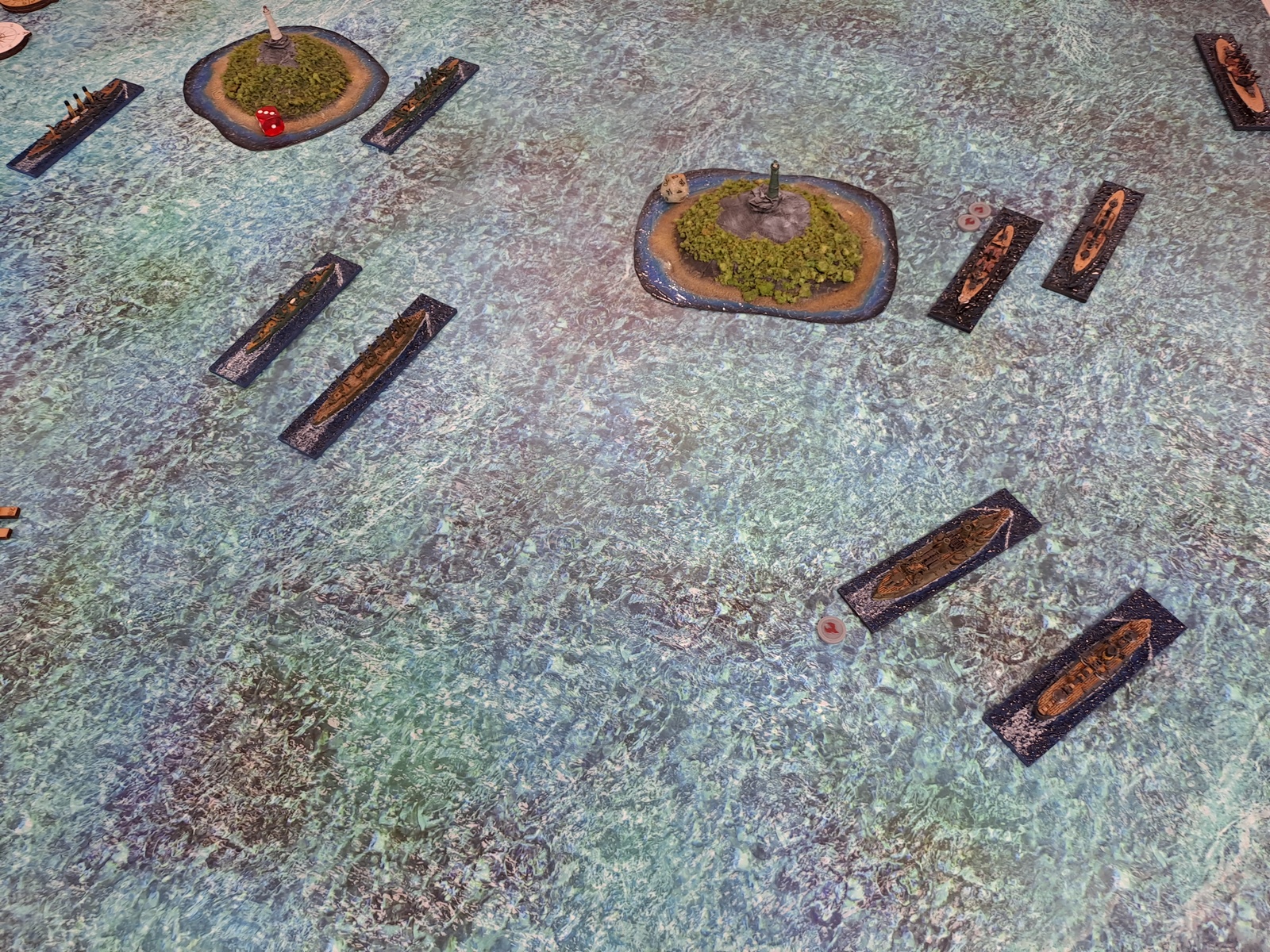
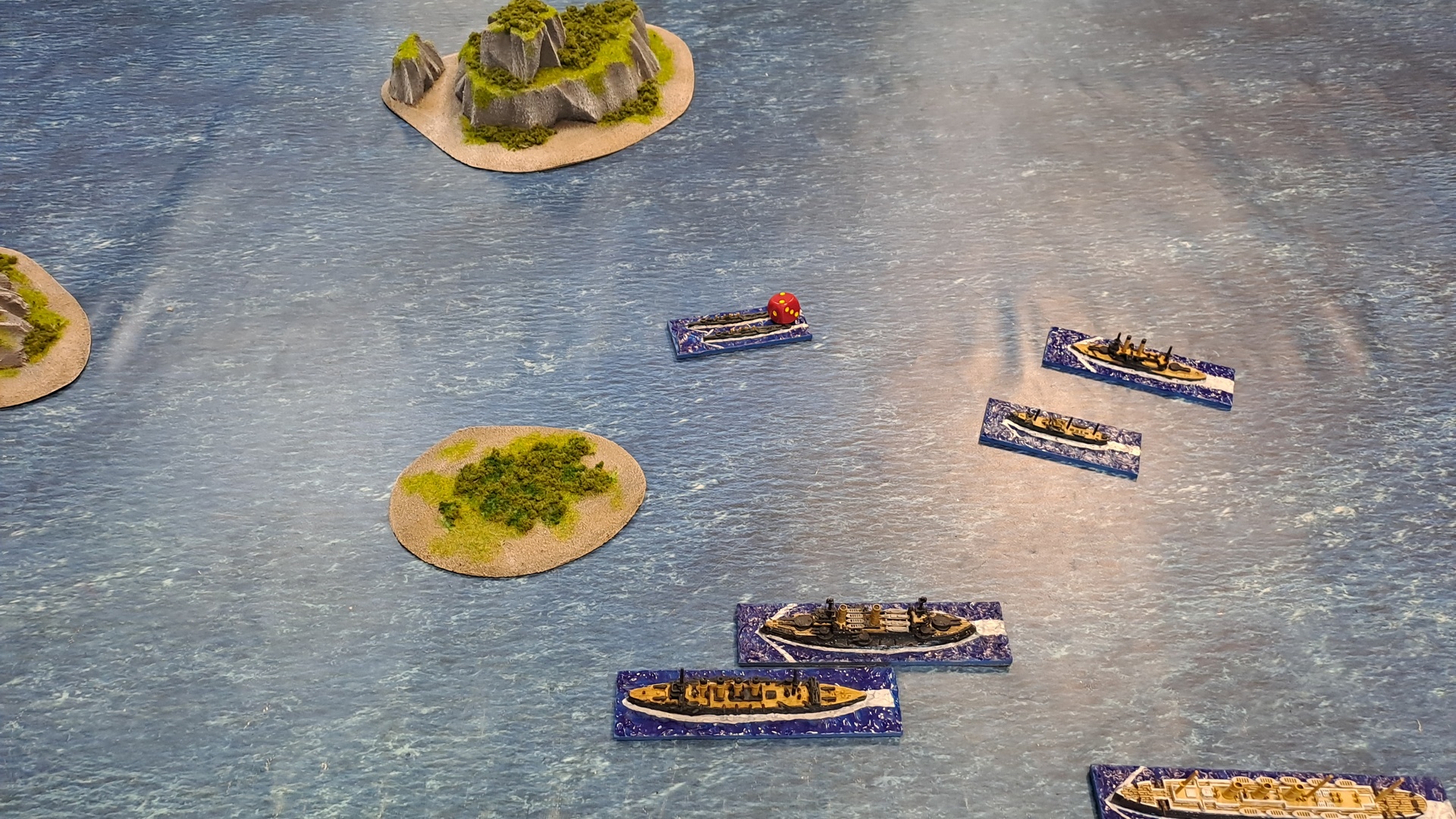
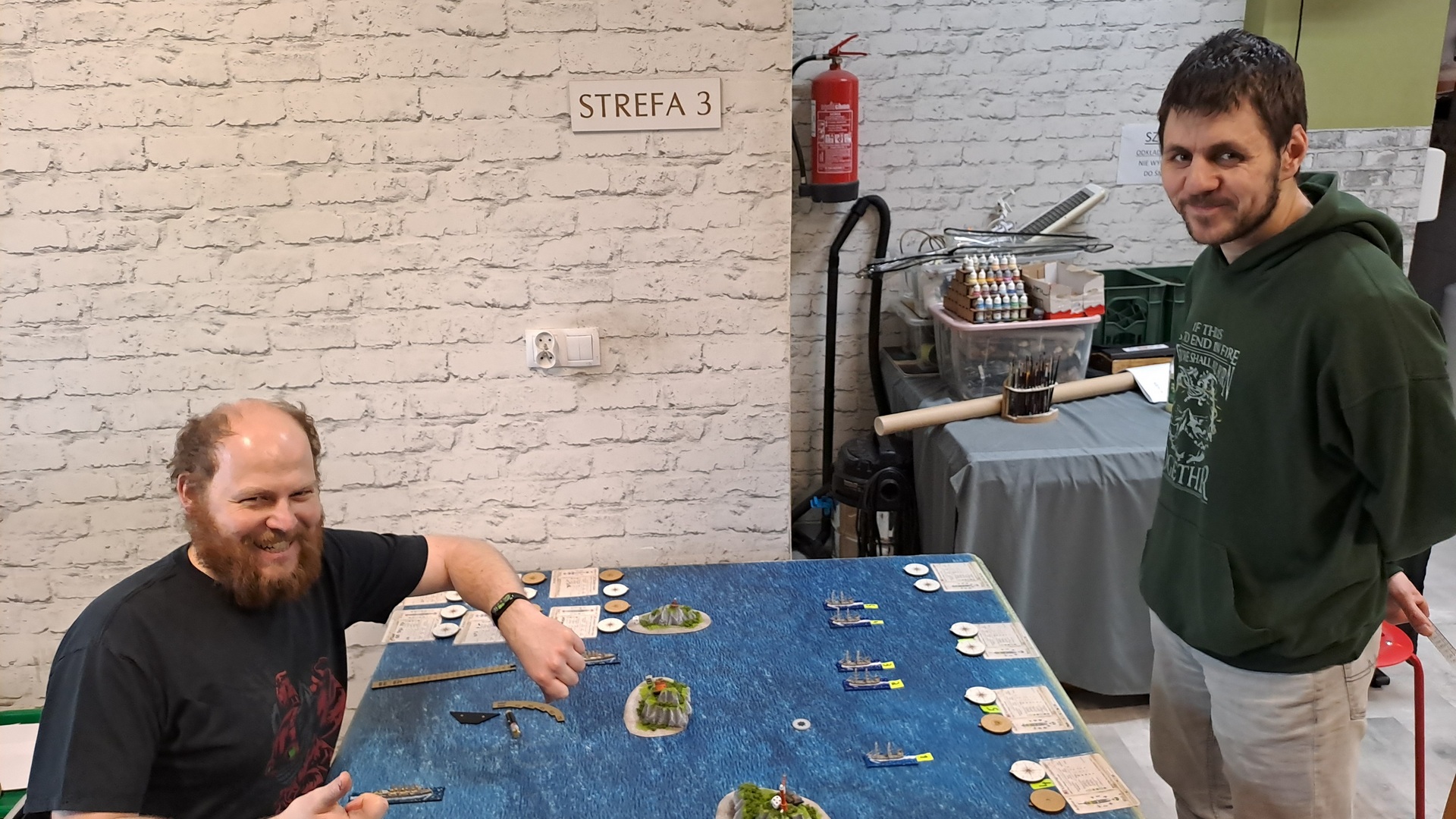
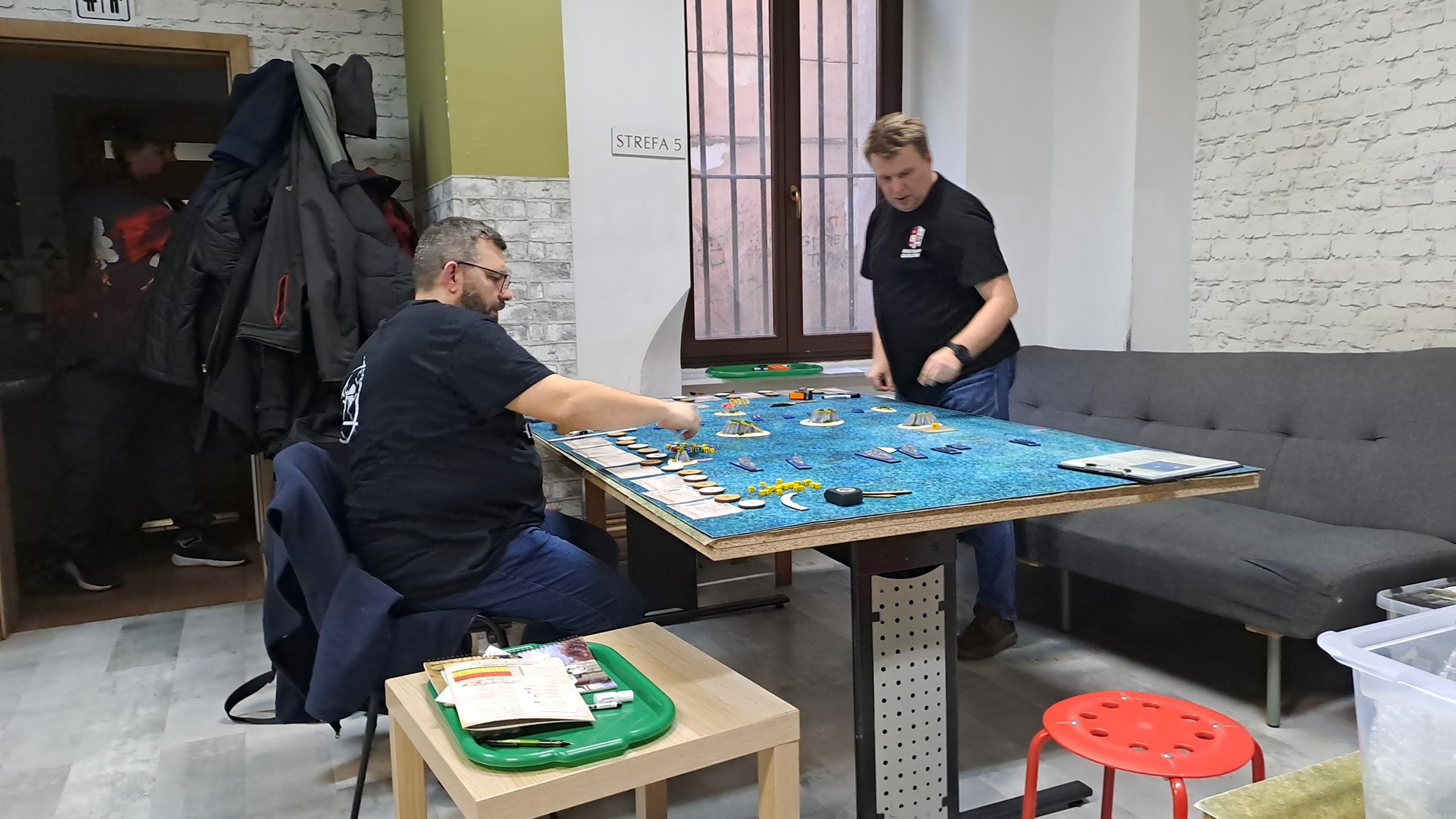
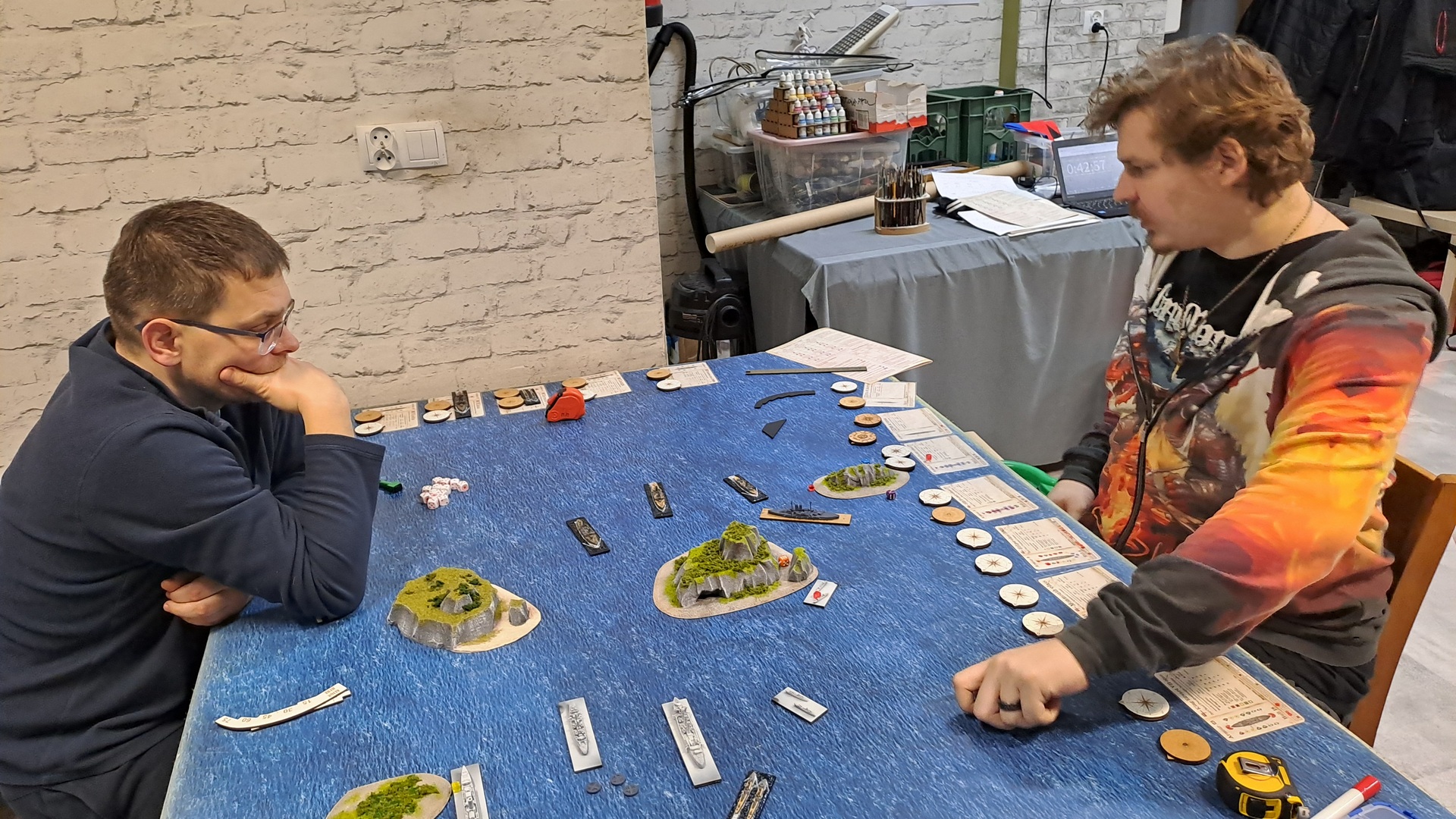
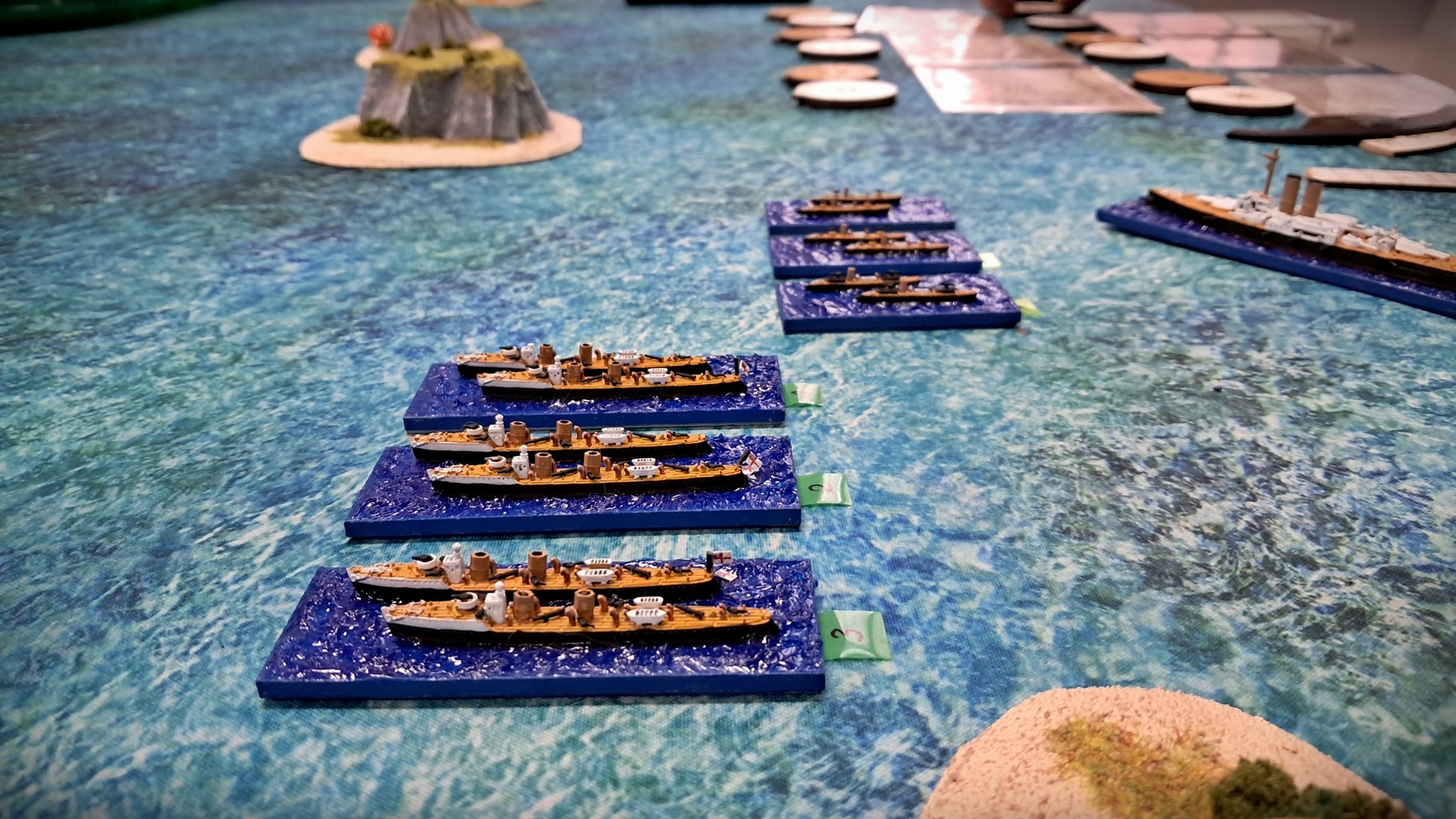
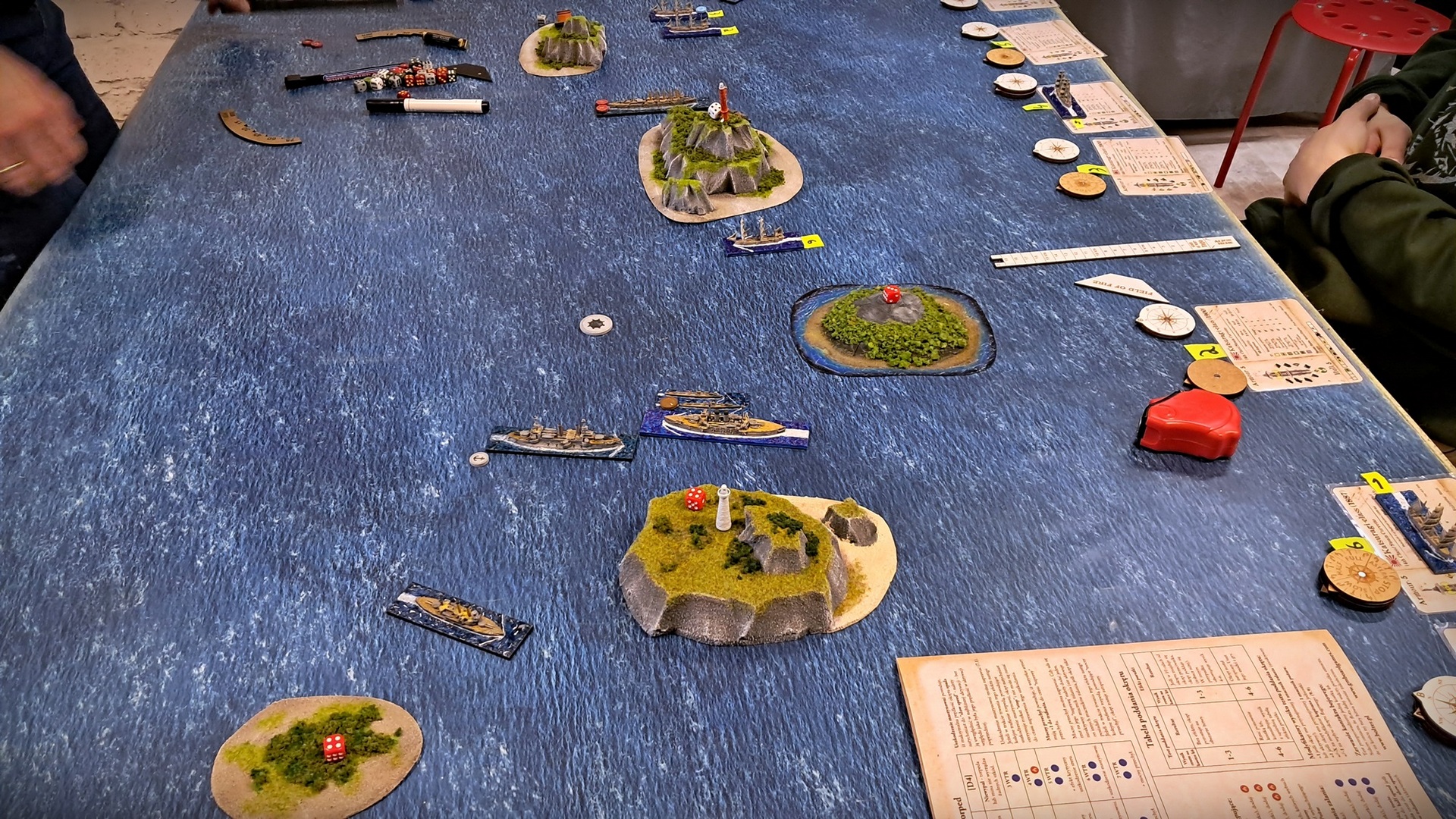
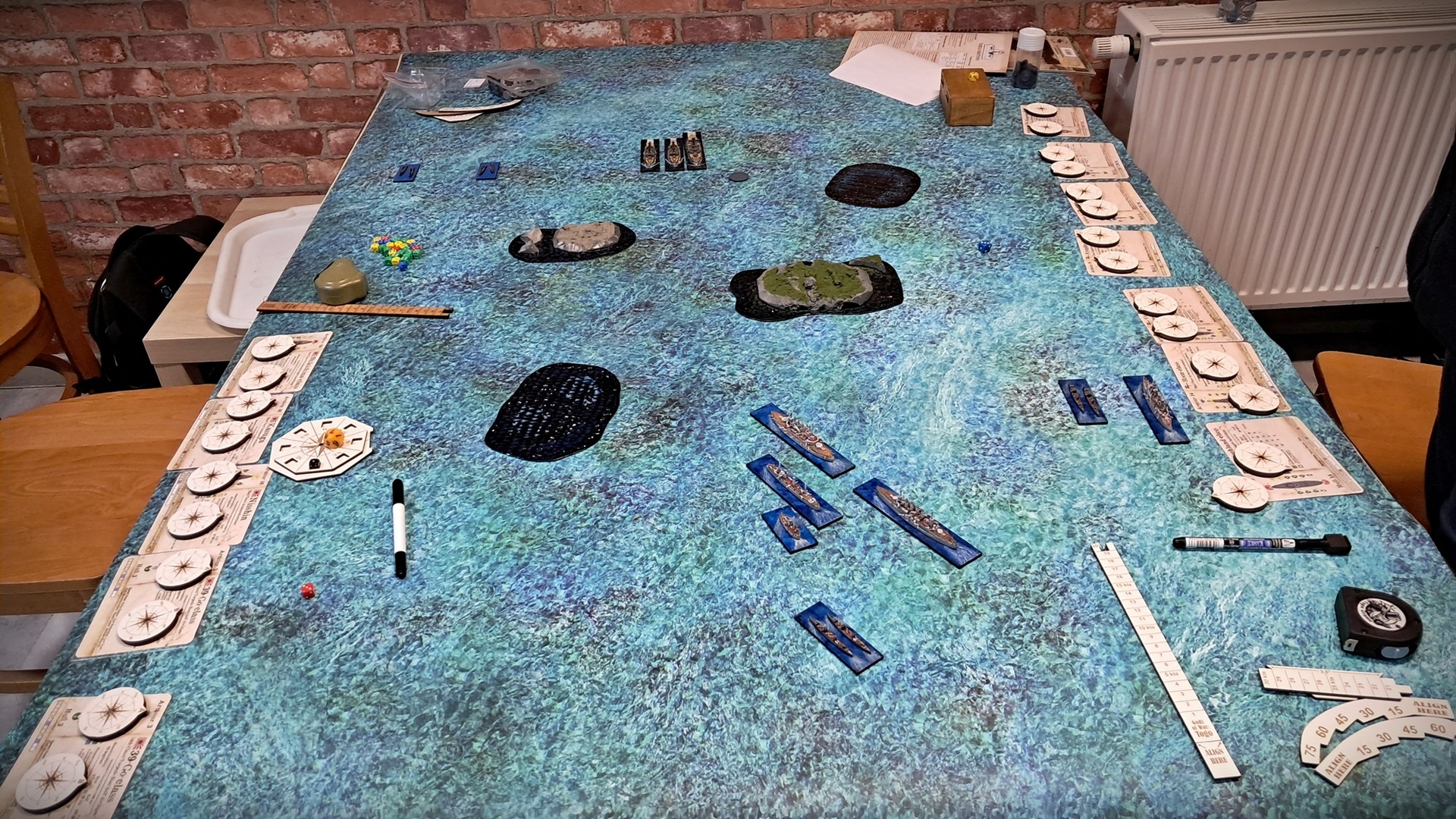
🇬🇧 Yesterday, together with Cornholio, we played a larger skirmish at the Bolterclub in Wrocław in the game Gods of War: Togo from GM Boardgames — because it was a 3500-point game per side. On one side, the Russian fleet under my command — Rossijskij Imperatorskij Fłot, and on the other side, Nippon Kaigun commanded by Łukasz. We played a scenario called „Head-on Encounter” from the Scenario Book, which is available along with other files HERE.
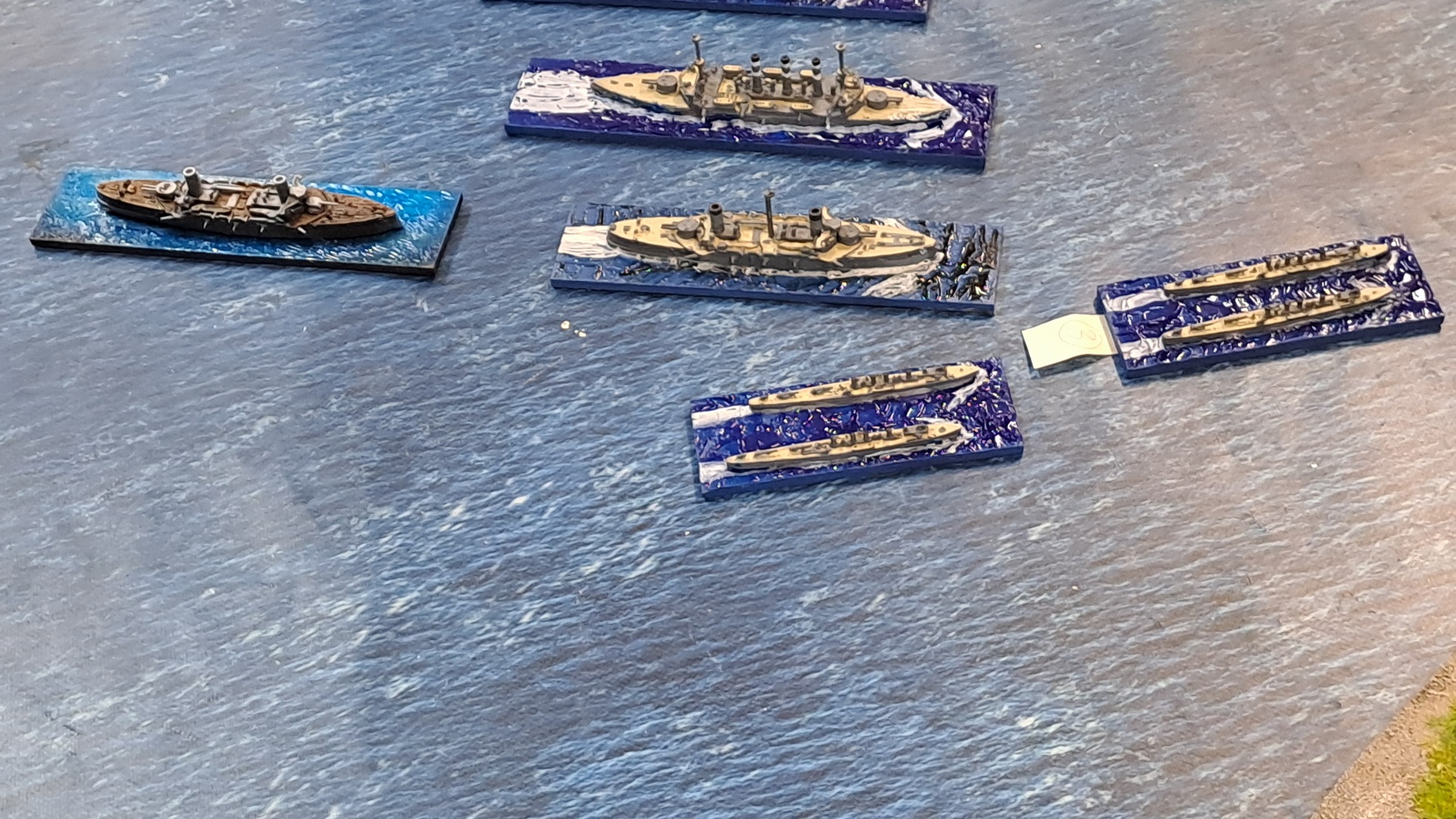
The Japanese Imperial Navy fleet included the following ships: First-class: Asahi, Mikasa, Shikishima
Second-class: Izumo, Nisshin
The Russian Imperial Fleet included the following ships: First-class: Borodino — Borodino, Borodino — Suworov, Tsesarevich
Second-class: Askold, Varyag
Fourth-class: two squadrons of Buiny & Effie M. Morrissey
The Russian fleet had a few more ships, as they are slightly cheaper than the Japanese units, but this comes at the cost of slightly weaker armor on battleships and significantly weaker armor on cruisers.
🇵🇱 Wczoraj wraz z Cornholio rozegraliśmy we wrocławskim klubie Bolterwiększą potyczkę w Bogów Wojny: Togo od GM Boardgames – bo na 3500 punktów na stronę – po jednej stronie stanęła flota rosyjska pod moim przywódctwem – Rossijskij Impieratorskij Fłot, a po drugiej stronie Nippon Kaigun dowodzony przez Łukasza. Zagraliśmy scenariusz o nazwie „Starcie na kontrkursach” dostępny w Księdze Scenariuszy, która jest dostępna wraz z innymi plikami TUTAJ.
W skład floty cesarstwa Japonii wchodziły następujące okręty: klasy pierwszej: Asahi, Mikasa, Shikishima klasy drugiej: Izumu, Nisshin
W skład floty carskiej Rosji wchodziły następujące okręty: klasy pierwszej: Borodino – Borodino, Borodino – Suworow, Cesarewicz klasy drugiej: Askold, Variag klasy czwartej: dwa dywizjony Buinych oraz Effie M. Morrissey
Okrętów rosyjskich było trochę więcej, bo są trochę tańsze od jednostek japońskich, odbija się to kosztem nieznacznie mniejszego pancerza na pancernikach i znacznie mniejszego opancerzenia na krążownikach.
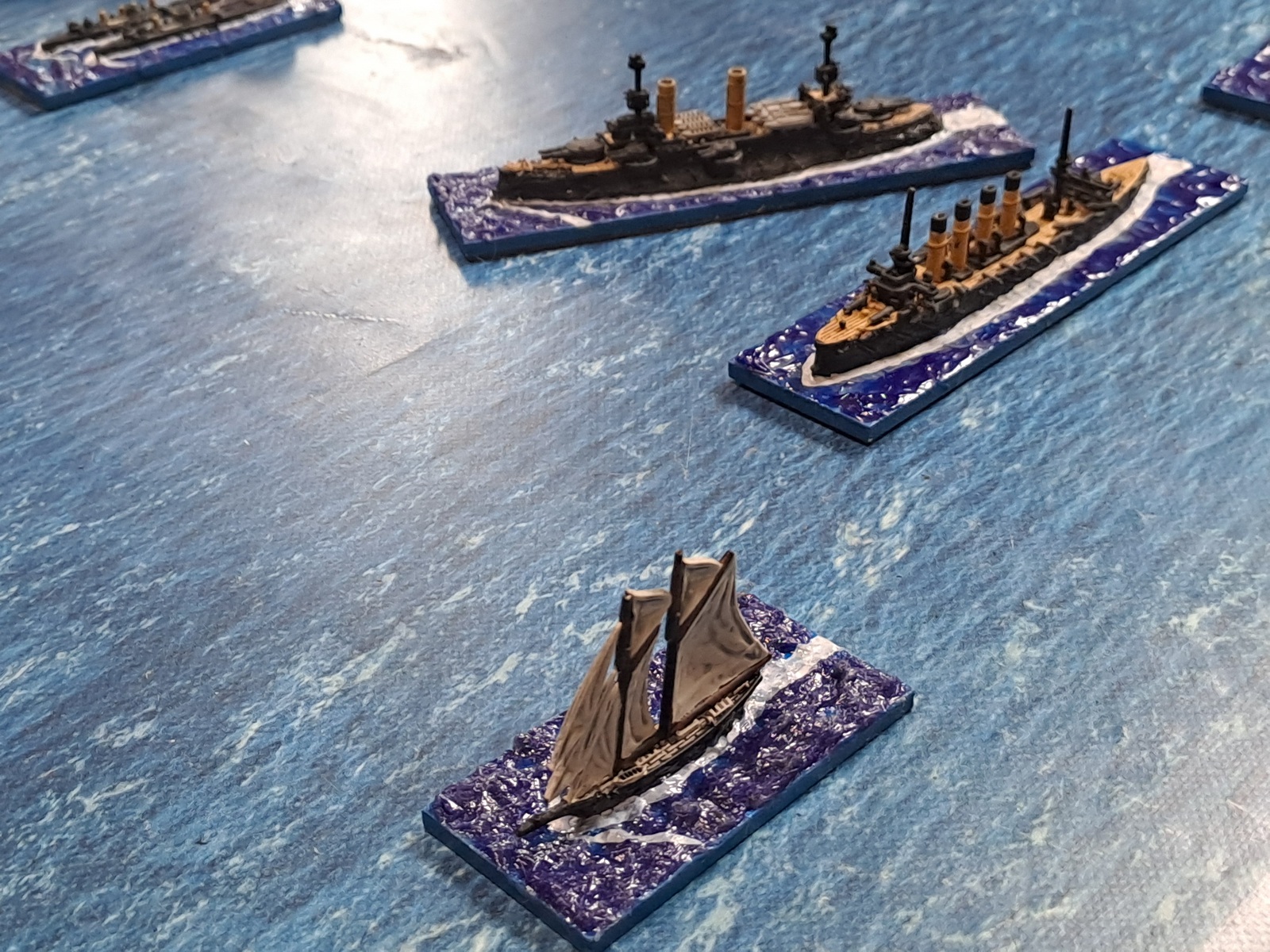
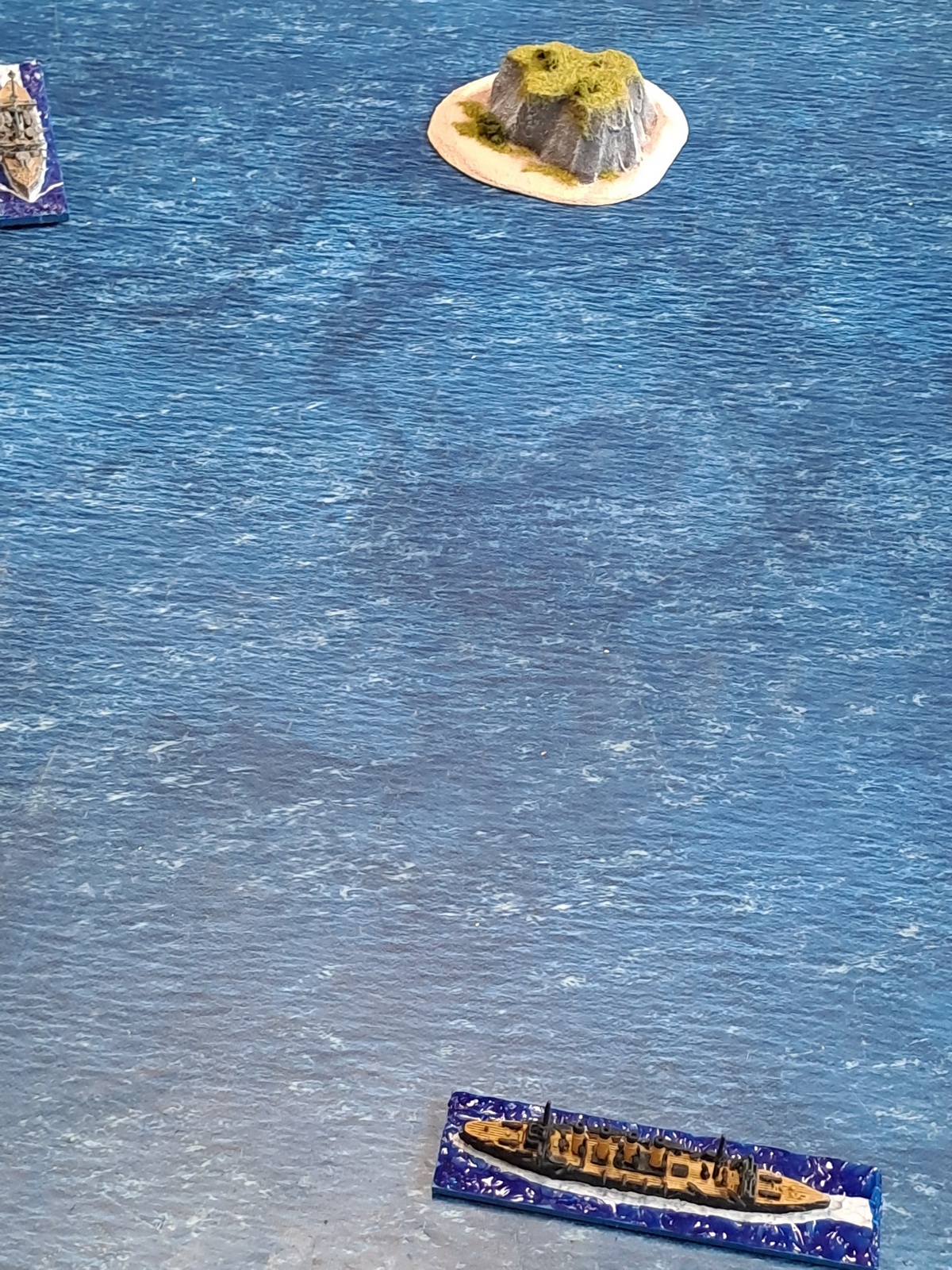
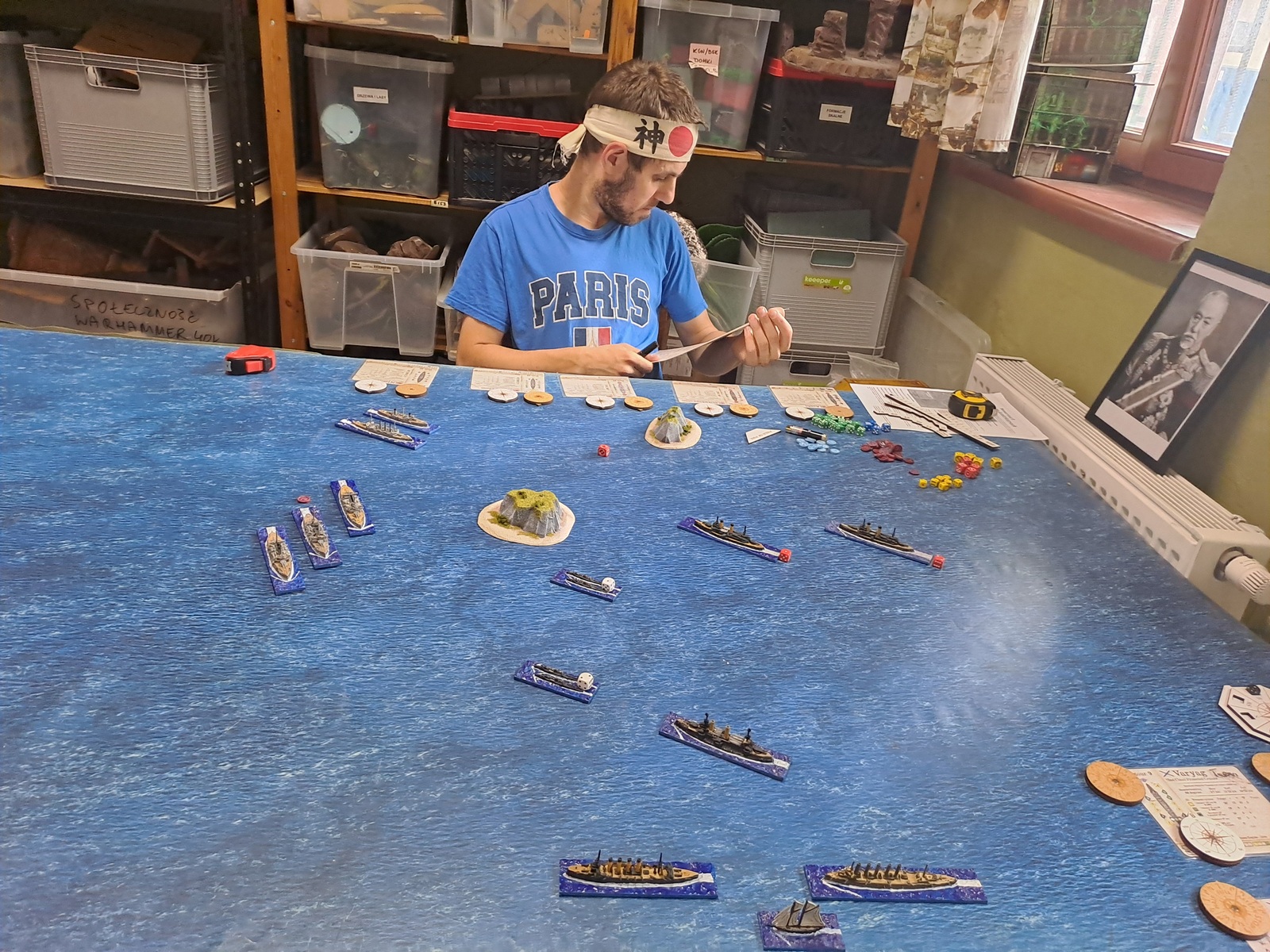
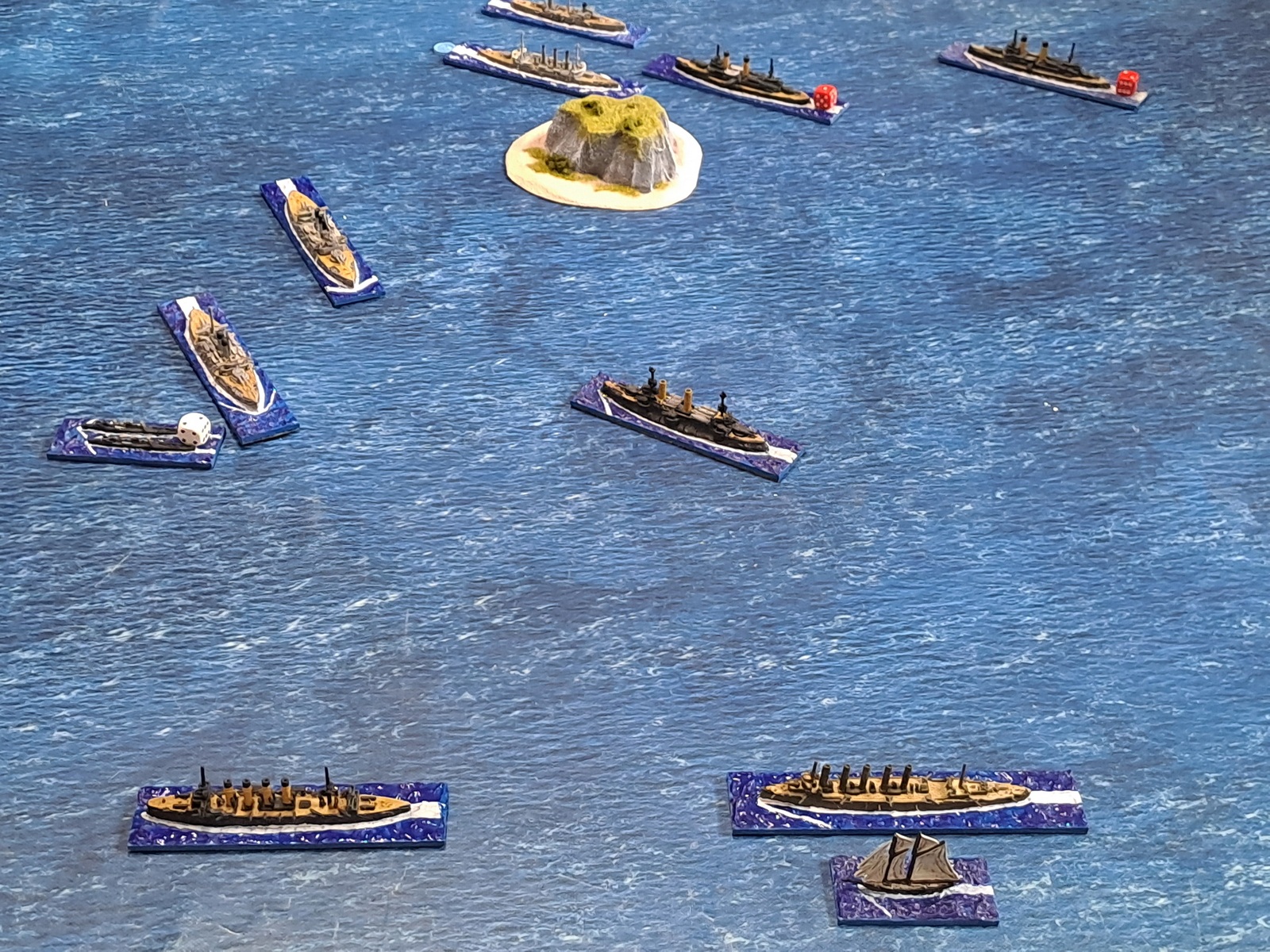
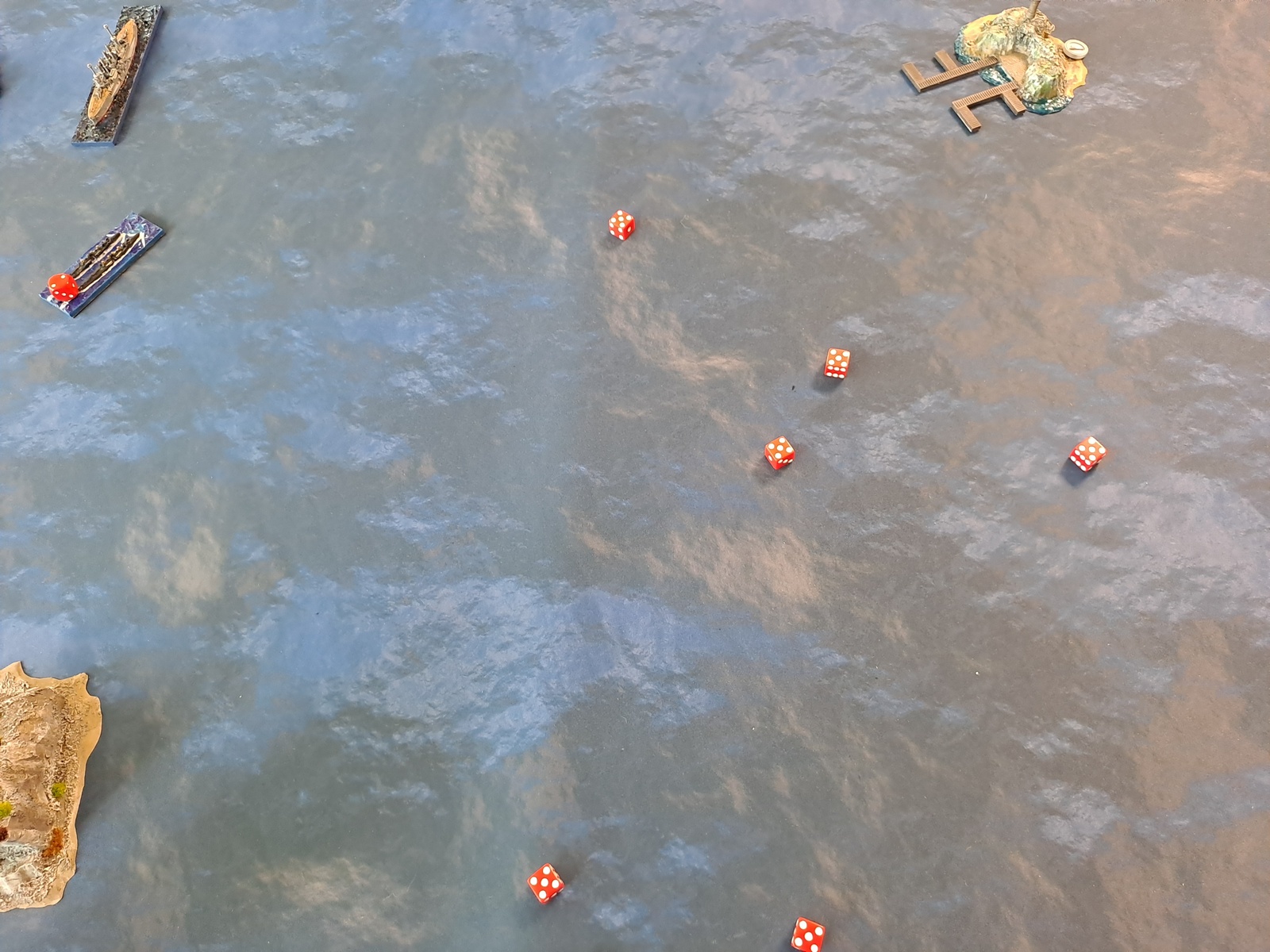
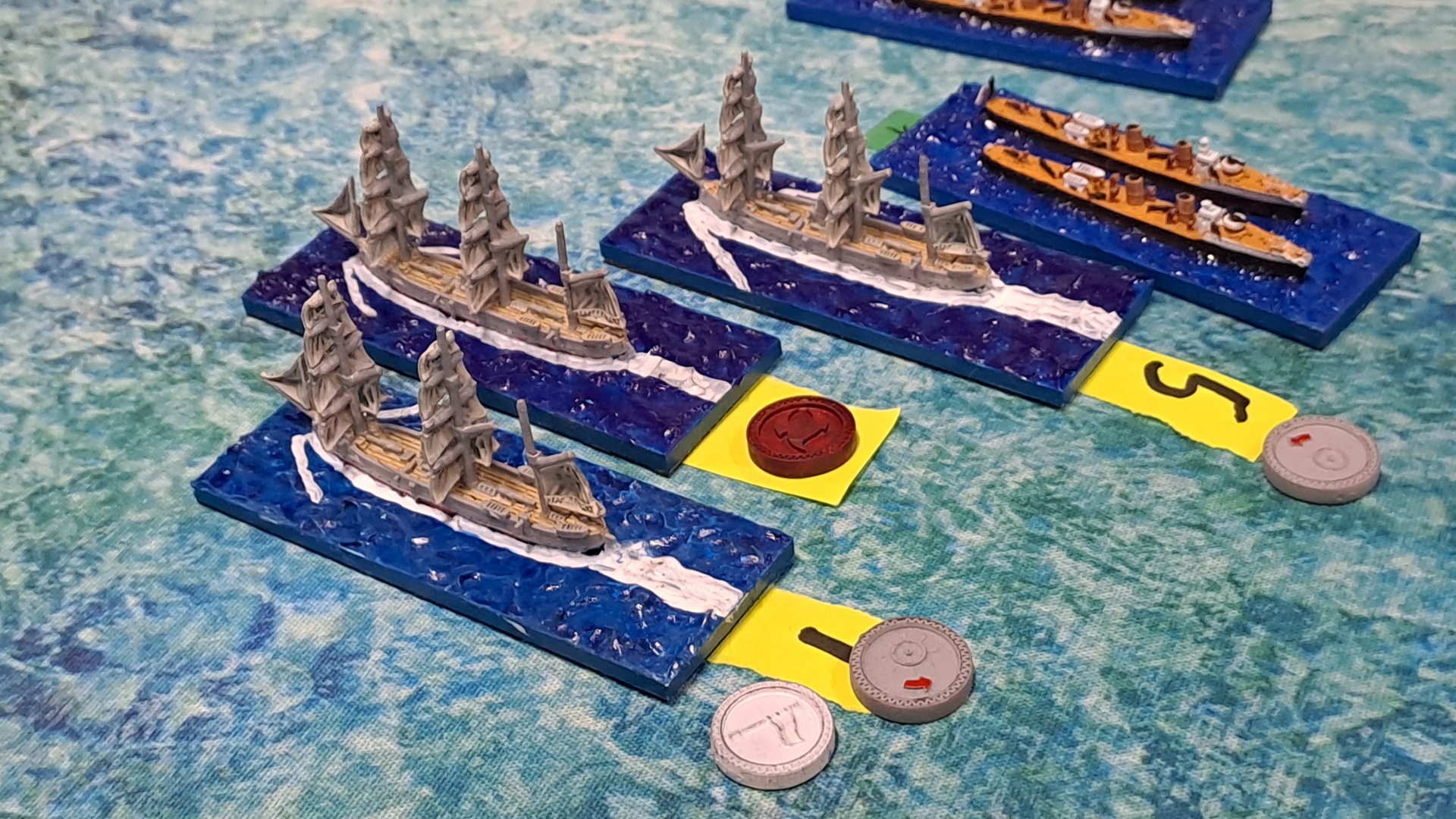
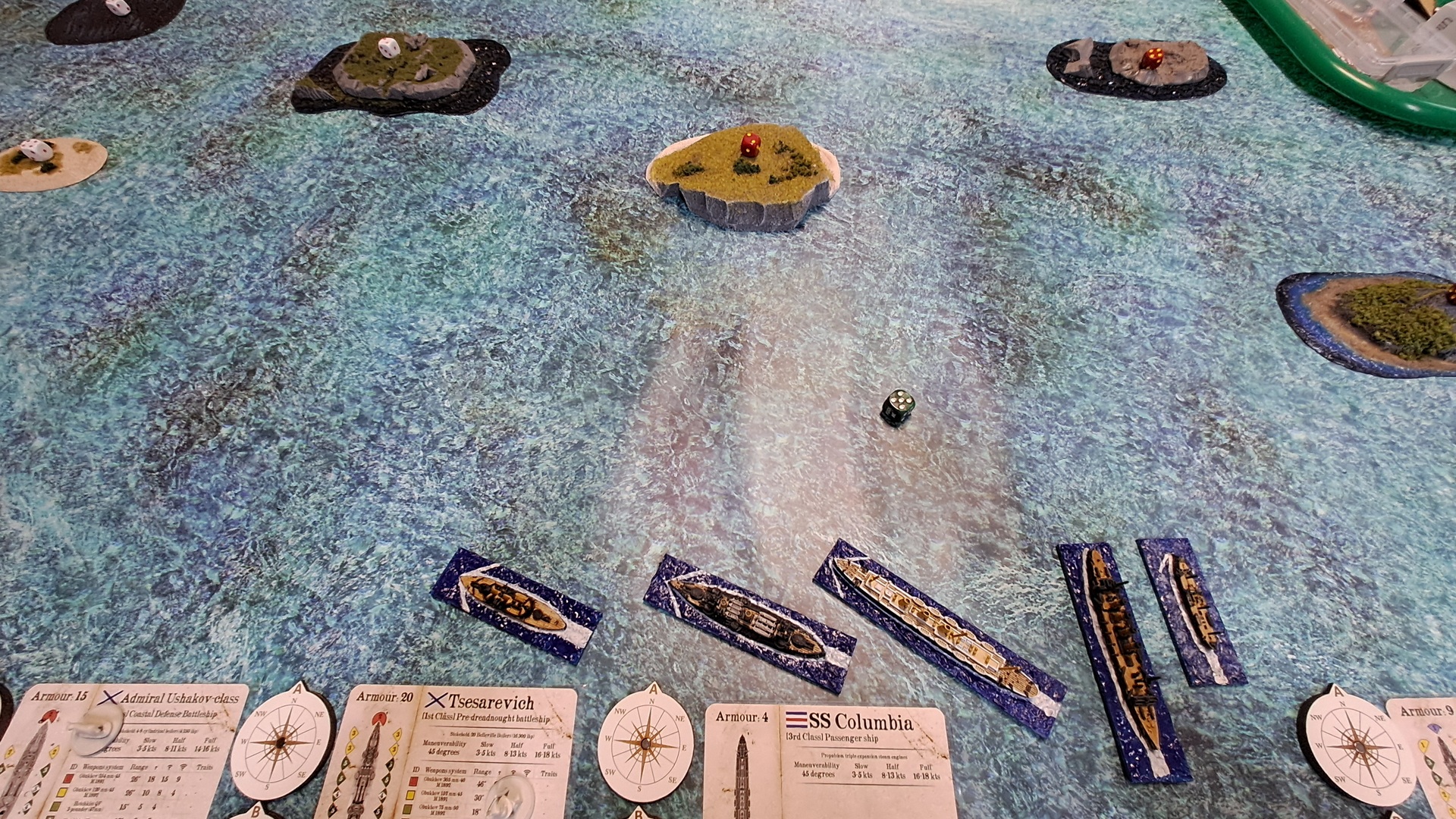
From the top/od góry: Askold, Borodino: Borodino, Borodino: Suworow, Tsesarevich, Varyag, division of Buyinyi 1&2, Effie M. Morrissey.From the top/od góry: Nisshin, Izumo, Shikishima, Asahi, Mikasa.Russian fleet deployed. Rosyjska flota rozstawiona.Japanese fleet deployed. Japońska flota rozstawiona.Cornholio playing his Nippon Kaigun. Cornholio grający swoją flotą Japonii.Me playing Rossijskij Impieratorskij Fłot. Ja grający swoją flotą carskiej Rosji.From the bottom with sail – Effie M. Morrissey, Varyag (behind it Askold), Tsesarevich. Od dołu z żaglami – Effie M. Morrissey, Varyag (behind it Askold), Tsesarevich.Borodino Suworow & Borodino Borodino.Critical shoot from Varyag medium artillery. Krytyczne trafienie z średniej artylerii Variaga.First successful ramming. Pierwsze skuteczne taranowanie. Accurate salvos struck the ship sailing in the middle. Celne salwy trafiły w płynący po środku okręt.Which, after battling the elements, sank to the bottom. Który po walce z żywiołem poszedł na dno.Askold & Effie M. Morrissey.Borodino Suworow vs Nisshin.Mikasa in the center making a lot of problems. Mikasa w centrum sprawiła dużo kłopotów. Was burning.. Płonęła…The end of Tsesarevich, the flagship of my fleet. Koniec Cesarewicza, okrętu flagowego mojej floty.Borodino took revenge for Tserarevich. Borodino zemścił się za Cesarewicza.
🇬🇧 Summary: -It was a very interesting game with Cornholio. We played with far more points than usual and almost finished within the time limit. Neither of us managed to sail through the opponent’s deployment zone, although the closest were two heavily damaged Buiny from a squadron that survived the encounter with the battleships of the Land of the Rising Sun. None of the 10 torpedoes fired by the Buiny hit their target. It cost me one squadron of Buiny. – We’ll play the next game of this format at the veterans’ night, possibly with even more points. Meanwhile, our match ended in a draw — 32 points for Tsarist Russia versus 28 for Imperial Japan. – Most of the English translations were done using ChatGPT.
🇵🇱 Podsumowanie: – była to bardzo interesująca rozgrywka z Cornholio, zagraliśmy na o wiele większe punkty niż zwykle i prawie zmieściliśmy się w czasie. Żadnemu z nas nie udało się wypłynąć przez strefę wystawienia przeciwnika, chociaż najbliższe temu był dwa mocno uszkodzone Buyine z dywizjonu, który przetrwał spotkanie z pancernikami Kraju Kwitnącej Wiśni. Wcześniej żadna z 10 torped wystrzelonych przez Buyine nie osiągnęła celu. Kosztowało mnie to jeden dywizjon Buyinych. – kolejną grę tego formatu zagramy na wieczorze weteranów i być może na większe punkty, tymczasem nasza rozgrywka zakończyła się remisem 32 punkty dla carskiej Rosji wobec 28 dla cesarskiej Japonii. – większość angielskich tłumaczeń powstała przy użyciu ChatGPT.
🇬🇧 Last weekend I finished few ships for my friend for his Nippon Kaigun – Japan Empire fleet. Among them most important was „Izumo„.
The Izumo-class cruisers were a pair of armored cruisers built for the Imperial Japanese Navy in the late 1890s. The sister ships were part of the “Six-Six Fleet” expansion program that began after the defeat of China during the First Sino-Japanese War of 1894–1895. The main task of cruisers of this type was reconnaissance and cooperation with battleships, hence they were – for this class of ships – very well armored and armed.
* – description of Izumo according to GMBoardgames.
🇵🇱 W ostatni weekend udało mi się ukończyć kilka okrętów dla przyjaciela dla jego Nippon Kaigun – cesarskiej floty Japonii. Wśród nich najważniejszym ukończonym okrętem był „Izumo„.
„Po zwycięstwie nad Chinami, Japończycy rozpoczęli program rozbudowy floty, nazwany później programem 6+6. Zakładał on budowę 6 pancerników i 6 krążowników pancernych. Japońskie krążowniki pancerne miały pełnić rolę zwiadowców floty i walczyć w linii, współpracując z pancernikami.
Zgodnie z tą filozofią Izumo był takim pomniejszonym pancernikiem. Uzbrojenie główne stanowiły 4 armaty kalibru 203 mm, uzupełnione przez aż 14 dział kalibru 152 mm. Uzbrojenie uzupełniały armaty lekkie i wyrzutnie torped kalibru 457 mm. Jak na okręty tej wielkości były też naprawdę dobrze opancerzone. Dzięki zainstalowaniu nowoczesnych kotłów, mogły rozwijać prędkość około 20 węzłów.”
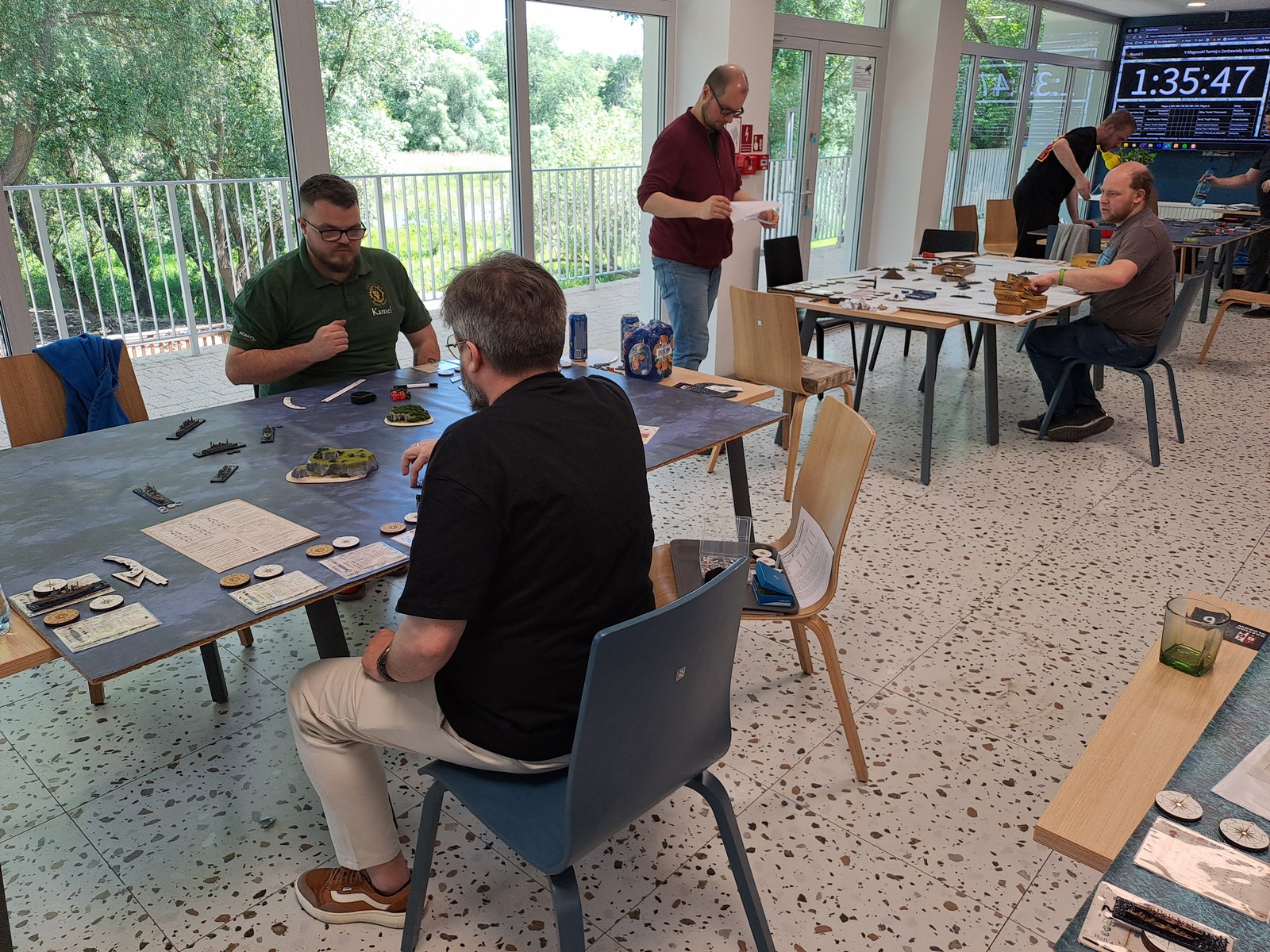
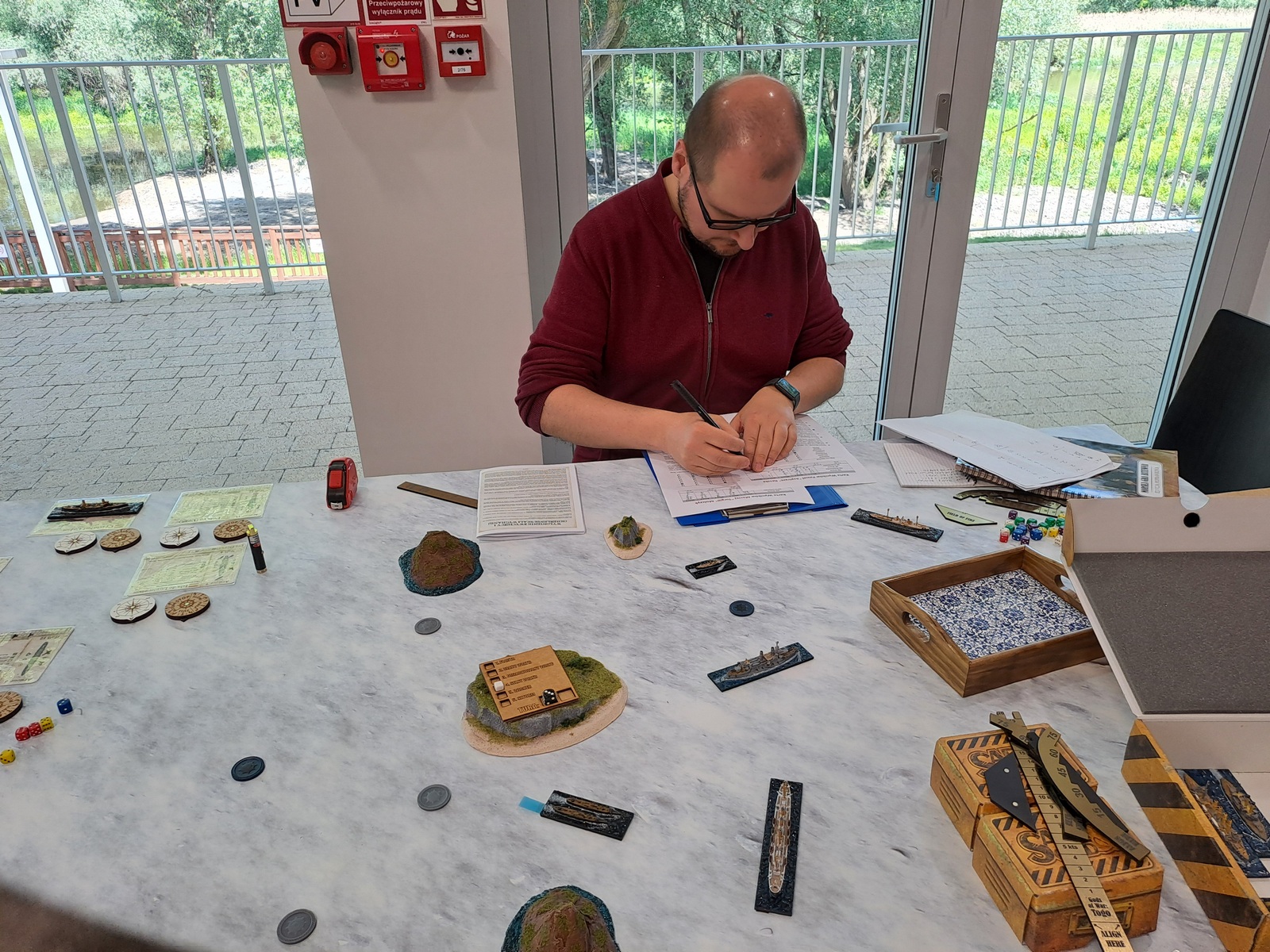
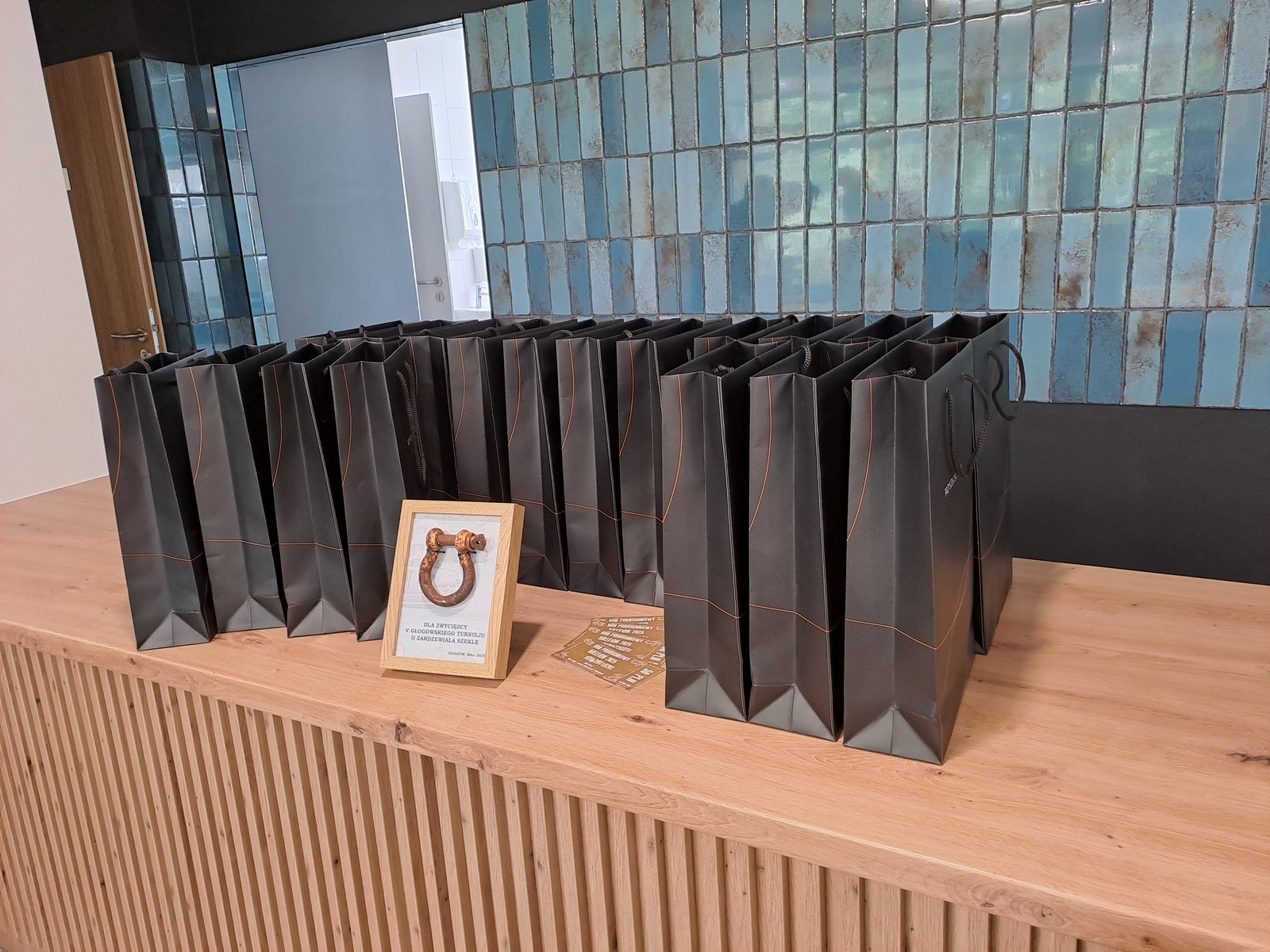
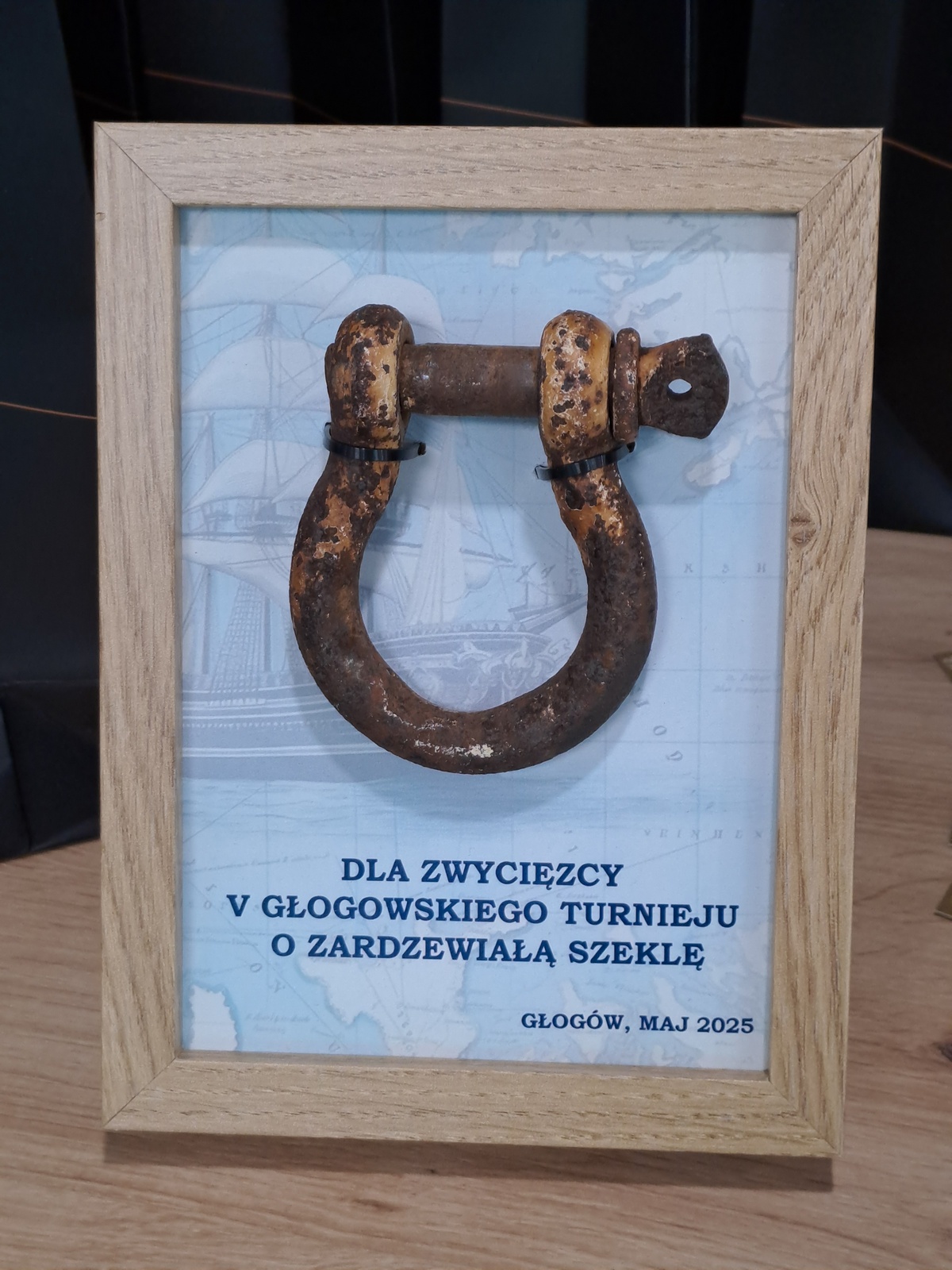
🇵🇱 W miniony weekend 23-25.05 miałem przyjemność spędzić bardzo dobrze czas na wydarzeniu zorganizowanym przez naszych przyjaciół w Głogowie, a sam turniej w którym wziąłem udział toczył się o bezcenną Zardzewiałą Szeklę. Nasza przygoda zaczęła się na Dworcu Głównym we Wrocławiu w piątek dwudziestego trzeciego maja, gdzie o 18:09 ruszyliśmy pociągiem do celu wraz z Cornholio, Gingerhead i Torgillem, czyli większością wrocławskiej drużyny która tam się wybrała. Aspirant ze względu na sytuację losową dotarł do nas później. Tak czy inaczej stawiło się nas 18 graczy, z miasta gospodarza Głogowa, z Gorzowa Wielkopolskiego, Poznania, Wiązowa, Wrocławia, Sosnowca i Zielonej Góry. Bardzo przyjemne towarzystwo, zagrałem pięć różnych gier i wśród nich oczywiście pierwszą grę musiałem zagrać na kompana z Gdzie był Wrocław… oczywiście by ironii było zadość graliśmy w koszulkach naszej grupy. Z Cornholio mamy szczęście, że zawsze na turniejach gramy na siebie, czy jest na nich 18 osób, czy prawie 100.
W kwestii rozgrywek – zagrałem swoją flotą rosyjską, której jestem wierny od kiedy zacząłem przygodę w Bogów Wojny: Togo – nie ma co się męczyć z flotą, której się nie lubi i dotyczy to armii do każdego systemu figurkowego. Niestety zapomniałem zorganizować sobie portret cara Mikołaja II z dynastii Romanowów. Pierwszą grę rozegrałem z Łukaszem „Cornholio” grającym flotą cesarstwa Japonii, drugą z Krzyśkiem „Kolospoksik” grającym marynarką USA – super widzieć tak młodych graczy – oby więcej osób w tak młodym wieku interesowało się figurkami. Trzecią grę zagrałem z Marcinem „Prezesem”, który grał kaiserowskimi Niemcami, a naszym celem było przecięcie kabli – nikomu z nas się to nie udało. W czwartej grze rozegranej z poznanym jeszcze w Planszóweczce Mateuszem „Condotierro” który prowadził flotę królestwa Hiszpanii za cel mieliśmy bombardowanie portu co w jakimś stopniu udało się tylko mojemu oponentowi i na koniec z Dominikiem – również z flotą hiszpańską – starcie na kontrkursach. Każda gra była przyjemna i z chęcią powtórzę te rozgrywki w przyszłości w tym samym gronie i miejscu.
Po piątej grze wyłoniło się Top 3 i wyglądało następująco: 1. Maciej „Pyra” Mikołajczyk grający Kaiserliche Marine 🇩🇪 2. Rafał „SigThorn” Woźniak grający Nippon Kaigun 🇯🇵 3. Karol „Ginger” Lemański grający Kaiserliche Marine 🇩🇪
Więcej o wynikach możecie przeczytać na Tournykeeper TUTAJ. O samym wydarzeniu więcej możecie przeczytać też na stronie wydarzenia TUTAJ.
Każdy z uczestników otrzymał nagrodę dzięki KGHM Polska Miedź, a niektórzy otrzymali również dodatkowe nagrody w postaci bonów do wrocławskiego klubu Bolter, który jest wydawcą Bogów WojnyTogo, wydawnictwa GM Boardgames.
Translations to English done with help from ChatGPT. 🇬🇧 Last weekend, on May 23–25, I had the pleasure of spending a great time at an event organized by our friends in Głogów. The tournament I took part in was all about competing for the priceless Rusty Shackle.
Our adventure started at the Wrocław Main Station on Friday, May 23rd, where at 6:09 PM we boarded a train to our destination, along with Cornholio, Gingerhead, and Torgill — that is, most of the Wrocław team who attended the event. Aspirant joined us later due to unforeseen circumstances.
All in all, there were 18 players from the host city of Głogów, as well as from Gorzów Wielkopolski, Poznań, Wiązów, Wrocław, Sosnowiec and Zielona Góra. A very pleasant crowd, and I played five different games. Naturally, the first game had to be against my companion from „Where was Wrocław…?” — and to complete the irony, we were both wearing the shirts of our group. With Cornholio, we’re lucky that we always end up playing against each other at tournaments, whether there are 18 people or nearly 100.
As for the games — I played with my Russian fleet, which I’ve been loyal to since I started my adventure with Bogowie Wojny: Togo. There’s no point in struggling with a fleet you don’t enjoy — that goes for any miniatures game system. Unfortunately, I forgot to bring a portrait of Tsar Nicholas II of the Romanov dynasty!
My first game was against Łukasz „Cornholio,” playing the Imperial Japanese Navy. The second game was with Krzysiek „Kolospoksik,” commanding the US Navy — it’s great to see such young players getting into miniatures gaming, and I hope more people in that age group get involved. The third game was with Marcin „Prezes,” who played the Kaiserliche Marine. Our goal was to cut the cables — but neither of us succeeded. The fourth game was against Mateusz „Condotierro,” whom I met earlier at Planszóweczka. He was leading the Spanish Navy, and our mission was to bombard a port — which only my opponent partially succeeded in doing. And the final game was with Dominik, also commanding the Spanish Navy — a classic convoy clash.
Each game was a pleasure, and I’d gladly play them again with the same group and in the same place.
After the fifth game, the Top 3 emerged:
Maciej „Pyra” Mikołajczyk playing the Kaiserliche Marine 🇩🇪
Rafał „SigThorn” Woźniak playing the Nippon Kaigun 🇯🇵
Karol „Ginger” Lemański playing the Kaiserliche Marine 🇩🇪
You can read more about the results on Tournykeeper HERE. And more about the event itself on the event page HERE.
Every participant received a prize thanks to KGHM Polska Miedź, and some also got additional prizes in the form of vouchers to the Wrocław-based Bolter club, the publisher of Bogowie Wojny: Togo by GM Boardgames.
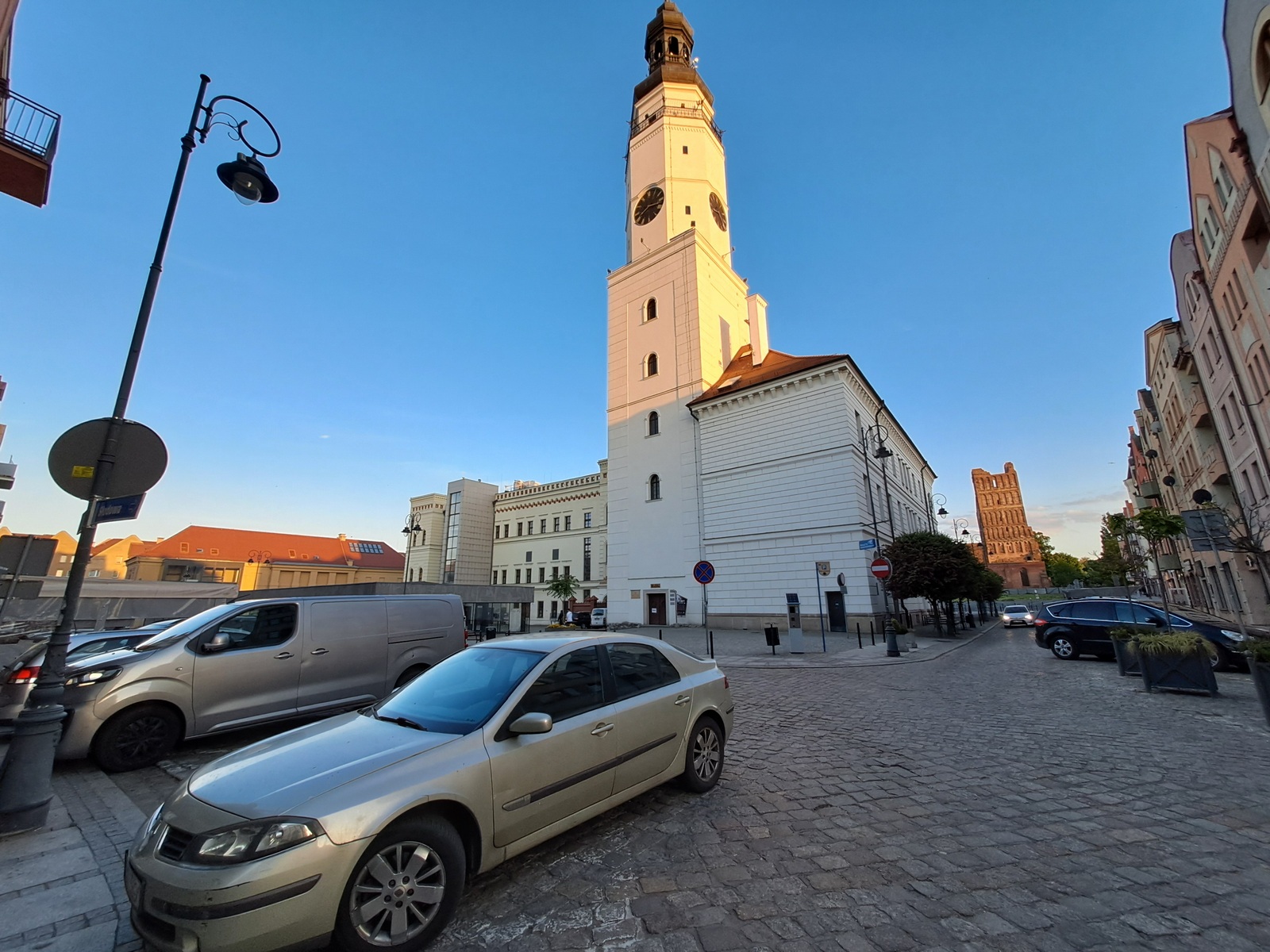
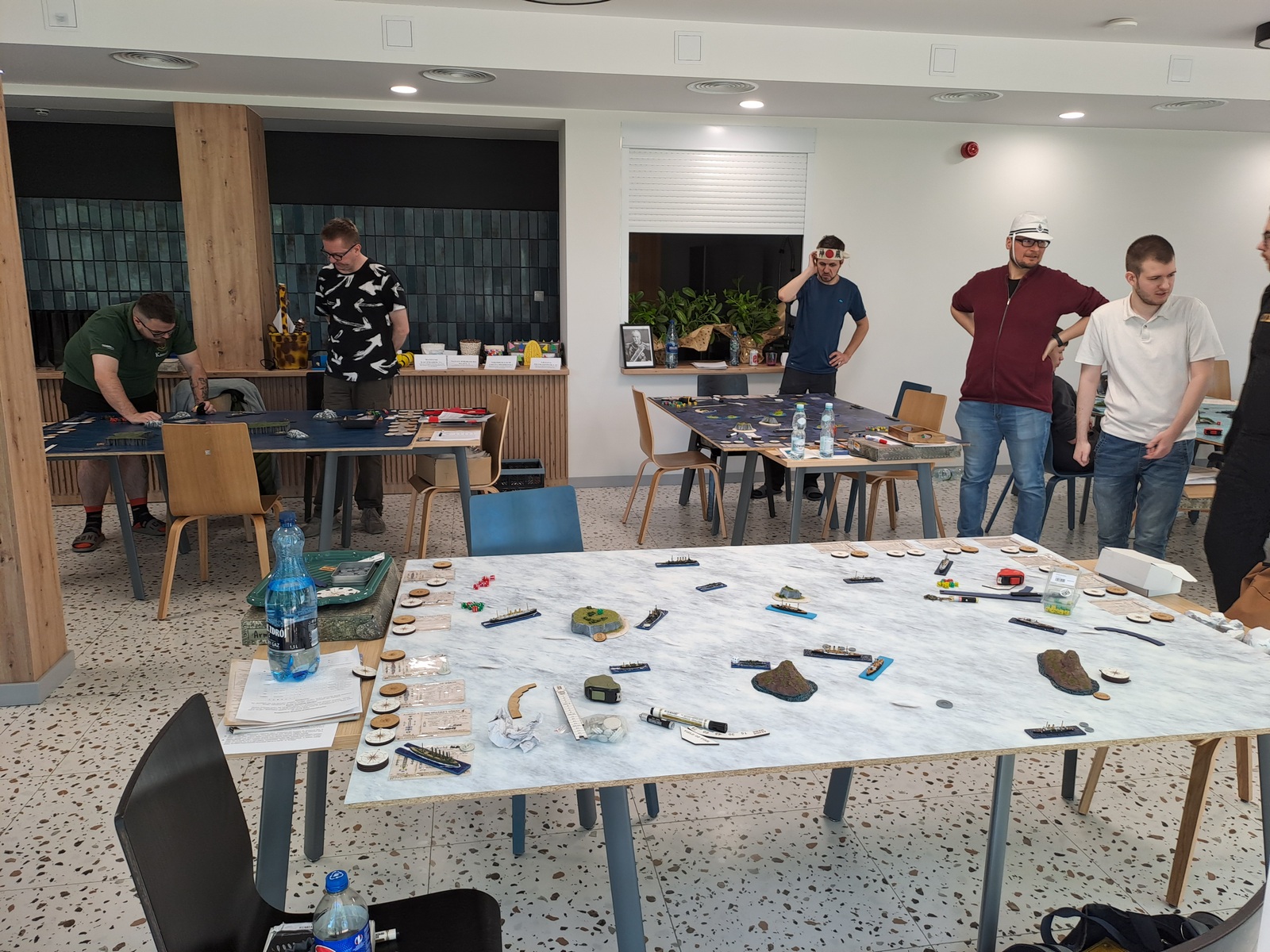
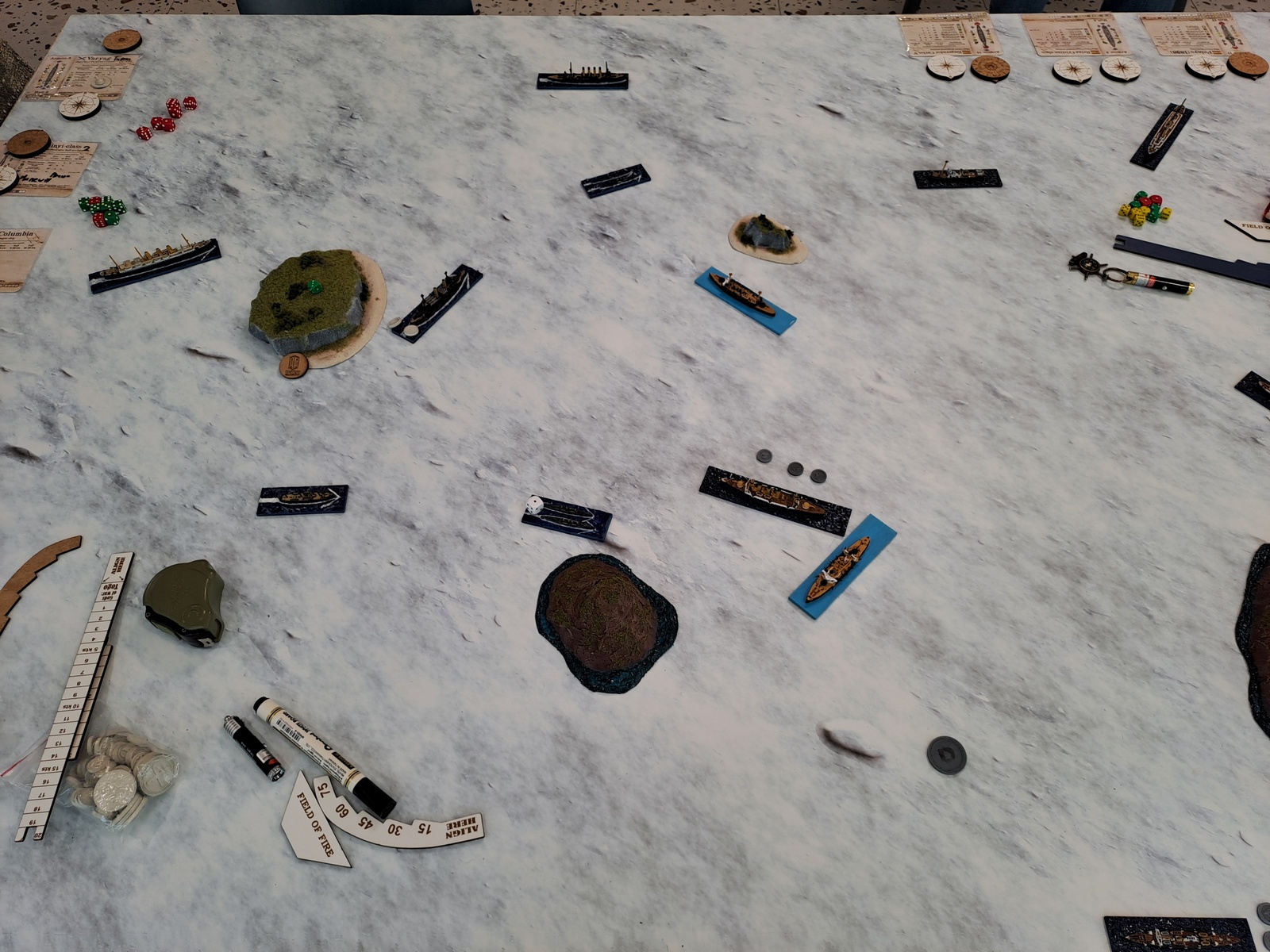
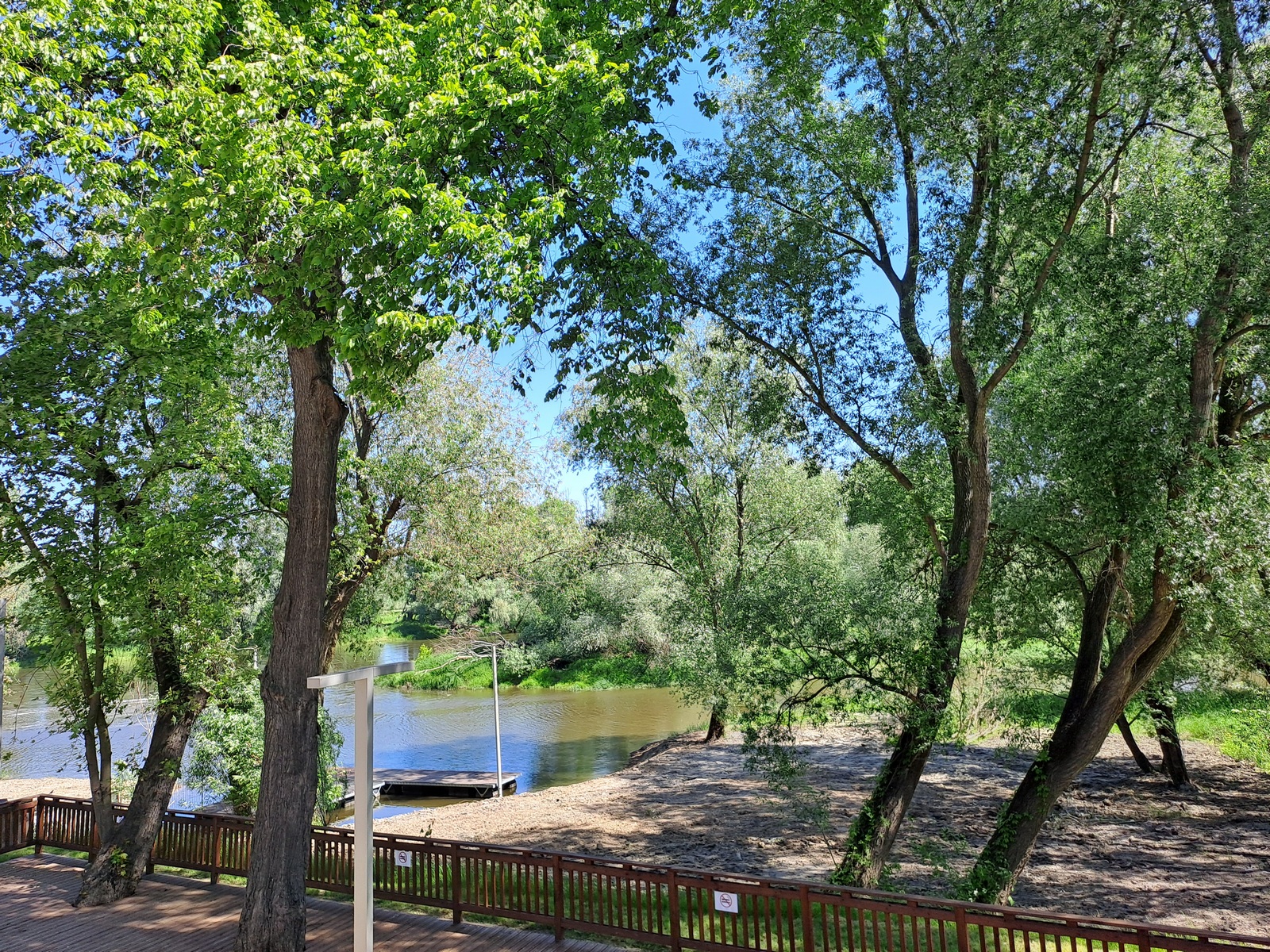
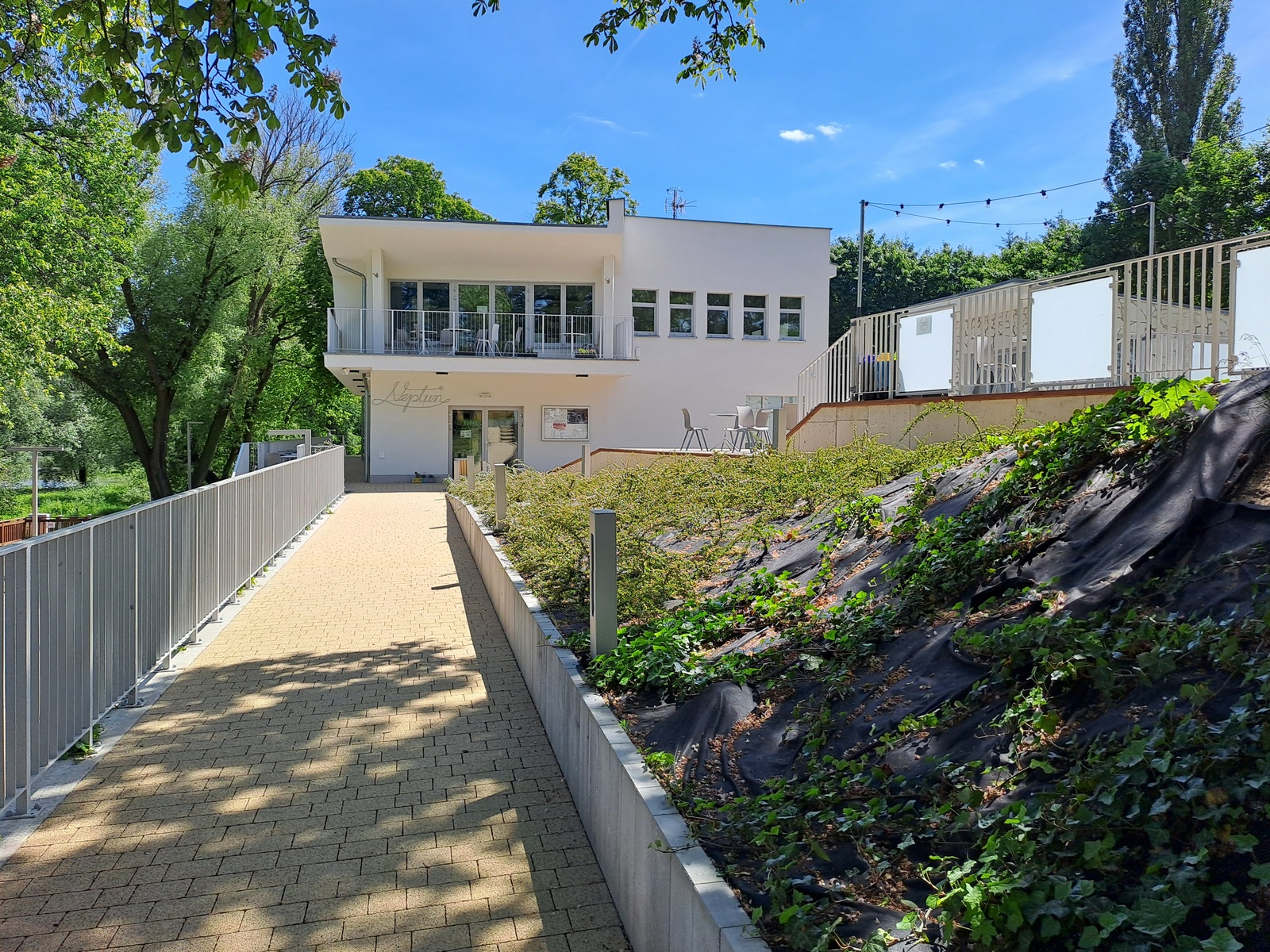
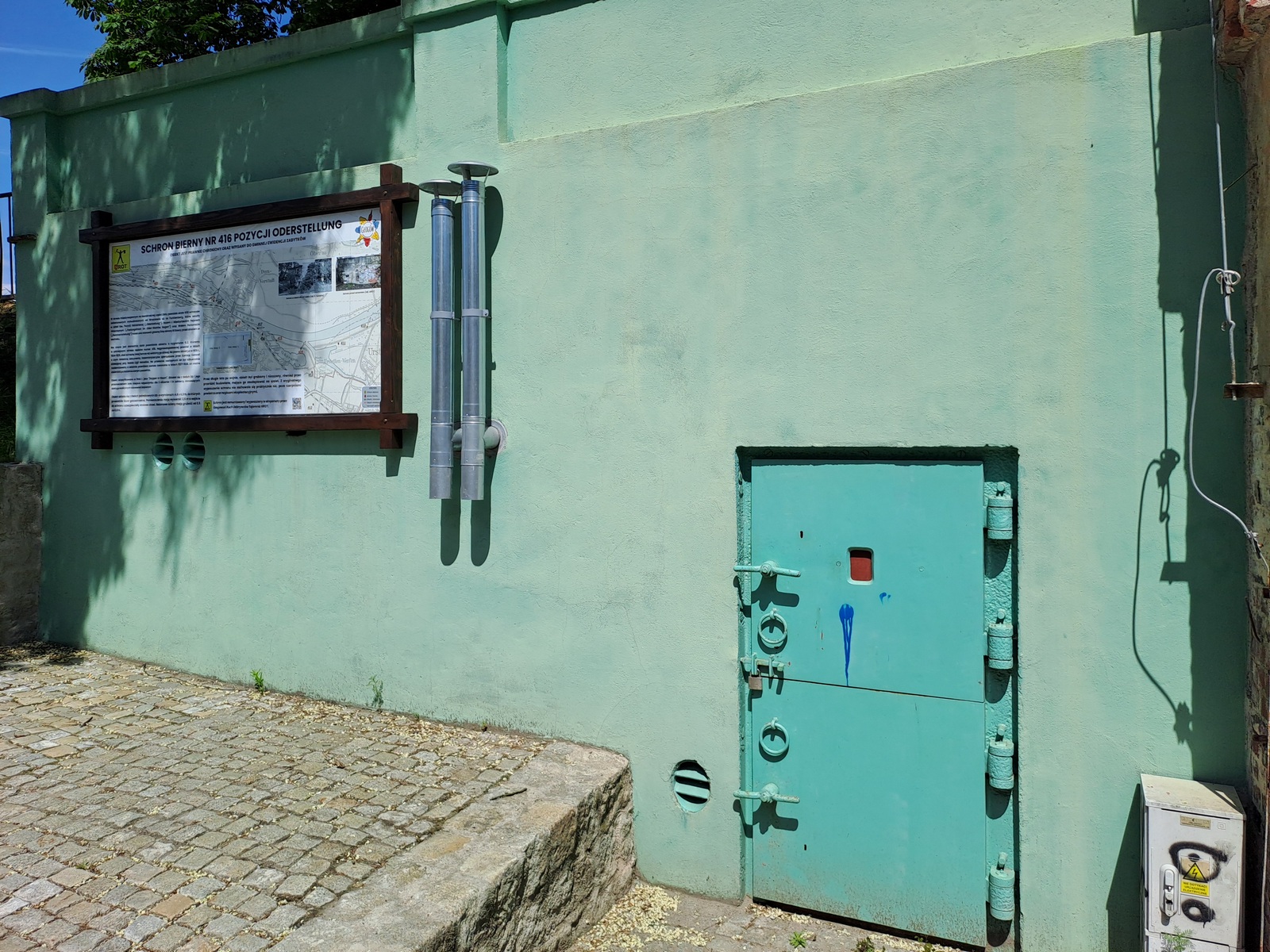
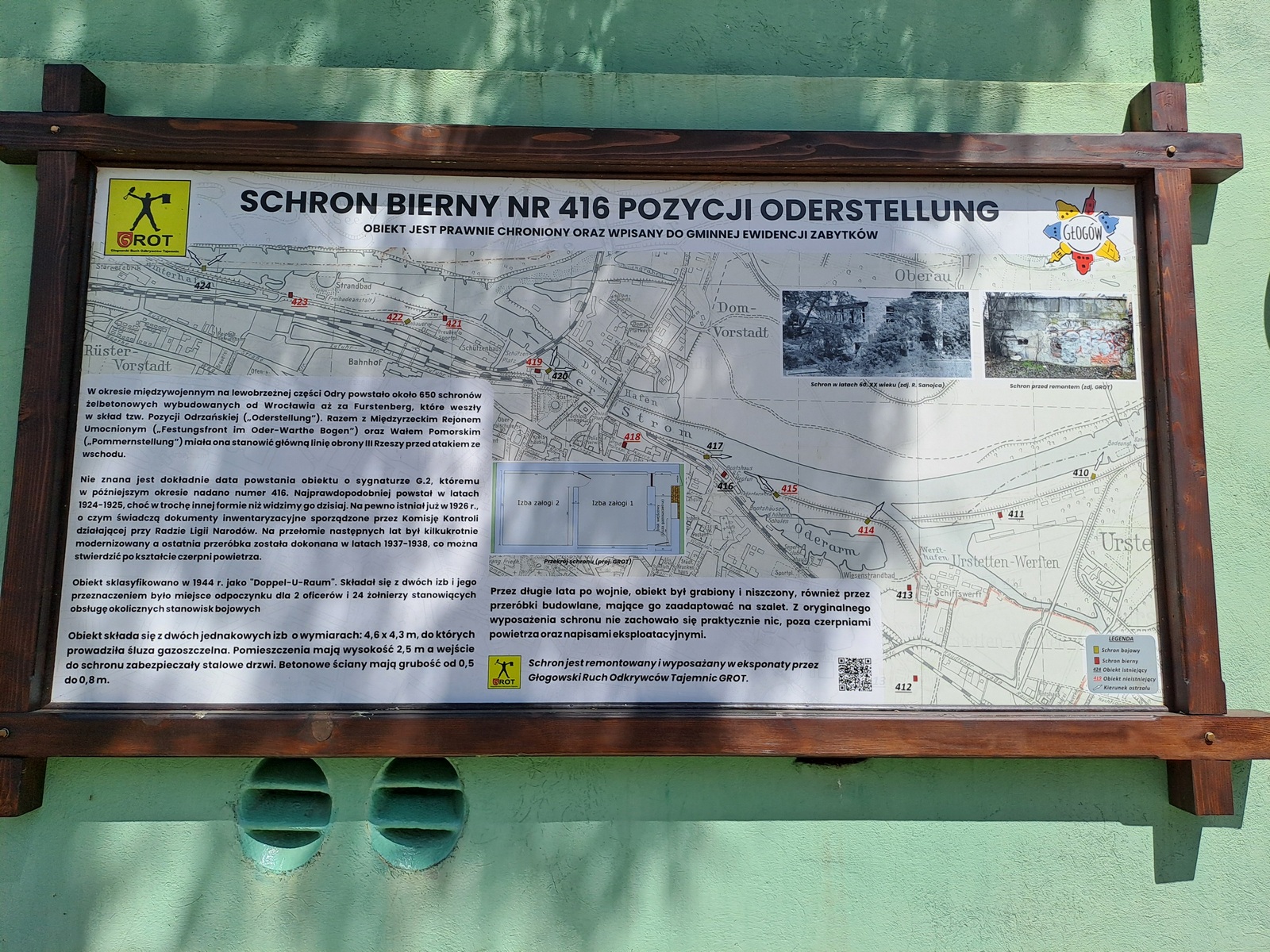
Piątkowy wieczór. Friday evening.Sobotni poranek, nim rozbrzmiał huk dział. A Saturday morning, before the roar of cannons erupted.Przed pierwszym starciem. Before first game. Wszyscy uśmiechnięci i gotowi do działania. Everyone smiling and ready for action.Moja pierwsza gra z Cornholio. My first game with Cornholio. Gra druga z Krzyśkiem. Second game with Christofer. Ustawione zdjęcie SS Columbii pod teren. ChatGPT powiedział: A staged photo of the SS Columbia set against the background.Trzecia gra z Prezesem. Third game with Prezes. Prezezes we własnej osobie. The Prezes (President in EN) in person.Oryginalne trafianie z torped i tak przez całą grę z Prezesem 😉 . Original hits with torpedoes, and that’s how it went throughout the entire game with the Prezes 😉 .Variag&SS Columbia.Co on rzucił? What did he roll?Pierwszy dzień w pizzeri Affamato na Rynku, mieli też bardzo dobre piwo. First day at the Affamato pizzeria in the Market Square, they also had great beer.Ratusz. Townhall.Autor tego bloga drugiego dnia z rana. The author of this blog on the morning of the second day.Czwarta gra z Condottiero. Fourth game with Condottiero.Część świetnie zorganizowanego turnieju. A part of a well-organized tournament.Główny twórca gry Torgill. Main creator of this game Torgill.I zwycięzca – „Pyra” z Poznania. And the winner – „Pyra” from Poznań. Ostatnie odliczanie. Final countdown. Piękno Głogowa i rzeki Odry na tym i kolejnych zdjęciach. Neptun gdzie graliśmy. Neptun where we played.
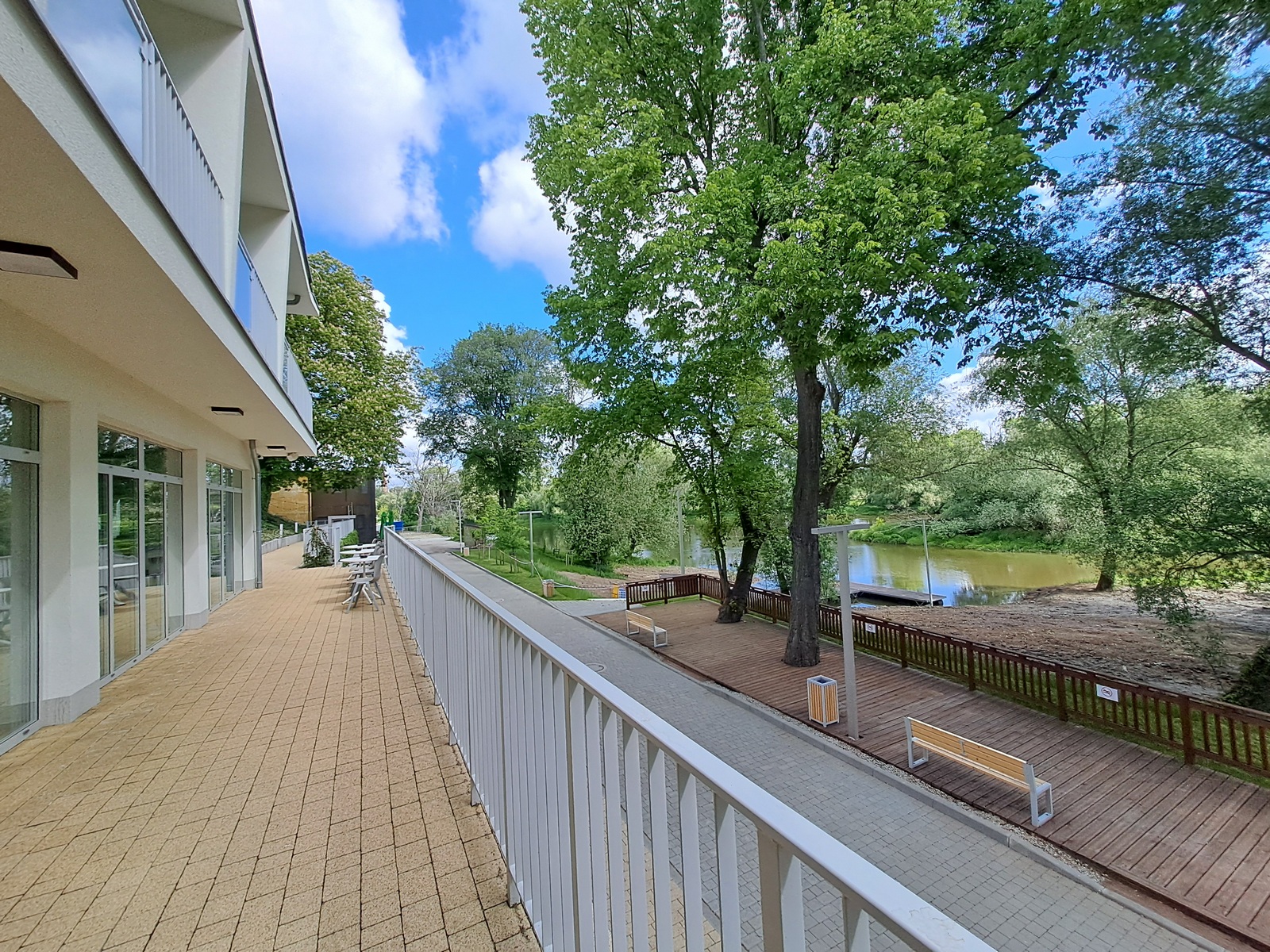
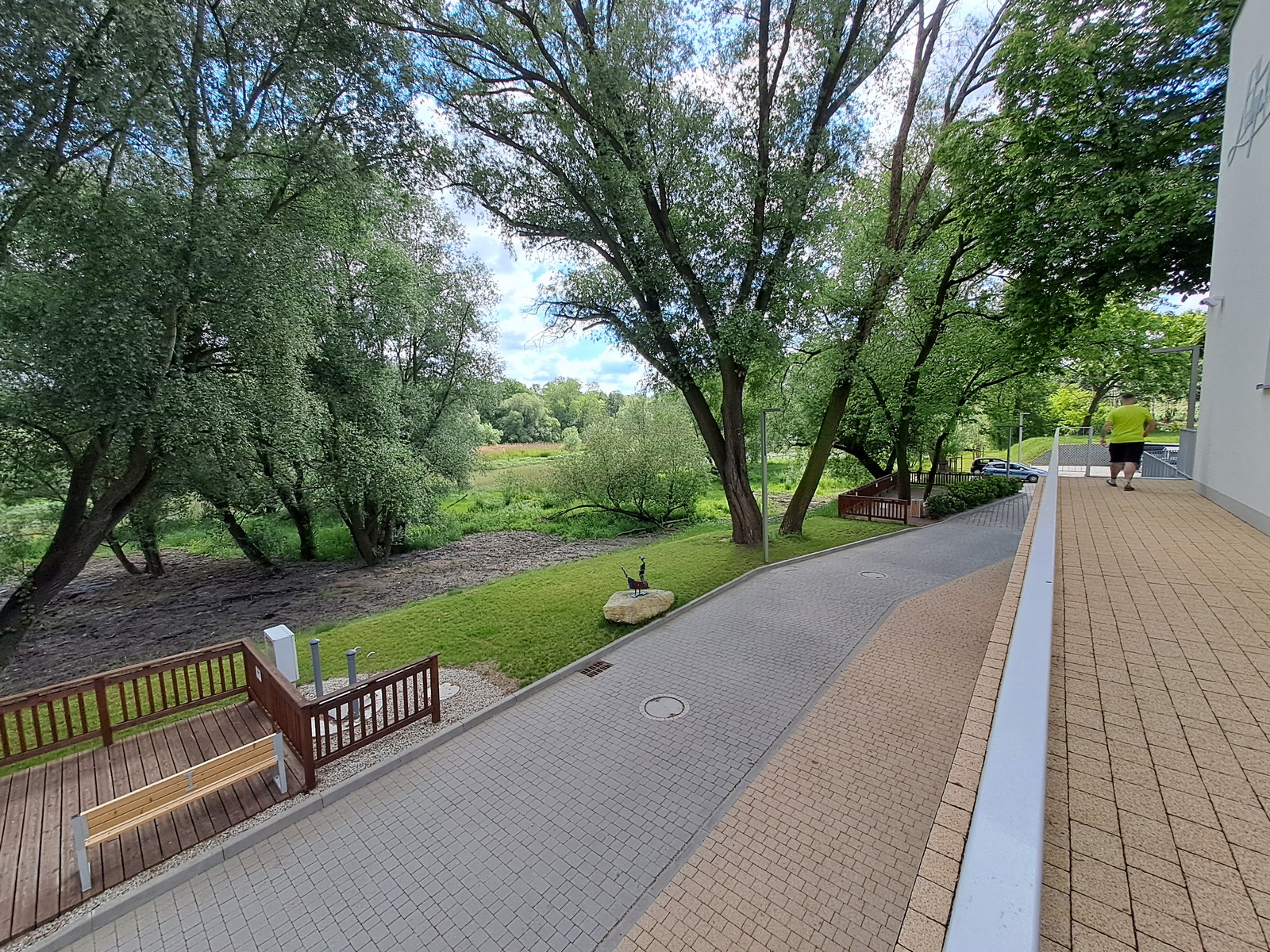
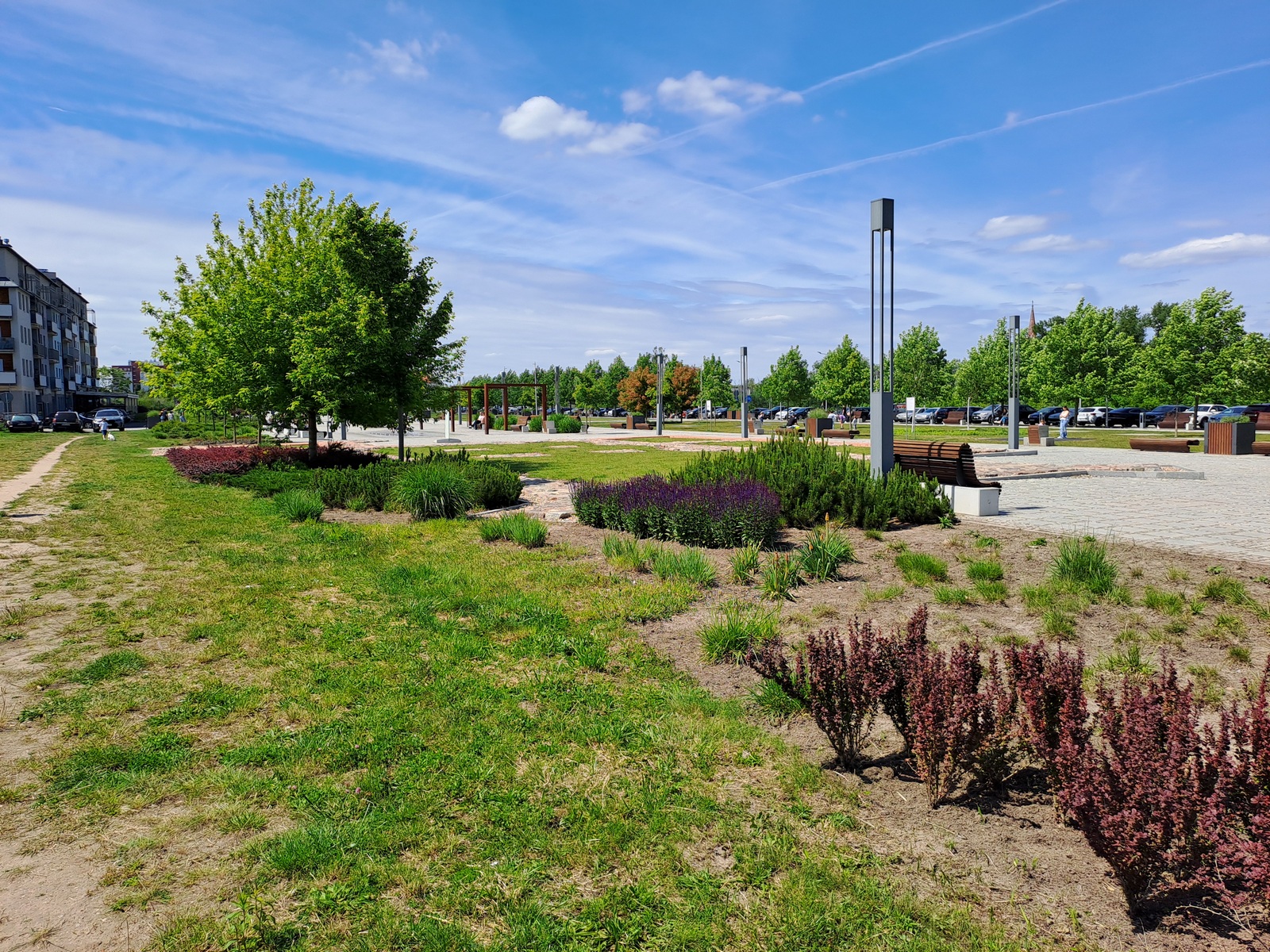
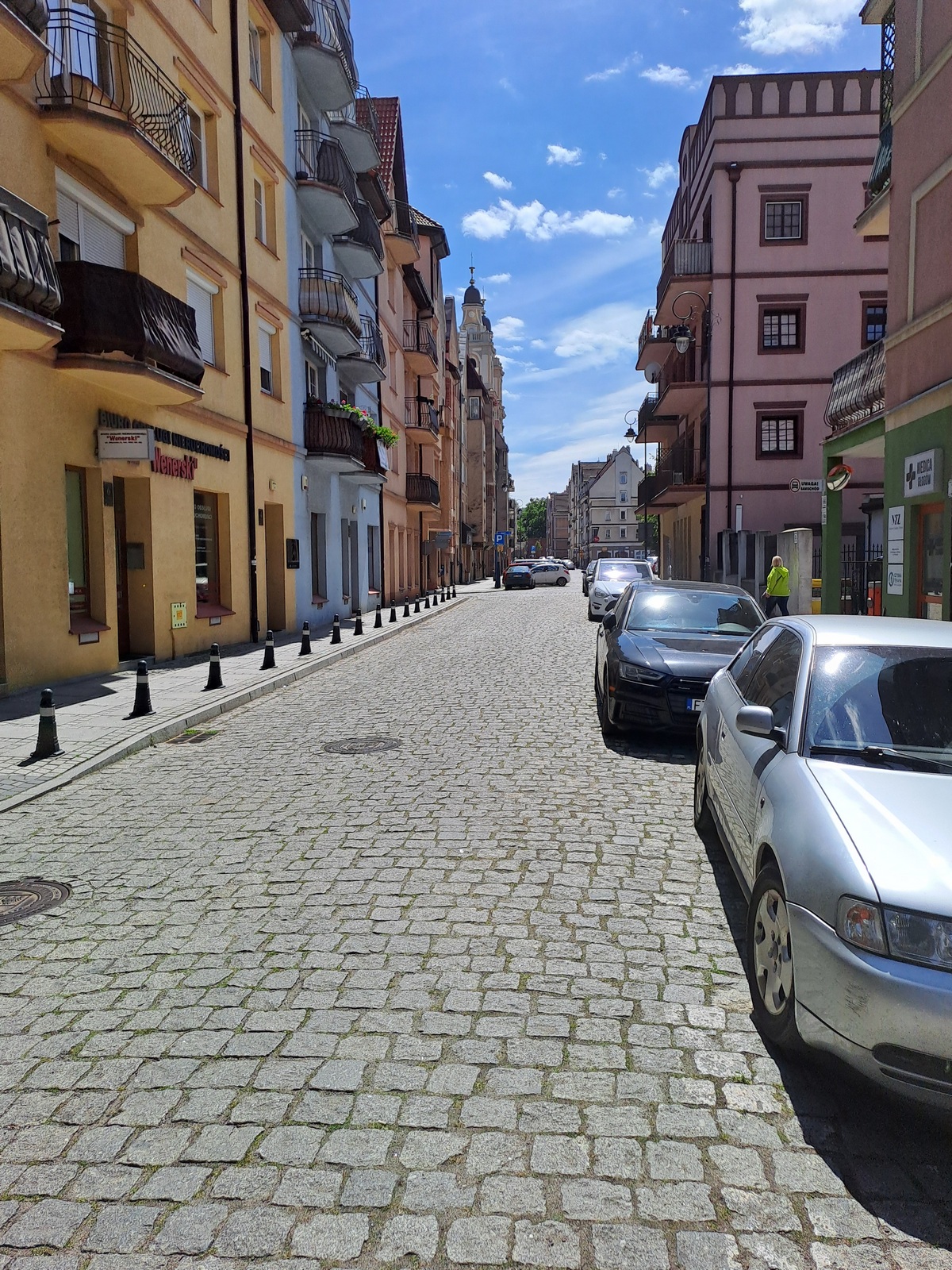
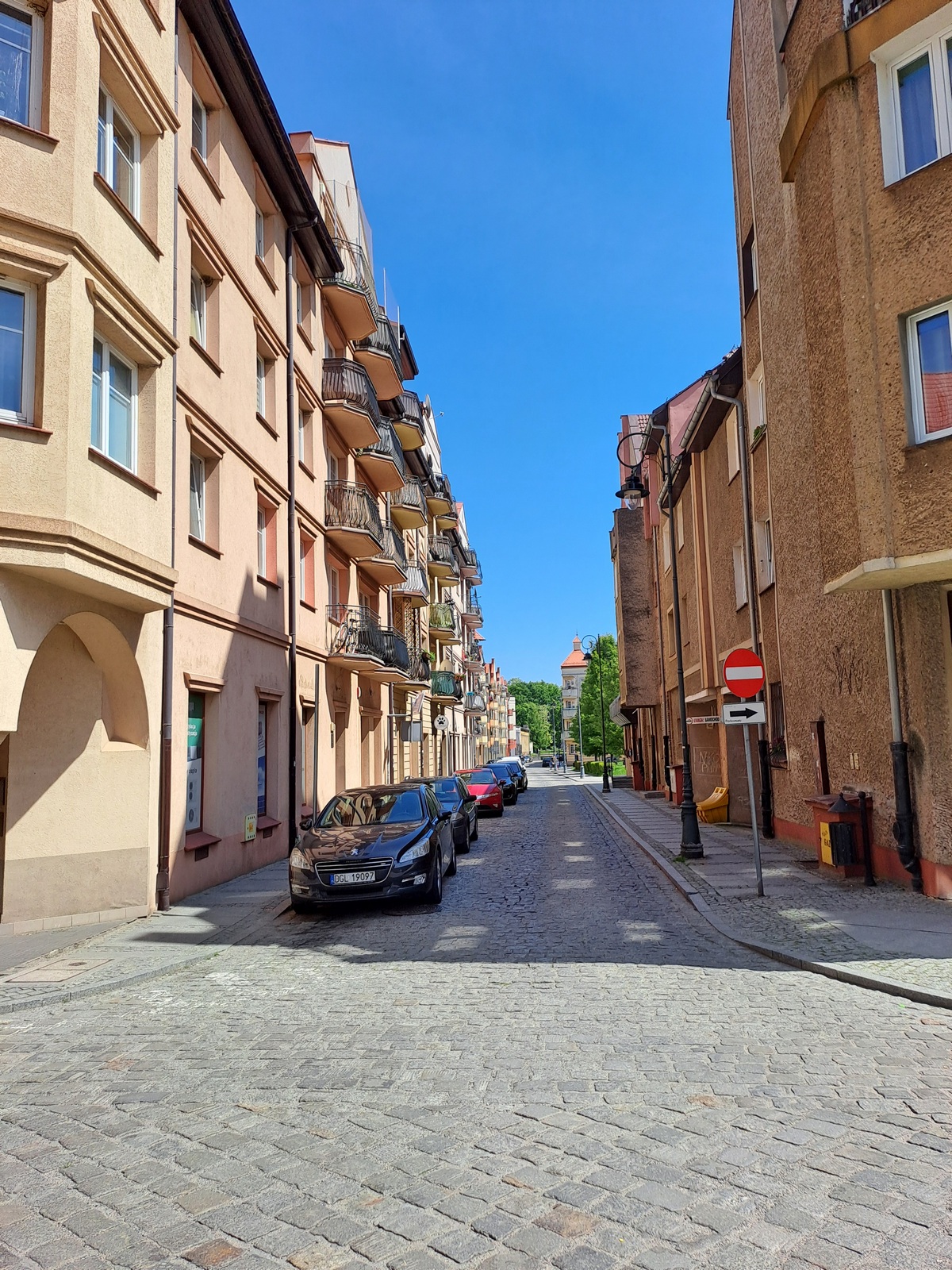
Podsumowanie: – bardzo dobrze zorganizowany turniej, gdzie wszystko było na swoim miejscu – włącznie z interesującymi kartami graczy. Na pewno z chęcią tutaj wrócę. Świetna atmosfera, bardzo dobre towarzystwo, interesujące pogawędki o innych systemach na pizzy w lokalu Affamato. – świetna okolica, pełna zieleni, porządny hotel Neptun, do tego położony blisko starówki Głogowa, do tego w przystępnej cenie. Do najbliższej Żabki do której udaliśmy się pierwszego dnia razem z Cornholio i Gingerhead jest około pół kilometra. – o wydarzeniu pisały lokalne media i można o tym przeczytać TUTAJ. Jest to link do Głogów Nasze Miasto. – Głogówz chęcią znowu odwiedzę i zwiedzę, miasto zostało niemal kompletnie zniszczone w trakcie walk Armii Czerwonej z Niemcami w 1945′ roku. Pozostało jednak sporo zabytków, w tym np. fragmenty murów miejskich, arterie komunikacyjne w przeciwieństwie do mojego rodzimego Wrocławia nie zostały poprzecinane blokami. – serdecznie dziękuję wszystkim za świetne towarzystwo, organizatorom, za poświęcony czas który zaowocował naprawdę świetnym wydarzeniem w postaci turnieju!
Summary: – A very well-organized tournament where everything was in its place – including interesting player cards. I’ll definitely be happy to come back here. Great atmosphere, wonderful company, and fascinating chats about other systems while having pizza at Affamato. – A fantastic area, full of greenery, with a decent Neptunhotel, conveniently located near Głogów’s Old Town, and at a reasonable price. The nearest Żabka, which we visited on the first day together with Cornholio and Gingerhead, is about half a kilometer away. – Local media covered the event, and you can read about it HERE. It’s a link to Głogów Nasze Miasto. – I’d love to visit and explore Głogówagain. The city was almost completely destroyed during the fighting between the Red Army and the Germans in 1945. However, quite a few historical landmarks remain, such as fragments of the city walls. Unlike in my hometown of Wrocław, the main roads haven’t been cut off by apartment blocks. – I’d like to thank everyone for the great company, and the organizers for their time and effort, which resulted in an amazing event in the form of a tournament!
Z dedykacją dla uczestników. With dedication to participatns.
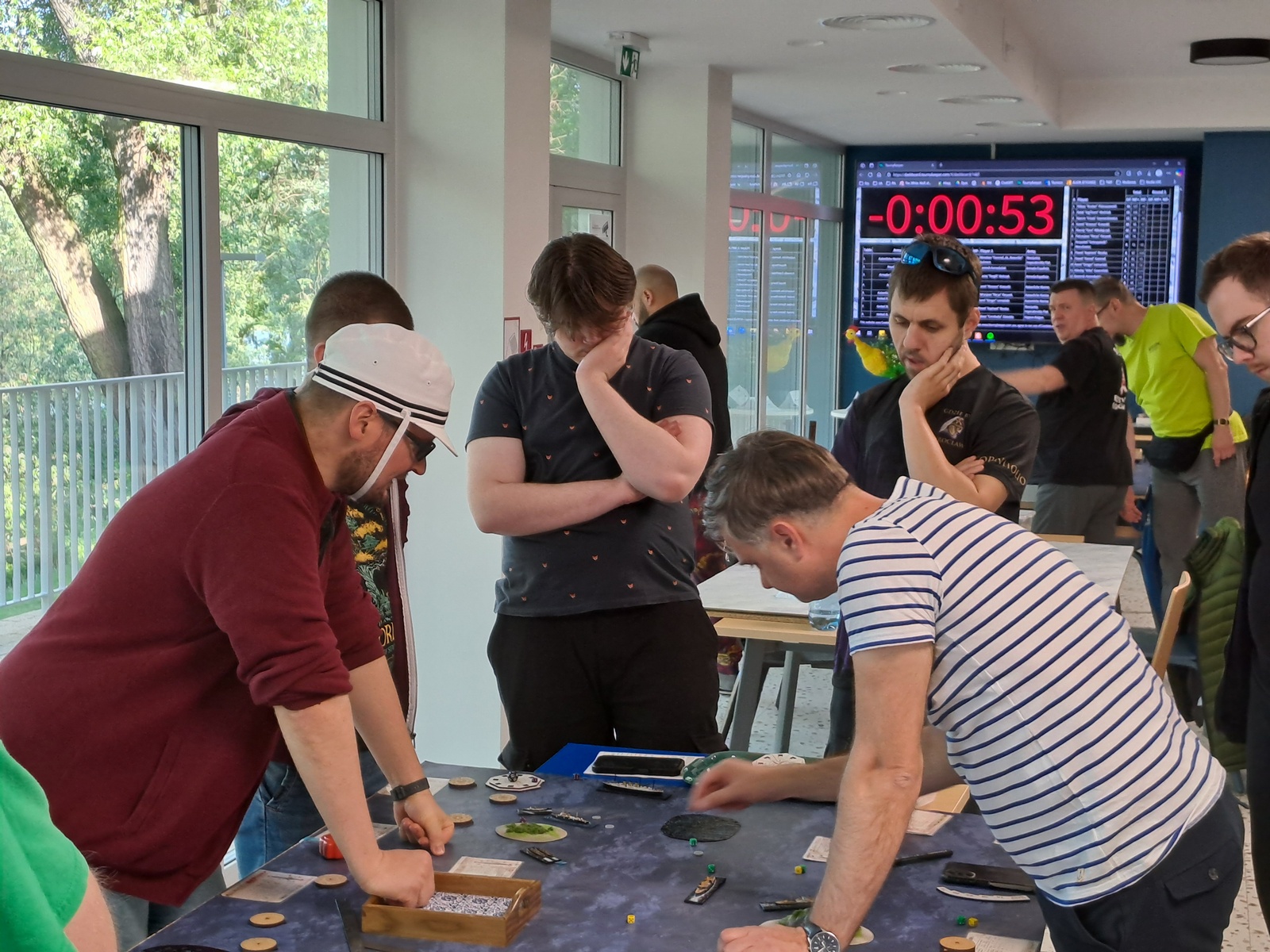
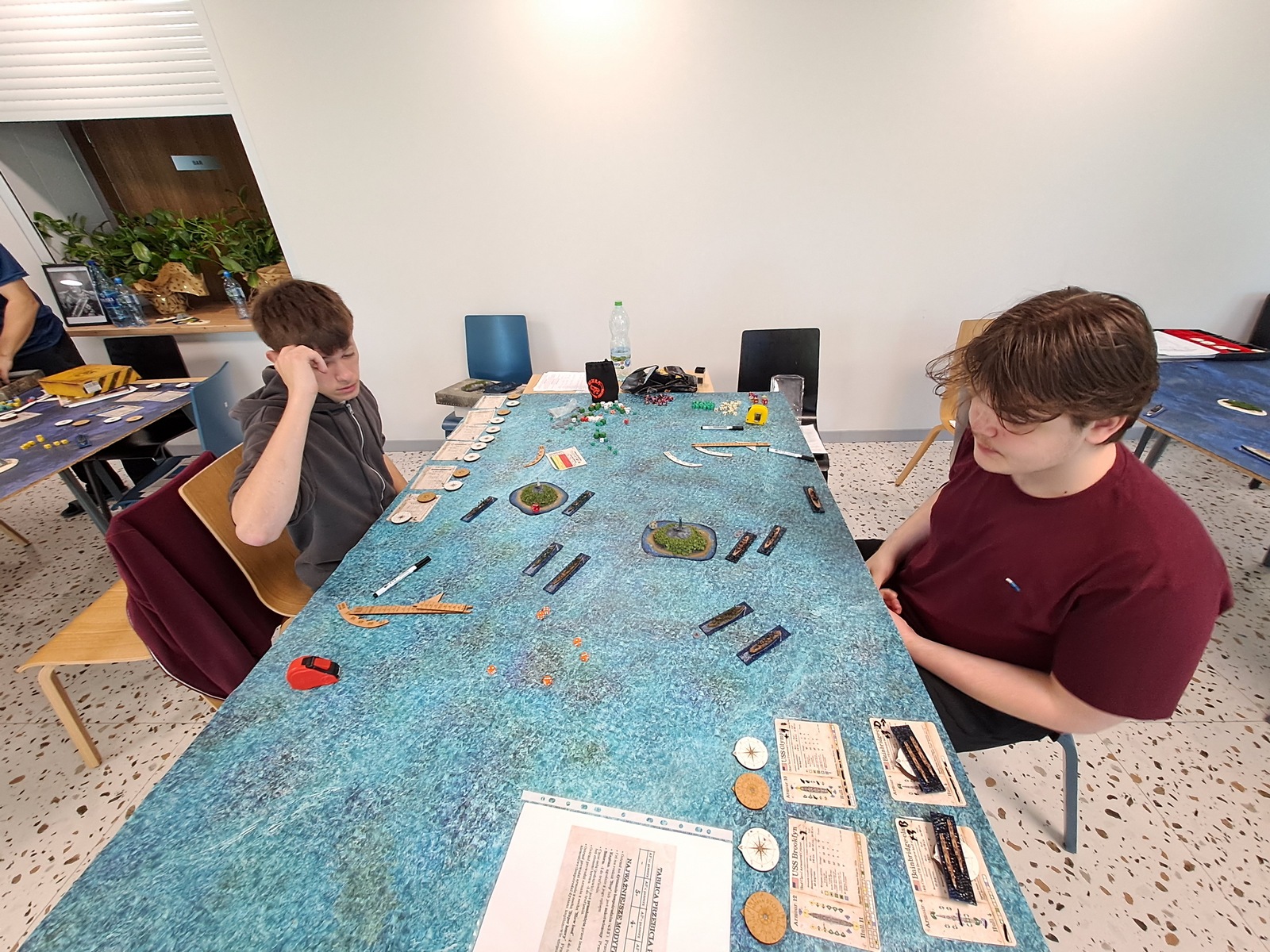
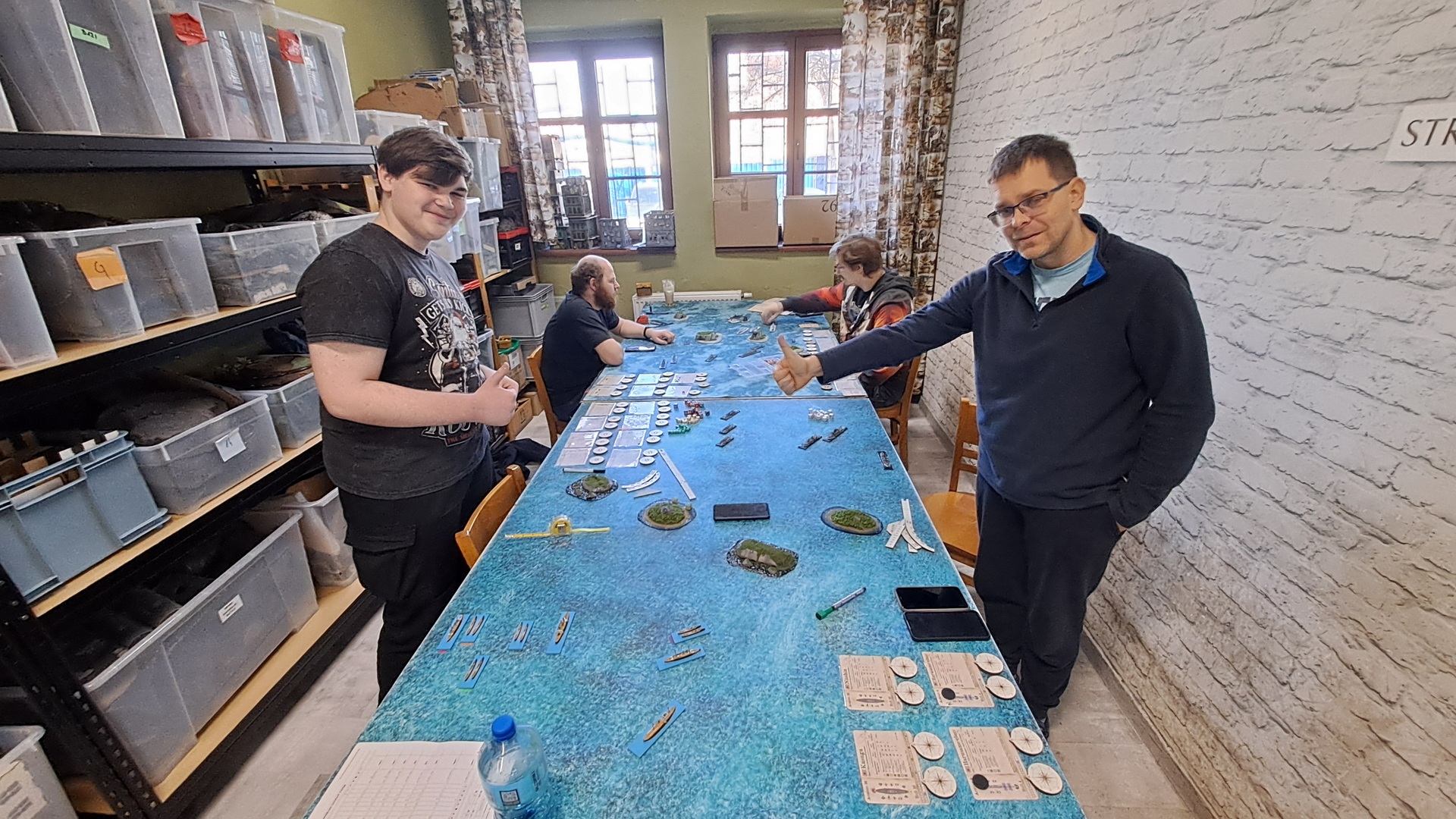
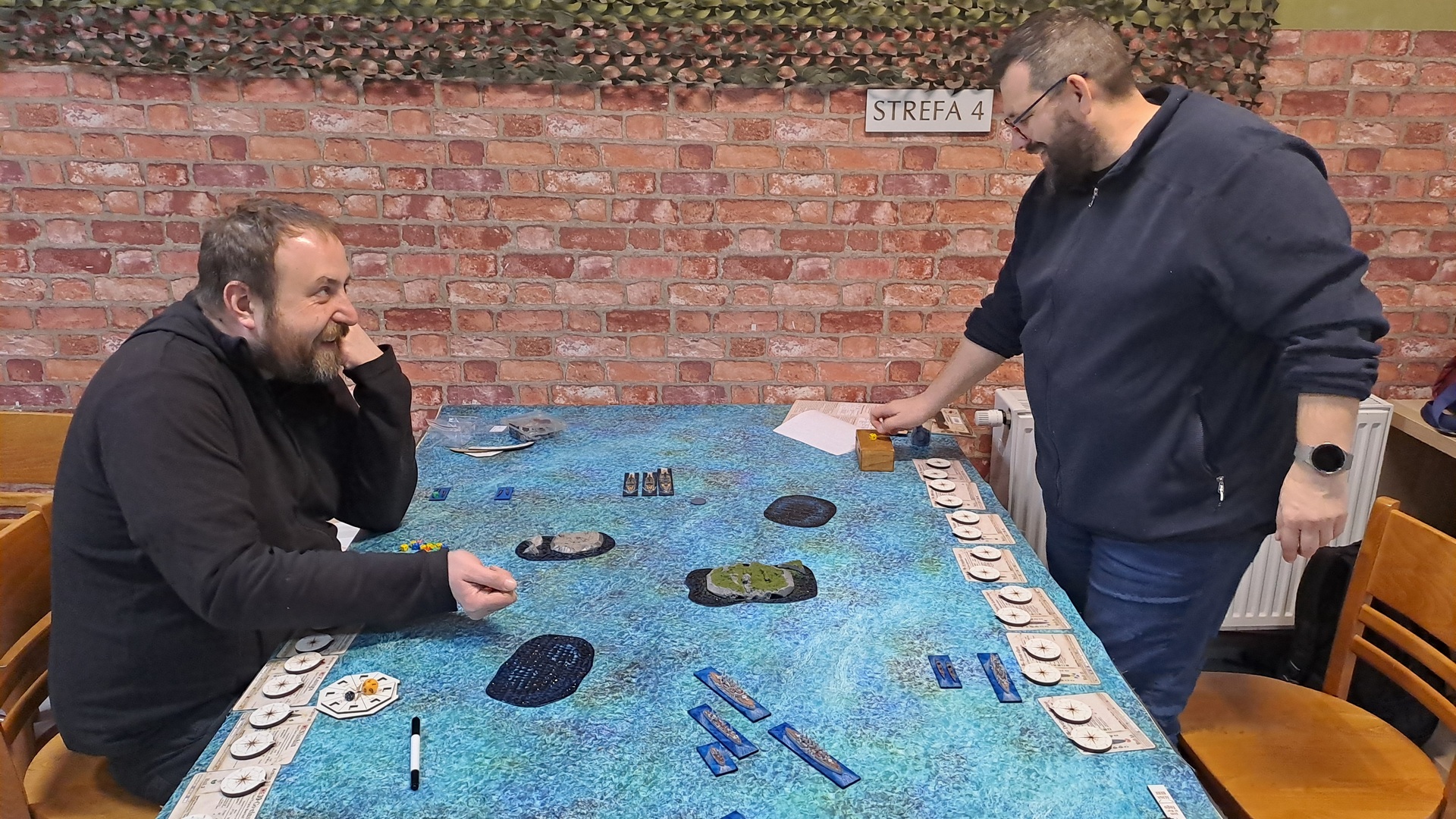
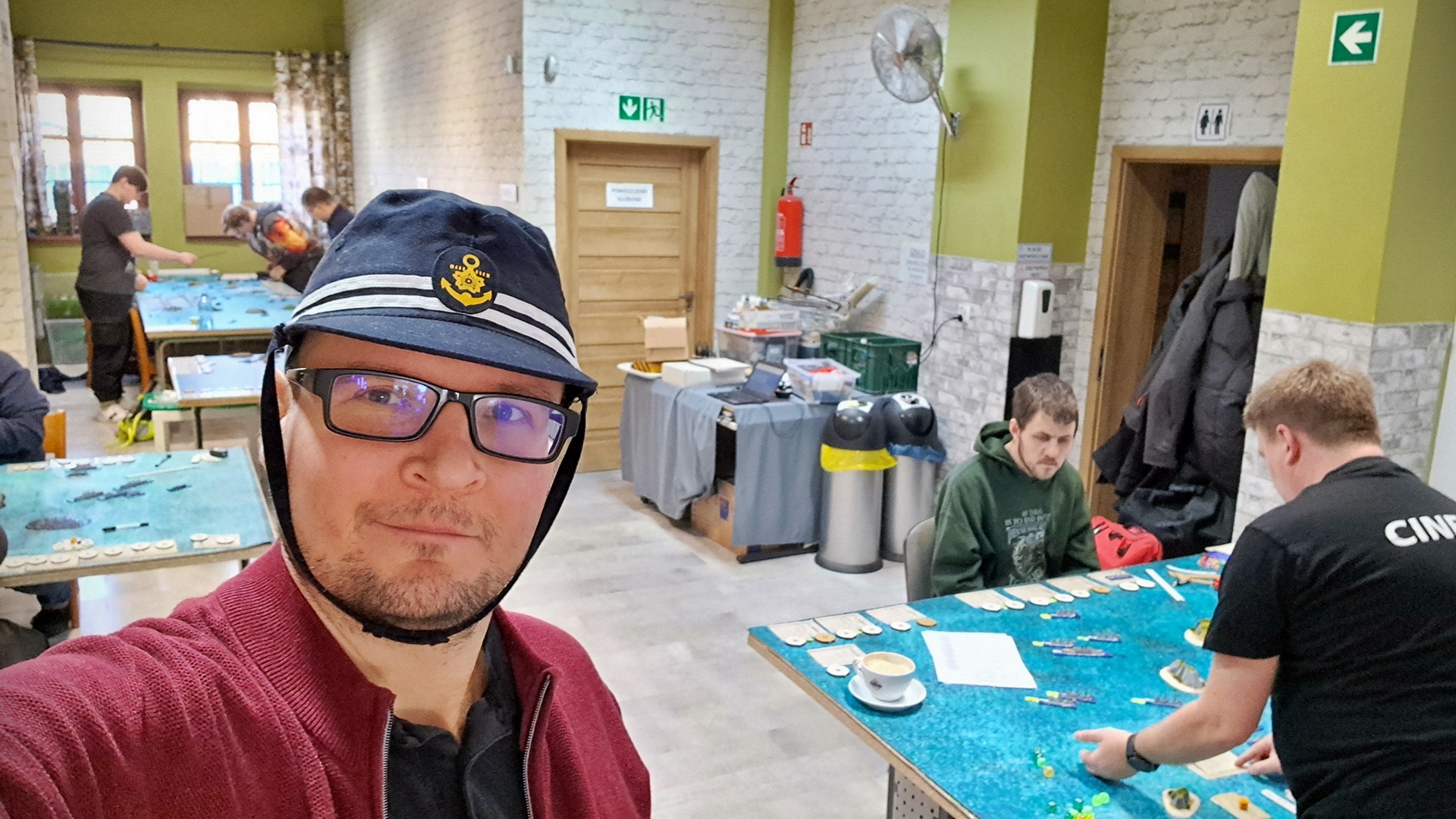
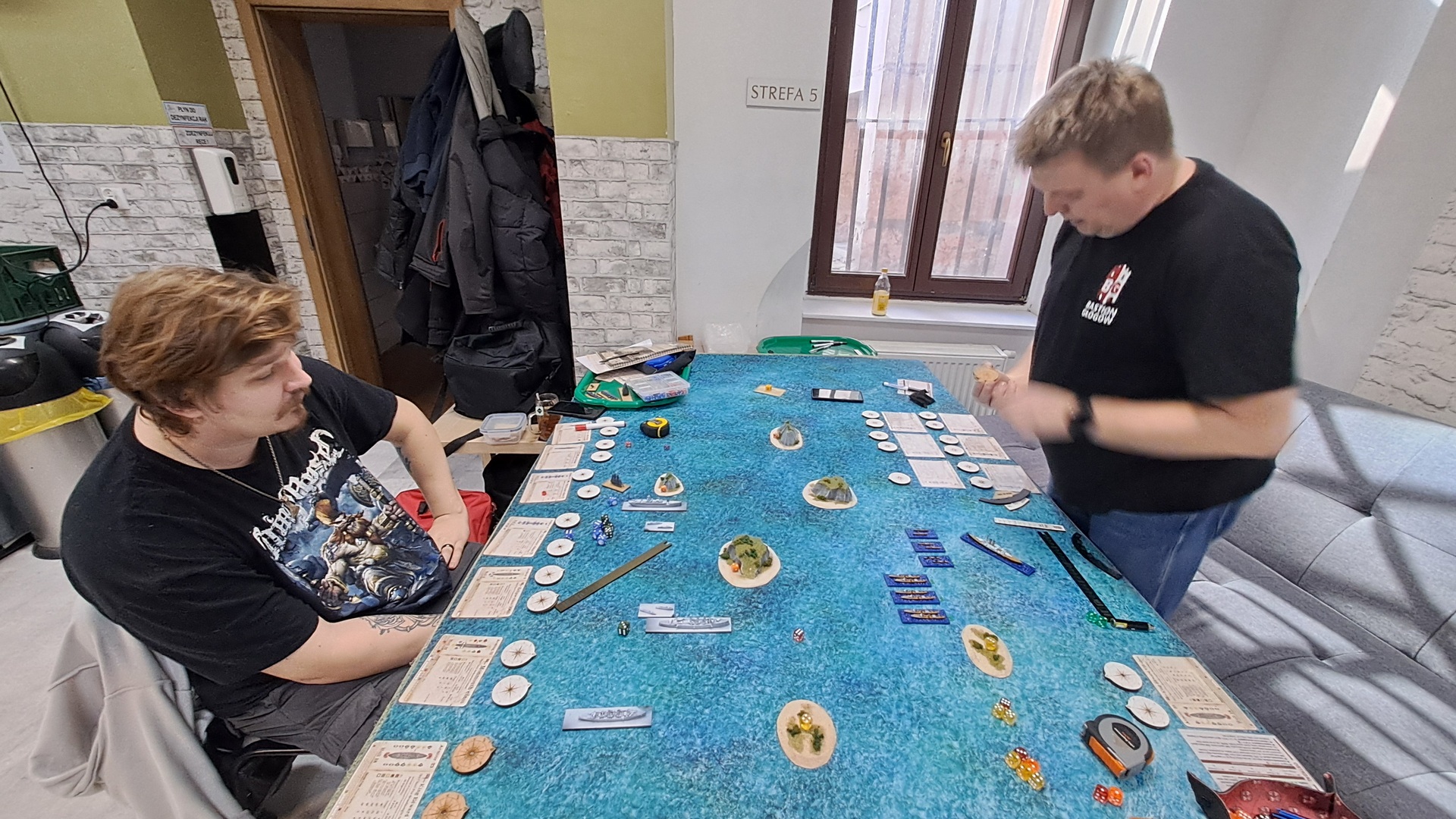
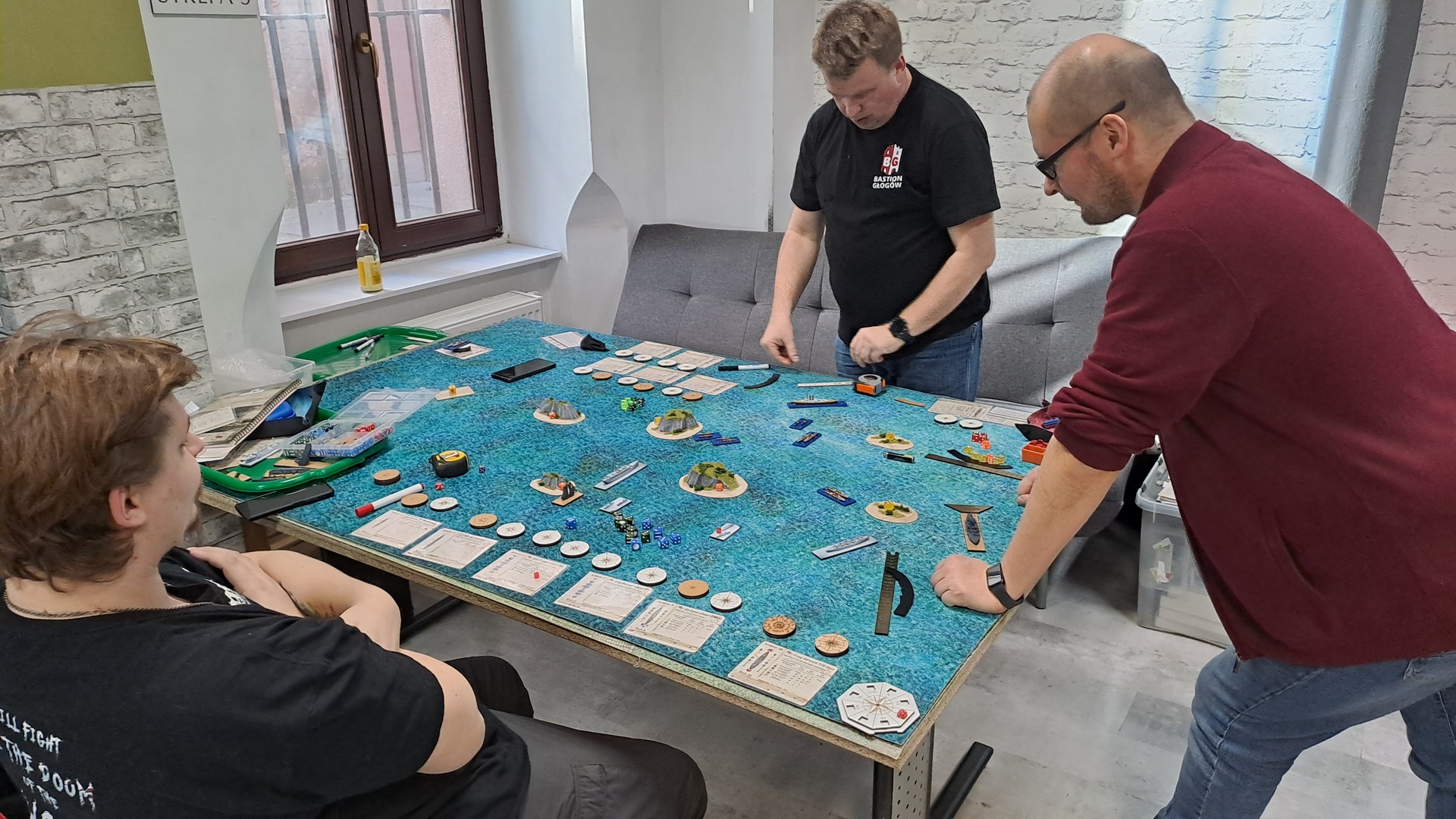
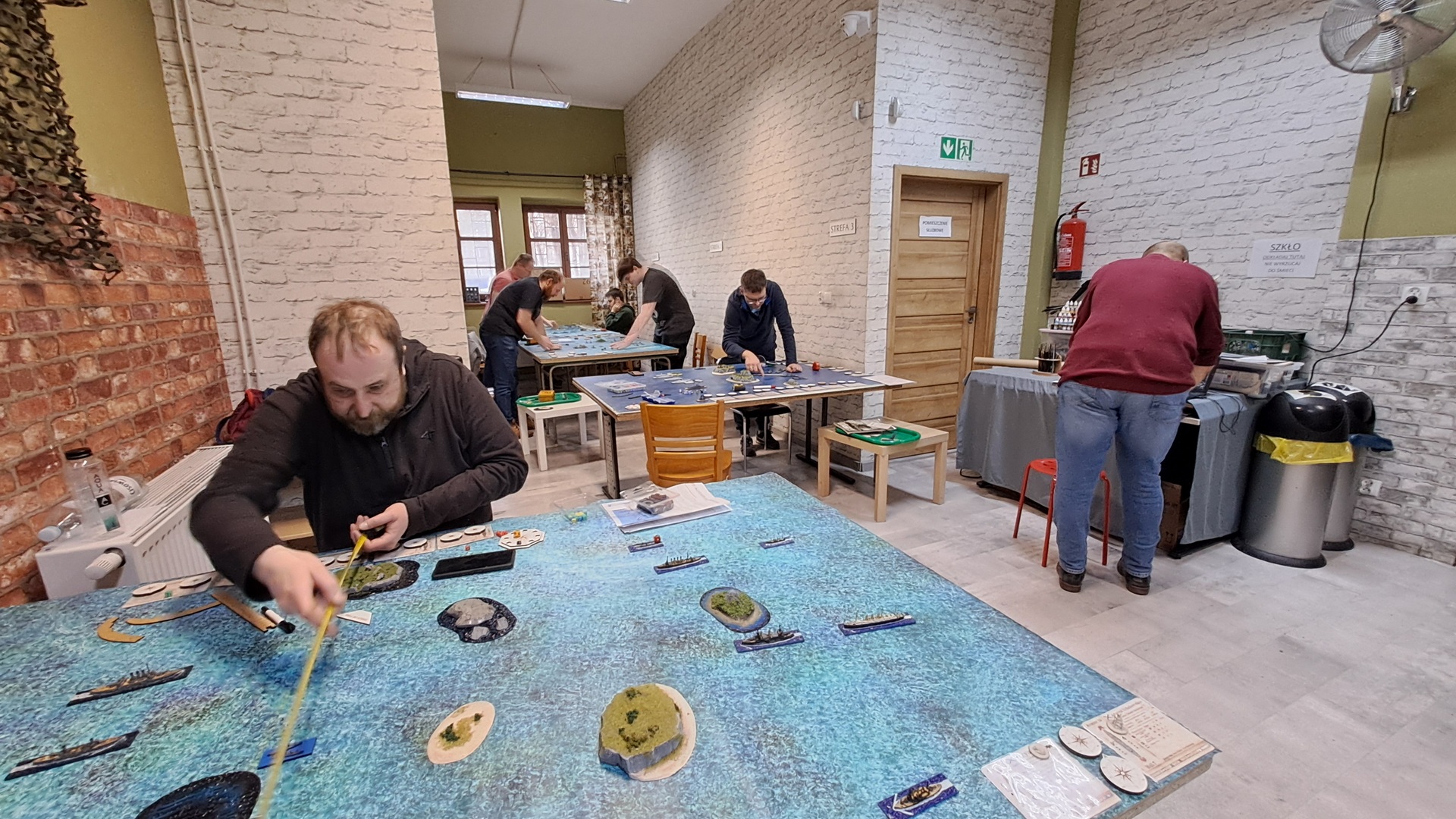
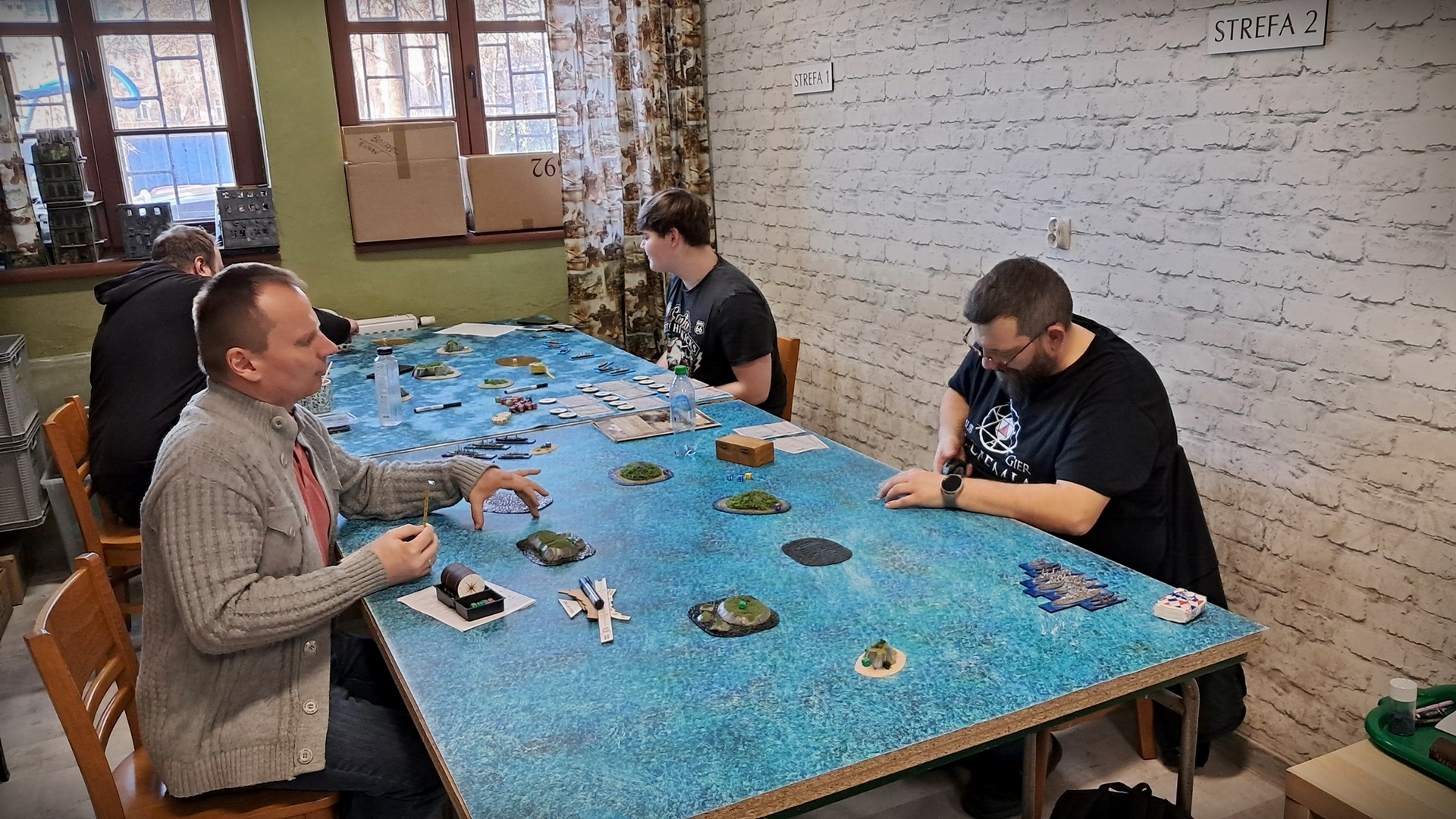
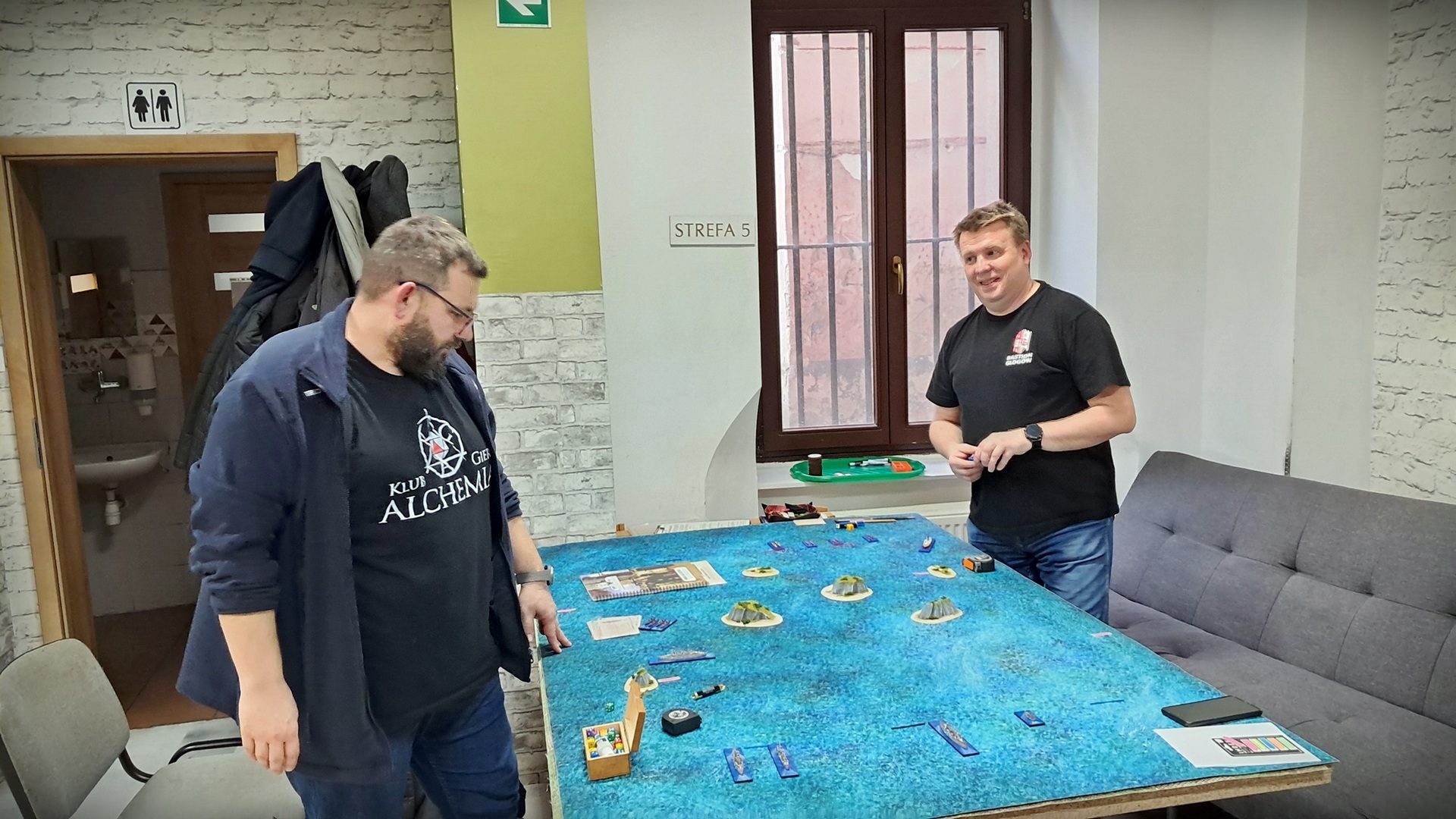
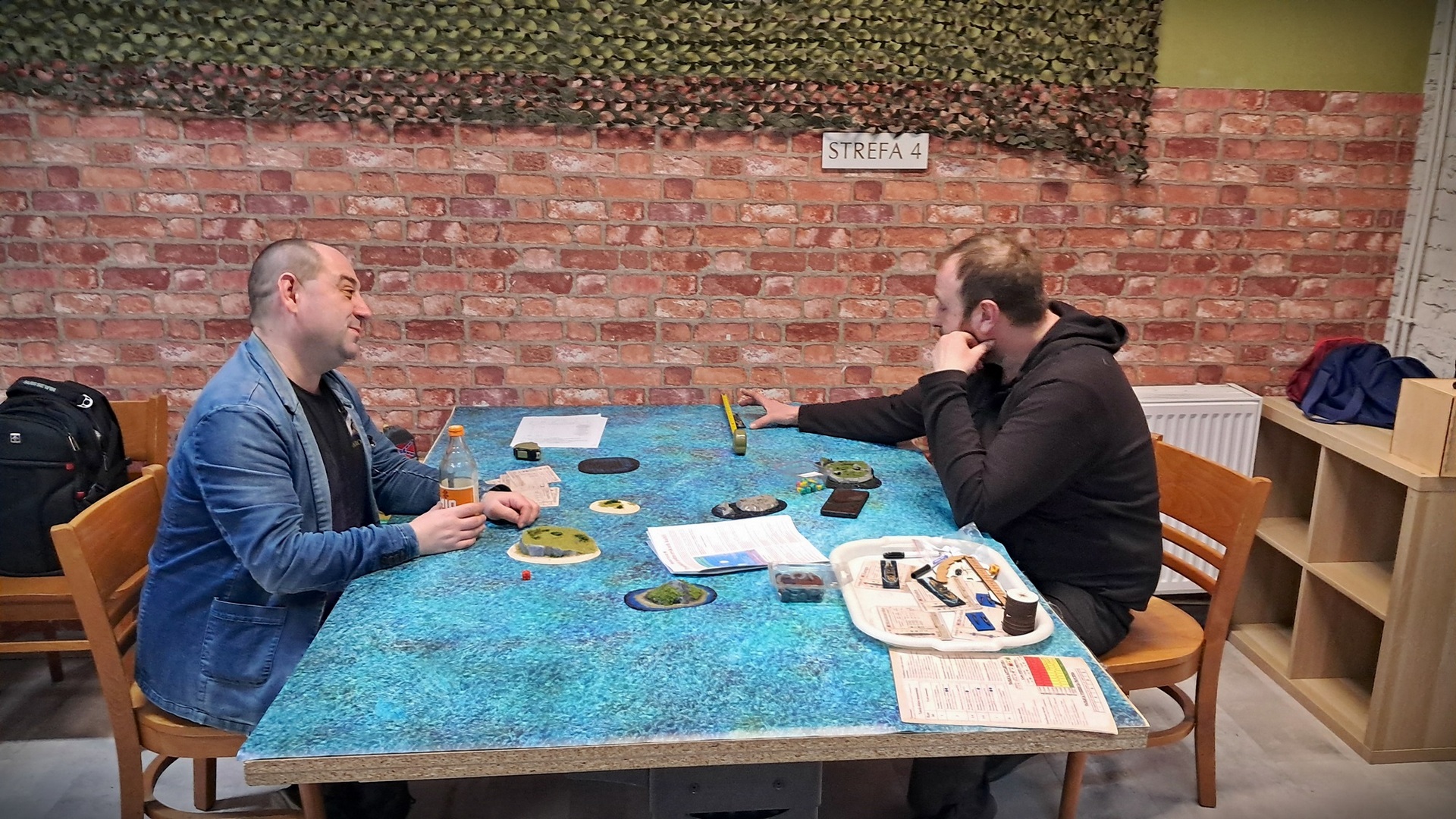
🇬🇧 Last Saturday, on February 22, 2025, another event took place in the capital of Lower Silesia – Wrocław: a tournament for Bogowie Wojny: Togo, organized by the creators of the system, GM Boardgames studio.
This time, we played with 2,000 points, which allowed for the appearance of battleships on the tables. During the tournament, whose event page is available HERE, each participant played three battles against opponents who traveled from Głogów, Kędzierzyn-Koźle, Sosnowiec, and Żerniki Wrocławskie.
The results and army lists can be viewed on Tournekeeper. The tournament was held at the Bolterin Wrocław, where most of the released fleets could be seen in action.
Below are some photos from the event.
🇵🇱 W ostatnią sobotę 22.02.2025 w stolicy Dolnego Śląska – Wrocławiu odbyło się kolejne wydarzenie w postaci turnieju w Bogów Wojny: Togo organizowane przez twórców tego systemu czyli studio GM Boardgames. Tym razem zagraliśmy na dwa tysiące punktów – dzięki czemu na stołach pojawiły się dna przykład pancerniki. W trakcie turnieju którego wydarzenie jest dostępne TUTAJ, każdy uczestnik rozegrał trzy potyczki z graczami, którzy dotarli do nas z Głogowa, Kędzierzyna Koźla, Sosnowca i Żernik Wrocławskich. Wyniki oraz rozpiski można podejrzeć na Tournekeeper. Turniej odbywał się we wrocławskim klubie Bolter i można było na nim spotkać większość wydanych do tej pory flot.
Poniżej trochę zdjęć z wydarzenia.
Zdjęcie od GM Boardgames. A photo from GM Boardgames.Zdjęcie od GM Boardgames. A photo from GM Boardgames.Zdjęcie od GM Boardgames. A photo from GM Boardgames.Zdjęcie od GM Boardgames. A photo from GM Boardgames.Zdjęcie od GM Boardgames. A photo from GM Boardgames.Zdjęcie od GM Boardgames. A photo from GM Boardgames.Zdjęcie od GM Boardgames. A photo from GM Boardgames.Zdjęcie od GM Boardgames. A photo from GM Boardgames.Zdjęcie od GM Boardgames. A photo from GM Boardgames.Zdjęcie od GM Boardgames. A photo from GM Boardgames.Zdjęcie od GM Boardgames. A photo from GM Boardgames.Zdjęcie od GM Boardgames. A photo from GM Boardgames.Zdjęcie od GM Boardgames. A photo from GM Boardgames.Zdjęcie od GM Boardgames. A photo from GM Boardgames.Zdjęcie od GM Boardgames. A photo from GM Boardgames.Zdjęcie od GM Boardgames. A photo from GM Boardgames.Zdjęcie od GM Boardgames. A photo from GM Boardgames.Zdjęcie od GM Boardgames. A photo from GM Boardgames.Zdjęcie od GM Boardgames. A photo from GM Boardgames.Zdjęcie od GM Boardgames. A photo from GM Boardgames.Zdjęcie od GM Boardgames. A photo from GM Boardgames.Zdjęcie od GM Boardgames. A photo from GM Boardgames.Zdjęcie od Aspirant. Photo from Aspirant.Zdjęcie od Aspirant. Photo from Aspirant.Zdjęcie od Aspirant. Photo from Aspirant.Zdjęcie od Aspirant. Photo from Aspirant.Zdjęcie od GM Boardgames. A photo from GM Boardgames.Zdjęcie od GM Boardgames. A photo from GM Boardgames.Zdjęcie od GM Boardgames. A photo from GM Boardgames.Zdjęcie od GM Boardgames. A photo from GM Boardgames.
Summary: – A great tournament with wonderful company—definitely looking forward to the next one! – And here’s a preview of upcoming releases from the publishers: http://www.gmboardgames.com/blog/en/starters-squadrons-and-new-ship-releases/ – personally, I’m eagerly waiting for the armored cruisers for my Imperial Russian fleet!









































































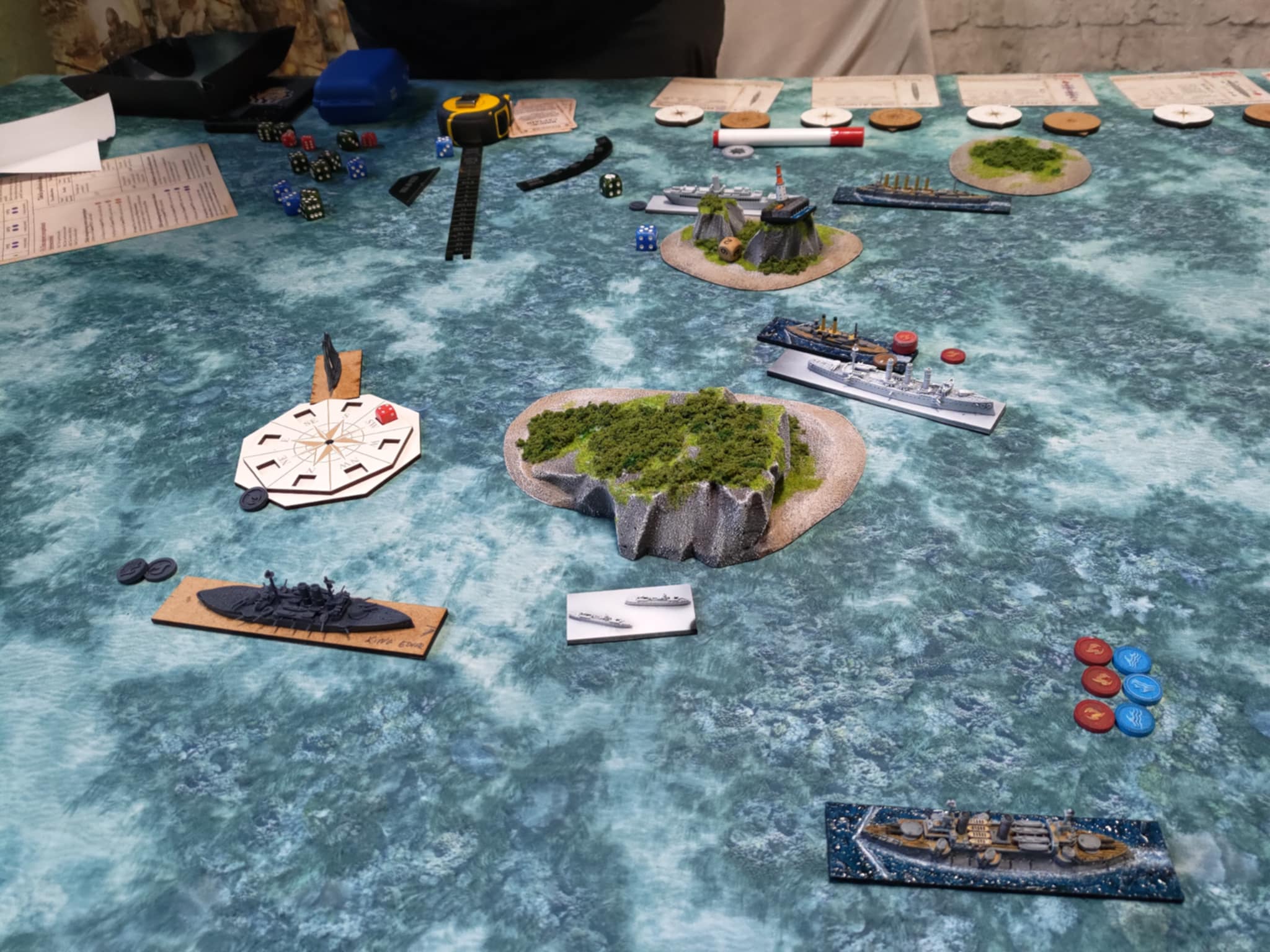


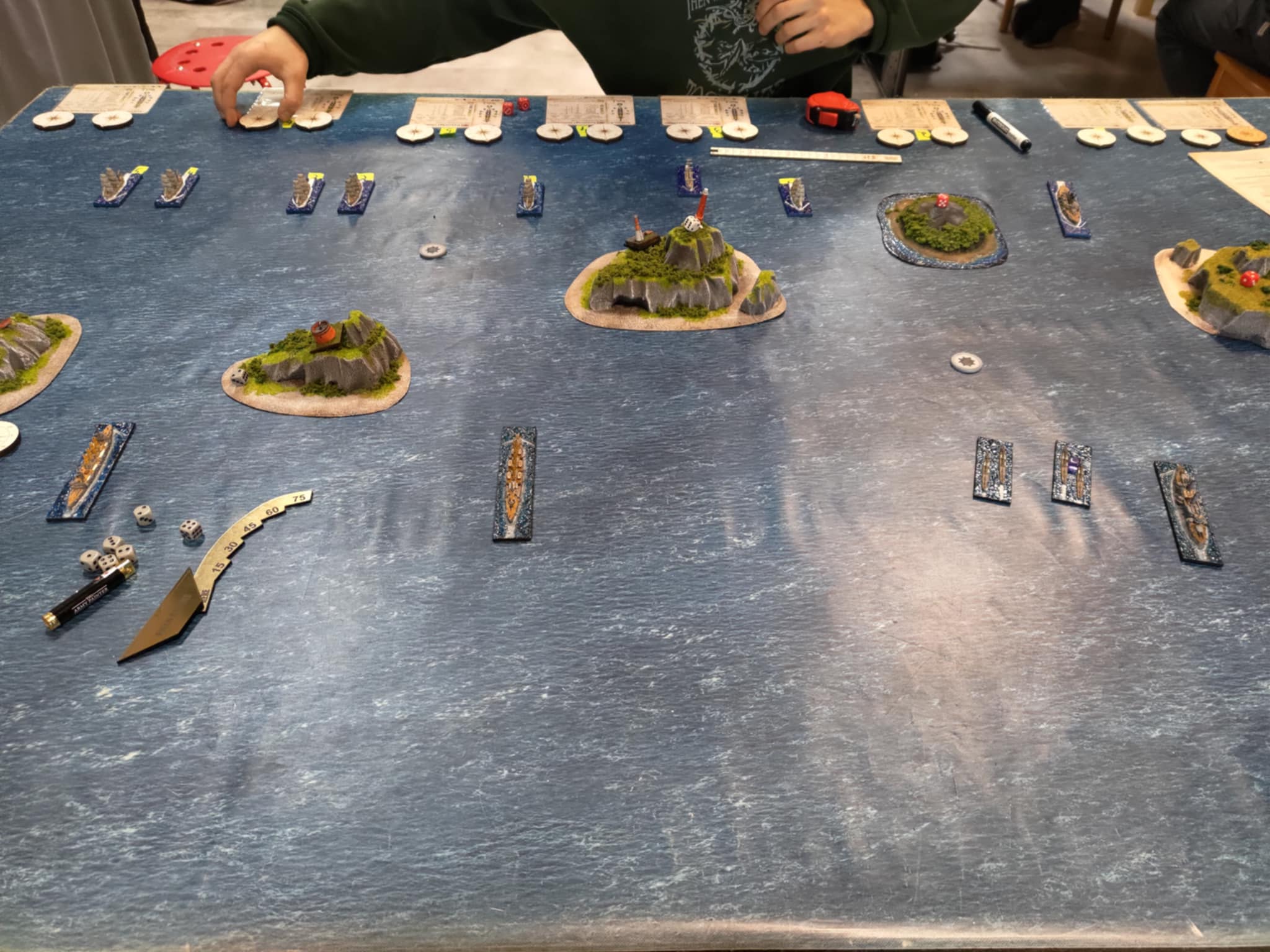


 tancreddebeauville
 Tancred’s Tabletop Tales