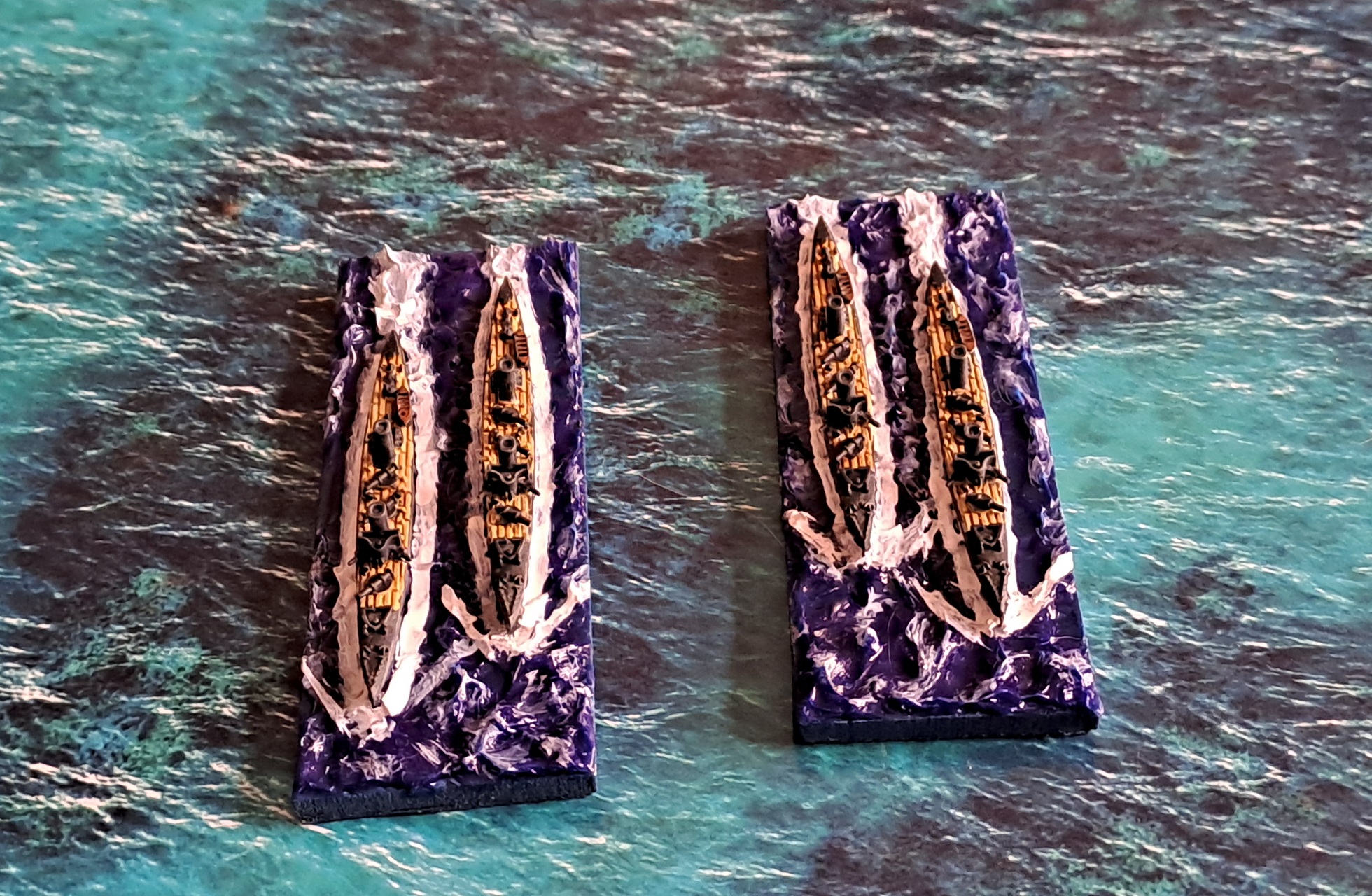
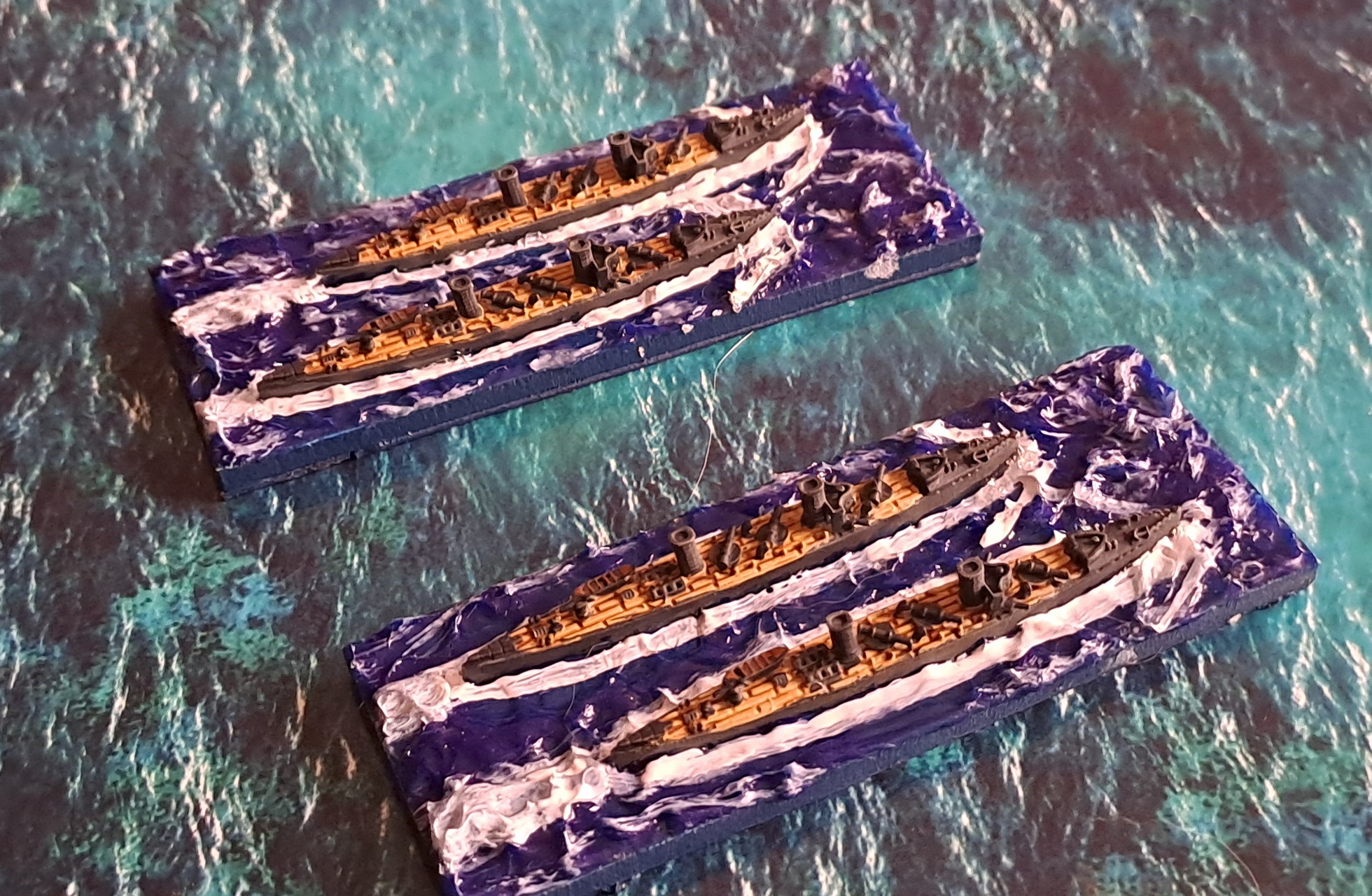
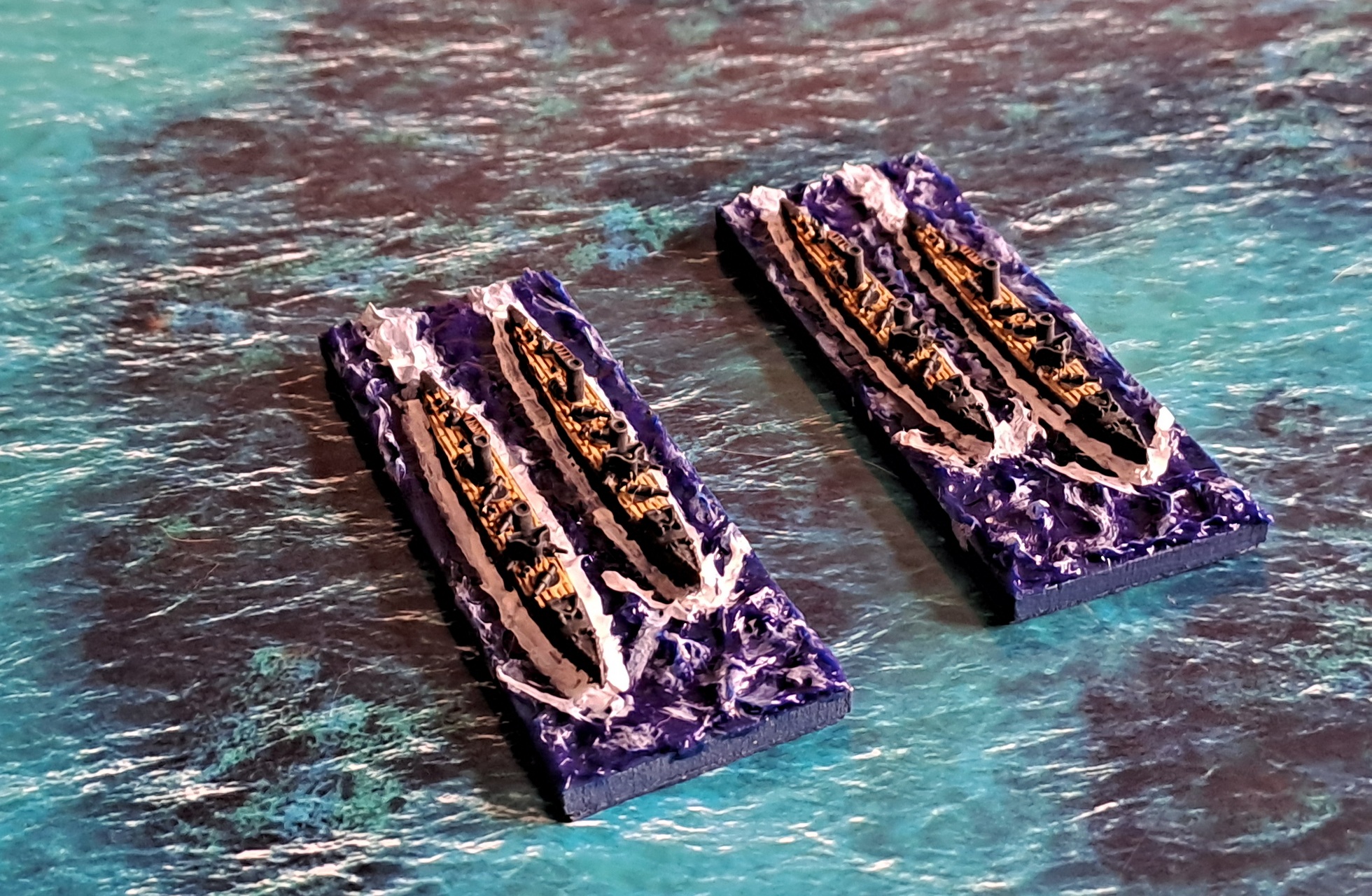
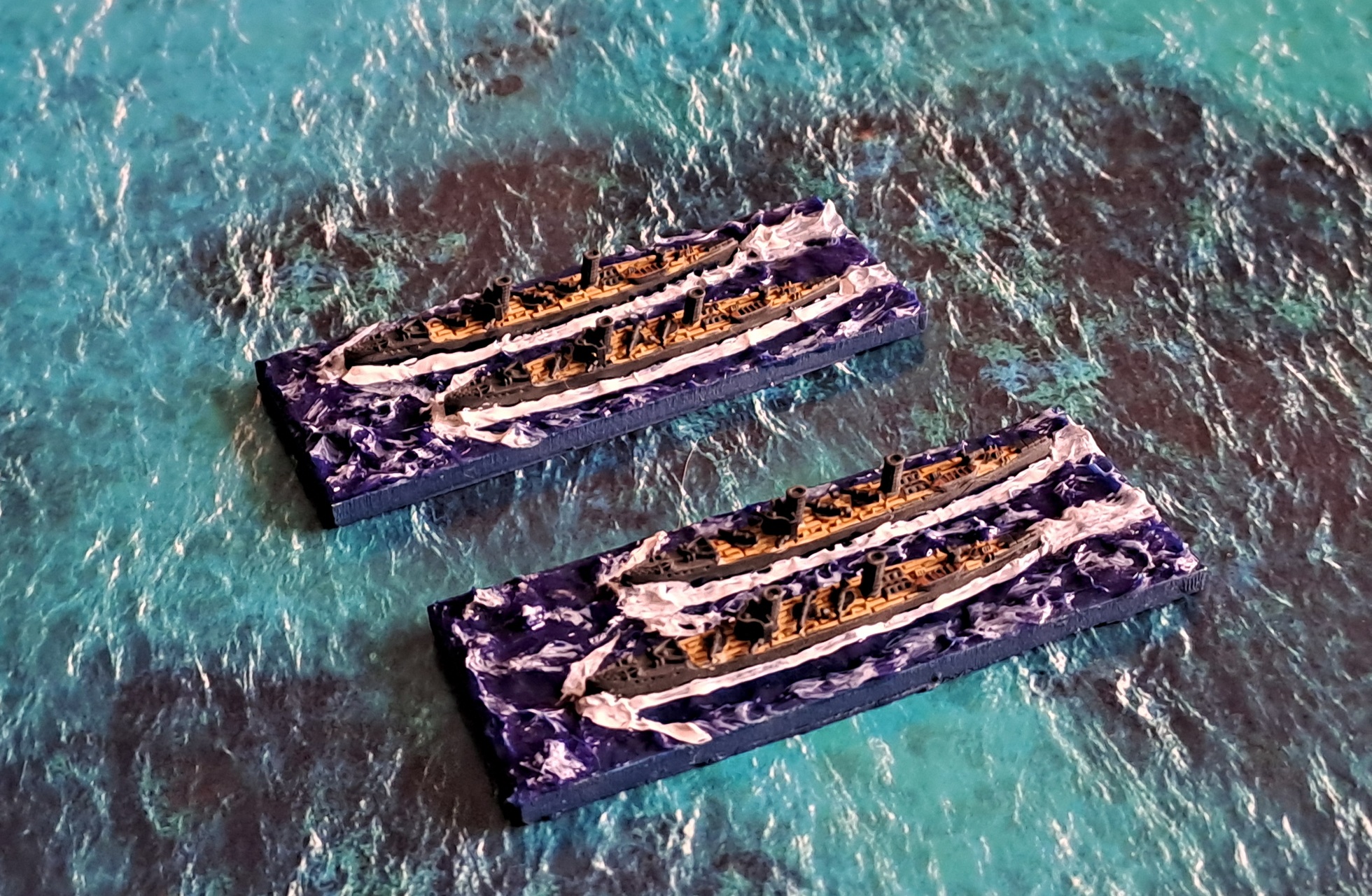
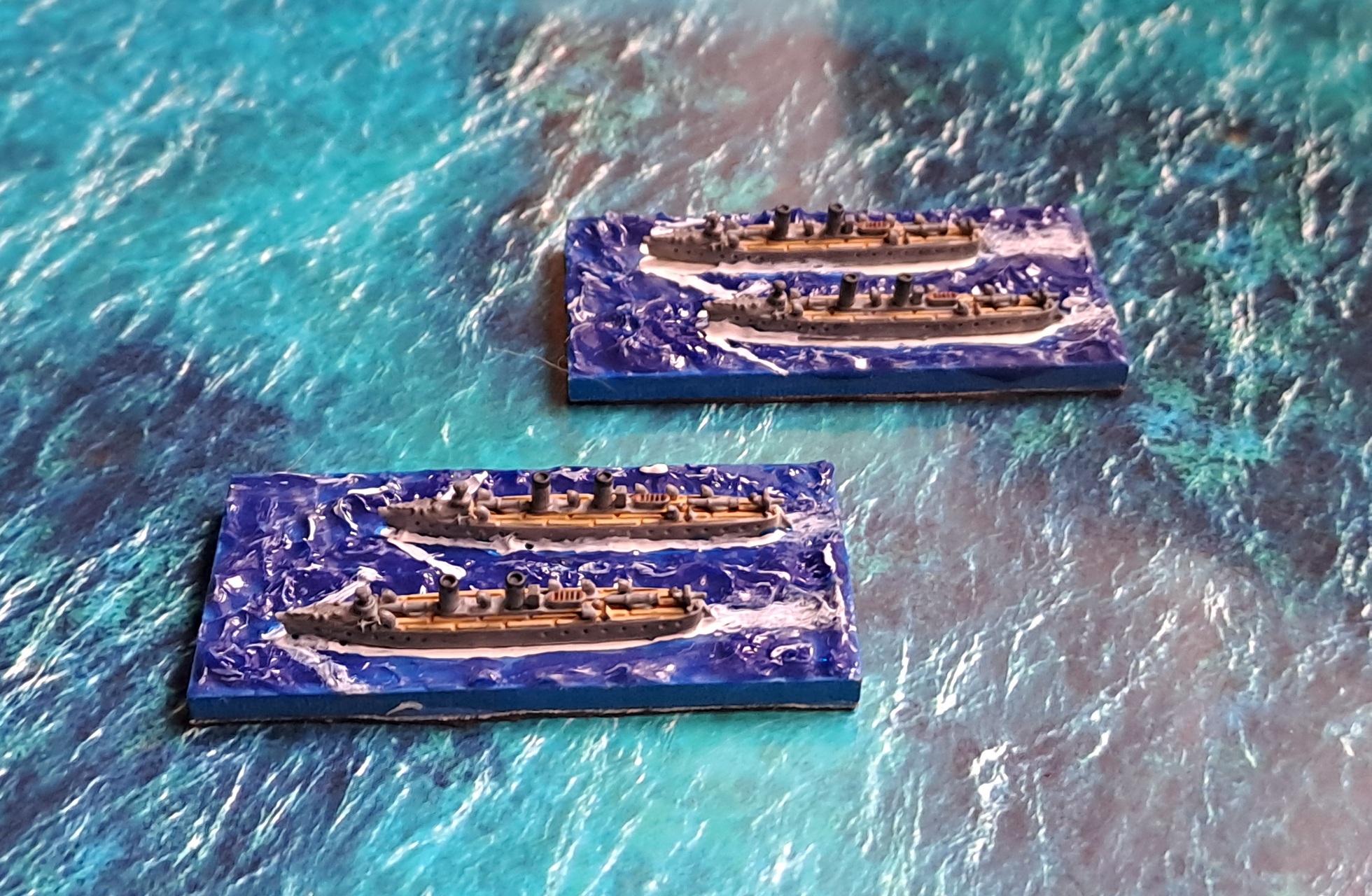
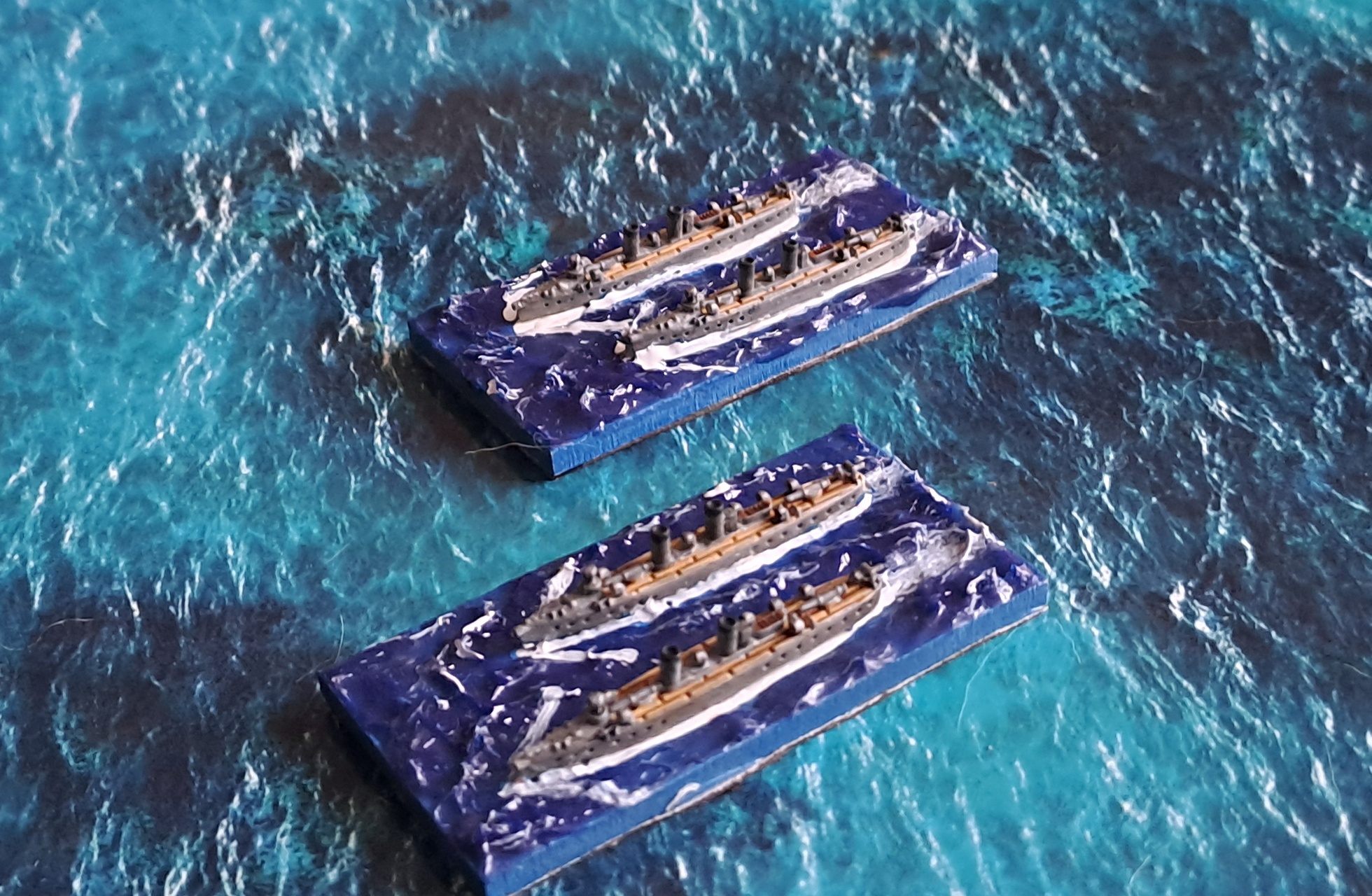
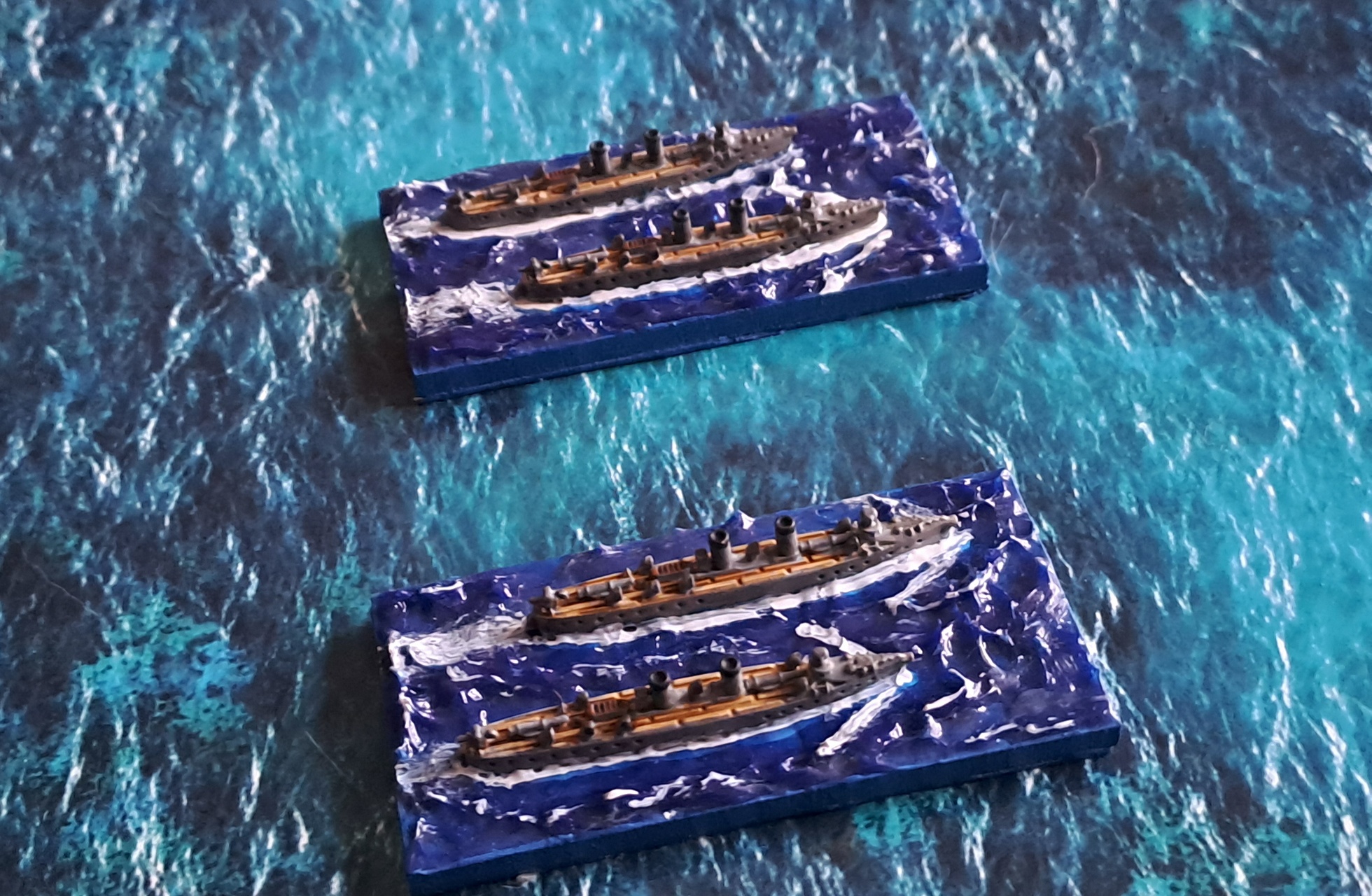
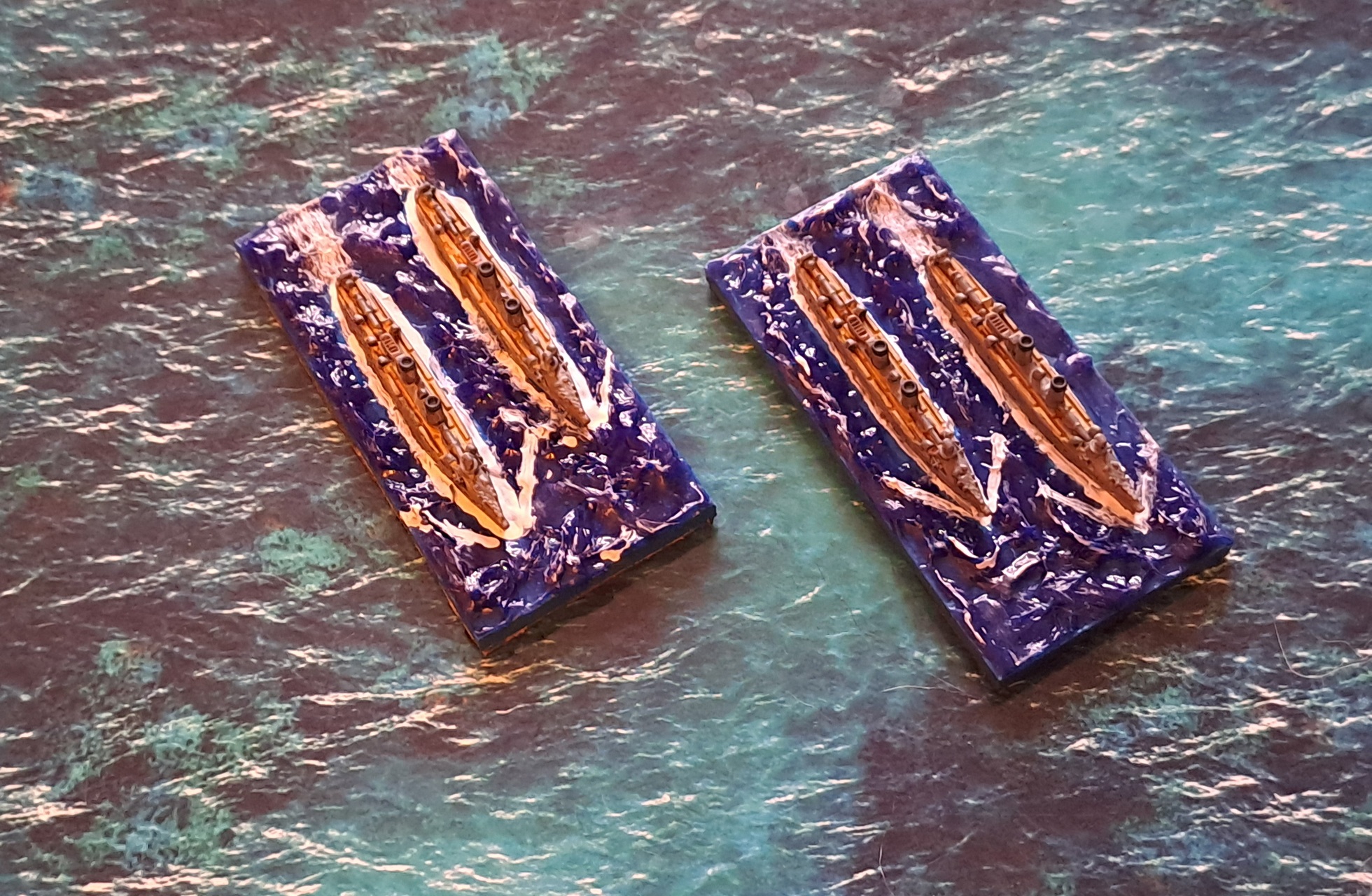
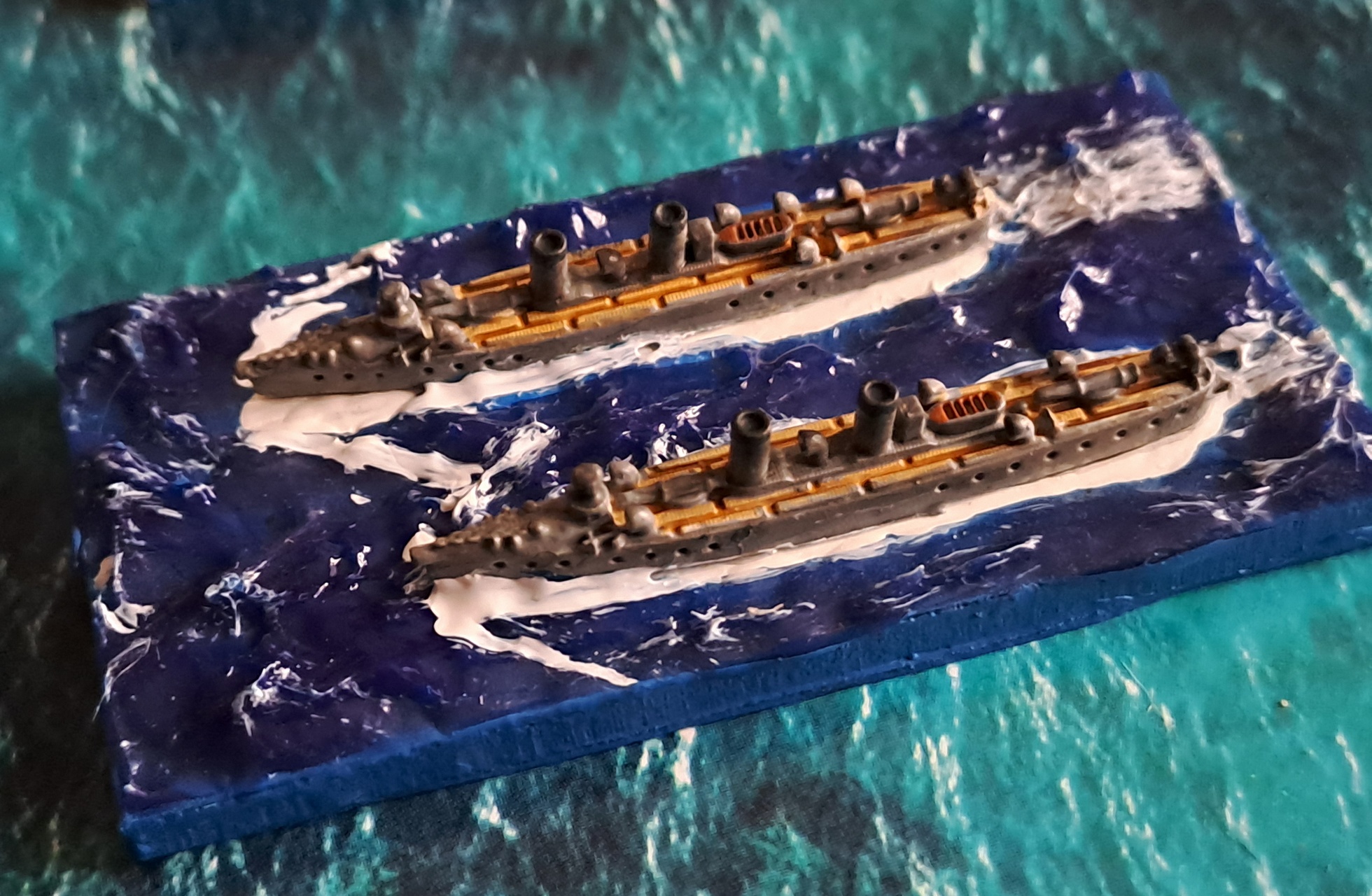
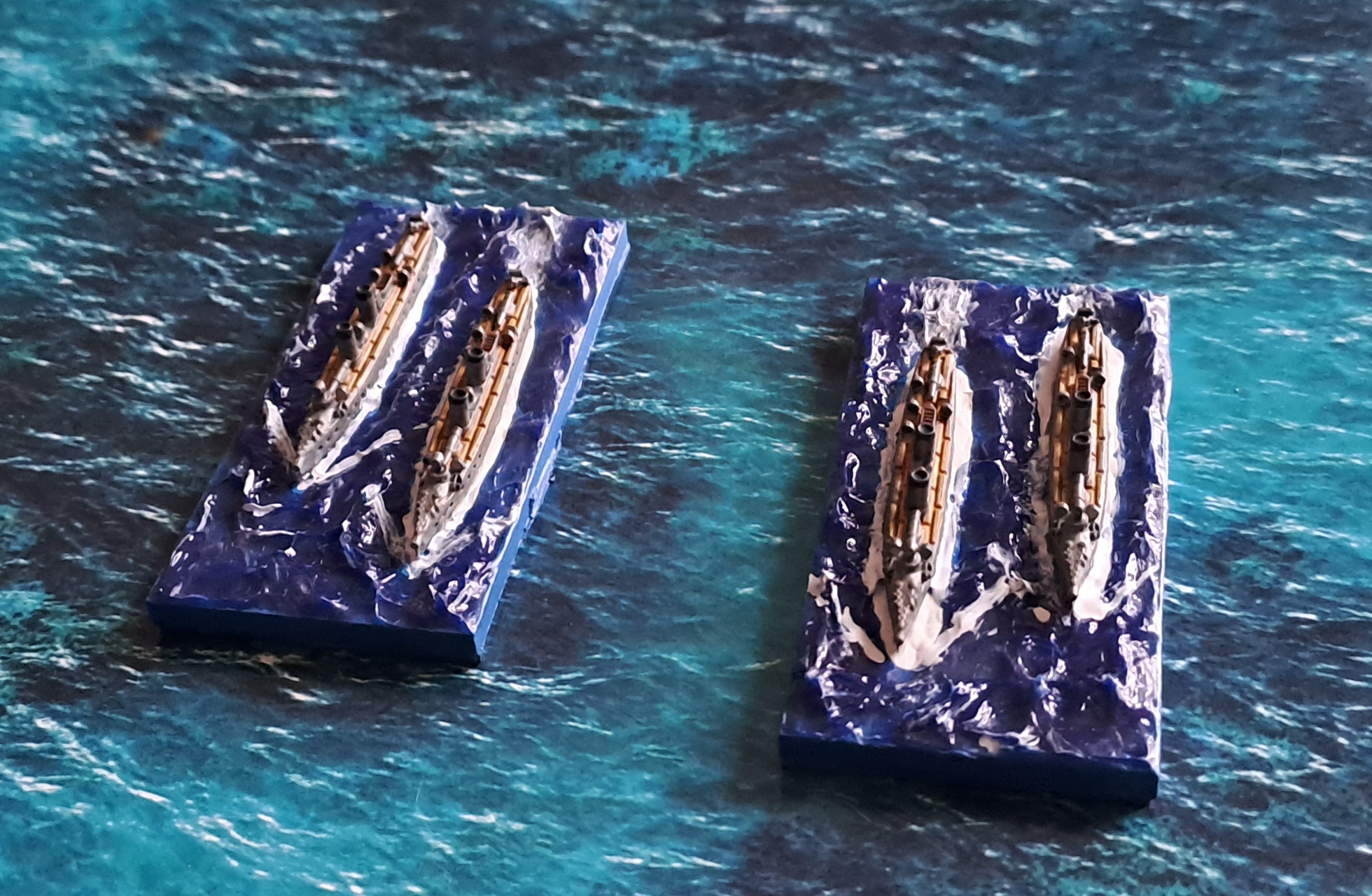
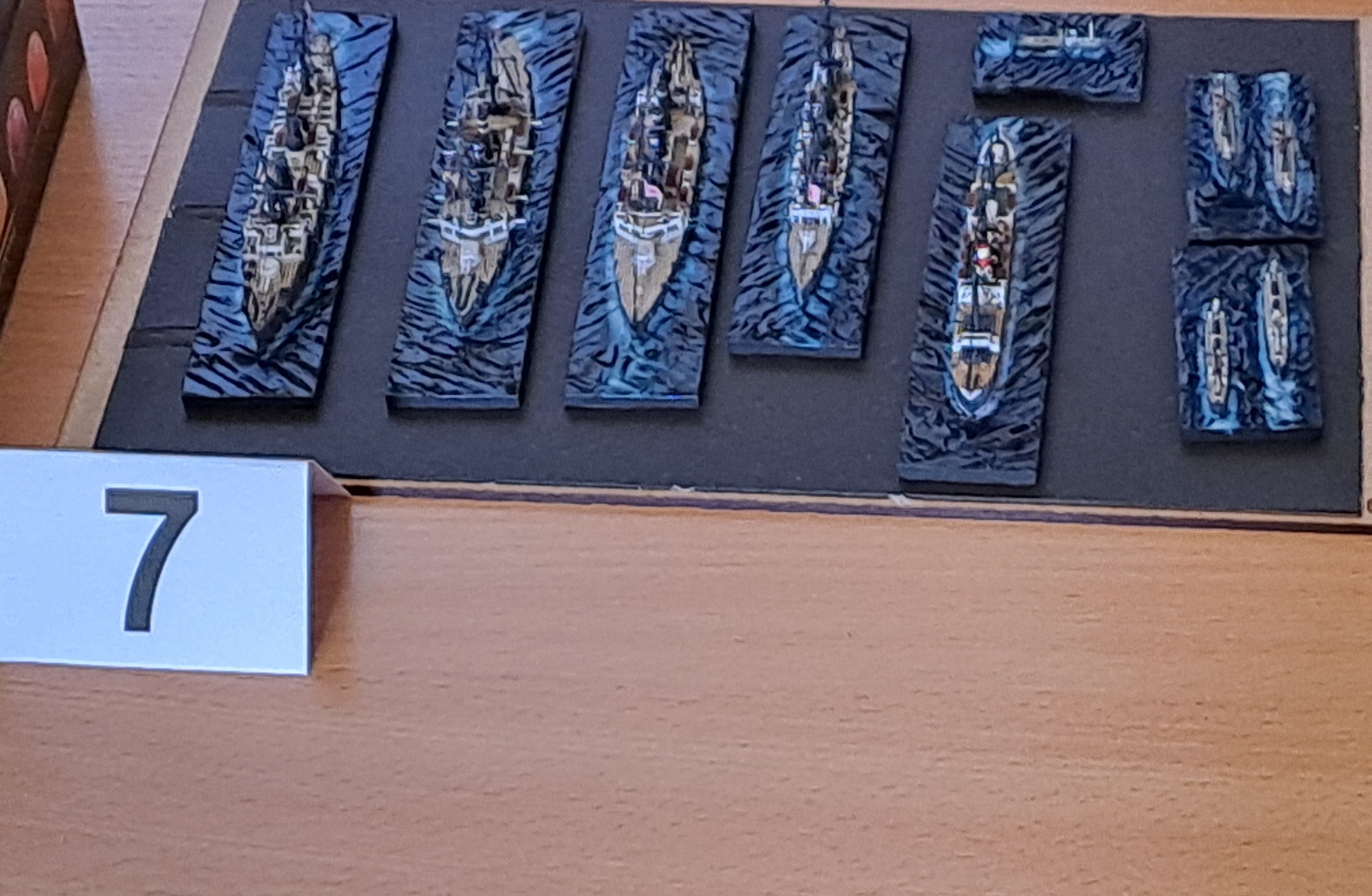
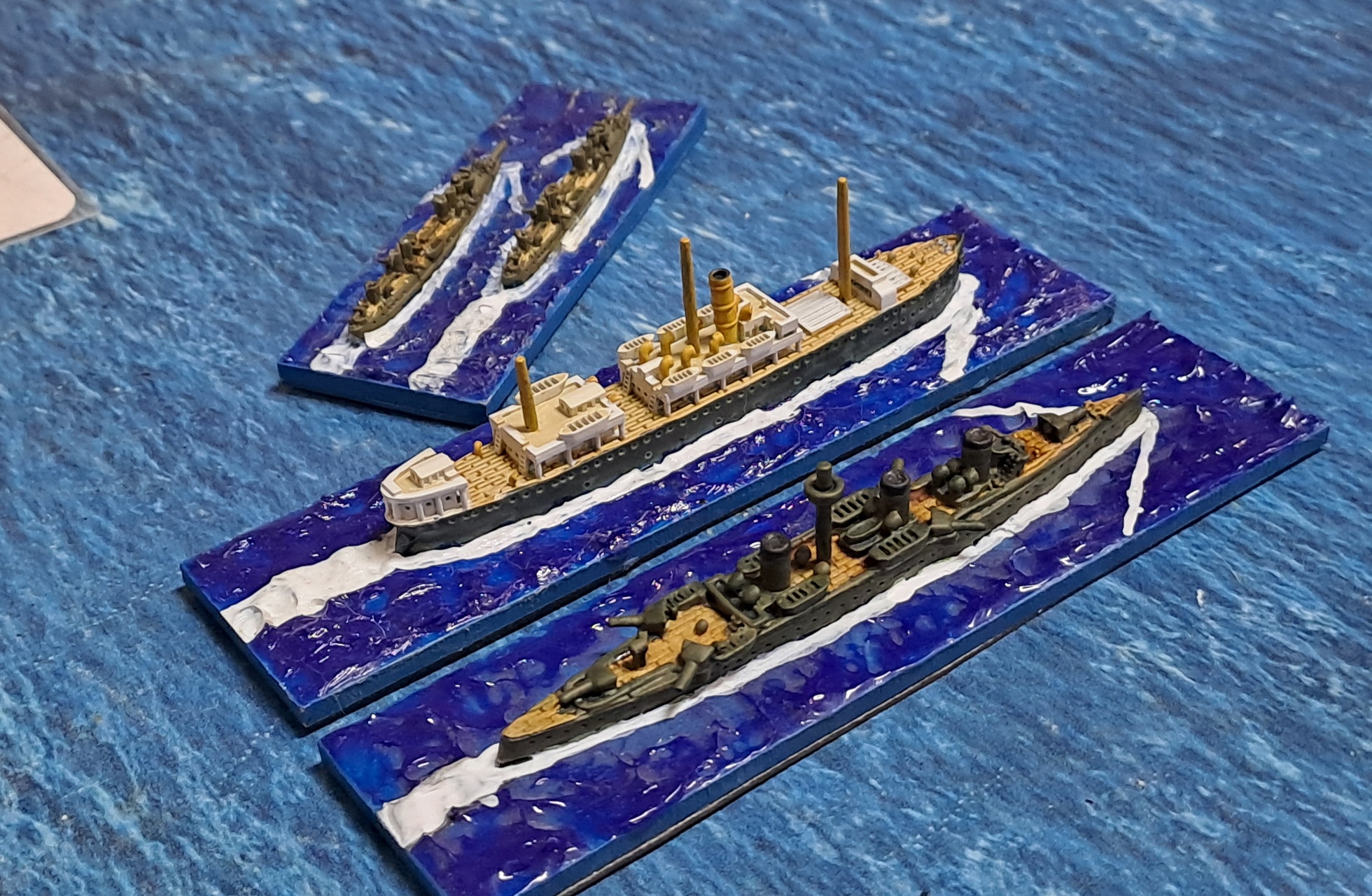
🇬🇧 Today I managed to finish S90/G135 torpedo boat division – for the Kaiserliche Marine, the fleet of the German Empire at the turn of the 19th and 20th centuries. So I’m ready to fight Cornholio and his Marine Nationale. ⚓
Although the Germans classified them as torpedo boats, the S90 class ships, displacing around 400 tons, were more akin to contemporary destroyers than torpedo boats. Their design and development were closely tied to one of the primary tactical doctrines of the German Imperial Navy. Due to the Royal Navy’s superiority in the number of battleships and cruisers, the Germans planned their fast torpedo vessels to work closely with the main fleet forces and, at the opportune moment, launch a torpedo attack on enemy battleships or other large vessels. Therefore, their primary role was not reconnaissance or engaging other torpedo boats, but executing torpedo attacks against larger ships during battle. The S90 class was designed with this philosophy in mind. Their artillery armament was relatively weak (for ships of their size), but they were equipped with very powerful torpedo armament.
These ships were mainly built by the Schichau shipyard in Elbląg (36 vessels) and Germaniawerft in Kiel (12 vessels). They were designated with the letters of the shipyards where they were built (S or G). As the shipyards constructed additional ships, they introduced numerous changes, including variations in the size of the ships themselves. For example, the G135 series had slightly stronger artillery armament.
The first ship of this class, S90, participated in the defence of Tsingtao in 1914, where it sank the Japanese cruiser Takachiho with its torpedoes.
🇵🇱 Dziś udało mi się ukończyć dywizjon torpedowcówS90/G135 do Kaiserliche Marine – floty Cesarstwa Niemieckiego z przełomu XIX i XX wieku. Teraz jestem gotów by z Cornholio rozegrać starcie z jego Marine Nationale. ⚓
Choć Niemcy klasyfikowali je jako torpedowce, to wypierające około 400 ton, okręty typu S90, były odpowiednikami ówczesnych niszczycieli, niż torpedowców. Ich powstanie i kształt wiąże się z jednym z głównych założeń taktycznych niemieckiej Cesarskiej Marynarki Wojennej. Z uwagi na przewagę Royal Navy w liczbie pancerników, czy krążowników, Niemcy – aby wyrównać szanse – zakładali, iż ich szybkiej jednostki torpedowe będą blisko współpracować z głównymi siłami floty i w odpowiednim momencie wykonają atak na pancerniki, czy inne większe jednostki przeciwnika. Ich głównym zadaniem nie było zatem wykonywanie zwiadu, walka z innymi torpedowcami, lecz atak torpedowy przeciwko dużym jednostkom w trakcie bitwy. S90 zostały zatem zaprojektowane zgodnie z tą właśnie filozofią. Ich uzbrojenie artyleryjskie było relatywnie słabe (jak na jednostki tej wielkości), za to posiadały bardzo silne uzbrojenie torpedowe – ich główną broń.
Okręty tego typu zbudowała głównie stocznia Schichau w Elblągu (36 jednostek) oraz Germaniawerft w Kilonii (12 jednostek). Oznaczono je literami stoczni, w których zostały zbudowane (S lub G). Stocznie te w trakcie budowy kolejnych okrętów, wprowadzały do nich liczne zmiany, w tym w rozmiarach samych jednostek. Np. seria G135 miała nieco silniejsze uzbrojenie artyleryjskie.
Pierwsza z jednostek tego typu – S90 w 1914 roku wzięła udział w obronie Tsingtao, w trakcie której za pomocą swoich torped zatopiła japoński krążownik Takachiho.
🇬🇧 Summary: – Another set of torpedo boats which, despite their small size, require quite a bit of attention if you want to paint them neatly. They are enjoyable models to paint, full of the fine details that GM Boardgames has already accustomed us to. – The box includes two cards – one for S90 and one for G135. They differ primarily in their light artillery armament: G135 is equipped with more powerful guns and has a higher speed. Both half-flotillas, however, have access to six powerful D4 torpedoes, which, when they hit, can seriously damage many a ship – and thoroughly ruin its commander’s mood. – As befits fourth-class torpedo boats, they are highly manoeuvrable and present a small target, which is one of their major strengths. Their weakness, however, is their shallow draft, which may prove problematic in poor weather conditions. – The base cost is 140 points for the S90 and 145 for the G135 – not a bad price at all for ships equipped with the best torpedoes in the game. – The full Gods of War assortment is available at: https://bolter.pl/en_US/index.
🇵🇱 Podsumowanie: – Kolejne torpedowce, które – wbrew swoim niewielkim rozmiarom – wymagają sporo uwagi, jeśli chcemy pomalować je schludnie. To okręty przyjemne w malowaniu, pełne licznych detali, do jakich GM Boardgames zdążyło nas już przyzwyczaić. – W pudełku znajdują się dwie karty – odpowiednio dla S90 oraz G135. Różnią się one przede wszystkim uzbrojeniem artylerii lekkiej: G135 dysponuje mocniejszymi działami i rozwija większą prędkość. Oba półdywizjony mają jednak do dyspozycji sześć potężnych torped D4, które po trafieniu potrafią solidnie uszkodzić niejeden okręt – i skutecznie popsuć humor jego dowódcy. – Jak na torpedowce czwartej klasy przystało, cechują się wysoką manewrowością i są małym celem, co stanowi ich dużą zaletę. Ich wadą jest natomiast niskie zanurzenie, które może okazać się problematyczne przy złych warunkach pogodowych. – Koszt bazowy wynosi 140 punktów za S90 i 145 za G135 – nie jest to zła cena za okręty z najlepszymi w grze torpedami. – Cały asortyment do Bogowie Wojny: Togo jest dostępny tutaj: https://bolter.pl/pl/c/BOGOWIE-WOJNY-TOGO/1787.
🇬🇧 Yesterday I managed to finish 39-Go, another torpedo boats for the Imperial Japanese Navy of Cornholio.
Following the victory in the First Sino-Japanese War (1894-1895), Japan received substantial war reparations, enabling an intensive fleet expansion program. As part of this initiative, the augmentation of torpedo boats, including smaller second-class ones, designed for operations near Japanese shores, was initiated. The construction of the 39-go torpedo boat series began in 1899 at the British Yarrow shipyard, adhering to Japanese specifications. All vessels of this type participated in the Russo-Japanese War of 1904-1905, achieving modest success. The 39-go torpedo boat will be an intriguing alternative for players commanding the Japanese navy. Slower and less heavily armed than Japanese destroyers or later torpedo boats, they will, however, be competitively priced, making them a viable choice for players looking to have multiple vessels in their fleet.
🇵🇱 Wczoraj udało mi się skończyć 39-Go, kolejny okręt do cesarskiej floty Japonii Cornholio.
Po zwycięstwie w pierwszej wojnie chińsko-japońskiej (1894-1895) Japonia otrzymała znaczne reparacje wojenne, co umożliwiło intensywny program rozbudowy floty. W ramach tej inicjatywy rozpoczęto zwiększenie liczby kutrów torpedowych, w tym mniejszych, drugiej klasy, przeznaczonych do operacji w pobliżu japońskich wybrzeży. Budowa serii kutrów torpedowych 39-go rozpoczęła się w 1899 roku w brytyjskiej stoczni Yarrow, zgodnie z japońskimi specyfikacjami.
Wszystkie jednostki tego typu brały udział w wojnie rosyjsko-japońskiej w latach 1904-1905, osiągając umiarkowane sukcesy. Torpedowiec typu 39-go będzie interesującą alternatywą dla graczy dowodzących japońską marynarką. Wolniejszy i słabiej uzbrojony niż japońskie niszczyciele lub późniejsze torpedowce, jednak będzie konkurencyjnie wyceniony, co czyni go atrakcyjnym wyborem dla graczy, którzy chcą mieć w swojej flocie wiele jednostek.
🇬🇧 Summary: – Small ships that are quite enjoyable to paint. – Their greatest strength is their six D2 torpedoes. Although their light artillery plays only a symbolic role, these vessels make up for it with good speed and high manoeuvrability, typical of this class. Their weaker points, on the other hand, are their light armour and fragile hull. An additional drawback, as with most ships of this type, is their shallow draft, which can become a real issue in poor weather conditions. – The base cost is 100 points. – The full Gods of War assortment is available at: https://bolter.pl/en_US/index.
🇵🇱 Podsumowanie: – Niewielkie, a przy tym całkiem przyjemne w malowaniu okręty. – Ich największym atutem jest sześć torped D2. Choć artyleria lekka odgrywa tu jedynie symboliczna rolę, jednostki nadrabiają to dobrą prędkością oraz wysoką manewrowością, typową dla tej klasy. Ich słabszą stroną są natomiast lekki pancerz i kruchy kadłub. Dodatkowym utrudnieniem, podobnie jak w przypadku większości tego typu jednostek, jest niskie zanurzenie, które może dać się we znaki przy gorszych warunkach pogodowych. – Koszt bazowy wynosi: 100 punktów. – Cały asortyment do Bogowie Wojny: Togo jest dostępny tutaj: https://bolter.pl/pl/c/BOGOWIE-WOJNY-TOGO/1787.
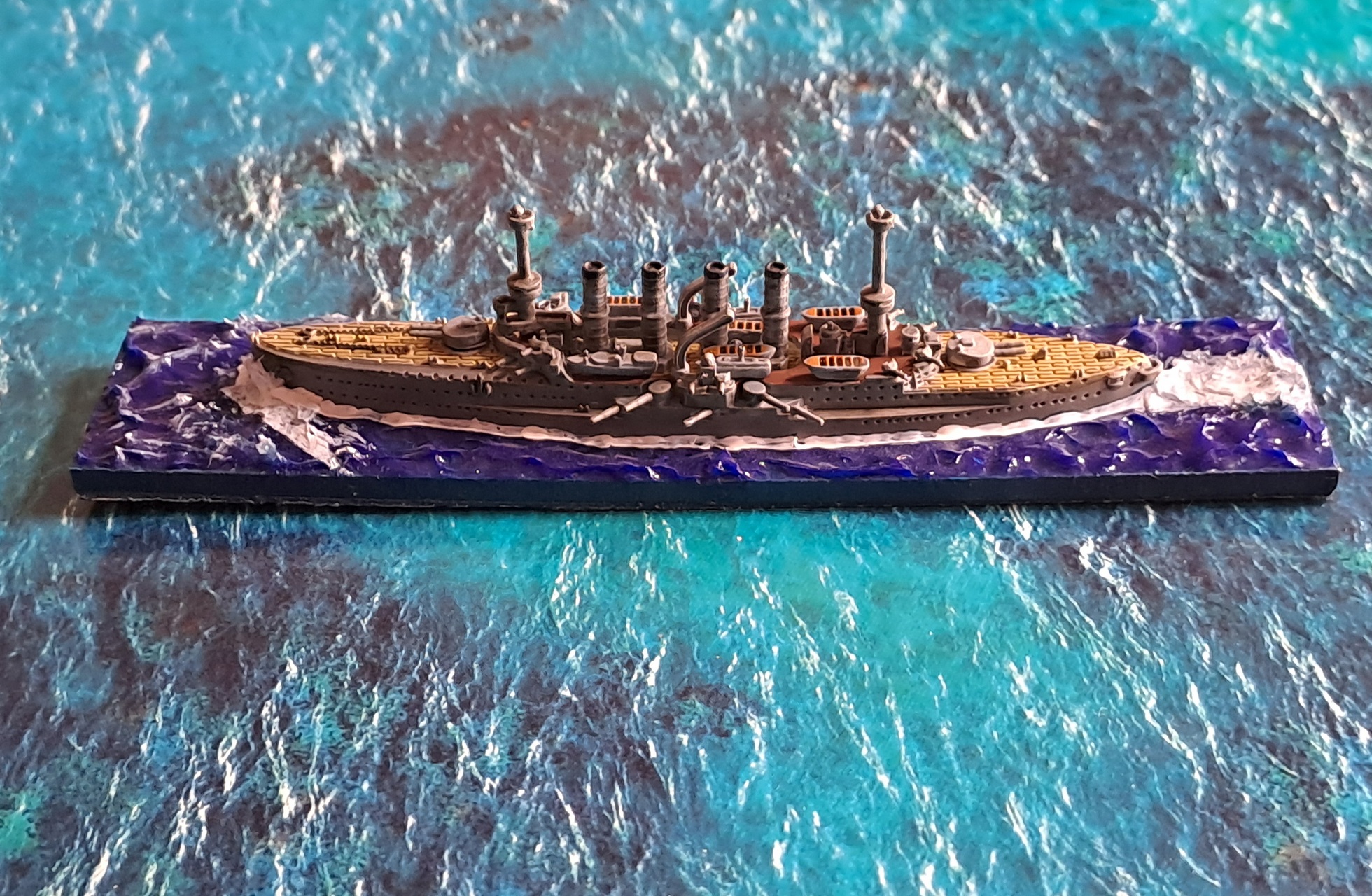
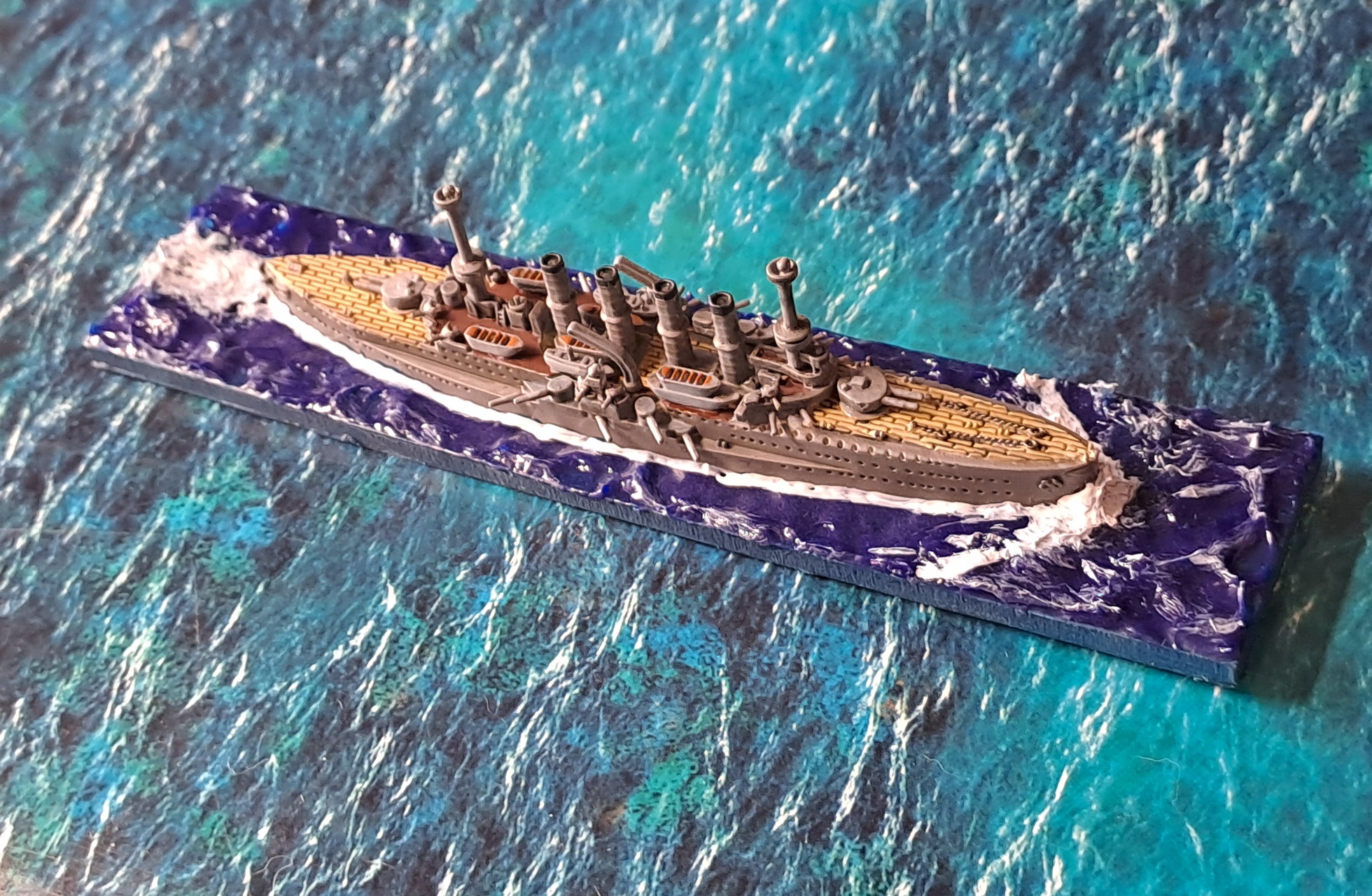
🇬🇧 Today I managed to finish Roon– another armored cruiser for the Kaiserliche Marine, the fleet of the German Empire at the turn of the 19th and 20th centuries.
To complete the squadron and play the first game, I still need to finish the S90/G135 torpedo boat division and I’ll be able to play a battle with Cornholio against his Marine Nationale. ⚓
The Roon-class armoured cruisers were based on the preceding Prinz Adalbert class, though they incorporated certain improvements. However, not all of these enhancements were successful; for instance, the ships failed to achieve their initially projected speed, casting doubt on their effectiveness as the fleet’s fast wing.
These cruisers were intended not to attack enemy shipping but to operate alongside the main fleet, similar to the Japanese “L” tactic. Unfortunately, the Roon-class ships were too lightly armoured and too slow for this role. Despite these less-than-ideal characteristics, they could still be effectively employed in other capacities, particularly in destroying enemy protected cruisers and smaller vessels, for which their armament and armour would be more than adequate.
🇵🇱 Dziś udało mi się ukończyć Roona – kolejny krążownik pancerny do Kaiserliche Marine – floty Cesarstwa Niemieckiego z przełomu XIX i XX wieku.
Do ukończenia eskadry i pierwszej gry pozostał jeszcze dywizjon torpedowców S90/G135 i będę mógł z Cornholio rozegrać starcie z jego Marine Nationale. ⚓
Krążowniki pancerne typu Roon były oparte na poprzedzającym je typie Prinz Adalbert, aczkolwiek zastosowano na nich pewne udoskonalenia. Nie wszystkie skończyły się sukcesem, gdyż jednostki np. nie osiągnęły zakładanej wcześniej prędkości, przez co ich służba jako szybkiego skrzydła floty stała pod znakiem zapytania. Ich przeznaczeniem miało być bowiem nie uderzanie w nieprzyjacielską żeglugę, ale właśnie współpraca z flotą główną, podobnie jak to czynili np. Japończycy (słynna taktyka “L”).
Niestety do tej roli jednostki typu Roon były zbyt słabo opancerzone i zbyt wolne do swojej roli. Mimo tych nienajlepszych charakterystyk mogą być jednak z powodzeniem wykorzystane do wielu innych ról, przede wszystkim niszczenia krążowników pancernopokładowych i jeszcze mniejszych jednostek przeciwnika, do czego ich uzbrojenie i opancerzenie będzie w zupełności wystarczające.
🇬🇧 Summary: – Just like the previously painted SMS Fürst Bismarck, this ship was very enjoyable to paint, and the boats did not pose any major difficulties during assembly. – Two ships of this type were launched, so Roon, unlike the aforementioned SMS Fürst Bismarck, appears in more than a single unit. – The ship is equipped with numerous medium-caliber guns with above-average range and good penetration. It is also armed with a considerable amount of light artillery, which is typical for German ships. Additionally, it carries four D4 torpedoes, and a successful hit from them can quickly cool many ambitions. – The armor is quite good for cruisers present in the game-much better than that of Russian cruisers, although weaker than Japanese second-class cruisers. The ship is also equipped with a ram. – Base cost: 385 points. – The full Gods of War assortment is available at: https://bolter.pl/en_US/index.
🇵🇱 Podsumowanie: – Podobnie jak poprzednio pomalowany SMS Fürst Bismarck okręt malowało się przyjemnie, łodzie nie sprawiły większych trudności w montażu. – Zwodowano dwie takie jednostki, tak więc Roon w przeciwieństwie do wymienionego powyżej SMS Fürst Bismarck występuje w więcej niż jednej sztuce. – Okręt posiada liczną średnią artylerię posiadającą ponad przeciętny zasięg i dobrą siłę przebicia, dodatkowym uzbrojeniem jest liczna jak na okręty niemieckie artyleria lekka. Dodatkowym uzbrojeniem są cztery torpedy D4 których trafienie może skutecznie ochłodzić nie jedną ambicję. – Pancerz jak na krążowniki występujące w grze jest całkiem dobry, o wiele lepszy od pancerza krążowników rosyjskich, za to gorszy od krążowników japońskich drugiej klasy. Dodatkowo okręt posiada taran. – Koszt bazowy wynosi: 385. – Cały asortyment do Bogowie Wojny: Togo jest dostępny tutaj: https://bolter.pl/pl/c/BOGOWIE-WOJNY-TOGO/1787.
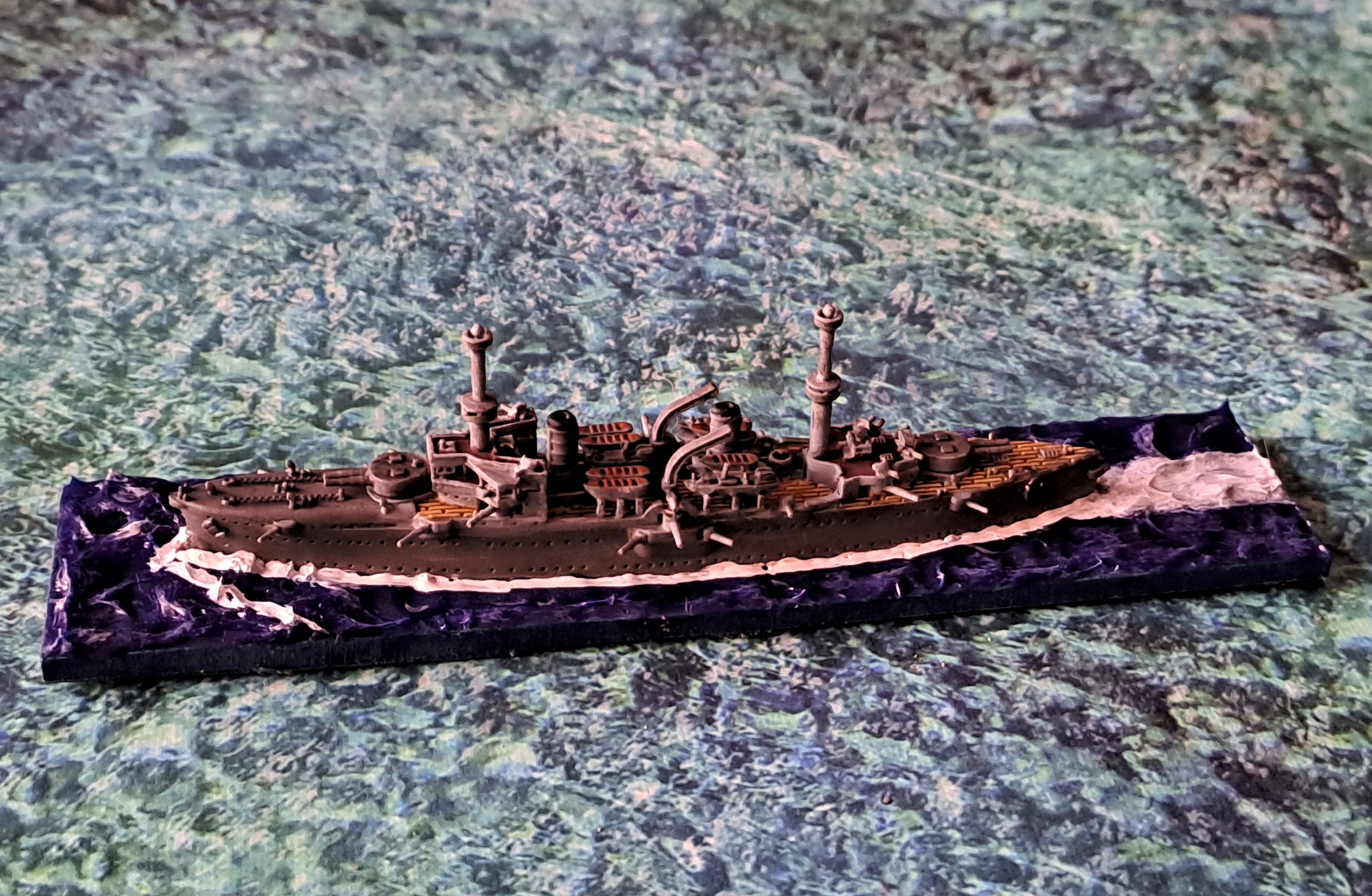
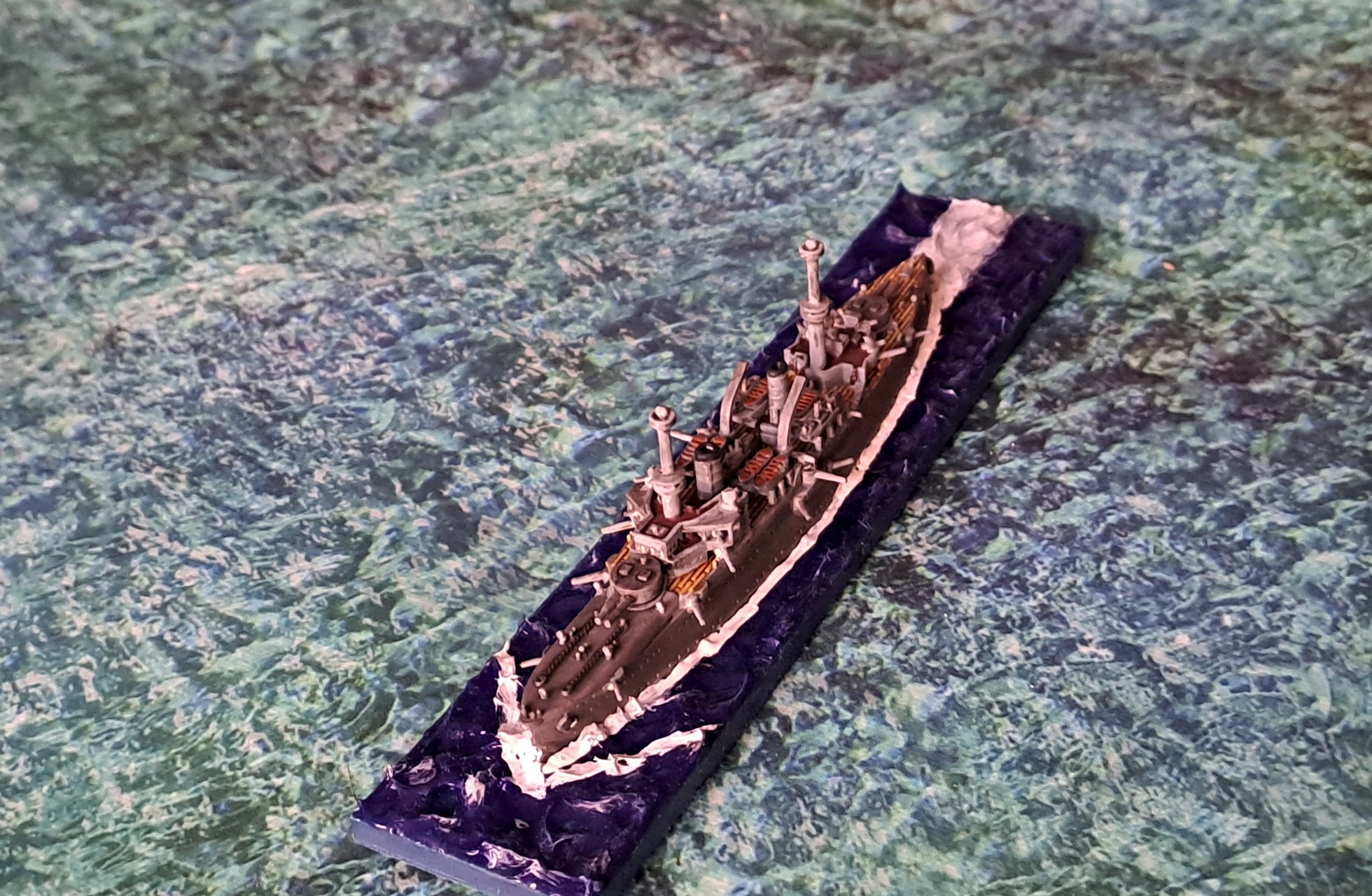
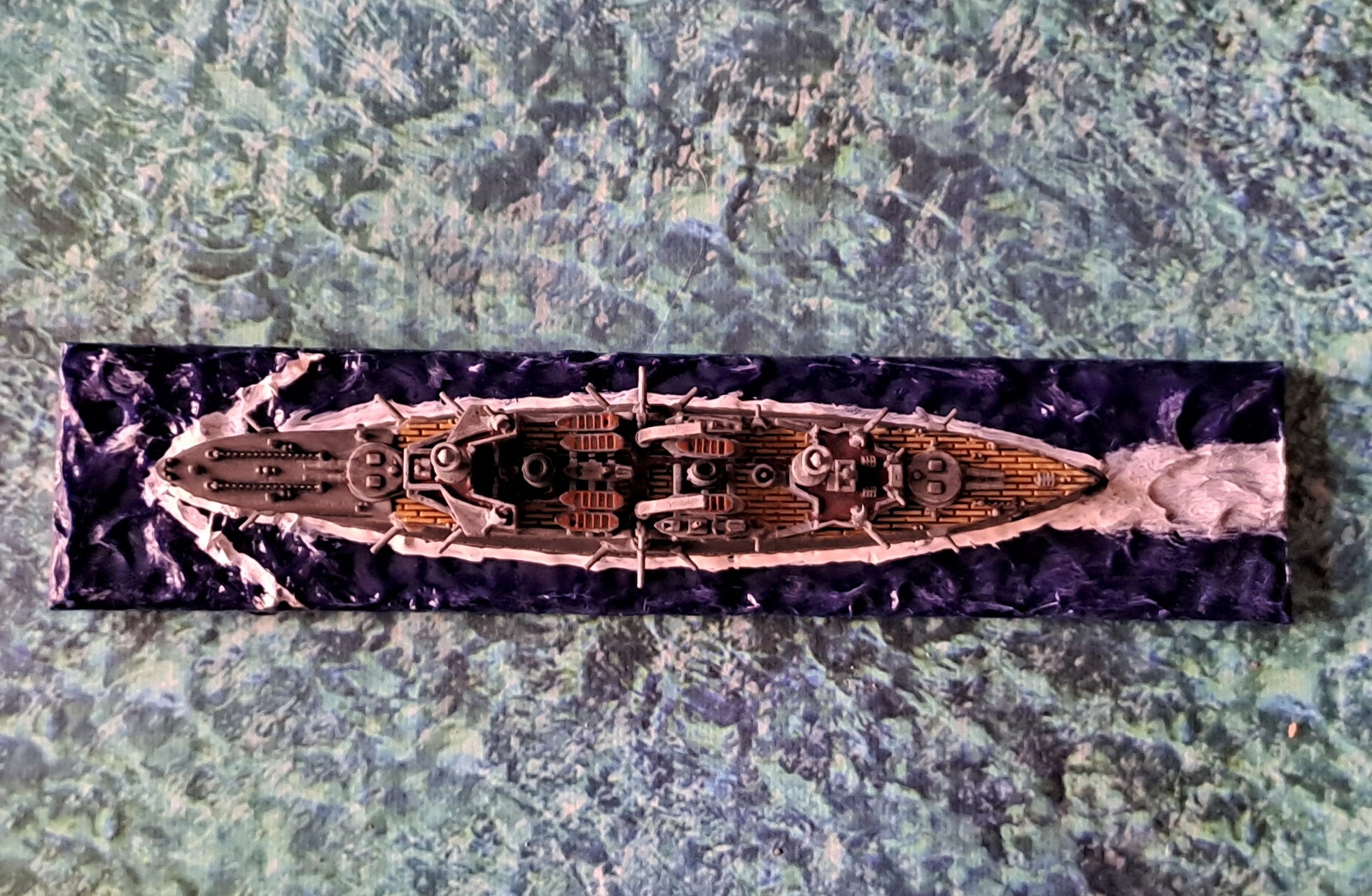
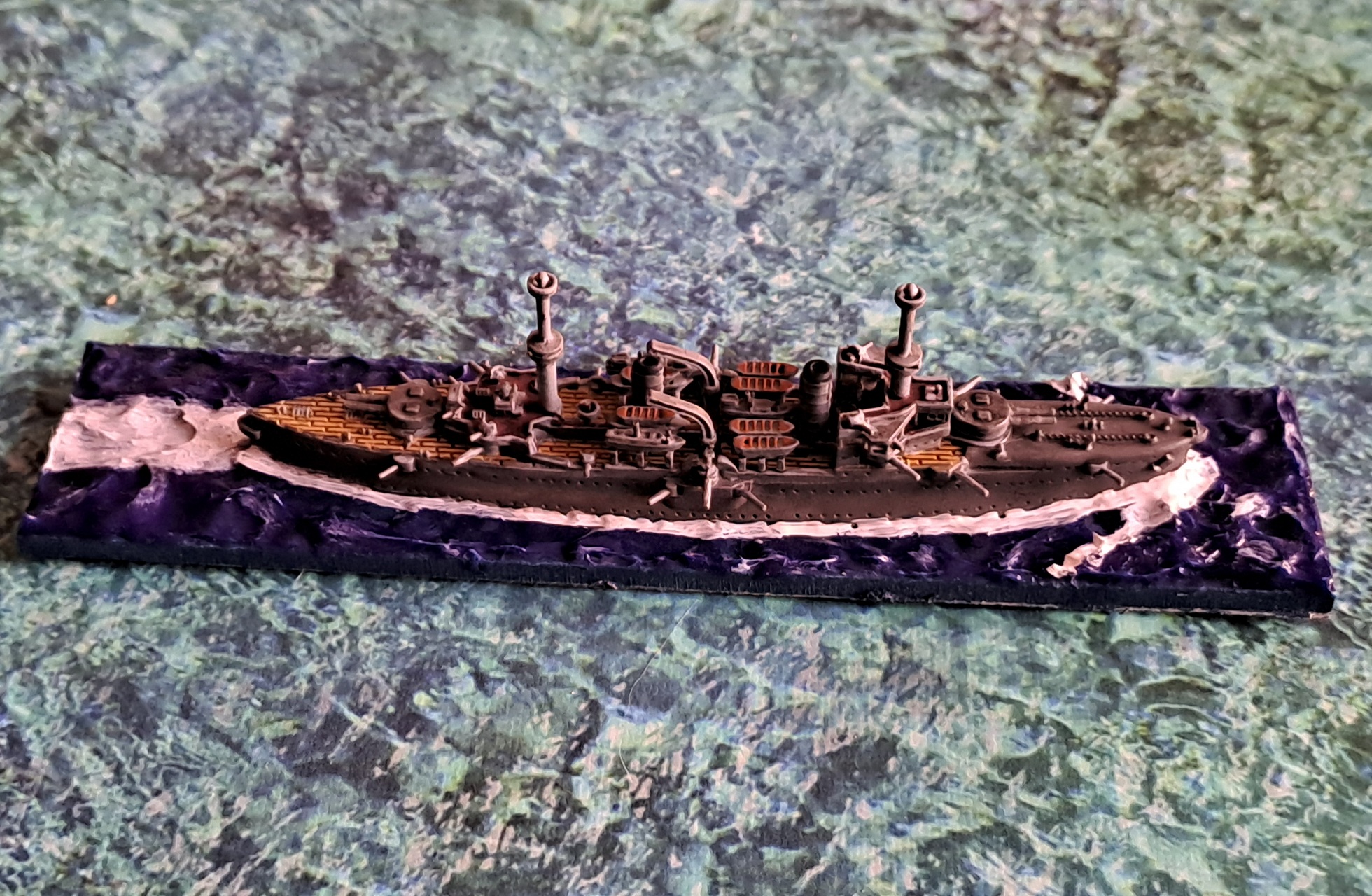
🇬🇧 Today I managed to finish SMS Fürst Bismarck — an armored cruiser for the Kaiserliche Marine, the fleet of the German Empire at the turn of the 19th and 20th centuries.
To complete the squadron and play the first game, I still need to finish the S90/G135 torpedo boat division and Roon. ⚓
SMS Fürst Bismarck was commissioned on 1 April 1900, on the birthday of Chancellor Otto von Bismarck, one of the architects of German unification “by blood and iron”. Interestingly, Bismarck was quite offended when the German Navy decommissioned the old corvette bearing his name. However, he was appeased when he was assured that the next great warship of the Kaiserliche Marine would be named after him. Unfortunately, the Iron Chancellor passed away before Fürst Bismarck was launched.
She was the first German armoured cruiser, an evolution of the Victoria Louise class. Many of the design features used in her construction were later adopted for subsequent German armoured cruisers.
The ship displaced nearly 10,700 tons, with engines capable of reaching almost 19 knots. Her primary armament included four 24 cm guns (in two turrets), twelve 15 cm guns, ten 8.8 cm guns, additionally machine guns and six torpedo tubes.
She had very thick armour, but her belt armour covered a relatively small area, a design approach that was beginning to be abandoned in favour of broader protection, based on lessons from the 1898 Spanish-American War and the 1894-1895 First Sino-Japanese War.
SMS Fürst Bismarck spent much of her career in the Far East, taking part in the suppression of the Boxer Rebellion. Before the First World War, she was converted into a training ship. By then, she was too outdated to have any real combat value and was ultimately disarmed, never taking part in the Great War.
She had a beautiful silhouette, with a distinctive tumblehome hull, and was well-armed for her time, although her relatively low speed was a drawback. Nevertheless, she will prove to be a valuable asset for any admirals commanding the Kaiserliche Marine.
* – description of the SMS Fürst Bismarck by GMBoardgames.
🇵🇱 Dziś udało mi się ukończyć SMS Fürst Bismarck – krążownik pancerny do Kaiserliche Marine — floty Cesarstwa Niemieckiego z przełomu XIX i XX wieku.
Do ukończenia eskadry i pierwszej gry pozostał jeszcze dywizjon torpedowców S90/G135 oraz Roon. ⚓
Krążownik pancerny SMS Fürst Bismarck został wcielony do służby 1 kwietnia 1900 roku, w rocznicę urodzin kanclerza Otto von Bismarcka, jednego z autorów zjednoczenia Niemiec („krwią i żelazem”). Co ciekawe Bismarck obraził się bardzo, kiedy niemiecka marynarka wycofała ze służby starą korwetę, która nosiła jego imię, ale dał się udobruchać, gdy przekonano go, że kolejny, wielki okręt Kaiserliche Marine będzie nosił jego nazwisko. Jednakże żelazny kanclerz zmarł zanim SMS Fürst Bismarck został zwodowany.
Okręt ten był pierwszym, niemieckim krążownikiem pancernym, rozwinięciem typu Victoria Louise. Wiele wykorzystanych w trakcie jego budowy rozwiązań było później powielanych w trakcie budowy kolejnych, niemieckich krążowników pancernych.
Wypierał prawie 10700 ton, a jego maszyny mogły go rozpędzić prawie do prędkości 19 węzłów. Główne uzbrojenie stanowiły cztery armaty kalibru 24 cm (w dwóch wieżach), dwanaście armat kalibru 15 cm i 10 armat kalibru 8.8 cm oraz dodatkowo karabiny maszynowe i sześć wyrzutni torped.
Okręt miał bardzo gruby pancerz, ale pas pancerny pokrywał dosyć małą powierzchnię, co było rozwiązaniem od czego zaczęto odchodzić w konstrukcji okrętów (np. bazując na doświadczeniach wojny 1898 roku, czy wcześniejszej japońsko – chińskiej).
SMS Fürst Bismarck spędził dużą część swojej służby na Dalekim Wschodzie, biorąc m.in. w tłumieniu powstania bokserów. Przed pierwszą wojną światową został przekształcony w okręt szkoleniowy. Zbyt przestarzały, aby mieć realną wartość bojową, został ostatecznie rozbrojony i nie wziął udział w wielkiej wojnie.
Okręt ten miał piękną sylwetkę, z charakterystycznym zawałem burtowym, a jak na swoją epokę był bardzo dobrze uzbrojony, choć jego słabszą stroną była stosunkowo mała prędkość. Będzie on jednak bardzo przydatnym okrętem dla wszystkich admirałów, dowodzących Kaiserliche Marine.
🇬🇧 Summary: – The ship was very enjoyable to paint; the cutters, lifeboats, and cranes proved especially straightforward to assemble. – A unique unit within its class, meaning only one such vessel can be fielded in the game. – A defining feature of the SMS Fürst Bismarck is its four heavy guns with solid penetration and range. These are complemented by a standard cruiser layout of medium-caliber artillery – six guns per side. The light artillery is also typical for its class (although ships like Rossija or Gromoboy can surpass it in this regard). Another standout feature of Bismarck is its six torpedoes – and the best kind at that, rated D4. – Its armor and displacement are quite respectable for a cruiser in the game; additionally, the ship is equipped with a ram. – The base cost is 460 points – a fair price for a vessel with solid heavy artillery and fairly strong armor. Since I’ve recently been playing mostly cruisers, it will undoubtedly always find a place in my German squadron. – All Gods of War asortiment is avaible on: https://bolter.pl/en_US/index.
🇵🇱 Podsumowanie: – Okręt bardzo przyjemny w malowaniu; kutry, szalupy oraz żurawie okazały się wyjątkowo przystępne w montażu. – Jednostka unikatowa w swojej klasie, dlatego w grze można wystawić tylko jeden taki okręt. – Cechą charakterystyczną SMS Fürst Bismarck są aż cztery ciężkie działa o dobrej sile przebicia i zasięgu. Uzupełnia je standardowa dla wielu krążowników liczba dział średniego kalibru – po sześć na każdą burtę. Lekka artyleria również utrzymana jest na typowym poziomie dla tej klasy (choć np. Rossija czy Gromoboj potrafią ją przewyższyć). Kolejną rzeczą która wyróżnia Bismarcka, to sześć torped – i to tych najlepszych, czyli D4. – Pancerz i wyporność są całkiem solidne jak na krążownik występujący w grze; dodatkowo okręt posiada taran. – Koszt bazowy wynosi 460 punktów – uczciwa cena za okręt posiadający porządną, ciężką artylerię i dość dobry pancerz. Ponieważ ostatnio gram głównie na krążownikach, bez wątpienia zawsze znajdzie miejsce w mojej niemieckiej eskadrze. – Cały asortyment do Bogów Wojny: Togo jest dostępny tutaj: https://bolter.pl/pl_PL/index.
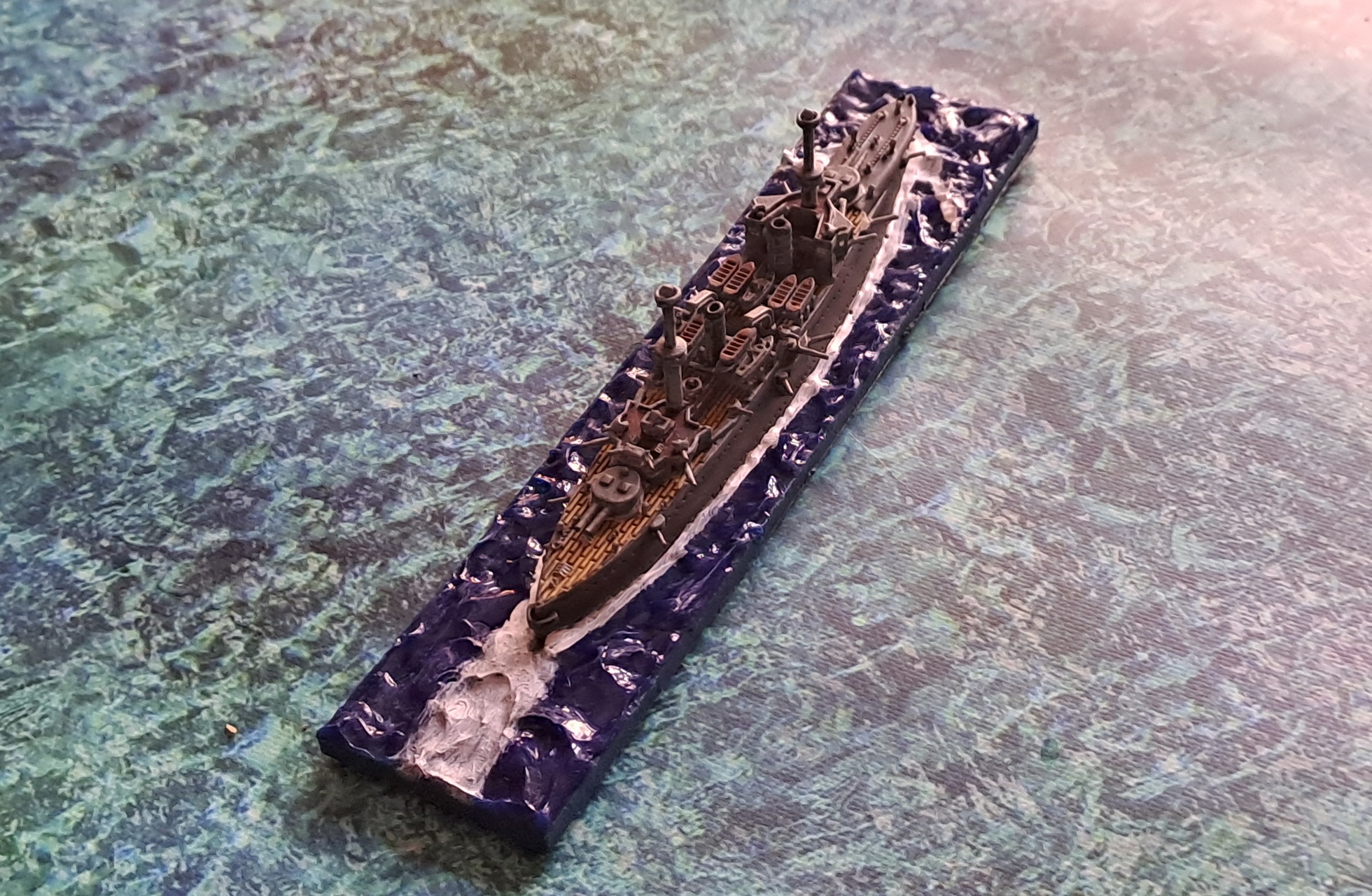
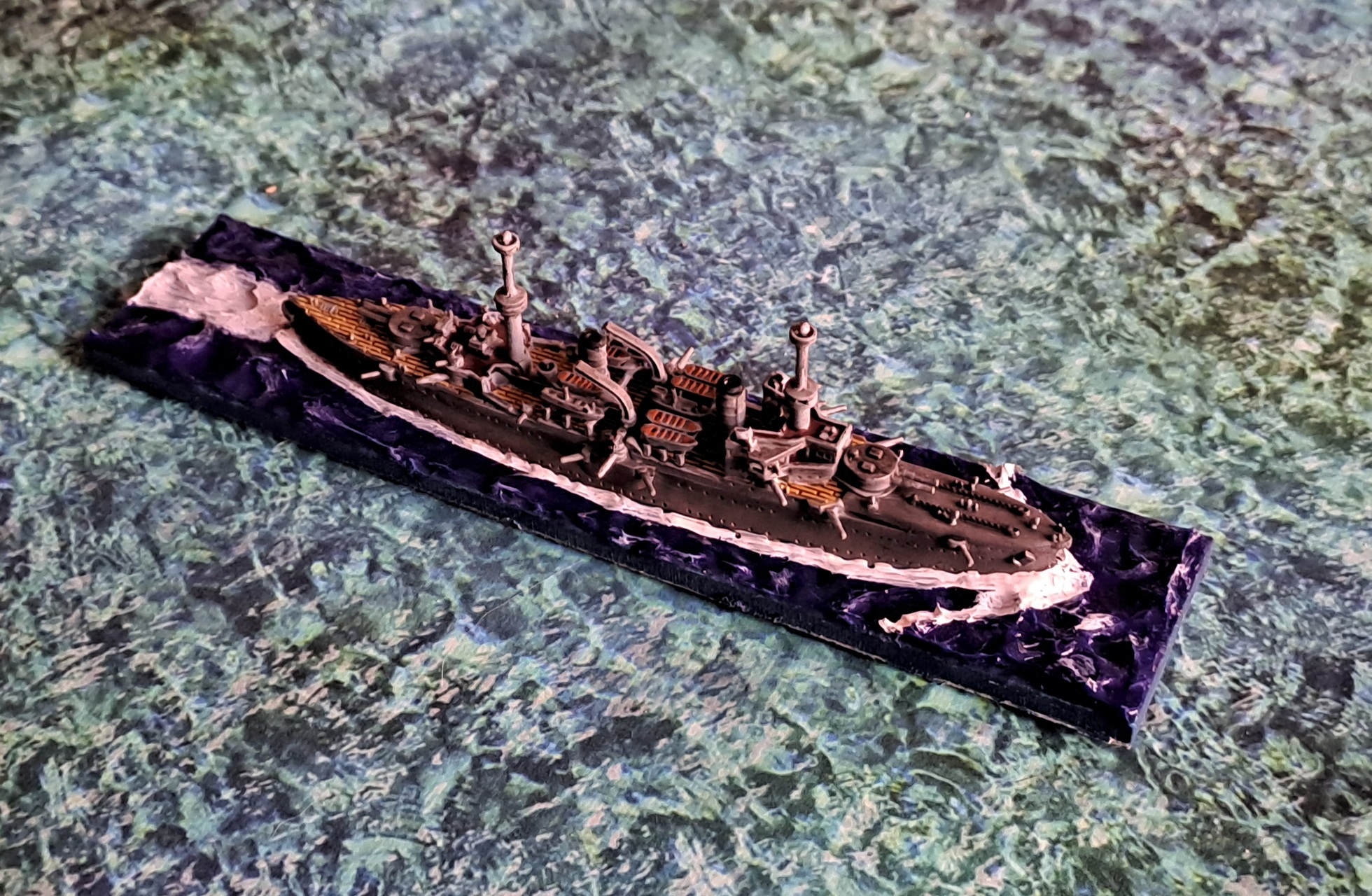
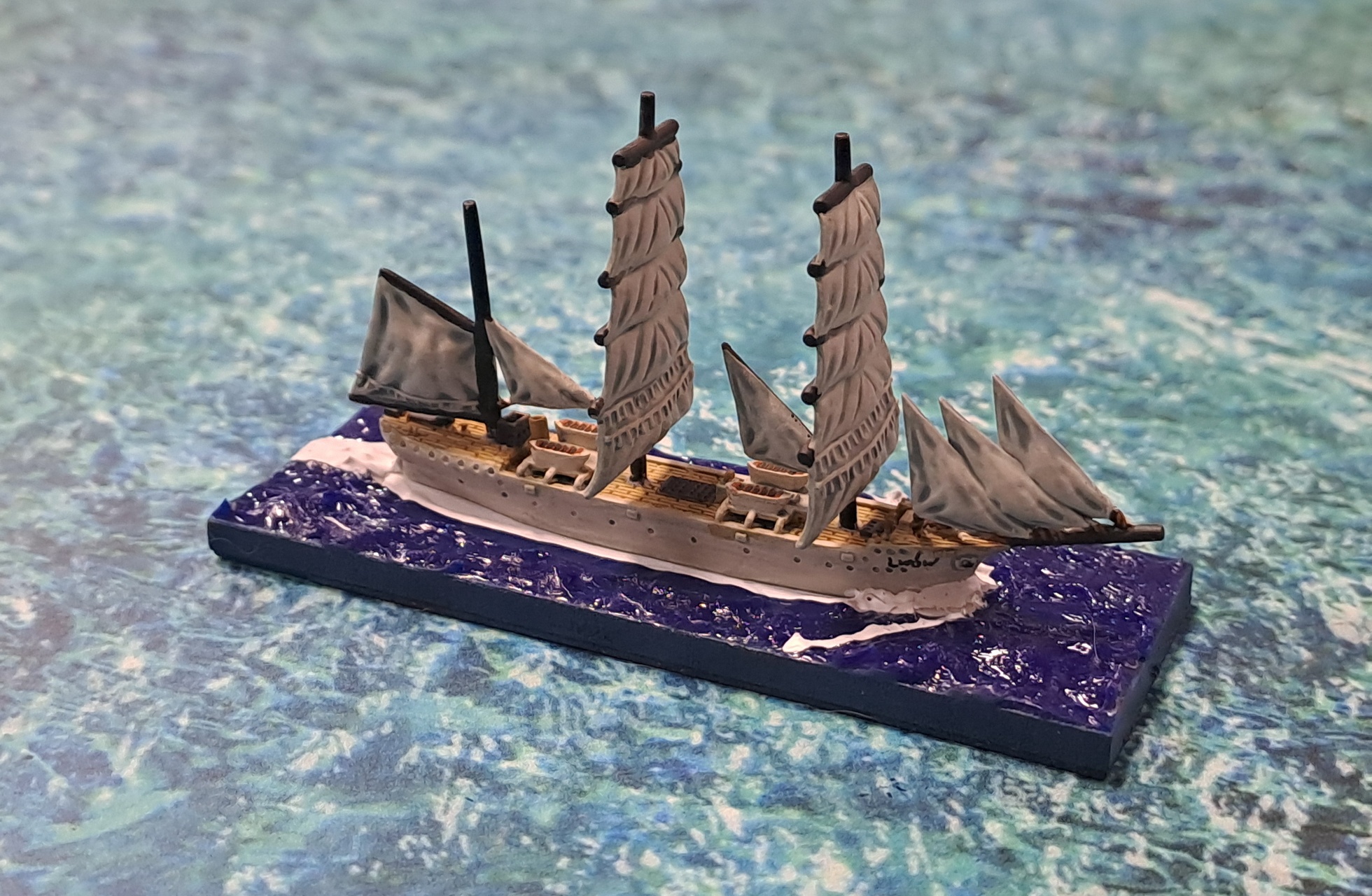
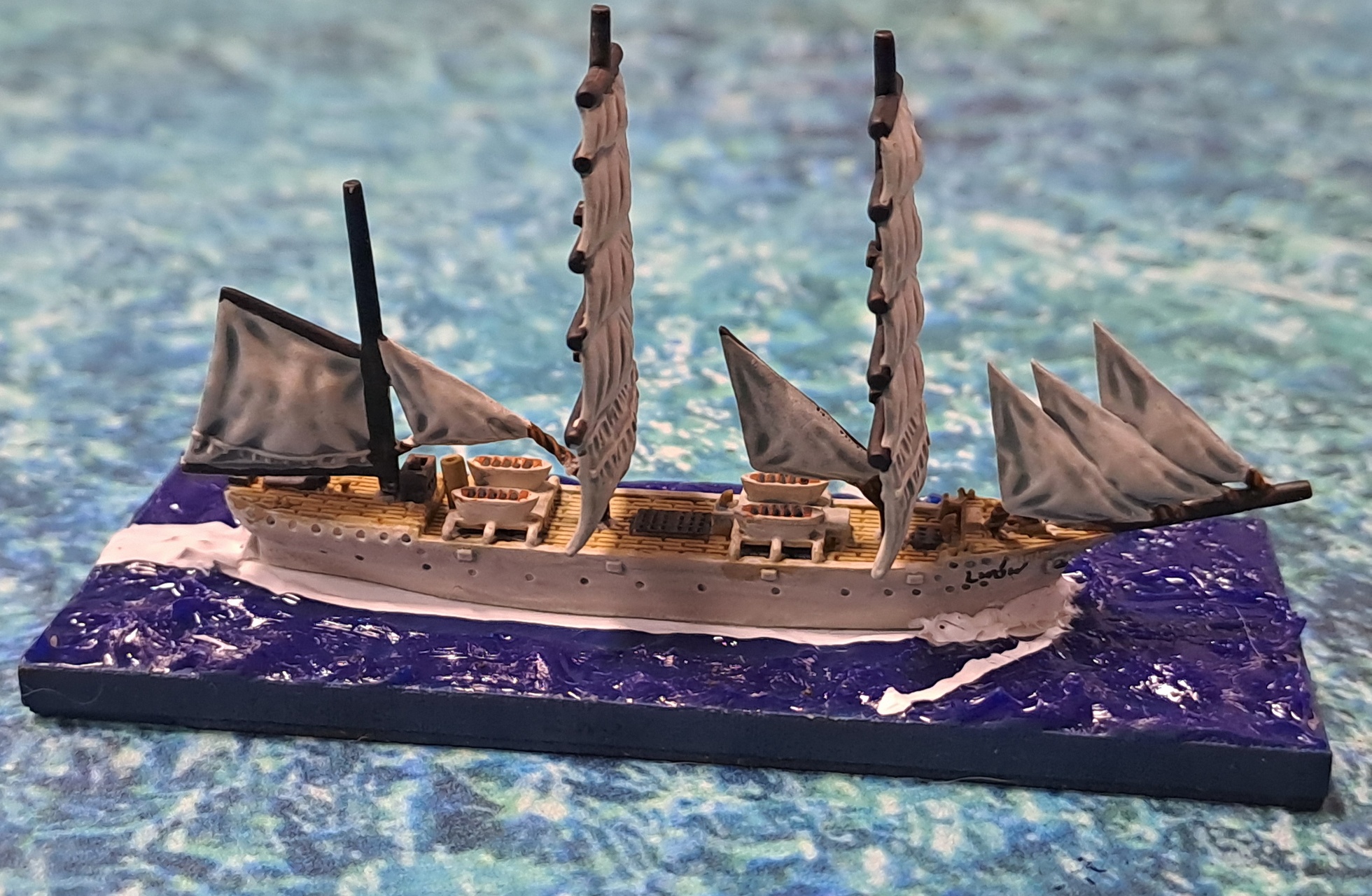
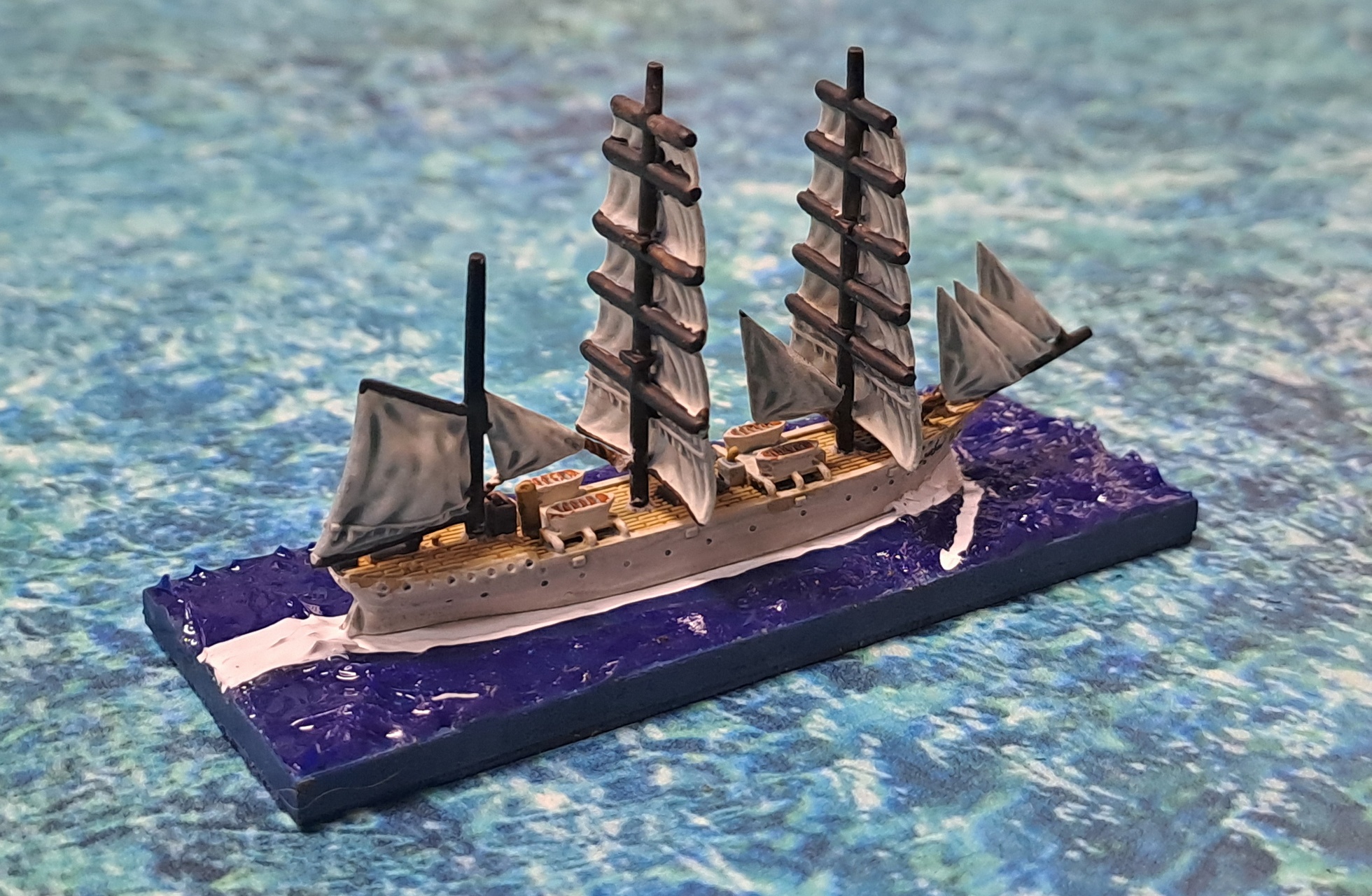
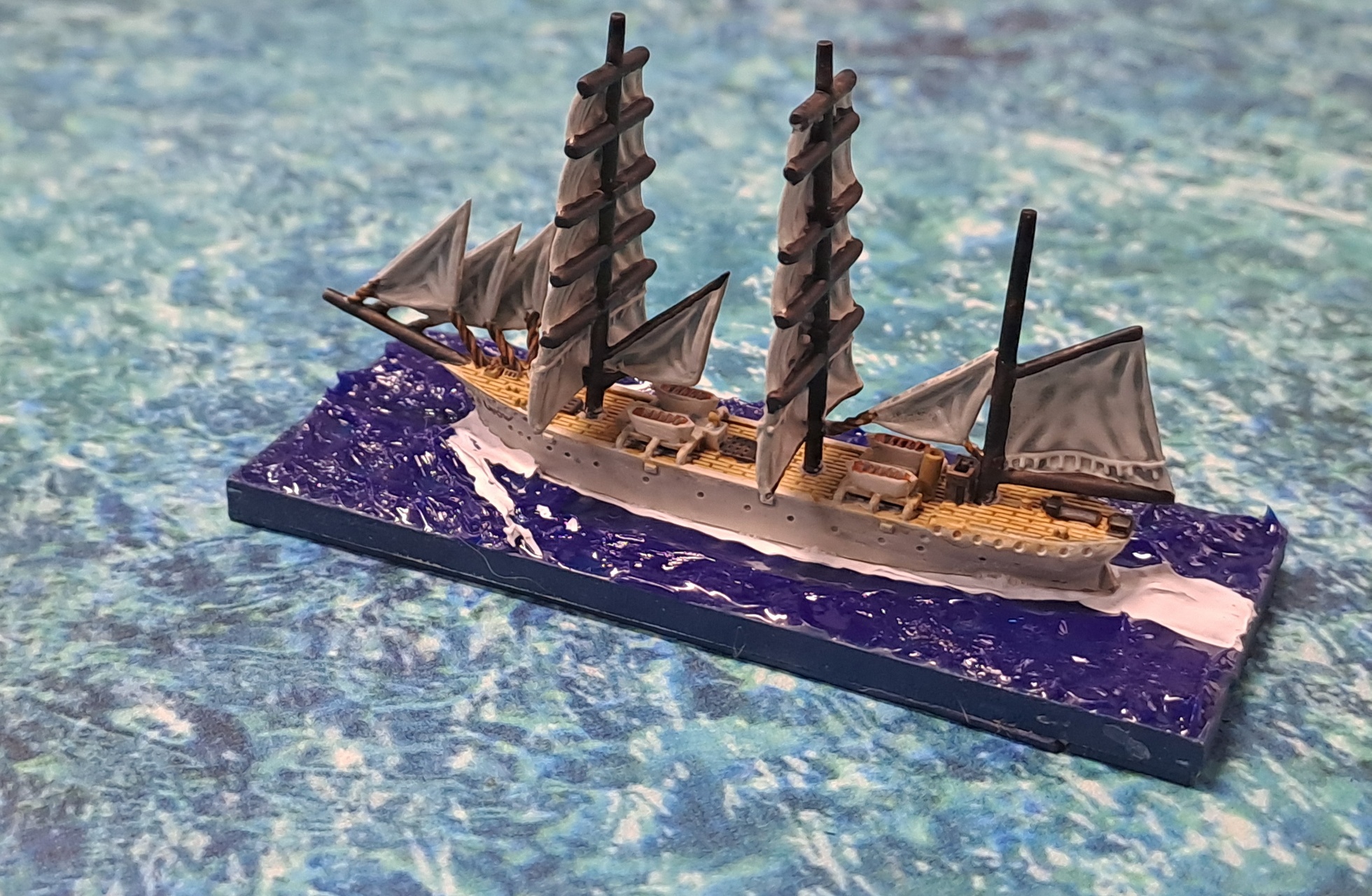
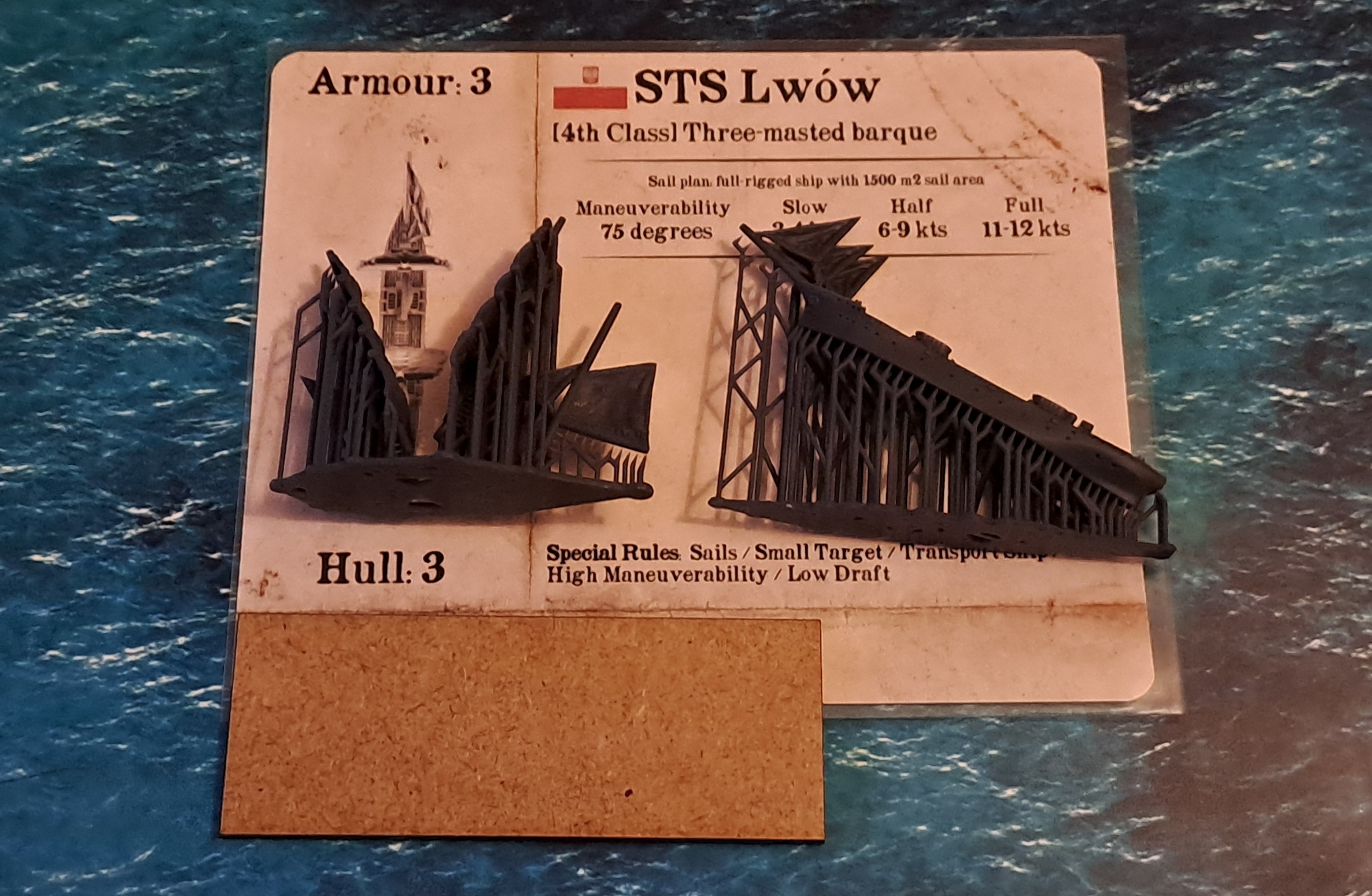
🇬🇧 Last weekend, the 2025 Polish Championship in Gods of War: Togo took place — which I wrote about [HERE] ⚓. Among the prizes for every participant was a unique, one-of-a-kind model of the sailing ship STS Lwów — a vessel that proudly served under the Polish flag in the 1920s.
It’s a true gem among models — perfect both as a transport ship capable of carrying a landing force and as an elegant display piece for any collection. ⛵🇵🇱
🇵🇱 W miniony weekend odbyły się Mistrzostwa Polski w „Bogowie Wojny: Togo” 2025, o których pisałem TUTAJ⚓. Wśród nagród dla każdego z uczestników znalazł się wyjątkowy, unikatowy model żaglowca STS Lwów – jednostki, która służyła pod polską banderą w latach 20. XX wieku.
To prawdziwa perełka wśród modeli – świetnie sprawdzi się zarówno jako transportowiec zdolny do przewozu desantu, jak i elegancka ozdoba każdej półki. ⛵🇵🇱
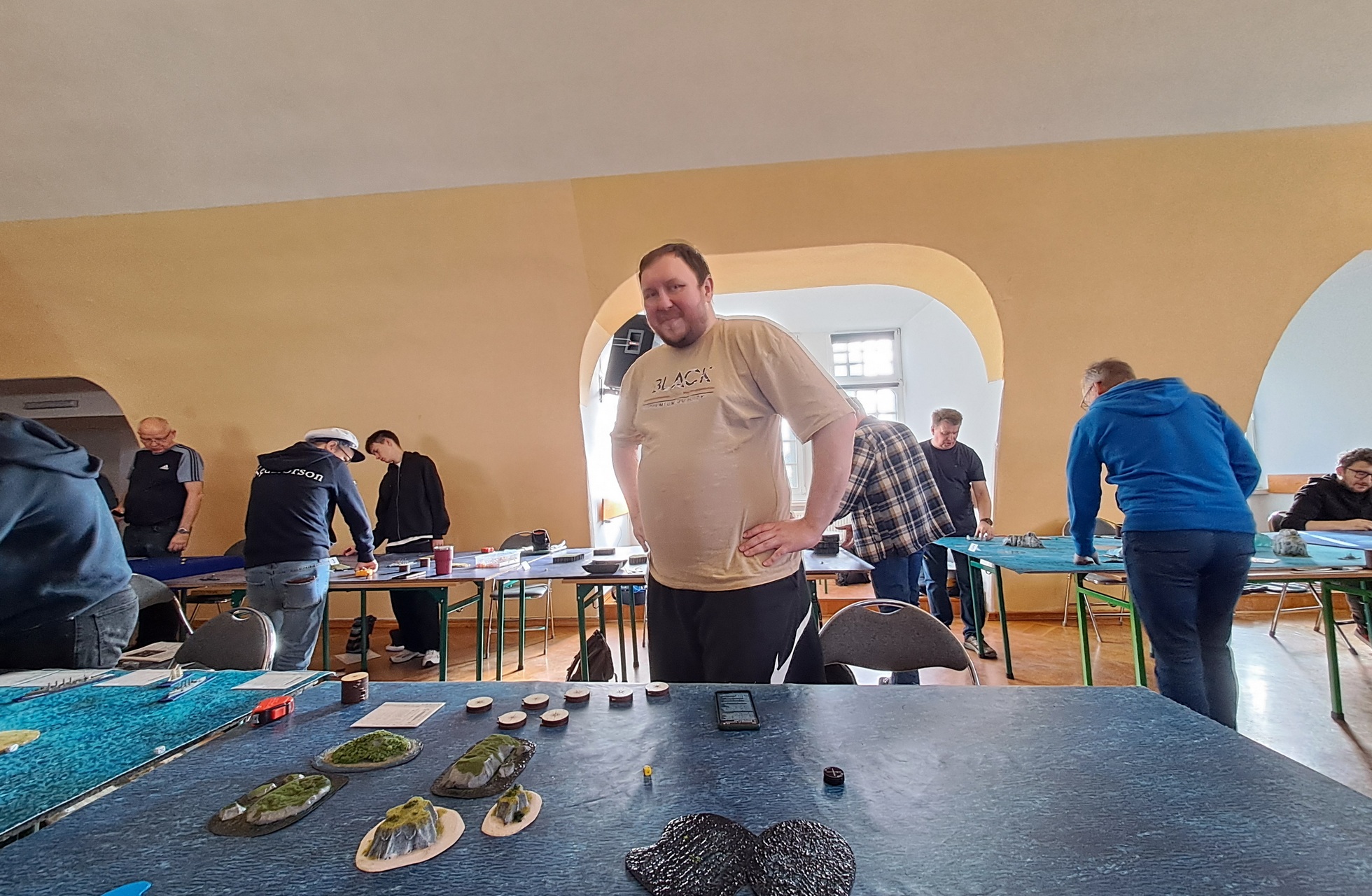
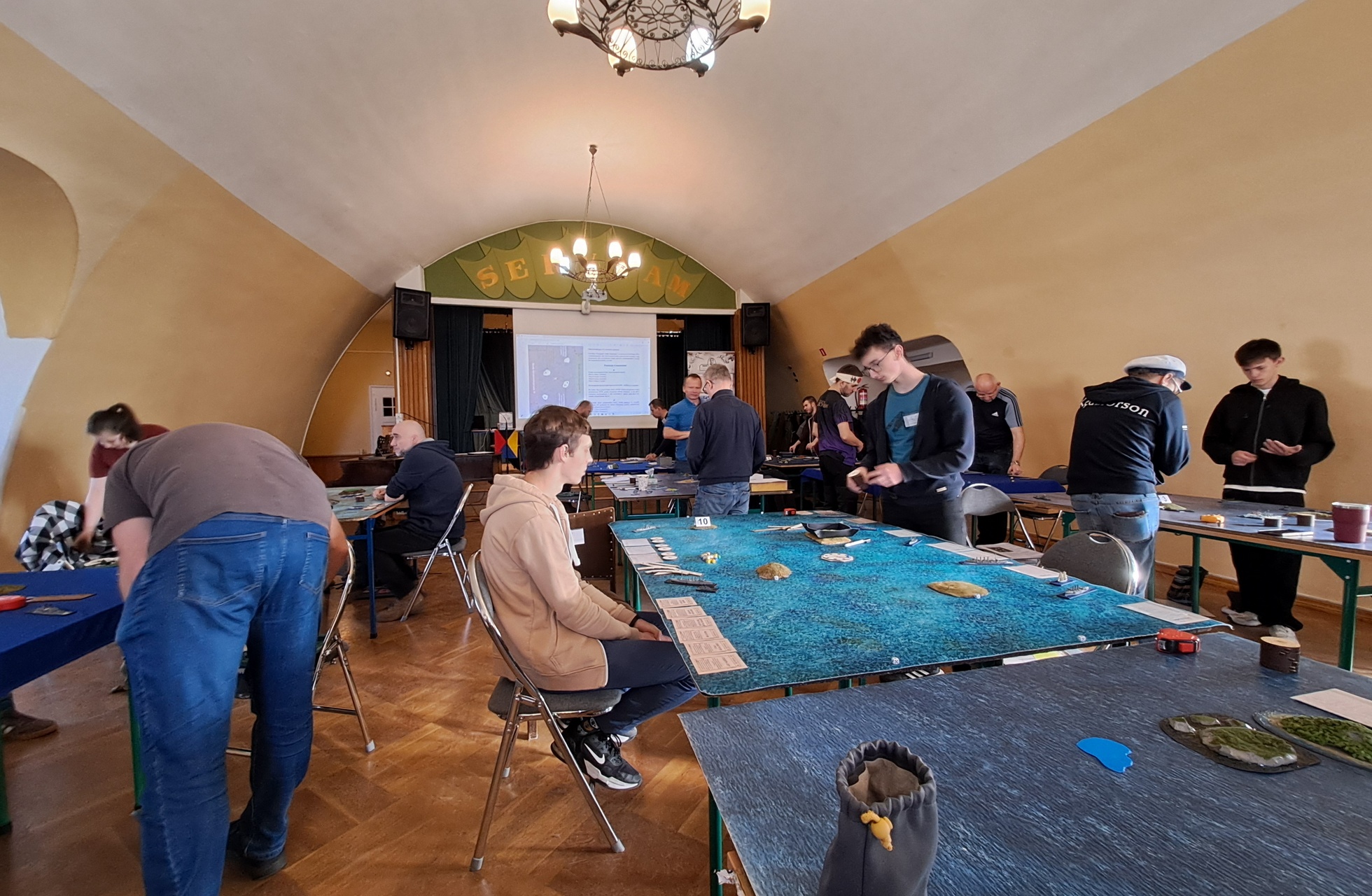
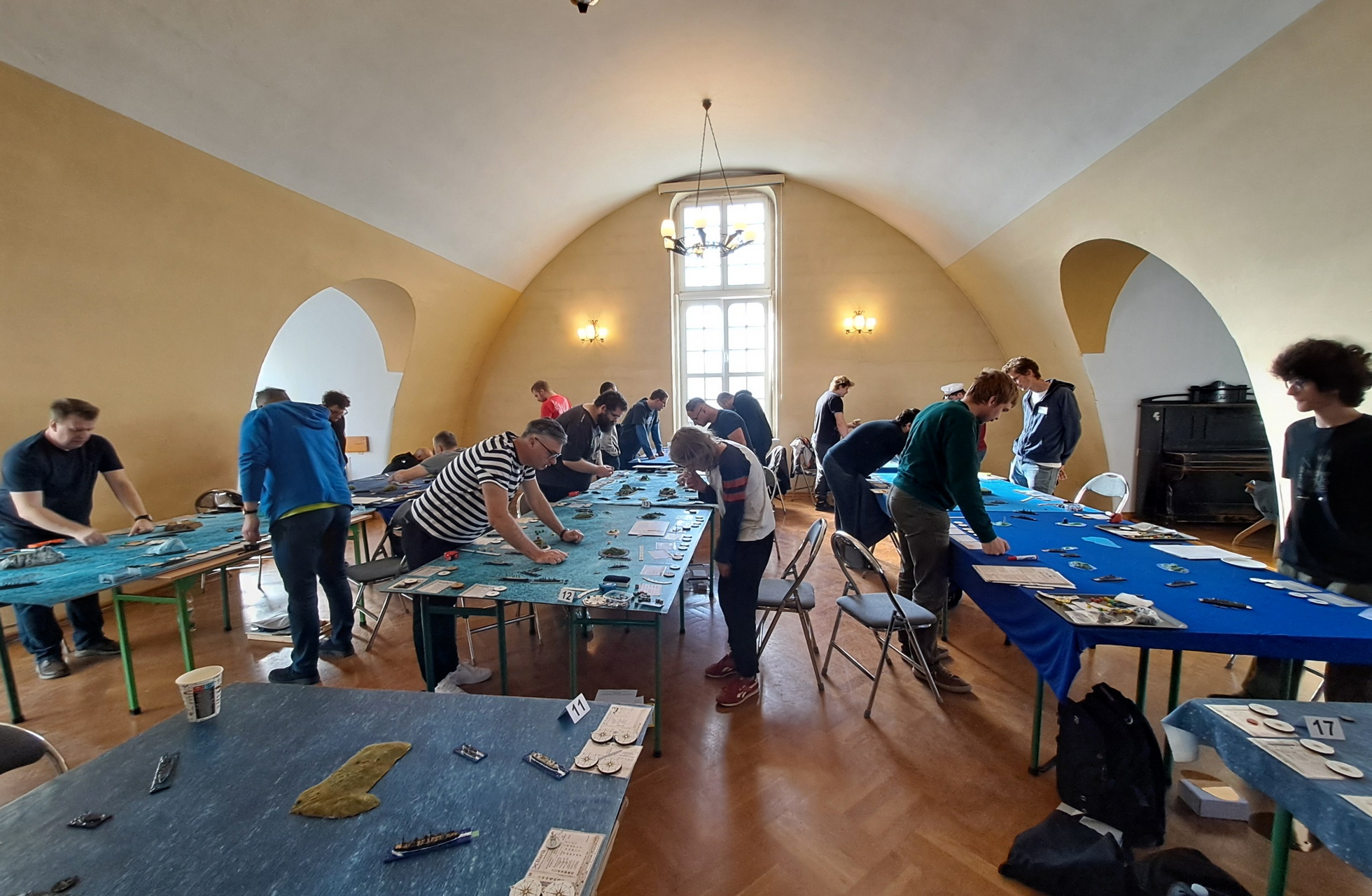
🇬🇧 Polish Championship 2025 – Gods of War: Togo – Wrocław, October 18–19
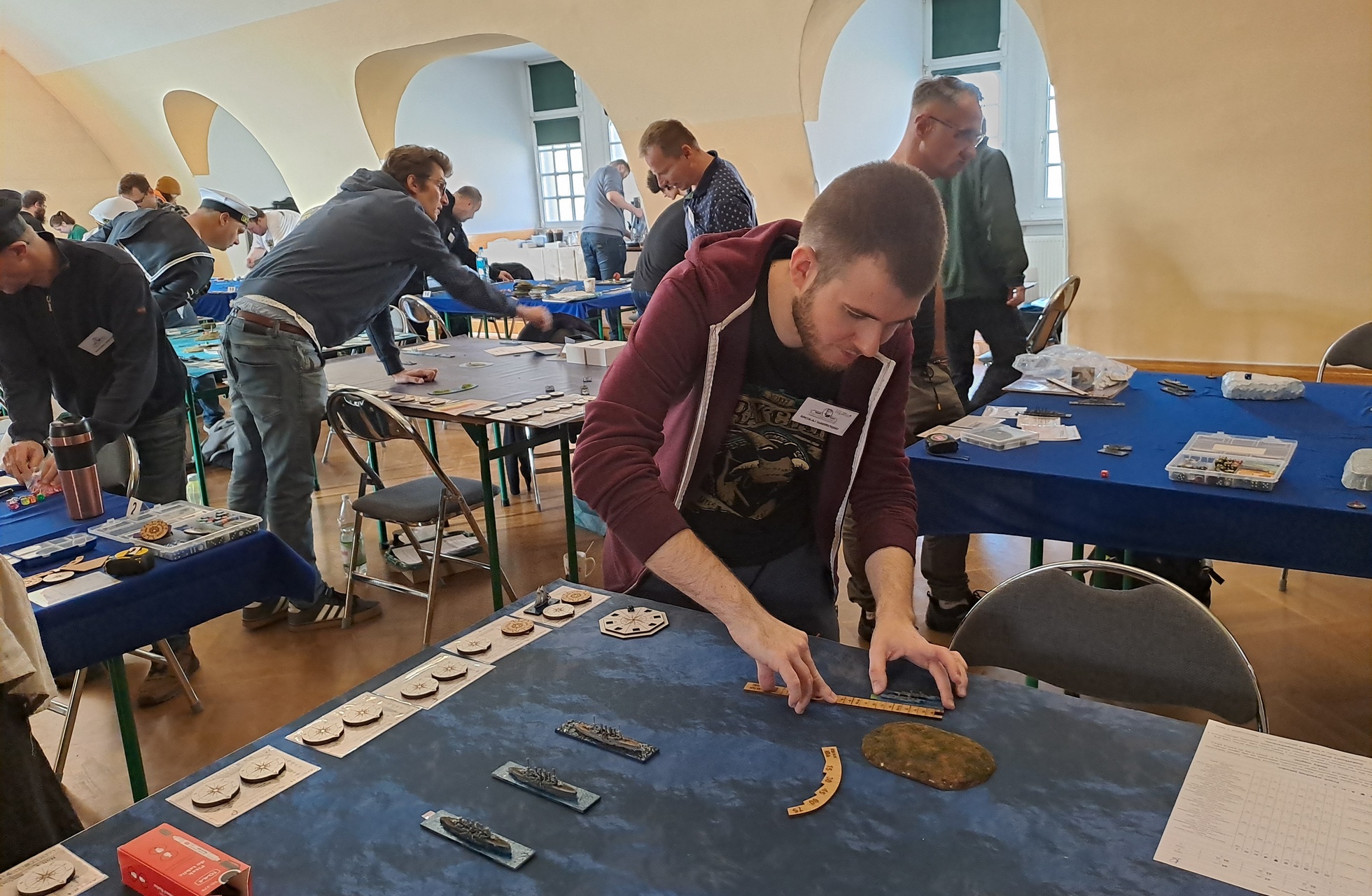
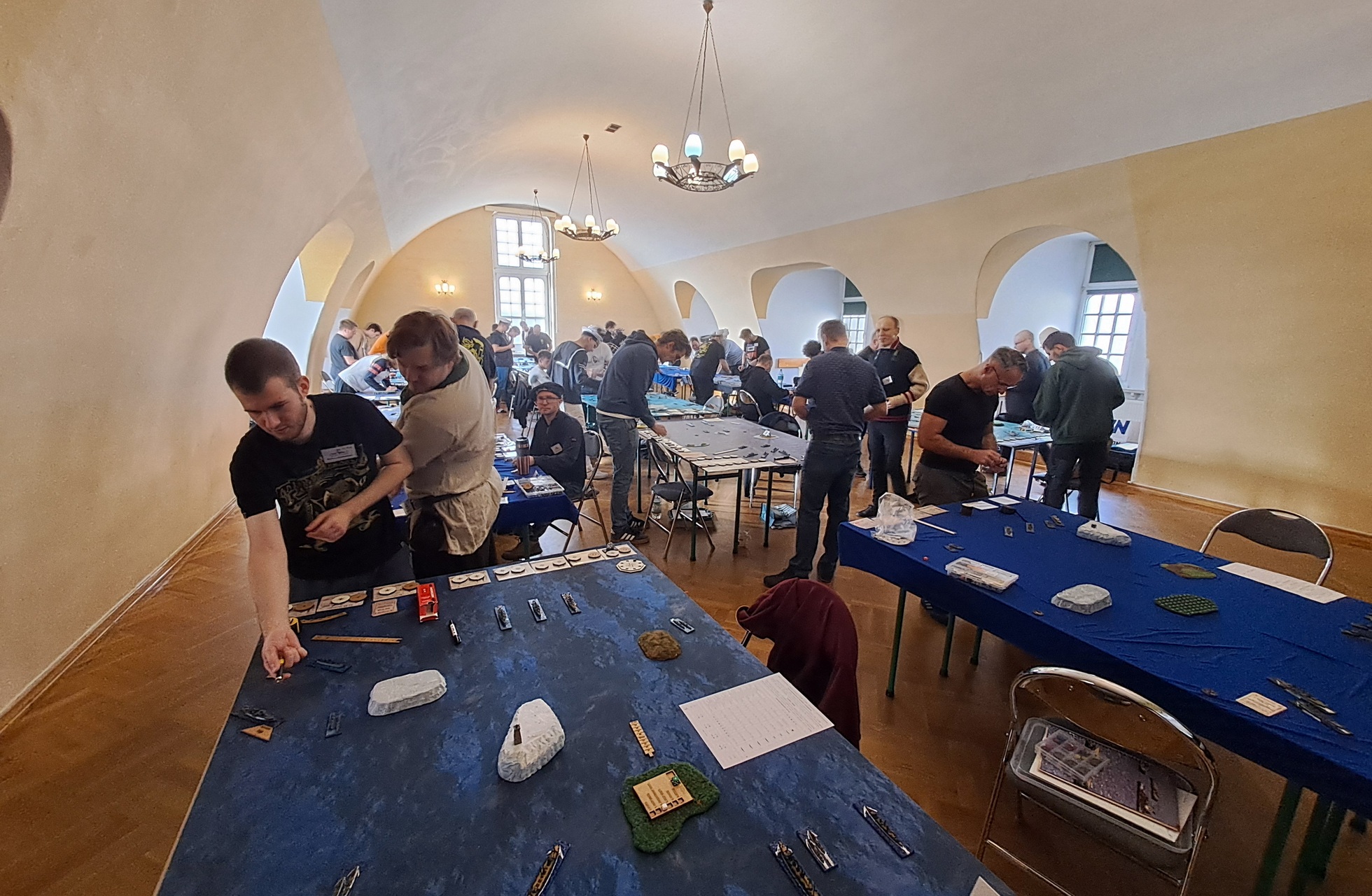
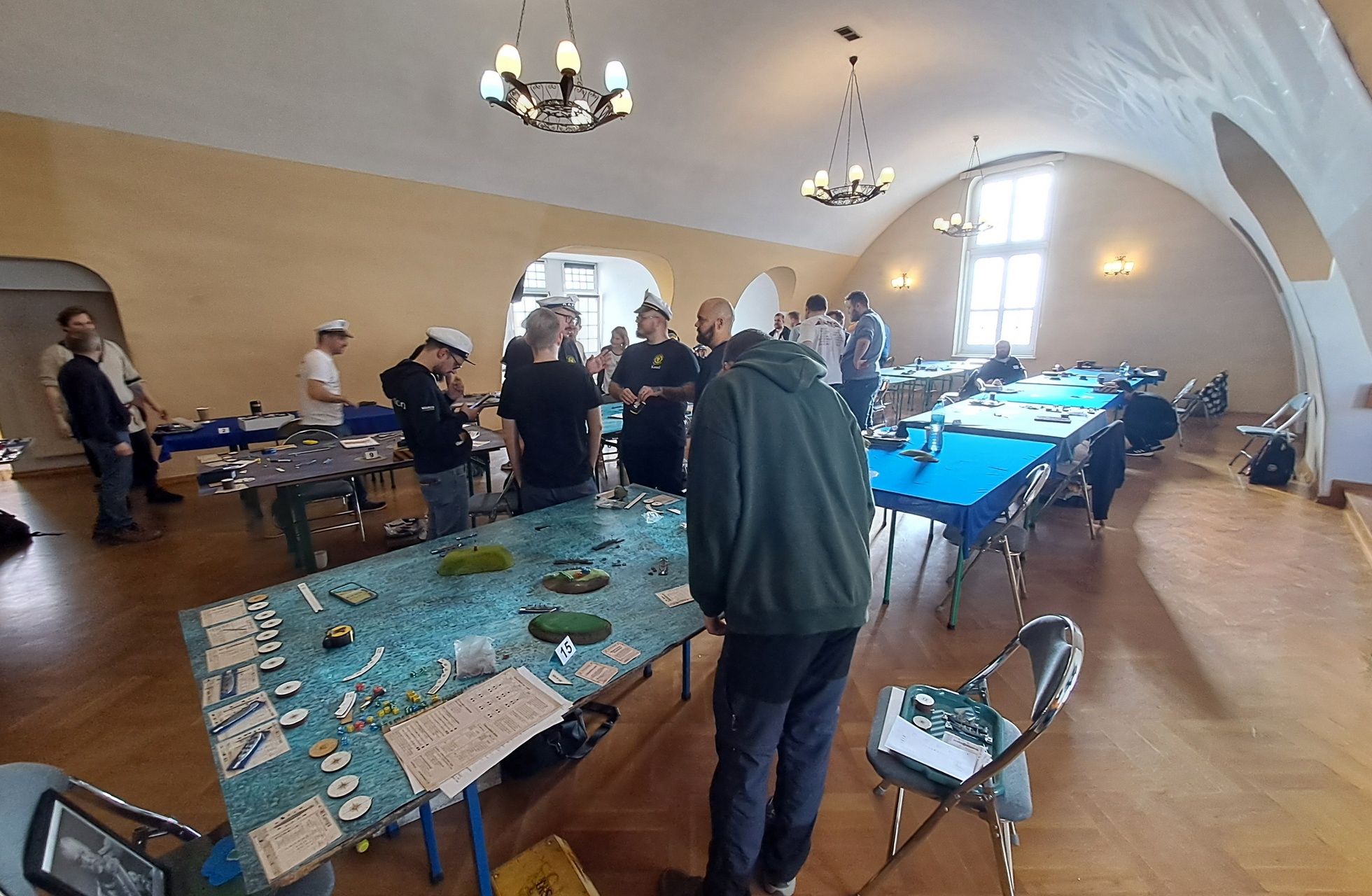
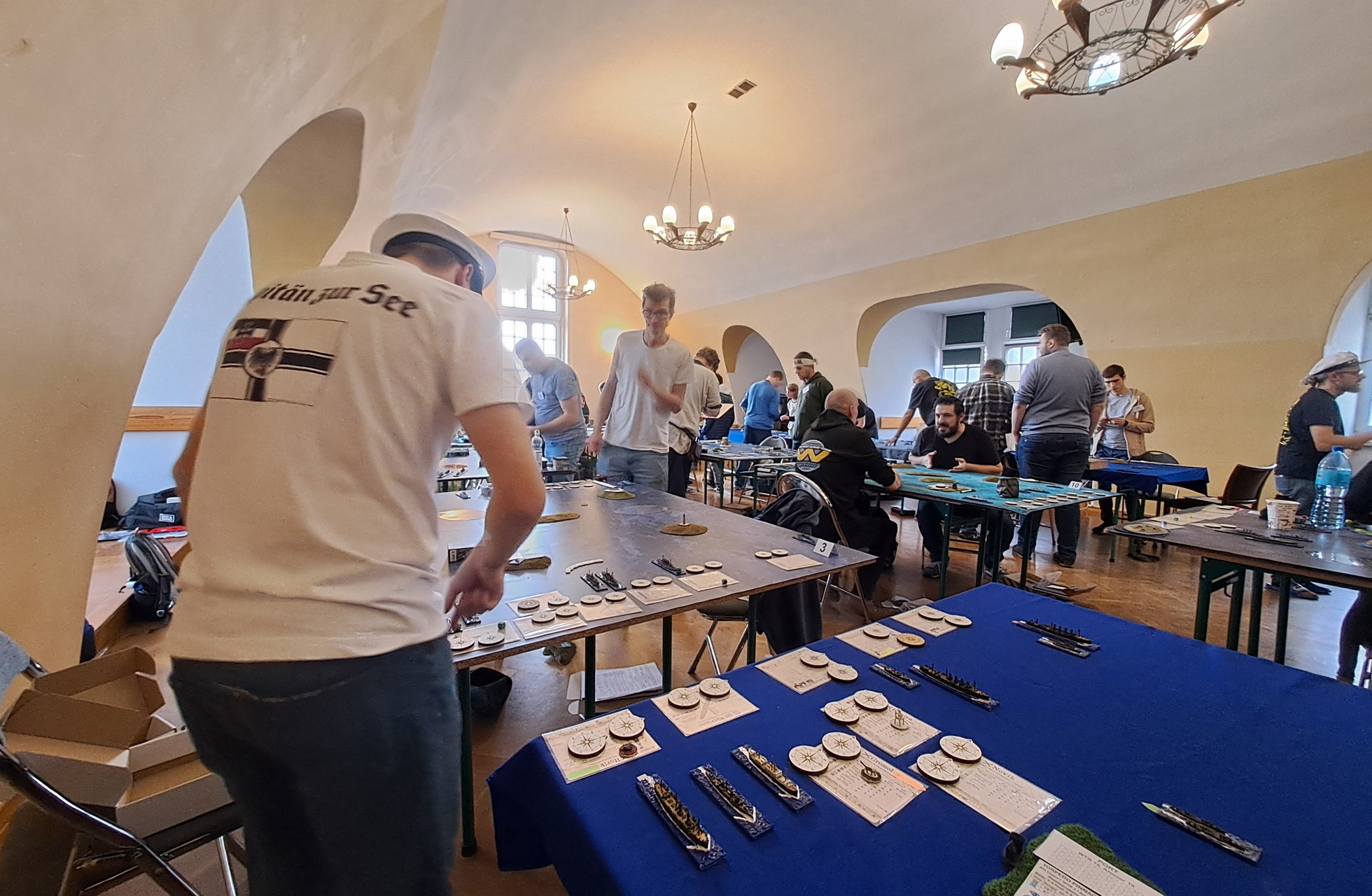
Last weekend, on October 18–19, the third Polish Championship for the Wrocław-published system Gods of War: Togo took place in the capital of Lower Silesia. It was a truly special event – the tournament gathered 40 participants, twice as many as the previous edition held at the game’s publisher, Bolter.
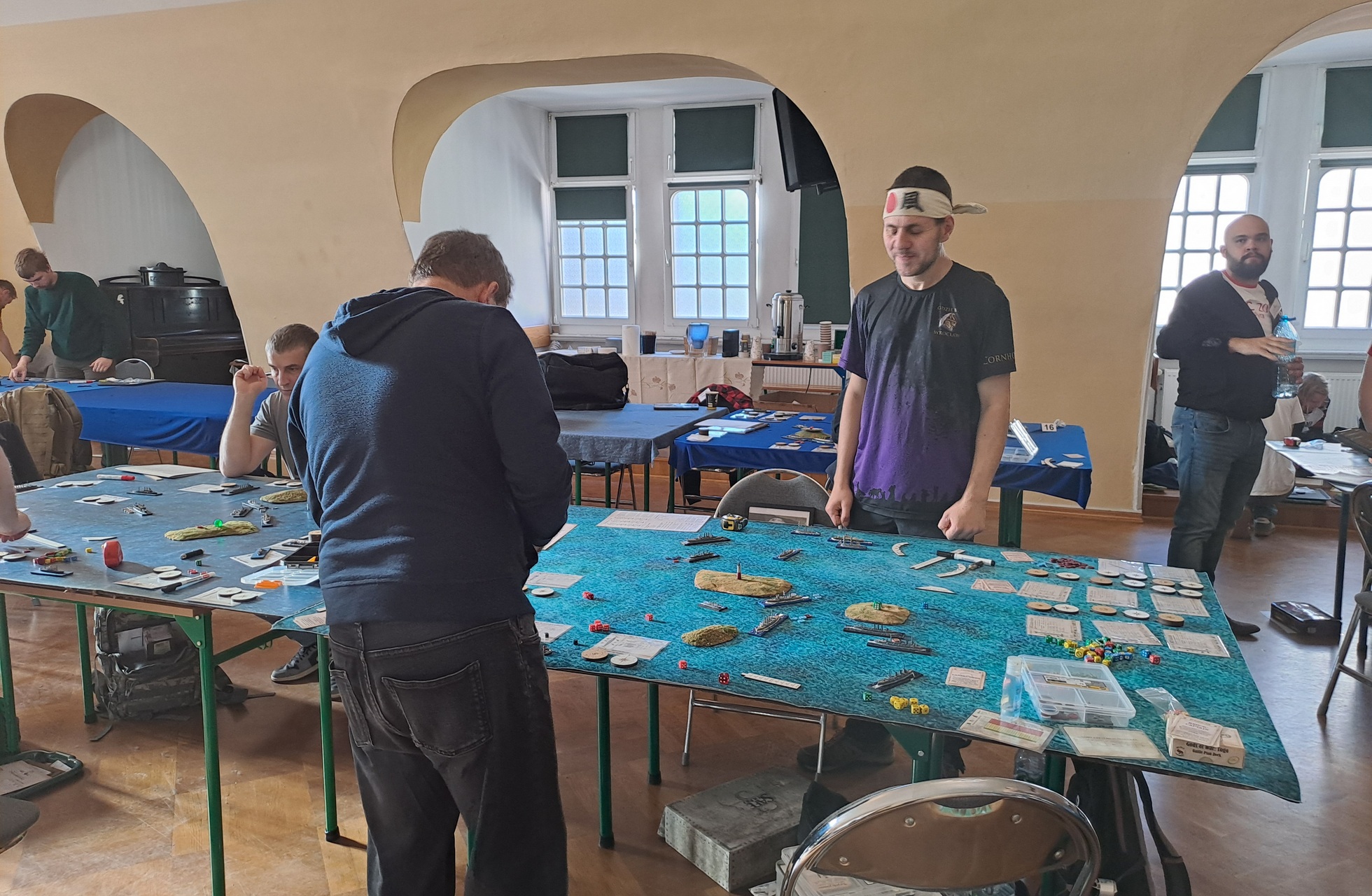
This year, along with the growing number of players, the venue also changed – from the cozy hobby store to the spacious assembly hall of the Ursuline Sisters High School in Wrocław.
Friday – Preparations
On Friday afternoon, we met at Bolter to load gaming tables, mats, and terrain into cars. Once we arrived at Plac Biskupa Nankiera, we carried everything inside and began setting up the hall. After several hours of work – and plenty of heavy lifting – I fell asleep the moment I got home.
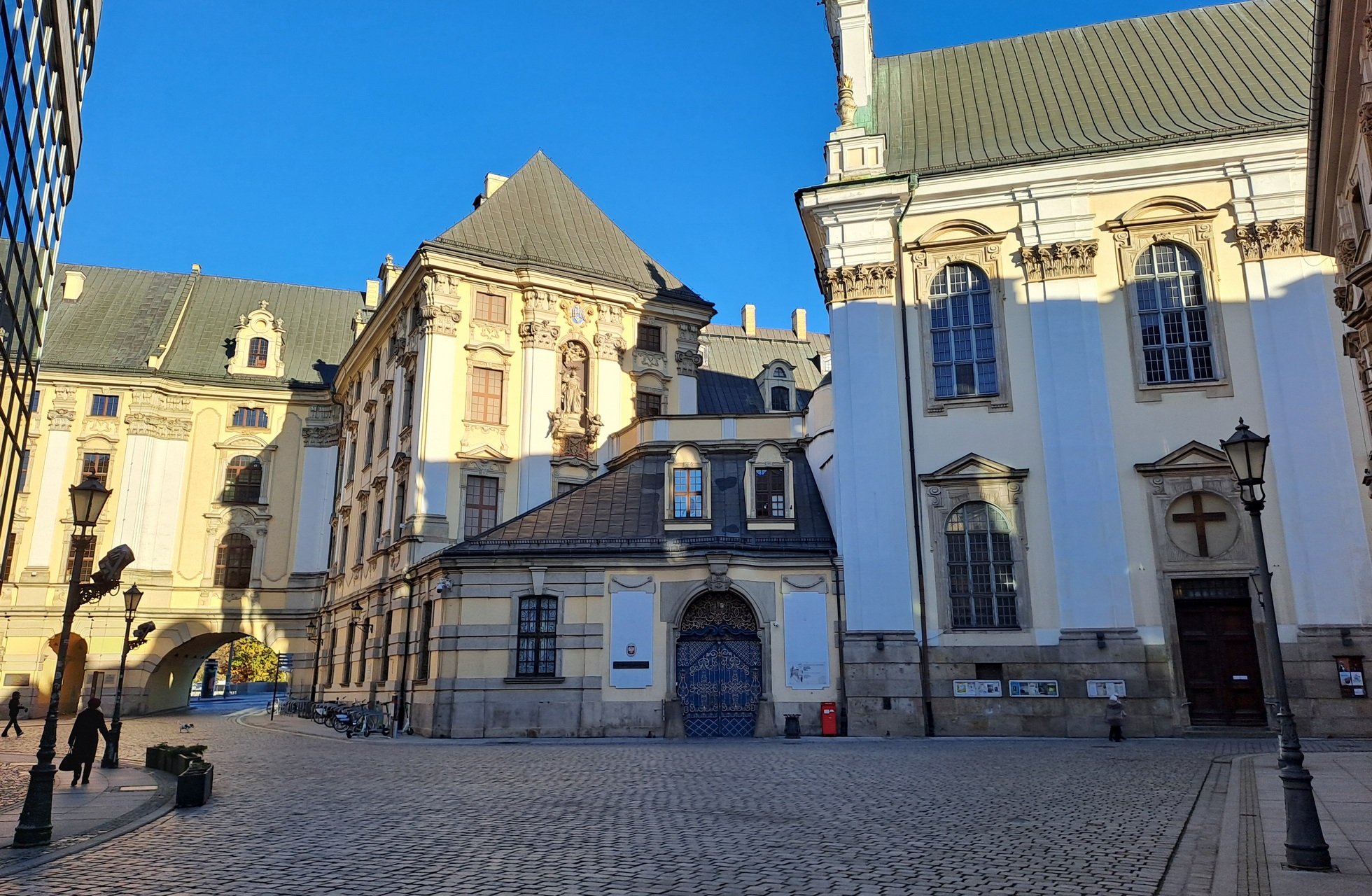
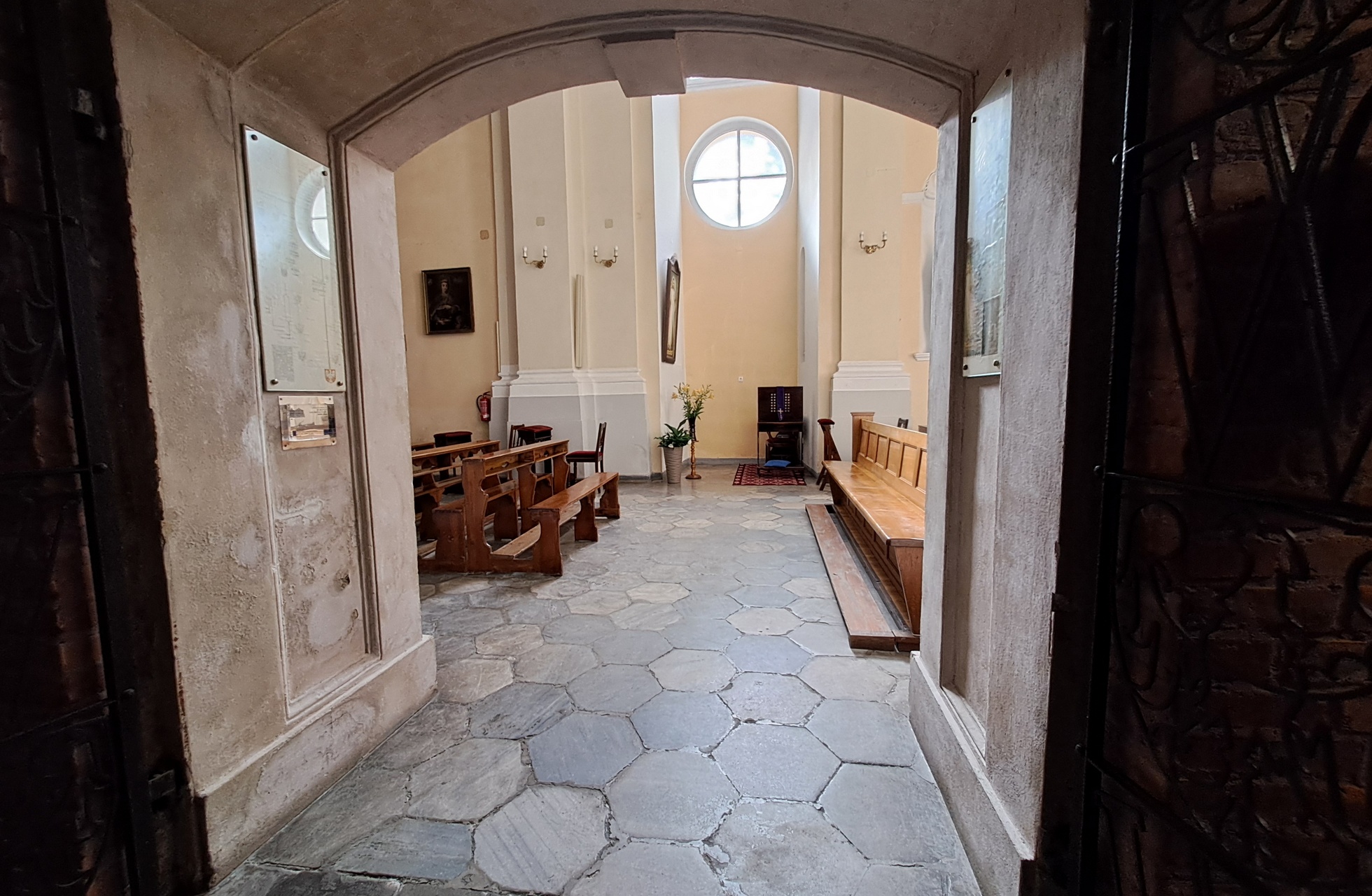
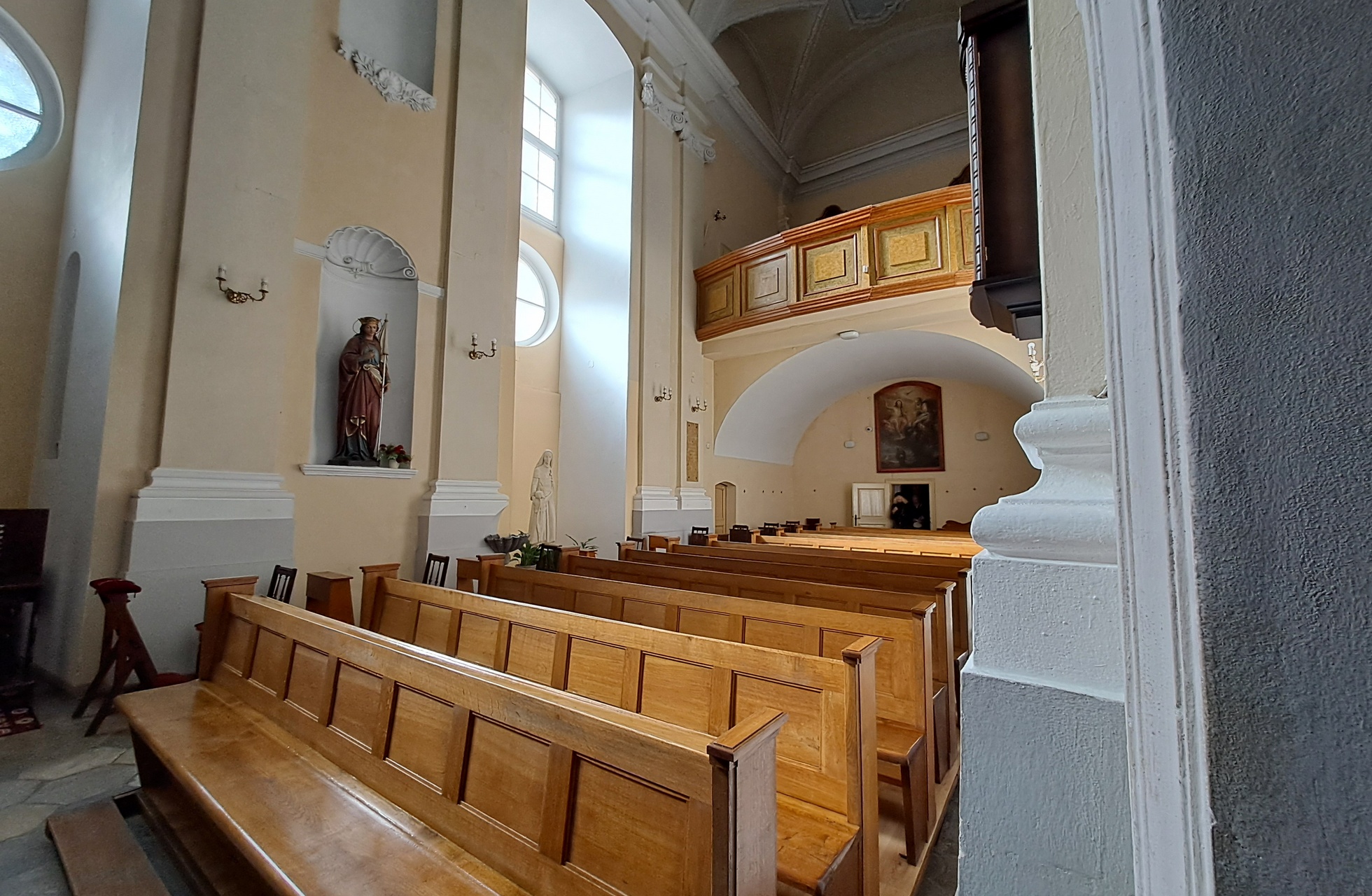
The Ursuline Sisters’ complex is a place full of history. Though modest on the outside, it hides the Mausoleum of the Silesian Piasts, where the last member of the dynasty rests. Thanks to the kindness of one of the game’s creators, Maciej “Torgill” Molczyk, we had the opportunity to visit this remarkable site.
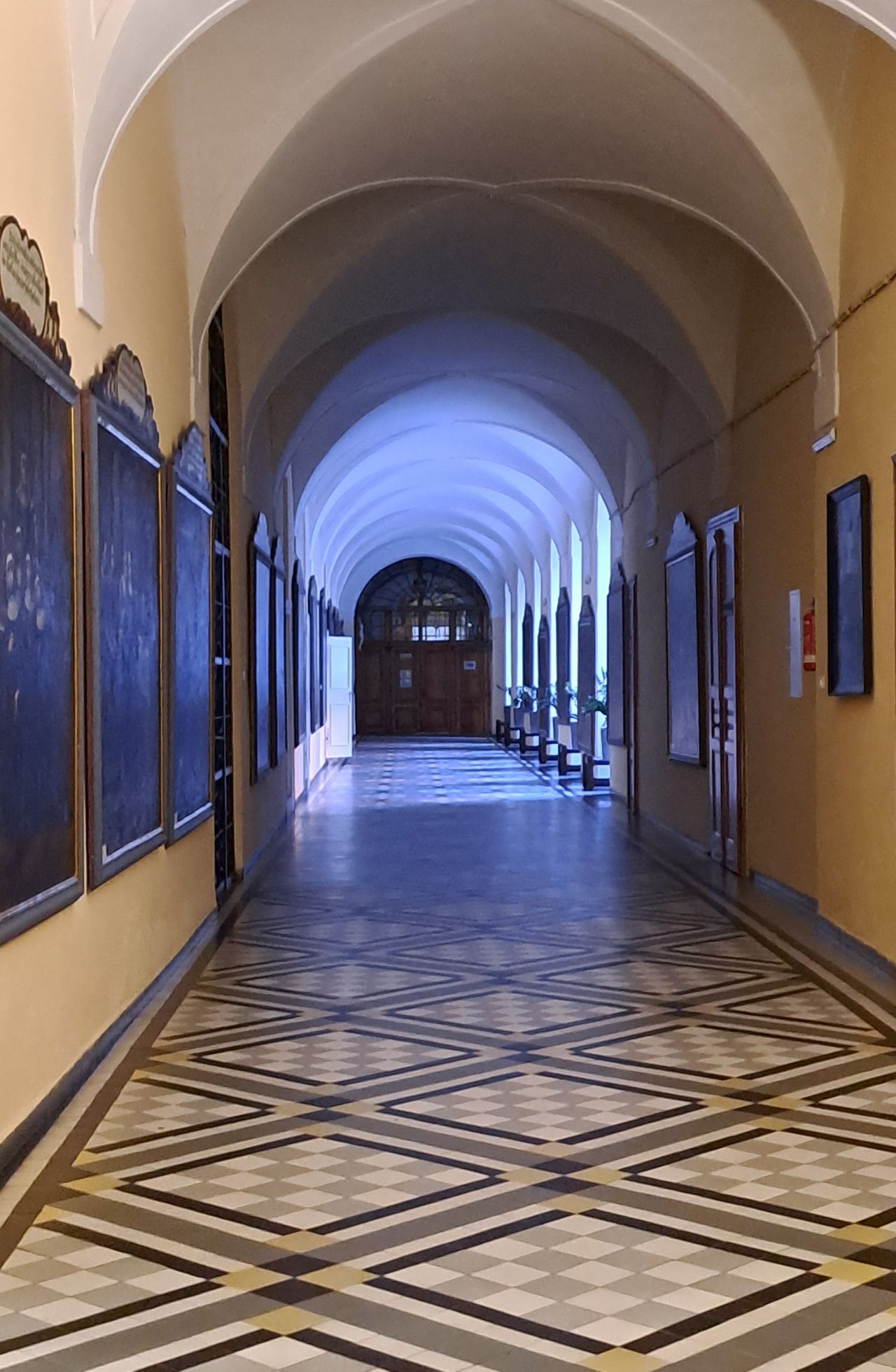
The school is located in the heart of Wrocław – close to the Market Square and Ostrów Tumski, the historic birthplace of the city. In the photo gallery below, you’ll find a few shots of the surrounding area taken on Sunday morning. And while you’re here – I highly recommend visiting Wrocław, the city of hundreds of bridges and dwarfs. Don’t miss the Market Square, Town Hall, “Jaś i Małgosia” houses, St. John the Baptist Cathedral, St. Giles Church, or the Piast Castle Chapel – just a few of the city’s treasures!
Saturday – Day One of Battles
This year saw a record turnout – 40 players! An impressive number, especially for a historical wargame set in the age of iron and steam. The system is clearly thriving, attracting more and more players from both Poland and abroad.
We played at 1,810 points, with a limit of 8 ships per player (except for Armada Española, which could field 9). A total of five scenarios were played – three on Saturday and two on Sunday.
1️⃣ Command of the sea Opponent: Kaiserliche Marine (Miko) A fantastic duel! I focused on hunting down German cruisers – with great success. Zigzag maneuvers and broadside tactics paid off well. Result: Victory for Russia 🇷🇺
2️⃣ Bombardment of the Port Opponent: United States Navy (Gabriel) I had a numerical advantage (8 vs. 5 ships), but my opponent’s armor was tougher. The firefight was fierce, yet neither of us managed to destroy the enemy harbor. Result: Draw ⚖️
3️⃣ One Buoy Too Far Opponent: Russian fleet (Dominik) A full-scale civil war! Intense close-range fighting and several spectacular rammings. Result: Minor victory for my fleet ⚓
Sunday – Day Two
4️⃣ Cutting the Undersea Cables Opponent: Kaiserliche Marine (Krystian) My first match against Krystian – everything was going smoothly until two well-placed torpedoes shattered my hopes for victory. Result: Minor loss ⚙️
5️⃣ Clash on the Counter-Courses Opponent: United States Navy (Sighorn) As tradition demands, we had to face each other! This time, the Americans had a battleship, and my plan to outflank them failed when my Gromoboy (or Rurik) lost its rudder. Result: Defeat – but what a fight! 💥
Summary
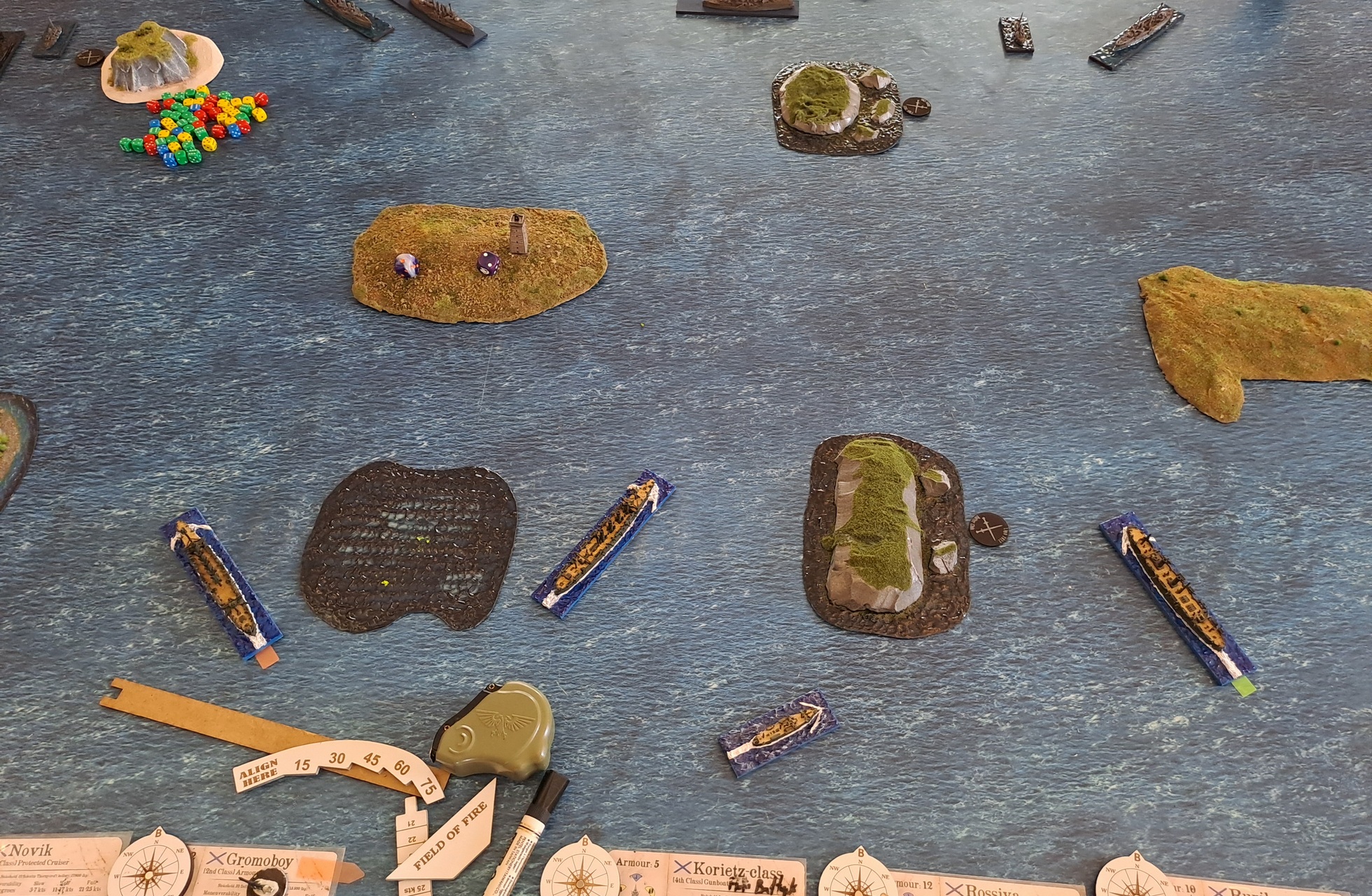
I commanded my beloved Rossijskij Impieratorskij Fłot, composed of ships from the Pacific Fleet: Rossiya, Gromoboy, Rurik, Novik, Koreyets, half-squadron of Forels, and the transport ship SS Warrimoo. I chose not to mix Baltic and Pacific ships or field a battleship – after all, it’s the proud Vladivostok Squadron!
Each of the five battles was exciting and memorable – the kind you wish you could replay again… and again. A huge thank-you to all participants for the fantastic atmosphere and the passion you bring to this remarkable game!
🏆 Winner of the 3rd Polish Championship in Gods of War: Togo: Maciej “Pyra” Mikołajczyk (🇾🇪 Kaiserliche Marine) – with an impressive 31 points!
🥈 2nd place: Gabriel Kamedulski (🇺🇸 United States Navy) – 30 points
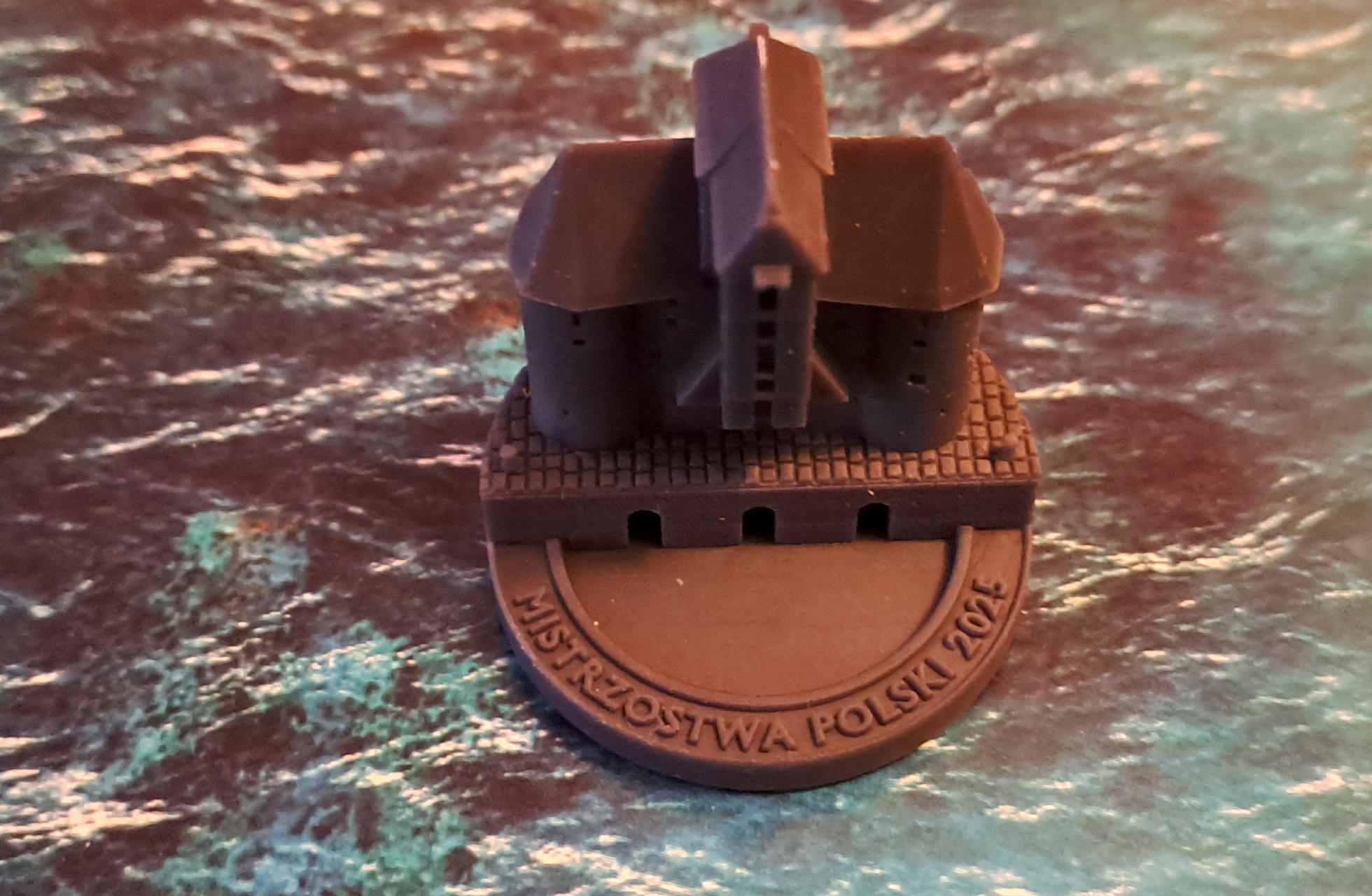
🎁 Every participant received wonderful prizes: a model of the STS “Lwów” ⛵, a special harbor marker ⚓, and a ship model from GM Boardgames.
💀 The player at the bottom of the rankings wasn’t forgotten – they received a diploma, a model of the ship Kamchatka, and a commemorative badge for spirit and perseverance! 💪
See you at the next naval maneuvers! ⚓🇷🇺
🇵🇱 Mistrzostwa Polski 2025 w „Bogowie Wojny: Togo” – Wrocław, 18–19 października
W miniony weekend, 18–19 października, w stolicy Dolnego Śląska odbyły się trzecie Mistrzostwa Polski w wydawany we Wrocławiu system „Bogowie Wojny: Togo”. Było to wydarzenie wyjątkowe – turniej zgromadził aż czterdziestu uczestników, czyli dwa razy więcej niż edycja sprzed roku, zorganizowana w siedzibie wydawcy gry, Bolterze. Tym razem, wraz ze wzrostem liczby graczy, zmieniło się również miejsce – z klimatycznego sklepu hobbystycznego przenieśliśmy się do przestronnej auli Liceum Ogólnokształcącego Sióstr Urszulanek we Wrocławiu.
Piątek – przygotowania
W piątkowe popołudnie zebraliśmy się w Bolterze, by załadować do samochodów blaty, maty i teren. Po przyjeździe na plac Biskupa Nankiera zabraliśmy się za przenoszenie wszystkiego do auli i przygotowanie sali. Po kilku godzinach pracy – i licznych przenosinach – sen dopadł mnie natychmiast po powrocie do domu.
Kompleks Sióstr Urszulanek to miejsce z duszą. Z zewnątrz niepozorny, wewnątrz kryje mauzoleum Piastów Śląskich, w którym spoczywa ostatnia przedstawicielka rodu. Dzięki uprzejmości jednego z twórców gry, Maćka „Torgilla” Molczyka, mieliśmy okazję zwiedzić to wyjątkowe miejsce.
Szkoła znajduje się w samym sercu Wrocławia – blisko Rynku i Ostrowa Tumskiego, czyli historycznego początku miasta. W galerii zdjęć znajdziecie kilka ujęć okolicy zrobionych w niedzielny poranek. Przy okazji zachęcam do odwiedzenia Wrocławia – miasta setek mostów i krasnali. A jeśli zostanie Wam trochę czasu, warto zobaczyć również Rynek, Ratusz, kamieniczki „Jaś i Małgosia”, katedrę św. Jana Chrzciciela, św. Idziego, czy kaplicę zamku Piastowskiego. To tylko część tego, co warto odkryć!
Sobota – pierwszy dzień zmagań
W tym roku padł rekord frekwencji – 40 uczestników! To imponujący wynik, zwłaszcza jak na system historyczny osadzony w epoce żelaza i pary. Gra ewidentnie żyje i przyciąga coraz więcej graczy – nie tylko z Polski, ale też spoza kraju.
Graliśmy na 1810 punktów, z limitem ośmiu jednostek na gracza (z wyjątkiem Armada Española, która mogła wystawić dziewięć). W sumie rozegraliśmy pięć scenariuszy, po trzy w sobotę i dwa w niedzielę.
1️⃣ Kontrola oceanu
Przeciwnik: Kaiserliche Marine (Miko) Świetne starcie! Skupiłem się na polowaniu na niemieckie krążowniki – z dobrym skutkiem. Pływanie zygzakiem i manewrowanie burtą bardzo się opłaciło. Wynik: Zwycięstwo dla Rosji 🇷🇺
2️⃣ Ostrzał portu
Przeciwnik: United States Navy (Gabriel) Miałem przewagę liczebną (8 jednostek do 5), ale przeciwnik dysponował lepszym opancerzeniem. Wymiana ognia była zacięta, lecz żaden z nas nie zniszczył portu przeciwnika. Wynik: Remis ⚖️
3️⃣ O jedną boję za daleko
Przeciwnik: Rosyjska flota Dominika Wojna domowa w pełnej krasie! Liczne starcia na krótkim dystansie i kilka widowiskowych taranowań. Wynik: Małe zwycięstwo mojej floty. ⚓
Niedziela – dzień drugi
4️⃣ Przecinanie podmorskich kabli
Przeciwnik: Kaiserliche Marine (Krystian) Pierwsze starcie z Krystianem – długo toczyło się po mojej myśli, aż dwie celne torpedy zakończyły sen o zwycięstwie. Wynik: Mała przegrana. ⚙️
5️⃣ Starcie na kontrkursach
Przeciwnik: United States Navy (Sighorn) Tradycji stało się zadość – musieliśmy się spotkać! Tym razem Amerykanie mieli pancernik, a mój plan ominięcia floty przeciwnika spalił na panewce przez uszkodzenie steru na Gromoboju (lub Ruryku). Wynik: Porażka, ale emocje do końca.
Podsumowanie
Grałem moją ukochaną Rossijskij Impieratorskij Fłot, złożoną z jednostek w barwach floty pacyficznej: Rossija, Gromobój, Ruryk, Nowik, Koriejec, półdywizjon Foreli oraz transportowiec SS Warrimoo. Nie chciałem mieszać okrętów floty Bałtyckiej i Pacyfiku, ani wystawiać pancernika – w końcu to eskadra Władywostocka!
Każda z pięciu bitew była niezwykle emocjonująca – należała do tych, które chciałoby się rozegrać jeszcze raz… i jeszcze jeden. Dziękuję wszystkim uczestnikom za świetną atmosferę i pasję, z jaką podchodzą do tej niezwykłej gry.
🏆 Zwycięzcą III Mistrzostw Polski w „Bogowie Wojny: Togo” został Maciej „Pyra” Mikołajczyk (🇾🇪 Kaiserliche Marine), zdobywając imponujące 31 punktów!
🥈 Drugie miejsce zajął Gabriel Kamedulski (🇺🇸 United States Navy) z wynikiem 30 punktów.
🥉 Na trzecim miejscu uplasował się Kamil „Krassus” Krasuski (⚓ Rossijskij Imperatorskij Fłot), zdobywając 29 punktów.
🎁 Każdy z uczestników otrzymał wspaniałe nagrody — model żaglowca STS „Lwów” ⛵, specjalny znacznik portu ⚓ oraz wybrany model z oferty GM Boardgames.
💀 Nie zapomniano też o zawodniku z końca tabeli — otrzymał dyplom, model statku „Kamczatka” oraz pamiątkową plakietkę za ducha walki i wytrwałość! 💪
Do zobaczenia na kolejnych manewrach! ⚓🇷🇺
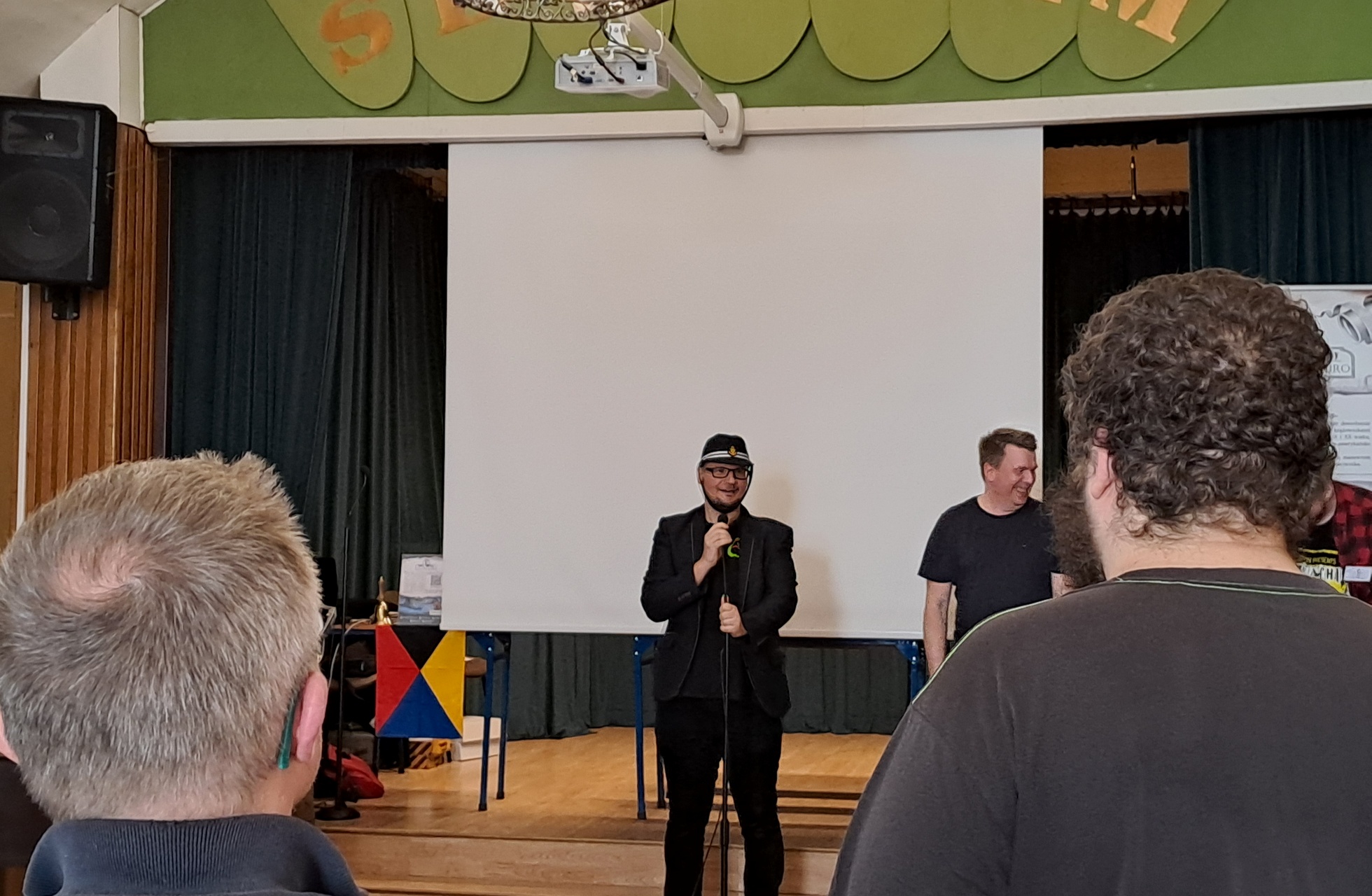
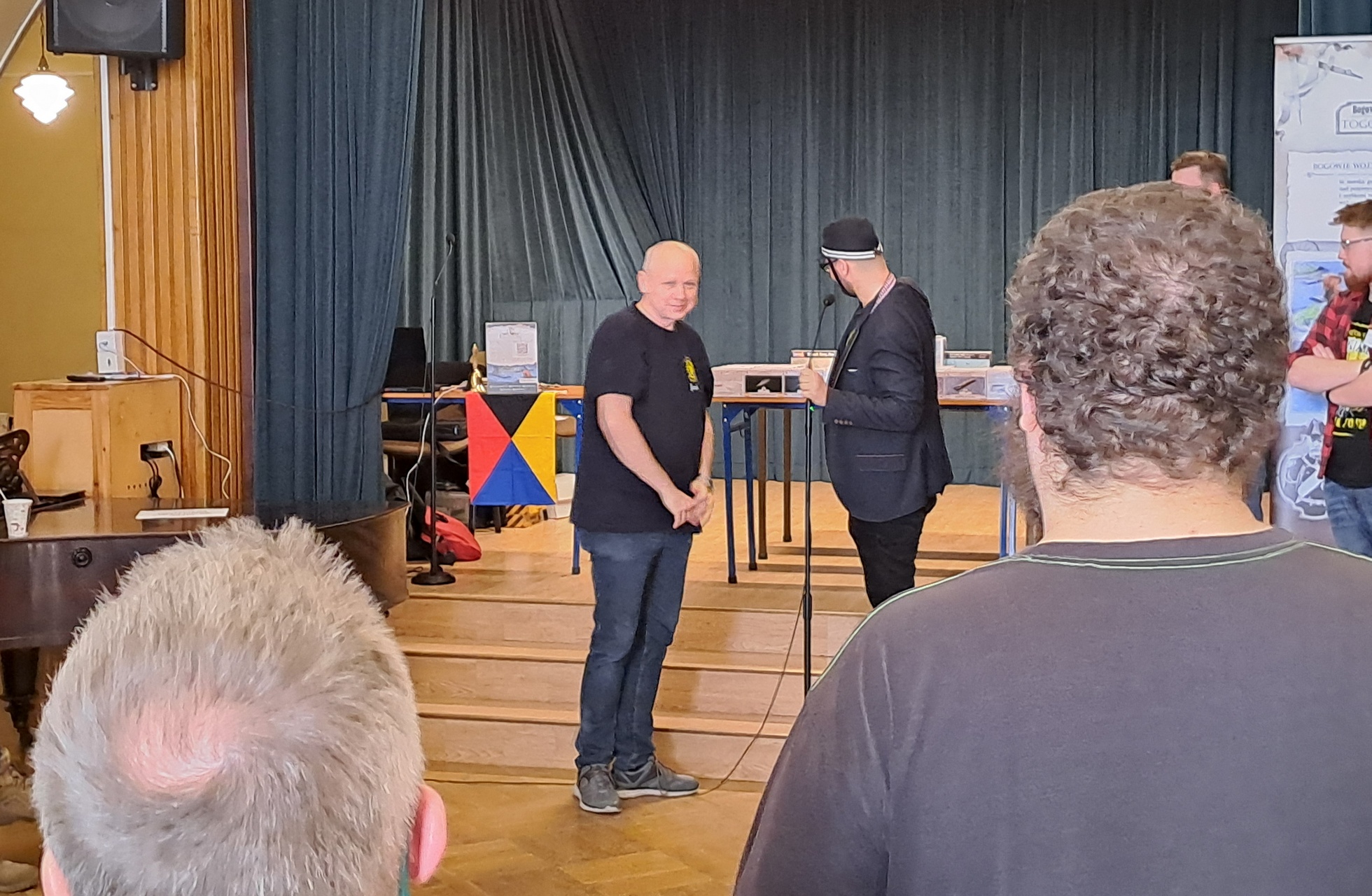
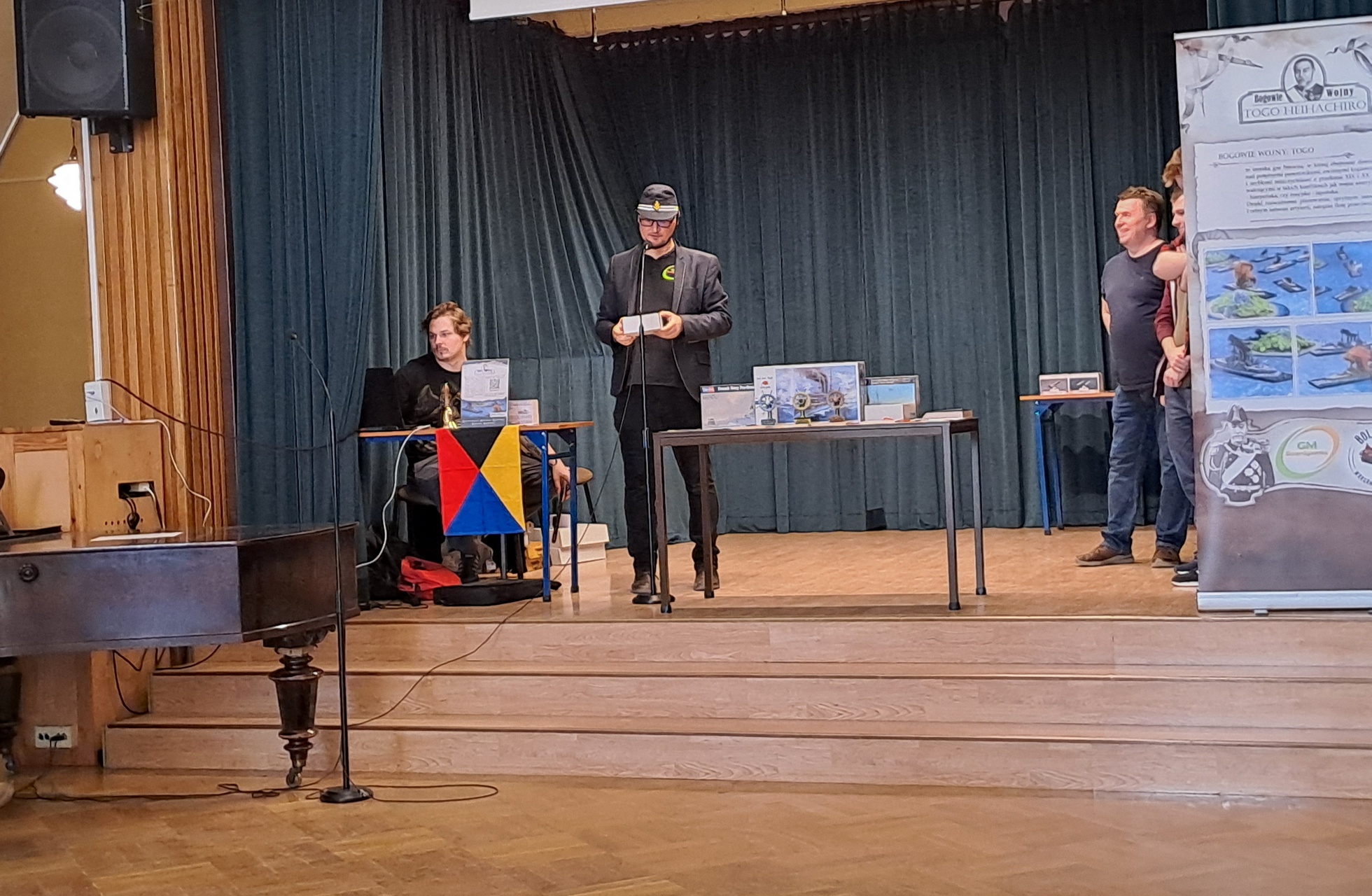
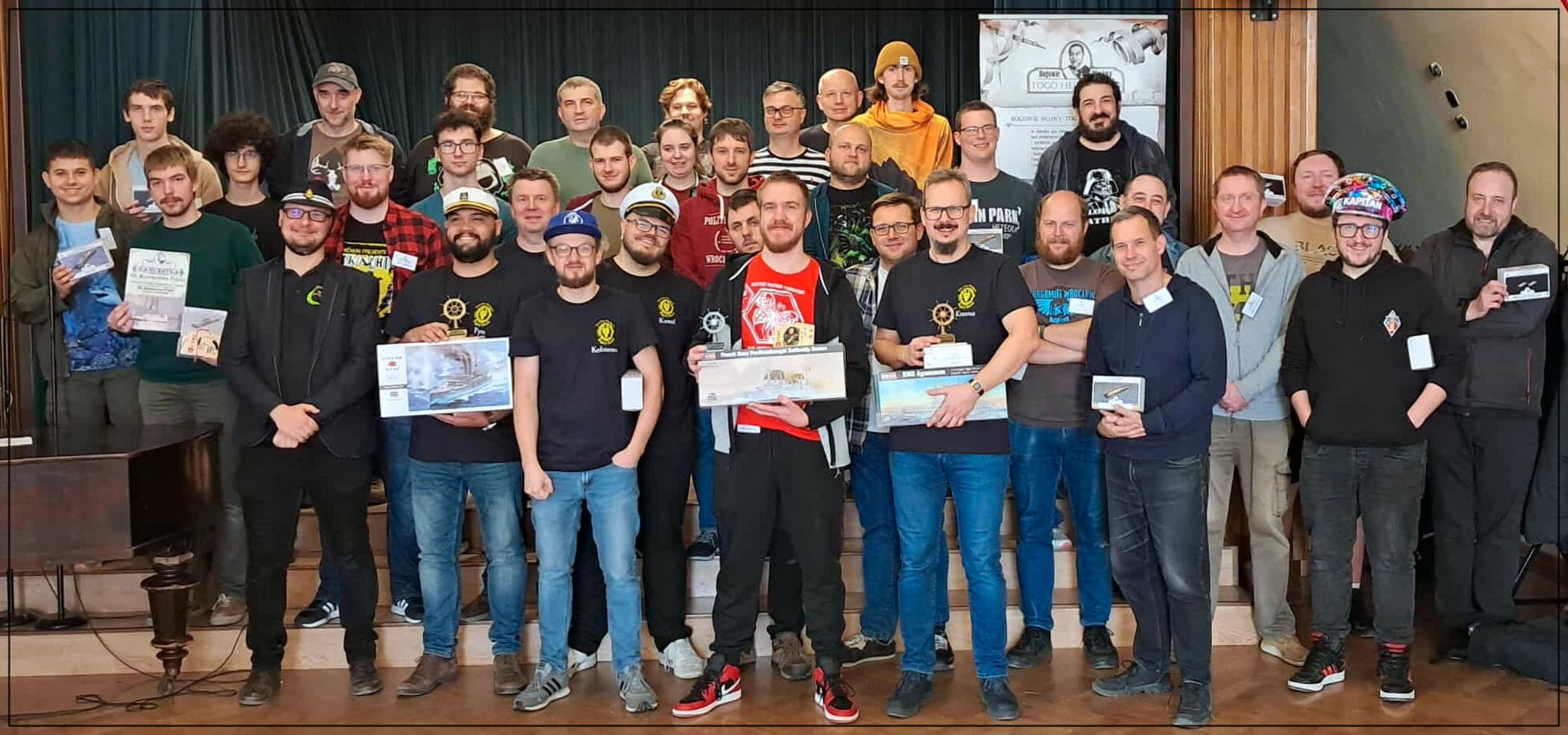
First day! Dzień pierwszy!Start!First game with great admiral Miko. Pierwsza gra z świetnym admirałem Miko.Maciej „Torgill” Molczyk.Miko and Sighorn.Second game with admiral Gabriel. Druga gra z admirałem Gabrielem.Special prize for everyone. Specjalna nagroda dla każdego.Special prize for everyone. Specjalna nagroda dla każdego.Special prize for everyone assembled Sunday morning. Specjalna nagroda dla każdego złożona w niedzielny poranek.Sunday morning. Niedzielny poranek.Ossolineum.Day two of fun. Dzień drugi zabawy.Fourth game with admiral Krystian, I missed game number three. Gra numer cztery z admirałem Krystianem, zgubiłem grę numer trzy.Some break to visit Mausoleum of the Silesian Piasts. Krótka przerwa by odwiedzić mauzoleum Piastów Śląskich.Game number five with great admiral Sighorn. Potyczka numer pięć z wielkim admirałem Sighornem. Main prizes. Główne nagrody.My teammate from Fubar Team and Gdzie był Wrocław. My kompan z Fubar Team i z Gdzie był Wrocław.Painting competition. Konkurs malarski.Armada Espanola.Nippon Kaigun.Aspirant Rossiyskiy Imperatorskiy Flot.Kaiserliche Marine.Armada Espanola. Some tables were moved downstairs. Trochę blatów zostało już zniesionych. I love this view! Kocham ten widok!All participants and organizers together. Uczestnicy i organizatorzy.
🇬🇧 Summary: – You can read more about the army lists and results here 👉 TournyKeeper – Polish Championship 2025 – The tournament was played in a fantastic atmosphere – five intense battles among admirals from all over Poland ⚓🇵🇱 – Admirals of fleets arrived in Wrocław from Bielsko-Biała, Głogów, Gorzów Wielkopolski, Poznań, Pruszków, Sosnowiec, Warsaw, Wiązów, Wilkszyn, Zielona Góra, Żerniki Wrocławskie, and of course, from the host city itself – Wrocław. ⚓🇵🇱 – Despite the light armor on most of my ships, I had a clear plan for how to play this fleet – would I change anything? I’m not sure! The squadron was thematic, distinctive, and fully competitive. 🚢 – I warmly invite everyone to the next Polish Championship – a must-attend event for every fan of Gods of War: Togo! 🏆🌊 – More about this event you can read here: https://www.facebook.com/groups/615266705289069 – More about Gods of War: Togo you can read here: https://www.gmboardgames.com/blog/en/gods-of-war-togo/
🇵🇱 Podsumowanie: – O rozpiskach i wynikach możecie przeczytać tutaj 👉 TournyKeeper – Mistrzostwa Polski 2025 – Turniej rozegrany został w świetnej atmosferze – pięć intensywnych bitew, w gronie admirałów z całej Polski ⚓🇵🇱 – Do Wrocławia przybyli admirałowie flot z Bielska Białej, Głogowa, Gorzowa Wielkopolskiego, Poznania, Pruszkowa, Sosnowca, Warszawy, Wiązowa, Wilkszyna, Zielonej Góry, Żernik Wrocławskich i oczywiście miasta gospodarza Wrocławia. ⚓🇵🇱 – Mimo słabego pancerza na większości okrętów, miałem konkretny pomysł na grę tą rozpiską – czy coś bym zmienił? Nie wiem! Eskadra była klimatyczna, charakterystyczna i w pełni grywalna. – Już teraz serdecznie zapraszam na kolejne Mistrzostwa Polski – to obowiązkowe wydarzenie dla każdego fana Bogów Wojny: Togo! 🏆🌊 – Więcej o wydarzeniu możecie również przeczytać tutaj: https://www.facebook.com/groups/615266705289069 – Więcej o samej grze możecie przeczytać tutaj: https://www.gmboardgames.com/blog/bogowie-wojny-togo/
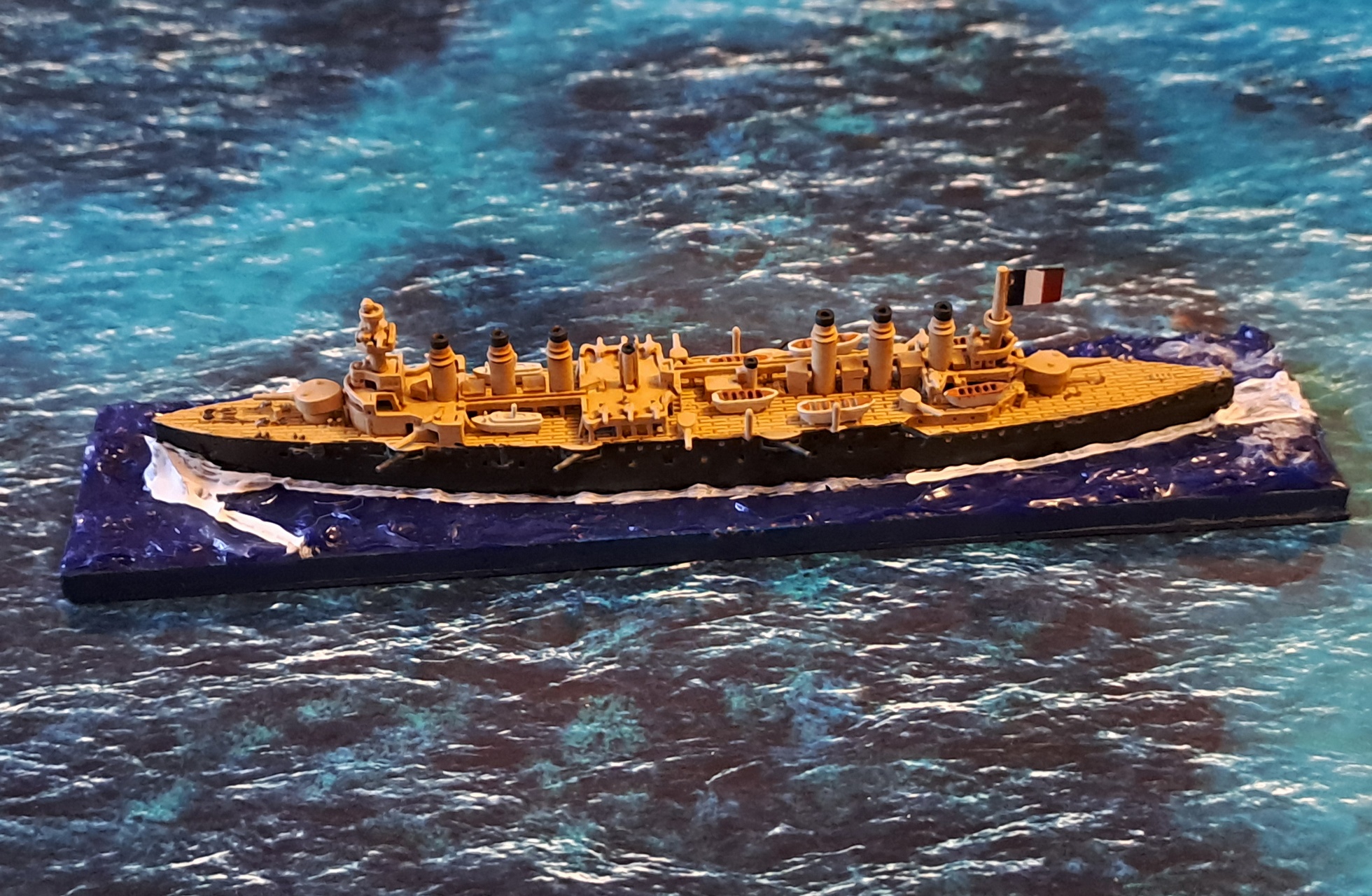
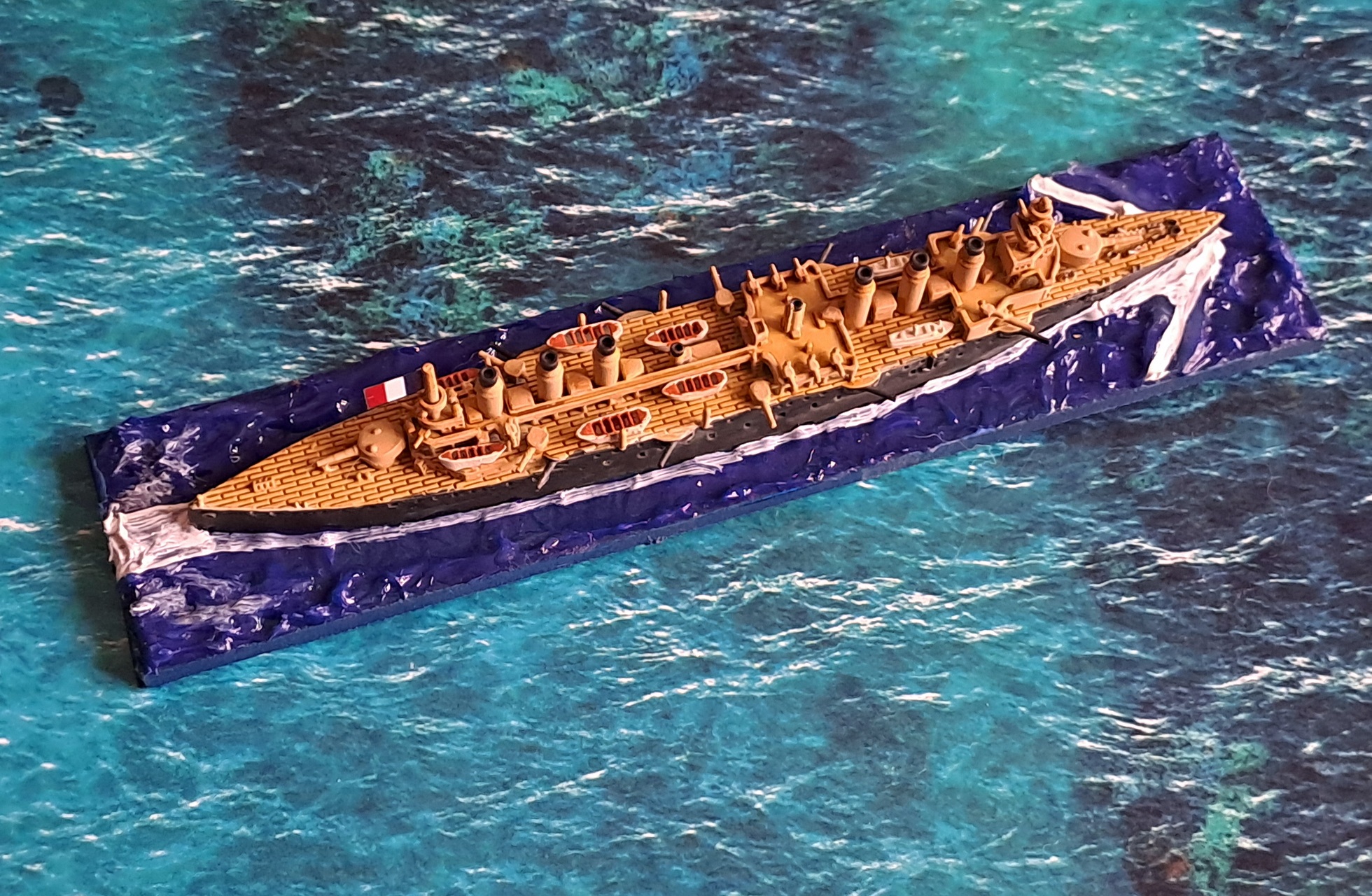
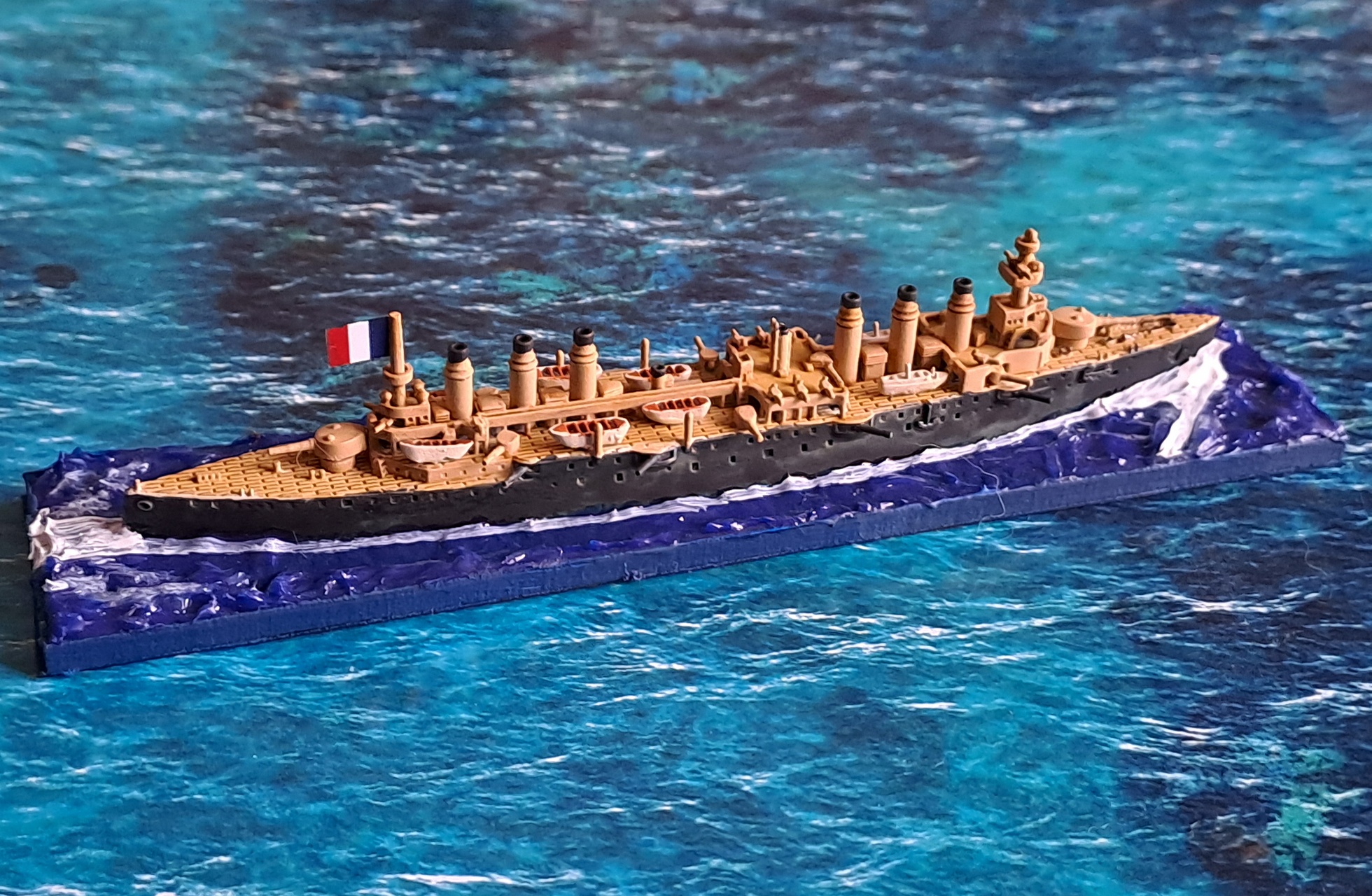
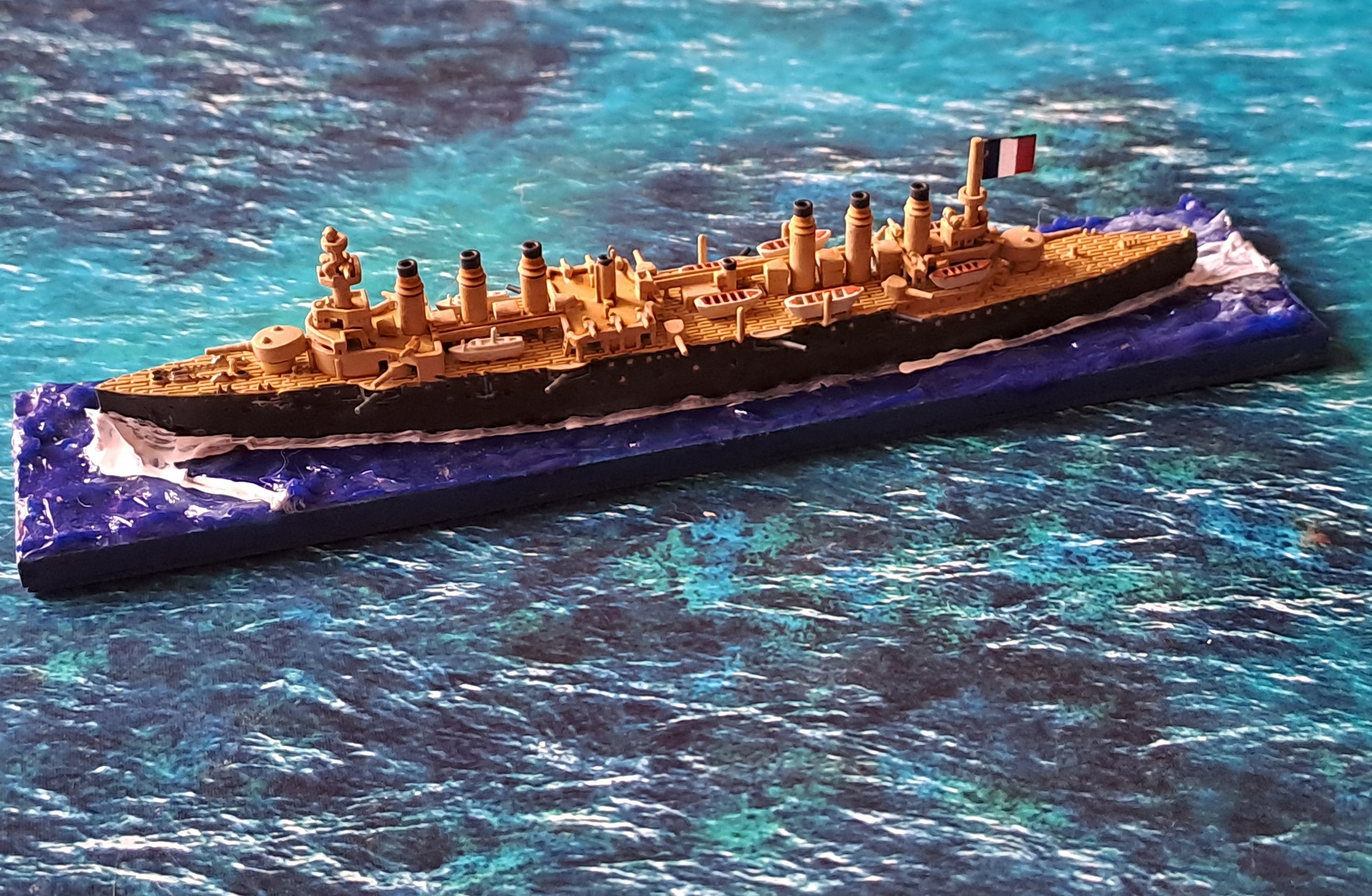
🇬🇧 I’ve finished painting Jeanne d’Arc — the first ship of my French Navy, belonging to the recently released Marine Nationale fleet. ⚓🇫🇷
Jeanne d’Arc was a French armoured cruiser, commissioned in 1903. The ship displaced around 11,300 tons and could reach about 21 knots. It was designed for long-range operations, with quite good armour protection, having a 150 mm belt. Her main armament consisted of two 194 mm guns, along with fourteen 138,6 mm guns. Additionally, the ship had several 47 mm quick-firing guns and two 450 mm torpedo tubes. She served primarily with the Northern Squadron and later in the Mediterranean, participating in fleet manoeuvres designed to test French naval strategy and the coordination of armoured cruisers with battleships. The cruiser undertook several long-distance training cruises, visiting ports in North Africa, the Caribbean, and South America, showcasing French presence abroad. In 1905, she played a key role in diplomatic visits to South American nations, demonstrating both naval power and technological advancement. She was decommissioned in 1928 and scrapped in 1934. In the game, Jeanne d’Arc is among the most powerful armoured cruisers. Although there are vessels in this class with stronger armour, heavier armament, or greater endurance, Jeanne d’Arc perfectly combines all three characteristics, making her an exceptionally dangerous ship for any opponent.
* – description of the Jeanne d’Arc by GMBoardgames.
🇵🇱 Udało mi się ukończyć Jeanne d’Arc – pierwszy okręt mojej francuskiej marynarki wojennej, należący do niedawno wydanej Marine Nationale. ⚓🇫🇷
Jeanne d’Arc był francuskim krążownikiem pancernym, wcielonym do służby w 1903 roku. Okręt miał wyporność około 11 300 ton i osiągał prędkość ok. 21 węzłów. Został zaprojektowany do działań dalekiego zasięgu, z dość solidnym opancerzeniem – pas burtowy miał grubość 150 mm.
Główne uzbrojenie stanowiły dwa działa kal. 194 mm oraz czternaście dział kal. 138,6 mm. Dodatkowo okręt miał kilka szybkostrzelnych dział kal. 47 mm oraz dwie wyrzutnie torped kal. 450 mm.
Służył głównie w Eskadrze Północnej, a później na Morzu Śródziemnym, uczestnicząc w manewrach floty, których celem było sprawdzanie francuskiej strategii morskiej oraz współdziałania krążowników pancernych z pancernikami. Krążownik odbył również kilka dalekich rejsów szkolnych, odwiedzając porty w Afryce Północnej, na Karaibach i w Ameryce Południowej, demonstrując francuską obecność za granicą. W 1905 roku odegrał ważną rolę w wizytach dyplomatycznych we wspomnianych krajach Ameryki Południowej, ukazując zarówno siłę, jak i postęp technologiczny Francji. Został wycofany w 1928 roku, a złomowany w 1934 roku.
🇬🇧 Summary: – After the new faction was added to the fleet builder, I took the opportunity to review all currently available Marine Nationale ships — you can find it HERE. – Jeanne d’Arc boasts numerous medium-caliber guns, excellent armor for a cruiser in the game, and above-average speed. She will no doubt become a frequent sight in French fleet lists. ⚓🇫🇷
🇵🇱 Podsumowanie: – Po udostępnieniu nowej frakcji w kreatorze floty pozwoliłem sobie na przegląd wszystkich obecnie dostępnych okrętów Marine Nationale TUTAJ. – Joanna d’Arc ma liczną artylerię średniego kalibru, świetny pancerz jak na krążowniki występujące w grze oraz ponadprzeciętną prędkość. Na pewno będzie częstym gościem we francuskich rozpiskach.
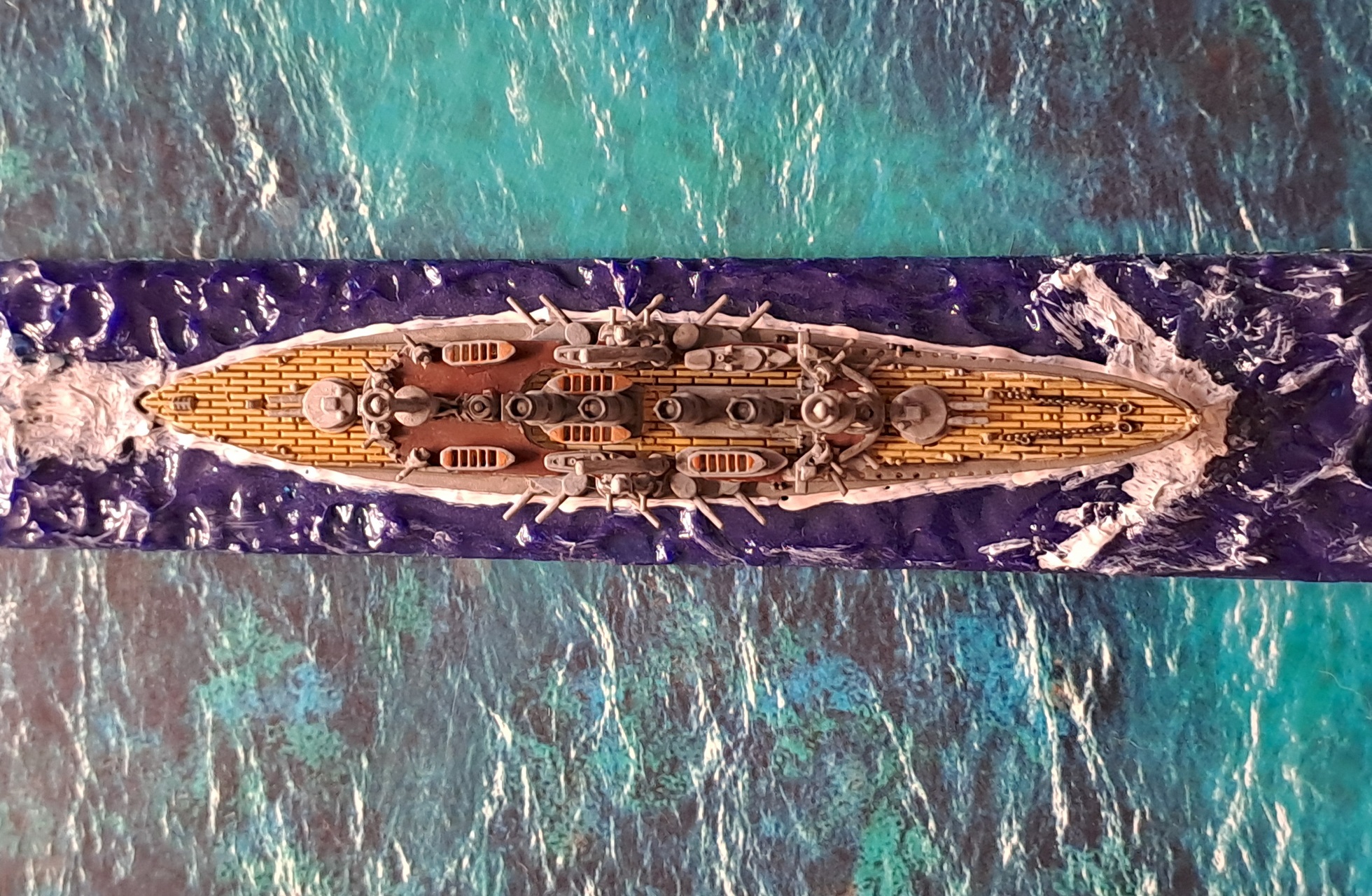
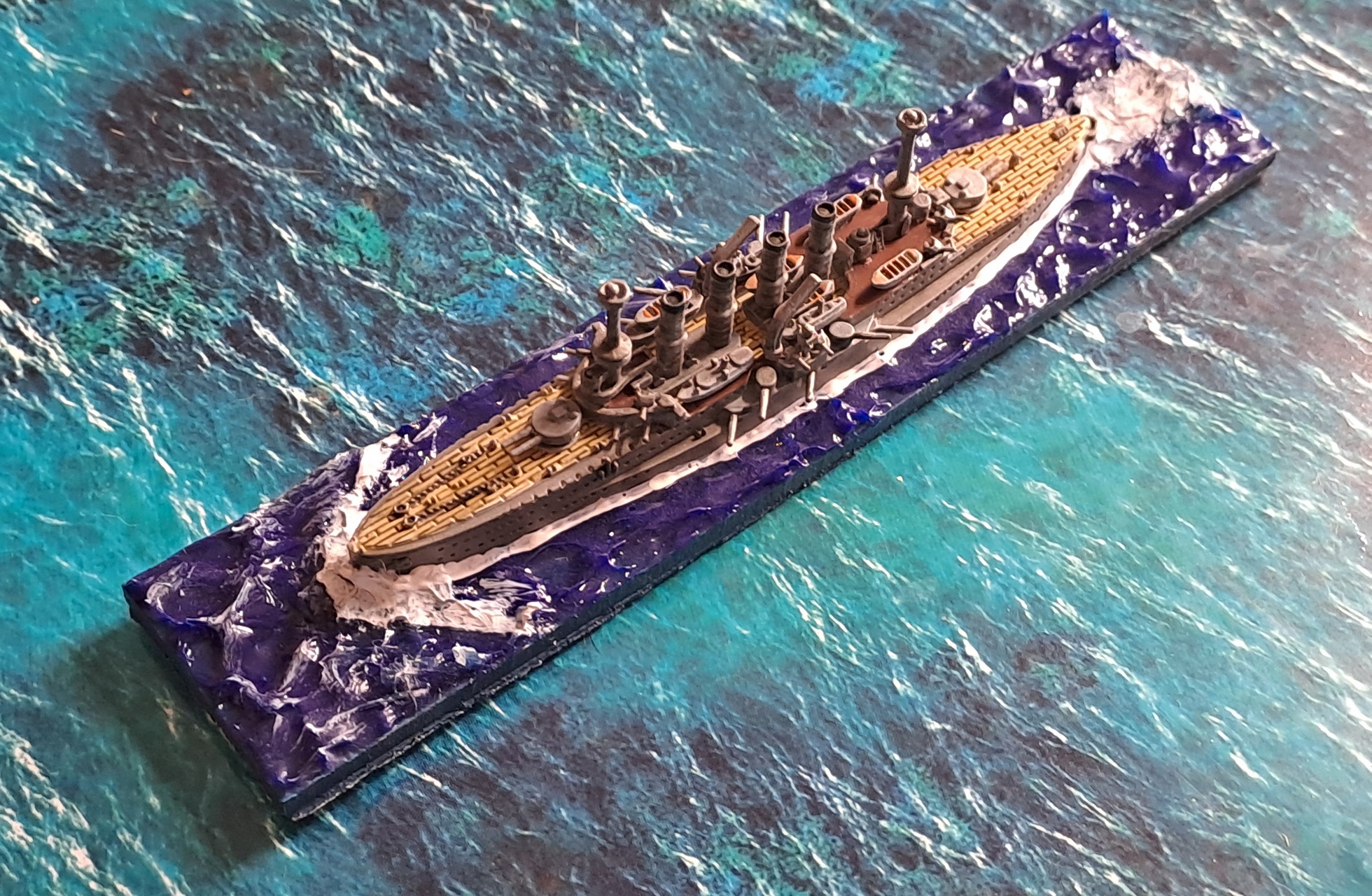
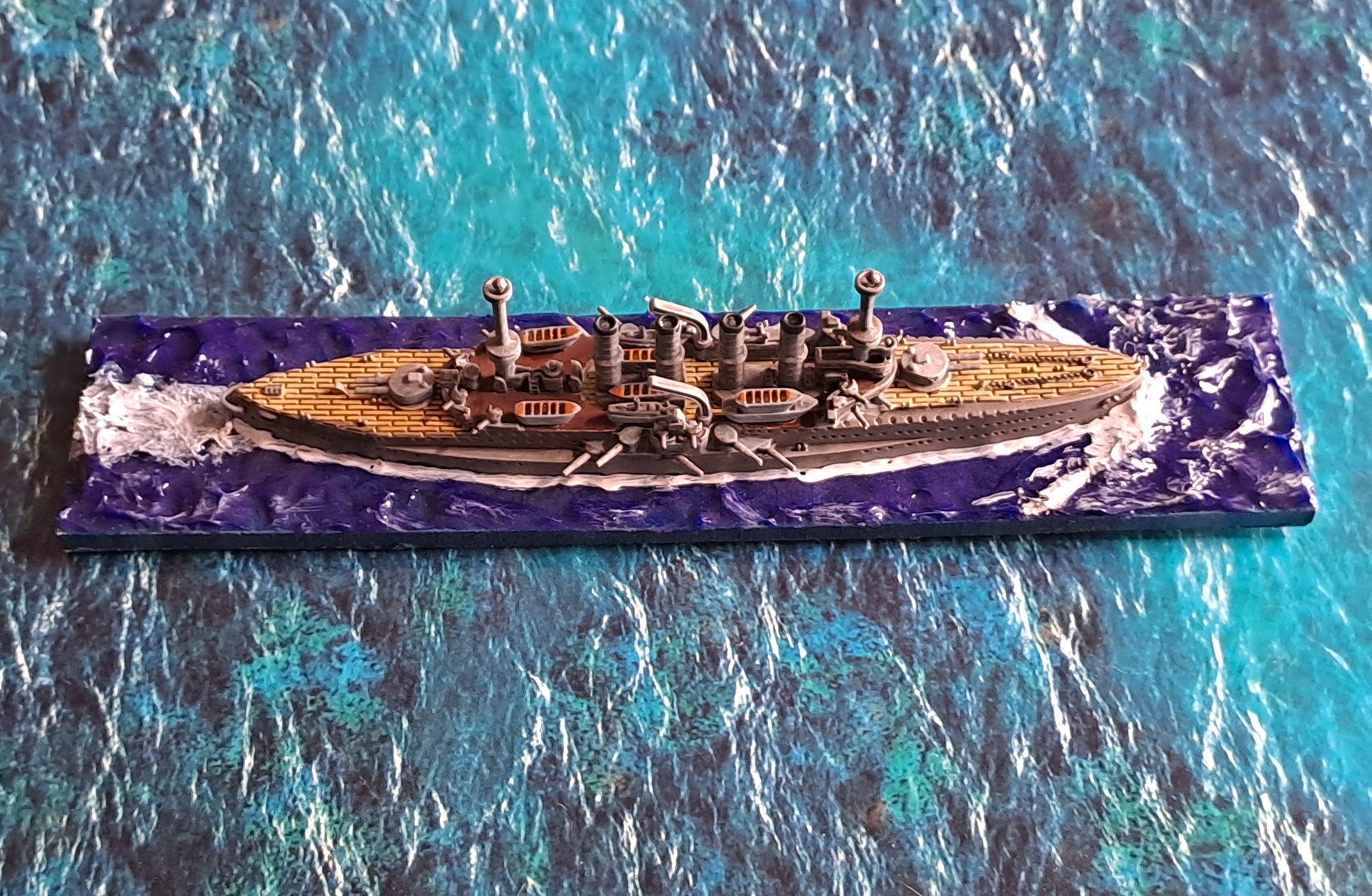
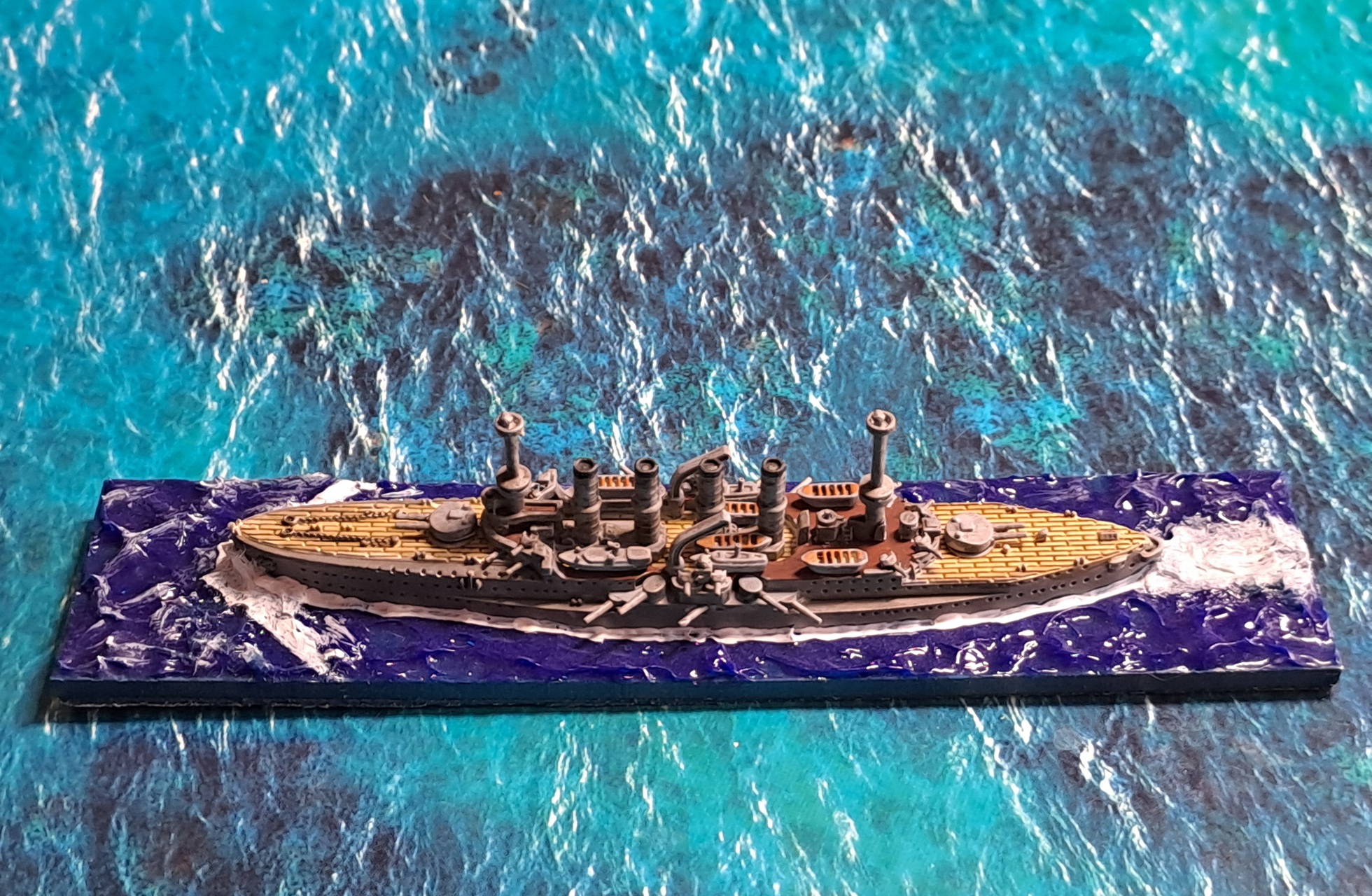
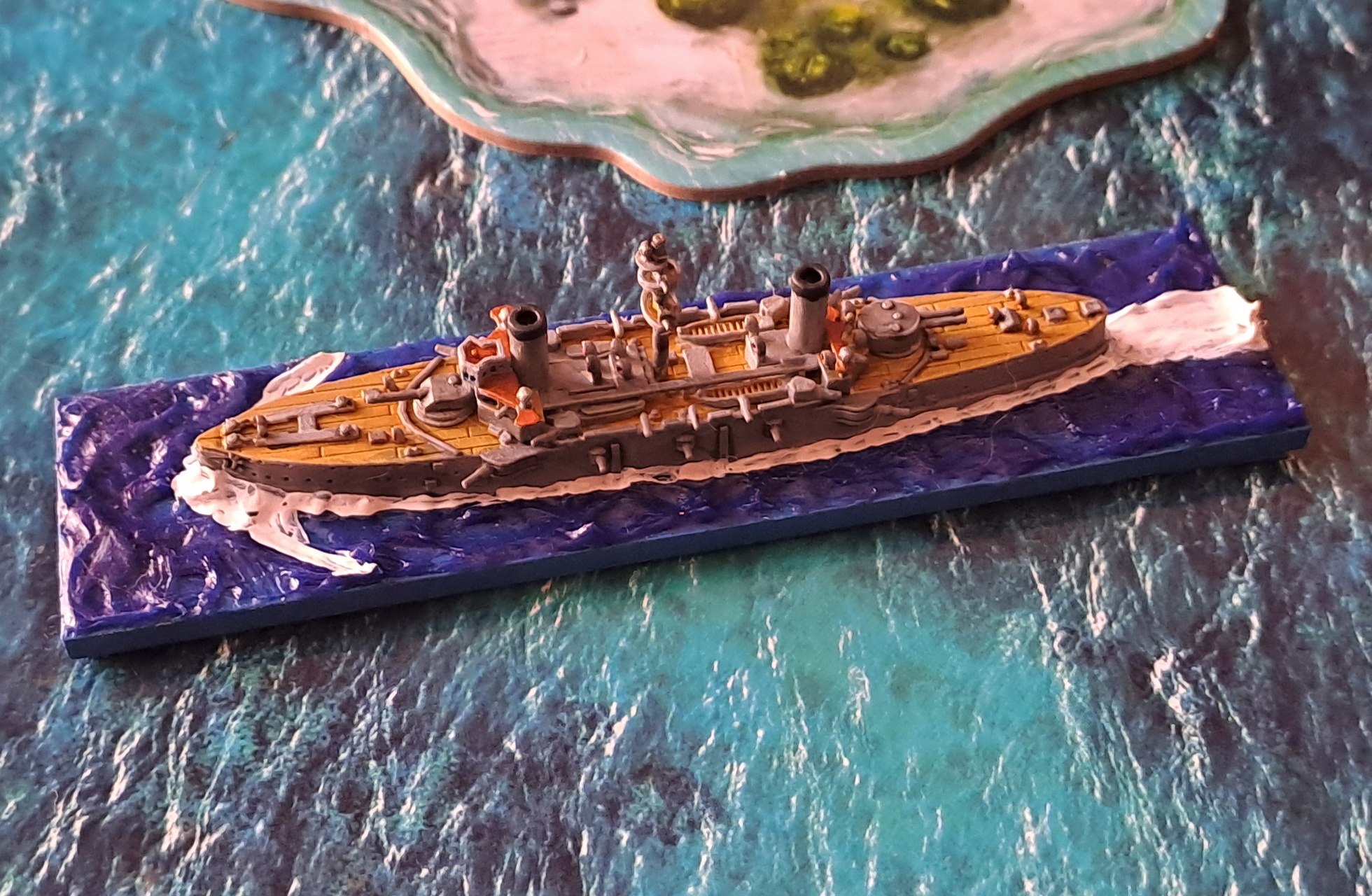
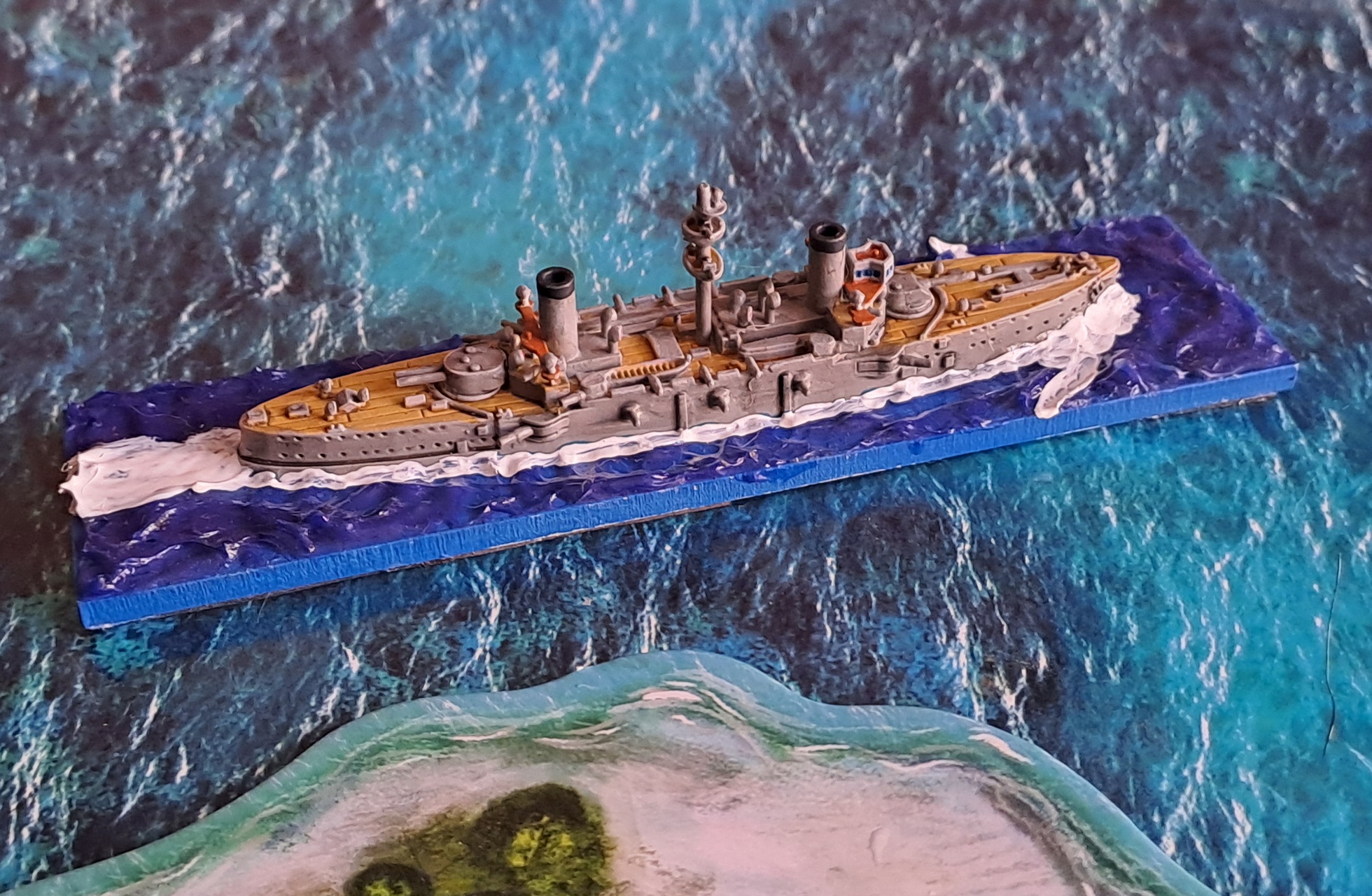
🇬🇧 Today I managed to finish Kasuga, another warship for the Imperial Japanese Navy.
Kasuga was the name ship of the Kasuga-class armored cruisers of the Imperial Japanese Navy (as well as Nisshin), built in the first decade of the 20th century by Gio. Ansaldo & C., Sestri Ponente, Italy, where the type was known as the Giuseppe Garibaldi class.
Kasuga and Nisshin were well-designed armored cruisers with solid armor, good speed and armament. They could successfully cooperate with battleships, sailing in the back of the formation. They will be the terror of any other enemy cruiser.
This model can be configured in two ways, as these twin ships were armed differently. The Kasuga had a turret with a single 254mm cannon at the front and a turret with two 203mm cannons at the rear, while the Nisshin had both turrets equipped with 203mm cannons. Therefore, two cards are added to the set so that you can – by changing only the towers – play with one or the other ship.
🇵🇱 Dzisiaj udało mi się skończyć Kasugę, kolejny okręt do cesarskiej floty Japonii.
Kasuga należała do bardzo udanej klasy krążowników pancernych typu Garibaldi, zbudowanych przez włoską stocznię Gio. Ansaldo & C., Sestri Ponente. Krążowniki te budowano nie jako rajdery, czy służące do zwalczania nieprzyjacielskiej żeglugi, ale jako okręty, które miały towarzyszyć w bitwie pancernikom, wypełniając drugorzędne cele. Stąd też ich bardzo dobre – jak na tę klasę – uzbrojenie i opancerzenie.
Model ten można skonfigurować na dwa sposoby, gdyż te bliźniacze okręty były inaczej uzbrojone. Kasuga z przodu miała wieżą z pojedynczą armatą 254mm, a z tyłu z dwoma armatami 203mm, podczas gdy Nisshin miał obydwie wieże wyposażone w armaty 203mm. Dlatego do zestawu dodane są dwie karty, aby można było – zmieniając tylko wieże – grać jedną lub drugą jednostką.
🇬🇧 Summary: – A very enjoyable cruiser to paint, which can be assembled in either the Kasuga or Nisshin variant. – The strengths of both ships are their excellent armor for this class, good speed, and a large number of medium-caliber guns. – They are equipped with relatively few light guns, but more importantly — two torpedo launchers on each side and belowed by me ram. – Kasuga additionally carries a single heavy gun on the bow, with a fairly good firing range. – If I were commanding the Japanese fleet, both of these cruisers would definitely have a place in it.
🇵🇱 Podsumowanie: – Bardzo przyjemny w malowaniu krążownik, który można złożyć w wariancie Kasuga lub Nisshin. – Atutami obu jednostek są świetny jak na tę klasę pancerz, dobra prędkość oraz liczna artyleria średnia. – Wyposażone są w stosunkowo nieliczną artylerię lekką, a co ważniejsze — po dwie wyrzutnie torped na każdej burcie a także uwielbiany przeze mnie taran. – Kasuga dodatkowo posiada pojedynczą ciężką armatę na dziobie, z całkiem dobrym zasięgiem ognia. – Gdybym prowadził flotę Japonii, z pewnością znalazłoby się w niej miejsce dla obu tych krążowników.
🇬🇧 Last Saturday, the authors of the fleet builder tool for Gods of War: Togo added the Marine Nationale, the French fleet. Its official debut will take place during this year’s Fields of Glory event in Niepołomice — and that’s already this coming weekend! Without waiting for the first ships to leave the shipyards, I decided to take a closer look at their profiles and describe them all, one by one, on my blog. I invite you to check out their short descriptions and unit cards. So let’s begin with the first one — the Republique-class battleship.
🇵🇱 W ostatnią sobotę w narzędziu do budowy flot do „Bogów Wojny: Togo” autorzy dodali Marine Nationale, czyli flotę francuską. Jej oficjalny debiut odbędzie się już podczas tegorocznych Pól Chwały w Niepołomicach — a to przecież nadchodzący weekend! Nie czekając na pierwsze okręty opuszczające stocznię, postanowiłem przyjrzeć się ich profilom i opisać je wszystkie, jeden po drugim na swoim blogu. Zapraszam do zapoznania się z ich krótkim opisem i kartami jednostek. A więc zacznijmy od pierwszego czyli pancernika Republique-class.
🇬🇧 Republique-class – a first-class ship with a cost of 895 points. This battleship is equipped with the standard number of heavy artillery guns and an extensive array of medium artillery. It features excellent armor and a solid hull. Although the range of its heavy artillery is not the greatest, it makes up for it with high penetration power. An additional advantage is its slightly higher speed compared to other ships of this class, as well as the presence of a ram.
🇵🇱 Republique-class – okręt pierwszej klasy o koszcie 895 punktów. To pancernik wyposażony w standardową liczbę dział ciężkiej artylerii oraz rozbudowaną artylerię średnią. Charakteryzuje się bardzo dobrym pancerzem i solidnym kadłubem. Choć zasięg ciężkiej artylerii nie należy do największych, nadrabia to wysoką siłą przebicia. Dodatkowym atutem jest nieco wyższa prędkość w porównaniu z innymi jednostkami tej klasy, a także obecność taranu.
🇬🇧 Liberté-class – a first-class battleship with a cost of 880 points. It is equipped with the standard number of heavy artillery guns and a somewhat more modest array of medium artillery. It boasts excellent armor and a solid hull. The range of its heavy artillery is similar to that of the Republique-class, while the medium artillery, though less numerous, stands out with its good range and firepower. An additional advantage is its slightly higher speed compared to other ships of this type, as well as the presence of a ram.
🇵🇱 Liberté-class – pancernik pierwszej klasy o koszcie 880 punktów. Wyposażony w standardową liczbę dział ciężkiej artylerii oraz nieco skromniejszą artylerię średnią. Dysponuje bardzo dobrym pancerzem i solidnym kadłubem. Zasięg ciężkiej artylerii jest zbliżony do jednostki klasy Republique, natomiast artyleria średnia, choć mniej liczna, wyróżnia się dobrym zasięgiem i siłą ognia. Dodatkowym atutem jest prędkość nieco wyższa niż u innych okrętów tego typu, a także obecność taranu.
🇬🇧 Suffren-class – a first-class battleship with a cost of 740 points. It is equipped with the standard number of heavy artillery guns and an exceptionally numerous array of medium artillery. Its armor and hull are solid, comparable to the standard of battleships across various fleets. The range of its heavy artillery is similar to the previously described units, while its speed is slightly lower than that of other battleships of this class. Additionally, the ship is fitted with a ram.
🇵🇱 Suffren-class – pancernik pierwszej klasy o koszcie 740 punktów. Wyposażony w standardową liczbę dział ciężkiej artylerii oraz wyjątkowo liczną artylerię średnią. Pancerz i kadłub są solidne, porównywalne ze standardem wśród okrętów liniowych różnych flot. Zasięg ciężkiej artylerii jest podobny do wcześniej opisanych jednostek, natomiast prędkość okrętu jest nieco niższa niż u innych pancerników tej klasy. Dodatkowo jednostka posiada taran.
🇬🇧 Massena-class – a first-class battleship with a cost of 620 points. Compared to other ships of this type, it carries fewer heavy artillery guns but is equipped with an exceptionally large array of medium artillery. Its armor and hull are solid, in line with the standard for battleships of this era. The range of its heavy artillery is similar to the previously described ships, though part of its medium-caliber artillery has a slightly shorter range. The ship’s speed is lower than that of most battleships in this class. It is also fitted with a ram. The Massena’s main advantages are its attractive cost and the very large number of medium artillery pieces.
🇵🇱 Massena-class – pancernik pierwszej klasy o koszcie 620 punktów. W porównaniu z innymi jednostkami tego typu dysponuje mniej liczną artylerią ciężką, ale za to wyjątkowo rozbudowaną artylerią średnią. Pancerz i kadłub są solidne, zgodne ze standardem dla pancerników tej epoki. Zasięg ciężkiej artylerii jest podobny do wcześniej opisanych okrętów, natomiast część dział średniego kalibru ma nieco krótszy zasięg. Prędkość jednostki jest niższa niż u większości pancerników tej klasy. Okręt wyposażono również w taran. Atutem Masseny pozostaje przede wszystkim atrakcyjna cena oraz bardzo liczna artyleria średnia.
🇬🇧 Jeanne d’Arc-class – a second-class cruiser with a cost of 310 points. Equipped with a very large array of medium-caliber artillery, it stands out with excellent speed and remarkable armor for a ship of this class in Gods of War: Togo. Its solid hull further enhances its combat value. This is a ship well worth having in your fleet — its cost makes it a great choice even for lower-point battles.
🇵🇱 Jeanne d’Arc-class – krążownik drugiej klasy o koszcie 310 punktów. Wyposażony w bardzo liczną artylerię średniego kalibru, wyróżnia się świetną prędkością oraz znakomitym pancerzem, jak na jednostkę tej klasy w systemie Bogowie Wojny: Togo. Solidny kadłub dodatkowo podnosi jego wartość bojową. To okręt, który zdecydowanie warto mieć w swojej flocie – jego cena sprawia, że świetnie sprawdzi się również w rozgrywkach na mniejsze punkty.
🇬🇧 D’Entrecasteaux-class – a second-class cruiser with a cost of 260 points. Equipped with relatively few heavy-caliber guns, which nonetheless surpass the armament of most cruisers from other nations. In addition, it carries a fairly numerous medium artillery and torpedo armament. Its armor and hull are in line with the standard for ships of this class in the game. The ship’s strengths also include a ram and torpedoes, which significantly increase its combat versatility.
🇵🇱 D’Entrecasteaux-class – krążownik drugiej klasy o koszcie 260 punktów. Wyposażony w stosunkowo nieliczną artylerię ciężkiego kalibru, która jednak przewyższa uzbrojenie większości krążowników innych nacji. Do tego dochodzi całkiem liczna artyleria średnia oraz uzbrojenie torpedowe. Pancerz i kadłub odpowiadają standardowi dla jednostek tej klasy w grze. Atutami okrętu są także taran i torpedy, które zwiększają jego wszechstronność bojową.
🇬🇧 Friant-class – a third-class cruiser with a cost of 155 points. It is equipped with a fairly numerous medium-caliber artillery and solid armor. Another advantage is its ram, which makes it a dangerous opponent in close-range engagements.
🇵🇱 Friant-class – krążownik trzeciej klasy o koszcie 155 punktów. Dysponuje dość liczną artylerią średniego kalibru oraz solidnym pancerzem. Jego kolejnym atutem jest również taran, który czyni go groźnym przeciwnikiem w starciach na bliski dystans.
🇬🇧 D’Iberville-class – a fourth-class torped cruiser with a cost of 90 points. This is an inexpensive torpedo vessel, equipped with a fairly large number of torpedo launchers and surprisingly solid armor for a ship of this class. An interesting feature is the single medium-caliber gun mounted on the bow. An additional advantage is the presence of a ram, which is rarely found among ships of this category.
🇵🇱 D’Iberville-class – krążownik torpedowy czwartej klasy o koszcie 90 punktów. To niedroga jednostka torpedowa, wyposażona w dość liczne wyrzutnie torped oraz całkiem solidny pancerz, jak na okręt tej klasy. Ciekawostką jest pojedyncze działo średniego kalibru zamontowane na dziobie. Dodatkowym atutem jest taran, rzadko spotykany wśród jednostek tej kategorii.
🇬🇧 Framee-class – fourth-class destroyers with a cost of 125 points. A half-squadron of destroyers equipped with a standard number of torpedoes for vessels of this category, as well as a fairly large complement of light-caliber artillery. This is a fast and flexible formation, perfectly suited for escort and maneuvering operations.
🇵🇱 Framee-class – niszczyciele czwartej klasy o koszcie 125 punktów. Pół dywizjonu niszczycieli, wyposażonych w standardową liczbę torped dla jednostek tej kategorii oraz dość liczną artylerię lekkiego kalibru. To szybka i elastyczna formacja, doskonale sprawdzająca się w działaniach osłonowych i manewrowych.
🇬🇧 Mistral-class – fourth-class torpedo boats with a cost of 115 points. A half-squadron of torpedo boats equipped with numerous torpedo launchers for vessels of this category, along with better-than-standard armor. Their artillery armament is more modest, limited to a small number of light-caliber guns.
🇵🇱 Mistral-class – torpedowce czwartej klasy o koszcie 115 punktów. Pół dywizjonu torpedowców wyposażonych w liczne wyrzutnie torped, jak na jednostki tej kategorii, a także lepszy niż standardowy pancerz. Uzbrojenie artyleryjskie jest skromniejsze i ogranicza się do niewielkiej liczby dział lekkiego kalibru.
🇬🇧 Belem – a fourth-class sailing ship with a cost of 15 points. A charming vessel that serves primarily auxiliary roles in the game: it can transport landing troops or carry out non-combat tasks. While it cannot match the power of mighty ships of the line, it adds atmosphere and variety to the fleet.
🇵🇱 Belem – żaglowiec czwartej klasy o koszcie 15 punktów. Urokliwa jednostka, która w grze pełni głównie funkcje pomocnicze: może transportować desant żołnierzy lub realizować zadania niebojowe. Choć nie dorównuje potężnym okrętom liniowym, dodaje flocie klimatu i różnorodności.
🇬🇧 Of course, all the nations available in the game, along with their ships, can be viewed at the link below, which leads to the fleet builder tool: 👉 gmboardgames.com/togo/ab/index.php
🇵🇱 Oczywiście wszystkie dostępne w grze nacje, a wraz z nimi ich okręty, można obejrzeć pod poniższym linkiem prowadzącym do narzędzia do budowy floty: 👉 gmboardgames.com/togo/ab/index.php
🇬🇧 Summary: – The first ships of the French fleet look very promising and are tempting enough to make one want to start an adventure with the Marine Nationale. – The many battleships released at the start are quite diverse, giving players plenty of options — from heavily armored giants to lighter, more affordable vessels. – The situation is less favorable with second-class cruisers: while decent, the choice is very limited. Here, patience will be required until more ships of this class are released. – Third-class ships are represented by the excellent Friant-class cruiser. – The last category, fourth-class ships, includes as many as four units, one of which is a transport. In this case, the selection is solid right from the start. – In total, there are ten warships and one transport available — a strong lineup for a debut! Well done, GM Boardgames! – French ships are already available from the publisher’s store, the Wrocław-based Bolter club, at this address: https://bolter.pl/en_US/c/French-Navy/2037 – Their official debut will take place during Fields of Glory in Niepołomice – an event that every year attracts history and reenactment enthusiasts from all over Poland. – You can find more details about the event here 👉 polachwaly.pl
🇵🇱 Podsumowanie: – pierwsze jednostki do floty francuskiej wyglądają ciekawie i kuszą by rozpocząć swoją przygodę z Marine Nationale. – Liczne wypuszczone na starcie pancerniki są dość różnorodne, że jest w czym wybierać. Zaczynając od potężnie opancerzonych okrętów, przez te lżej opancerzone i tańsze punktowo. – Gorzej z krążownikami drugiej klasy, które mimo tego, że przyzwoite, są bardzo nieliczne w wyborze, tu pozostaje uzbroić się w cierpliwość i czekać na kolejne okręty tej klasy. – Okręty trzeciej klasy są reprezentowane przez świetny okręt klasy Friant. – Ostatnią klasę okrętów reprezentują aż cztery jednostki w tym jedna transportowa, tu na starcie nie ma co narzekać na wybór. – Łącznie do wyboru jest dziesięć okrętów i jeden transportowiec, nieźle jak na początek, tak trzymać GM Boardgames! – Okręty francuskie są już dostępne na sklepie wydawcy czyli wrocławskiego klubu Bolter pod tym adresem: https://bolter.pl/pl/c/Flota-Francuska/2037 – Ich oficjalny debiut będzie miał miejsce już podczas Pól Chwały w Niepołomicach – wydarzenia, które co roku przyciąga miłośników historii i rekonstrukcji z całej Polski. – Szczegóły o samym wydarzeniu znajdziecie tutaj 👉 polachwaly.pl
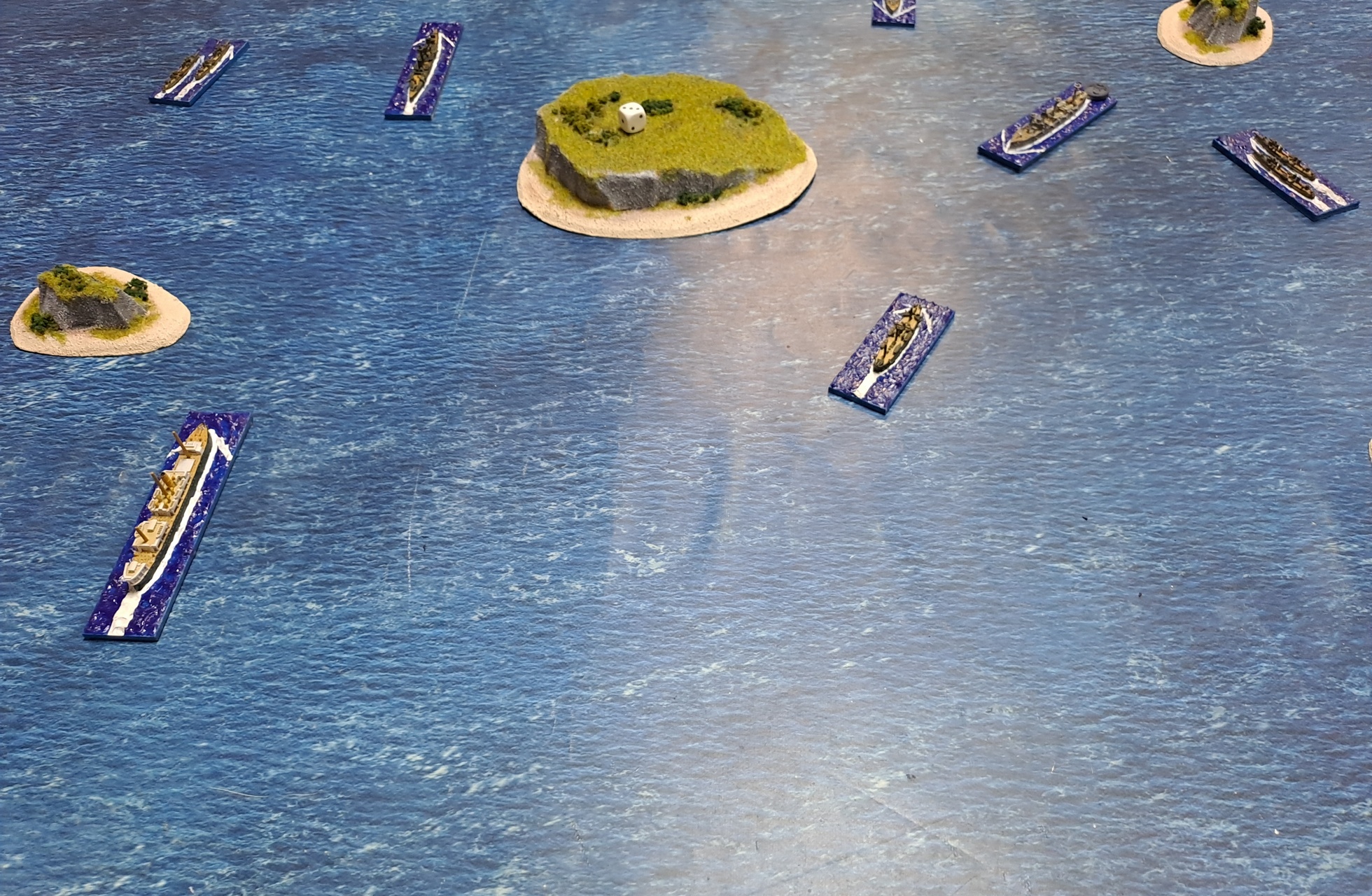
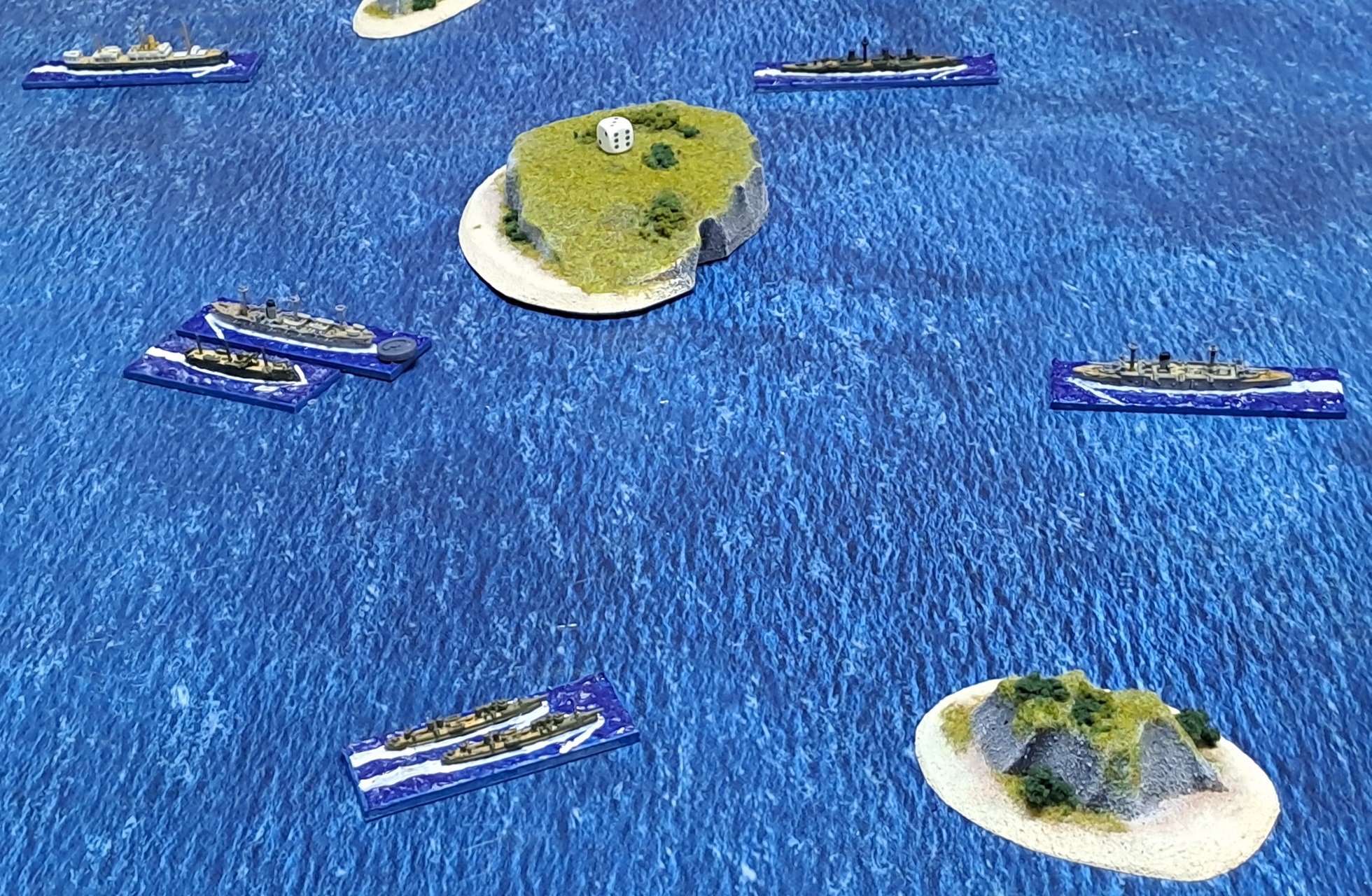
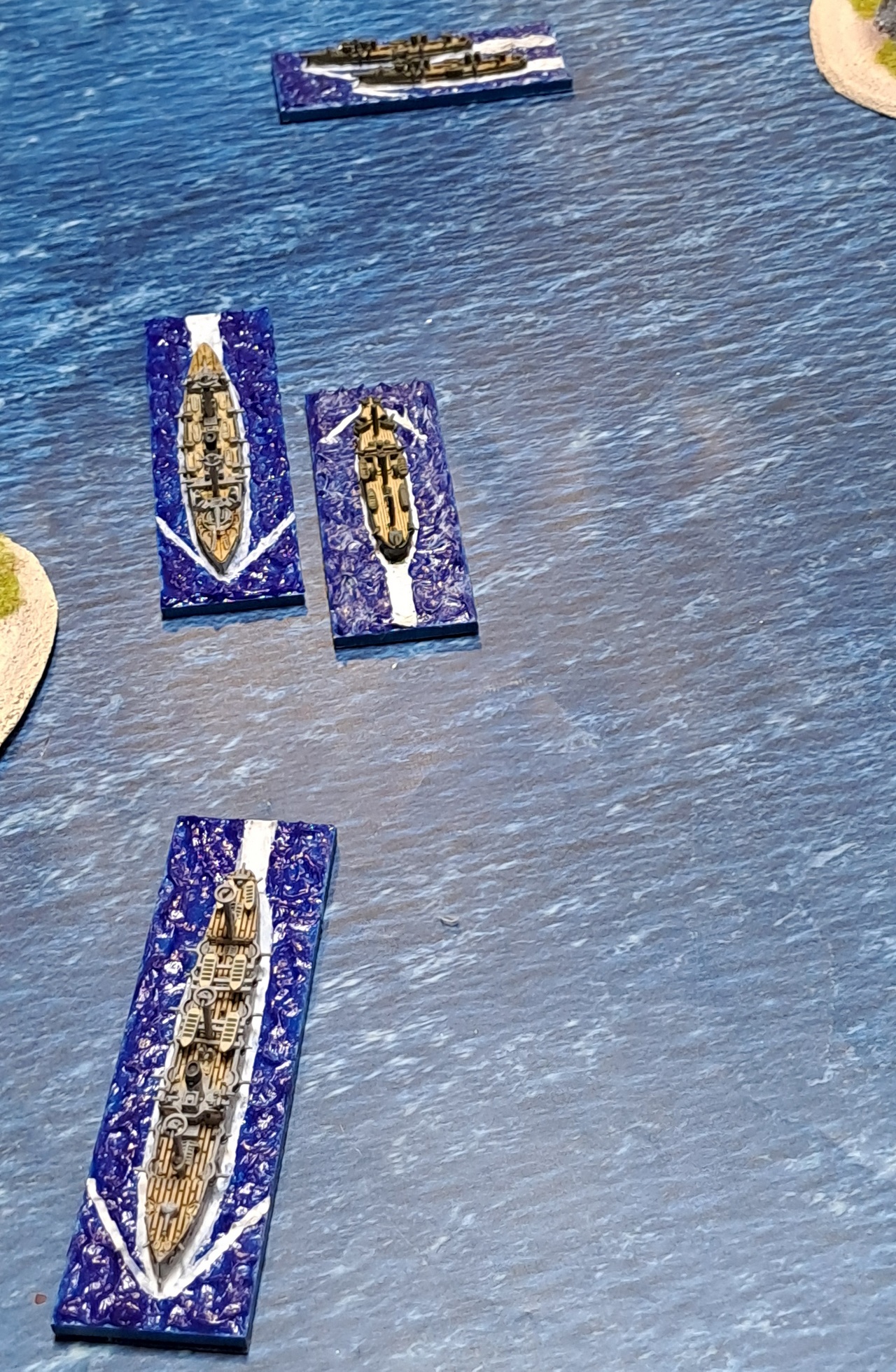
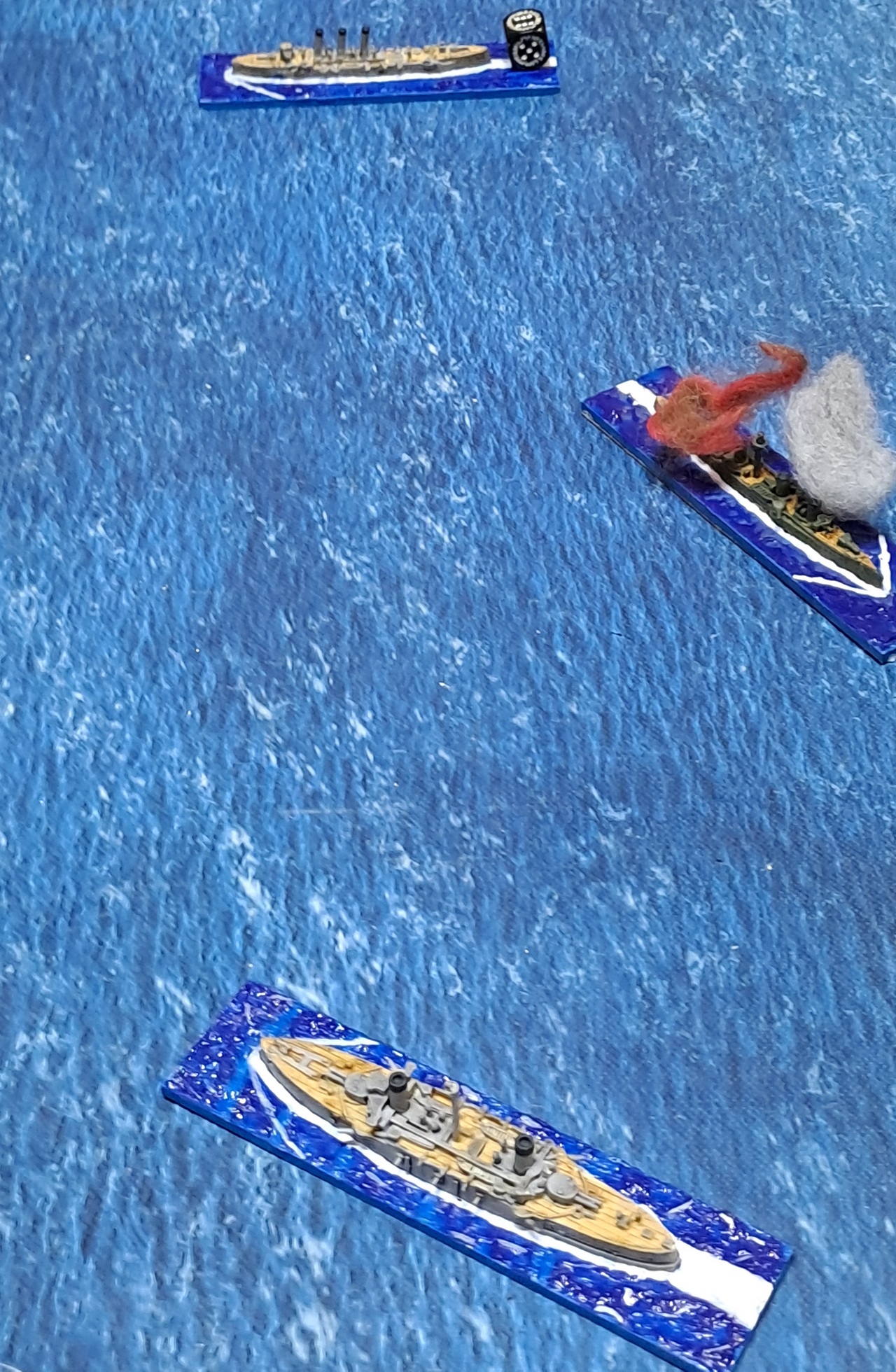
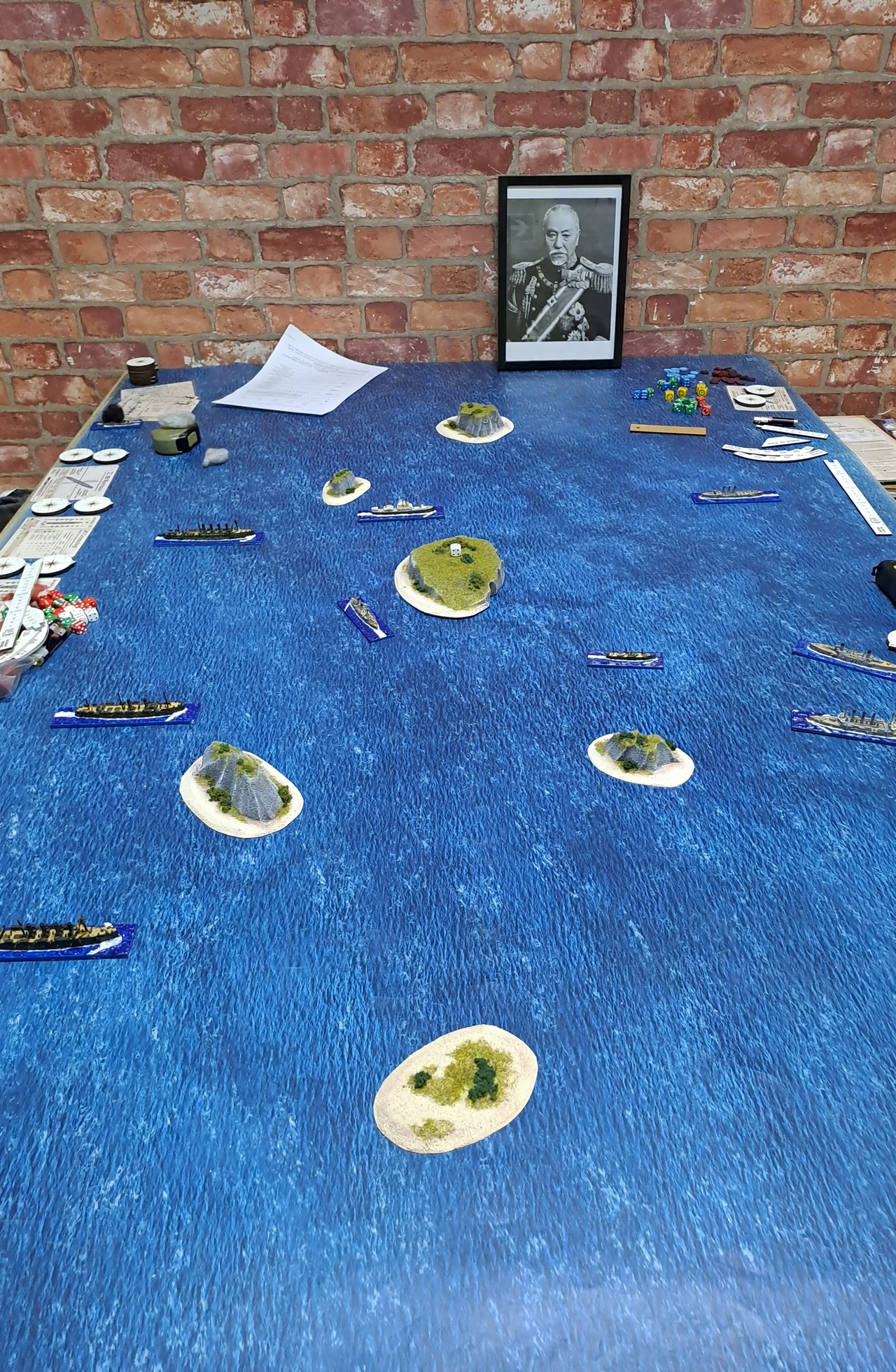
🇬🇧 Last Thursday at the Bolter club in Wrocław, Cornholio and I played a 1,810-point game, following the format of this year’s Polish Championships in Togo. I commanded the Russian fleet, which clashed with Łukasz’s Japanese fleet. We played a randomly drawn scenario, “Vanguard” from the Scenario Book (according to my knowledge it’s in translation), in which third- and fourth-class ships deploy in the first wave, while first- and second-class units enter the battle in turn three.
It was also the first game in which I fielded the recently released cruisers of the Vladivostok Squadron, which I wrote about [here]. The battle was full of turning points that you can see in the photo report below — numerous torpedo attacks (which, apart from a single hit, achieved nothing), both failed and successful ramming attempts, and daring raids into the enemy’s rear.
On the Japanese side, the following ships took part: Izumo, Kasuga, Nisshin, Naniwa, Chiyoda, Katsuragi, and the civilian ship SS Warrimoo. On the Russian side, the squadron included: Rossiya, Gromoboi, Rurik, Novik, Koreyets, two squadrons of Forels, and a vessel strikingly similar to the SS Warrimoo.
🇵🇱 W ostatni czwartek we wrocławskim klubie Bolterz Cornholio rozegraliśmy grę na 1810 punktów, format tegorocznych Mistrzostw Polski w Togo. Flota rosyjska którą dowodziłem starła się z japońską flotą Łukasza. Zagraliśmy wylosowany scenariusz „Awangarda” z Księgi Scenariuszy, w którym okręty i statki klasy trzeciej oraz czwartej wypływały w pierwszym rzucie. Jednostki klasy pierwszej i drugiej dołączały do bitwy w turze trzeciej. Była to pierwsza gra w której wykorzystałem niedawno wydane krążowniki eskadry Władywostockiej o której pisałem tutaj. W bitwie było wiele momentów zwrotnych które można obejrzeć w poniższej fotorelacji, a były to liczne ataki torpedowe – które poza jedną celną torpedą nic nie zrobiły, były nieudane i udane próby taranowania czy rajdy na tyły przeciwnika.
I tak po stronie Japońskiej w starciu wzięły udział następujące okręty: Izumo, Kasuga, Nisshin, Naniva, Chiyoda, Katsuragi i statek SS Warrimoo. Po stronie rosyjskiej eskadry były: Rossiya, Gromobój, Ruryk, Nowik, Koriejc, dwa dywizjony Foreli oraz jednostka łudząco przypominająca SS Warrimoo.
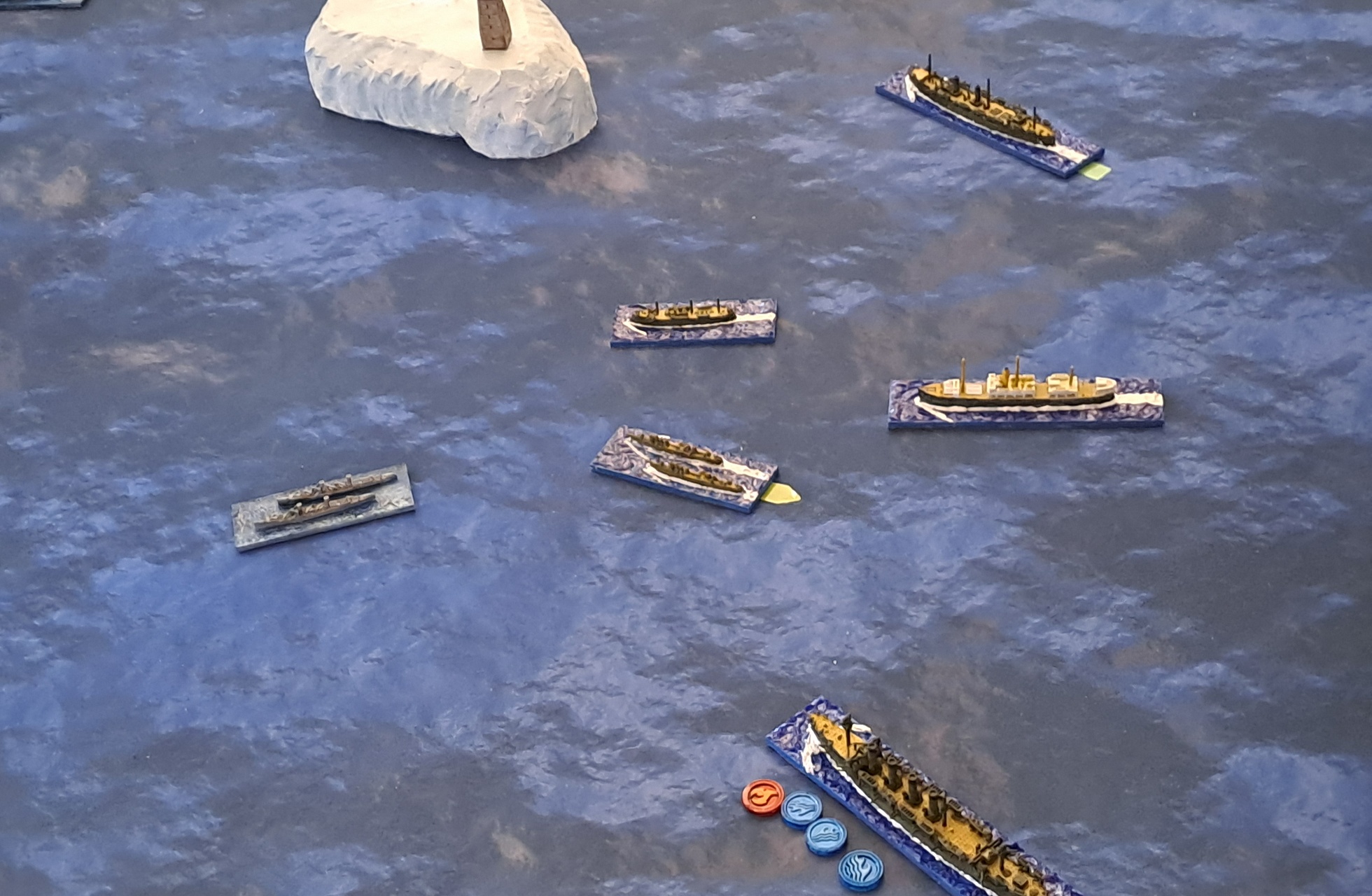
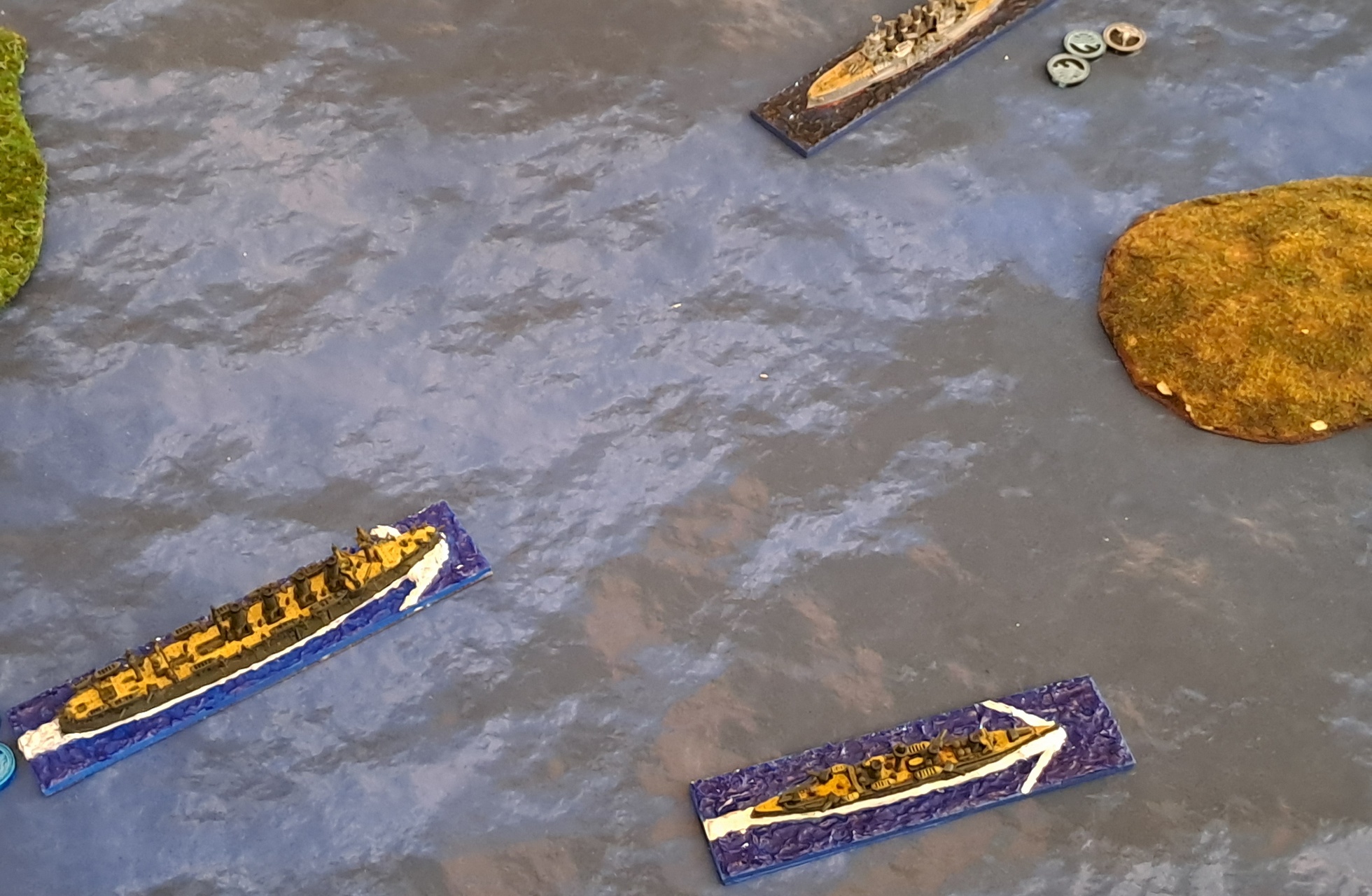
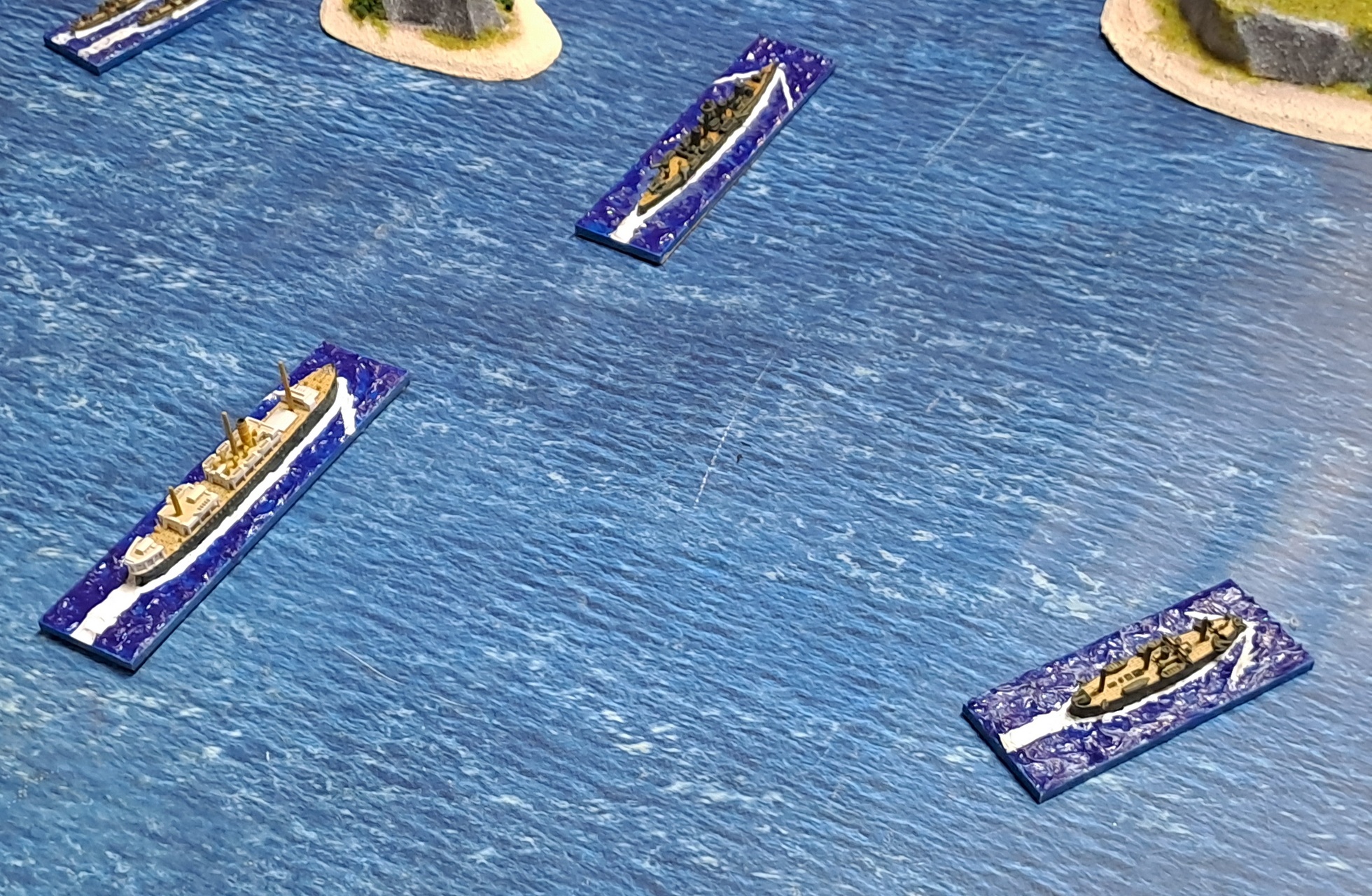
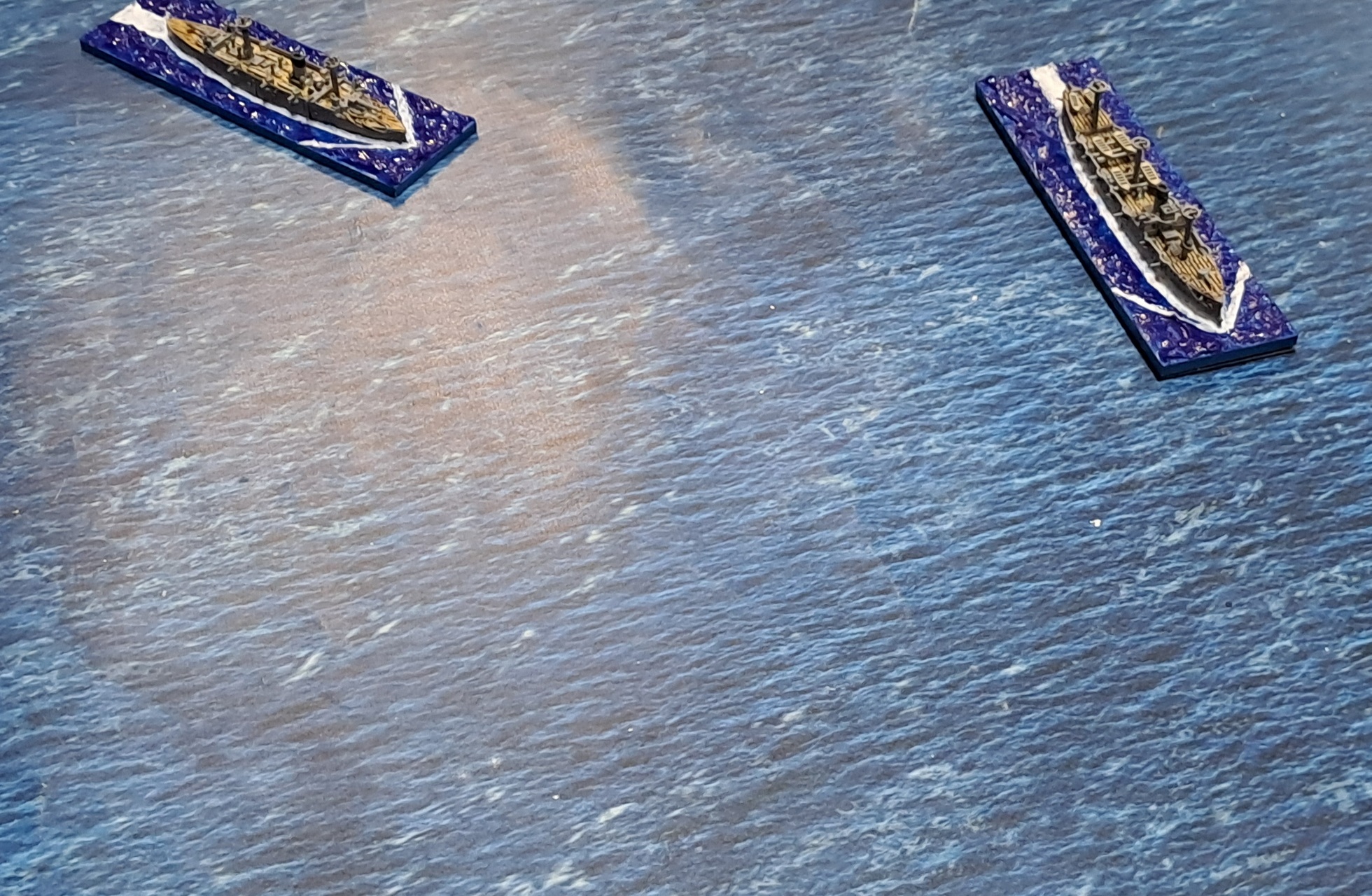
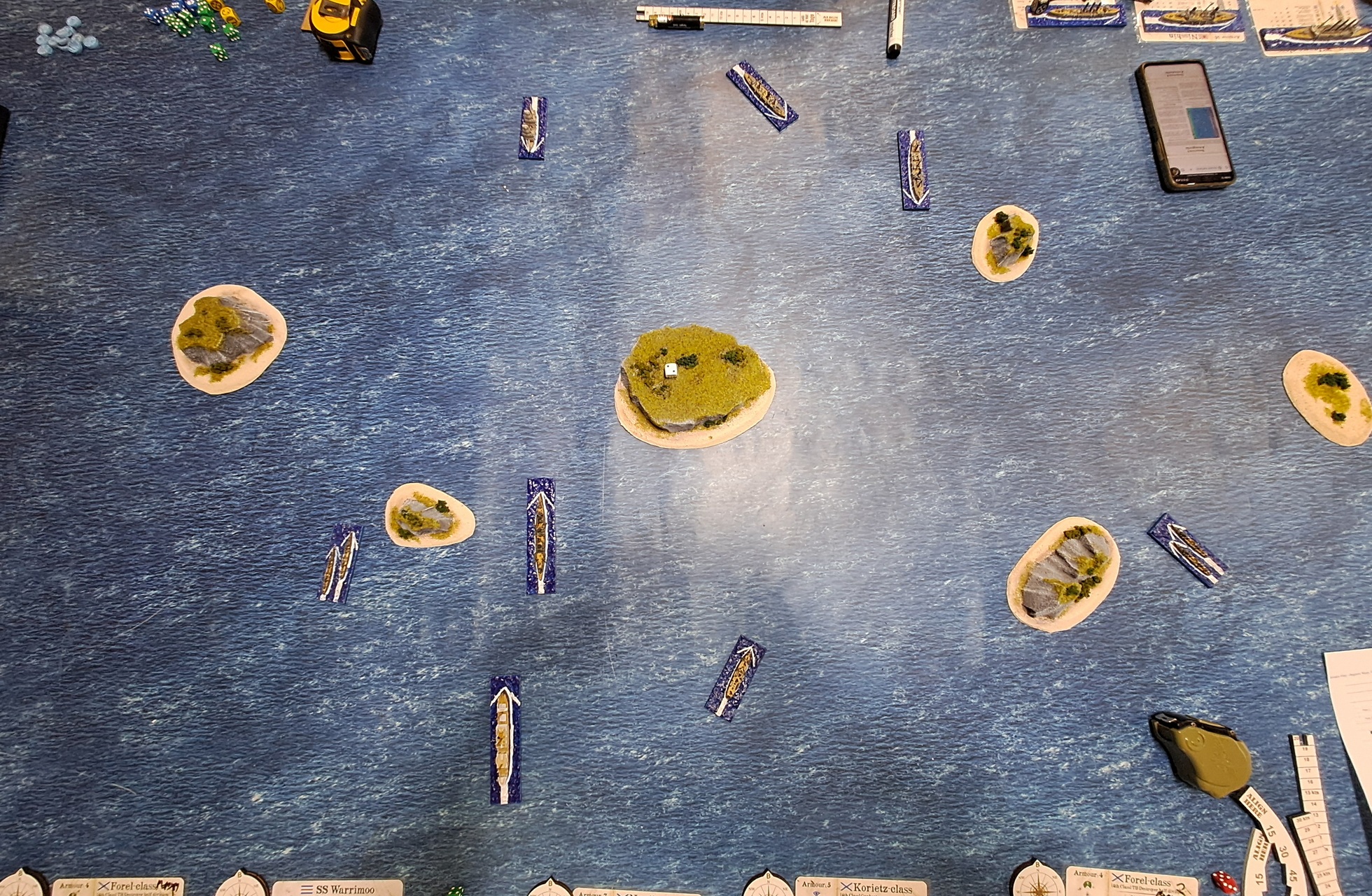
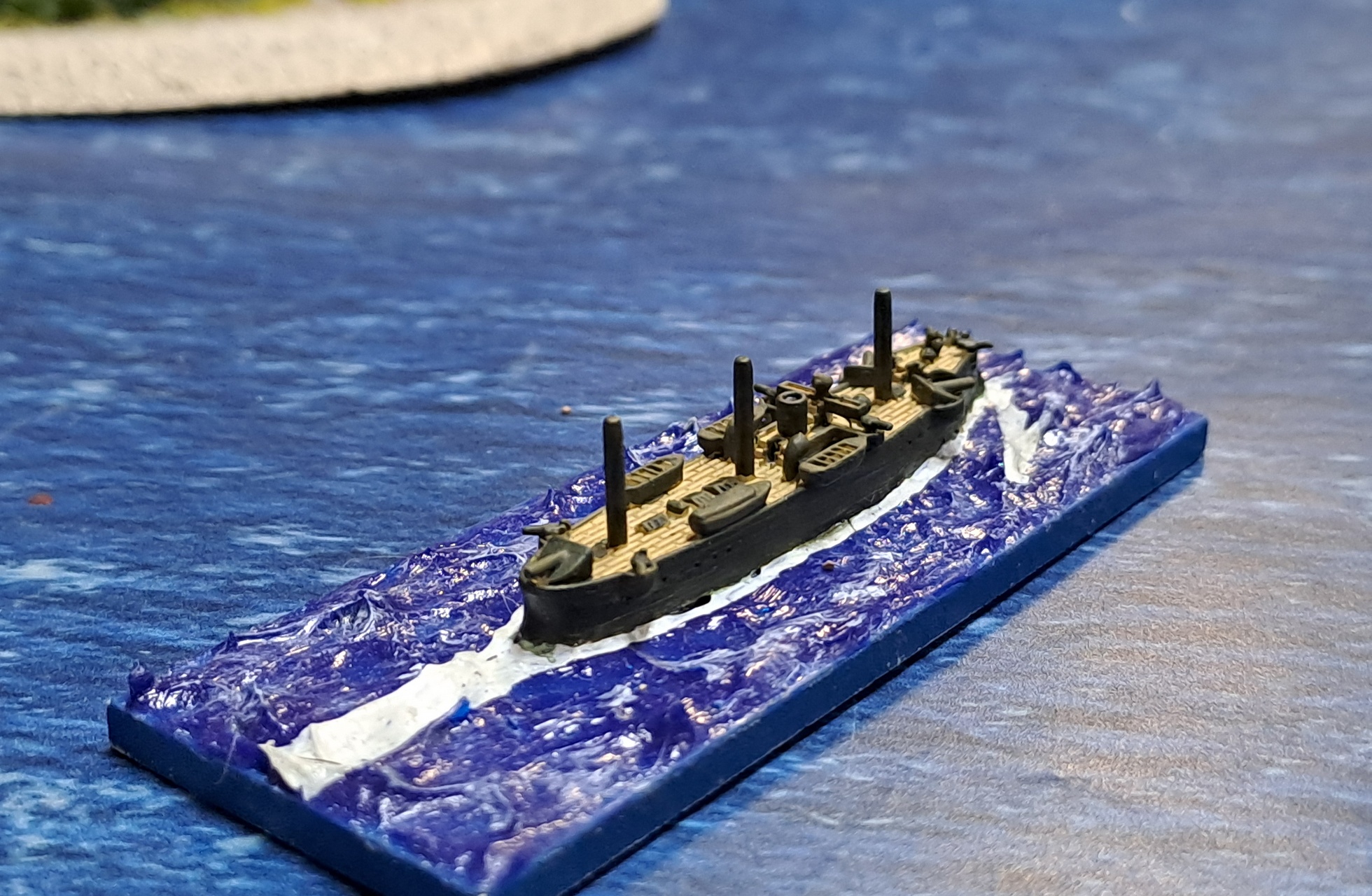
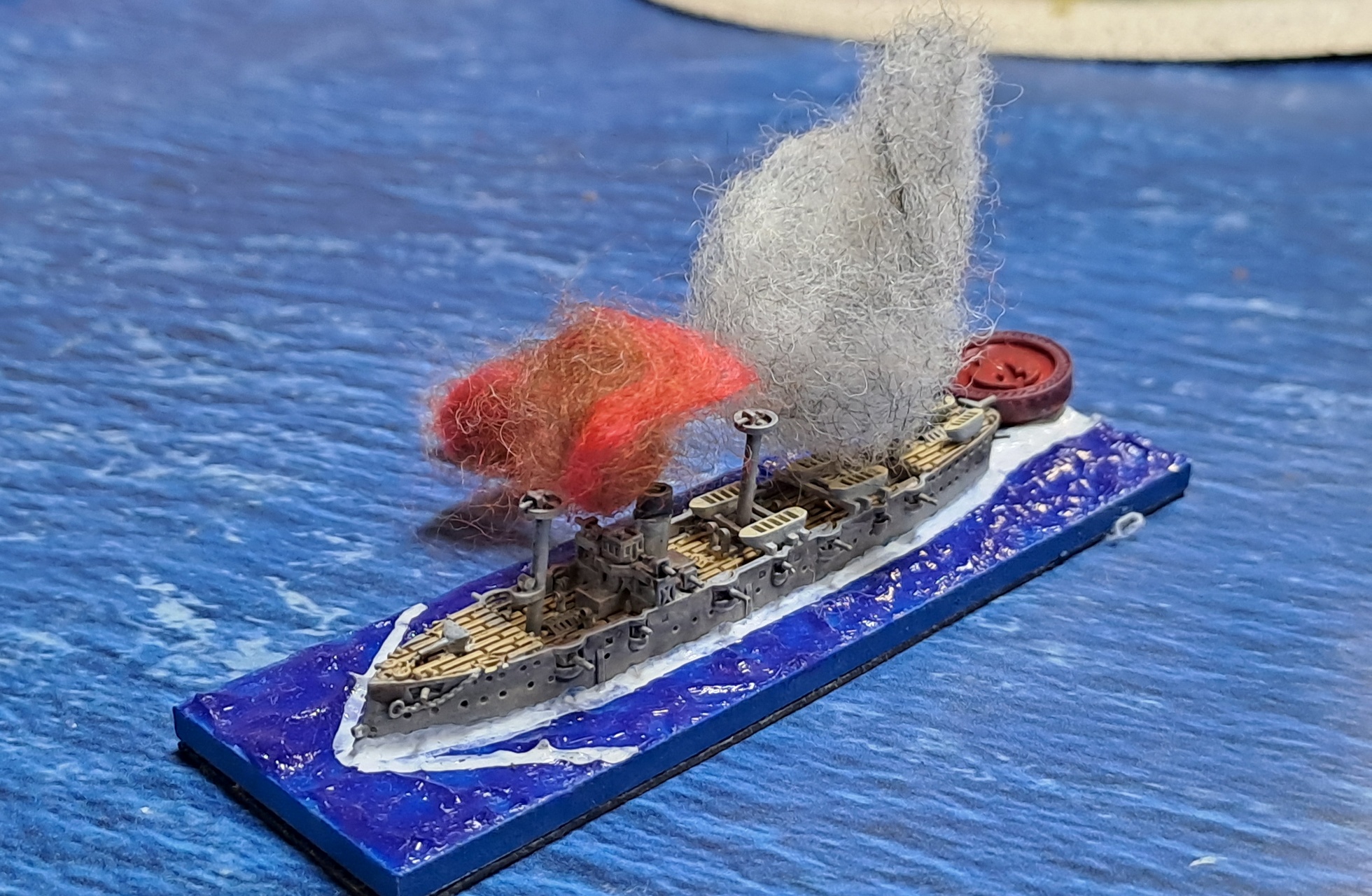
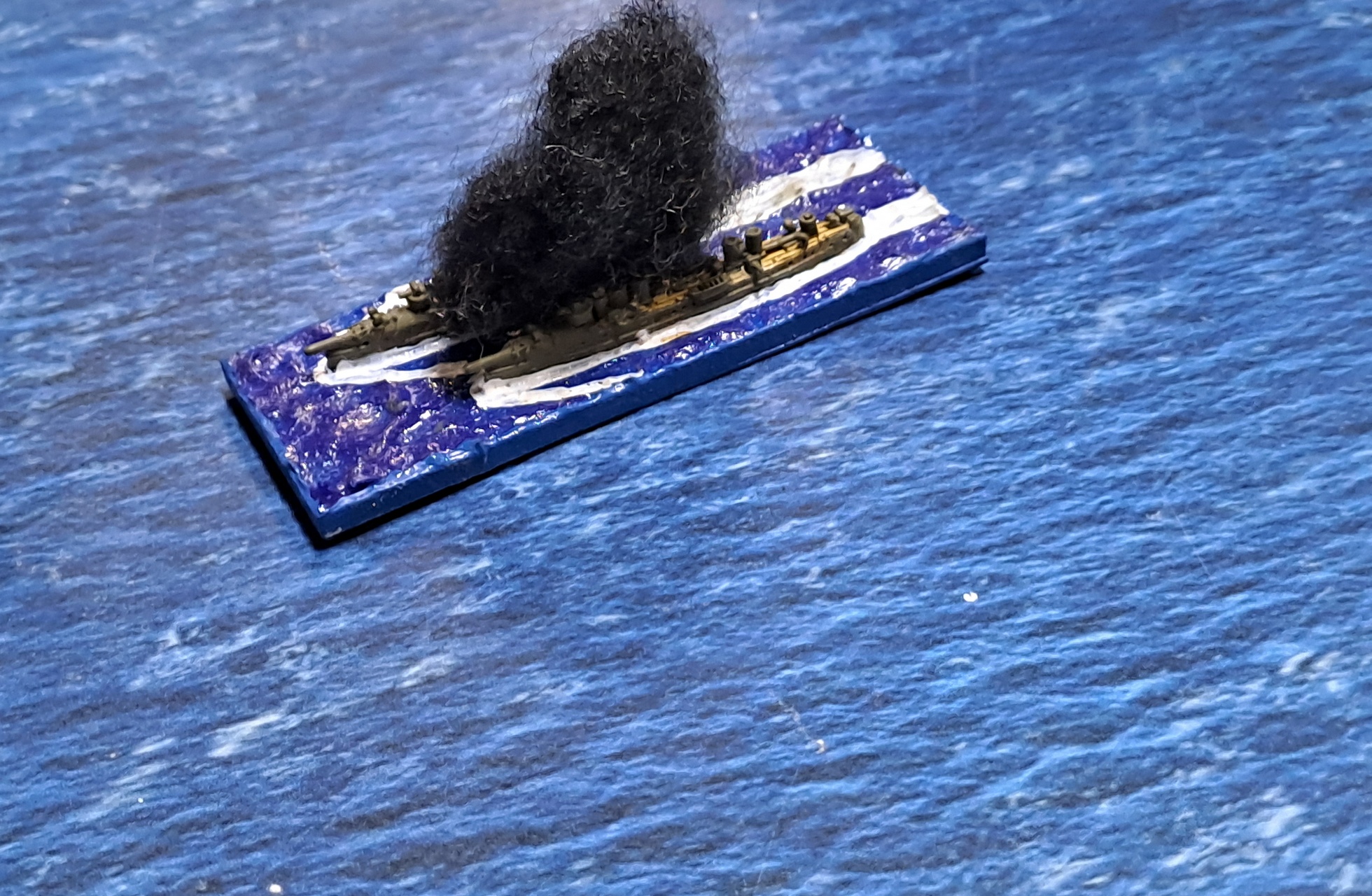
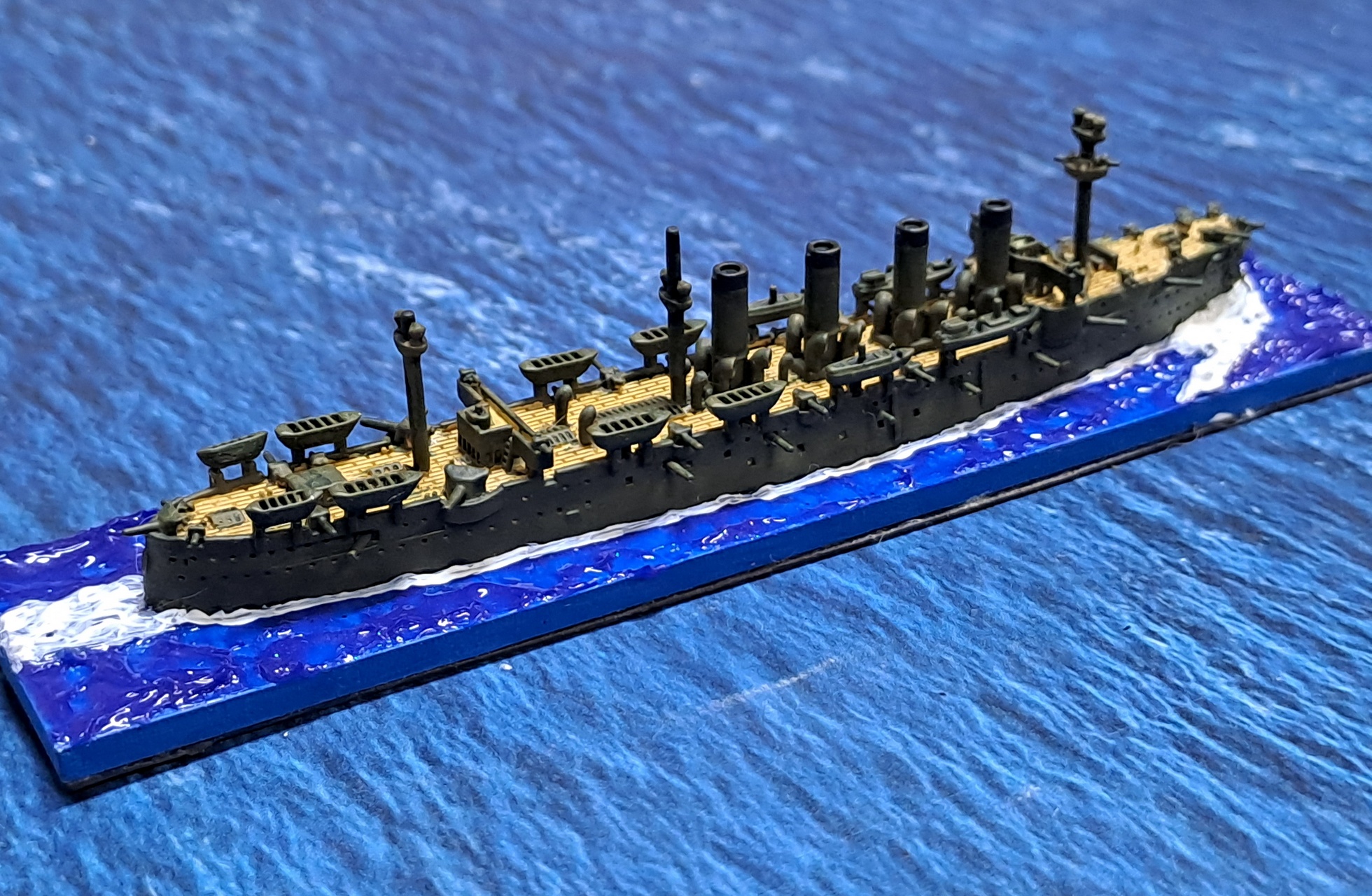
🇵🇱 Początek starcia. Pierwszy rzut złożony z jednostek 3&4 klasy. 🇬🇧 Beginning of batle. First wave composed of 3rd&4th classes.🇵🇱 Admirał Heihachirō Tōgō. 🇬🇧 Admiral Tōgō Heihachirō.🇵🇱 Od góry dywizjon Foreli nr 1, SS Warrimoo, Nowik. 🇬🇧 From top Forel’s division no 1, SS Warrimoo, Novik. 🇵🇱 Dywizjon Foreli nr 2. 🇬🇧 Forel’s division no 2.🇵🇱 🇬🇧 Katsuragi. 🇵🇱 🇬🇧 Chiyoda&Katsuragi.🇵🇱 🇬🇧 Chiyoda.🇵🇱 🇬🇧 Naniwa&Chiyoda.🇵🇱 Tura druga. 🇬🇧 Second turn.🇵🇱 Kanonierka Koriejc. 🇬🇧 Korietz gunboat.🇵🇱 Prawe skrzydkło – od lewej Koriejc, naprzeciw Chiyoda, po prawej dywizjon Foreli nr 2. 🇬🇧 Right flank — from the left Koreyets, opposite Chiyoda, and on the right Forel squadron no. 2.🇵🇱 Wymiana ognia między dywizjonem Foreli nr 1 a Katsuragi. 🇬🇧 Exchange of fire between Forel squadron no. 1 and Katsuragi.🇵🇱 Nowik krótką salwą zatopił Katsuragi. 🇬🇧 Nowik sank Katsuragi with a short volley.🇵🇱 Początek tury trzeciej. 🇬🇧 Beginning of third turn.🇵🇱 🇬🇧 SS Warrimoo.🇵🇱 Chiyoda mija Koriejca. 🇬🇧 Chiyoda passing through Korietz.🇵🇱 Ruryk. 🇬🇧 Rurik.🇵🇱 Forele zostały zatopione przez Niitakę. 🇬🇧 The Forels were sunk by Niitaka.🇵🇱 Rajd Nowika zakończył się gdy trafił na Japońskie okręty drugiej klasy. 🇬🇧 Novik’s raid came to an end when it encountered Japanese second-class ships.🇵🇱 Początek tury czwartej. 🇬🇧 Beginning of turn four.🇵🇱 Ostrzelana Chiyoda poszła na dno. 🇬🇧🇵🇱 Na pierwszym planie Ruryk, na drugim Rosja. 🇬🇧 On first plan Rurik, on second Rossiya.🇵🇱 Nieudana próba odwrotu dywizjonu Foreli. 🇬🇧 Failed retreat attempt by the Forel squadron.🇵🇱 Samotny Koriejc na przeciw Izumo i Kasuga. 🇬🇧 A lone Koreyets facing Izumo and Kasuga.🇵🇱 Niitaka. 🇬🇧 Niitaka.🇵🇱 Początek tury piątej. 🇬🇧 Beginning of turn five.🇵🇱 Kasuga celną salwą zatapia Koriejca. 🇬🇧 Kasuga sinks Koreyets with an accurate volley.🇵🇱 Po lewej od dołu: Rossiya, Ruryk, Gromobój. Po prawej: Izumo i Kasuga. 🇬🇧 On the left from the bottom: Rossiya, Rurik, Gromoboi. On the right: Izumo and Kasuga.🇵🇱 🇬🇧 Rossiya.🇵🇱 Ruryk. 🇬🇧 Rurik.🇵🇱 Izumo i Kasuga. 🇬🇧 Izumo and Kasuga.🇵🇱 Początek tury szóstej. 🇬🇧 Beginning of turn six.🇵🇱 SS Warrimoo podjął się nieskutecznej próby taranowania Niitaki. 🇬🇧 SS Warrimoo made an unsuccessful attempt to ram Niitaka.🇵🇱 Pojedynek ogniowy między Rurykiem a Izumo, zakończony uszkodzeniem stery tego pierwszego. 🇬🇧 A gunnery duel between Rurik and Izumo, ending with the rudder of the former being damaged.🇵🇱 Początek tury szóstej. 🇬🇧 Beginning of turn six.🇵🇱 SS Warrimoo zostaje zatopiony. 🇬🇧 SS Warrimoo is sunk.🇵🇱 Ruryk z uszkodzonym sterem skutecznie taranuje japoński krążownik Kasugę. 🇬🇧 Rurik, with a damaged rudder, successfully rams the Japanese cruiser Kasuga.🇵🇱 Celne salwy krążowników z eskadry władywostockiej zatapiają również Izumo. 🇬🇧🇵🇱 Ostatni okręt Cesarstwa Japonii zdołał pod osłoną zmroku opuścić pole walki. 🇬🇧 The last ship of the Japanese Empire managed to leave the battlefield under the cover of darkness.
🇵🇱 Podsumowanie: – starcie w okolicach Port Artur zakończyło się zwycięstwem floty carskiej Rosji nad flotą cesarstwa Japonii 64 do 34. – nowe rosyjskie krążowniki po pierwszym użyciu wywołały u mnie pozytywne wrażenie i na pewno jeszcze nie raz wrócą na stół. – nie jestem pewien czym zagram na Mistrzostwach Polski 2025, chcę mieć rozpiskę uniwersalną pod scenariusze, otwarte pytanie jest jedno – czy mieć we flocie pancernik. – rozpiska floty japońskiej:
🇬🇧 Summary: – The battle near Port Arthur ended with a victory for the Tsarist Russian fleet over the Imperial Japanese fleet, 64 to 34. – The new Russian cruisers made a very positive impression on me after their first outing, and they will certainly return to the table many more times. – I’m not yet sure what I’ll play at the Polish Championships 2025 — I want to have a versatile list for the scenarios. The open question is just one: should the fleet include a battleship? – Japanese roster sheet:




















































 tancreddebeauville
 Tancred’s Tabletop Tales