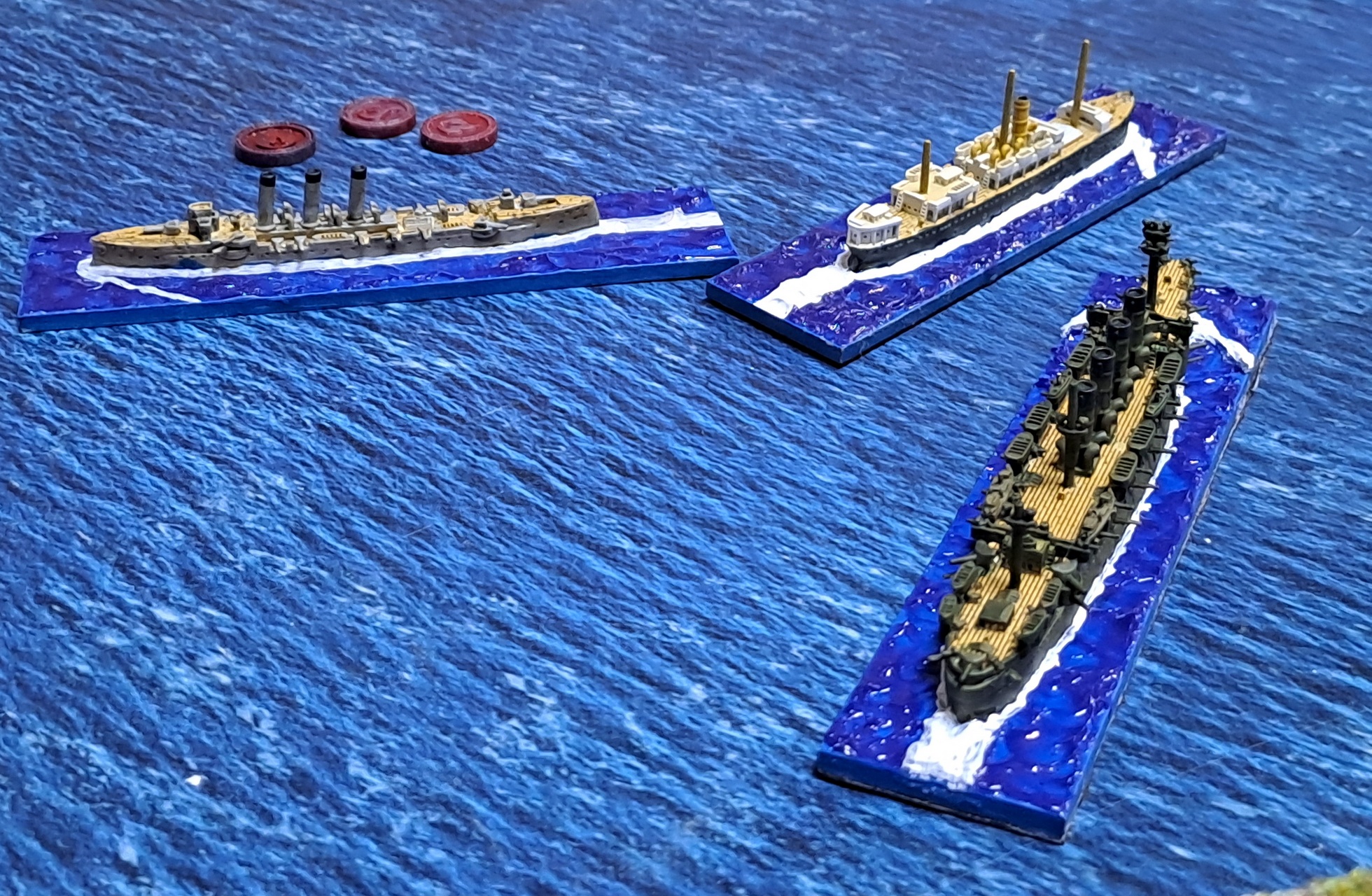
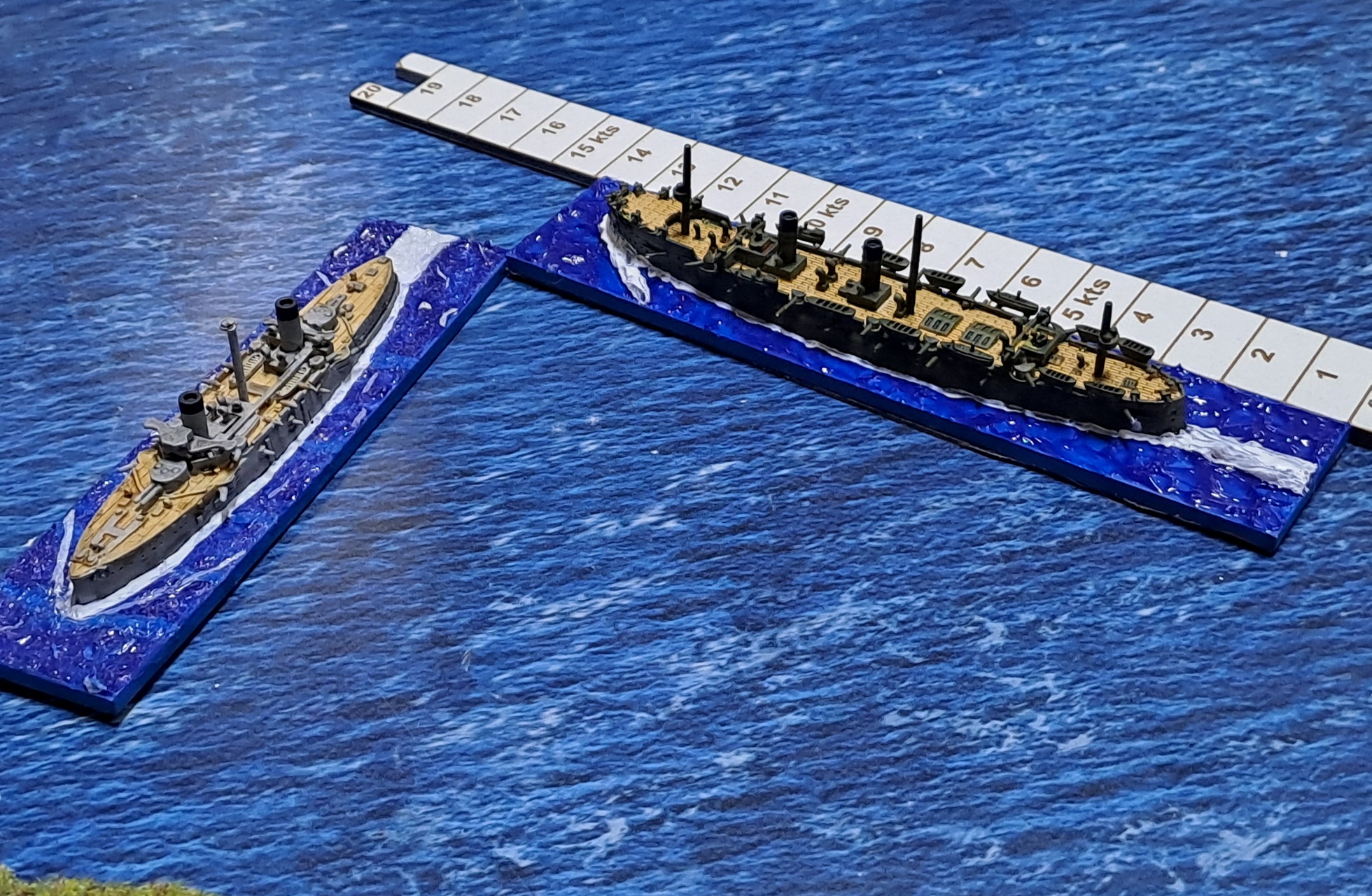
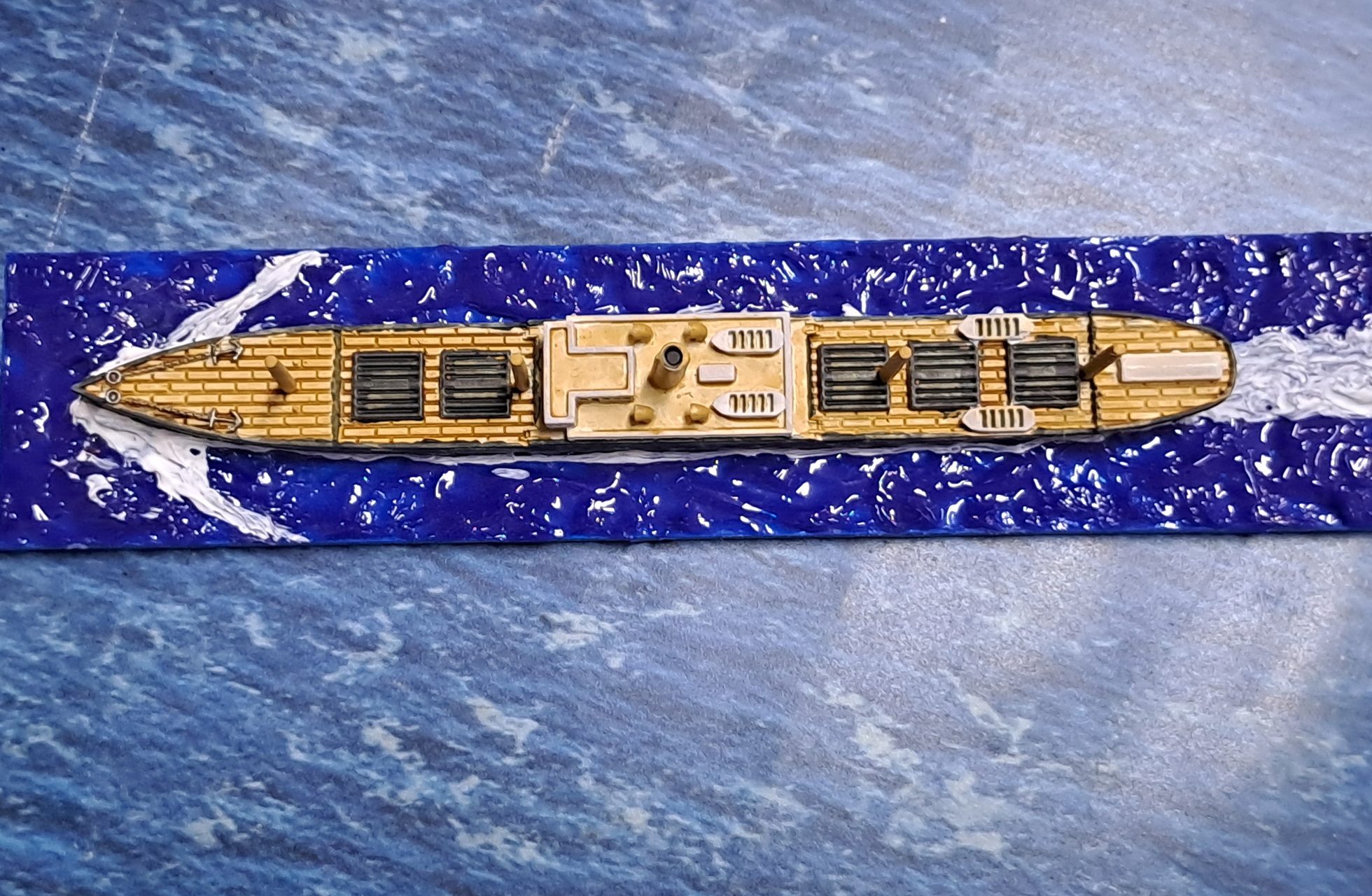
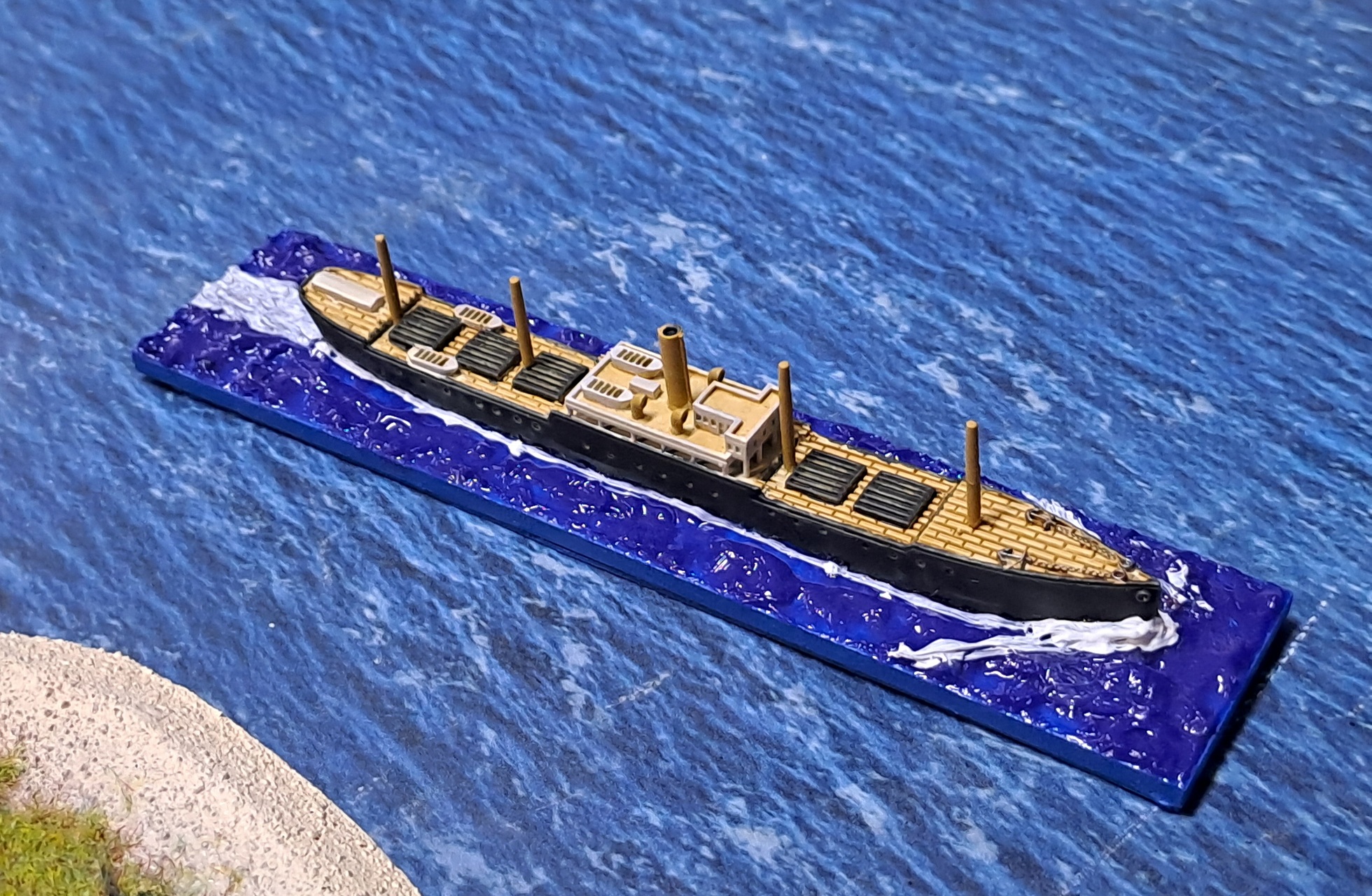
Gods of War: Togo – Marine Nationale (🇬🇧EN/🇵🇱PL) Środa, Wrz 24 2025 

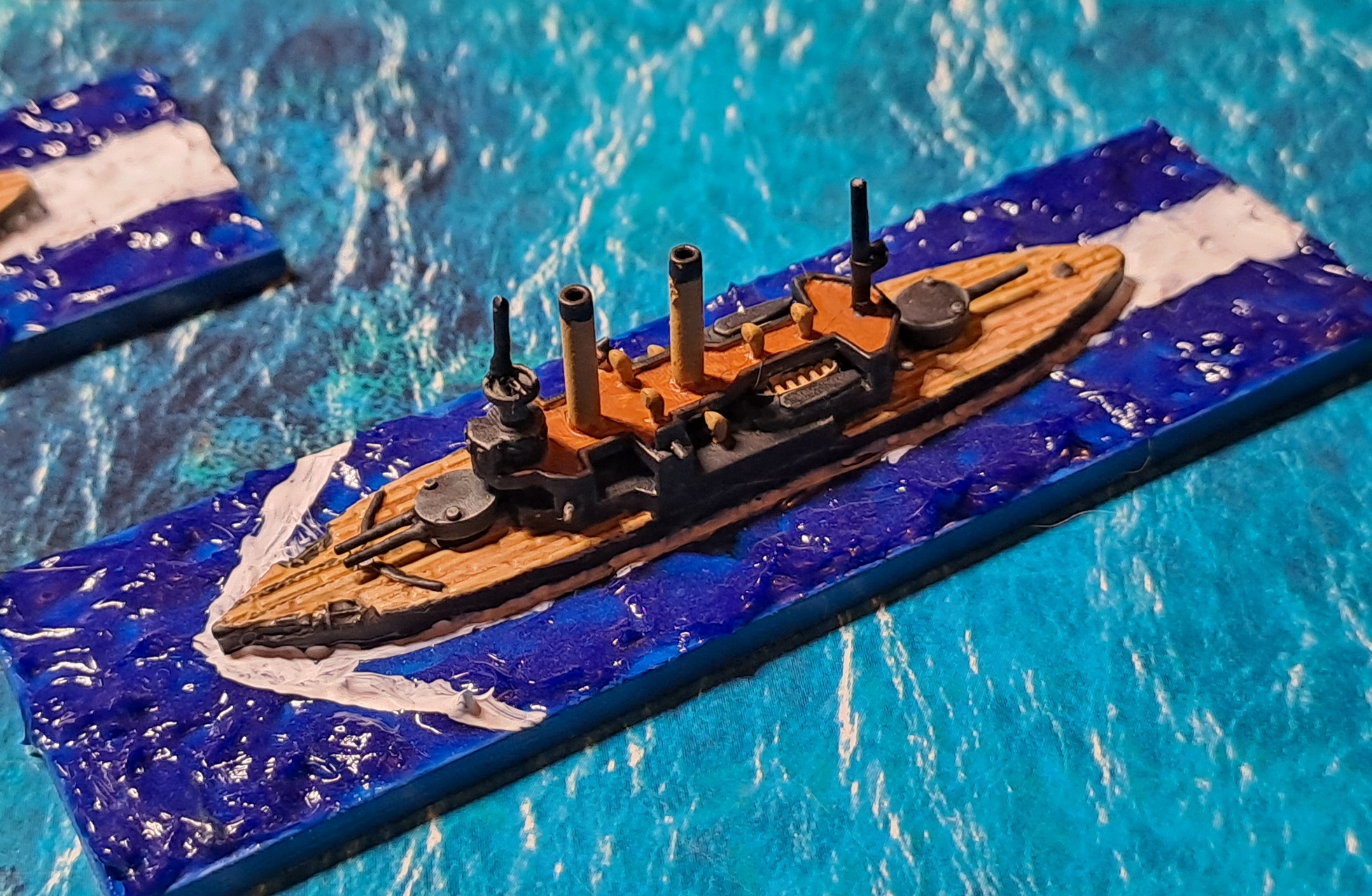
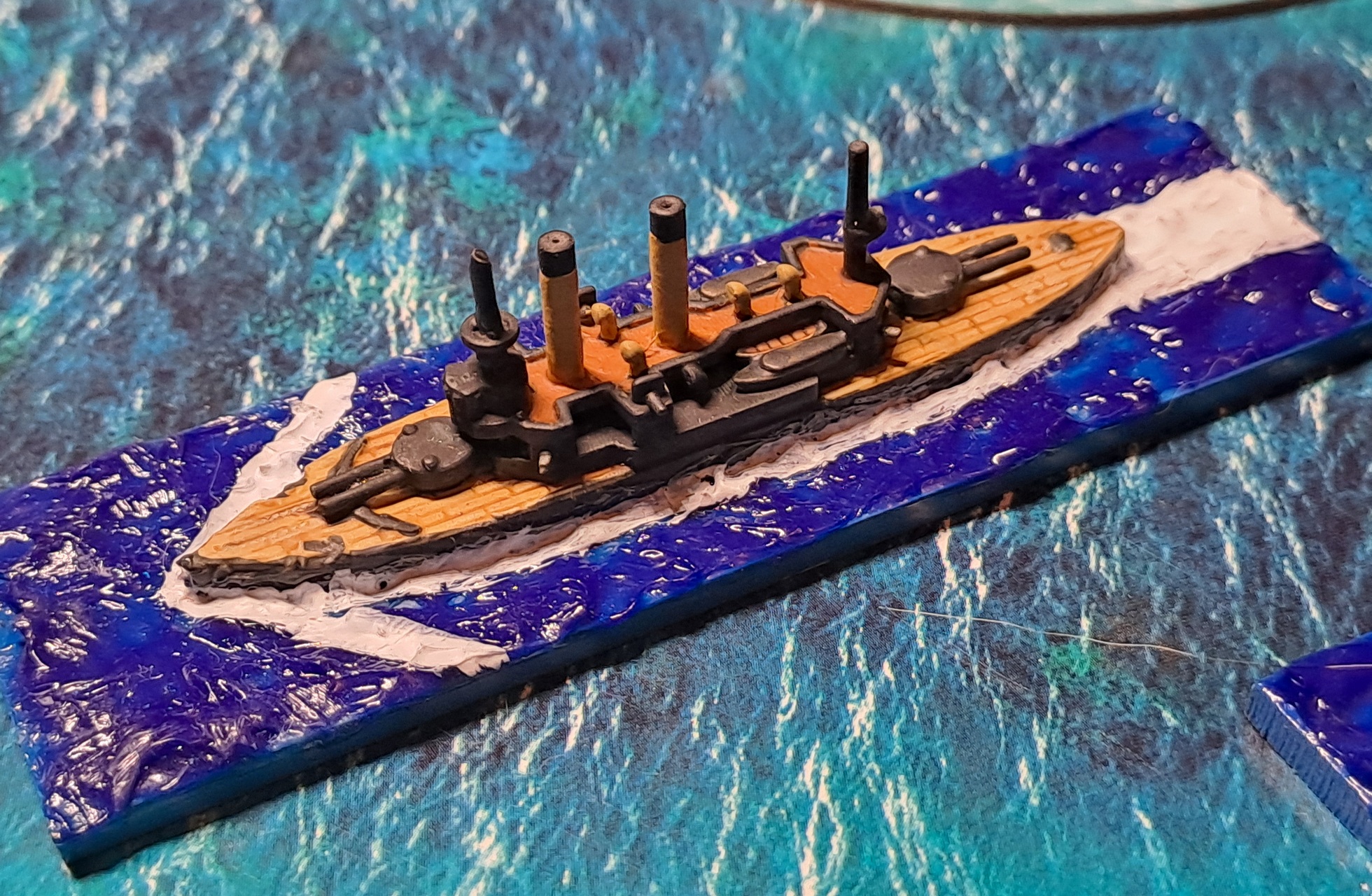
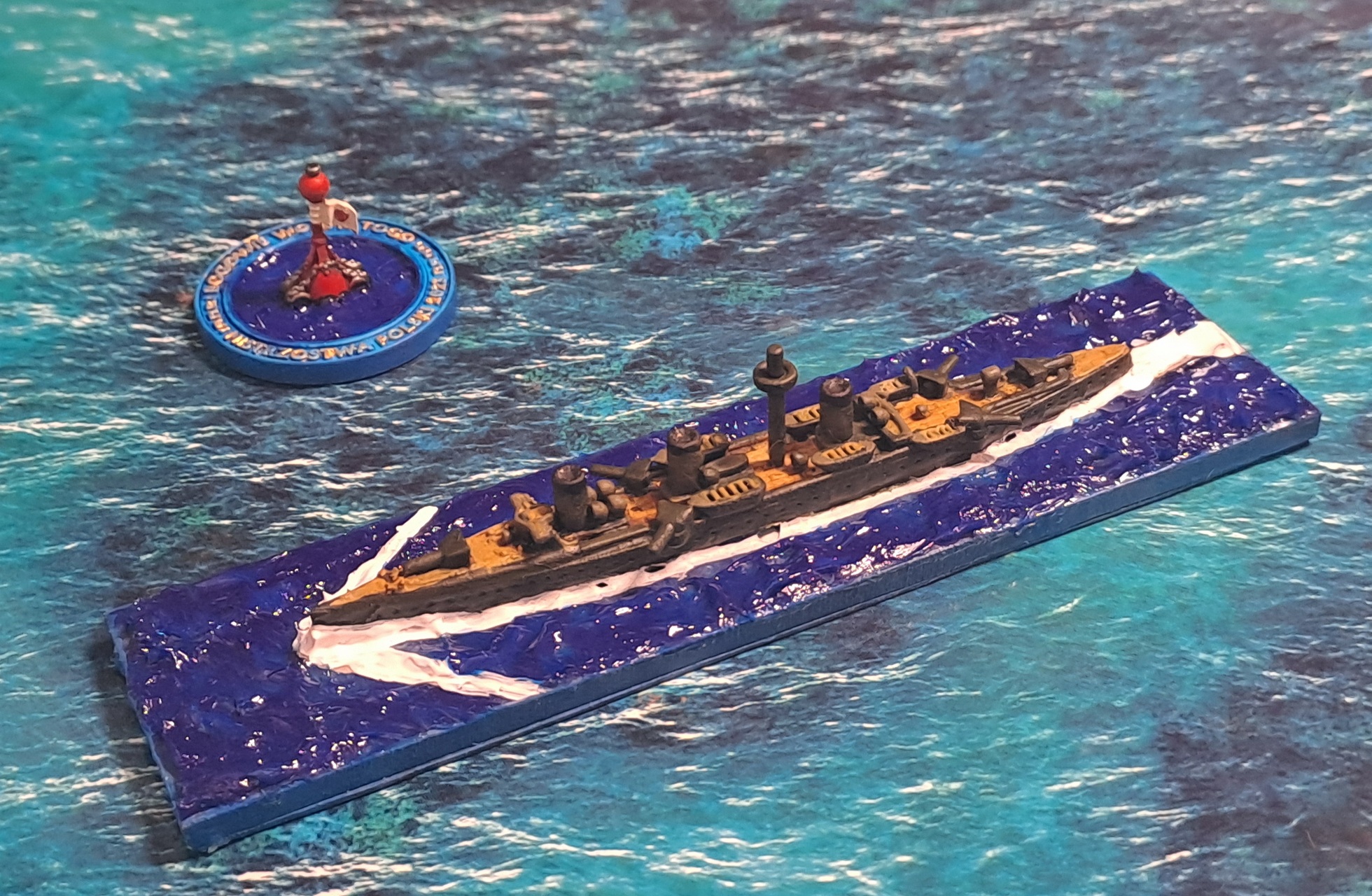
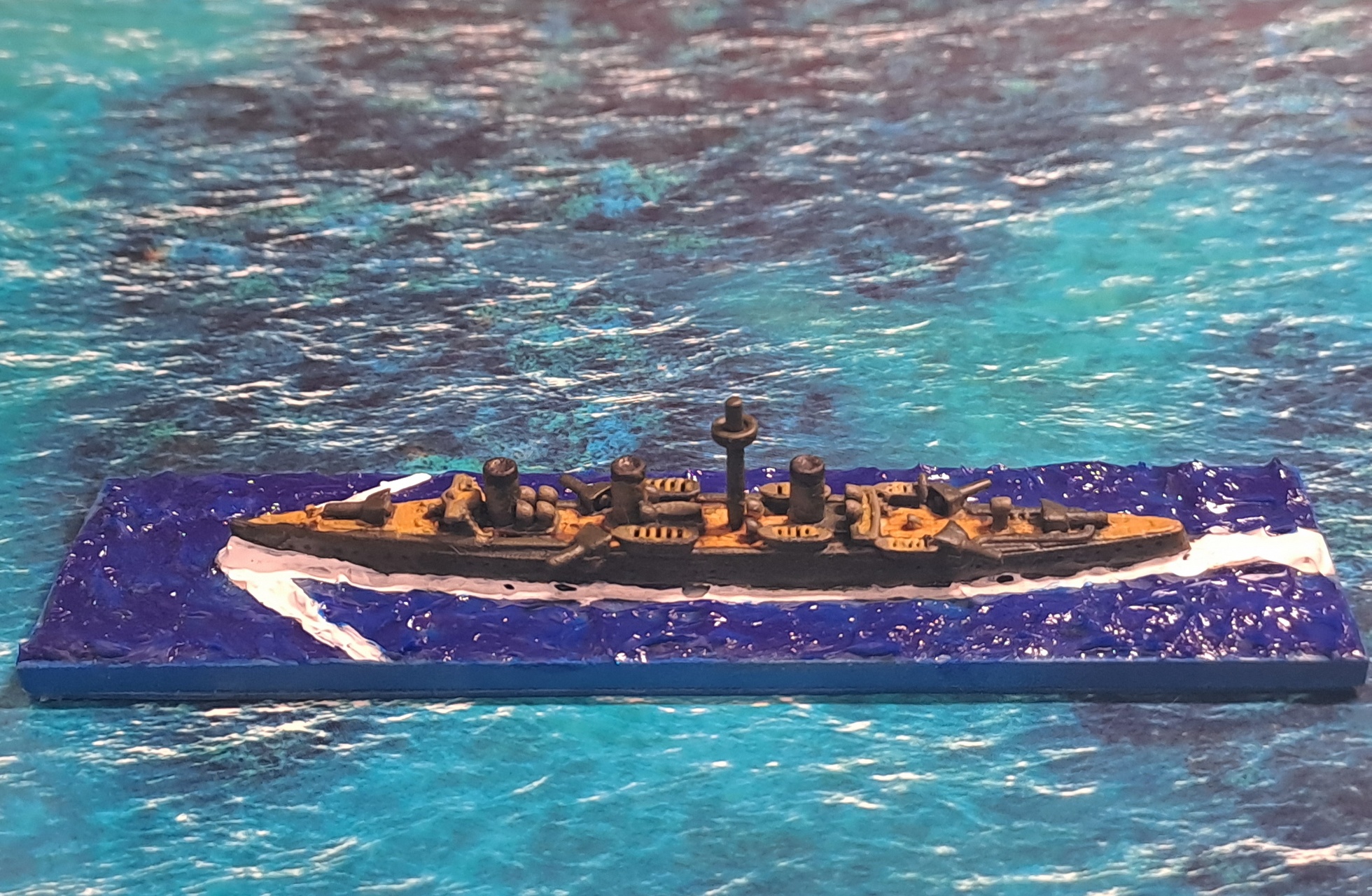
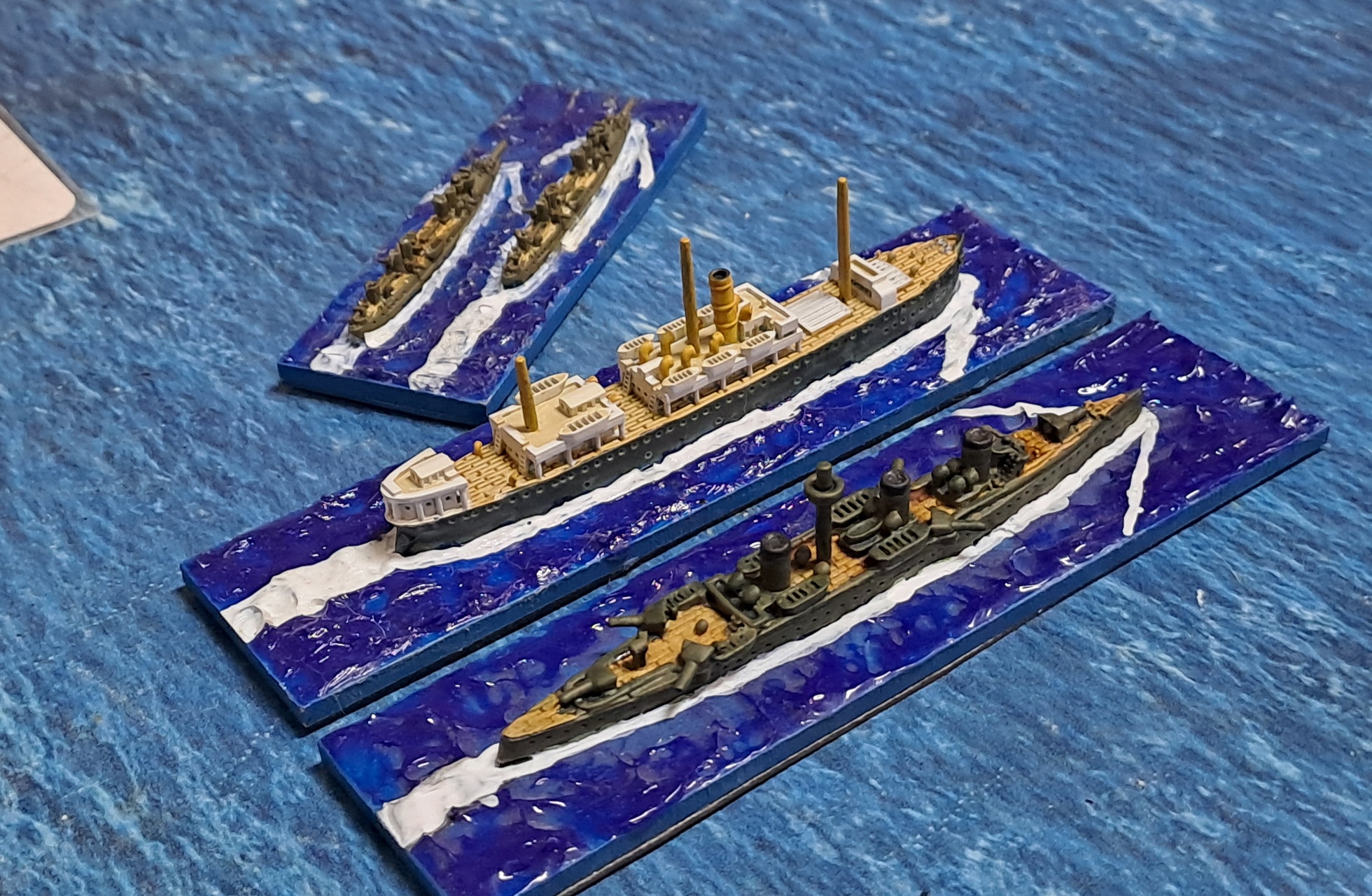
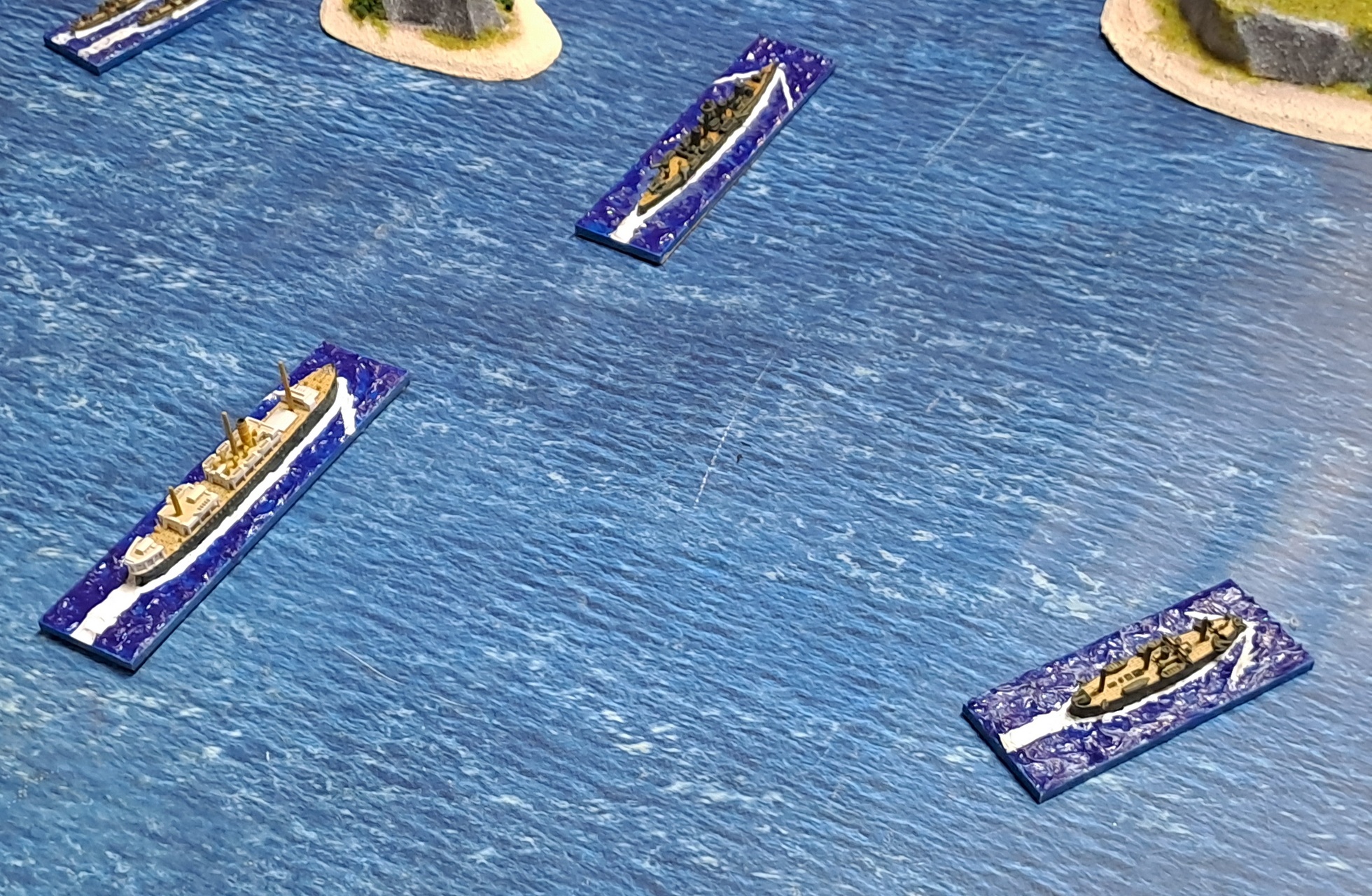
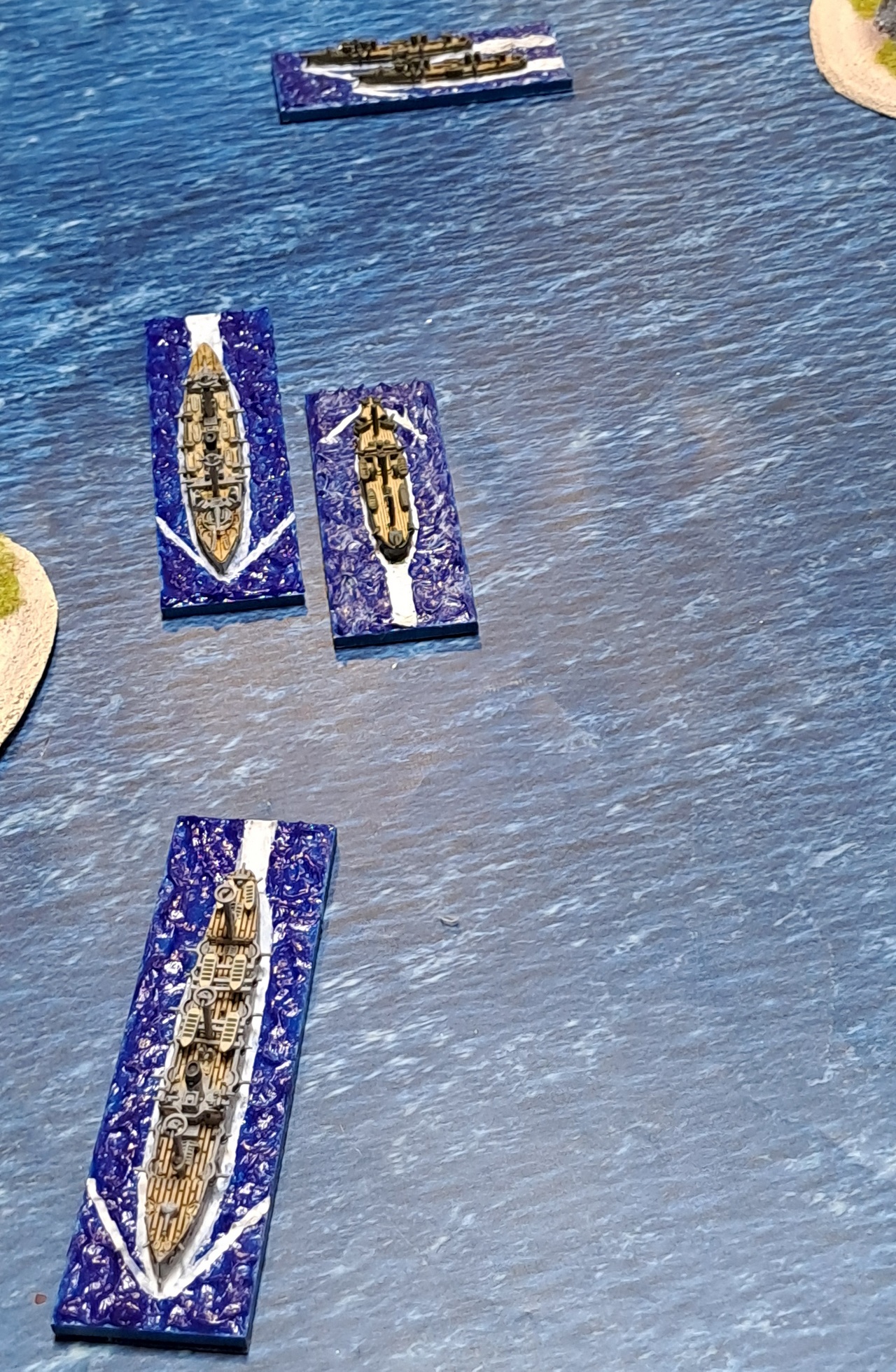
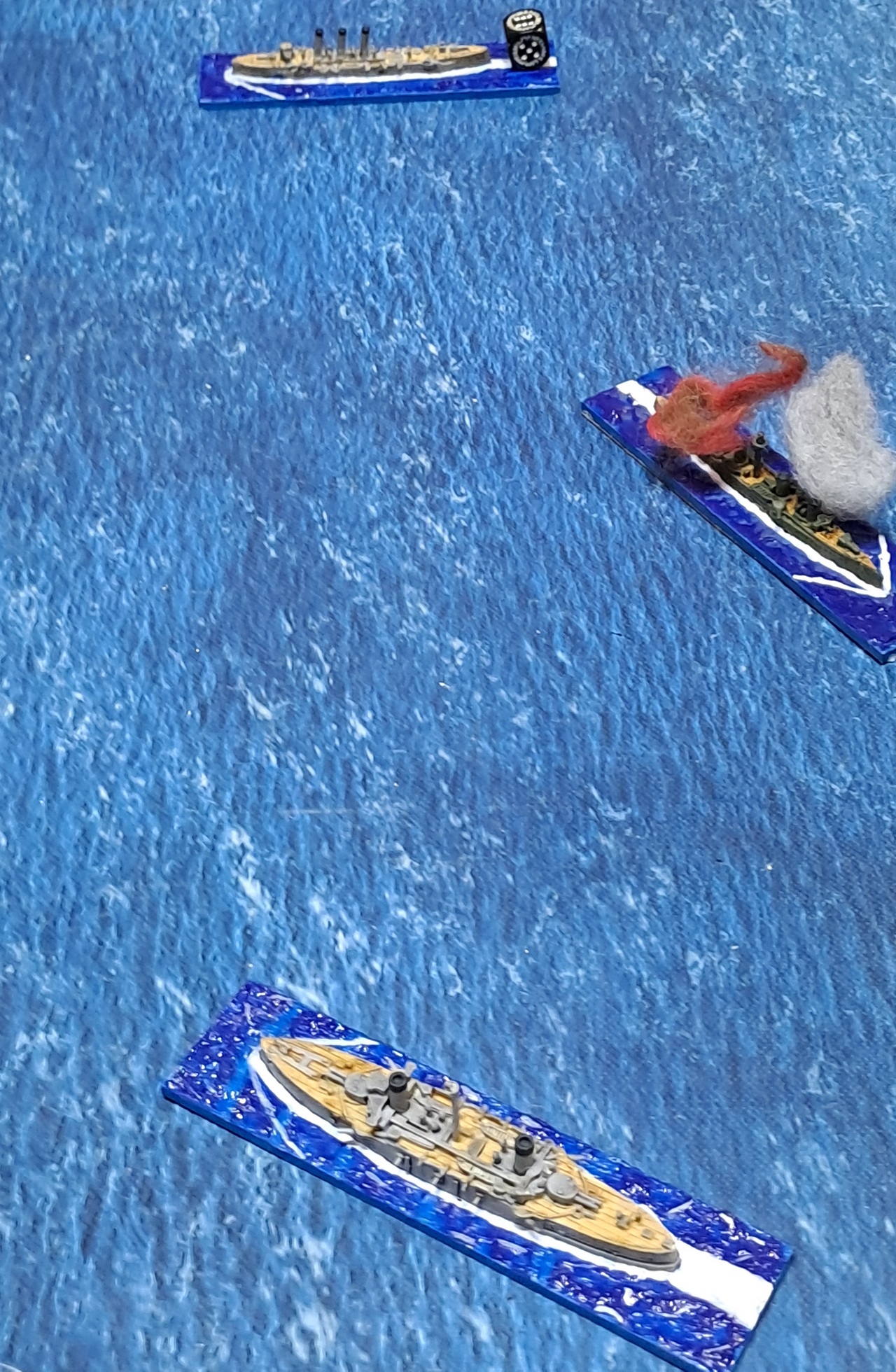
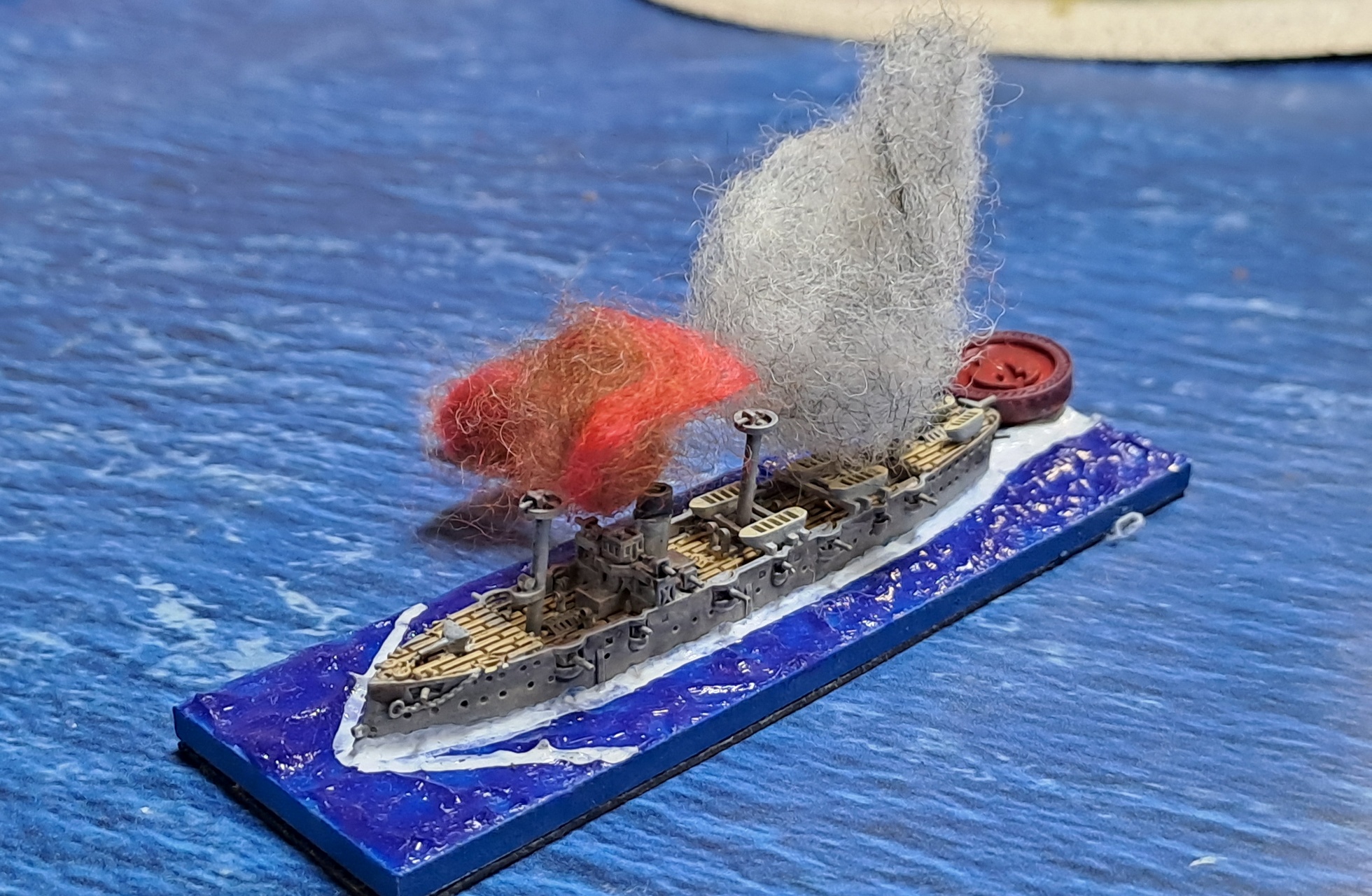
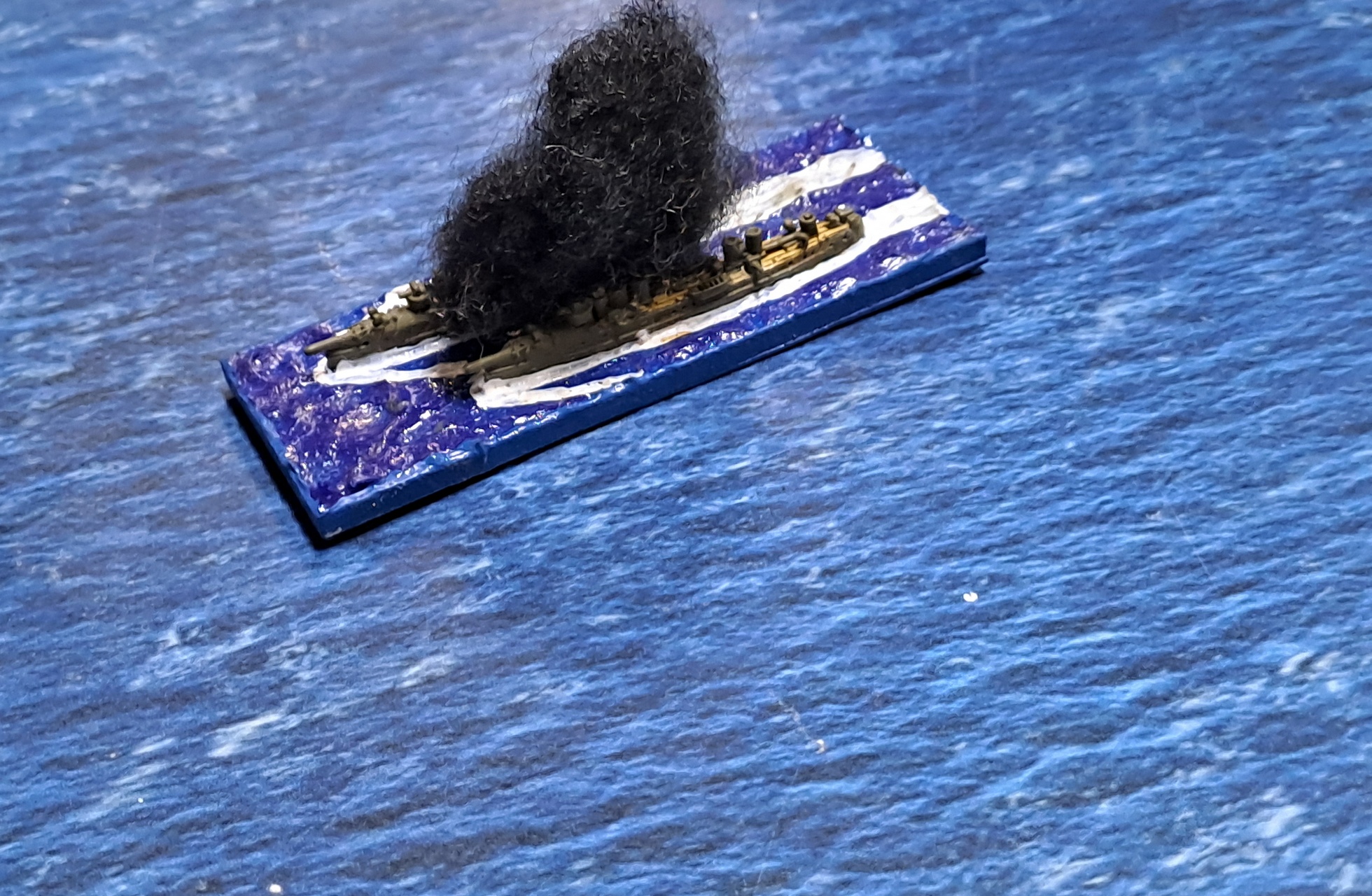
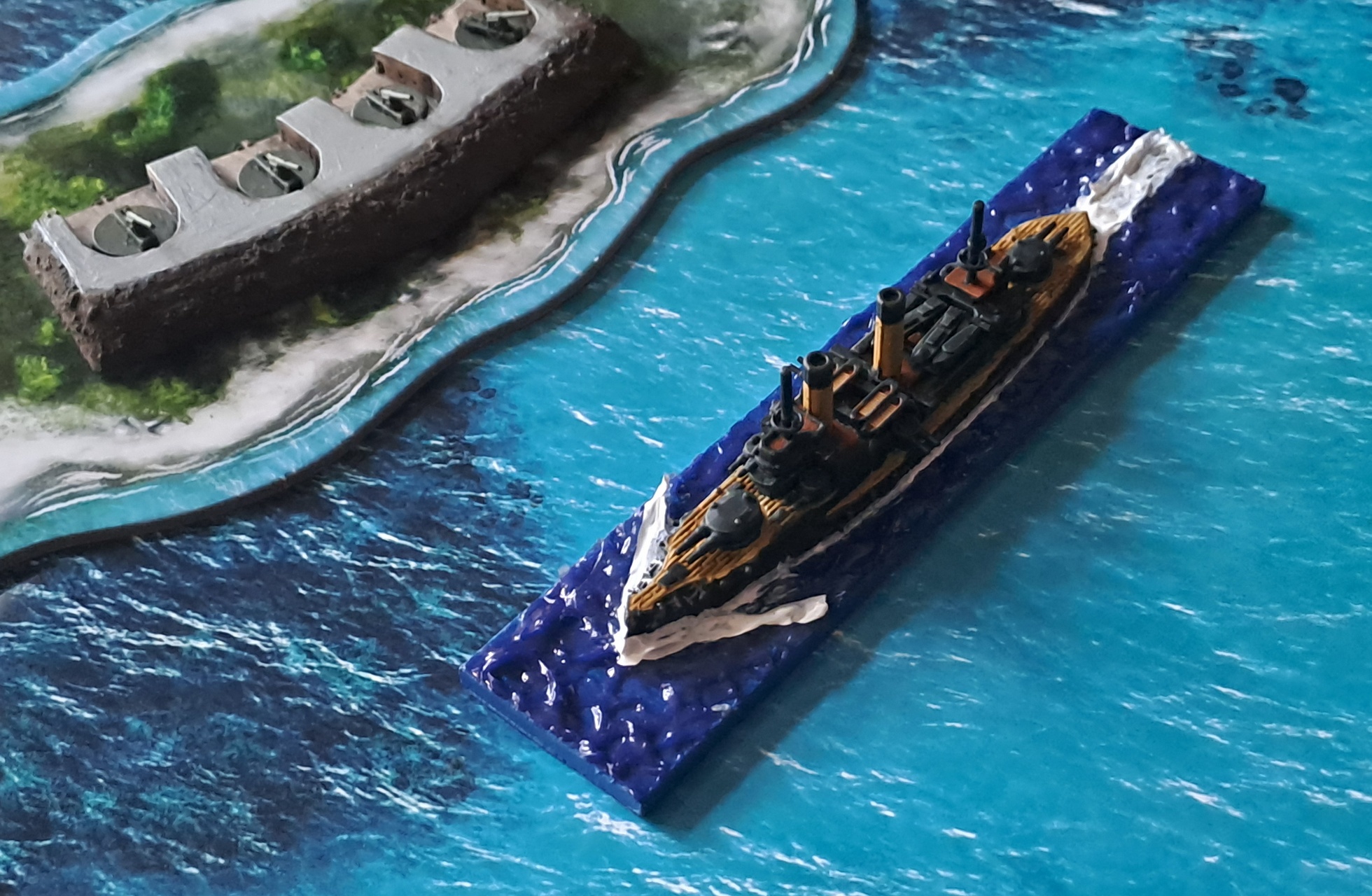
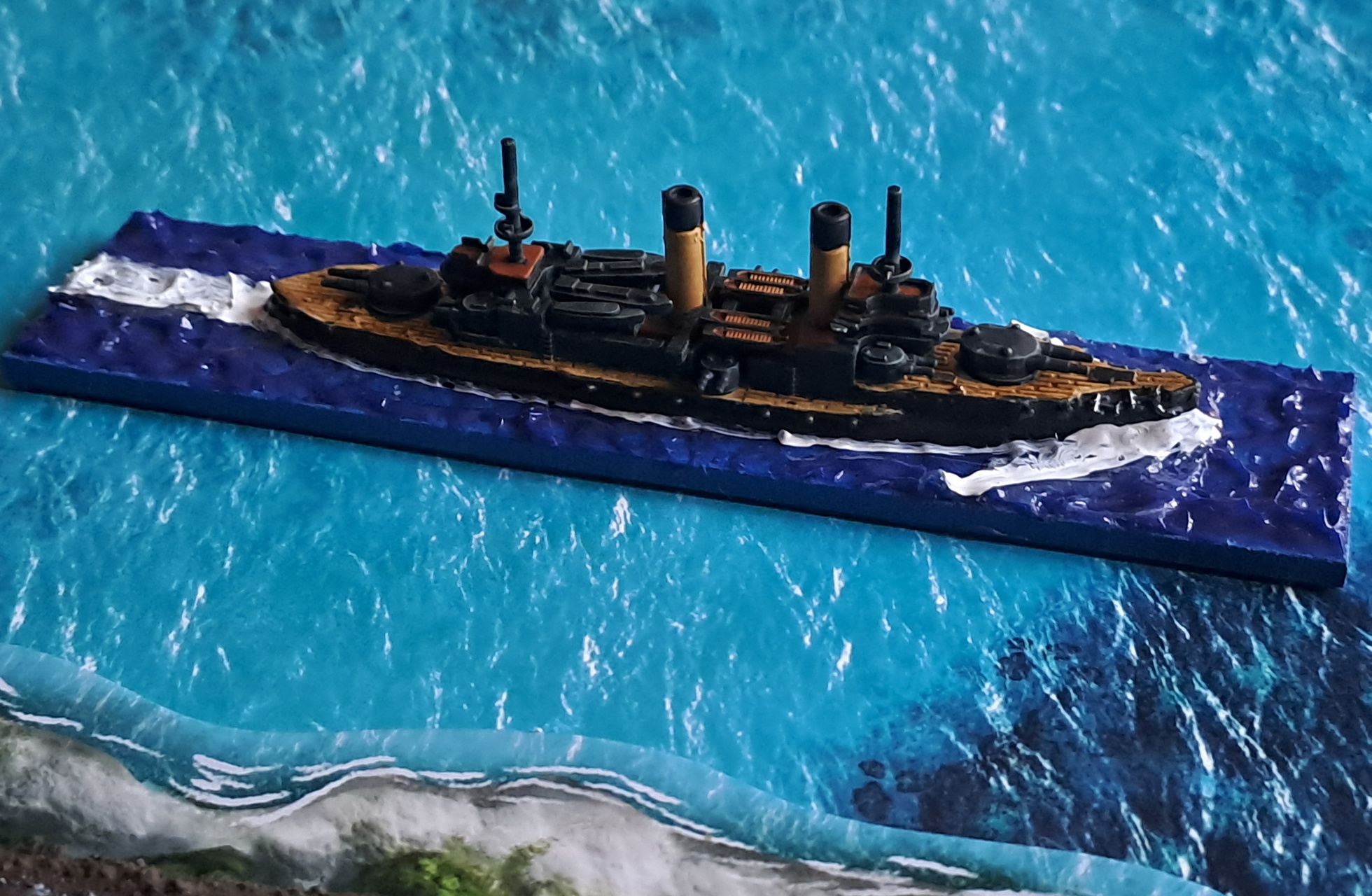
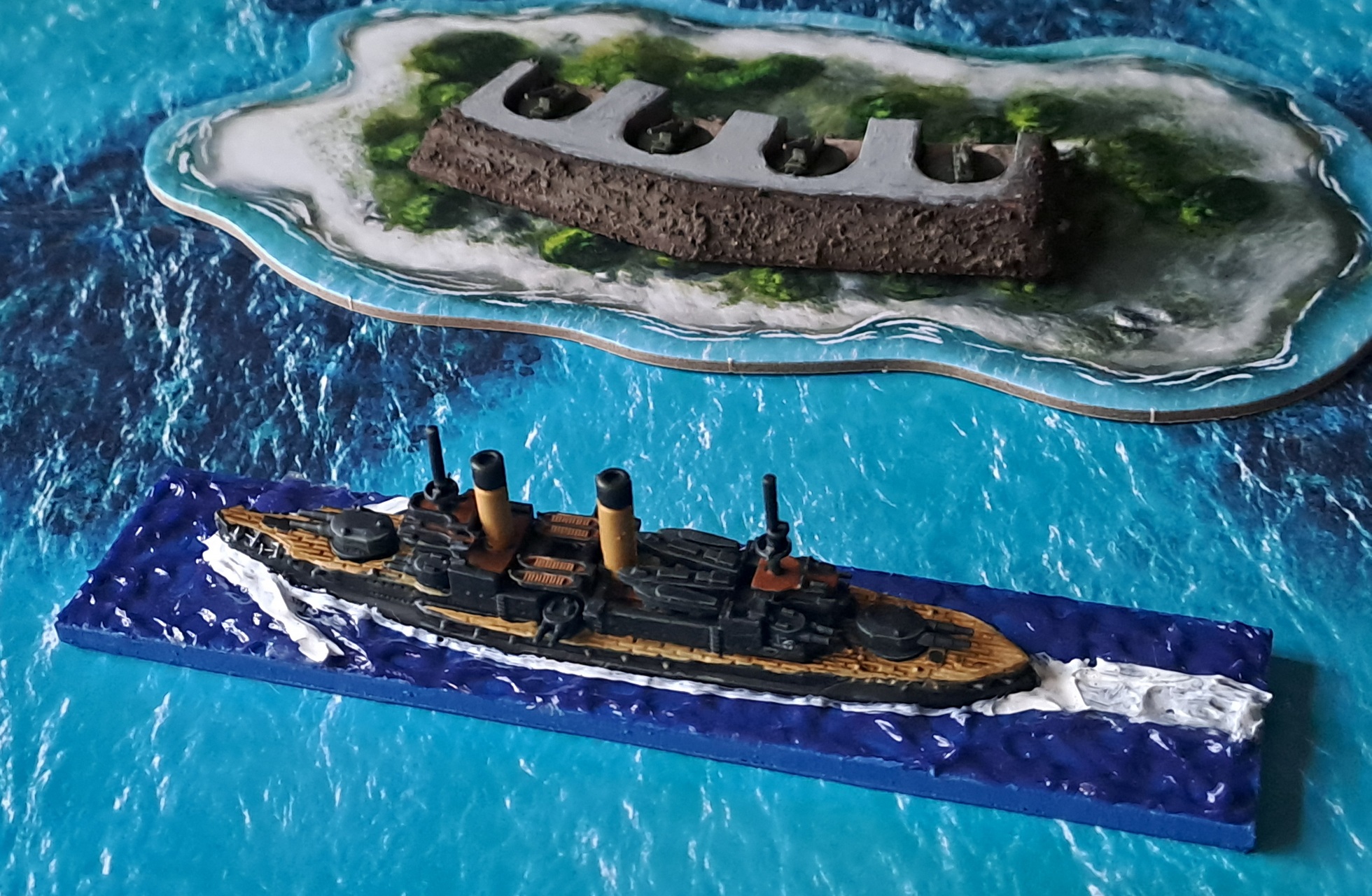
🇬🇧 Last Saturday, the authors of the fleet builder tool for Gods of War: Togo added the Marine Nationale, the French fleet. Its official debut will take place during this year’s Fields of Glory event in Niepołomice — and that’s already this coming weekend! Without waiting for the first ships to leave the shipyards, I decided to take a closer look at their profiles and describe them all, one by one, on my blog. I invite you to check out their short descriptions and unit cards. So let’s begin with the first one — the Republique-class battleship.

🇵🇱 W ostatnią sobotę w narzędziu do budowy flot do „Bogów Wojny: Togo” autorzy dodali Marine Nationale, czyli flotę francuską. Jej oficjalny debiut odbędzie się już podczas tegorocznych Pól Chwały w Niepołomicach — a to przecież nadchodzący weekend! Nie czekając na pierwsze okręty opuszczające stocznię, postanowiłem przyjrzeć się ich profilom i opisać je wszystkie, jeden po drugim na swoim blogu. Zapraszam do zapoznania się z ich krótkim opisem i kartami jednostek. A więc zacznijmy od pierwszego czyli pancernika Republique-class.

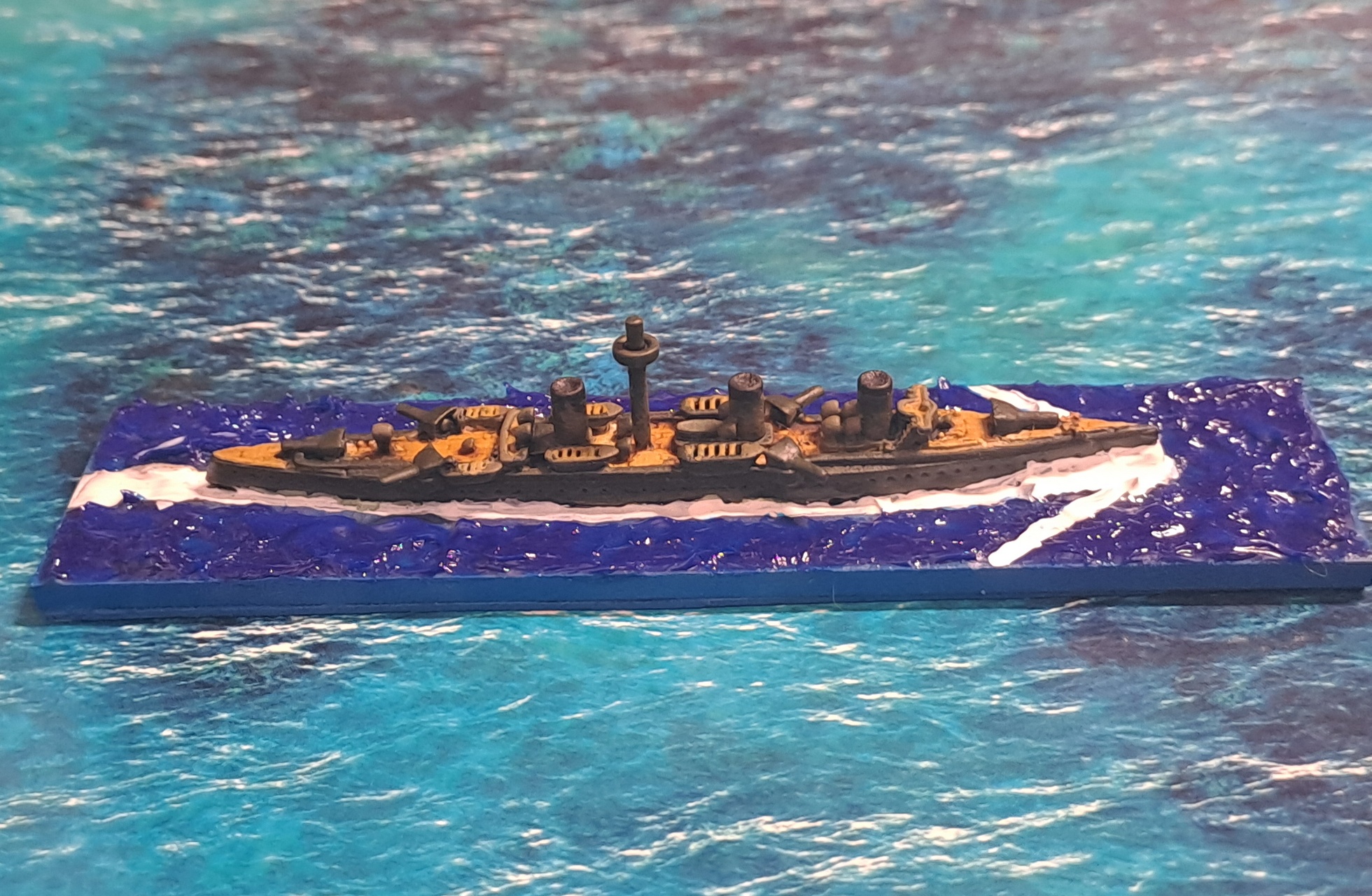
🇬🇧 Republique-class – a first-class ship with a cost of 895 points. This battleship is equipped with the standard number of heavy artillery guns and an extensive array of medium artillery. It features excellent armor and a solid hull. Although the range of its heavy artillery is not the greatest, it makes up for it with high penetration power. An additional advantage is its slightly higher speed compared to other ships of this class, as well as the presence of a ram.

🇵🇱 Republique-class – okręt pierwszej klasy o koszcie 895 punktów. To pancernik wyposażony w standardową liczbę dział ciężkiej artylerii oraz rozbudowaną artylerię średnią. Charakteryzuje się bardzo dobrym pancerzem i solidnym kadłubem. Choć zasięg ciężkiej artylerii nie należy do największych, nadrabia to wysoką siłą przebicia. Dodatkowym atutem jest nieco wyższa prędkość w porównaniu z innymi jednostkami tej klasy, a także obecność taranu.

🇬🇧 Liberté-class – a first-class battleship with a cost of 880 points. It is equipped with the standard number of heavy artillery guns and a somewhat more modest array of medium artillery. It boasts excellent armor and a solid hull. The range of its heavy artillery is similar to that of the Republique-class, while the medium artillery, though less numerous, stands out with its good range and firepower. An additional advantage is its slightly higher speed compared to other ships of this type, as well as the presence of a ram.

🇵🇱 Liberté-class – pancernik pierwszej klasy o koszcie 880 punktów. Wyposażony w standardową liczbę dział ciężkiej artylerii oraz nieco skromniejszą artylerię średnią. Dysponuje bardzo dobrym pancerzem i solidnym kadłubem. Zasięg ciężkiej artylerii jest zbliżony do jednostki klasy Republique, natomiast artyleria średnia, choć mniej liczna, wyróżnia się dobrym zasięgiem i siłą ognia. Dodatkowym atutem jest prędkość nieco wyższa niż u innych okrętów tego typu, a także obecność taranu.

🇬🇧 Suffren-class – a first-class battleship with a cost of 740 points. It is equipped with the standard number of heavy artillery guns and an exceptionally numerous array of medium artillery. Its armor and hull are solid, comparable to the standard of battleships across various fleets. The range of its heavy artillery is similar to the previously described units, while its speed is slightly lower than that of other battleships of this class. Additionally, the ship is fitted with a ram.

🇵🇱 Suffren-class – pancernik pierwszej klasy o koszcie 740 punktów. Wyposażony w standardową liczbę dział ciężkiej artylerii oraz wyjątkowo liczną artylerię średnią. Pancerz i kadłub są solidne, porównywalne ze standardem wśród okrętów liniowych różnych flot. Zasięg ciężkiej artylerii jest podobny do wcześniej opisanych jednostek, natomiast prędkość okrętu jest nieco niższa niż u innych pancerników tej klasy. Dodatkowo jednostka posiada taran.

🇬🇧 Massena-class – a first-class battleship with a cost of 620 points. Compared to other ships of this type, it carries fewer heavy artillery guns but is equipped with an exceptionally large array of medium artillery. Its armor and hull are solid, in line with the standard for battleships of this era. The range of its heavy artillery is similar to the previously described ships, though part of its medium-caliber artillery has a slightly shorter range. The ship’s speed is lower than that of most battleships in this class. It is also fitted with a ram. The Massena’s main advantages are its attractive cost and the very large number of medium artillery pieces.

🇵🇱 Massena-class – pancernik pierwszej klasy o koszcie 620 punktów. W porównaniu z innymi jednostkami tego typu dysponuje mniej liczną artylerią ciężką, ale za to wyjątkowo rozbudowaną artylerią średnią. Pancerz i kadłub są solidne, zgodne ze standardem dla pancerników tej epoki. Zasięg ciężkiej artylerii jest podobny do wcześniej opisanych okrętów, natomiast część dział średniego kalibru ma nieco krótszy zasięg. Prędkość jednostki jest niższa niż u większości pancerników tej klasy. Okręt wyposażono również w taran. Atutem Masseny pozostaje przede wszystkim atrakcyjna cena oraz bardzo liczna artyleria średnia.

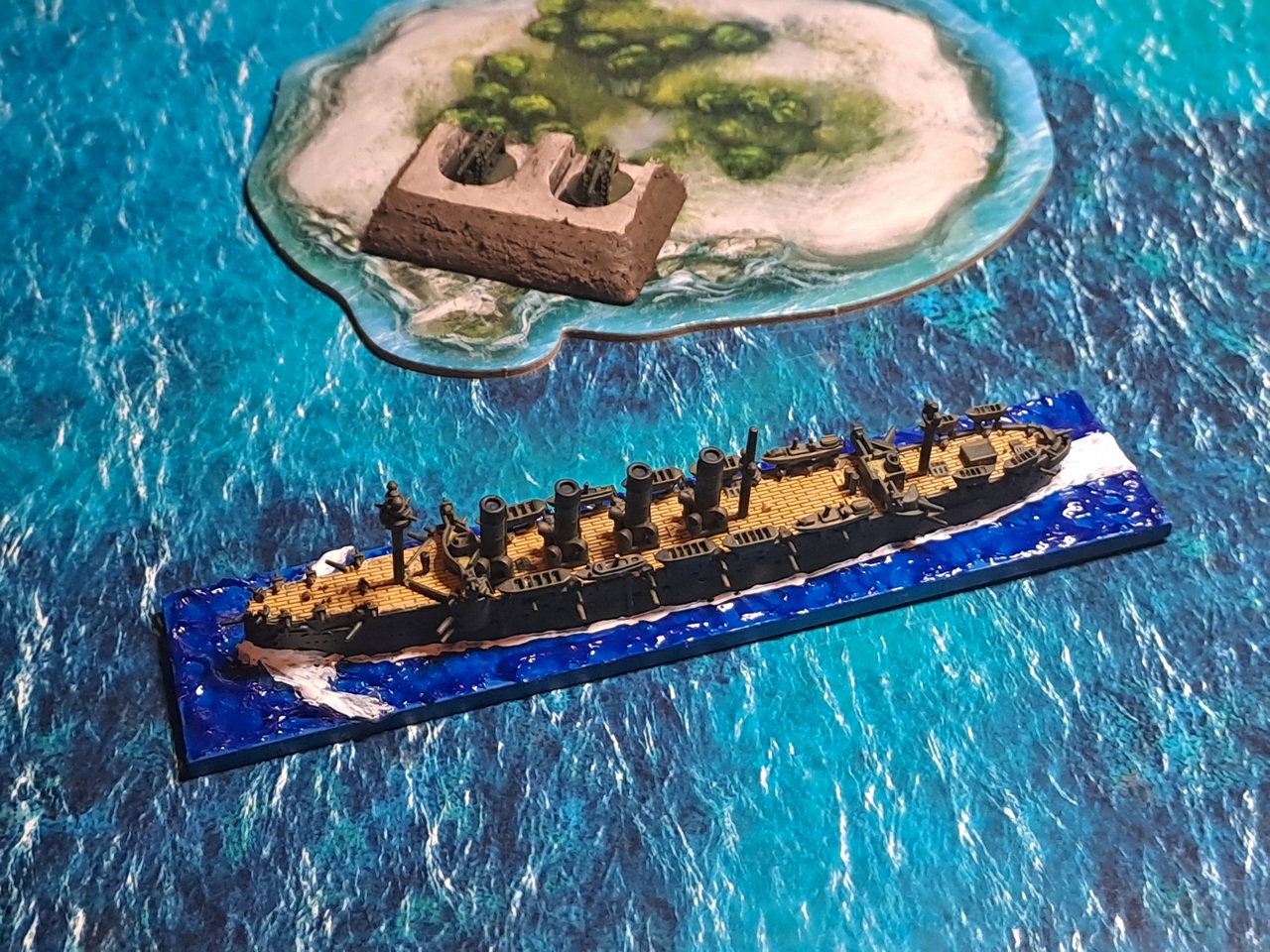
🇬🇧 Jeanne d’Arc-class – a second-class cruiser with a cost of 310 points. Equipped with a very large array of medium-caliber artillery, it stands out with excellent speed and remarkable armor for a ship of this class in Gods of War: Togo. Its solid hull further enhances its combat value. This is a ship well worth having in your fleet — its cost makes it a great choice even for lower-point battles.

🇵🇱 Jeanne d’Arc-class – krążownik drugiej klasy o koszcie 310 punktów. Wyposażony w bardzo liczną artylerię średniego kalibru, wyróżnia się świetną prędkością oraz znakomitym pancerzem, jak na jednostkę tej klasy w systemie Bogowie Wojny: Togo. Solidny kadłub dodatkowo podnosi jego wartość bojową. To okręt, który zdecydowanie warto mieć w swojej flocie – jego cena sprawia, że świetnie sprawdzi się również w rozgrywkach na mniejsze punkty.

🇬🇧 D’Entrecasteaux-class – a second-class cruiser with a cost of 260 points. Equipped with relatively few heavy-caliber guns, which nonetheless surpass the armament of most cruisers from other nations. In addition, it carries a fairly numerous medium artillery and torpedo armament. Its armor and hull are in line with the standard for ships of this class in the game. The ship’s strengths also include a ram and torpedoes, which significantly increase its combat versatility.

🇵🇱 D’Entrecasteaux-class – krążownik drugiej klasy o koszcie 260 punktów. Wyposażony w stosunkowo nieliczną artylerię ciężkiego kalibru, która jednak przewyższa uzbrojenie większości krążowników innych nacji. Do tego dochodzi całkiem liczna artyleria średnia oraz uzbrojenie torpedowe. Pancerz i kadłub odpowiadają standardowi dla jednostek tej klasy w grze. Atutami okrętu są także taran i torpedy, które zwiększają jego wszechstronność bojową.

🇬🇧 Friant-class – a third-class cruiser with a cost of 155 points. It is equipped with a fairly numerous medium-caliber artillery and solid armor. Another advantage is its ram, which makes it a dangerous opponent in close-range engagements.

🇵🇱 Friant-class – krążownik trzeciej klasy o koszcie 155 punktów. Dysponuje dość liczną artylerią średniego kalibru oraz solidnym pancerzem. Jego kolejnym atutem jest również taran, który czyni go groźnym przeciwnikiem w starciach na bliski dystans.

🇬🇧 D’Iberville-class – a fourth-class torped cruiser with a cost of 90 points. This is an inexpensive torpedo vessel, equipped with a fairly large number of torpedo launchers and surprisingly solid armor for a ship of this class. An interesting feature is the single medium-caliber gun mounted on the bow. An additional advantage is the presence of a ram, which is rarely found among ships of this category.

🇵🇱 D’Iberville-class – krążownik torpedowy czwartej klasy o koszcie 90 punktów. To niedroga jednostka torpedowa, wyposażona w dość liczne wyrzutnie torped oraz całkiem solidny pancerz, jak na okręt tej klasy. Ciekawostką jest pojedyncze działo średniego kalibru zamontowane na dziobie. Dodatkowym atutem jest taran, rzadko spotykany wśród jednostek tej kategorii.

🇬🇧 Framee-class – fourth-class destroyers with a cost of 125 points. A half-squadron of destroyers equipped with a standard number of torpedoes for vessels of this category, as well as a fairly large complement of light-caliber artillery. This is a fast and flexible formation, perfectly suited for escort and maneuvering operations.

🇵🇱 Framee-class – niszczyciele czwartej klasy o koszcie 125 punktów. Pół dywizjonu niszczycieli, wyposażonych w standardową liczbę torped dla jednostek tej kategorii oraz dość liczną artylerię lekkiego kalibru. To szybka i elastyczna formacja, doskonale sprawdzająca się w działaniach osłonowych i manewrowych.

🇬🇧 Mistral-class – fourth-class torpedo boats with a cost of 115 points. A half-squadron of torpedo boats equipped with numerous torpedo launchers for vessels of this category, along with better-than-standard armor. Their artillery armament is more modest, limited to a small number of light-caliber guns.

🇵🇱 Mistral-class – torpedowce czwartej klasy o koszcie 115 punktów. Pół dywizjonu torpedowców wyposażonych w liczne wyrzutnie torped, jak na jednostki tej kategorii, a także lepszy niż standardowy pancerz. Uzbrojenie artyleryjskie jest skromniejsze i ogranicza się do niewielkiej liczby dział lekkiego kalibru.

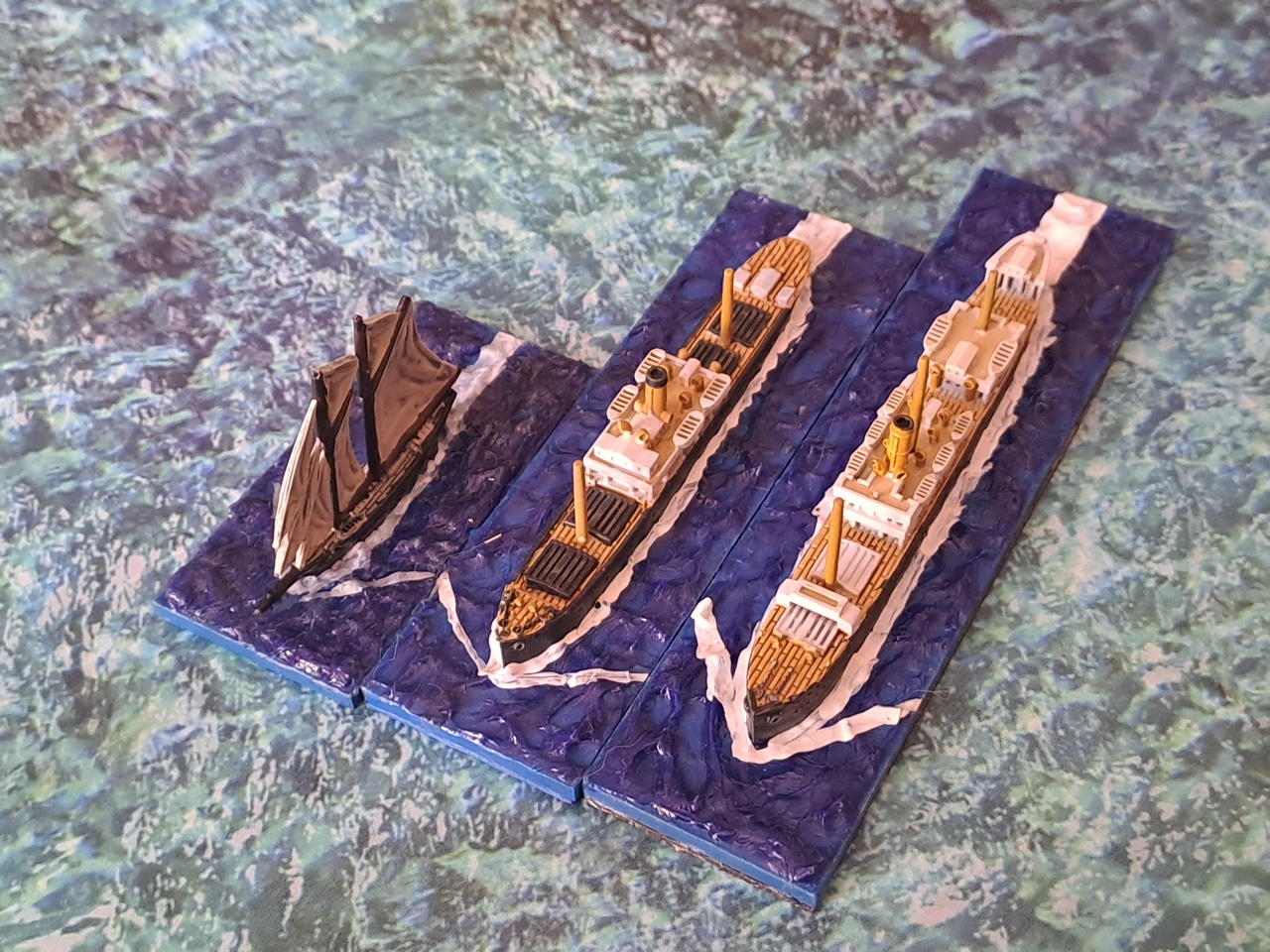
🇬🇧 Belem – a fourth-class sailing ship with a cost of 15 points. A charming vessel that serves primarily auxiliary roles in the game: it can transport landing troops or carry out non-combat tasks. While it cannot match the power of mighty ships of the line, it adds atmosphere and variety to the fleet.

🇵🇱 Belem – żaglowiec czwartej klasy o koszcie 15 punktów. Urokliwa jednostka, która w grze pełni głównie funkcje pomocnicze: może transportować desant żołnierzy lub realizować zadania niebojowe. Choć nie dorównuje potężnym okrętom liniowym, dodaje flocie klimatu i różnorodności.

🇬🇧 Of course, all the nations available in the game, along with their ships, can be viewed at the link below, which leads to the fleet builder tool:
👉 gmboardgames.com/togo/ab/index.php

🇵🇱 Oczywiście wszystkie dostępne w grze nacje, a wraz z nimi ich okręty, można obejrzeć pod poniższym linkiem prowadzącym do narzędzia do budowy floty:
👉 gmboardgames.com/togo/ab/index.php

🇬🇧 Summary:
– The first ships of the French fleet look very promising and are tempting enough to make one want to start an adventure with the Marine Nationale.
– The many battleships released at the start are quite diverse, giving players plenty of options — from heavily armored giants to lighter, more affordable vessels.
– The situation is less favorable with second-class cruisers: while decent, the choice is very limited. Here, patience will be required until more ships of this class are released.
– Third-class ships are represented by the excellent Friant-class cruiser.
– The last category, fourth-class ships, includes as many as four units, one of which is a transport. In this case, the selection is solid right from the start.
– In total, there are ten warships and one transport available — a strong lineup for a debut! Well done, GM Boardgames!
– French ships are already available from the publisher’s store, the Wrocław-based Bolter club, at this address: https://bolter.pl/en_US/c/French-Navy/2037
– Their official debut will take place during Fields of Glory in Niepołomice – an event that every year attracts history and reenactment enthusiasts from all over Poland.
– You can find more details about the event here 👉 polachwaly.pl

🇵🇱 Podsumowanie:
– pierwsze jednostki do floty francuskiej wyglądają ciekawie i kuszą by rozpocząć swoją przygodę z Marine Nationale.
– Liczne wypuszczone na starcie pancerniki są dość różnorodne, że jest w czym wybierać. Zaczynając od potężnie opancerzonych okrętów, przez te lżej opancerzone i tańsze punktowo.
– Gorzej z krążownikami drugiej klasy, które mimo tego, że przyzwoite, są bardzo nieliczne w wyborze, tu pozostaje uzbroić się w cierpliwość i czekać na kolejne okręty tej klasy.
– Okręty trzeciej klasy są reprezentowane przez świetny okręt klasy Friant.
– Ostatnią klasę okrętów reprezentują aż cztery jednostki w tym jedna transportowa, tu na starcie nie ma co narzekać na wybór.
– Łącznie do wyboru jest dziesięć okrętów i jeden transportowiec, nieźle jak na początek, tak trzymać GM Boardgames!
– Okręty francuskie są już dostępne na sklepie wydawcy czyli wrocławskiego klubu Bolter pod tym adresem: https://bolter.pl/pl/c/Flota-Francuska/2037
– Ich oficjalny debiut będzie miał miejsce już podczas Pól Chwały w Niepołomicach – wydarzenia, które co roku przyciąga miłośników historii i rekonstrukcji z całej Polski.
– Szczegóły o samym wydarzeniu znajdziecie tutaj 👉 polachwaly.pl

Gods of War: Togo – Admirals Apraksin&Ushakov (🇬🇧EN/🇵🇱PL) Środa, Wrz 17 2025 

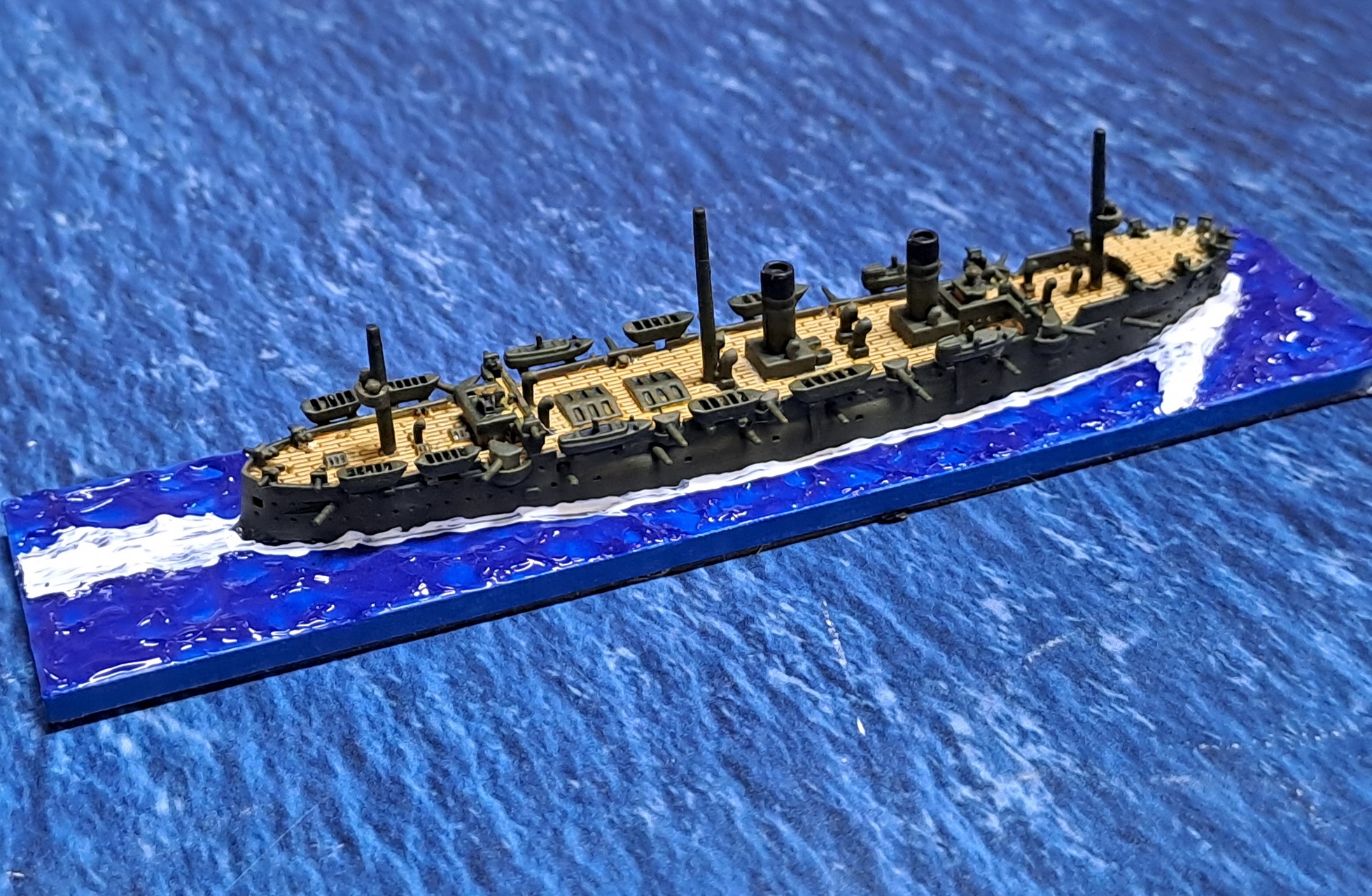
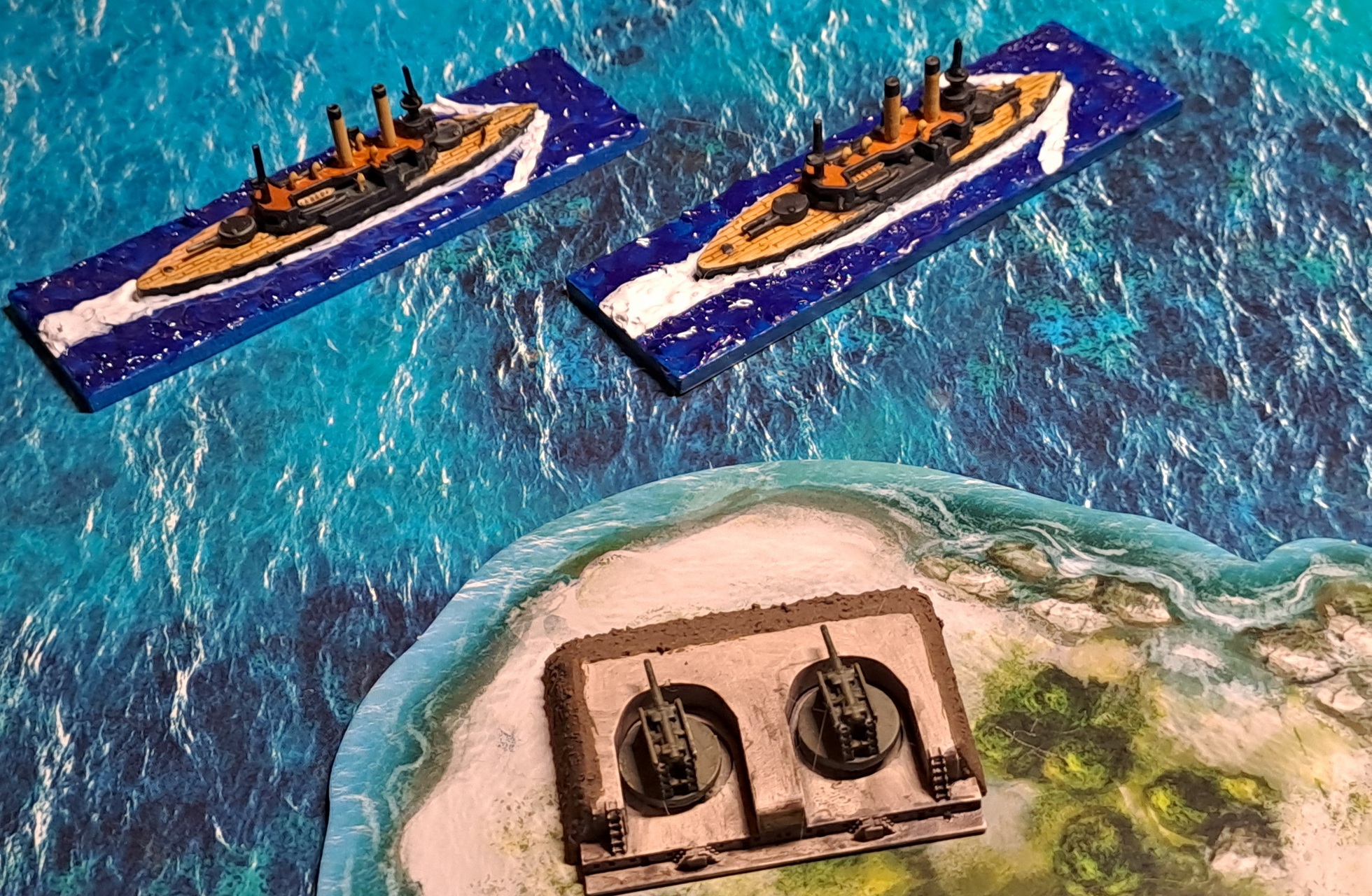
🇬🇧 In the past few days, I managed to finish the coastal defense battleship Admiral Apraksin. It can be built from the same kit as Admiral Ushakov – the only difference between the two ships lies in the aft main turret.
The Admiral Ushakov class were coastal defense battleships built for the Imperial Russian Navy during the 1890s to counter armored ships of the Swedish Navy. All three ships were stationed in the Baltic Sea when the Russo-Japanese war began and sailed with the Baltic Fleet around the Cape of Good Hope to the Pacific.

Despite her age, Admiral Ushakov will be a valuable ship in the player’s fleet. It is a good idea to keep it away from enemy battleships, although it may cause trouble for them, but it can handle most of the cruisers, as it has stronger armor and weapons.

The ship can be configured in two ways, as Admiral Ushakov and Sieniawin – with a stern turret that had two cannons, or Admiral Apraksin, with a stern turret that had one cannon.

* – description of the Admiral Apraskin&Ushakov by GMBoardgames.

🇵🇱 W ostatnich dniach udało mi się skończyć pancernik obrony wybrzeża – Admirała Apraskina, którego można zbudować z tego samego zestawu z którego jest Admirał Ushakow, oba okręty różnią się rufową wieżą główną.

Admirał Uszakow to typ pancerników obrony wybrzeża, zbudowanych w latach 90-tych XIX wieku. Ich celem było zwalczanie szwedzkich okrętów pancernych na Bałtyku. Wszystkie trzy okręty tego typu zostały wcielone w skład II Eskadry Pacyfiku i wzięły udział w bitwie pod Cuszimą.

Mimo swojego wieku Admirał Uszakow będzie wartościowym dodatkiem do floty gracza. Bardzo silnie uzbrojony, jak na swoją wielkość, z uwagi na silne uzbrojenie będzie bardzo dobrze spisywał się w walce z krążownikami, choć wodpowiednich warunkach może też ukąsić wrogie pancerniki.

Okręt można skonfigurować na dwa sposoby, jako Admirała Uszakowa i Sieniawina – z rufową wieżą, która miała dwie armaty, lub Admirała Apraksina, z rufową wieżą, która miała jedną armatę.

* – opis Admirała Apraskina&Ushakowa wg GMBoardgames.

Summary:
– As I mentioned earlier, three ships of this class were built: Admiral Apraksin, Admiral Ushakov, and Admiral Senyavin – all named after distinguished commanders of the Imperial Russian Navy.
– The main advantage of these vessels is, above all, their cost: 230 points for Admiral Apraksin, or 250 points for Admiral Ushakov and Admiral Senyavin. For this price, we get very solid armor (by the standards of Russian second-class ships), heavy main artillery, and a fairly numerous complement of medium and light guns.
– The drawbacks, however, include low speed and poor seakeeping – in rough seas, the ship becomes even slower.

Podsumowanie:
– Jak już wcześniej wspomniałem, powstały trzy okręty tej klasy: Admirał Apraksin, Admirał Uszakow i Admirał Sieniawin – wszystkie nazwane na cześć zasłużonych dowódców floty carskiej Rosji.
Zaletą tych jednostek jest przede wszystkim cena: 230 punktów za Admirała Apraksina lub 250 punktów za Admirała Uszakowa i Admirała Sieniawina. W tej cenie otrzymujemy bardzo dobry – jak na rosyjskie okręty drugiej klasy – pancerz, ciężką artylerię główną oraz dość liczną artylerię średnią i lekką.
Do wad należy zaliczyć niską prędkość i słabą dzielność morską (Poor Seakeeping) – przy wzburzonym morzu okręt staje się jeszcze wolniejszy.

Gods of War: Togo – Novik (🇬🇧EN/🇵🇱PL) Czwartek, Wrz 11 2025 

🇬🇧 Recently, I repainted a Novik-class cruiser from the Baltic Fleet colors to those of the Pacific Fleet — I had always fielded it as Novik, so it deserved the proper paint scheme. It’s a very fast ship with which I’ve played countless games in the past. Lately, however, it’s been “gathering dust” in the box, but I’m increasingly convinced it should return to my battles. You can read more about why in the summary below.

Novík was a protected cruiser in the Imperial Russian Navy, built by Schichau shipyards in Elbing near Danzig in then Germany. Novik was one of the fastest cruisers in the world at the time.

Thanks to her speed and armament, the Novik will be the perfect ship for fighting destroyers and torpedo boats. But it’s better to keep him away from heavy ships, which will be easy thanks to his great speed.

* – description of the Novik by GMBoardgames.

🇵🇱 W ostatnim czasie przemalowałem krążownik klasy Nowik z barw floty Bałtyckiej, na flotęy Pacyfiku – zawsze grałem nim jako Nowikiem, tak więc należało mu się właściwe malowanie. Jest to bardzo szybki okręt, którym w przeszłości rozegrałem mnóstwo gier. W ostatnim czasie jednak „kurzył” się w pudełku, jednak coraz bardziej przekonuję się, by wrócił do moich potyczek. Więcej o tym dlaczego znajdziecie w podsumowaniu poniżej.

Krążownik Novik został zbudowany przez niemiecką stocznię Schichau w Elblągu. Mógł rozwijać 25 węzłów prędkości, co czyniło go najszybszym okrętem w swojej klasie. Nazywano go czasem niszczycielem niszczycieli. Był tak udaną konstrukcją, że na bazie tych samych planów zbudowano w Rosji jeszcze dwa krążowniki: Izumrud i Zemczug.
Dzięki swojemu uzbrojeniu i prędkości Novik będzie idealnym okrętem do zwalczania lekkich jednostek przeciwnika, choć warto go trzymać z daleka od cięższych okrętów – co będzie dosyć łatwe, z uwagi na dużą prędkość.


* – opis Nowika wg GMBoardgames.

🇬🇧 Summary:
Below I’ll outline what makes the Novik/Izumrud (cards for both ships are included in the box) worth including in Russian fleet squadrons:
– On top of that, it also has a ram, which under the right circumstances can seriously damage or even sink an enemy vessel.
– Tremendous speed for a cruiser — up to 25 knots, or even 27 with high-quality coal.
– Numerous medium-caliber guns and torpedoes, which can cause significant damage if they hit.
– Solid armor for a ship of this type, with durability comparable to a torpedo boat squadron.
– For creating army lists, I recommend the list builder from the publisher: https://gmboardgames.com/togo/ab/index.php

🇵🇱 Podsumowanie:
Poniżej przedstawię co przemawia za Nowikiem/Izumrudem (karty obu okrętów dostępne w pudełku), by znalazł miejsce w eskadrach floty rosyjskiej:
– Olbrzymia jak na krążownik prędkość do 25 węzłów, a z dobrym węglem nawet 27.
– Liczna średnia artyleria oraz torpedy które jak trafią, to mogą zrobić sporo szkód.
– Dobry pancerz jak na tego typu jednostkę oraz żywotność zbliżona do dywizjonu torpedowców.
– Do tego posiada również taran, którym w sprzyjających okolicznościach może porządnie uszkodzić, czy nawet posłać na dno jednostkę przeciwnika.
– Do tworzenia rozpisek polecam kreator od wydawcy: https://gmboardgames.com/togo/ab/index.php

Gods of War: Togo – Japanese vs Russian Pacific Fleet on 1810 points (🇬🇧EN/🇵🇱PL) Poniedziałek, Wrz 8 2025 

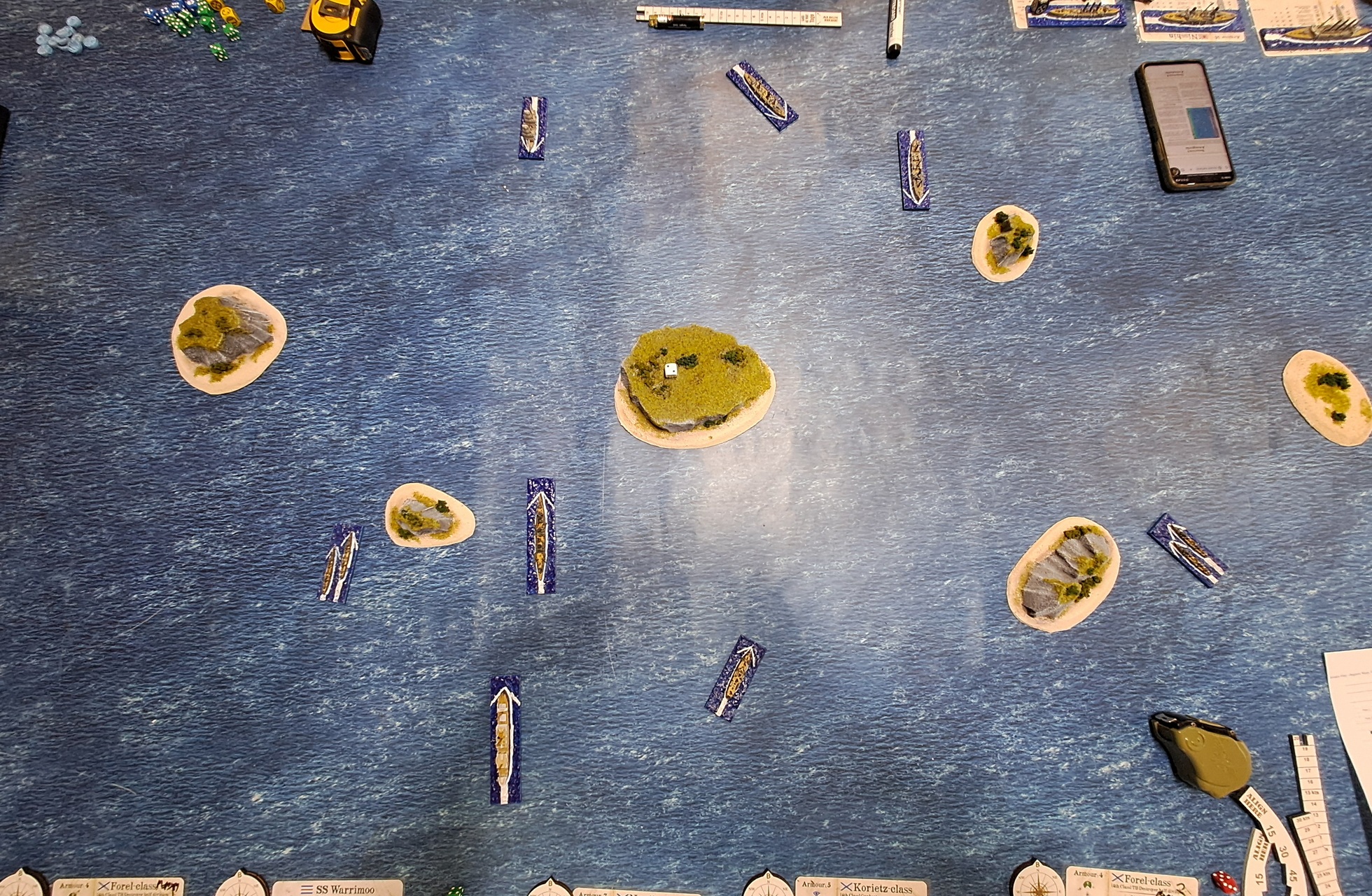
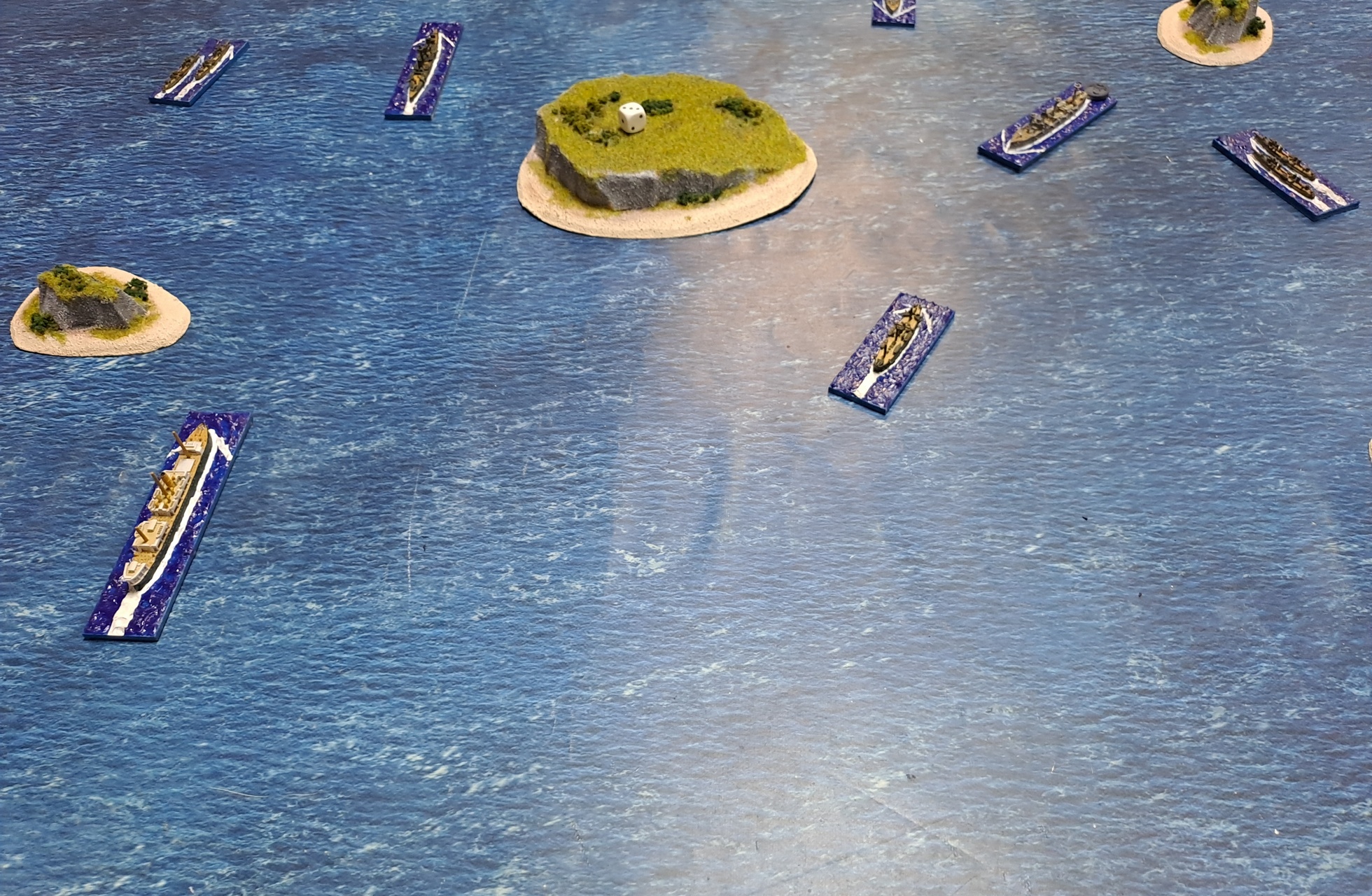
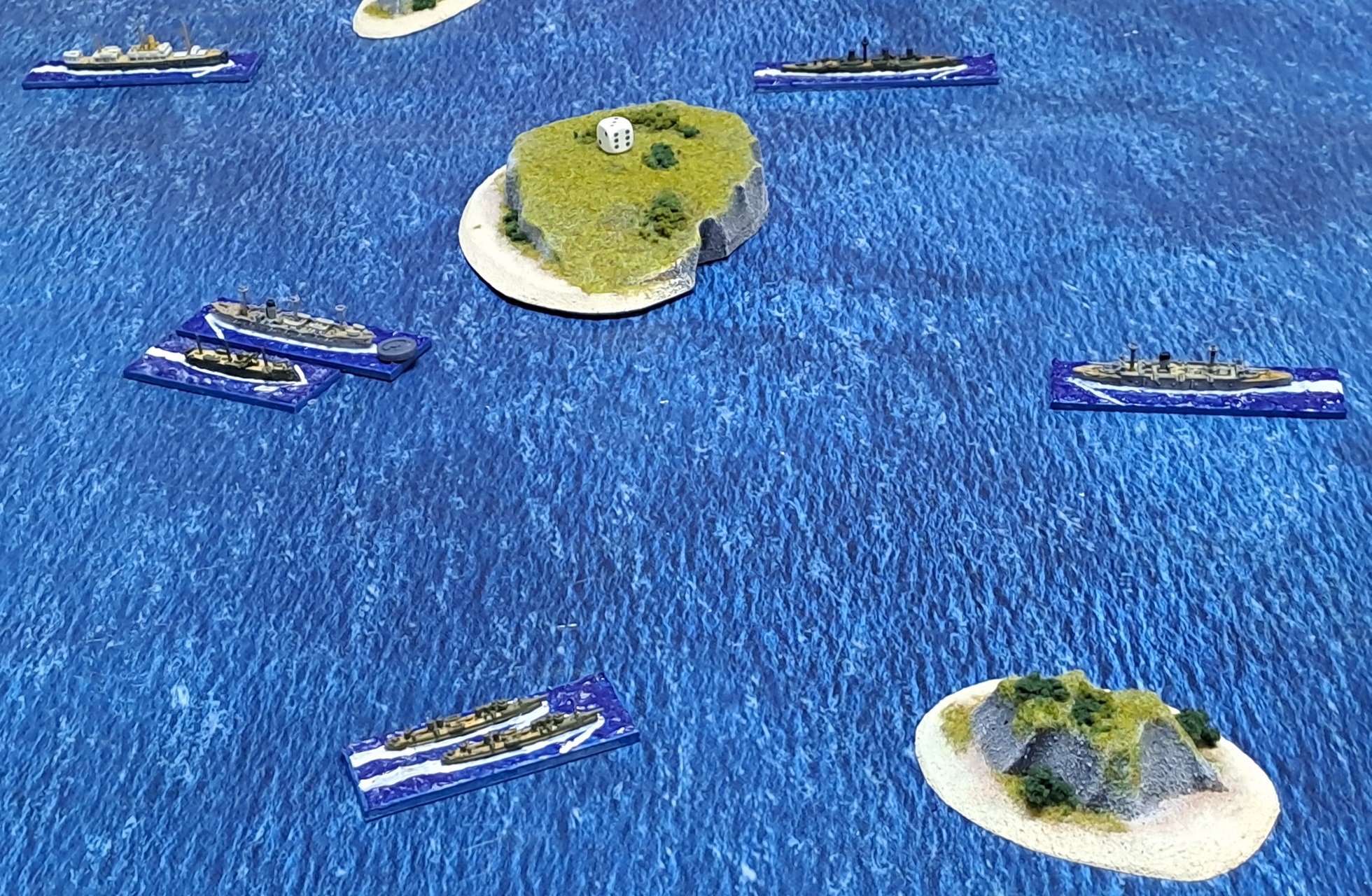
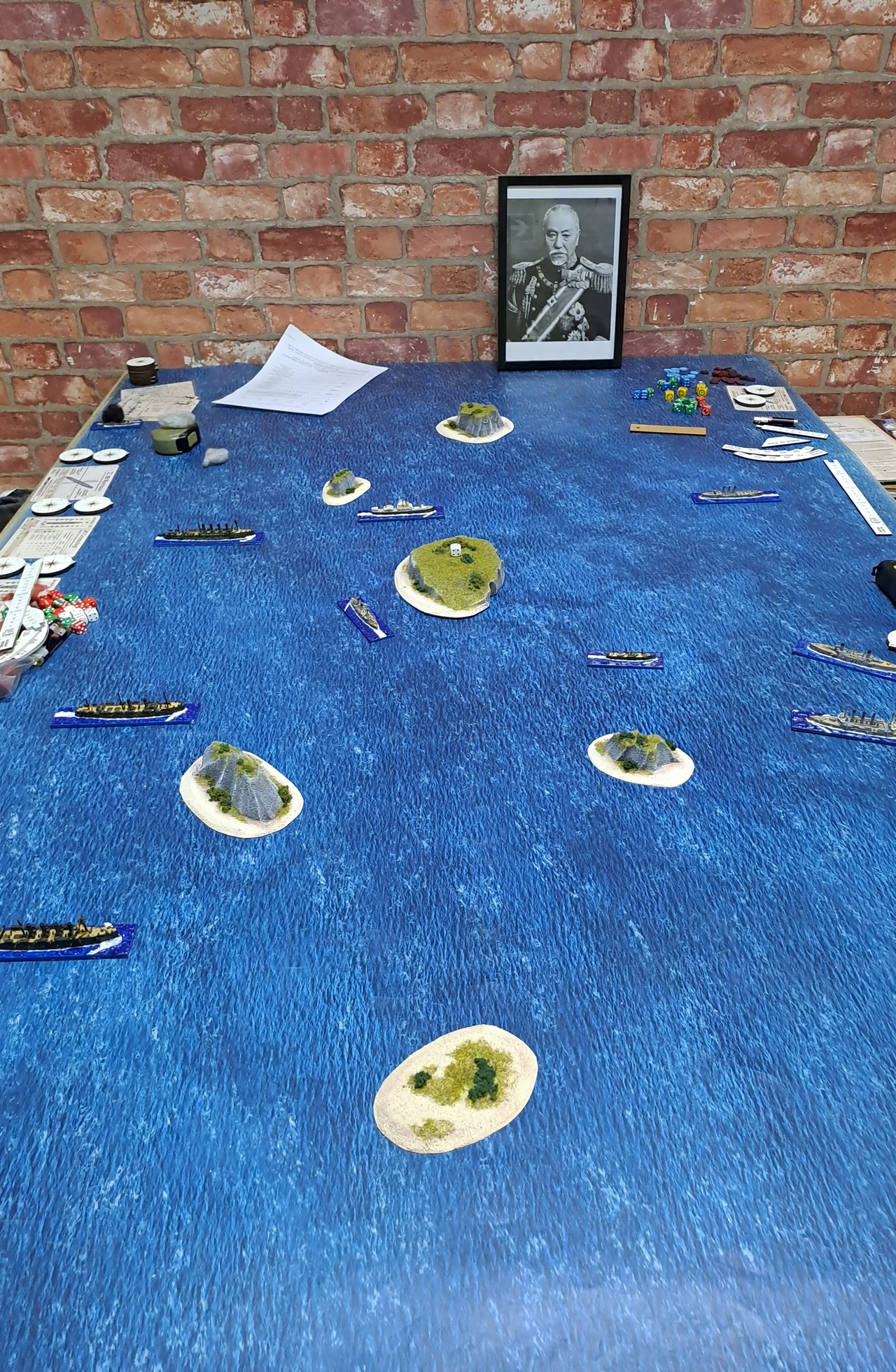
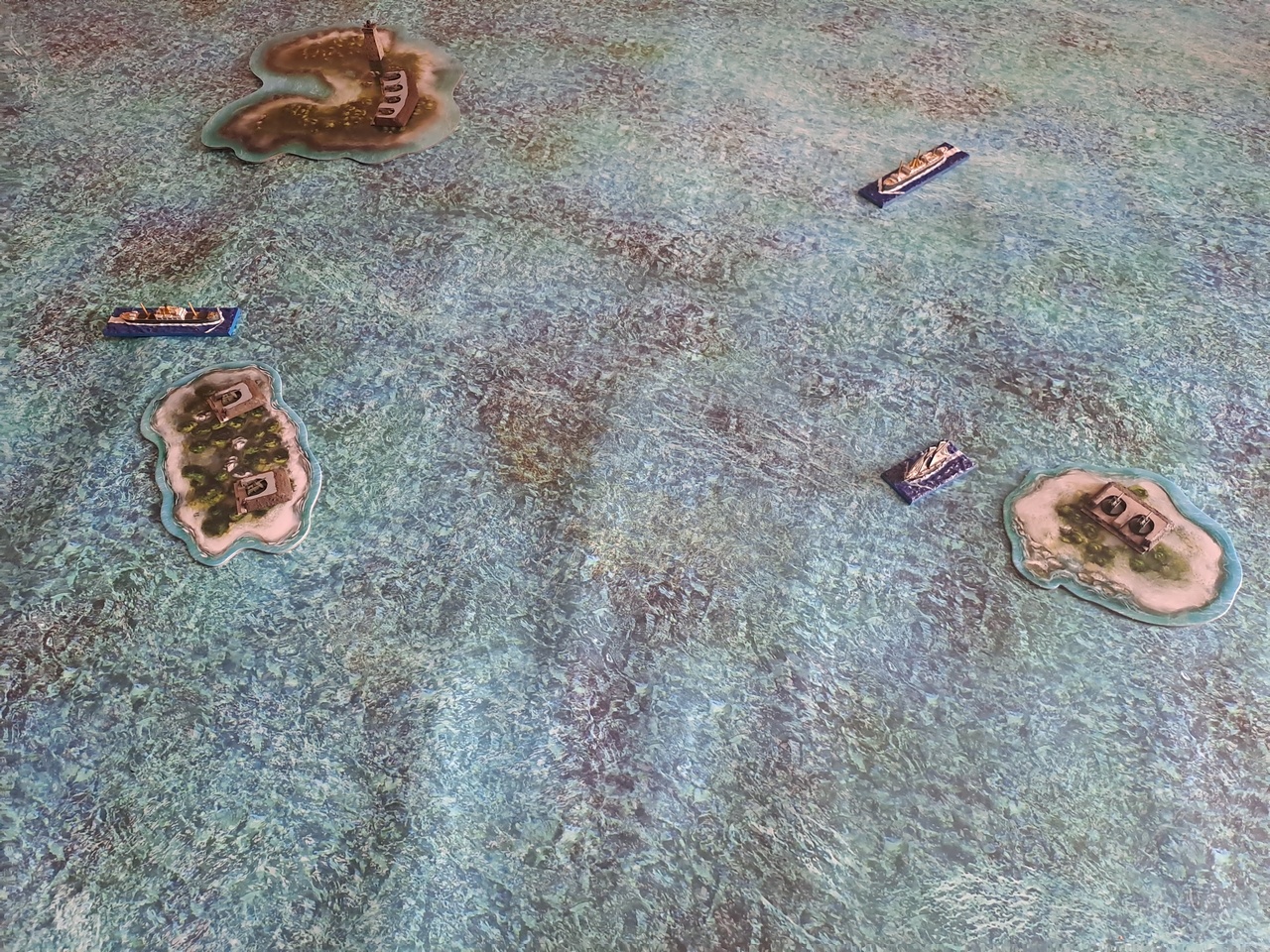
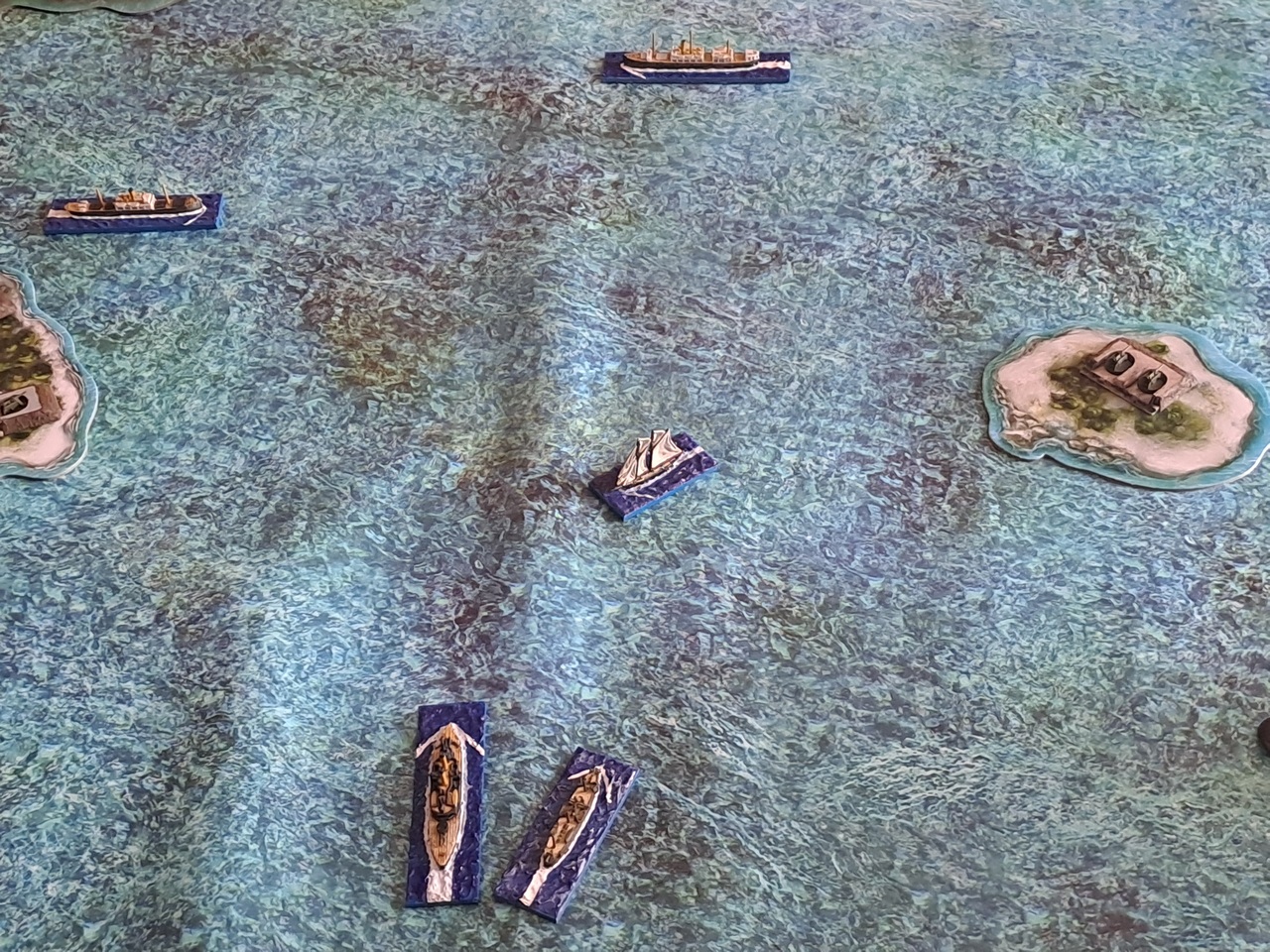
🇬🇧 Last Thursday at the Bolter club in Wrocław, Cornholio and I played a 1,810-point game, following the format of this year’s Polish Championships in Togo. I commanded the Russian fleet, which clashed with Łukasz’s Japanese fleet. We played a randomly drawn scenario, “Vanguard” from the Scenario Book (according to my knowledge it’s in translation), in which third- and fourth-class ships deploy in the first wave, while first- and second-class units enter the battle in turn three.

It was also the first game in which I fielded the recently released cruisers of the Vladivostok Squadron, which I wrote about [here]. The battle was full of turning points that you can see in the photo report below — numerous torpedo attacks (which, apart from a single hit, achieved nothing), both failed and successful ramming attempts, and daring raids into the enemy’s rear.

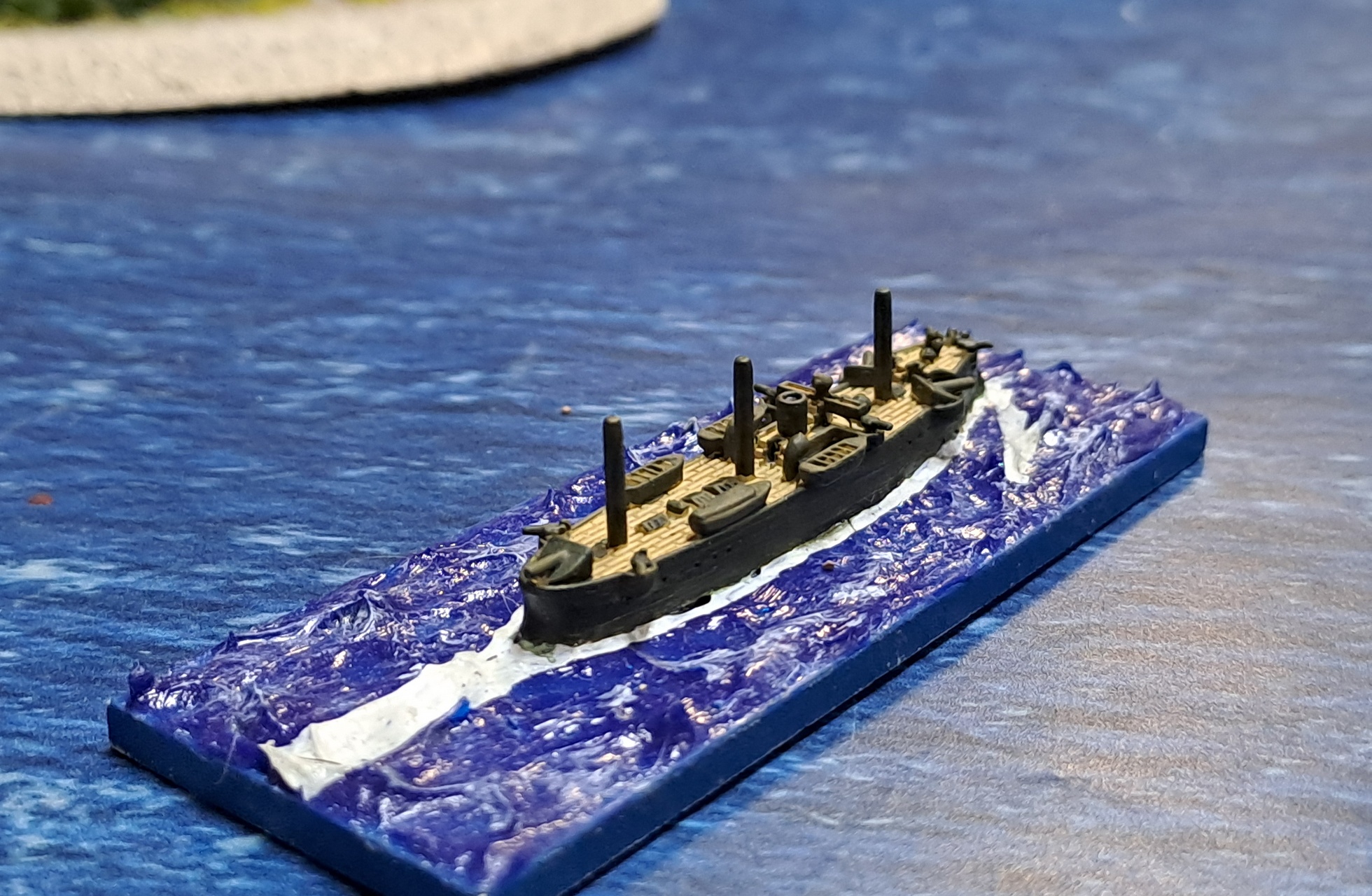
On the Japanese side, the following ships took part: Izumo, Kasuga, Nisshin, Naniwa, Chiyoda, Katsuragi, and the civilian ship SS Warrimoo.
On the Russian side, the squadron included: Rossiya, Gromoboi, Rurik, Novik, Koreyets, two squadrons of Forels, and a vessel strikingly similar to the SS Warrimoo.


🇵🇱 W ostatni czwartek we wrocławskim klubie Bolter z Cornholio rozegraliśmy grę na 1810 punktów, format tegorocznych Mistrzostw Polski w Togo. Flota rosyjska którą dowodziłem starła się z japońską flotą Łukasza. Zagraliśmy wylosowany scenariusz „Awangarda” z Księgi Scenariuszy, w którym okręty i statki klasy trzeciej oraz czwartej wypływały w pierwszym rzucie. Jednostki klasy pierwszej i drugiej dołączały do bitwy w turze trzeciej. Była to pierwsza gra w której wykorzystałem niedawno wydane krążowniki eskadry Władywostockiej o której pisałem tutaj. W bitwie było wiele momentów zwrotnych które można obejrzeć w poniższej fotorelacji, a były to liczne ataki torpedowe – które poza jedną celną torpedą nic nie zrobiły, były nieudane i udane próby taranowania czy rajdy na tyły przeciwnika.

I tak po stronie Japońskiej w starciu wzięły udział następujące okręty: Izumo, Kasuga, Nisshin, Naniva, Chiyoda, Katsuragi i statek SS Warrimoo. Po stronie rosyjskiej eskadry były: Rossiya, Gromobój, Ruryk, Nowik, Koriejc, dwa dywizjony Foreli oraz jednostka łudząco przypominająca SS Warrimoo.

🇵🇱 Podsumowanie:
– starcie w okolicach Port Artur zakończyło się zwycięstwem floty carskiej Rosji nad flotą cesarstwa Japonii 64 do 34.
– nowe rosyjskie krążowniki po pierwszym użyciu wywołały u mnie pozytywne wrażenie i na pewno jeszcze nie raz wrócą na stół.
– nie jestem pewien czym zagram na Mistrzostwach Polski 2025, chcę mieć rozpiskę uniwersalną pod scenariusze, otwarte pytanie jest jedno – czy mieć we flocie pancernik.
rozpiska floty japońskiej:

rozpiska floty rosyjskiej:

🇬🇧 Summary:
– The battle near Port Arthur ended with a victory for the Tsarist Russian fleet over the Imperial Japanese fleet, 64 to 34.
– The new Russian cruisers made a very positive impression on me after their first outing, and they will certainly return to the table many more times.
– I’m not yet sure what I’ll play at the Polish Championships 2025 — I want to have a versatile list for the scenarios. The open question is just one: should the fleet include a battleship?
Japanese roster sheet:

Russian roster sheet:

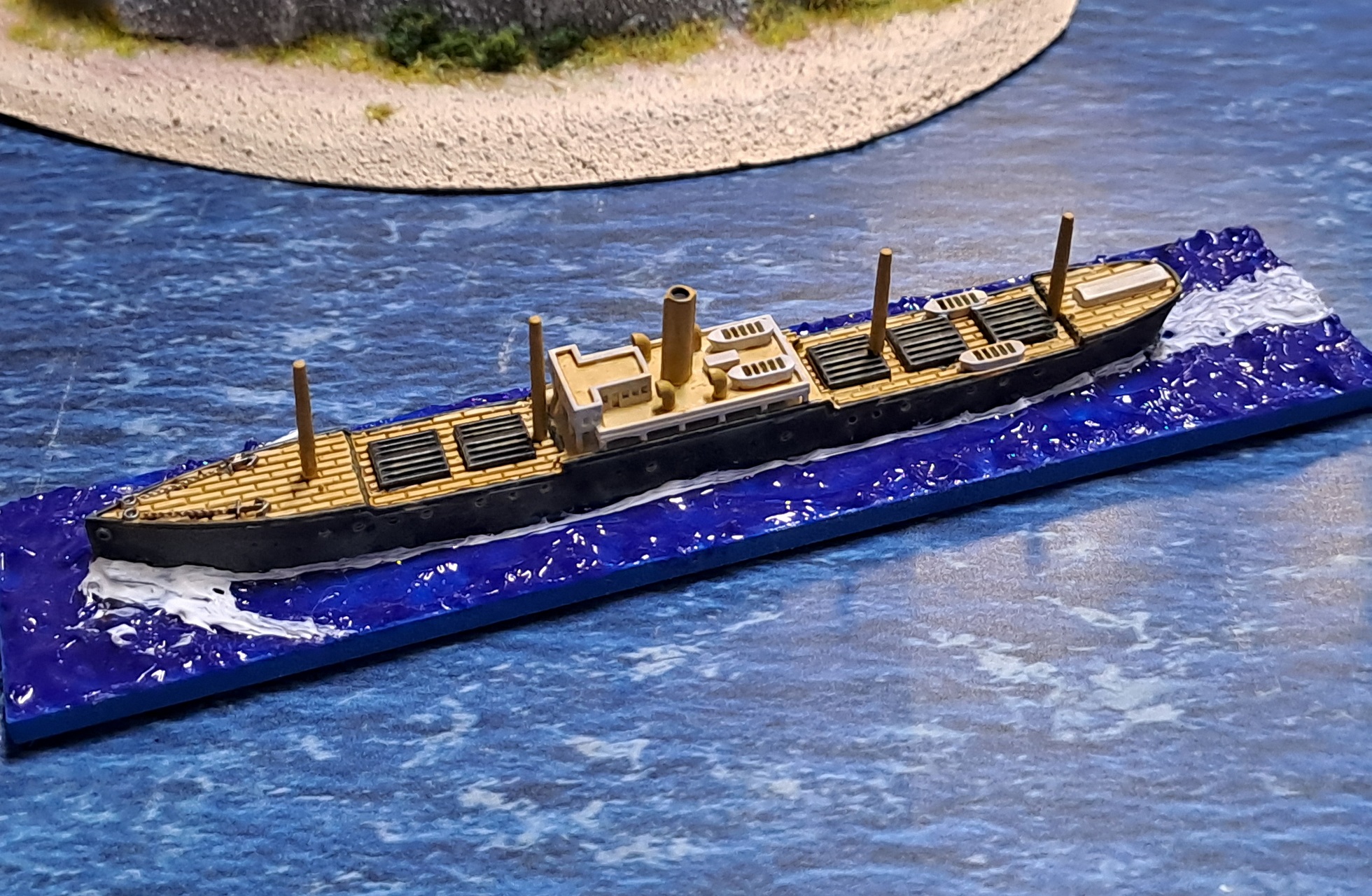
Gods of War: Togo – Hitachi Maru (🇬🇧EN/🇵🇱PL) Czwartek, Wrz 4 2025 

🇬🇧 Today I managed to finish a Russian battleship of the Borodino class. This is already the third ship of this type to come out of my workshop, and at the same time the first one to which I’m dedicating a separate blog post. The model was painted in the colors of the Baltic Fleet, where all five launched battleships of this class served.

The Hitachi Maru was a 6,172 gross ton combined passenger-cargo ship built by Mitsubishi Shipbuilding in Nagasaki, for NYK Lines in 1898. She was requisitioned in 1904 by the Imperial Japanese Army during the Russo-Japanese War.

The greatest advantage of the Hitachi Maru is its speed, which is very high for a transport ship. It will allow you to try to bypass many enemy ships, e.g. during a convoy escort mission.

The transport ships in the game are universal, the same models can be used by any fleet.

* – description of the Hitachi Maru by GMBoardgames.

🇵🇱 Bogowie Wojny: Togo to system poświęcony flotom złożonym z okrętów wojennych, jednak można znaleźć też trochę perełek w postaci cywilnych jednostek takich jak ta, którą pomalowałem dzisiaj – Hitachi Maru – transportowiec posiadany przez kilka różnych nacji.

SS Hitachi Maru został zbudowany w 1898 roku i zarekwirowany przez marynarkę wojenną Japonii 6 lat później. W trakcie wojny rosyjsko – japońskiej przydzielono jej zadanie transportu żołnierzy japońskich do Korei. Podczas jednego z takich rejsów, transportując ponad 1200 żołnierzy, w tym z rezerwowego pułku gwardii oraz ciężkie moździerze Kruppa, potrzebne do oblężenia Port Artur, pozbawiona eskorty, została zaatakowana i zatopiona przez rosyjskie krążowniki pancerne. Wydarzenie to nazwano „Incydentem Hitachi Maru”.
Zaletą Hitachi Maru jest duża wyporność (która wpływa na wytrzymałość) i spora – jak na transportowce – prędkość (14 węzłów).


* – opis Hitachi Maru wg GMBoardgames.

Summary:
– Another civilian vessel, which in Bogowie Wojny: Togo serves as a transport ready for landings or other tasks such as cutting cables, has just left the shipyard.

Podsumowanie:
– kolejna jednostka cywilna która w Bogowie Wojny: Togo jest transportowcem gotowym do desantów czy innych zadań jak przecinanie kabla opuściła stocznię.

Gods of War: Togo – Borodino (🇬🇧EN/🇵🇱PL) Wtorek, Wrz 2 2025 

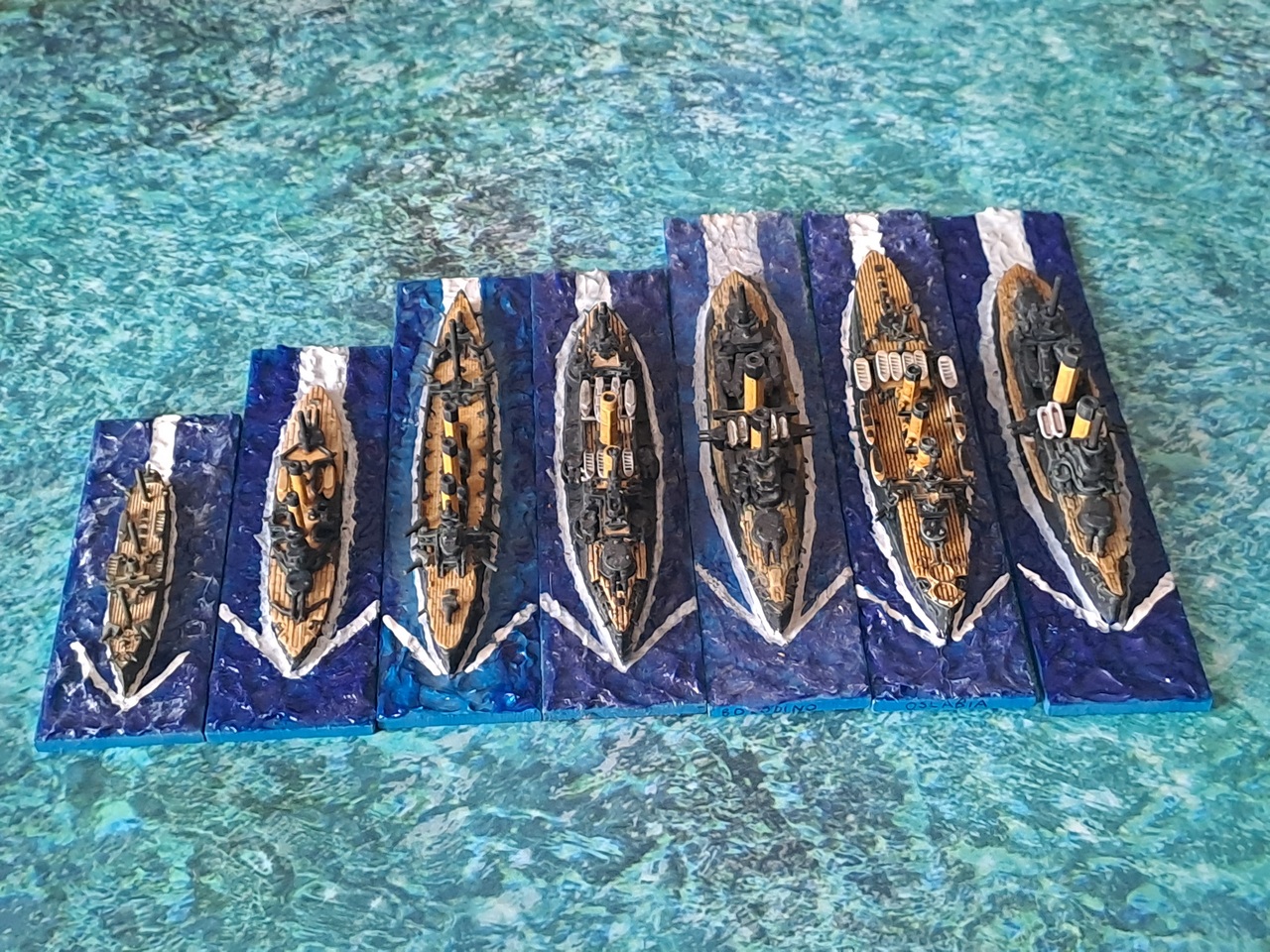
🇬🇧 Today I managed to finish a Russian battleship of the Borodino class. This is already the third ship of this type to come out of my workshop, and at the same time the first one to which I’m dedicating a separate blog post. The model was painted in the colors of the Baltic Fleet, where all five launched battleships of this class served.

The Borodino-class battleships were a group of five pre-dreadnought battleships built for the Imperial Russian Navy around the end of the 19th century. Their design was based on that of the French-built Tsesarevich modified to use Russian equipment.

The Borodino-class battleships are well-armed, capable of reaching 18 knots of speed, and have decent armor, allowing them to engage in combat with any battleship of the era.

* – description of the Borodino by GMBoardgames.

🇵🇱 Dzisiaj udało mi się ukończyć rosyjski pancernik klasy Borodino. To już trzeci okręt tego typu, który wyszedł spod mojego warsztatu, a zarazem pierwszy, któremu poświęcam osobny wpis na blogu. Model został pomalowany w barwach floty bałtyckiej, w której służyły wszystkie zwodowane pancerniki tej klasy – łącznie pięć jednostek.

Okręty typu Borodino to grupa 5 predrednotów zbudowanych na przełomie XIX i XX wieku. Projekt tych okrętów bazował na pancerniku Cesarewicz (zbudowanym przez Francuzów), choć zmodyfikowano go, m.in. używając rosyjskiego wyposażenia.
Okręty klasy Borodino są dobrze uzbrojone, mogą osiągnąć 18 węzłów prędkości i mają przyzwoity pancerz, co pozwala im stoczyć walkę z każdym pancernikiem tej epoki.


* – opis Borodino wg GMBoardgames.

🇬🇧 Summary:
– The third Borodino, but not the last. More ships of this class are still waiting their turn.
– You can read more about Bogowie Wojny: Togo on the publisher’s website: https://www.gmboardgames.com/blog/en/gods-of-war-togo/

🇵🇱 Podsumowanie:
– Trzeci Borodino, nie ostatni. W kolejce czekają jeszcze kolejne okręty tej klasy.
– Więcej o Bogowie Wojny: Togo możesz przeczytać na stronie wydawcy: https://www.gmboardgames.com/blog/bogowie-wojny-togo/

For Pat 28 mm Bolt Action, 15 mm By Fire&Sword & Gods of War: Togo 1:1200.

Gods of War: Togo – Unboxing of Coastal Fortifications (🇬🇧EN/🇵🇱PL) Poniedziałek, Sier 25 2025 

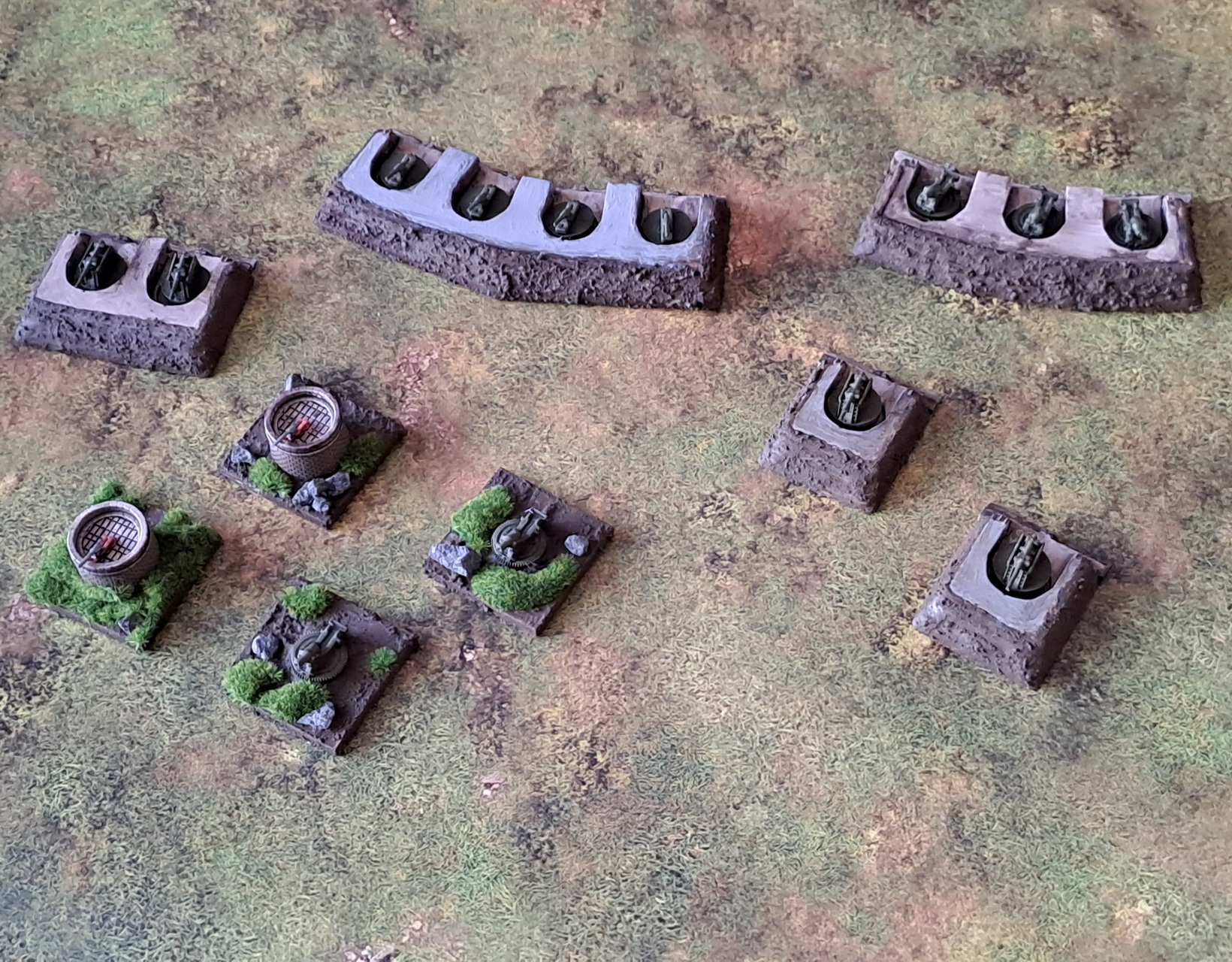
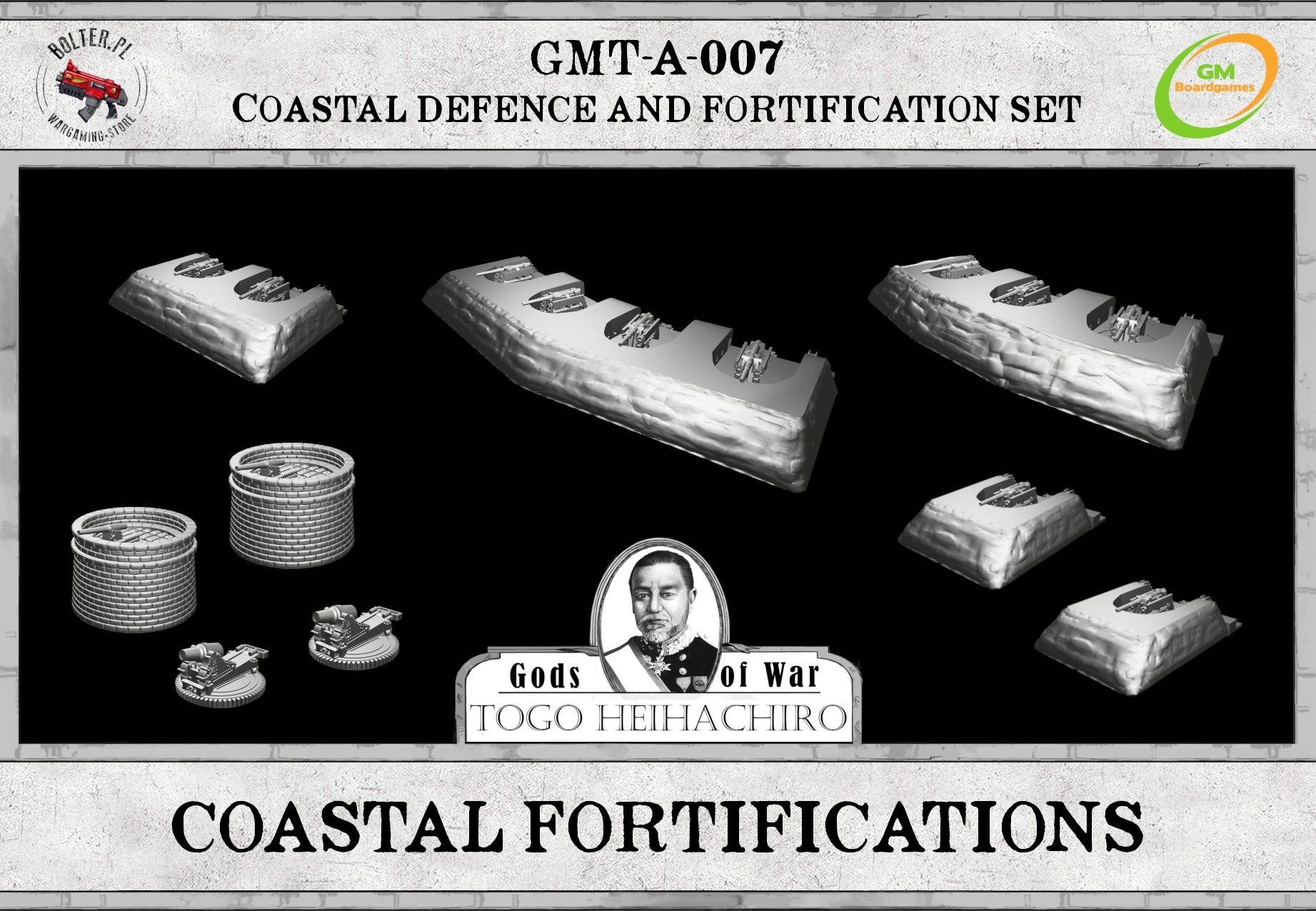
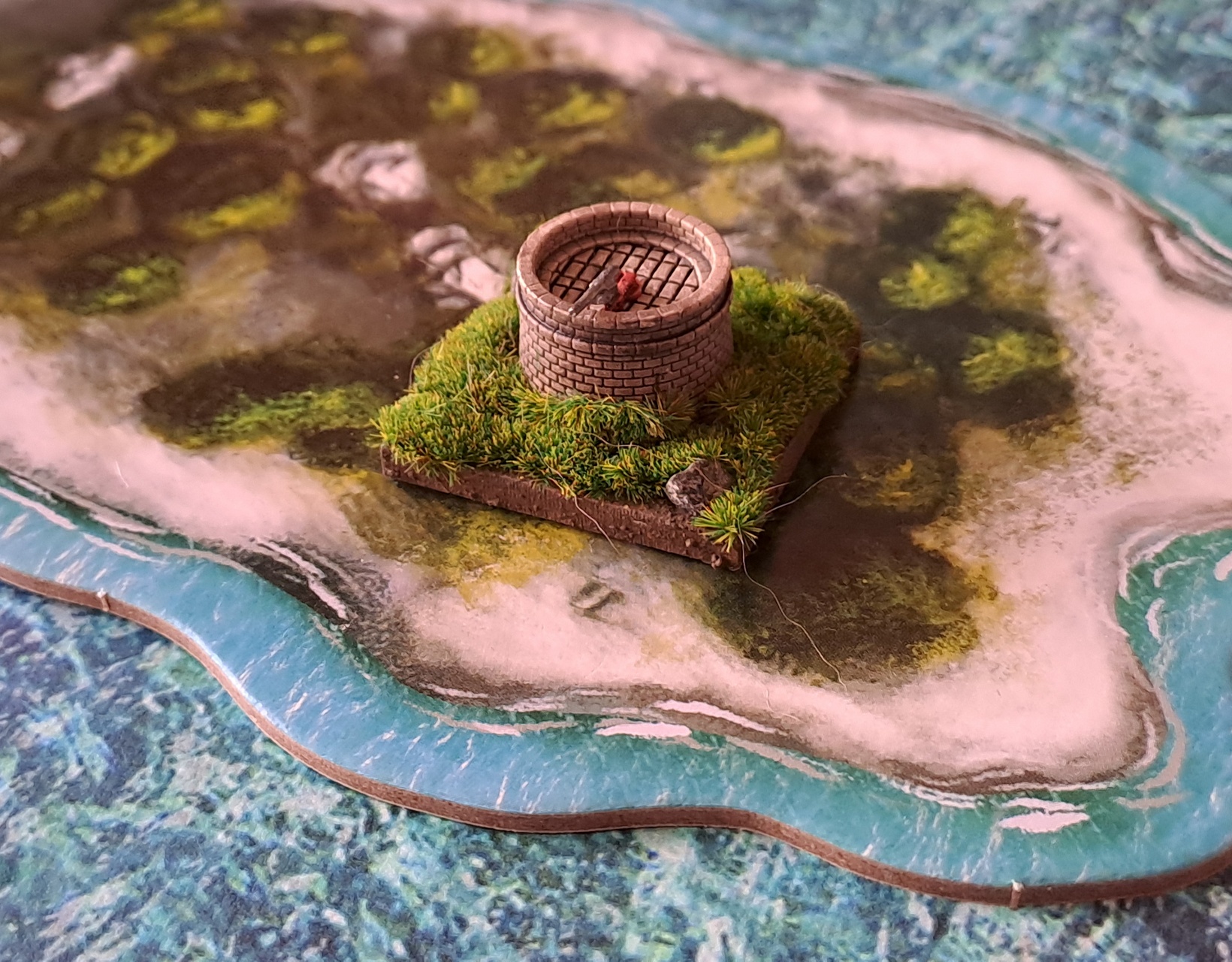
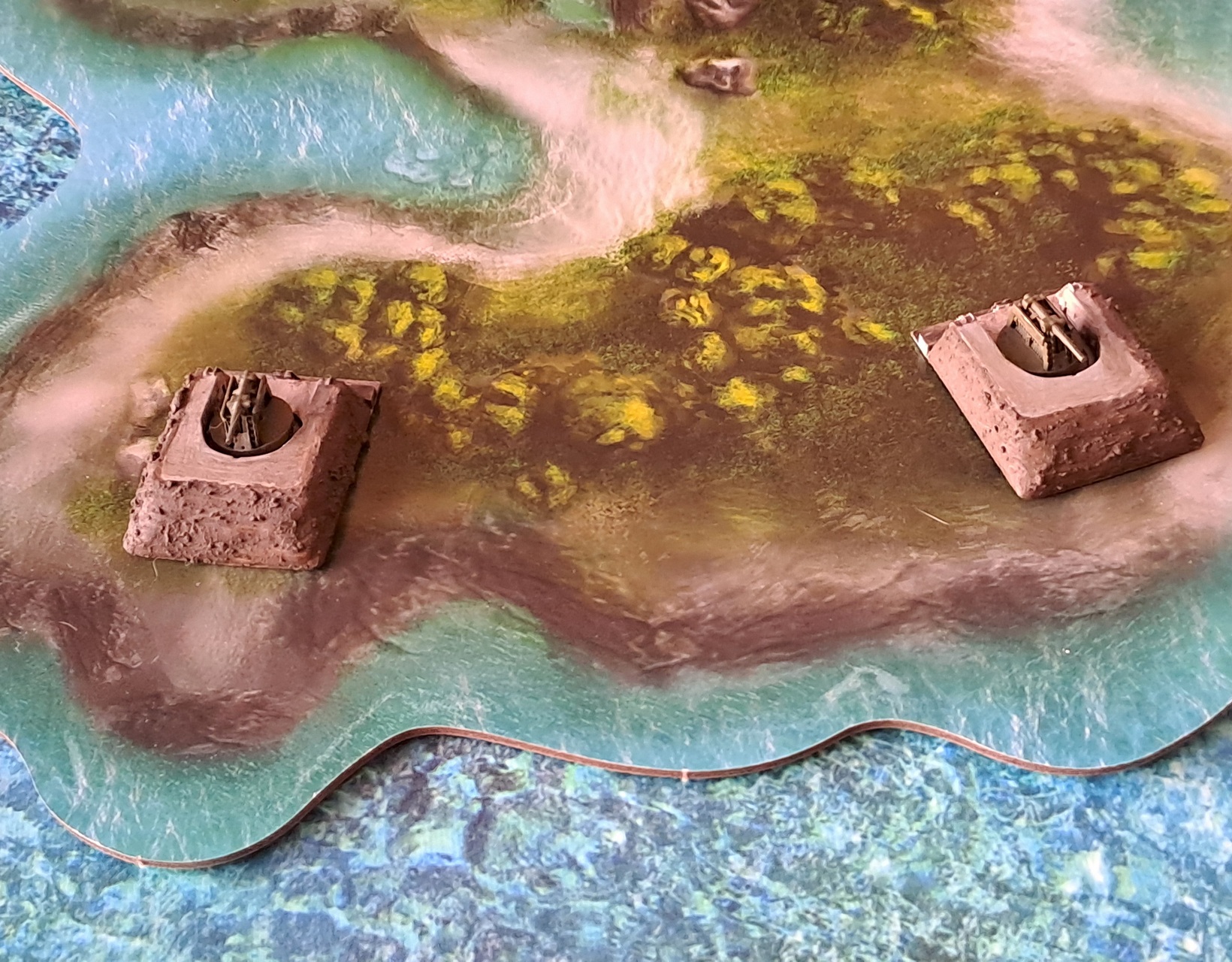
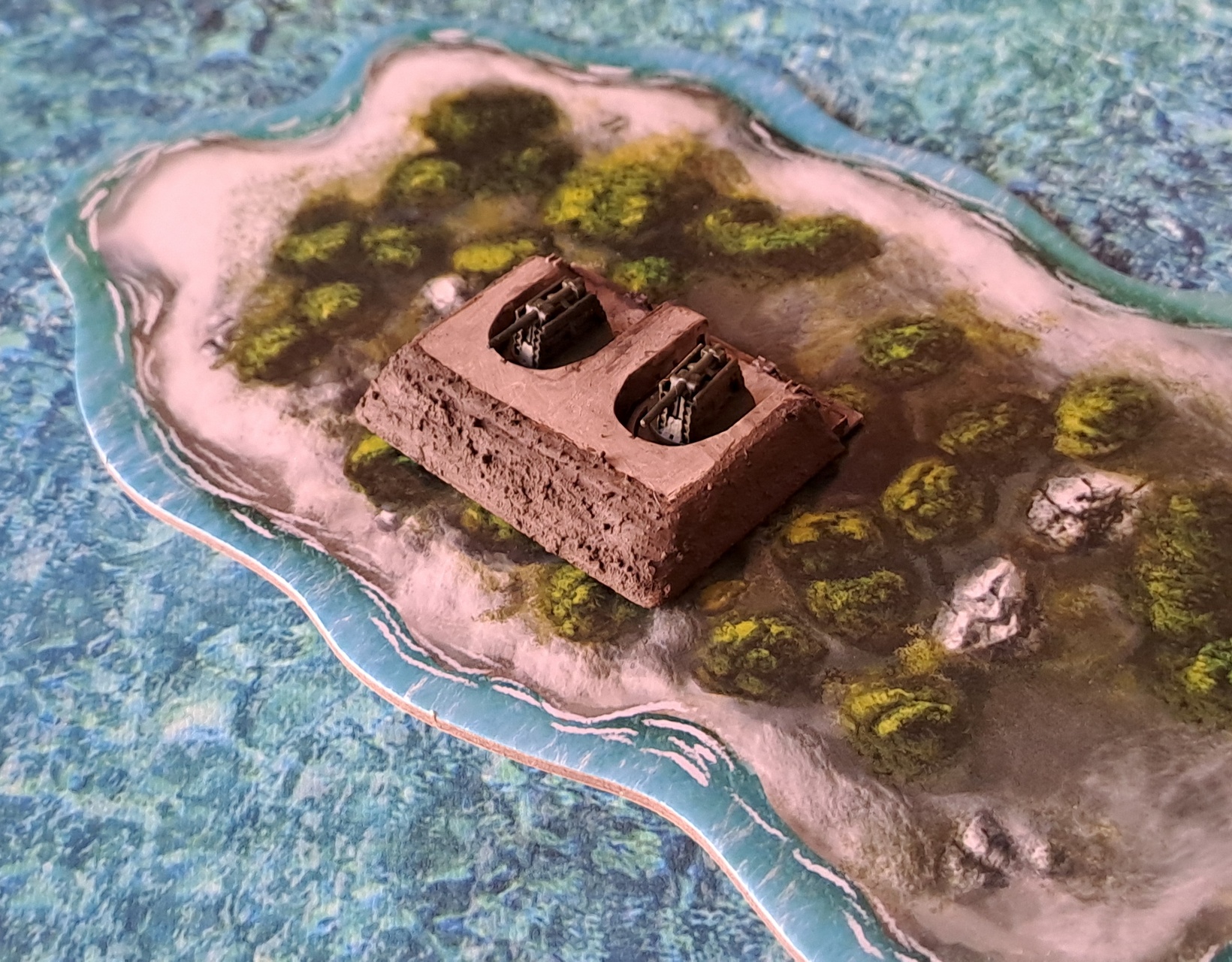
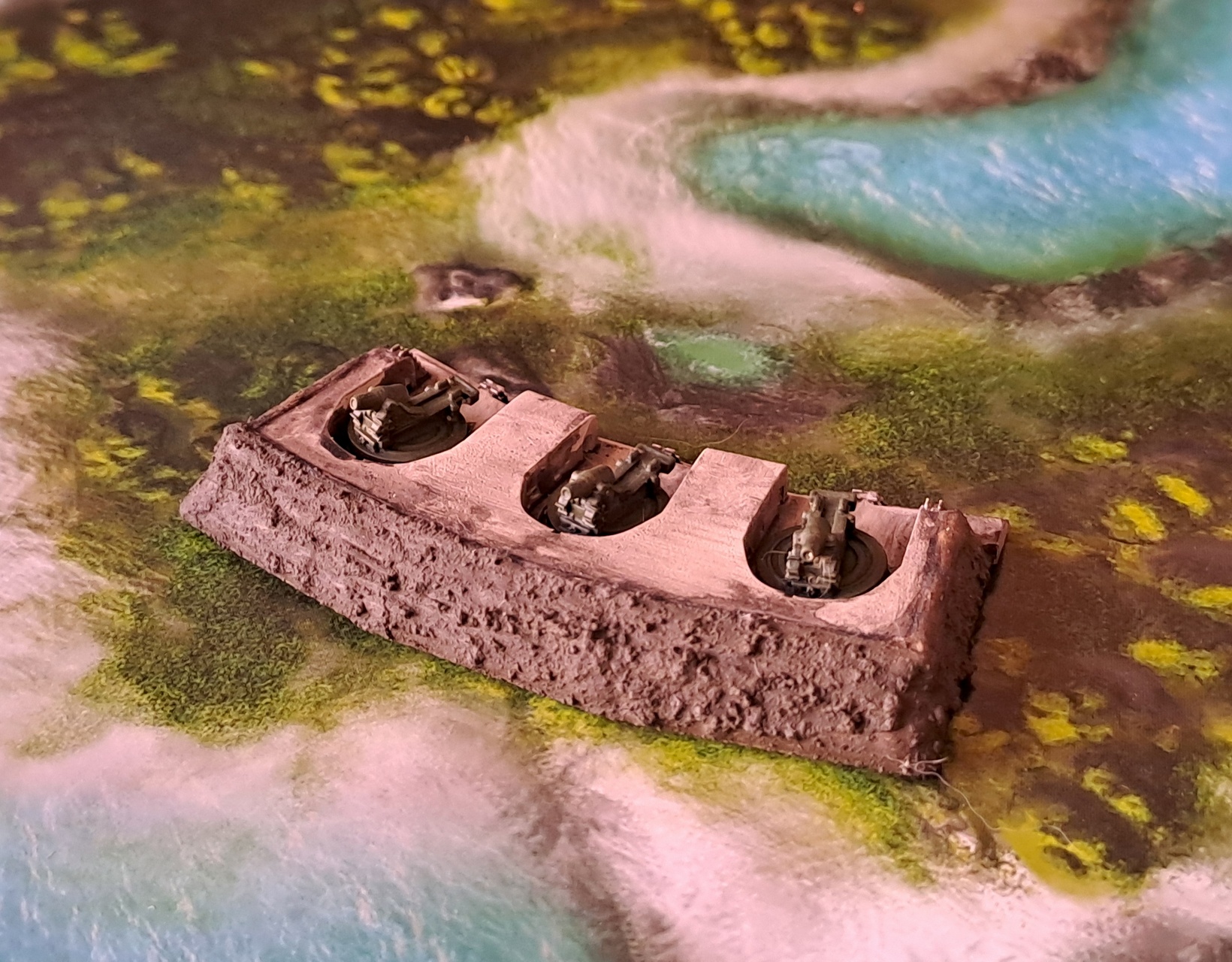
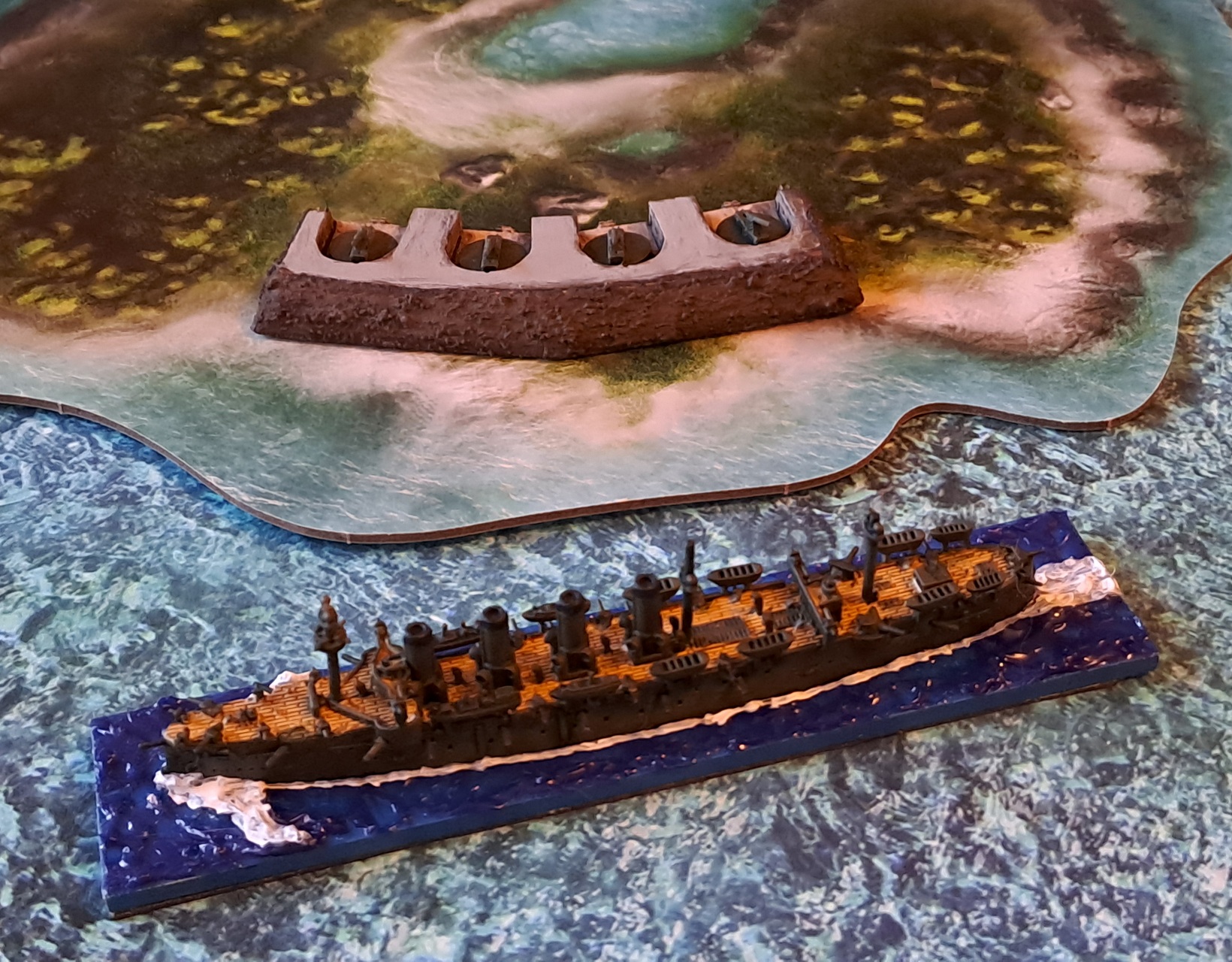
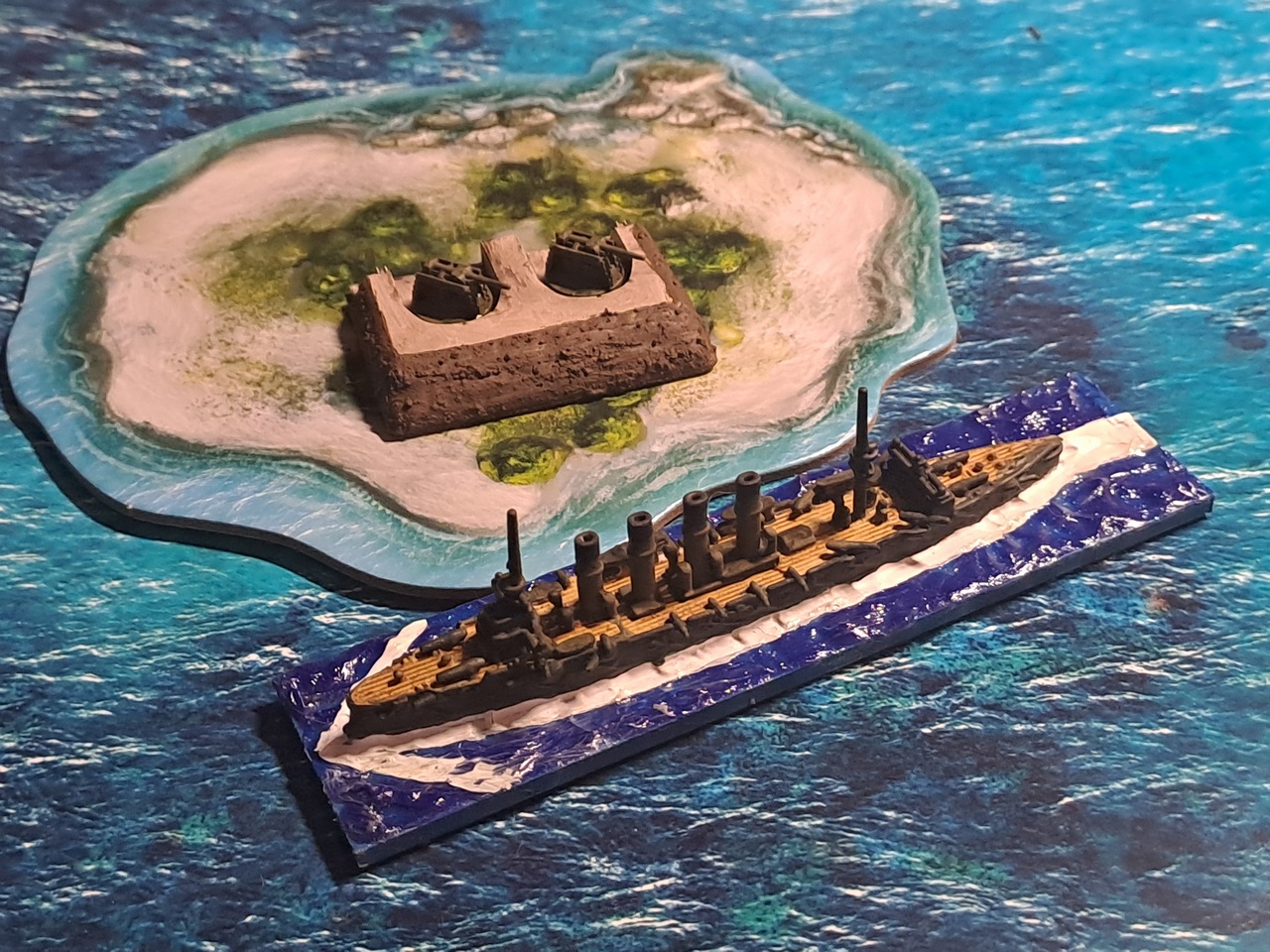
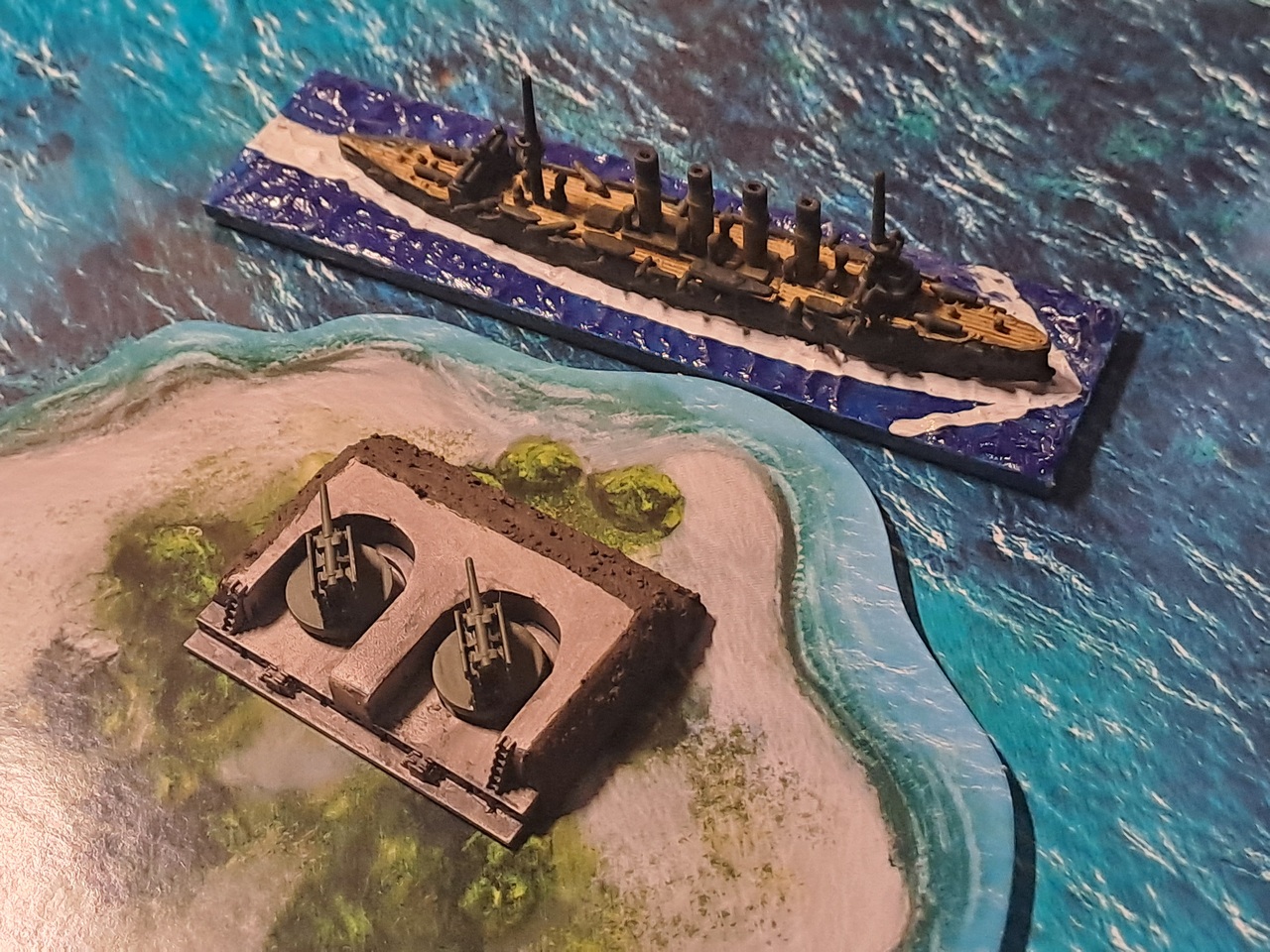
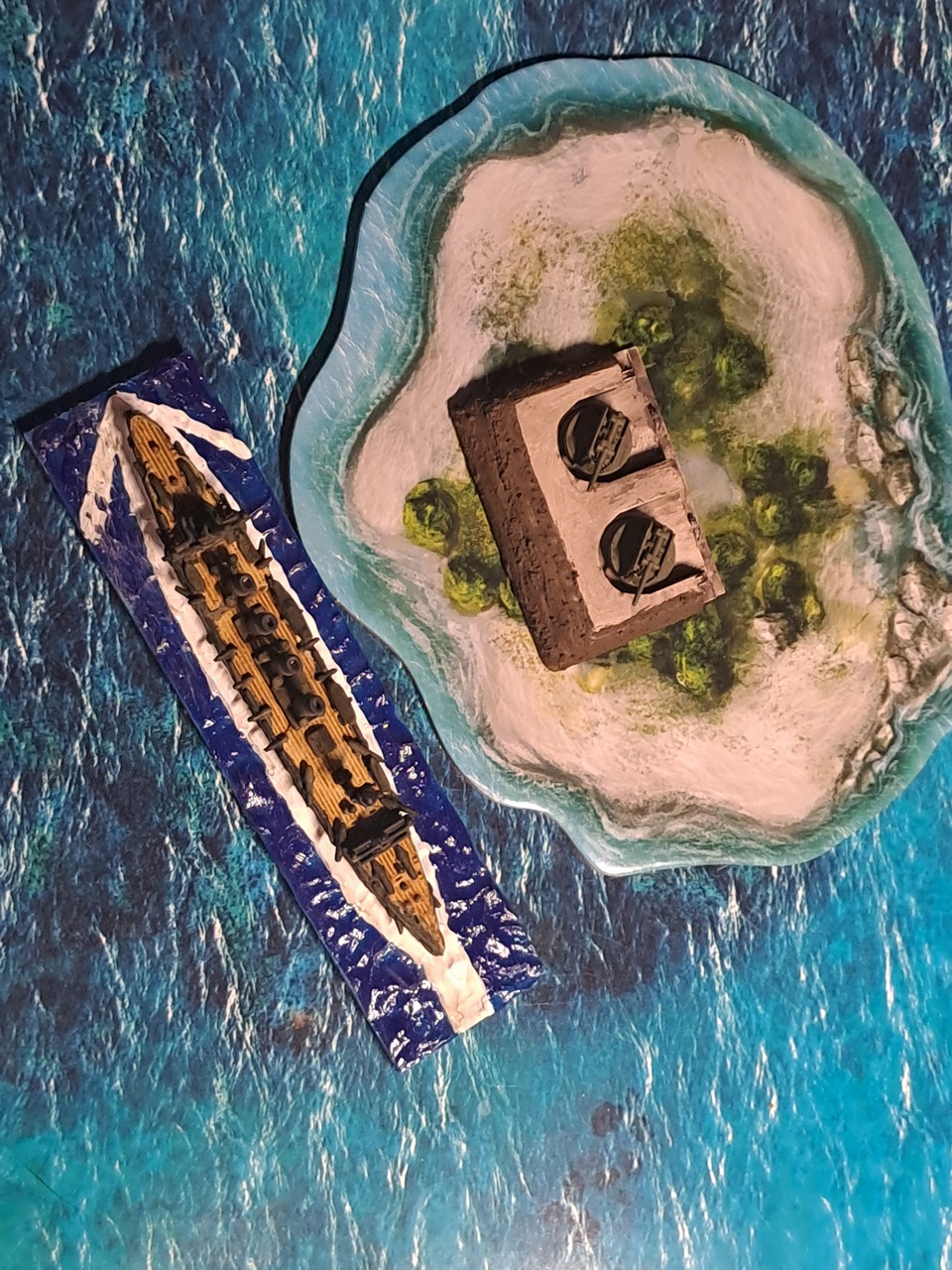
🇬🇧 During the recent hot days in Wrocław, I managed to paint fortifications for Bogowie Wojny: Togo — a set that can certainly enrich battles in this phenomenal game by GM Boardgames. The set includes universal fortifications, available to any fleet, such as coastal batteries, Martello towers, and even mortars.

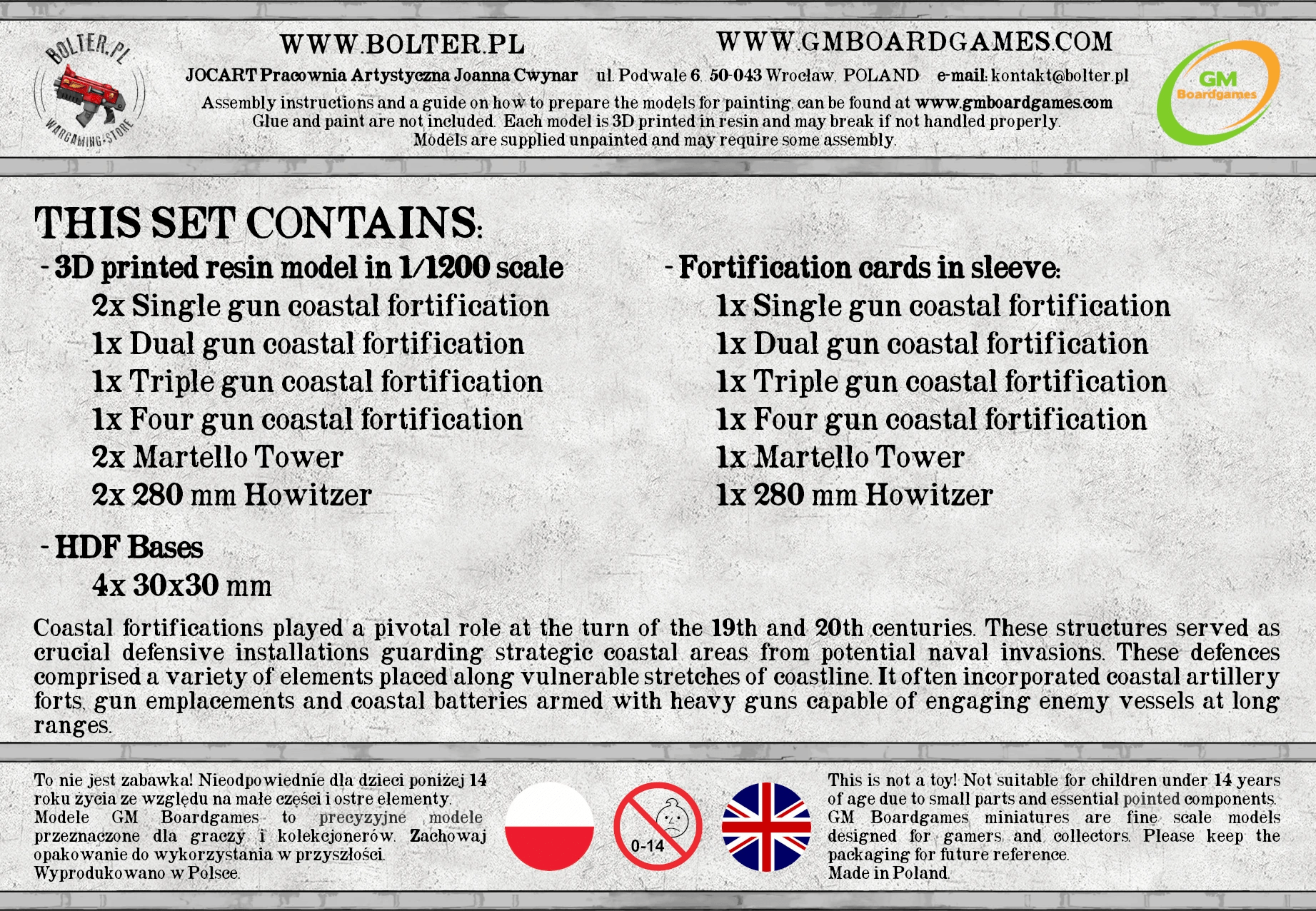
In terms of quantity, it consists of: two single-emplacement fortifications, one double, one triple, one quadruple, as well as two Martello towers and two heavy 280 mm siege mortars.

Description of the Coastal Fortifications is avaible on GM Boardgames page. They are avaible on official site of game publisher HERE.

🇵🇱 W trakcie ostatnich upalnych we Wrocławiu dni udało mi się pomalować fortyfikacje do Bogowie Wojny: Togo – zestaw który może a jakże wzbogacić rozgrywki w tą fenomenalną grę od GM Boardgames. W skład zestawu wchodzą uniwersalne, bo dostępne dla każdej floty umocnienia w postaci baterii nadbrzeżnych, wież Martello czy np. moździerze. W kwestii ilości są to dwie fortyfikacje z pojedynczym stanowiskiem, jedna z podwójnym, jedna z potrójnym, jedna z poczwórnym oraz dwie wieże Martello i dwa ciężkie moździerze oblężnicze 280 mm.

Opis Nadbrzeżnych Fortyfikacji możecie znaleźć na stronie GM Boardgames. Są dostępne w sprzedaży na oficjalnej stronie wydawcy czyli TUTAJ.

🇬🇧 Summary:
– The fortifications were a nice change of pace from painting ships for Bogowie Wojny: Togo.
– They were very enjoyable to paint, though they required some thought and research online to decide on the right approach.
– As far as I know, the coastal fortifications in the set were modeled after those from Port Arthur, while the siege mortars were based on the ones used by the Japanese during the siege of that fortress-port.
– Some of them took part in a large battle between part of the Baltic Fleet and the Martians, serving as the fortifications of Kronstadt — you can read about it HERE.

🇵🇱 Podsumowanie:
– Fortyfikacje były odskocznią od malowania okrętów do Bogowie Wojny: Togo.
– Bardzo przyjemne w malowaniu, chociaż wymagały namysłu i wyszukiwania w internecie jak je malować.
– O ile dobrze się orientuję nadbrzeżne fortyfikacje z zestawu były wzorowane na tych z Port Artur, za to moździerze oblężnicze na tych, których użyli Japończycy do oblężenia tego portu-twierdzy.
– Część z nich wzięła udział w dużym starciu części floty Bałtyckiej z Marsjanami, jako fortyfikacje Kronsztadu o czym możecie przeczytać TUTAJ.

Gods of War: Togo – Unboxing of Vladivostok cruiser squadron (🇬🇧EN/🇵🇱PL) Środa, Sier 20 2025 

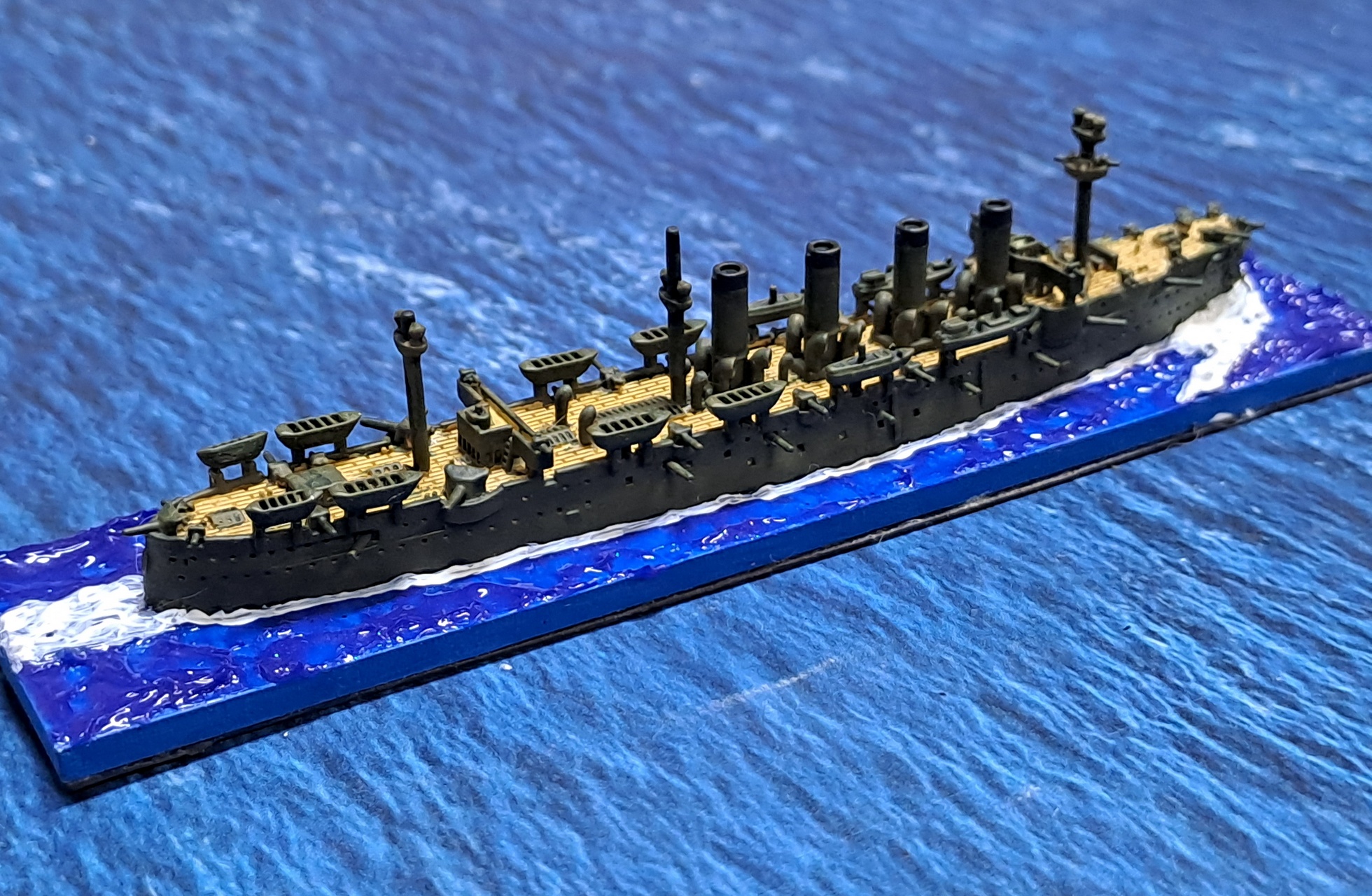
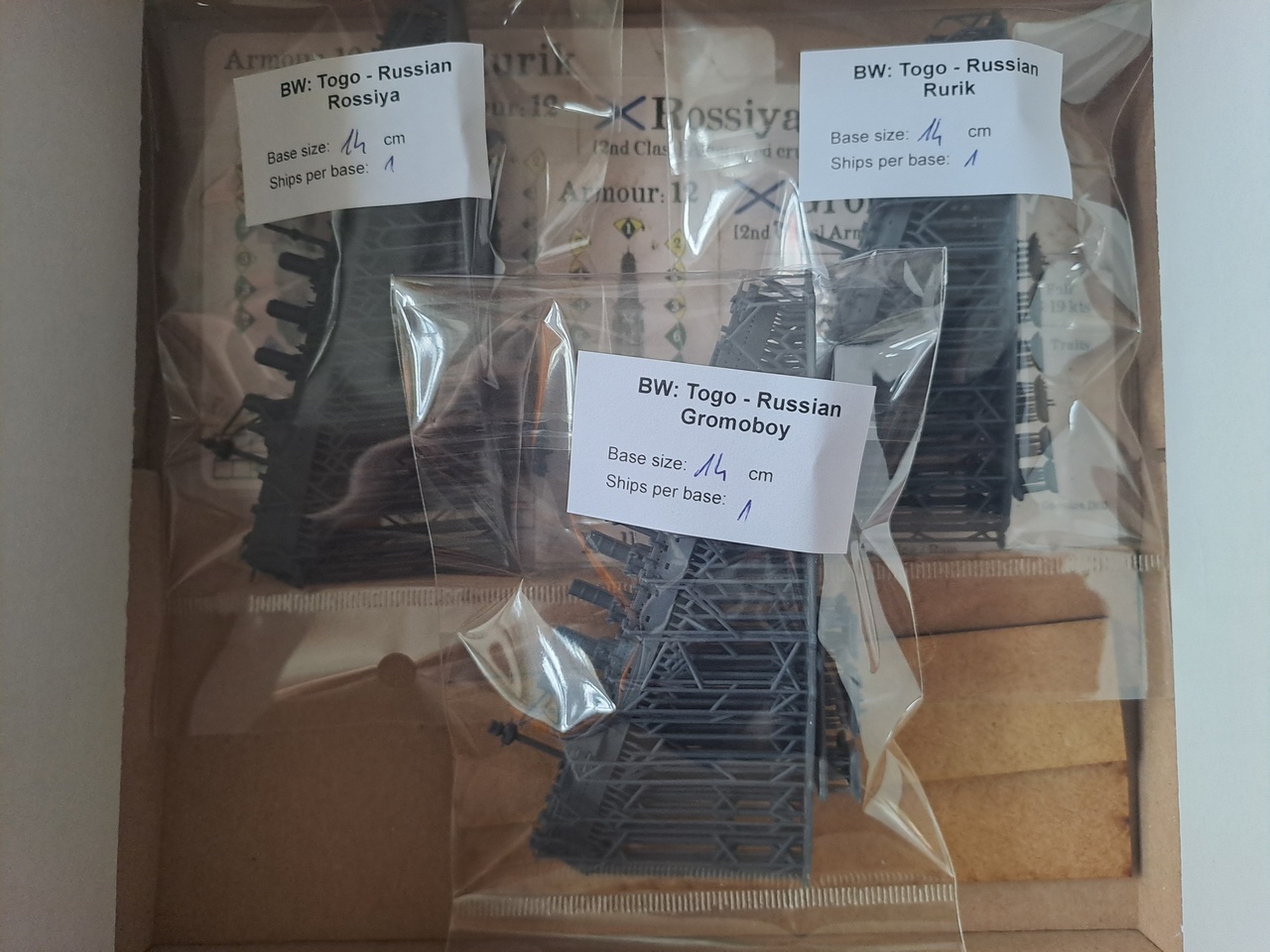
🇬🇧 Recently, I managed to finish a squadron of cruisers from Vladivostok. These ships came in a set — a large, sturdy box containing three carefully protected cruiser models, along with a set of cutters and boats, and of course the ship cards for Gromoboi, Rossiya, and Rurik. I painted the ships in the recommended Pacific Fleet color — Brown Violet from Vallejo’s Panzer series — and used Olive Green 76.519 from the same manufacturer as a wash.

Naturally, I invite you to take a look at the photos of the painted squadron, followed by a few shots from the unboxing and preparation of the models for painting.

🇵🇱 W ostatnim czasie udało mi się skończyć eskadrę krążowników z Władywostoku. Okręty te wyszły w zestawie – duże, solidne pudełko zawiera w środku trzy pieczołowicie zabezpieczone modele krążowników wraz z zestawem kutrów i łodzi oraz oczywiście karty okrętów odpowiednio dla Gromoboja, Rossiji i Ruryka. Okręty pomalowałem zalecaną dla floty Pacyfiku farbą Brown Violet z linii farb Panzer series od Vallejo, a jako washa użyłem Olive Green 76.519 od tego samego producenta.

Oczywiście zapraszam do obejrzenia zdjęć pomalowanej eskadry, a za nimi kilka zdjęć z rozpakowania i przygotowania modeli do malowania.


🇬🇧 Summary:
– The ships were a real pleasure to paint; they are now waiting for their first battle and will most likely join my roster for the Polish Championships in Togo, which will take place this October.
– The Rossijskij Imperatorskij Flot — my favorite Russian fleet — has gained a few more cruisers, which will undoubtedly make an excellent addition to the very fast Askold and Varyag, both of which I recently had the pleasure of describing on my blog.
– Meanwhile, just around the corner on Pola Chwały 2025 (Fields of Glory 2025 in English) in Niepołomowice, Małopolska, another fleet — the seventh for Bogowie Wojny: Togo — will be revealed: the Marine Nationale, the French fleet. And no, the Martians don’t count as a fleet, but they are a great addition for cracking open a beer and playing a narrative scenario, which we recently did — and I wrote about it HERE.
– more about Gods of War: Togo is there: https://www.gmboardgames.com/blog/en/gods-of-war-togo/

🇵🇱 Podsumowanie:
– okręty bardzo przyjemne w malowaniu, czekają na swoje pierwsze starcie i prawdopodobnie dołączą do rozpiski na Mistrzostwach Polski w Togo które odbędą się już w październiku.
Rossijskij Impieratorskij Fłot czyli moja ulubiona flota rosyjska zyskał kilka kolejnych krążowników, które bez wątpienia będą świetnym uzupełnieniem dla bardzo szybkich jednostek Askolda i Wariaga, które niedawno miałem przyjemność opisać na swoim blogu.
– a tymczasem tuż za rogiem, bo na Polach Chwały 2025 w Niepołomowicach w Małopolsce ujawni się kolejna, bo siódma flota do Bogów Wojny: Togo – Marine Nationale, flota francuska. Tak, Marsjan nie zaliczamy do floty, a są świetnym dodatkiem by napić się piwa i pograć jakiś scenariusz fabularny co ostatnio uczyniliśmy i opisałem to TUTAJ.
– więcej o Bogowie Wojny: Togo możesz przeczytać tutaj: https://www.gmboardgames.com/blog/bogowie-wojny-togo/

Finnaly found it, I love Russian songs. Nareszcie znalazłem ją, uwielbiam rosyjskie pieśni.

Gods of War: Togo – Baltic Fleet vs Martians (🇬🇧EN/🇵🇱PL) Wtorek, Sier 19 2025 

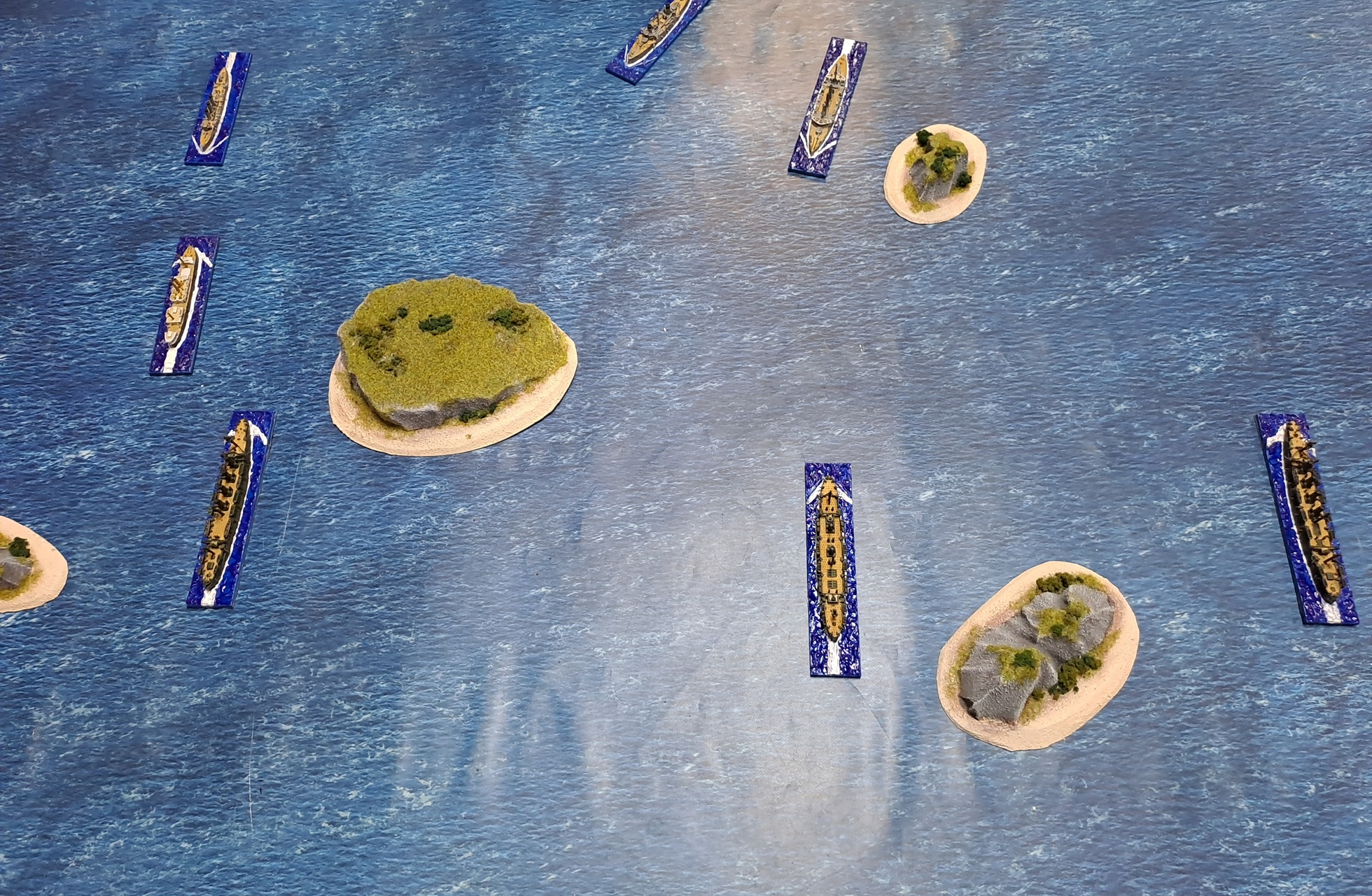
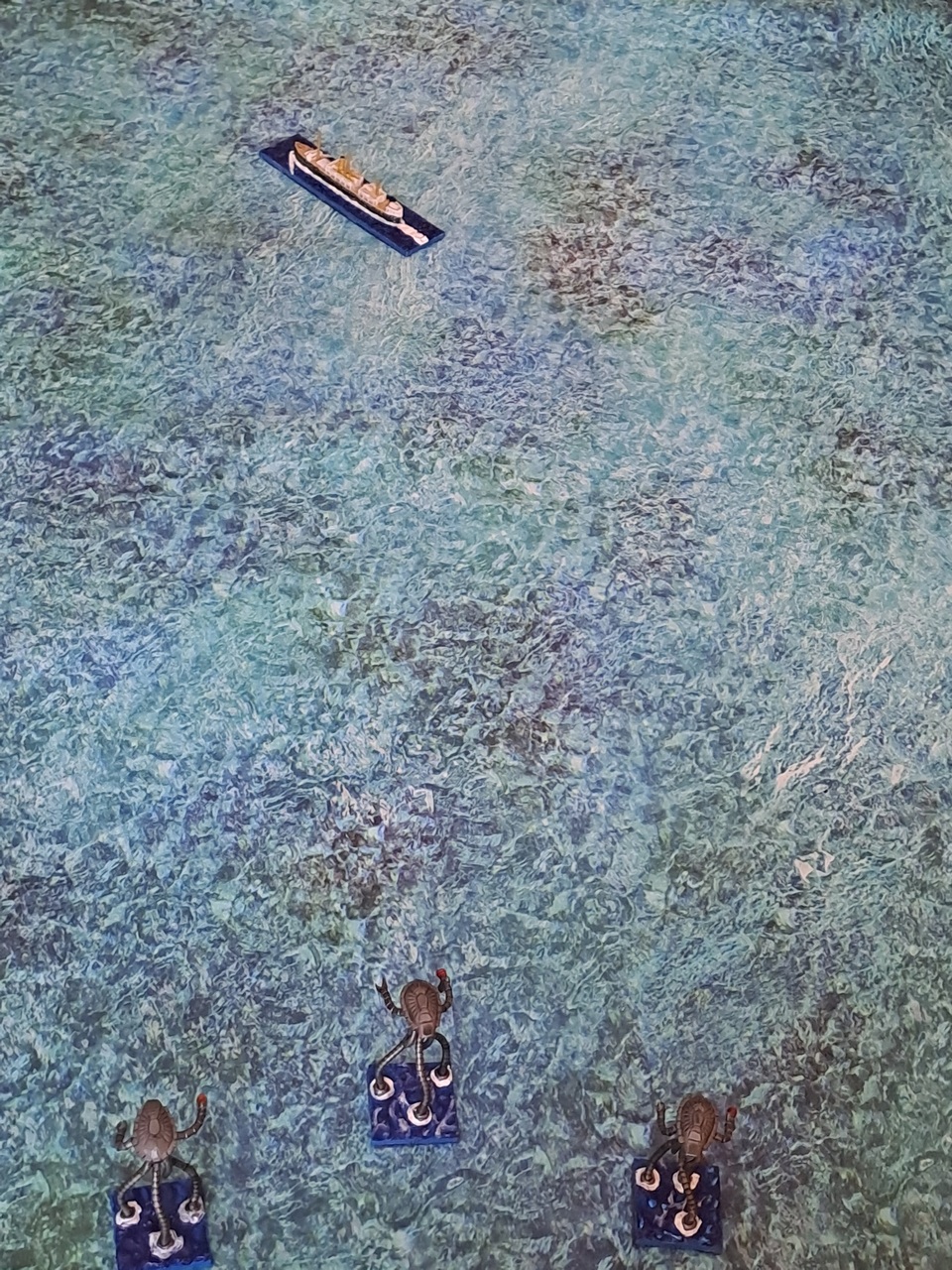
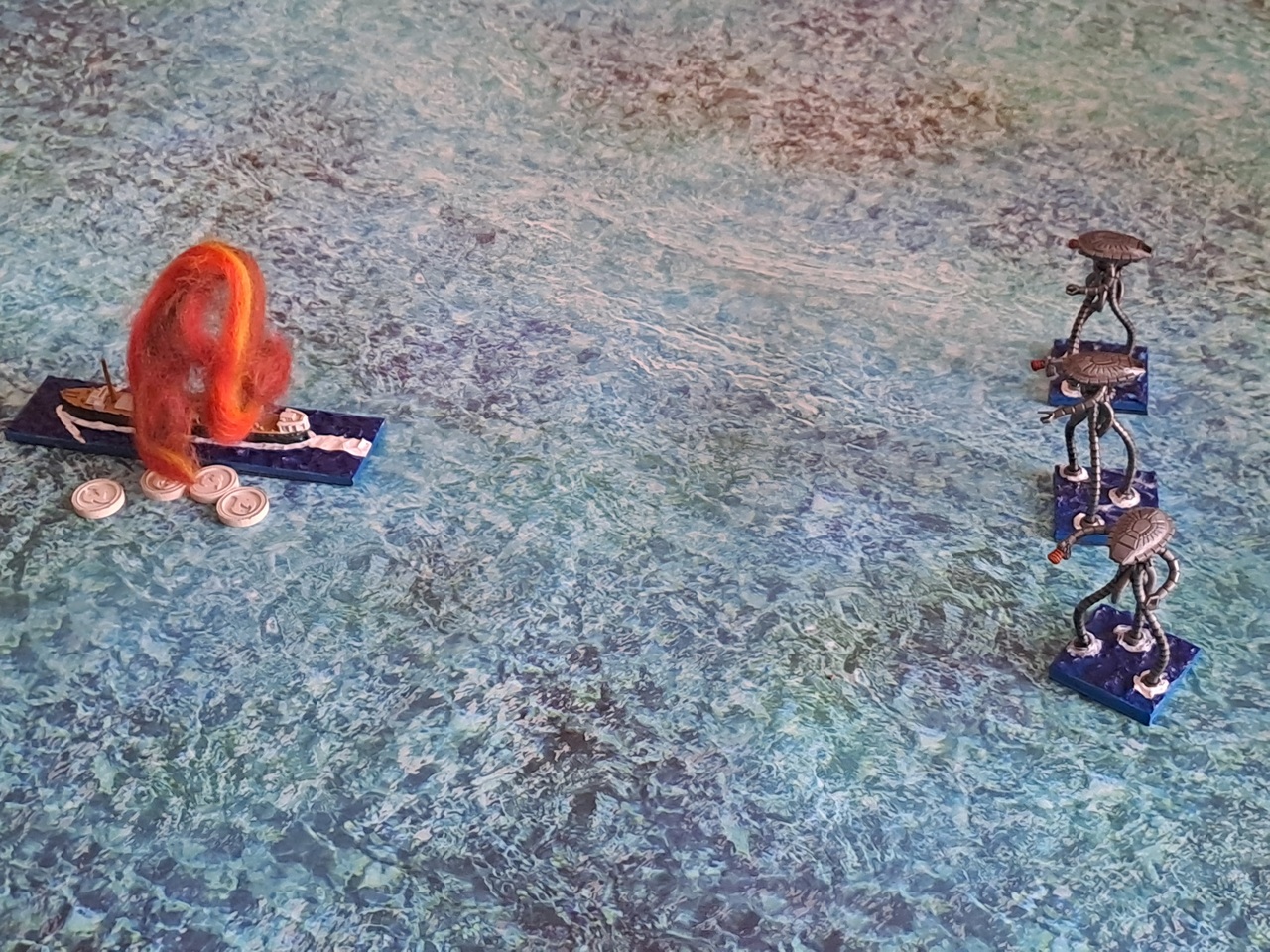
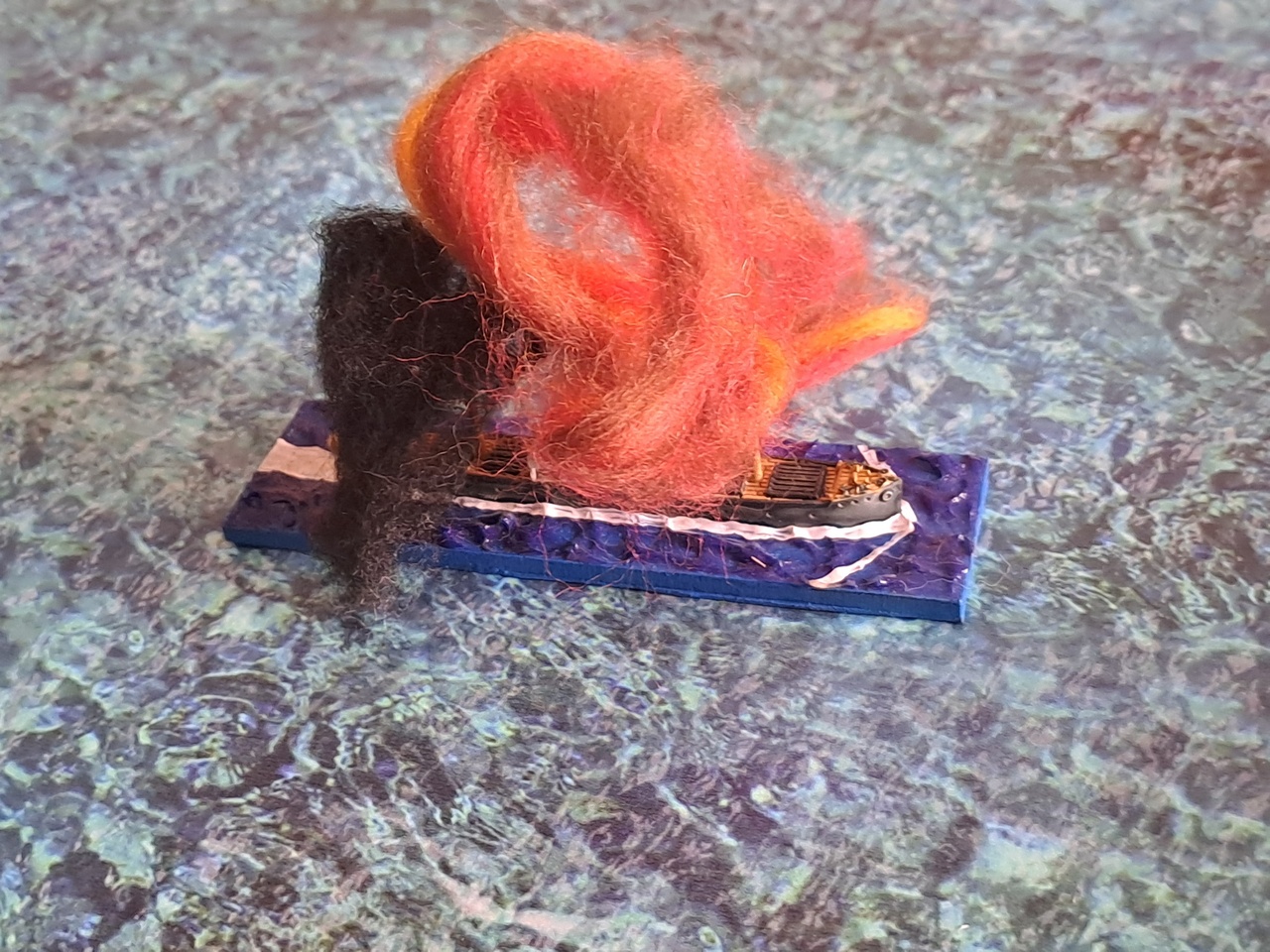
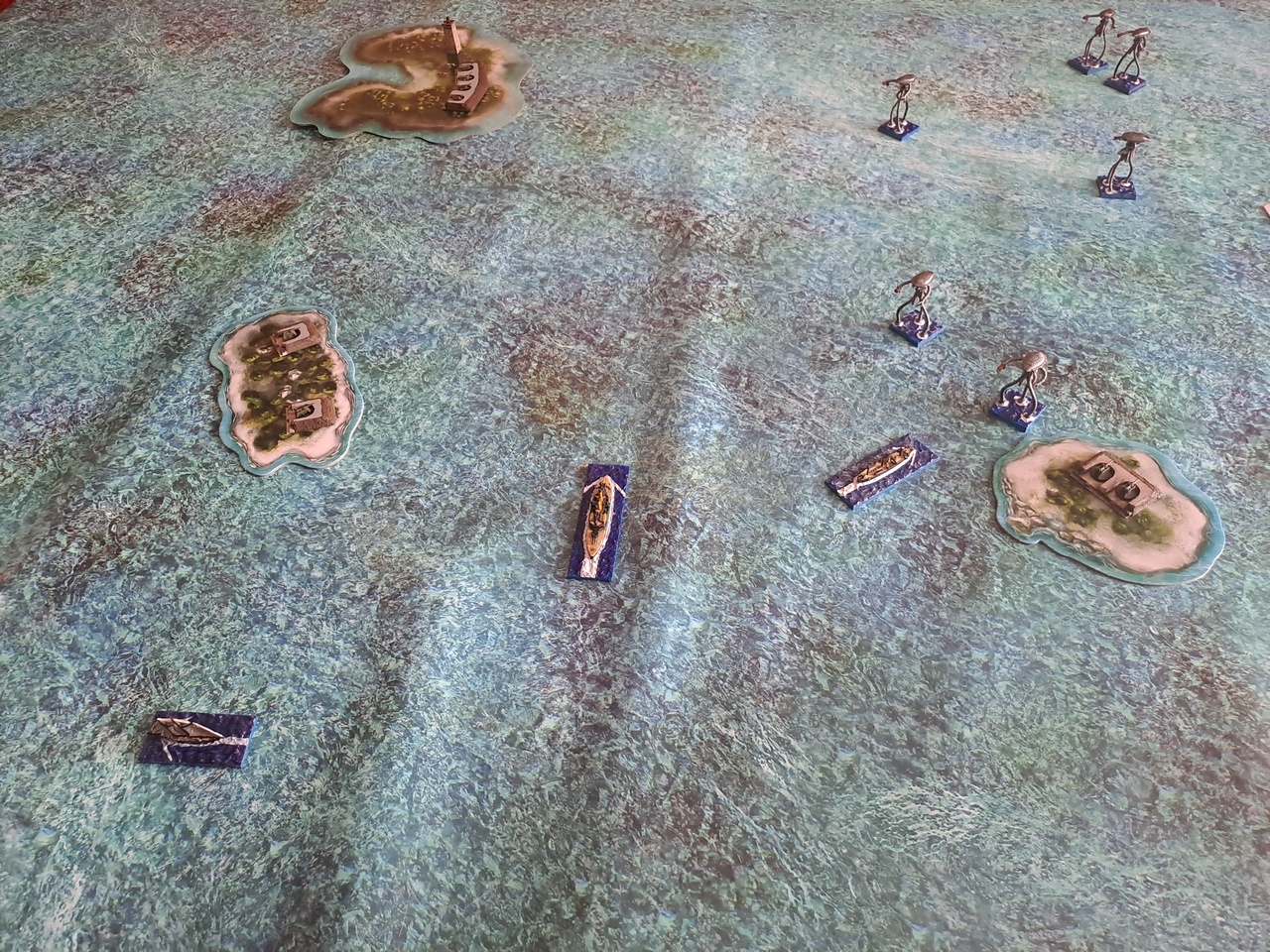
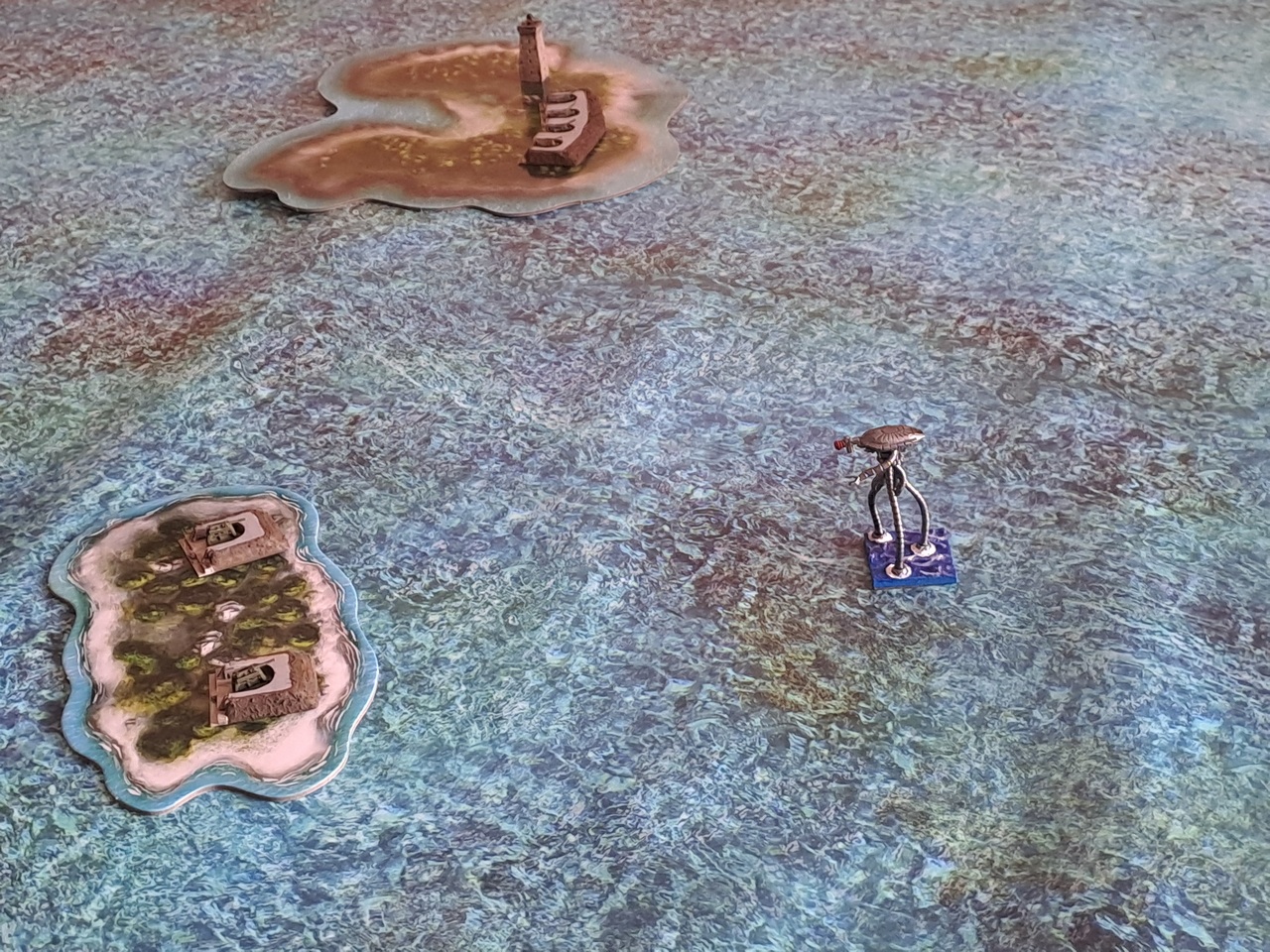
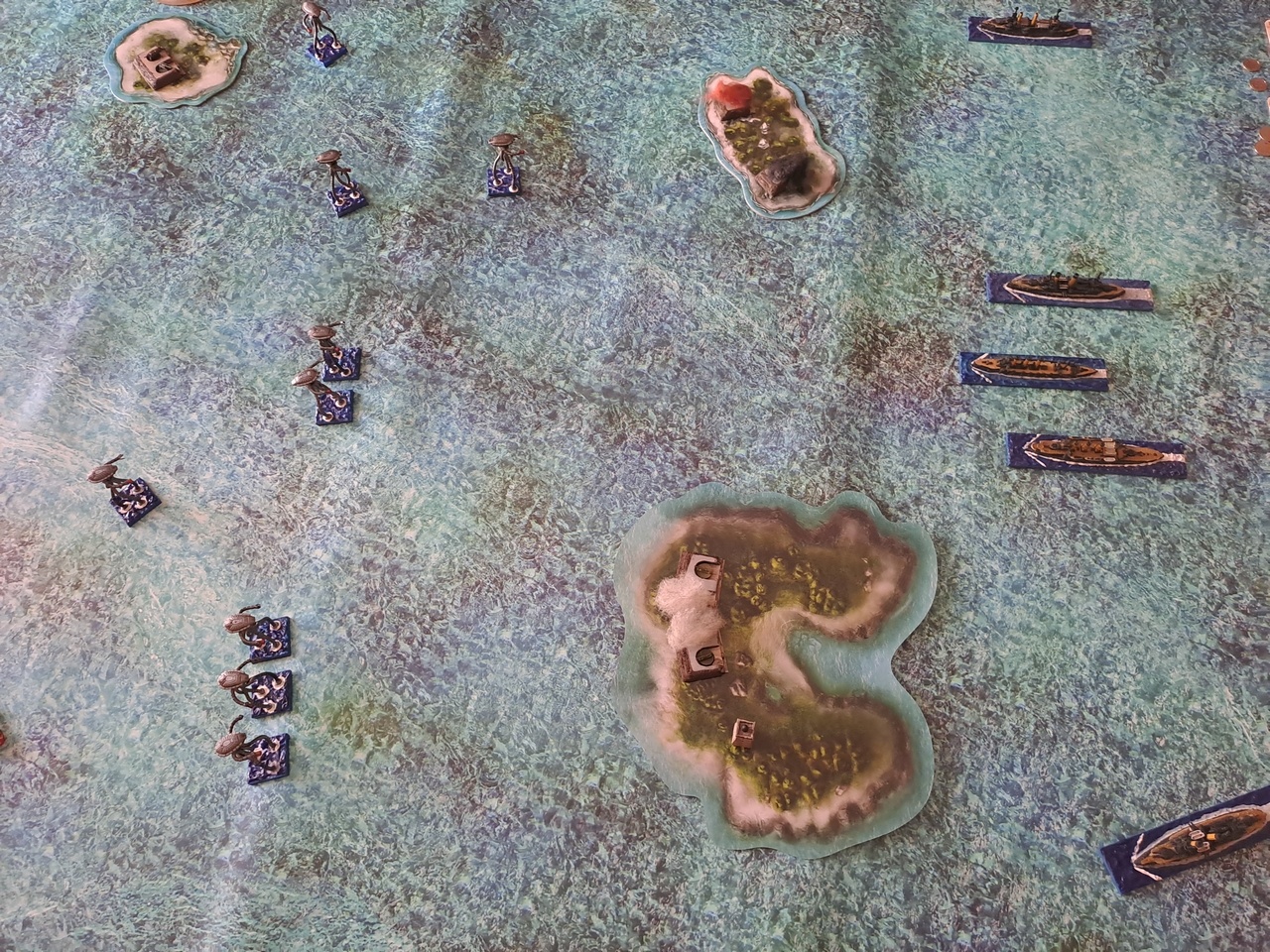
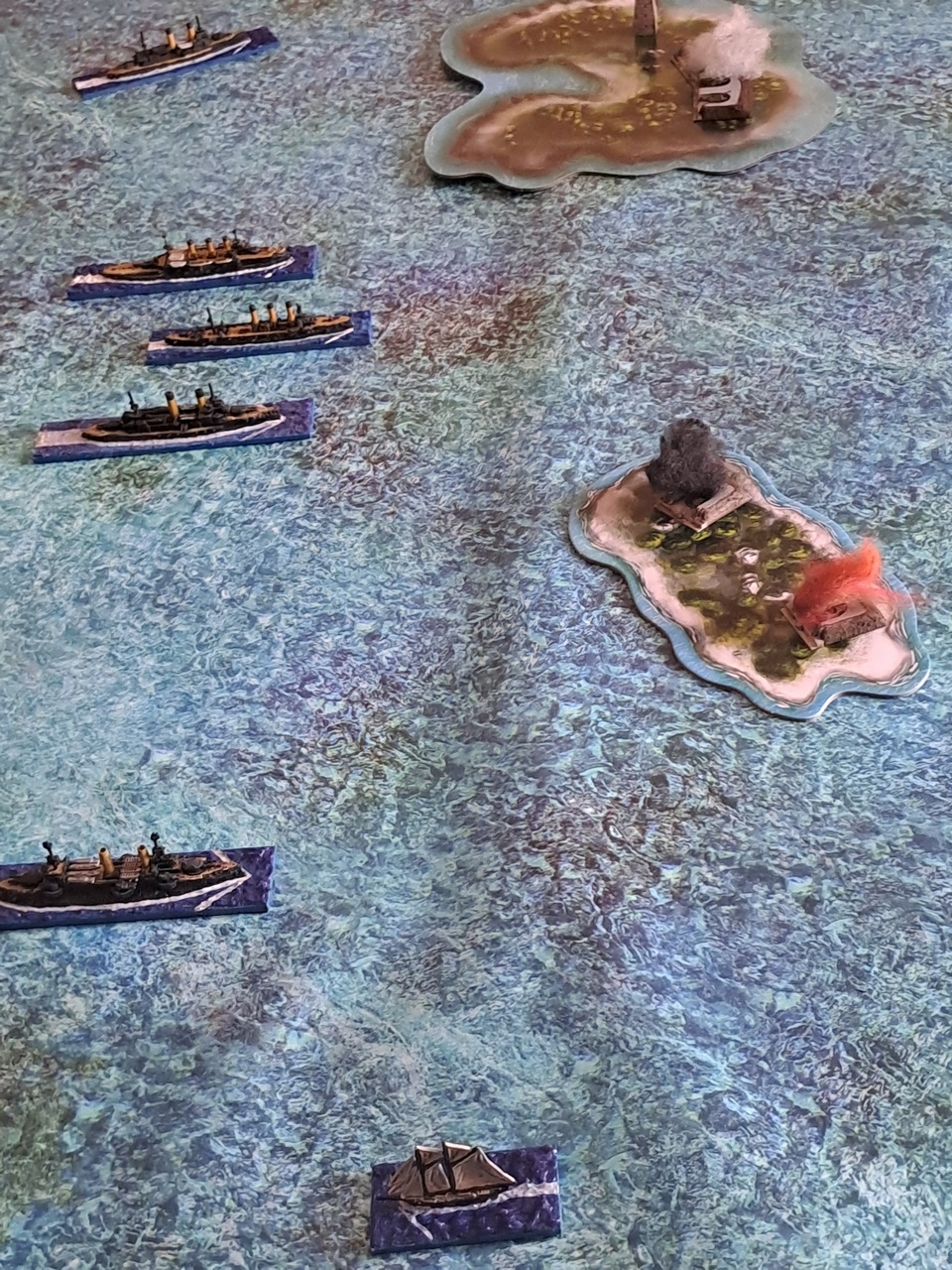
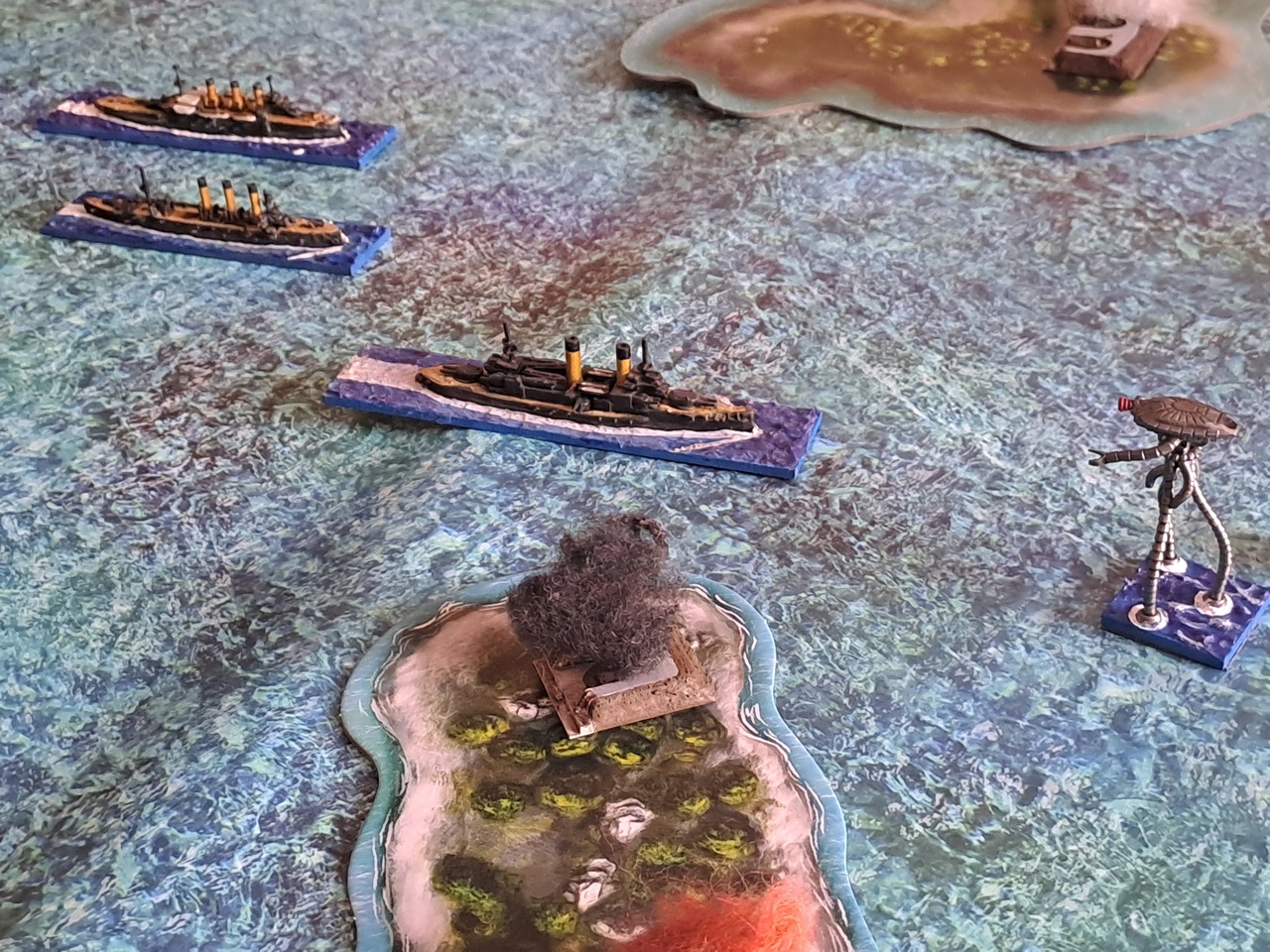
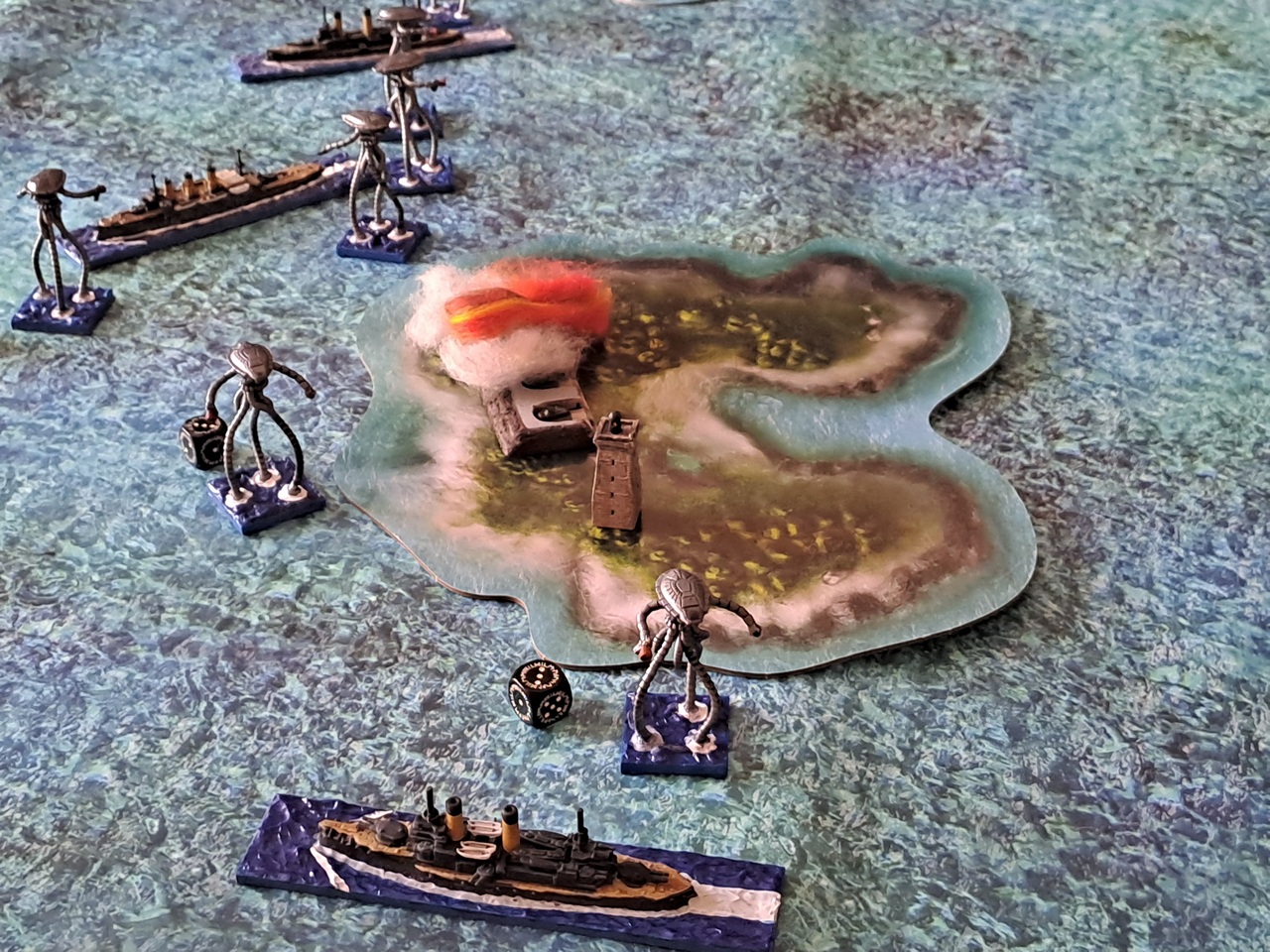
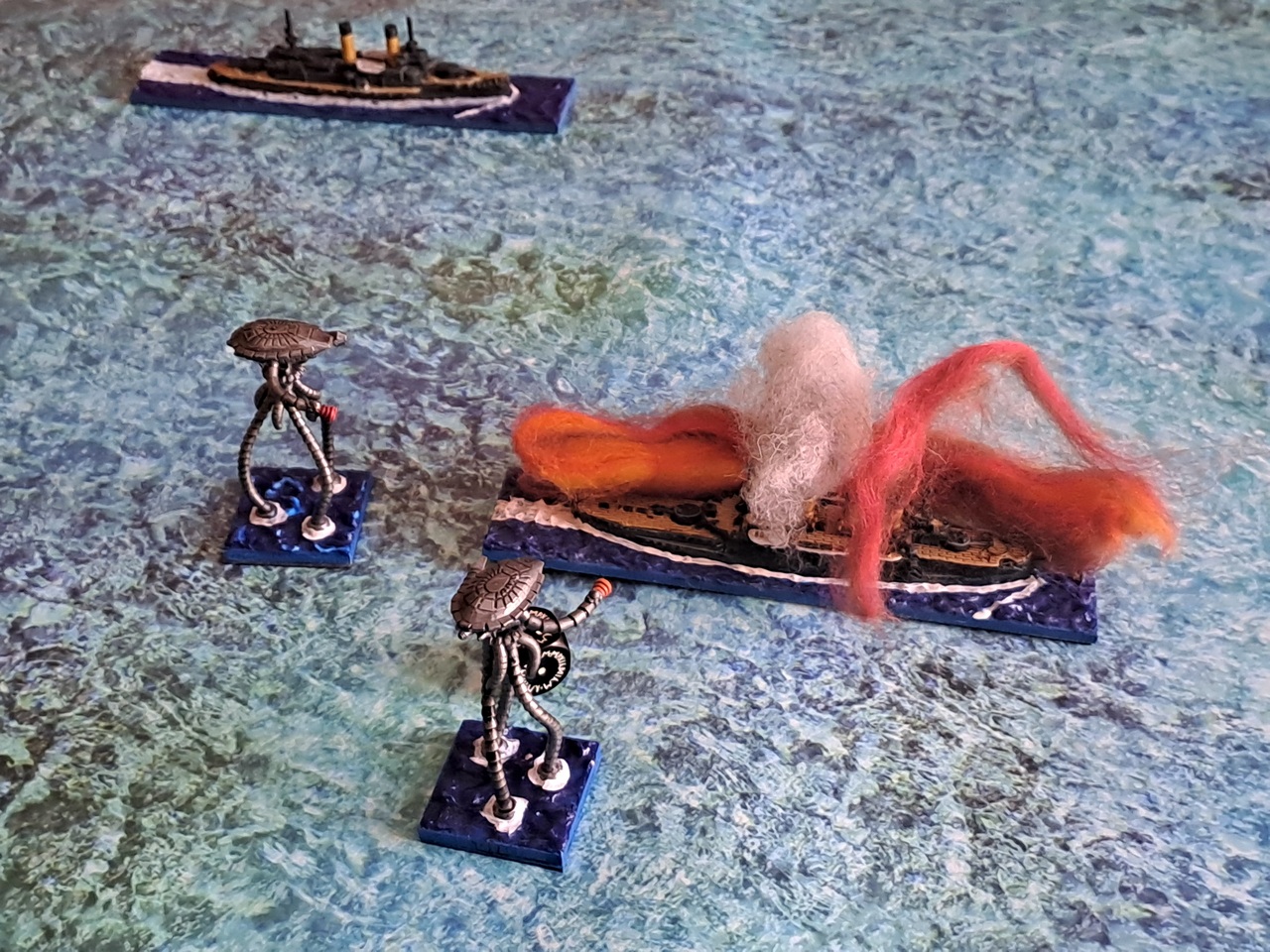
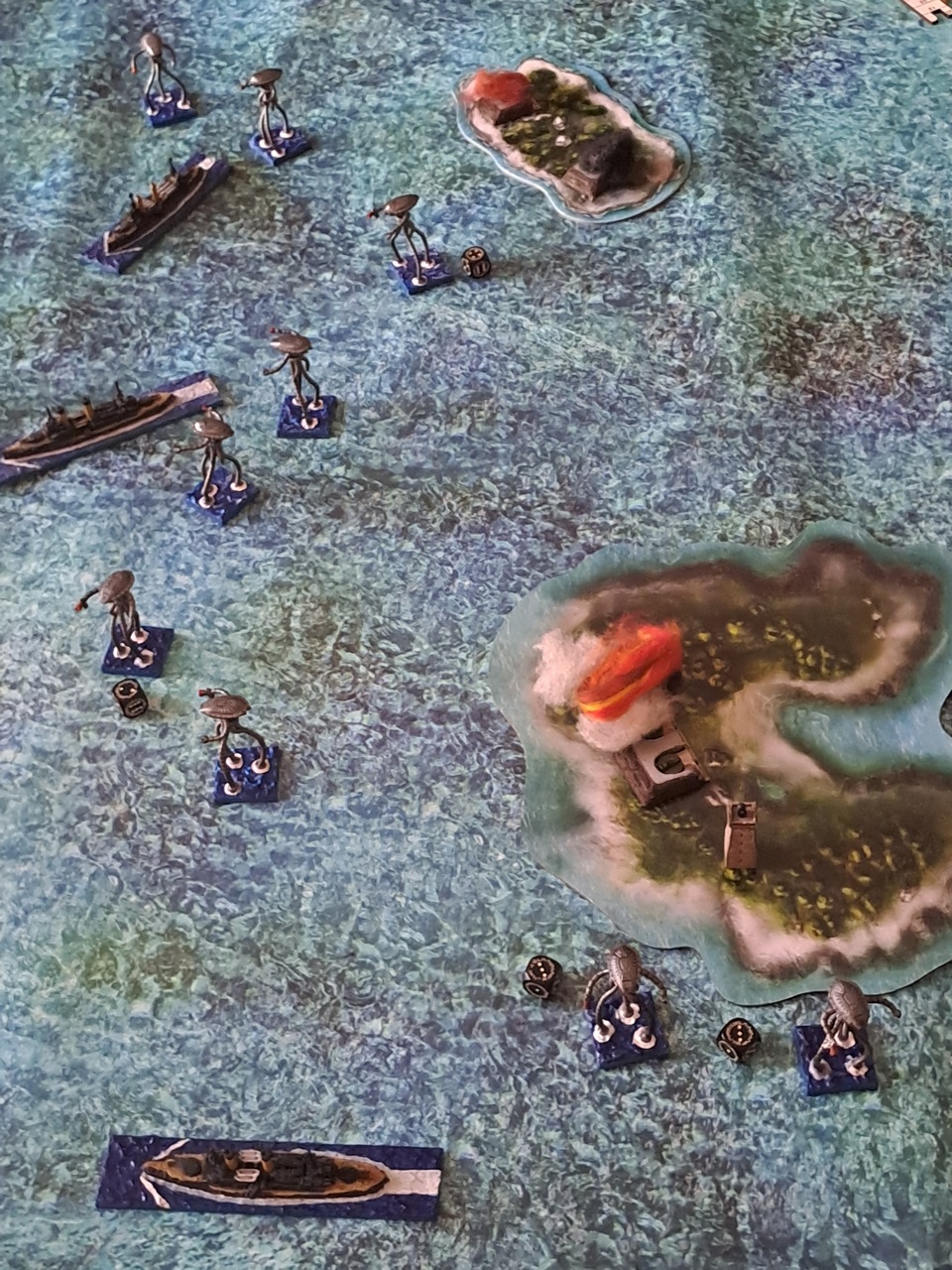
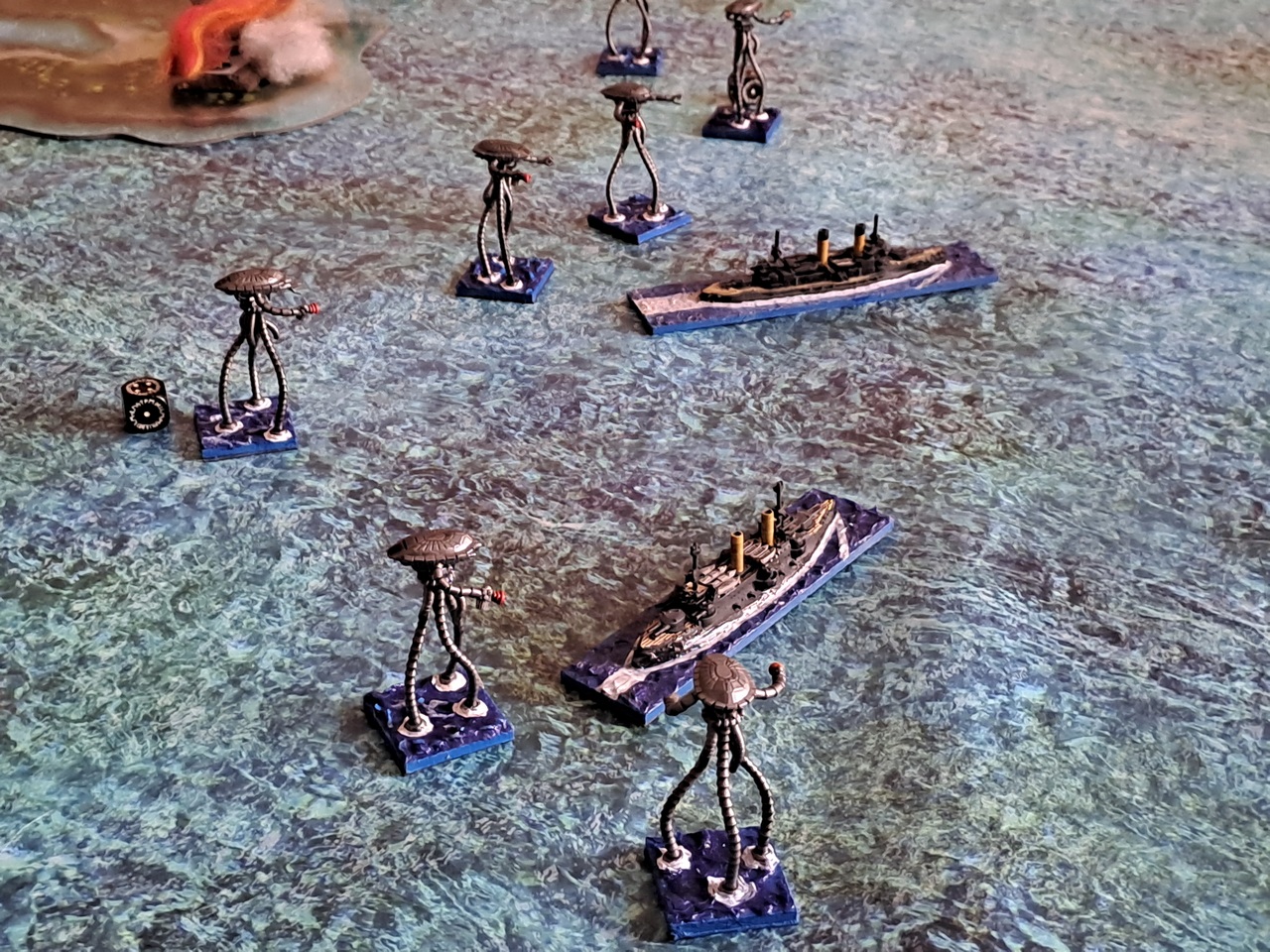
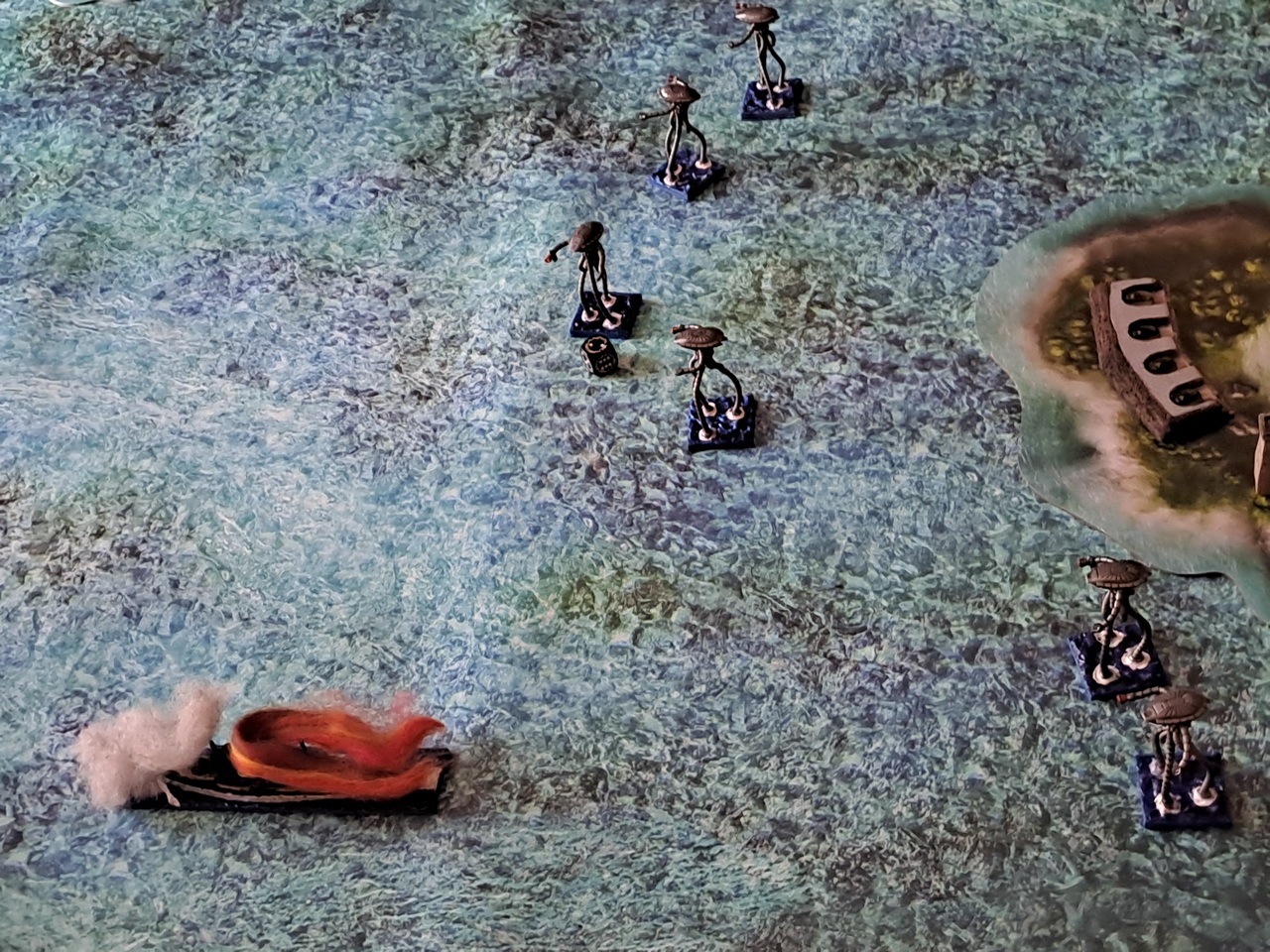
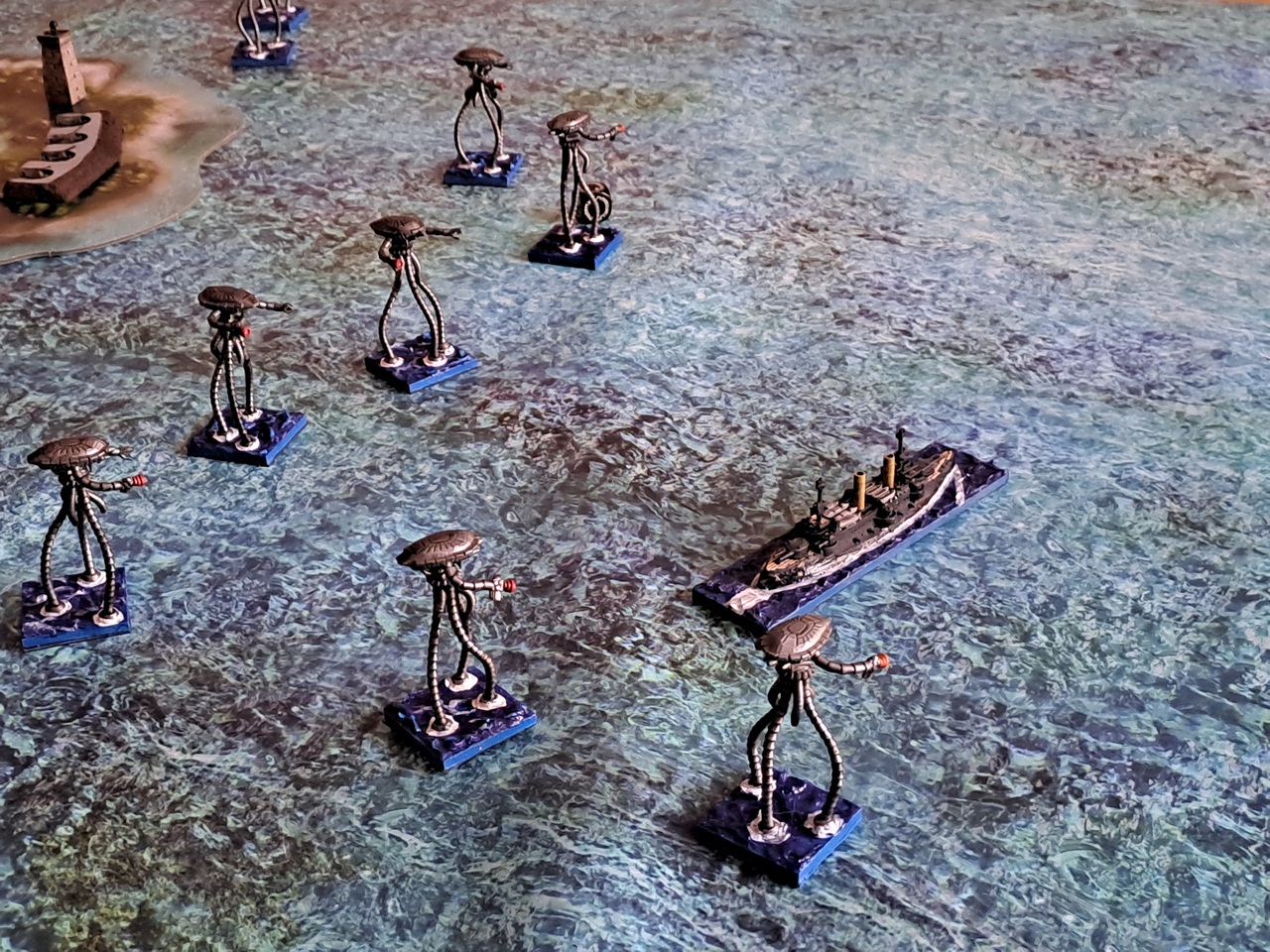
🇬🇧 Last Friday — which, as it happens, is the Polish Armed Forces Day — together with Łukasz “Cornholio” Ździebło, we played a massive Bogowie Wojny: Togo game, with 4,500 points per side. The clash pitted part of the Kronstadt fortifications and the Baltic Fleet against Martians — yes, science fiction is not alien to the creators of this historical game.


„Sudden and violent atmospheric discharges struck Revel. Out of nothingness, as if from beneath the earth, appeared an enormous being — larger than churches and cathedrals. A crowd of people ran from their homes to see what had emerged, apparently from an intersection in the city center. From the window, I saw a fiery flash, blinding light; the people standing in front began to burn. Nobody in our household was asleep — I ordered everyone to quickly grab warm clothes and flee toward Saint Petersburg. On foot, it took us two weeks to reach the city, avoiding encounters with beings that were neither Japanese nor German.”
Vitaliy Kluchinov

„The last telegraph we received from Revel said simply: ‘Help, the city is burning, giant metallic monsters are everywhere.’ When we asked what was happening, no further information came. Could it be that Estonia had risen in revolt against Tsarist power? Such thoughts crossed my mind until a train managed to arrive, having escaped at the moment of the attack. According to the refugees, the colossal beings appeared from nowhere — nobody knew whence they came — but from the start they sowed only death and destruction. We dispatched an armored train for reconnaissance in that direction, but it never returned. We also sent a telegraph to Kronstadt and deployed part of the Baltic Fleet. Meanwhile, from hostile Japan and Germany, we began receiving similarly disturbing reports — until all contact ceased.”
Baltic Fleet staff officer Mikhail Morozov


🇵🇱 W ostatni piątek, który tak się składa jest świętem Wojska Polskiego wraz z Łukasz „Cornholio” Ździebło rozegraliśmy wielką grę w Bogowie Wojny: Togo bo 4500 punktów na stronę – starcie między częścią fortyfikacji Kronsztadu oraz flotą Bałtycką wobec Marsjan, tak science fiction nie jest obce twórcom tej historycznej gry.

„Wyładowania atmosferyczne, nagłe, bardzo intensywne nawiedziły Revel, z nicości, jakby z pod ziemi pojawiła się olbrzymia istota, większa niż kościoły i cerkwie. Zbiegowisko ludzi wybiegło z domów, by przyjrzeć się temu, co wydostało się prawdopodobnie z pod skrzyżowania w centrum. Z okna zobaczyłem ognisty błysk, dużo światła, ludzie stojący z przodu zaczęli się palić. Nikt z domowników nie spał, kazałem co prędzej brać ciepłe rzeczy i uciekać w stronę Sankt Petersburga. Pieszo dotarliśmy tam w dwa tygodnie unikając spotkań z istotami które nie były ani Japończykami, ani Niemcami.”
Vitalij Kluchinov

„Ostatni telegraf z Revela do nas zawierał informację – Pomocy, miasto płonie, wszędzie są gigantyczne, metaliczne potwory. Na pytanie co się dzieje, nie dostaliśmy informacji. Czyżby w Estonii wybuchło powstanie przeciw władzy carskiej? Takie myśli przeszły przez głowę, do momentu przybycia pociągu któremu udało się w momencie ataku odjechać. Według uciekinierów olbrzymie istoty pojawiły się znikąd, niewiadomo skąd przybyły, za to od początku zaczęły siać śmierć i zniszczenie. Skierowaliśmy w tamtą stronę zwiad w postaci pociągu pancernego, ale nie wrócił, dodatkowo wysłaliśmy telegraf do Kronsztadu oraz część floty bałtyckiej. W międzyczasie z wrogiej nam Japonii czy Niemiec zaczęliśmy otrzymywać równie niepokojące wiadomości, dopóki kontakt się urwał.”
oficer sztabu floty bałtyckiej Michail Morozow

🇬🇧 Summary:
– A narrative science fiction game in which Łukasz and I used all our Martians, the newly painted fortifications, and every battleship I had painted.
– The Baltic Fleet put up a futile resistance, but the Tsar’s yacht managed to reach Saint Petersburg and warn the city.

🇵🇱 Podsumowanie:
– fabularna gra science fiction w której wykorzystaliśmy z Łukaszem wszystkich posiadanych Marsjan, nowo pomalowane fortyfikacje oraz wszystkie pancerniki które miałem pomalowane.
– flot Bałtycka stawiła daremny opór, ale carskiemu jachtowi udało się dotrzeć do Sankt Petersburga i ostrzec miasto.

Gods of War: Togo – Varyag (🇬🇧EN/🇵🇱PL) Wtorek, Sier 12 2025 

🇬🇧 Recently, I repainted Varyag in the proper colors of the Port Arthur Squadron. Previously, it had the Baltic Fleet scheme, in which I had painted all the ships from my Russian starter set. Now, only Koreyets remains to be repainted in white, and both ships will be ready for the Battle of Chemulpo.

Varyag was a Russian protected cruiser. Varyag became famous for her crew’s stoicism at the Battle of Chemulpo Bay.

The heroic, heavily armed Varyag is one of the best Russian protected cruisers. Well-armored (for protected cruisers), fast and well-armed, it will be a very demanding opponent for ships of comparable size.

* – description of the Varyag by GMBoardgames.

🇵🇱 W ostatnim czasie przemalowałem Wariaga na właściwe mu barwy eskadry portarturskiej, wcześniej miał barwy floty bałtyckiej w którą pomalowałem wszystkie okręty jakie miałem w rosyjskim starterze. Pozostanie przemalować Koriejca na biało i oba okręty będą gotowe do bitwy po Czemulpo.

Wariag to krążownik pancernopokładowy, zbudowany przez stocznię William Cramp & Sons w Filadelfii.
Okręt zasłynął swoim udziałem w bitwie pod Czemulpo, gdzie wraz z kanonierką Korietz starł się z przeważającymi siłami japońskimi.
Wariag jest dobrze uzbrojony, zarówno w artylerię średnią, jak i lekką, szybki, chociaż jego opancerzenie jest oczywiście gorsze niż krążowników pancernych z epoki. Jako przeciwników powinien szukać raczej lżejszych jednostek nieprzyjaciela, tudzież szukać szczęścia w ataku torpedowym.


* – opis Wariaga wg GMBoardgames.

🇬🇧 Summary:
– A ship I bought in the Russian Navy Squadron at the beginning of my Gods of War: Togo journey — one of my favorite units in the game. Though small for an armored cruiser, it makes up for it with considerable speed, and its medium artillery can deal damage to better-armored units at short and medium ranges. Varyag also carries torpedoes, which, if they hit, can inflict significant damage.

🇵🇱 Podsumowanie:
– okręt który zakupiłem w zestawie startowym do floty rosyjskiej na początku mojej przygody z Bogowie Wojny: Togo – jedna z moich ulubionych jednostek w grze, nieduży jak na krążowniki pancerz nadrabia znaczną prędkością, a średnia artyleria na krótkim i średnim dystansie jest w stanie uczynić również szkody lepiej opancerzonym jednostkom. Wariag posiada również torpedy które jeśli trafią potrafią czynić znaczne szkody.

Sinking of Russian cruiser Varyag at Battle of Chemulpo Bay, 1904 by Unbekannt

« Poprzednia stronaNastępna strona »