Gods of War: Togo – S90/G135 torpedo boat 🇩🇪 (🇬🇧EN/🇵🇱PL) Poniedziałek, Mar 16 2026 

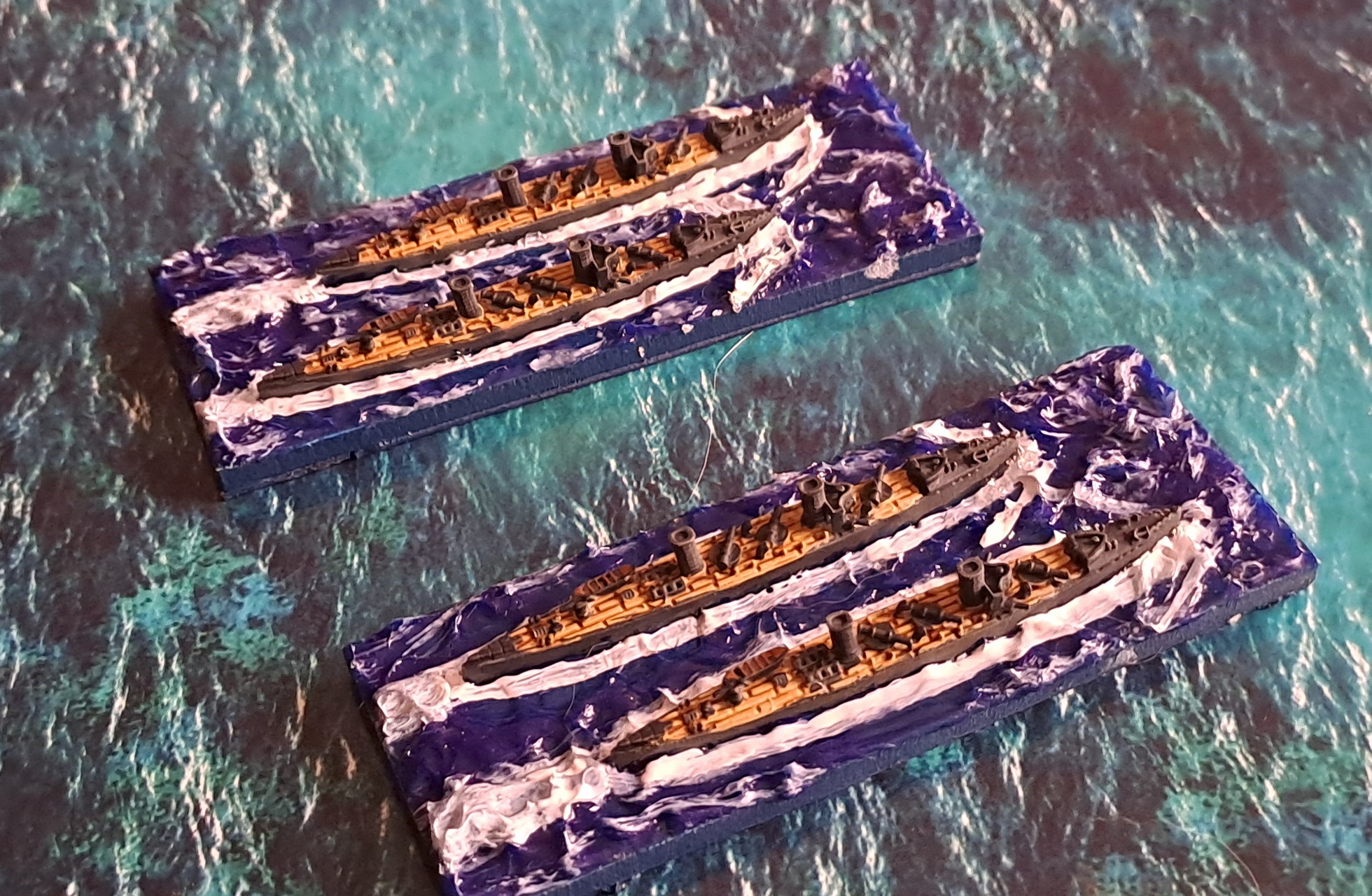
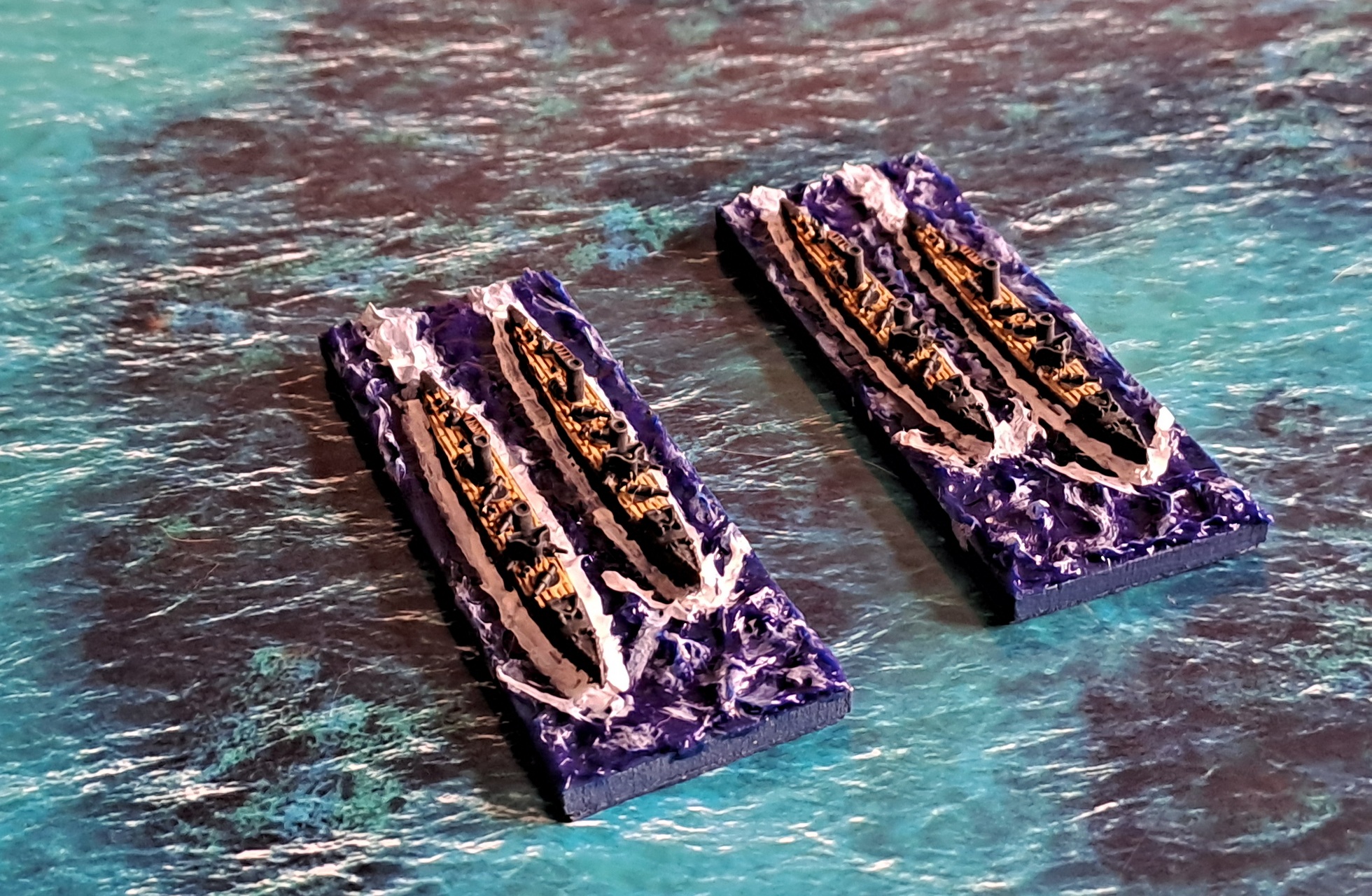
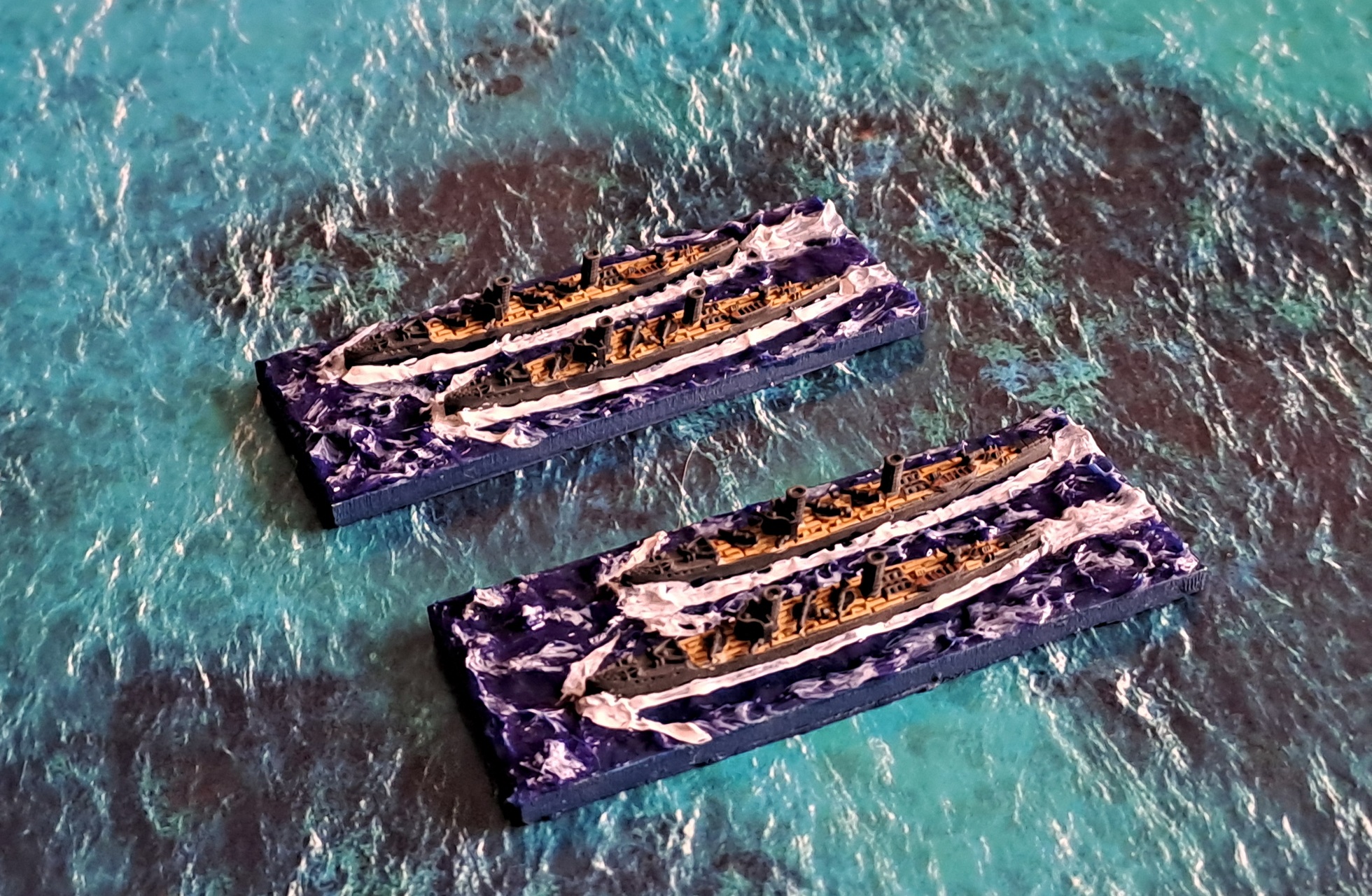
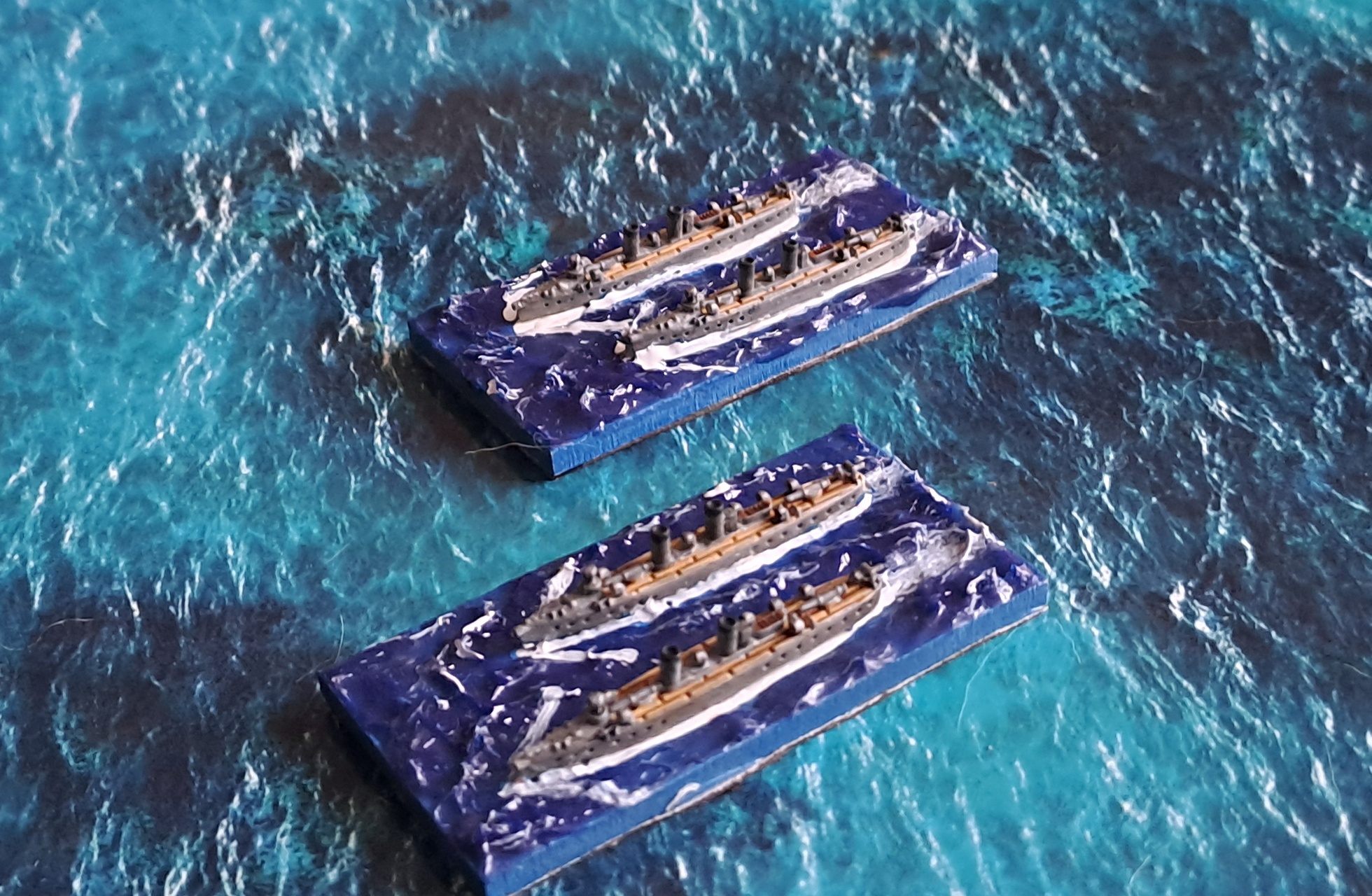
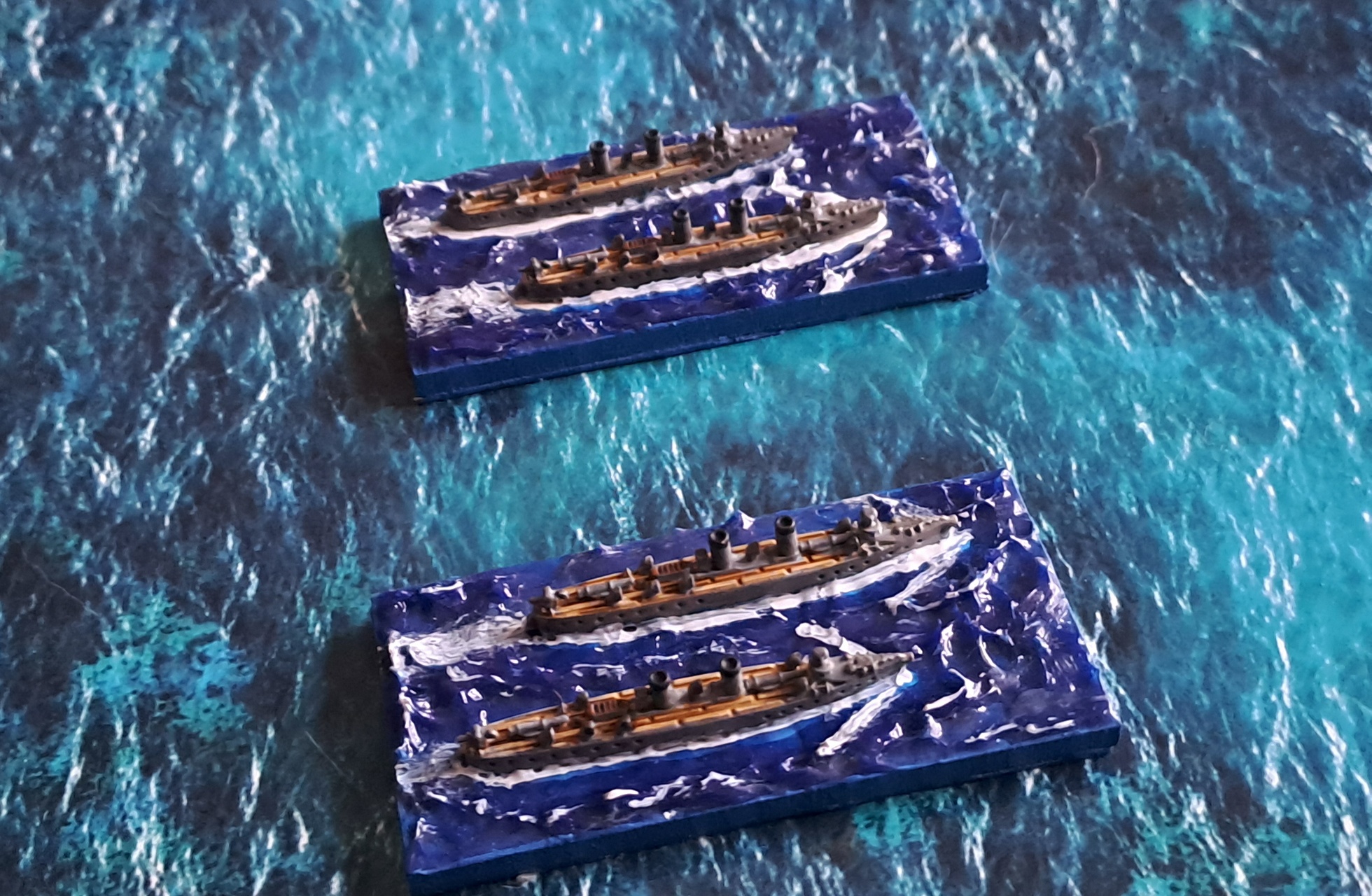
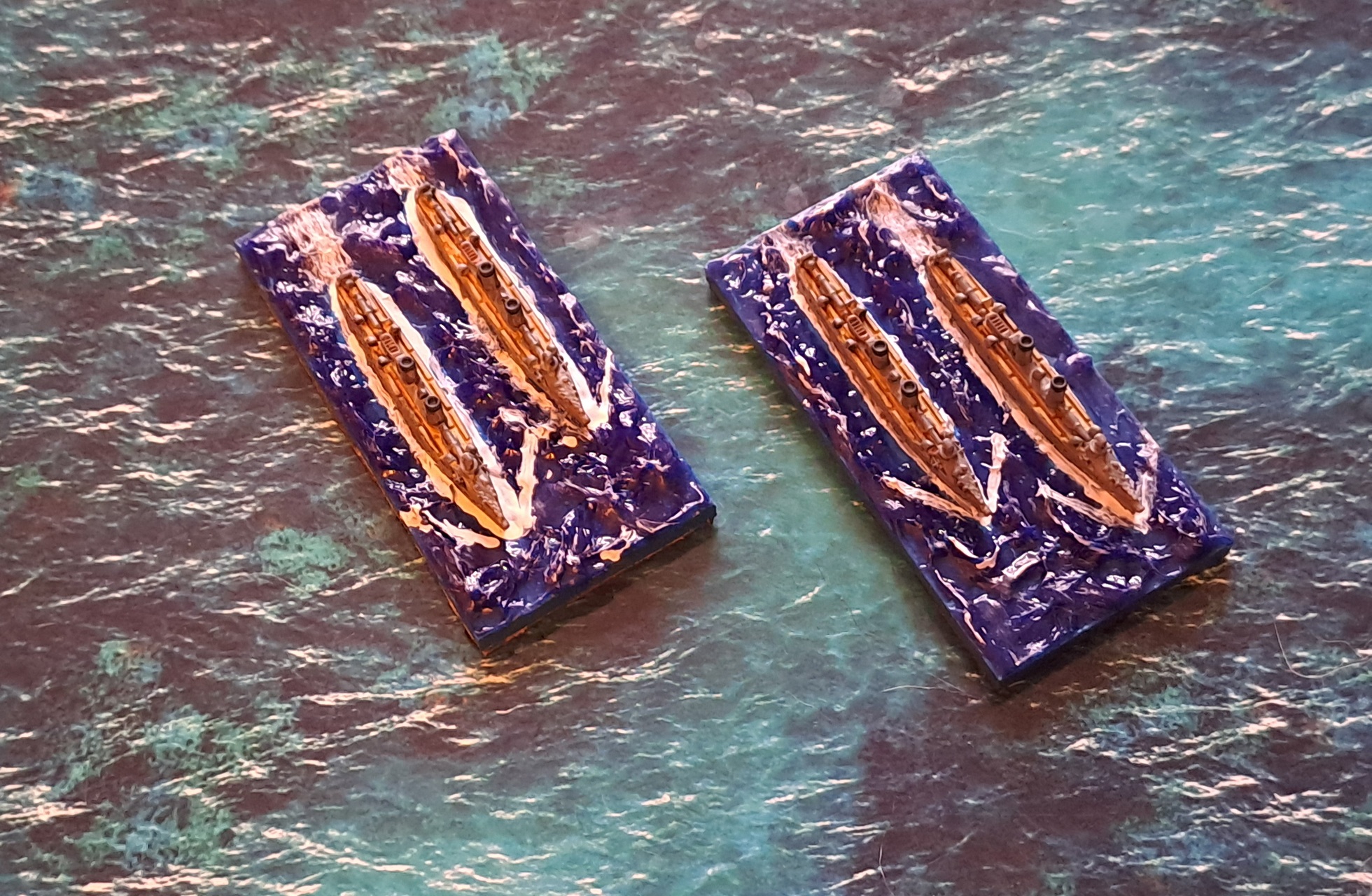
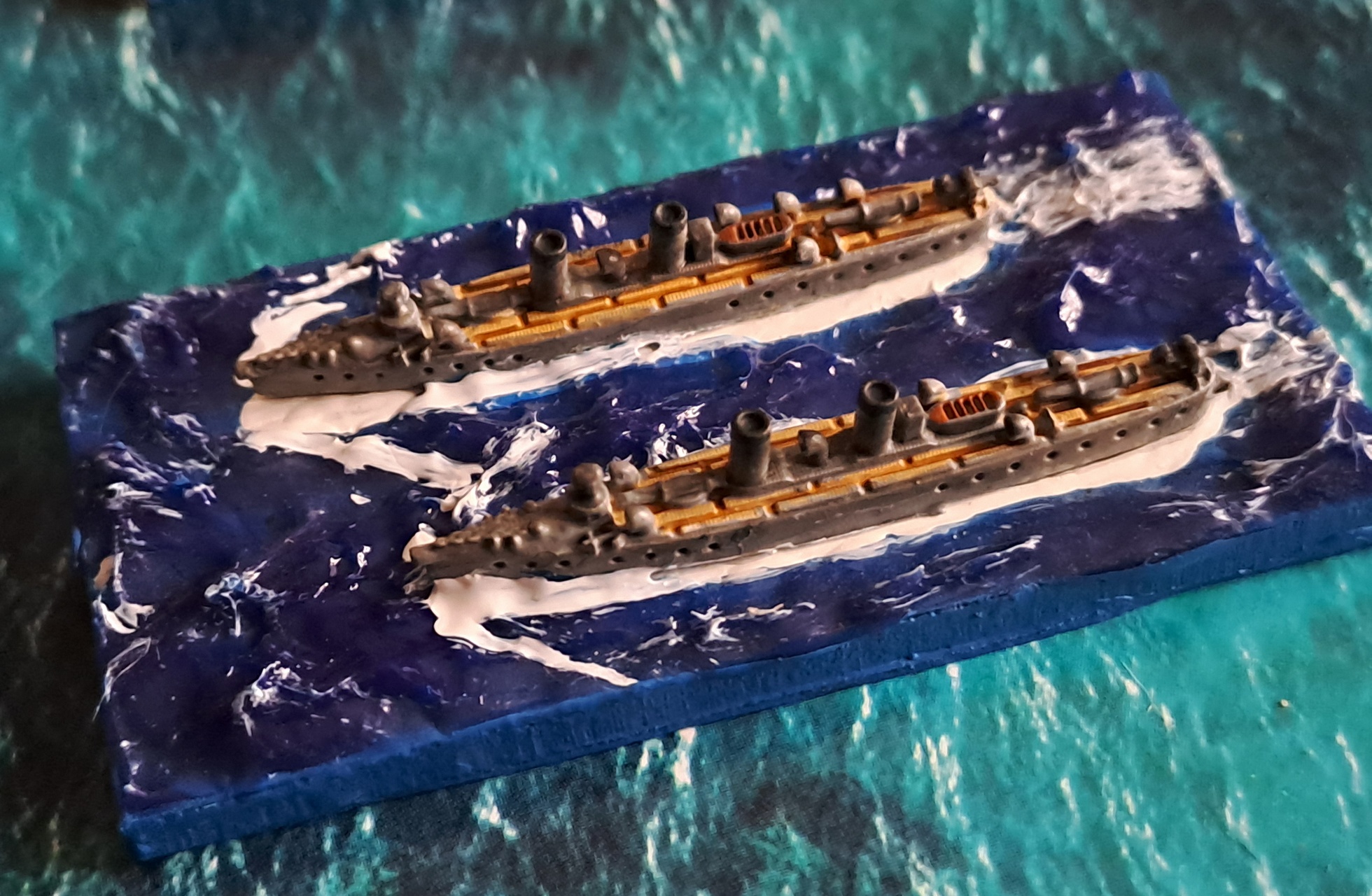
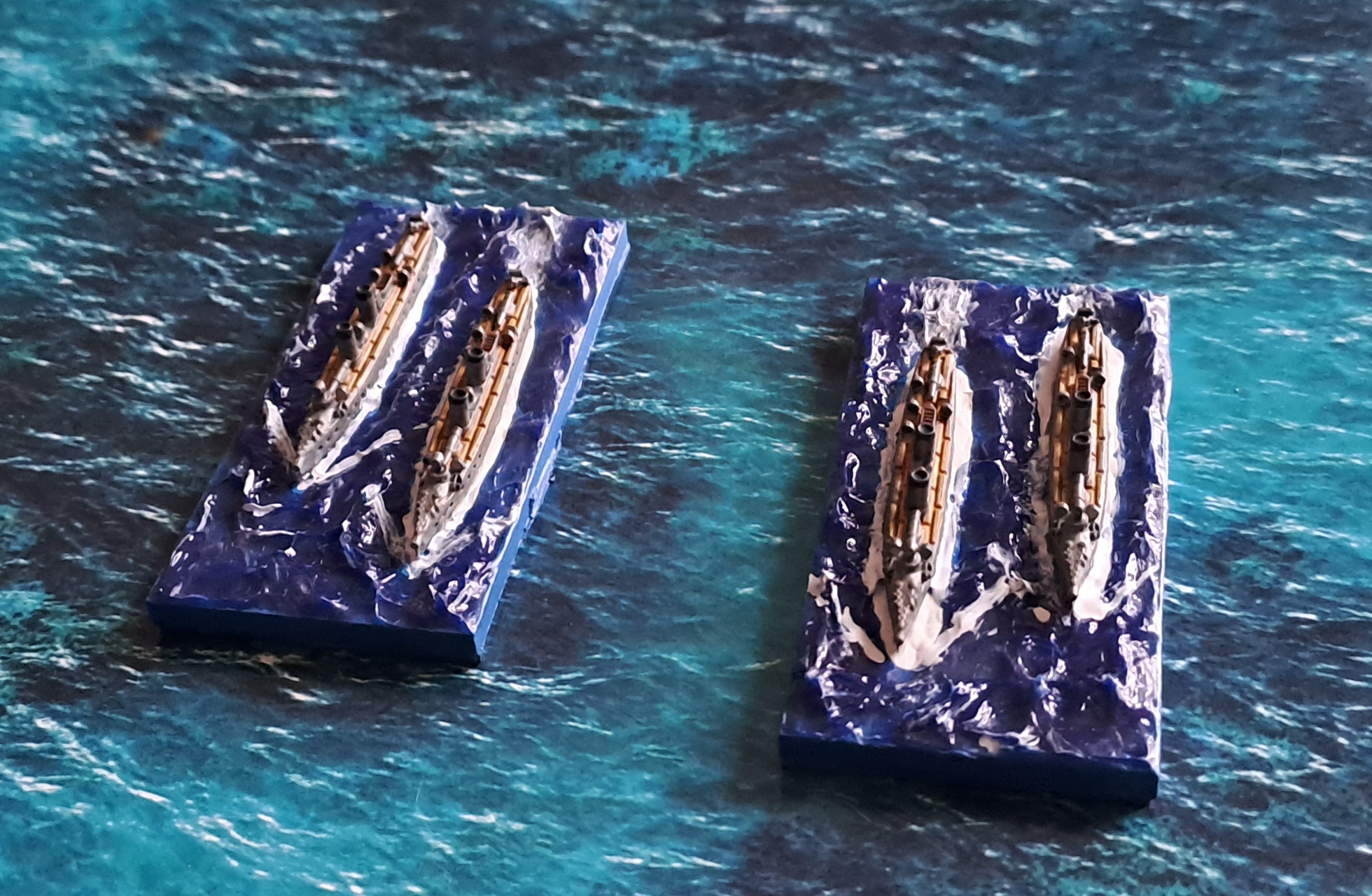
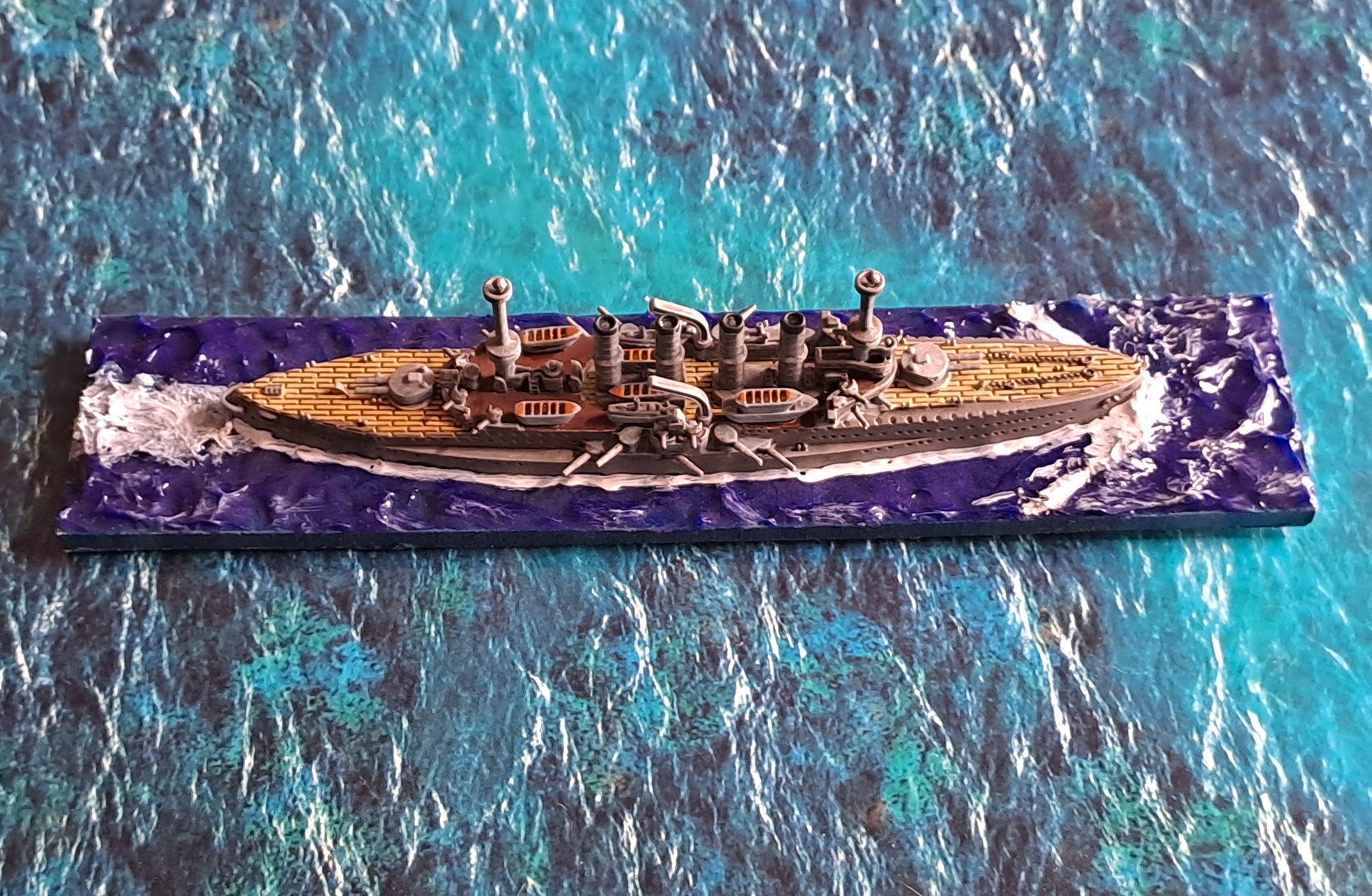
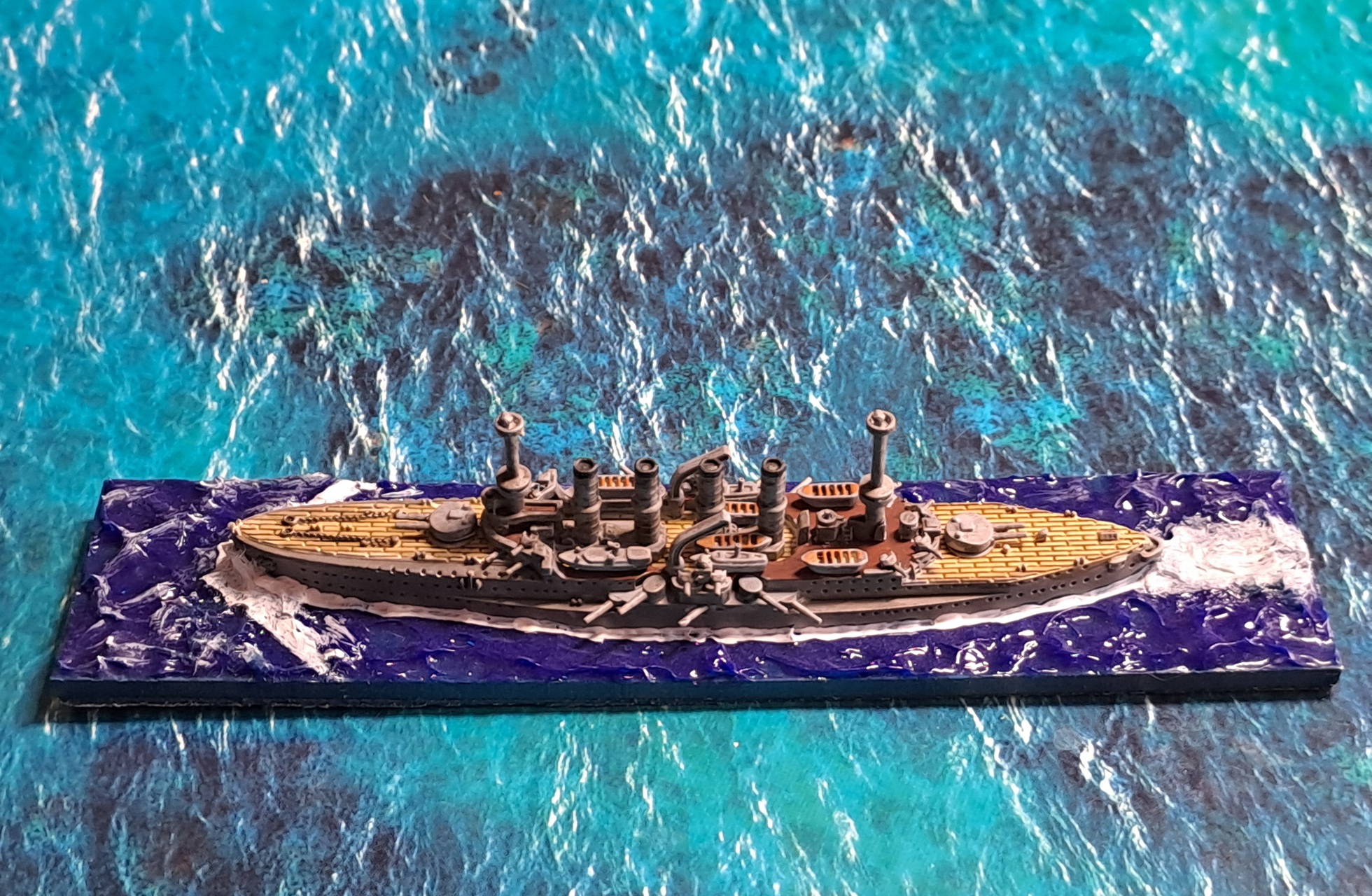
🇬🇧 Today I managed to finish S90/G135 torpedo boat division – for the Kaiserliche Marine, the fleet of the German Empire at the turn of the 19th and 20th centuries. So I’m ready to fight Cornholio and his Marine Nationale. ⚓

Although the Germans classified them as torpedo boats, the S90 class ships, displacing around 400 tons, were more akin to contemporary destroyers than torpedo boats. Their design and development were closely tied to one of the primary tactical doctrines of the German Imperial Navy. Due to the Royal Navy’s superiority in the number of battleships and cruisers, the Germans planned their fast torpedo vessels to work closely with the main fleet forces and, at the opportune moment, launch a torpedo attack on enemy battleships or other large vessels. Therefore, their primary role was not reconnaissance or engaging other torpedo boats, but executing torpedo attacks against larger ships during battle. The S90 class was designed with this philosophy in mind. Their artillery armament was relatively weak (for ships of their size), but they were equipped with very powerful torpedo armament.

These ships were mainly built by the Schichau shipyard in Elbląg (36 vessels) and Germaniawerft in Kiel (12 vessels). They were designated with the letters of the shipyards where they were built (S or G). As the shipyards constructed additional ships, they introduced numerous changes, including variations in the size of the ships themselves. For example, the G135 series had slightly stronger artillery armament.

The first ship of this class, S90, participated in the defence of Tsingtao in 1914, where it sank the Japanese cruiser Takachiho with its torpedoes.

* – description of the S90/G135 by GMBoardgames.

🇵🇱 Dziś udało mi się ukończyć dywizjon torpedowców S90/G135 do Kaiserliche Marine – floty Cesarstwa Niemieckiego z przełomu XIX i XX wieku. Teraz jestem gotów by z Cornholio rozegrać starcie z jego Marine Nationale. ⚓

Choć Niemcy klasyfikowali je jako torpedowce, to wypierające około 400 ton, okręty typu S90, były odpowiednikami ówczesnych niszczycieli, niż torpedowców. Ich powstanie i kształt wiąże się z jednym z głównych założeń taktycznych niemieckiej Cesarskiej Marynarki Wojennej. Z uwagi na przewagę Royal Navy w liczbie pancerników, czy krążowników, Niemcy – aby wyrównać szanse – zakładali, iż ich szybkiej jednostki torpedowe będą blisko współpracować z głównymi siłami floty i w odpowiednim momencie wykonają atak na pancerniki, czy inne większe jednostki przeciwnika. Ich głównym zadaniem nie było zatem wykonywanie zwiadu, walka z innymi torpedowcami, lecz atak torpedowy przeciwko dużym jednostkom w trakcie bitwy. S90 zostały zatem zaprojektowane zgodnie z tą właśnie filozofią. Ich uzbrojenie artyleryjskie było relatywnie słabe (jak na jednostki tej wielkości), za to posiadały bardzo silne uzbrojenie torpedowe – ich główną broń.

Okręty tego typu zbudowała głównie stocznia Schichau w Elblągu (36 jednostek) oraz Germaniawerft w Kilonii (12 jednostek). Oznaczono je literami stoczni, w których zostały zbudowane (S lub G). Stocznie te w trakcie budowy kolejnych okrętów, wprowadzały do nich liczne zmiany, w tym w rozmiarach samych jednostek. Np. seria G135 miała nieco silniejsze uzbrojenie artyleryjskie.

Pierwsza z jednostek tego typu – S90 w 1914 roku wzięła udział w obronie Tsingtao, w trakcie której za pomocą swoich torped zatopiła japoński krążownik Takachiho. 

* – opis S90/G135 wg GMBoardgames.
🇬🇧 Summary:
– Another set of torpedo boats which, despite their small size, require quite a bit of attention if you want to paint them neatly. They are enjoyable models to paint, full of the fine details that GM Boardgames has already accustomed us to.
– The box includes two cards – one for S90 and one for G135. They differ primarily in their light artillery armament: G135 is equipped with more powerful guns and has a higher speed. Both half-flotillas, however, have access to six powerful D4 torpedoes, which, when they hit, can seriously damage many a ship – and thoroughly ruin its commander’s mood.
– As befits fourth-class torpedo boats, they are highly manoeuvrable and present a small target, which is one of their major strengths. Their weakness, however, is their shallow draft, which may prove problematic in poor weather conditions.
– The base cost is 140 points for the S90 and 145 for the G135 – not a bad price at all for ships equipped with the best torpedoes in the game.
– The full Gods of War assortment is available at: https://bolter.pl/en_US/index.


🇵🇱 Podsumowanie:
Kolejne torpedowce, które – wbrew swoim niewielkim rozmiarom – wymagają sporo uwagi, jeśli chcemy pomalować je schludnie. To okręty przyjemne w malowaniu, pełne licznych detali, do jakich GM Boardgames zdążyło nas już przyzwyczaić.
W pudełku znajdują się dwie karty – odpowiednio dla S90 oraz G135. Różnią się one przede wszystkim uzbrojeniem artylerii lekkiej: G135 dysponuje mocniejszymi działami i rozwija większą prędkość. Oba półdywizjony mają jednak do dyspozycji sześć potężnych torped D4, które po trafieniu potrafią solidnie uszkodzić niejeden okręt – i skutecznie popsuć humor jego dowódcy.
– Jak na torpedowce czwartej klasy przystało, cechują się wysoką manewrowością i są małym celem, co stanowi ich dużą zaletę. Ich wadą jest natomiast niskie zanurzenie, które może okazać się problematyczne przy złych warunkach pogodowych.
– Koszt bazowy wynosi 140 punktów za S90 i 145 za G135 – nie jest to zła cena za okręty z najlepszymi w grze torpedami.
– Cały asortyment do Bogowie Wojny: Togo jest dostępny tutaj: https://bolter.pl/pl/c/BOGOWIE-WOJNY-TOGO/1787.

Gods of War: Togo – 39-Go 🇯🇵 (🇬🇧EN/🇵🇱PL) Piątek, Mar 13 2026 

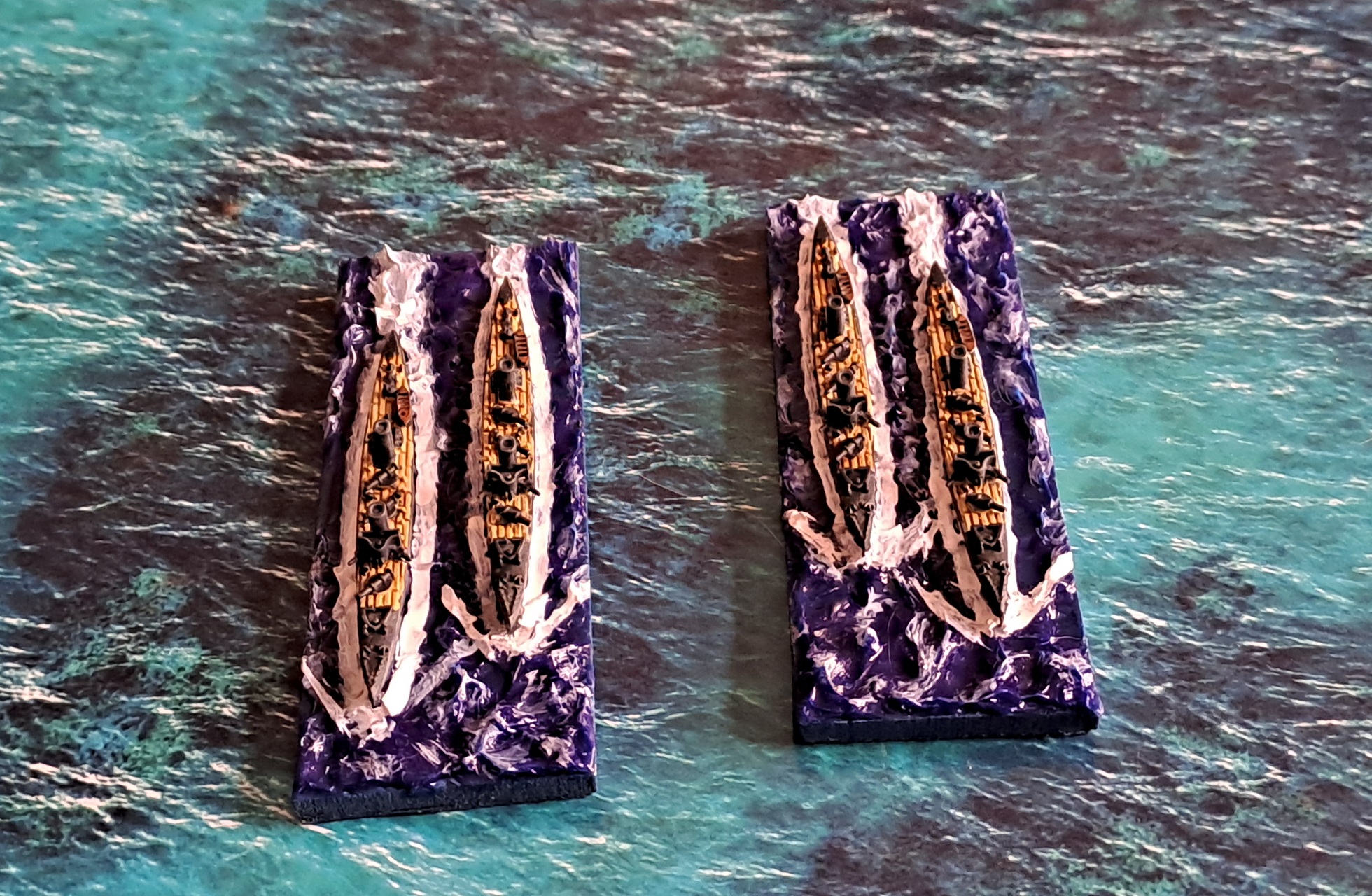
🇬🇧 Yesterday I managed to finish 39-Go, another torpedo boats for the Imperial Japanese Navy of Cornholio.

Following the victory in the First Sino-Japanese War (1894-1895), Japan received substantial war reparations, enabling an intensive fleet expansion program. As part of this initiative, the augmentation of torpedo boats, including smaller second-class ones, designed for operations near Japanese shores, was initiated. The construction of the 39-go torpedo boat series began in 1899 at the British Yarrow shipyard, adhering to Japanese specifications.

All vessels of this type participated in the Russo-Japanese War of 1904-1905, achieving modest success.
The 39-go torpedo boat will be an intriguing alternative for players commanding the Japanese navy. Slower and less heavily armed than Japanese destroyers or later torpedo boats, they will, however, be competitively priced, making them a viable choice for players looking to have multiple vessels in their fleet.


* – description of the 39-Go by GMBoardgames.

🇵🇱 Wczoraj udało mi się skończyć 39-Go, kolejny okręt do cesarskiej floty Japonii Cornholio.

Po zwycięstwie w pierwszej wojnie chińsko-japońskiej (1894-1895) Japonia otrzymała znaczne reparacje wojenne, co umożliwiło intensywny program rozbudowy floty. W ramach tej inicjatywy rozpoczęto zwiększenie liczby kutrów torpedowych, w tym mniejszych, drugiej klasy, przeznaczonych do operacji w pobliżu japońskich wybrzeży. Budowa serii kutrów torpedowych 39-go rozpoczęła się w 1899 roku w brytyjskiej stoczni Yarrow, zgodnie z japońskimi specyfikacjami.

Wszystkie jednostki tego typu brały udział w wojnie rosyjsko-japońskiej w latach 1904-1905, osiągając umiarkowane sukcesy. Torpedowiec typu 39-go będzie interesującą alternatywą dla graczy dowodzących japońską marynarką. Wolniejszy i słabiej uzbrojony niż japońskie niszczyciele lub późniejsze torpedowce, jednak będzie konkurencyjnie wyceniony, co czyni go atrakcyjnym wyborem dla graczy, którzy chcą mieć w swojej flocie wiele jednostek.

* – opis 39-Go wg GMBoardgames.

🇬🇧 Summary:
– Small ships that are quite enjoyable to paint.
– Their greatest strength is their six D2 torpedoes. Although their light artillery plays only a symbolic role, these vessels make up for it with good speed and high manoeuvrability, typical of this class. Their weaker points, on the other hand, are their light armour and fragile hull. An additional drawback, as with most ships of this type, is their shallow draft, which can become a real issue in poor weather conditions.
– The base cost is 100 points.
– The full Gods of War assortment is available at: https://bolter.pl/en_US/index.


🇵🇱 Podsumowanie:
Niewielkie, a przy tym całkiem przyjemne w malowaniu okręty.
– Ich największym atutem jest sześć torped D2. Choć artyleria lekka odgrywa tu jedynie symboliczna rolę, jednostki nadrabiają to dobrą prędkością oraz wysoką manewrowością, typową dla tej klasy. Ich słabszą stroną są natomiast lekki pancerz i kruchy kadłub. Dodatkowym utrudnieniem, podobnie jak w przypadku większości tego typu jednostek, jest niskie zanurzenie, które może dać się we znaki przy gorszych warunkach pogodowych.
– Koszt bazowy wynosi: 100 punktów.
– Cały asortyment do Bogowie Wojny: Togo jest dostępny tutaj: https://bolter.pl/pl/c/BOGOWIE-WOJNY-TOGO/1787.
Gods of War: Togo – Roon 🇩🇪 (🇬🇧EN/🇵🇱PL) Poniedziałek, Mar 9 2026 

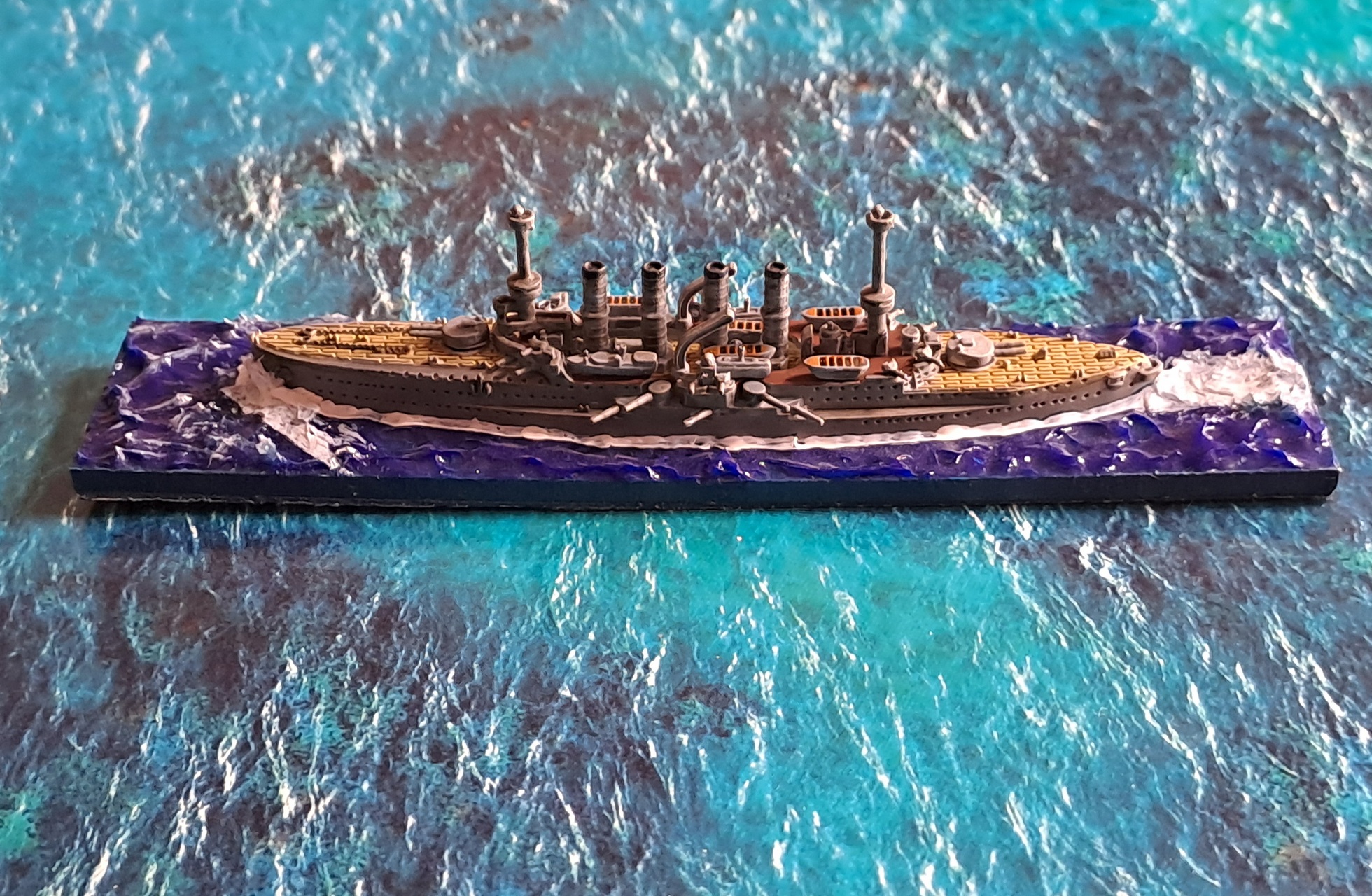
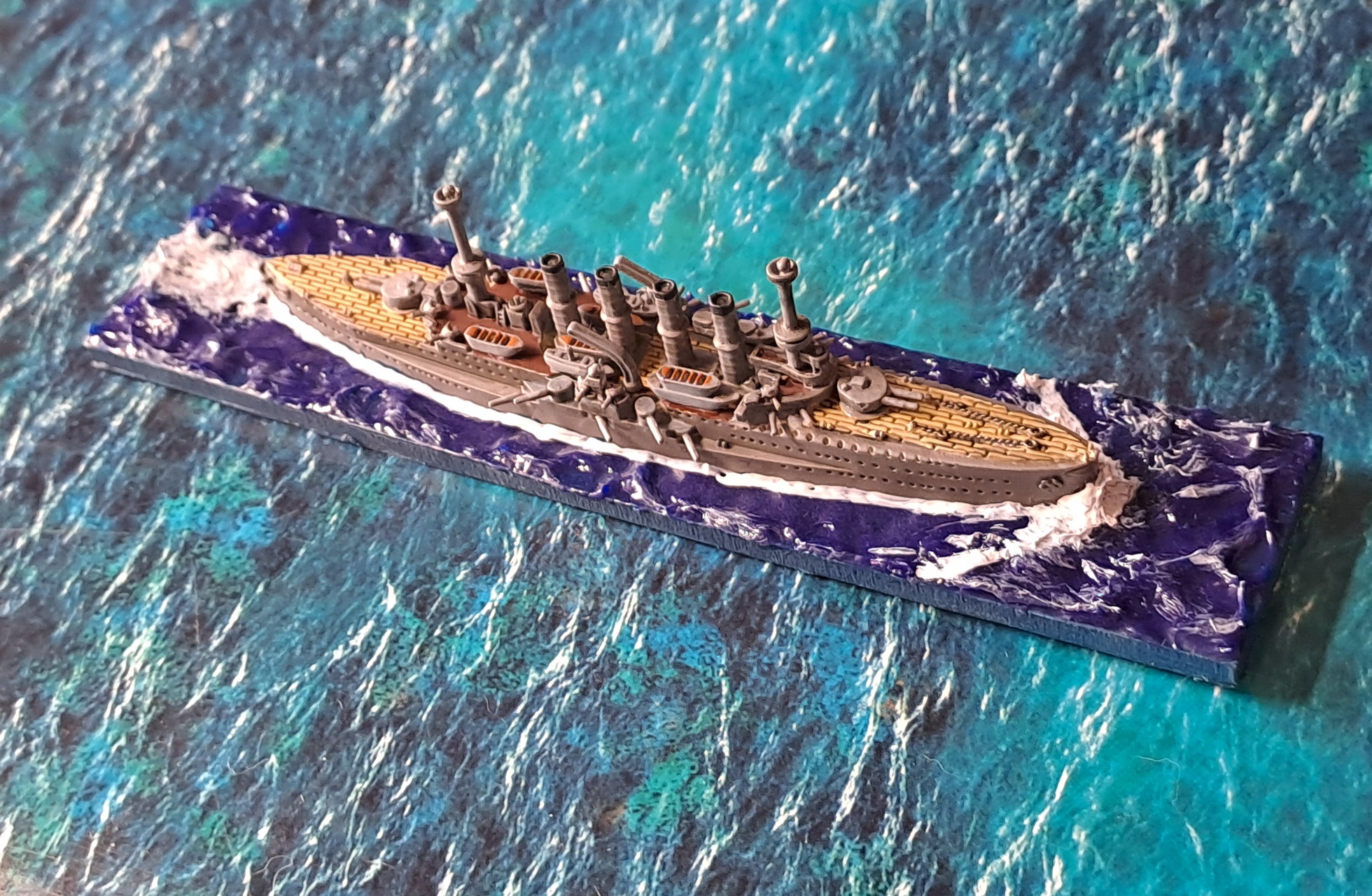
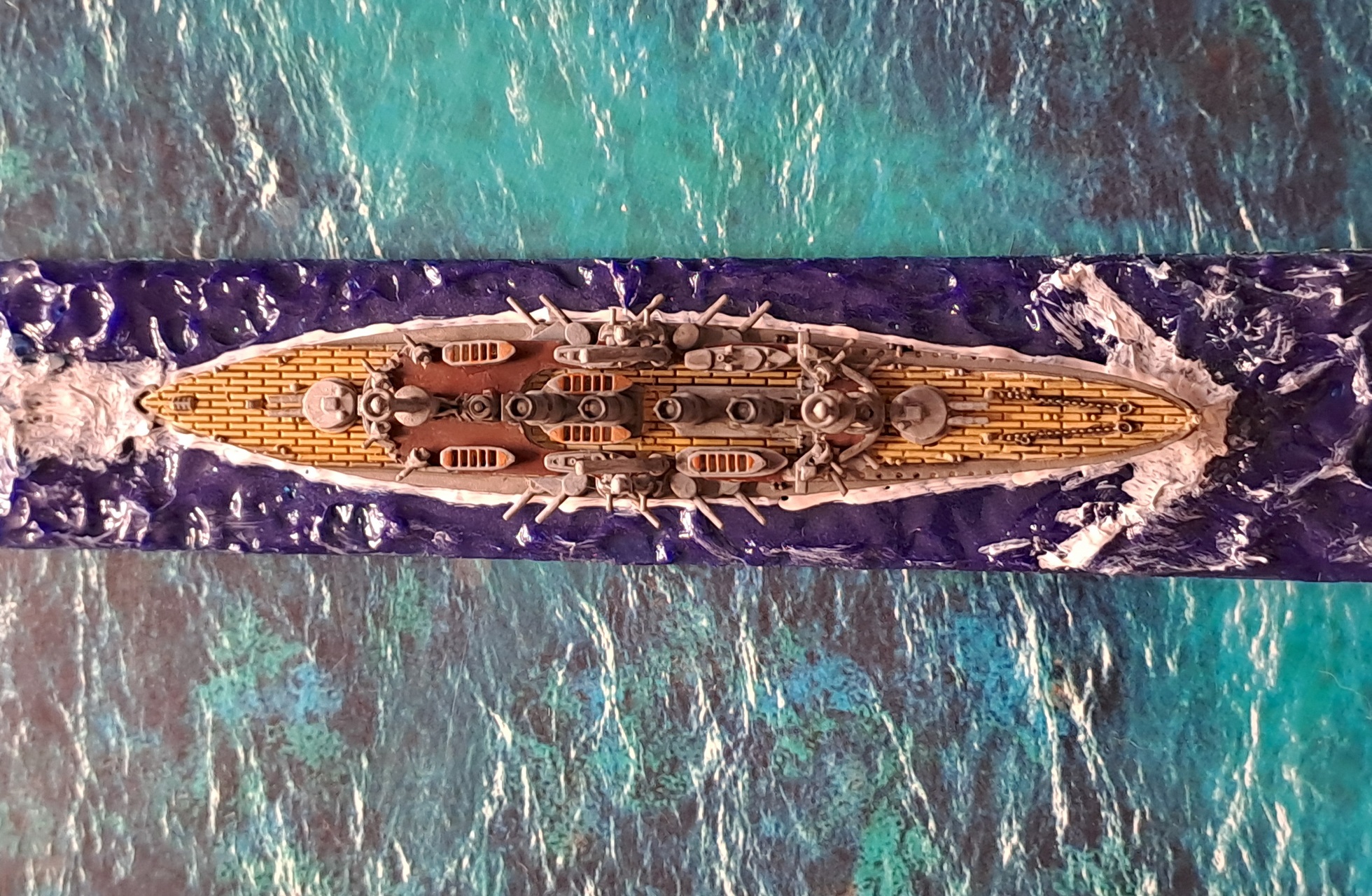
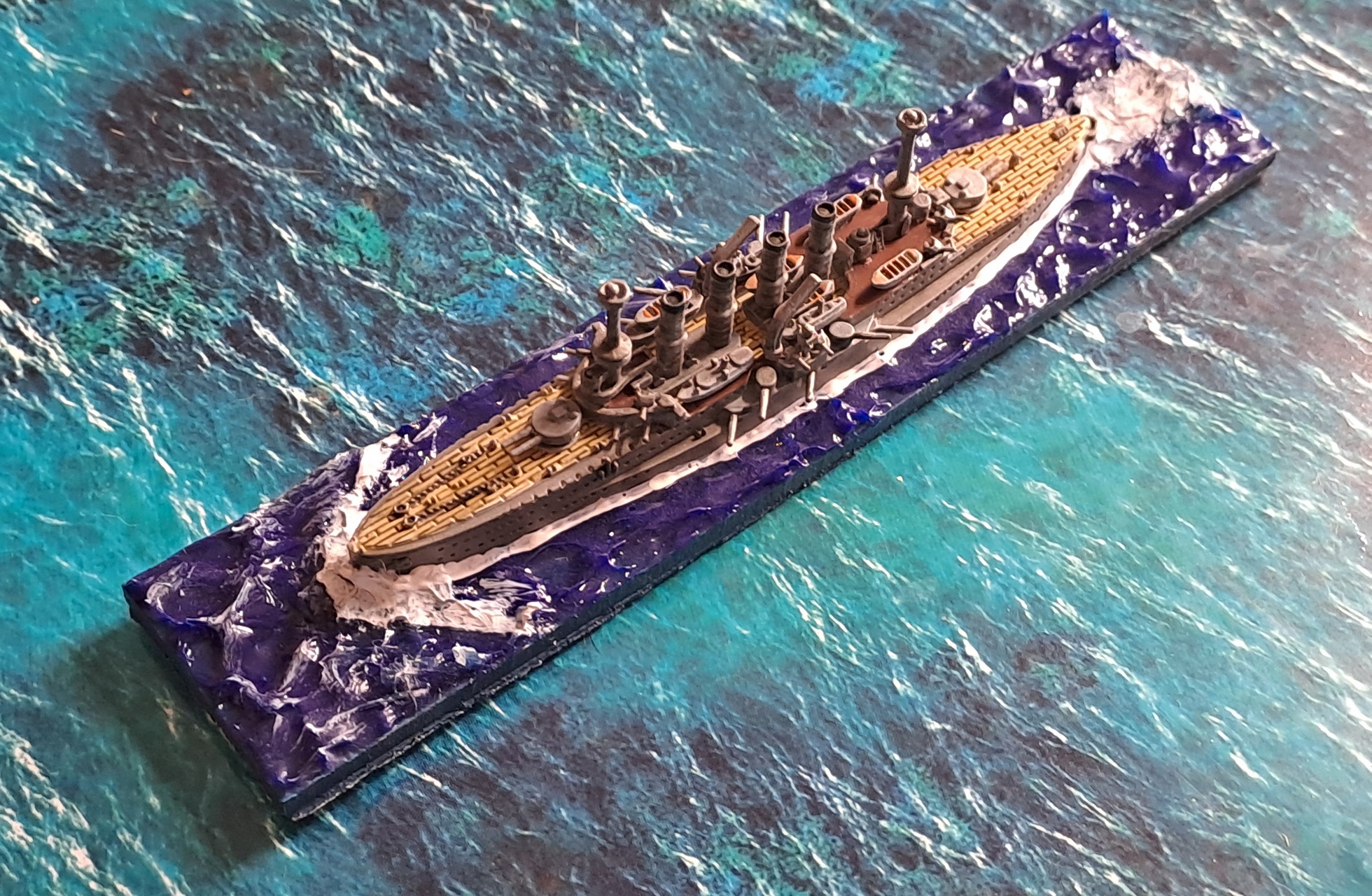
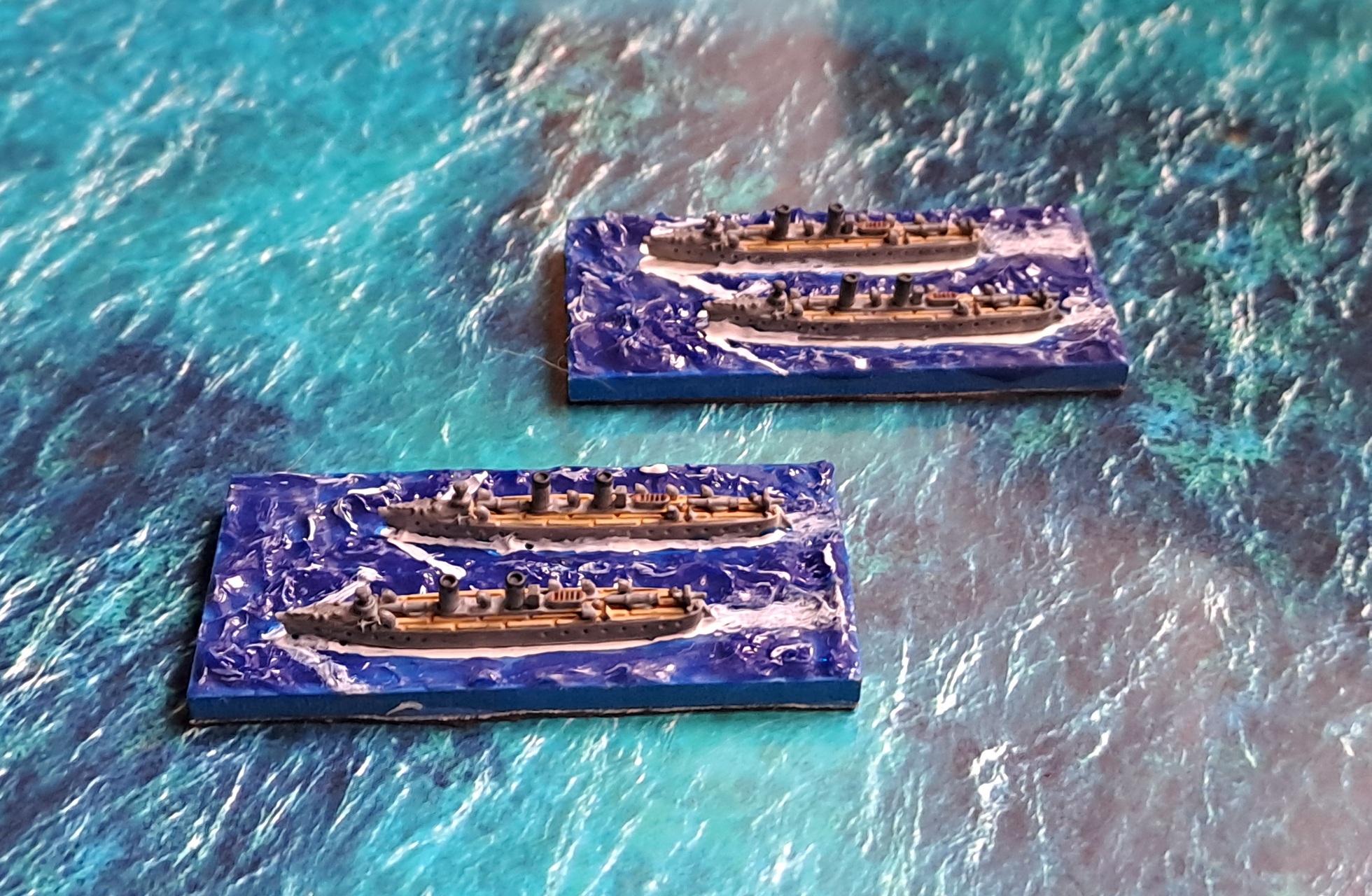
🇬🇧 Today I managed to finish Roon – another armored cruiser for the Kaiserliche Marine, the fleet of the German Empire at the turn of the 19th and 20th centuries.

To complete the squadron and play the first game, I still need to finish the S90/G135 torpedo boat division and I’ll be able to play a battle with Cornholio against his Marine Nationale. ⚓

The Roon-class armoured cruisers were based on the preceding Prinz Adalbert class, though they incorporated certain improvements. However, not all of these enhancements were successful; for instance, the ships failed to achieve their initially projected speed, casting doubt on their effectiveness as the fleet’s fast wing.

These cruisers were intended not to attack enemy shipping but to operate alongside the main fleet, similar to the Japanese “L” tactic. Unfortunately, the Roon-class ships were too lightly armoured and too slow for this role. Despite these less-than-ideal characteristics, they could still be effectively employed in other capacities, particularly in destroying enemy protected cruisers and smaller vessels, for which their armament and armour would be more than adequate.

* – description of the Roon by GMBoardgames.

🇵🇱 Dziś udało mi się ukończyć Roona – kolejny krążownik pancerny do Kaiserliche Marine – floty Cesarstwa Niemieckiego z przełomu XIX i XX wieku.

Do ukończenia eskadry i pierwszej gry pozostał jeszcze dywizjon torpedowców S90/G135 i będę mógł z Cornholio rozegrać starcie z jego Marine Nationale. ⚓

Krążowniki pancerne typu Roon były oparte na poprzedzającym je typie Prinz Adalbert, aczkolwiek zastosowano na nich pewne udoskonalenia. Nie wszystkie skończyły się sukcesem, gdyż jednostki np. nie osiągnęły zakładanej wcześniej prędkości, przez co ich służba jako szybkiego skrzydła floty stała pod znakiem zapytania. Ich przeznaczeniem miało być bowiem nie uderzanie w nieprzyjacielską żeglugę, ale właśnie współpraca z flotą główną, podobnie jak to czynili np. Japończycy (słynna taktyka “L”).

Niestety do tej roli jednostki typu Roon były zbyt słabo opancerzone i zbyt wolne do swojej roli. Mimo tych nienajlepszych charakterystyk mogą być jednak z powodzeniem wykorzystane do wielu innych ról, przede wszystkim niszczenia krążowników pancernopokładowych i jeszcze mniejszych jednostek przeciwnika, do czego ich uzbrojenie i opancerzenie będzie w zupełności wystarczające.

* – opis Roona wg GMBoardgames.

🇬🇧 Summary:
– Just like the previously painted SMS Fürst Bismarck, this ship was very enjoyable to paint, and the boats did not pose any major difficulties during assembly.
– Two ships of this type were launched, so Roon, unlike the aforementioned SMS Fürst Bismarck, appears in more than a single unit.
– The ship is equipped with numerous medium-caliber guns with above-average range and good penetration. It is also armed with a considerable amount of light artillery, which is typical for German ships. Additionally, it carries four D4 torpedoes, and a successful hit from them can quickly cool many ambitions.
– The armor is quite good for cruisers present in the game-much better than that of Russian cruisers, although weaker than Japanese second-class cruisers. The ship is also equipped with a ram.
Base cost: 385 points.
– The full Gods of War assortment is available at: https://bolter.pl/en_US/index.


🇵🇱 Podsumowanie:
– Podobnie jak poprzednio pomalowany SMS Fürst Bismarck okręt malowało się przyjemnie, łodzie nie sprawiły większych trudności w montażu.
– Zwodowano dwie takie jednostki, tak więc Roon w przeciwieństwie do wymienionego powyżej SMS Fürst Bismarck występuje w więcej niż jednej sztuce.
– Okręt posiada liczną średnią artylerię posiadającą ponad przeciętny zasięg i dobrą siłę przebicia, dodatkowym uzbrojeniem jest liczna jak na okręty niemieckie artyleria lekka. Dodatkowym uzbrojeniem są cztery torpedy D4 których trafienie może skutecznie ochłodzić nie jedną ambicję.
– Pancerz jak na krążowniki występujące w grze jest całkiem dobry, o wiele lepszy od pancerza krążowników rosyjskich, za to gorszy od krążowników japońskich drugiej klasy. Dodatkowo okręt posiada taran.
Koszt bazowy wynosi: 385.
– Cały asortyment do Bogowie Wojny: Togo jest dostępny tutaj: https://bolter.pl/pl/c/BOGOWIE-WOJNY-TOGO/1787.