Gods of War: Togo – Baltic Fleet vs Martians (🇬🇧EN/🇵🇱PL) Wtorek, Sier 19 2025 

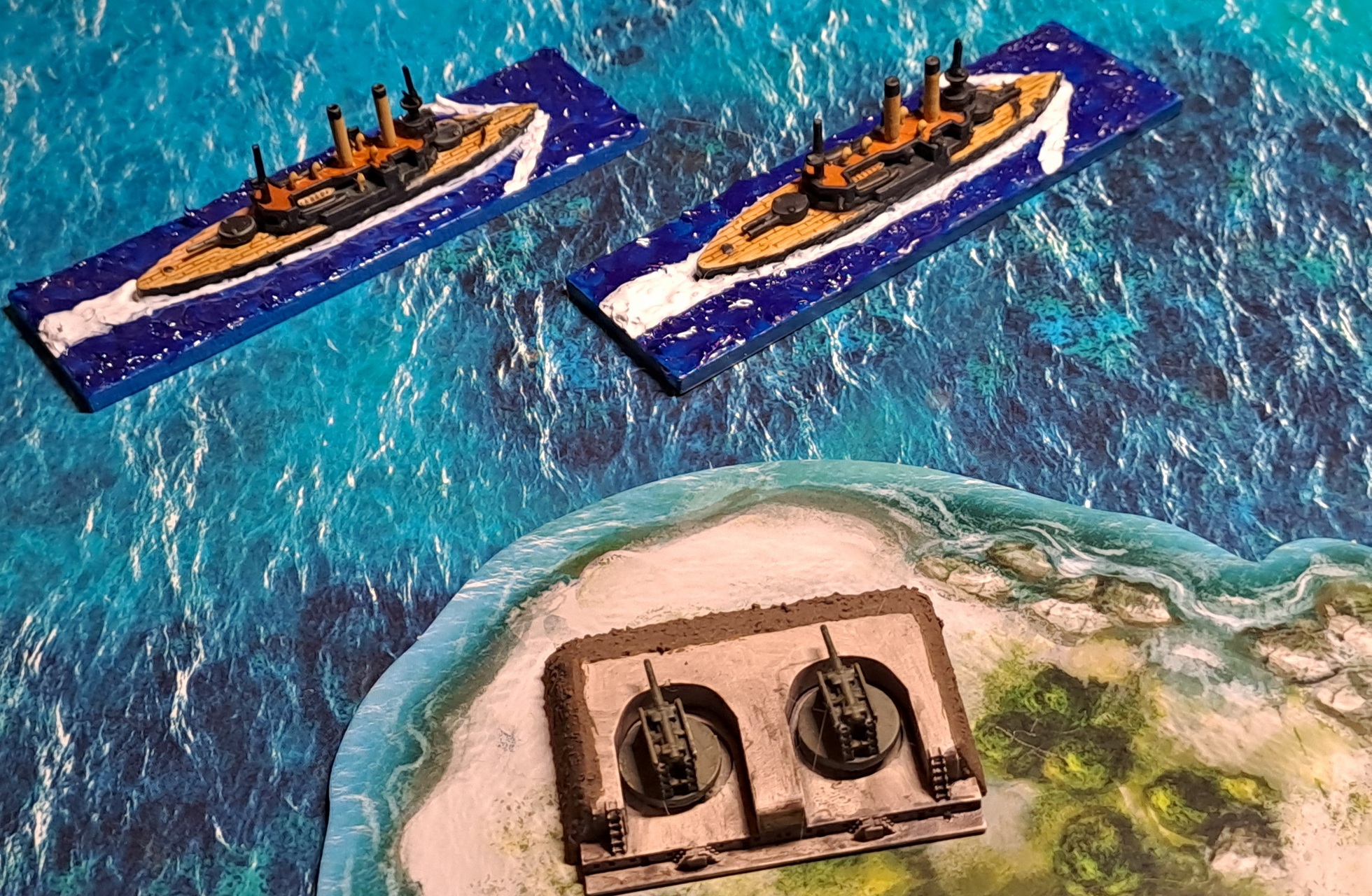
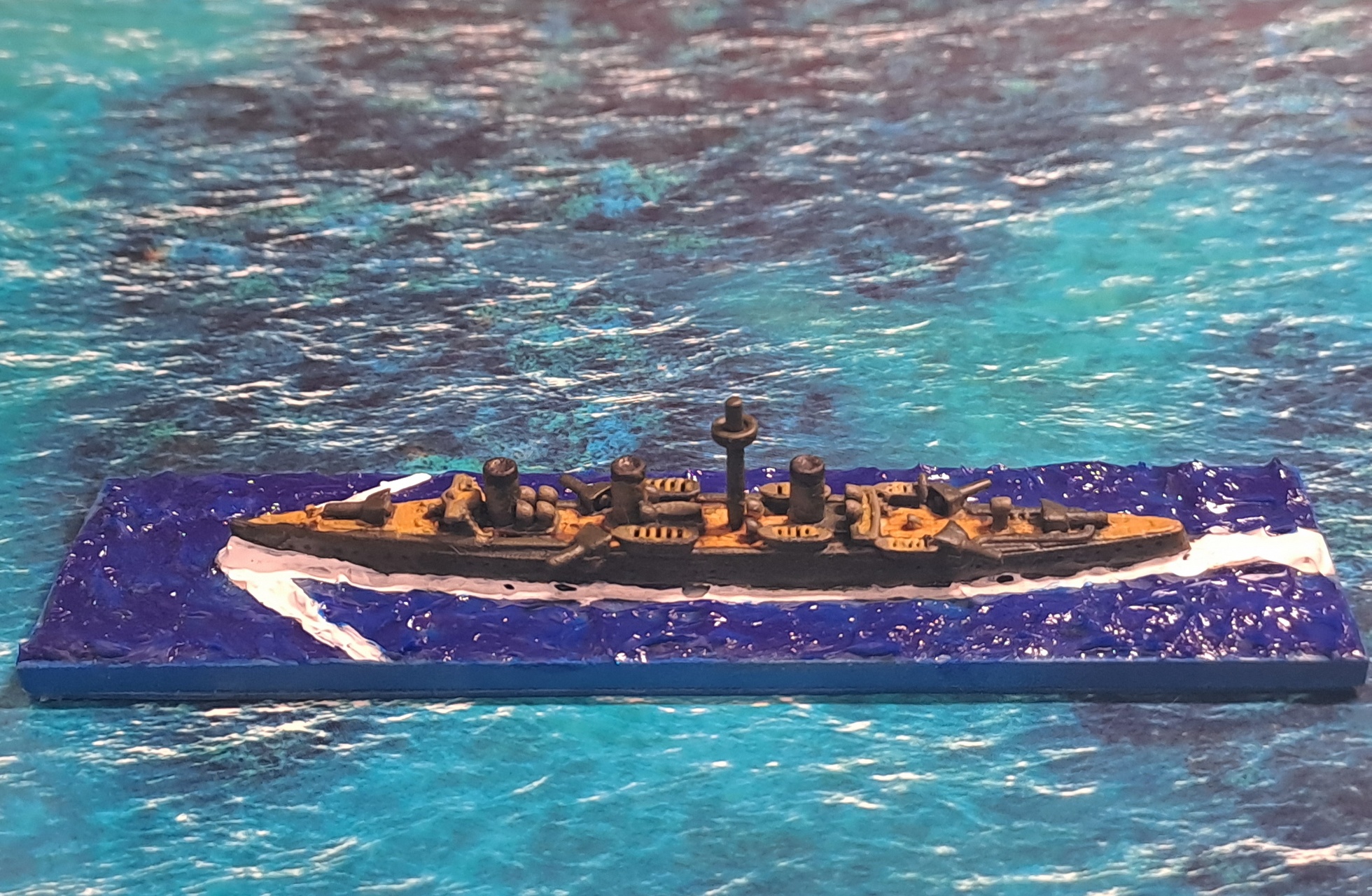
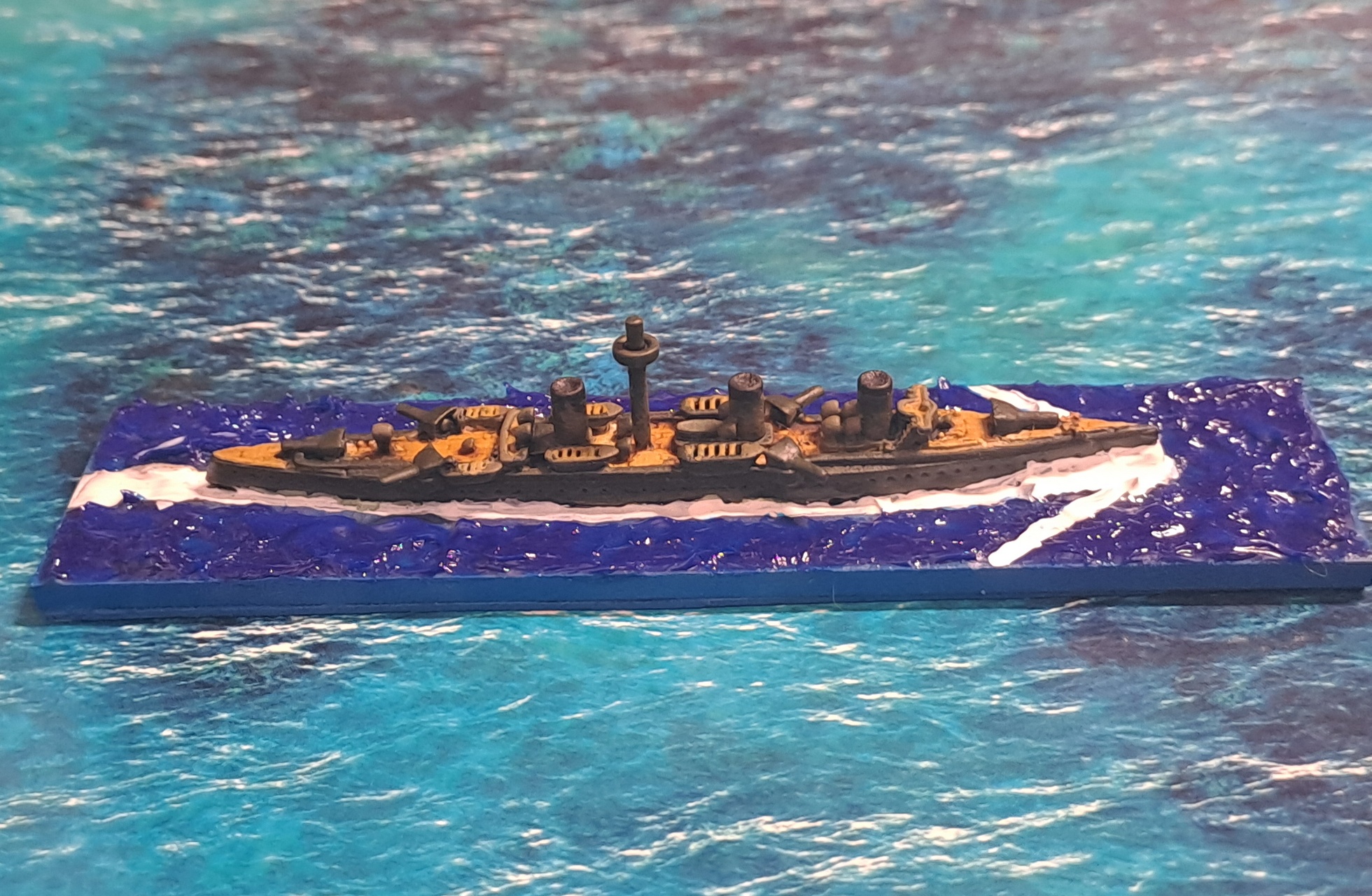
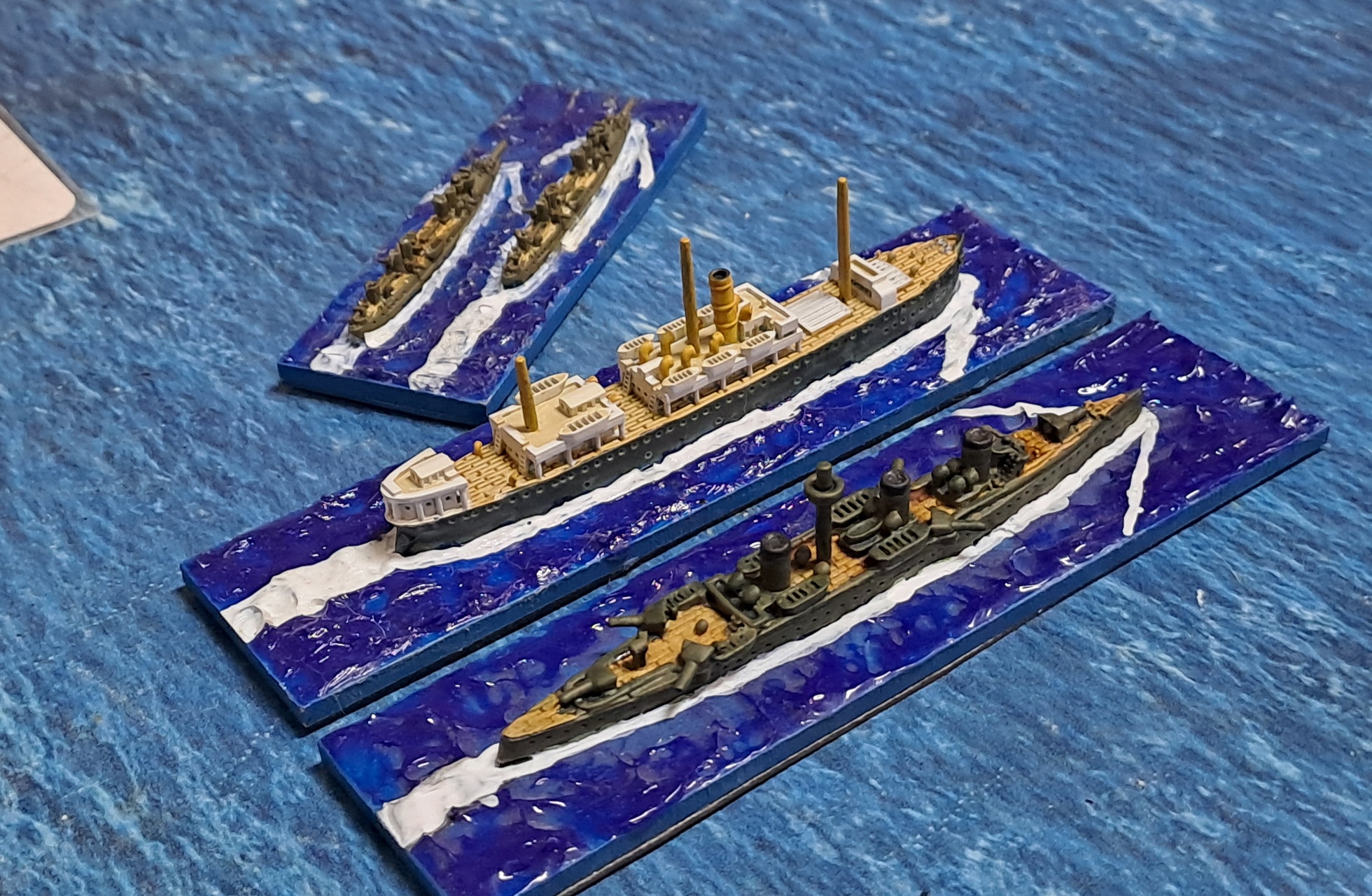
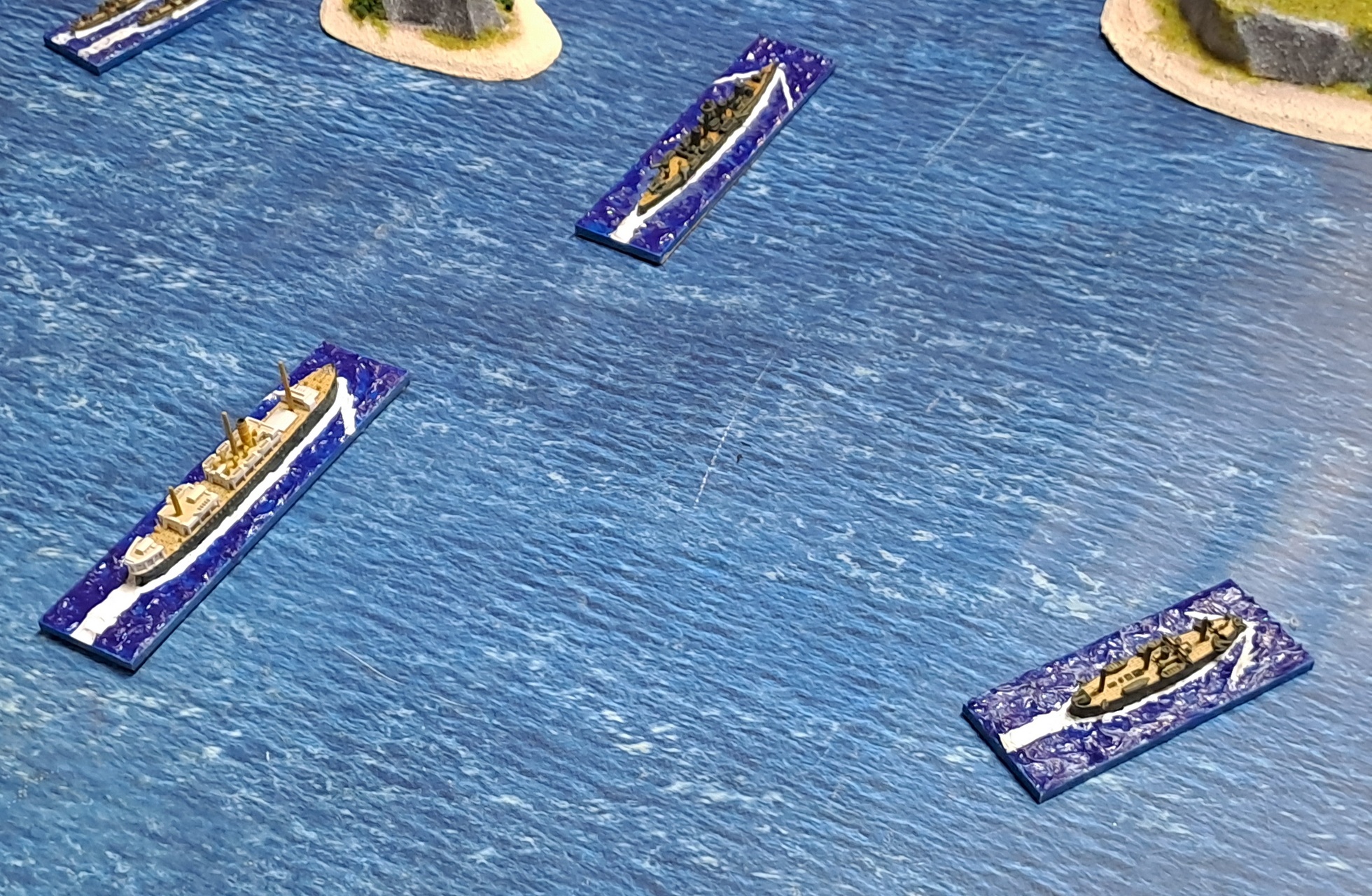
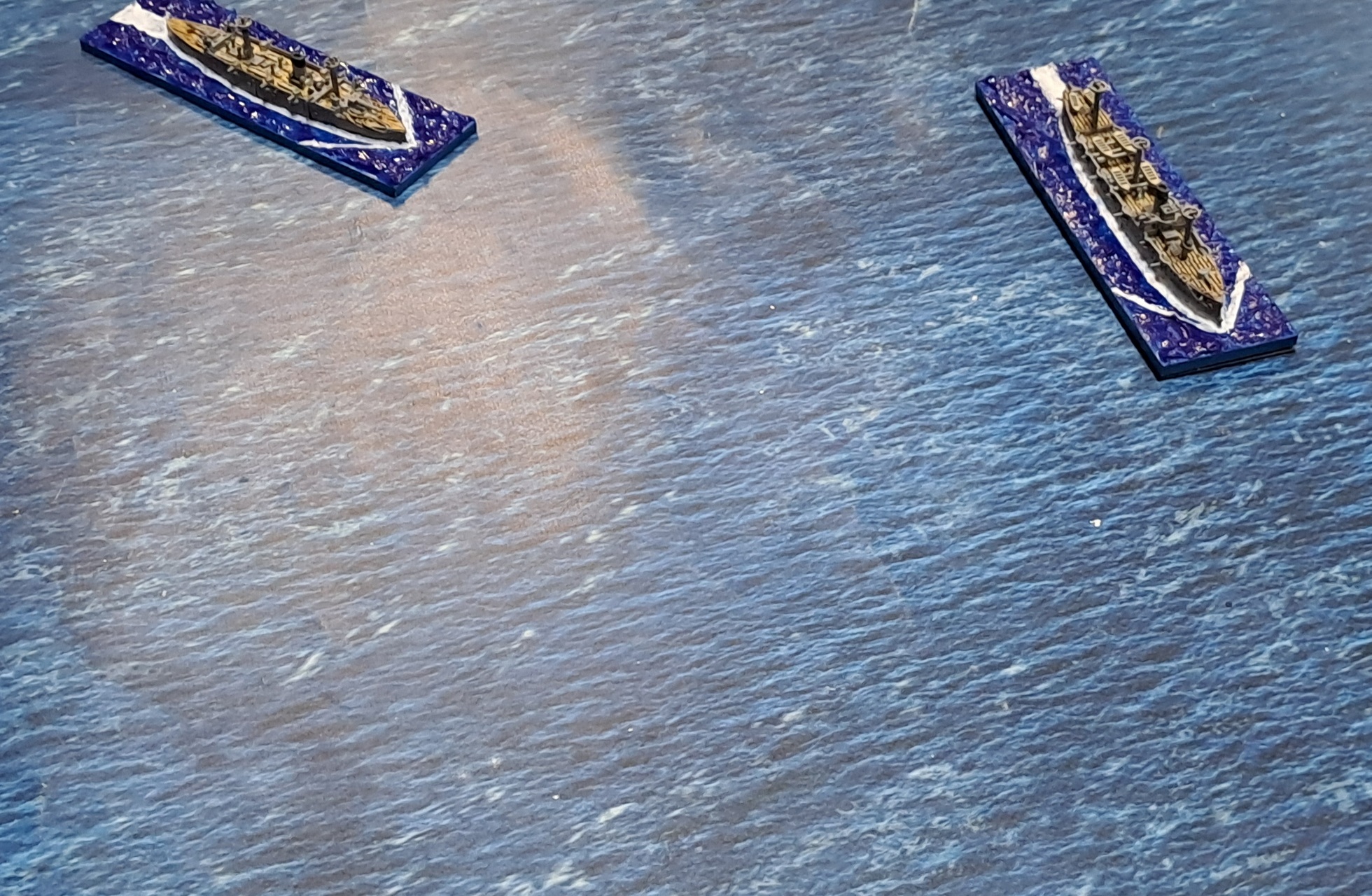
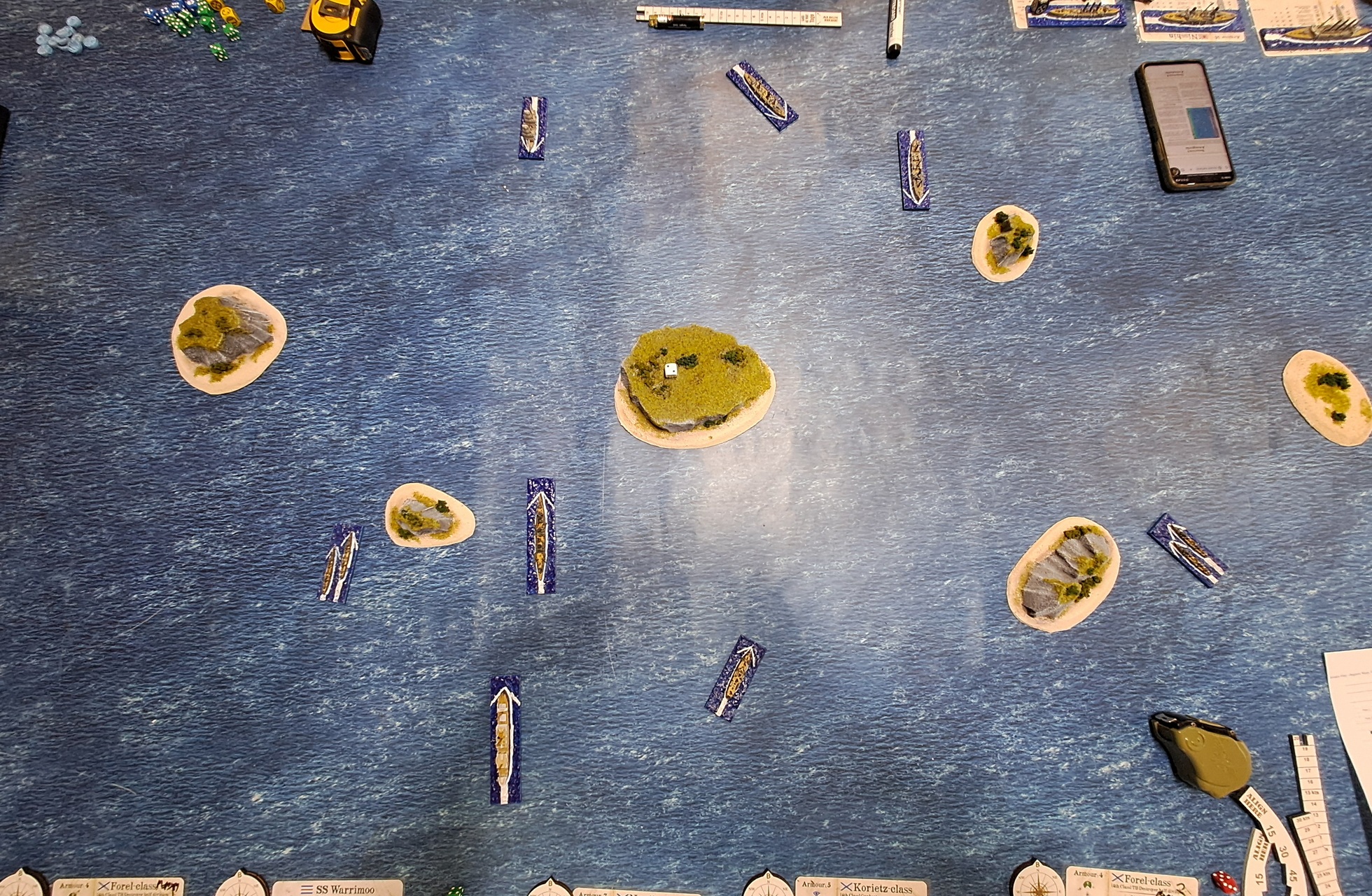
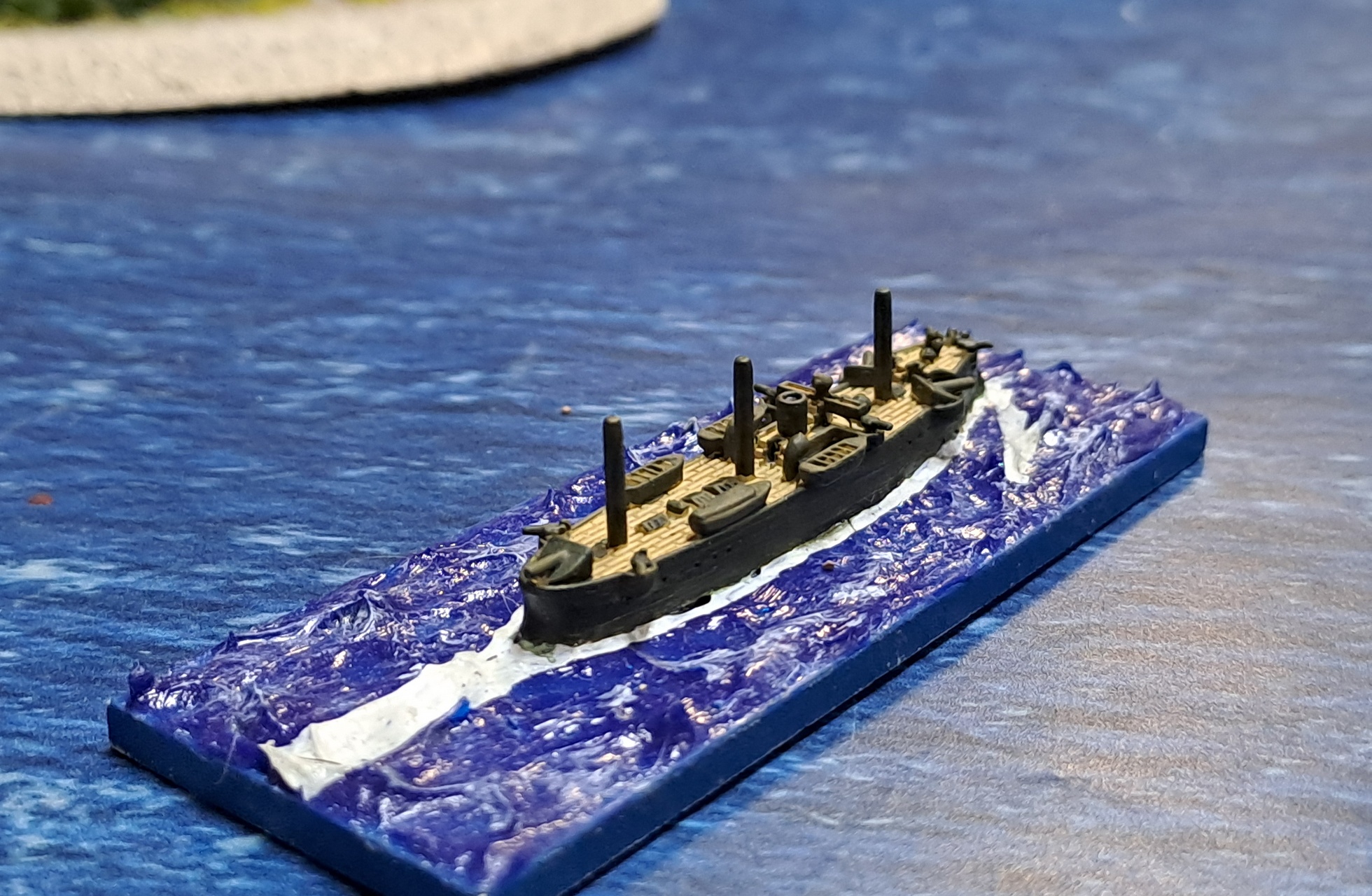
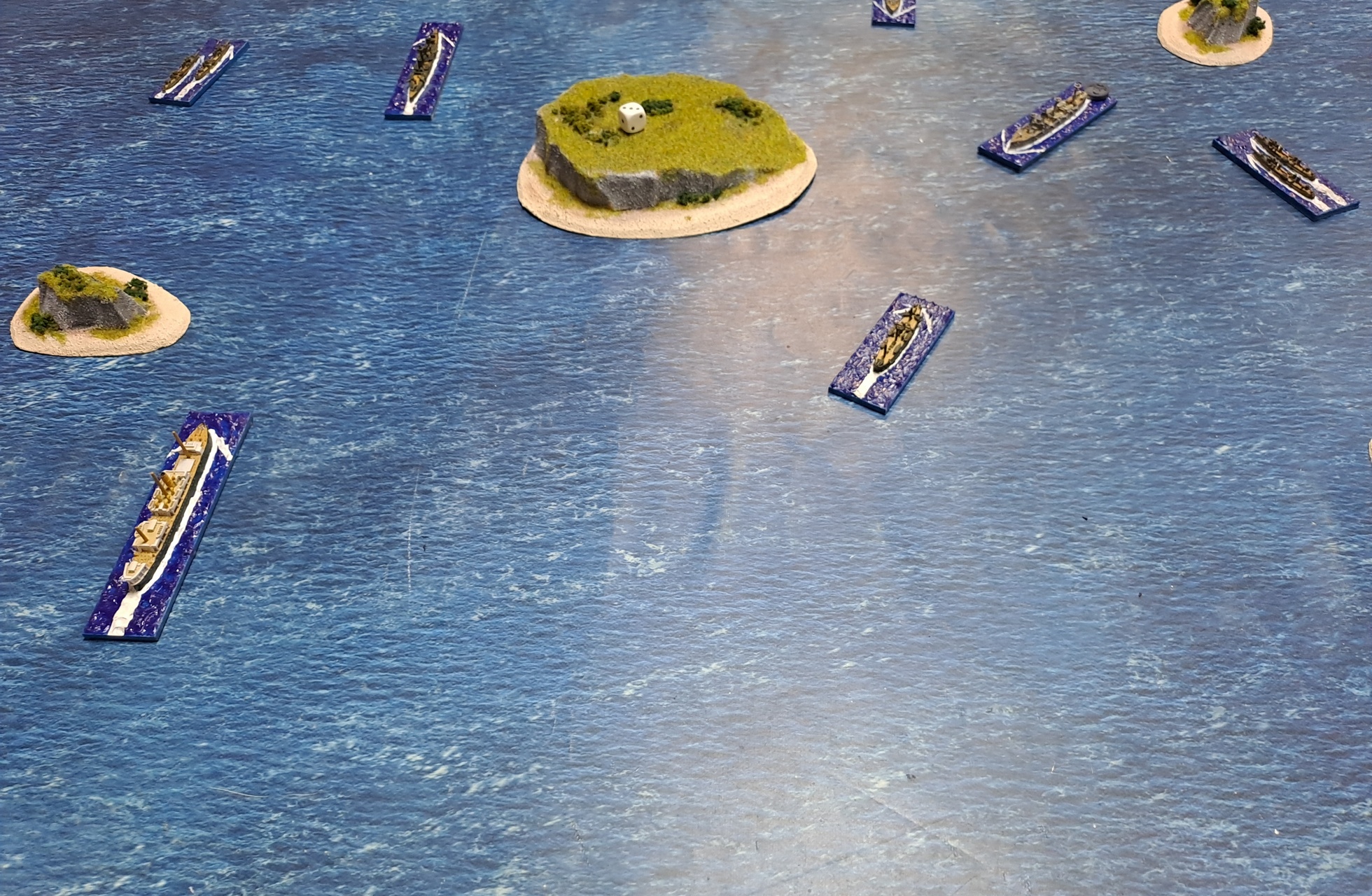
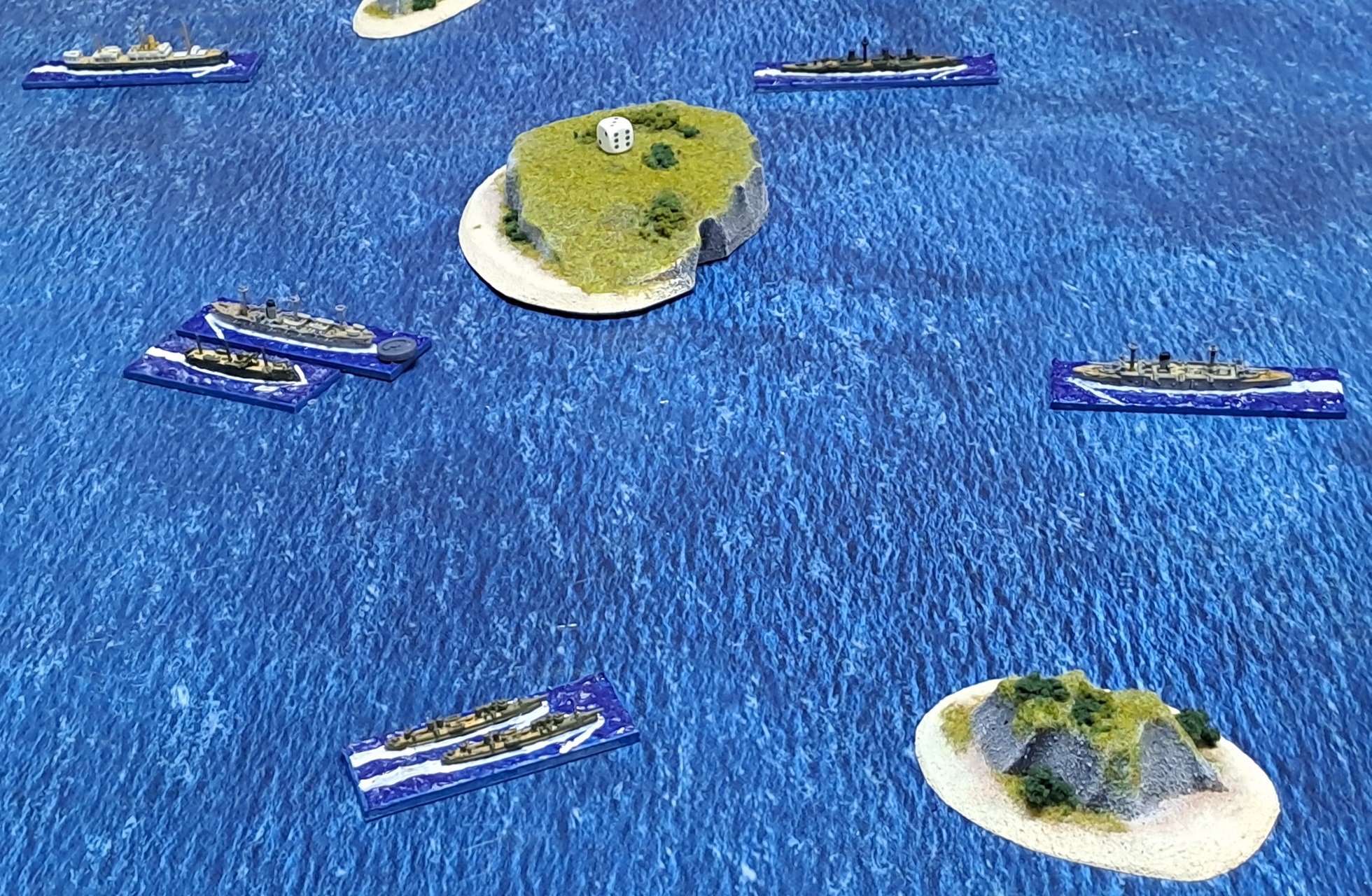
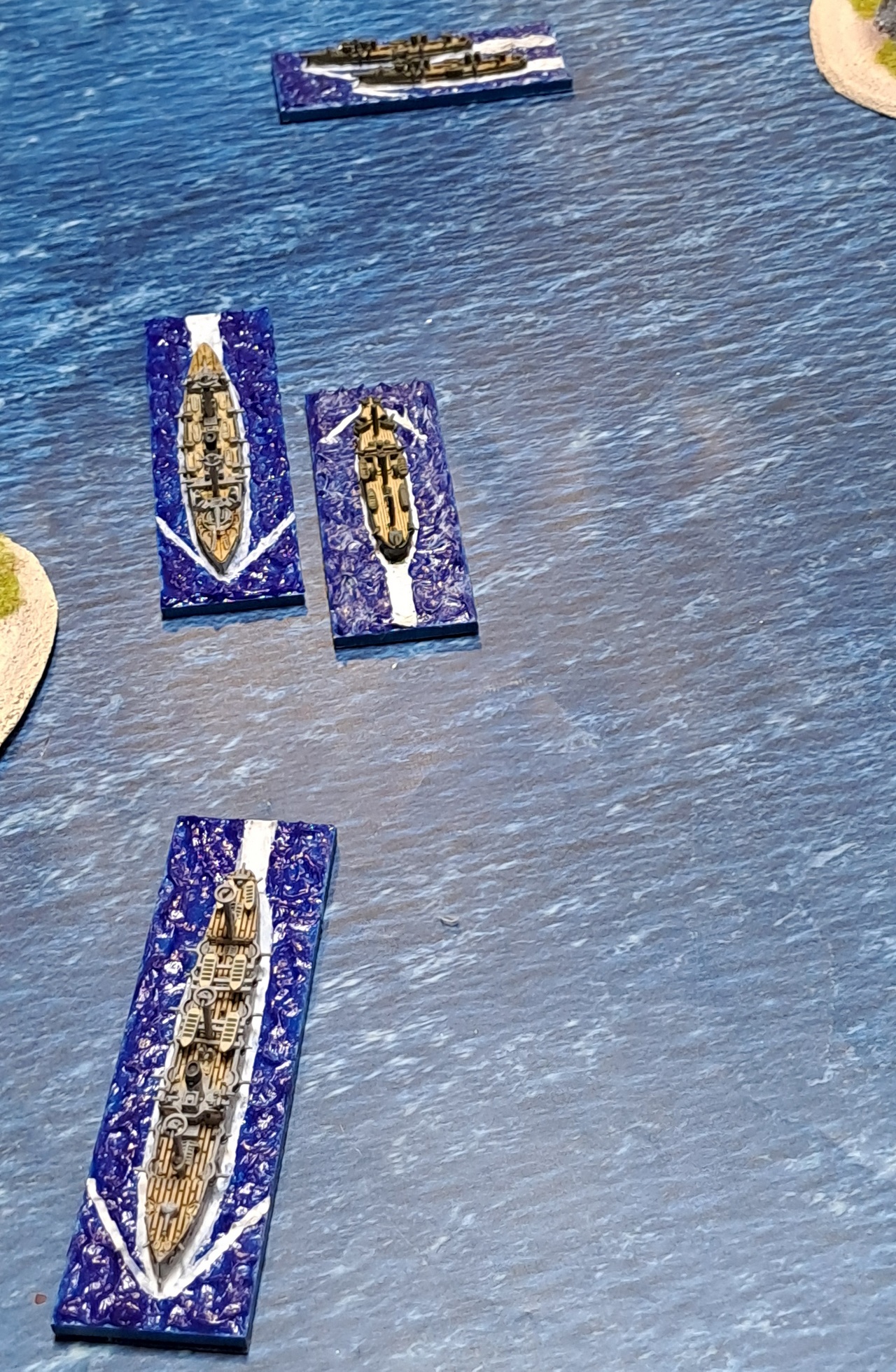
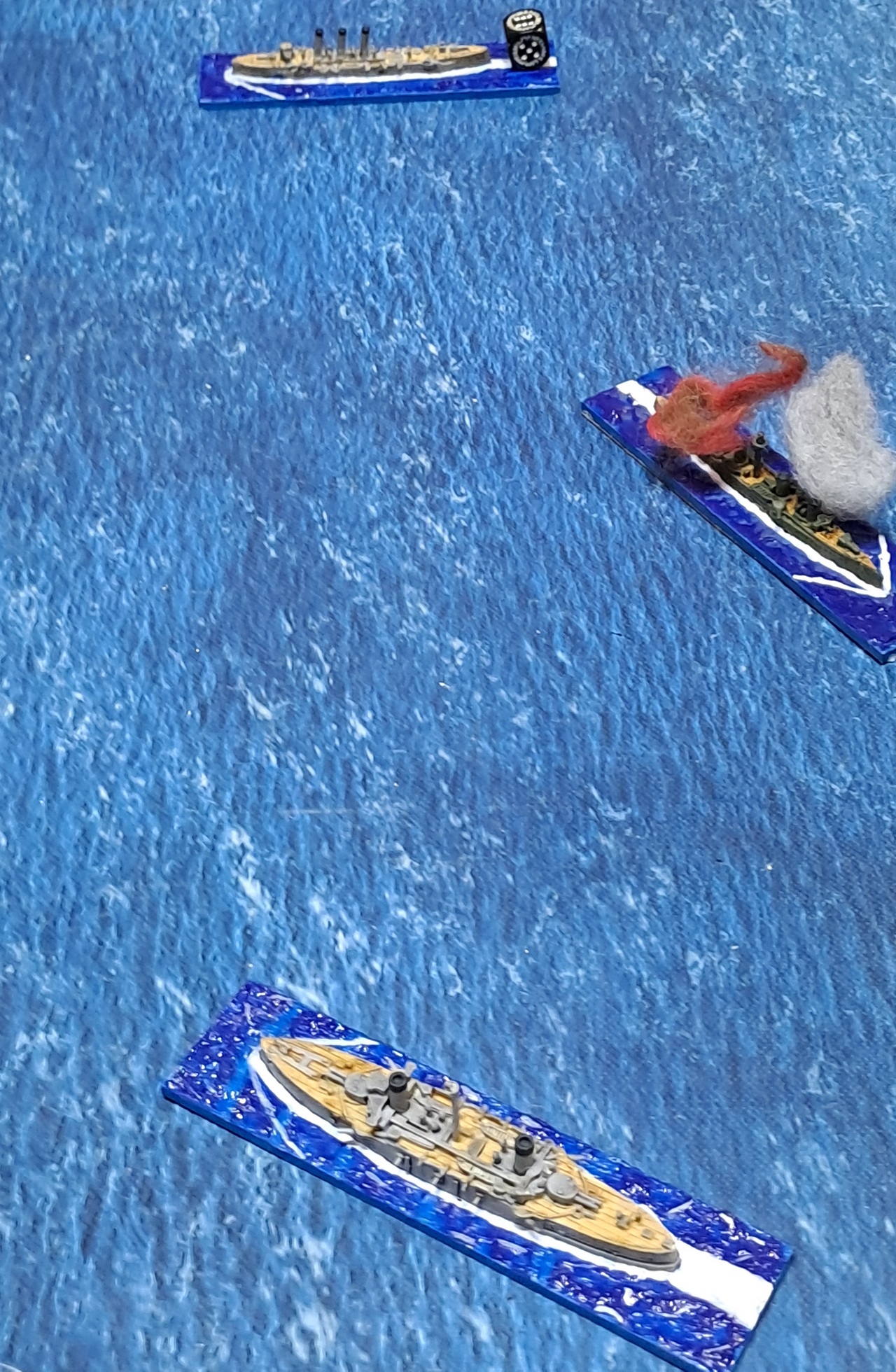
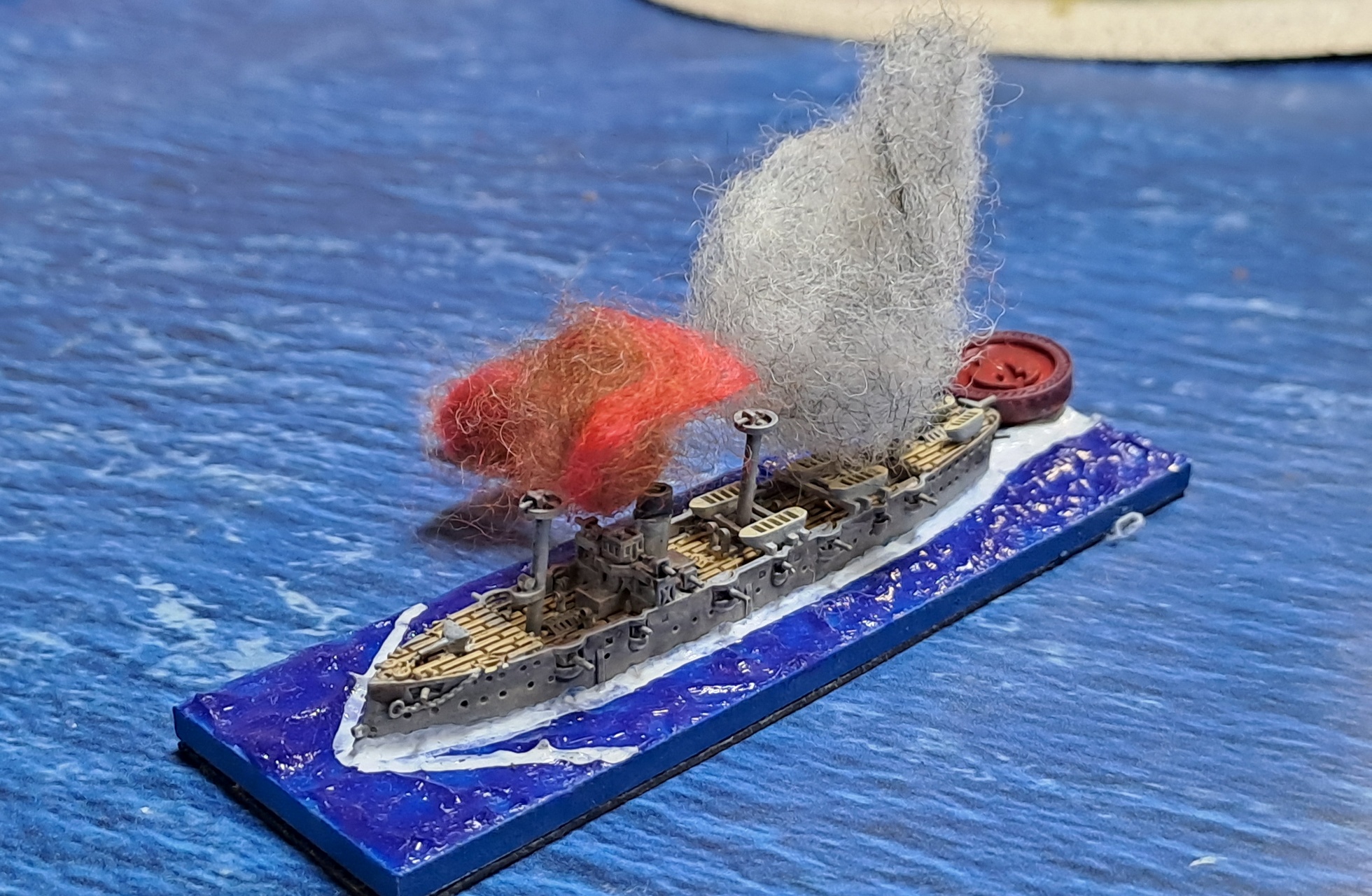
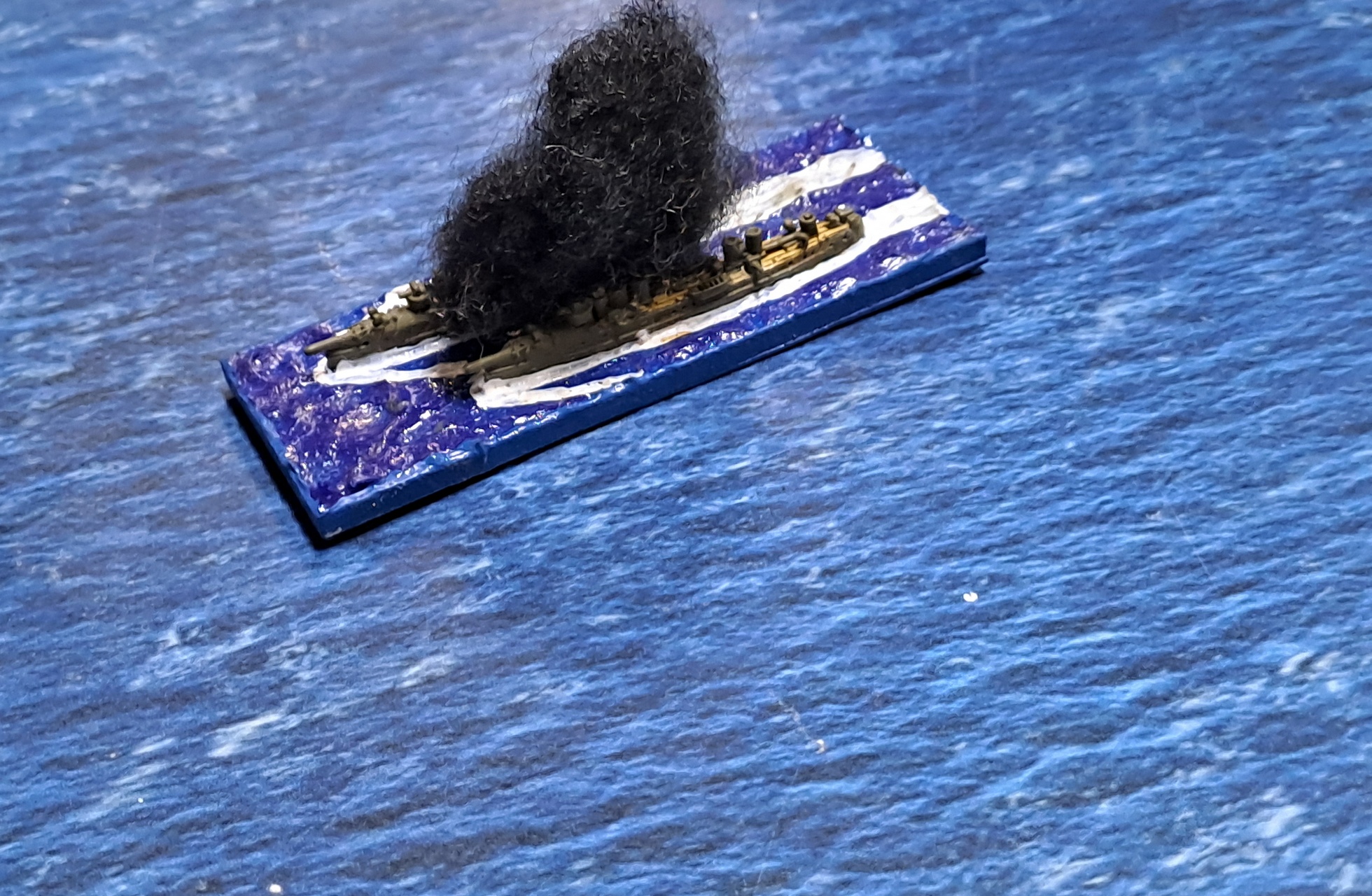
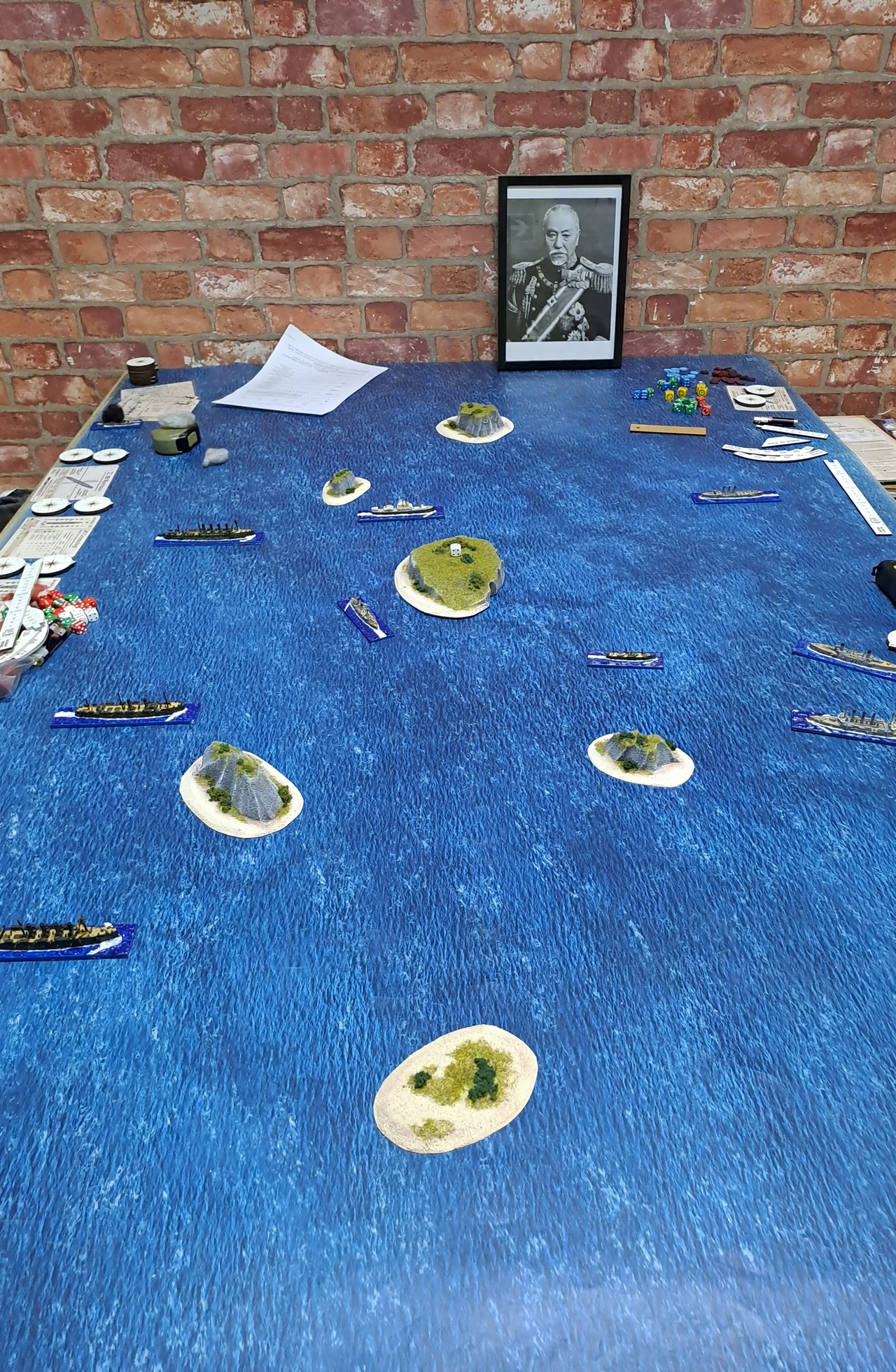
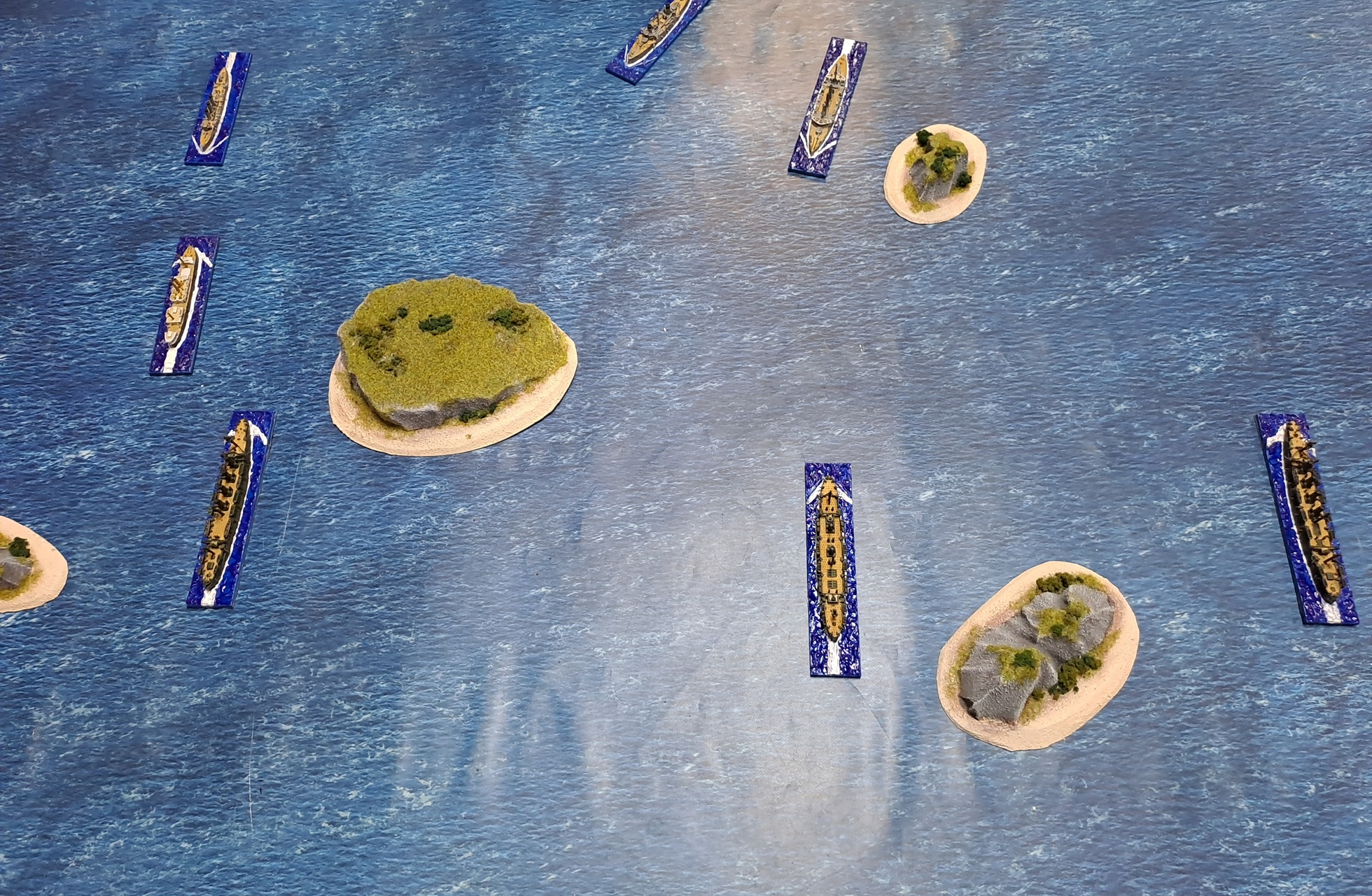
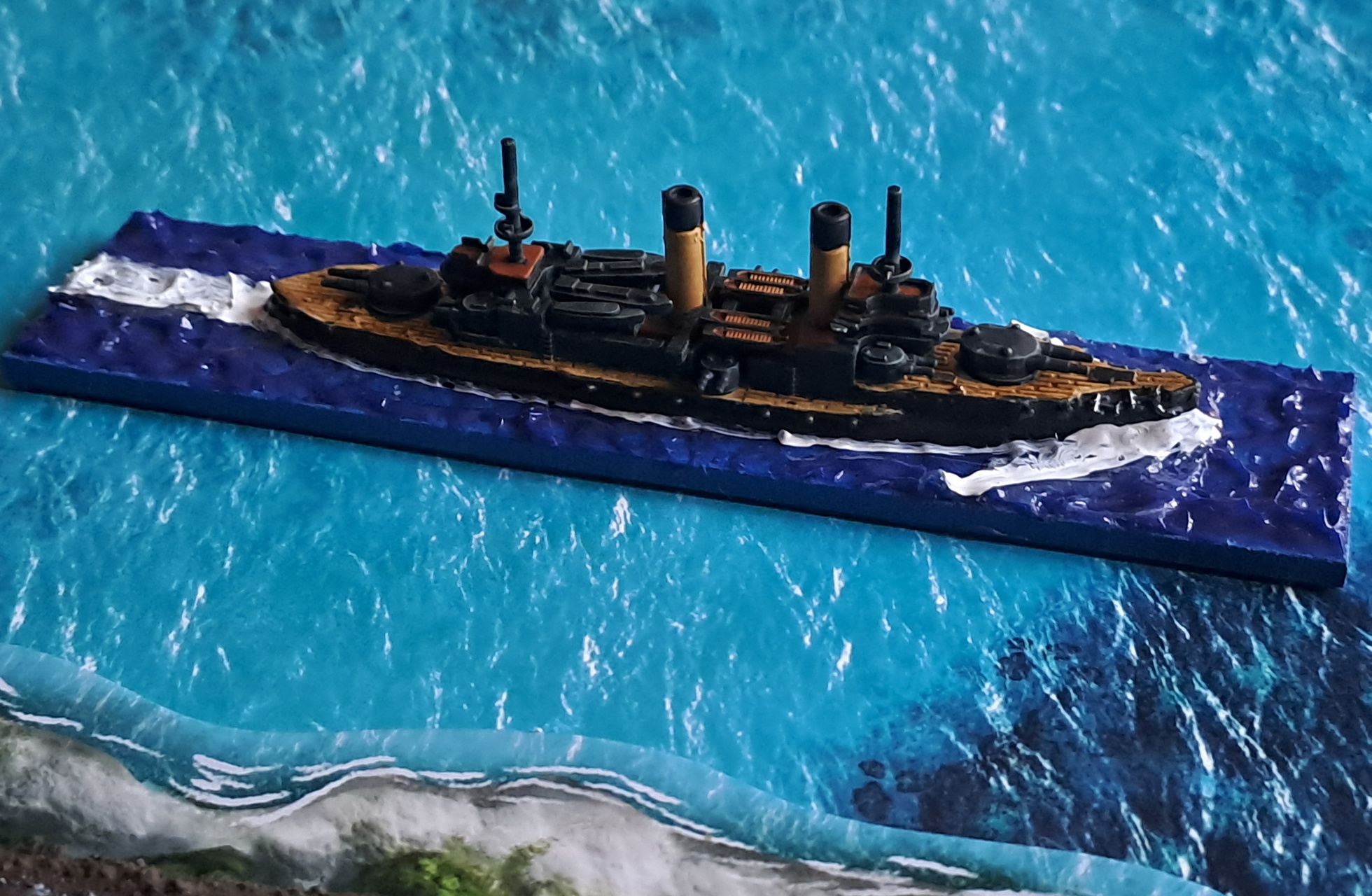
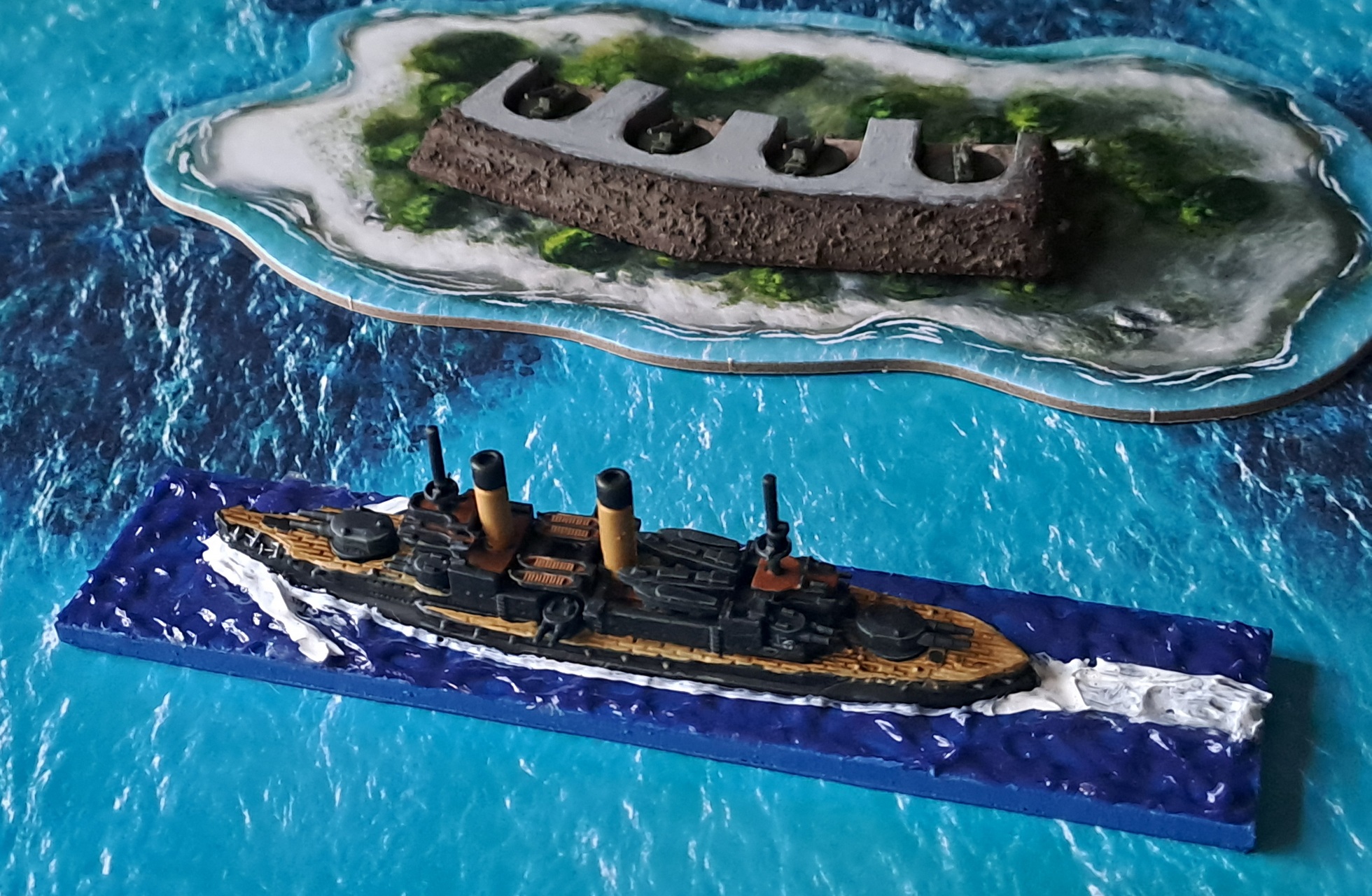
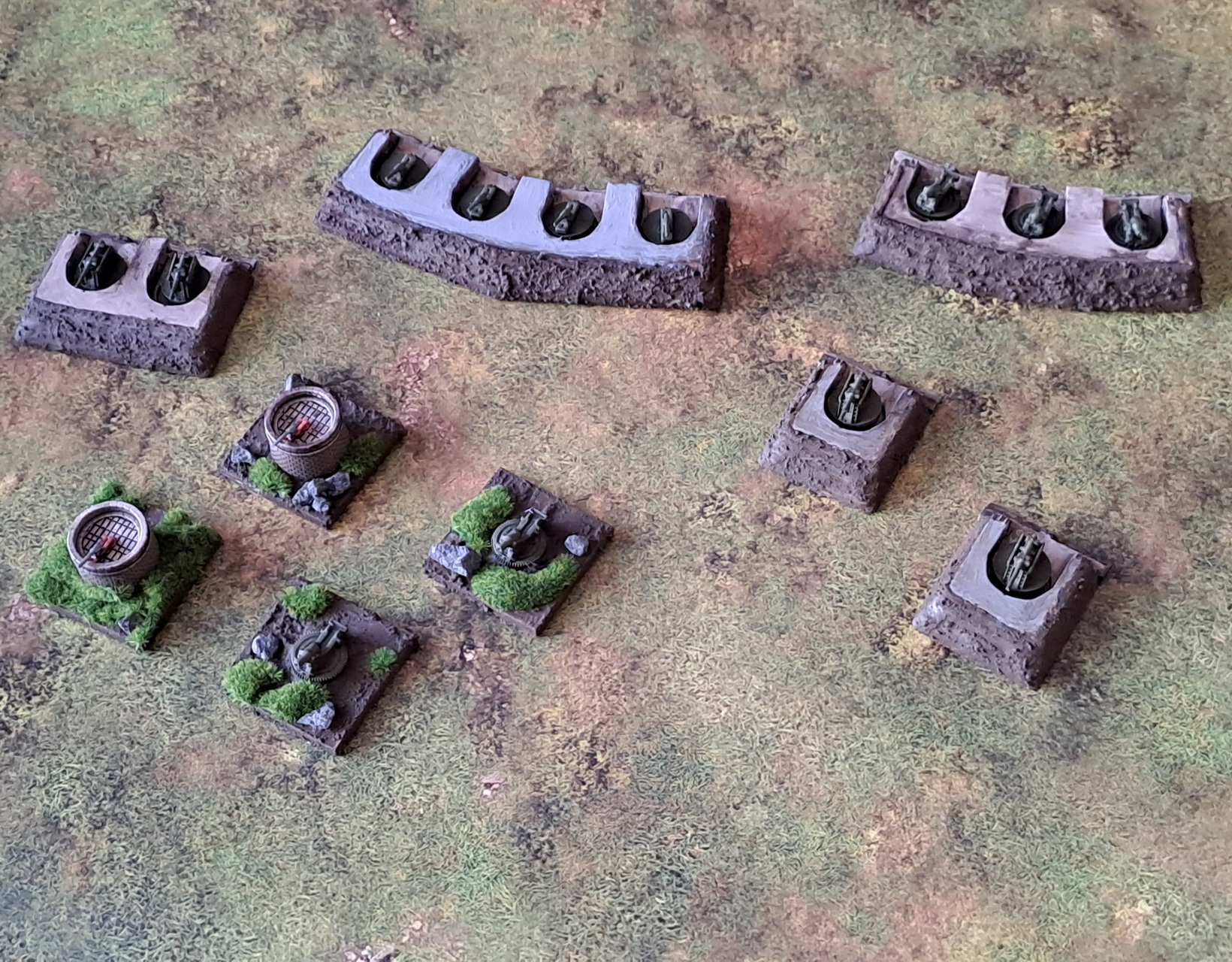
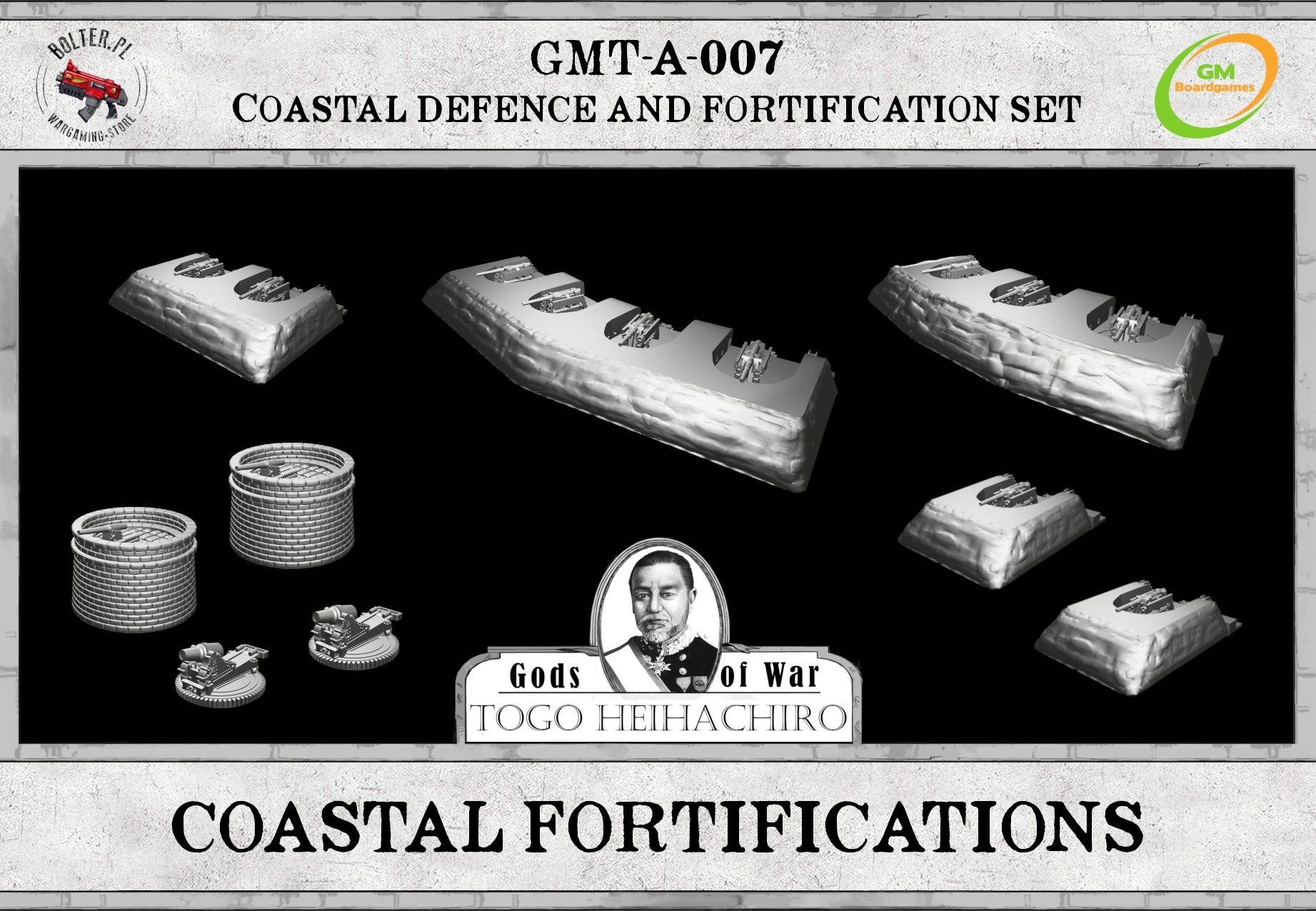
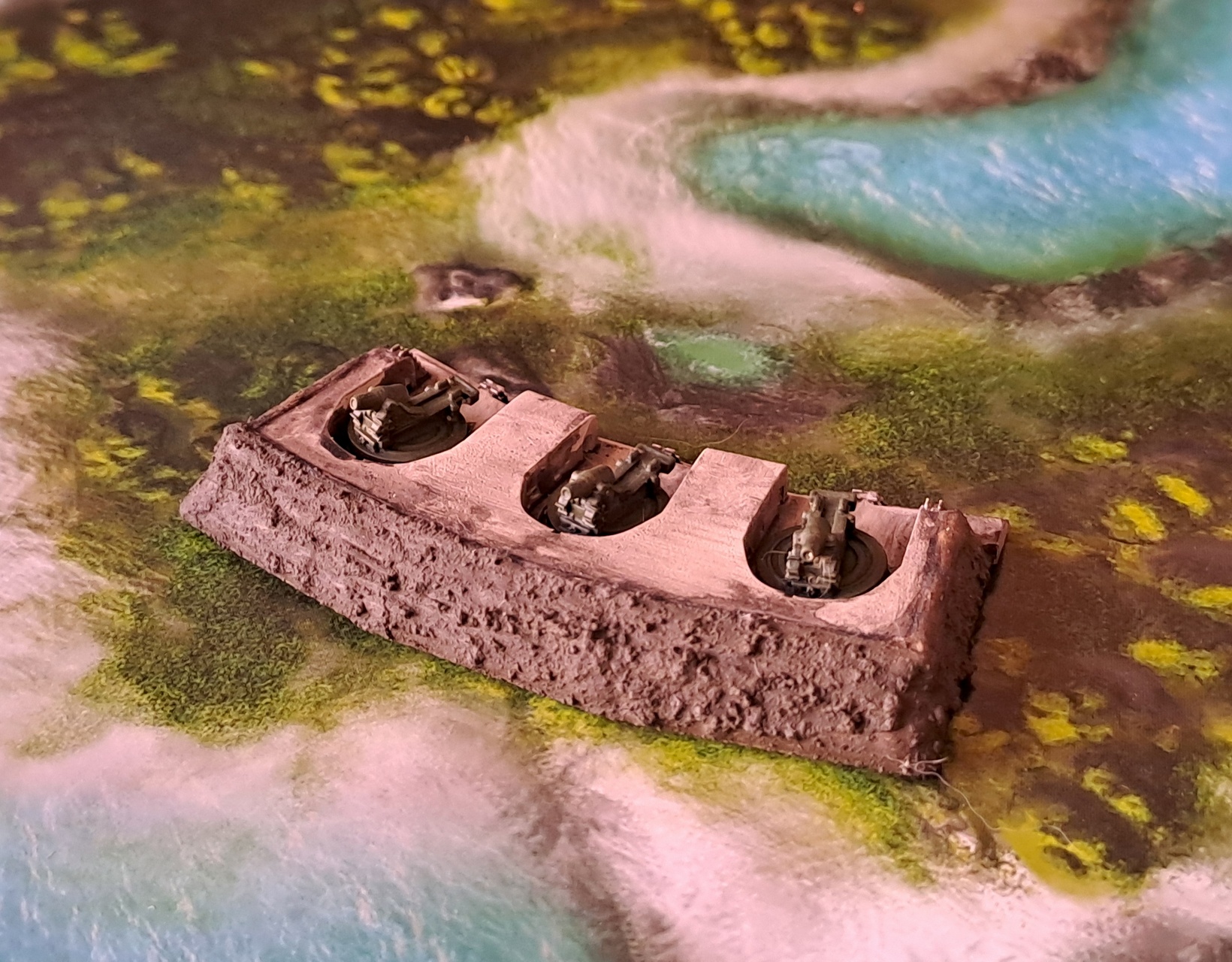
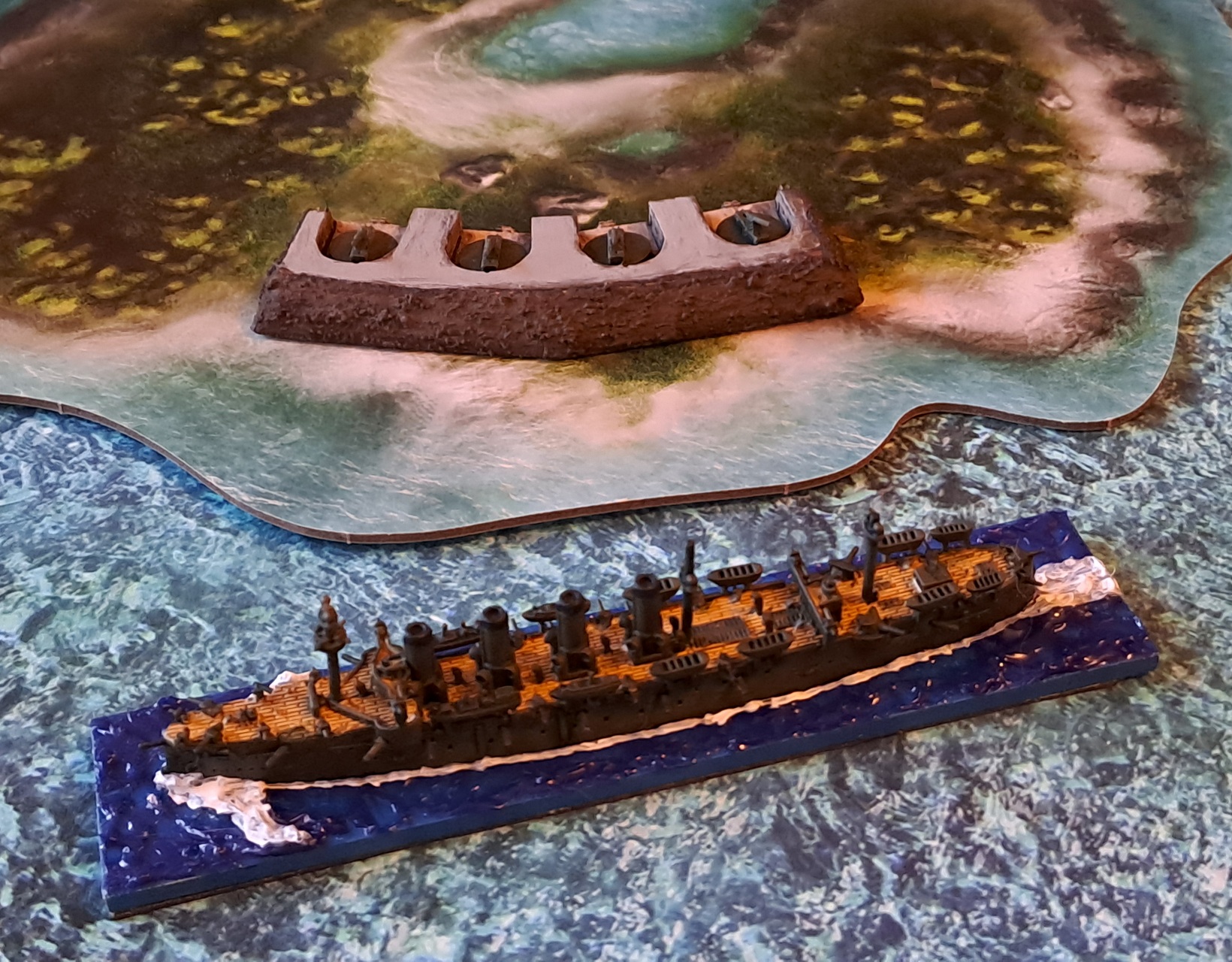
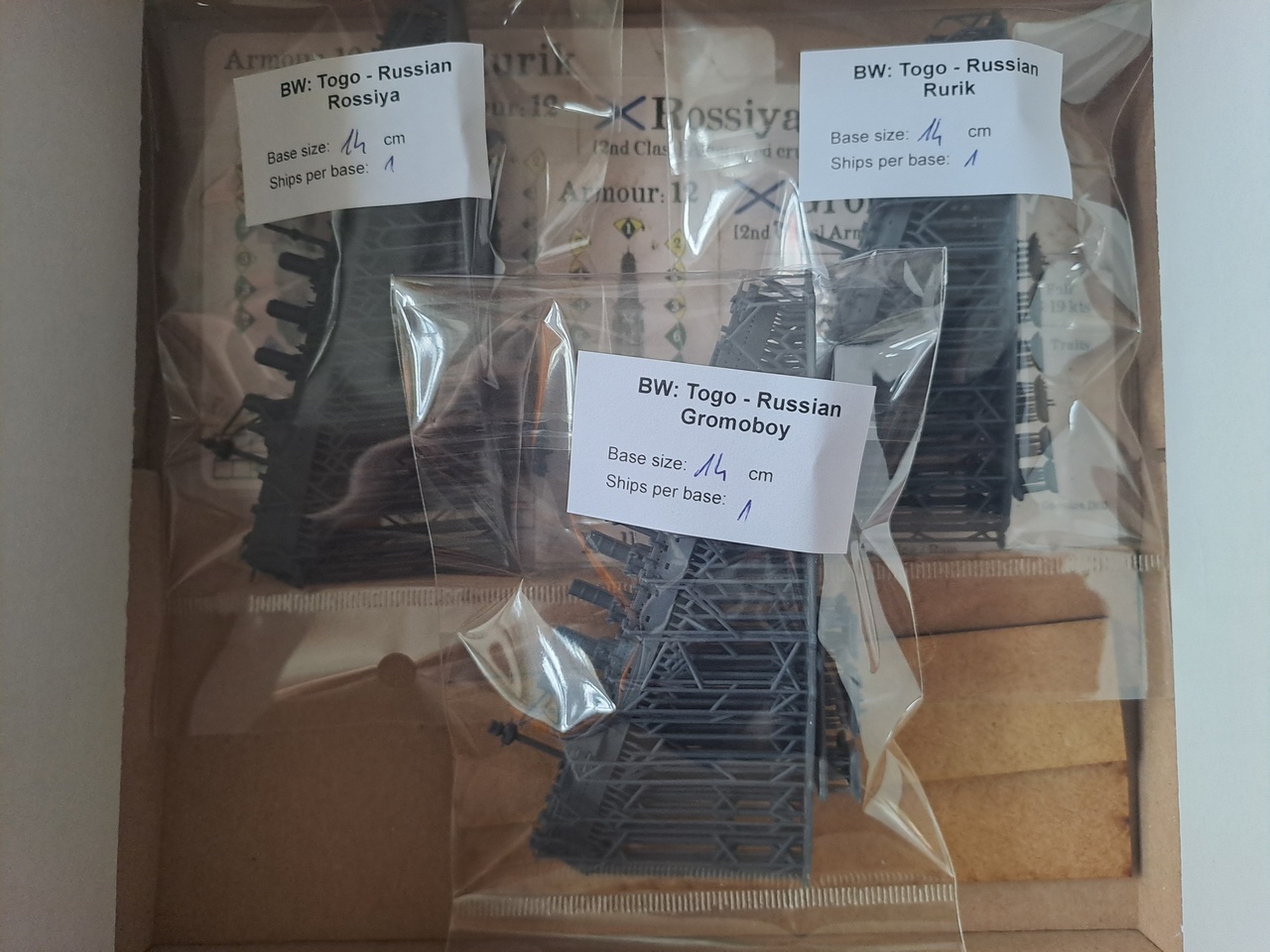
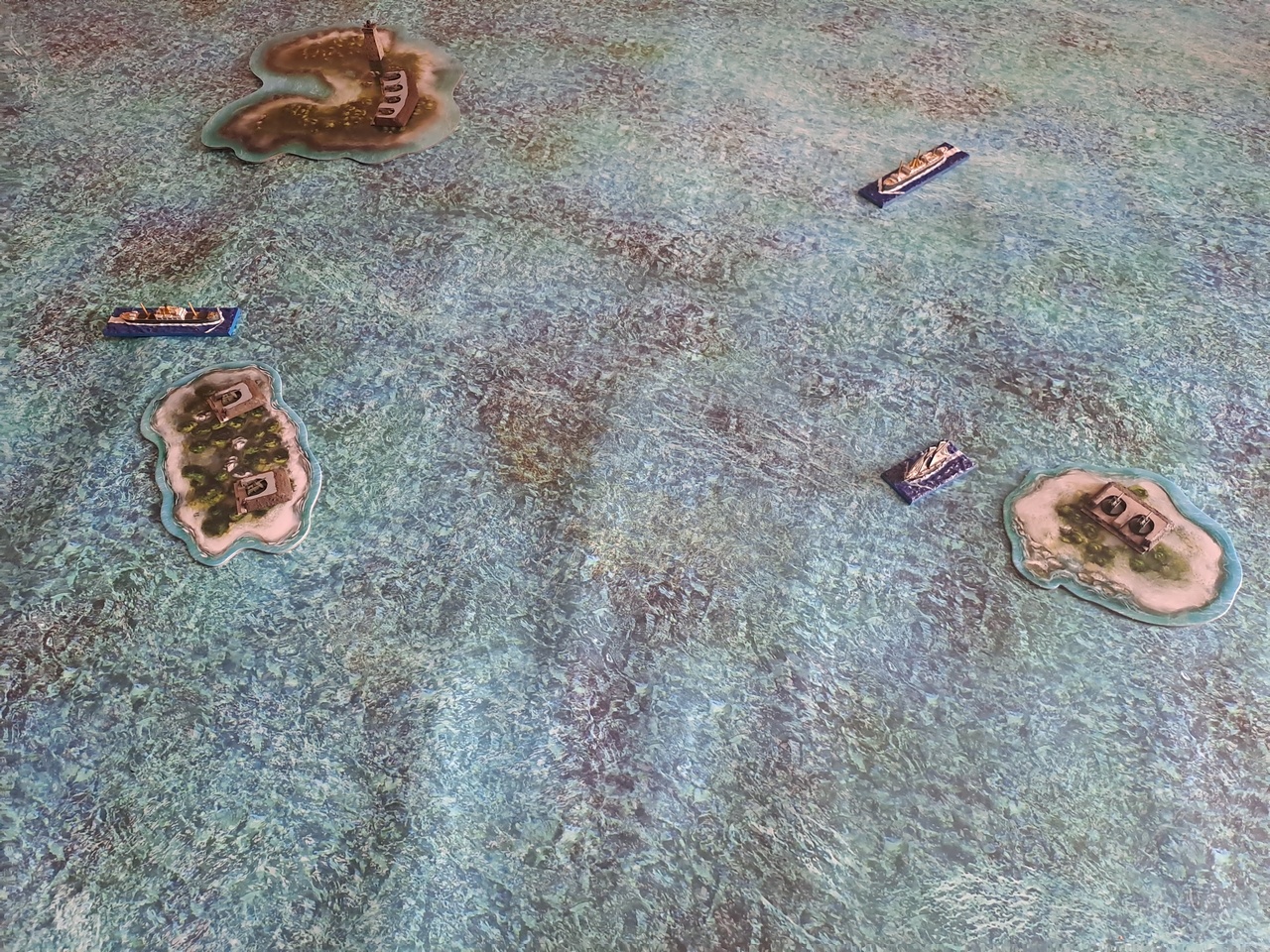
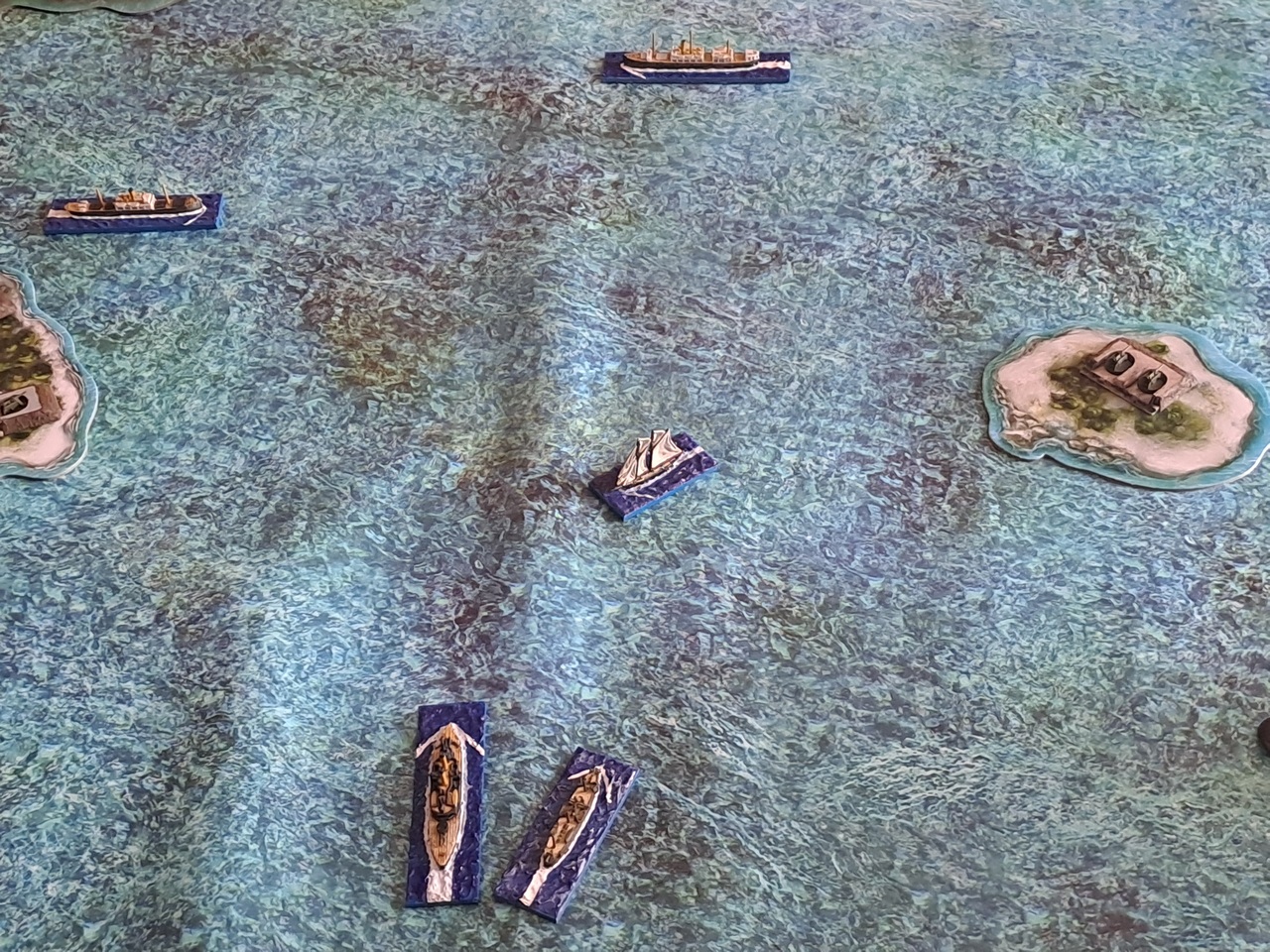
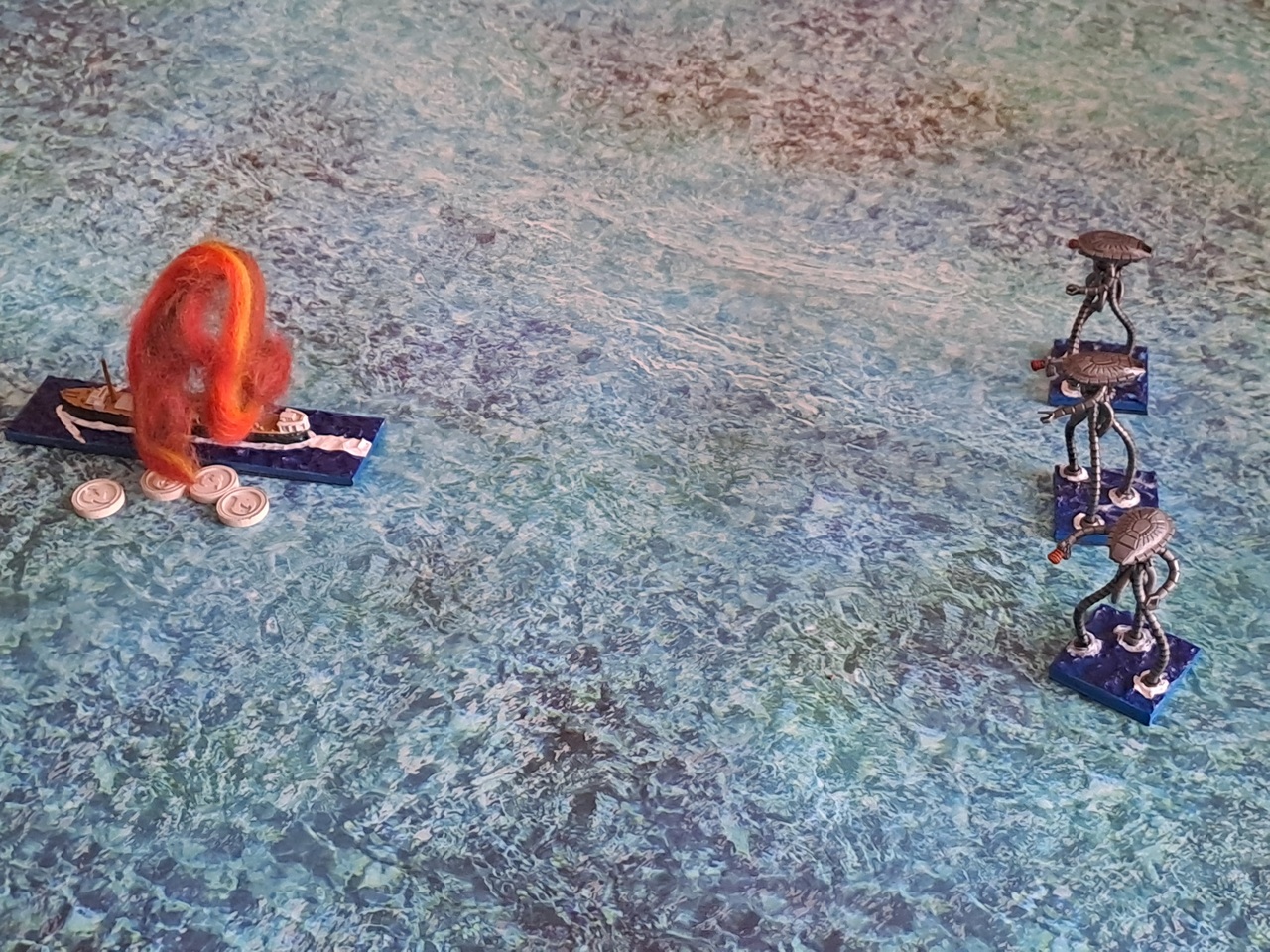
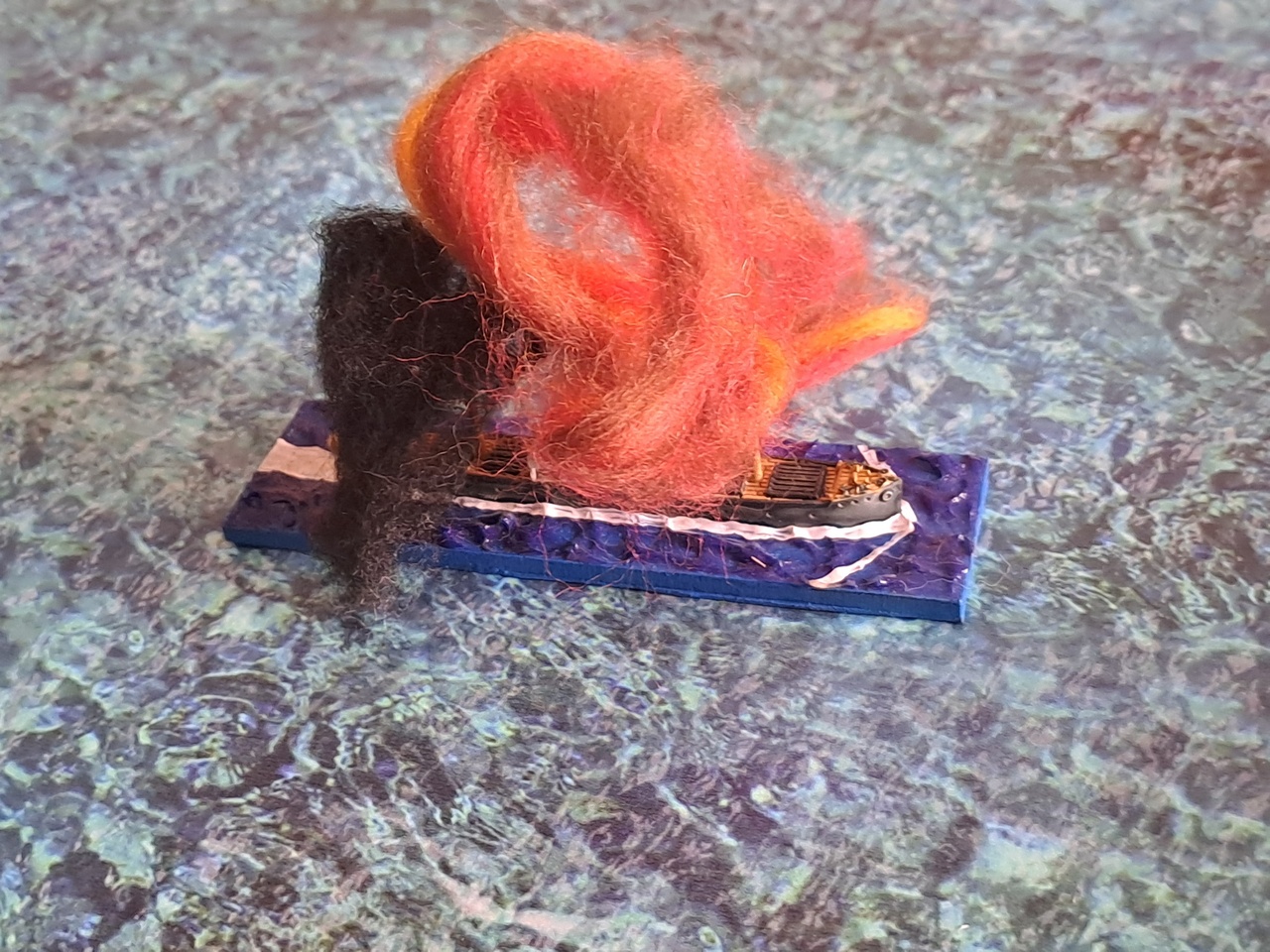
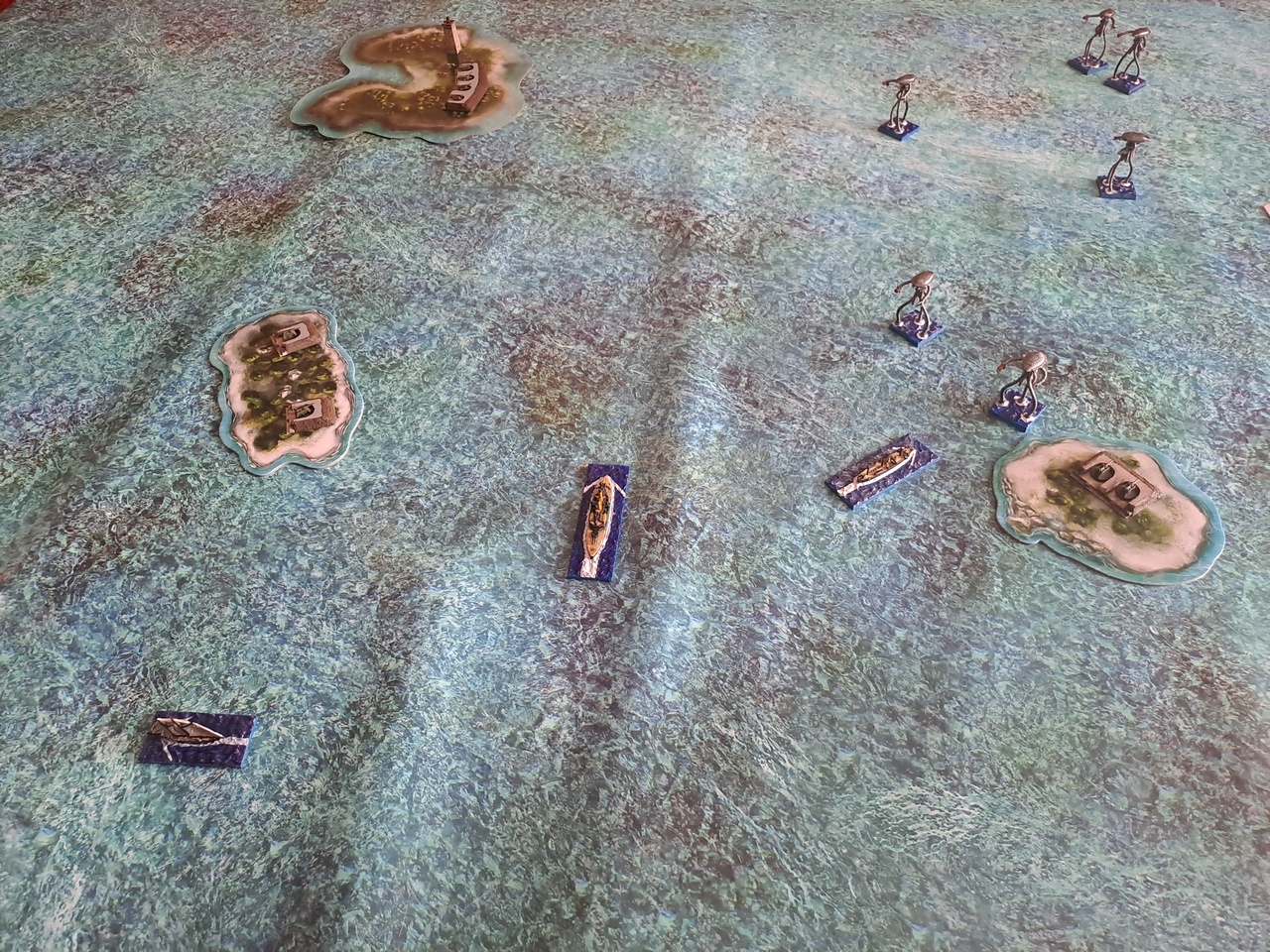
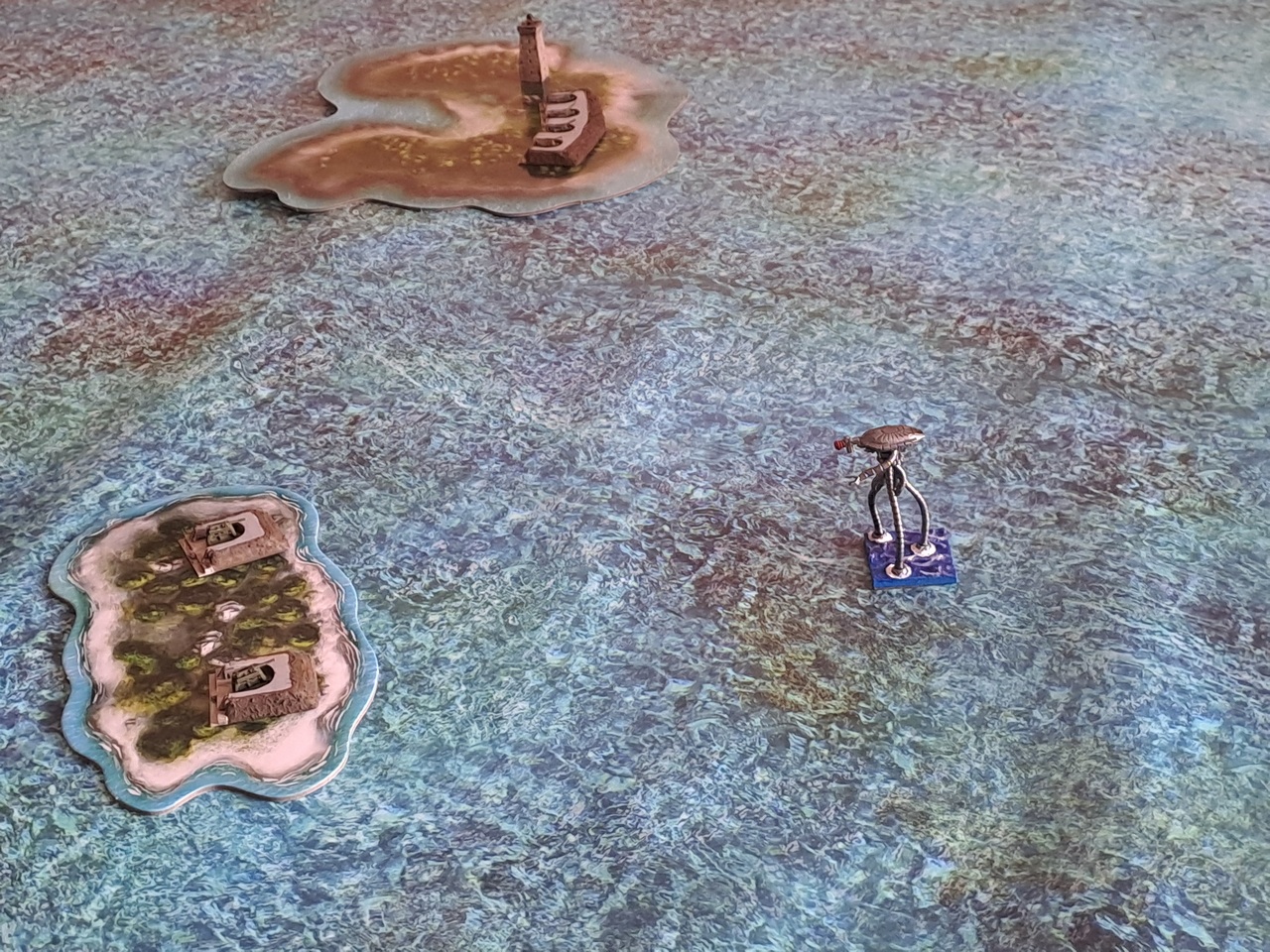
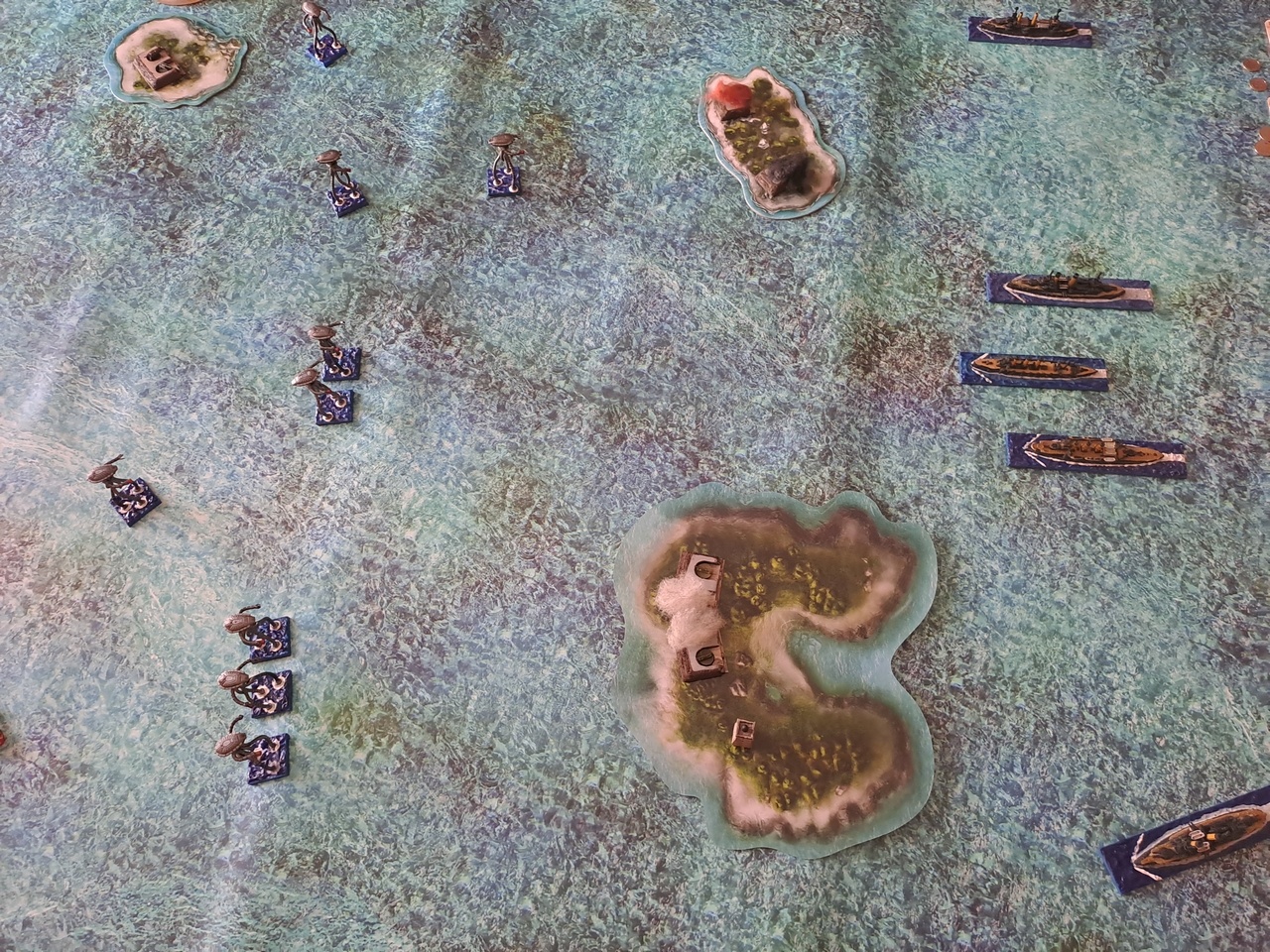
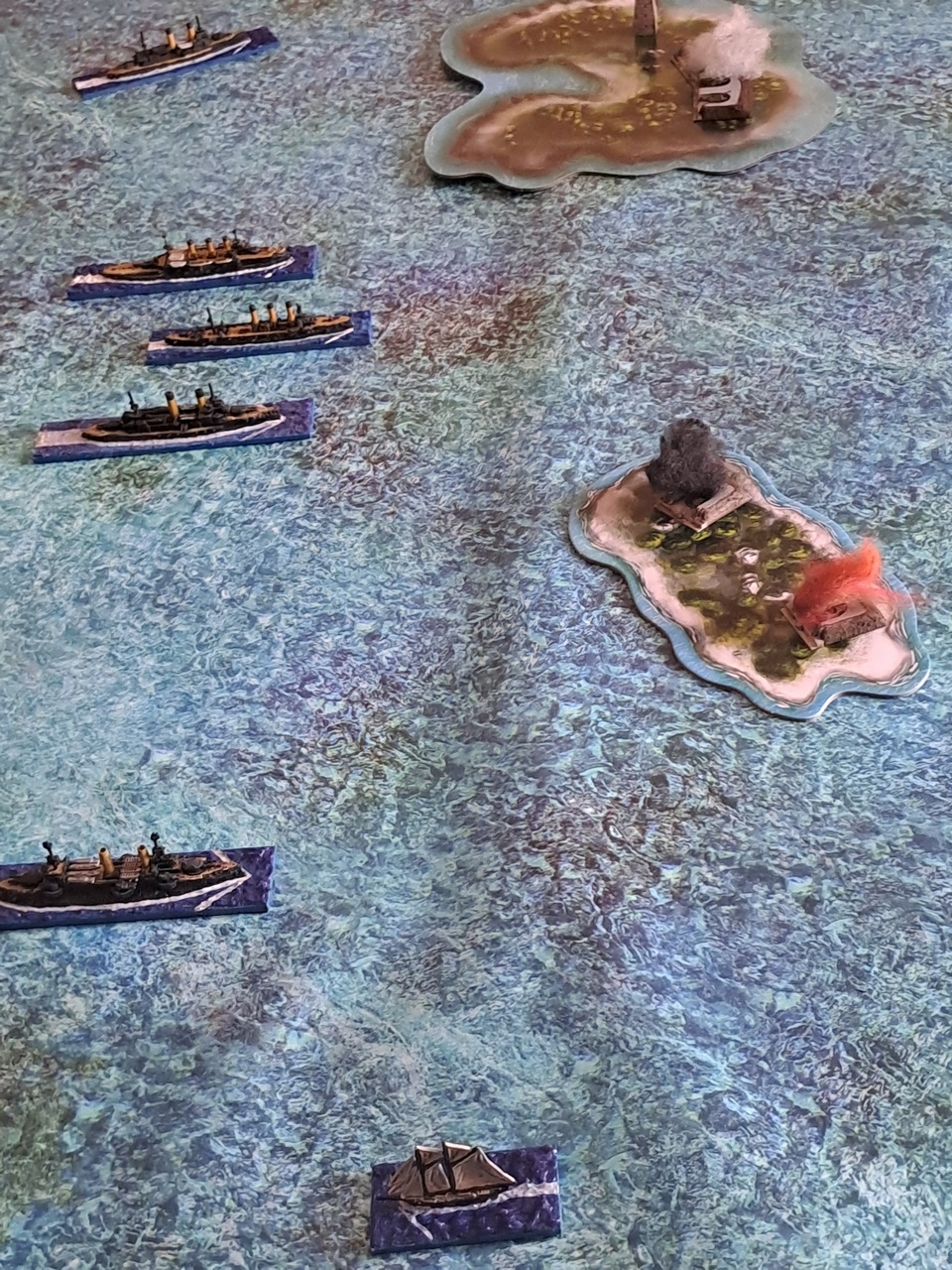
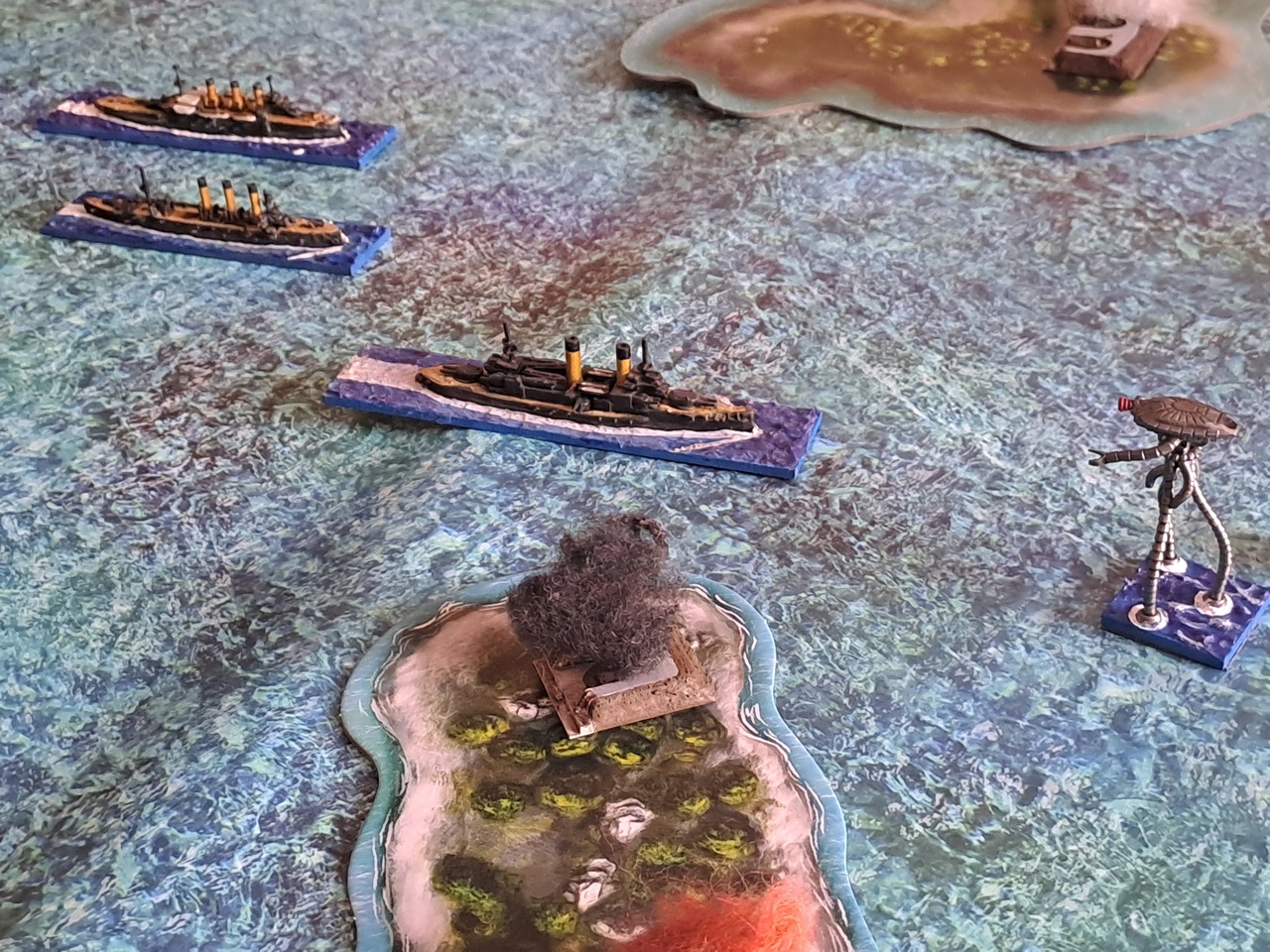
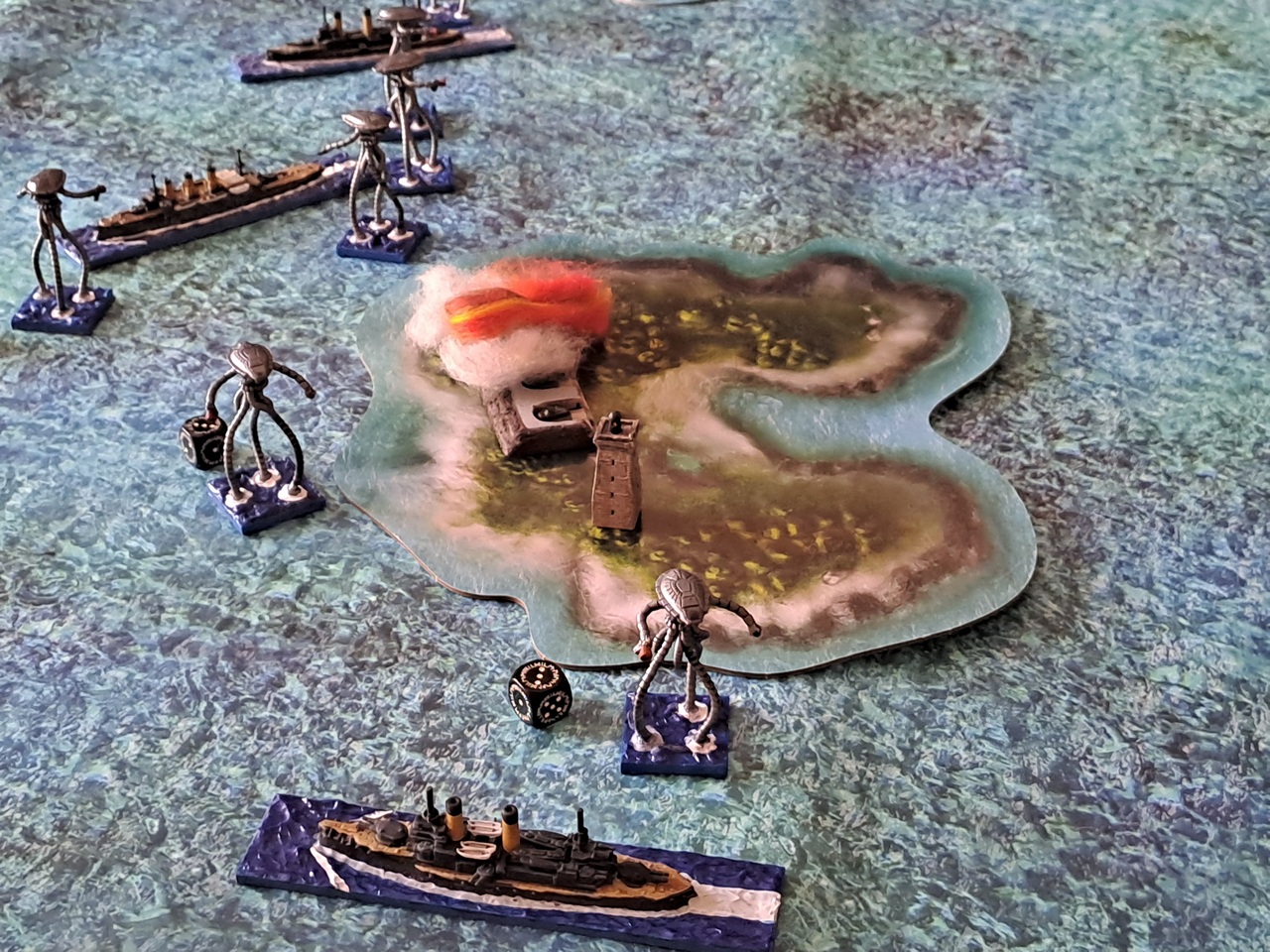
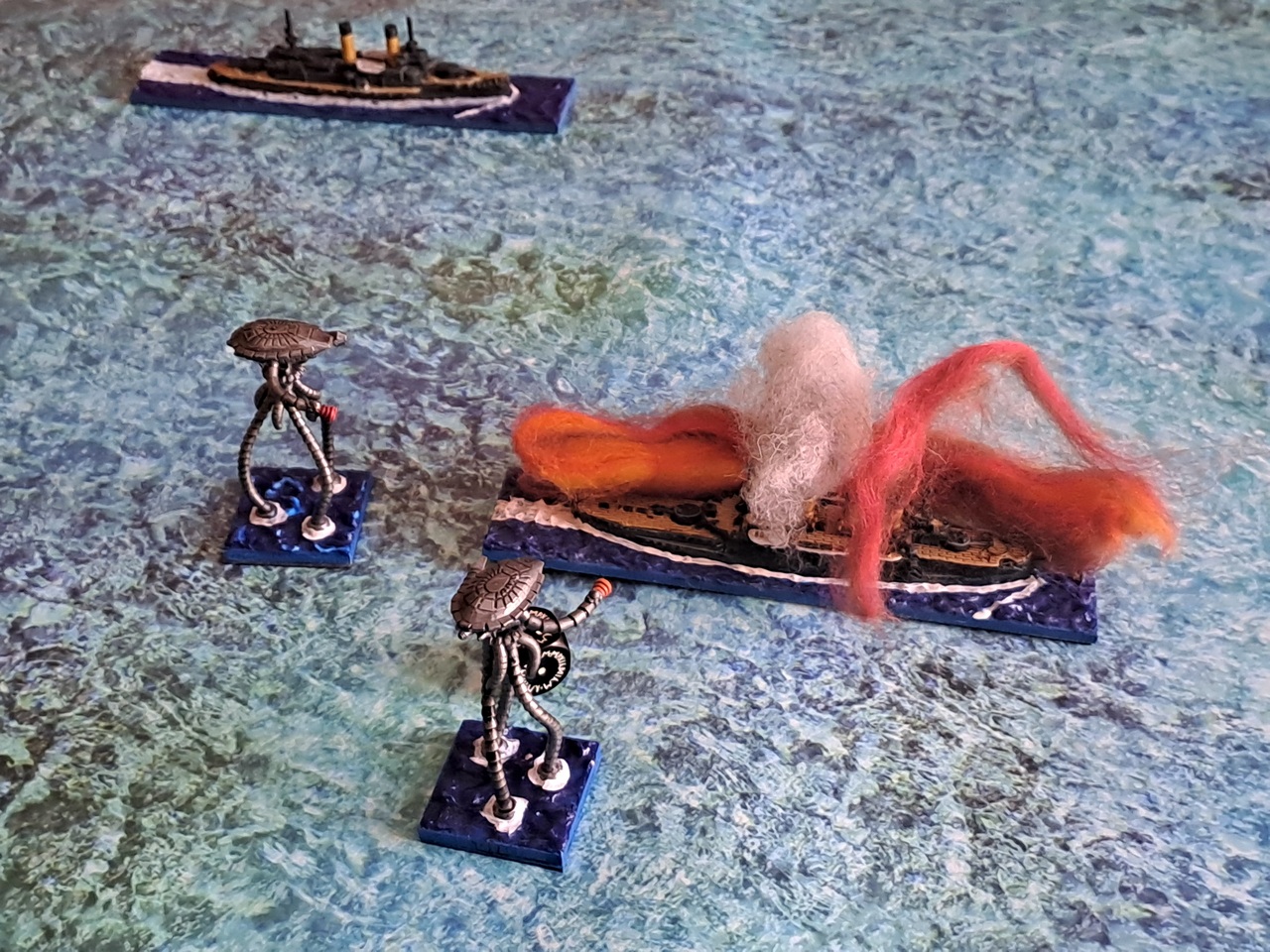
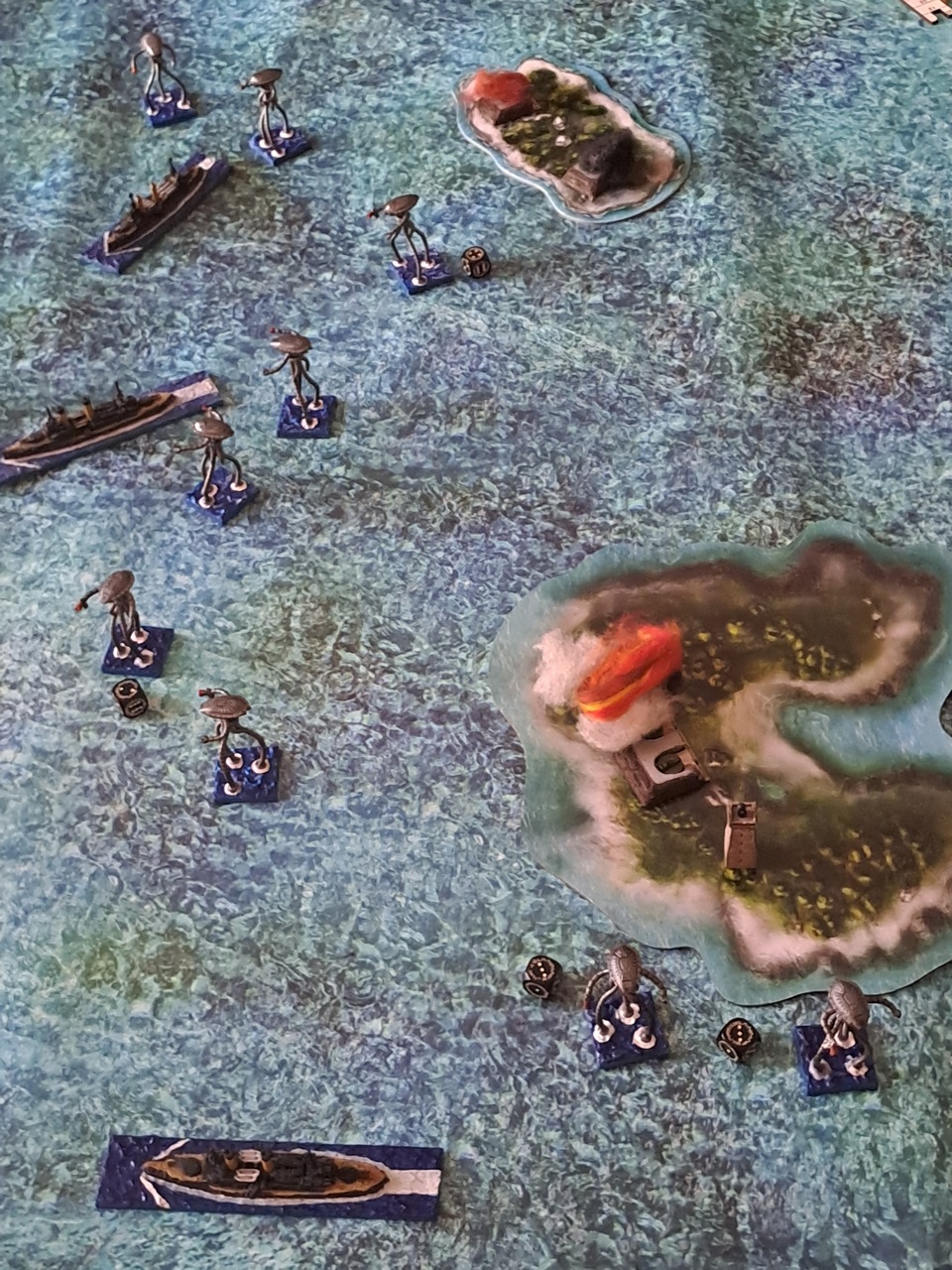
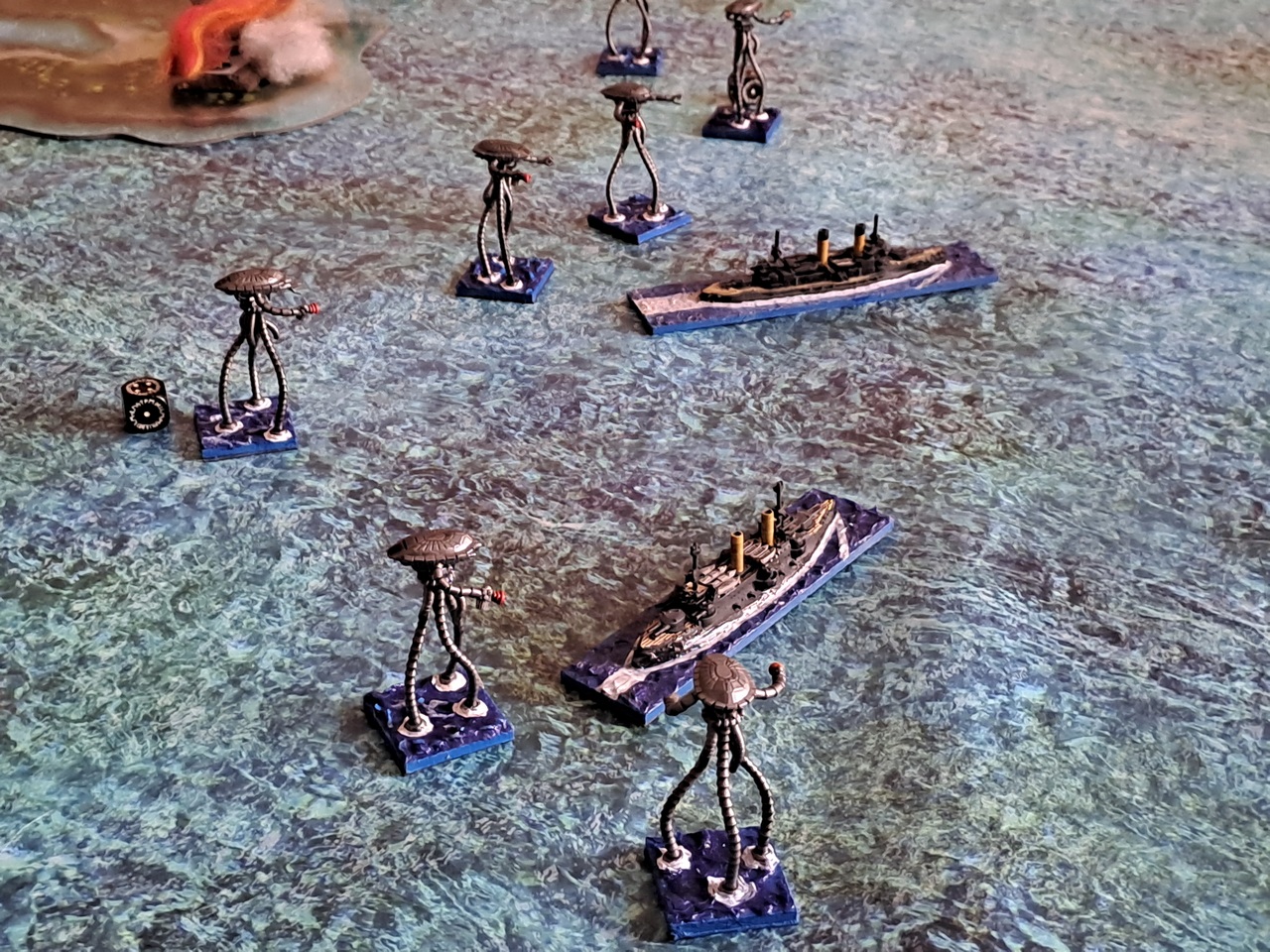
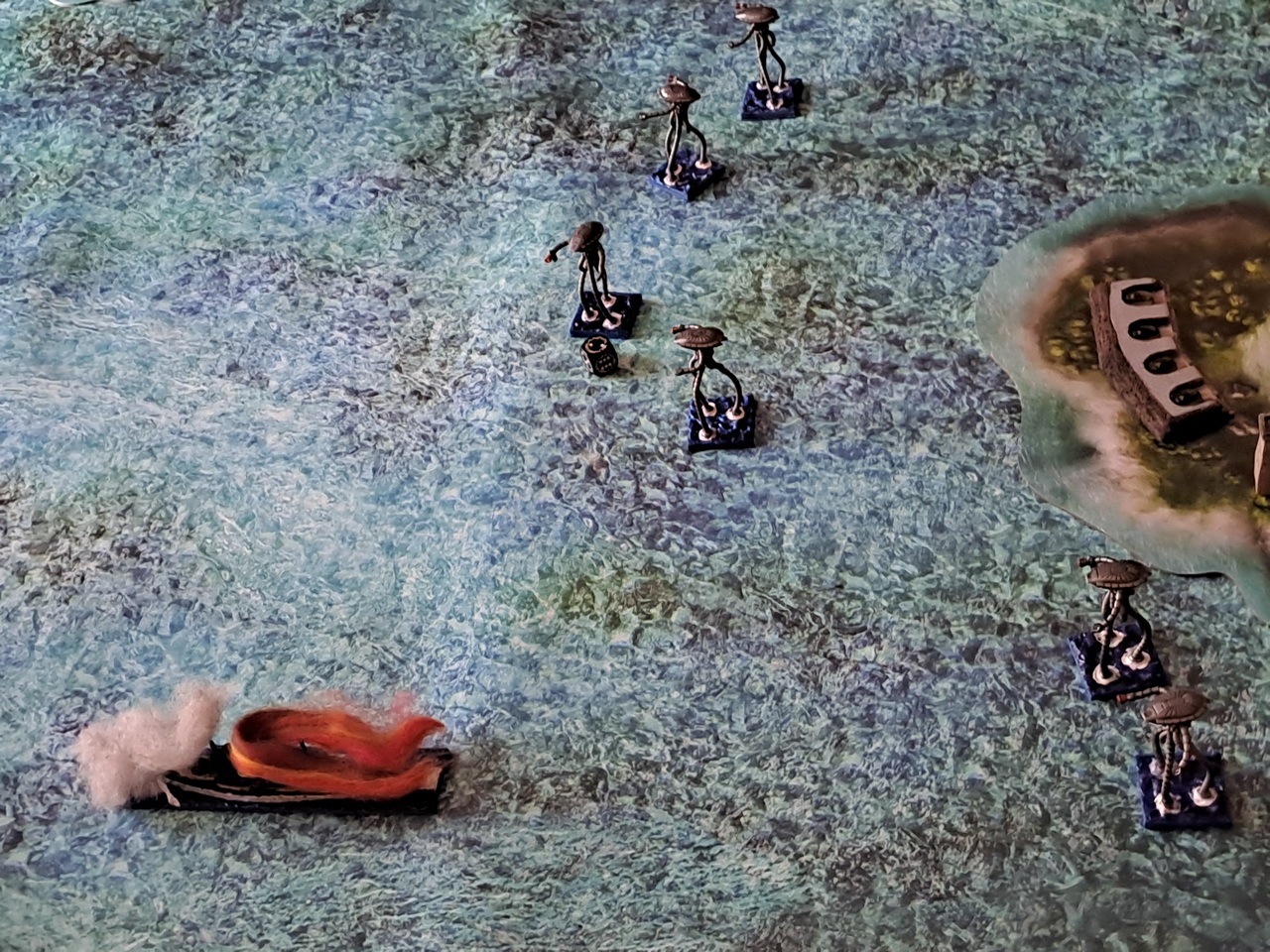
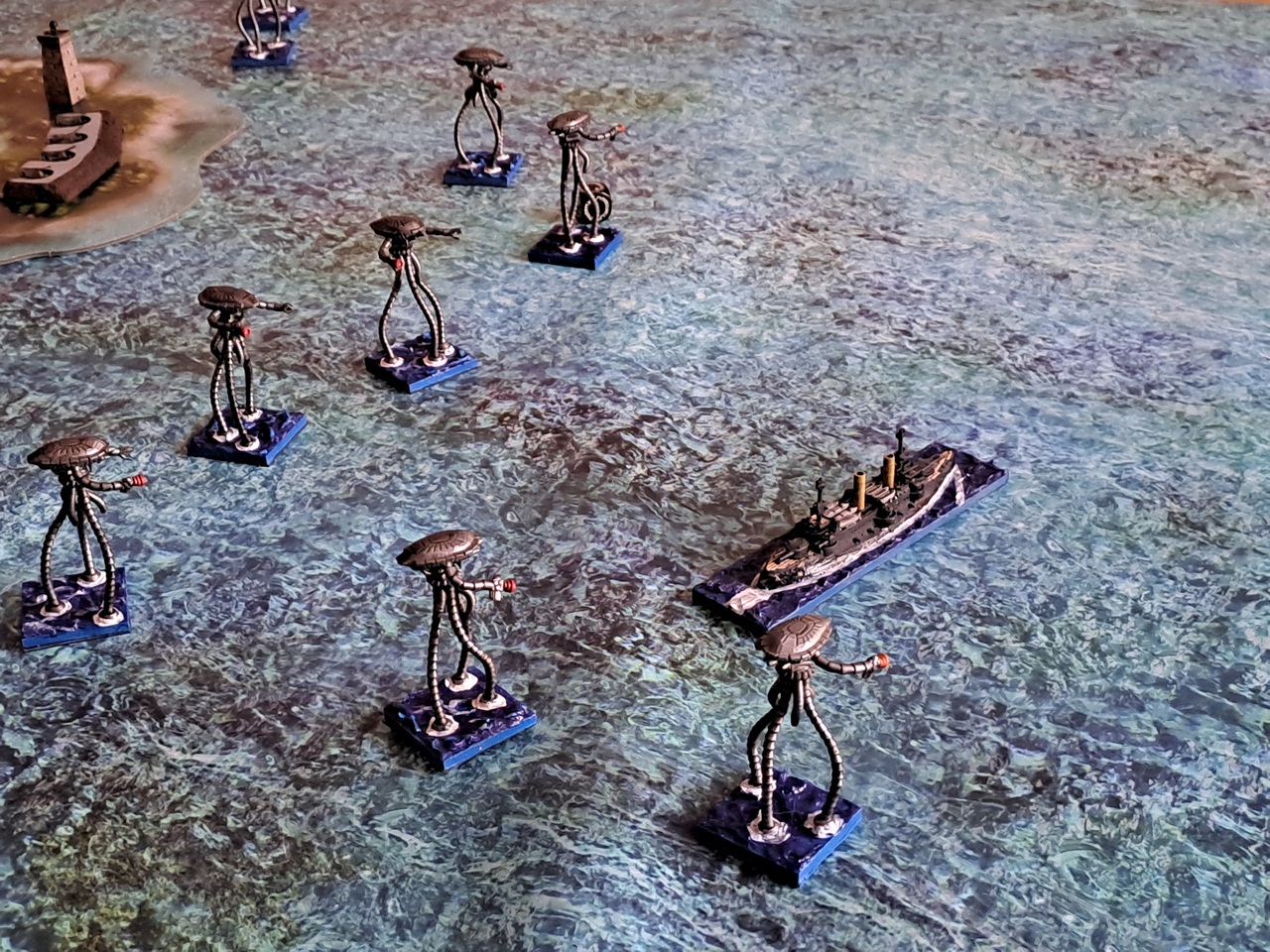
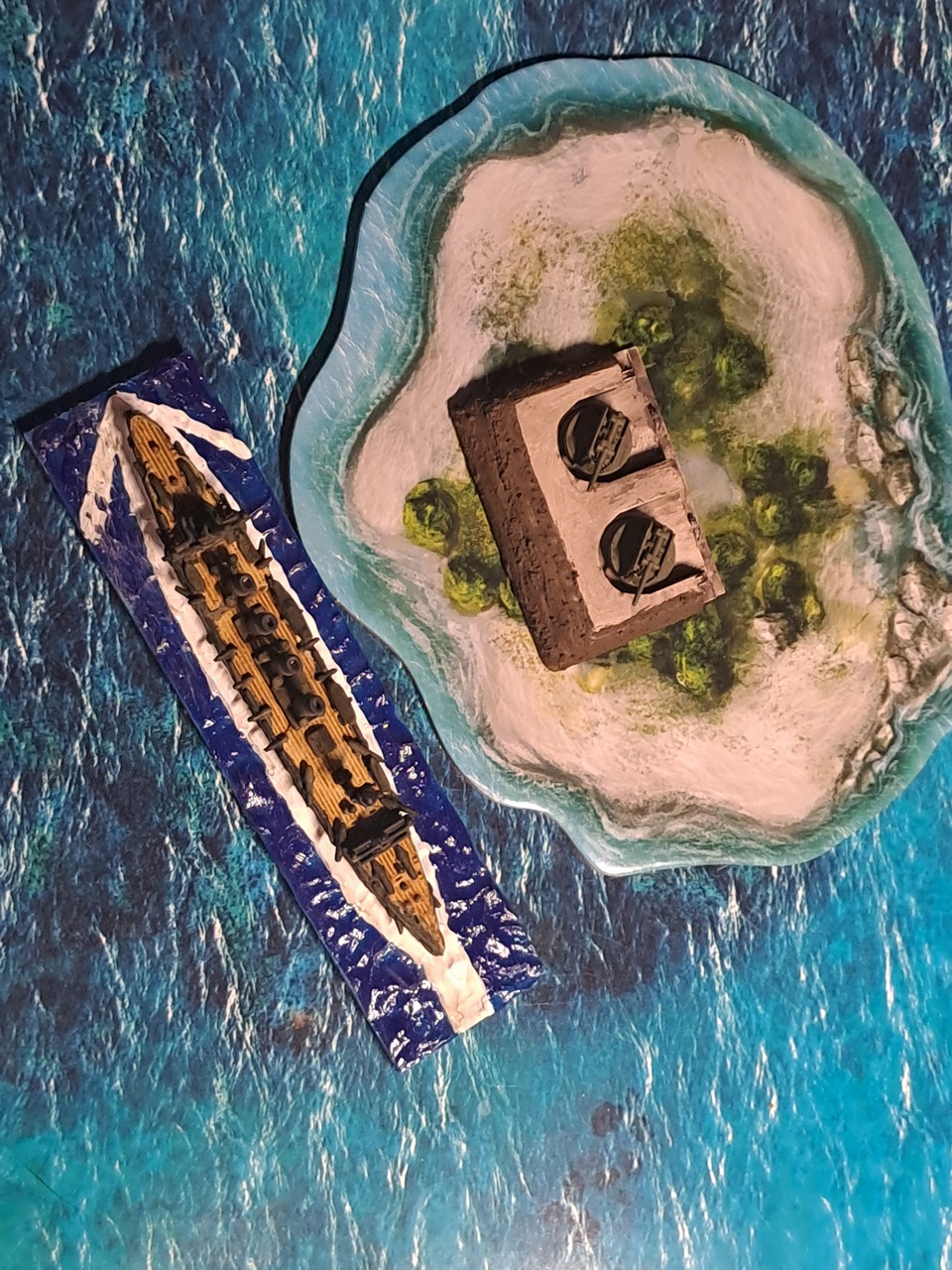
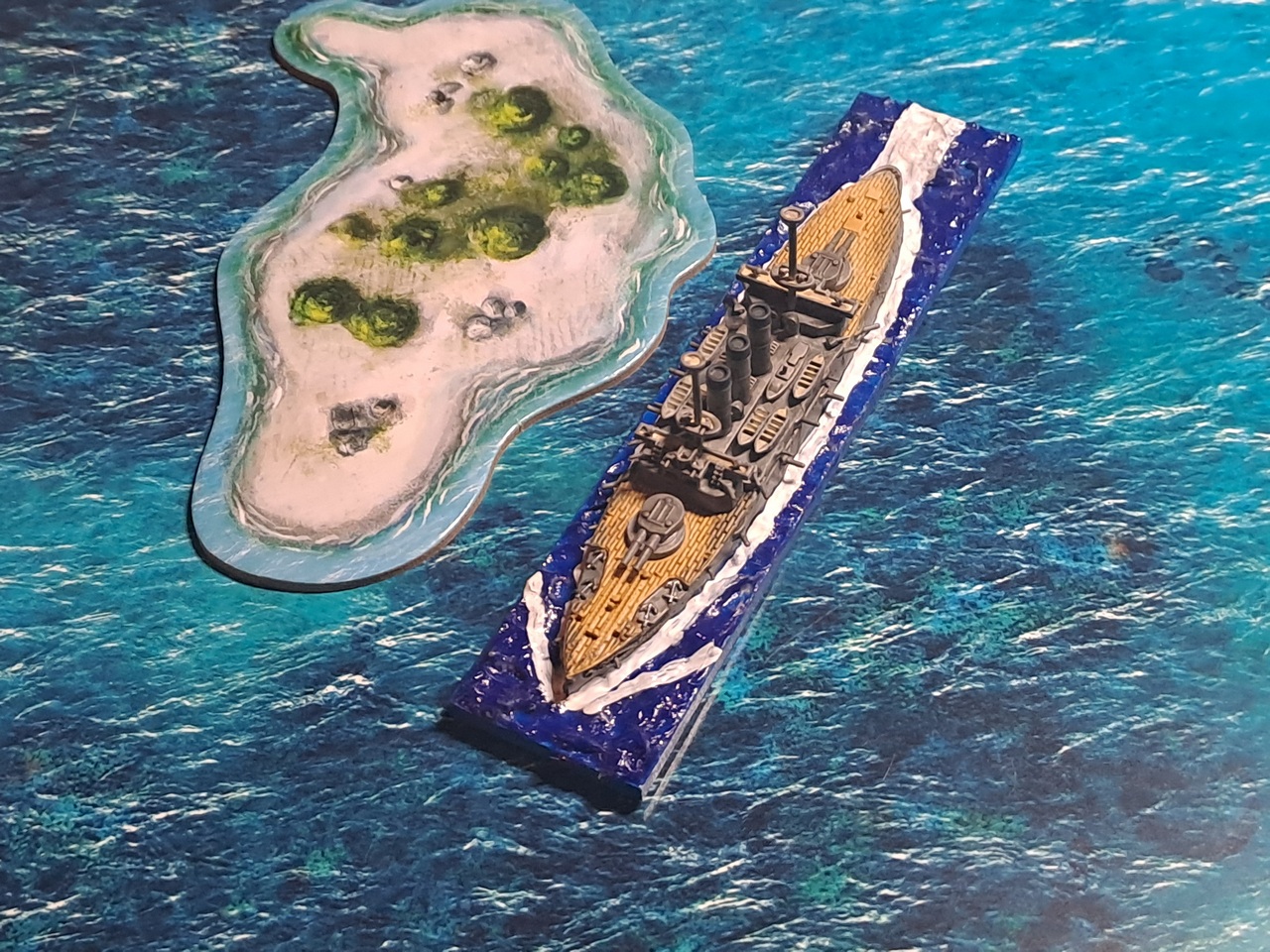
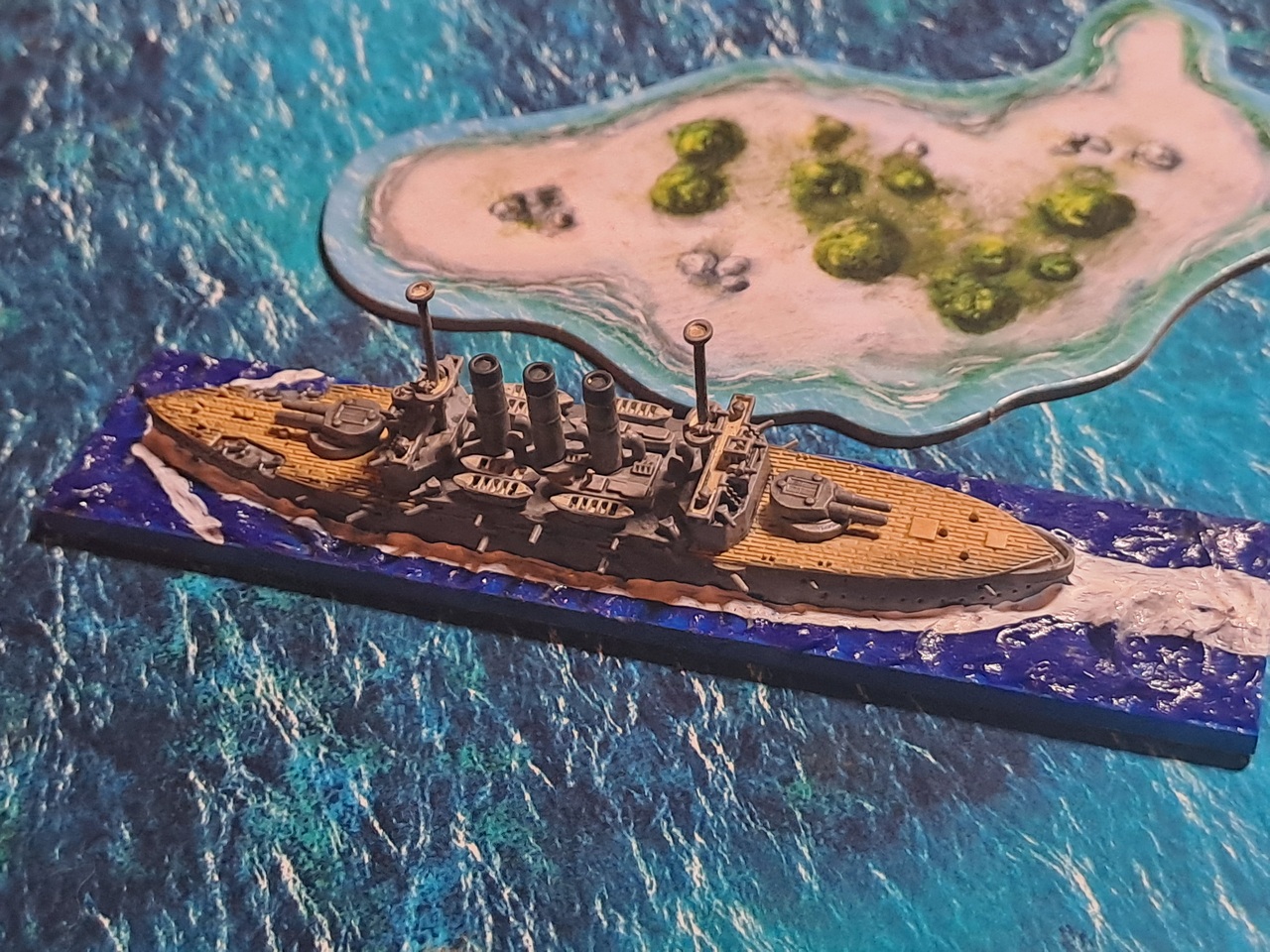
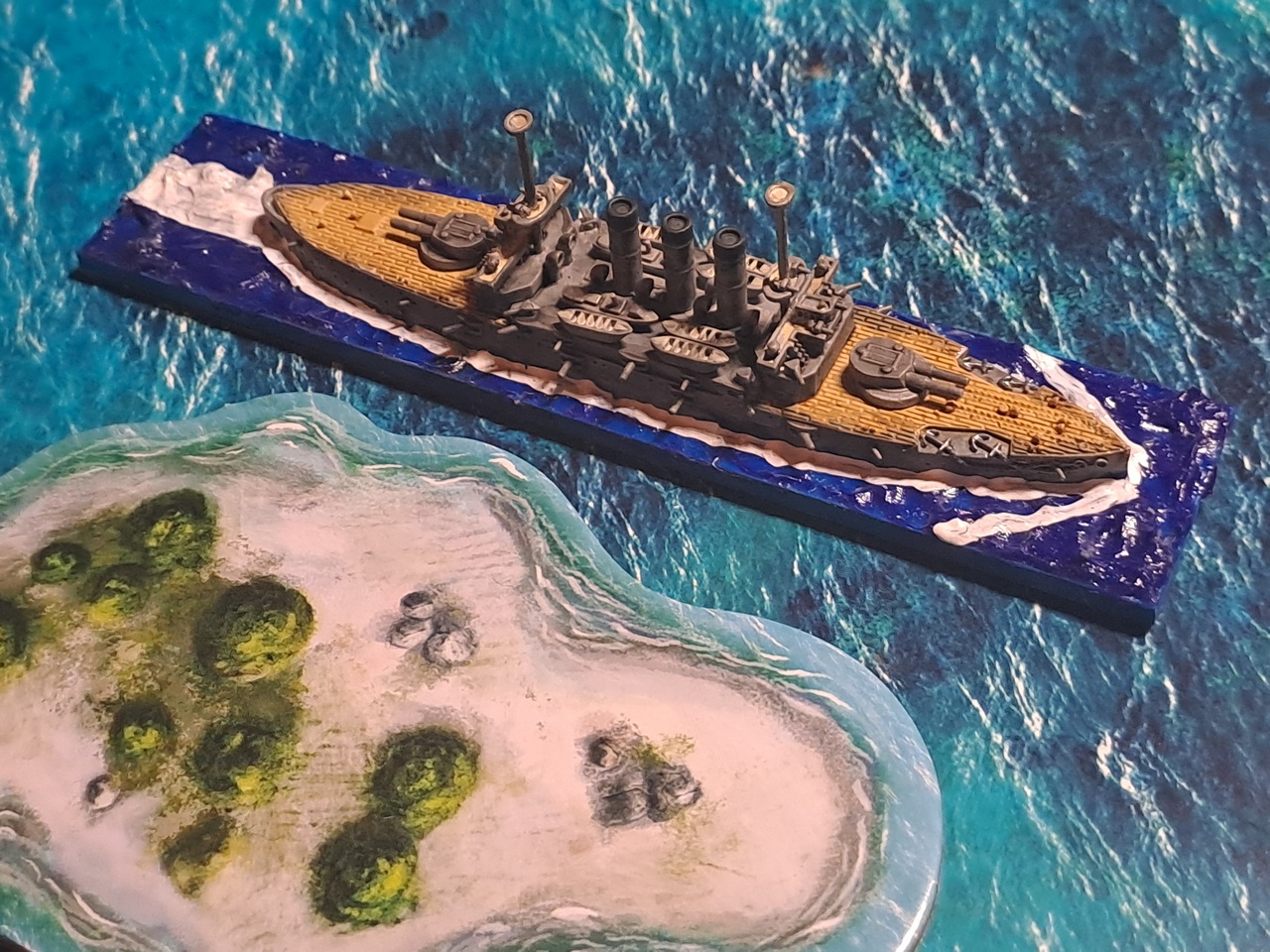
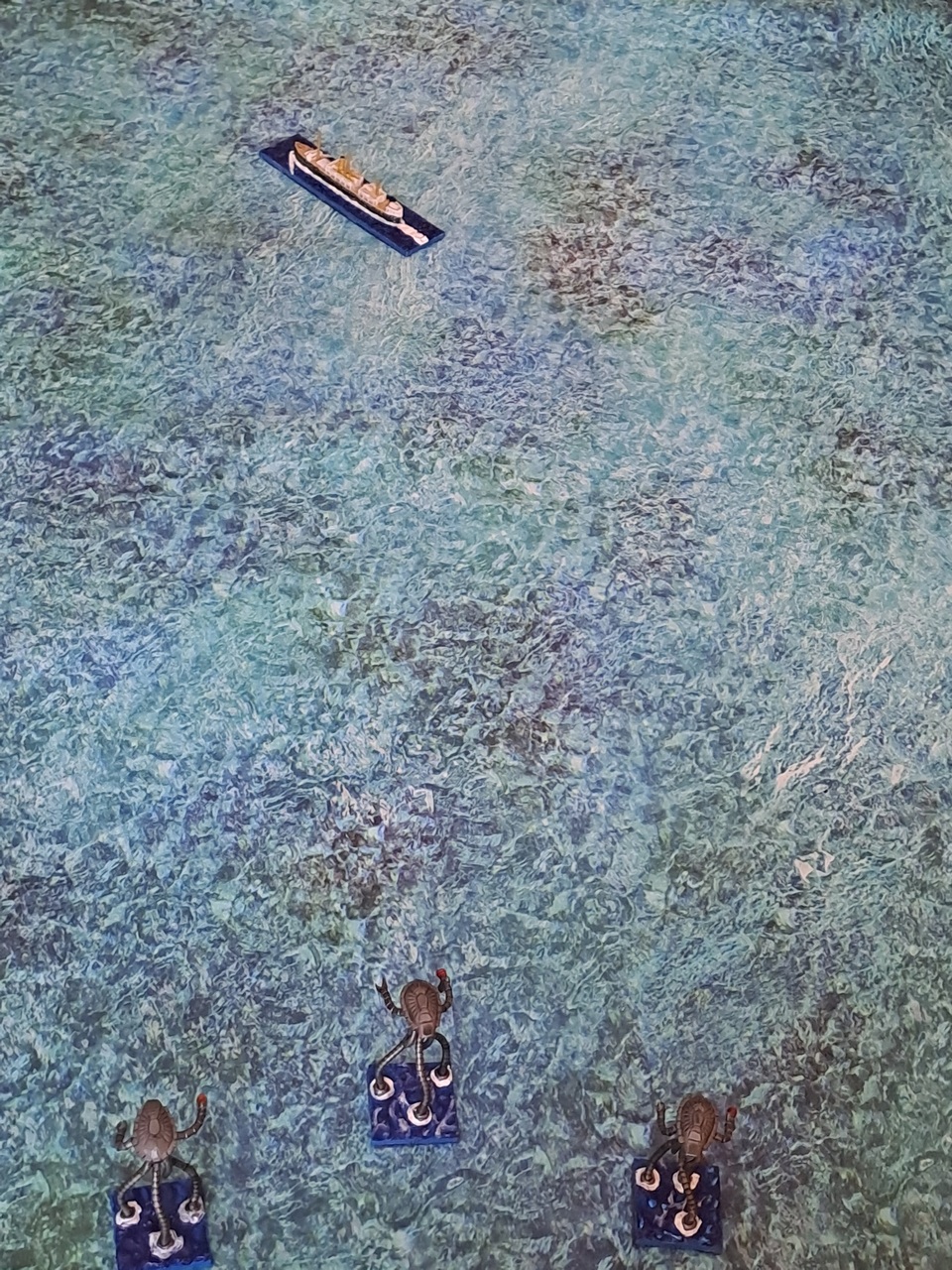
🇬🇧 Last Friday — which, as it happens, is the Polish Armed Forces Day — together with Łukasz “Cornholio” Ździebło, we played a massive Bogowie Wojny: Togo game, with 4,500 points per side. The clash pitted part of the Kronstadt fortifications and the Baltic Fleet against Martians — yes, science fiction is not alien to the creators of this historical game.


„Sudden and violent atmospheric discharges struck Revel. Out of nothingness, as if from beneath the earth, appeared an enormous being — larger than churches and cathedrals. A crowd of people ran from their homes to see what had emerged, apparently from an intersection in the city center. From the window, I saw a fiery flash, blinding light; the people standing in front began to burn. Nobody in our household was asleep — I ordered everyone to quickly grab warm clothes and flee toward Saint Petersburg. On foot, it took us two weeks to reach the city, avoiding encounters with beings that were neither Japanese nor German.”
Vitaliy Kluchinov

„The last telegraph we received from Revel said simply: ‘Help, the city is burning, giant metallic monsters are everywhere.’ When we asked what was happening, no further information came. Could it be that Estonia had risen in revolt against Tsarist power? Such thoughts crossed my mind until a train managed to arrive, having escaped at the moment of the attack. According to the refugees, the colossal beings appeared from nowhere — nobody knew whence they came — but from the start they sowed only death and destruction. We dispatched an armored train for reconnaissance in that direction, but it never returned. We also sent a telegraph to Kronstadt and deployed part of the Baltic Fleet. Meanwhile, from hostile Japan and Germany, we began receiving similarly disturbing reports — until all contact ceased.”
Baltic Fleet staff officer Mikhail Morozov


🇵🇱 W ostatni piątek, który tak się składa jest świętem Wojska Polskiego wraz z Łukasz „Cornholio” Ździebło rozegraliśmy wielką grę w Bogowie Wojny: Togo bo 4500 punktów na stronę – starcie między częścią fortyfikacji Kronsztadu oraz flotą Bałtycką wobec Marsjan, tak science fiction nie jest obce twórcom tej historycznej gry.

„Wyładowania atmosferyczne, nagłe, bardzo intensywne nawiedziły Revel, z nicości, jakby z pod ziemi pojawiła się olbrzymia istota, większa niż kościoły i cerkwie. Zbiegowisko ludzi wybiegło z domów, by przyjrzeć się temu, co wydostało się prawdopodobnie z pod skrzyżowania w centrum. Z okna zobaczyłem ognisty błysk, dużo światła, ludzie stojący z przodu zaczęli się palić. Nikt z domowników nie spał, kazałem co prędzej brać ciepłe rzeczy i uciekać w stronę Sankt Petersburga. Pieszo dotarliśmy tam w dwa tygodnie unikając spotkań z istotami które nie były ani Japończykami, ani Niemcami.”
Vitalij Kluchinov

„Ostatni telegraf z Revela do nas zawierał informację – Pomocy, miasto płonie, wszędzie są gigantyczne, metaliczne potwory. Na pytanie co się dzieje, nie dostaliśmy informacji. Czyżby w Estonii wybuchło powstanie przeciw władzy carskiej? Takie myśli przeszły przez głowę, do momentu przybycia pociągu któremu udało się w momencie ataku odjechać. Według uciekinierów olbrzymie istoty pojawiły się znikąd, niewiadomo skąd przybyły, za to od początku zaczęły siać śmierć i zniszczenie. Skierowaliśmy w tamtą stronę zwiad w postaci pociągu pancernego, ale nie wrócił, dodatkowo wysłaliśmy telegraf do Kronsztadu oraz część floty bałtyckiej. W międzyczasie z wrogiej nam Japonii czy Niemiec zaczęliśmy otrzymywać równie niepokojące wiadomości, dopóki kontakt się urwał.”
oficer sztabu floty bałtyckiej Michail Morozow

🇬🇧 Summary:
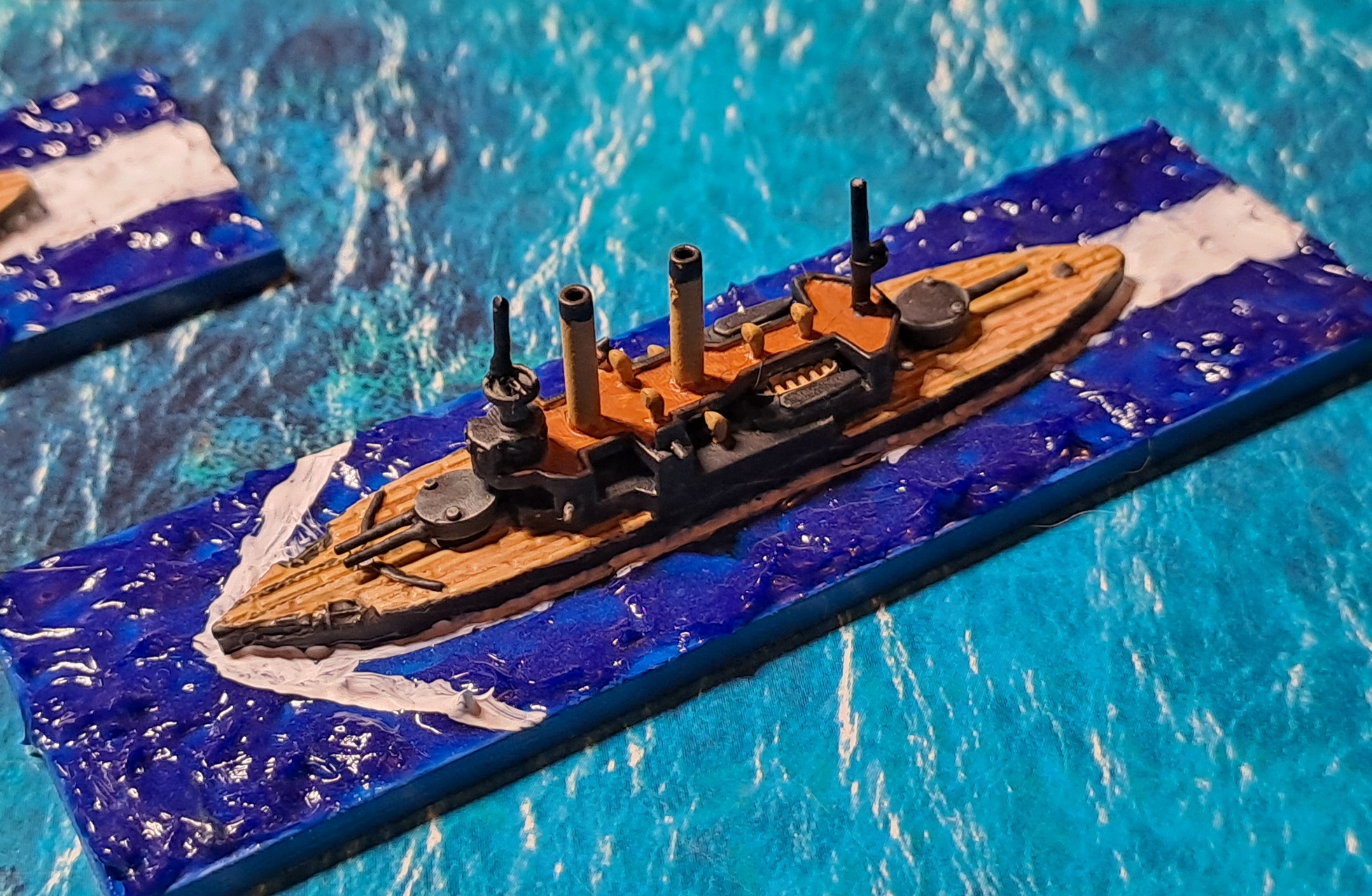
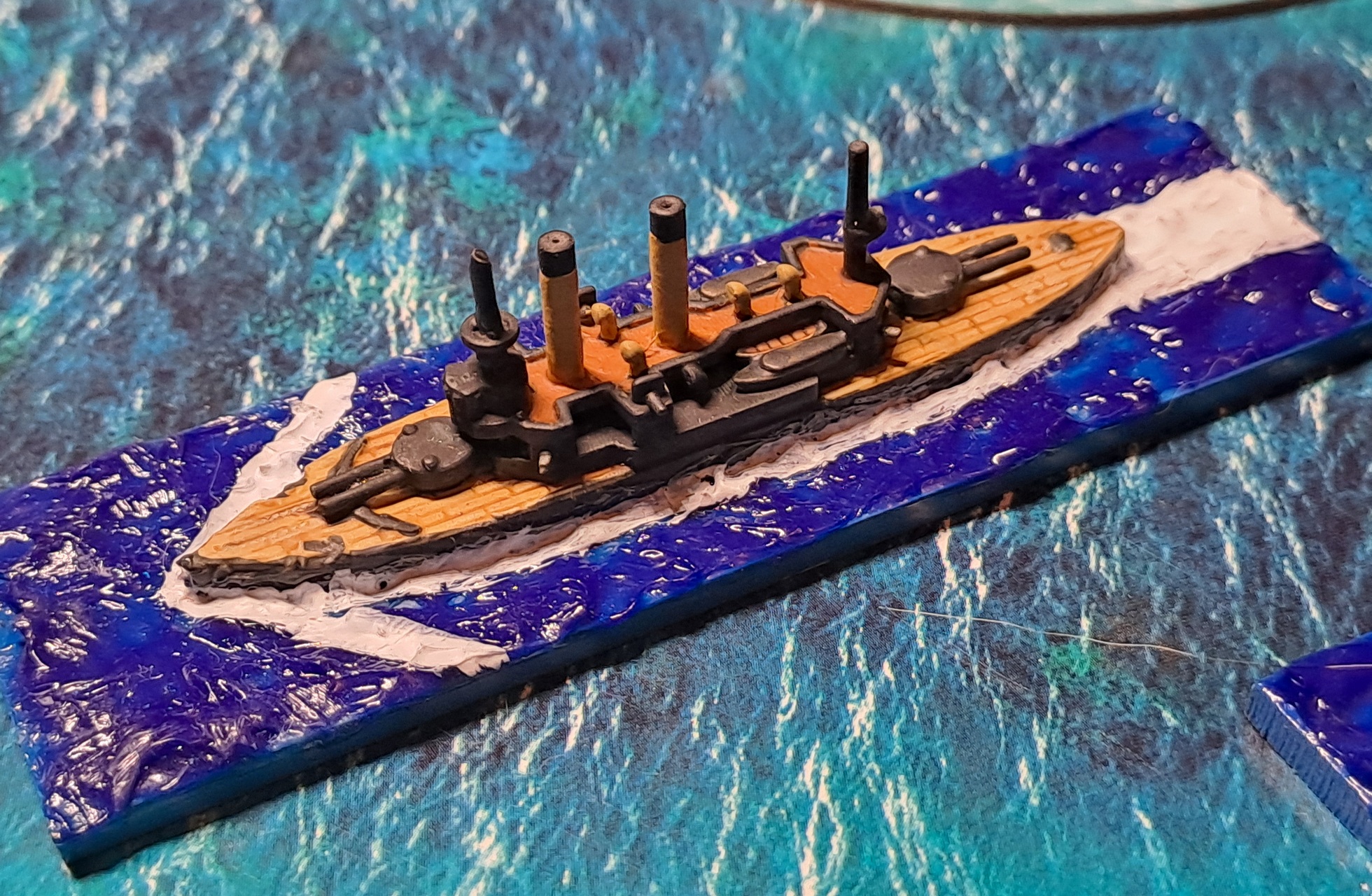
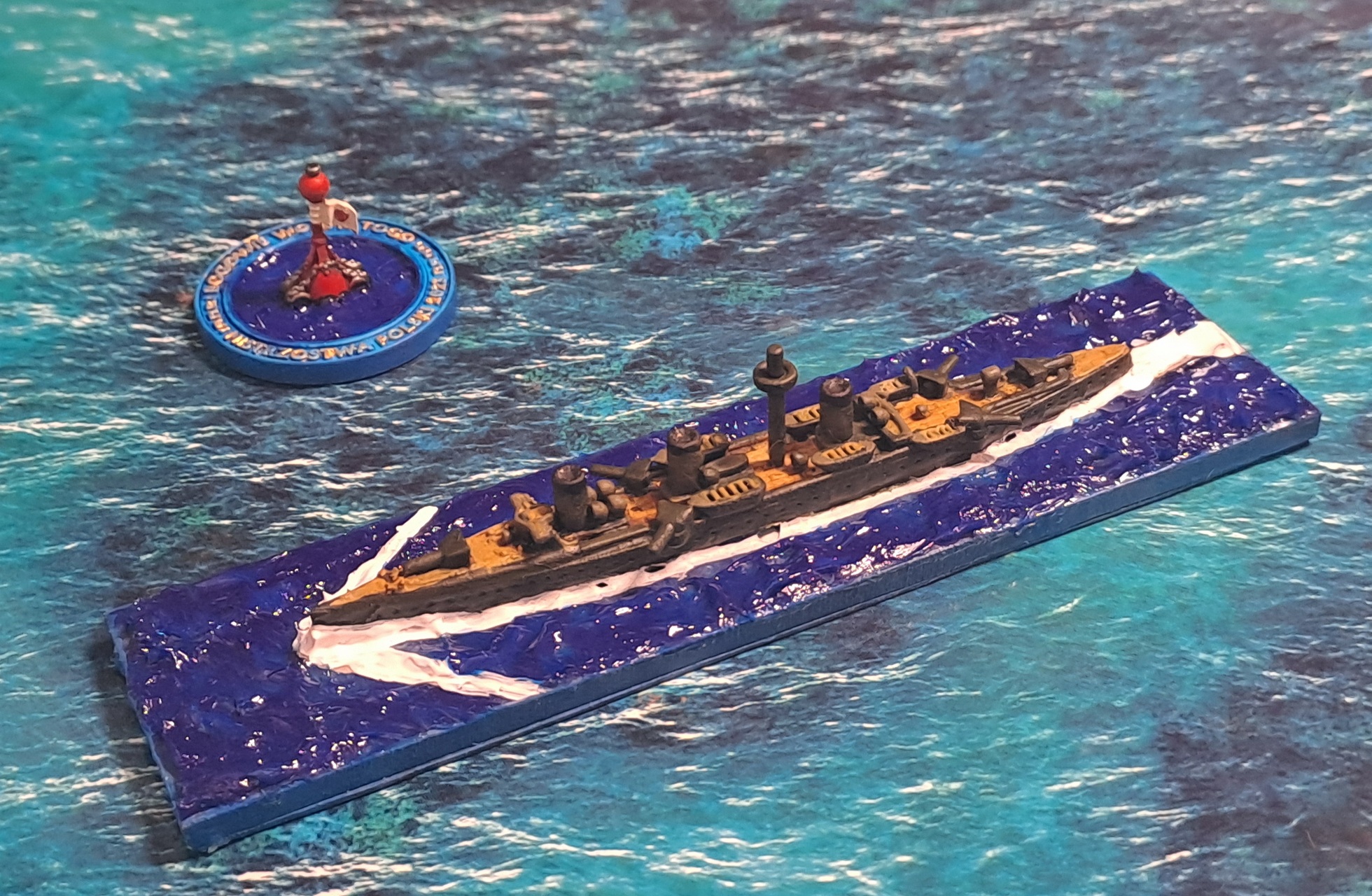
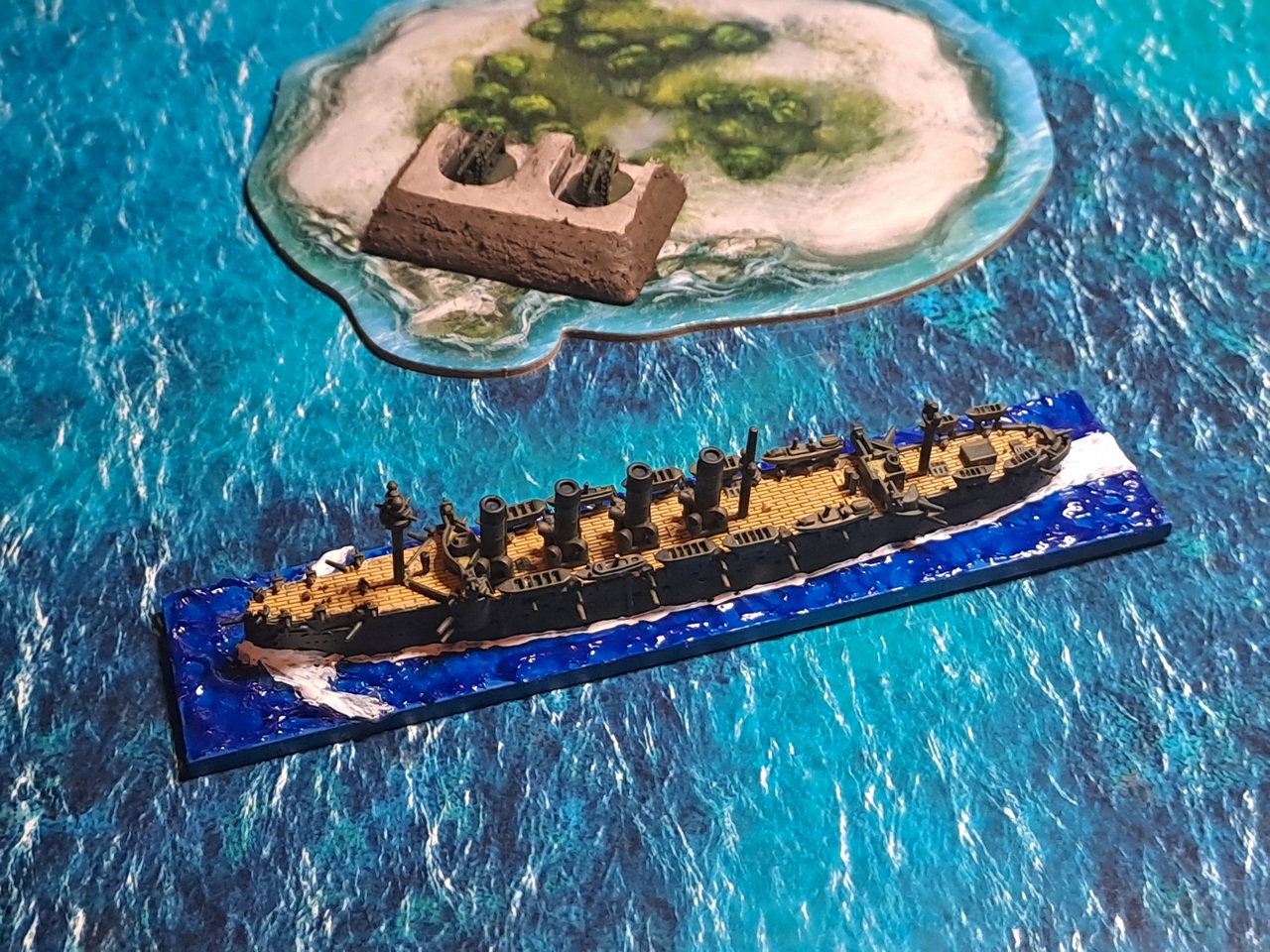
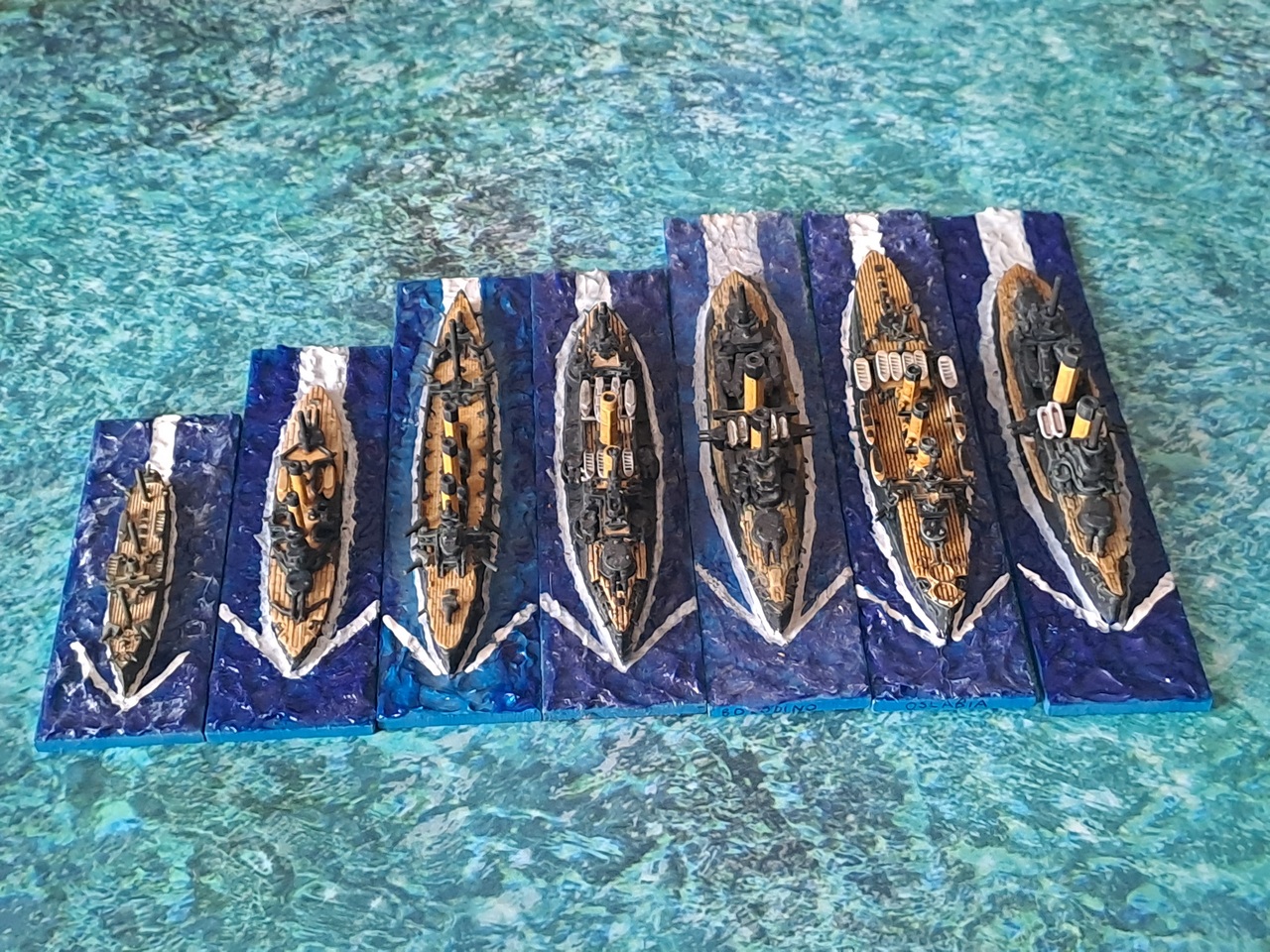
– A narrative science fiction game in which Łukasz and I used all our Martians, the newly painted fortifications, and every battleship I had painted.
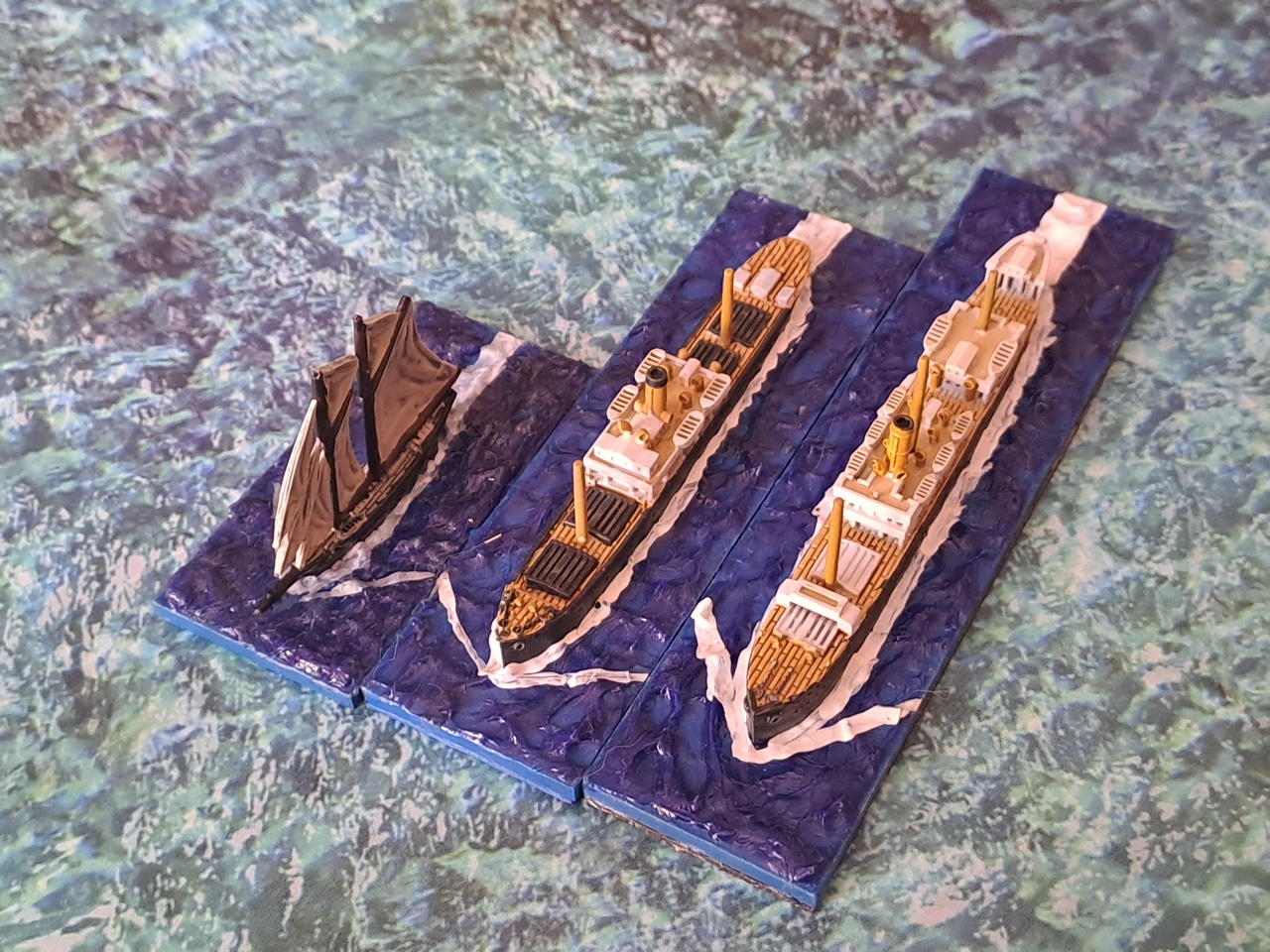
– The Baltic Fleet put up a futile resistance, but the Tsar’s yacht managed to reach Saint Petersburg and warn the city.

🇵🇱 Podsumowanie:
– fabularna gra science fiction w której wykorzystaliśmy z Łukaszem wszystkich posiadanych Marsjan, nowo pomalowane fortyfikacje oraz wszystkie pancerniki które miałem pomalowane.
– flot Bałtycka stawiła daremny opór, ale carskiemu jachtowi udało się dotrzeć do Sankt Petersburga i ostrzec miasto.

Gods of War: Togo – Varyag (🇬🇧EN/🇵🇱PL) Wtorek, Sier 12 2025 

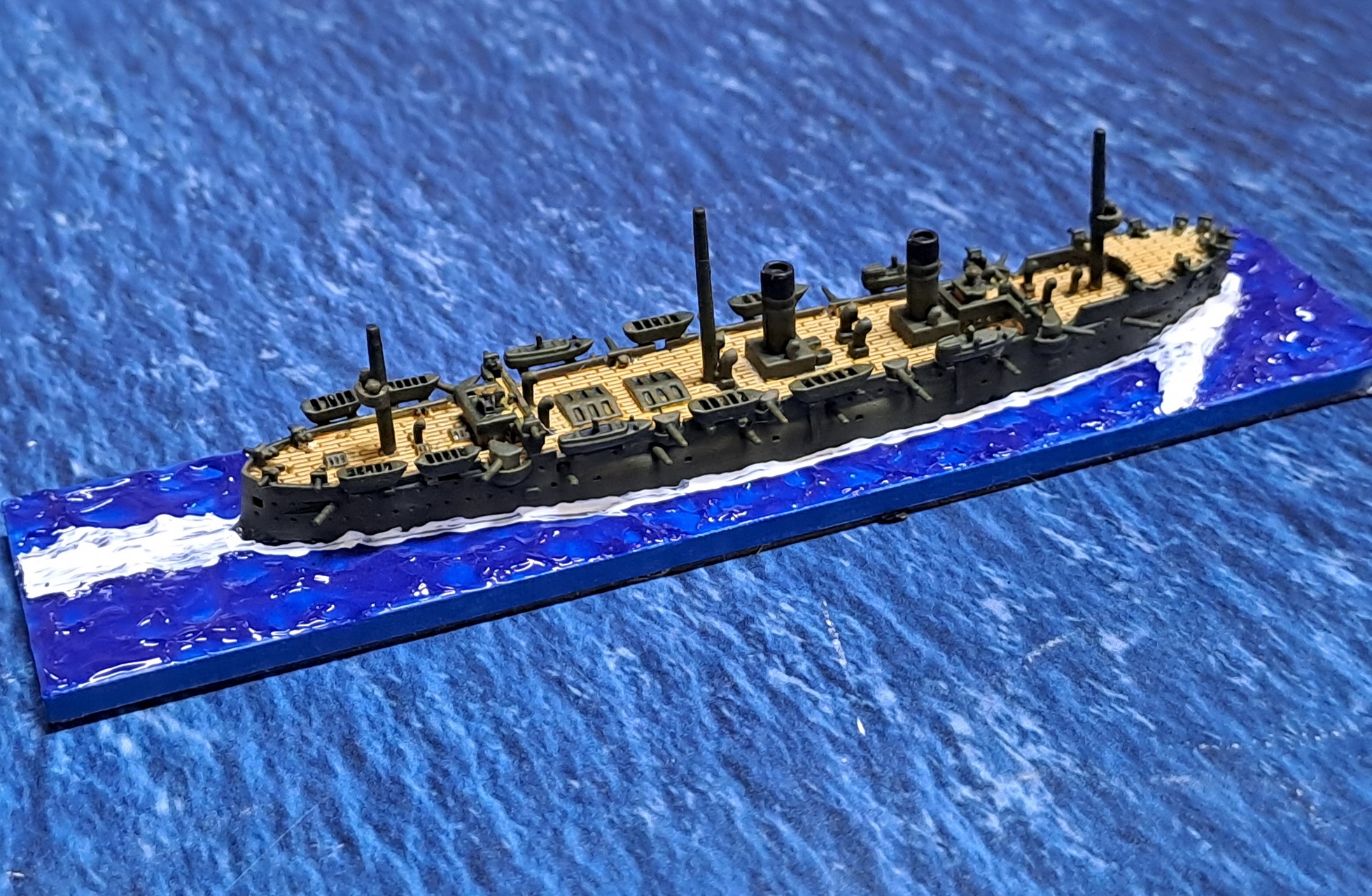
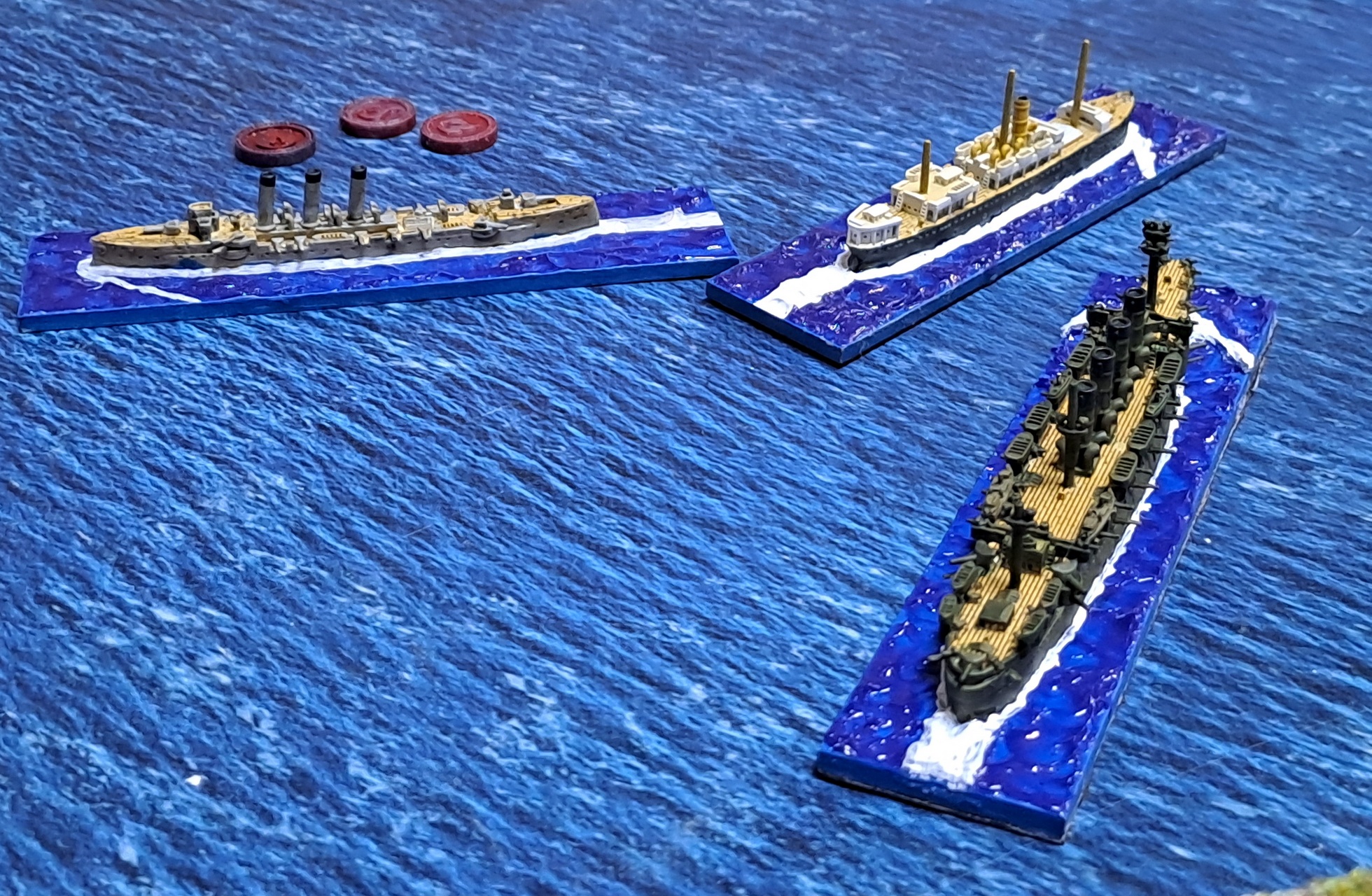
🇬🇧 Recently, I repainted Varyag in the proper colors of the Port Arthur Squadron. Previously, it had the Baltic Fleet scheme, in which I had painted all the ships from my Russian starter set. Now, only Koreyets remains to be repainted in white, and both ships will be ready for the Battle of Chemulpo.

Varyag was a Russian protected cruiser. Varyag became famous for her crew’s stoicism at the Battle of Chemulpo Bay.

The heroic, heavily armed Varyag is one of the best Russian protected cruisers. Well-armored (for protected cruisers), fast and well-armed, it will be a very demanding opponent for ships of comparable size.

* – description of the Varyag by GMBoardgames.

🇵🇱 W ostatnim czasie przemalowałem Wariaga na właściwe mu barwy eskadry portarturskiej, wcześniej miał barwy floty bałtyckiej w którą pomalowałem wszystkie okręty jakie miałem w rosyjskim starterze. Pozostanie przemalować Koriejca na biało i oba okręty będą gotowe do bitwy po Czemulpo.

Wariag to krążownik pancernopokładowy, zbudowany przez stocznię William Cramp & Sons w Filadelfii.
Okręt zasłynął swoim udziałem w bitwie pod Czemulpo, gdzie wraz z kanonierką Korietz starł się z przeważającymi siłami japońskimi.
Wariag jest dobrze uzbrojony, zarówno w artylerię średnią, jak i lekką, szybki, chociaż jego opancerzenie jest oczywiście gorsze niż krążowników pancernych z epoki. Jako przeciwników powinien szukać raczej lżejszych jednostek nieprzyjaciela, tudzież szukać szczęścia w ataku torpedowym.


* – opis Wariaga wg GMBoardgames.

🇬🇧 Summary:
– A ship I bought in the Russian Navy Squadron at the beginning of my Gods of War: Togo journey — one of my favorite units in the game. Though small for an armored cruiser, it makes up for it with considerable speed, and its medium artillery can deal damage to better-armored units at short and medium ranges. Varyag also carries torpedoes, which, if they hit, can inflict significant damage.

🇵🇱 Podsumowanie:
– okręt który zakupiłem w zestawie startowym do floty rosyjskiej na początku mojej przygody z Bogowie Wojny: Togo – jedna z moich ulubionych jednostek w grze, nieduży jak na krążowniki pancerz nadrabia znaczną prędkością, a średnia artyleria na krótkim i średnim dystansie jest w stanie uczynić również szkody lepiej opancerzonym jednostkom. Wariag posiada również torpedy które jeśli trafią potrafią czynić znaczne szkody.

Sinking of Russian cruiser Varyag at Battle of Chemulpo Bay, 1904 by Unbekannt

Gods of War: Togo – Forel class (🇬🇧EN/🇵🇱PL) Poniedziałek, Sier 11 2025 

🇬🇧 Some time ago, I managed to complete a squadron of Forel-class ships — fast vessels equipped with light artillery and torpedoes.

Construction of the first ship in this series began in 1899 and was completed two years later. In 1902, all ships of this class received new names, with Forel being renamed Vnimatielnyj.
Forel class was officially classified by Russians as torpedo boats. Despite the official classification, these ships, displacing over 300 tons, were decidedly closer to the destroyers of that time than torpedo boats. These vessels were inspired by the French destroyer of the Durandal type, although they differed in certain aspects, such as the silhouette – Forel had 4 funnels, grouped in pairs.
All ships of this type were sent to Port Arthur and participated in the Russo-Japanese War of 1904-1905.
Forel has fewer torpedo tubes than other Russian destroyers, making it competitively priced. Therefore, it represents a very attractive alternative to other Russian 4-class ships.


* – description of the Forel class by GMBoardgames.

🇵🇱 Jakiś czas temu udało mi się skończyć dywizjon okrętów klasy Forel, szybkich jednostek wyposażonych w lekką artylerię oraz torpedy.

Budowa pierwszego okrętu z tej serii rozpoczęła się w 1899 roku i została ukończona dwa lata później. W 1902 roku wszystkie okręty tej klasy otrzymały nowe nazwy, a Forel został przemianowany na Wnimatielnyj. Klasa Forel była oficjalnie klasyfikowana przez Rosjan jako torpedowce. Pomimo oficjalnej klasyfikacji, okręty te, wypierające ponad 300 ton, były zdecydowanie bliższe niszczycielom tamtych czasów niż torpedowcom. Te jednostki były inspirowane francuskim niszczycielem typu Durandal, choć różniły się w pewnych aspektach, takich jak sylwetka – Forel miał 4 kominy, rozmieszczone parami.
Wszystkie okręty tego typu zostały wysłane do Port Artur i brały udział w wojnie rosyjsko-japońskiej w latach 1904-1905
Forel ma mniej wyrzutni torpedowych niż inne rosyjskie niszczyciele, co sprawia, że jest konkurencyjnie wyceniony. Dlatego stanowi bardzo atrakcyjną alternatywę dla innych rosyjskich okrętów 4 klasy.


* – opis klasy Forel wg GMBoardgames.

🇬🇧 Summary:
– The models are a real pleasure to paint and definitely a nice change from the larger, more powerful vessels.
– These ships are very fast and can damage — or even sink — much heavier units using torpedoes, provided, of course, that they hit.


🇵🇱 Podsumowanie:
– modele bardzo przyjemne w malowaniu i na pewno jakaś odmiana od potężniejszych jednostek.
– okręty te są bardzo szybkie, mogą uszkodzić czy nawet zatopić o wiele cięższe jednostki przy użyciu torped, o ile oczywiście te trafią.

Gods of War: Togo – Shikishima (🇬🇧EN/🇵🇱PL) Czwartek, Sier 7 2025 

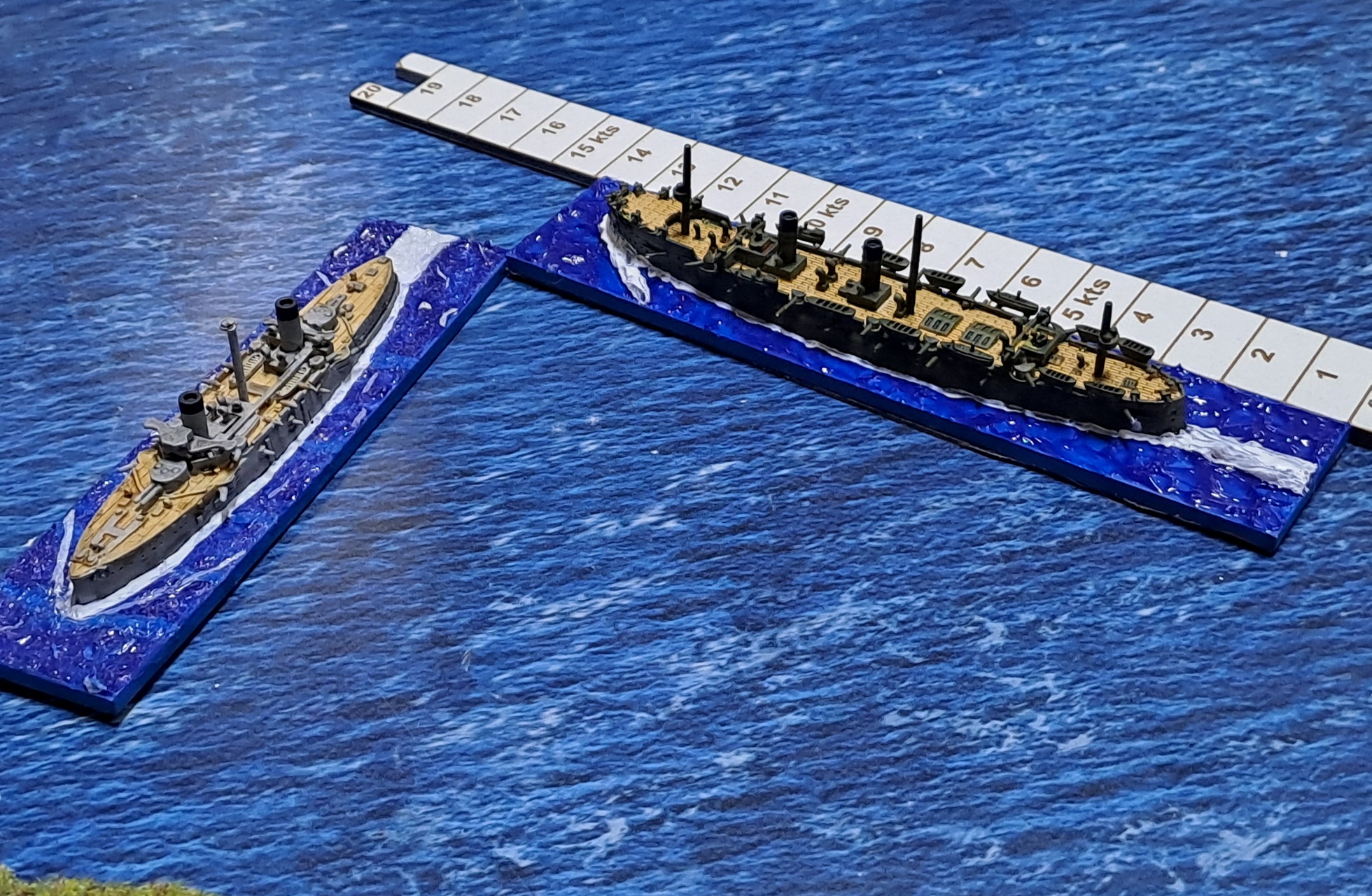
🇬🇧 Yesterday I finished a warship for Nippon Kaigun named Shikishima — another Japanese battleship successfully launched by me 😉 .

The Shikishima class was a two-ship class of pre-dreadnought battleships built for the Imperial Japanese Navy in the late 1890s. As Japan lacked the industrial capacity to build such warships herself, they were designed and built in the UK. The ships participated in the Russo-Japanese War of 1904–1905, including the Battle of Port Arthur on the second day of the war.

The Shikishima was designed to interact with the rest of the Japanese battleships, having similar weapons and being able to develop similar speed. She’s a very balanced ship, with good armor and strong armament.

* – description of the Shikishima by GMBoardgames.

🇵🇱 Wczoraj udało mi się skończyć okręt wojenny dla Nippon Kaigun o nazwie Shikishima, jest to kolejny japoński pancernik który udało mi się zwodować 😉 .

Okręty typu Shikishima zostały zbudowane w brytyjskich stoczniach na przełomie XIX i XX wieku. Japonia posiadała jeszcze zbyt małe zdolności stoczniowe, aby podjąć się samodzielnej budowy pancerników, stąd też zamówiono je w Wielkiej Brytanii, co sprawiło, że były to bardzo udane okręty. Wzięły one udział we wszystkich ważniejszych starciach wojny japońsko – rosyjskiej.
Shikishima jak pozostałe japońskie pancerniki została zaprojektowana, aby tworzyć razem jeden zespół, stąd też posiada bardzo podobne statystyki do innych japońskich pancerników. To bardzo zbalansowany okręt o silnym uzbrojeniu i dobrym opancerzeniu.


* – opis Shikishimy wg GMBoardgames.


🇬🇧 Summary:
– as all Japanese ships – great model.
– more about Gods of War: Togo you can read HERE: https://www.gmboardgames.com/blog/bogowie-wojny-togo/. The game and everything related to it is available from the publisher, GM Boardgames that is, at the Bolter store: https://bolter.pl/en_US/index

🇵🇱 Podsumowanie:
– tak jak wszystkie modele japońskich okrętów, świetny model.
– więcej o Bogowie Wojny: Togo można przeczytać TUTAJ: https://www.gmboardgames.com/blog/bogowie-wojny-togo/ . Gra i wszystko z nią związane jest dostępna u wydawcy GM Boardgames czyli w sklepie Bolter: https://bolter.pl/pl/c/BOGOWIE-WOJNY-TOGO/1787

Gods of War: Togo – Askold (🇬🇧EN/🇵🇱PL) Środa, Sier 6 2025 

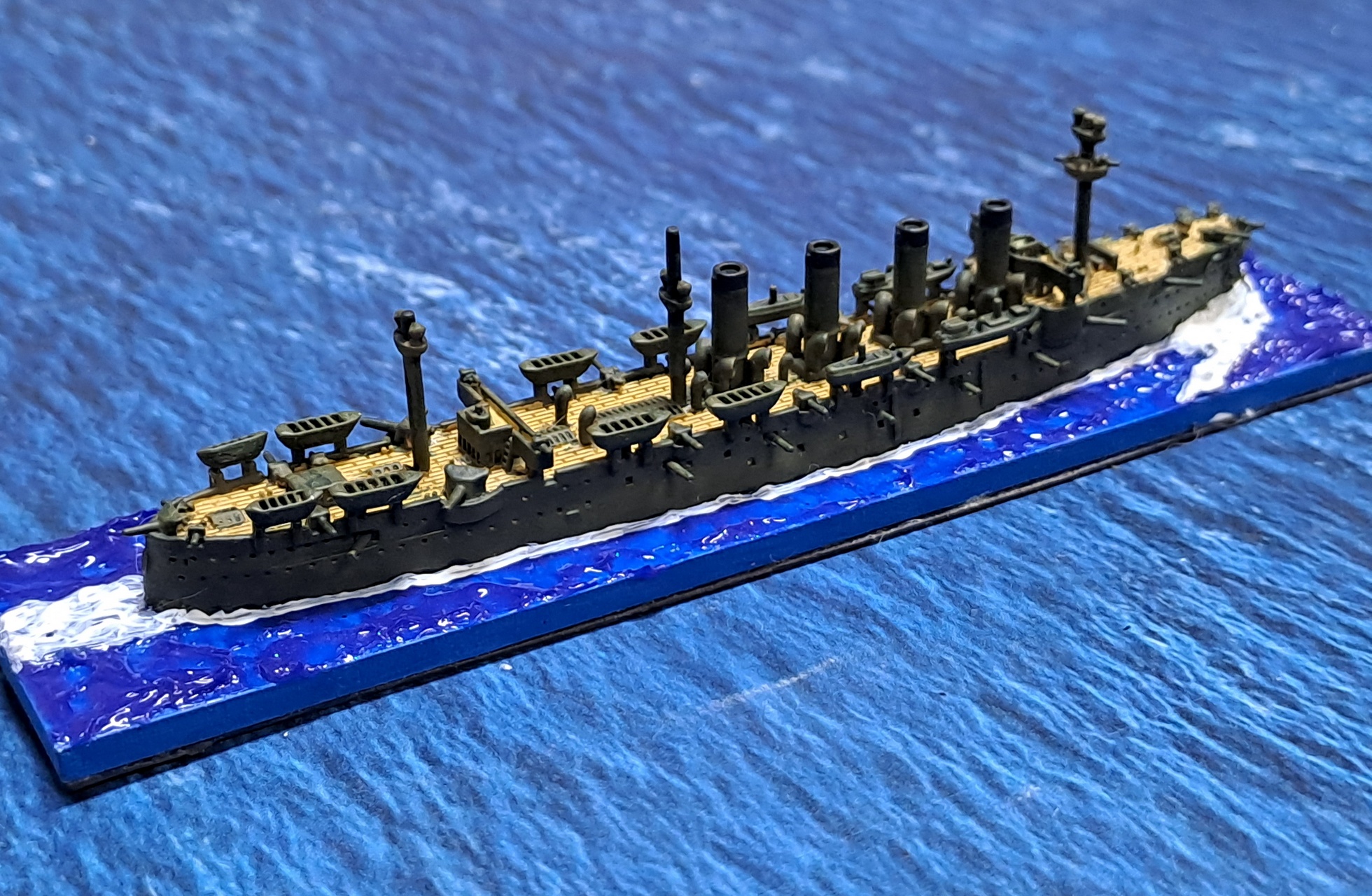
🇬🇧 Recently, I managed to finish the model of Askold painted in the scheme it wore in battle — that of the Port Arthur Squadron. It’s one of my favorite armored cruisers, alongside Varyag.

Askold was a protected cruiser built for the Imperial Russian Navy, named after the legendary Varangian ruler of Kiev. Her thin, narrow hull and maximum speed of 23.8 knots were considered impressive for the time. She had five thin funnels which gave her a unique silhouette for any vessel in the Imperial Russian Navy.
From the start of the Russo-Japanese War of 1904-1905, Askold was one of the most active vessels in the Russian fleet.

The cruiser’s high speed, durability, and good (for protected cruisers) armour characteristics make it a very useful ship in the player’s fleet, excelling in encounters with other cruisers and smaller vessels. Additionally, its unique 5-funnel silhouette will give it an unmistakable appearance on the gaming table.

* – description of the Askold by GMBoardgames.

🇵🇱 W ostatnim czasie udało mi się skończyć model Askolda w malowaniu w jakim walczył – czyli eskadry Port Artur, jeden z moich ulubionych obok Variaga krążowników pancernopokładowych.

Askold był krążownikiem pancernopokładowym zbudowanym dla Marynarki Wojennej Imperium Rosyjskiego, nazwanym na cześć legendarnego Warega. Jego cienki, wąski kadłub i maksymalna prędkość wynosząca 23,8 węzłów były uważane za imponujące jak na tamte czasy. Miał pięć cienkich kominów, co nadawało mu unikalną sylwetkę wśród okrętów Marynarki Wojennej Imperium Rosyjskiego.

Od początku wojny rosyjsko-japońskiej w latach 1904-1905, Askold był jednym z najbardziej aktywnych okrętów w rosyjskiej flocie. Wysoka prędkość, trwałość i dobre (jak na krążowniki pancernopokładowe) właściwości opancerzenia sprawiają, że jest to bardzo użyteczny okręt w flocie gracza, doskonały w starciach z innymi krążownikami i mniejszymi jednostkami. Dodatkowo, jego unikalna sylwetka z pięcioma kominami nada mu niezapomniany wygląd na stole do gry.

* – opis Askolda wg GMBoardgames.

🇬🇧 Summary:
– It’s a very fast cruiser, perfect for scenarios involving breaking out or maneuvering — and, of course, an excellent ship for ramming other vessels. I usually field it alongside the slightly lighter-armored but equally swift Varyag.
– more about Gods of War: Togo you can read HERE: https://www.gmboardgames.com/blog/bogowie-wojny-togo/. The game and everything related to it is available from the publisher, GM Boardgames that is, at the Bolter store: https://bolter.pl/en_US/index

🇵🇱 Podsumowanie:
– jest to bardzo szybki krążownik, idealny na scenariusze z wypływaniem oraz a jakże świetny okręt do taranowania innych jednostek. Na ogół zawsze wystawiam go z nieco lżej opancerzonym i równie szybkim Variagiem.
– więcej o Bogowie Wojny: Togo można przeczytać TUTAJ: https://www.gmboardgames.com/blog/bogowie-wojny-togo/ . Gra i wszystko z nią związane jest dostępna u wydawcy GM Boardgames czyli w sklepie Bolter: https://bolter.pl/pl/c/BOGOWIE-WOJNY-TOGO/1787

Gods of War: Togo – Lighthouses (🇬🇧EN/🇵🇱PL) Czwartek, Lip 31 2025 

🇬🇧 In ancient times, when humans first began to sail the seas and navigation relied on the position of the stars and the skills of captains, bonfires were lit on the shore to aid sailors — serving as a signal that land was nearby. Centuries passed, and during antiquity — those earliest of times — the most famous lighthouse was built: the Lighthouse of Alexandria on the Island of Pharos. There was also the Colossus of Rhodes, which reportedly served a similar function, along with many other structures meant to inform sailors of the coastline’s presence.

Over the following centuries, little changed — and in many ways, it still hasn’t. Lighthouses continue to exist, though in the age of satellite navigation their role is not as critical as it once was. However, in the historical game Bogowie Wojny: Togo, they still play an important role — helping ships avoid crashing into the shore.

From sources known to me, I know that the lighthouses will be released as part of a larger set, which will include, among other things, port elements. Unfortunately, I can’t reveal any further details on the matter.

* – translation to English done with help of ChatGPT.

🇵🇱 W najdawniejszych czasach, kiedy człowiek zaczął żeglować po morzach, a nawigacja opierała się na położeniu gwiazd i umiejętnościach kapitanów, by ułatwić żeglugę zaczęto stawiać na brzegu ogniska, mające na celu informować morskich podróżników o obecności wybrzeża. Wieku mijały, a mówimy najdawniejszych czyli antyku, w trakcie którego powstała najsłynniejsza latarnia Aleksandryjska na Wyspie Faros czy Kolos Rodyjski mający podobno zbliżone do latarni zastosowanie i zapewne wiele innych obiektów mających informować żeglarzy o obecności lądu. W kolejnych wiekach nic się nie zmieniało i nie zmienia, latarnie nadal istnieją, chociaż ich funkcje w dobie nawigacji satelitarnej nie są już tak istotne jak jeszcze do niedawna były. W historycznej grze Bogowie Wojny: Togo nadal pełnią ważną rolę – pozwalają okrętom czy statkom uniknąć zderzenia z lądem.

Ze znanych sobie źródeł wiem, że latarnie wyjdą jako część większego zestawu, zawierającego m.in. elementy portu. Niestety nic więcej w tej kwestii nie mogę dodać.

Gods of War: Togo – Martello Towers (🇬🇧EN/🇵🇱PL) Poniedziałek, Lip 28 2025 

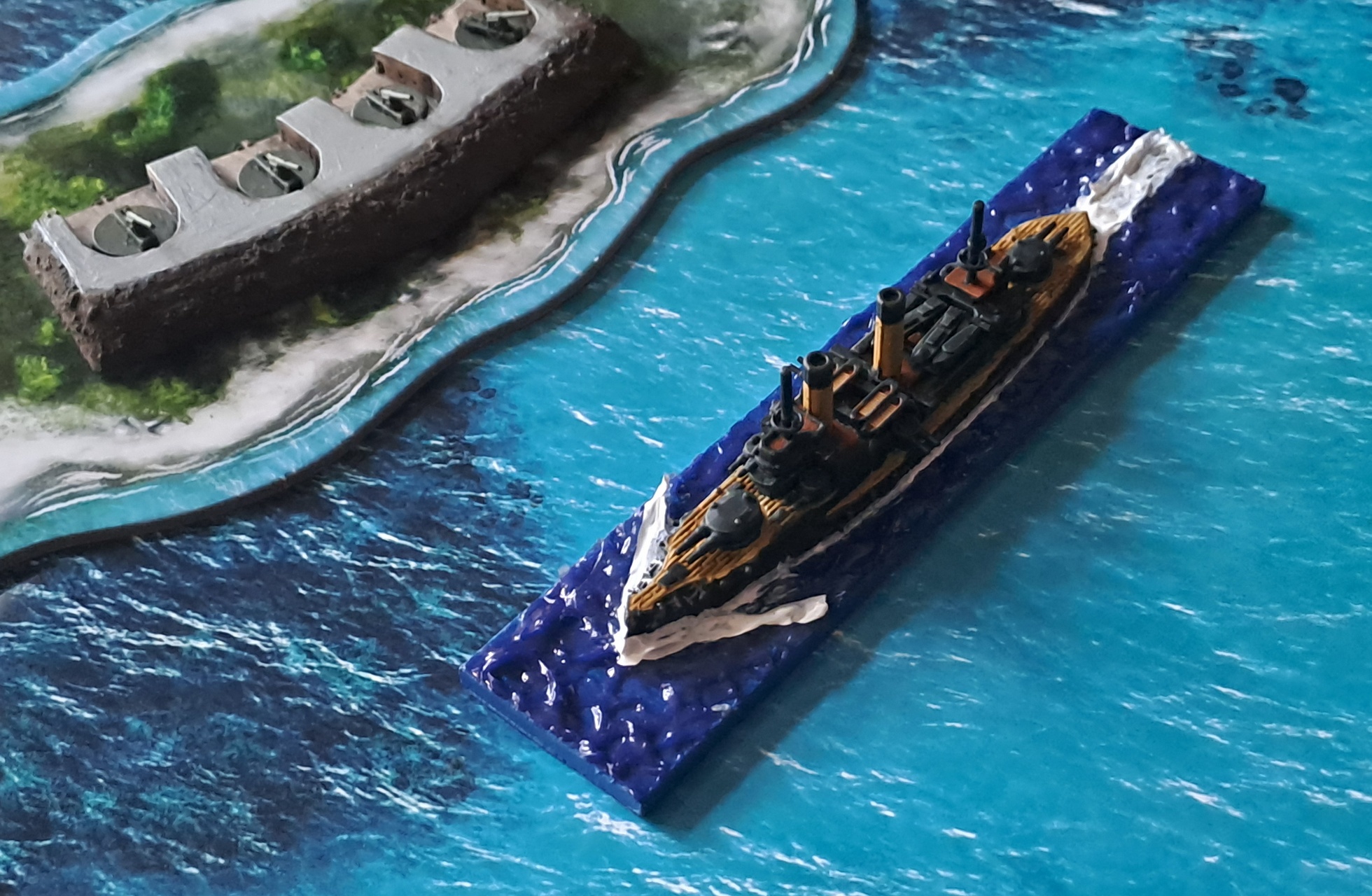
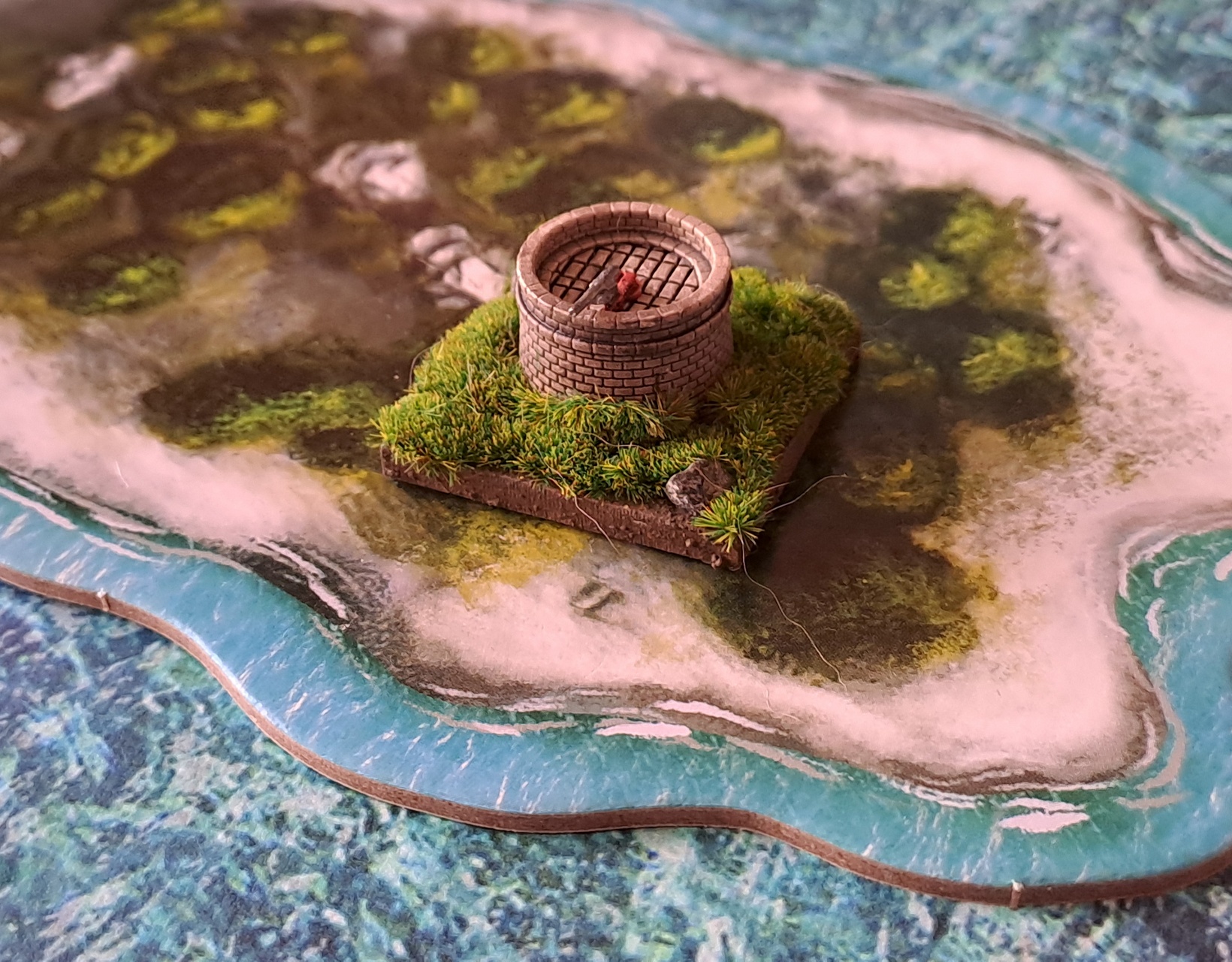
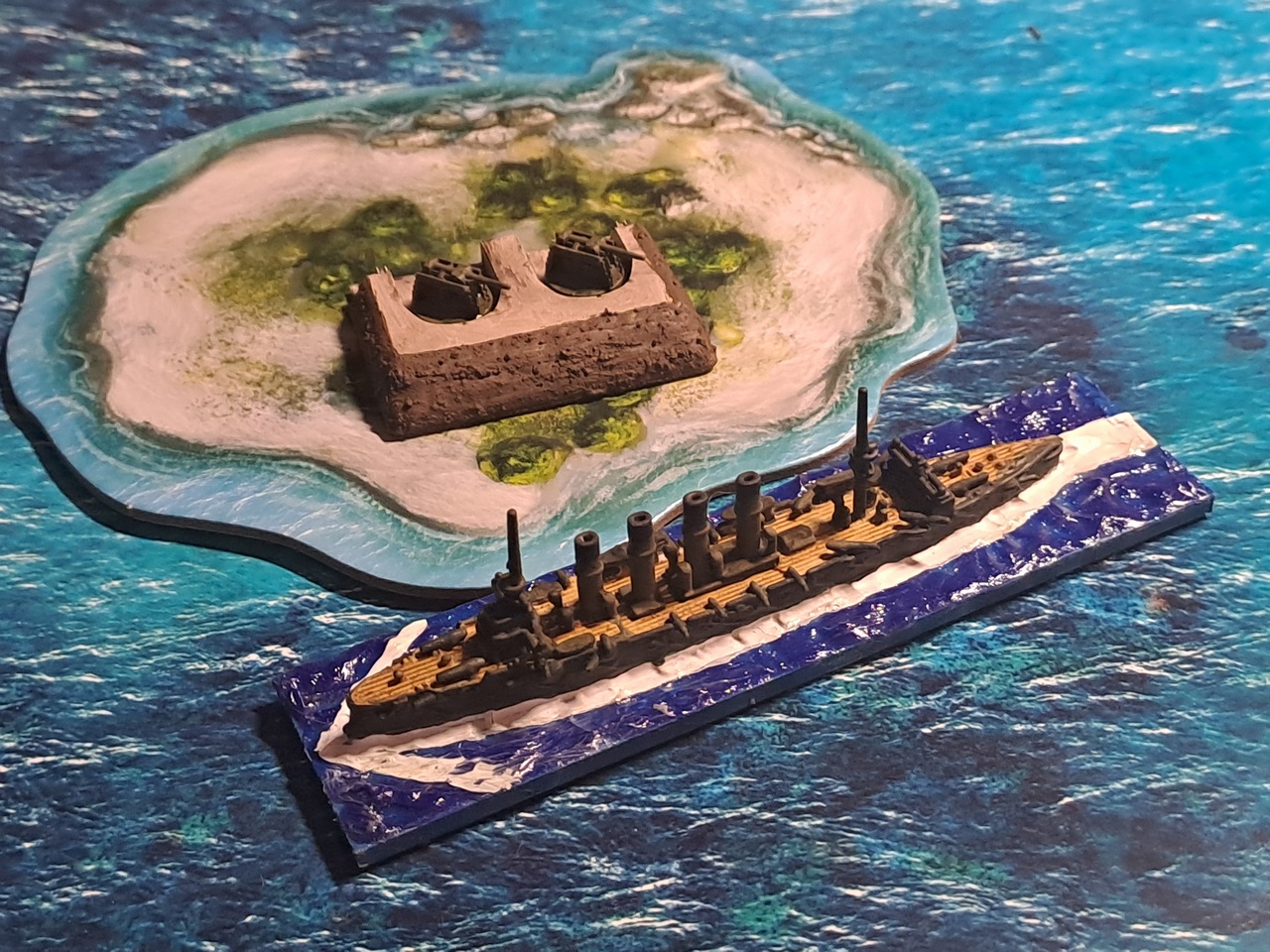
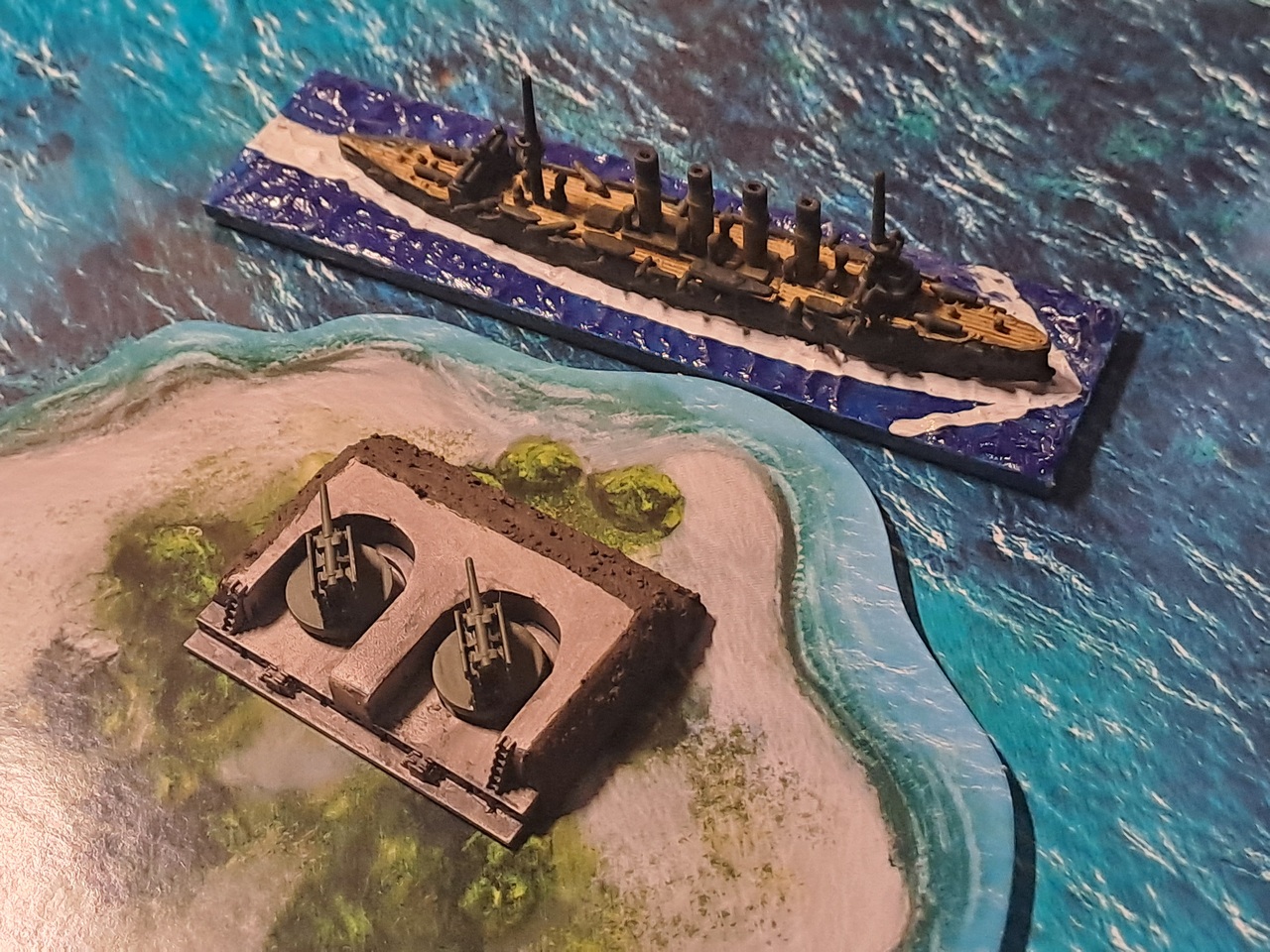
🇬🇧 In recent days, I painted two Martello towers, available to any fleet as part of coastal fortifications. These will soon appear in the Fleet Builder — but for now, they’ve been added to Bolter’s store offer as part of a pre-order set charmingly named Coastal Fortifications — available HERE. You can read more about Martello towers at this link on Wikipedia. They were built in various parts of the world, although most of them are located in the United Kingdom. However, individual towers were also constructed in far-off places like Japan, Mauritius, or Sri Lanka.

* – translation to English done with help of ChatGPT.

🇵🇱 W ostatnich dniach pomalowałem dwie wieże Martello, dostępne do każdej z flot jako element nadbrzeżnych fortyfikacji, które już niebawem pojawią się w Kreatorze Floty – a tymczasem pojawiły się w ofercie sklepu Bolter, jako część zestawu dostępnego w przedsprzedaży o wdzięcznej nazwie Coastal Fortifications – fortyfikacje wybrzeża dostępne TUTAJ. Więcej o wieżach Martello możesz przeczytać pod tym linkiem na Wikipedii – jest to opis po angielsku, jest zdecydowanie bogatszy od opis niż po polsku. Budowano je w różnych częściach świata, chociaż najwięcej z nich znajduje się w Wielkiej Brytanii, ale pojedyncze sztuki zbudowane także np. w odległej Japonii, na Mauritiusie czy na Sri Lance.

Gods of War: Togo – Clan Mackay (🇬🇧EN/🇵🇱PL) Sobota, Lip 26 2025 

🇬🇧 On a hot July Saturday, I finally managed to finish the transport ship Clan Mackay for Bogowie Wojny: Togo.

„Clan MacKay was a cargo steamship that was built in 1894, had a fifty-year career under successive British, Australian, Chinese and Greek owners, was captured by Japan in the Second World War, and sunk by a United States Navy submarine in 1944.

She was built in England for the Clan Line as Clan Mackay. 

The three sister ships were built as yard numbers 227, 228 and 229 and launched in 1894 as Clan Ross, Clan Campbell and Clan Mackay. Clan Mackay was the last of the three, being launched on 31 October 1894 and completed that December. They were the first Clan Line ships to be built with a straight stem instead of a clipper bow.

Clan Mackay’s registered length was 95.1 m, her tonnages were 2,600 GRT and 1,665 NRT. She was propelled by a single screw, powered by a three-cylinder triple-expansion engine, providing her with a speed of approximately 13 knots.

In September 1899 Clan Mackay was involved in a collision, as a consequence of which she was beached. She was repaired and returned to service.

The Clan MacKay was a fairly typical, small transport vessel of the late 19th and early 20th centuries. Its size and decent speed will make it a valuable addition to the fleet of any player. Its greatest value, however, lies in its incredible 50-year history, culminating in its service during ww2 as a Japanese “hell ship,” used to transport Allied PoWs.”

* – description of the Clan Mackay by GMBoardgames.

🇵🇱 W upalną lipcową sobotę udało mi się nareszcie skończyć statek transportowy – Clan Mackay do Bogów Wojny: Togo

„Clan MacKay był parowcem towarowym zbudowanym w 1894 roku, który miał pięćdziesięcioletnią karierę pod rządami kolejnych brytyjskich, australijskich, chińskich i greckich właścicieli, został zdobyty przez Japończyków podczas II wojny światowej i zatopiony przez amerykański okręt podwodny w 1944 roku.

Statek ten został zbudowany w Anglii dla Clan Line jako Clan Mackay. Trzy siostrzane statki zostały zbudowane jako numery stoczniowe 227, 228 i 229 i zwodowane w 1894 roku jako Clan Ross, Clan Campbell i Clan Mackay. Clan Mackay był ostatnim z trzech, został zwodowany 31 października 1894 roku i ukończony w grudniu tego samego roku. Były to pierwsze statki Clan Line zbudowane z prostą stewą dziobową zamiast dziobu kliprowego.

Zarejestrowana długość Clan Mackay wynosiła 95,1 m, tonaż wynosił 2 600 BRT. Był napędzany pojedynczą śrubą, zasilaną przez trzycylindrowy silnik potrójnego rozprężania, co zapewniało mu prędkość około 13 węzłów.

We wrześniu 1899 roku Clan Mackay brał udział w kolizji, w wyniku której osiadł na mieliźnie. Został naprawiony i powrócił do służby.

Clan MacKay był dość typowym, małym statkiem transportowym z końca XIX i początku XX wieku. Jego rozmiar i przyzwoita prędkość uczynią go cennym dodatkiem do floty każdego gracza. Jego największa wartość tkwi jednak w niesamowitej, 50-letniej historii, której kulminacją była służba podczas II wojny światowej jako japoński „statek piekielny”, wykorzystywany do transportu alianckich jeńców wojennych.”

* – opis Clan Mackay wg GMBoardgames.

Gods of War: Togo – Oslabia (🇬🇧EN/🇵🇱PL) Czwartek, Lip 17 2025 


🇬🇧 Today I managed to complete another ship for my Rossijskij Imperatorskij Flot — the Persevet class battleship Oslabya. It’s one of the cheaper ships of its class, with the lower cost reflecting its lighter armor compared to other Russian vessels in this category.

„Peresvet was designed in the mid-1890s as a high-speed, long-range battleship that could support Russian armored cruisers in raiding operations. The long range was paid for with weaker armor than typical battleships of the era (except Pobeda, which had Krupp armor). This ship will therefore be a cheaper (in points) alternative to the Borodino class, due to the large number of cannons, which is a threat to both battleships and cruisers of the enemy. Their additional advantage is the ability to purchase the minelayer option!

Two ships of this class (Peresvet and Pobeda) took part in the battles of Port Arthur and the Yellow Sea. The third (Oslabya) participated in the Battle of Tsushima. These ships are also very interesting from a painting perspective — you can paint them in the colors of the Port Arthur squadron or the Baltic Fleet.

* – description of the Peresvet-class by GMBoardgames.

🇵🇱 Dzisiaj udało mi się ukończyć kolejny okręt do mojej Rossijskij Imperatorskij Flot, a jest nim pancernik klasy Pierieswiet – Oslabia. Jeden z tańszych okrętów tej klasy, mniejsza cena związana jest z mniejszym pancerzem od innych rosyjskich okrętów tej kategorii.

„Pancerniki typu Pierieswiet zostały zaprojektowane w połowie lat 90-tych XIX wieku jako szybkie pancerniki, mający duży zasięg, mogące wspierać rosyjskie krążowniki pancerne w działaniach rajderskich. Daleki zasięg okupiony został słabszym opancerzeniem, niż na typowych pancernikach tej epoki, a także nieco słabszym uzbrojeniem (4 armaty kalibru 254 mm, plus artyleria średnia i lekka). W porównaniu do dwóch pozostałych okrętów, Pobieda była wyposażona w nowocześniejszy pancerz typu Kruppa.

Dwa okręty tej klasy (Pierieswiet i Pobieda) uczestniczyły w bitwach pod Port Arthur i na Morzu Żółtym. Trzeci (Oslabia) wziął udział w bitwie pod Cuszimą. Okręty te są już bardzo ciekawe z malarskiego punktu widzenia – będzie można je pomalować na barwy eskadry z Port Arthur lub floty bałtyckiej.”

* – opis Pierieswieta wg GMBoardgames.

🇬🇧 Following cards are avaible in the box with ship. 🇵🇱 Następujące karty są dostępne w pudełku z okrętem.

Gods of War: Togo – SS Warrimo (🇬🇧EN/🇵🇱PL) Poniedziałek, Czer 9 2025 

🇬🇧 Few days ago I managed to complete another ship — this time a unique one: the SS Warrimo. Unique because it was a prize given to every participant at the 2024 Polish Championships in Gods of War: Togo.

In its history, the ship managed to be in a place where one part of it was in January 1, 1900, while another part was still in December 31, 1899. You can read more about the history of SS Warrimo HERE.

* translation to English done with use of ChatGPT.

🇵🇱 Parę dni temu udało mi się ukończyć kolejny, tym razem unikatowy statek SS Warrimo. Unikatowy, bo był nagrodą dla każdego z uczestników na Mistrzostwach Polski 2024 w Bogowie Wojny: Togo.

W swej historii statkowi udało się znaleźć w miejscu, gdzie jego część była w dniu 1 stycznia 1900, a część w dniu 31 grudnia 1899 roku. O historii SS Warrimo można przeczytać TUTAJ.

« Poprzednia stronaNastępna strona »