Hey Maciek!
It’s already been a year and a half since our last interview – as a reminder, you can read it HERE. That conversation was held with a five-person group at the Bolter club, exactly two years ago. What has changed since then?
– Since then, we have released new fleets, organized larger and larger tournaments, and the game has continued to grow.
The last crowdfunding campaign for the Royal Navy attracted players from all over the world. Can you share from which countries participants came? Interestingly, alongside His Majesty’s Navy, the Imperial German fleet was also introduced and quickly gained popularity.
– The British fleet was funded, and the campaign was so successful that we were soon able to release the German fleet. Backers came from many European countries, but also from both Americas and from Asia (including Japan).
What was the biggest challenge in running that campaign? From what I know, interest came from all over the globe, and my Varyag card – due to some technical issues – even ended up shipped with a set all the way to the USA?
– The biggest challenge was logistics in the broadest sense – packing, production, printing, shipping, and adding corrections to the main rulebook. It’s easier to design a dozen models than to fix a few subsections. In the latter case, it requires tons of testing, and sometimes it’s hard to see all the dependencies that even a small change can cause.

Gods of War: Togo is becoming increasingly recognized outside of Poland. What are your future plans for its development?
– When talking about it with Adam and Kuba at Bolter, we definitely want as many people as possible to play Togo, including international players. I dream of having a large group of foreign players join the next Polish Championships. We will certainly keep adding new elements to make gameplay as varied and engaging as possible.
Maciek, tell us which fleets are the most popular – or is that difficult to say? Personally, I’m fond of the Russian Baltic Fleet and increasingly the Pacific Fleet. If I were to start a new one, it would probably be the Imperial Japanese Navy. We also know players who especially enjoy the Spanish fleet or the US Navy.
– Interest shifts as new ships or entire fleets are released. The great thing is that at tournaments, we can basically see all fleets. At the moment, I think the British and German fleets are particularly popular.
GM Boardgames, together with your publisher Bolter.pl, actively supports the system you created. You regularly publish updates and, as designers, you carefully listen to player feedback. That’s quite unusual in the wargaming world. I myself participate in the test group and often “complain.” What made you choose this approach?
– Humility. One brain will never be as good as dozens. It’s important to remember that the game is created primarily for players. Sure, it’s also born out of our love for the subject and the act of creation, but it’s not made to sit in a drawer – it’s made so others can have fun using the models and rules. One of the most satisfying things is hearing positive words from so many people who play our systems. So with such a great community, how could we even think of not listening to their feedback?
Do you enjoy reading the battle reports that players post in the Gods of War group? What do you pay the most attention to?
– Very much so. I especially like reports from large battles, but also those written by people just starting their adventure with the game.

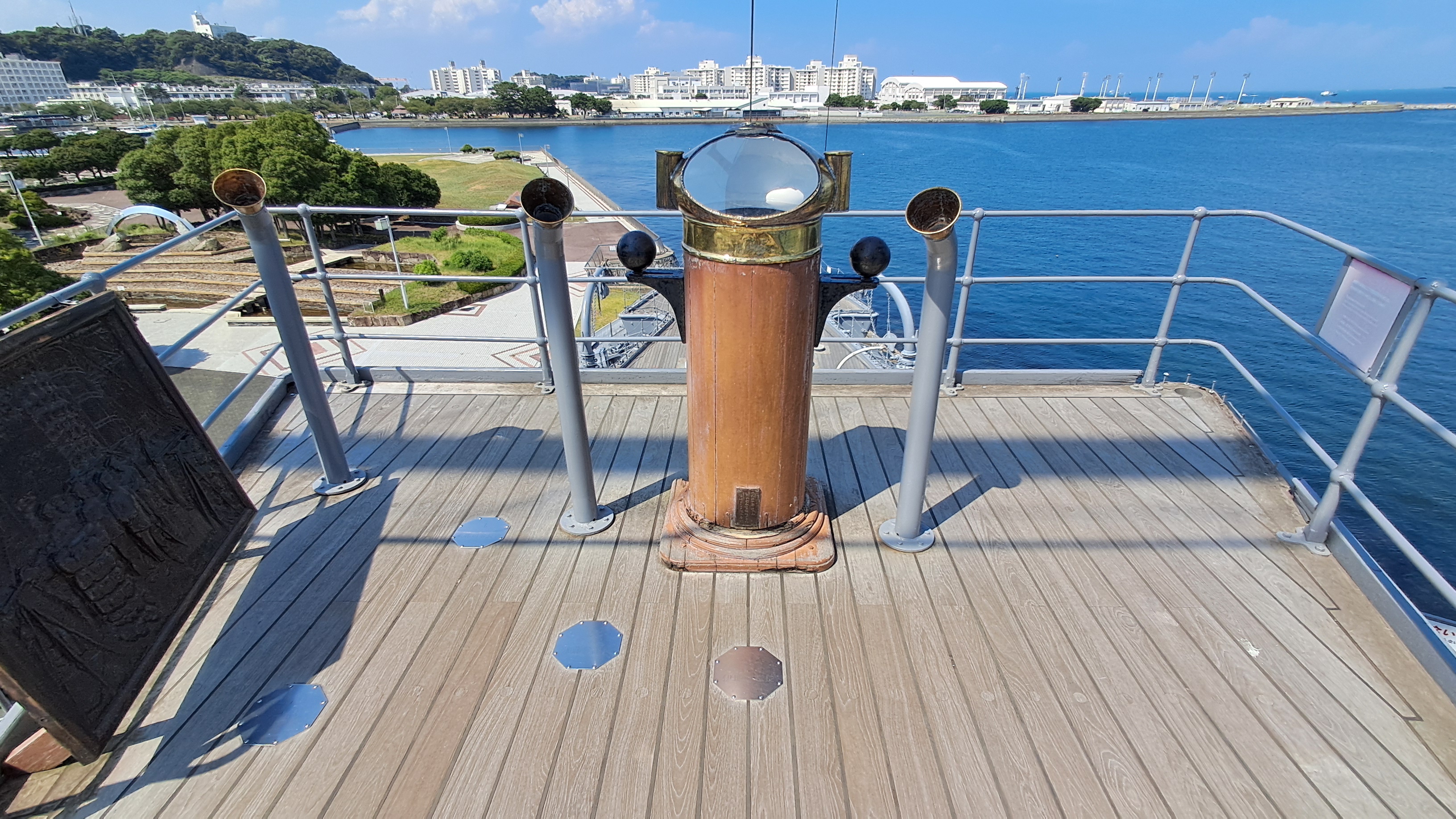
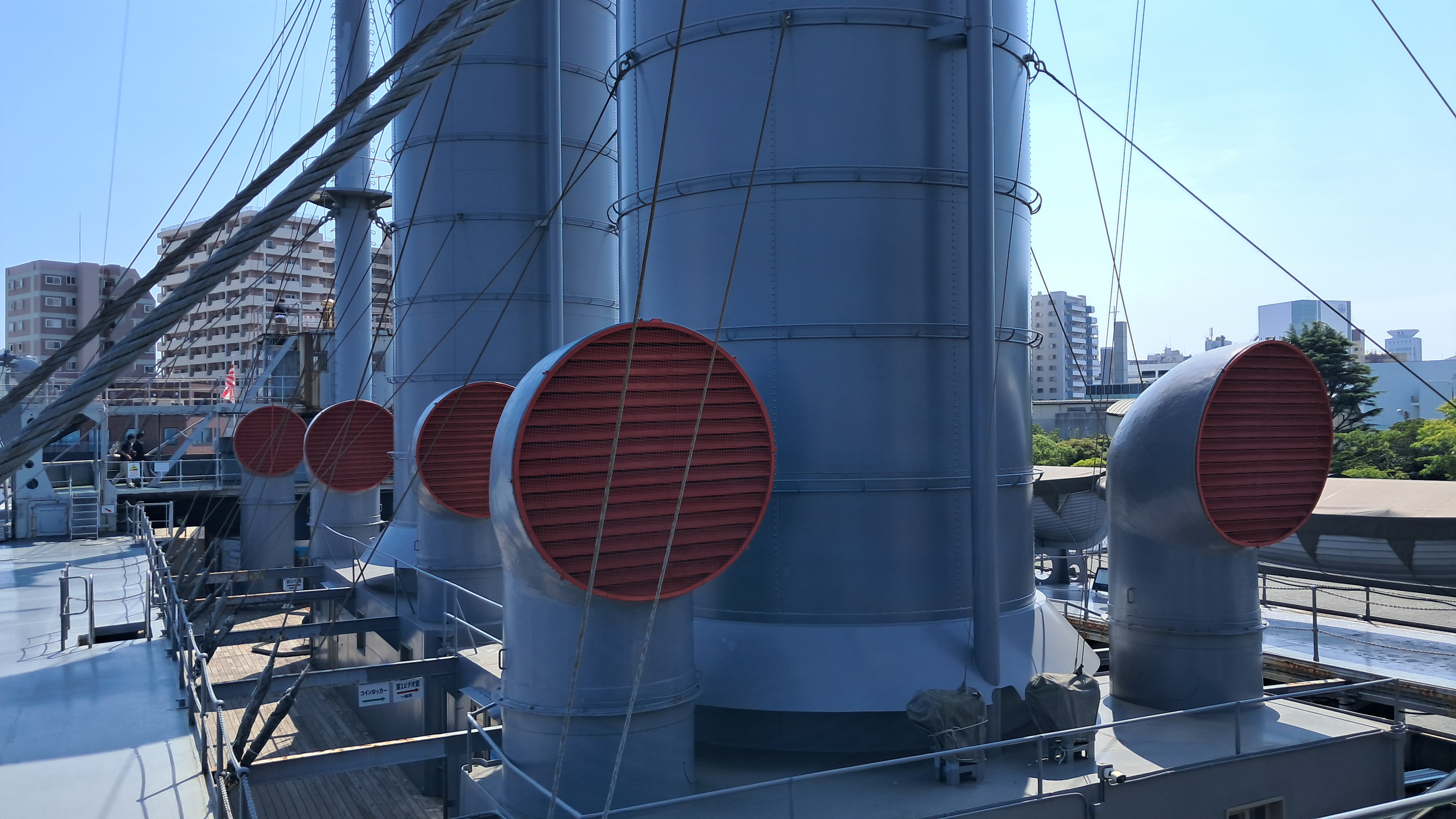
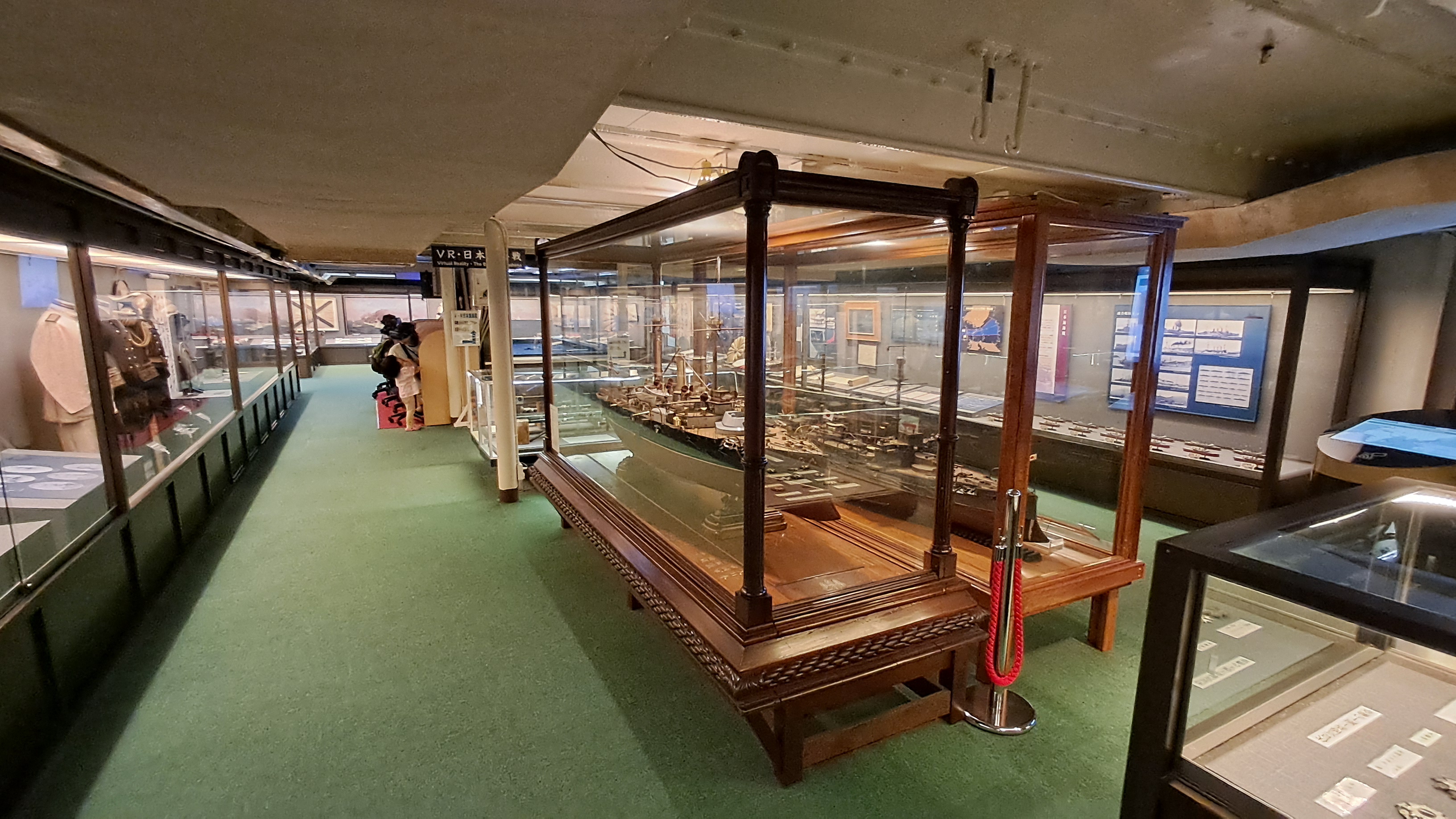
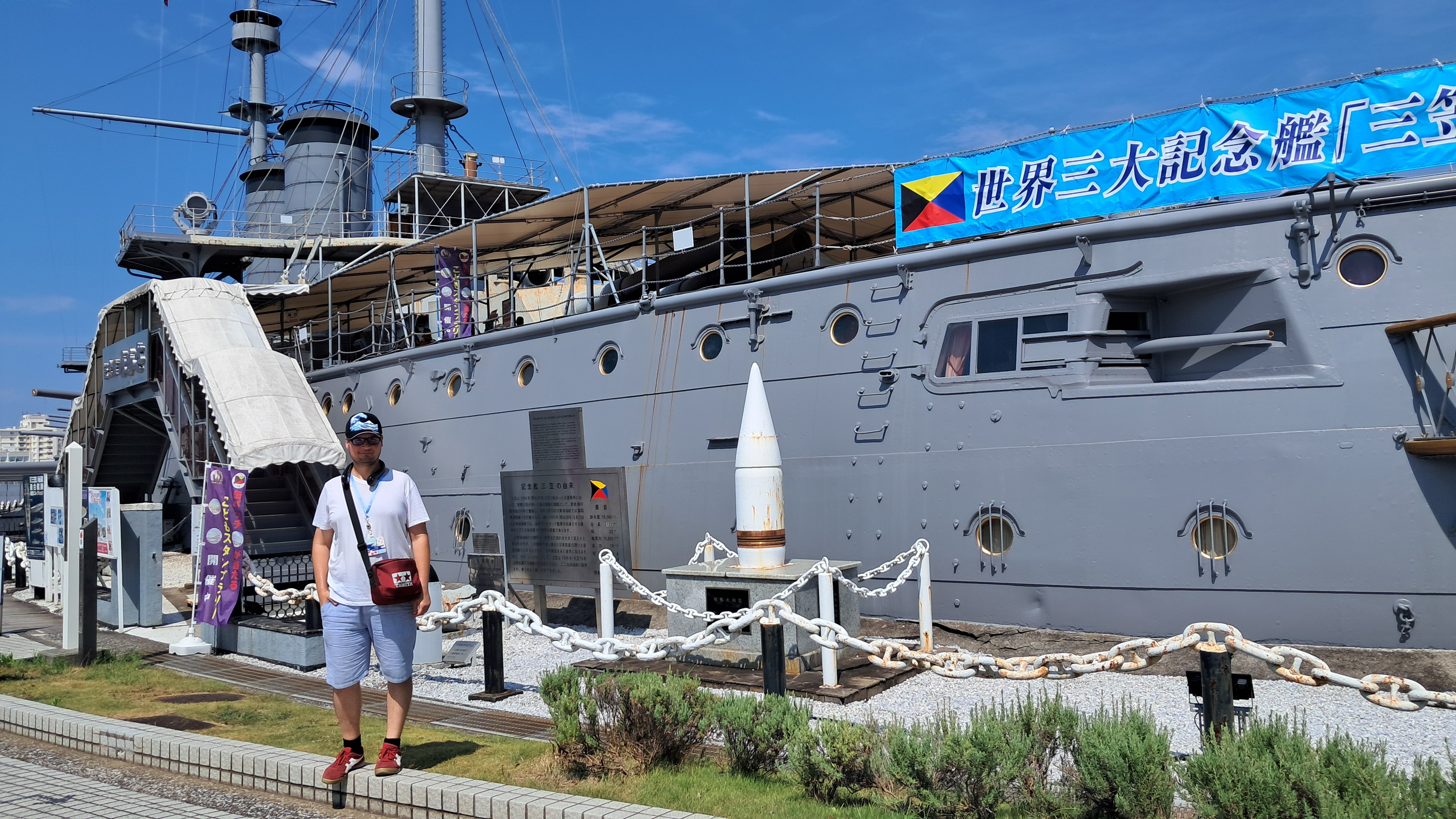
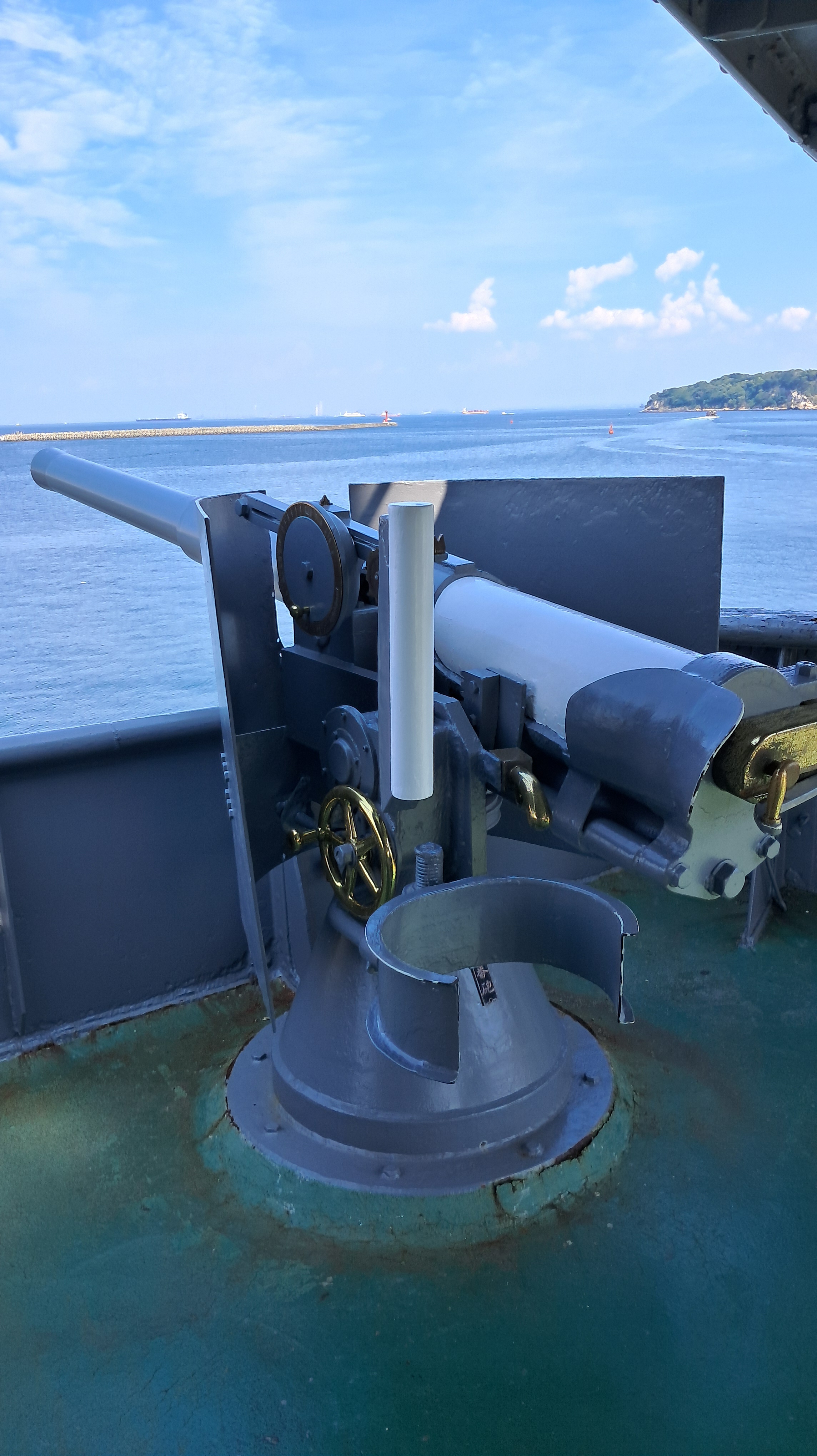
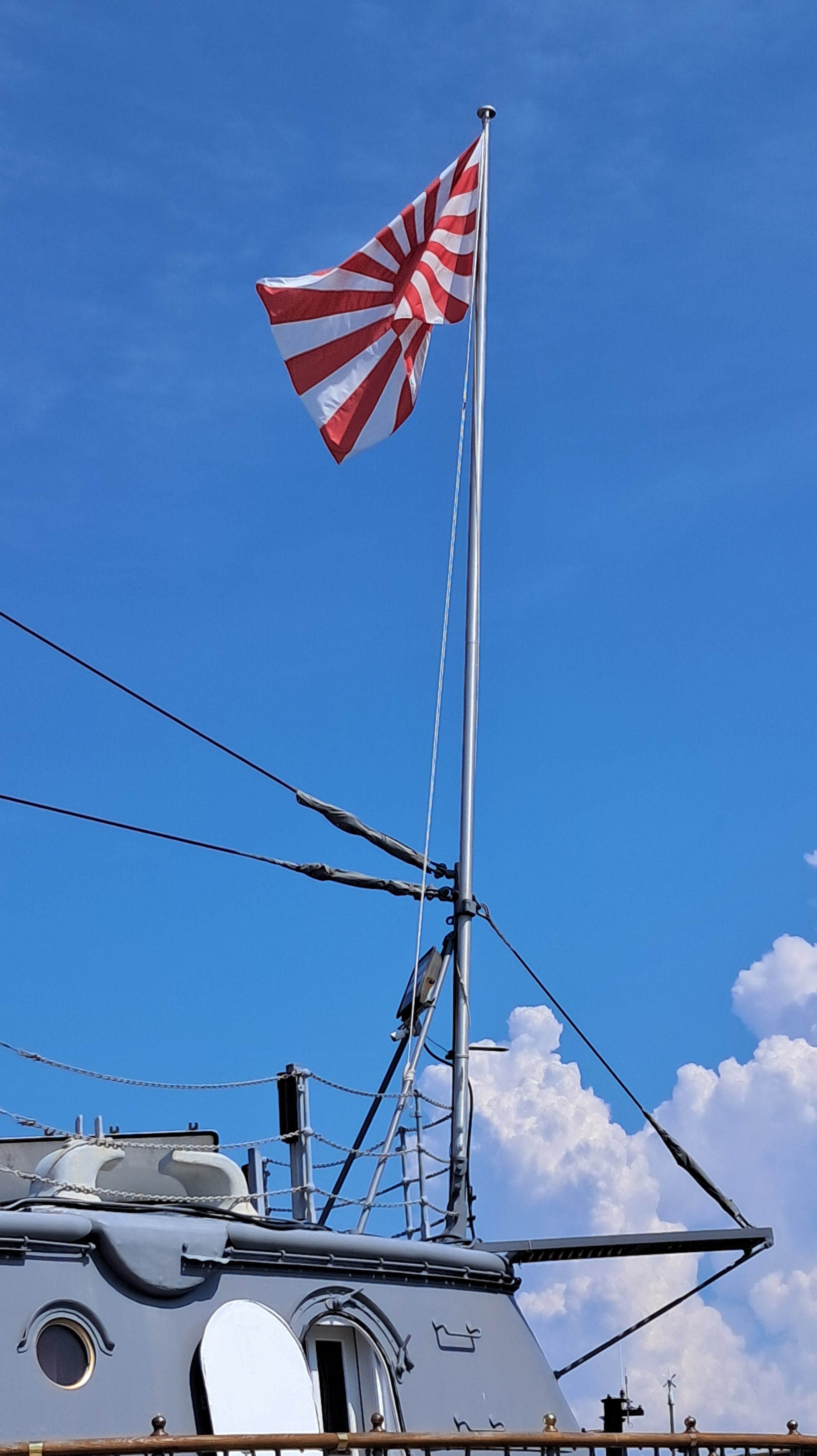
I know this may sound like a cliché, but many readers will want to know: you’ve been to Japan – what captivated you the most, what made you fall in love with the Land of the Rising Sun? You also visited Mikasa – do you have photos from that visit?
– My love for Japan and Japanese culture started when I was a teenager. Samurai movies played a big role, as well as some anime, especially Captain Hawk (an animated series from the 90s about young Japanese football players). I also loved reading books about World War II in the Pacific. In adulthood, this fascination only deepened, and finally, thanks to my profession as a tour guide, I was able to visit my beloved Japan. It may sound strange, but after those trips, I became even more fascinated. One of the biggest experiences was seeing the battleship Mikasa. I’ve toured it three times already, and once I even received a piece of the old deck wood being replaced, which is now one of the prizes at the Polish Championships in Gods of War: Togo.
I love Japanese cuisine, their respect for tradition combined with modernity, the cleanliness and order, and above all, their great courtesy.
Can you reveal which fleet will be the next for Gods of War: Togo?
– Yes, but then we’d have to keelhaul you – and I wouldn’t want that. However, the French fleet will premiere at Pola Chwały.
“What gives you greater satisfaction – your own victory in the game, or seeing players enjoy your system?”
– Definitely the latter. The greatest joy comes when, from time to time during Togo battles – whether in tournaments or historical scenarios – we can simply meet and spend good time together with amazing people.
Do you have a favorite miniature or fleet/army that you’re always sentimental about? Don’t limit yourself only to your own systems – I know you love them all 😉.
– I’m very attached to the first miniature I ever painted, which I still have. It’s a Saurus warrior from a Lizardmen army for WFB.
I also enjoy ships that were particularly complex projects and have interesting shapes.
What’s your greatest dream as a wargame designer?
– To have more time.
In Togo, I’d love to one day play out the Battle of the Yellow Sea and Tsushima.
And now, if you don’t mind, a few questions unrelated to your systems.
What music do you listen to daily? Do you have something special you listen to while creating new miniatures for your systems? We’d love to hear your favorite albums and recommendations.
– When I work, especially when designing new models or writing, I usually listen to Renaissance lute music or Baroque music. So I have to disappoint everyone – no model has been created to the sound of sea shanties. Although some say their ships fight better in tournaments if shanties are playing!
I like many different genres, especially performers from the 80s and 90s, such as Sting or Dire Straits. I also enjoy music inspired by different cultures, including Celtic, so I’m fond of Loreena McKennitt and Enya.
Since we’ve mentioned music, let’s talk about books. I don’t have much time to read lately, but maybe you could recommend your favorite authors?
– I tend to read many books at once, with an even bigger pile waiting to be read. Besides a lot of specialist history books, I really like fantasy and science fiction. I’m embarrassed to admit I only recently read Dune, which I loved – my first exposure to its world was back in the 90s through Dune II and the first movie adaptation.
As for history books, Grand Fleet (Vol. I) by Tadeusz Klimczak made a huge impression on me.
One last question – which historical movies would you recommend to our readers?
– Despite being a historian and sometimes gritting my teeth, I try to overlook certain inaccuracies, since film is its own medium. If I get caught up in great acting, writing, or directing, then historical shortcuts don’t matter as much. It’s worse when a movie is both poor and historically inaccurate.
That said, films I can definitely recommend include: Gladiator (only the first one), the old Ben Hur, Braveheart, Robin Hood: Prince of Thieves, Joan of Arc, Alatriste, The Patriot, Waterloo, Gettysburg, 1917, Saving Private Ryan, Letters from Iwo Jima, Band of Brothers, Enemy at the Gates, A Bridge Too Far, We Were Soldiers, Apocalypse Now, Black Hawk Down, Generation Kill, and from Polish cinema, the entire Trilogy, especially The Deluge, as well as Tomorrow We Are Going to the Movies and Warsaw ’44.
And finally – if you could play a battle against any historical commander, who would it be and why?
– I’d love to play a campaign-level game with Napoleon Bonaparte.
Thank you, Maciek, for giving me the chance to conduct this interview. I know you and Kuba are always polishing everything to perfection, so I’m even more grateful that you found the time for me.
Interview with Maciej Molczyk, historian, teacher, and owner of GM Boardgames, conducted on September 20, 2025, at the pub Bistro Narożnik.
Translated from Polish to English with help of ChatGPT.
 tancreddebeauville
 Tancred’s Tabletop Tales