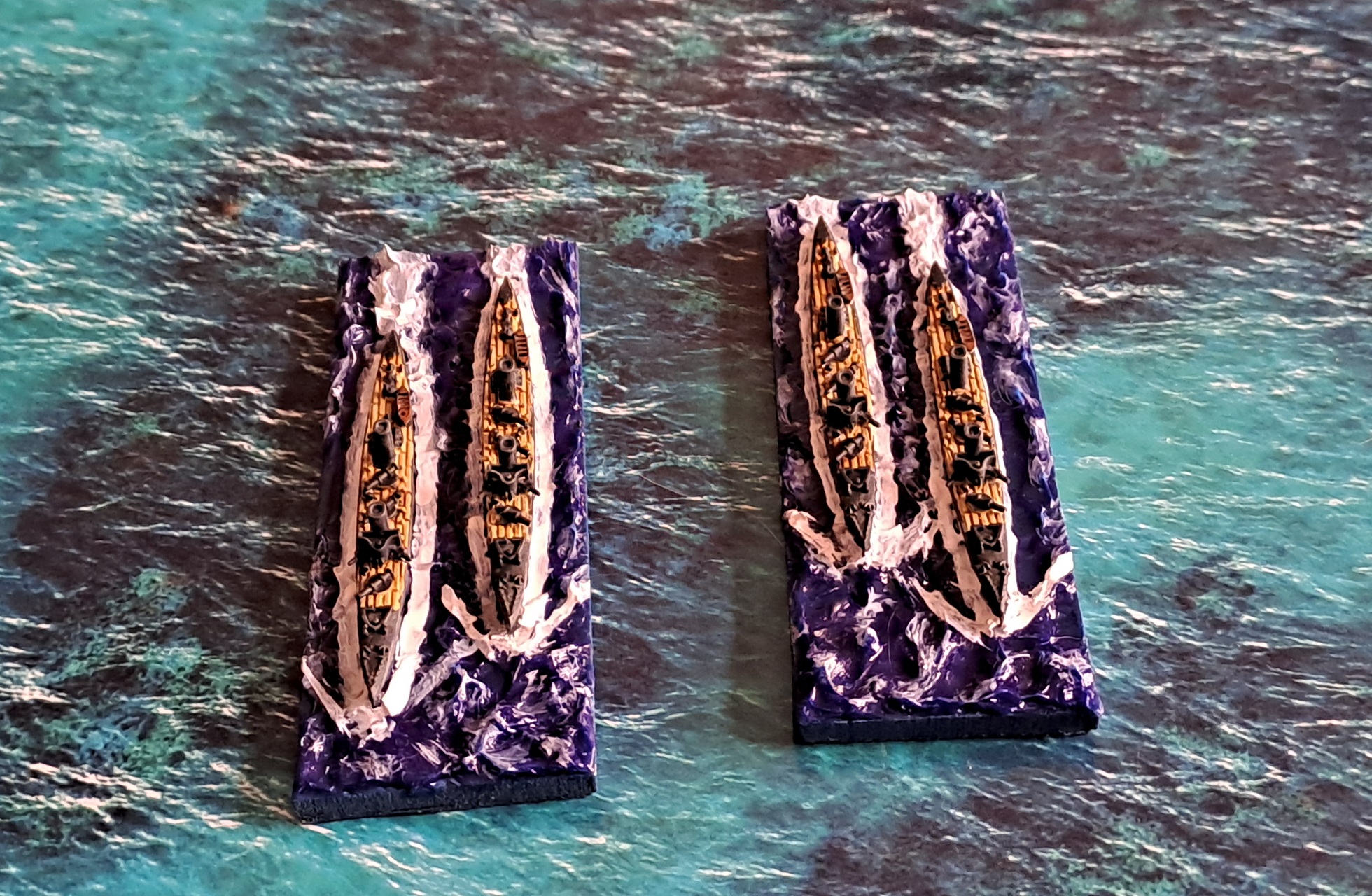
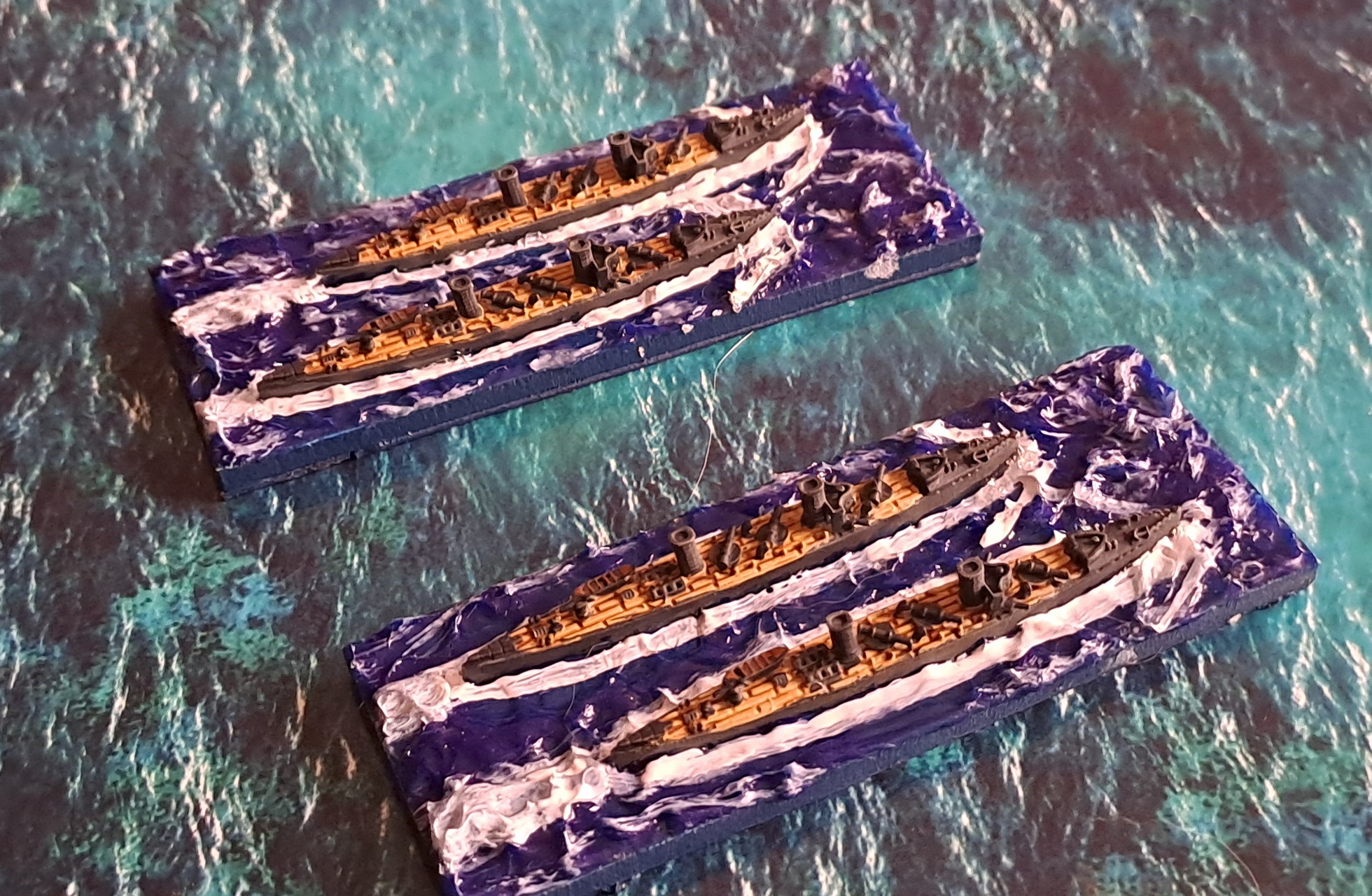
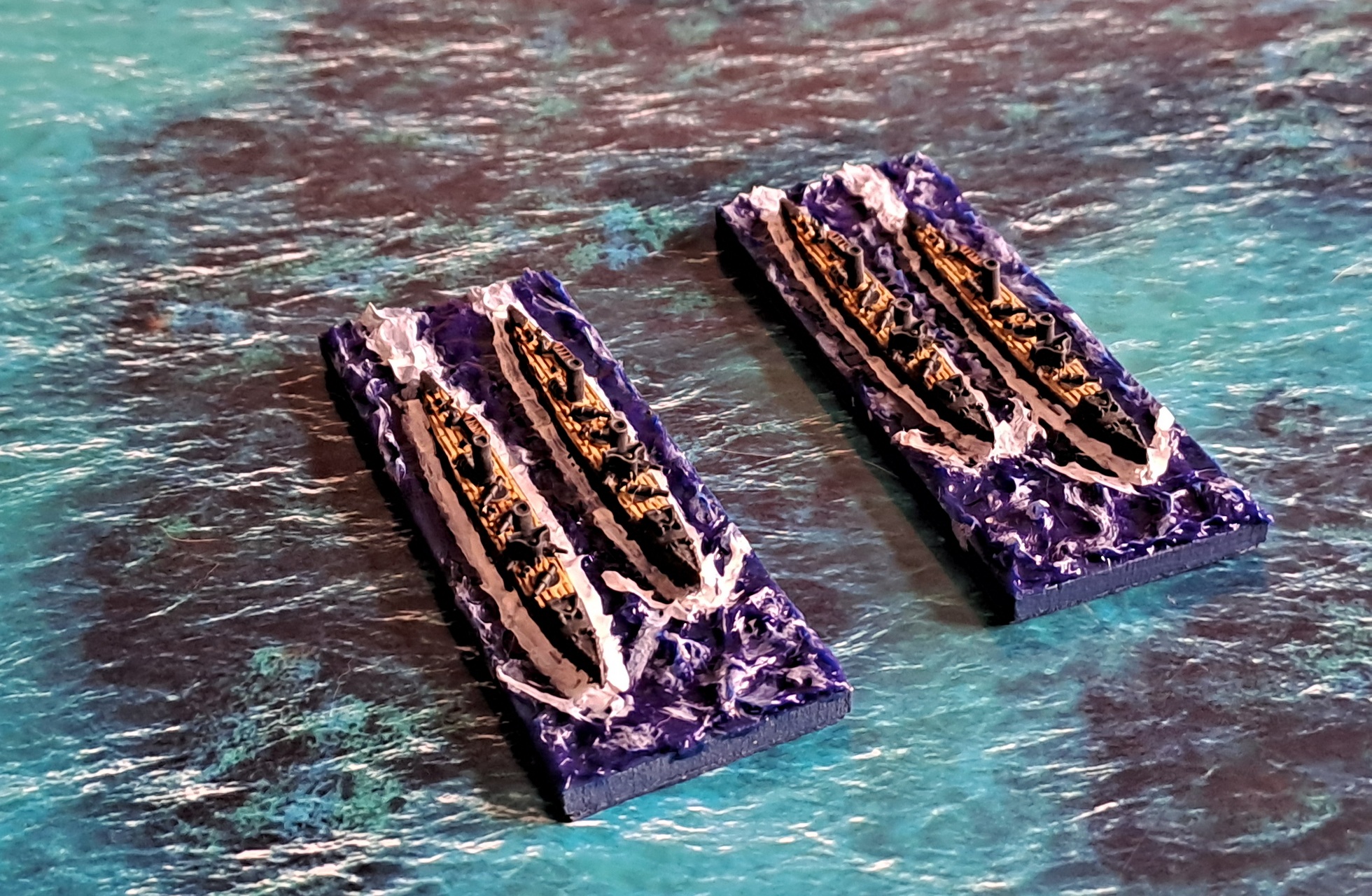
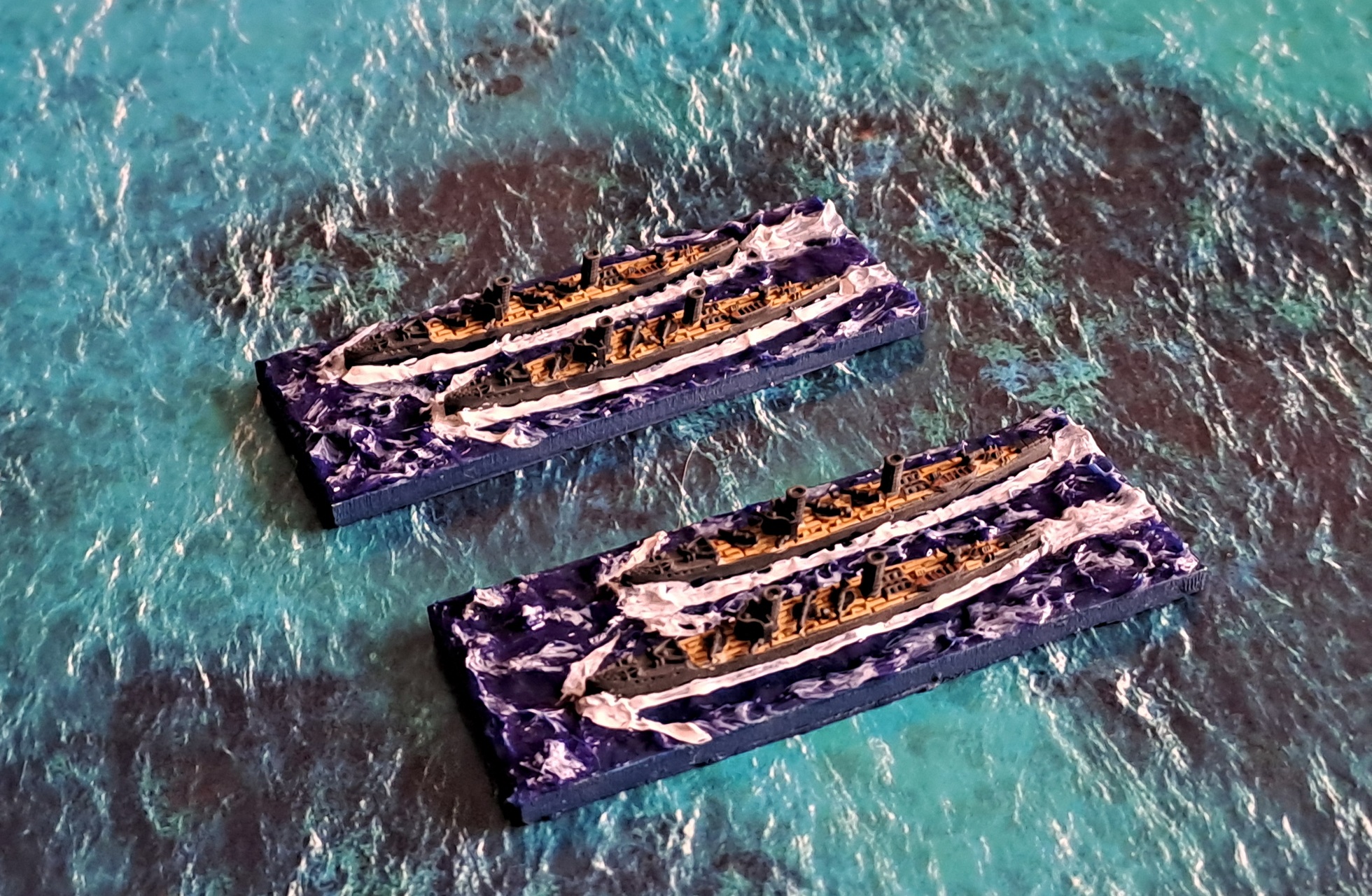
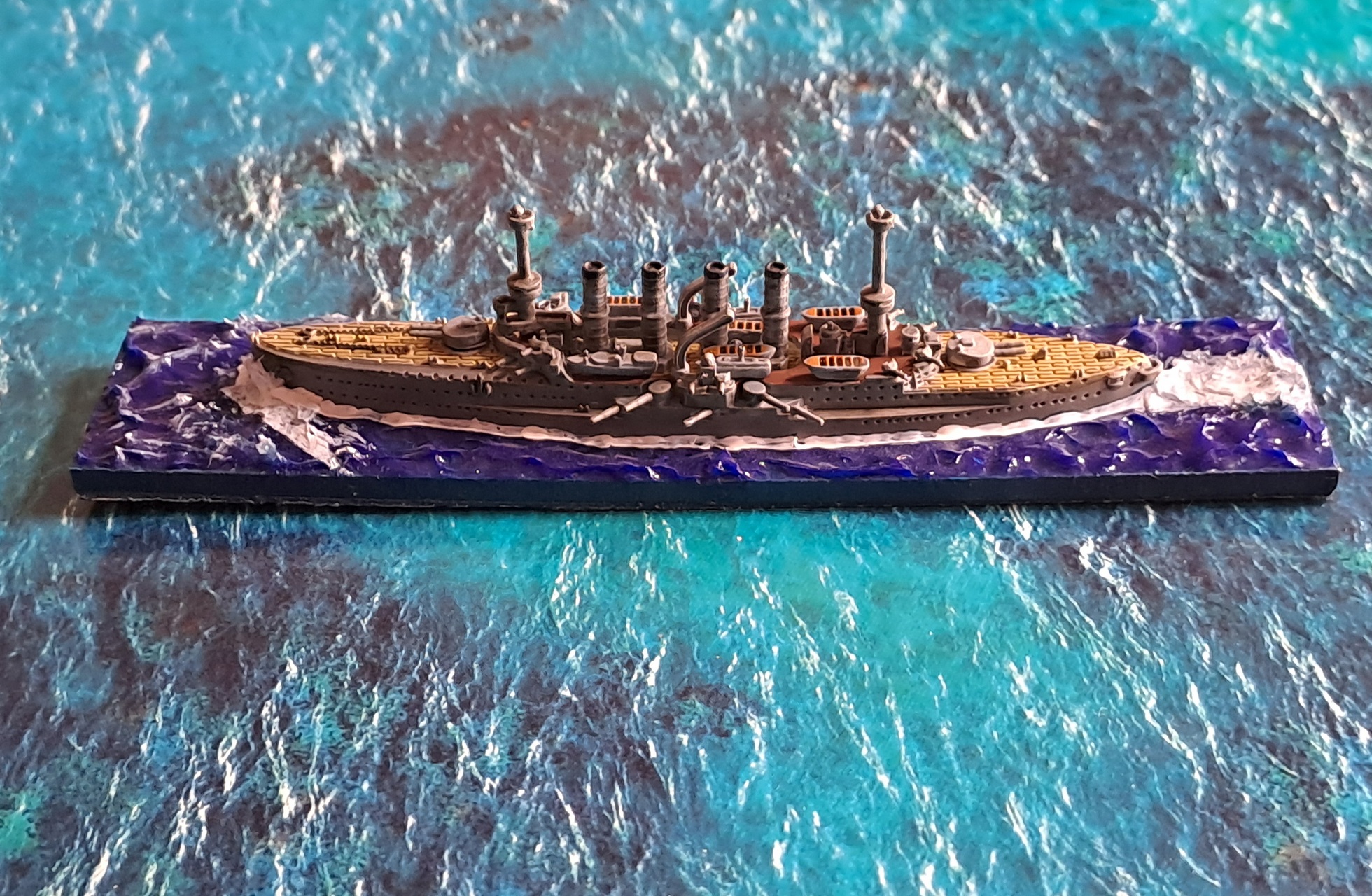
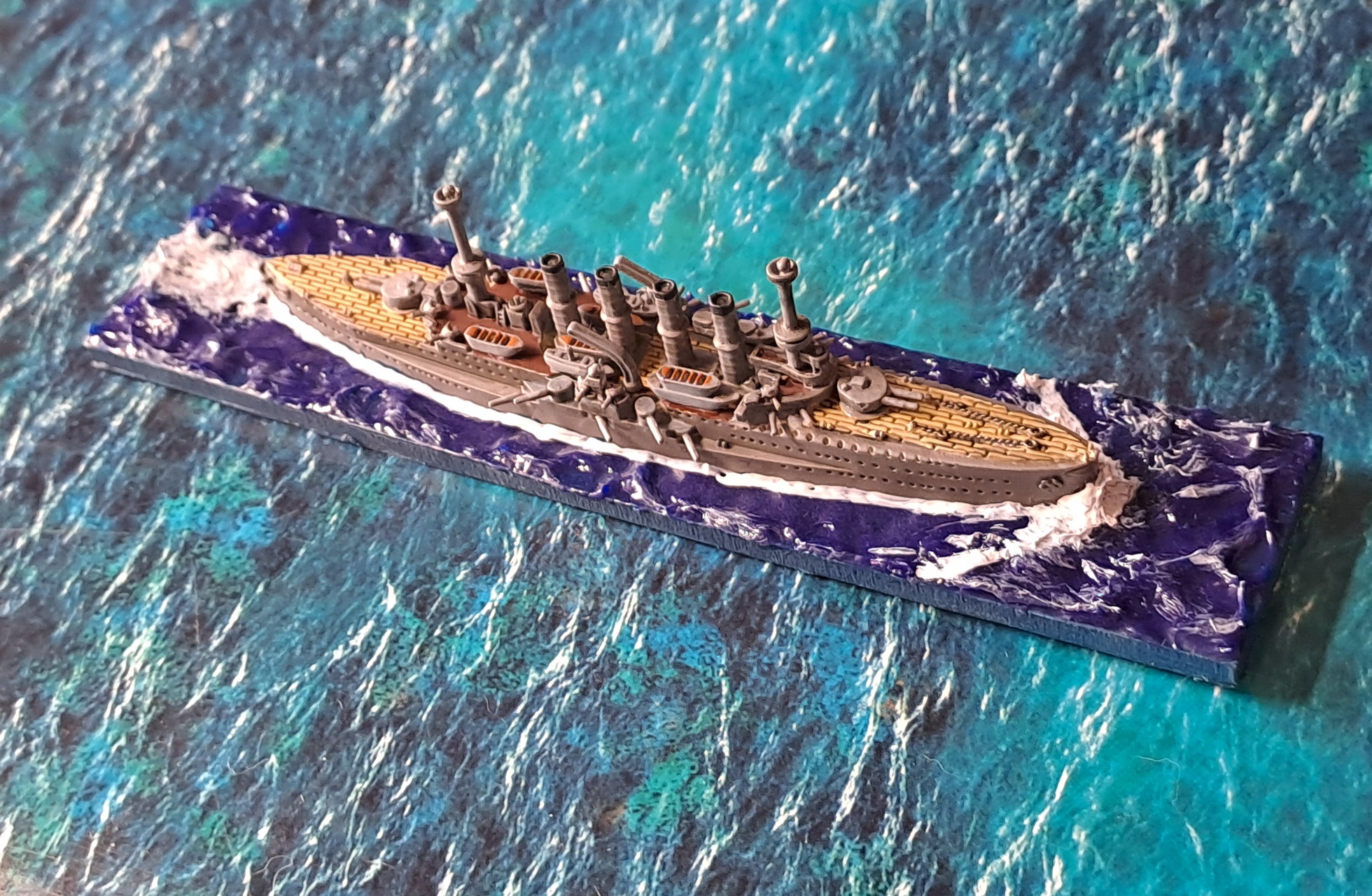
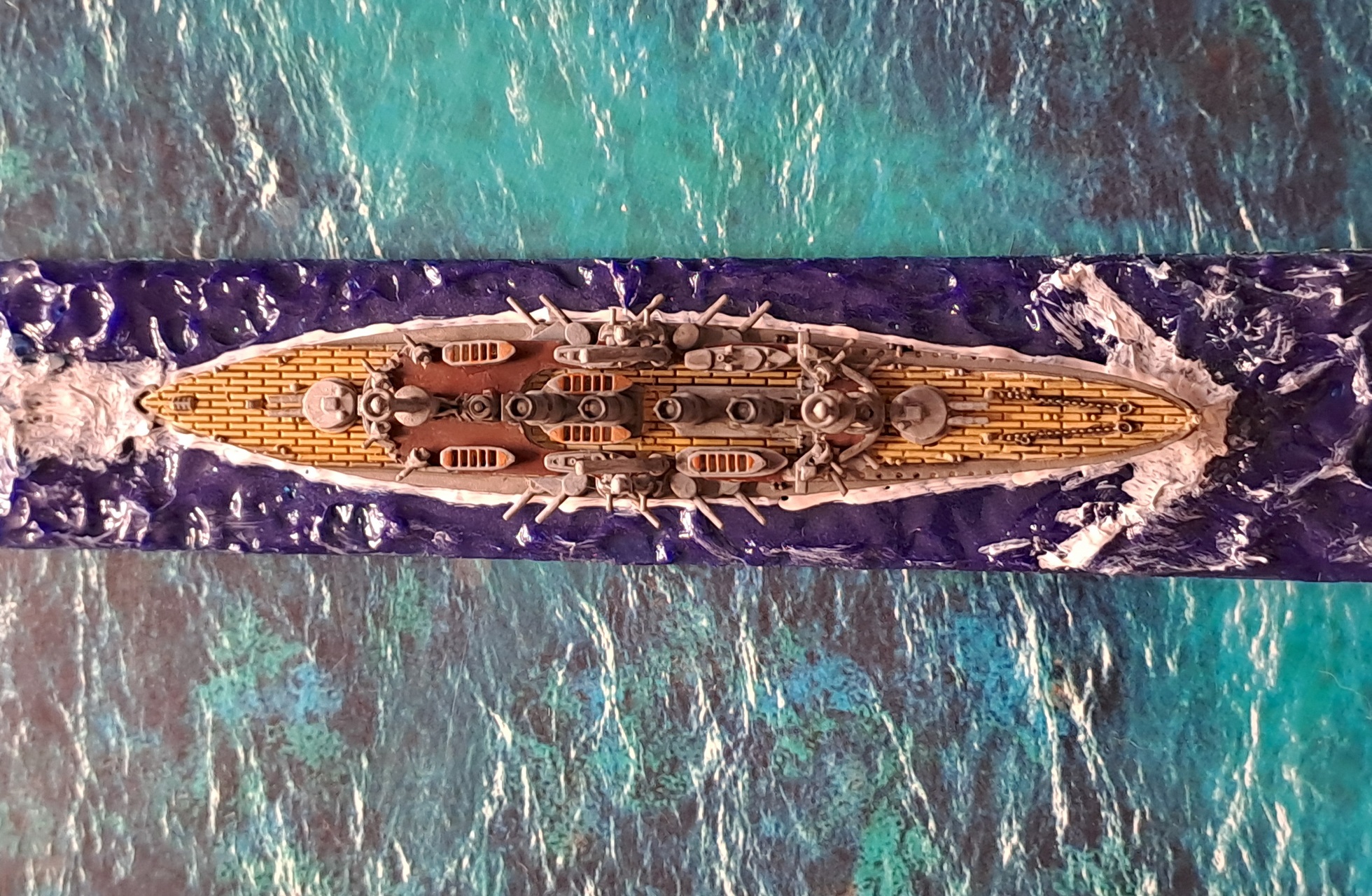
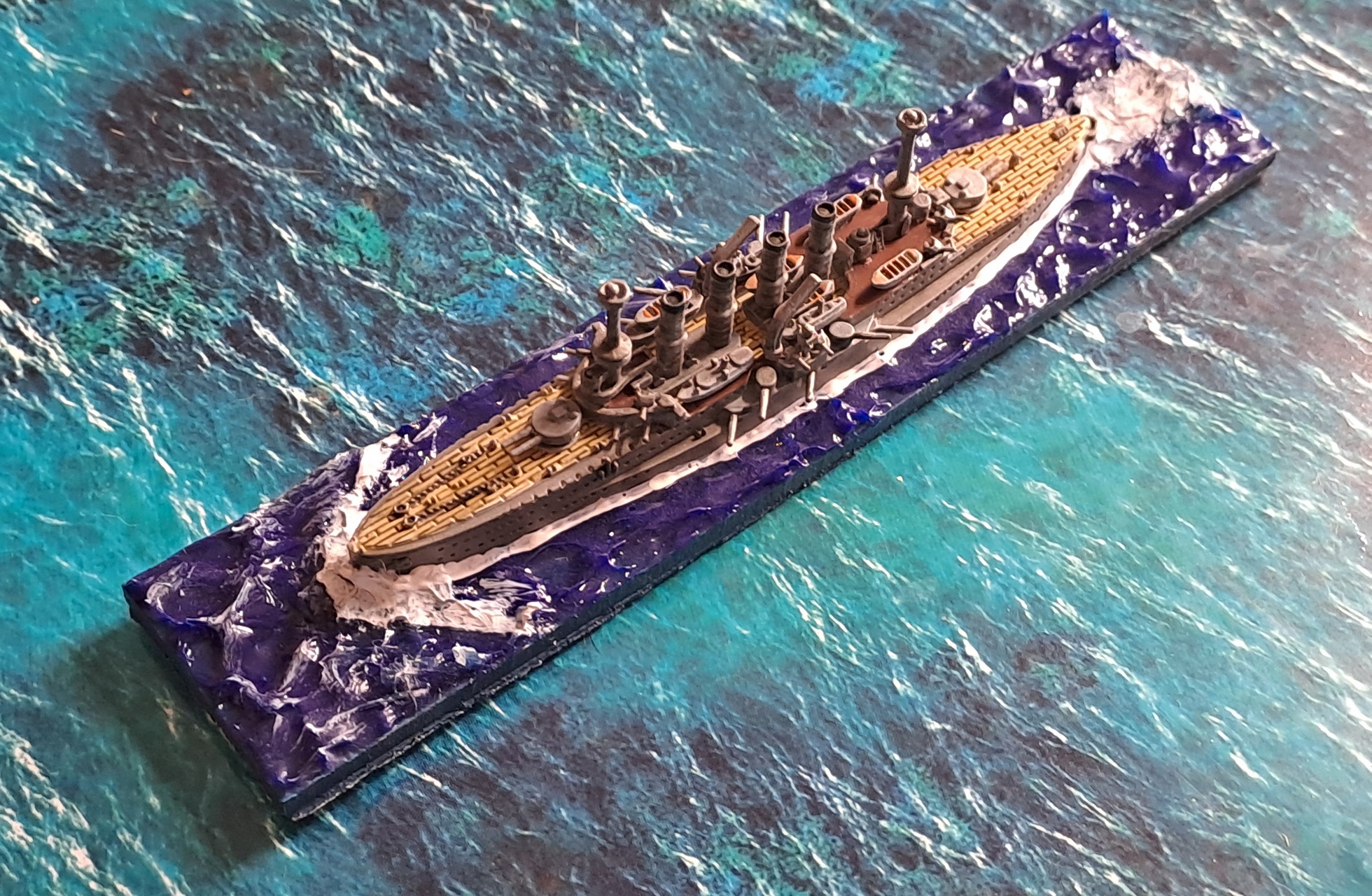
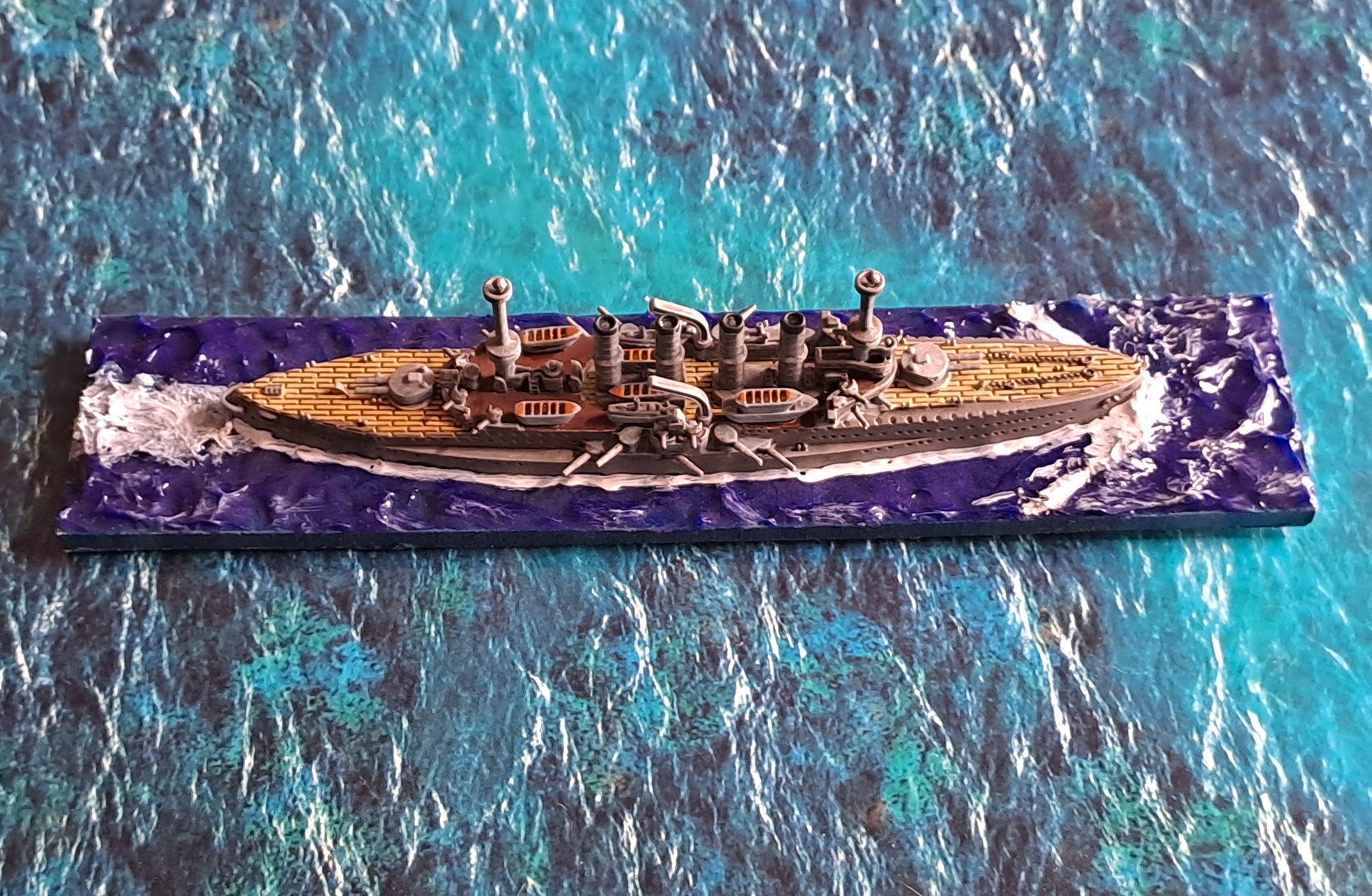
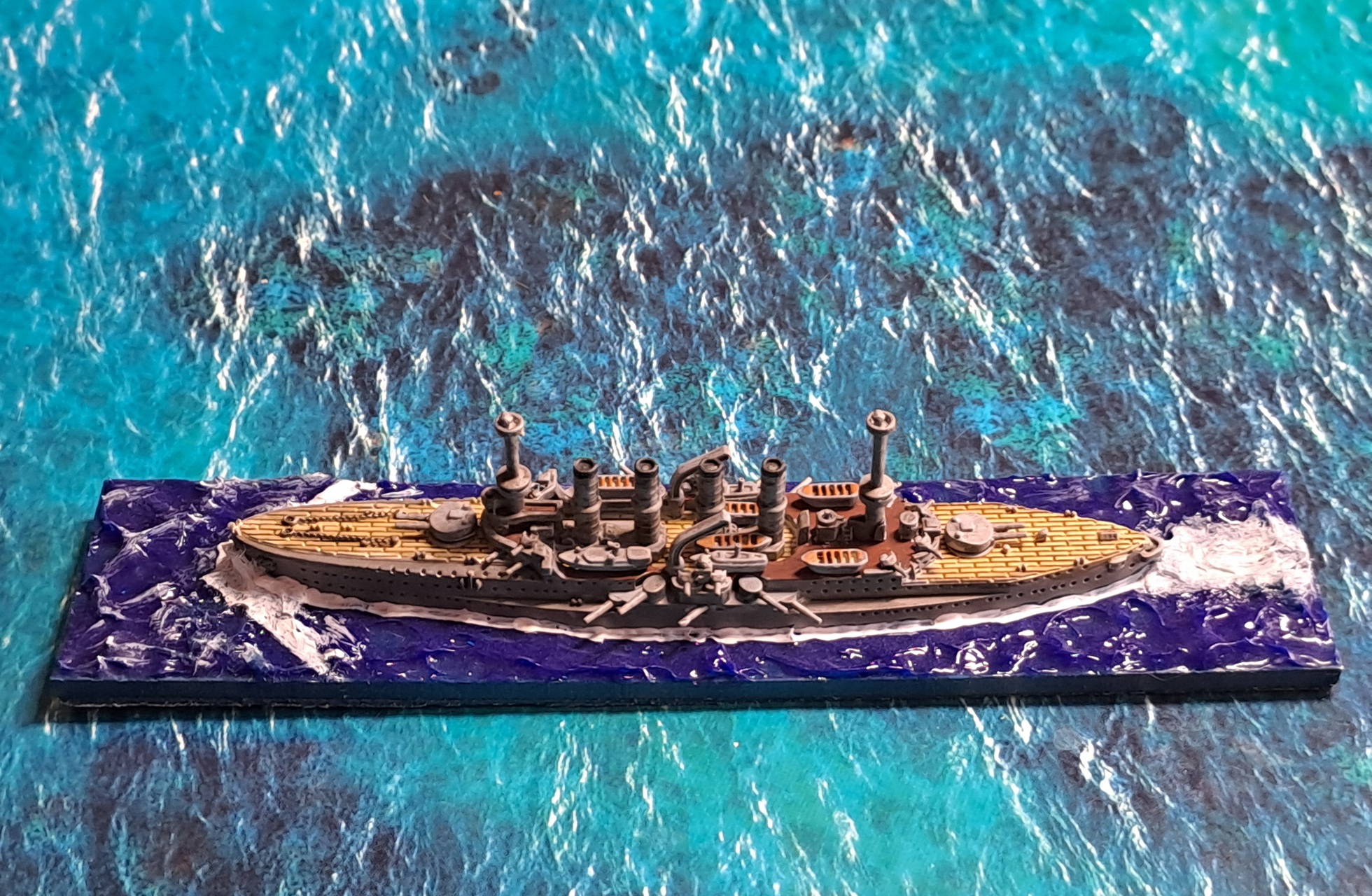
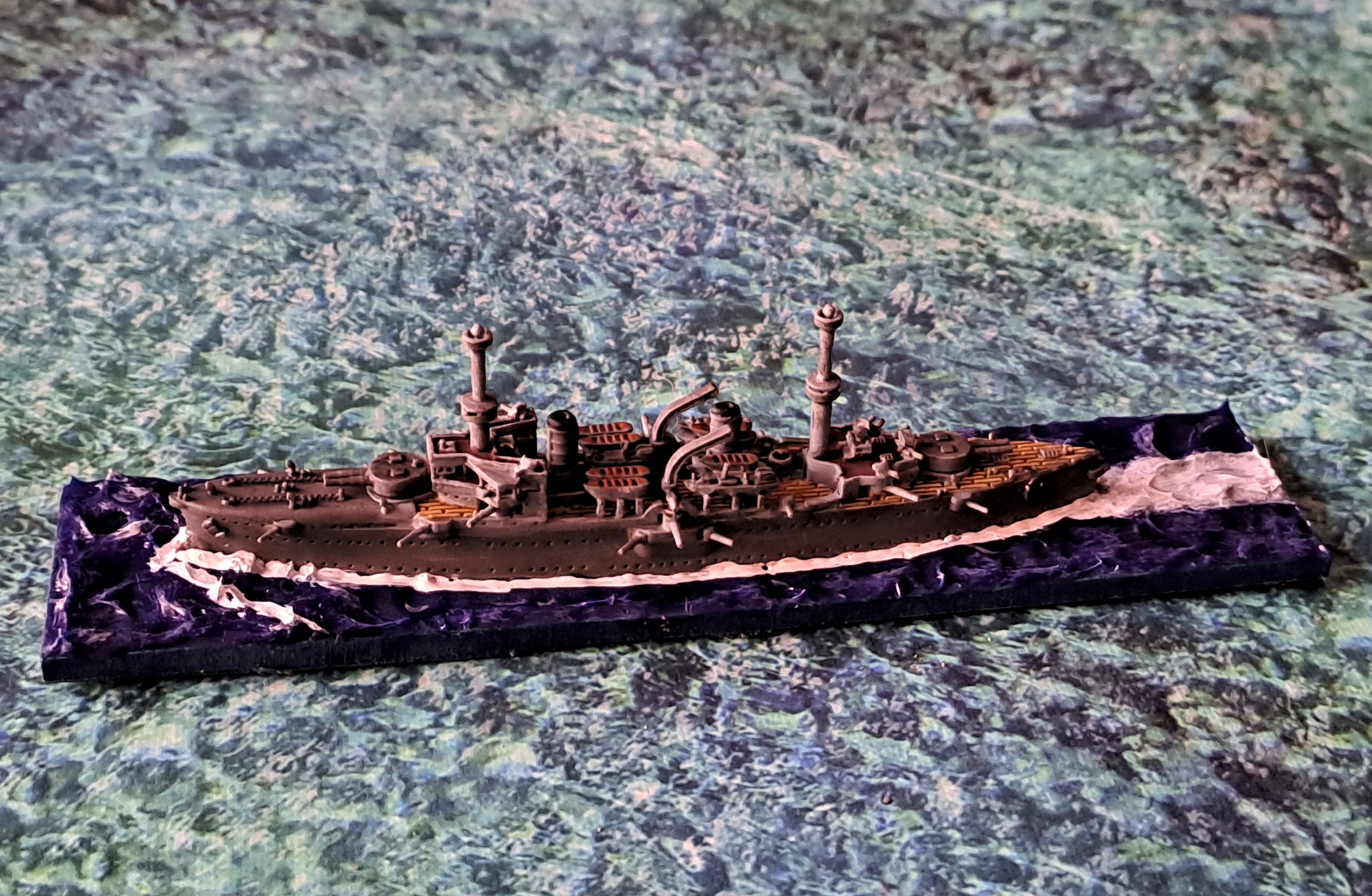
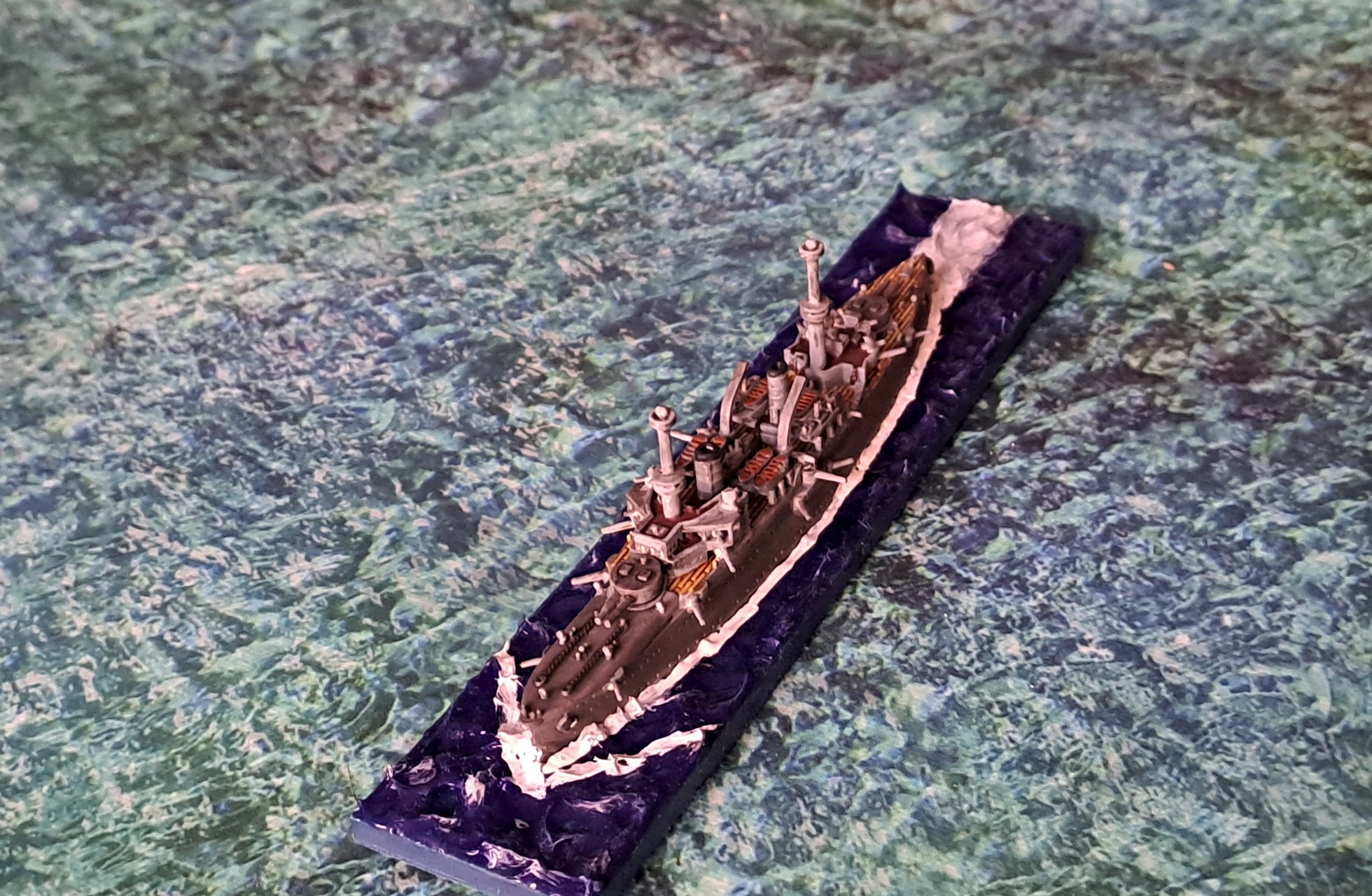
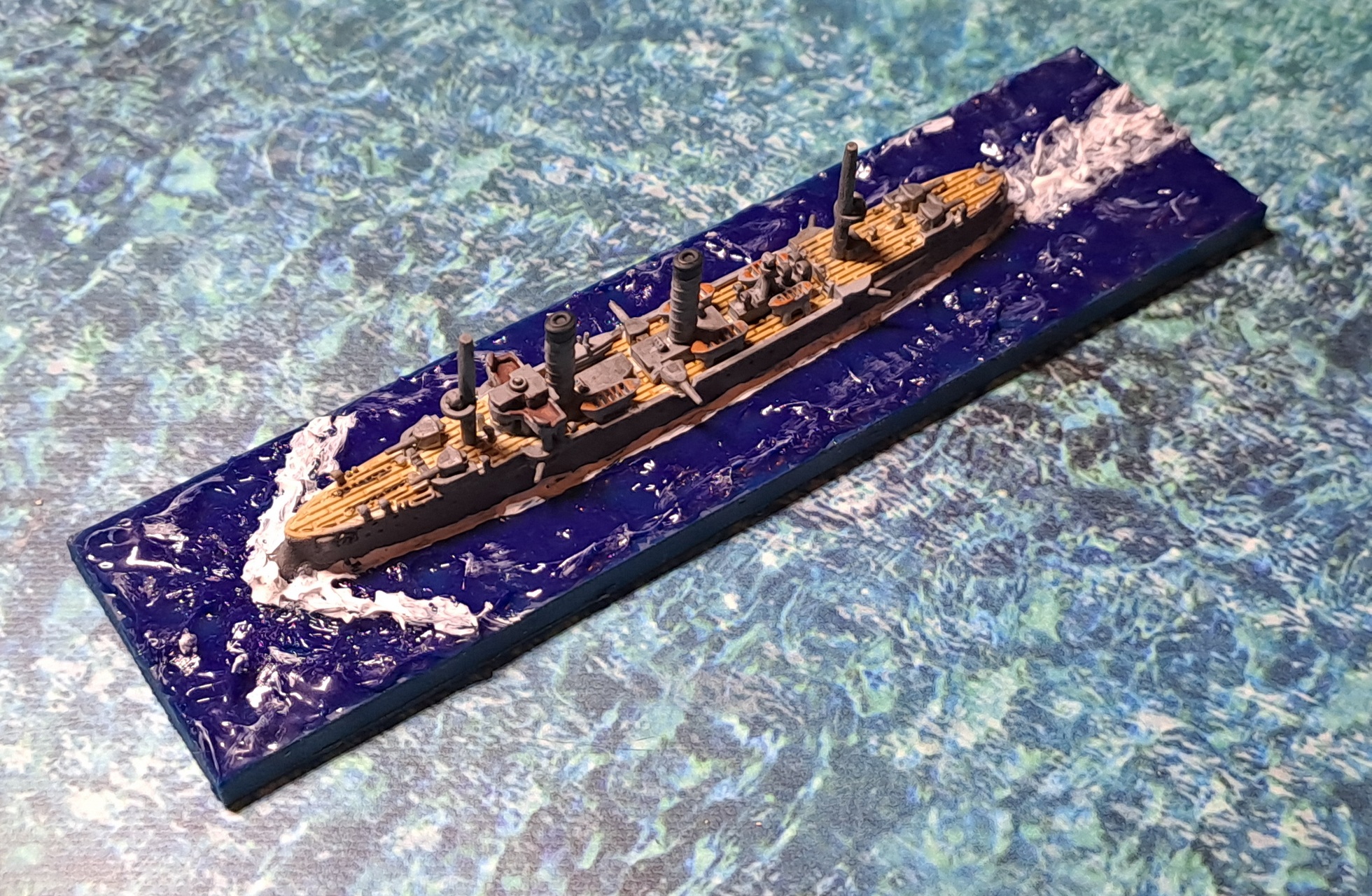
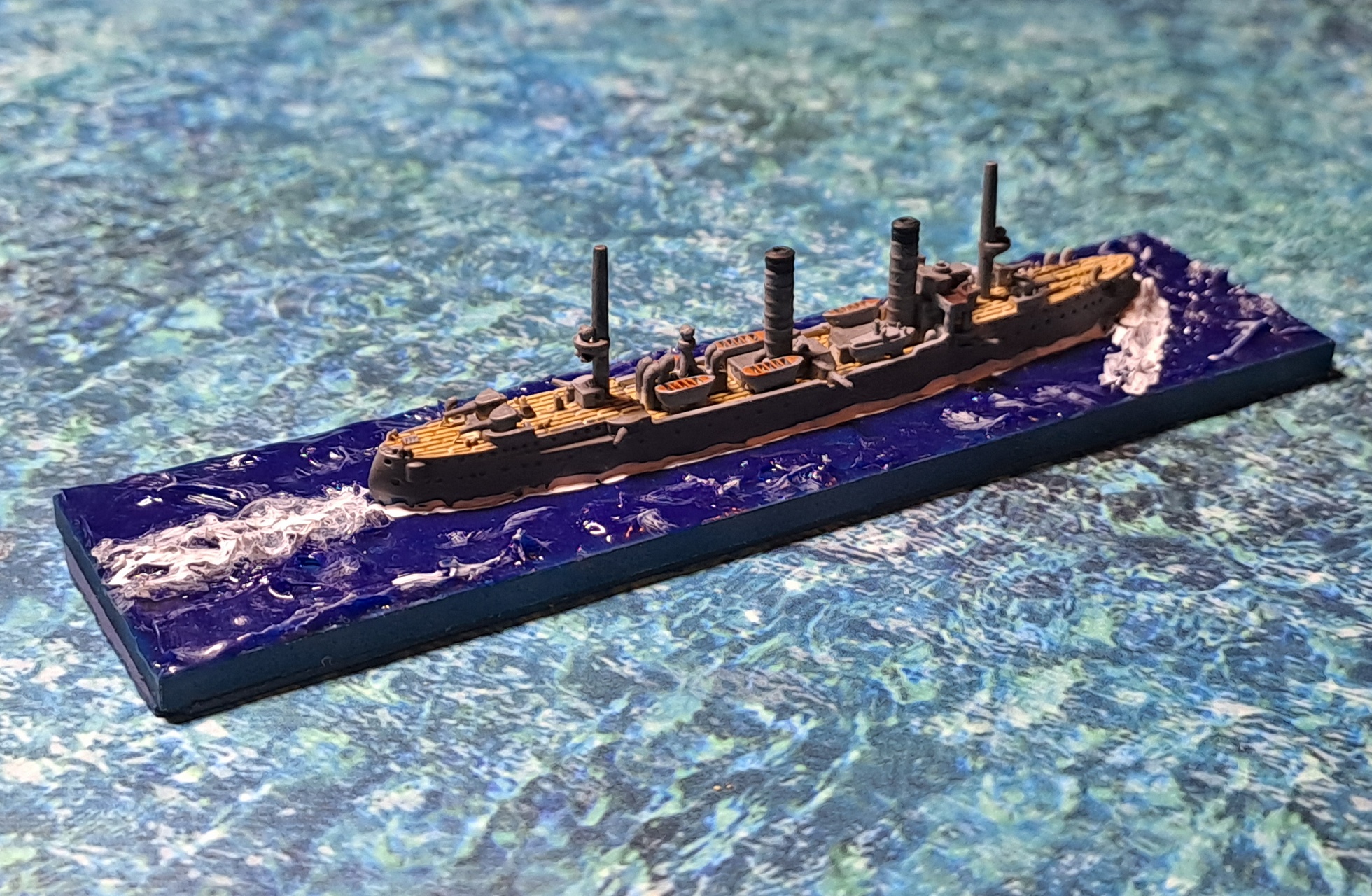
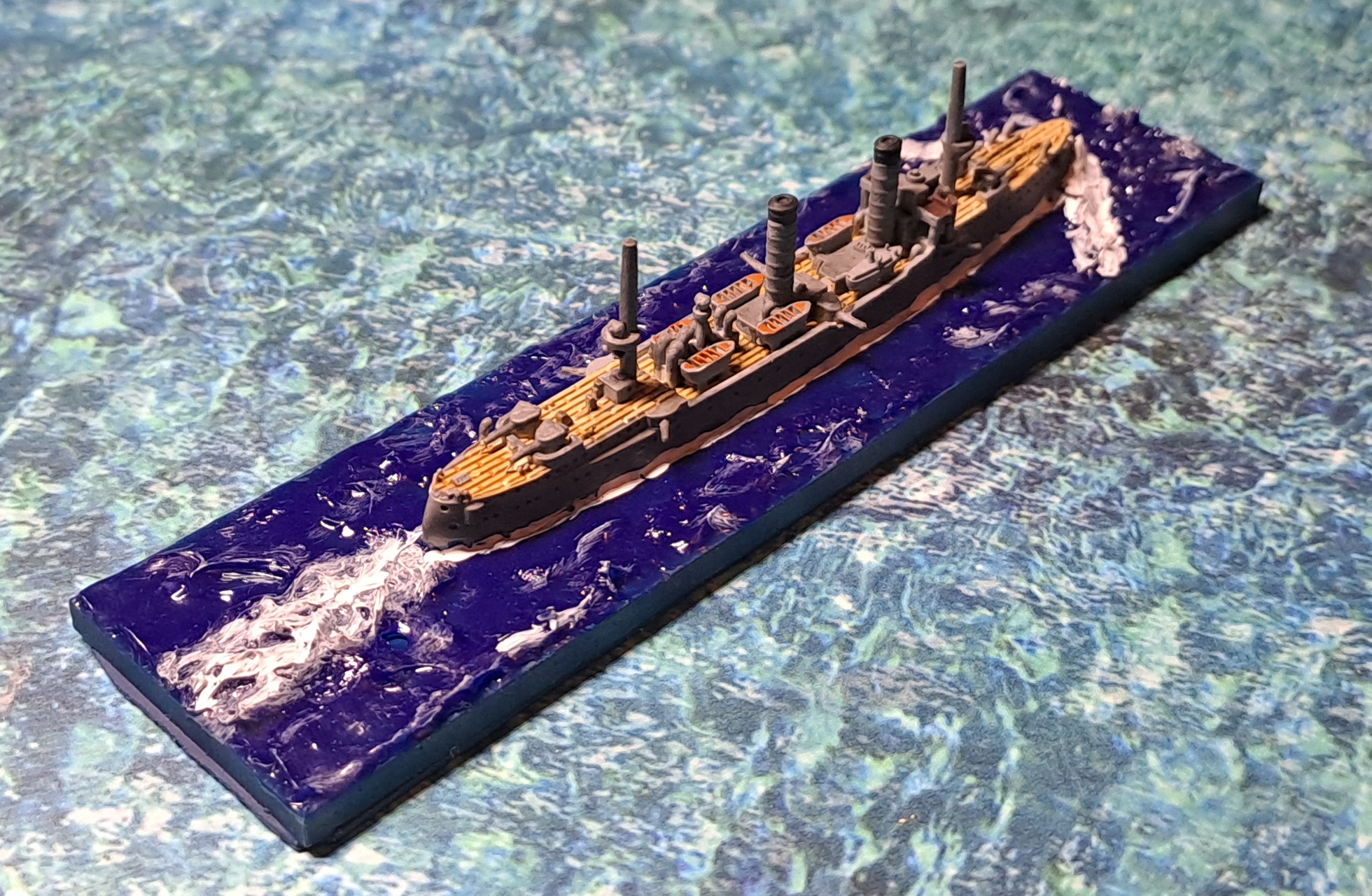
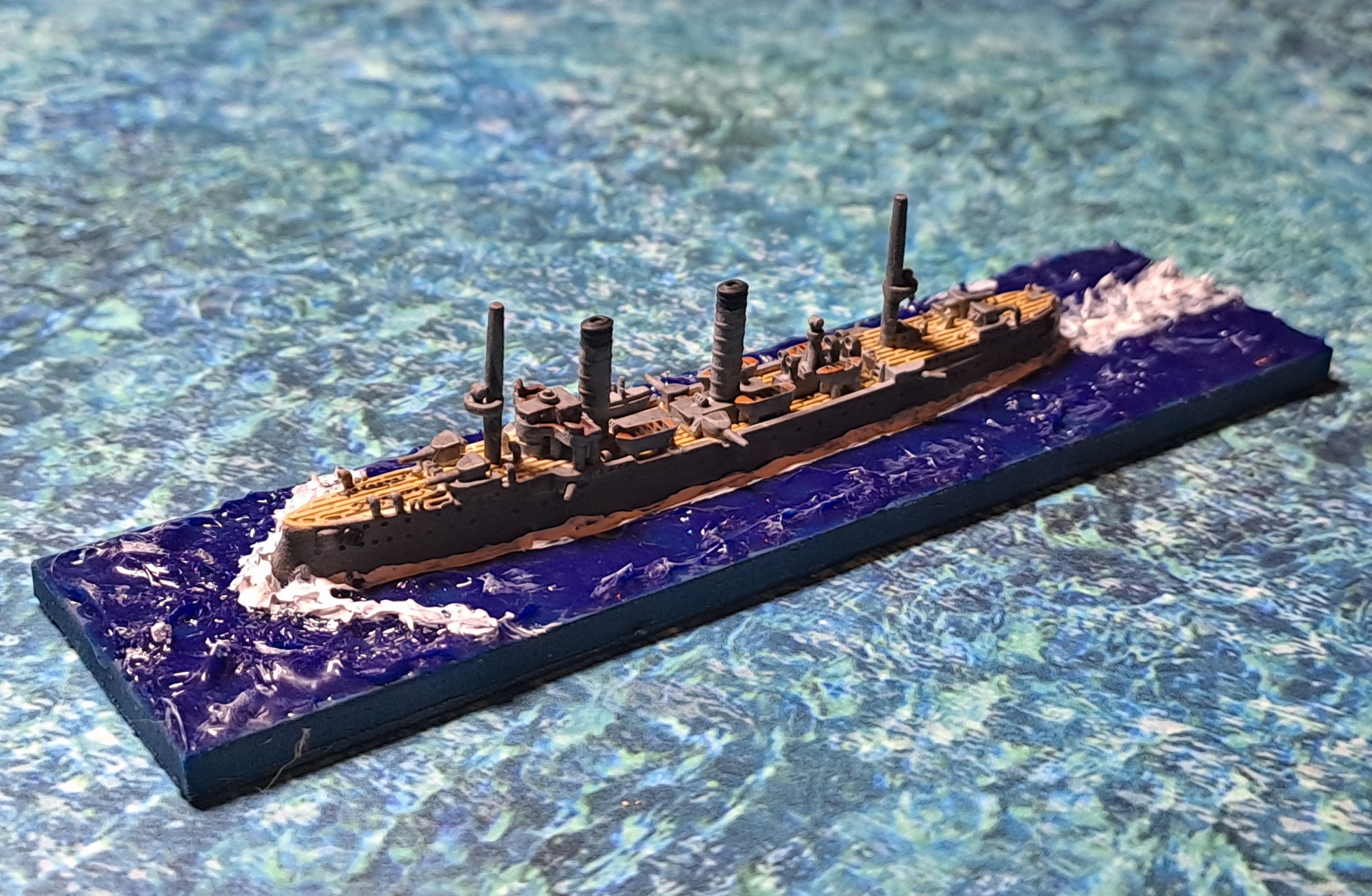
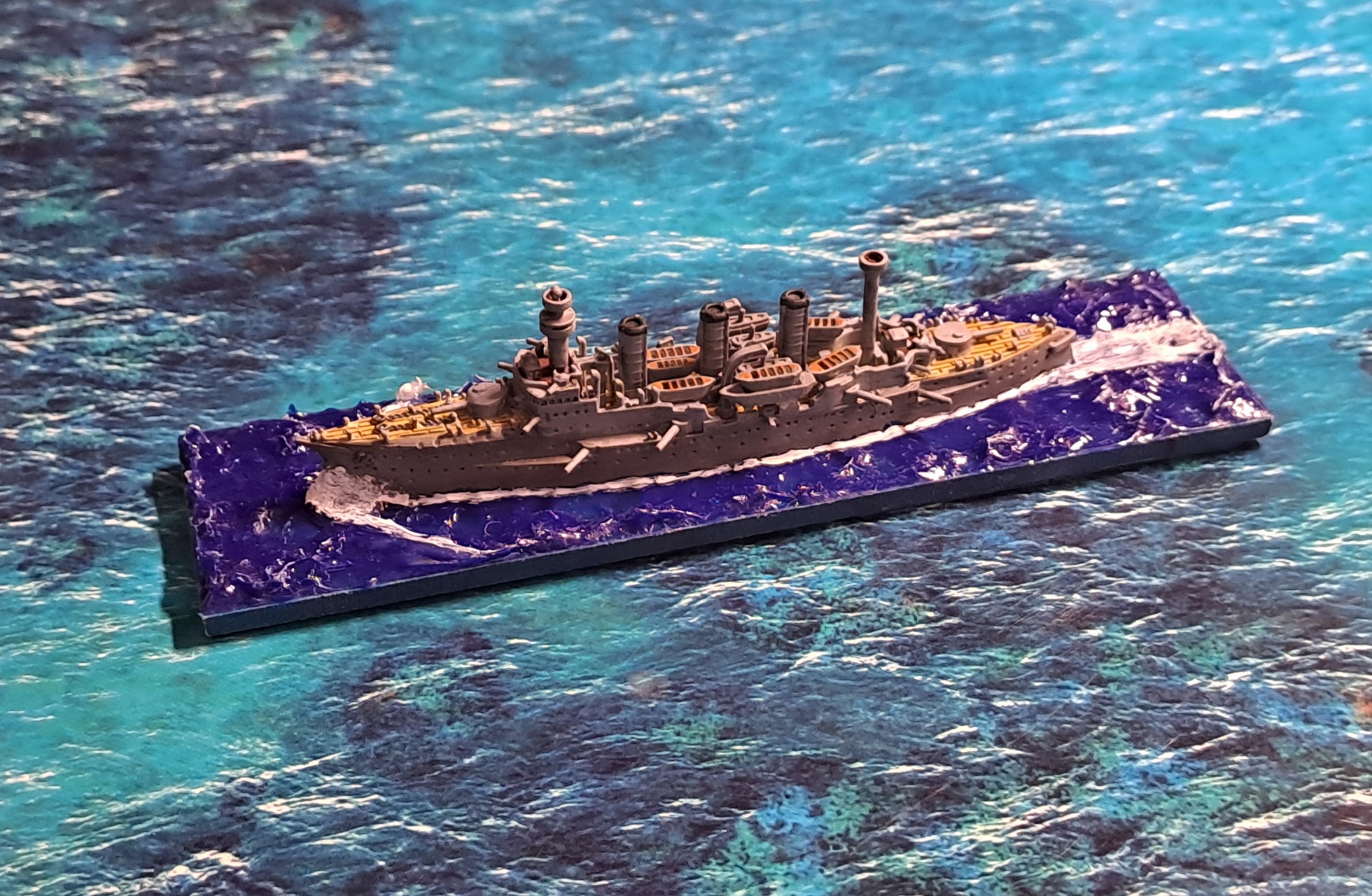
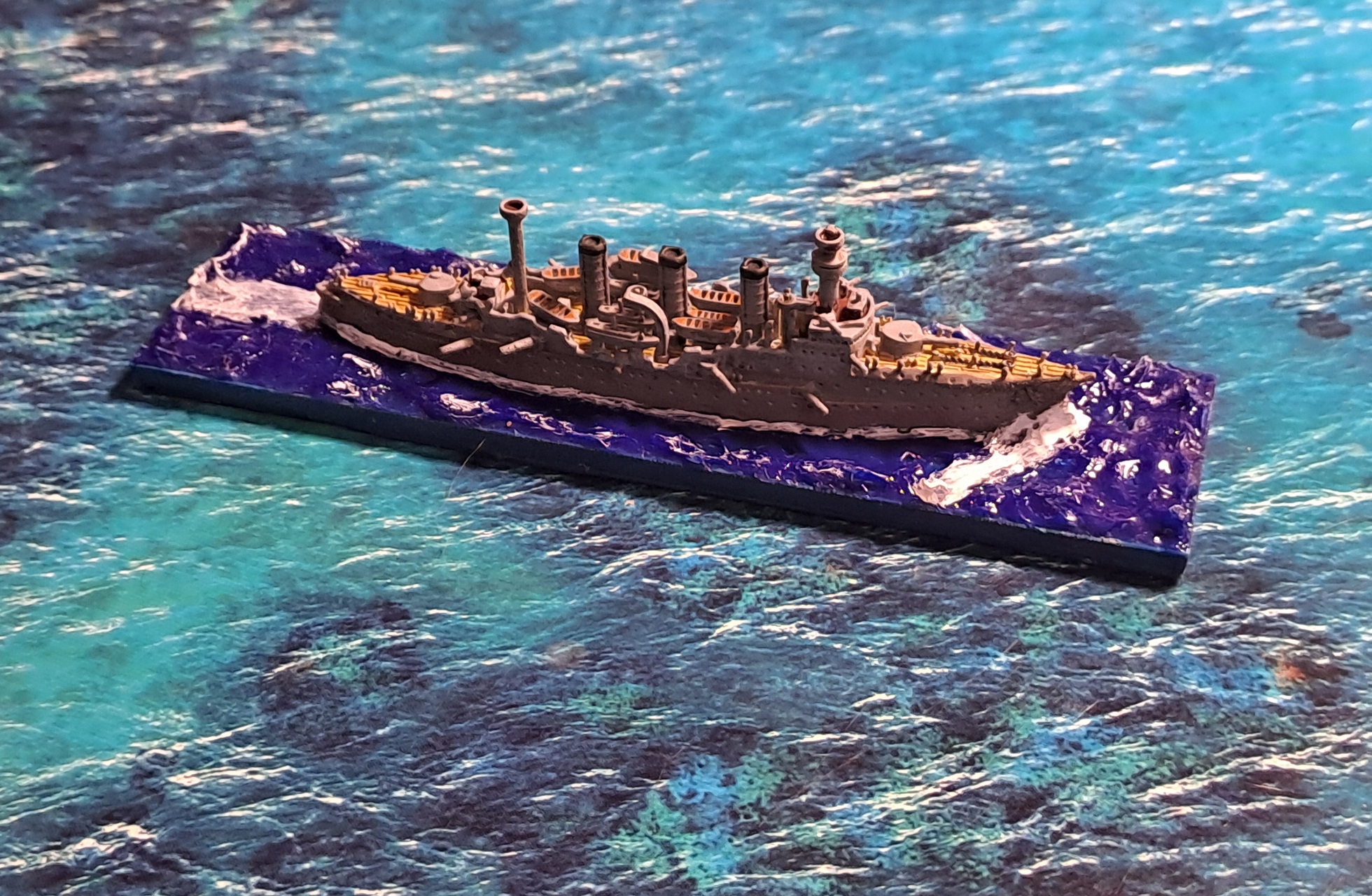
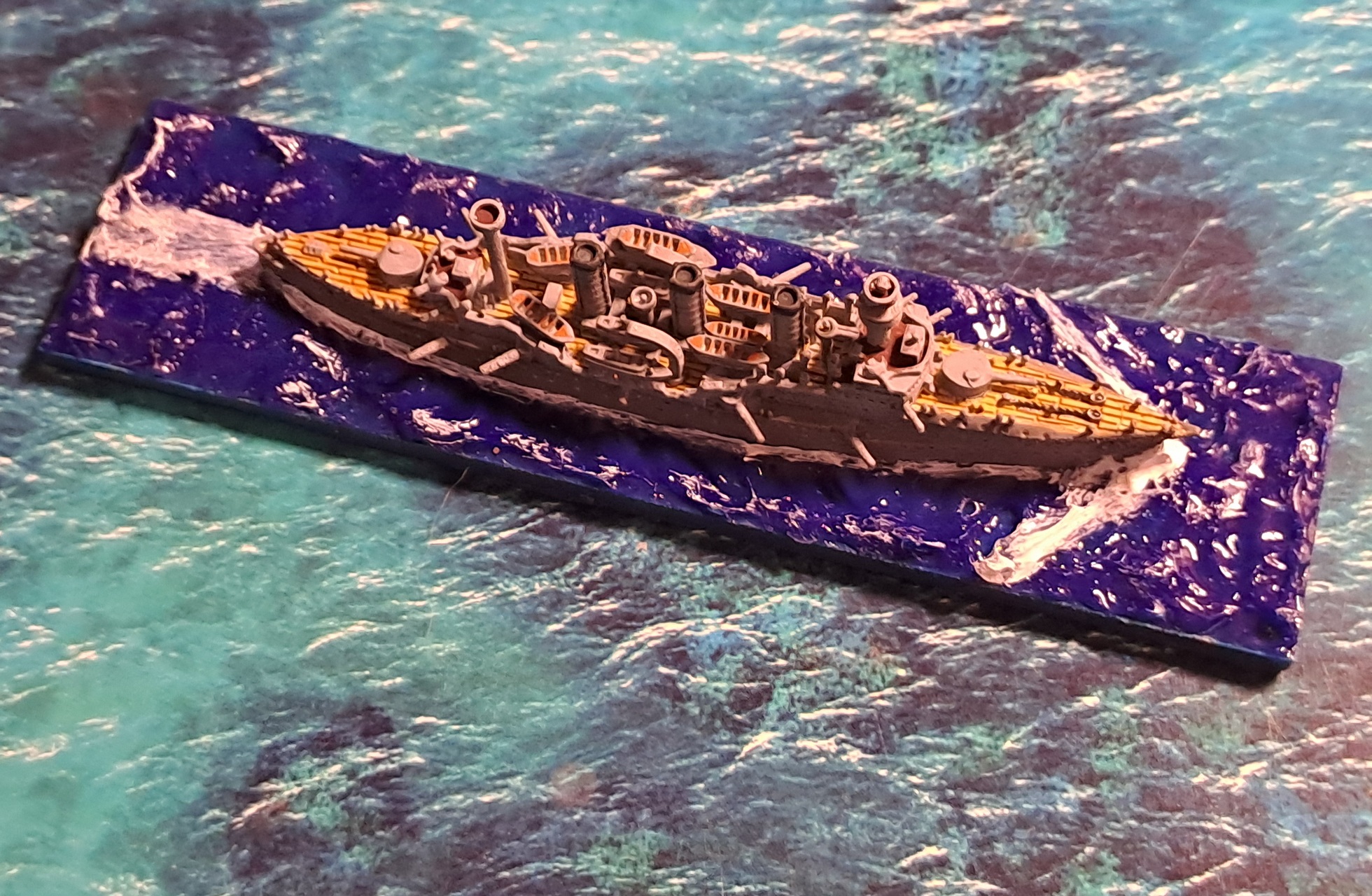
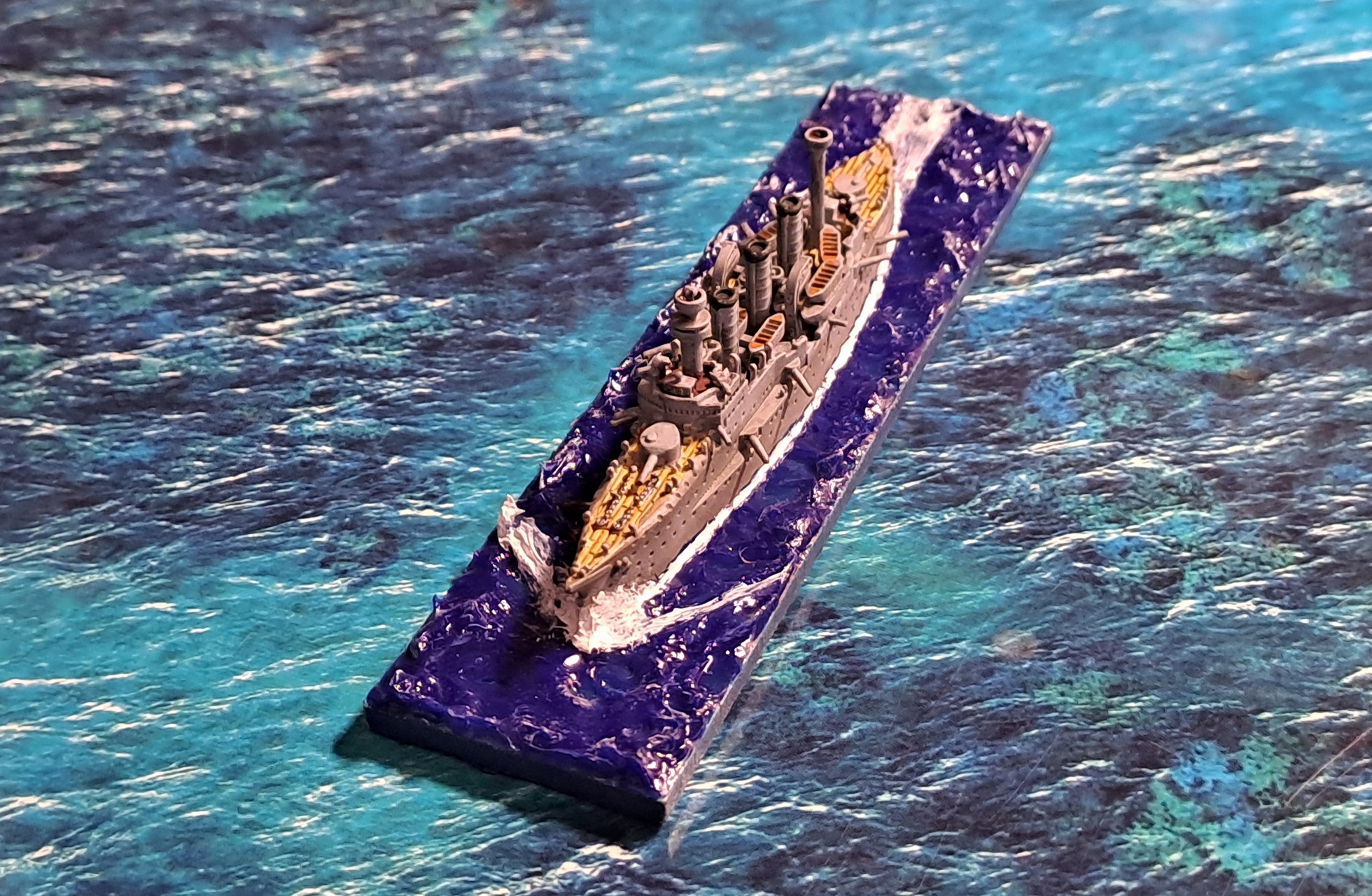
🇬🇧 Today I managed to finish S90/G135 torpedo boat division – for the Kaiserliche Marine, the fleet of the German Empire at the turn of the 19th and 20th centuries. So I’m ready to fight Cornholio and his Marine Nationale. ⚓
Although the Germans classified them as torpedo boats, the S90 class ships, displacing around 400 tons, were more akin to contemporary destroyers than torpedo boats. Their design and development were closely tied to one of the primary tactical doctrines of the German Imperial Navy. Due to the Royal Navy’s superiority in the number of battleships and cruisers, the Germans planned their fast torpedo vessels to work closely with the main fleet forces and, at the opportune moment, launch a torpedo attack on enemy battleships or other large vessels. Therefore, their primary role was not reconnaissance or engaging other torpedo boats, but executing torpedo attacks against larger ships during battle. The S90 class was designed with this philosophy in mind. Their artillery armament was relatively weak (for ships of their size), but they were equipped with very powerful torpedo armament.
These ships were mainly built by the Schichau shipyard in Elbląg (36 vessels) and Germaniawerft in Kiel (12 vessels). They were designated with the letters of the shipyards where they were built (S or G). As the shipyards constructed additional ships, they introduced numerous changes, including variations in the size of the ships themselves. For example, the G135 series had slightly stronger artillery armament.
The first ship of this class, S90, participated in the defence of Tsingtao in 1914, where it sank the Japanese cruiser Takachiho with its torpedoes.
* – description of the S90/G135 by GMBoardgames.
🇵🇱 Dziś udało mi się ukończyć dywizjon torpedowców S90/G135 do Kaiserliche Marine – floty Cesarstwa Niemieckiego z przełomu XIX i XX wieku. Teraz jestem gotów by z Cornholio rozegrać starcie z jego Marine Nationale. ⚓
Choć Niemcy klasyfikowali je jako torpedowce, to wypierające około 400 ton, okręty typu S90, były odpowiednikami ówczesnych niszczycieli, niż torpedowców. Ich powstanie i kształt wiąże się z jednym z głównych założeń taktycznych niemieckiej Cesarskiej Marynarki Wojennej. Z uwagi na przewagę Royal Navy w liczbie pancerników, czy krążowników, Niemcy – aby wyrównać szanse – zakładali, iż ich szybkiej jednostki torpedowe będą blisko współpracować z głównymi siłami floty i w odpowiednim momencie wykonają atak na pancerniki, czy inne większe jednostki przeciwnika. Ich głównym zadaniem nie było zatem wykonywanie zwiadu, walka z innymi torpedowcami, lecz atak torpedowy przeciwko dużym jednostkom w trakcie bitwy. S90 zostały zatem zaprojektowane zgodnie z tą właśnie filozofią. Ich uzbrojenie artyleryjskie było relatywnie słabe (jak na jednostki tej wielkości), za to posiadały bardzo silne uzbrojenie torpedowe – ich główną broń.
Okręty tego typu zbudowała głównie stocznia Schichau w Elblągu (36 jednostek) oraz Germaniawerft w Kilonii (12 jednostek). Oznaczono je literami stoczni, w których zostały zbudowane (S lub G). Stocznie te w trakcie budowy kolejnych okrętów, wprowadzały do nich liczne zmiany, w tym w rozmiarach samych jednostek. Np. seria G135 miała nieco silniejsze uzbrojenie artyleryjskie.
Pierwsza z jednostek tego typu – S90 w 1914 roku wzięła udział w obronie Tsingtao, w trakcie której za pomocą swoich torped zatopiła japoński krążownik Takachiho.
* – opis S90/G135 wg GMBoardgames.
🇬🇧 Summary:
– Another set of torpedo boats which, despite their small size, require quite a bit of attention if you want to paint them neatly. They are enjoyable models to paint, full of the fine details that GM Boardgames has already accustomed us to.
– The box includes two cards – one for S90 and one for G135. They differ primarily in their light artillery armament: G135 is equipped with more powerful guns and has a higher speed. Both half-flotillas, however, have access to six powerful D4 torpedoes, which, when they hit, can seriously damage many a ship – and thoroughly ruin its commander’s mood.
– As befits fourth-class torpedo boats, they are highly manoeuvrable and present a small target, which is one of their major strengths. Their weakness, however, is their shallow draft, which may prove problematic in poor weather conditions.
– The base cost is 140 points for the S90 and 145 for the G135 – not a bad price at all for ships equipped with the best torpedoes in the game.
– The full Gods of War assortment is available at: https://bolter.pl/en_US/index.
🇵🇱 Podsumowanie:
– Kolejne torpedowce, które – wbrew swoim niewielkim rozmiarom – wymagają sporo uwagi, jeśli chcemy pomalować je schludnie. To okręty przyjemne w malowaniu, pełne licznych detali, do jakich GM Boardgames zdążyło nas już przyzwyczaić.
– W pudełku znajdują się dwie karty – odpowiednio dla S90 oraz G135. Różnią się one przede wszystkim uzbrojeniem artylerii lekkiej: G135 dysponuje mocniejszymi działami i rozwija większą prędkość. Oba półdywizjony mają jednak do dyspozycji sześć potężnych torped D4, które po trafieniu potrafią solidnie uszkodzić niejeden okręt – i skutecznie popsuć humor jego dowódcy.
– Jak na torpedowce czwartej klasy przystało, cechują się wysoką manewrowością i są małym celem, co stanowi ich dużą zaletę. Ich wadą jest natomiast niskie zanurzenie, które może okazać się problematyczne przy złych warunkach pogodowych.
– Koszt bazowy wynosi 140 punktów za S90 i 145 za G135 – nie jest to zła cena za okręty z najlepszymi w grze torpedami.
– Cały asortyment do Bogowie Wojny: Togo jest dostępny tutaj: https://bolter.pl/pl/c/BOGOWIE-WOJNY-TOGO/1787.









 tancreddebeauville
 Tancred’s Tabletop Tales