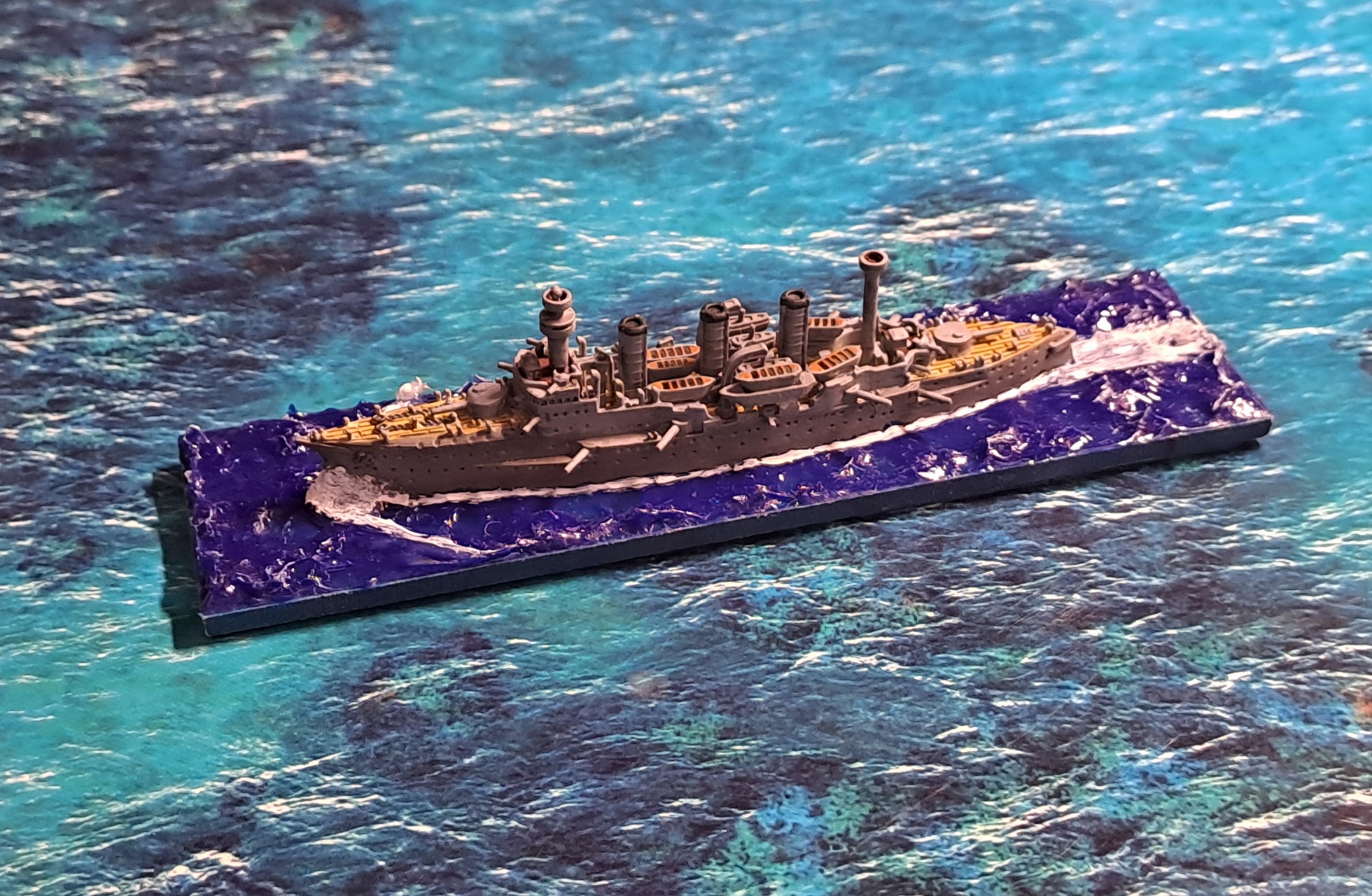
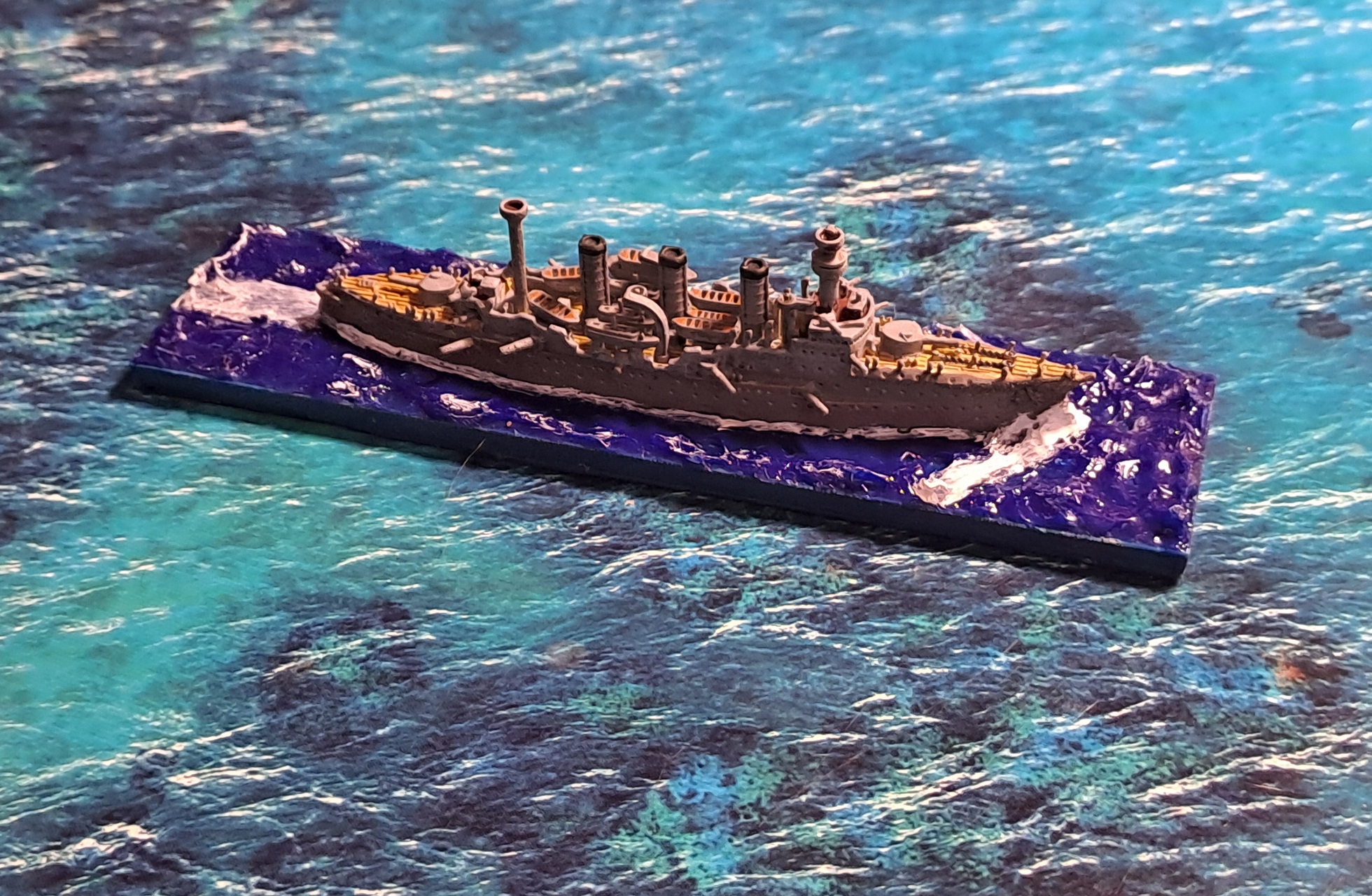
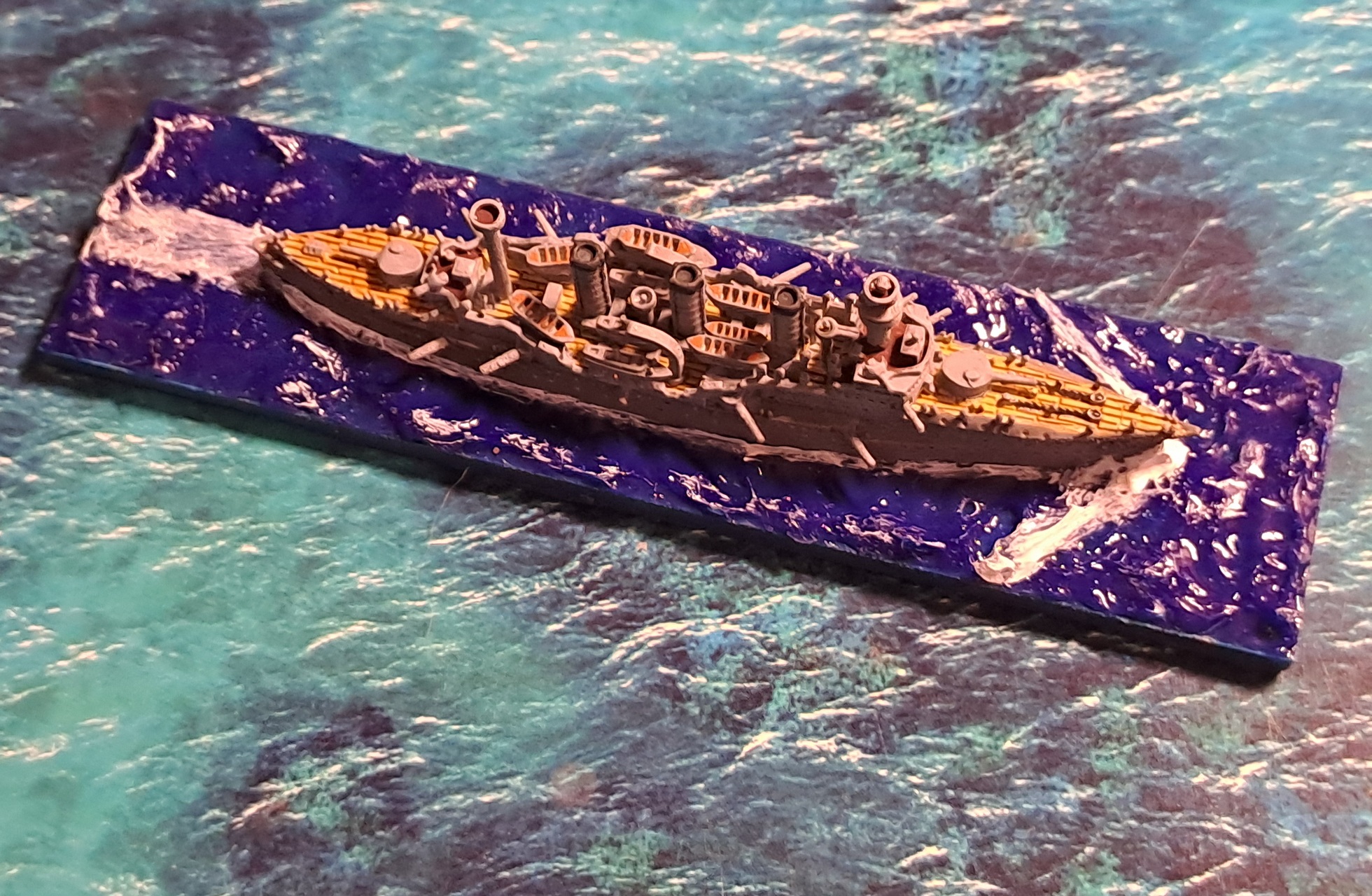
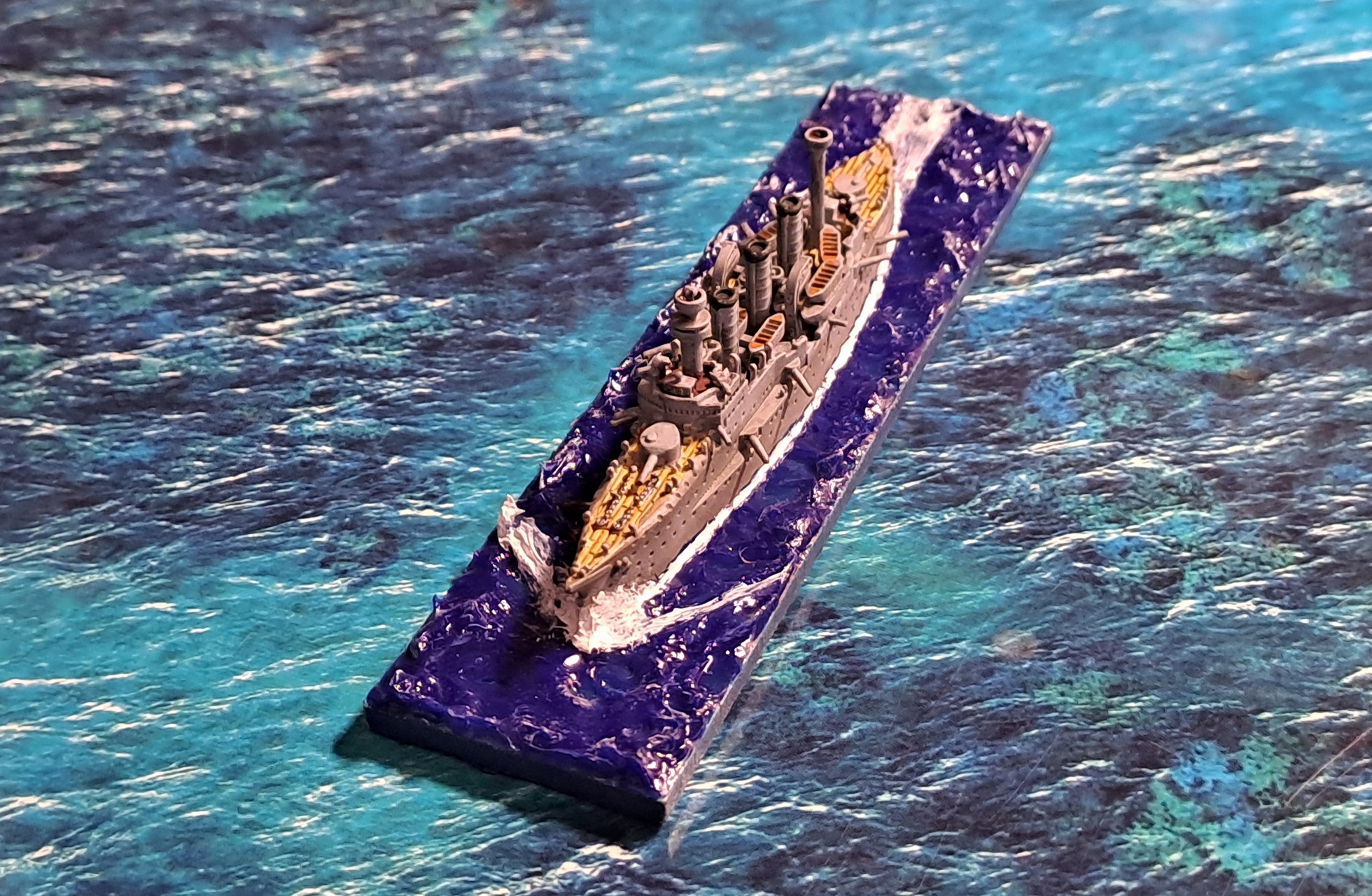
🇬🇧 Today I managed to finish my first cruiser for the Kaiserliche Marine — the Imperial German Navy of the late 19th and early 20th centuries. The ship, as you can see for yourselves, is simply beautiful, much like the German aristocrat after whom she was named — Viktoria Luise von Preußen.
But this is only the beginning. The shipyard is working at full capacity, and more German vessels are already waiting on the slipway: Gazelle/Nymphe, Roon, the S90 and G135 torpedo boats, and SMS Fürst Bismarck.
Built at the end of the 19th century, the Victoria Louise-class ships were the last protected cruisers constructed for the Kaiserliche Marine. Their development was the result of a lengthy program, initiated in the 1880s, aimed at designing new cruiser types. The lack of consensus among the Empire’s authorities regarding the goals and missions of the fleet led to uncertainty about the role these new ships should fulfil. Should they be raiders, colonial service ships, or perhaps scout vessels for the main fleet? Kaiser Wilhelm II played a significant role in the final decision about their purpose. The result was a class of fairly large, heavily armed ships that emphasised the value of medium-calibre, rapid-firing artillery, a lesson learned from the Sino-Japanese War. Many design elements of these cruisers later served as a foundation for the development of subsequent German armoured cruisers.
Although these ships were well-armed and well-protected for their class, they were not particularly fast, achieving speeds of around 19 knots. This limited speed meant that there was little difference between them and contemporary battleships, reducing their effectiveness as fleet scouts or raiders. After their construction, they primarily served in the colonies and were later converted into auxiliary and training ships.
* – description of the Victoria Louise by GMBoardgames.
🇵🇱 Dziś udało mi się ukończyć mój pierwszy krążownik do Kaiserliche Marine — floty Cesarstwa Niemieckiego z przełomu XIX i XX wieku. Okręt, jak sami możecie zobaczyć, jest po prostu przepiękny, podobnie jak niemiecka arystokratka, na cześć której otrzymał swoją nazwę — Viktoria Luise von Preußen.
To jednak dopiero początek. Stocznia pracuje pełną parą, a na pochylni czekają już kolejne niemieckie jednostki: Gazelle/Nymphe, Roon, torpedowce S90 i G135 oraz SMS Fürst Bismarck. ⚓
Zbudowane pod koniec XIX wieku, jednostki typu Victoria Louise, były ostatnimi krążownikami pancernopokładowymi zbudowanymi dla Kaiserliche Marine. Ich budowa była rezultatem długiego, rozpoczętego jeszcze w latach 80-tych XIX wieku, programu konstrukcji nowych typów krążowników. Brak porozumienia we władzach Cesarstwa odnośnie celów i zadań jakie ma spełniać flota, doprowadził do tego, że długo nie wiedziano, jaka ma być rola, którą miałyby pełnić nowe jednostki. Czy będą to rajdery, czy okręty służące w koloniach, czy może ich rolą będzie zwiad na rzecz floty głównej? Dużą rolę w ostatecznej decyzji co do ich przeznaczenia odegrał cesarz Wilhelm II. Powstały dosyć duże, silnie uzbrojone okręty, odzwierciedlające dużą rolę średniej, szybkostrzelnej artylerii, której zalety zauważono w trakcie wojny chińsko – japońskiej. Wiele elementów konstrukcyjnych tych krążowników, stanie się później podstawą do stworzenia późniejszych, niemieckich krążowników pancernych.
Okręty te choć dobrze uzbrojone i jak na podobne jednostki tej klasy – dobrze chronione – nie należały do zbyt szybkich jednostek, osiągając w okolicy 19 węzłów – była to zbyt mała różnica w porównaniu z ówczesnymi pancernikami, aby mogły pełnić realną rolę zwiadowców floty, czy skutecznych rajderów. Po wybudowaniu pełniły głównie służbę w koloniach, a następnie – po przebudowie – jako jednostki pomocnicze i szkoleniowe.
* – opis Victorii Louisy wg GMBoardgames.


🇬🇧 Summary:
– A very enjoyable model to work with, both in terms of assembly and painting. In my case, following my usual approach, I painted the hull separately, and the cranes, lifeboats, and gun turrets separately as well.
– Since I currently play mainly with cruisers, my fleet for now consists exclusively of ships of this type and lighter vessels. Further plans will definitely include another cruiser — which one exactly remains to be seen.
– The ship itself has quite respectable armor for its class — better than the Russian Askold, Pallada, or Varyag, though weaker than the French Jeanne d’Arc or the German Roon. It also carries a fairly substantial light armament, very useful against third- and fourth-class vessels, a standard complement of medium artillery, and three D3-strength torpedoes, which makes them genuinely dangerous.
– Without a doubt, it will feature frequently in my squadrons, and its attractive cost of 200 points only makes that easier.
🇵🇱 Podsumowanie:
– Model bardzo przyjemny zarówno w składaniu, jak i w malowaniu. W moim przypadku, zgodnie z tradycją, kadłub malowałem osobno, a osobno dźwigi, szalupy oraz wieże artyleryjskie.
– Ponieważ obecnie gram głównie krążownikami, moja flota składa się na razie wyłącznie z jednostek tego typu oraz lżejszych okrętów. W dalszych planach na pewno pojawi się kolejny krążownik — który dokładnie, jeszcze się okaże.
– Sam okręt dysponuje całkiem dobrym pancerzem jak na swoją klasę — lepszym niż rosyjskie Askold, Pallada czy Wariag, choć słabszym od francuskiej Jeanne d’Arc czy niemieckiego Roona. Posiada również dość liczną artylerię lekką, bardzo użyteczną w zwalczaniu okrętów trzeciej i czwartej klasy, standardową ilość artylerii średniej oraz trzy torpedy o mocy D3, co czyni je naprawdę groźnymi.
– Bez wątpienia będzie często gościł w moich eskadrach, a atrakcyjna cena 200 punktów tylko to ułatwi.

 tancreddebeauville
 Tancred’s Tabletop Tales
Now that’s a really nice model! 🙂 I like the larger German cruisers from this period!
There will be some larger soon, as I started painting them 🙂 . So stay tuned John 😉 .
Excellent! 🙂 I’ll be watching out for them!