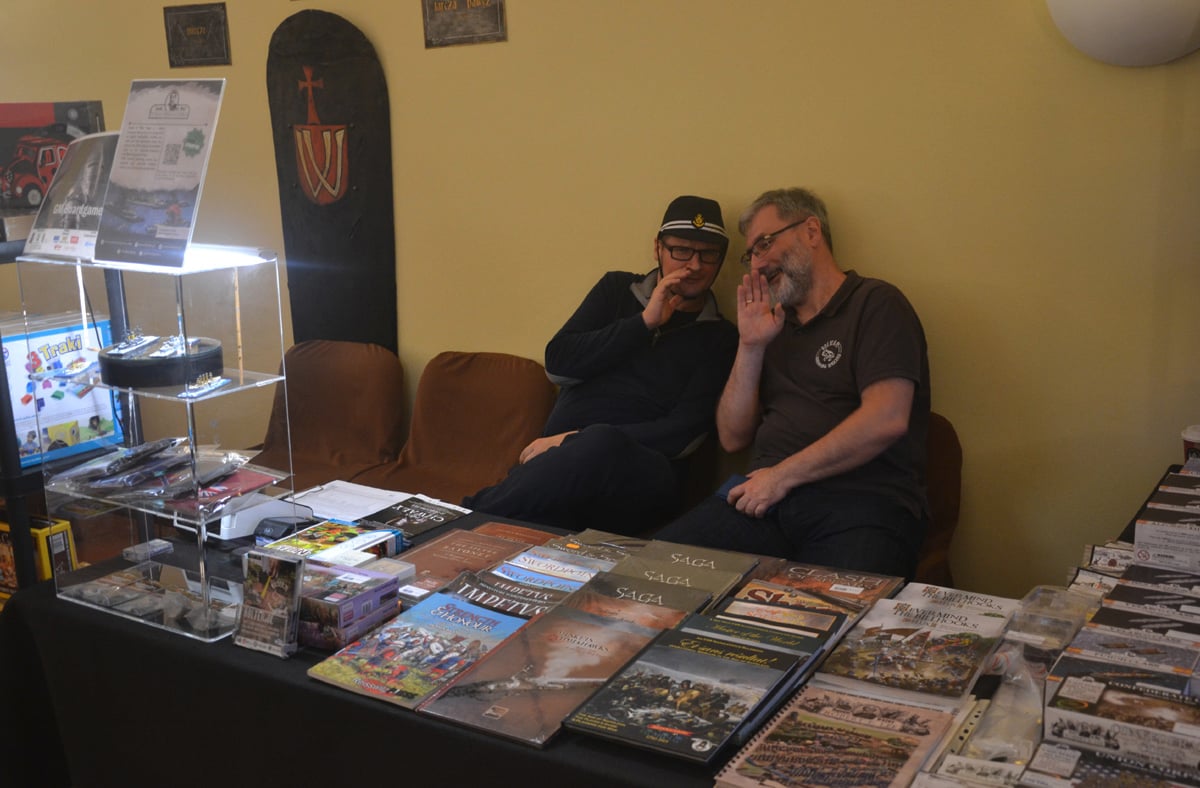
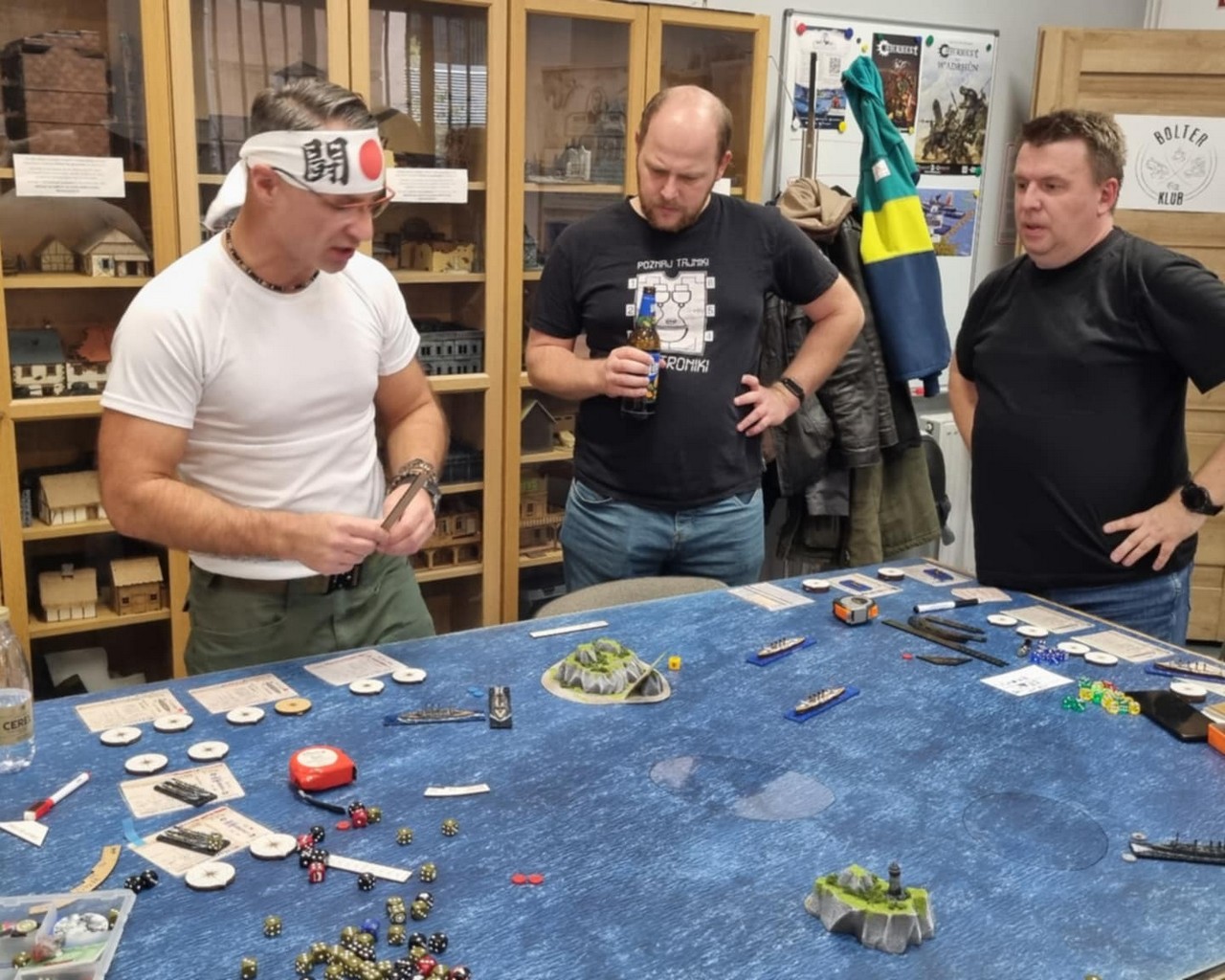
Interview with brothers Grzegorz and Maciej Molczyk – owners of GM Boardgames studio, Jakub Golec, a member of this esteemed team, and Adam Cwynar – owner of Bolter and the official publisher of the games under the banner of Gods of War: General Lee and Gods of War: Togo.

A long time ago, beyond seven seas, seven rivers, and seven mountains, in a nearby galaxy — specifically in the capital of Lower Silesia — there lived two brothers, Grzegorz and Maciej. Behind who they are today stood their late father, Teodor, of blessed memory, who sparked their interest in history (Historia magistra vitae est – History is the teacher of life – author) and the profound influence it had and continues to have on the world as we know it. He also taught them to draw conclusions from this discipline of knowledge, equal in rigor to mathematics.
And it all began with chess — who among you hasn’t played chess? Do you remember the plastic soldiers from the communists era (PRL in polish)? I do, as do my conversation partners, who were born in those times. Then came The Battle of the Pelennor Fields, Dragon games, Desert Storm, and that’s how it all started, and then…


Transitioning to our interview, let’s go:
Hello Adam, Grzesiek, Jakub, Maciej! How are you all doing? You probably know why we’re here, right?
Hey, yeah, Maciek mentioned that you wanted to talk to us.
How long have you been playing miniature games as players? What systems did you start with? Which systems have you played or are you still playing?
Adam: My first encounter with miniature games was in the early 1990s with Warhammer 40,000 2nd Edition and, to a lesser extent, Epic. At that time, I was serving in the military as a chronicler, and since there often wasn’t much to write about, I would sometimes paint miniatures during shifts. After Warhammer 40k 2nd Edition came the 3rd Edition, Warmachine 1st Edition, and along the way, I tried a wide range of systems like Anima Tactics, Infinity, and briefly Malifaux. Some systems resonated with me, and I stuck with them for longer, while others I set aside due to lack of time. At some point, I discovered Flames of War, which was my first exposure to historical miniature games. Without a doubt, it’s my favorite system, although there are other miniature games I enjoy, but there’s never enough time for everything.
Grzesiek: Gods of War: Napoleon, various systems treated as solution tests.
Jakub: 18 years in miniature wargaming, The Lord of the Rings by De Agostini, too many games to remember, but Middle-earth Strategy Battle Game and Middle-earth will always have a special place in my heart.
Maciej: Late 90s, Warhammer Fantasy Battle 4th/5th edition, my favorites are Bolt Action, Chain of Command, Warhammer Ancient Battles, and Warhammer Fantasy Battle.
When did you decide to start creating your own games? What was the beginning like?
Adam: From the very founding of Bolter, I was guided by the idea that it should be more than just a store.
Grzesiek: I joined Maciek when we were sitting at his house, and he suggested we create our own system.
Jakub: In 2007, I wrote my own game in a biology notebook – a system for using WFB miniatures in a skirmish-style game. The system was similar to Mordheim.
Kuba joined Gods of War during the era of Gods of War: Lee, and by chance, he proposed the activation system for Gods of War: Togo. (This was one of the ways he became part of the team.)
Maciej: At some point, I decided to quit Warhammer when I saw that a single miniature could take out 50 others. Around that time, a friend offered to help me with the Napoleonic era.



GM Boardgames – Is this not your only job? What else do you do in your lives, if it’s not a secret?
Adam: Since 2017, I’ve been running Bolter with my wife as a space for hobbyists like me.
Grzesiek: I’ve always been a man in the shadows, and I remain one.
Jakub: I’ve never worked at GM Boardgames. I’m from Bolter 🙂
Maciej: I’m a history teacher at a high school.
From my own knowledge, I can add that Maciek conducts very creative classes (author).
I played a few games in Bogowie Wojny: Lee, which is an amazing system, and I’m fascinated by Bogowie Wojny: Togo. You’ve also released Bogowie Wojny: Napoleon—why the 19th century? Ages change, but during that time, the world belonged to a few empires. The age of steam, iron, and numerous advancements in military technology and everyday life—what are your thoughts on this?
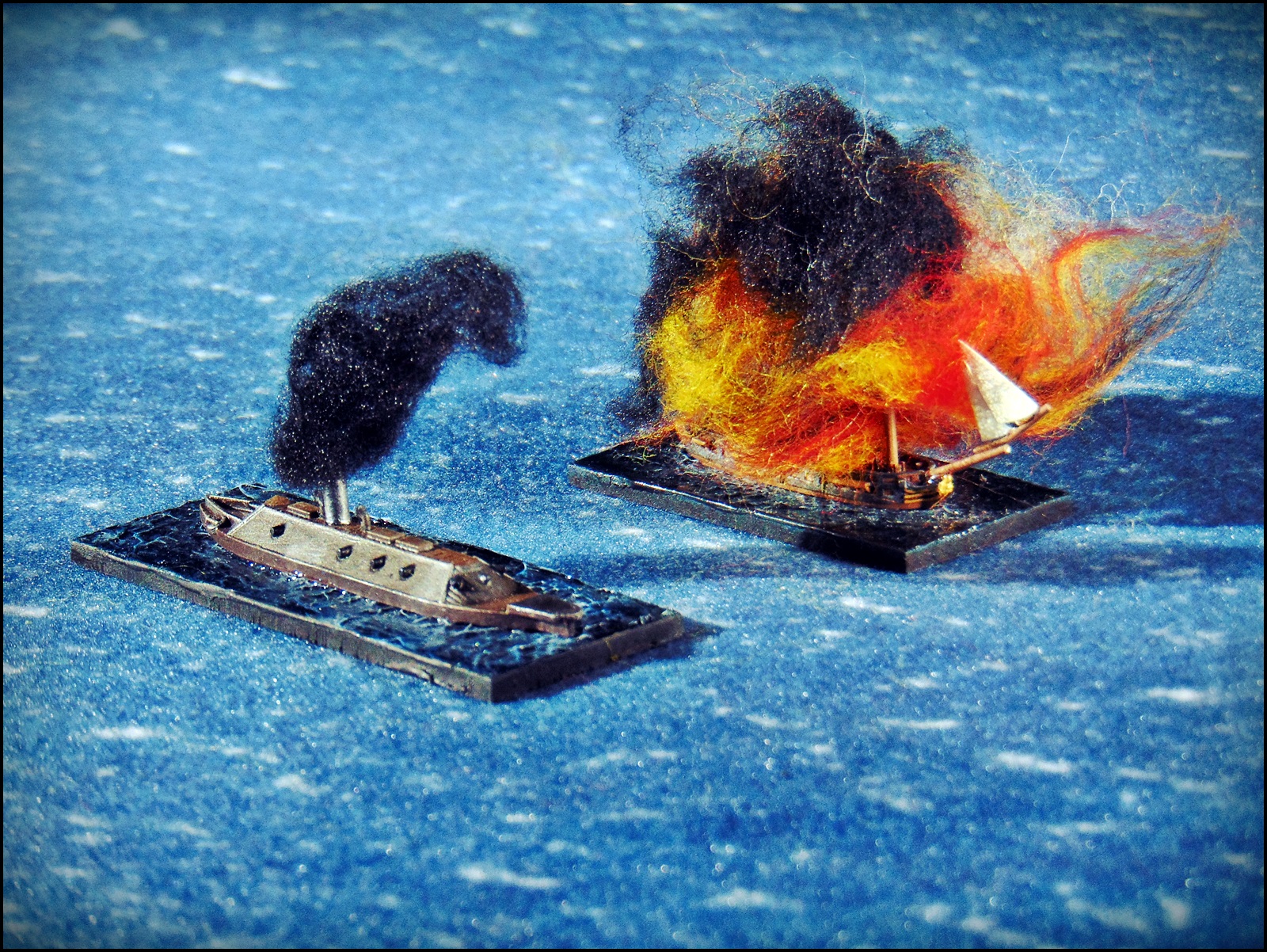
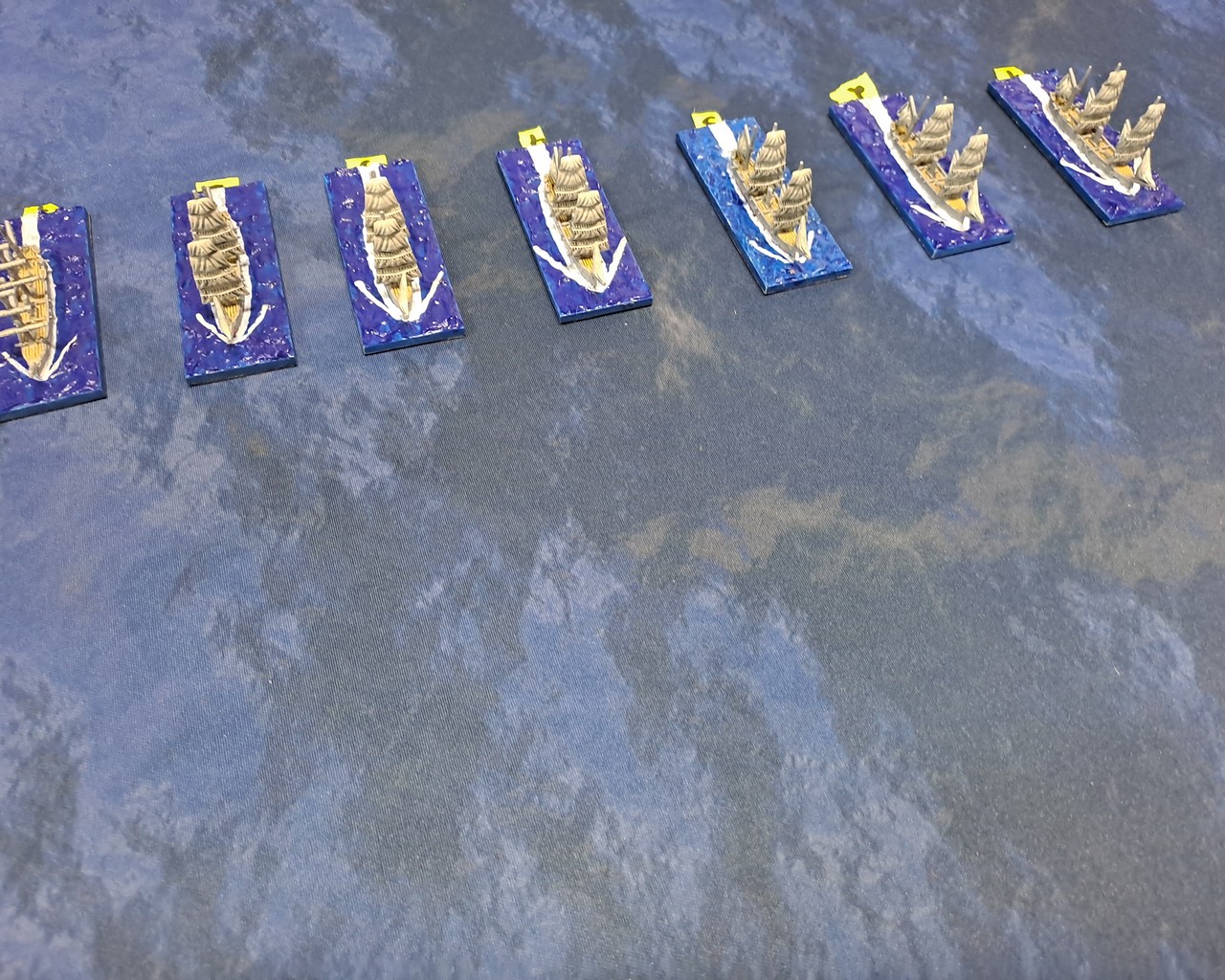
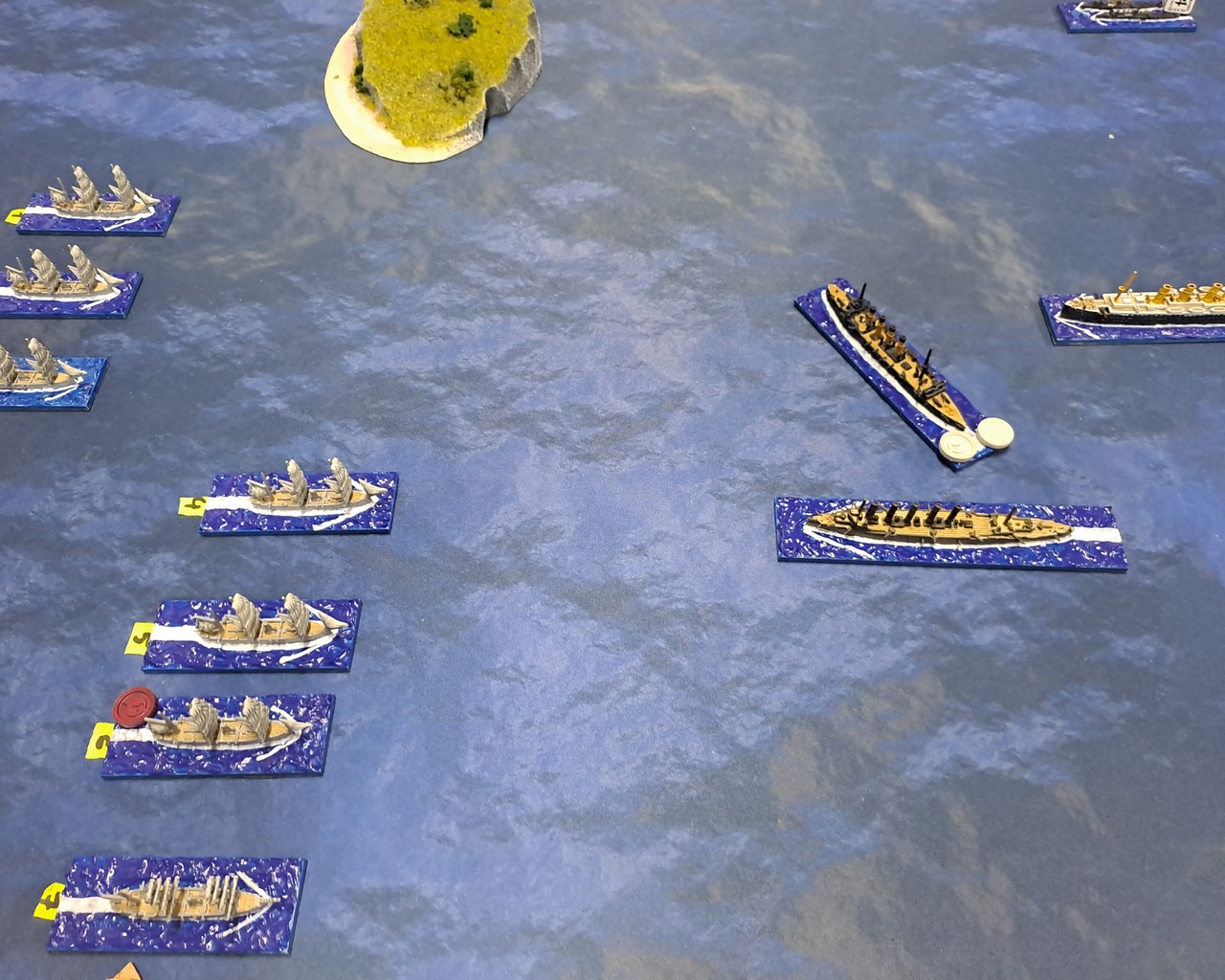
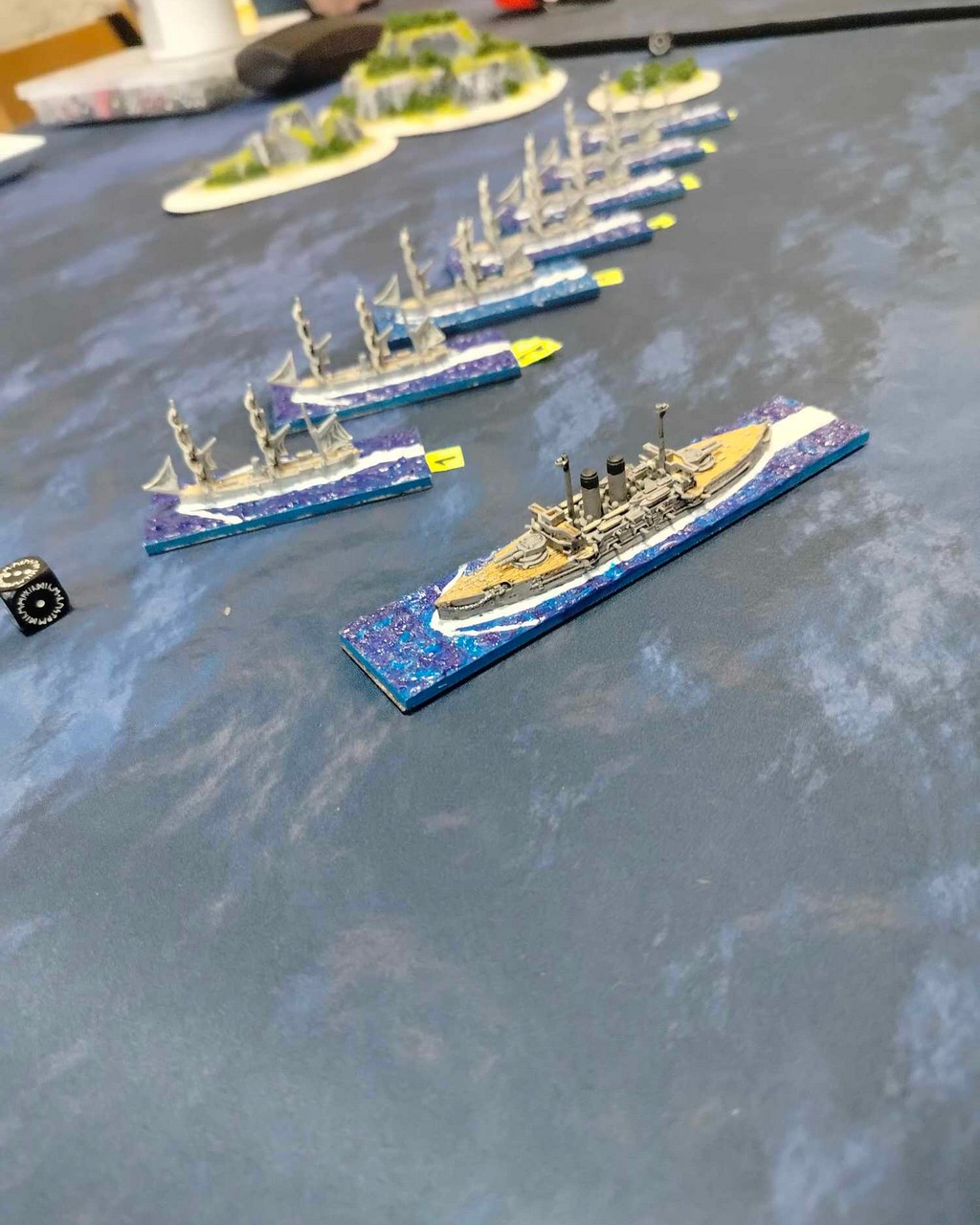
Maciej: The 19th century is a bit of a niche, apart from the Napoleonic Wars and the American Civil War. Comparing ships from the early 19th century with those from its end shows enormous changes—from sailing ships at the beginning of the century to steel behemoths like Mikasa, powered by steam engines, by its conclusion.
Grzesiek: The 19th century is extremely interesting, and there’s never been such a significant leap in the art of warfare as the one that occurred from its beginning to its end. We witnessed clashes where the technological gap between the sides was striking. Railroads, the age of steam—it’s a fascinating era.
Jakub: A great example is the Land of the Rising Sun, which made enormous progress in a very short period. Japan is the quintessence of the transformations of this century. The 19th century, aside from the Napoleonic period, is relatively unknown, but we aim to introduce it to as many people as possible to spark interest in this era.
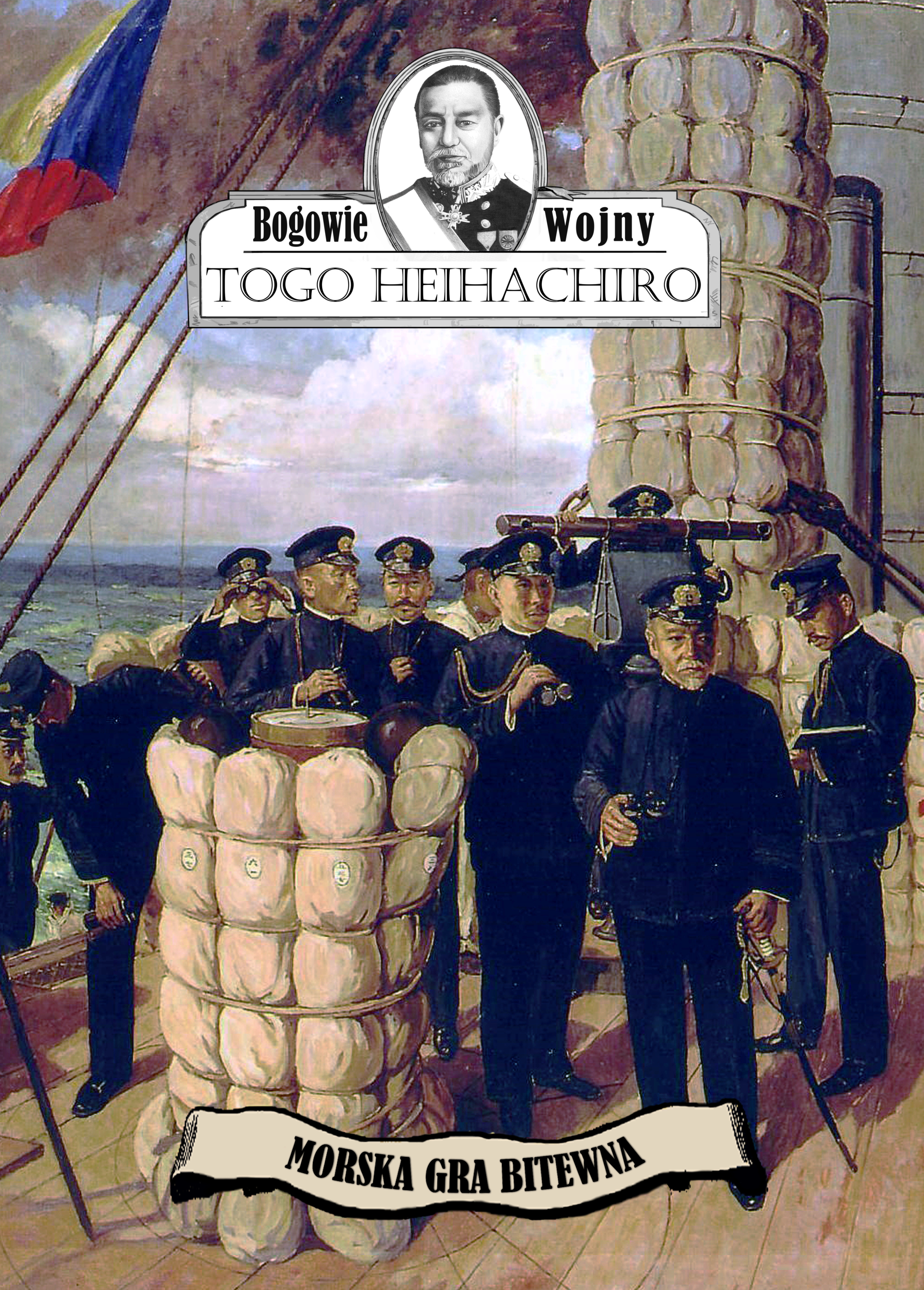
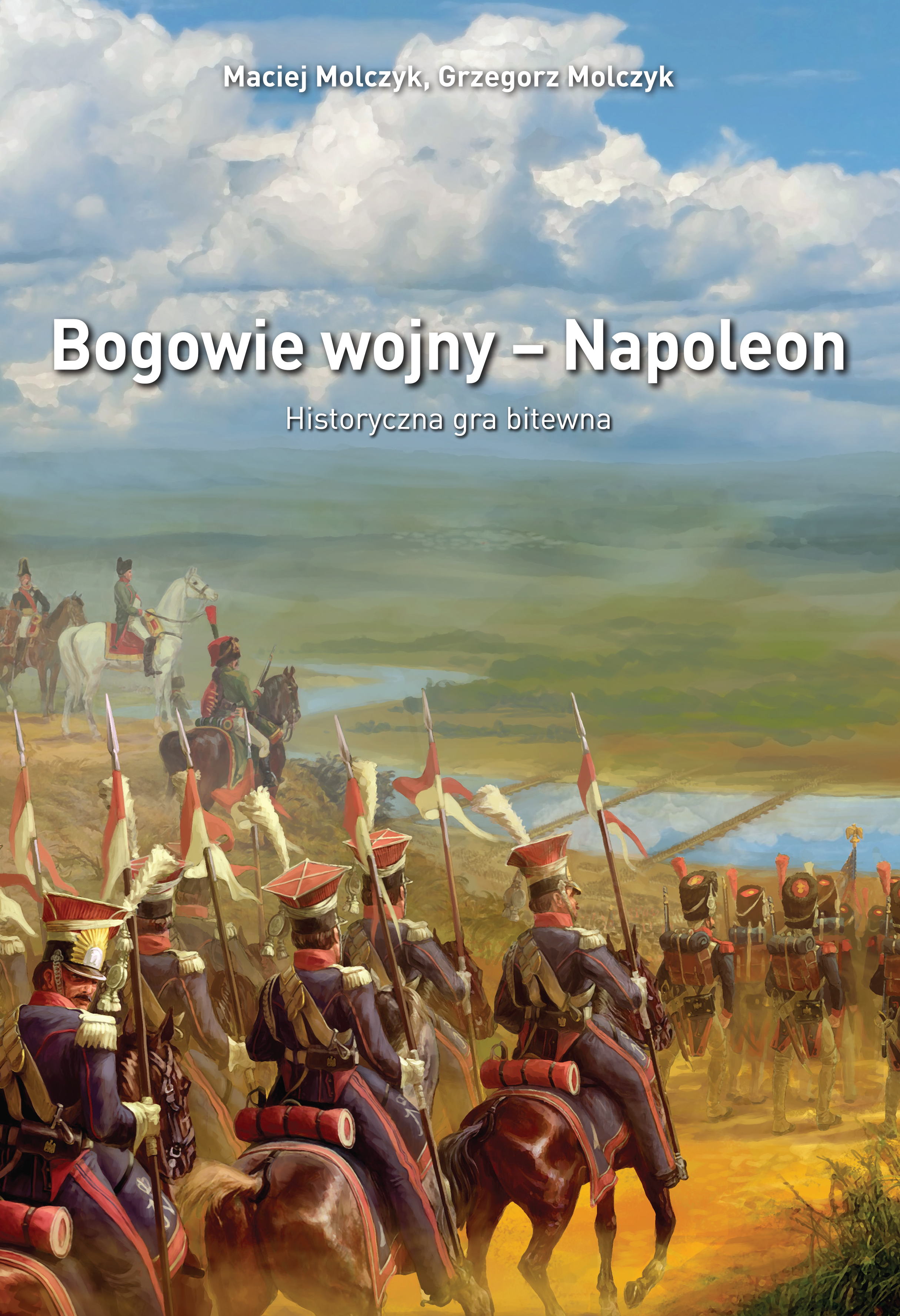
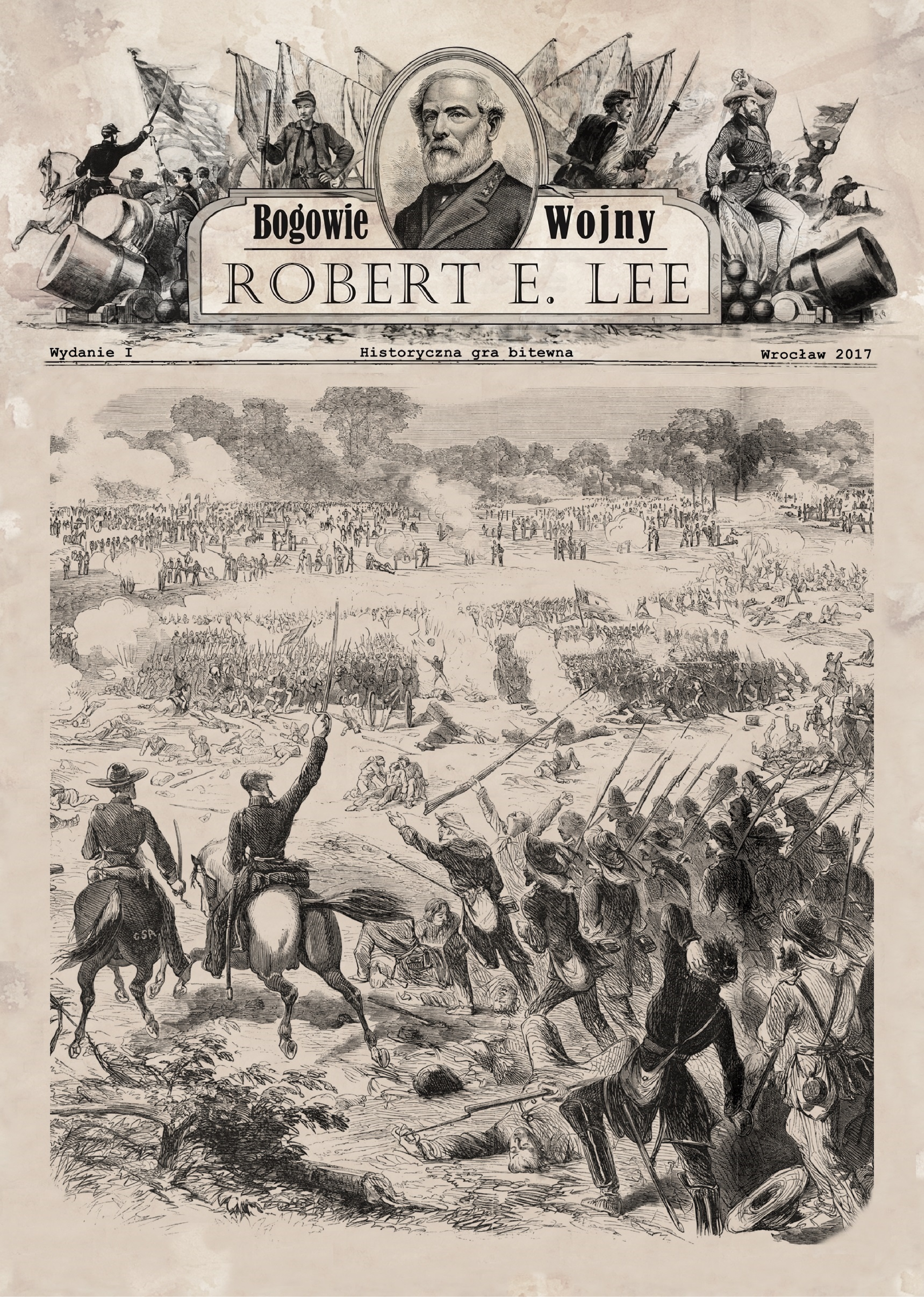
When did you decide to collaborate with the best club-store in Wrocław, Bolter?
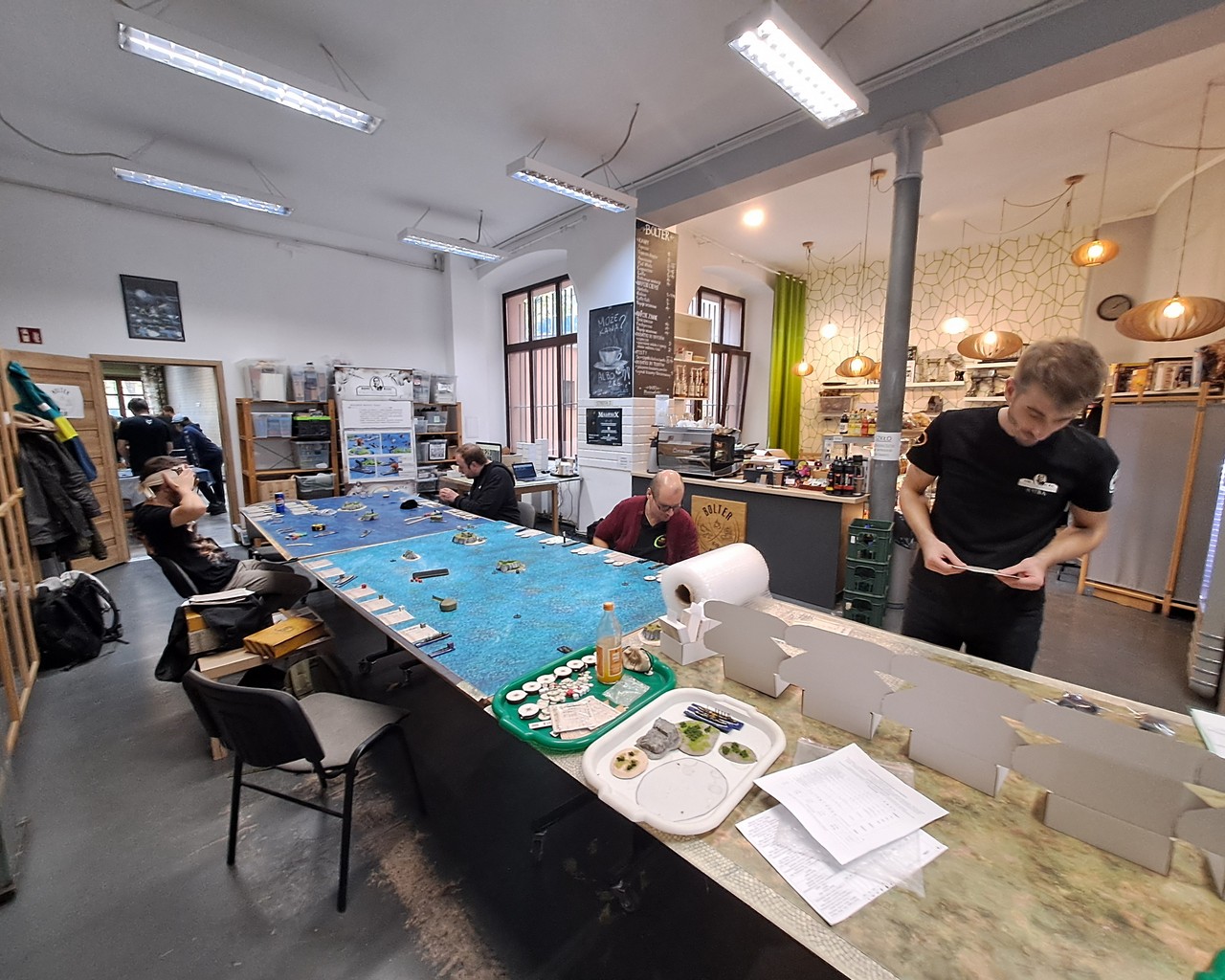
Maciej: Since the Napoleon days, we used to come and play at Bolter’s former location on Sokolnicza Street, where we were warmly welcomed and organized games in that system.
Grzegorz: I completely agree with Maciej’s statement.
Adam, creator of Wrocław’s gaming paradise for miniature enthusiasts and beyond, as well as the owner of Bolter, how did your collaboration with GMboardgames begin?
Adam: Our first collaboration started with the introduction of Bogowie Wojny: Napoleon (Gods of War: Napoleon)—the first game in the series—into our store’s catalog. Later, Maciek launched Bogowie Wojny: Lee (Gods of War: Lee) first edition, and we sold their metal models through the shop at the time. Then came a period of growth, and we decided to join forces to launch a Kickstarter for the second edition of Bogowie Wojny: Lee, aiming at the Western market. And from there, things really took off.
The Kickstarter included metal miniatures. However, after bad experiences with metal casting production, we decided to fully transition to a new technology.
Are there any secrets that players will receive in the near future? Maybe a new fleet for the Gods of War: Togo or something for the Gods of War: Lee?
Grzegorz, Jakub and Maciej: We can officially confirm that the British fleet from Kickstarter will be followed by a German fleet, and work is underway with Grant. As for further plans, the perspective is very distant, so for now we are working on what is planned for the near future.
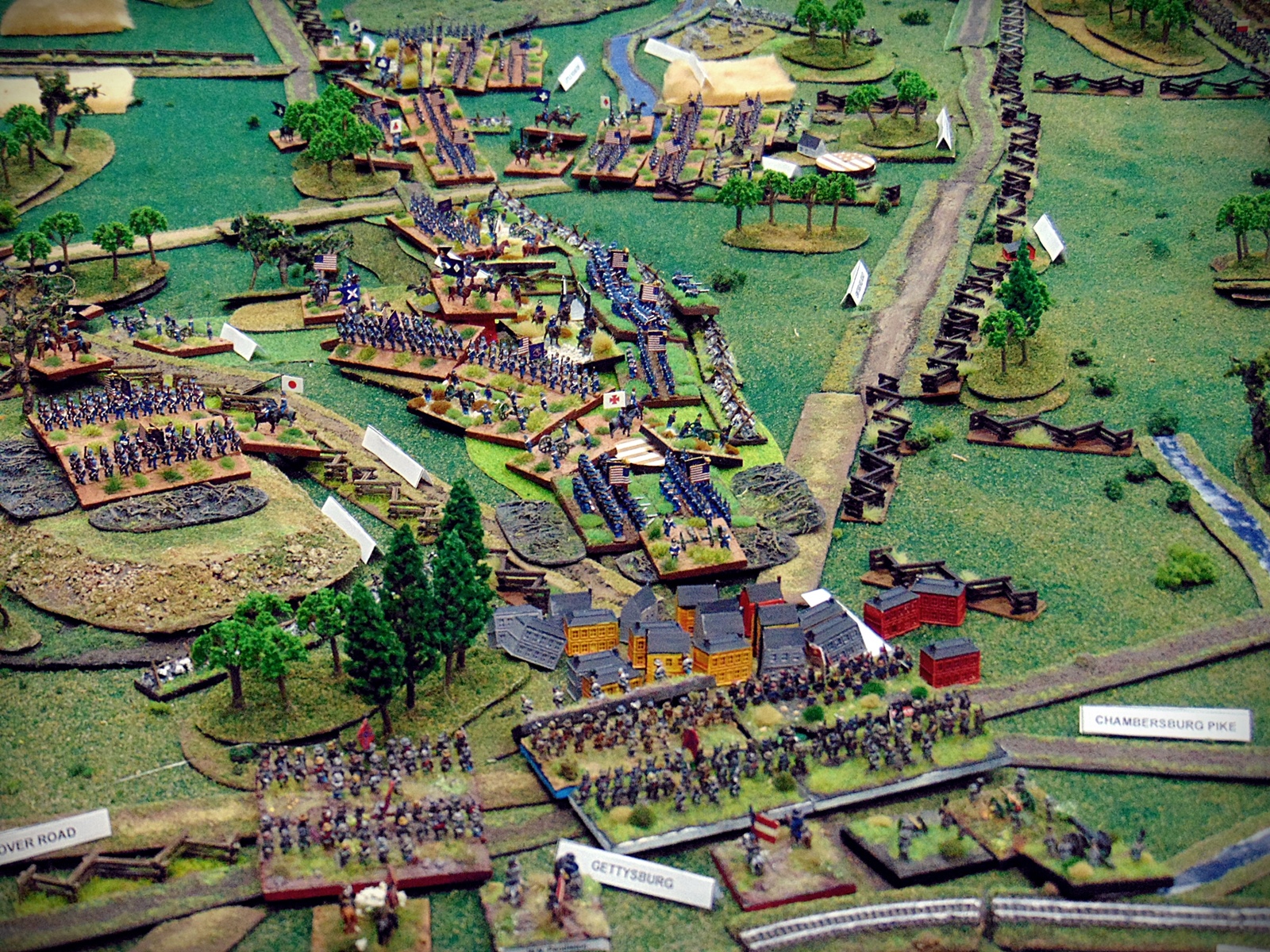

I’m here to promote miniature wargaming. You guys are amazing at what you do – do you see any threats to miniature wargames from video games?
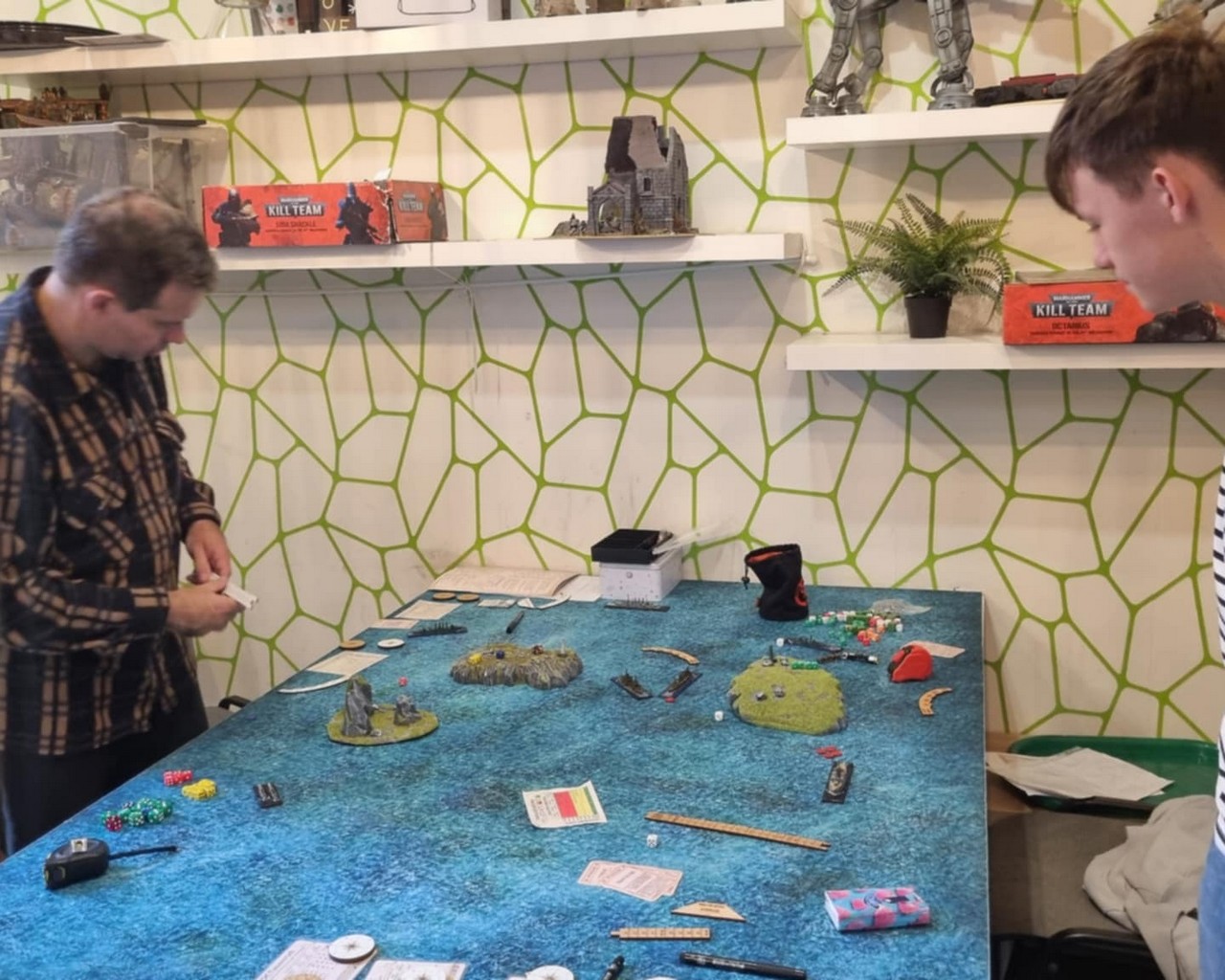
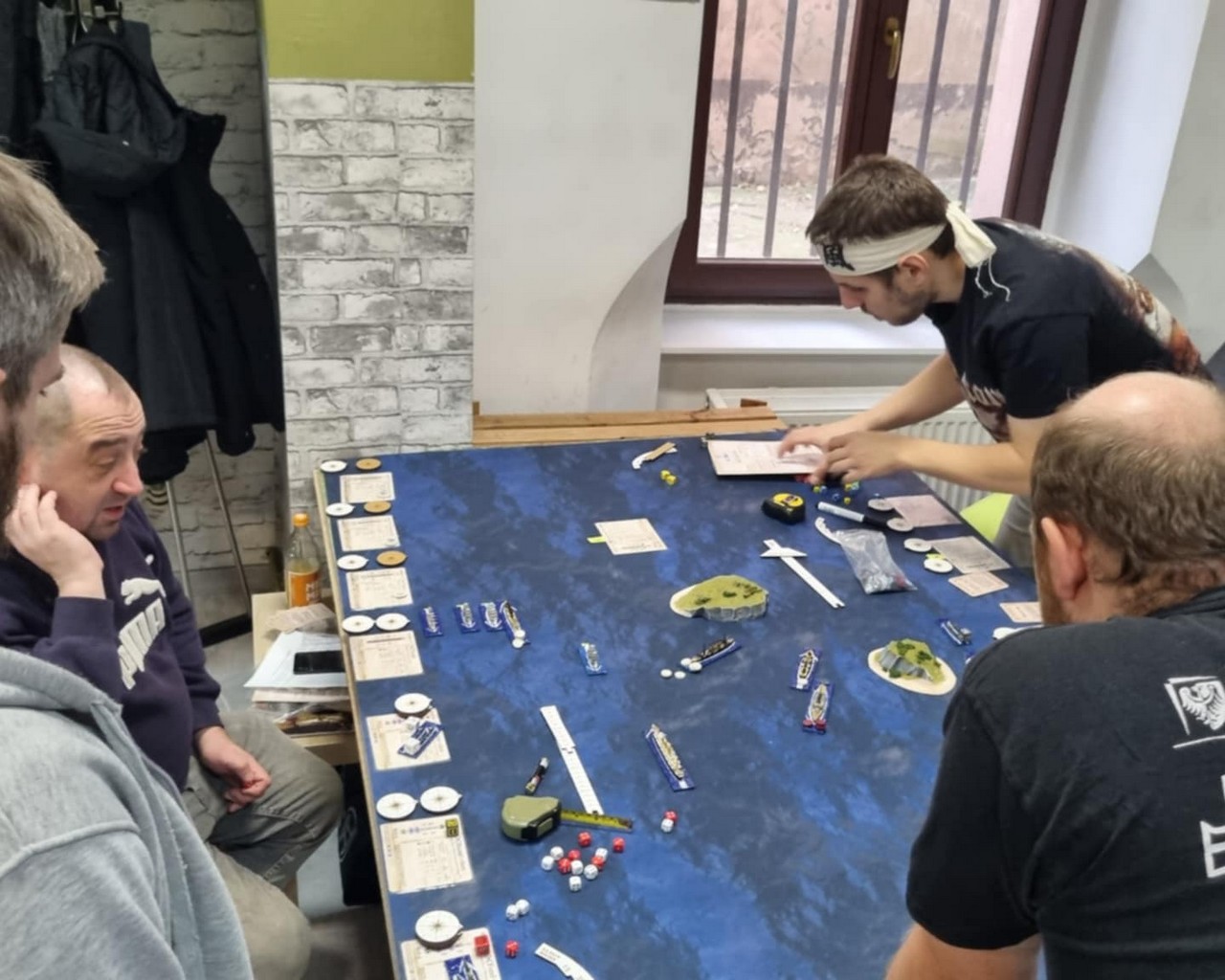
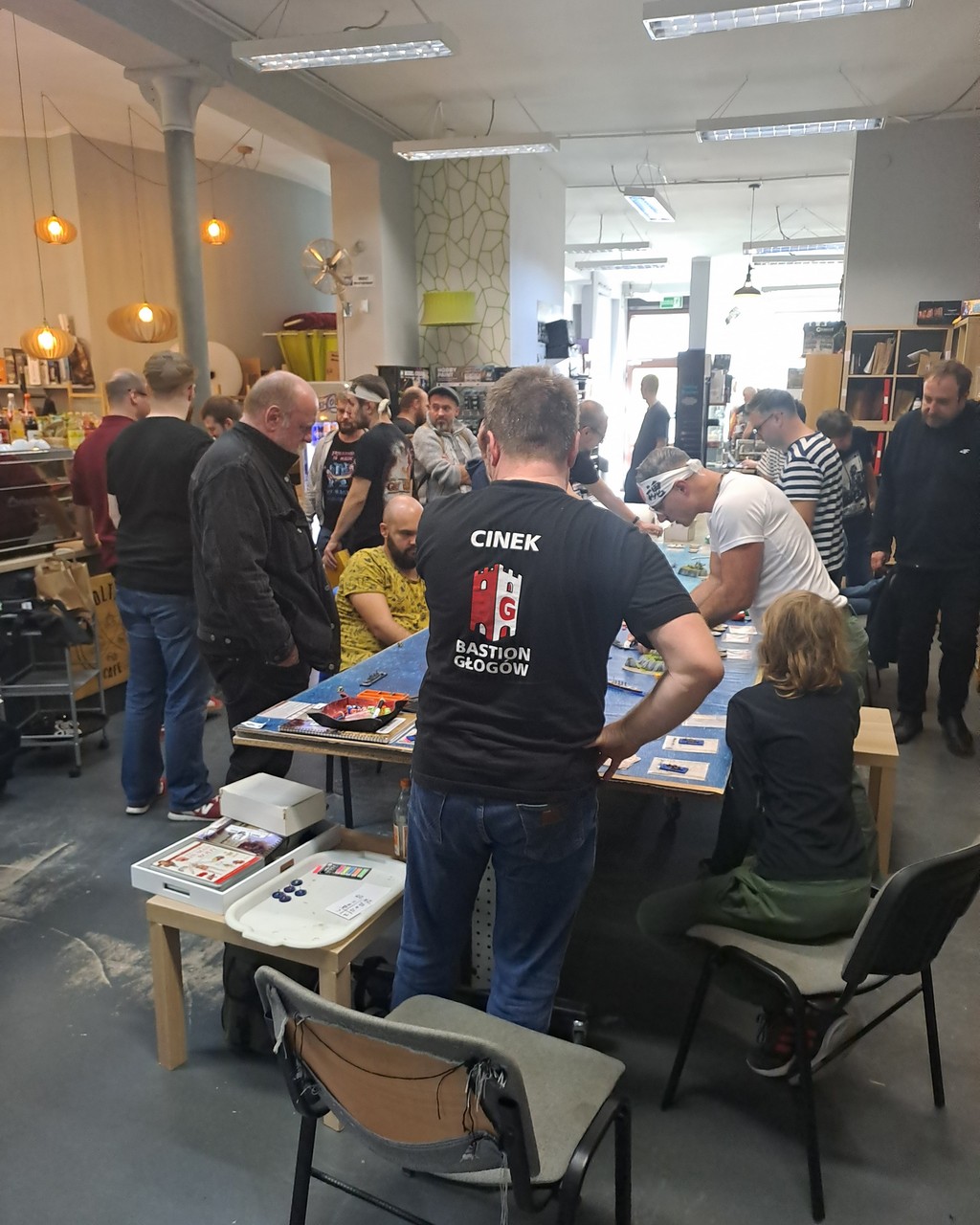
Adam: The modern world moves so fast that computers offer easier access to entertainment. Our hobby is more time-consuming; you need to prepare models, go out to meet people, and find a gaming community. That’s why we’re working to make access easier and promote our hobby beyond just Bolter.
Grzegorz: Many people see wargaming as an opportunity to meet up – it’s a typical social gathering. You can play multiplayer online and chat, but it’s just not the same.
Jakub: A lot of people have discovered miniature wargaming through video games, like Dawn of War, which is based on tabletop games, or Total War: Warhammer, for example.
Maciej: These are two different worlds – it’s really a competition for free time. Both types of games compete with any other hobby, but video games are not a threat to miniature wargaming.
And one last question, what can you tell us about your system?
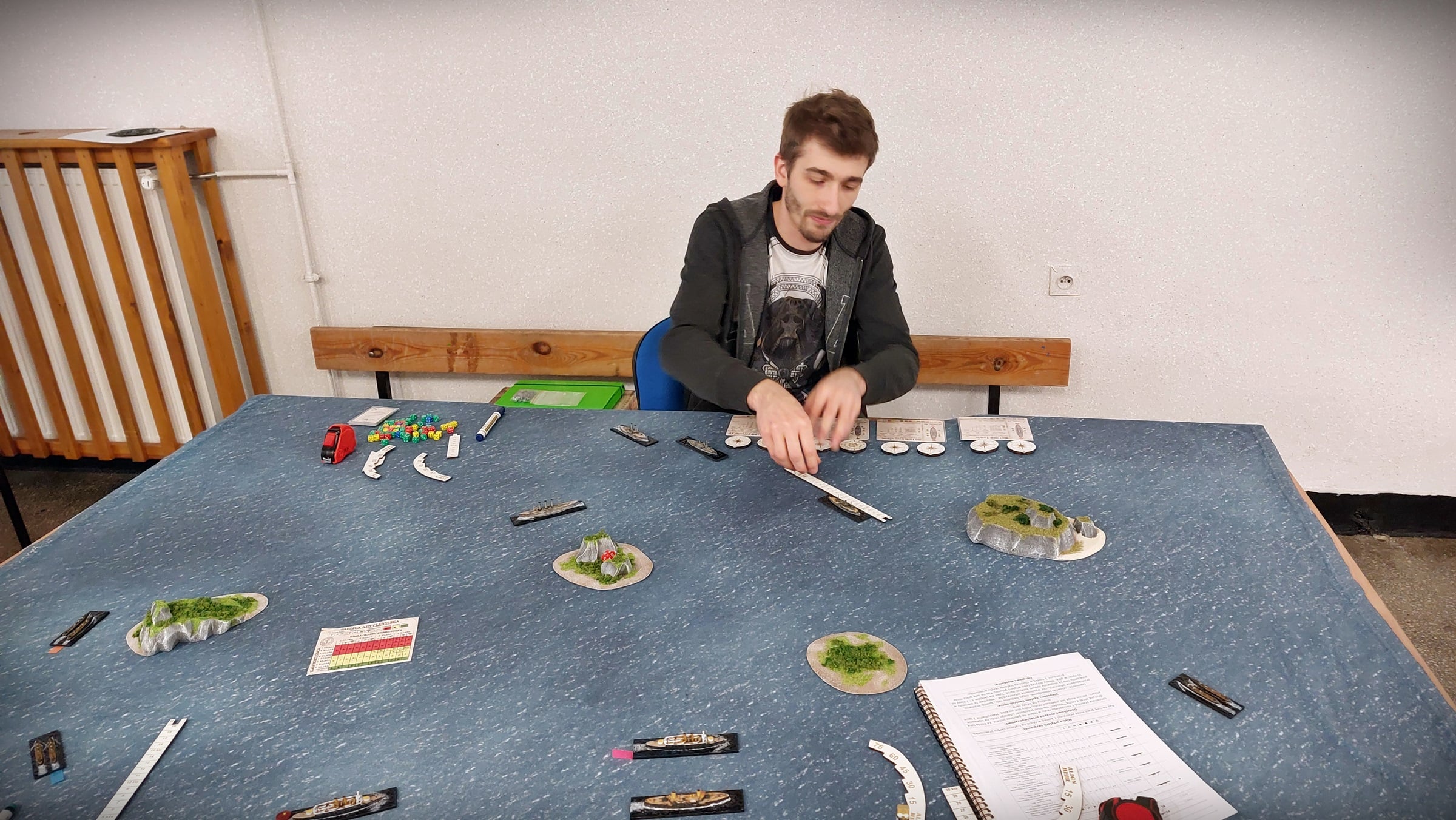
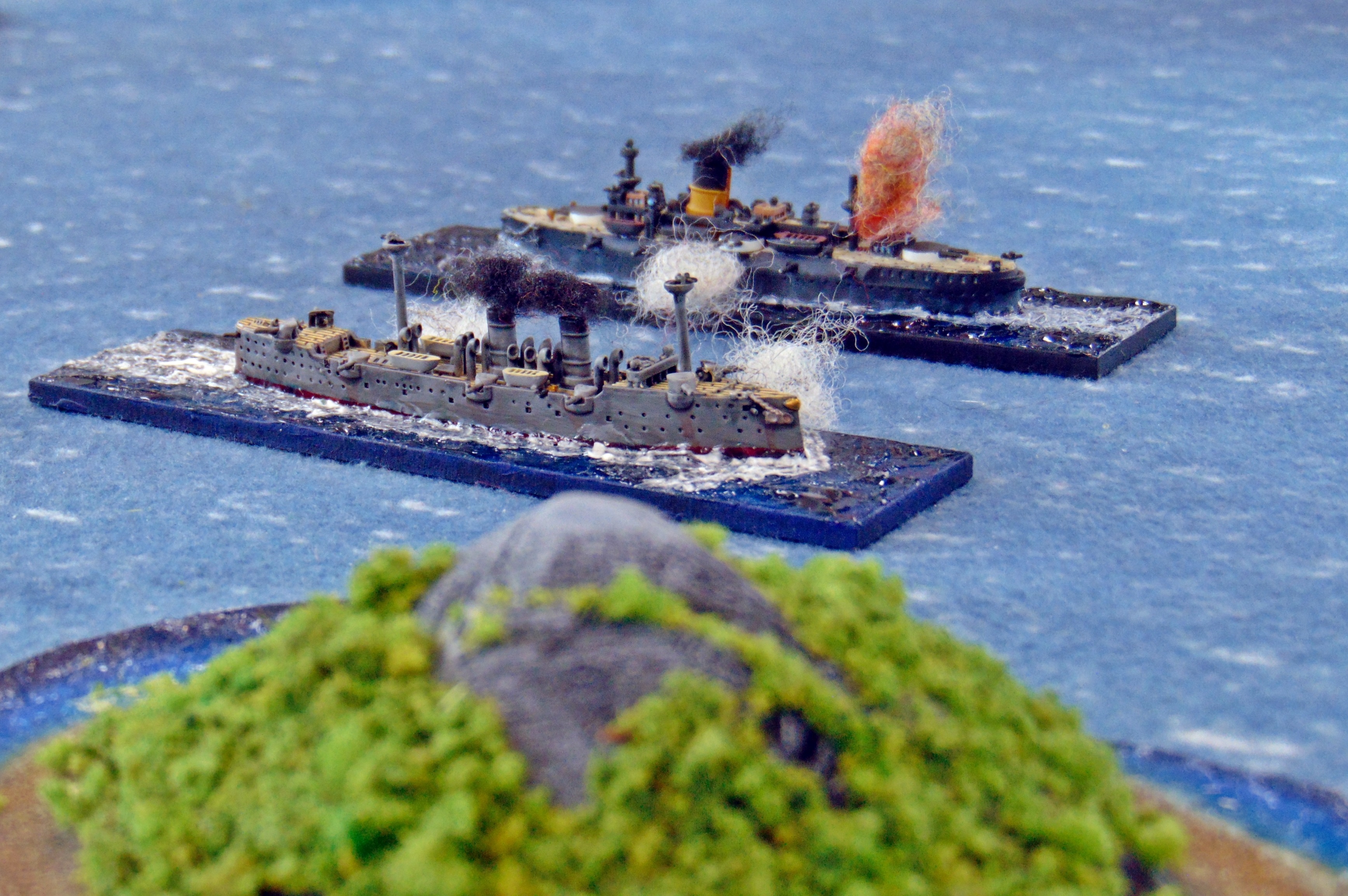
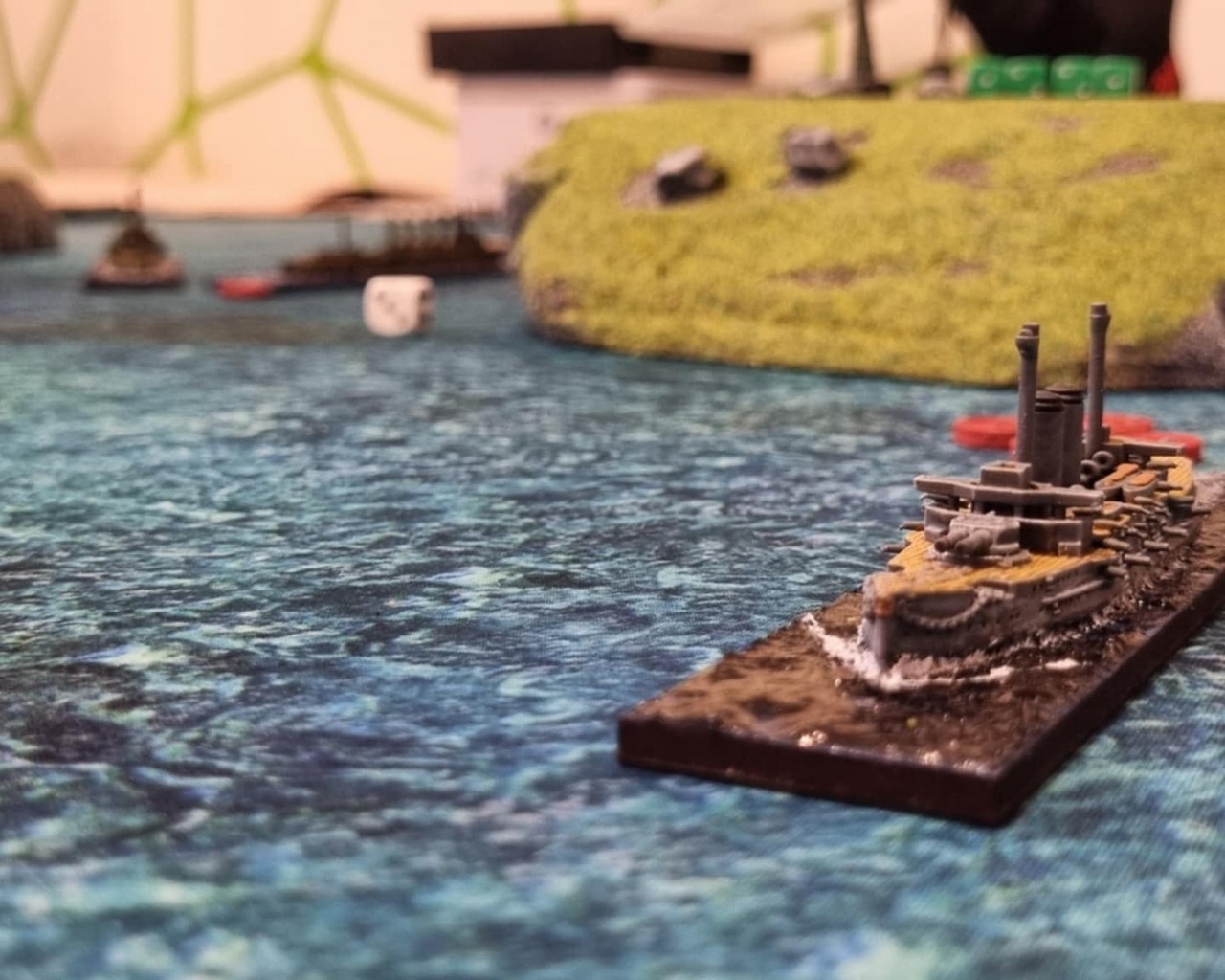
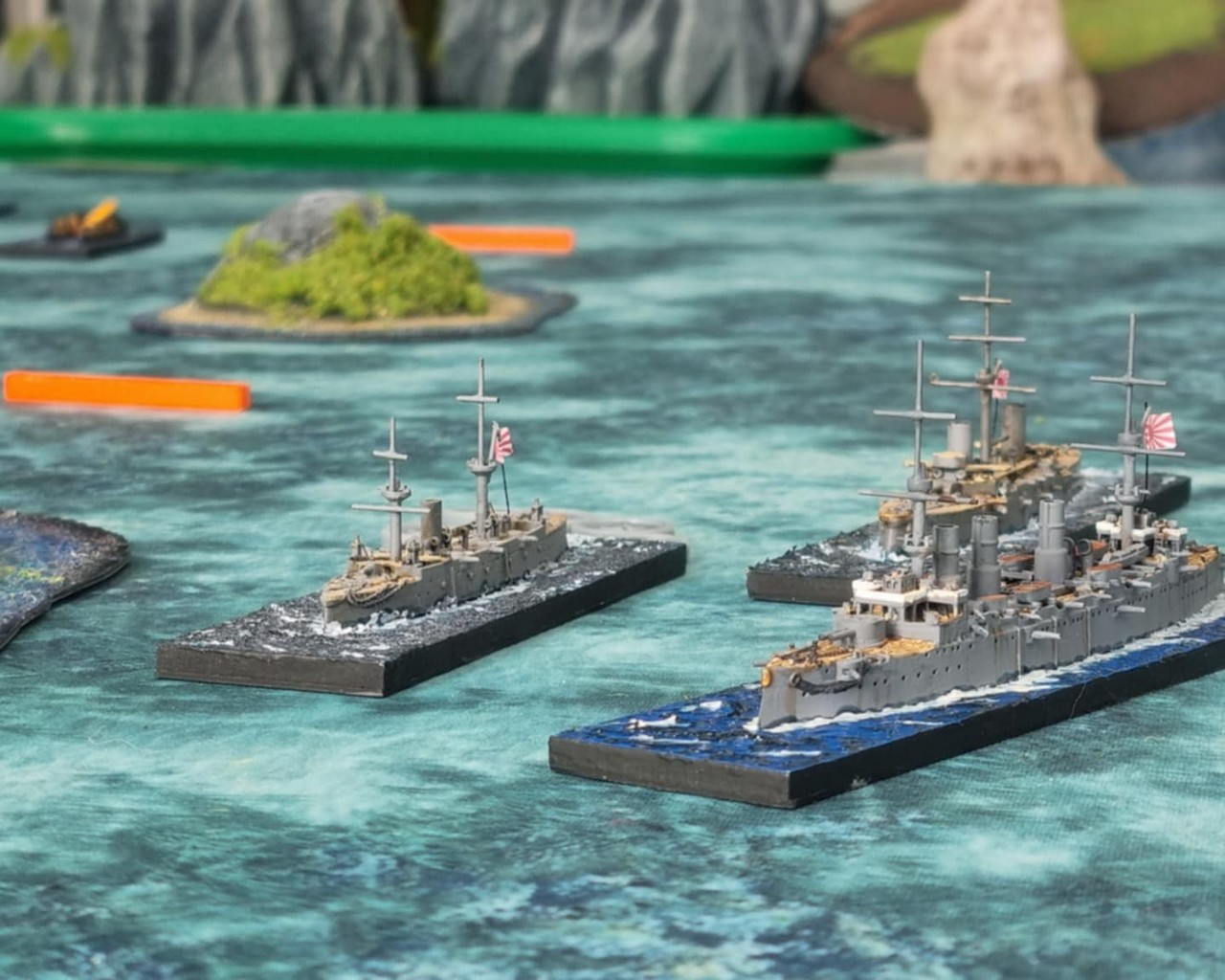
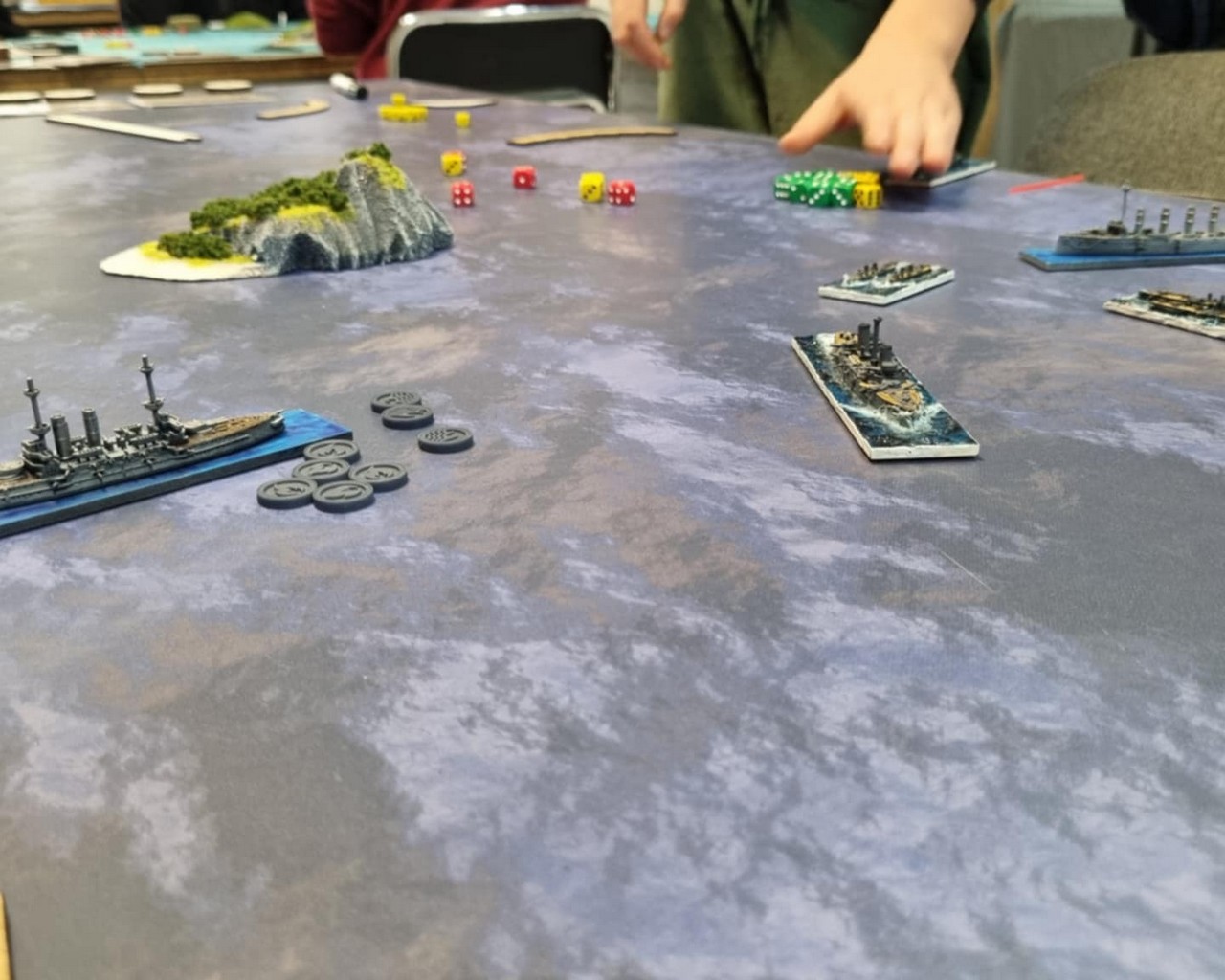
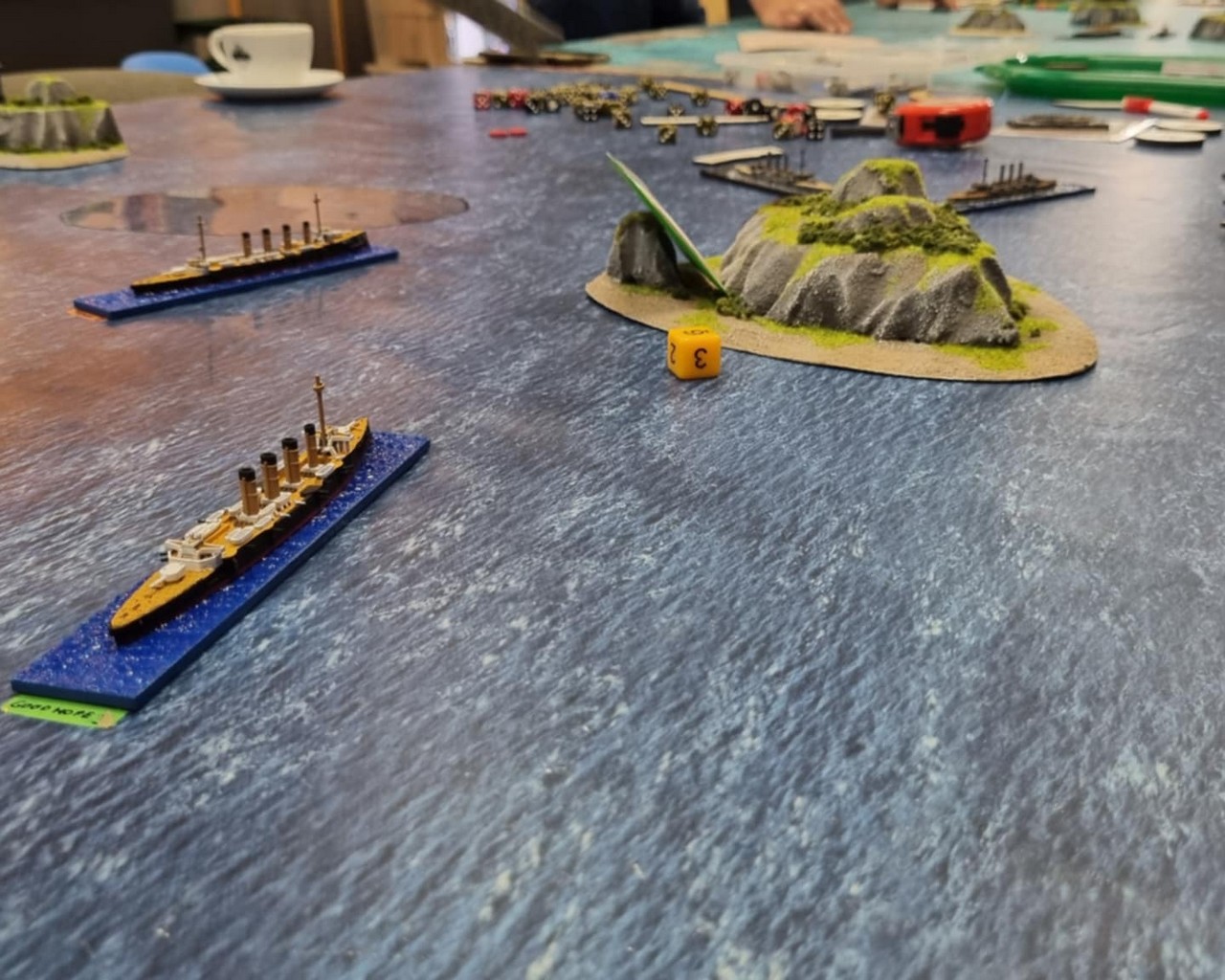
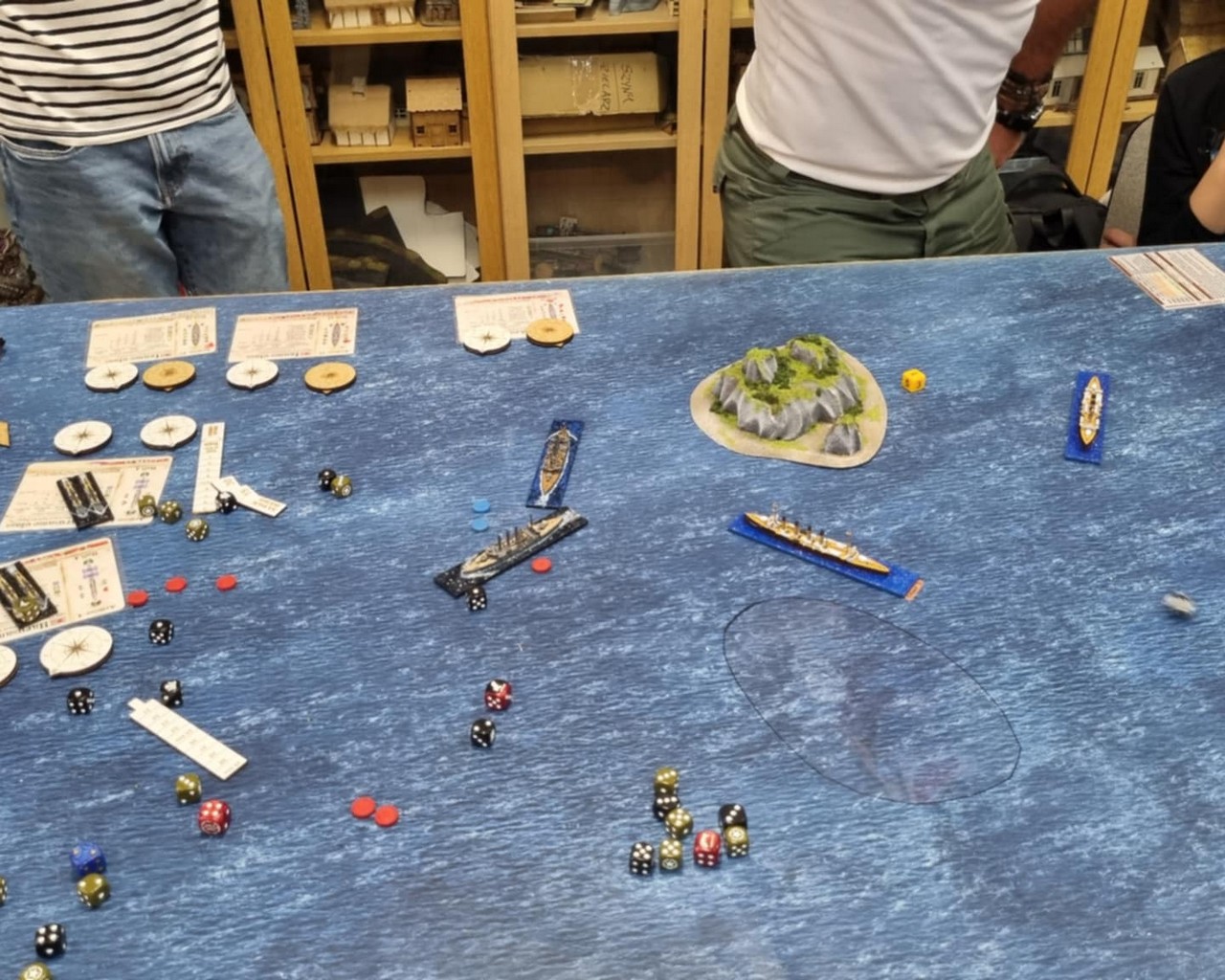
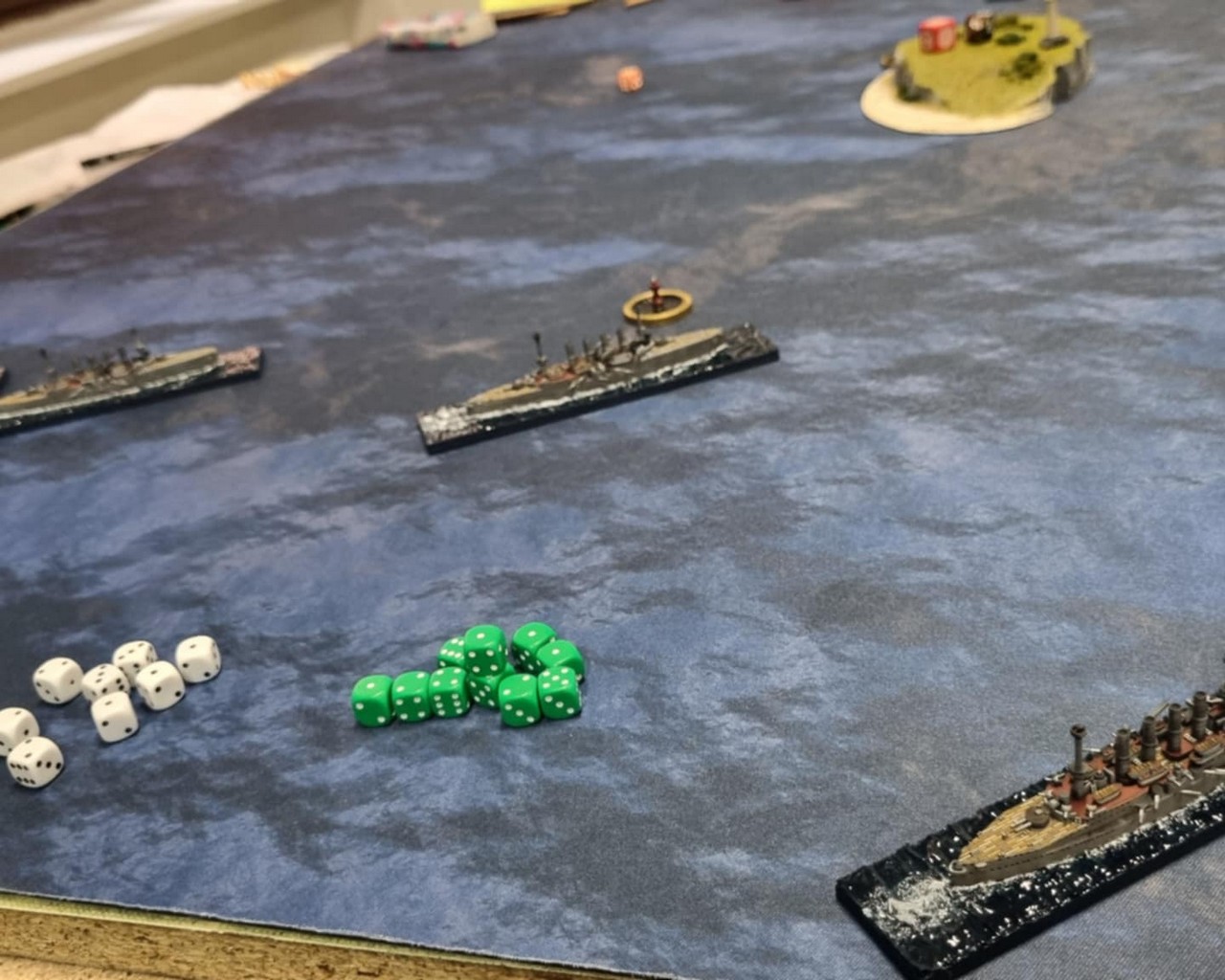
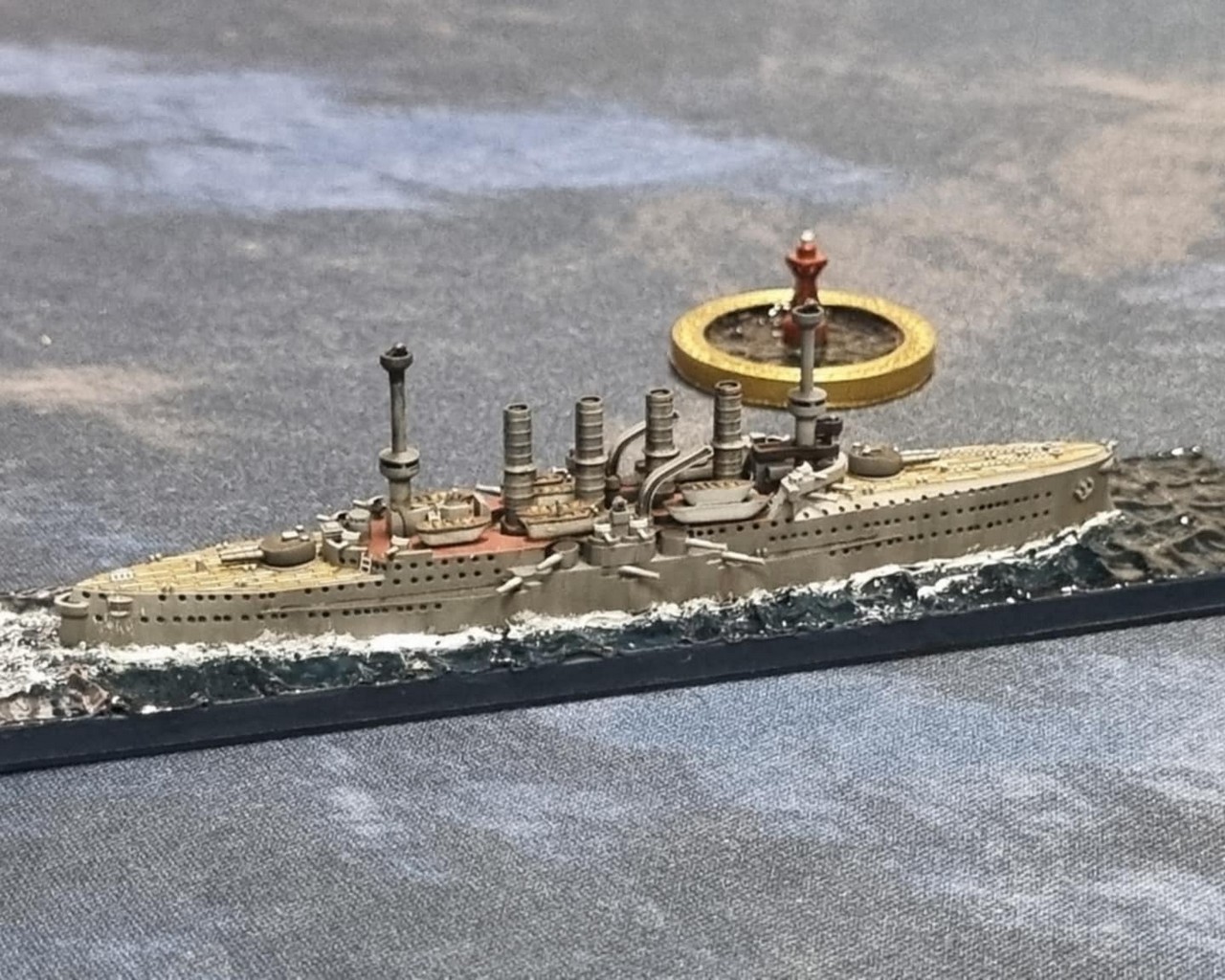
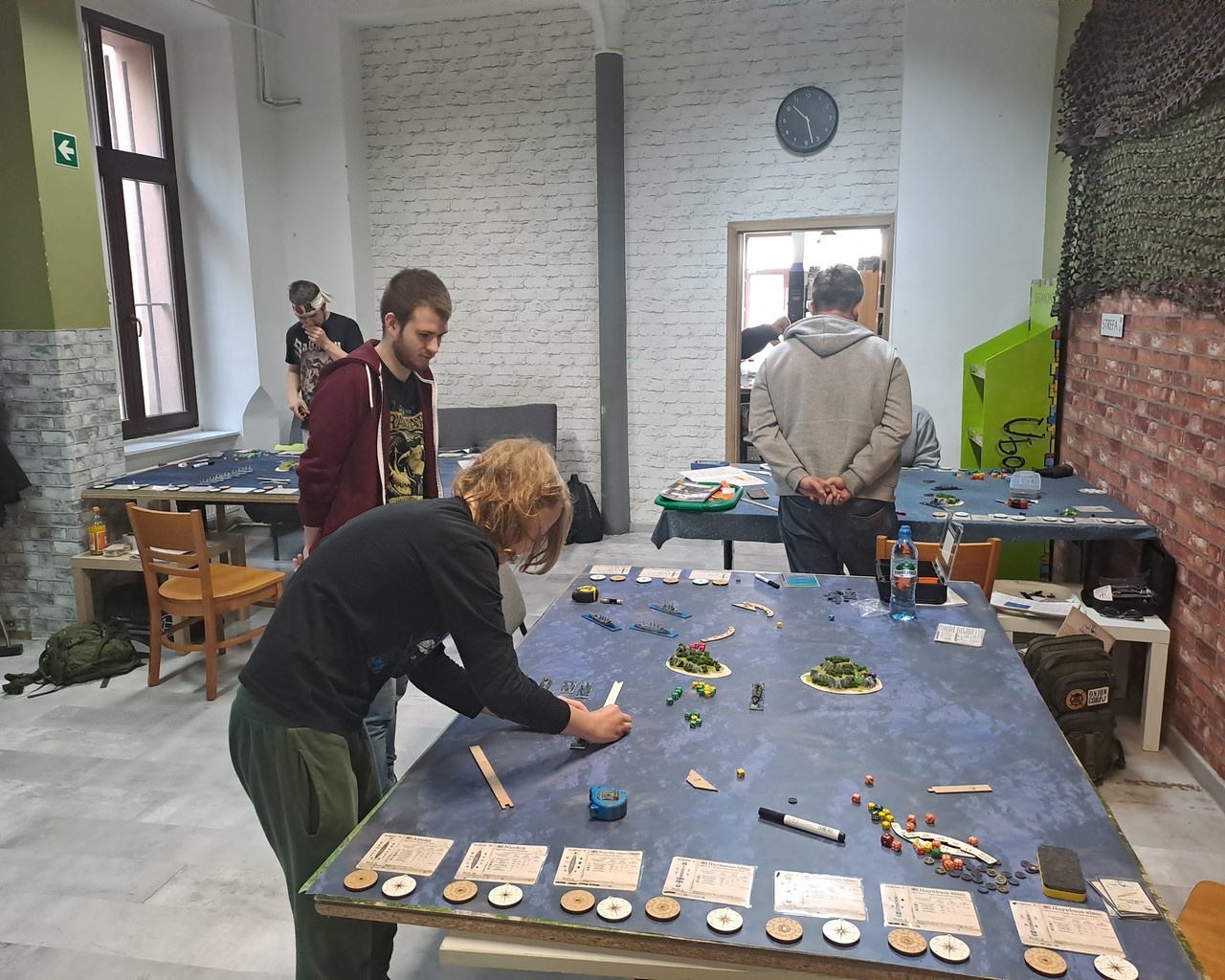
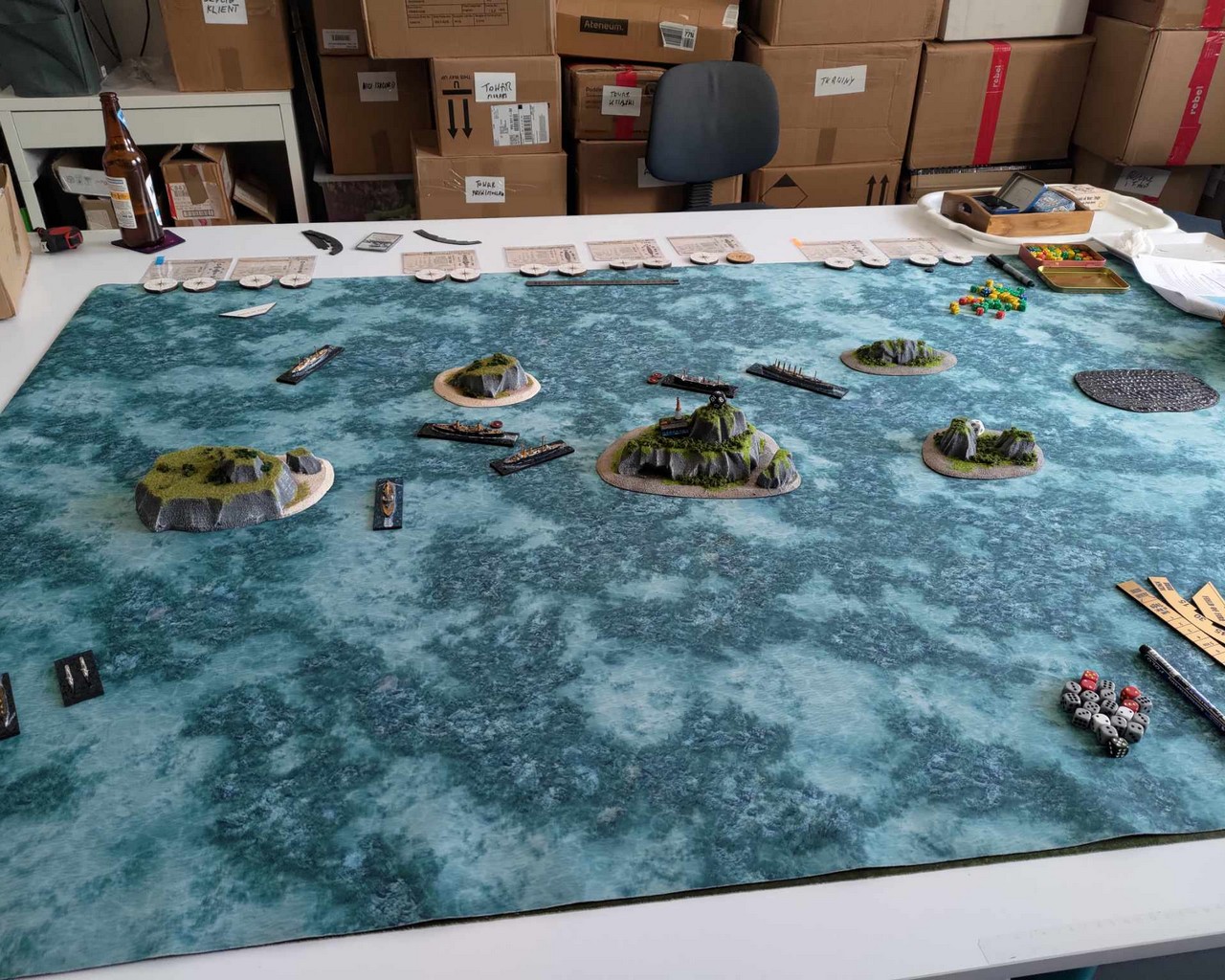
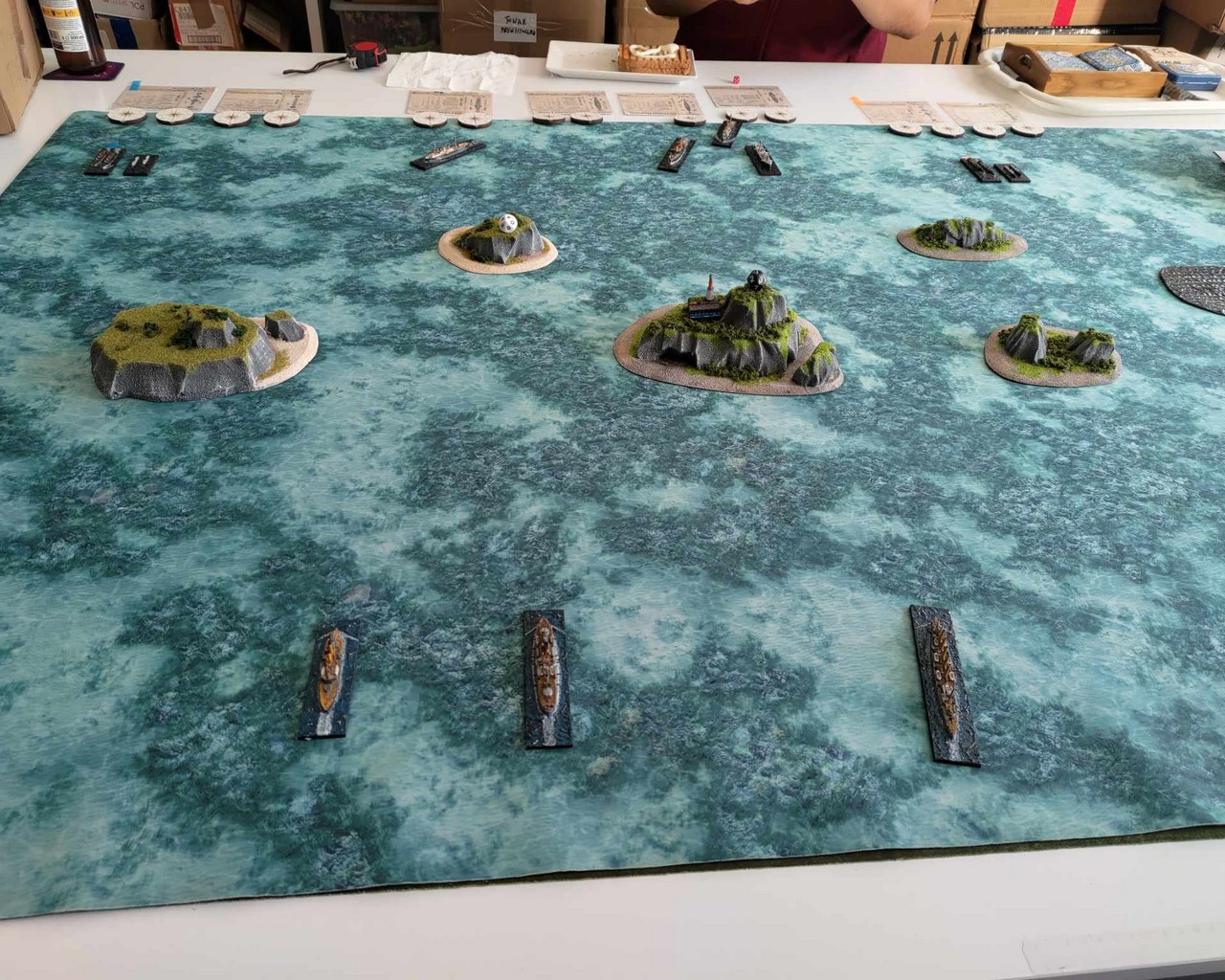
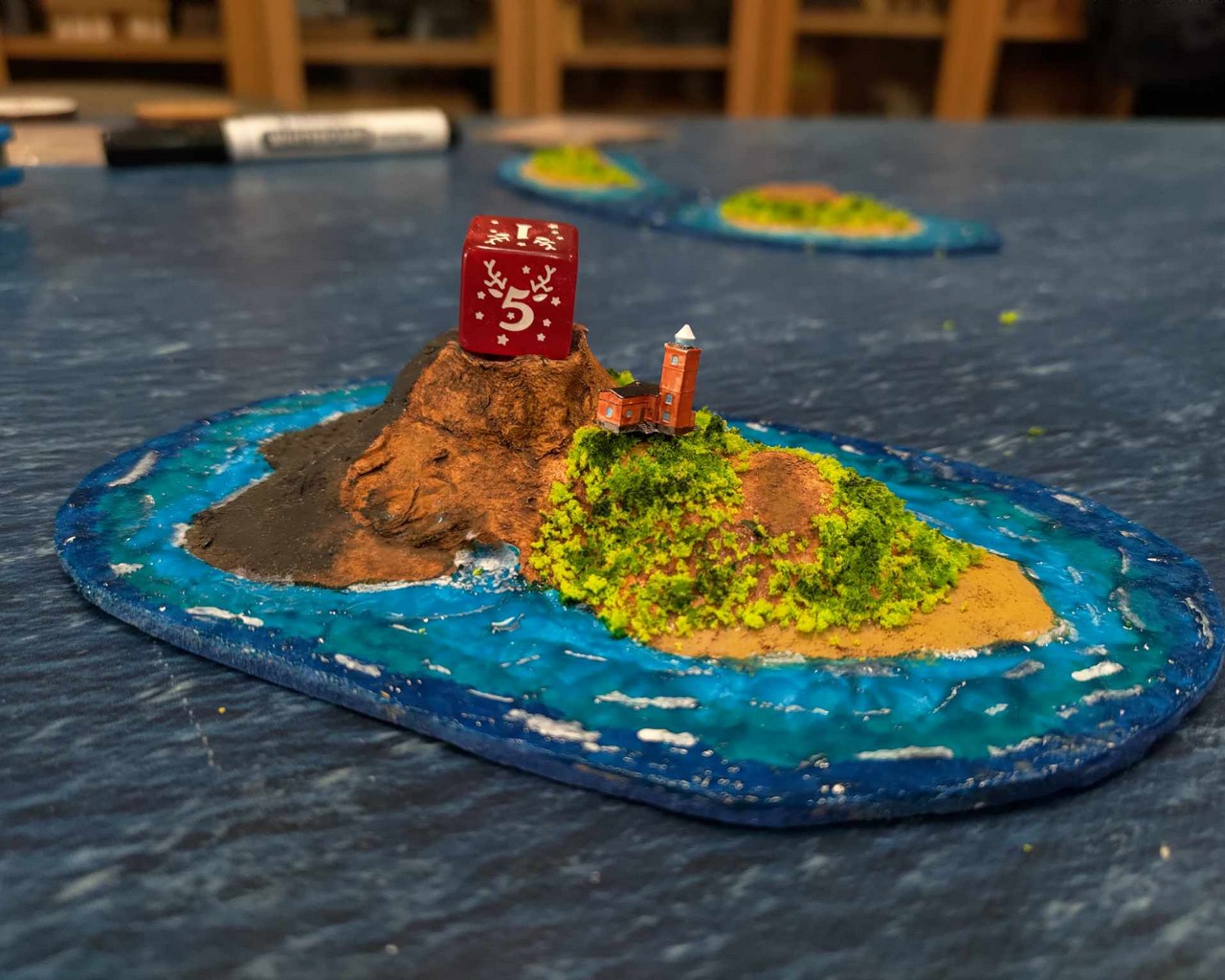
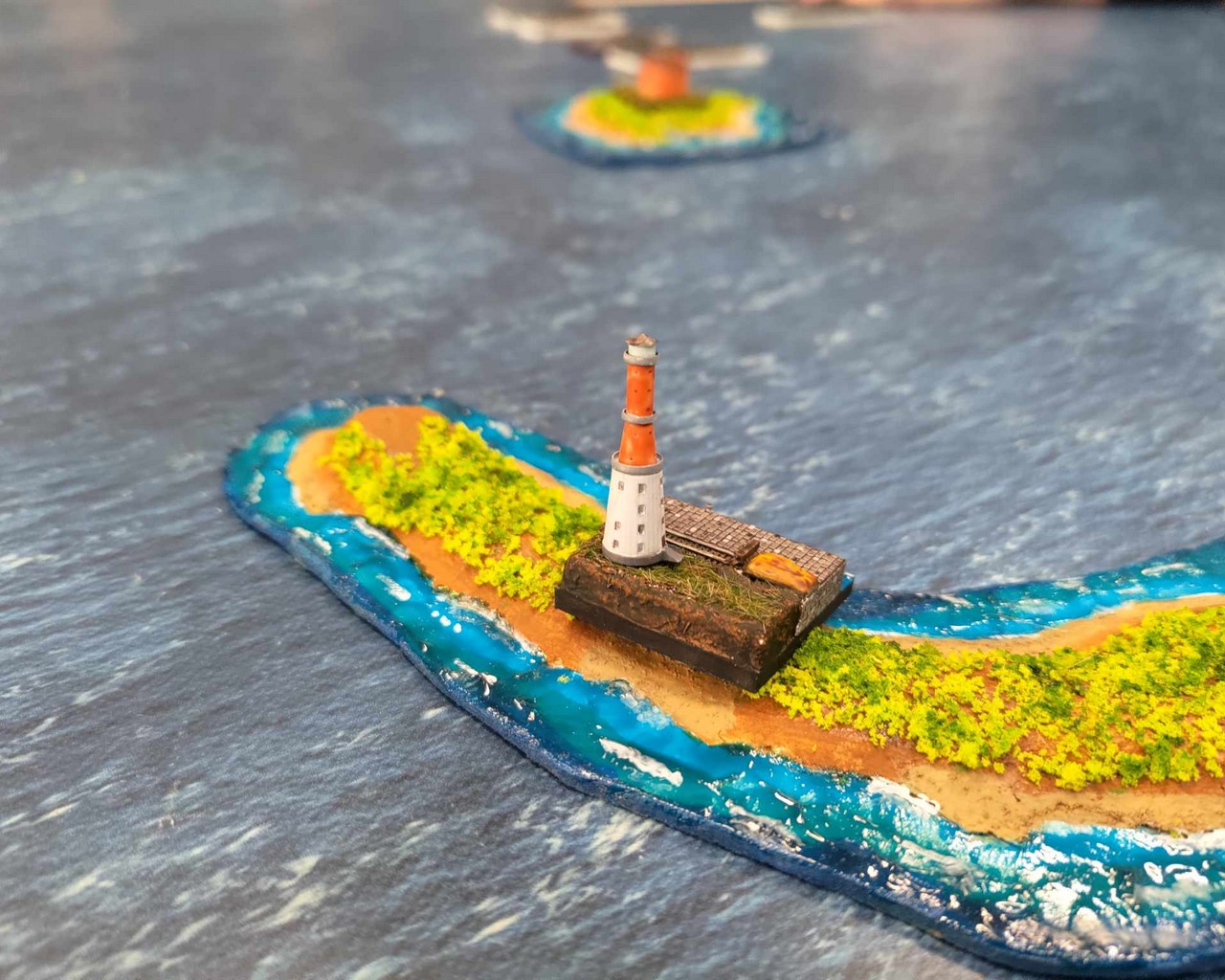
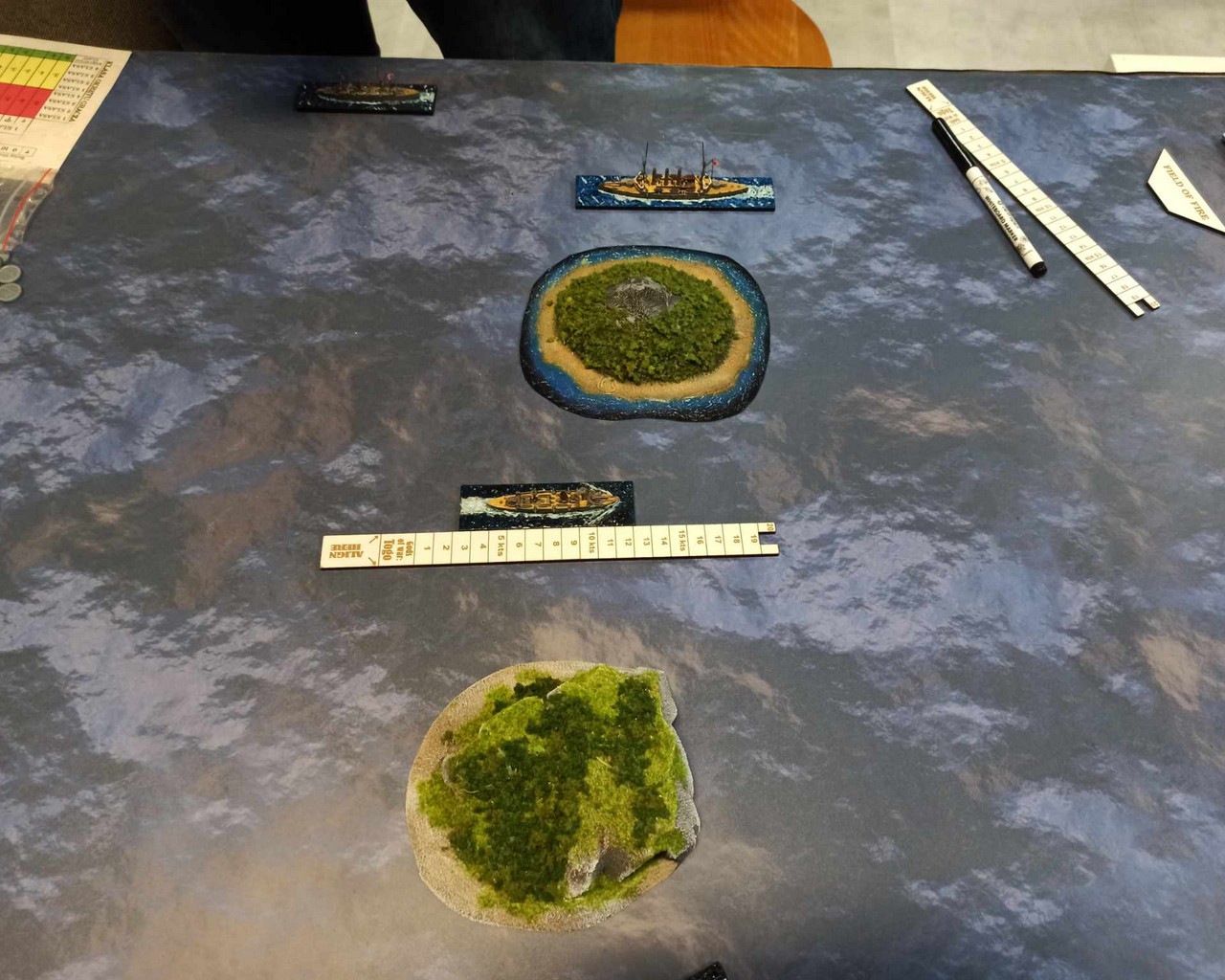
Grzegorz: The fundamental difference between these two systems is that Lee is a comprehensive system for land battles, where you can command armies amounting to tens of thousands of soldiers on the table. Controlling such a scale of troops requires time in itself. Togo, on the other hand, being a naval system, was designed to be fast-paced while retaining the atmosphere of naval warfare. This idea stems from the fact that we all suffer from a lack of time these days. Togo allows people to enjoy a two-hour meeting without having to dedicate countless hours. Understanding the rules of Togo takes just 15 minutes, whereas General Lee is a game for experienced generals who enjoy advanced gameplay.
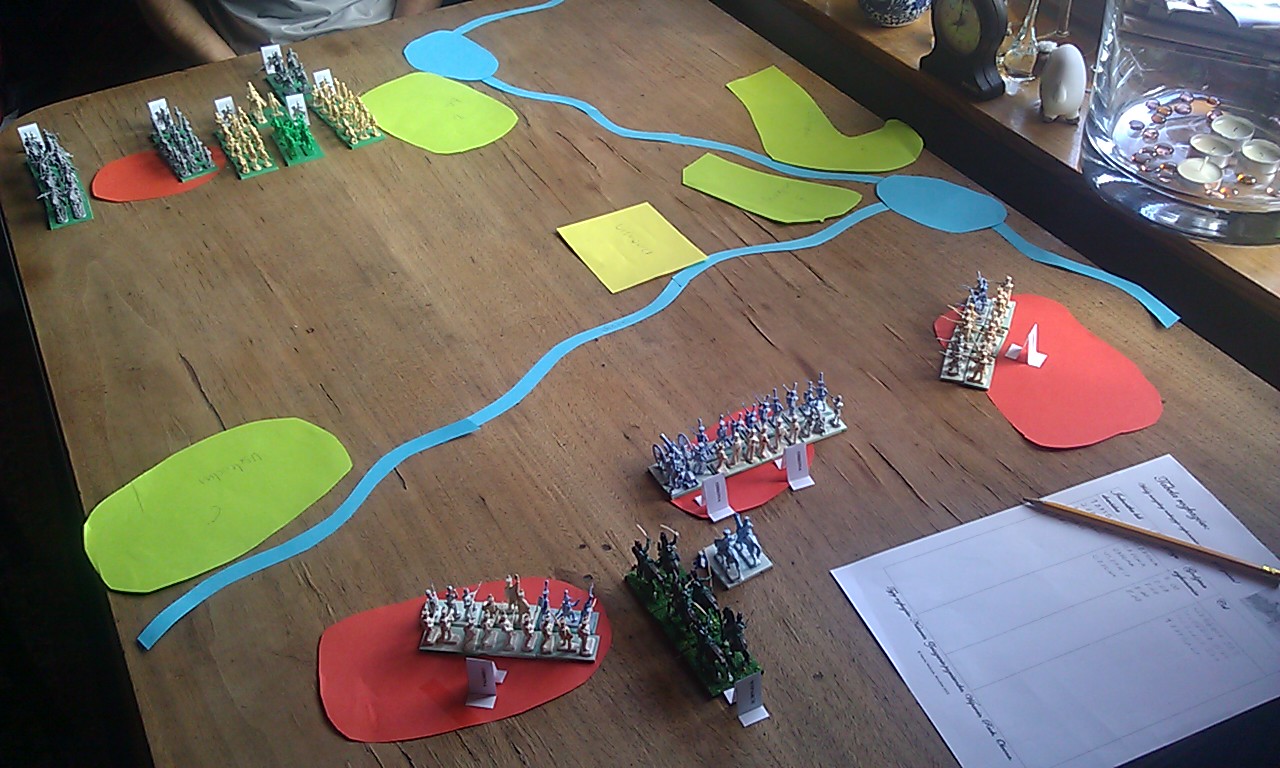
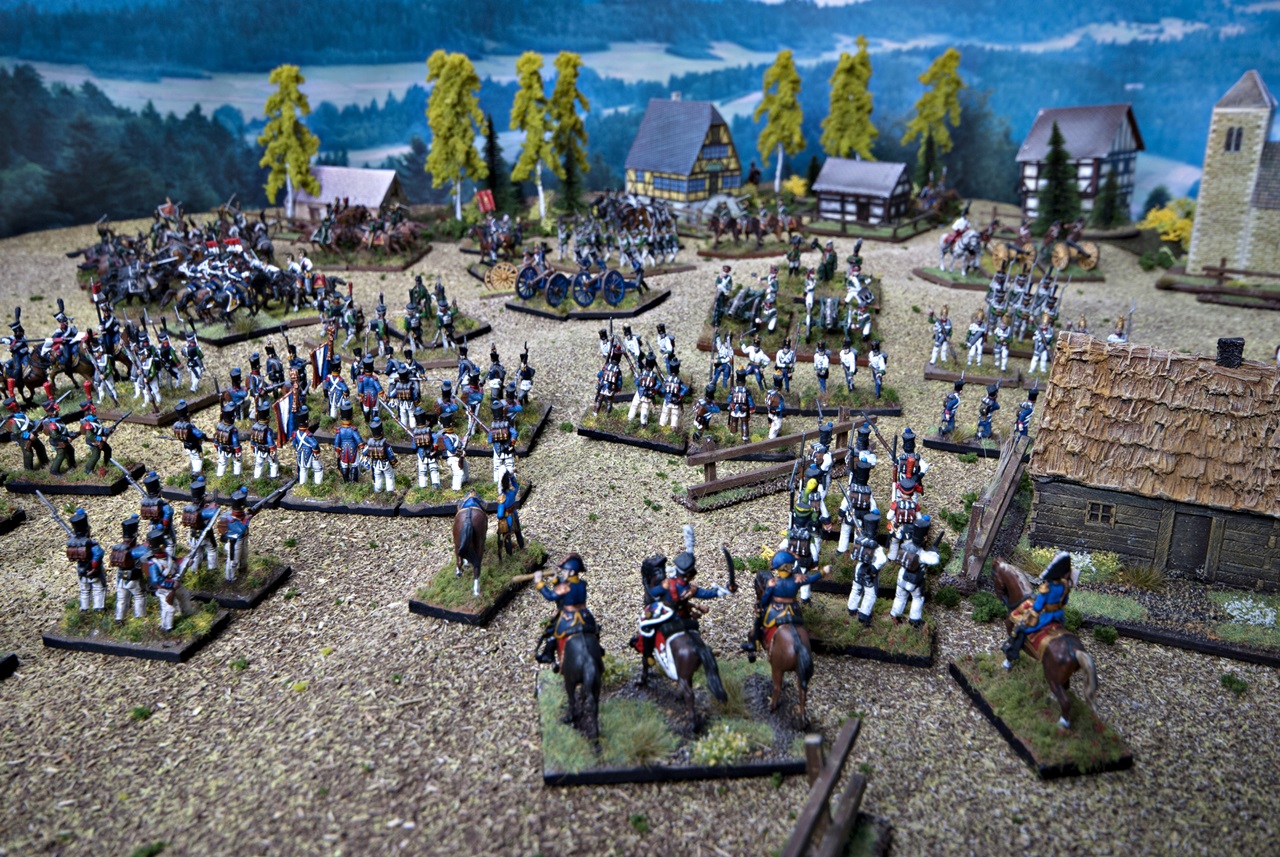
Maciej: Napoleon is a system focused on commanding and conducting battles at the corps level—several divisions. The player must use the right formations to gain an advantage over the opponent. Lee is also a command system, but for larger-scale battles, where you take on the role of the supreme commander of an entire army. You face not only the challenge of managing the diverse personalities of your generals but also a new element absent in Napoleon: the fog of war. This often means making decisions blindly. Togo is a naval battle game that emphasizes planning maneuvers in advance and anticipating where your opponent might be, positioning yourself to best counter them.


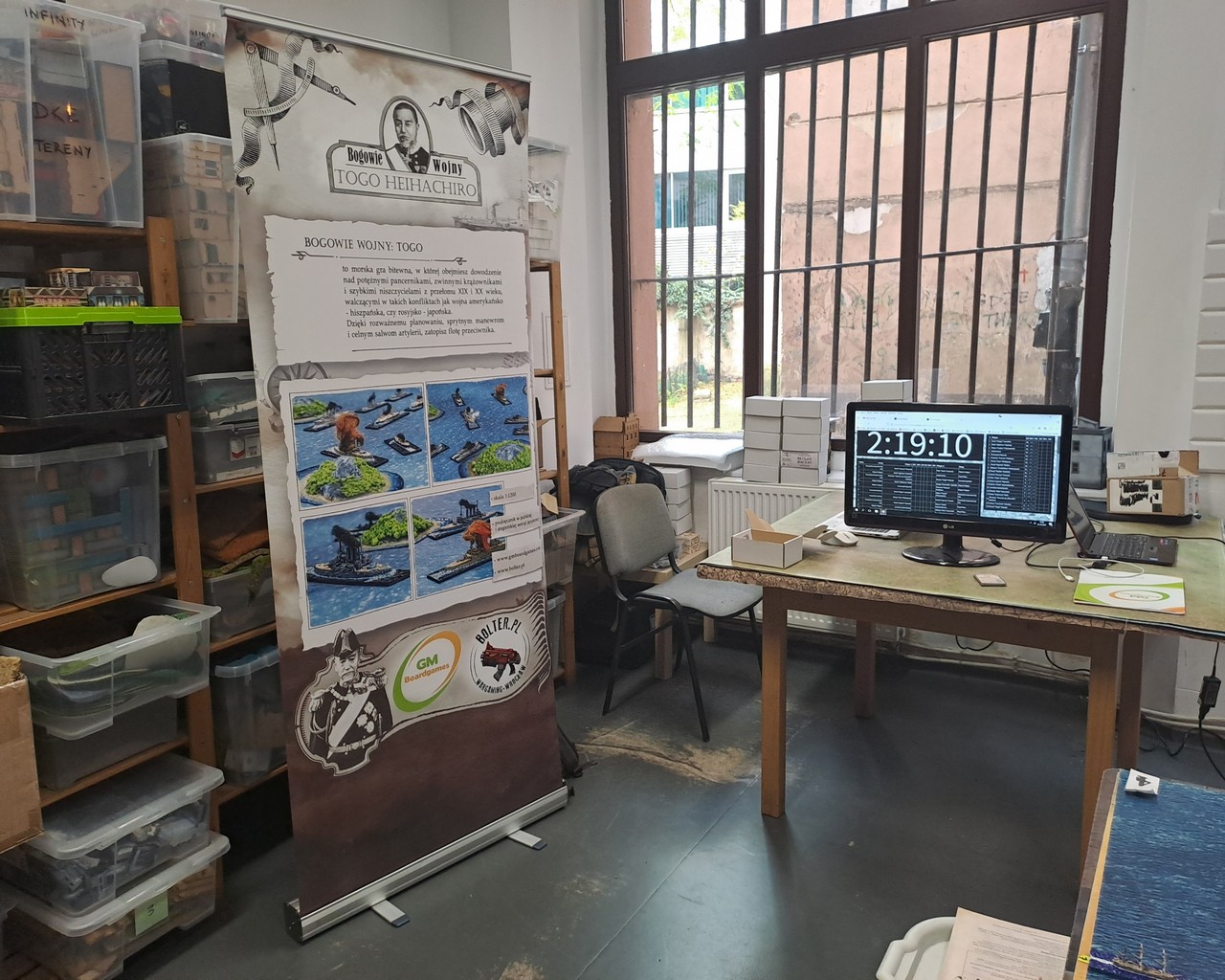
GMBoardgames, with its systems Gods of War: Napoleon, Gods of War: Lee, and Gods of War: Togo, which focus on the 19th century, fill a niche dedicated to this historical period. This era saw significant changes in the art of warfare, travel, and industrial production. In the near future, the second edition of Gods of War: Togo will be released. Thanks to Kickstarter, this edition not only includes the British fleet but also features an English version—fingers crossed for the game’s success beyond our borders!
Thank you, Adam, Grzegorz, Jakub, and Maciek, for the opportunity to interview you. I wish you the best of luck in your projects, whether it’s creating new, exciting games or running a place like Bolter.























 tancreddebeauville
 Tancred’s Tabletop Tales