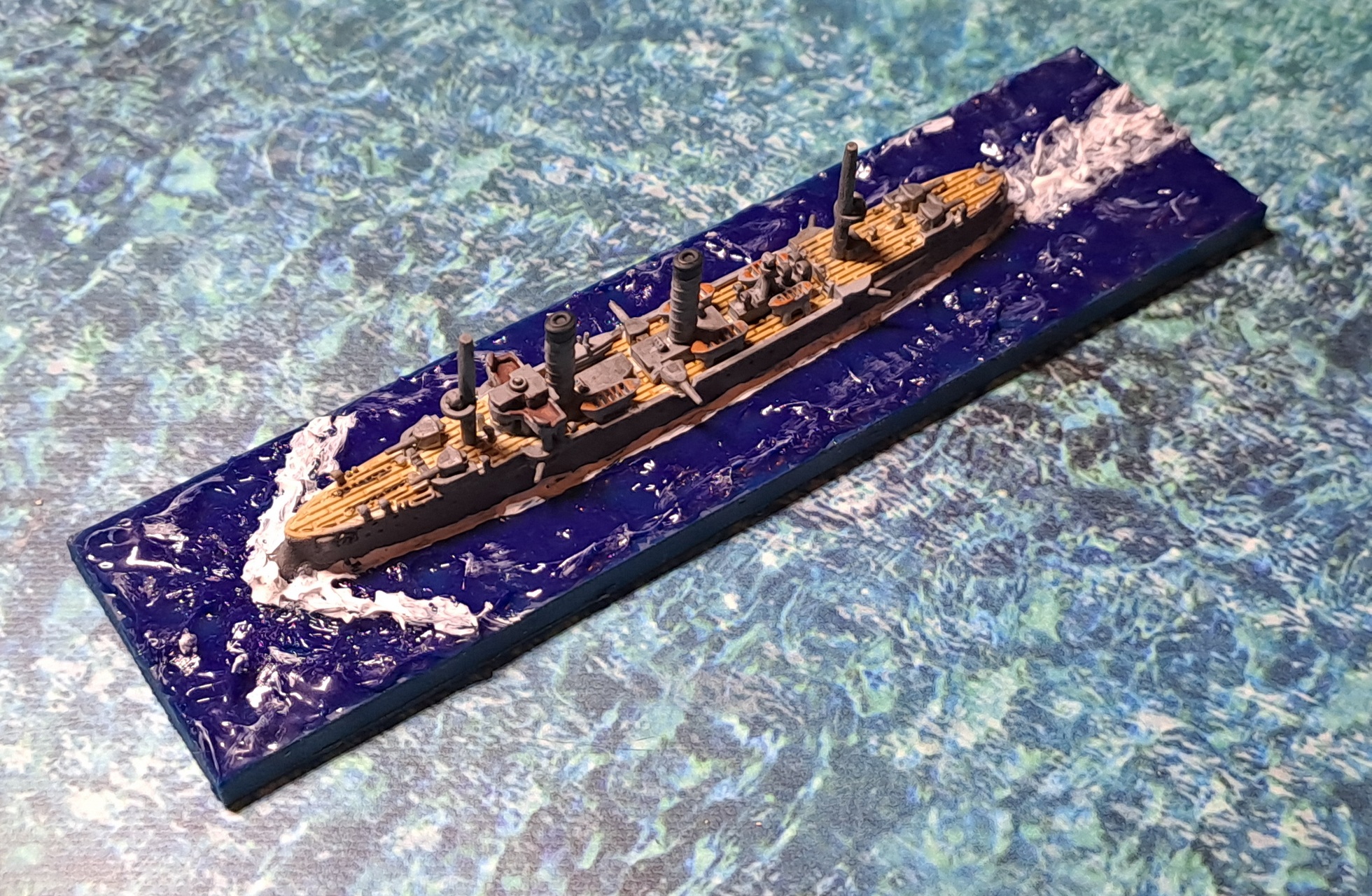
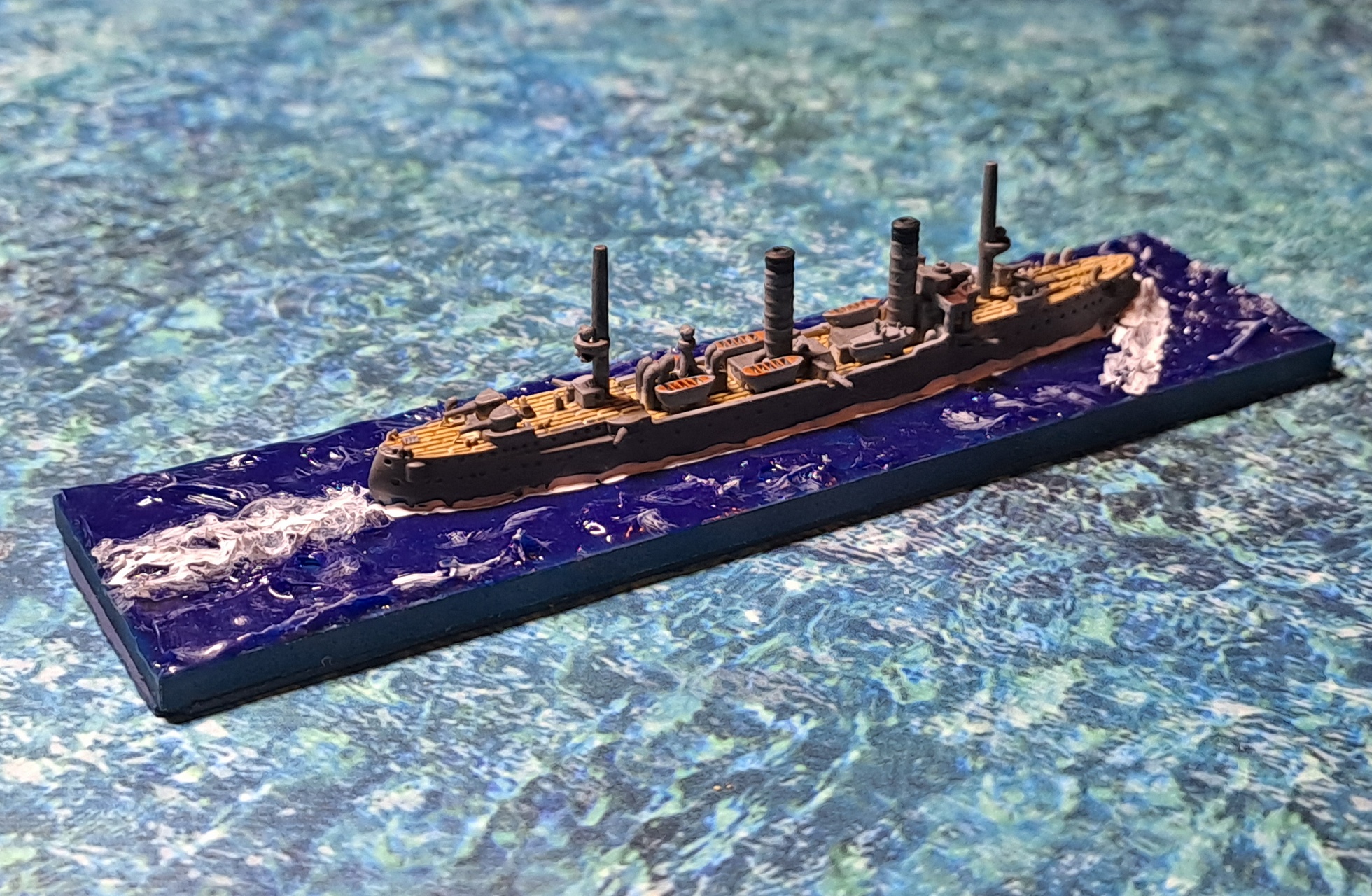
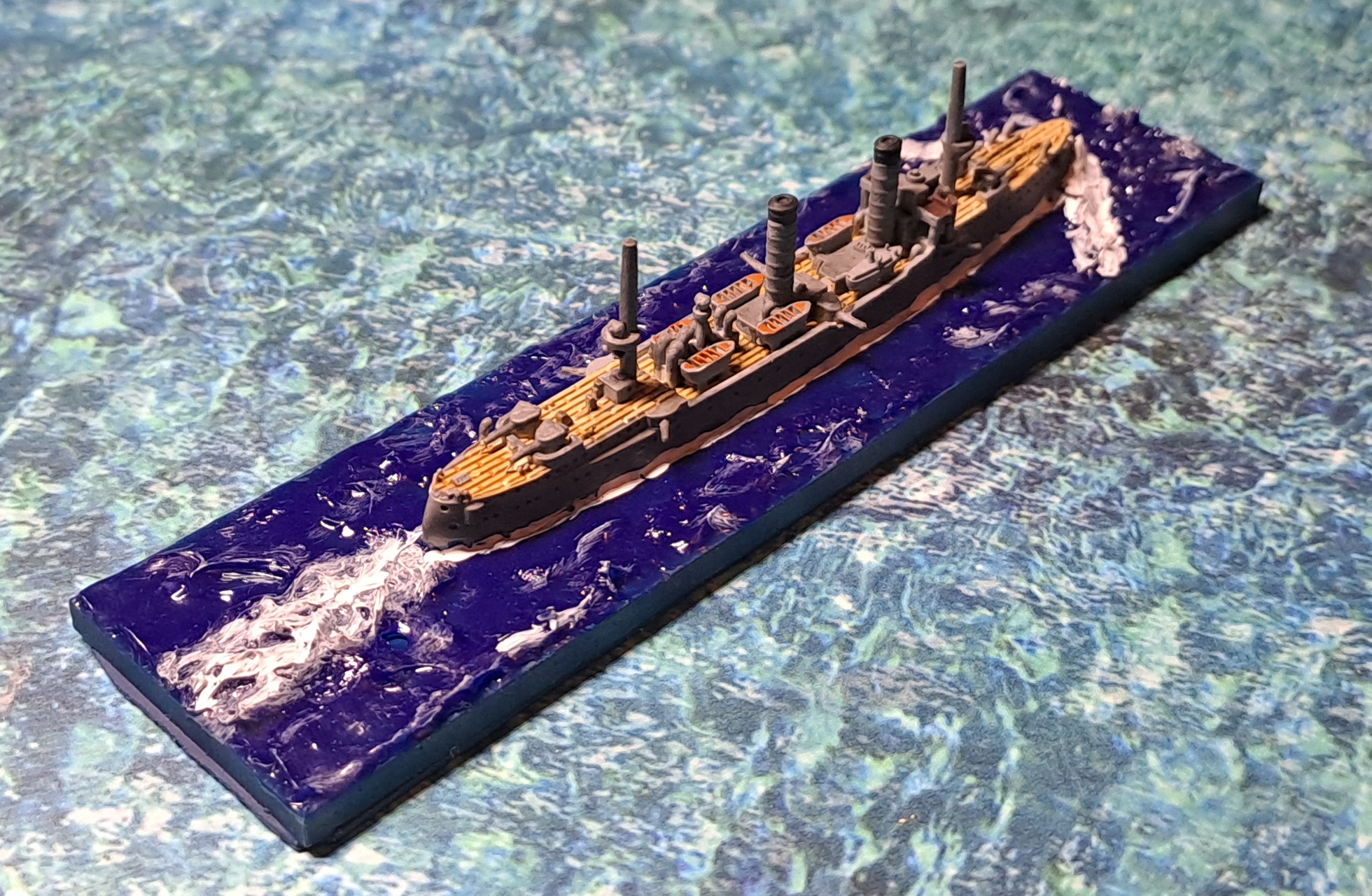
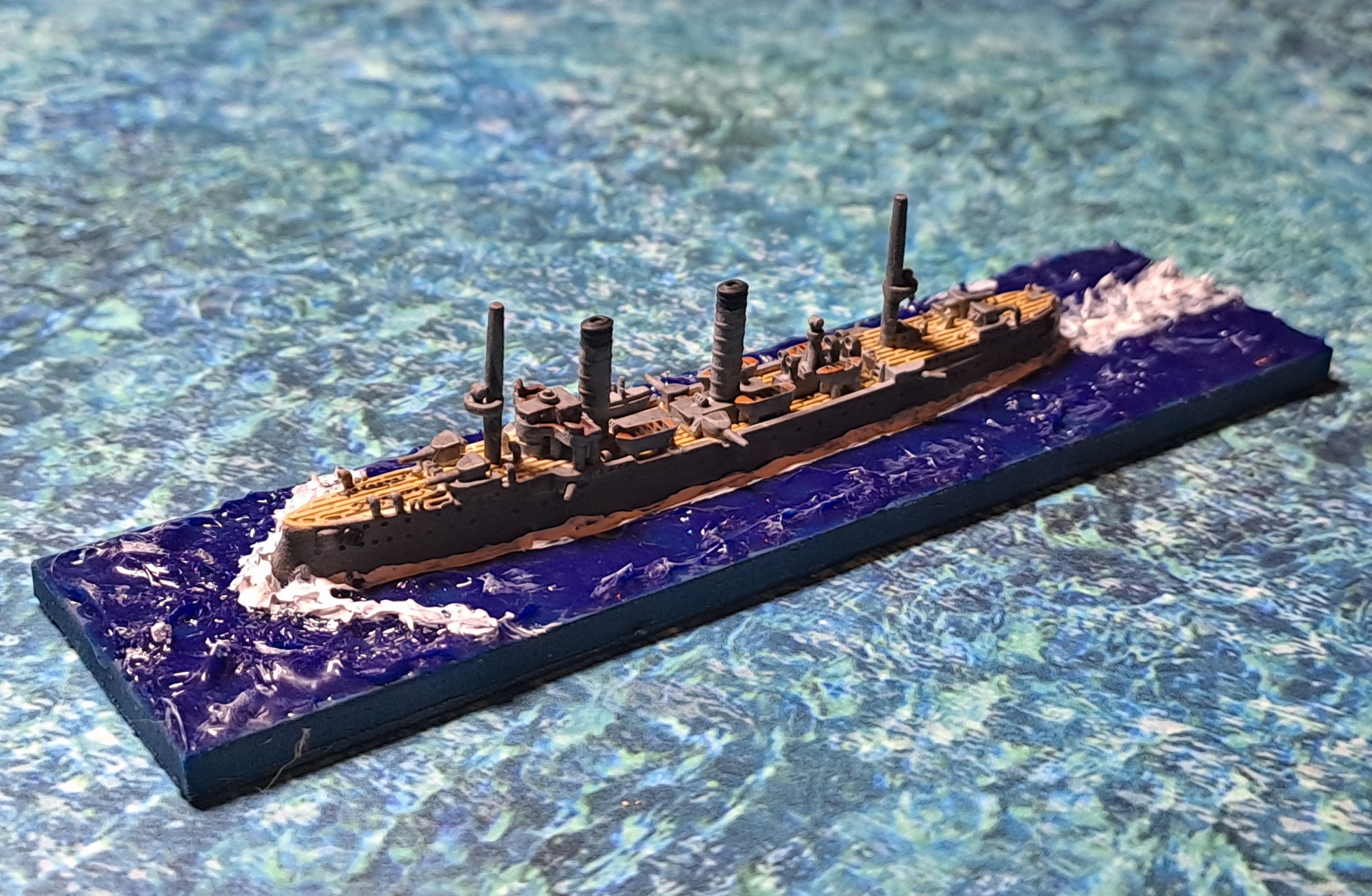
🇬🇧 Today I managed to finish light cruiser for the Kaiserliche Marine — the Imperial German Navy of the late 19th and early 20th centuries. Basically, it’s up to the player whether it will be Gazelle or Nymphe, as the set includes cards for both units. ⚓
The Gazelle-class cruisers hold a legendary status in the Imperial German Navy, becoming the prototype for many similar ships in the fleet. When Germany began building its new fleet of cruisers in the 1880s, there was considerable debate over the types of ships that would be needed. Large ships like the Bussard and later the Victoria Louise were developed, but they were relatively slow. The fleet urgently required smaller, faster vessels to serve as scouts, supporting battleships. However, Admiral Tirpitz also wanted these new ships to retain the capability for raiding operations, which meant they needed long-range capabilities. At the same time, the costs of individual ships and their tonnage were severely limited.
As a result, the first ship in the series, Gazelle, could reach around 20 knots, which was not fast enough, given that even German battleships at the time could nearly match this speed. Additionally, the ship’s relatively weak armament was a major compromise, a result of the many trade-offs required during its design. Subsequent ships of this type had their speed increased to around 22 knots, which was considered sufficient for the intended tasks, though their armament was not strengthened.
The Gazelle and her sister ships became the blueprint for many subsequent German cruiser series, which generally followed a similar armament pattern.
* – description of the Gazelle/Nymphe by GMBoardgames.
🇵🇱 Dziś udało mi się ukończyć mój lekki krążownik do Kaiserliche Marine — floty Cesarstwa Niemieckiego z przełomu XIX i XX wieku. Zasadniczo od użytkownika zależy czy będzie to Gazela czy Nimfa, ponieważ w zestawie są karty do obu jednostek. ⚓
Krążowniki typu Gazelle stały się w pewnym sensie legendą niemieckiej, Cesarskiej Marynarki Wojennej, stając się w tej flocie protoplastą wielu typów podobnych jednostek. Kiedy Niemcy w latach 80-tych rozpoczęły tworzenie nowej floty krążowników, dochodziło do licznych dyskusji, jakie okręty będa im potrzebne. Powstawały m.in. duże okręty, jak Bussard, czy później Victoria Louise, które jednak były stosunkowo wolne. Flota potrzebowała pilnie oprócz tych sporych jednostek, także mniejszych okrętów – szybkich, które mogłyby pełnić rolę zwiadowców floty, działając na korzyść pancerników. Jednocześnie jednak adm. Tirpitz chciał, aby nowe okręty zachowały możliwość działań rajderskich, co oznaczało zachowanie dużego zasięgu pływania, jednocześnie koszty pojedynczego okrętu, a co za tym idzie jego tonaż, były bardzo ograniczone. W konsekwencji pierwszy okręt serii – Gazelle, mógł rozwinąć do 20 węzłów – co nie było wystarczające, gdy nawet sami Niemcy wprowadzali do służby pancerniki, które mogły poruszać się z prędkością zaledwie węzeł mniejszą. Dodatkowo jednostki te posiadały relatywnie słabe uzbrojenie, które było największym kosztem licznych kompromisów, jakie należało zawrzeć w trakcie powstawania tego okrętu. Kolejne jednostki tego typu miały prędkość zwiększoną do koło 22 węzłów, co uznano już za wystarczającą wartość dla planowanych zadań. Nie wzmocniono natomiast uzbrojenia.
Gazelle i kolejne jednostki z tego typu stały się protoplastą wielu kolejnych serii niemieckich krążowników, które generalnie powielały podobny schemat uzbrojenia.
* – opis Gazeli/Nimfy wg GMBoardgames.
🇬🇧 Summary:
– The ship is very enjoyable to paint and comes with additional elements, such as lifeboats, which add a lot of character.
– Due to having two cards, both ships have similar profiles: a substantial amount of light and medium artillery, one torpedo on each broadside, and a ram. They differ in details, however — Gazelle has a bow-mounted torpedo that Nymphe lacks, while Nymphe makes up for it with higher speed.
🇵🇱 Podsumowanie:
– Okręt jest bardzo przyjemny w malowaniu i oferuje dodatkowe elementy, takie jak szalupy ratunkowe, które dodają mu charakteru.
– Ze względu na posiadanie dwóch kart oba okręty mają zbliżone parametry: liczną artylerię lekką i średnią, po jednej torpedzie na każdej burcie oraz taran. Różnią się jednak detalami — Gazela posiada torpedę dziobową, której Nimfa nie ma, natomiast Nimfa nadrabia to wyższą prędkością.


–
 tancreddebeauville
 Tancred’s Tabletop Tales
A nice looking model, Mirek! 🙂
Thank you John🙂. Few more and squadron will be ready to action.